trees
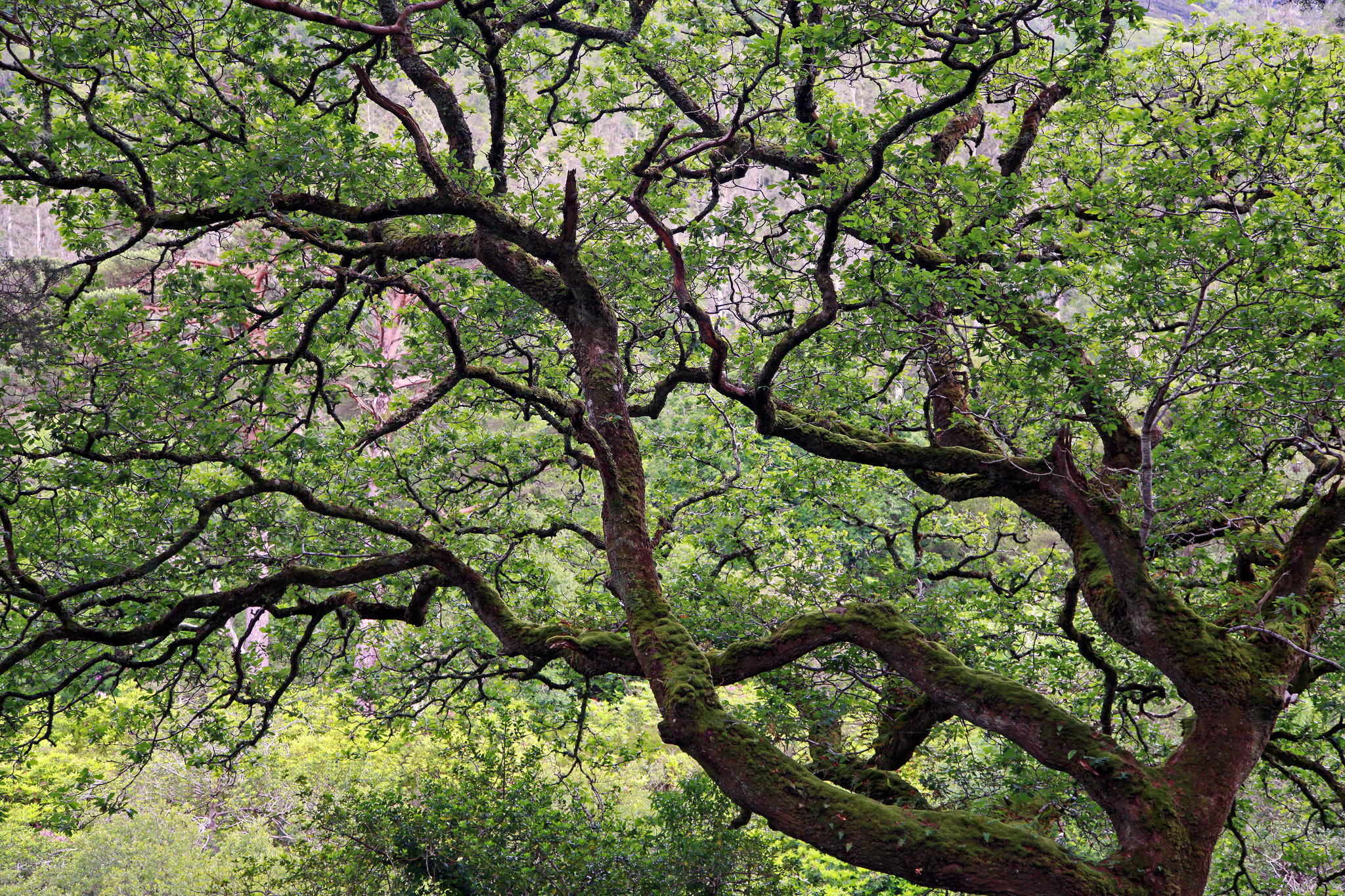
Carbon Dioxide Marches On
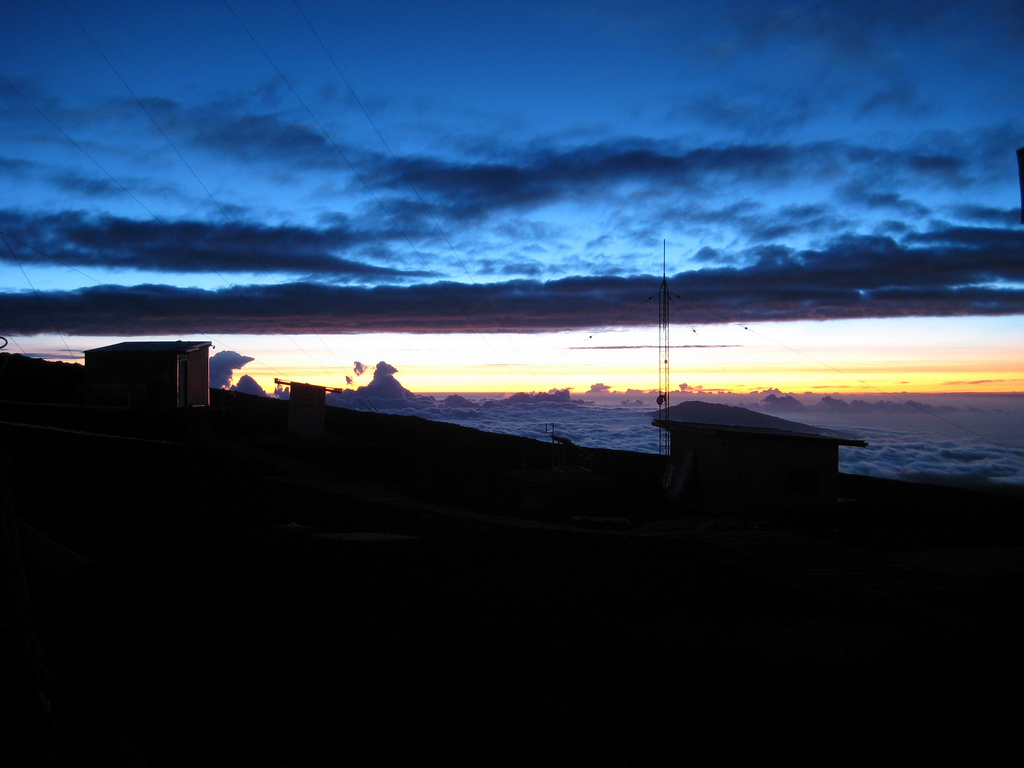
The end of 2013 marked the first occasional observations of carbon dioxide levels in the atmosphere of 400 parts per million. There is nothing magical about that value, but we do tend to focus on round numbers.
Liana Vines And Carbon
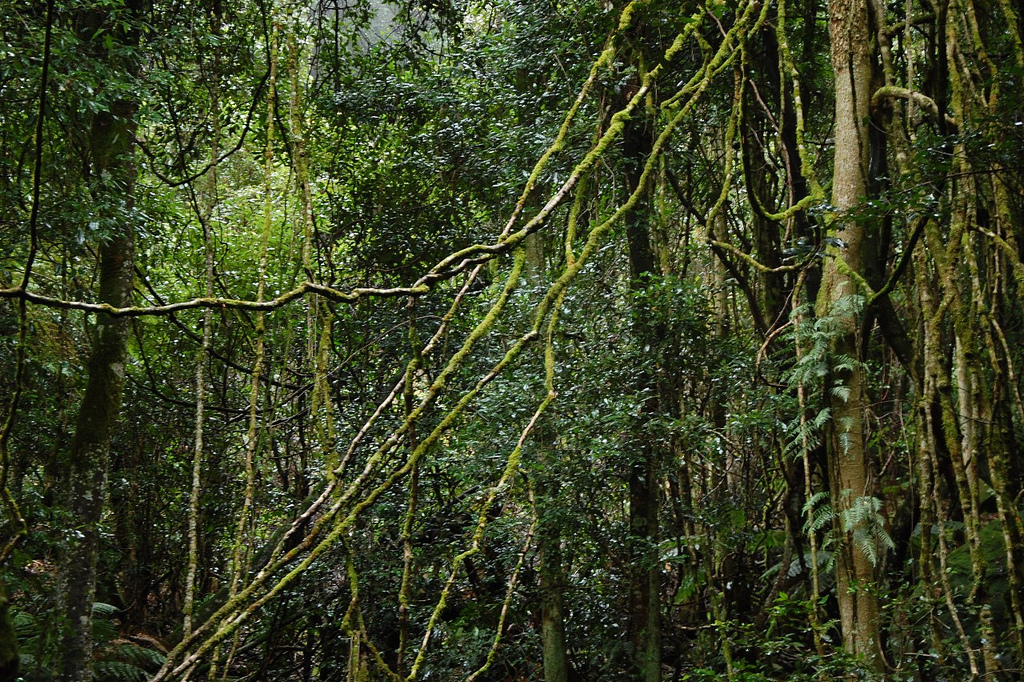
Liana vines are long-stemmed, woody vines that are rooted in the soil at ground level and use trees or other means of vertical support to climb up to the canopy to gain access to sunlight. There are numerous varieties from many plant families. And, for reasons that are not entirely clear, their abundance has doubled in recent decades.
Terrestrial Plants and Lake Ecosystems
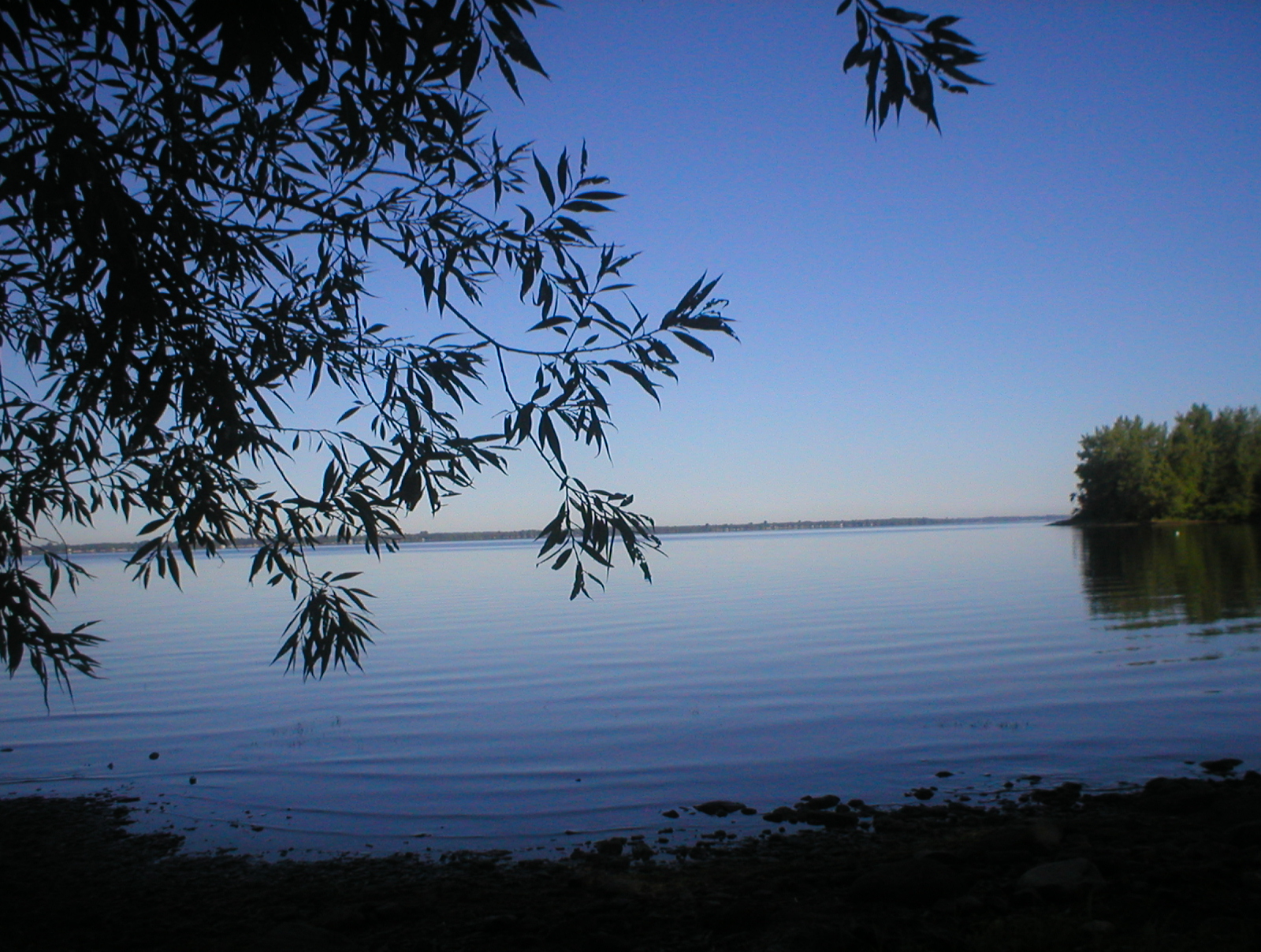
Most of the planet’s freshwater stores are found in the northern hemisphere, a region that is changing rapidly in response to human activity and shifting climate trends. A recent study analyzed 147 northern lakes and found that many rely on nutrients from tree leaves, pine needles, and other land-grown plants to feed aquatic life.
Tires From Trees
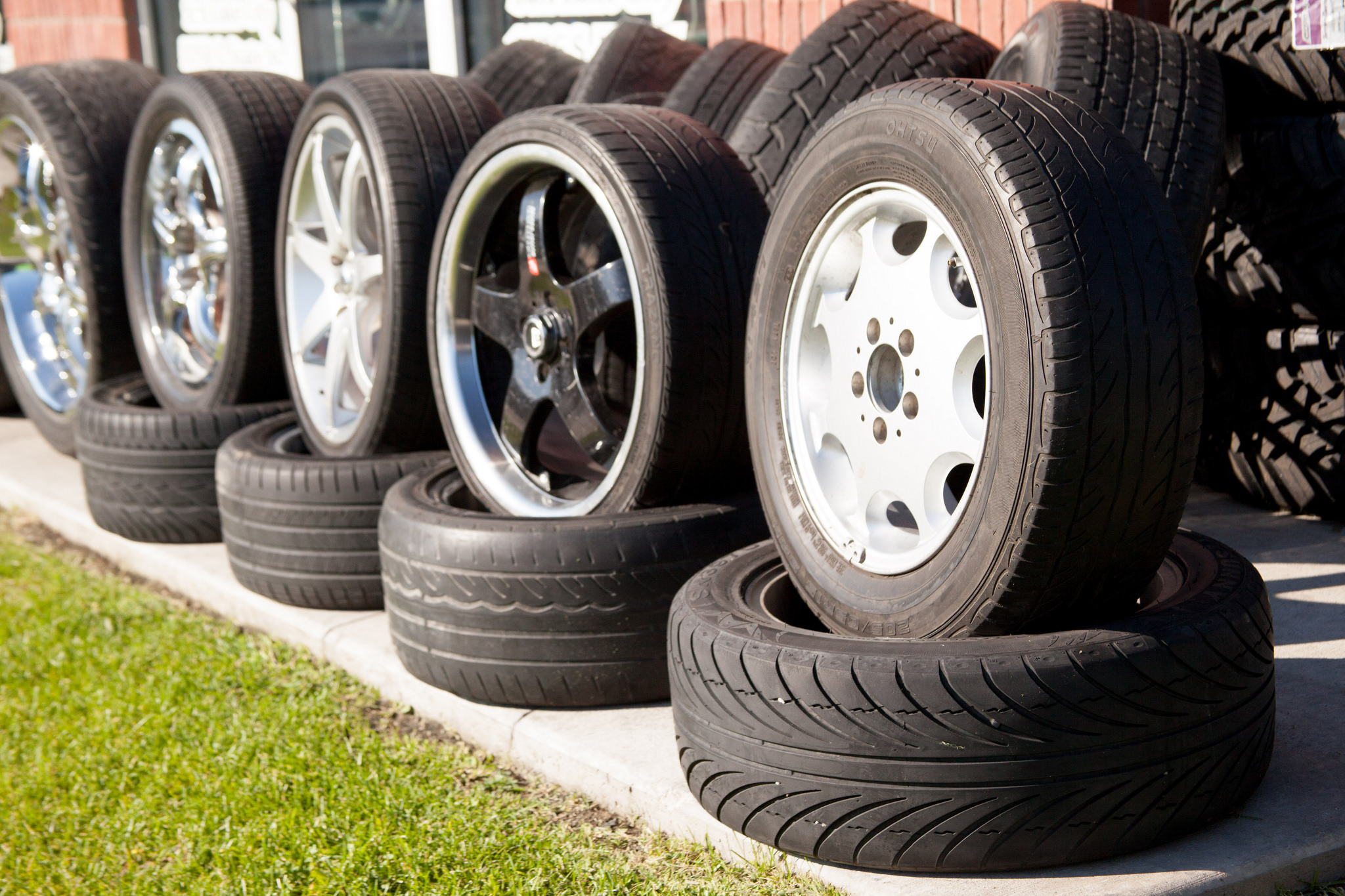
Car tires are generally considered environmentally unfriendly because they are predominantly made from fossil fuels. Natural rubber is generally not used anymore; most tires are made from isoprene, which is chemically very like rubber but is produced by thermally breaking apart molecules in petroleum in a process called cracking. The isoprene is separated out and purified and then reacted to form the artificial rubber that is the major component in car tires. The tires eventually end up discarded in giant piles that represent one of our biggest waste disposal problems.
Dying California Trees
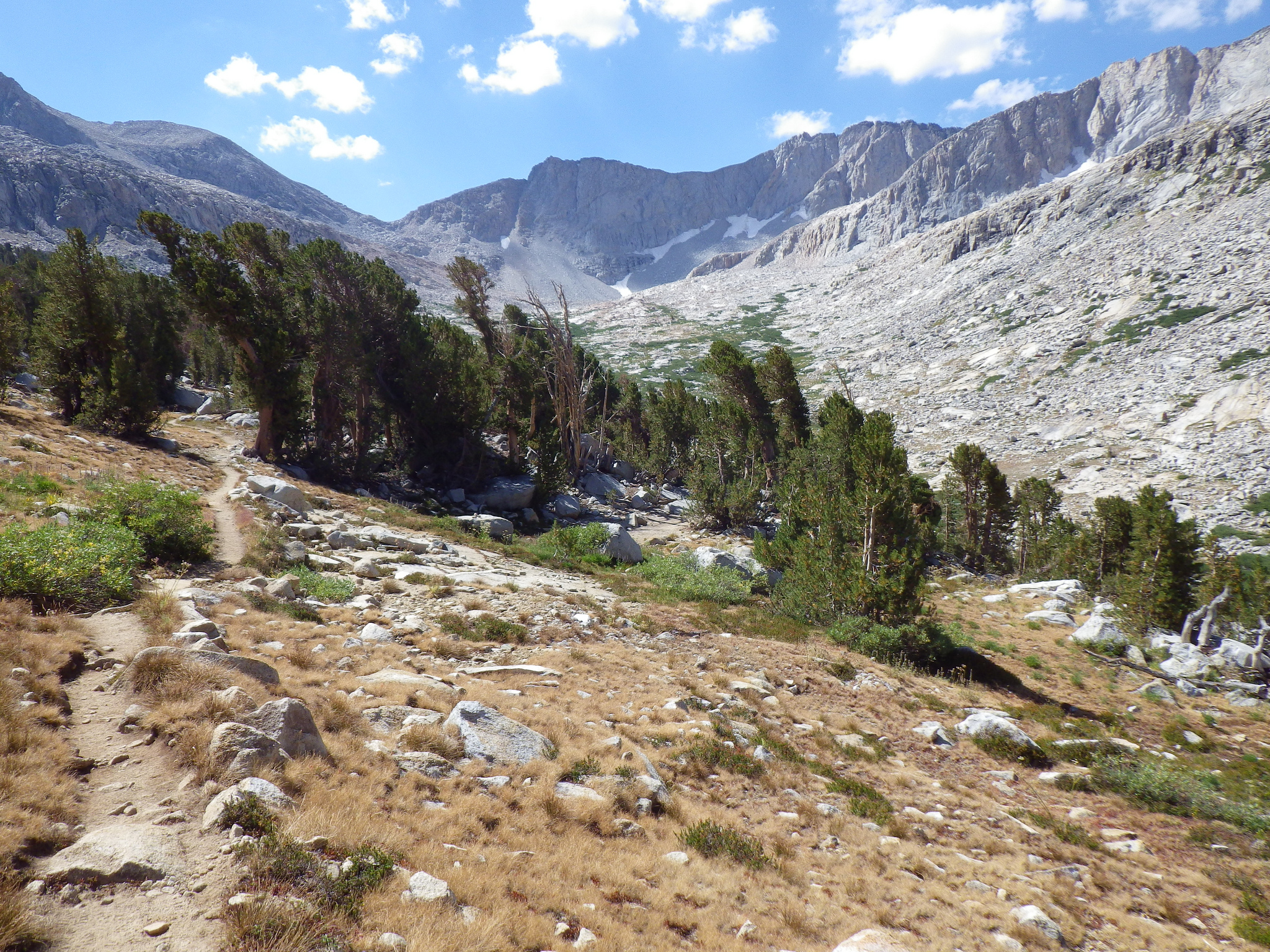
California’s trees are dying. According to the U.S. Forest Service, more than five years of drought in California has left 102 million dead trees across 7.7 million acres of forest. In fact, 62 million trees have died this year alone – a 100% increase from 2015.
The Zombieless Apocalypse
Post-apocalyptic fiction is all the rage these days. There are numerous stories featuring an endless list of civilization-ending disasters: asteroid collisions, cataclysmic earthquakes, nuclear wars, supervolcanoes, pandemics… the list goes on and on. Most of the time, humanity either perishes entirely, is reduced to a handful of heroic and astonishingly resourceful souls, or ends up inexplicably as zombies staggering around the landscape in search of brains.
Small Forests And Climate
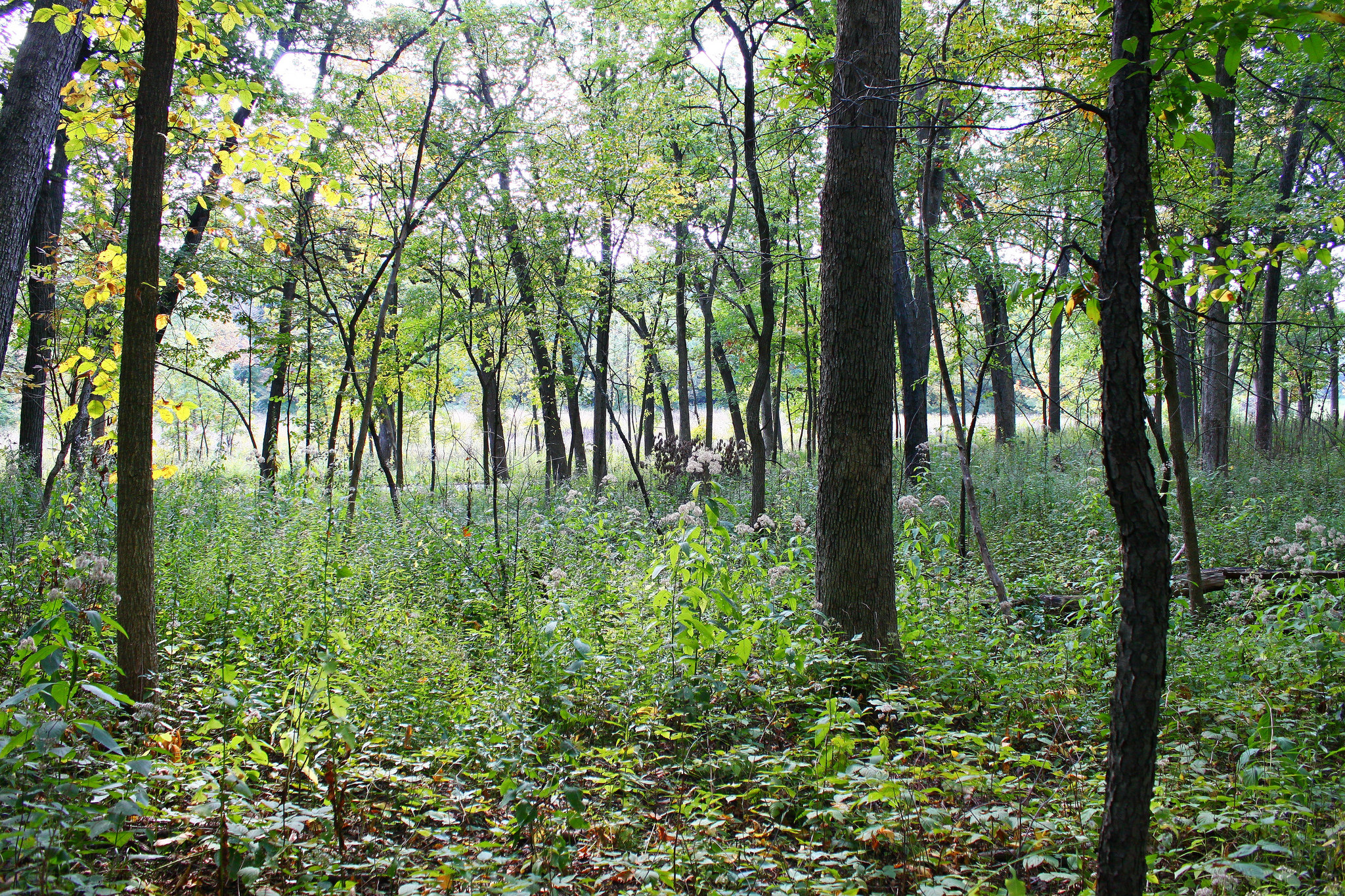
Trees are the number one way in which carbon can be removed from the atmosphere and stored in vegetation over the long term. A single tree can absorb CO2 at a rate of 48 pounds per year. Because of this, the carbon footprints of 18 average Americans can be neutralized by one acre of hardwood trees. And it has been found that managed forests accumulate more carbon per acre than unmanaged forests.
World Deforestation
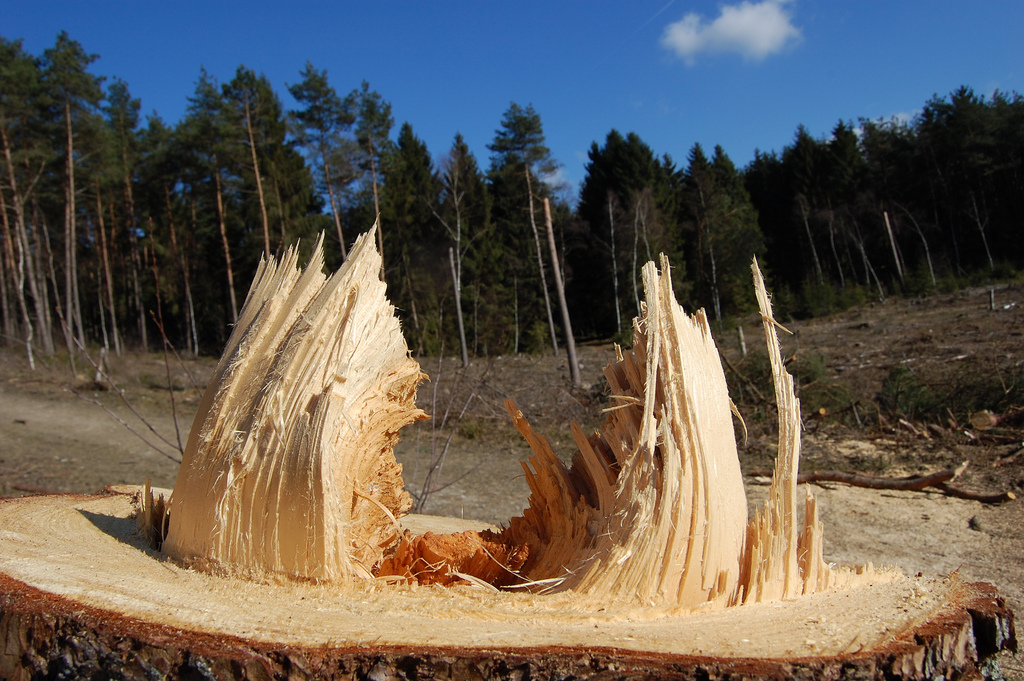
Forests are a vital part of biodiversity and are one of the planet’s most important natural repositories for carbon dioxide. They are also continually under attack by multiple forces: more mouths to feed, more wood needed to burn and build with, more paper to manufacture, and more land needed to graze cattle.
Restoring An Urban River
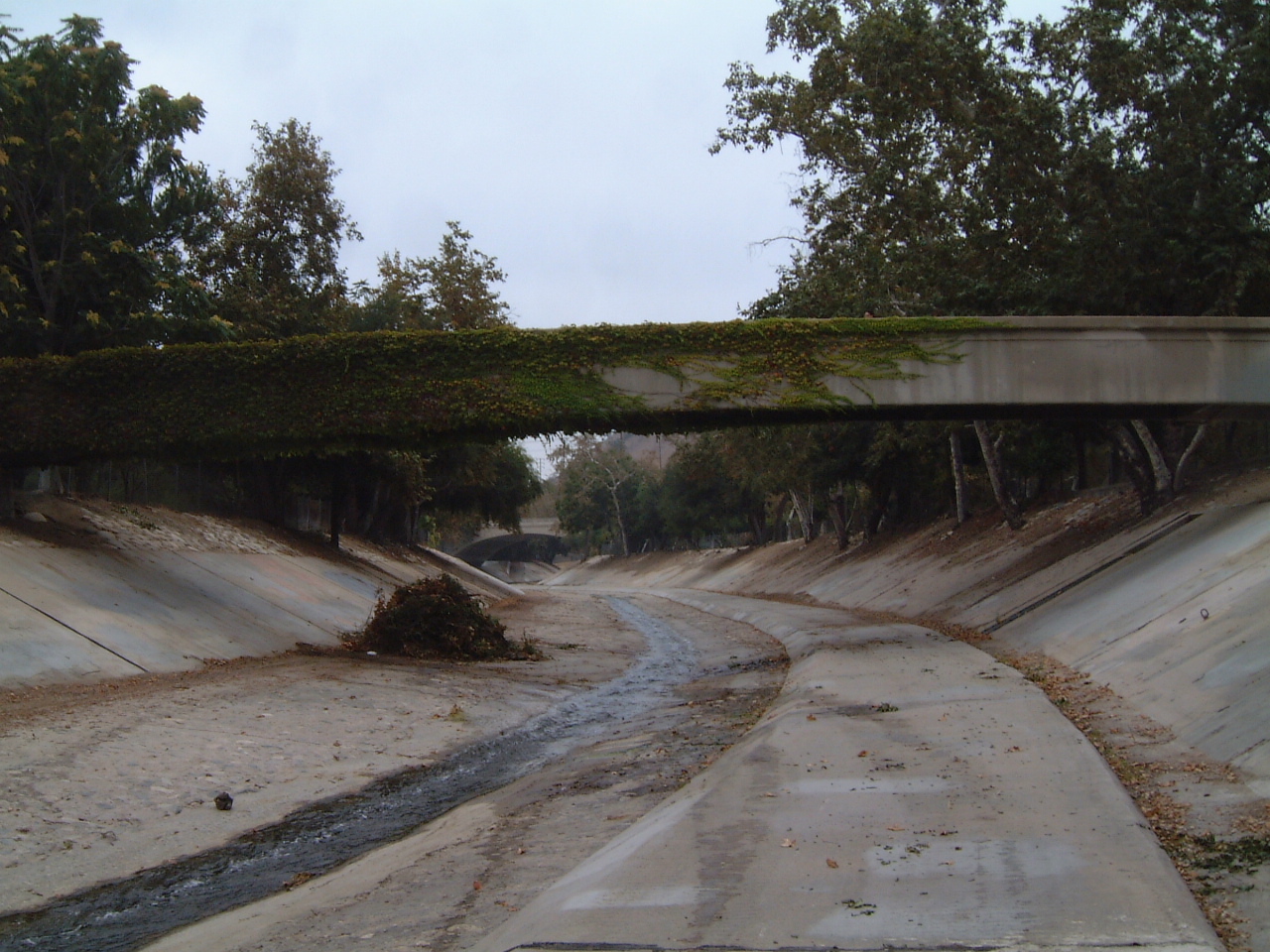
Those of us who grew up in Los Angeles are quite familiar with the L.A. River. It’s not much of a river at all. Just a 51-mile-long concrete drainage ditch that shows up from time to time in movies like The Italian Job and Terminator 2.
A Refuge For Black Spruce
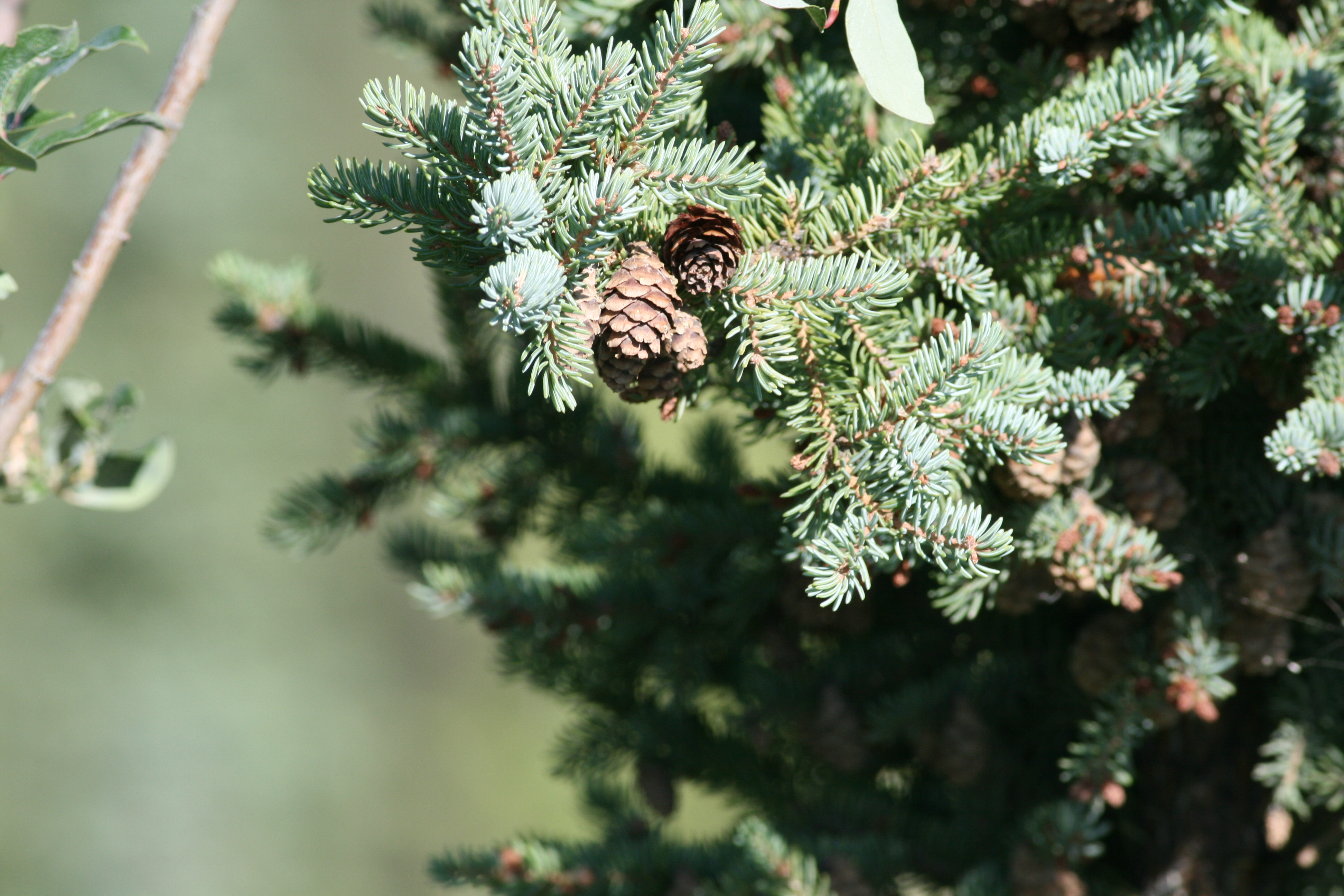
In the Canadian province of Quebec, a study of more than 26,000 trees across an area the size of Spain forecasts winners and losers in a changing climate.
Light Pollution And Early Spring
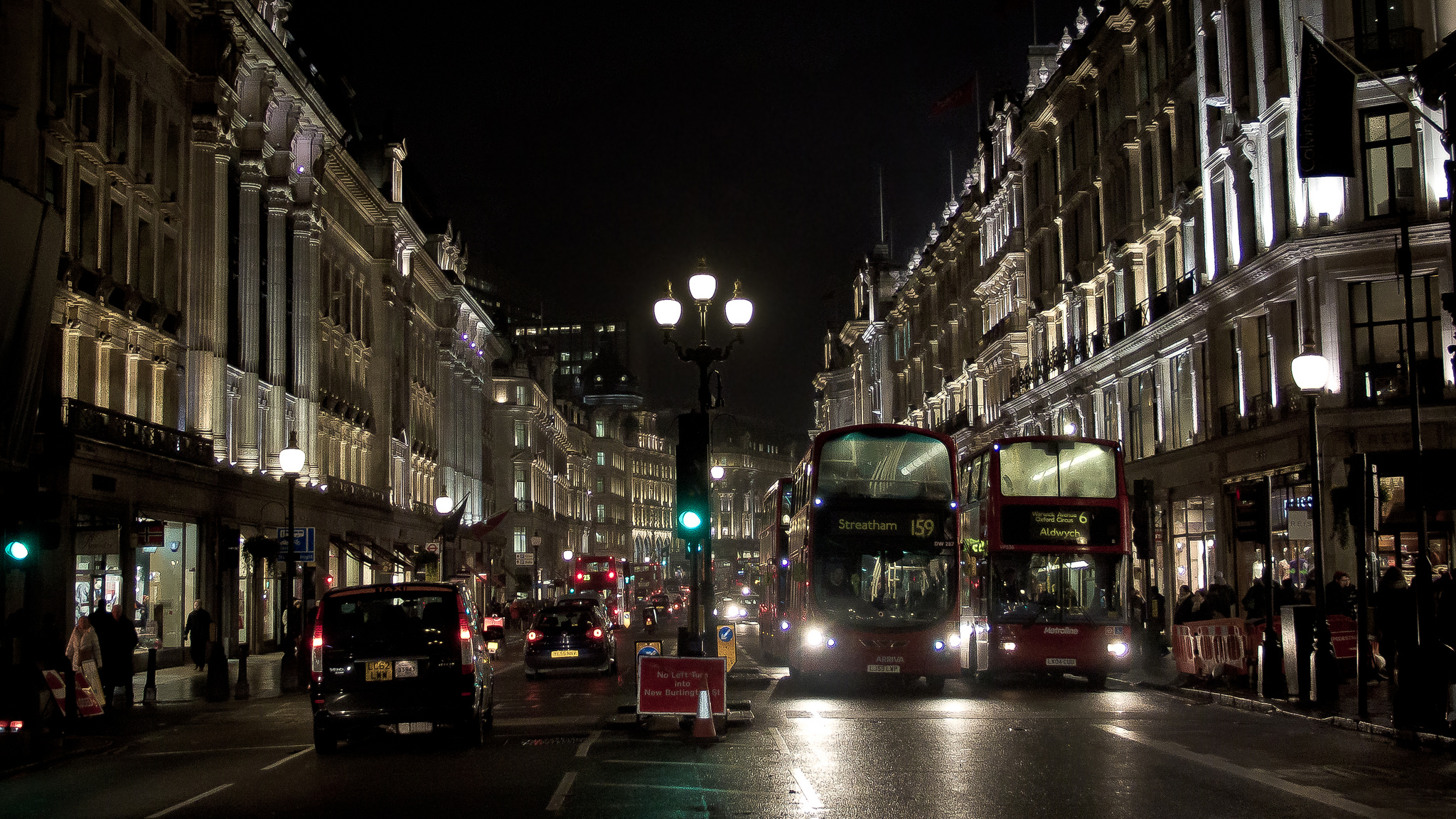
We have talked about the impact of light pollution on our ability to see stars and the Milky Way. We have also discussed its impact on our circadian rhythms. Recently, scientists in Great Britain published a report on the relationship between light pollution and the timing of when trees produce their buds. The results of the study suggest that light pollution is causing plants to jump the gun on spring.
Lessons From The Forest
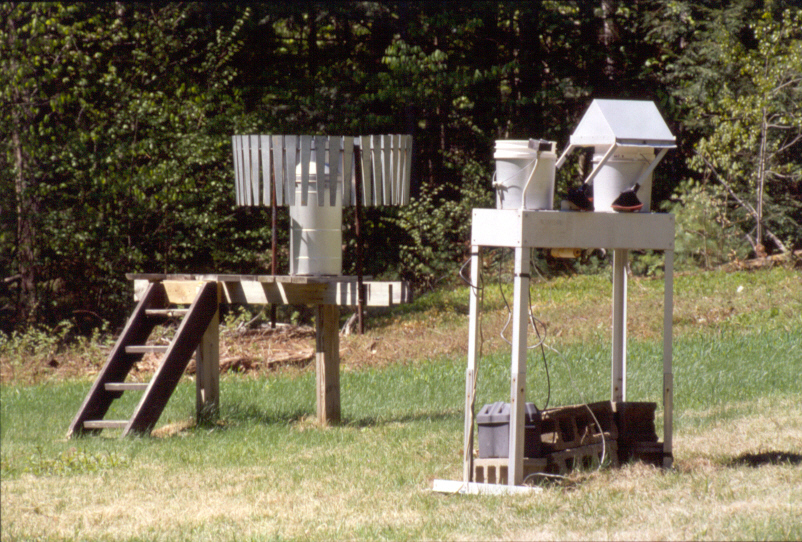
For more than half a century, scientists have converged on Hubbard Brook Experimental Forest in New Hampshire’s White Mountains to explore how forest ecosystems work. The site was established by the U.S. Forest Service to study the relationship between forests and New England’s water supply. In the 1960s, inquiry was expanded to include ecology, biogeochemistry, and studies of birds and other animals.
The Value Of Street Trees
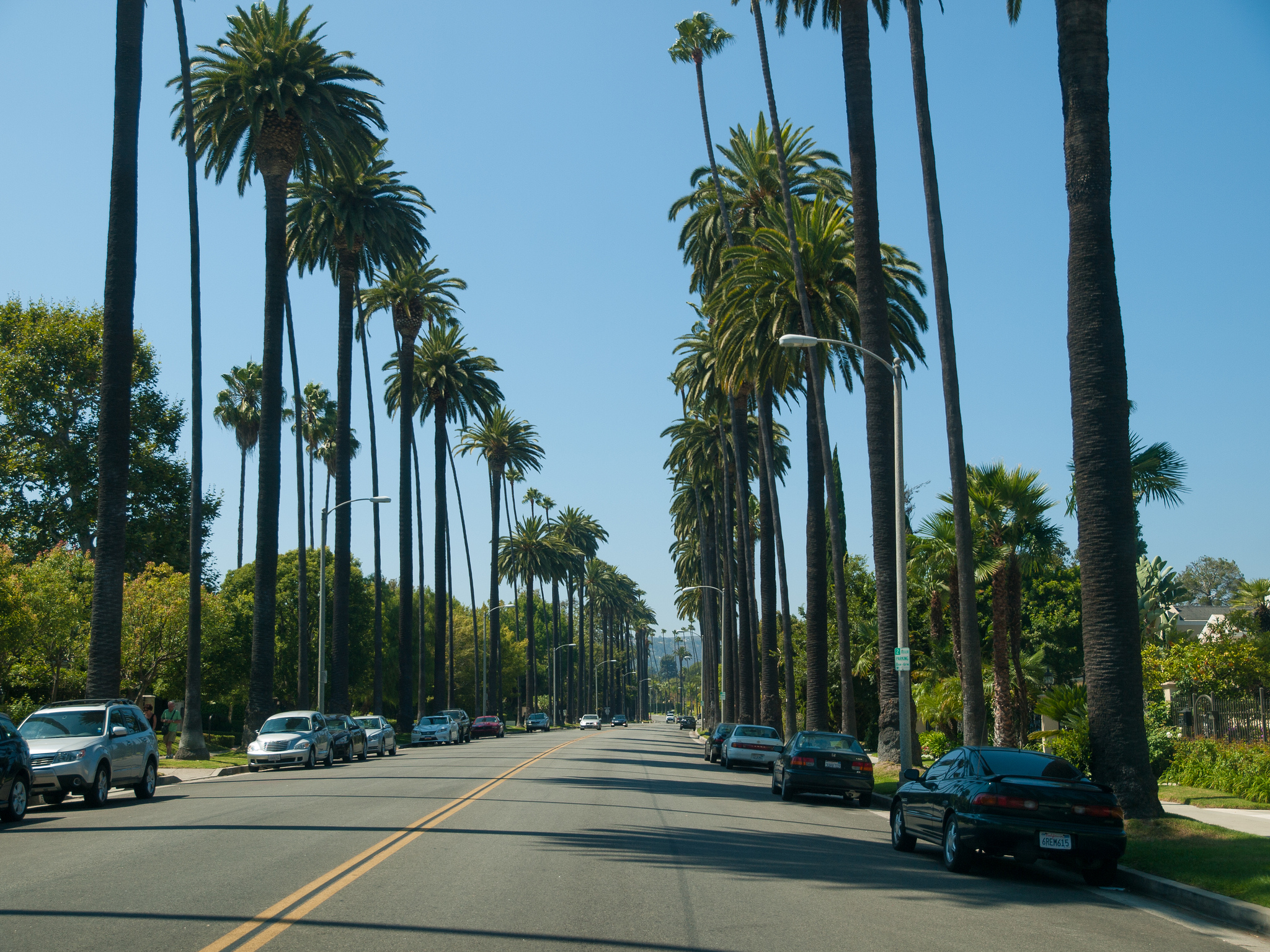
Why should you care whether there are trees on your street or on the streets nearby? Besides the obvious fact that they make streets more attractive, street trees provide a number of real benefits both for residents and for the environment.
CO2 Air Capture
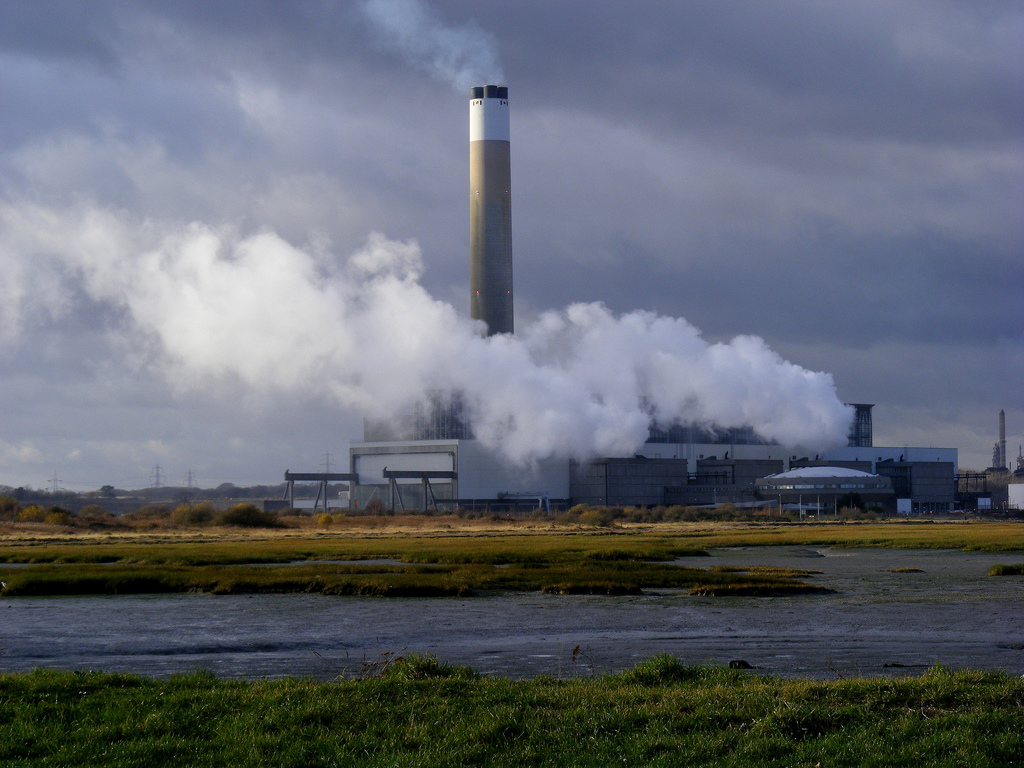
The level of carbon dioxide in the atmosphere has reached 400 parts per million and is still rising. Climate scientists say that 450 parts per million would be dangerously high. Many experts say that we really need to get back to 350 parts per million. We are trying to prevent global temperatures from rising more than 1.5 degrees Celsius.
The Trouble With Burning Forests
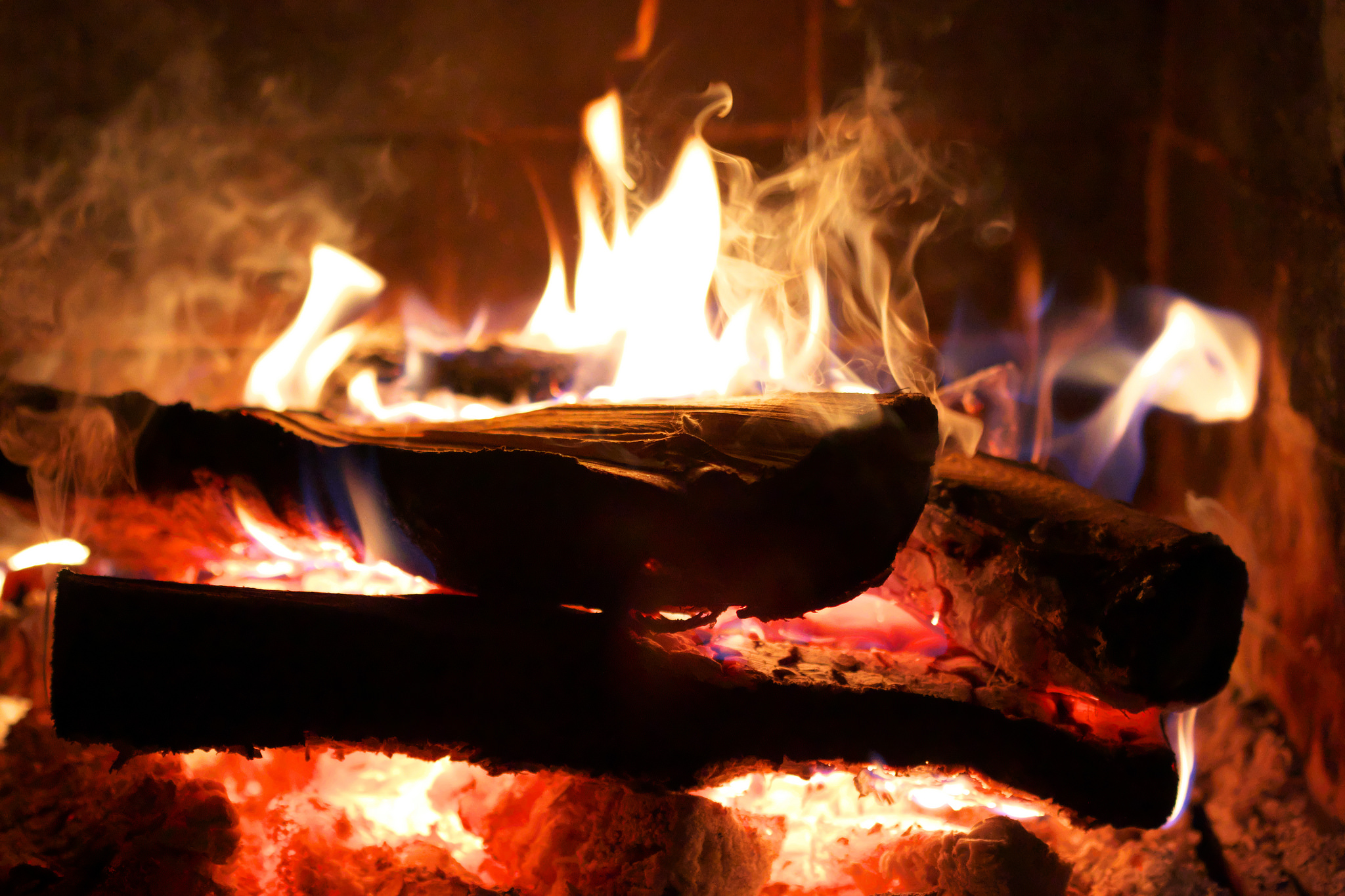
President Obama has set 2030 as the target for reducing U.S. carbon dioxide emissions to comply with the Paris Climate accord. Unfortunately, the Senate’s new Energy Bill would allow states to count wood as a “carbon neutral” fuel when drawing up plans to comply with the EPA’s Clean Power Plan.
Pakistan’s Green Tsunami
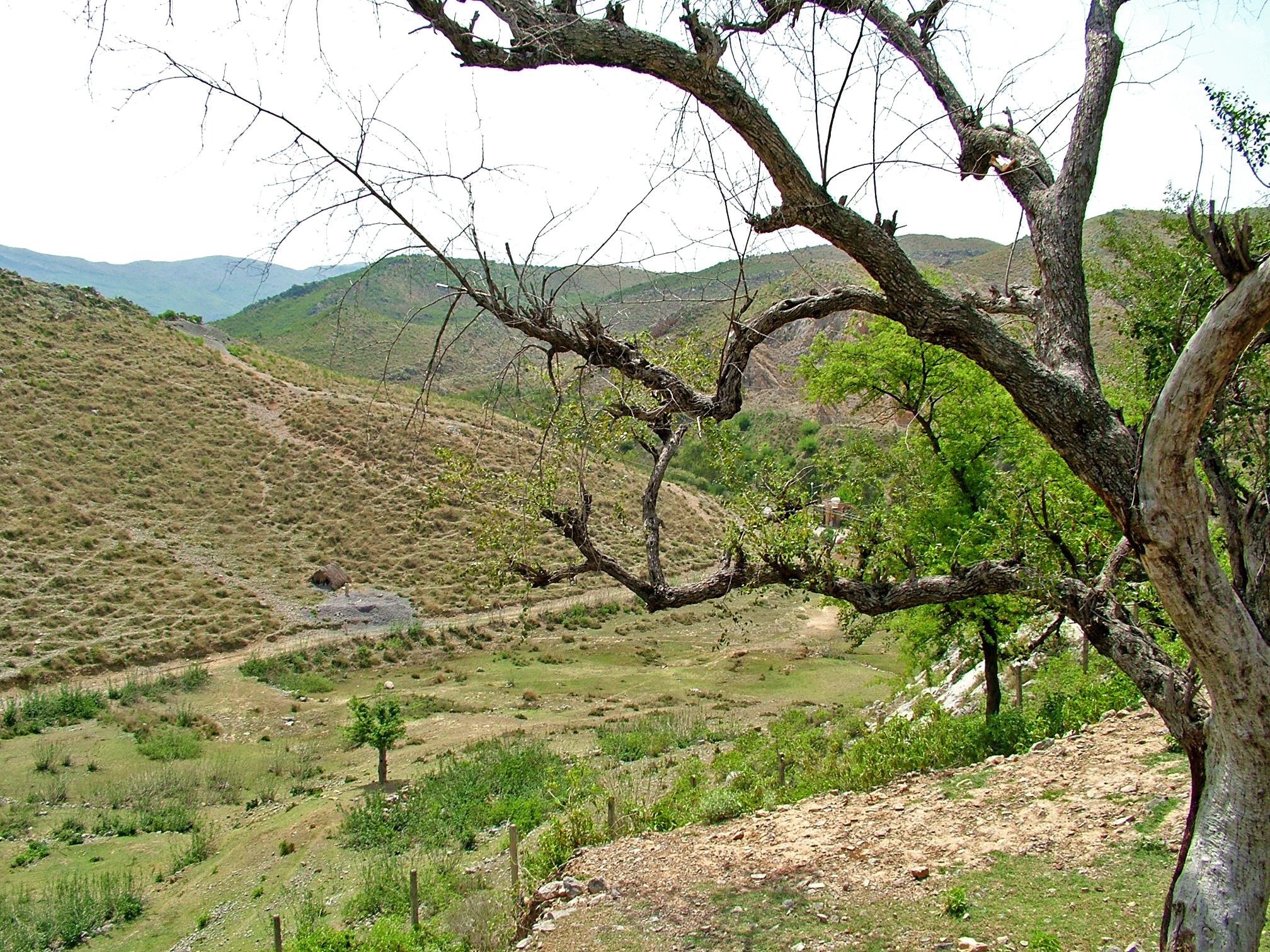
Pakistan has a terrible history of environmental degradation. Since it became an independent country in 1947, almost all of its primary forests have been cut down while its population has grown by an unbelievable 600 percent.
Fir Trees And Butterflies
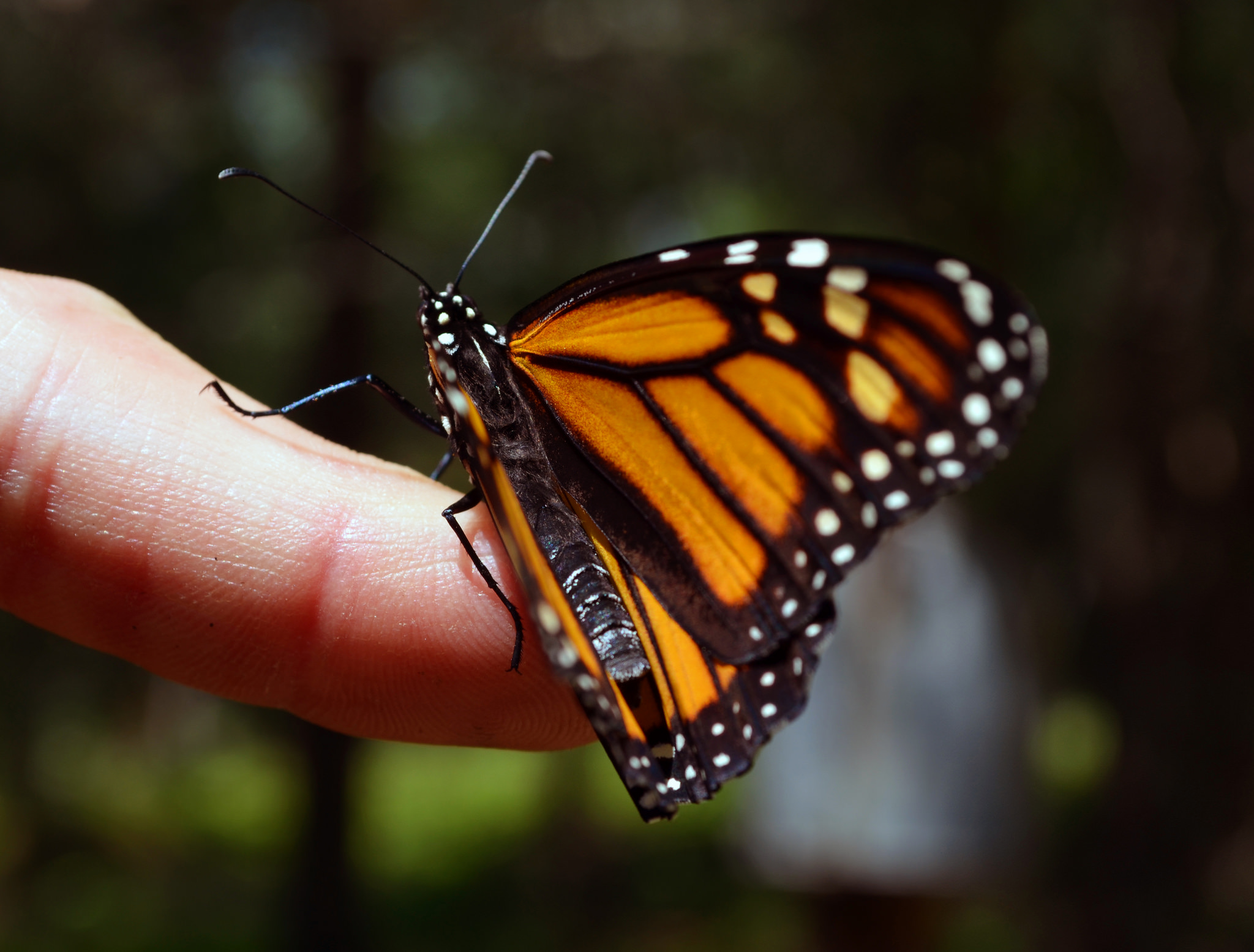
We have done a number of stories about the sad state of the monarch butterfly and how their numbers have dropped from a billion to only 33 million as of a couple of years ago. Biologists in the U.S. have been trying to restore the summer habitat of the butterflies by urging the planting of milkweed, which is the primary host plants for monarch butterfly caterpillars.
Lake Ohrid: Respecting An Elder
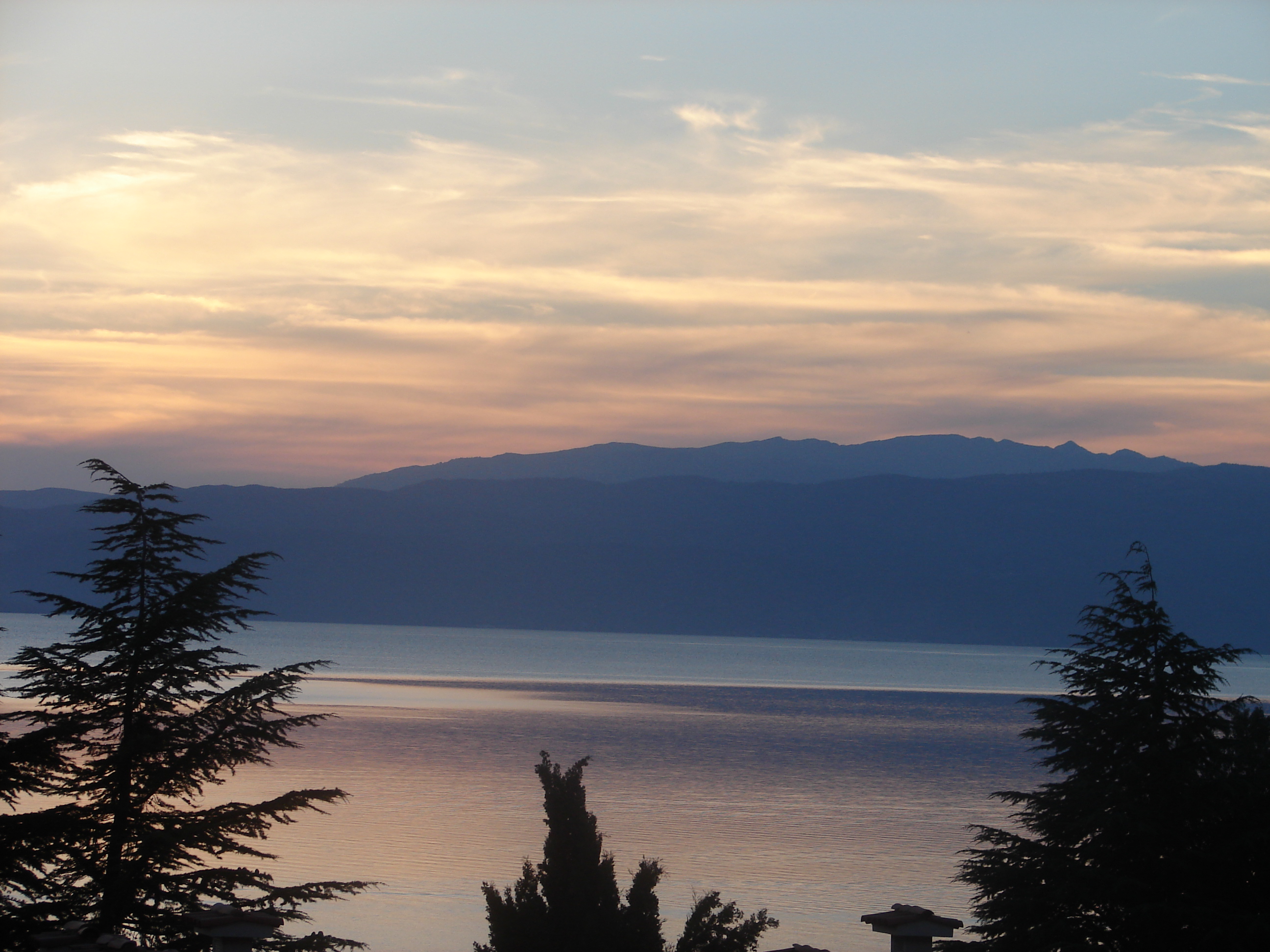
Nestled in the mountainous border between southwestern Macedonia and eastern Albania, Lake Ohrid is a deep, ancient lake. Its waters provide refuge to hundreds of plants and animals that live nowhere else, including seventeen species of fish.