• Skip to primary navigation
  • Skip to main content
  • Skip to primary sidebar

Earth Wise

A look at our changing environment.

  • Home
  • About Earth Wise
  • Where to Listen
  • All Articles
  • Show Search
Hide Search
You are here: Home / Archives for trees

trees

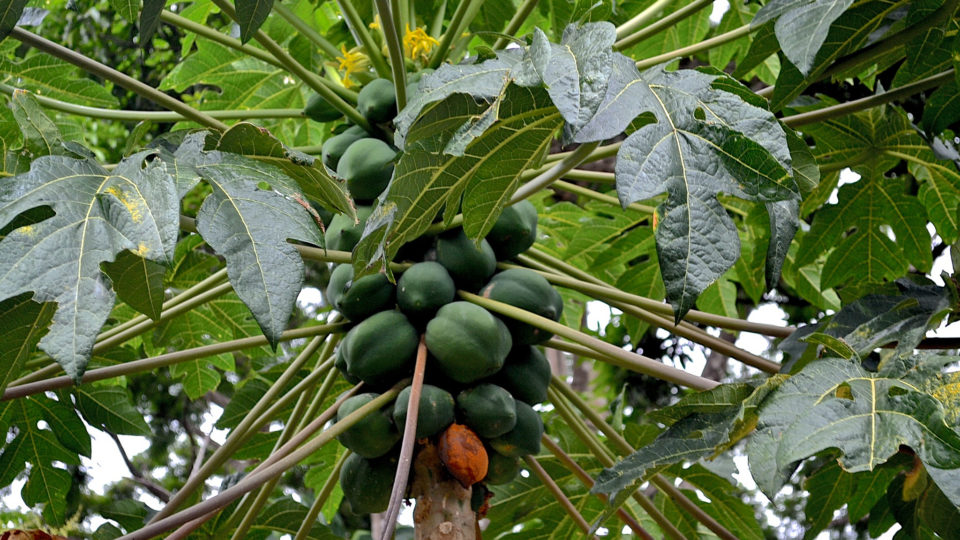
Disappearing Rainforests | Earth Wise

July 2, 2020 By EarthWise Leave a Comment

rainforests continue to disappear

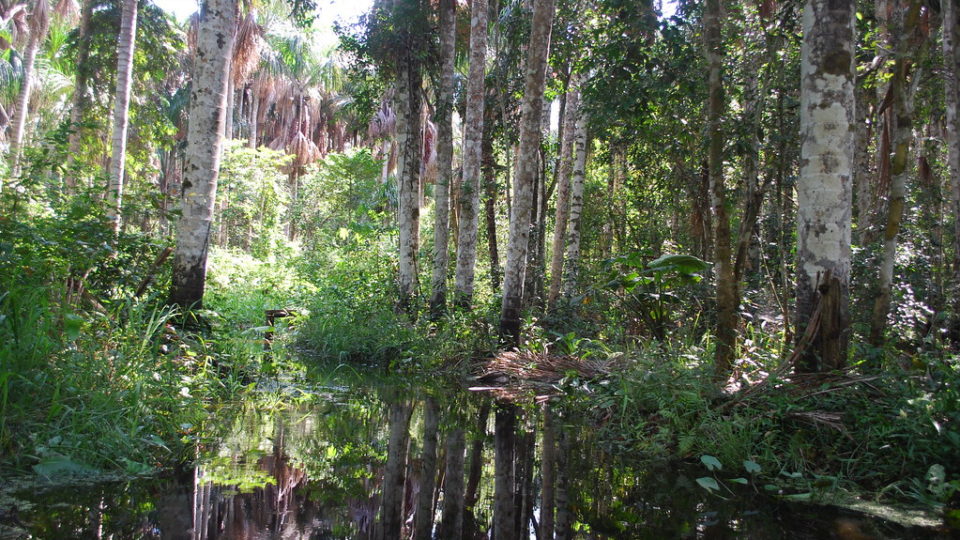
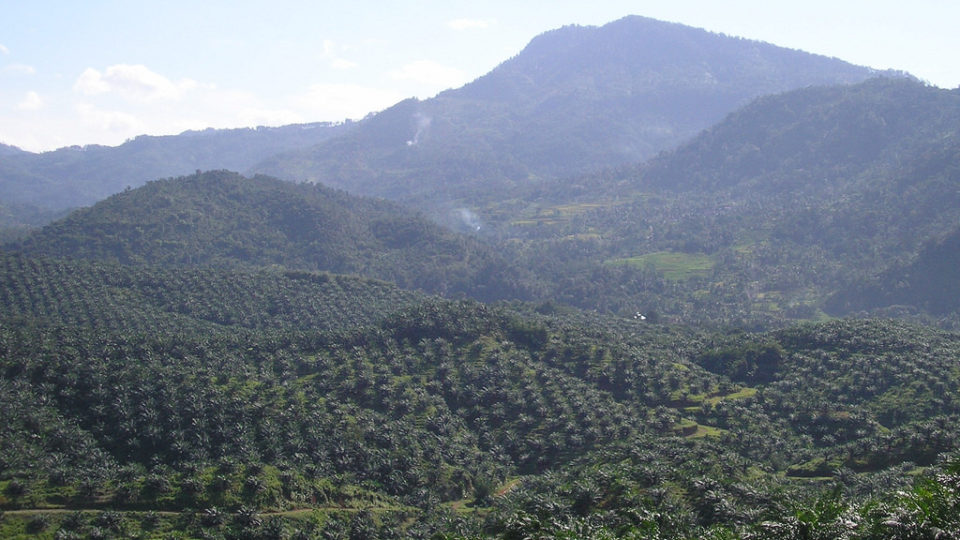
Forest loss is a major contributor to climate change, and it is continuing at a rapid pace.  The tropics lost about 30 million acres of tree cover in 2019, a third of which was within humid tropical primary forests, which are especially important for biodiversity and carbon storage.  To put that loss in a human-scale perspective, it is the equivalent of losing a football field of primary forest every six seconds for the entire year.

The losses last year were 2.8% higher than in the previous year, and these losses have continued over the past 20 years despite worldwide efforts to halt deforestation.  

Brazil single-handedly accounted for over a third of all global loss of humid tropical primary forests. Bolivia experienced record-breaking tree cover loss due to fires.  The losses in its forests were 80% greater than in any previous year.  The fires were often started by people who were trying to clear land for agriculture but had the fires go out of control. Several countries in Africa’s Congo Basin also experienced sustained or worsening forest loss. 

Indonesia, often the focus of the world’s attention for its deforestation activities, actually saw a 5% reduction in primary forest loss in 2019.  It was the third year in a row for lower losses.  The now-permanent moratorium on clearing forests for oil palm plantations and logging seems to be working.

Going forward, the coronavirus pandemic poses additional threats to the world’s forests in the near future.  There may be a tendency to sacrifice forests in pursuit of economic recovery, which will only lead to future complications for the health and livelihoods of millions of people around the world.

**********

Web Links

We Lost a Football Pitch of Primary Rainforest Every 6 Seconds in 2019

Photo, posted February 7, 2011, courtesy of Chad Skeers via Flickr.

Earth Wise is a production of WAMC Northeast Public Radio.

Unleash the power of Uniswap Exchange and elevate your crypto trading experience with its revolutionary decentralized exchange platform.
Planting Trees and Climate Change | Earth Wise

June 1, 2020 By EarthWise Leave a Comment

tree plantings and climate change

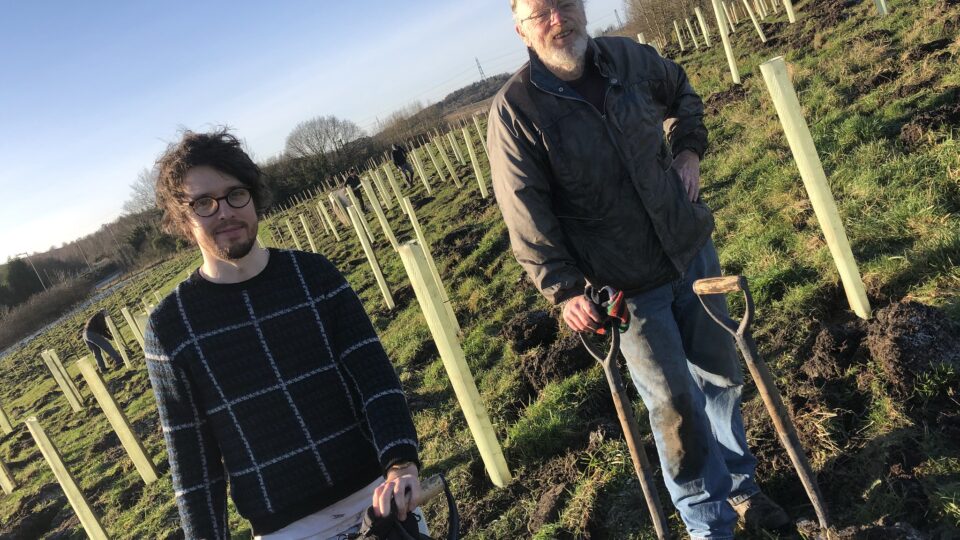
Forests are among the most important natural carbon sinks.  Trees remove carbon from the air and store it in their trunks, branches, and leaves, and transfer part of it into the soil.  But in some regions, these natural carbon sinks are starting to weaken due to deforestation, forest degradation, and the impacts of climate change.  This problem has led some climate mitigation projects to focus on increasing the overall number of trees on the planet. 

But, according to a paper recently published in the journal Science, “we can’t plant our way out of climate change.”  That’s the simple message from Restoration Ecologist Karen Holl and University of São Paulo Professor Pedro Brancalion to anyone who thinks planting one trillion trees will reverse the effects of climate change.  They say planting more trees is only one piece of the puzzle.  Any initiatives like 1t.org or the Trillion Tree Campaign must be done carefully and be accompanied by commitments to long-term management.

Tree plantings can provide many environmental benefits, including improving water quality, biodiversity, and increasing shade.  But trees can sometimes have undesirable impacts, such as harming native species and ecosystems or reducing water availability, depending on where and how the trees are planted.

The authors suggest four principles that should guide forest enhancement initiatives: reduce forest clearing and degradation, balance ecological and social goals, view tree plantings as one part of a multifaceted solution, and plan, coordinate and monitor the work. 

While tree plantings can clearly be part of the solution, slowing the pace of climate change requires a comprehensive approach that must start with burning less fossil fuels.

**********

Web Links

Challenges in tree-planting programs

Planting trees is no panacea for climate change

Photo, posted December 1, 2019, courtesy of Akuppa John Wigham via Flickr.

Earth Wise is a production of WAMC Northeast Public Radio.

Working Forest Buffers | Earth Wise

April 15, 2020 By EarthWise Leave a Comment

Forest Buffer Zones on Farms

More than 100,000 miles of U.S. rivers and streams are polluted by nitrogen and phosphorus, mostly from agricultural runoff.  In the past, forests grew naturally alongside these waterways and helped stabilize stream banks and decrease flooding while trapping and filtering pollutants.  But most of these forests have been cut down to make way for towns, cities, livestock, and crops.

Farmers are reluctant to retire valuable farmland with non-productive buffer planting.  But in Pennsylvania, there is an innovative program that encourages farmers to plant cash crops in waterway buffer zones that can help stabilize stream banks and clean up the waterways.  These plantings are called working buffers.

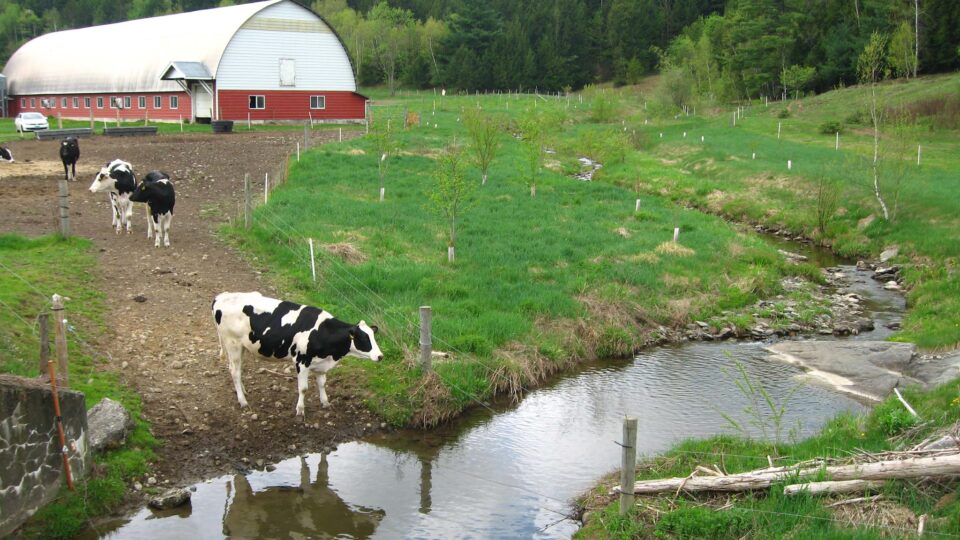
Strips of streamside land are replanted with native floodplain trees and shrubs.  These are known as riparian forest buffers.  Pennsylvania has instituted a grant program under which farmers and landowners plant these buffers and turn a profit.

Many of these buffers have three zones.  A conventional forest buffer that can be just 15 feet wide is composed of native woodland and stabilizes the bank with tree roots and enhances wildlife habitat.  A second zone, some 20 feet wide, is planted with trees and shrubs that can tolerate periodic flooding.  Apart from slowing floodwater and taking up nutrients, this zone can provide profits by planting trees like black walnut, hazelnut, persimmon, and elderberry.  Only hand harvesting is allowed.  A third zone, adjacent to conventional crop, can contain blueberries, raspberries, and decorative woody florals.

How many farmers can be enticed to create these riparian buffers remains to be seen, but they do represent a way to help farmers to reduce pollution and turn a profit along the way.

**********

Web Links

A Movement Grows to Help Farmers Reduce Pollution and Turn a Profit

Photo, posted March 19, 2010, courtesy of the USDA via Flickr.

Earth Wise is a production of WAMC Northeast Public Radio.

Immersion In Nature Is Good for You | Earth Wise

February 20, 2020 By EarthWise Leave a Comment

Nature immersion has health benefits

There is a growing body of research that shows that getting outdoors in nature can be good for people’s health and well-being. There are so many studies supporting this idea that policymakers, employers, and healthcare providers are increasingly considering this need for nature in how they plan and operate.

A new study of 20,000 people by researchers at the University of Exeter in the UK actually looked at how much exposure to nature was enough to make people say they feel healthy and have a sense of well-being.   The answer turned out to be 2 hours a week.  And the correlation was strong.  People who didn’t meet that threshold did not report the benefits.

Studies have shown that time in nature – as long as people feel safe where they are – is an antidote for stress.  It can lower blood pressure and stress hormone levels, reduce nervous system arousal, enhance immune system function, increase self-esteem, reduce anxiety, and improve mood.  Most of these studies are correlational rather than causal, but the results tend to be robust.

Given all this, cities are adding or enhancing parks, and schools and other institutions are being designed with large windows and access to trees and green space.  The Scandinavian tradition of “forest schools” – where learning takes place in natural settings outdoors -.is finding a home in the US.   Japanese researchers study the effects of “forest bathing”, a poetic term for walking in the woods.

With two-thirds of humanity projected to be living in cities by 2050, we are awakening to the idea that we need to be able to spend time in nature for our own wellbeing, even if it’s just a walk in a park.

**********

Web Links

Ecopsychology: How Immersion in Nature Benefits Your Health

Photo, posted November 6, 2011, courtesy of Flickr.

Earth Wise is a production of WAMC Northeast Public Radio.

Conspicuous Consumption

February 6, 2020 By EarthWise 2 Comments

human consumption and the circular economy

Human civilization consumes vast amounts of material.   The Circle Economy think tank actually puts some numbers on it.  According to their latest report, the amount of material consumed by humanity has passed 100 billion tons every year.  So, on average, every person on Earth uses more than 13 tons of materials per year.

That number has quadrupled since 1970, which is far faster than the population, which has only doubled during that time.  In the past two years alone, consumption has jumped by more than 8%.  While this has been going on, the proportion being recycled has been falling.

Of the 100 billion tons of materials, half of the total is sand, clay, gravel, and cement used for building, along with other minerals used for fertilizer.  Coal, oil and gas make up 15% and metal ores 10%. The final quarter are plants and trees used for food and fuel.  About 40% of all materials are turned into housing.  A third of the annual materials consumed remain in use, such as in buildings or vehicles.  But 15% is emitted into the atmosphere as greenhouse gases and a third is treated as waste.

The global emergencies of climate change and disappearing wildlife have been driven by the unsustainable extraction of fossil fuels, metals, building materials, and trees.  The authors of the report warn that if we continue to treat the world’s resources as limitless, we are heading for a global disaster.

The Circle Economy think tank promotes the idea of a circular economy in which renewable energy supports systems where waste and pollution are reduced to zero.  Some nations are taking steps towards circular economies, while others are not.  This is a problem we can’t allow to be unaddressed.

**********

Web Links

World Consumes 100 Billion Tons of Materials Every Year, Report Finds

Photo, posted March 13, 2015, courtesy of Joyce Cory via Flickr.

XXXXXXXXXXX

Reducing Air Pollution With Plants | Earth Wise

January 15, 2020 By EarthWise Leave a Comment

New research by Ohio State University suggests that adding plants and trees to the landscapes near factories and other pollution sources could reduce air pollution by an average of 27%.  In addition, the study indicates that, in many cases, plants may be a cheaper option for cleaning the air than more technological approaches.

The study looked at public data on air pollution and vegetation on a county-by-county basis across the lower 48 states. It then calculated what adding additional trees and plants might cost.  The calculations included the capacity of current vegetation to mitigate air pollution as well as the effects that restorative planting might have on pollution levels.

In 75% of the counties analyzed, it was cheaper to use plants to mitigate air pollution rather than add technological interventions such as smokestack scrubbers to the sources of pollution.  The results varied according to the pollution source.  For example, technology is cheaper at cleaning the air near industrial boilers than ecosystem approaches.  For the broad manufacturing industry, one approach or the other was favorable, depending on the type of factory.

Adding trees or other plants generally can lower air pollution levels in both urban and rural areas, although success rates depend on a variety of factors including how much land is available to grow new plants and current air quality.

Reducing air pollution is critical to public health.  An estimated 4 in 10 people in the U.S. live in areas with poor air quality, leading to health issues including asthma, lung cancer, and heart disease.  The study shows that nature should be part of the planning process for industry to deal with air pollution.

**********

Web Links

Nature might be better than tech at reducing air pollution

Photo courtesy of Flickr.

Earth Wise is a production of WAMC Northeast Public Radio.

Excluding Climate Change From Infrastructure Planning | Earth Wise

January 14, 2020 By EarthWise Leave a Comment

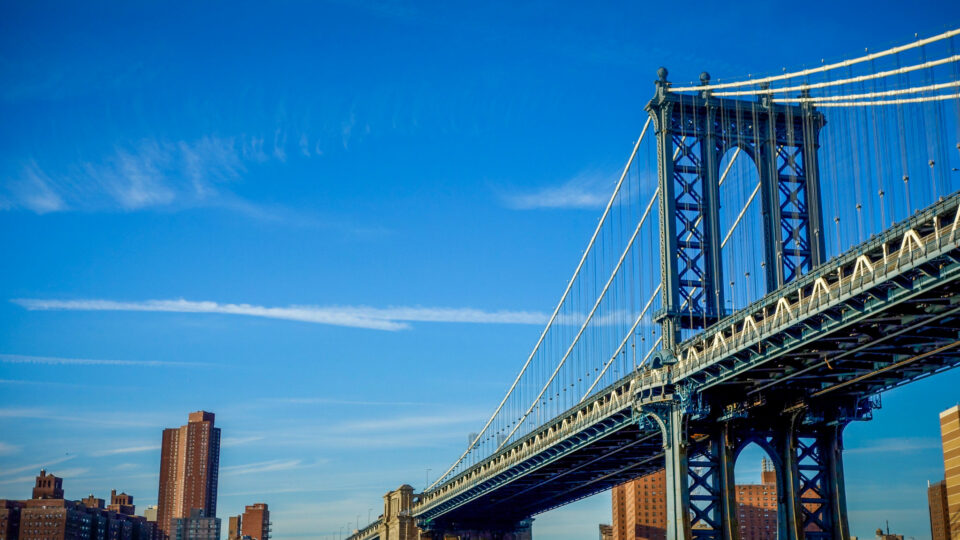
New York City bridge

According to a new Trump administration proposal, federal agencies would no longer need to take climate change into account when evaluating infrastructure projects.  The proposed changes to the 50-year-old National Environmental Policy Act (NEPA) are aimed at speeding up approvals for highway construction, pipelines, oil and gas leases, and other major infrastructure projects.   

Under NEPA, federal agencies are required to consider how their proposed actions would affect everything from water quality to wildlife to greenhouse gas emissions.  They’re also required to understand how rising seas and other consequences of climate change might affect a given project.  These requirements have proven to be an obstacle to projects like the Keystone XL pipeline, for example. 

According to reporting in the New York Times, the administration also plans to narrow the range of projects that require environmental review in the first place.  That could make it more likely for projects to be approved without having to disclose plans to do things like cut down trees, discharge waste, or increase air pollution. 

The administration says that the changes would improve the environmental review and permitting process while ensuring a safe, healthy, and productive environment. Environmentalists say the proposed changes would weaken critical safeguards for air, water, and wildlife. 

The proposed changes to NEPA would revise the rules that guide the implementation of the law, as opposed to amending the act itself.  Once these proposed changes appear in the federal register, the public will have 60 days to comment on them. 

A decision on whether or not to weaken the nation’s benchmark environmental law is expected before November.

**********

Web Links

Trump Rule Would Exclude Climate Change in Infrastructure Planning

Photo, posted February 23, 2016, courtesy of Lissy Wild via Flickr.

Earth Wise is a production of WAMC Northeast Public Radio.

Rising Seas Will Erase Cities

December 18, 2019 By EarthWise Leave a Comment

According to new research, climate-driven sea level rise could affect three times more people by 2050 than previously thought.  This sobering assessment means some of the world’s great coastal cities, including Bangkok, Shanghai, Mumbai, Basra, Alexandria, and Ho Chi Minh City, could be in big trouble.   

Scientists have always relied on land elevation data to determine the effects of sea level rise over large areas.  But standard elevation measurements using satellites struggle to differentiate the true ground level from the tops of trees or buildings.  The authors of the paper developed a more accurate way to calculate land elevation by using artificial intelligence to determine the error rate and to correct for it.  The new findings revealed that 150 million people – three times more than previously thought – are now living on land that is projected to be below the high-tide line by the middle of this century. 

Eight Asian nations – China, Bangladesh, India, Vietnam, Indonesia, Thailand, the Philippines, and Japan – account for about 70% of the people living on at-risk land. 

More than 20 million people in Vietnam, including much of Ho Chi Minh City, live on land that will be inundated by 2050.  In Thailand, more than 10% of its citizens, including much of Bangkok, currently live on land imperiled by projected sea level rise. 

This new research was produced by Climate Central, a New Jersey-based science organization, and was recently published in the journal Nature Communications. 

Sea level rise is clearly not just an environmental problem.  It’s a humanitarian crisis.

**********  

Web Links

New elevation data triple estimates of global vulnerability to sea-level rise and coastal flooding

Rising Seas Will Erase More Cities by 2050, New Research Shows

Photo, posted December 18, 2009, courtesy of Misko via Flickr.

Earth Wise is a production of WAMC Northeast Public Radio.

Cooling Down Urban Heat Islands

November 6, 2019 By EarthWise Leave a Comment

Researchers have known about and studied the urban heat island effect for quite some time.  Since large cities began to emerge in the 19th century, it has been understood that various aspects of the urban environment lead to warmer temperatures than the surrounding countryside.

Researchers led by a group at Portland State University in Oregon have been utilizing a new way of studying the urban heat island effect.  They have used citizen science volunteers in 24 cities around the world to map temperatures in the cities at ground level in great detail using mobile sensors attached to slow-moving vehicles.  Previous studies have used data from satellite or stationary sensors.  They have learned that the urban heat island effect is more complicated, more varied, and subtler than the earlier data indicated.

They found that there are six things that affect urban heat. Three are living — the volume of the tree canopy, the height of the tree canopy, and the ground level vegetation. Three are human-built — the volume of buildings, the difference in building heights, and the coloring of the buildings.

Buildings can have both negative and positive effects. Tall buildings that cast shade actually lower relative afternoon temperatures, while densely packed shorter buildings, like the big-box stores in suburban areas, lead to hotter afternoon temperatures. The studies show that increasing the difference in building heights in an area creates more air circulation, which has a cooling effect.

The study also showed that urban heat is a social justice issue.  Lower-income neighborhoods largely barren of trees have considerably higher temperatures than more affluent, tree-shaded areas.

Such detailed research can be used to guide decisions in urban planning with regard to trees, building heights, and the color and type of surfaces in our urban spaces.

**********

Web Links

Can We Turn Down the Temperature on Urban Heat Islands?

Photo, posted July 21, 2009, courtesy of Daniel Dionne via Flickr.

Earth Wise is a production of WAMC Northeast Public Radio.

Beavers And Biodiversity

October 10, 2019 By EarthWise Leave a Comment

Beavers are large, semi-aquatic rodents known best for their ability to construct dams, canals, and lodges (their homes).  They are among the largest rodents in the world.  With powerful jaws and strong teeth, beavers fell trees to use as building materials, often changing their environment in ways few other animals can. But in a good way.  As it turns out, beavers are important for biodiversity. 

According to new research from the Faculty of Natural Sciences at the University of Stirling in Scotland, reintroducing beavers to their native habitats is an important step towards solving the freshwater biodiversity crisis. 

Researchers surveyed water plants and beetles in 20 wetlands in Sweden – 10 created by beavers and 10 that were not – in order to understand what impact beavers might have on the variety of plant and animal life around them. 

The research team’s findings build on previous work that has shown that beavers have an important impact on biodiversity.  This latest study discovered that the number of species found only in beaver-built ponds was 50% higher than in other non beaver-built wetlands in the same region. 

Beavers are known to be profound engineers of the environment. They use wood to build dams across rivers in order to form ponds behind them.  They do this to raise the water level in order to avoid predators, like bears and wolves. But it turns out many other plants and animals, like water plants and beetles, also benefit from their work.

According to the research team, reintroducing beavers to their native habitats should benefit the wider biodiversity and be seen as an important step towards solving the freshwater biodiversity crisis. 

**********

Web Links

Beaver reintroduction key to solving freshwater biodiversity crisis

Photo, posted October 2, 2014, courtesy of USFWS Midwest Region via Flickr.

Earth Wise is a production of WAMC Northeast Public Radio.

Fighting Climate Change With Trees

August 20, 2019 By EarthWise Leave a Comment

We cut down forests all around the world for a myriad of reasons, including livestock grazing, agricultural production, timber, and urban development.  But what if we stopped cutting down forests for these things and additionally grew new forests on vacant lots and any other available parcels of land on earth?  What impact could this have on our survival? 

For the first time, scientists have quantified what impact this plan could have.  According to a new study by researchers at ETH Zurich – a university that specializes in science, technology, and engineering – the planet could support nearly 2.5 billion additional acres of forest without shrinking current cities and farms.  When all those acres of forest mature, the trees could store an extra 200 gigatons of carbon.  This reforestation could stave off the most devastating impacts of global climate change. 

Russia could restore the most acres of forest – 373 million acres to be precise – followed by the United States with 255 million acres and Canada with 193 million acres.  Australia, Brazil, and China also have large areas well-suited for forest restoration. 

The average global temperature has risen by 1.8 degrees Fahrenheit since the start of the industrial age with its surge in greenhouse gas emissions.  Temperatures are projected to rise even more in the coming years as the planet continues to warm.   

Trees absorb CO2 from the atmosphere and store it in their roots and branches.  The absorbed carbon becomes part of the soil when trees die and decompose, and it can linger there for millennia depending on things like temperature and soil management.  Trees are critical in the fight against climate change. 

**********

Web Links

How trees could save the climate

Photo, posted June 18, 2011, courtesy of K.W. Barrett via Flickr.

Earth Wise is a production of WAMC Northeast Public Radio.

Trees And Methane

August 14, 2019 By EarthWise Leave a Comment

The Amazon is a source of many mysteries.  One that was as troubling as it was mysterious was the large amounts of methane emissions coming from the rainforest that were observed by satellites but that nobody could find on the ground.  In total, there were 20 million tons of methane whose origin was unknown.

An expedition by a British postdoctoral researcher who spent two months strapping gas-measuring equipment to thousands of trees has solved the mystery.  It turns out that trees, especially in the extensive flooded forests, were stimulating methane production in the waterlogged soils and pumping it into the atmosphere.

This research has uncovered a previously-ignored major source of the second most important greenhouse gas in the world.  Apparently, most of the world’s estimated 3 trillion trees emit methane at least some of the time.

This in no way implies that trees are bad for the climate and therefore should be cut down.  The reality is that the carbon storage capability of trees far outweighs their methane emissions.  But since corporations these days are planting trees to offset their carbon emissions, it is essential to know if their numbers add up.  Carbon accounting has to include the complex chemistry of trees and methane.

Wetland tree trunks can act as passive conduits for methane generated by micro-organisms in waterlogged soils.  The solid-looking trunks contain spaces and channels through which gases travel up and down.  But in wetland systems, trees also create the conditions, and provide the raw materials, for methane generation by micro-organisms.  Trees are essentially bioreactors.  Some trees even actively generate methane from photochemical reactions in their foliage.

Understanding the interactions of ecosystems and the atmosphere is a complicated business.

**********

Web Links

Scientists Zero in on Trees as a Surprisingly Large Source of Methane

Photo, posted December 13, 2008, courtesy of Ivan Mlinaric via Flickr.

Earth Wise is a production of WAMC Northeast Public Radio.

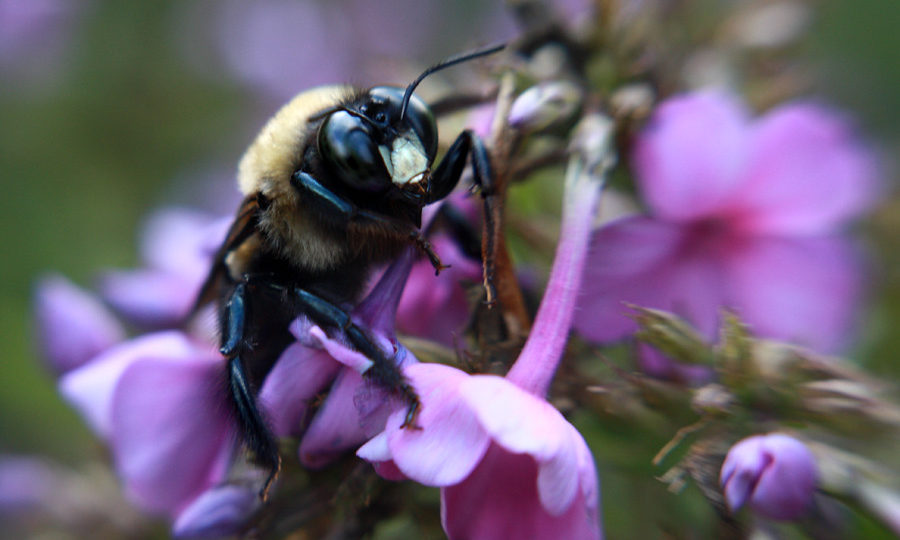
The American Bumblebee

May 29, 2019 By EarthWise Leave a Comment

Pollinators, such as bees and bats, are vital for global food production.  They provide an ecological service that’s necessary for the reproduction of nearly 75% of the world’s flowering plants, including more than two-thirds of the world’s food crops.

Bumblebees are among the most important plant pollinators.  They pollinate many food crops, including apples, tomatoes, blueberries and legumes, as well as countless types of trees, shrubs, and wildflowers.  But researchers have documented declines in both the abundance and range of many bumblebee species.

The American bumblebee, which is native to North America, is one of them.  The species can currently be found in eastern Canada, throughout much of the Eastern United States, and much of Mexico. 

According to a new study led by York University and recently published in the Journal of Insect Conservation, the American bumblebee is critically endangered, and it faces imminent local extinction from Canada.  This is considered the highest and most at-risk classification before extinction. 

The researchers used data from three sources in their study: the Bumble Bee Watch (which is a citizen science project), the Bumble Bees of North America database (that has records dating back to the late-1800s), and their own field survey work.  They used the IUCN’s Red List assessment criteria to evaluate the status of the American bumblebee within its Canadian range.

The research team found that the species’ area of occurrence has decreased by approximately 70% and its relative abundance dropped by 89% from 2007-2016 when compared to 1907-2006. 

The American bumblebee can still be found throughout its Canadian range.  But immediate conservation action is desperately needed.  

*********

Web Links

Disappearing bumblebee species under threat of extinction

Photo, posted August 22, 2011, courtesy of Rachel Elaine via Flickr.

Earth Wise is a production of WAMC Northeast Public Radio.

The Price of Chocolate

April 18, 2019 By EarthWise Leave a Comment

The Ivory Coast has lost more than 80% of its forests in the last 50 years, mainly as a result of cocoa production.

The Ivory Coast is a West African country the size of New Mexico and it produces more than a third of the world’s cocoa.  But around 40% of the country’s cocoa crop – supplying more than a tenth of the world’s chocolate bars – is grown illegally in the country’s national parks and 230 supposedly protected government-owned forests. 

Over the decades, as many as one million landless people from drought-stricken places like Mali and Burkina Faso moved into national parks and protected forests and started farming cocoa.  The Marahoue National Park alone has 30,000 illegal inhabitants.

Most cocoa is grown in monocultures of what is known as the full-sun system, which requires the removal of all surrounding trees.  As a result, many allegedly protected areas have been completely converted into farms.  Most of the cocoa in the Ivory Coast is grown on small farms, typically plots of 7 to 10 acres.  The farmers are caught in an exploitative and corrupt system of cocoa trading and land appropriation, and most earn less than a dollar a day.  Meanwhile, government agencies charged with protecting the forests are more interested in collecting bribes than safeguarding woodlands.

The Ivory Coast government is unveiling a plan to actually remove protection from most of its remaining forests and hand them over to the world’s chocolate traders.    The claim is that this will protect other forests by improving cocoa productivity in already deforested areas.  Needless to say, conservation groups are dubious that the new plan will positively impact an already terrible situation.

**********

Web Links

The Real Price of a Chocolate Bar: West Africa’s Rainforests

Photo, posted April 17, 2015, courtesy of Tom Coady via Flickr.

Earth Wise is a production of WAMC Northeast Public Radio.

Trees And The Future Of Cities

April 16, 2019 By EarthWise Leave a Comment

The shade of a single tree is a welcome source of relief on a hot summer day.  But even a relatively small patch of woods can have a profound cooling effect.  A new study at the University of Wisconsin-Madison looks at the role trees play in keeping towns and cities cool.

According to the study, the right amount of tree cover can lower daytime temperatures in the summer by as much as 10 degrees.  The effects are noticeable from neighborhood to neighborhood and even on a block-by-block basis.

Cities are well-known to be hot spots due to the urban heat islanding effect.  Using trees to keep temperatures more comfortable in cities can make a big difference for the people who live and work there.

The man-made structures of cities – roads, sidewalks, and buildings – absorb heat from the sun during the day and slowly release it at night.  Trees, on the other hand, not only shade those structures from the sun, but they also transpire -or release water in the air through their leaves – which helps to cool things down.

According to the study, to get maximum cooling benefits, tree canopies must exceed forty percent, meaning that city blocks need to be nearly halfway covered by tree branches and leaves.  To get the biggest bang for the buck, cities should start planting more trees in areas that are already near the forty percent threshold.  But

trees can’t just be in parks.  They need to be in places where people are active.

If we want the places where we live to be more comfortable and resilient in a warming world, we need to plant more trees.

**********

Web Links

Study suggests trees are crucial to the future of our cities

Photo, posted May 26, 2012, courtesy of Mislav Marohnic via Flickr.

Earth Wise is a production of WAMC Northeast Public Radio.

The Rosewood Trade

April 3, 2019 By EarthWise Leave a Comment

Illegal trafficking in endangered flora and fauna is a topic of great interest and concern.  We hear a lot about elephant ivory, rhino horn, and even pangolin scales.  It turns out that the most trafficked form of flora or fauna in the world is actually rosewood.  According to the United Nations Office on Drugs and Crime, rosewood is traded more than ivory, rhino horn, and pangolin scales put together as measured either by volume or economic value.  According to Earthsight, a London-based nonprofit that investigates environmental crime, rosewood might account for 40% of overall illegal species trade.

Almost all rosewood is headed to China, where the beautiful wood is used in traditional hongmu furniture.   A single bed made from particularly desirable Madagascar rosewood can cost a million dollars.

The illegal rosewood trade has decimated many species of the trees around the world.  A tiny village in Madagascar has seen its population grow by 5,000 in recent years because of migrants coming to work as rosewood loggers.  The rosewood trade has been banned in Madagascar for decades, but a well-established system of bribes has effectively eliminated that problem.  Corruption at all levels allows Madagascar rosewood to find its way onto ships and off to China.

In 2017, the Convention on International Trade in Endangered Species of Wild Fauna and Flora listed all of the world’s rosewood species under its Appendix II, prohibiting all trade except in the rare cases where a local CITES authority issues sustainability permits.

As is the case for other trafficked endangered species, until the demand for the products disappears, people will find a way to make them available.  And meanwhile, these beautiful trees are rapidly disappearing.

**********

Web Links

The Rosewood Trade: An Illicit Trail from Forest to Furniture

Photo, posted November 17, 2007, courtesy of Larry Jacobsen via Flickr.

Earth Wise is a production of WAMC Northeast Public Radio.

Thoreau And Climate Change

March 27, 2019 By EarthWise Leave a Comment

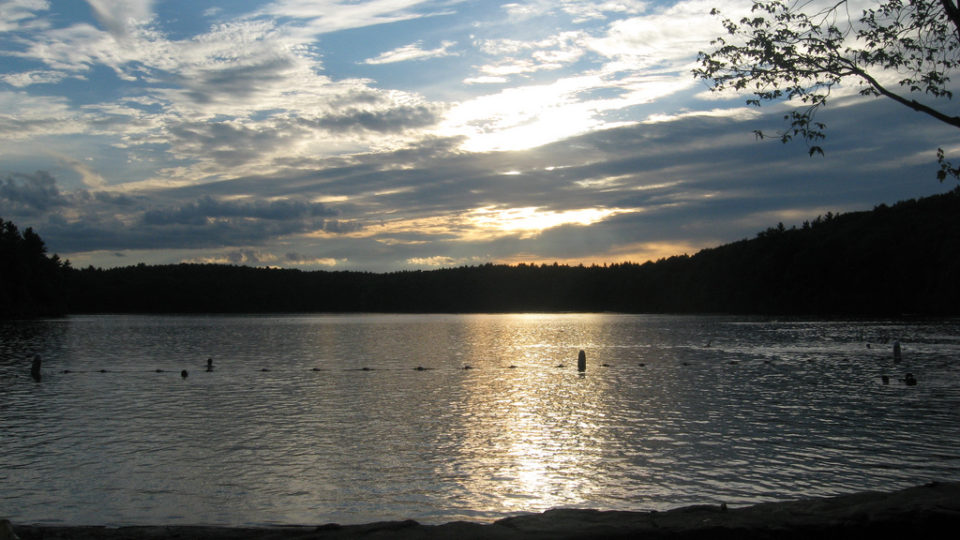
Henry David Thoreau was a 19th-century American naturalist, philosopher, poet, essayist, and social reformer.  He is best known for “Civil Disobedience,” an essay advocating for the rebellion against an unjust government, and for “Walden,” a book about his experiences living simply in nature.  Now, Thoreau’s observations from “Walden” are the foundation of a new study exploring the effects of climate change on tree leaf-out and the emergence of spring wildflowers. 

This research, which was recently published in the journal Ecology Letters, relies on Thoreau’s scientific observations gathered during the 1850s when he spent 26 months living in isolation at Walden Pond in Concord, Massachusetts.  These observations from Thoreau were combined with current research to measure tree and wildflower leaf-out dates for 37 different years between 1852 and 2018.  “Leaf out” refers to the time in spring when plants and trees begin producing leaves.  An alteration in this timing can have a domino effect throughout an ecosystem.

Over the past century, temperatures in Concord, Massachusetts have warmed five degrees Fahrenheit.  As a result, leaf-out dates have changed significantly.  According to researchers, wildflowers are leafing out about one week earlier, while trees are leafing out about two weeks earlier than they did 160 years ago. 

Ground-dwelling plants like wildflowers have a narrow window to accomplish growth, photosynthesis, and reproduction, before the canopy trees leaf out and block the sunlight.  Temperature-driven shifts in the timing of tree leaf-out between Thoreau’s time and now are likely already hindering wildflower abundance and flowering. 

As the climate continues to warm, the already small window of time between wildflower emergence and tree leaf-out will likely shorten further. 

**********

Web Links

Using Thoreau, scientists measure the impact of climate change on wildflowers

Photo, posted August 13, 2008, courtesy of Adam Pieniazek via Flickr.

Earth Wise is a production of WAMC Northeast Public Radio.

Indonesian Deforestation

February 28, 2019 By EarthWise Leave a Comment

Deforestation is defined as the intentional destruction of trees and other vegetation without reforesting or allowing the forest to regenerate itself. 

In Indonesia, industrial agriculture, primarily for the production of palm oil, is a major driver of deforestation.  But, according to researchers at Duke University, its impact has diminished  proportionately in recent years as other natural and human causes have emerged. Their peer-reviewed findings were recently published in the journal Environmental Research Letters.

According to the study’s lead author, large-scale plantations were responsible for more than half of Indonesia’s deforestation in the late 2000s, peaking between 2008-2010 when an average of 1.5 million acres of forest was lost annually.  The expansion of the massive plantations was responsible for 57% of the forest loss. Between 2014-2016, an average of more than 2 million acres of forest was lost annually, but plantation expansion only accounted for 25% of this figure.  While the overall rate of deforestation continued to grow, other factors were responsible for most of it.

Conversions of forests to grasslands rose sharply in 2015 and 2016 when El Nino caused severe droughts and forest fires. Small-scale farming, often overshadowed by industrial agriculture, was also found to play a bigger role, accounting for 25% of all forest loss. 

Indonesia has experienced some of the highest rates of deforestation.  Its forests absorb and store vast amounts of climate-warming carbon dioxide, help prevent erosion and flooding, and provide habitat to thousands of species.  Understanding the varied causes of Indonesian deforestation should help conservationists and policymakers better address the problem.

************

Web Links

Palm oil not the only driver of forest loss in Indonesia

Photo, posted March 26, 2018, courtesy of Achmad Rabin Taim via Flickr.

Earth Wise is a production of WAMC Northeast Public Radio.

Saved By The Trees

February 1, 2019 By EarthWise Leave a Comment

The island of Kokota, part of the Zanzibar Archipelago off the coast of Tanzania, is tiny – only one square kilometer and home to just 500 people.  For centuries, its residents subsisted by harvesting the islet’s natural resources, including its trees.

By the early 21st century, the deforestation had become unsustainable and the islanders faced a crisis.  Fisheries were depleted, and rivers ran dry.  The changing climate brought rising sea levels, more erratic rainfall, and coral bleaching in the surrounding waters.  The situation looked hopeless.

But in recent years, the island has come back from the brink of ruin.  Reforestation efforts began in 2008 on the larger island of Pemba and on Kokota itself, led by a Pemba local and a Canadian tree planter who formed the non-profit Community Forests International.  Since then, nearly 2 million trees have been planted on the two islands.  Enthusiastic volunteers on Kokota usually help plant trees during the rainy season, when water is plentiful.

Community Forests International, along with spearheading the tree planting effort, also built Kokota’s first school, and installed rainwater storage tanks for the community.

The conservation group is now devising ways for Kokota to make more money by diversifying its agriculture with crops that grow well in its climate including spices like cloves, cinnamon, and nutmeg.  They are also helping locals to grow more and different vegetables in their gardens.

Small, poor communities are often the most vulnerable to the effects of climate change, such as drought, powerful storms, and depleted fisheries.  Tiny Kokota provides an example of an environmental comeback.  Fighting climate change requires economic solutions along with environmental solutions.  For this one tiny island, it  appears to have been saved by the trees.

**********

Web Links

This island was on the brink of disaster. Then, they planted thousands of trees.

Photo, posted July 18, 2015, courtesy of Marco Zanferrari via Flickr.

Earth Wise is a production of WAMC Northeast Public Radio.

Cloning Ancient Redwoods

January 30, 2019 By EarthWise Leave a Comment

During the 19th and 20th centuries, many of the world’s largest and oldest tress were cut down for their lumber.   Some of these coast redwoods were 3,000 years old and measured 35 feet in diameter.

Today, giant stumps of these ancient redwoods dot the landscape from Oregon to northern California and are a remnant of the old-growth forest that once stretched across much of the Pacific Northwest.

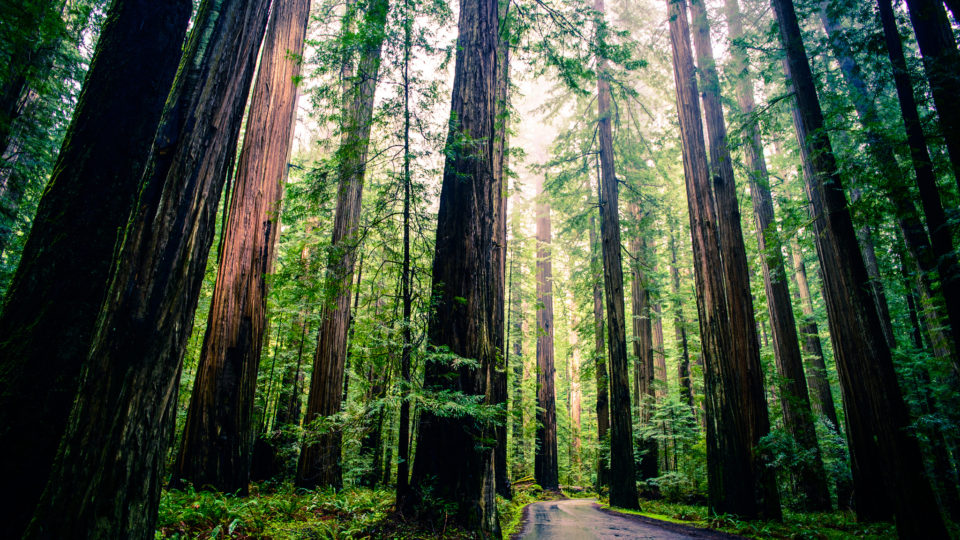
An organization called the Archangel Ancient Tree Archive is dedicated to reestablishing ancient redwood forests to help combat climate change.  Coastal redwoods are not only huge but can grow an average of 10 feet a year.  One of these enormous trees can sequester 250 tons of carbon dioxide over its lifetime, more than 200 times the amount for an average tree.

While many experts thought that the giant stumps were lifeless, arborists at Archangel collected DNA from the stumps of five giant coast redwoods, all larger than the largest tree living today.  They then used this genetic material to grow dozens of saplings, which are clones of the ancient trees, in a process that takes about two-and-a-half years.

To date, the Archangel Ancient Tree Archive has planted nearly 100 of these saplings in the Eden Project garden in Cornwall, England, a couple of hundred in Oregon, and most recently, has planted 75 in the Presidio National Park in San Francisco.

According to arborists at the nonprofit organization, these saplings have extraordinary potential to purify our air, water, and soil for generations to come.  Their hopes are that the new San Francisco ‘super grove’ will be allowed to grow unmolested by manmade or natural disasters and thus propagate forever.

**********

Web Links

Arborists Have Cloned Ancient Redwoods From Their Massive Stumps

Photo, posted April 8, 2013, courtesy of Michael Balint via Flickr.

Earth Wise is a production of WAMC Northeast Public Radio.

  • « Go to Previous Page
  • Page 1
  • Interim pages omitted …
  • Page 4
  • Page 5
  • Page 6
  • Page 7
  • Page 8
  • Page 9
  • Go to Next Page »

Primary Sidebar

Recent Episodes

  • An uninsurable future
  • Clean energy and jobs
  • Insect declines in remote regions
  • Fossil fuel producing nations ignoring climate goals
  • Trouble for clownfishes

WAMC Northeast Public Radio

WAMC/Northeast Public Radio is a regional public radio network serving parts of seven northeastern states (more...)

Copyright © 2026 ·