• Skip to primary navigation
  • Skip to main content
  • Skip to primary sidebar

Earth Wise

A look at our changing environment.

  • Home
  • About Earth Wise
  • Where to Listen
  • All Articles
  • Show Search
Hide Search
You are here: Home / Archives for seeds

seeds

The Search For Lingering Ash | Earth Wise

January 12, 2021 By EarthWise Leave a Comment

Ash trees are critically endangered

Ash trees are some of the most important plants along riverbanks and in wetlands.  There are three ash species in North America:  the white, green, and black ash.  Unfortunately, all three species are critically endangered because of the emerald ash borer.

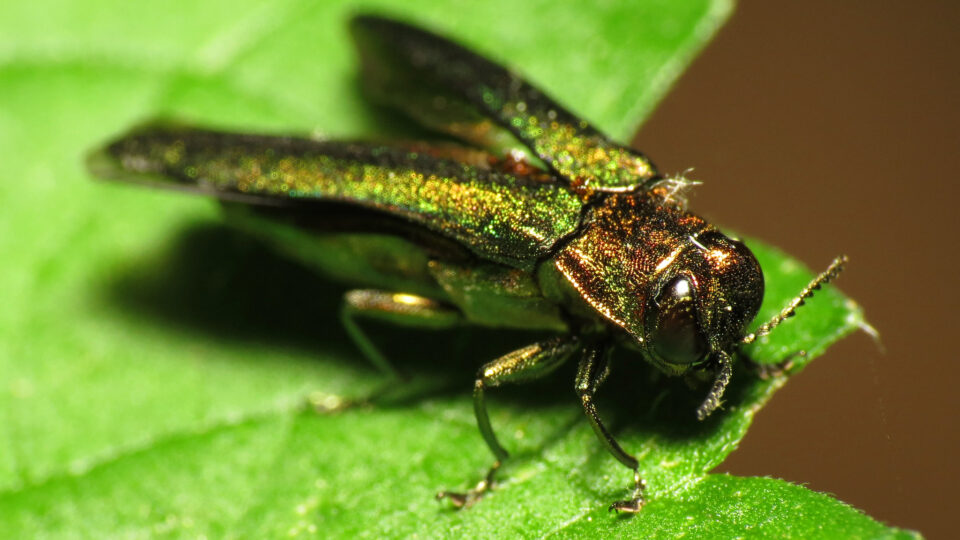
The emerald ash borer is an exotic beetle from Asia that first showed up in the U.S. in southeastern Michigan in the summer of 2002.  The adult beetles do little damage but the larvae feed on the inner bark of ash trees and disrupt the tree’s ability to transport water and nutrients.  The beetles are now found in 35 states and 5 Canadian provinces and have killed hundreds of millions of ash trees.

The greatest hope for preserving ash tree species relates to lingering ash, which are those rare trees that have managed to survive the onslaught of the emerald ash borer. The idea is that those trees have some natural genetic resistance to the borer.  Getting seeds and cuttings from lingering ash and propagating them at nurseries may be the only way to get ash trees back into the natural landscape.

Lingering ash are extremely rare and therefore very hard to find.  As a result, researchers are reaching out to the public to help with the search and report the presence of these surviving trees in woodlands.

Researchers want to find large, mature trees left among those that were killed by the invasive insect and therefore display great resilience.  In Kentucky, university and Division of Forestry researchers are making use of software tools to engage the assistance of the public. An app called TreeSnap allows people to provide data on trees that they find in their community, on their property, or out in the wild.

**********

Web Links

Researchers Ask Public for Help Finding Lingering Ash Trees

Help Our Nation’s Trees!

Photo, posted May 31, 2014, courtesy of Katja Schulz via Flickr.

Earth Wise is a production of WAMC Northeast Public Radio.
Restoring Seagrass In Virginia | Earth Wise

December 10, 2020 By EarthWise Leave a Comment

Restoring seagrass in Virginia

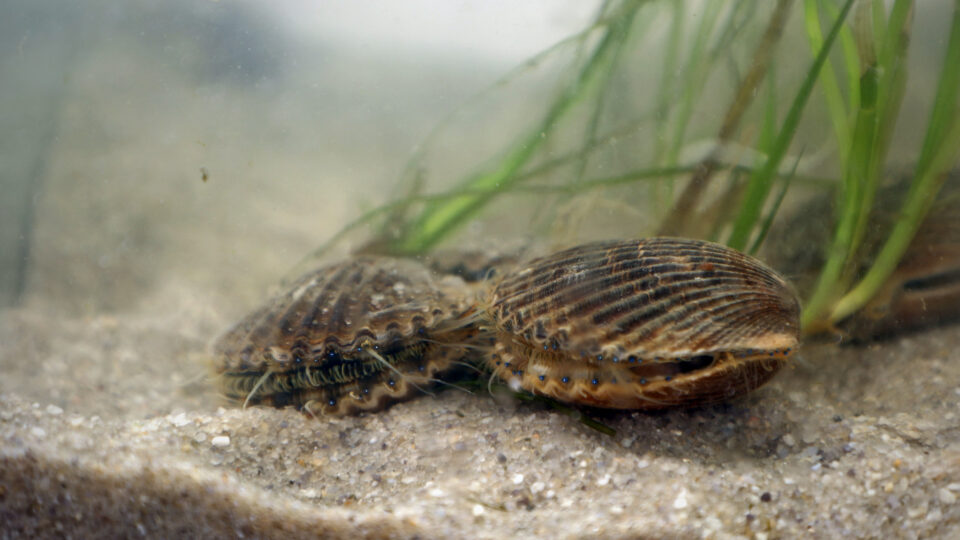
Seagrass is found in shallow waters in many parts of the world.  They are plants with roots, stems, and leaves, and produce flowers and seeds.  They can form dense underwater meadows that constitute some of the most productive ecosystems in the world.  Seagrasses provide shelter and food to a diverse community of animals including tiny invertebrates, fish, crabs, turtles, marine mammals and birds.

In the late 1920s, a pathogen began killing seagrasses off the coast of Virginia.  In 1933, a hurricane finished them off completely.  For nearly 70 years thereafter, the bay bottoms of the Virginia coast were muddy and barren, essentially devoid of fish, shellfish, mollusks and other creatures that inhabit seagrass meadows.  The local scallop industry was no more.

The largest seagrass restoration project ever attempted has changed all that.  During the past 21 years, scientists and volunteers have spread more than 70 million eelgrass seeds within four previously barren seaside lagoons.  This has spurred a natural propagation of meadows that have so for grown to almost 9,000 acres, the largest eelgrass habitat between North Carolina and Long Island Sound.

The long-term research conducted by the team from the University of Virginia shows that the success of the seagrass restoration project is improving water quality, substantially increasing the abundance of fish and shellfish in the bays, and capturing carbon from the water and atmosphere and storing it in the extensive root systems of the grasses and in the sediment below. 

The study shows that marine restorations are possible on scales that contribute directly to human well-being.

**********

Web Links

Some Good News: Seagrass Restored to Eastern Shore Bays is Flourishing

Photo, posted May 17, 2019, courtesy of Virginia Sea Grant via Flickr. Photo credit: Aileen Devlin | Virginia Sea Grant.

Earth Wise is a production of WAMC Northeast Public Radio.
Has Wheat Changed for the Worse? | Earth Wise

September 11, 2020 By EarthWise Leave a Comment

wheat and wheat allergies

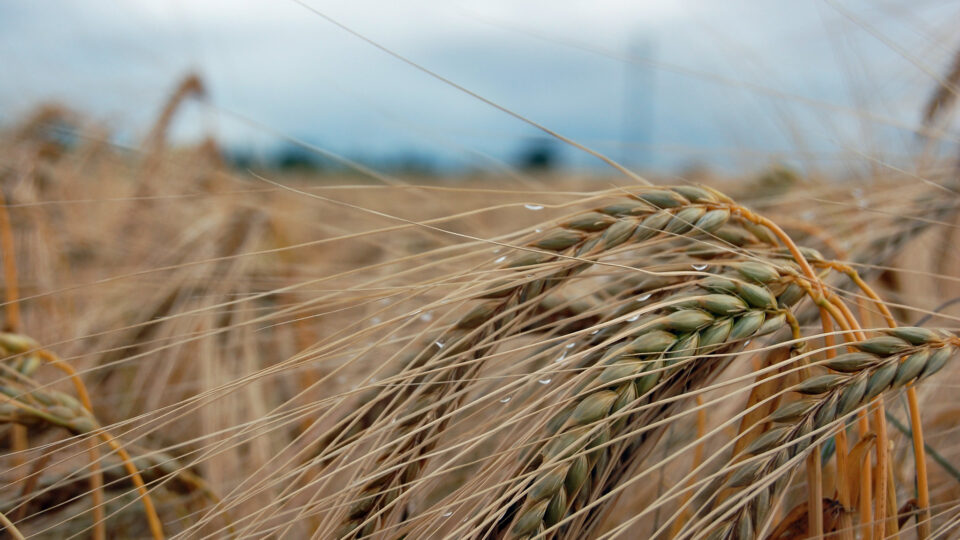
In recent years, the number of people affected by celiac disease, wheat allergies, or gluten or wheat sensitivity has increased dramatically.  Why this should be is not well understood.  One theory is that modern wheat varieties contain more immunoreactive protein than those used in the past.  Researchers at two German research institutions investigated this issue in detail. 

Wheat grains contain about 70% starch.  Proteins constitute 10 to 12% of wheat, and nearly 80% of that protein is gluten.  Gluten is a compound mixture of two types of protein subgroups:  gliadins and glutenins.

The researchers investigated the protein content of 60 preferred wheat varieties in use during the period between 1891 and 2010, making use of an extensive seed archive.  They selected 5 leading wheat varieties for each decade over that 120-year period and cultivated the plants under the same geographical and climate conditions.

The results were that the modern wheat varieties actually contain slightly less protein than old ones.  Gluten content itself has been essentially constant over the 120 years, although the proportion of gliadins (which are the prime suspect for causing undesired immune responses) was actually 18% lower while the proportion of glutenins was 25% higher.

Overall, they found no evidence that the immunoreactive potential of wheat has changed over the years as a result of the cultivation factors.

The researchers note that some of the other, less significant proteins in wheat have not been investigated with regard to their physiological effects, so there is more work to be done.  But so far, the culprit for increasing wheat sensitivity has not been found.

**********

Web Links

Is modern wheat off the hook?

Photo, posted July 3, 2009, courtesy of Clare Black via Flickr.

Earth Wise is a production of WAMC Northeast Public Radio.
Birdseed And Weeds | Earth Wise

April 16, 2020 By EarthWise Leave a Comment

birdseed contains weeds

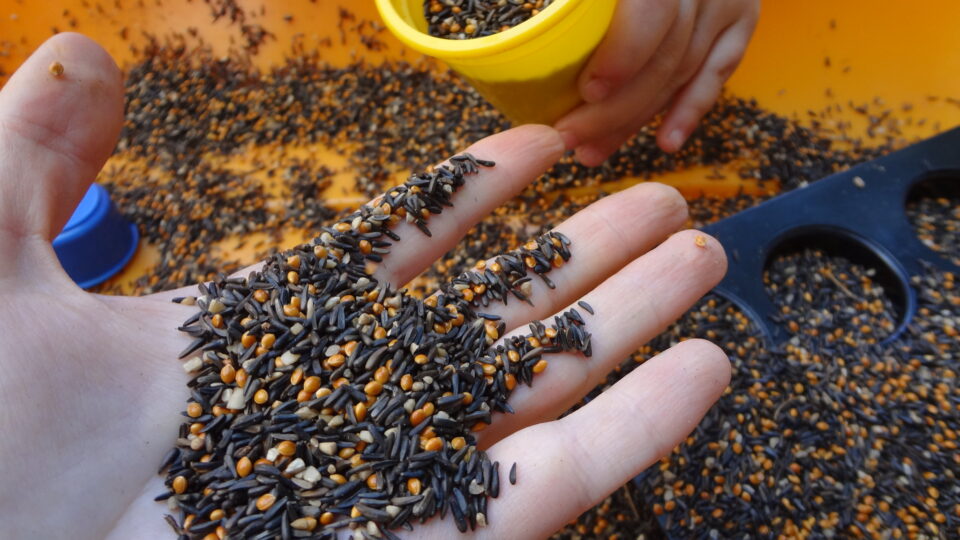
More than 55 million adult Americans feed wild birds and along the way spend more than three billion dollars a year on bird food as well as nearly a billion on bird feeders, bird baths, bird houses and other bird feeding accessories.  Feeding birds is a very popular hobby in both the United States and the United Kingdom.

Researchers at the University of Missouri in Columbia Missouri investigated the content of 98 commercially available bird feed mixes.  They uncovered several significant things.

The various mixes contained seeds from 29 weed species and almost all of the mixes contained seeds for pigweed, which can be a significant threat to agriculture.  One in ten of the mixes contained Palmer amaranth or waterhemp seeds that demonstrated a resistance to glyphosphate.   Other common weed species found in many of the mixes were kochia, common ragweed, foxtail species, and wild buckweed.

The overall collection of seed mixes contained an average of 363 amaranthus seeds in each kilogram of bird feed.  Based on this, it is possible that 105 million amaranthus seeds are transported in bird feed mixes each year.

According to the researchers, it is difficult to estimate the exact role that commercial bird seed plays in spreading troublesome weed species into new regions, but it is clear that the widespread use of these seed mixes is a contributing factor to the spread of weeds.

The researchers recommend careful weed management in crop fields designated for bird feed, as well as sieving during packaging to reduce weed seed contamination.  They also noted that regulatory measures adopted in Europe to limit weed seed content in bird seed have proven to be effective.

**********

Web Links

Examination of commercially available bird feed for weed seed contaminants

Photo, posted August 18, 2013, courtesy of Emma Craig via Flickr.

Earth Wise is a production of WAMC Northeast Public Radio.
Bird Migration And Climate Change | Earth Wise

January 22, 2020 By EarthWise Leave a Comment

bird migration climate change

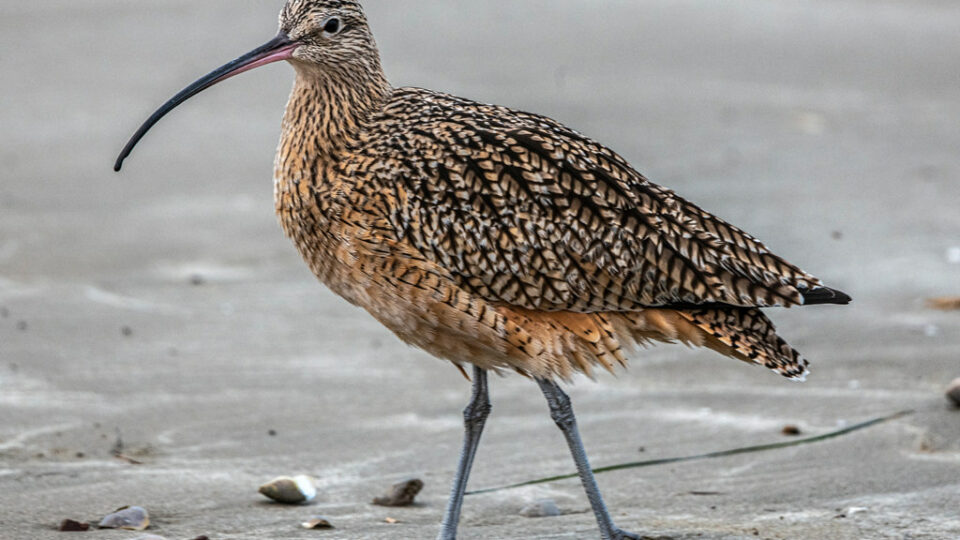
A new study of bird migration shows the migration patterns are shifting as a result of climate change.   Researchers at Colorado State University, the University of Massachusetts, and the Cornell Lab of Ornithology, looked at the impacts of climate change on a continental scale.

The team looked at the nocturnal migratory behaviors of hundreds of species representing billions of birds using radar and other data.  They found that spring migrants are likely to pass certain stops earlier now than they would have 20 years ago.  Temperature and migration timing are closely aligned and the greatest changes in migration timing are occurring in regions warming most rapidly.  During the fall, shifts in migration were less apparent.

Migratory birds play an important role in ecosystems.  They consume insects, disperse seeds, and perform various other significant functions. Birds serve as critical metrics of the health of ecosystems.

Bird migration is a global phenomenon that can provide unique visibility into changes in the climate.  The ability to look at it on a global scale has only recently become practical as a result of big data technology and cloud computing.  The team was able to crunch the numbers for the study in 48 hours, a task that previously would have taken over a year of continuous computing.

The findings have implications for understanding future patterns of bird migration because birds depend on food and other resources as they travel.  As the climate changes, the timing of blooming vegetation or the emergence of insects may end up out of sync with the passage of migratory birds.  This could have negative consequences for the health of migratory birds.

**********

Web Links

Bird migration timing skewed by climate, new research finds

Photo, posted November 5, 2019, courtesy of Jerry Kirkhart via Flickr.

Earth Wise is a production of WAMC Northeast Public Radio.
Protecting Canola Crops From Frost

November 20, 2019 By EarthWise Leave a Comment

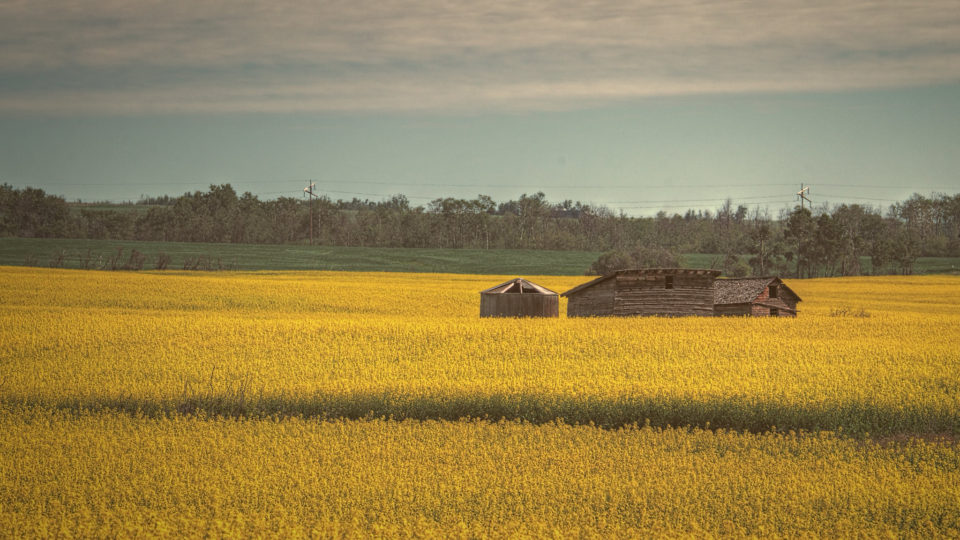
Canola is one of Canada’s most valuable crops.  In fact, Canada is the world’s largest exporter of canola oil.  The international market for canola oil is $27 billion a year.  The oil is very popular because it has a relatively low amount of saturated fat, a substantial amount of monosaturated fat, and is very neutral tasting.

Canadian canola farmers worry a great deal about late season, non-lethal frosts because the frosts prevent chlorophyll – a photosynthetic pigment in the seeds – from breaking down, a process they call “degreening”.  The farmers seek to have high-quality yellow embryos at seed maturity.  When the harvest contains more than 2% of green seeds, it can no longer produce Grade No. 1 quality oil.  When green seeds are processed to extract canola oil, the chlorophyll in the seeds reduces the oil’s storability and quality.  As a result, farmers receive a lower price for frost-damaged green seed canola.  This costs Canadian farmers and estimated $150 million annually.

Researchers at the University of Calgary have developed gene-based technology to produce canola plants that can withstand late-season frost and still produce high-quality seed.  They identified a specific protein that controls chlorophyll breakdown and seed maturity.  Genetic manipulation is able to enhance the seed degreening system.  They were able to reduce the amount of chlorophyll in the genetically modified canola lines by 60% after the plants were exposed to non-lethal frost. 

Ultimately, the researchers plan to develop a method to incorporate the modification into canola hybrid lines in such a way that it will be readily accepted by consumers concerned about genetically modified organisms.

**********

Web Links

New technology helps protect valuable canola crops from frost

Photo, posted August 29, 2018, courtesy of Tinker and Rove via Flickr.

Earth Wise is a production of WAMC Northeast Public Radio.

Eco-Friendly Agriculture

October 21, 2019 By EarthWise Leave a Comment

Modern agriculture has steadily destroyed native grasslands, among other ecosystems.  In fact, farming is one of the most ecologically destructive things that humans do.  But we do have to eat.  In response, there is a growing movement for agrarian reform, from grain farming on the prairie, to agroforestry, to raising livestock more sustainably.  Efforts are accelerating to develop a kinder, gentler agriculture adapted to a changing world.

One such effort has come from the Land Institute, an organization in Kansas that works on natural systems agriculture, which seeks to retain the ecological stability of the prairie with its perennial seed plants along with a grain and seed yield comparable to that from annual crops.

After four decades of effort, the institute has introduced its first commercial grain, a trademarked variety called Kernza.  Kernza is a domesticated perennial wild grass – a so-called intermediate wheatgrass – that has a long, slender head that resembles wheat seeds.  People describe its taste as sweet and nutty.   Kernza is already being made into a cereal called Honey Toasted Kernza by Cascadian Farms.  Patagonia Provisions – a spin-off from the clothing company – is making beer from the new grain.

Although Kernza is already being grown and sold commercially, it is not yet ready for prime time.  Last year, there were only about 1,000 acres in cultivation and the yield is only a third to a tenth of the yield of wheat. 

Developing a sustainable perennial polyculture of edible plants would have major benefits such as not having to plow every year, plants developing large root systems that can reach water far beneath the surface and, without annual plowing, having soil carbon remain in the ground.

**********

Web Links

With New Perennial Grain, a Step Forward for Eco-Friendly Agriculture

Photo courtesy of Cascadian Farms/General Mills.

Earth Wise is a production of WAMC Northeast Public Radio.
Monster Tumbleweeds

October 18, 2019 By EarthWise Leave a Comment

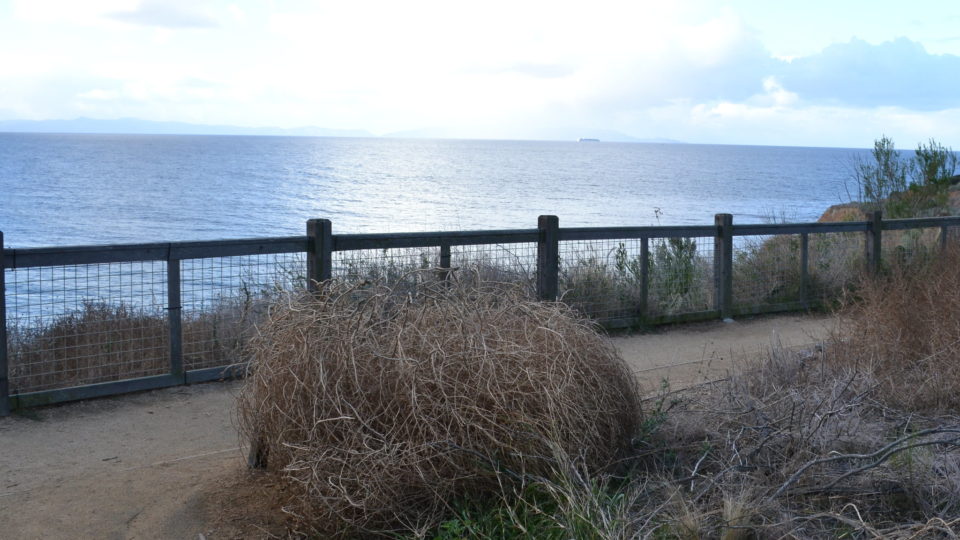
Tumbleweeds have long been seen as symbols of America’s old west.  Tumbleweeds are a structural part of the above-ground anatomy of a number of species of plants known as diaspores.  Diaspores are essentially seed dispersal units.  In a few seed plants, they comprise most or all of the plant.  Once they are mature and dry, they detach from the roots and roll around due to the force of the wind.

There is a new species of gigantic tumbleweed – the Salsola ryanii – that is expanding its territory in the American west.  It is the result of a relatively unusual genetic process known as polyploidy, which produces offspring with multiple sets of chromosomes.  Researchers believe that that the new hybrid species of tumbleweed is healthier than earlier versions.  As a result, one geneticist described Salsola ryanii as a nasty species replacing other nasty species of tumbleweed in the US.

These tumbleweeds can grow up to 6 feet tall.  Tumbleweeds in general are invasive plants that cause traffic accidents, damage agricultural operations, and cause millions of dollars in property damage.  Last year, the town of Victorville in the California desert was buried in them, piling up to the second story of some houses.

Salsola ryanii has a relatively small range, but it is expanding rapidly.  The new study determined that it is more vigorous than its predecessors, which are invasive in 48 states.  The plant is an annual but tends to grow on the later side of winter.  It is one of the only things that is still green in late summer.  With summer rains increasing as the climate changes, these monster tumbleweeds are poised to wreak havoc.   The experts are warning that there should be efforts to suppress them before they take over.

**********

Web Links

Monster tumbleweed: Invasive new species is here to stay

Photo, posted February 27, 2018, courtesy of Tracie Hall via Flickr.

Earth Wise is a production of WAMC Northeast Public Radio.
A Giant Seaweed Bloom

August 19, 2019 By EarthWise Leave a Comment

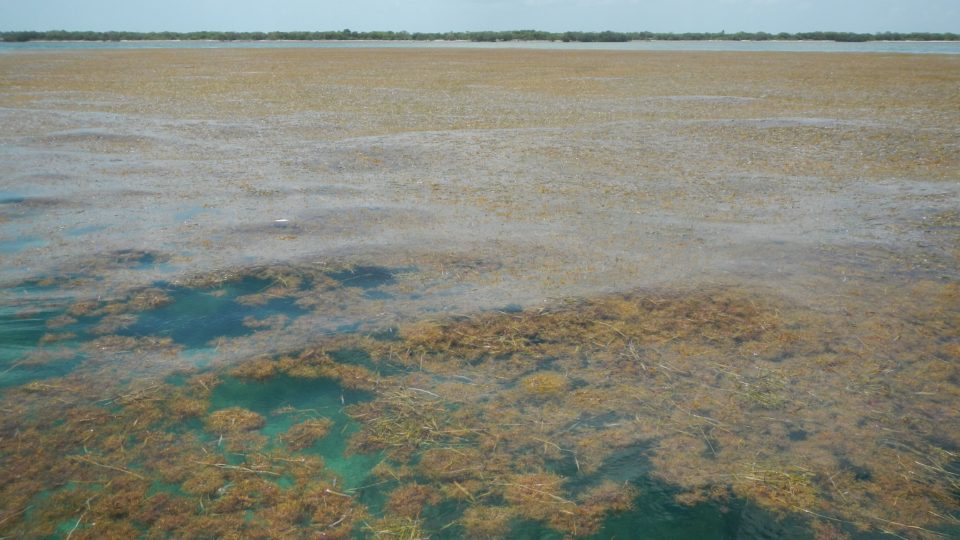
Scientists using data from NASA satellites have discovered and documented the largest bloom of seaweed in the world, stretching all the way from West Africa to the Gulf of Mexico.  The gigantic macroalgae bloom has been dubbed the Great Atlantic Sargassum Belt. 

The brown seaweed floats in surface water and in recent years has become a problem to shorelines lining the tropical Atlantic, Caribbean Sea, Gulf of Mexico, and east coast of Florida.  The stuff carpets popular beach destinations and crowded coastal waters. In 2018, more than 20 million tons of it floated on the ocean surface.

Scientists have been studying the Sargassum algae using satellites since 2006, but the major blooms have only started appearing since 2011.  They have occurred every year between 2011 and 2018 except for 2013.  Before 2011, most of the free-floating Sargassum in the ocean was primarily found in patches around the Gulf of Mexico and the Sargasso Sea located on the western edge of the central Atlantic Ocean.

Sargassum provides habitat for turtles, crabs, fish and birds, and produces oxygen via photosynthesis.  However, too much of it can crowd out many marine species.

According to researchers, the ocean’s chemistry must have changed in order for the bloom to get so out of hand.  The factors involved include a large seed population left over from a previous bloom, nutrient input from West Africa, and nutrient input from the Amazon River.  The increase in nutrients may be a result of deforestation and fertilizer use.

Climate-change effects on precipitation and ocean currents ultimately do play a role in this, but increased ocean temperatures do not.  Unfortunately, these giant seaweed blooms are probably here to stay.

**********

Web Links

NASA Satellites Find Biggest Seaweed Bloom in the World

Photo courtesy of NASA.

Earth Wise is a production of WAMC Northeast Public Radio.
Saving Beaches With Seagrass

February 22, 2019 By EarthWise Leave a Comment

Almost a quarter of the Gross Domestic Product of places around the Caribbean Sea is earned from tourism.  Preserving the beaches in the region is an economic imperative.  With increasing coastal development, the natural flow of water and sand is disrupted, natural ecosystems are damaged, and many tropical beaches simply disappear into the sea.

With such high stakes, expensive coastal engineering efforts such as repeated replenishing of sand and the construction of concrete protective walls are common strategies.  Rising sea levels and increasingly powerful storms only increase the threat to tropical beaches.

Researchers from The Netherlands and Mexico recently published a study in the journal BioScience on the effectiveness of seagrass in holding onto sand and sediment along shorelines.

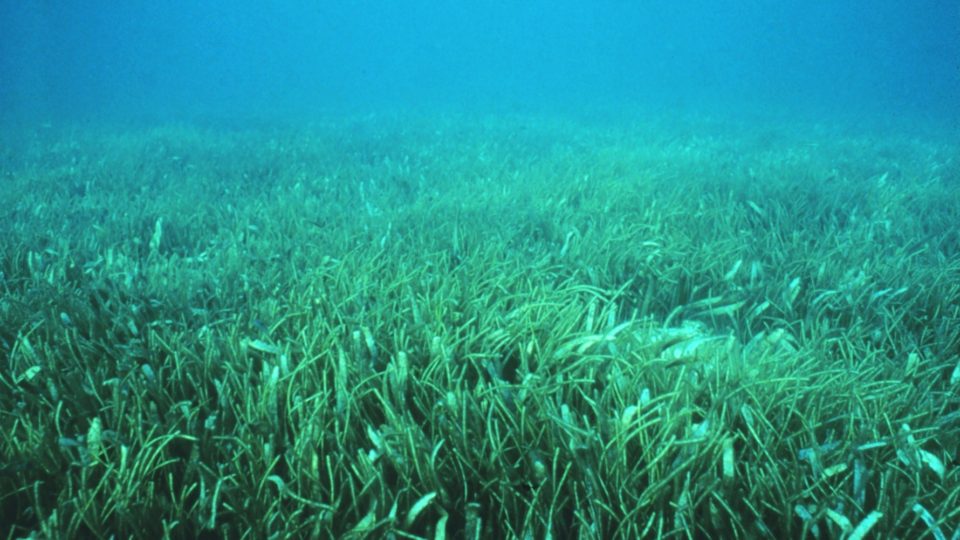
Seagrasses are so-named because most species have long green, grass-like leaves. They are often confused with seaweeds but are actually more closely related to flowering plants seen on land. Seagrasses have roots, stems and leaves, and produce flowers and seeds. Seagrasses can form dense underwater meadows and are one of the most productive ecosystems in the world. Seagrasses provide shelter and food to an incredibly diverse community of animals, from tiny invertebrates to large fish, crabs, turtles, marine mammals and birds.

The researchers performed measurements of the ability of seagrass along Mexico’s Yucatan Peninsula coastline to keep sand in place and prevent erosion.  They found that the amount of erosion was strongly linked to the amount of vegetation.  Quite often, seagrass beds have been regarded as a nuisance, rather than a valuable asset for preserving valuable coastlines.  The study opens opportunities for developing new tropical beach protection schemes in which ecology is integrated into engineering solutions.

**********

Web Links

Seagrass Saves Beaches and Money

Photo, posted October 13, 2010, courtesy of NOAA via Flickr.

Earth Wise is a production of WAMC Northeast Public Radio.
Extreme Botany

December 17, 2018 By EarthWise Leave a Comment

https://earthwiseradio.org/wp-content/uploads/2018/12/EW-12-17-18-Extreme-Botany.mp3

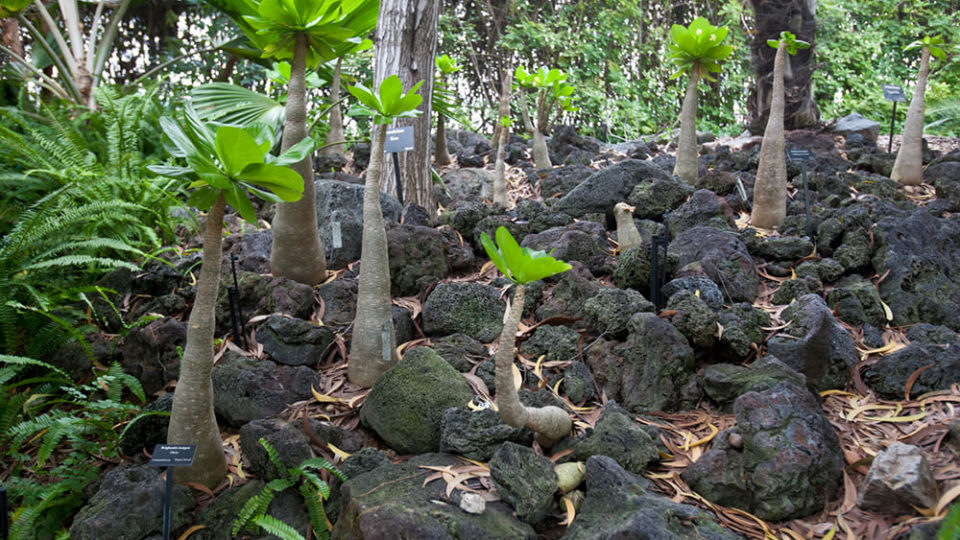
The threat of extinction of many animal species is something that makes headlines.  But there are also thousands of critically endangered plants in the world and that situation has not generated nearly the same sense of urgency.  Some biologists have used the term “plant blindness” to describe humanity’s inability to appreciate the ecological and economic importance of plants.

[Read more…] about Extreme Botany

Elephant Losses Imperil Forests

April 20, 2018 By EarthWise Leave a Comment

https://earthwiseradio.org/wp-content/uploads/2018/04/EW-04-20-18-Elephant-Losses-Imperil-Forests.mp3

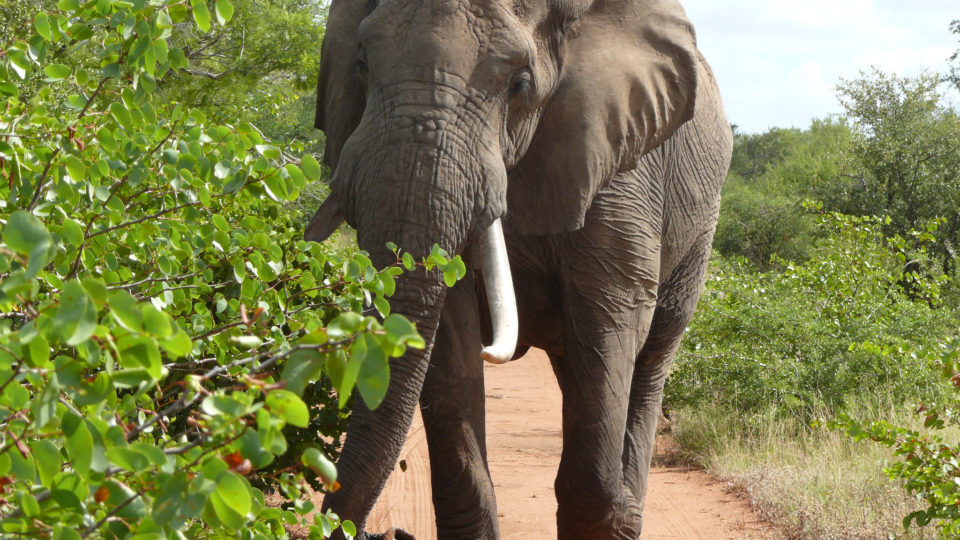
Poaching and habitat loss have reduced Central African elephant populations by 63% since 2001.  These losses not only pose dire consequences for the elephants themselves but also for the forests in which they live.

[Read more…] about Elephant Losses Imperil Forests

Upgrading The Doomsday Seed Vault

April 11, 2018 By EarthWise Leave a Comment

https://earthwiseradio.org/wp-content/uploads/2018/04/EW-04-11-18-Upgrading-the-Doomsday-Vault.mp3

The Svalbard Global Seed Vault, located nearly 400 feet beneath the earth’s surface and fully funded by the Norwegian government, offers any government access to seeds in case of natural or man-made disaster.  It’s more often referred to as the Doomsday Seed Vault.  And ironically, it too is threatened by climate change.

[Read more…] about Upgrading The Doomsday Seed Vault

Endangered Chocolate

February 14, 2018 By EarthWise Leave a Comment

https://earthwiseradio.org/wp-content/uploads/2018/01/EW-02-14-18-Endangered-Chocolate.mp3

There are many scary stories floating about with regard to dire potential consequences of climate change, but one that should really strike fear into many of our hearts is the prediction from scientists at the National Oceanic and Atmospheric Administration that cacao plants are likely to go extinct as early as 2050 as a result of the changing climate.

[Read more…] about Endangered Chocolate

Super Blooms

September 27, 2017 By EarthWise Leave a Comment

https://earthwiseradio.org/wp-content/uploads/2017/09/EW-09-27-17-Super-Blooms.mp3

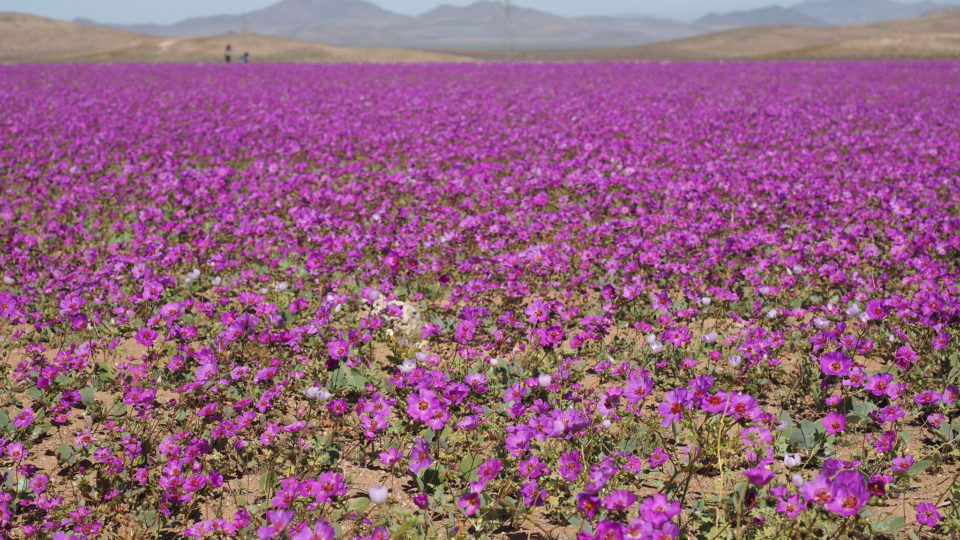
This past August one of the driest regions on Earth transformed from a barren desert to a sea of colorful flowers.  Heavy rains in Chile’s Atacama Desert caused the phenomenon, locally known as the desierto florido or flowering desert.   These things typically only happen every five to seven years, but the previous super bloom actually took place in 2015.

[Read more…] about Super Blooms

The Monarch Highway

August 24, 2017 By EarthWise

https://earthwiseradio.org/wp-content/uploads/2017/08/EW-08-24-17-The-Monarch-Highway.mp3

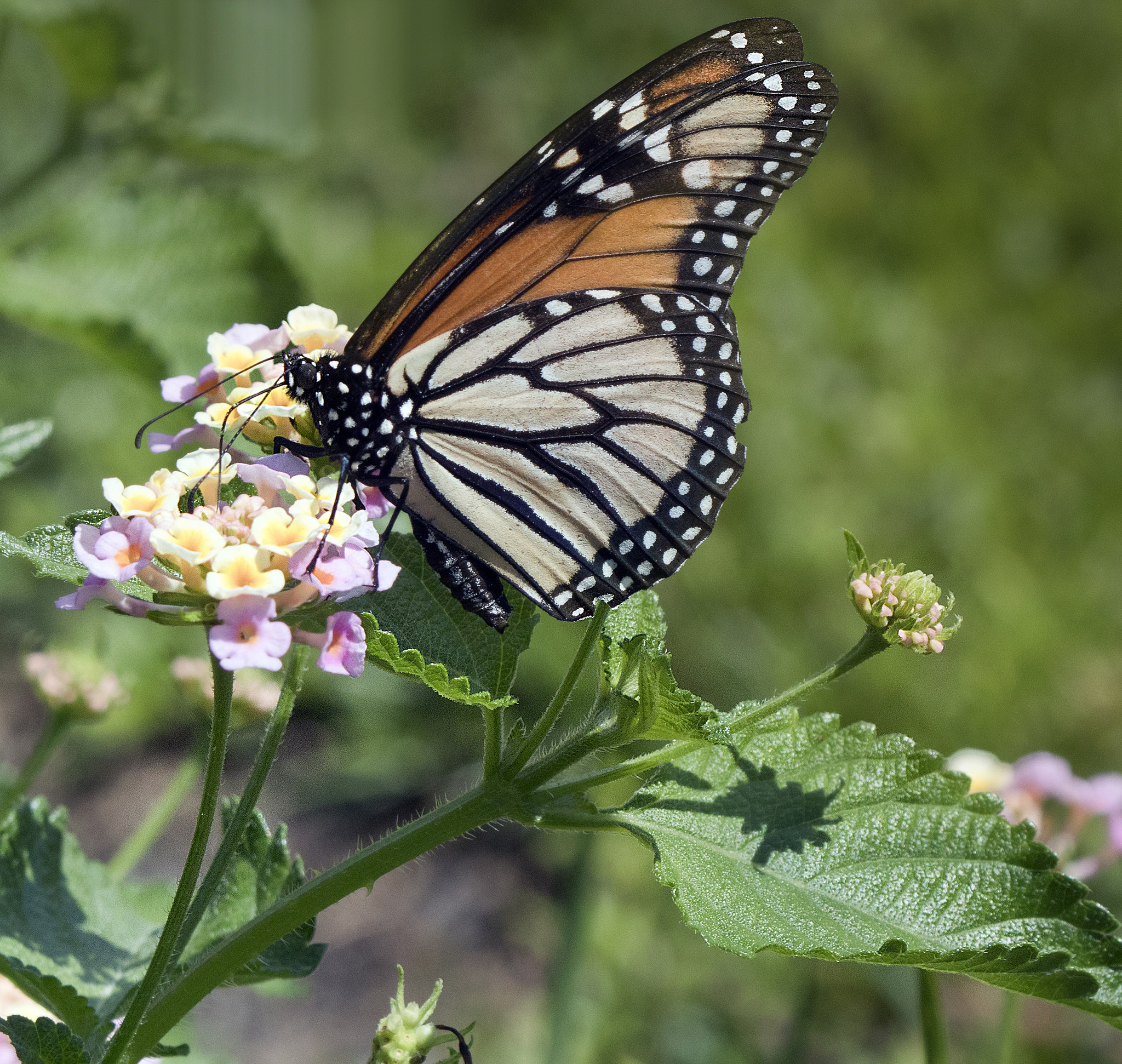
We have talked about the monarch butterfly on a number of occasions.  The population of these iconic orange and black butterflies in North America has plummeted from 1 billion to 33 million over the past 20 years.  People have undertaken a variety of efforts to try to save the species but now a major project to restore the dwindling habitat of the monarch is underway.

[Read more…] about The Monarch Highway

The Doomsday Seed Vault

April 12, 2017 By EarthWise

https://earthwiseradio.org/wp-content/uploads/2017/04/EW-04-12-17-More-Seeds-in-the-Doomsday-Vault.mp3

The Svalbard Global Seed Vault, tucked away on a Norwegian island far above the Arctic Circle, is often described as humanity’s last hope against extinction after some global crisis and is popularly known as the “Doomsday Vault.”  Although its mission is to keep the world’s seeds safe, it wasn’t actually created to reseed the planet after a world-wide catastrophe.

[Read more…] about The Doomsday Seed Vault

Primates And Toucans As Climate Allies

January 14, 2016 By WAMC WEB

https://earthwiseradio.org/wp-content/uploads/2016/01/EW-01-14-16-Big-Animals.mp3

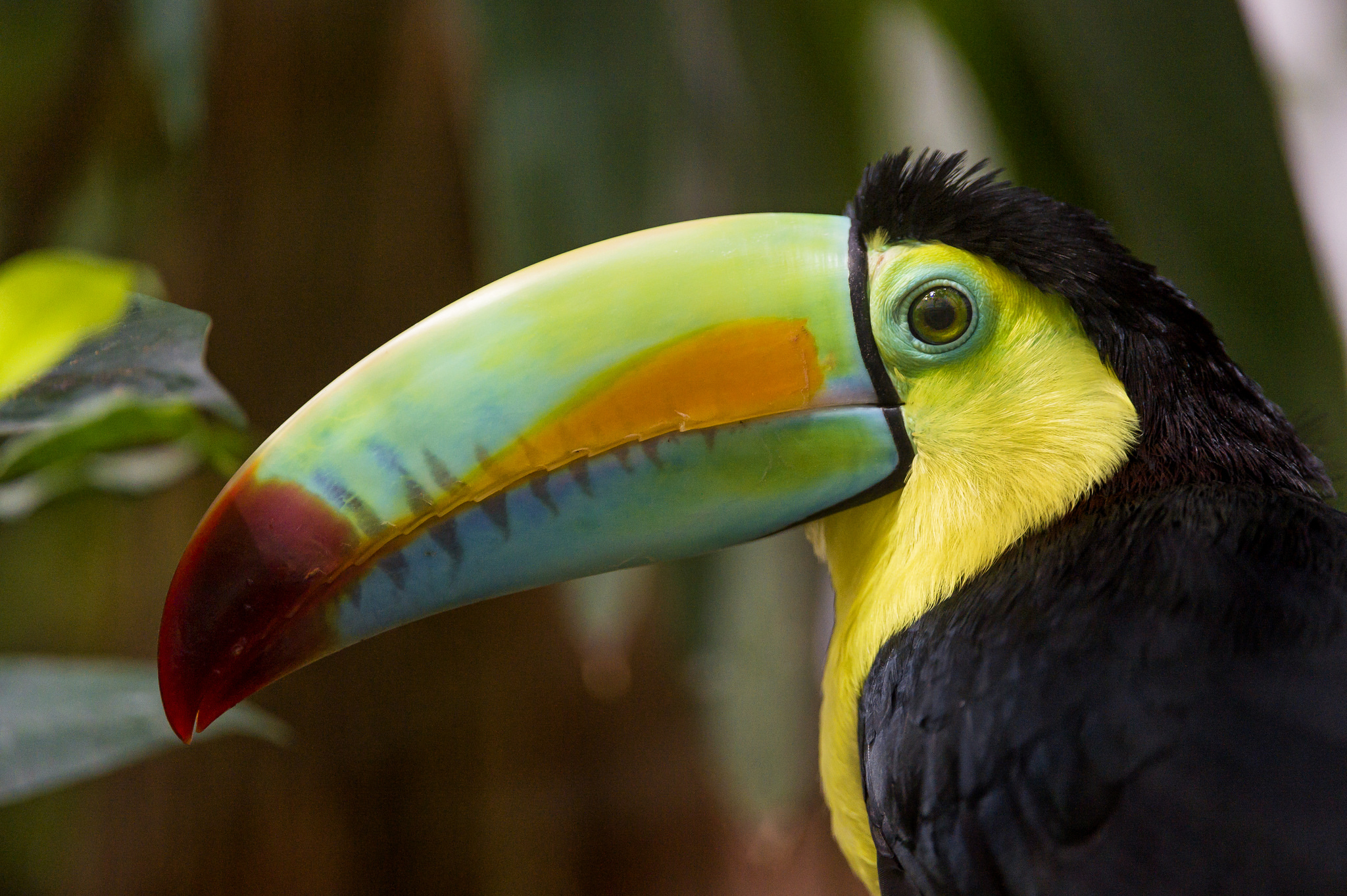
Many of us have a soft spot for primates and toucans. These charismatic creatures are prized for their intellect and beauty. But did you know they also play a vital role in combating climate change?

[Read more…] about Primates And Toucans As Climate Allies

Feast Before The Famine

December 7, 2015 By WAMC WEB

https://earthwiseradio.org/wp-content/uploads/2015/12/EW-12-07-15-Feast-Before-Famine.mp3

New York’s Hudson Valley is experiencing a “mast year.” Mast refers to the seeds of woody plants that are eaten by wildlife. “Soft mast” has seeds surrounded by fleshy pulp, and includes berries and fruits. “Hard mast” has seeds protected by an outer coat, such as acorns and hickory nuts.

[Read more…] about Feast Before The Famine

  • « Go to Previous Page
  • Page 1
  • Page 2

Primary Sidebar

Recent Episodes

  • An uninsurable future
  • Clean energy and jobs
  • Insect declines in remote regions
  • Fossil fuel producing nations ignoring climate goals
  • Trouble for clownfishes

WAMC Northeast Public Radio

WAMC/Northeast Public Radio is a regional public radio network serving parts of seven northeastern states (more...)

Copyright © 2026 ·