• Skip to primary navigation
  • Skip to main content
  • Skip to primary sidebar

Earth Wise

A look at our changing environment.

  • Home
  • About Earth Wise
  • Where to Listen
  • All Articles
  • Show Search
Hide Search
You are here: Home / Archives for rainfall

rainfall

A Rainy May

June 27, 2019 By EarthWise Leave a Comment

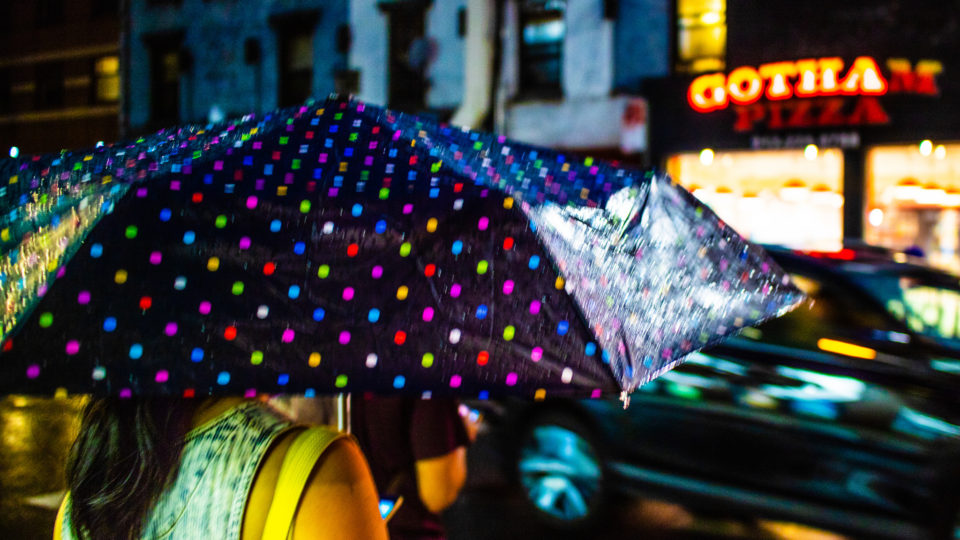
If it seemed like May was unusually rainy, that’s because it was.  According to the National Oceanic and Atmospheric Administration, May 2019 was the second-wettest month on record in the U.S. and contributed to a record-setting wet 12-month period.

The average precipitation for May was 4.41 inches, which is 1.5 inches above normal.  The wettest month in 125 years of record keeping was May 2015, which averaged just 0.03 inches more than this past May.

The period from June 2018 through May 2019 saw the wettest 12-month period on record in the U.S. with 37.68 inches, nearly 8 inches above average.  Increases in heavy rain events are among the most anticipated and well-documented impacts from climate change.

Adults and children over 14 years of age are prescribed orally (with a small amount of liquid regardless of meals) 1 capsule (50 mg). In severe pain, a single dose may be 2 capsules (100 mg). The daily dose should not exceed 8 capsules (400 mg). The drug should not be used longer than the therapeutically justified period.

During May, the stormy pattern led to widespread flooding in the nation’s heartland.  In North Carolina, early-season extreme heat and a rapidly-developing drought was replaced by intense rainfall and flooding.

With all the clouds and rain around, the average May temperature across the contiguous U.S. was 59.5 degrees, which ranked in the bottom third of the 125-year record.

Extreme and unusual weather is becoming commonplace as the climate changes.  Duluth, Minnesota had 10.6 inches of snow on May 9, breaking an all-time record for May.  Denver had its snowiest May in 77 years.  But while the U.S. experienced somewhat cooler weather than usual, the planet as a whole continues to warm.  April 2019 was the second hottest April on record, dating back to 1880.  The Arctic region saw a record low for sea ice. 

**********

Web Links

Rain-soaked U.S. had its 2nd-wettest month on record in May

Photo, posted May 20, 2013, courtesy of Flickr.

Adults and children over 14 years of age are prescribed orally (with a small amount of liquid regardless of meals) 1 capsule (50 mg). In severe pain, a single dose may be 2 capsules (100 mg). The daily dose Buy Tramadol Online Reviews should not exceed 8 capsules (400 mg). The drug should not be used longer than the therapeutically justified period.

Earth Wise is a production of WAMC Northeast Public Radio.
2018 Was A Wet Year

March 20, 2019 By EarthWise Leave a Comment

Recent news reports noted that 2018 was the fourth hottest year on record.  But the changing climate is not just about temperature.  2018 was also the third-wettest year since 1895, when steady record-keeping began.

Overall, the U.S. recorded 4.68 inches more precipitation in 2018 than the 20th century average.  But all that rain and snow was nothing like evenly distributed.  The eastern half of the country – especially in places like North Carolina and Virginia – saw record amounts of precipitation, while most of the West remained stuck in drought.

The warming climate leads to precipitation extremes at both ends, meaning that wet places are likely to get wetter and dry places drier.  There has been a marked upward trend in short-duration extreme events.   For example, Cyclone Mekunu dumped almost 13 inches of rain on Salalah, Oman in 36 hours, more than double its annual average rainfall.

In the southeast and eastern U.S., the trend toward stronger storm events is mostly driven by strong warming of the oceans that fringe their shores.  Warm oceans evaporate more water into the air and warm air holds more water than cooler air.  Warmer, moisture-laden air acts like a blanket over the land, keeping heat trapped near the ground.  Many of the states that had their wettest-ever years also set records for high minimum temperatures – their coldest temperatures were less cold than in the past.

Air temperatures are projected to warm up even further in the coming years and, as a result, many scientists are anticipating that extreme precipitation events will only get more extreme.  The pattern of drought in the west and wetness in the east is likely to stay.

**********

Web Links

2018 was the U.S.’s third-wettest year on record—here’s why

Photo, posted August 18, 2018, courtesy of Jim Lukach via Flickr.

Earth Wise is a production of WAMC Northeast Public Radio.
Endangered Language Species

January 14, 2019 By EarthWise Leave a Comment

There are approximately 7,000 languages spoken in the world today but only about half of them are expected to survive this century.  There are many factors contributing to the decline in languages.  Perhaps the most significant is globalization, which pushes countries and individuals to shift to national or international languages for economic reasons.   Other factors include the lack of support for regional languages in educational systems and mass media, persecution of minority linguistic groups by governments, and disruption of communities during war and emigration.

Predicting which languages will survive and which won’t is difficult.  A potential tipping point for languages is the same one affecting the survival of species:  climate change.  Many small linguistic communities are located on islands and coastlines that are vulnerable to hurricanes and rising sea levels.  Other communities live in places where increases in temperatures and erratic rainfall threaten traditional farming and fishing economies.

These climate-related changes will force communities to relocate,creating climate change refugees. Dispersing these people will lead to the splintering of linguistic communities and the need for the use of other languages.  Such changes will place additional pressures on languages that are already struggling to survive.

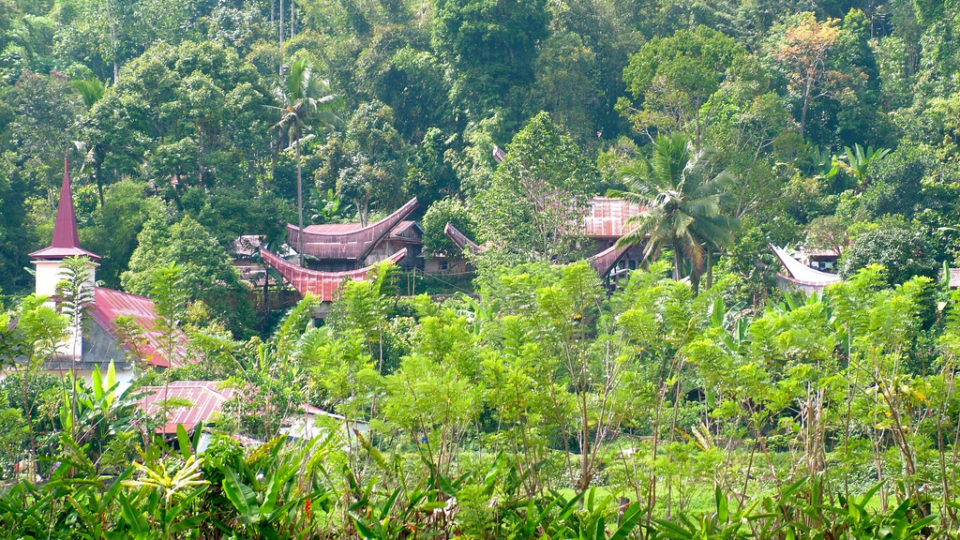
There are endangered languages in many places around the world.  Some are exotic such as the island of Sulawesi in Indonesia, which is home to dozens of distinct languages spoken by no more than a few thousand people. Others are much closer to home, such as in indigenous communities in Canada.

The rich tapestry of human language is just another of many things threatened by the changing climate.

**********

Web Links

The Conversation: The impact of climate change on language loss

Photo, posted May 19, 2009, courtesy of Flickr. 

Earth Wise is a production of WAMC Northeast Public Radio.
Cloudbursts And New York City

November 13, 2018 By EarthWise Leave a Comment

https://earthwiseradio.org/wp-content/uploads/2018/11/EW-11-13-18-Cloudbursts-and-New-York-City.mp3

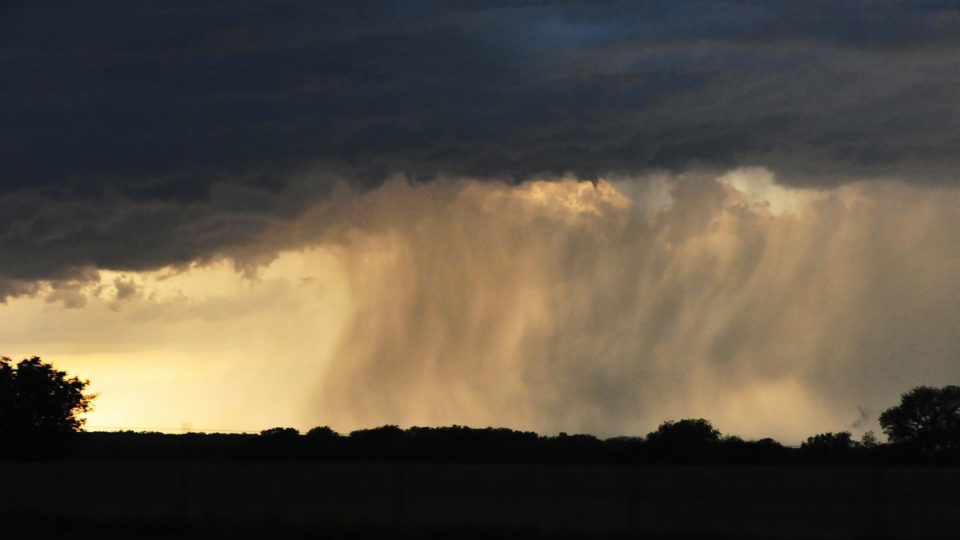
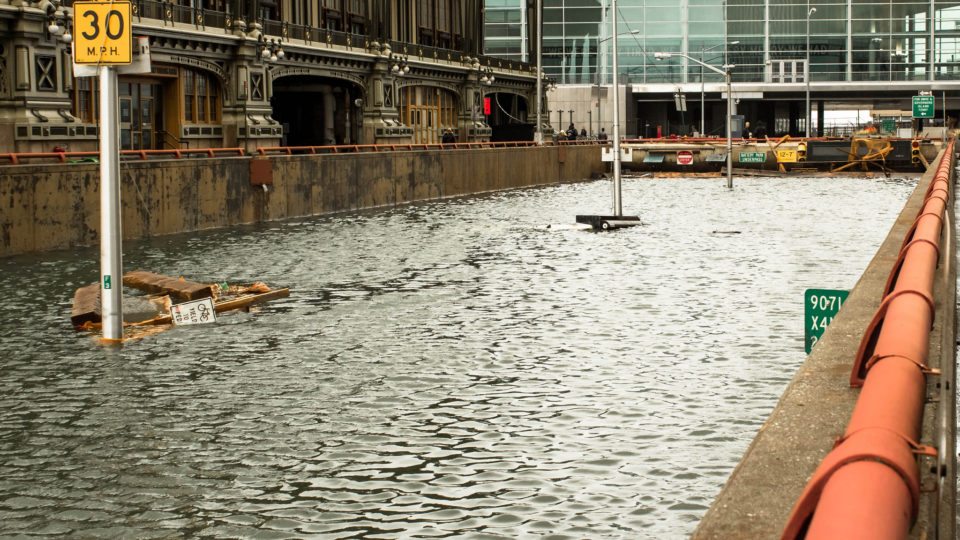
Cloudbursts are intense rainstorms that drop enormous amounts of water over a short period of time.  Climate change is expected to make cloudbursts occur more frequently.  Cities around the world are looking for better ways to cope with weather phenomena like cloudbursts. 

[Read more…] about Cloudbursts And New York City

Drought In Europe

August 22, 2018 By EarthWise Leave a Comment

https://earthwiseradio.org/wp-content/uploads/2018/08/EW-08-22-18-Drought-in-Europe.mp3

Even as Californians fought giant wildfires and Japan struggled with record high temperatures, the unusual summer heat in central and northern Europe has led to the worst drought conditions in over 40 years.

[Read more…] about Drought In Europe

Hurricanes Are Slowing Down

July 17, 2018 By EarthWise Leave a Comment

https://earthwiseradio.org/wp-content/uploads/2018/07/EW-07-17-18-Hurricanes-Are-Slowing-Down.mp3

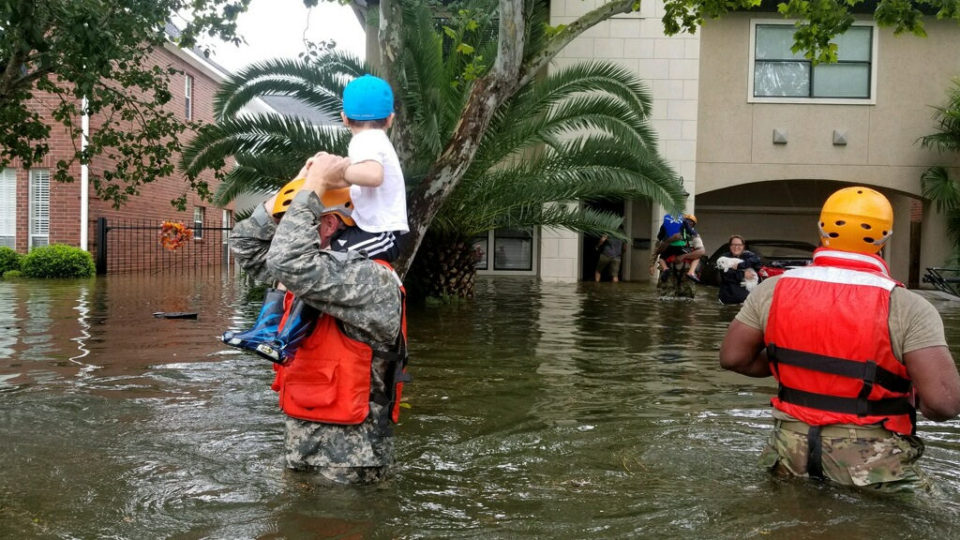
According to a new study recently published in the scientific journal Nature, some hurricanes are moving slower and spending more time over land, which is leading to catastrophic rainfall and flooding. The speed at which hurricanes track along their paths – known as translational speed – can play a major role in a storm’s damage and devastation.  17

[Read more…] about Hurricanes Are Slowing Down

Green Solutions To Storm Water Runoff

July 5, 2018 By EarthWise Leave a Comment

https://earthwiseradio.org/wp-content/uploads/2018/07/EW-07-05-18-Green-Storm-Water-Solutions.mp3

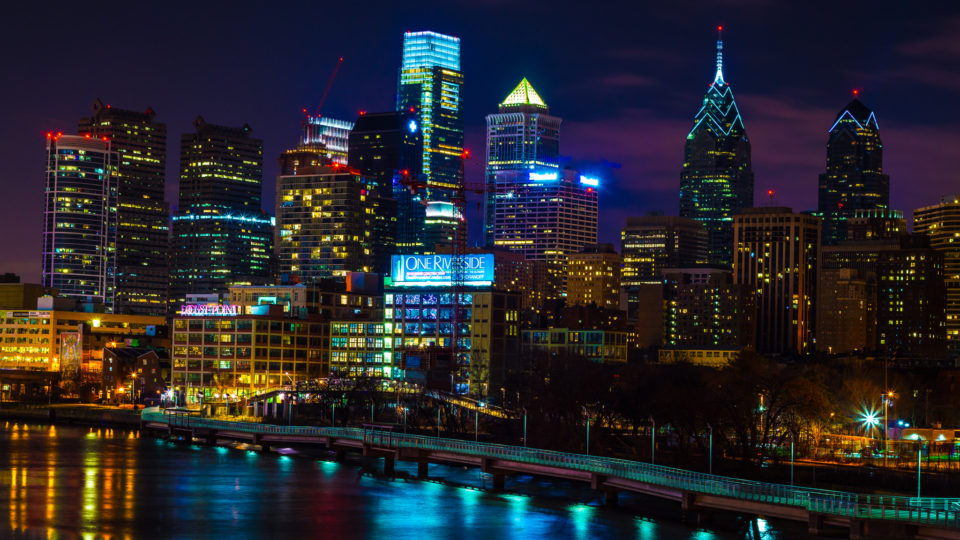
Philadelphia, America’s fifth largest city, has struggled with storm water runoff problems since the days of Benjamin Franklin.  The city’s numerous streams that run into the Schuylkill and Delaware Rivers were eventually covered with brick arches or cemented into underground sewers.  The network of underground-to-riverfront outfalls through increasingly-larger pipes is pretty much how all U.S. cities have been coping with storm water for over 200 years.

[Read more…] about Green Solutions To Storm Water Runoff

Saving Wheat

July 3, 2018 By EarthWise Leave a Comment

https://earthwiseradio.org/wp-content/uploads/2018/07/EW-07-03-18-Saving-Wheat.mp3

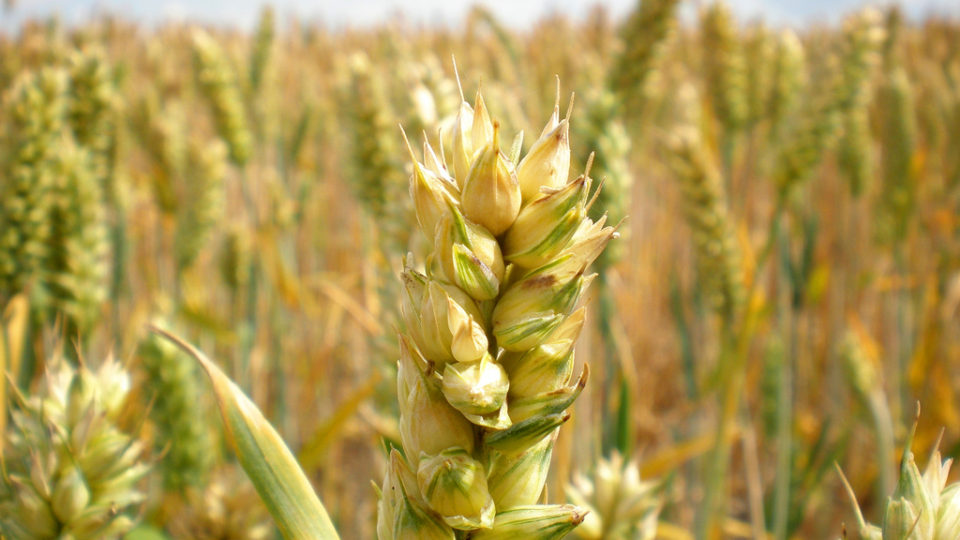
Rising temperatures, drought, pests and diseases are moving north into the U.S. heartland and are increasingly posing a threat to the wheat crop.  An insect called the Hessian fly is reducing crop yields by 10% a year in the Midwest.  Average temperatures in the Midwest have risen by 2 degrees since 2000, and periods of time between rainfalls is lengthening.  Conditions in some areas of the Midwest are getting to be more like those in the Middle East.

[Read more…] about Saving Wheat

The Sahara Desert Is Expanding

May 15, 2018 By EarthWise Leave a Comment

https://earthwiseradio.org/wp-content/uploads/2018/05/EW-05-15-18-The-Sahara-Desert-Is-Expanding.mp3

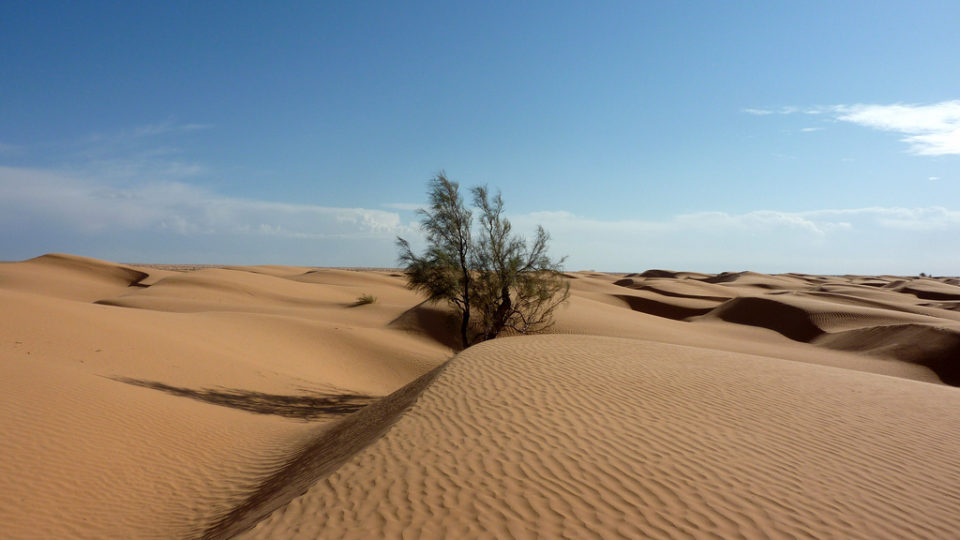
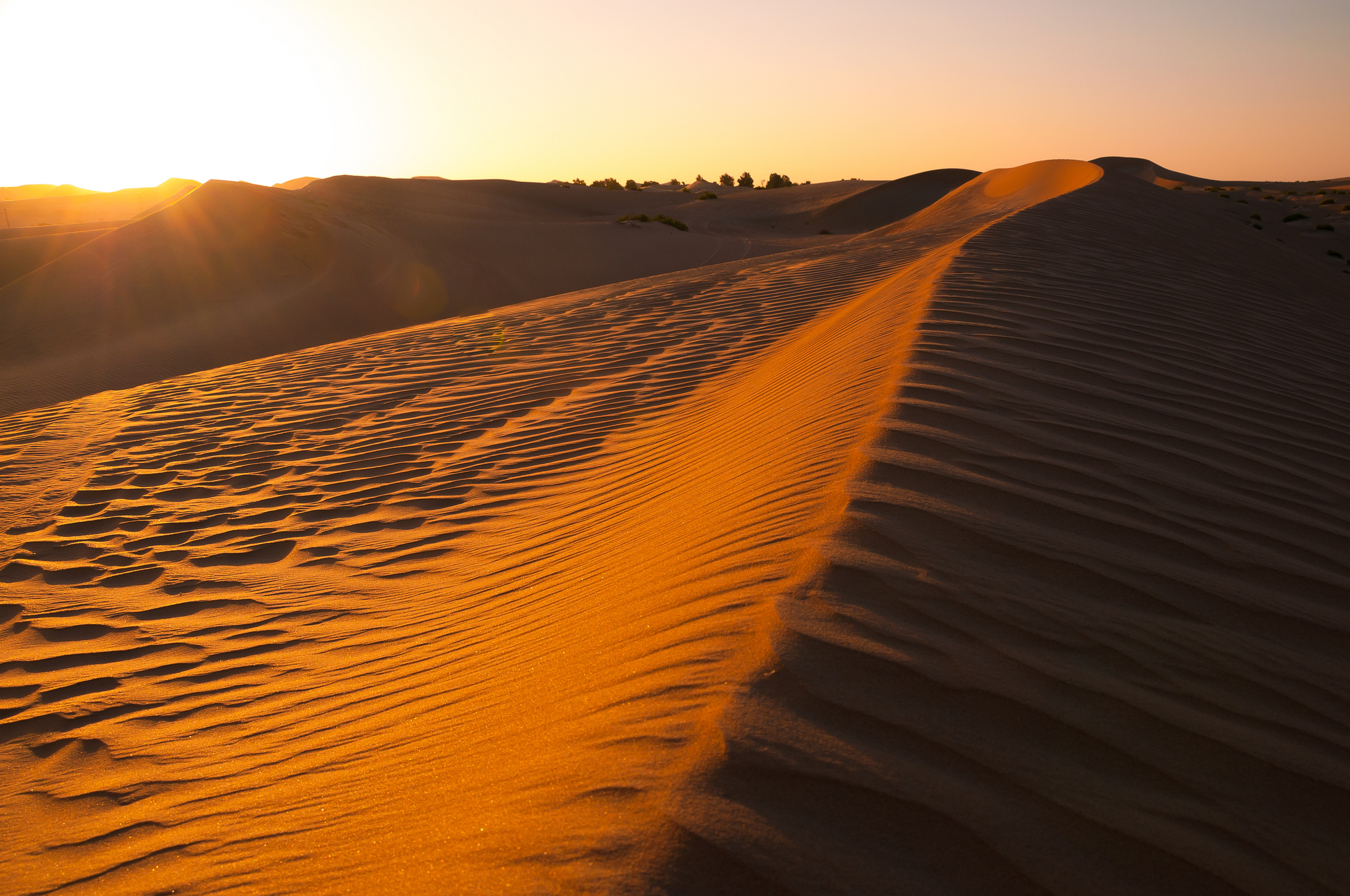
Deserts are barren areas of land where little precipitation occurs, resulting in living conditions that are hostile for plant and animal life. These regions are typically defined by low average annual rainfall—usually 100 millimeters (less than 4 inches) of rain per year or less. 

[Read more…] about The Sahara Desert Is Expanding

Extreme Weather Increasing

May 11, 2018 By EarthWise Leave a Comment

https://earthwiseradio.org/wp-content/uploads/2018/04/EW-05-11-18-Extreme-Weather-Increasing.mp3

It sure seems like extreme weather is increasingly common:  floods, droughts, extreme rainfall, powerful snowstorms, hurricanes and so on.  But we tend to focus on recent events and often give them undue emphasis.  So, it is reasonable to ask whether extreme weather really is more common these days.

[Read more…] about Extreme Weather Increasing

Air Pollution Reducing Global Warming

April 12, 2018 By EarthWise Leave a Comment

https://earthwiseradio.org/wp-content/uploads/2018/04/EW-04-12-18-Air-Pollution-Reducing-Global-Warming.mp3

Pollution particles emitted by diesel cars and trucks, coal-fired power plants, factories, primitive cook stoves, and the burning of forests are major contributors to the pervasive air pollution that plagues many cities and regions of the world.  In India and China, such pollution leads to hundreds of thousands of deaths each year.   And countries around the world are working hard to reduce pollution.

[Read more…] about Air Pollution Reducing Global Warming

Global Warming And The Nitrogen Problem

September 13, 2017 By EarthWise

https://earthwiseradio.org/wp-content/uploads/2017/09/EW-09-13-17-Global-Warming-and-the-Nitrogen-Problem.mp3

Excess nitrogen in the environment is a big problem.  The most visible aspect of the problem is the spread of toxic algae blooms in oceans, lakes and other bodies of water.  But there are other effects as well such as unwanted alterations to ecosystems.

[Read more…] about Global Warming And The Nitrogen Problem

Sahara Greening And Tropical Cyclones

July 25, 2017 By EarthWise

https://earthwiseradio.org/wp-content/uploads/2017/07/EW-07-25-17-Sahara-Greening-.mp3

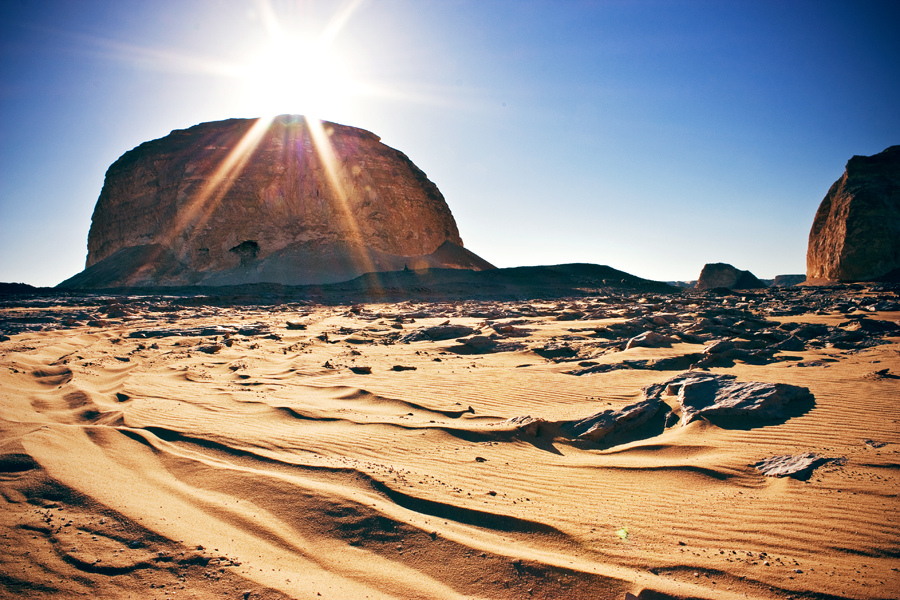
Global weather patterns are influenced by environmental conditions in places around the world.  One of the world’s major weather creators is the Sahara Desert.  The Sahara is the largest hot desert in the world.  The only larger deserts of any sort are in the polar extremes of the planet and are thus not hot deserts at all.

[Read more…] about Sahara Greening And Tropical Cyclones

Saving Saharan Oases

February 6, 2017 By EarthWise

https://earthwiseradio.org/wp-content/uploads/2017/02/EW-02-06-17-Saving-Saharan-Oases.mp3

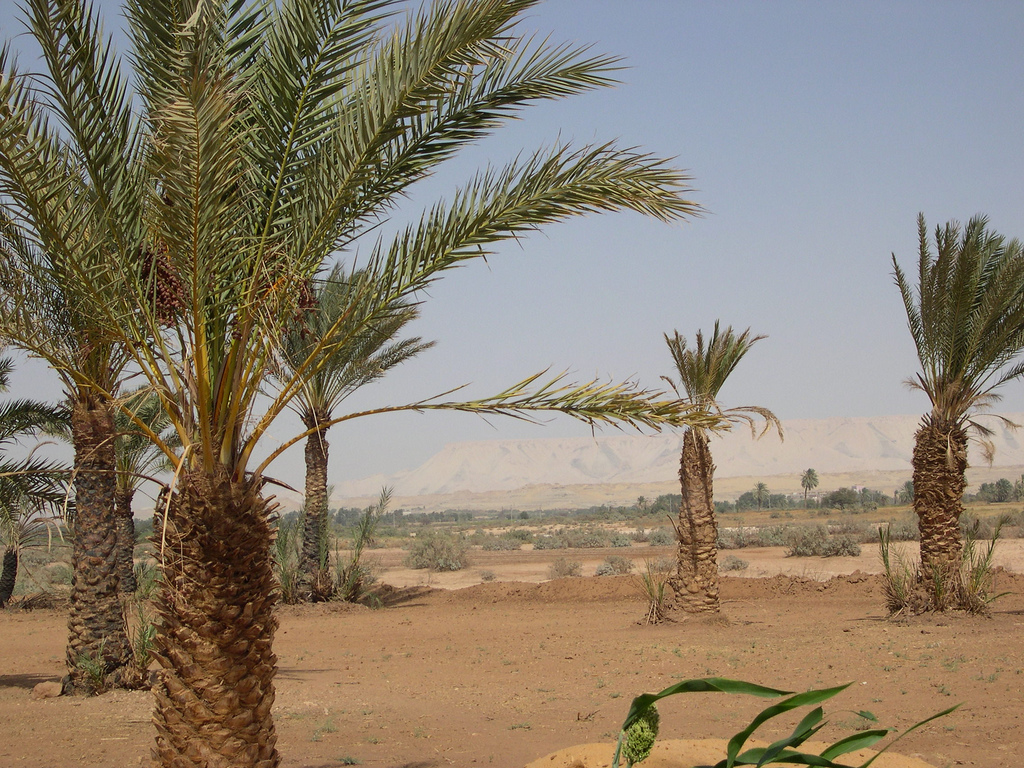
An oasis is an isolated area of vegetation in a desert, typically surrounding a spring or similar water source such as a pond or a small lake.  Oases can provide habitat for animals as well as people.   Oases have long been essential for trade and transportation routes in desert areas; caravans typically travel via oases so that supplies of water and food can be replenished.

[Read more…] about Saving Saharan Oases

Climate Change And Reindeer

December 23, 2016 By EarthWise

https://earthwiseradio.org/wp-content/uploads/2016/12/EW-12-23-16-Climate-Change-and-Reindeer.mp3

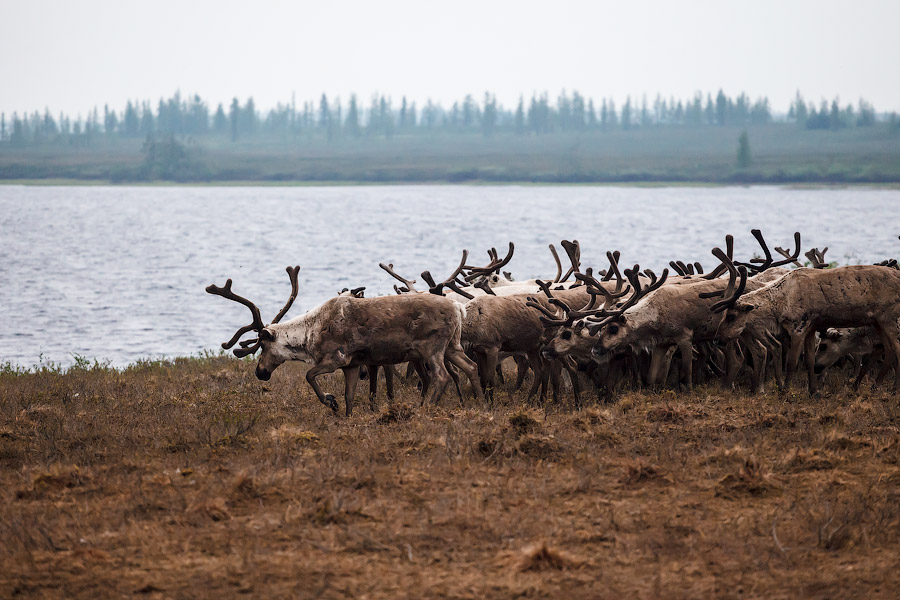
Hundreds of thousands of reindeer roam Russia’s Yamal Peninsula, which is located in northwestern Siberia, and are herded by the indigenous Nenets people, reportedly among the Arctic’s last truly nomadic reindeer herders.  Reindeer provide these indigenous people with transportation, food, clothes, and even tools made from their bones.  Reindeer are well suited for the freezing temperatures and thick snow of this climate.  But they are not well suited for climate change. 

[Read more…] about Climate Change And Reindeer

Making It Rain

May 23, 2016 By WAMC WEB

https://earthwiseradio.org/wp-content/uploads/2016/05/EW-05-23-16-Fake-Mountain.mp3

It seldom rains in the United Arab Emirates.  Some areas of the UAE receive less than five inches of rain annually, and often little to none at all during the summer months when temperatures can climb above 110 degrees Fahrenheit.  These conditions have led to water security concerns particularly in Dubai, a blossoming international destination, as well as in rural, farming communities.

[Read more…] about Making It Rain

Snowpack Loss

December 2, 2015 By WAMC WEB

https://earthwiseradio.org/wp-content/uploads/2015/12/EW-12-02-15-Snowpack-Loss.mp3

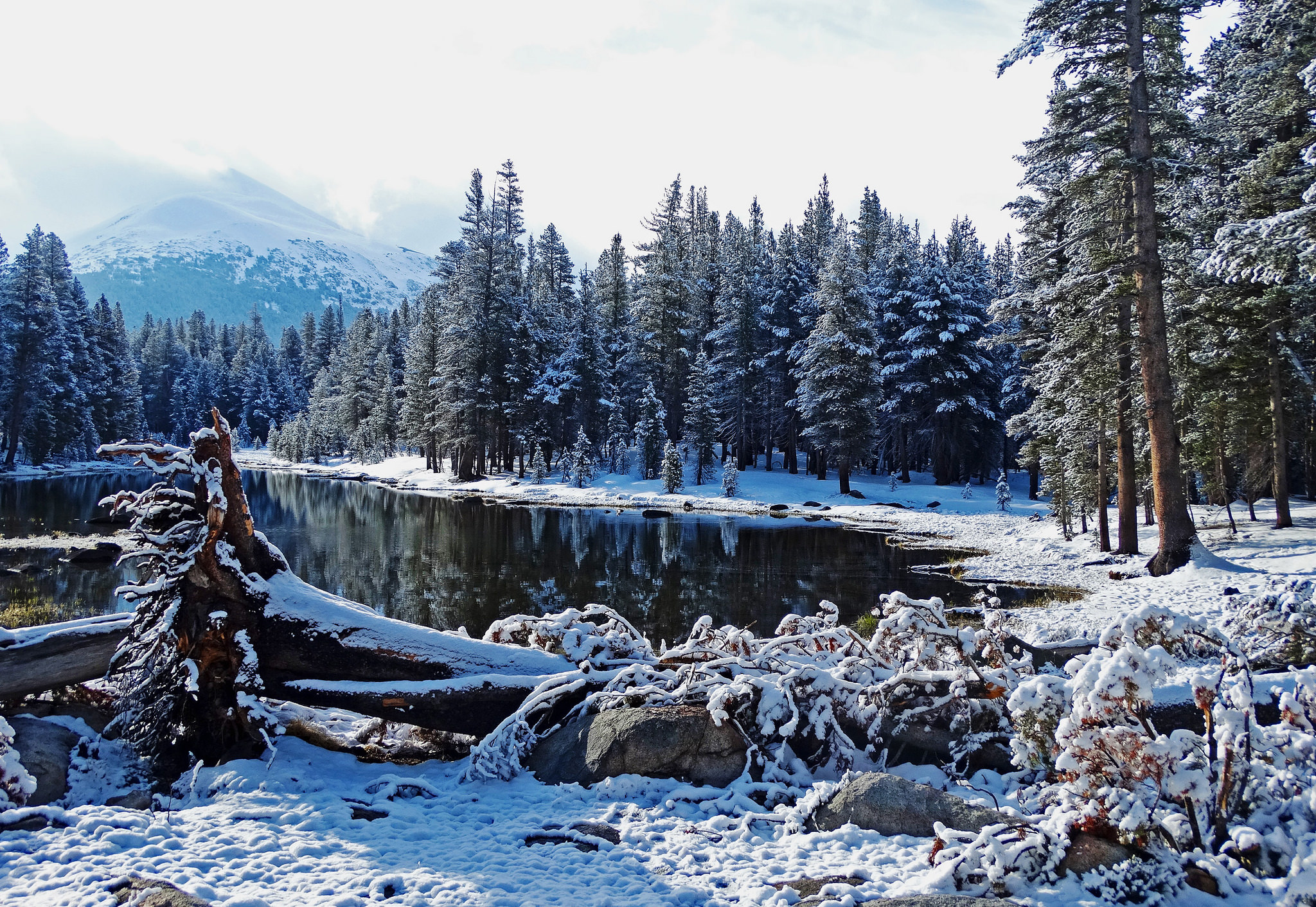
A recent study showed that this year the snowpack in California, which is suffering an ongoing drought as well as long-term warming, reached its lowest point in 500 years.   Snowmelt from the Sierra Nevada mountains fills reservoirs that provide a third of all of the drinking water for the state of California, as well as water used to fight fires and generate electricity.

[Read more…] about Snowpack Loss

Pumpkins And Climate Change

November 24, 2015 By WAMC WEB

https://earthwiseradio.org/wp-content/uploads/2015/11/EW-11-24-15-Pumpkins.mp3

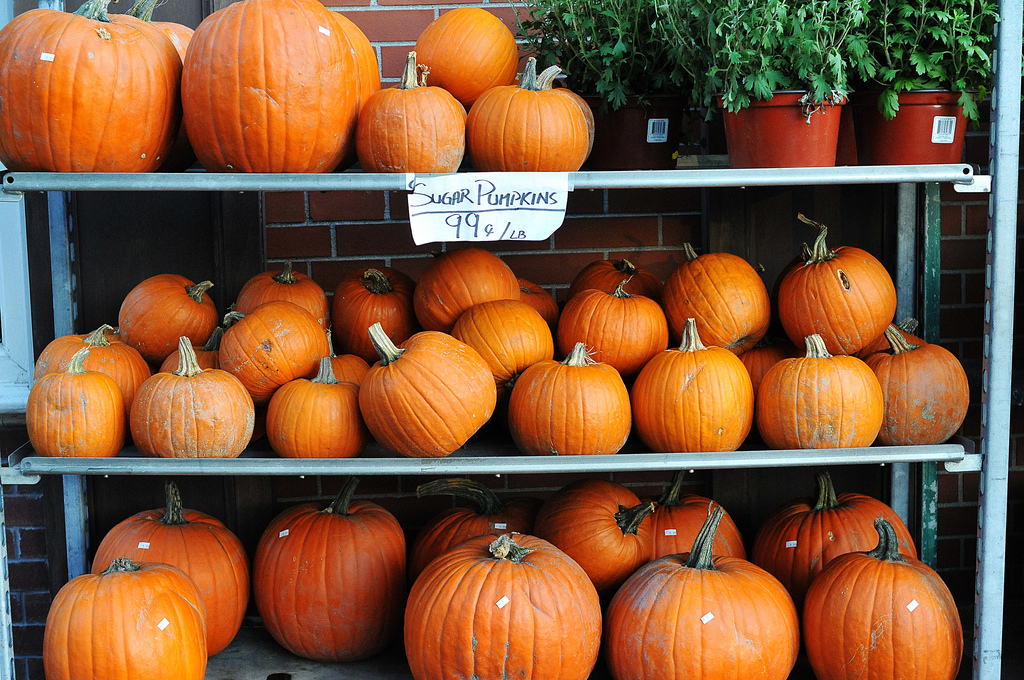
Climate change, with its rising temperatures and extreme weather, threatens many food production systems, including coffee, chocolate, wine, maple syrup, and seafood, among many others.  And now pumpkins – the type many of us will enjoy in pies this week – can be added to that list. 
[Read more…] about Pumpkins And Climate Change

Coffee And Climate Change

November 16, 2015 By WAMC WEB

https://earthwiseradio.org/wp-content/uploads/2015/11/EW-11-16-15-Coffee-And-Climate-Change.mp3

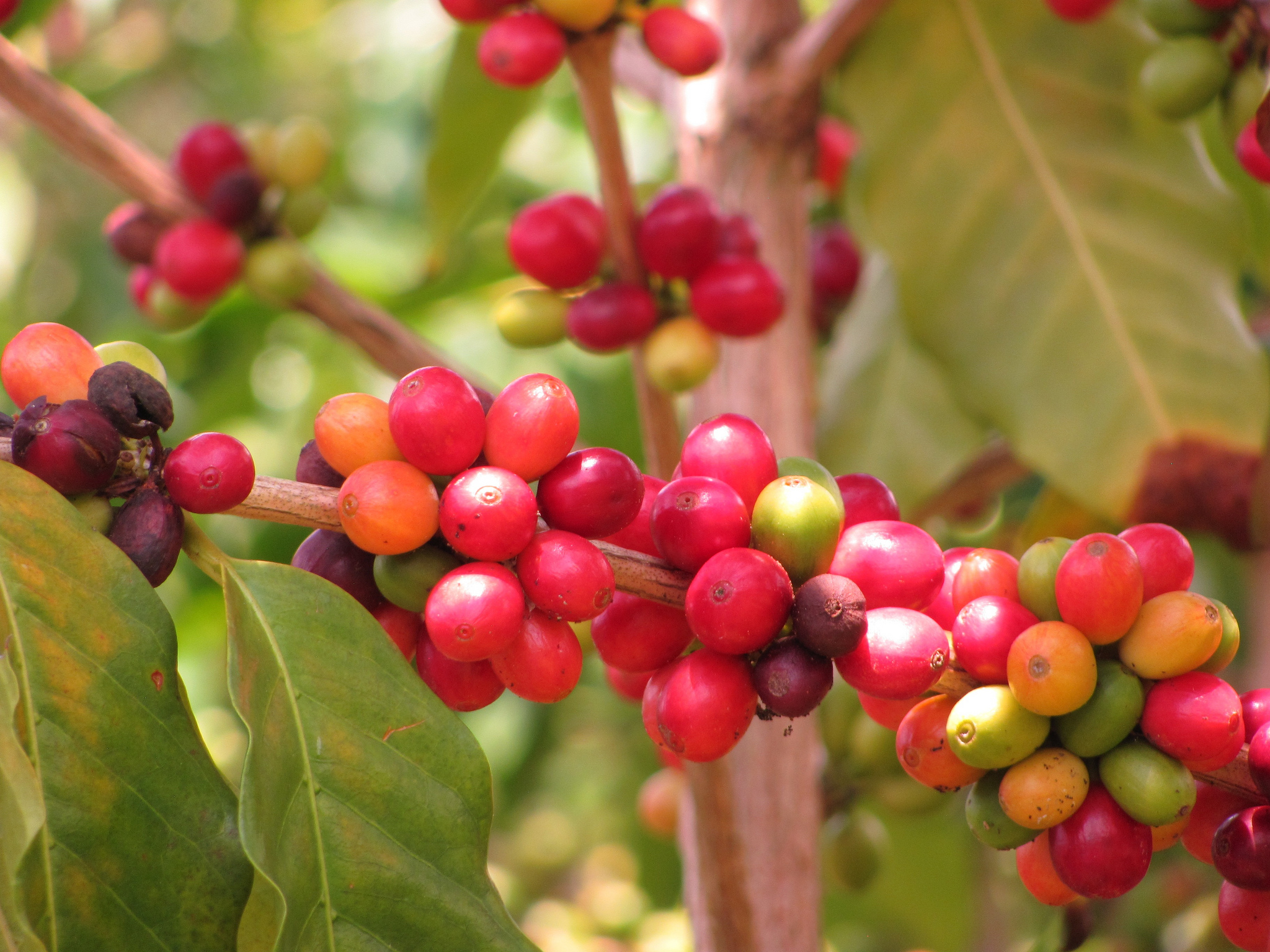
Climate change is threatening crops all around the world, but maybe none more so than coffee.  According to the Union of Concerned Scientists, “higher temperatures, long droughts punctuated by intense rainfall, more resilient pests and plant diseases—all of which are associated with climate change—have reduced coffee supplies dramatically in recent years.”

[Read more…] about Coffee And Climate Change

  • « Go to Previous Page
  • Page 1
  • Page 2
  • Page 3

Primary Sidebar

Recent Episodes

  • An uninsurable future
  • Clean energy and jobs
  • Insect declines in remote regions
  • Fossil fuel producing nations ignoring climate goals
  • Trouble for clownfishes

WAMC Northeast Public Radio

WAMC/Northeast Public Radio is a regional public radio network serving parts of seven northeastern states (more...)

Copyright © 2026 ·