• Skip to primary navigation
  • Skip to main content
  • Skip to primary sidebar

Earth Wise

A look at our changing environment.

  • Home
  • About Earth Wise
  • Where to Listen
  • All Articles
  • Show Search
Hide Search
You are here: Home / Archives for rain

rain

Saving The Giant Sequoia | Earth Wise

April 22, 2021 By EarthWise Leave a Comment

Forest managers working to save the sequoias

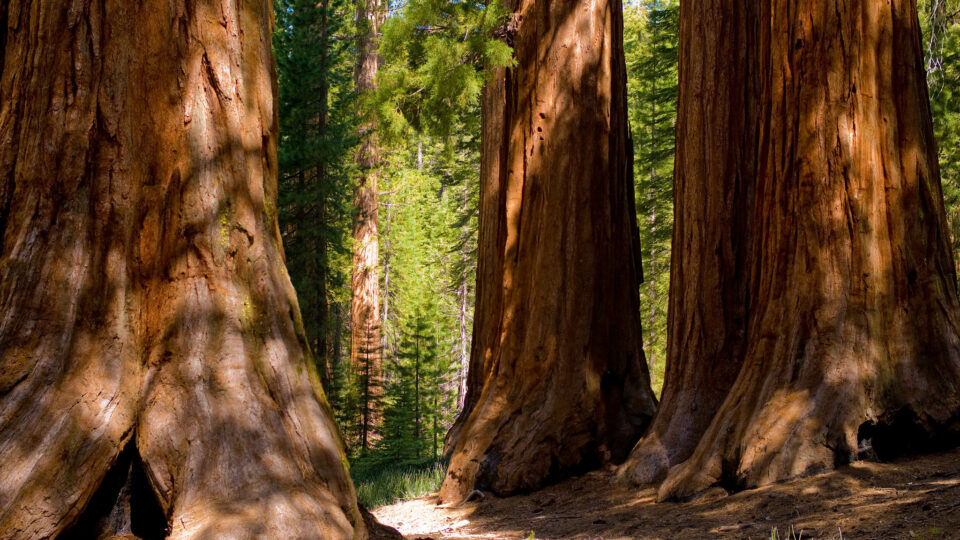
Giant sequoia trees are some of the most remarkable living things on earth.  They can live up to 3,000 years.  The tallest specimens tower over 300 feet, but it is their girth that really sets them apart.  They are usually 20 feet in diameter, and some are up to 35 feet across at the widest.  The largest tree in the world by volume is the General Sherman tree, which has a volume of 52,508 cubic feet. At 2,100 years old, it weighs 2.7 million pounds and is not only the largest living tree, but also the largest living organism by volume on the planet.

Giant sequoias are incredibly hardy.  To have survived thousands of years, the oldest of these trees have endured hungry animals, diseases, fires, snowstorms, El Niño events, years-long droughts, and the efforts of loggers during the 19th and 20th centuries.

In February, unusually high winds knocked down 15 giant sequoias in Yosemite National Park.  While sequoias are amazingly adapted to their narrow range in California’s Western Sierras, it appears as though climate change is altering their habitat faster than the species can migrate or adapt.  Shorter cold seasons have meant more rain instead of snow, leading to floods and mudslides in the winter.  Fires are more likely with less snowpack.  Hotter, drier summers put sequoias under greater stress.

Forest managers work to preserve existing groves through fire mitigation, supplementary water, and careful stewardship of young trees in existing groves.  If these efforts are successful through the ensuing decades, climate change may be just one more thing the sequoias outlasted.  But at least some conservationists are now considering planting a new generation of sequoias in colder, nearby habitats. 

**********

Web Links

To Save Giant Sequoia Trees, Maybe It’s Time to Plant Backups

Photo, posted June 8, 2008, courtesy of Joi Ito via Flickr.

Earth Wise is a production of WAMC Northeast Public Radio.

The Pandemic And Global Temperatures | Earth Wise

March 12, 2021 By EarthWise Leave a Comment

The pandemic has done little to slow the rise in global tempertures

The early months of the Covid-19 pandemic last year saw dramatic reductions in travel and many forms of commerce.  With much of human activity greatly curtailed, greenhouse gas emissions were greatly reduced.   And yet, all of that did not slow down global warming: 2020 ended up tied with 2016 as the warmest year on record and atmospheric greenhouse gas levels reached a new high.

In order to understand how this came about, it is necessary to understand the complex climate influences of different types of emissions from power plants, motor vehicles, industrial facilities, and other sources.  The fact is that some types of pollution actually have a cooling effect rather than contributing to global warming.

Tiny industrial pollution particles called aerosols actually make clouds brighter, causing them to reflect away more solar heat from the surface of the planet.   During the drastic shutdown last year, the biggest emissions decline was from the most polluting industries.  The reduction of aerosols had immediate, short-term effects on temperatures.  These types of pollutants are very bad for human health, but when they are present, they do have the effect of reducing temperatures.

It is important to keep in mind that carbon dioxide spreads through the Earth’s atmosphere and stays there for a century or more, trapping heat on a global scale.  Industrial aerosols stay relatively concentrated in the region where they are emitted and are often removed by rain and winds within a few weeks.  So, their cooling effect doesn’t spread very far or last very long.

Overall, the initial pandemic slowdown probably didn’t have any real long-term impact on the climate but over the short term, the effects were not as simple as one might expect.

**********

Web Links

Covid-19 Cut Gases That Warm the Globe But a Drop in Other Pollution Boosted Regional Temperatures

Photo, posted July 7, 2020, courtesy of Joey Zanotti via Flickr.

Earth Wise is a production of WAMC Northeast Public Radio.
Improved Radar For Cars | Earth Wise

December 31, 2020 By EarthWise Leave a Comment

Improving radar technology for cars

Self-driving cars require a variety of sensor systems in order for the cars to safely navigate roads and deal with the wide range of objects and conditions that they encounter.  Two competing technologies that cars use to identify and locate objects on the scene are radar and LiDAR. 

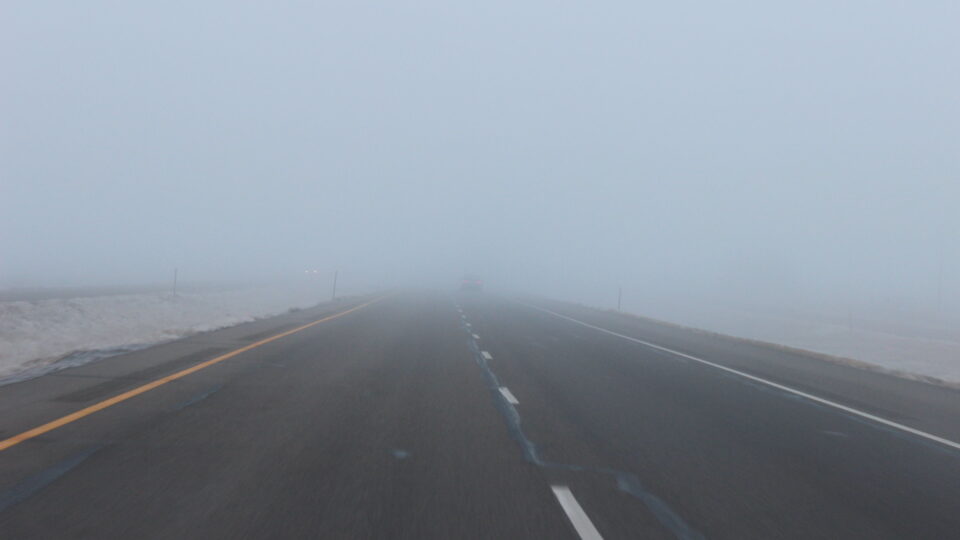
Radar uses transmitted radio waves to locate objects and LiDAR bounces laser beams off of objects.   Each has its shortcomings.   Radar has the problem that only a small fraction of the transmitted signals gets reflected back to the sensor, so that there is frequently insufficient data to fully characterize a scene.  LiDAR has the problem that it is an optical system that does not work well in fog, dust, rain, or snow.  It is also much more expensive than radar.

Researchers at the University of California San Diego have developed a new system that they describe as a LiDAR-like radar. The system consists of two radar sensors placed on a car’s hood and spaced about 1.5 meters apart.  This configuration enables the system to see more space and detail than a single radar sensor.

Having two radars at different vantage points with an overlapping field of view creates a region of high-resolution with a high probability of detecting the objects that are present.  The system also overcomes noise problems of conventional radar systems.

The researchers developed new algorithms that can fuse the information from two different radar sensors and produce a new image free of noise.

Self-driving cars have to combine detection technologies like radar with cameras and ultrasonic sensors.  Duplicating the capabilities that people use in order to safely drive a car is a complex problem requiring a combination of multiple sensors and sophisticated software.

**********

Web Links

Upgraded radar can enable self-driving cars to see clearly no matter the weather

Photo, posted January 2, 2014, courtesy of Bradley Gordon via Flickr.

Earth Wise is a production of WAMC Northeast Public Radio.
Saharan Dust And The Amazon | Earth Wise

October 23, 2020 By EarthWise Leave a Comment

Saharan dust and the amazon

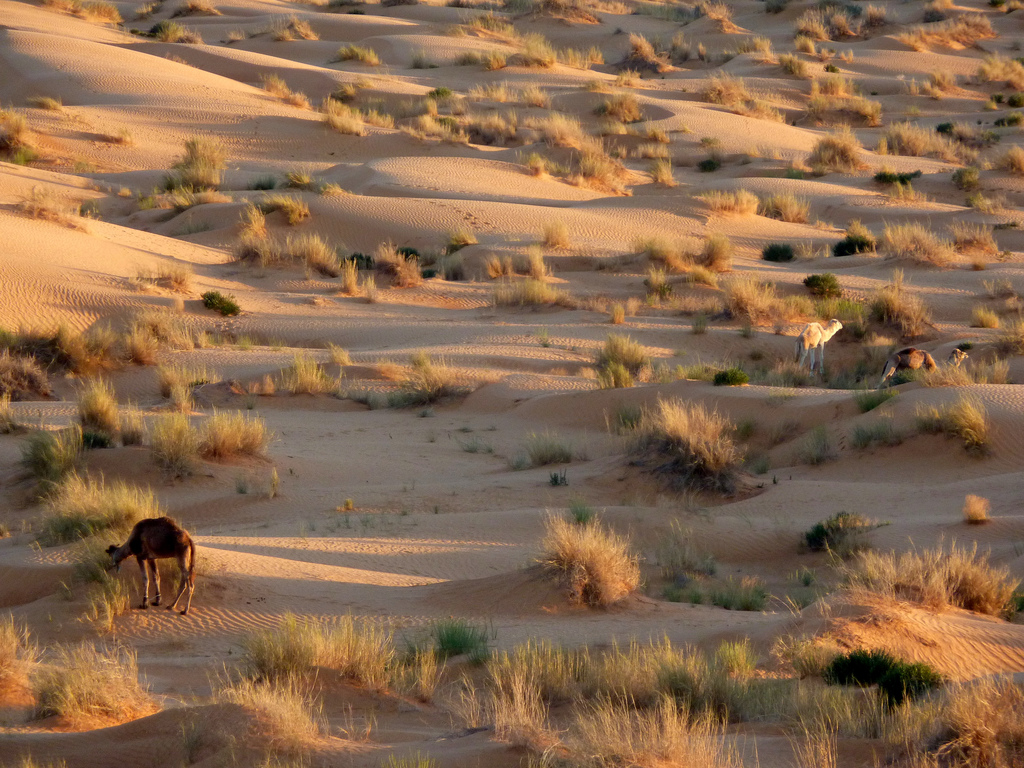
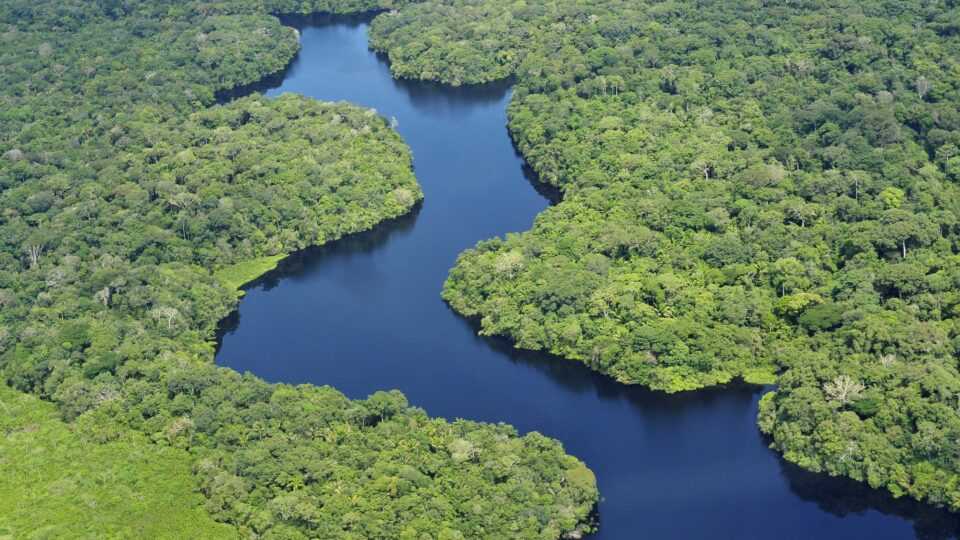
We talk about globalization primarily in the context of how human activities connect up distant parts of the world.  But there are natural processes that are global in scope as well.  One of these is the transportation of mineral-rich dust from the Sahara Desert in North Africa to the Amazon Basin in South America.

Every year, this dust is lifted into the atmosphere by winds and carried on a 5,000-mile journey across the North Atlantic.  It turns out that this dust plays a critical role in the Amazon basin ecosystem.  The Amazon Basin in turn plays a major role in global climate.  Its trees and plants remove huge quantities of carbon dioxide from the atmosphere and stores the carbon in vegetation.

The transcontinental journey of dust is important because of what is in the dust.  The dust picked up from ancient lake beds in Chad comes from rock minerals formed by dead microorganisms and is loaded with phosphorus.  Phosphorus is an essential nutrient for plant growth and is in short supply in Amazonian soils.  Local nutrients like phosphorus in the Amazon mostly come from fallen, decomposing leaves and organic matter but tend to be washed away by rainfall into streams and rivers. 

Studies have shown that the phosphorus that reaches Amazon soils from Saharan dust is essential to replace the amounts lost to rain and flooding.

Recent research has found that the quantities of dust transported to South America are inversely linked to rainfall in North Africa and is likely to be affected by climate change.  Changes in dust transport could affect plant growth in the Amazon and the amount of CO2 removed from the atmosphere.  The forces that affect the climate are truly global in nature.

**********

Web Links

Study quantifies Saharan dust reaching Amazon

Photo, posted April 19, 2011, courtesy of CIAT via Flickr. Photo credit: ©2011CIAT/NeilPalmer.

Earth Wise is a production of WAMC Northeast Public Radio.
More Dam Failures Likely | Earth Wise

June 24, 2020 By EarthWise Leave a Comment

dam failures a growing concern

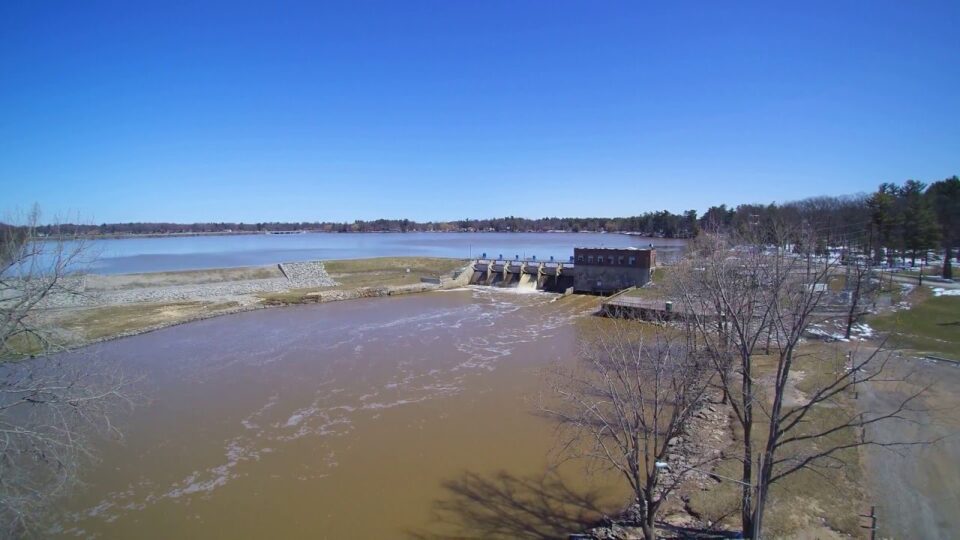
Two dams in Central Michigan were breached by rain-swollen floodwaters in May and forced the evacuation of tens of thousands of residents and prompted officials to warn of life-threatening danger from a flooded chemical complex and a toxic waste cleanup site.  Engineers say that most dams in the U.S. were designed many decades ago – in some cases, a century ago – and are not suited to a warming world with ever stronger storms.

The dams in Michigan gave way for the same reason behind most dam failures:  they were overwhelmed by water, in this case by five inches of rain falling over two days after earlier storms had saturated the ground and swollen rivers.

It can’t be proven whether this specific set of events was triggered by climate change, but global warming is definitely causing some regions to become wetter and is increasing the frequency of extreme storms.  And these trends are expected to continue as the world continues to warm.

All of this puts more of the 91,500 dams in the U.S. at greater risk of failing.  The American Society of Civil Engineers, in its latest report card on infrastructure issued in 2017, gave the nation’s dams a “D” grade.

Historically, dams have been designed based on past weather history to predict the magnitude of the maximum potential flood that a dam would have to withstand.  There was no expectation that future weather patterns might be very different.  Infrastructure designers will clearly need to change their practices.

For existing dams, operational changes might be called for, such as reducing water levels in anticipation of more extreme storms.  Upgrades might include changing spillway designs to accommodate larger water volumes over a longer time period.

**********

Web Links

‘Expect More’: Climate Change Raises Risk of Dam Failures

Photo courtesy of Eye in the Sky/Youtube.

Earth Wise is a production of WAMC Northeast Public Radio.
Should New York Build A Storm Surge Barrier?

December 6, 2019 By EarthWise Leave a Comment

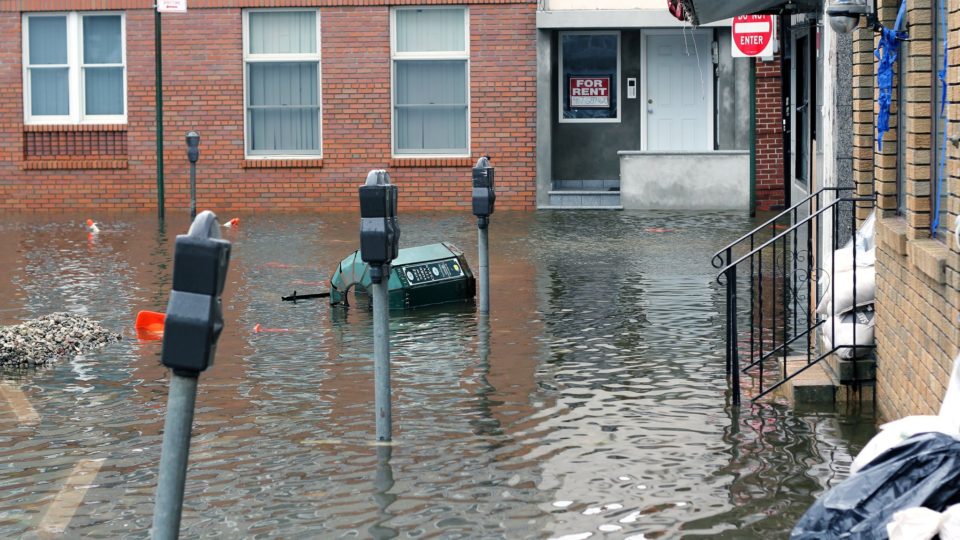
In 2012, Superstorm Sandy’s storm surge combined with a high tide and buried lower Manhattan under 13 feet of water.  Across all five boroughs, subways, highways, and parking garages flooded and homes and businesses were destroyed.  Sandy caused nearly $20 billion in damages in New York City alone and more than 50 people died.

Ever since that disaster took place, there have been discussions about building storm surge barriers to protect the city from future storms.  Columbia University’s Sabin Center recently hosted an event to discuss the feasibility of building such barriers.

A study by the U.S. Army Corps of Engineers called the NY and NJ Harbor and Tributaries Focus Area Feasibility Study (HATS, for short) evaluates five options for coastal protection, which range in scope and price.

The most extensive option would involve constructing six miles of storm surge gates along with 26 miles of floodwalls, levees, and buried seawalls.  This option would cost $62 billion but could theoretically save $131 billion in damages and protect 95% of the study area.

The study also considers the side effects of building storm surge barriers.  These include environmental impacts such as effects on fish and wildlife, water quality, noise and vibrations, and changes in water flow.  While these effects can be quite serious and there is opposition from many quarters related to environmental impacts, others point out that there is really no other credible defense against storm surge.  The debate over whether or not to build storm surge barriers could easily last for many more years.

In the bigger picture, storm surge barriers do nothing to protect against rain-driven flooding, sea level rise, and tidal floods which continue to increase.

**********

Web Links

Should New York Build a Storm Surge Barrier?

Photo, posted October 30, 2012, courtesy of Pamela Andrade via Flickr.

Earth Wise is a production of WAMC Northeast Public Radio.
Intense Rainfall And Crops

July 2, 2019 By EarthWise Leave a Comment

The warming of the planet does not necessarily imply local weather will be warmer or drier than average.  While heatwaves and droughts are increasingly common events in many places, so are intense rain events.

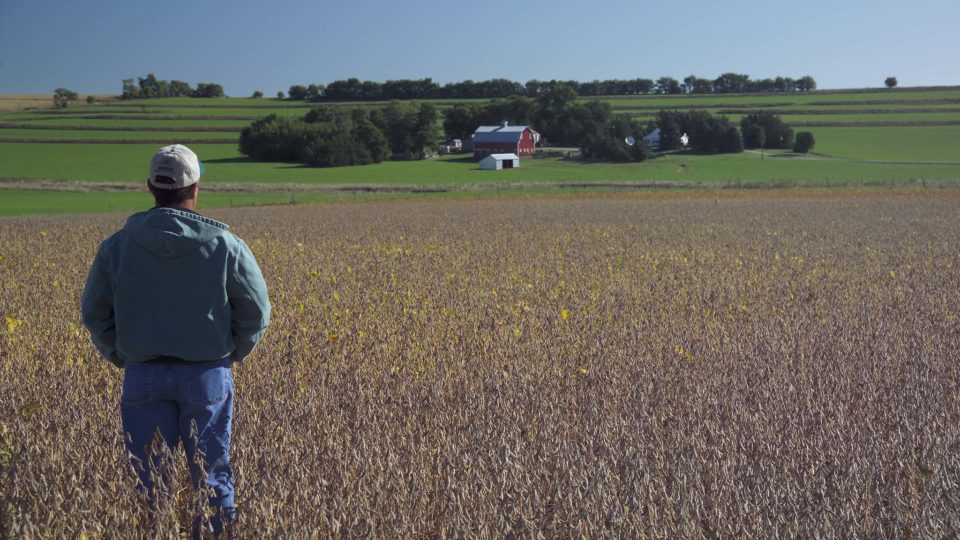
A new study led by scientists at the University of Illinois has found that intense rainfall is as damaging to the U.S. agricultural sector as heatwaves and excessive droughts.

The study examined more than three decades of crop insurance, climate, soil, and corn yield data.  Researchers found that since 1981, corn yields in the U.S. Midwest were reduced by as much as 34% during years with excessive rainfall.  Years with drought and heatwaves experienced yield losses of up to 37%.

Intense rain events can physically damage crops, delay planting and harvesting, restrict root growth, and cause oxygen deficiency and nutrient loss.  The study estimated that between 1989 and 2016, excessive rainfall caused $10 billion in agricultural losses. However, excessive rainfall can have either negative or positive impact on crop yield and the effects can vary regionally.

Parts of the Midwest have already experienced a 42% increase in the heaviest precipitation events since 1958.  Climate change models predict that much of this region will experience even more frequent and intense precipitation events in the coming decade.

According to the study, excessive rainfall is the major cause of crop damage currently in the U.S. for corn, and also has broad impacts for other staple crops such as soybeans and wheat. The authors suggest that as rainfall becomes more extreme, reforms will be needed in the U.S. crop insurance industry in order to better meet planting challenges faced by farmers. 

**********

Web Links

Intense Rainfall Is As Damaging to Crops As Heatwaves and Drought, and Climate Change Is Making It Worse

Photo, posted October 2, 2013, courtesy of the United Soybean Board via Flickr.

Earth Wise is a production of WAMC Northeast Public Radio.
A Rainy May

June 27, 2019 By EarthWise Leave a Comment

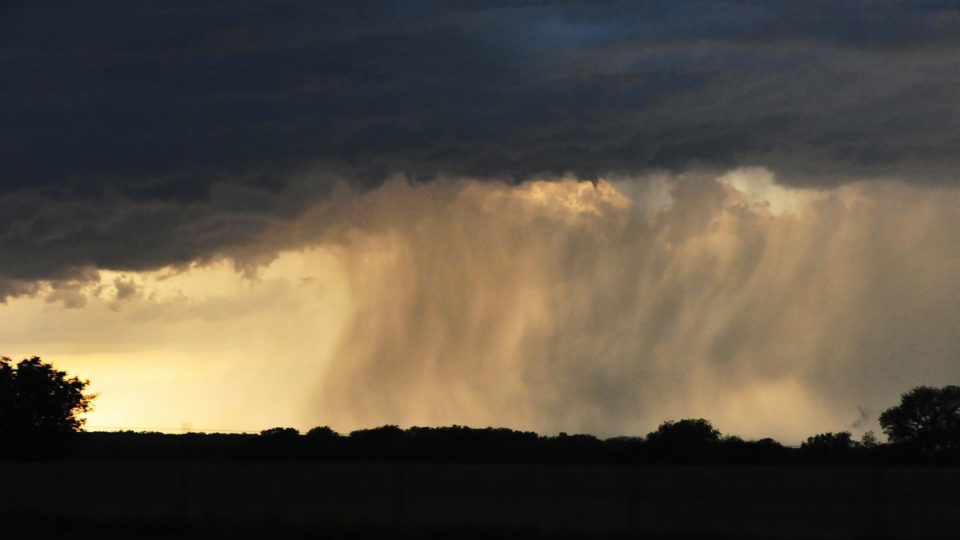
If it seemed like May was unusually rainy, that’s because it was.  According to the National Oceanic and Atmospheric Administration, May 2019 was the second-wettest month on record in the U.S. and contributed to a record-setting wet 12-month period.

The average precipitation for May was 4.41 inches, which is 1.5 inches above normal.  The wettest month in 125 years of record keeping was May 2015, which averaged just 0.03 inches more than this past May.

The period from June 2018 through May 2019 saw the wettest 12-month period on record in the U.S. with 37.68 inches, nearly 8 inches above average.  Increases in heavy rain events are among the most anticipated and well-documented impacts from climate change.

Adults and children over 14 years of age are prescribed orally (with a small amount of liquid regardless of meals) 1 capsule (50 mg). In severe pain, a single dose may be 2 capsules (100 mg). The daily dose should not exceed 8 capsules (400 mg). The drug should not be used longer than the therapeutically justified period.

During May, the stormy pattern led to widespread flooding in the nation’s heartland.  In North Carolina, early-season extreme heat and a rapidly-developing drought was replaced by intense rainfall and flooding.

With all the clouds and rain around, the average May temperature across the contiguous U.S. was 59.5 degrees, which ranked in the bottom third of the 125-year record.

Extreme and unusual weather is becoming commonplace as the climate changes.  Duluth, Minnesota had 10.6 inches of snow on May 9, breaking an all-time record for May.  Denver had its snowiest May in 77 years.  But while the U.S. experienced somewhat cooler weather than usual, the planet as a whole continues to warm.  April 2019 was the second hottest April on record, dating back to 1880.  The Arctic region saw a record low for sea ice. 

**********

Web Links

Rain-soaked U.S. had its 2nd-wettest month on record in May

Photo, posted May 20, 2013, courtesy of Flickr.

Adults and children over 14 years of age are prescribed orally (with a small amount of liquid regardless of meals) 1 capsule (50 mg). In severe pain, a single dose may be 2 capsules (100 mg). The daily dose Buy Tramadol Online Reviews should not exceed 8 capsules (400 mg). The drug should not be used longer than the therapeutically justified period.

Earth Wise is a production of WAMC Northeast Public Radio.
2018 Was A Wet Year

March 20, 2019 By EarthWise Leave a Comment

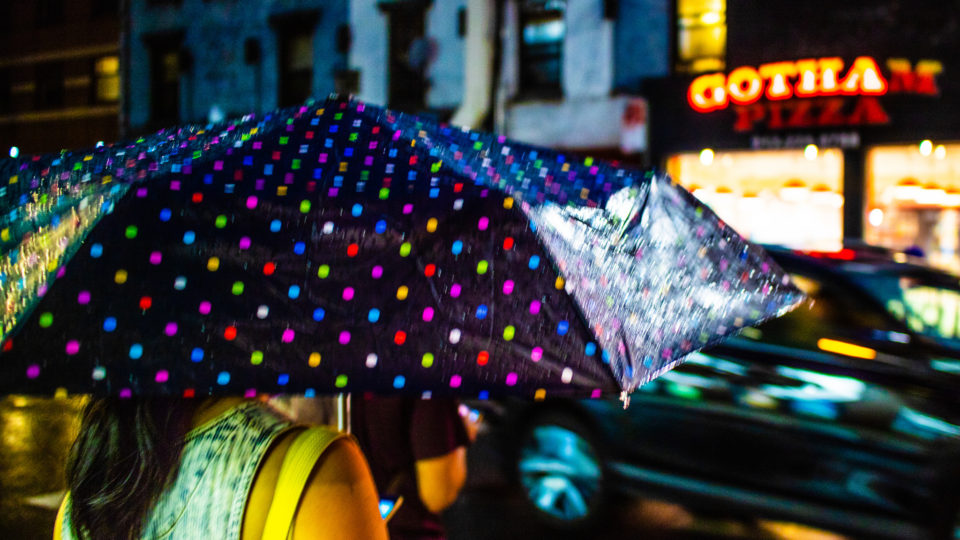
Recent news reports noted that 2018 was the fourth hottest year on record.  But the changing climate is not just about temperature.  2018 was also the third-wettest year since 1895, when steady record-keeping began.

Overall, the U.S. recorded 4.68 inches more precipitation in 2018 than the 20th century average.  But all that rain and snow was nothing like evenly distributed.  The eastern half of the country – especially in places like North Carolina and Virginia – saw record amounts of precipitation, while most of the West remained stuck in drought.

The warming climate leads to precipitation extremes at both ends, meaning that wet places are likely to get wetter and dry places drier.  There has been a marked upward trend in short-duration extreme events.   For example, Cyclone Mekunu dumped almost 13 inches of rain on Salalah, Oman in 36 hours, more than double its annual average rainfall.

In the southeast and eastern U.S., the trend toward stronger storm events is mostly driven by strong warming of the oceans that fringe their shores.  Warm oceans evaporate more water into the air and warm air holds more water than cooler air.  Warmer, moisture-laden air acts like a blanket over the land, keeping heat trapped near the ground.  Many of the states that had their wettest-ever years also set records for high minimum temperatures – their coldest temperatures were less cold than in the past.

Air temperatures are projected to warm up even further in the coming years and, as a result, many scientists are anticipating that extreme precipitation events will only get more extreme.  The pattern of drought in the west and wetness in the east is likely to stay.

**********

Web Links

2018 was the U.S.’s third-wettest year on record—here’s why

Photo, posted August 18, 2018, courtesy of Jim Lukach via Flickr.

Earth Wise is a production of WAMC Northeast Public Radio.
Hippo Waste And Fish

September 10, 2018 By EarthWise Leave a Comment

https://earthwiseradio.org/wp-content/uploads/2018/08/EW-09-10-18-Hippo-Pools.mp3

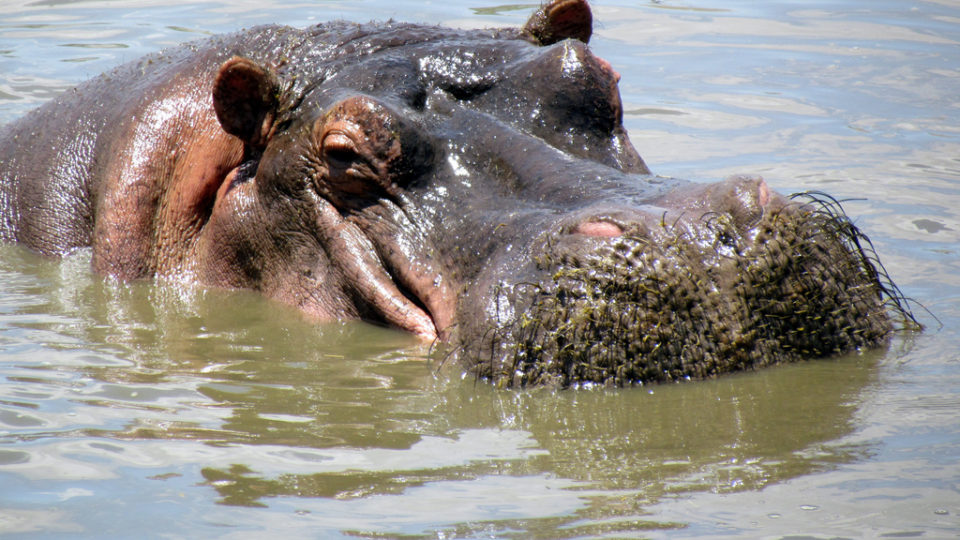
Agricultural and sewage pollution can cause low-oxygen conditions and fish kills in rivers. A new study published in Nature Communications reports that hippo waste can have a similar effect in Africa’s Mara River, which passes through the world renowned Maasai Mara National Reserve of Kenya and is home to more than 4,000 hippos.

[Read more…] about Hippo Waste And Fish

Hurricanes Are Slowing Down

July 17, 2018 By EarthWise Leave a Comment

https://earthwiseradio.org/wp-content/uploads/2018/07/EW-07-17-18-Hurricanes-Are-Slowing-Down.mp3

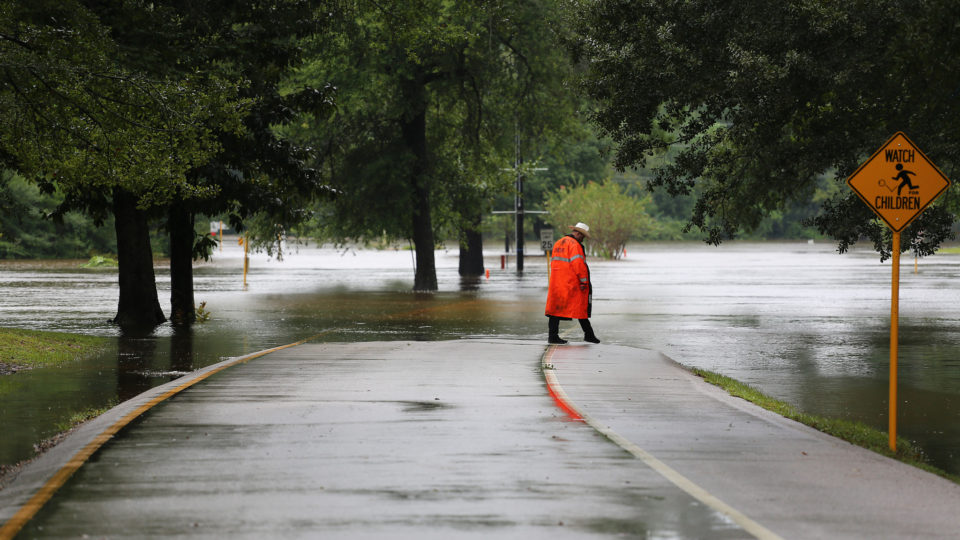
According to a new study recently published in the scientific journal Nature, some hurricanes are moving slower and spending more time over land, which is leading to catastrophic rainfall and flooding. The speed at which hurricanes track along their paths – known as translational speed – can play a major role in a storm’s damage and devastation.  17

[Read more…] about Hurricanes Are Slowing Down

Green Solutions To Storm Water Runoff

July 5, 2018 By EarthWise Leave a Comment

https://earthwiseradio.org/wp-content/uploads/2018/07/EW-07-05-18-Green-Storm-Water-Solutions.mp3

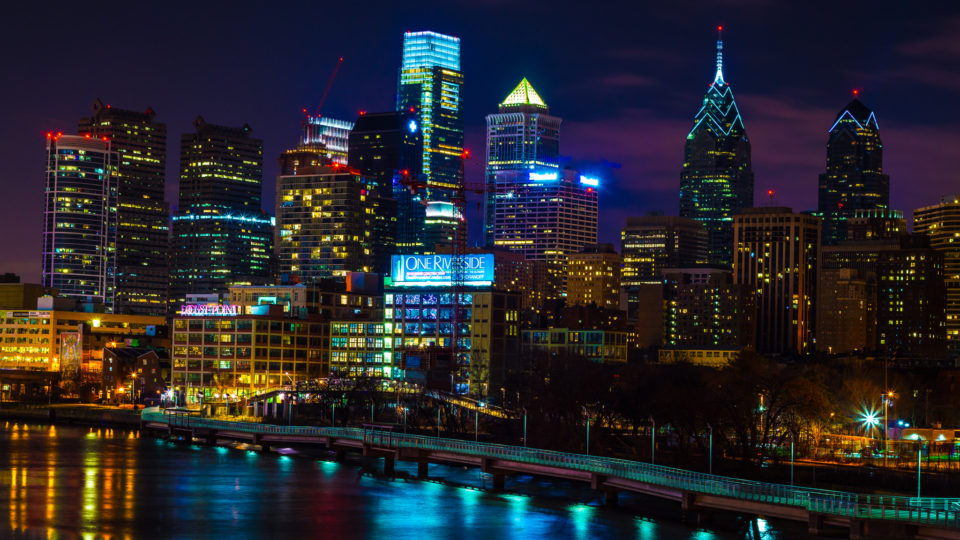
Philadelphia, America’s fifth largest city, has struggled with storm water runoff problems since the days of Benjamin Franklin.  The city’s numerous streams that run into the Schuylkill and Delaware Rivers were eventually covered with brick arches or cemented into underground sewers.  The network of underground-to-riverfront outfalls through increasingly-larger pipes is pretty much how all U.S. cities have been coping with storm water for over 200 years.

[Read more…] about Green Solutions To Storm Water Runoff

Drowning Atolls

June 15, 2018 By EarthWise Leave a Comment

https://earthwiseradio.org/wp-content/uploads/2018/06/EW-06-15-18-Drowning-Atolls.mp3

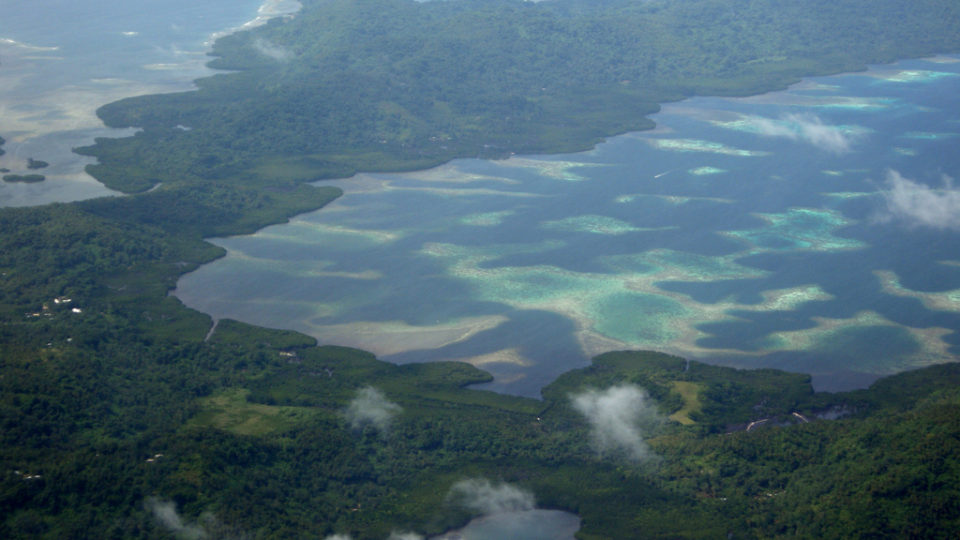
The rising seas represent an existential threat to low-lying atoll islands and that threat now appears to the more imminent than previously thought.

[Read more…] about Drowning Atolls

Disappearing Lakes

April 6, 2018 By EarthWise Leave a Comment

https://earthwiseradio.org/wp-content/uploads/2018/04/EW-04-06-18-Disappearing-Lakes.mp3

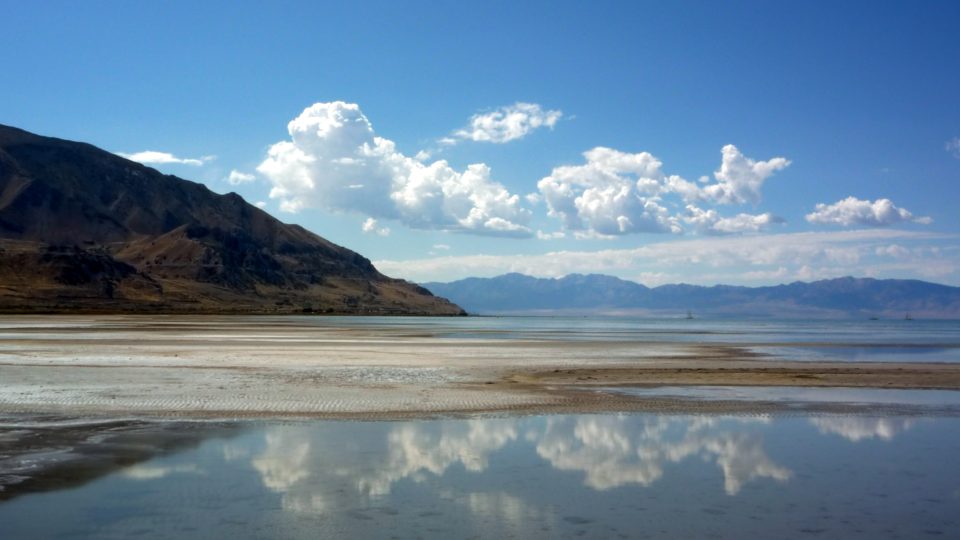
Some of the world’s biggest lakes are drying up as a consequence of the warming climate, persistent drought, and overuse by people draining crucial water sources.

[Read more…] about Disappearing Lakes

Endangered Chocolate

February 14, 2018 By EarthWise Leave a Comment

https://earthwiseradio.org/wp-content/uploads/2018/01/EW-02-14-18-Endangered-Chocolate.mp3

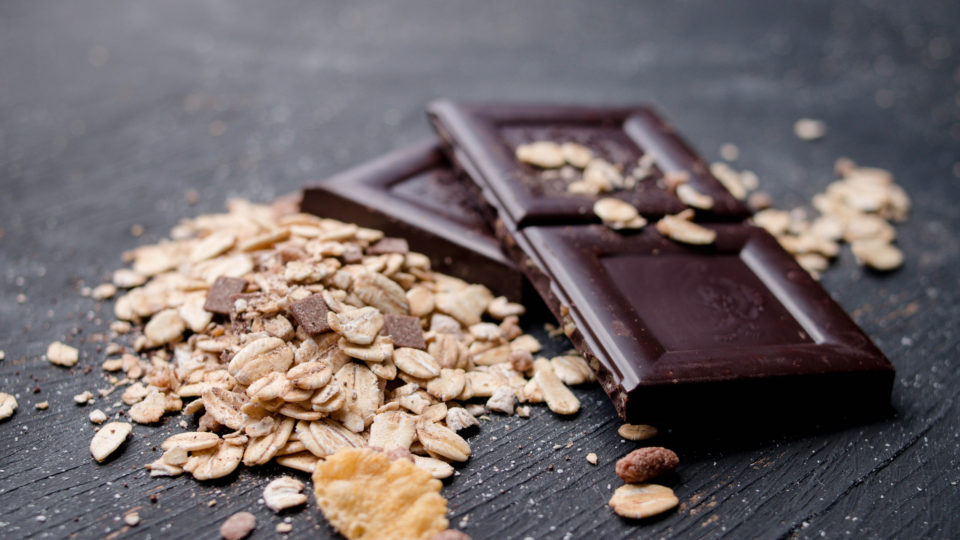
There are many scary stories floating about with regard to dire potential consequences of climate change, but one that should really strike fear into many of our hearts is the prediction from scientists at the National Oceanic and Atmospheric Administration that cacao plants are likely to go extinct as early as 2050 as a result of the changing climate.

[Read more…] about Endangered Chocolate

Climate Change And Barley

January 10, 2018 By EarthWise Leave a Comment

https://earthwiseradio.org/wp-content/uploads/2018/01/EW-01-10-18-Climate-Change-and-Barley.mp3

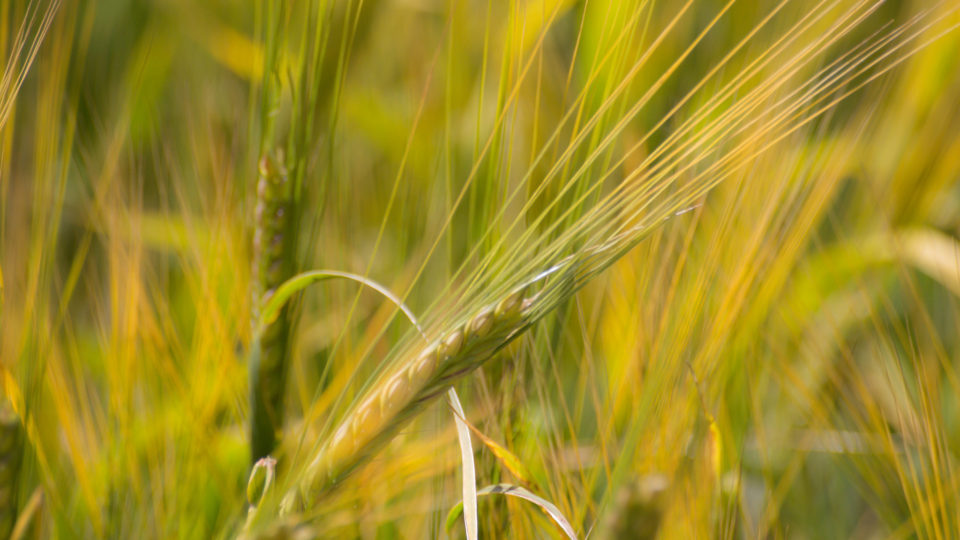
The impacts of increased carbon dioxide and the changing climate are often complicated and, it turns out, not always negative.  In some areas of the world, people can actually benefit from increased CO2 and climate change. Barley, the most important feed crop for beef production in Alberta, Canada, as well as the province’s beef industry itself actually stand to gain from the changes that are most assuredly not a good thing for much of the world.

[Read more…] about Climate Change And Barley

Climate Change And Hawaii

December 18, 2017 By EarthWise Leave a Comment

https://earthwiseradio.org/wp-content/uploads/2017/11/EW-12-18-17-Climate-Change-and-Hawaii.mp3

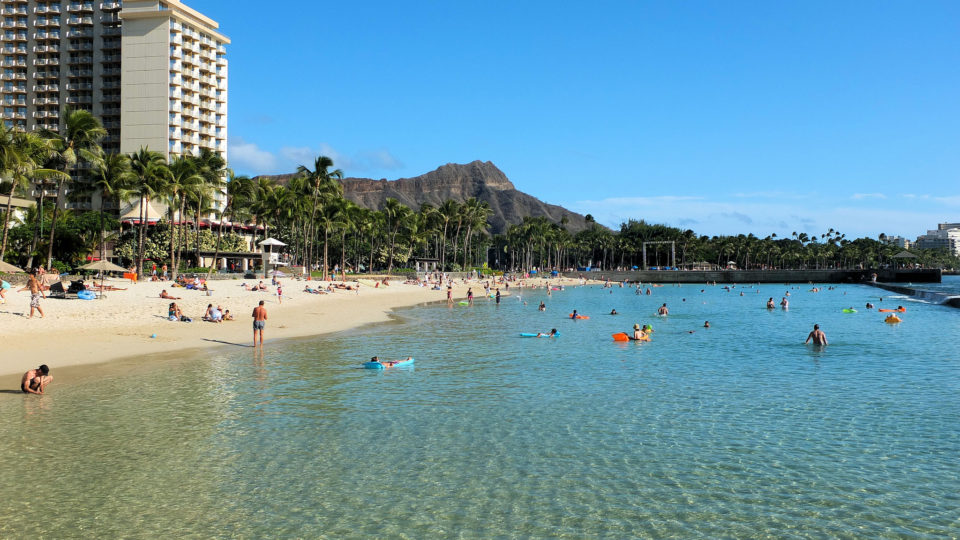
The Hawaiian Islands are an archipelago of eight major islands, several atolls, numerous smaller islets, and seamounts in the North Pacific Ocean.  The islands are a world-renowned vacation spot, known for their white-sand beaches, lush flora, and near perfect weather.  But stormier days may be ahead. 

[Read more…] about Climate Change And Hawaii

Climate Change And Hurricanes

October 4, 2017 By EarthWise Leave a Comment

https://earthwiseradio.org/wp-content/uploads/2017/10/EW-10-04-17-Climate-Change-and-Hurricanes.mp3

No single weather event can be attributed to climate change.   Storms, floods and droughts have always happened and some of them have always been severe.   However, two centuries of people burning fossil fuels has altered temperatures just enough that some of the storms we have seen in recent times have been much worse than they otherwise would have been.

[Read more…] about Climate Change And Hurricanes

Poor Neighborhoods And Mosquitoes

September 4, 2017 By EarthWise

https://earthwiseradio.org/wp-content/uploads/2017/09/EW-09-04-17-Poor-Neighborhoods-and-Mosquitoes.mp3

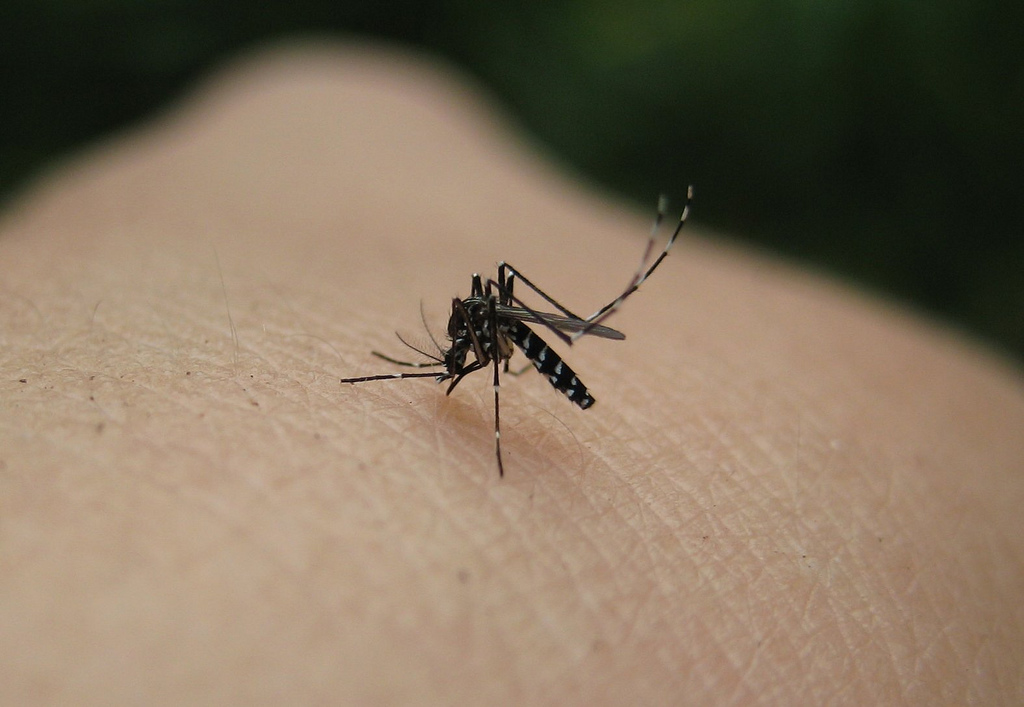
Mosquito-borne diseases pose a growing risk to public health in urban areas. Asian tiger mosquitoes are a vector of high concern as they thrive in cities, live in close association with people, and can reproduce in very small pools of water. 

[Read more…] about Poor Neighborhoods And Mosquitoes

Did People Create The Sahara Desert?

April 25, 2017 By EarthWise

https://earthwiseradio.org/wp-content/uploads/2017/04/EW-04-25-17-Did-People-Create-the-Sahara.mp3

One of the arguments some people make when discussing human causes of climate change is that people can’t cause such massive changes.  However, there is a long historical record of human-driven ecological and climatic change in Europe, North America and New Zealand, among other places.

[Read more…] about Did People Create The Sahara Desert?

  • « Go to Previous Page
  • Page 1
  • Page 2
  • Page 3
  • Go to Next Page »

Primary Sidebar

Recent Episodes

  • An uninsurable future
  • Clean energy and jobs
  • Insect declines in remote regions
  • Fossil fuel producing nations ignoring climate goals
  • Trouble for clownfishes

WAMC Northeast Public Radio

WAMC/Northeast Public Radio is a regional public radio network serving parts of seven northeastern states (more...)

Copyright © 2026 ·