
• Skip to primary navigation
  • Skip to main content
  • Skip to primary sidebar

Earth Wise

A look at our changing environment.

  • Home
  • About Earth Wise
  • Where to Listen
  • All Articles
  • Show Search
Hide Search
You are here: Home / Archives for humans

humans

Rivers And Climate Change | Earth Wise

October 11, 2023 By EarthWise Leave a Comment

Our planet is heating up.  Scientists have concluded that the changing climate is primarily the result of increased greenhouse gas emissions from human activities.  Some of the effects of global climate change include thawing permafrost, rising seas, intensifying storms and wildfires, and warming oceans.   

According to a new study led by researchers from Penn State University, rivers are warming and losing oxygen even faster than oceans.  The study, which was recently published in the journal Nature Climate Change, found that warming occurred in 87% and oxygen loss occurred in 70% of the nearly 800 rivers studied.

The research team projects that within the next 70 years some river systems, especially those in the American South, will experience such low oxygen levels that the rivers could “induce acute death” for some fish species and threaten the aquatic diversity of river ecosystems. 

The research team used artificial intelligence and deep learning to analyze water quality data from nearly 800 rivers across the U.S. and central Europe.  The researchers found that rivers are warming up and deoxygenating faster than oceans, which could have serious implications for both aquatic life and humans.

While climate change has led to warming and oxygen loss in oceans and lakes around the world, the researchers did not expect to find warming and deoxygenation in shallower, flowing rivers.  Since life in water depends on temperature and dissolved oxygen, the researchers hope this study serves as a wake up call.  Warming and deoxygenating rivers have significant implications for water quality and the health of aquatic ecosystems worldwide.

**********

Web Links

Rivers are rapidly warming, losing oxygen; aquatic life at risk

Photo, posted June 2, 2017, courtesy of Francisco Anzola via Flickr.

Earth Wise is a production of WAMC Northeast Public Radio

The Captive Lion Problem | Earth Wise

September 25, 2023 By EarthWise Leave a Comment

In the 1990s, there was rapid growth in South Africa of the private wildlife industry.  Large numbers of cattle, sheep, and goat ranchers replaced their domestic livestock with wild animals that wealthy hunters would pay lots of money to shoot.  Lions were among the most prized targets for these people.  Over time, hundreds of ranchers became involved in the business of breeding large numbers of the big cats in cages or small enclosures.  Wealthy clients paid $25,000 to $40,000 to shoot a captive-bred lion – cheaper than the cost of a true wild lion hunt and much easier too.  The animals were not afraid of humans and were easy to find.

By 2015, about 200 ranches held at least 8,000 captive-bred lions.  Over 600 were trophy-hunted that year, generating about $16 million in trophy fees, mostly from Americans.

Journalists and conservationists exposed poor conditions on many lion farms and many other abuses.  Over time, the South African government cracked down on the export of lion bones and other body parts for taxidermy, traditional Chinese medicine, and other uses.  The days of captive lion breeding seemed numbered but shutting down the lucrative industry is not easy.

Wild lions in South Africa are not endangered.  In fact, existing sanctuaries and preserves have as many lions as they can sustain.  What to do with thousands of captive lions is a real problem.  Some have suggested mass euthanasia, but that appalling idea has garnered very little support.  The future of these animals still hangs in the balance and so far, there are really no truly desirable solutions in the offing.

**********

Web Links

If South Africa Ends Lion Breeding, What to Do With Captive Cats?

Photo, posted August 21, 2011, courtesy of Leszek Leszczynski via Flickr.

Earth Wise is a production of WAMC Northeast Public Radio
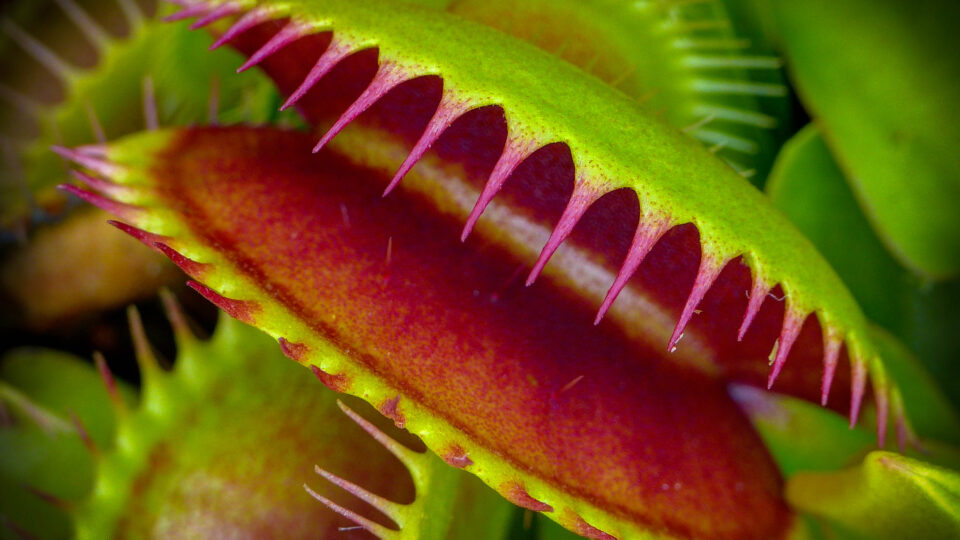
Endangered Plants And The Changing Climate | Earth Wise

August 31, 2023 By EarthWise Leave a Comment

Plants are a critical resource because of the countless ways they support life on Earth. Plants release oxygen into the atmosphere, absorb carbon dioxide, and provide food and habitat for humans and wildlife.  Plants are also used to produce fibers, building materials, and medicines. 

Plants form the backbone of natural ecosystems, and absorb about 30% of all the carbon dioxide emitted by humans each year.  But plants are struggling to adapt in a human-dominated world.  Even though they are easier and cheaper to protect than animals, plants are often overlooked in conservation efforts.

Ironically, conservation efforts appear to be overlooking a key threat to endangered plants.  According to a new study led by researchers from Penn State University, all plants and lichens listed as endangered under the Endangered Species Act are sensitive to climate change, but there are few plans in place to address that threat directly. 

The threat that climate change poses to endangered plants and lichens had not been thoroughly evaluated in more than a decade.  In the study, which was recently published in the journal PLOS Climate, the research team adapted existing assessment tools used to examine the threat of climate change for wild animals and applied them to 771 endangered plant species.  The researchers found that all endangered plant and lichen species are at least slightly threatened by climate change, and little is being done to protect the listed species from that threat.

The researchers hope their findings will be used to aid future conservation planning.  After all, plants can live without humans, but humans cannot live without plants.

**********

Web Links

Climate change threatens 771 endangered plant and lichen species

Photo, posted June 12, 2014, courtesy of Mark Freeth via Flickr.

Earth Wise is a production of WAMC Northeast Public Radio

The Climate Impact Of Diets | Earth Wise

August 24, 2023 By EarthWise Leave a Comment

What we eat has a major impact on the environment

The food system is responsible for 70% of the world’s freshwater use and almost 80% of freshwater pollution.  About three-quarters of the ice-free land area of the planet has been affected by human use, primarily for agriculture.  Land-use change such as deforestation is a major source of biodiversity loss.  What we choose to eat has a major effect on how the food system impacts the environment.

A comprehensive study by researchers at several UK universities has found that a plant-based diet yields one-fourth as much greenhouse gases as a diet rich in meat.  Vegan diets produce 75% less heat-trapping gas, generate 75% less water pollution, and use 75% less land than meat-rich diets.

Just going to a low-meat diet cuts the environmental cost of a high-meat diet in half.  Pescatarian diets perform better than low-meat diets, and vegetarian diets do even a little better than that.

There are a variety of reasons why many people won’t, can’t, or even shouldn’t become vegans.  What should be learned from this study is that our dietary choices have a major environmental impact.  So, taking actions like cutting down the amount of meat and dairy – which most people can do with relative ease – can be valuable.

There are many choices with respect to where we live, how we get from place to place, where we get our food, and, yes, what food we eat, that impact the environment.  We are not all going to do the best possible thing in all these cases, but if we each make some choices that at least help, it can make a big difference.

**********

Web Links

Vegan Diets Have One-Fourth the Climate Impact of Meat-Heavy Diets, Study Finds

Photo, posted November 5, 2017, courtesy of Stephanie Kraus via Flickr.

Earth Wise is a production of WAMC Northeast Public Radio
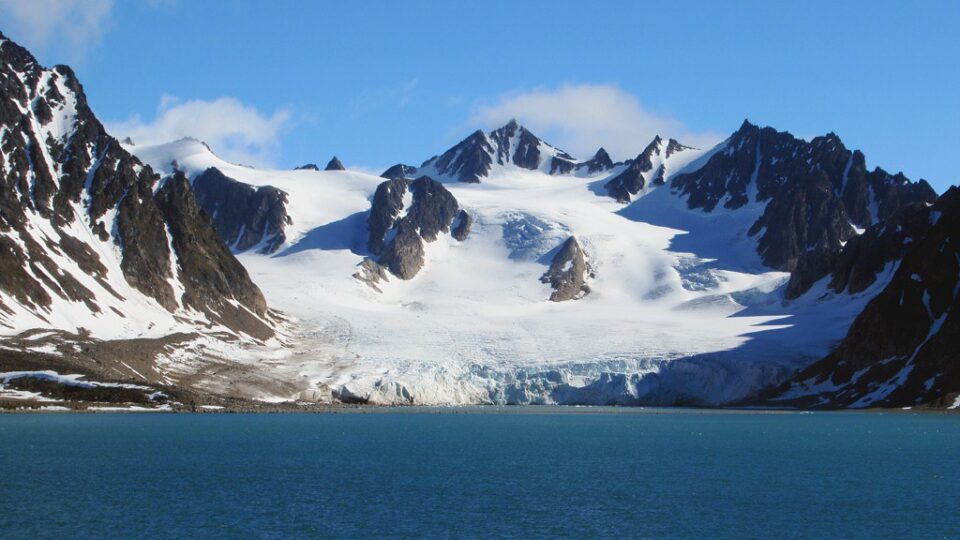
Shrinking Glaciers And Methane | Earth Wise

August 1, 2023 By EarthWise Leave a Comment

Shrinking glaciers pose an underestimated climate risk

The Arctic region is warming much faster than the rest of the planet.  In fact, according to a study published last year in the journal Nature, the Arctic has been warming nearly four times faster than the rest of the globe during the last 43 years.  This rapid warming is leading to substantial reductions in sea ice, thawing of permafrost, shifts in wildlife populations, and changes in ocean circulation patterns, among other changes. 

According to new research recently published in the journal Nature Geoscience, shrinking glaciers in the warming Arctic are exposing bubbling groundwater springs, which could provide an underestimated source of methane, a potent greenhouse gas.  Methane is more than 25 times as potent as carbon dioxide at trapping heat in the atmosphere.

The study, which was led by researchers from the University of Cambridge and the University Centre in Svalbard, Norway, found large sources of methane gas leaking from groundwater springs unveiled by melting glaciers. 

As glaciers retreat in the Norwegian archipelago of Svalbard and leave behind newly exposed land, groundwater beneath the Earth seeps upward and forms springs. In 122 out of the 123 springs studied, the research team found that the water was highly concentrated with dissolved methane.  When the spring water reaches the surface, the excess methane can escape to the atmosphere. 

Researchers are concerned that additional methane emissions released by the Arctic thaw could dramatically increase human-induced global warming.  If this phenomenon in the Svalbard archipelago is found to be more widespread across the Arctic — where temperatures are quickly rising and glaciers melting — the methane emissions could have global implications. 

**********

Web Links

The Arctic has warmed nearly four times faster than the globe since 1979

Shrinking Arctic glaciers are unearthing a new source of methane

Photo, posted October 22, 2022, courtesy of David Stanley via Flickr.

Earth Wise is a production of WAMC Northeast Public Radio
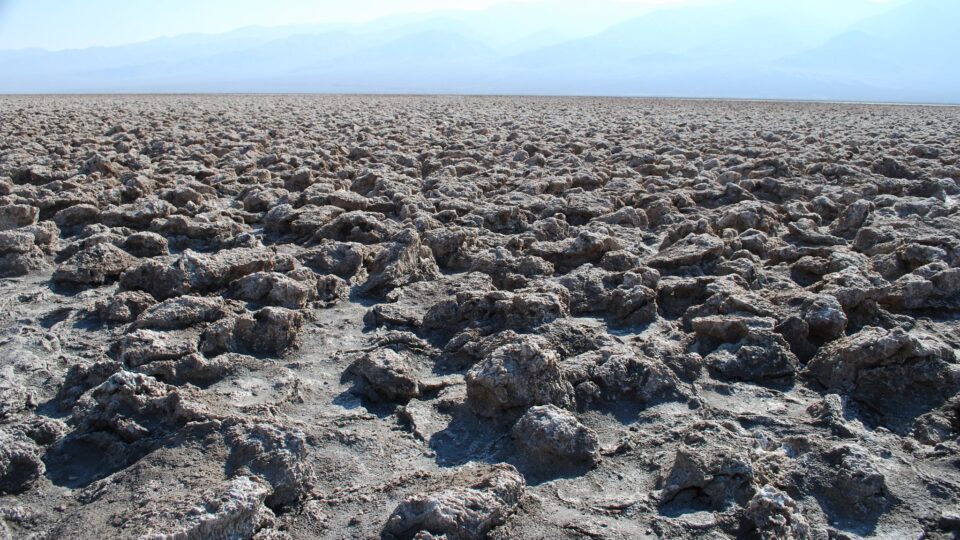
The World’s Hottest Day | Earth Wise

July 27, 2023 By EarthWise Leave a Comment

Early in July – for four days in a row – the average global temperature was the highest ever recorded.  As many places around the world endured dangerous heatwaves, the average global temperature on the fourth of July reached 62.92 degrees Fahrenheit, the highest ever recorded by human-made instruments.  On July 6th, the global temperature climbed even further to 63.01 degrees.

The average global temperature on an annual basis was about 56.7 degrees from the 1880s through the 1910s.  Temperatures rose a bit after that but ended up about 57.2 degrees until the 1980s.  After that, temperatures have risen fairly steadily as heat-trapping gases have accumulated in the atmosphere driving the current average above 58 degrees.

Global temperatures have only been directly measured since the mid-20th century.  There are proxy measurements from sources like tree rings, ice core samples, glacier measurements, and more that indicate that the recent readings may be the warmest days the earth has seen in millennia.

Average global temperature is determined using temperature readings at thousands of locations on both land and sea across the entire planet.  Those readings are compared with average temperatures at those locations for the date and the difference (known as the temperature anomaly) used to calculate a global average.

With the recent arrival of the El Niño in the Pacific Ocean, it is likely that the warming already being driven by greenhouse gas accumulation will intensify further. 

In a summer already marked by extreme heatwaves in many locations, having the entire planet 4 or 5 degrees hotter than normal is a very big deal and most certainly not a record to celebrate.

**********

Web Links

Earth reaches hottest day ever recorded 4 days in a row

Photo, posted October 29, 2008, courtesy of Darek via Flickr.

Earth Wise is a production of WAMC Northeast Public Radio
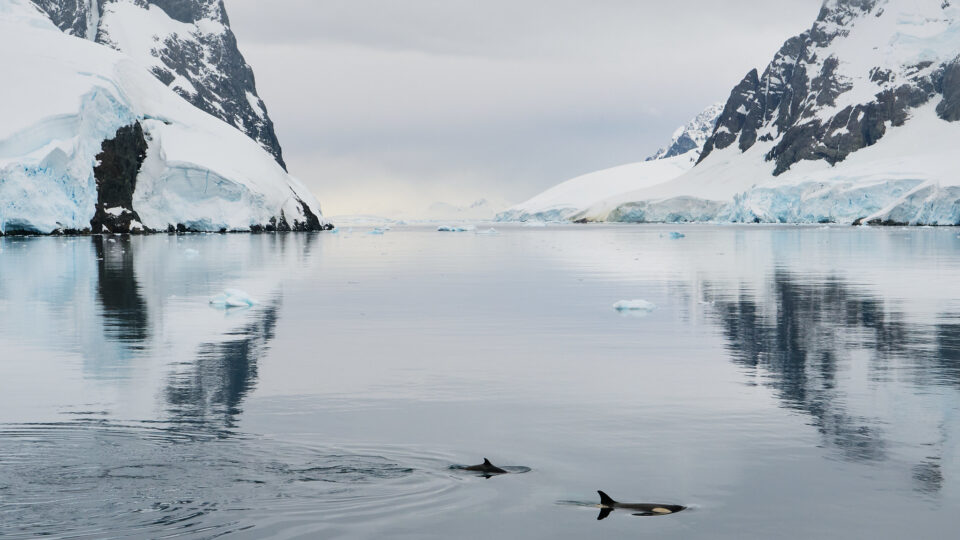
Orcas Versus Boats | Earth Wise

July 11, 2023 By EarthWise Leave a Comment

Orcas are attacking boats

Over the past three years, orcas (also known as killer whales) have been attacking boats off the coasts of Portugal and Spain.  The subpopulation of orcas in this region has been harassing boats, most often by biting at their rudders.

There have been over 500 reported instances of orcas reacting to boats.  Sometimes they simply approach the vessels, but some of the time they actually attack.  Almost 20% of the attacks have caused enough damage to disable the vessels.  In three cases, including one in May in the Strait of Gibraltar, the animals damaged a boat so badly that it sank.  To date, no one has been injured during these attacks.

Orca researchers have observed several different killer whales during these attacks.  They seem to come from two separate groups: a trio of juveniles occasionally joined by a fourth, as well as a mixed-age group consisting of an adult female, two of her offspring, and two of her sisters.  The attacks typically last less than 30 minutes but can go on for up to 2 hours.

Researchers don’t really know why orcas are going after watercraft.  This behavior has not been observed anywhere else in the world.  One theory is that the orcas have invented a new fad.  That’s actually something that they are known to do.  Much as with people, orca fads are often spearheaded by juveniles.  An alternative theory is that the attacks may be a response to a bad past experience involving a boat.  The fact that nobody has been injured in any of these attacks, even when the boats sank, suggests that only the boats themselves are the target of the attacks and not the people on them.

**********

Web Links

Why Has a Group of Orcas Suddenly Started Attacking Boats?

Photo, posted May 24, 2023, courtesy of Pedro Szekely via Flickr.

Earth Wise is a production of WAMC Northeast Public Radio

The Upper Atmosphere Is Cooling | Earth Wise

June 26, 2023 By EarthWise Leave a Comment

The upper atmosphere is cooling

The part of the atmosphere closest to the Earth’s surface has been warming since the Industrial Revolution.  This warming is associated with increasing amounts of carbon dioxide as well as other human-made chemicals that have been changing the makeup of the atmosphere. Climate change is generally thought about in terms of the lowest regions of the atmosphere – known as the troposphere – where our weather happens.

But climate models also predict that another result of the changes to the makeup of the atmosphere is that most of the atmosphere up higher will get dramatically colder.  The same gases that are warming the bottom few miles of air are cooling the much greater expanses above that extend to the edge of space.

Recent satellite data has confirmed the accuracy of these models and provide further confirmation of the human fingerprint of climate change. The natural variability of weather that complicates climate models does not play a role in the upper atmosphere.

In the higher levels of the atmosphere, the effects of increasing levels of carbon dioxide are quite different.  In the thinner air up there, the heat trapped and re-emitted by CO2 does not bump into other molecules creating warming.  Instead, it escapes to space.  Combined with the trapping of heat at lower levels, the result is a rapid cooling of the upper atmosphere.

There are potential problems associated with the cooling upper atmosphere including that it is contracting.  The result is that the crowd of manmade objects in low orbit remains there longer, and there is a potential increased degradation of the ozone layer. 

The changes we are making to the atmosphere are having significant effects from the surface of the earth to the edge of space.

**********

Web Links

The Upper Atmosphere Is Cooling, Prompting New Climate Concerns

Photo, posted August 18, 2021, courtesy of Arek Socha via Flickr.

Earth Wise is a production of WAMC Northeast Public Radio
Ocean Oxygen Levels And The Future Of Fish | Earth Wise

June 23, 2023 By EarthWise Leave a Comment

How oxygen levels in the ocean will impact the future of fish

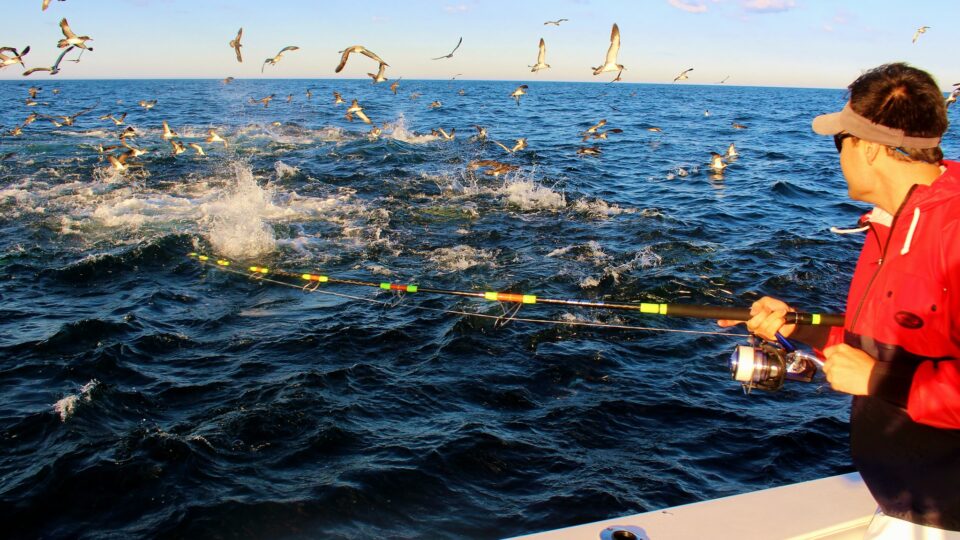
Climate change is creating a cascade of effects in the world’s oceans.  Not only are ocean temperatures on the rise, but oceans are becoming more acidic, and oxygen deprived.  The warming temperatures and acidification have grabbed headlines and prompted academic research. Declining oxygen levels have not garnered as much attention.  But they spell bad news for fish.

Oxygen levels in the world’s oceans have dropped over 2% between 1960 and 2010 and are expected to decline up to 7% over the next century.  There are places in the northeast Pacific that have lost more than 15% of their oxygen.  There are a growing number of “oxygen minimum zones” where big fish cannot survive but jellyfish can.

Oceans are losing oxygen for several reasons.  First, warmer water can hold less dissolved gas than colder water.  (This is why warm soda is flatter than cold soda.)  Deeper in the ocean, oxygen levels are governed by currents that mix oxygen-rich surface water from above.  Melting ice in the warming polar regions add fresh, less-dense water that resists downward mixing in key regions.  Finally, increasing amounts of ocean bacteria in warming waters gobble up oxygen creating dead zones in the ocean.

In many places, fish species that cannot cope with lower oxygen levels are migrating from their usual homes, resulting in a decline in species diversity.  Our future oceans – warmer and oxygen-deprived – will not only hold fewer kinds of fish, but also smaller fish and even more greenhouse-gas producing bacteria.   

Climate change is bad news for fish and for the more than 3 billion people in the world who depend on seafood as a significant source of protein.

**********

Web Links

As Ocean Oxygen Levels Dip, Fish Face an Uncertain Future

Photo, posted January 10, 2022, courtesy of Willy Goldsmith via Flickr.

Earth Wise is a production of WAMC Northeast Public Radio

El Niño Will Likely Return | Earth Wise

June 21, 2023 By EarthWise Leave a Comment

El Niño, a weather phenomenon triggered by warm waters in the eastern Pacific, is likely to return this year, according to the World Meteorological Organization.  The Pacific has been in the cooler La Niña phase for the past 3 years, which is unusual, but that appears to be coming to a close.  According to the WMO, there is an 80% chance that the Pacific will shift to the El Niño phase before fall.

Record hot years typically coincide with El Niño, which adds to the ongoing warming trend in the climate.   There is not yet a clear picture of how strong the forthcoming El Niño event will be or how long it might last, but even a mild El Niño could affect precipitation and temperature patterns around the world.

The hottest year on record, 2016, occurred during a particularly strong El Niño.  Experts expect that 2024 is likely to see soaring temperatures again.  El Niño generally leads to drier conditions in Australia, Indonesia, and southern Asia, but greater amounts of rainfall in South America, the U.S., and parts of Africa.  Despite the presence of a cooling La Niña for the past three years, the last eight years have been the hottest on record.

El Niño and La Niña form an intermittent cycle known as the El Niño Southern Oscillation, or ENSO, that is highly influential in shaping the year-to-year variations in weather conditions around the world.  ENSO is a natural phenomenon and scientists are still trying to understand how human-caused climate change might be impacting the behavior and dynamics of the cycle.

**********

Web Links

‘A New Spike’ in Global Temperatures in the Forecast

Photo, posted October 11, 2015, courtesy of Harshil Shah via Flickr.

Earth Wise is a production of WAMC Northeast Public Radio

Chatbots Are Thirsty | Earth Wise

June 19, 2023 By EarthWise Leave a Comment

We hear a lot about artificial intelligence these days.  ChatGPT has found its way into education, technology, and many other aspects of life.  It and its brethren are a source of fascination, enthusiasm, and even fear.  Many of us have given queries to the bot to see what kind of results we can obtain.  But a recent study has found out something about AI systems that we probably didn’t know – they use up lots of fresh water.

According to researchers at the University of California, Riverside, running a few dozen queries on ChatGPT uses up about half a quart of fresh water from already overtaxed reservoirs.

Running artificial intelligence systems like ChatGPT relies on cloud computations done in racks of servers in warehouse-sized data processing centers.  Google’s data centers in the U.S. alone consumed nearly 3.5 billion gallons of fresh water in 2021 in order to keep their servers cool.

Data processing centers consume water in two ways.  They often draw much of their electricity from power plants that use large cooling towers that convert water into steam emitted into the atmosphere.  In addition, the servers themselves need to be cooled to keep running and are typically connected to cooling towers as well.

It isn’t going to be easy for AI systems to reduce their water use.  The study’s authors noted that people make use of AI at all hours of the day and night.  But a significant amount of AI activity is actually the training of the systems.  That could be scheduled for the cooler hours, when less water is lost to evaporation.

In an era of scarce fresh water and droughts, it is important to make AI less thirsty.

**********

Web Links

AI programs consume large volumes of scarce water

Photo, posted May 22, 2023, courtesy of Jernej Furman via Flickr.

Earth Wise is a production of WAMC Northeast Public Radio
Why Are Insect Populations Declining? | Earth Wise

June 16, 2023 By EarthWise Leave a Comment

Insects are declining

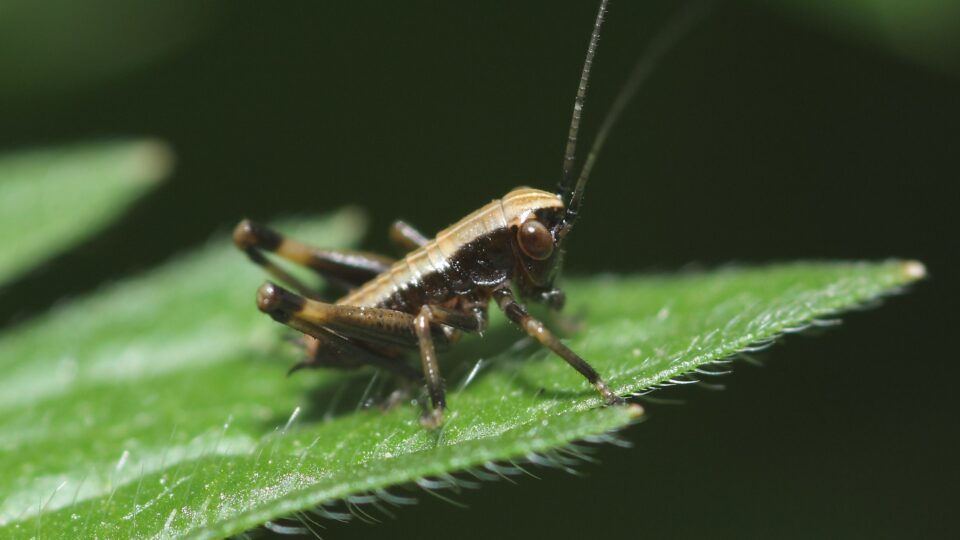
The world is experiencing a decline in overall insect populations as well as a collapse in insect diversity.  A recent special issue of the journal Biology Letters discusses the major causes of this alarming trend.

According to the study, the primary causes of the worldwide decline in insect biomass are land-use intensification in the form of greater utilization for agriculture and building development, climate change, and the spread of invasive animal species as a result of human trade.

The study concludes that it is not just these factors that are driving the global disappearance of insects, but also that these three factors are interacting with each other.  For example, ecosystems that are deteriorated by humans are more susceptible to climate change and so are their insect communities.  Similarly, invasive species can establish themselves more easily in habitats damaged by human land-use and displace native species.  Many native insect species decline or go extinct while others – often invasive species – thrive and increase, leading to decreasing insect diversity.  Warming temperatures are making many locations undesirable for various insect species and they often cannot migrate to anyplace better.

Declining insect populations and diversity results in concomitant declines in plant species that depend on pollinators.  This in turn threatens the stability of entire ecosystems.

The researchers advocate for continued monitoring of insect diversity across many habitats and countries and propose the creation of a network of interconnected nature reserves such that species can move from one to another. 

We often think of insects as pests, but they are a crucial part of the world’s ecosystems.

**********

Web Links

The reasons why insect numbers are decreasing

Photo, posted April 17, 2011, courtesy of Dean Morley via Flickr.

Earth Wise is a production of WAMC Northeast Public Radio
Reducing Cattle-Driven Deforestation | Earth Wise

June 14, 2023 By EarthWise Leave a Comment

The Amazon rainforest is the biggest rainforest in the world, larger than the next two biggest combined.  It covers more than three million square miles, roughly the size of the lower 48 states.  The Amazon functions as a critical sink for carbon in the atmosphere.

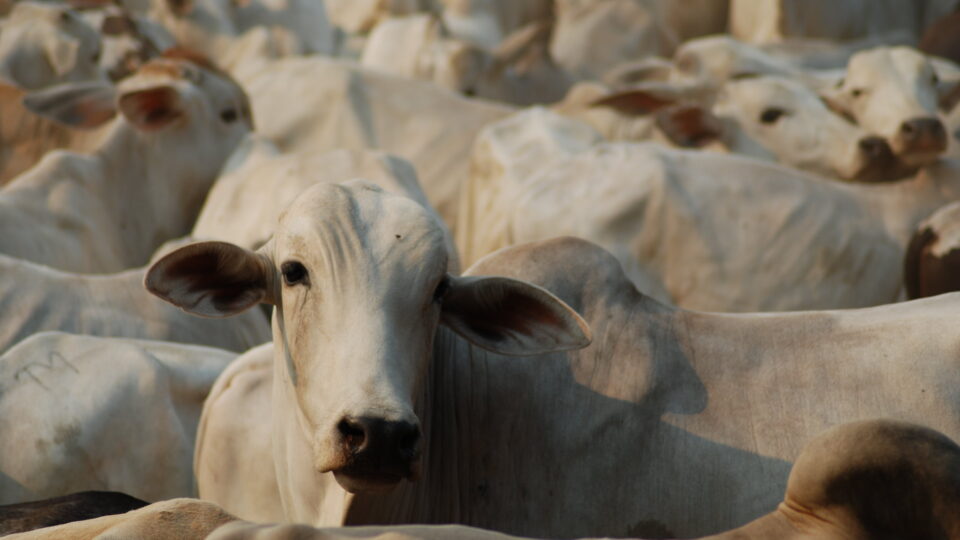
However, human activity has removed more than 10% of the vegetation from the Amazon rainforest since the 1960s.  Cattle ranching accounts for roughly 70% of Amazon deforestation – much of which is illegal.   

According to a study recently published in the journal Global Environmental Change, companies’ ‘zero-deforestation’ commitments could reduce cattle-driven deforestation in the Brazilian Amazon by 50%.   Better adoption and implementation of company supply chain policies for Brazilian beef and leather could significantly reduce carbon emissions. 

Between 2010 and 2018, some of the world’s largest slaughterhouses reduced cattle-driven deforestation by 15% through their commitment to zero-deforestation policies.  If these policies were fully implemented and adopted across all cattle companies operating in the Amazon, more than 9,200 square miles of forest could have been spared over the same time period, effectively halving the cattle-driven deforestation in Brazil.  

Zero-deforestation commitments currently cover 82% of beef exported from the Brazilian Amazon for trade internationally.  However, a large amount of beef production destined for Brazil’s domestic markets is not covered.

The researchers say a mix of interventions by both the private and public sector is needed to improve cattle-rearing practices and help reduce deforestation in countries like Brazil.

**********

Web Links

Companies’ zero-deforestation commitments have potential to halve cattle-driven deforestation in Brazilian Amazon

Photo, posted January 17, 2011, courtesy of Kelly Sato via Flickr.

Earth Wise is a production of WAMC Northeast Public Radio
Can All Plant Species Survive? | Earth Wise 

June 9, 2023 By EarthWise Leave a Comment

Many animal populations around the world are struggling and people are mostly to blame.  Species are declining because of all sorts of things including changes in land and sea use, pollution, invasive species, and climate change.

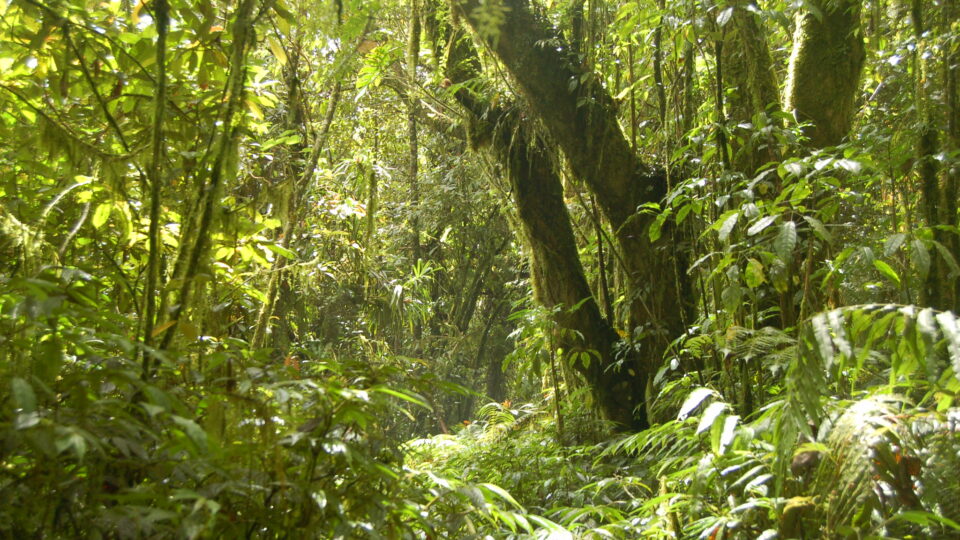
Like many animal species, plants are also struggling to adapt to a human-dominated world.  Plants provide the planet with food, oxygen, and energy, and are used to produce fibers, building materials, and medicines.  Even though plants are easier and cheaper to protect, they are often overlooked in conservation efforts. 

According to a paper recently published in the journal Trends in Plant Science, preventing all future land plant extinctions across the globe is possible with the right approaches.  The author of the paper, Richard Corlett of the Xishuangbanna Tropical Botanical Garden in China, writes that “if zero extinction is potentially achievable for plants, a less ambitious target would be inexcusable.” 

According to the paper, one big barrier in plant conservation is the lack of trained specialists, especially in tropical areas where there is a backlog of unidentified species.  It’s likely that many “dark extinctions,” which is when species slip away without us knowing they existed, have already occurred.

Another roadblock in preventing plant extinctions is information access, which can be solved by building an online “metaherbarium.”  This collaborative database would link digitized records from herbarium specimens with photographs, status assessments, and recovery plans.

Finally, the creation of “microreserves” – which are tiny pieces of protected land designed to get around space constraints – would further contribute to effective conservation of targeted plant species. 

Zero plant extinctions should be the goal.   

**********

Web Links

‘Zero plant extinction’ is possible, says plant ecologist

Photo, posted May 16, 2008, courtesy of Andrew Otto via Flickr.

Earth Wise is a production of WAMC Northeast Public Radio
Carbon-Negative Concrete | Earth Wise

June 6, 2023 By EarthWise Leave a Comment

Researchers exploring a carbon-negative concrete

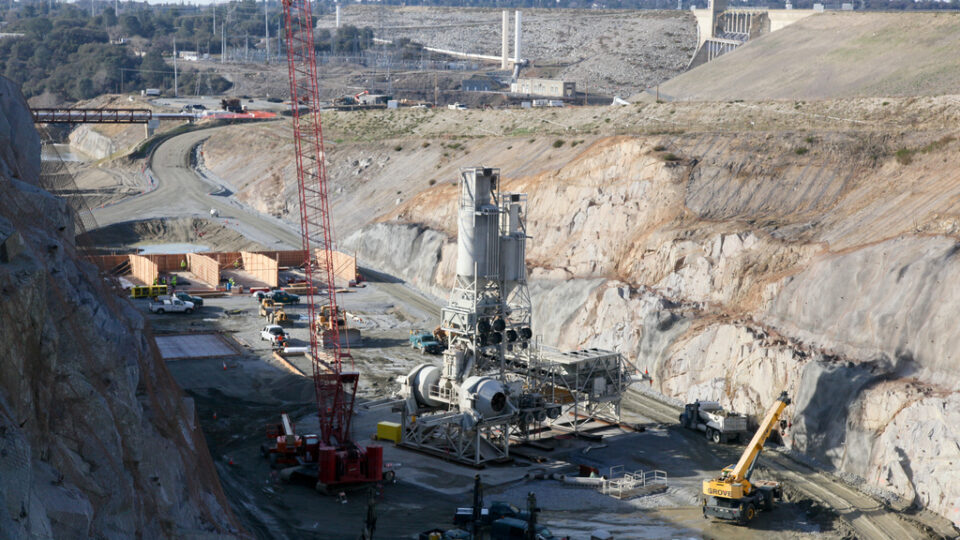
Concrete is a mainstay of modern civilization.  The world produces more than 4 billion tons of it each year and the process requires high temperatures, mostly obtained by burning fossil fuels.  The chemical reactions that produce concrete also produce large amounts of carbon dioxide.  In all, cement production is responsible for about 8% of total global carbon emissions by human activities.

This situation is the impetus for a wide range of research activities aimed at reducing the environmental impact of concrete production.  Researchers at Washington State University have recently developed a way of making carbon-negative concrete: a recipe for concrete that absorbs large amounts of carbon dioxide.

There have been attempts in the past to add biochar to concrete.  Biochar is a type of charcoal made from organic waste that sucks up carbon dioxide from the air.  In earlier attempts, even adding 3% of biochar would dramatically reduce the strength of the concrete.

The WSU researchers found that treating biochar with concrete washout wastewater makes it possible to add much more biochar to concrete without reducing its strength.  Mixing it with biochar adds calcium, which induces the formation of the mineral calcite, which in turn strengthens the concrete.

The researchers were able to add up to 30% biochar to their cement mixture.  Within a month, the resultant concrete was comparable in strength to ordinary concrete.  But at the same time, the biochar was able to absorb up to 23% of its weight in carbon dioxide from the air.  The new concrete is potentially the most environmentally friendly concrete ever developed.

**********

Web Links

Researchers develop carbon-negative concrete

Photo, posted January 31, 2012, courtesy of Michael J. Nevins / U.S. Army Corps of Engineers via Flickr.

Earth Wise is a production of WAMC Northeast Public Radio
Plastic Eating Fungus | Earth Wise

May 26, 2023 By EarthWise Leave a Comment

Researchers exploring the use of fungi to break down plastic

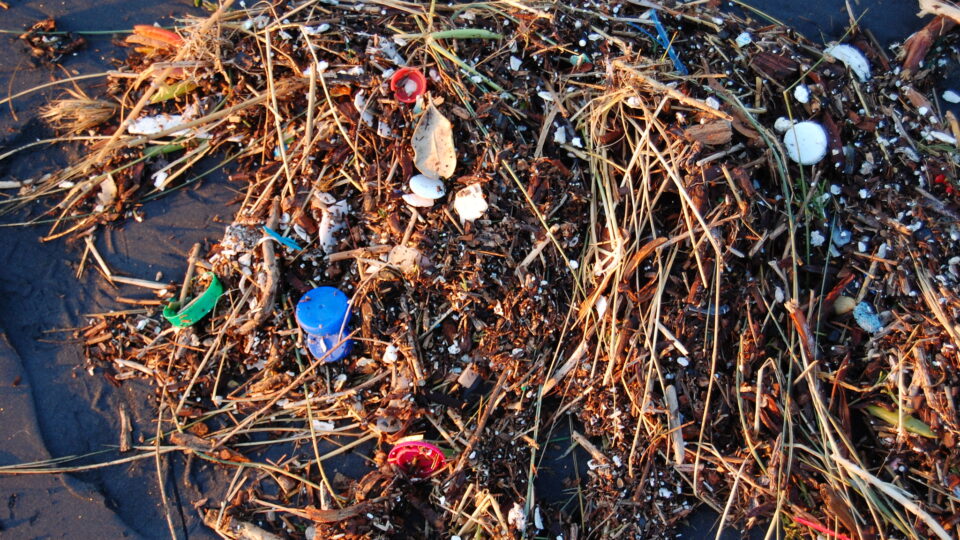
More than five billion tons of plastic have accumulated on land and sea including the most remote regions of the planet as well as in the bodies of animals and humans.  There is a compelling need to recycle as much plastic as possible but doing so is a major challenge. Plastic comes in many varieties and breaking it down for reuse requires different methods for each.

Polypropylene is one of the biggest challenges for recycling.  It is a very common plastic used for all sorts of products including food containers, coat hangers, plastic wrap, toys, and much more. It accounts for roughly 28% of the world’s plastic waste, but only 1% of it is recycled.

Polypropylene is seldom recycled because it generally has a short life as a packaging material, and it often becomes contaminated by other materials and plastics.  Thus, it generally ends up in landfills.

Researchers at the University of Sydney in Australia have discovered that two common strains of fungi were able to successfully biodegrade polypropylene.  The fungi species – with unavoidable Latin names of Aspergillus terreus and Engyodontium album – are typically found in soil and plants.

The researchers found that the fungi were able to break down polypropylene after it had been pre-treated with either UV light or heat, by 21% over 30 days, and by 25-27% over 90 days.  This seems rather slow but compared with the nearly endless life of polypropylene in landfills, it is a major improvement.

The hope is that methods like this could ultimately reduce the amount of plastic polluting the environment by encouraging plastic to biodegrade naturally under the appropriate conditions.

**********

Web Links

Fungi makes meal of hard to recycle plastic

Photo, posted March 5, 2010, courtesy of Kevin Krejci via Flickr.

Earth Wise is a production of WAMC Northeast Public Radio
Here Come The Lanternflies | Earth Wise

May 15, 2023 By EarthWise Leave a Comment

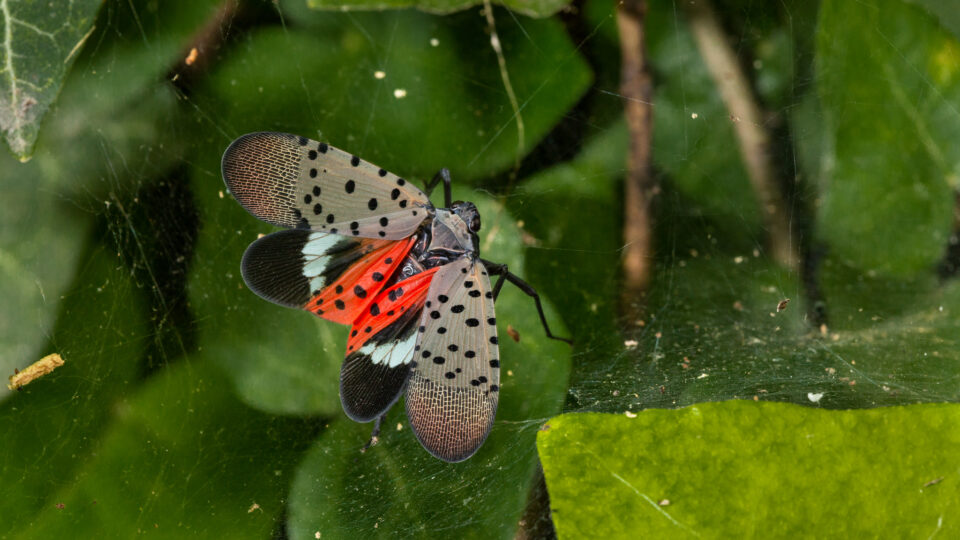
The spotted lanternfly is an invasive pest from Asia that primarily feeds on tree of heaven, which is itself an invasive species that has become widespread.  The real problem is that the lanternfly can also feed on some 70 other plants such as grapevines, maples, fruit trees, and more.

The lanternfly was first discovered in the US in Pennsylvania in 2014 and has since spread to 14 states including New York, Massachusetts, Connecticut, and Rhode Island.  (It was first spotted in New York in Staten Island in 2020 and has continued to spread).

The insect poses a significant threat to New York’s agricultural and forest health. Both the adults and nymphs feed on the sap of plants which stresses them making them vulnerable to diseases and other insect attacks.  They also secrete a sticky substance that attracts molds and interferes with photosynthesis.

Lanternflies are not strong fliers.  They mostly spread through human activity by laying their eggs on vehicles, firewood, outdoor furniture, and other objects that people transport.

The bout of unusually warm weather that the Northeast experienced in early spring is likely to have jumpstarted the spotted lanternfly timeline and hatching could be bumped up to as early as May.

Agriculture officials are asking for people to look for spotted lanternfly egg masses and scrape them off with implements with a sharp edge.  Adult insects should be reported to local authorities and should be killed if at all possible.  There is lots of information online about how to recognize the egg masses and the insects.  Spotted lanternflies are not a direct threat to humans, but they have the potential to cause great harm to vineyards, orchards, and forests.

**********

Web Links

Spotted Lanternfly

Photo, posted September 12, 2018, courtesy of the U.S. Department of Agriculture via Flickr.

Earth Wise is a production of WAMC Northeast Public Radio

Plants Make Sounds | Earth Wise

May 9, 2023 By EarthWise Leave a Comment

Some people talk to their plants.  It is highly unlikely that the plants are listening, but recent research has found that plants are doing quite a bit of talking of their own.

It turns out that plant emit a variety of click-like sounds, especially when they are stressed in some way, such as being dehydrated or injured.  The sounds are actually fairly loud – comparable to the volume of human speech – but occur at frequencies well above the range of human hearing.

The study at Tel Aviv University in Israel monitored plants in a greenhouse that were subjected to various stresses over time.  Unstressed plants emitted less than one sound per hour, on average, while stressed plants emitted dozens of sounds every hour.

Recordings of the plant sounds were analyzed by specially developed artificial intelligence algorithms.  The algorithms learned how to distinguish between different plants and different types of sounds.  Eventually, they could identify the plant and determine the type and level of stress from the recordings.  They could even do this in a greenhouse with a great deal of background noise.

The study resolved a very old scientific controversy about whether plants emit sounds.  Not only do they, but the sounds contain useful information.  We don’t yet know what the mechanism is for plant sounds.  It is likely that in nature, the sounds are detected by various animals and perhaps even plants that can detect the high frequencies.  And perhaps they react to them as part of seeking food, shelter, or other services that plants provide.  Given the right tools, we humans may also be able to make use of the sounds being made by plants.

**********

Web Links

Plants Emit Sounds – Especially When Stressed

Photo, posted February 20, 2009, courtesy of ProBuild Garden Center via Flickr.

Earth Wise is a production of WAMC Northeast Public Radio

Ocean-based Climate Intervention And Deep-sea Ecosystems | Earth Wise

May 2, 2023 By EarthWise Leave a Comment

Climate interventions could jeopardize deep sea ecosystems

Deep-sea ecosystems cover more than 40% of the Earth.  These regions are some of the least well-known and understood areas of our planet but are home to numerous ecosystems.  The deep seas are already directly exposed to the effects of human-induced climate change but could potentially be greatly threatened by efforts to artificially counteract climate change.

A class of geoengineering solutions called ocean-based climate interventions are increasingly being claimed as promising ways to mitigate climate change.  Such interventions would remove carbon dioxide from the atmosphere and sequester it in the deep sea.  There is very little known about the impact of such efforts on ocean biogeochemistry and the biodiversity of ocean ecosystems.

One approach is direct CO2 injection into the deep ocean, which would sequester large amounts of it and reduce the concentration in the atmosphere.  However, too much carbon dioxide in the water is called hypercapnia, which can have serious consequences on marine life.

Other approaches include ocean fertilization – which is enhancing phytoplankton production at the surface, leading to their eventual deposition on the deep-sea floor – and crop waste deposition – which is deep-sea disposal of terrestrial crop waste. 

A multinational study led by the Scripps Institution of Oceanography warns that there needs to be much more research and governance before any such interventions ever take place.  The deep sea faces unprecedented threats from industrial fisheries, pollution, warming, deoxygenation, acidification, and other climate-related problems.  Ocean-based climate intervention represents yet another serious threat to the functioning of these essential ecosystems.

**********

Web Links

HKU Marine Scientist contributes to research assessing the potential risks of ocean-based climate intervention technologies on deep-sea ecosystems

Photo, posted January 6, 2010, courtesy of Emrys Roberts via Flickr.

Earth Wise is a production of WAMC Northeast Public Radio
Giant Farming Robots | Earth Wise

April 20, 2023 By EarthWise Leave a Comment

Farmers are perpetually engaged in a battle against weeds, which can strangle crops and destroy their yields.  There are basically two ways to fight weeds:  spraying herbicides that are bad for the environment and human health or using human labor to pull the weeds by hand. 

Both choices are increasingly undesirable.  Herbicide resistance is a growing problem facing farms around the world and widespread labor shortages in the agricultural sector are making it increasingly difficult to use human resources to combat weeds.

A startup company called FarmWise founded by an MIT engineering alumnus is providing a third option for farmers.  The company has developed giant autonomous weeding robots that use artificial intelligence to cut out weeds without damaging crops.

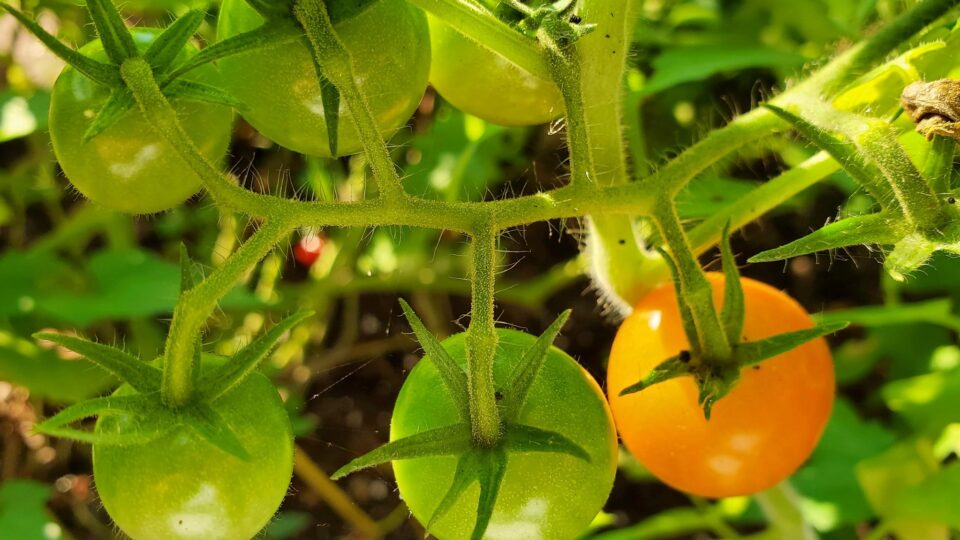
The company’s first product is called the Titan.  It looks like a large tractor without a driver’s seat.  It uses machine vision to distinguish weeds from crop plants like leafy greens, cauliflower, artichokes, and tomatoes.  It snips off the weeds with sub-inch precision.

Fifteen titan robots have been roaming the fields of 30 large farms in California and Arizona for several years.  A newer robot, called the Vulcan, is more lightweight and is pulled by a tractor.  FarmWise continues to add new crops to its database so that the robots can be used to fight weeds in more and more kinds of farms.

Weed problems are especially acute for farmers of specialty crops, which grow on smaller farms than corn and soybeans, and have unique growing practices, which limit the effectiveness of chemical and technical solutions. 

The overall goal of FarmWise is to turn artificial intelligence into a tool that is as reliable and dependable as GPS is now in the farming industry.

**********

Web Links

Titanic robots make farming more sustainable

Photo, posted August 23, 2021, courtesy of Carol VanHook via Flickr.

Earth Wise is a production of WAMC Northeast Public Radio

  • « Go to Previous Page
  • Page 1
  • Page 2
  • Page 3
  • Page 4
  • Page 5
  • Interim pages omitted …
  • Page 11
  • Go to Next Page »

Primary Sidebar

Recent Episodes

  • An uninsurable future
  • Clean energy and jobs
  • Insect declines in remote regions
  • Fossil fuel producing nations ignoring climate goals
  • Trouble for clownfishes

WAMC Northeast Public Radio

WAMC/Northeast Public Radio is a regional public radio network serving parts of seven northeastern states (more...)

Copyright © 2026 ·