habitat
A Ton Of Plastic Per Person
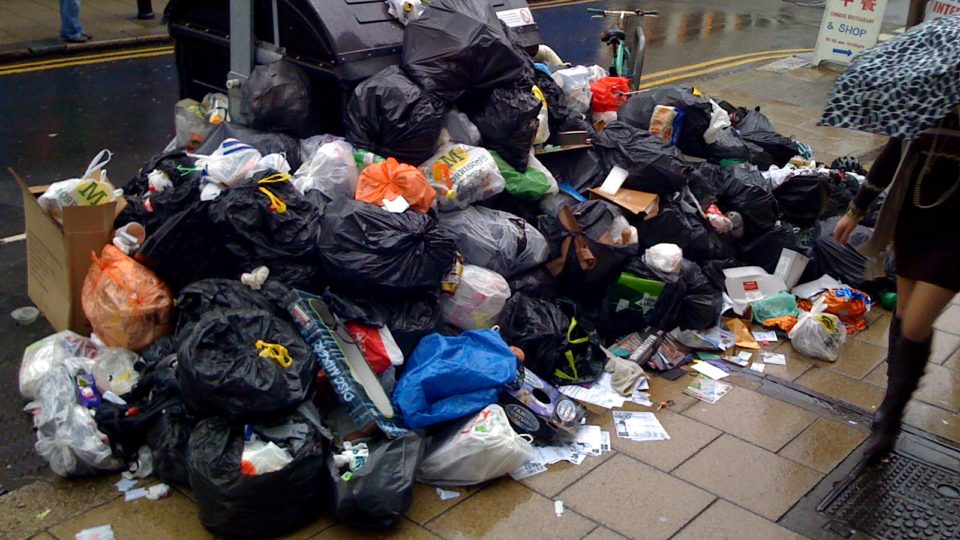
A study by the American Association for the Advancement of Science has produced an estimate of the total amount of plastic manufactured worldwide since the 1950s. The researchers then measured that data against statistics on recycling, incineration and discard rates. The results are sobering.
Restoring Sediment To Save Wetlands
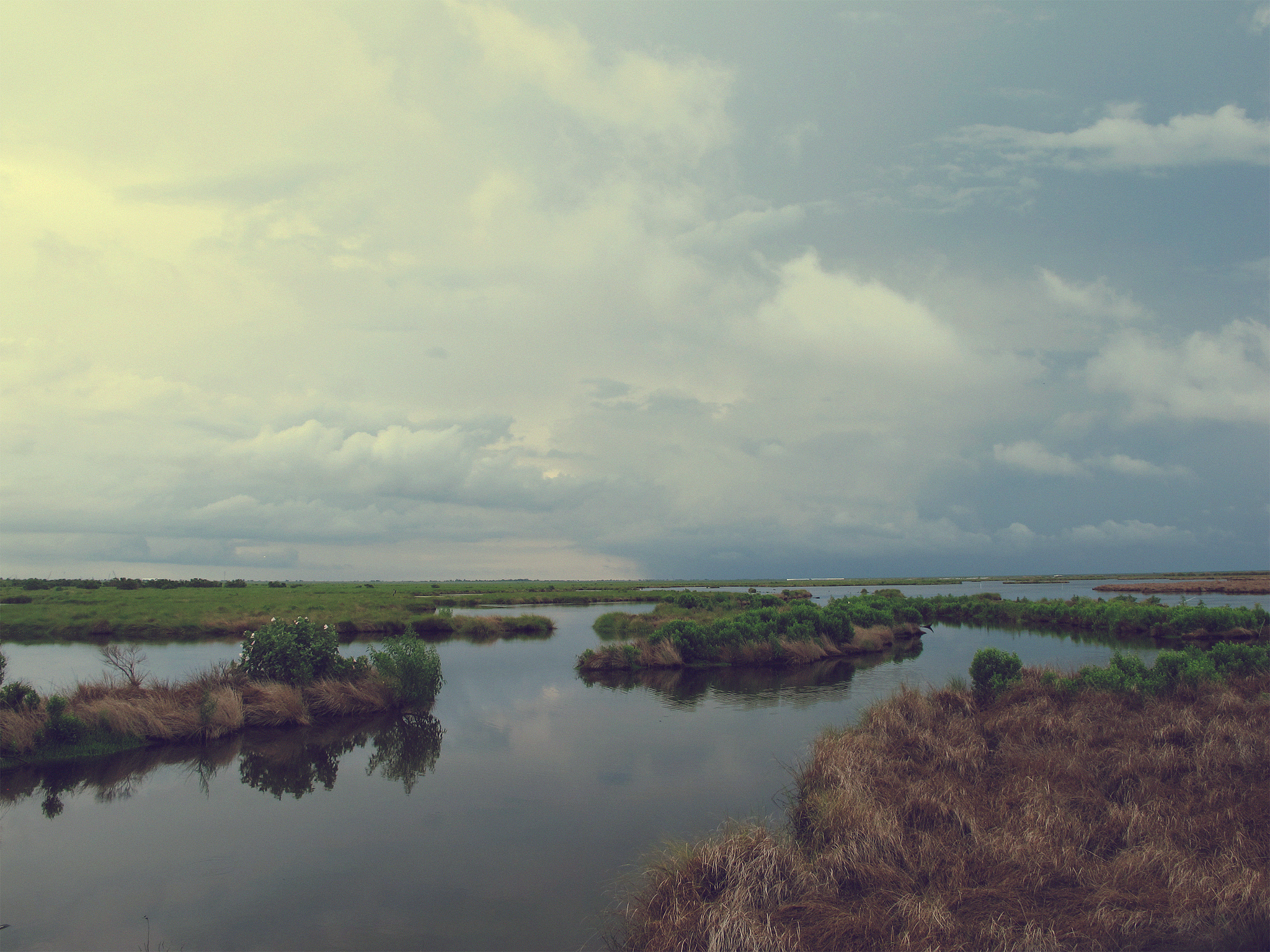
The world’s rivers carry billions of cubic yards of sediment – sand, silt and other material – and transport it to wetlands and coastal areas. Until fairly recently, this was viewed as a negative thing. But that has changed.
The Monarch Highway
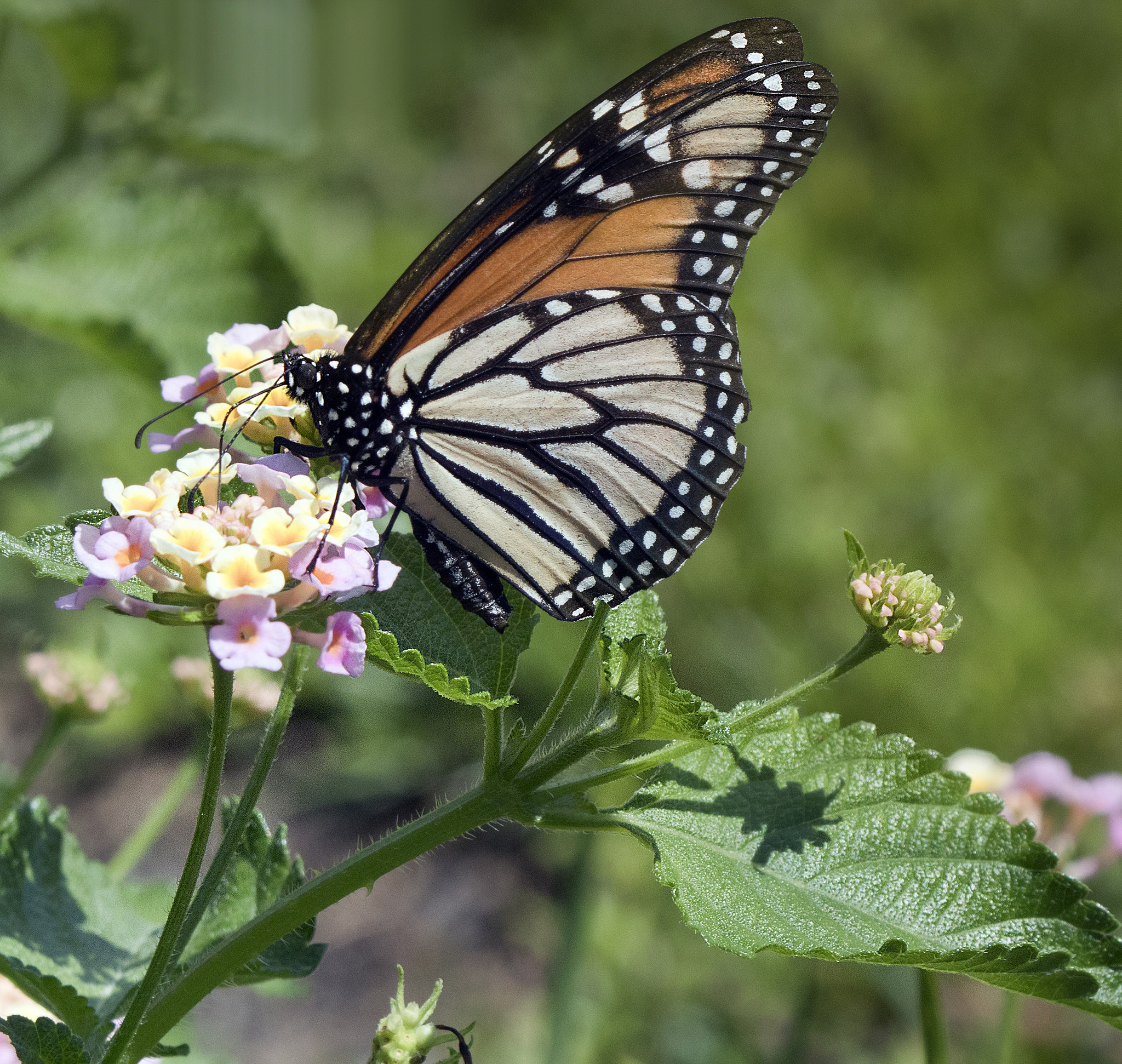
We have talked about the monarch butterfly on a number of occasions. The population of these iconic orange and black butterflies in North America has plummeted from 1 billion to 33 million over the past 20 years. People have undertaken a variety of efforts to try to save the species but now a major project to restore the dwindling habitat of the monarch is underway.
Could Coral Reefs Be Wiped Out?
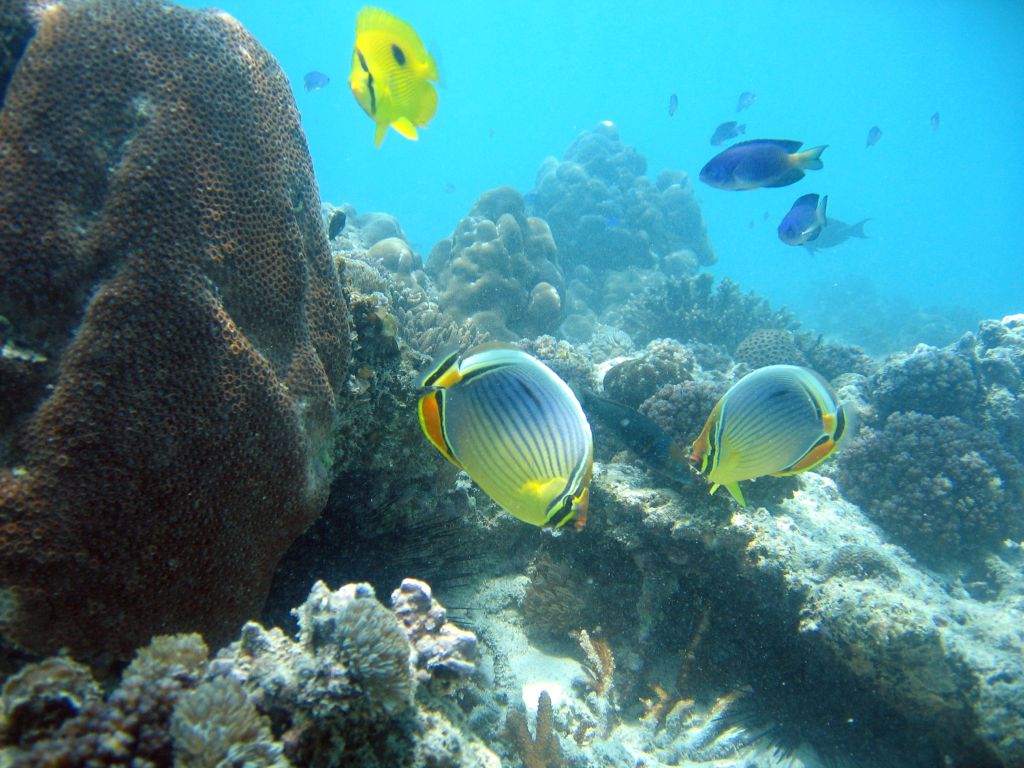
A new study warns that coral reefs are in danger of disappearing forever. According to U.N. research, the world’s coral reefs could die out completely by mid-century unless carbon emissions are reduced enough to slow ocean warming.
Palm Oil Progress
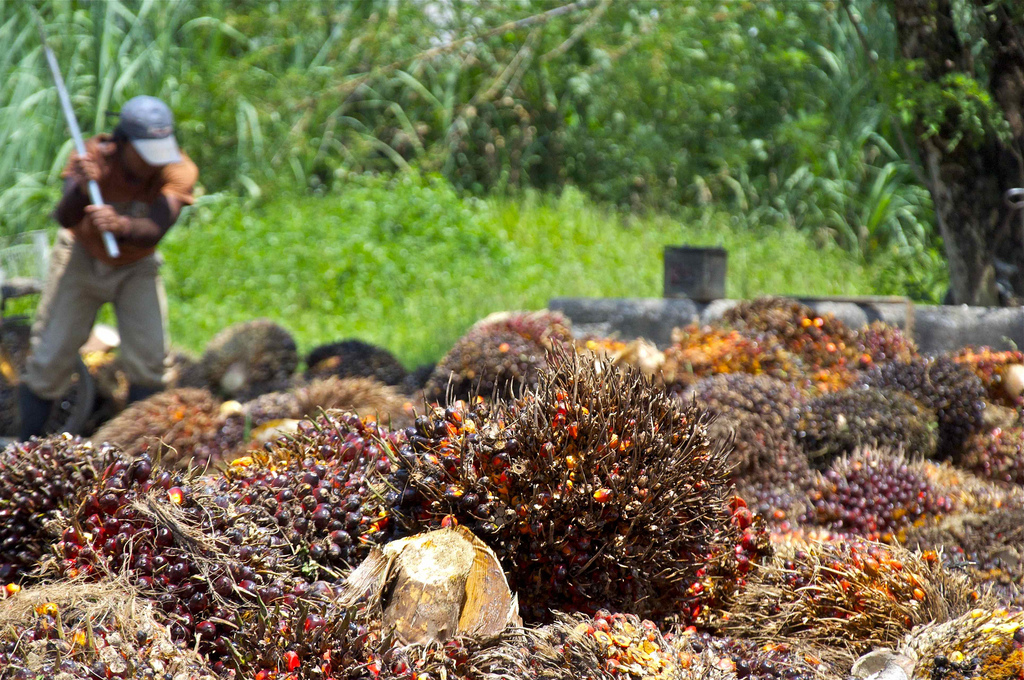
According to the Roundtable on Sustainable Palm Oil or RSPO, almost 12 million tons, or 21% of the global supply of palm oil, is now certified as responsible and sustainable. The massive expansion of palm oil plantations has been one of the primary causes of global deforestation. This has been especially the case in Borneo, where 85% of global palm oil production takes place.
The Great Barrier Reef
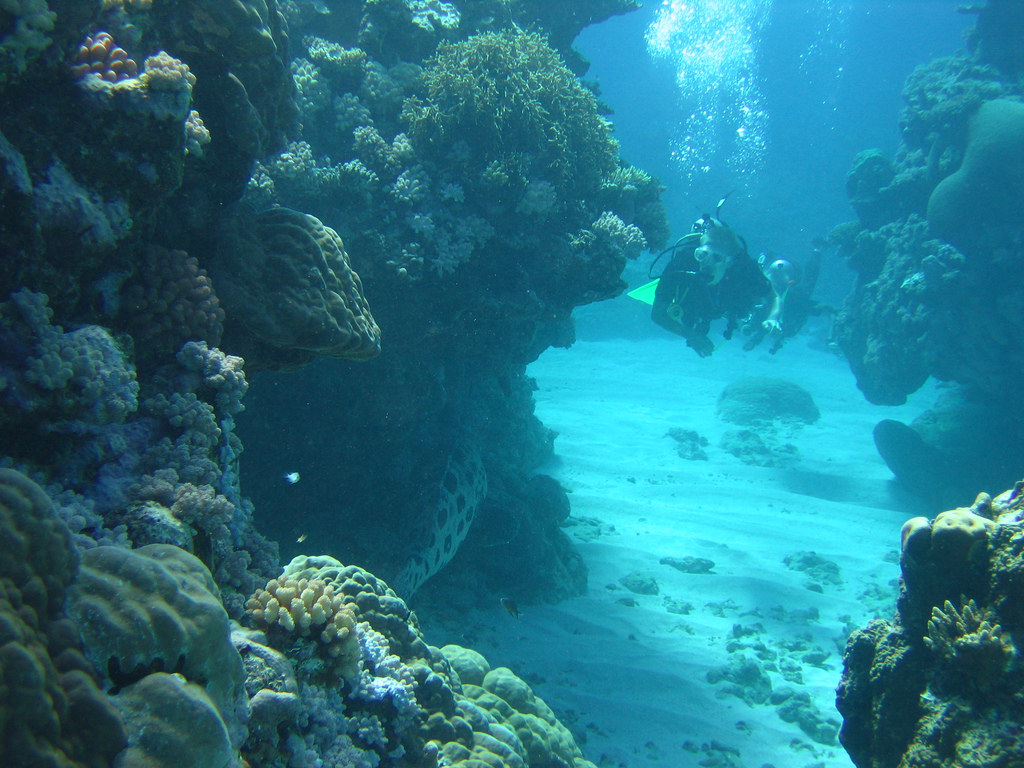
According to a new paper published in the journal Nature, global warming has damaged huge sections of Australia’s Great Barrier Reef. The authors of the paper warn that the resilience of the reef – which is the world’s largest living structure – is waning rapidly.
A Helpful Invader
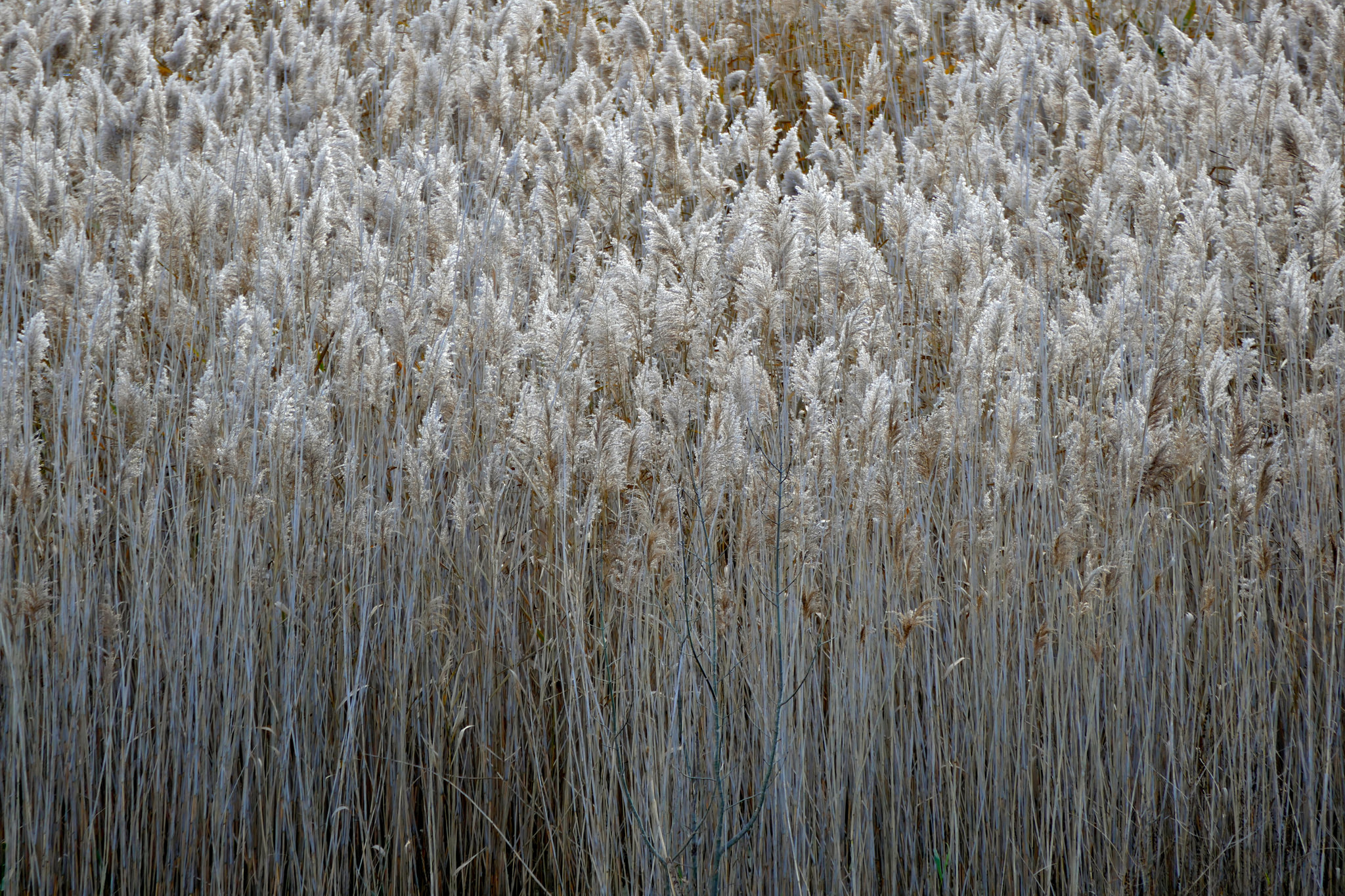
Invasive species are a great concern for the health and stability of ecosystems. They are defined as plants, animals or pathogens that are non-native to the ecosystem under consideration and whose introduction causes or is likely to cause harm. It is that latter consideration that isn’t always obvious.
NASA And Chimpanzees
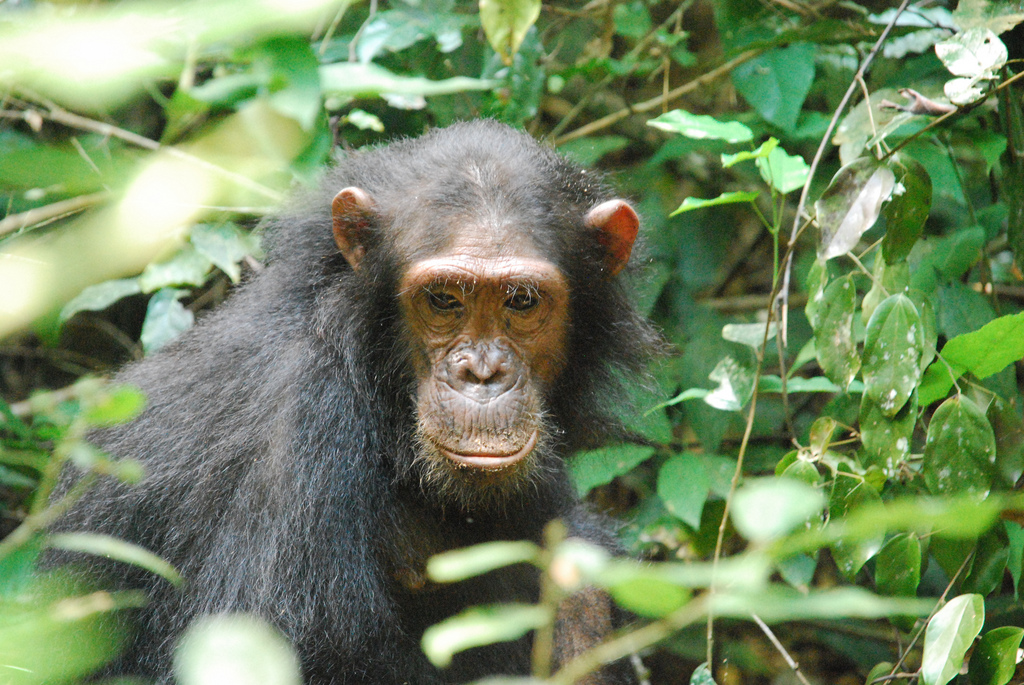
Increasingly, conservation organizations are increasingly relying on satellite imagery to help save wildlife. The Jane Goodall Institute, a nonprofit focused on chimpanzee conservation, uses NASA’s and the U.S. Geological Survey’s Landsat satellite images to guide their chimpanzee conservation strategies.
Bleached And Dying
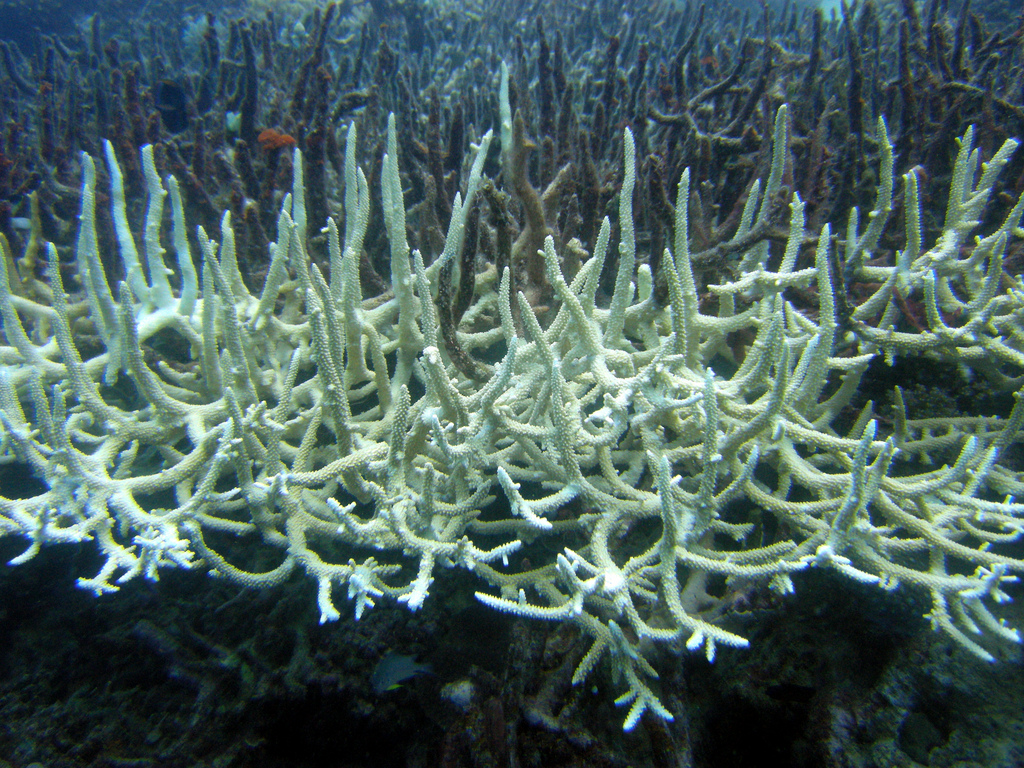
Climate change is posing a major threat to the future of coral reefs. According to a recent United Nations-backed study, if swift action is not taken to curb greenhouse gas emissions, annual coral bleaching events will affect nearly all of the world’s coral reefs. And coral bleaching can result in serious coral mortality – as Australia’s Great Barrier Reef has recently illustrated.
Saving Saharan Oases
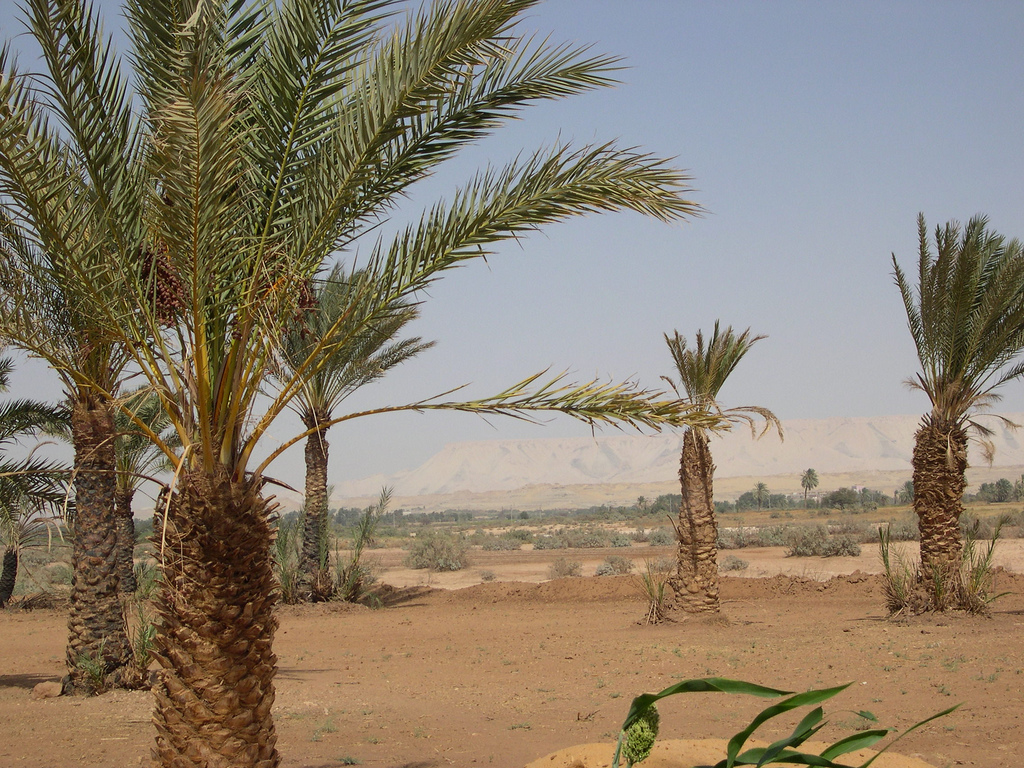
An oasis is an isolated area of vegetation in a desert, typically surrounding a spring or similar water source such as a pond or a small lake. Oases can provide habitat for animals as well as people. Oases have long been essential for trade and transportation routes in desert areas; caravans typically travel via oases so that supplies of water and food can be replenished.
Can Polar Bears Be Saved?
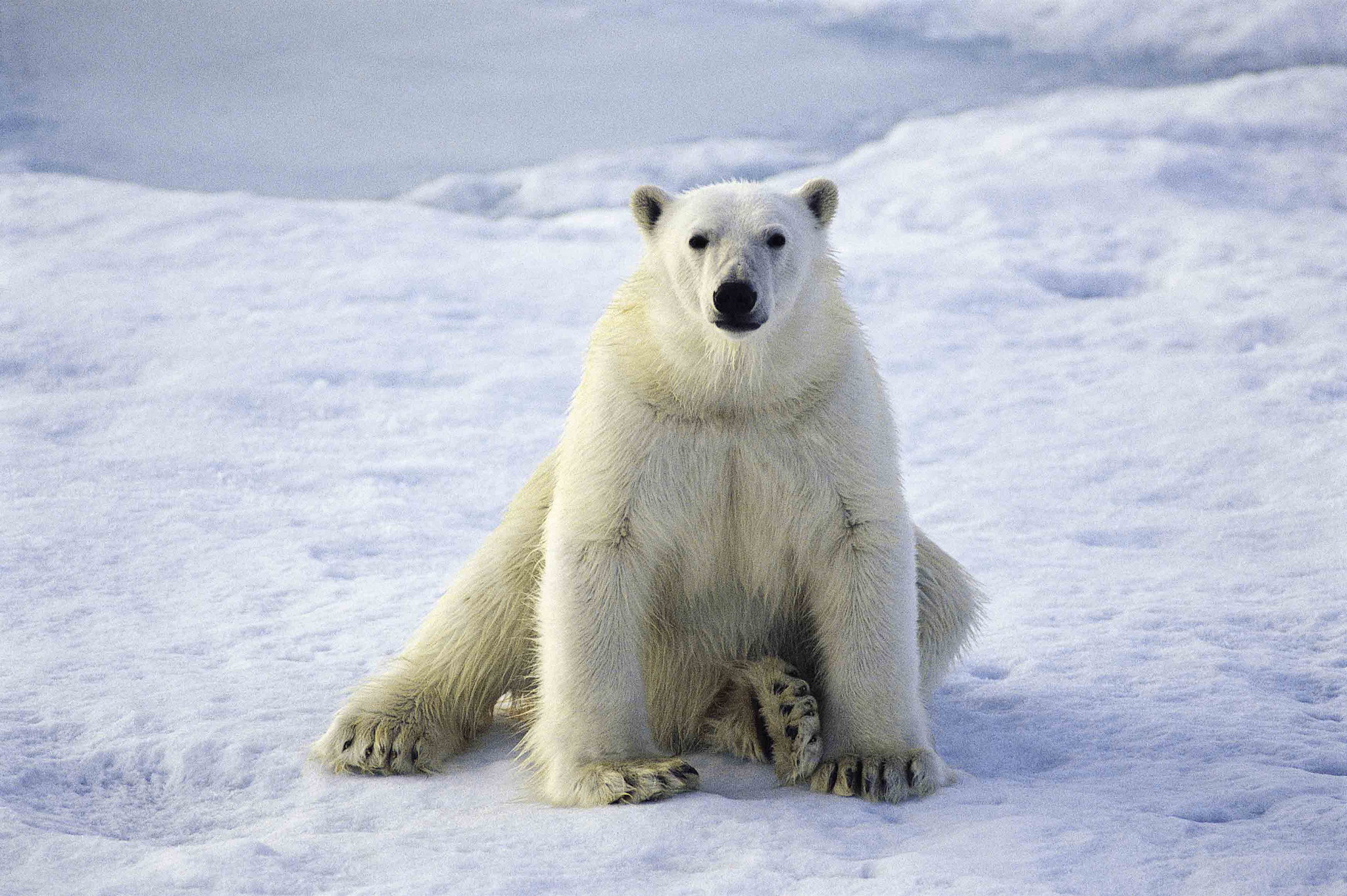
Climate change is posing a major threat to polar bear survival. The polar bear, whose native range lies largely within the Arctic Circle, depends on sea ice for nearly all of its life cycle functions. And rising temperatures are causing that sea ice to disappear.
Vulnerable to Extinction
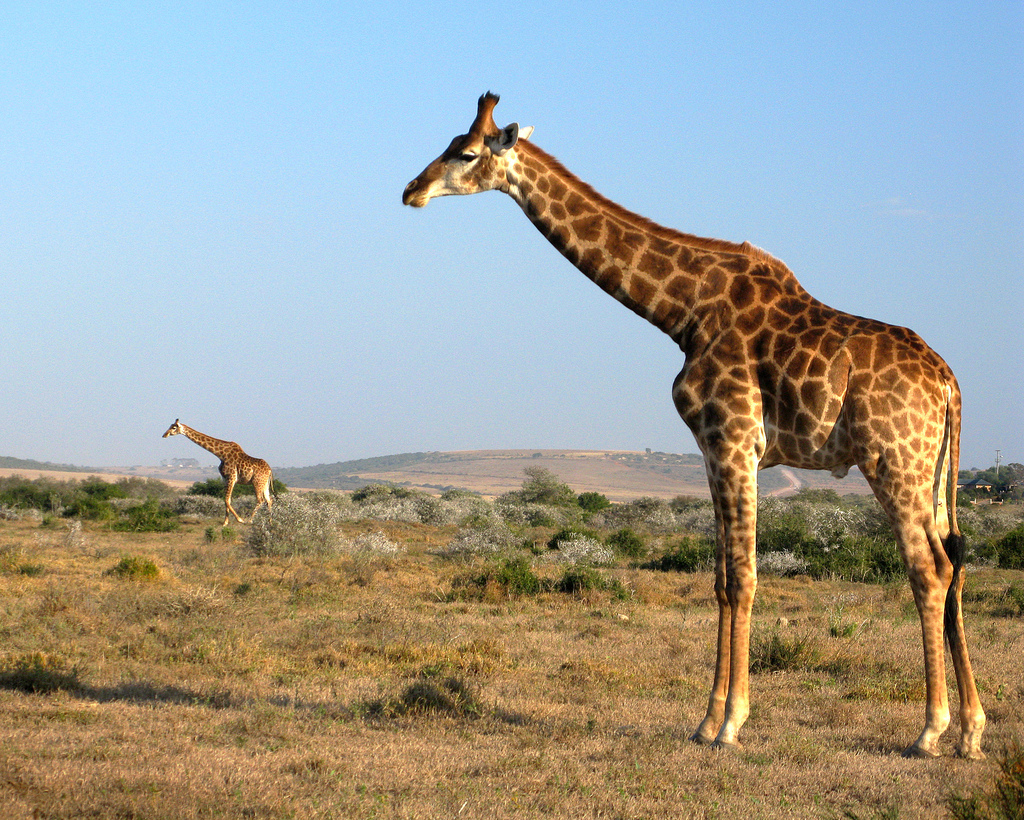
According to the International Union for the Conservation of Nature, the world’s tallest land mammal may be in trouble. Giraffe populations have declined dramatically over the past 30 years, falling to approximately 97,000 from 163,000 in the 1980s.
Wildlife Corridors
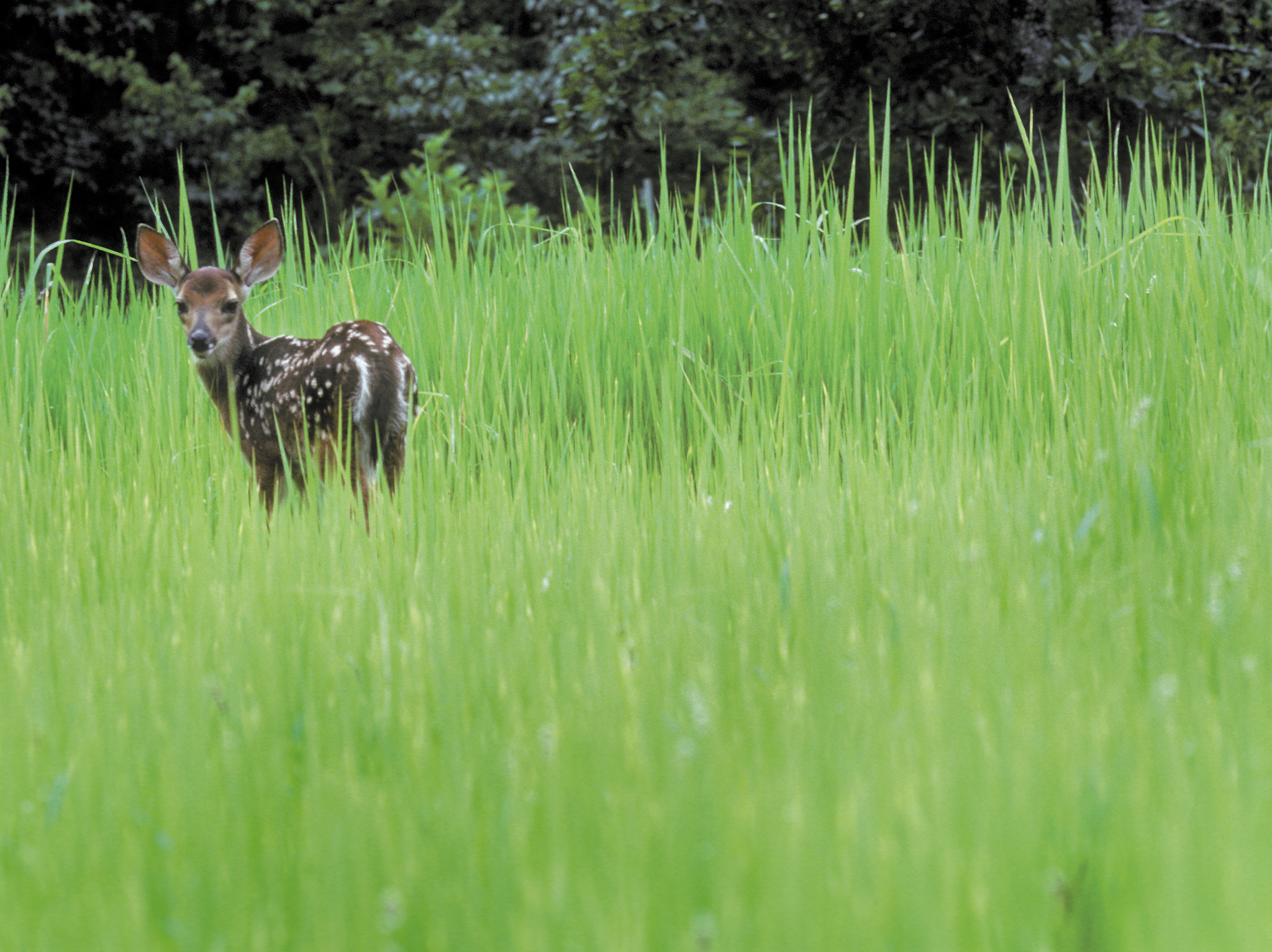
It is widely thought that we are in the midst of the 6th great mass extinction of species on Earth and, unlike the previous ones that were caused by things like asteroid impacts or ice ages, this one is caused by us. Our impact on the climate, on natural resources, on landscapes and habitats, and more, has wreaked havoc on ecosystems across the globe.
Dying California Trees
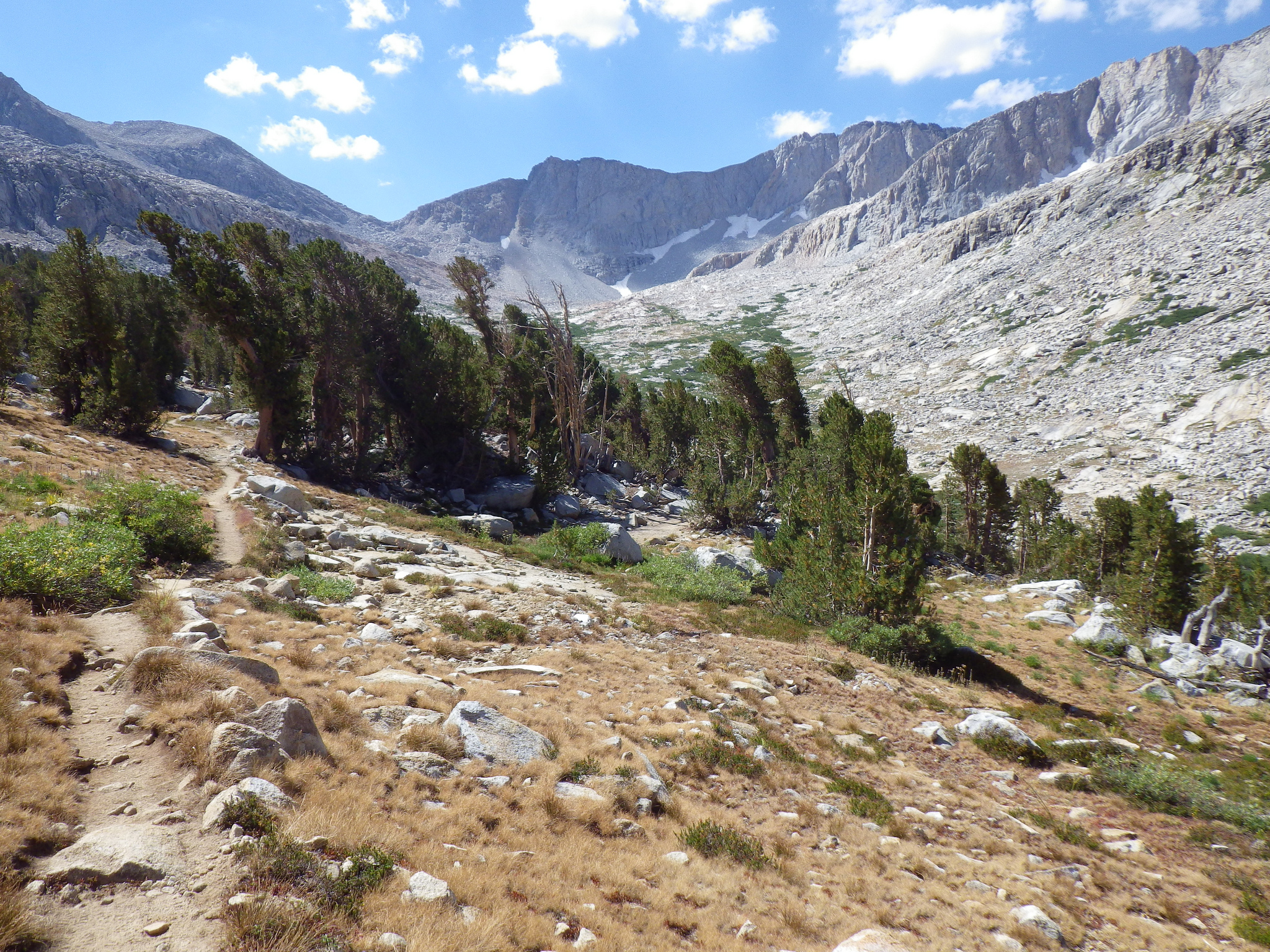
California’s trees are dying. According to the U.S. Forest Service, more than five years of drought in California has left 102 million dead trees across 7.7 million acres of forest. In fact, 62 million trees have died this year alone – a 100% increase from 2015.