One of the crowning achievements for wildlife protection in the US was the establishment of the National Wildlife Refuge system in the 1930s, when the populations of waterfowl were perilously low. Refuges provided breeding and migratory habitat that has allowed a remarkable recovery of many species of ducks and geese.
habitat
Declining Insect Populations
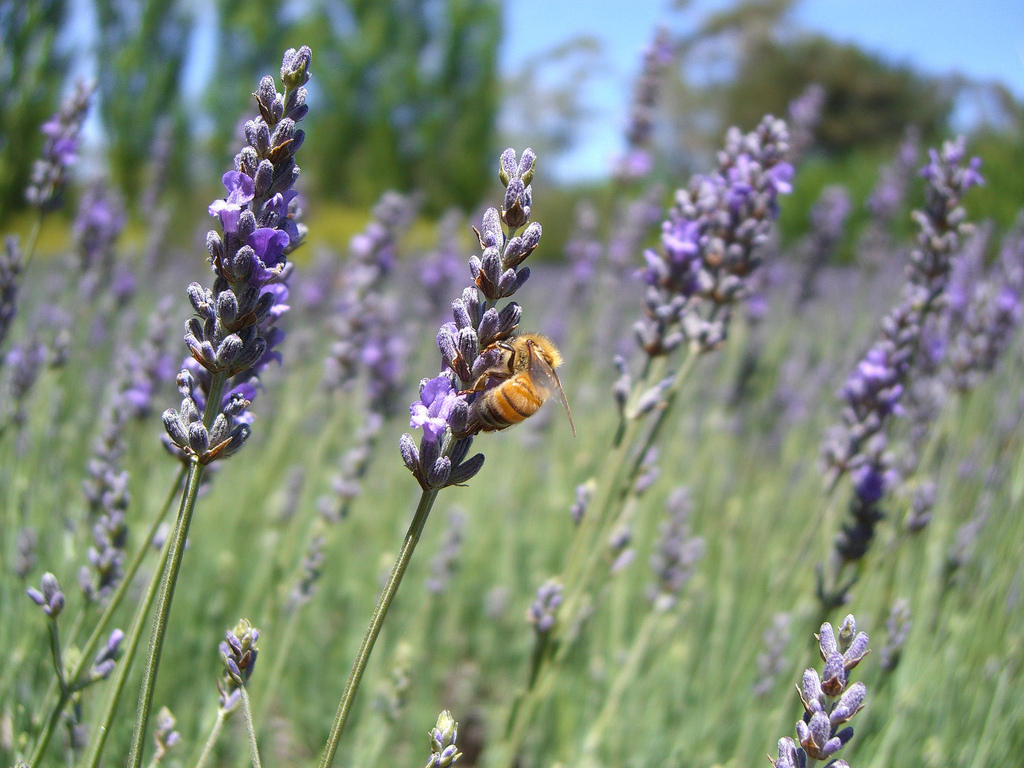
There has been lots of discussion about the decline in bee populations and its dire consequences for agriculture. We have also talked about the efforts to save the monarch butterfly, whose numbers have been dropping dramatically over the years. But the rest of the insect world does not get much attention. For the most part, we think of insects as a nuisance or as potential pests.
The Trouble With Burning Forests
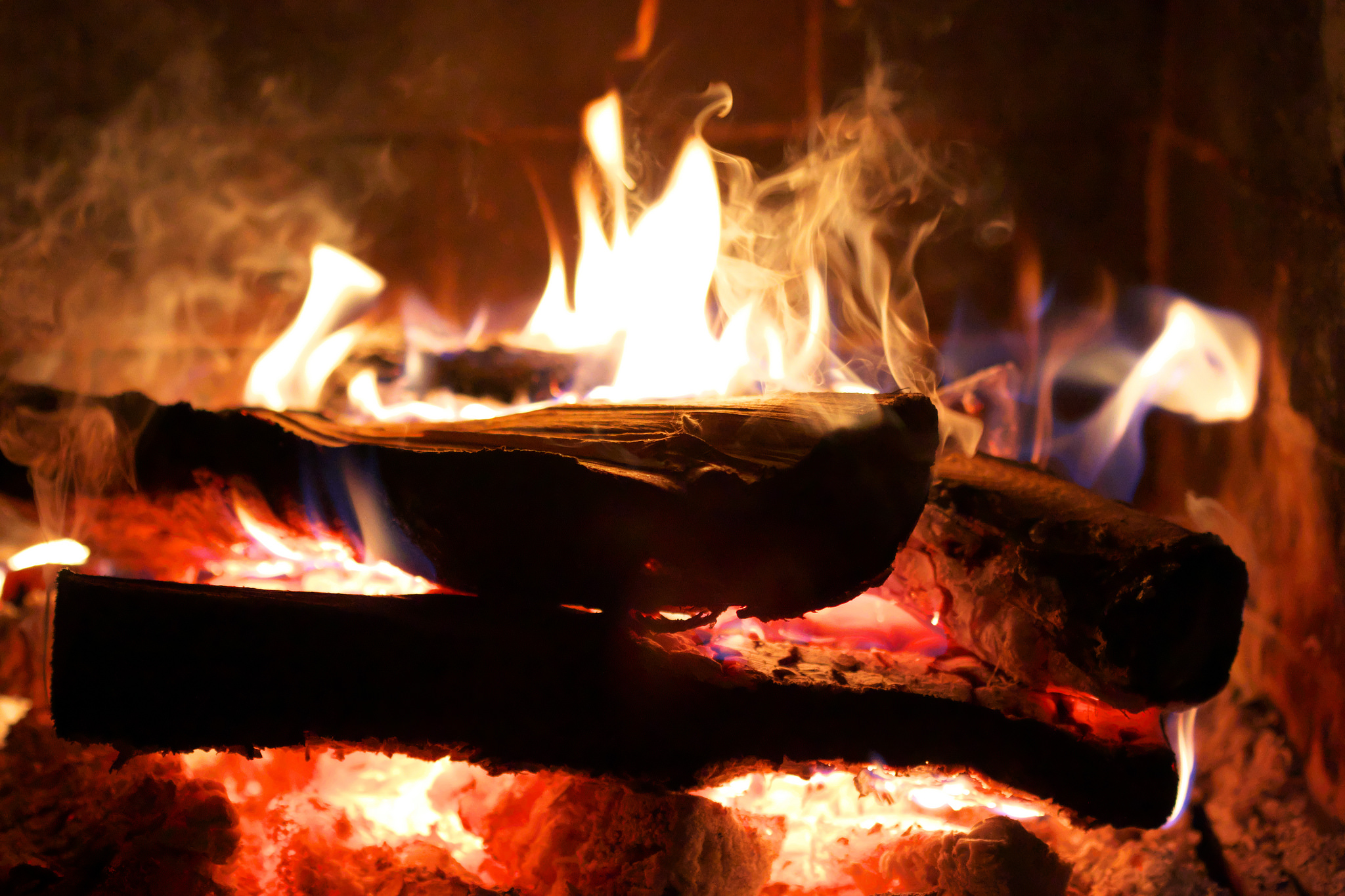
President Obama has set 2030 as the target for reducing U.S. carbon dioxide emissions to comply with the Paris Climate accord. Unfortunately, the Senate’s new Energy Bill would allow states to count wood as a “carbon neutral” fuel when drawing up plans to comply with the EPA’s Clean Power Plan.
The State Of The Birds
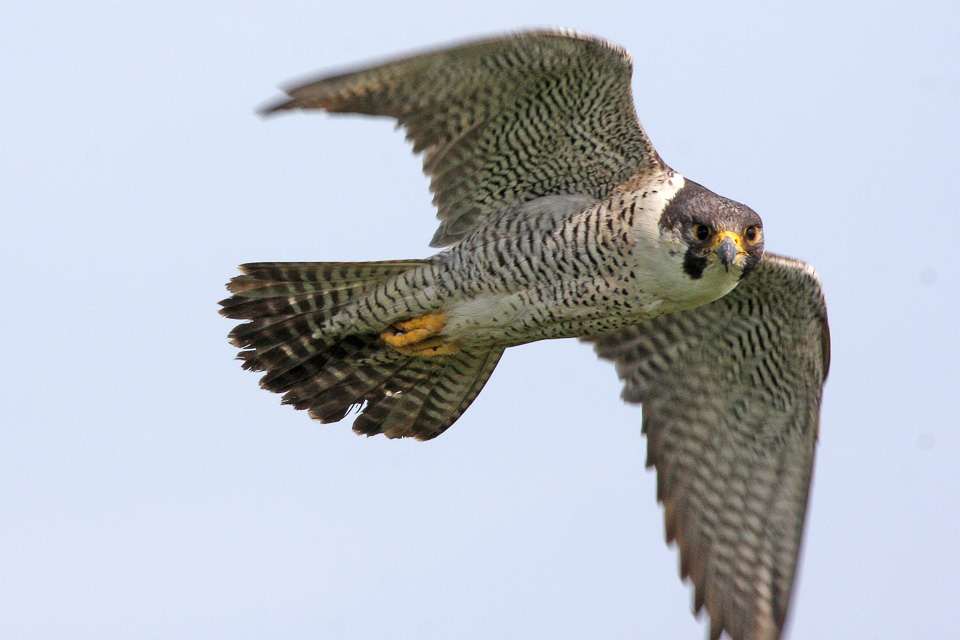
The North American Bird Conservation Initiative recently released its annual “State of the Birds’ report, which is a comprehensive analysis of North American birds. And as with many other things these days, we’re not doing well.
A Giant Dam Removal Project
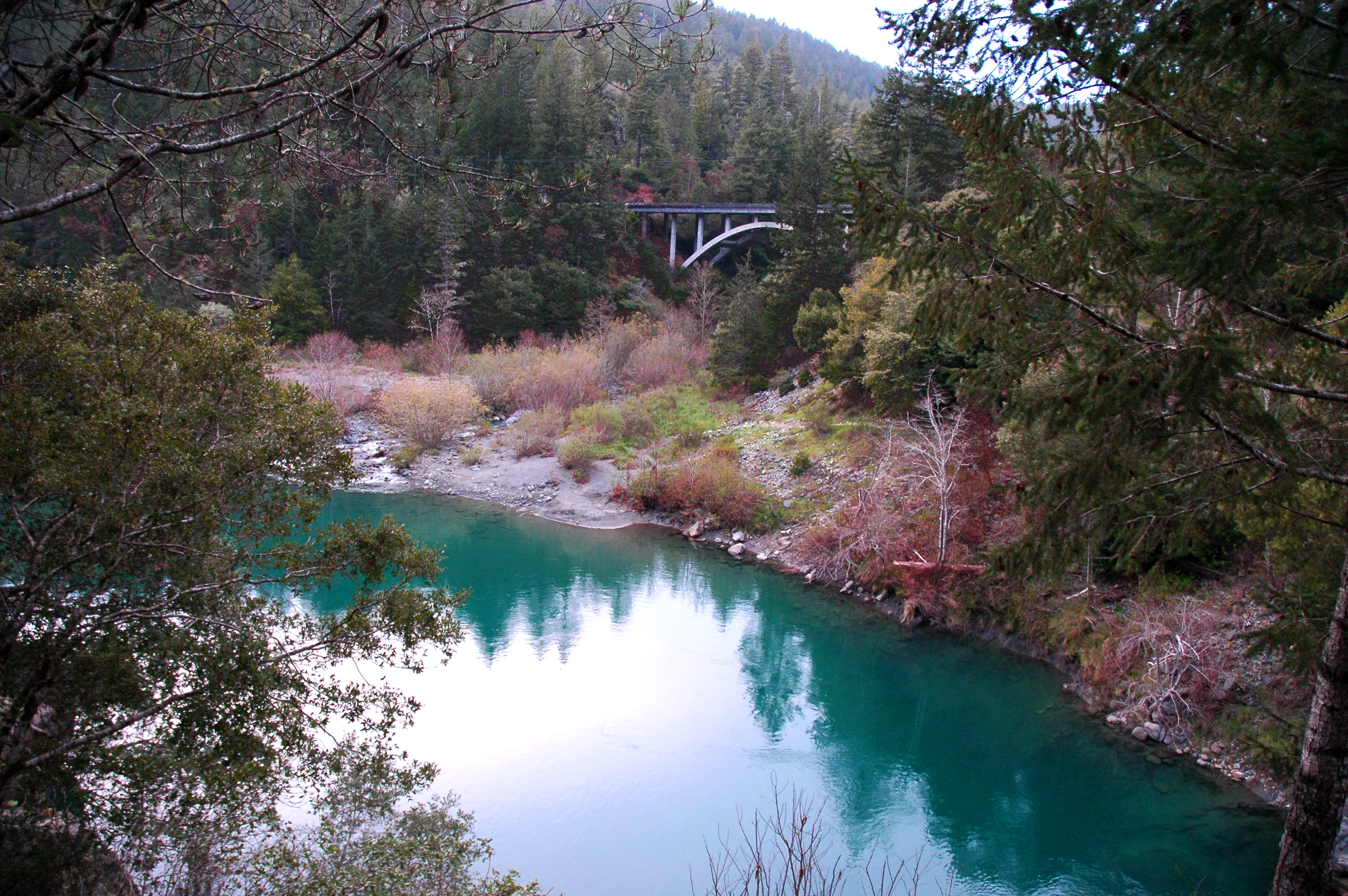
In early April, the U.S. Government, the states of Oregon and California, and the utility Pacificorp signed an agreement that will lead to the removal of four dams on the Klamath River by 2020, amounting to one of the largest river restoration efforts ever undertaken in the United States.
Some Good News For Monarchs
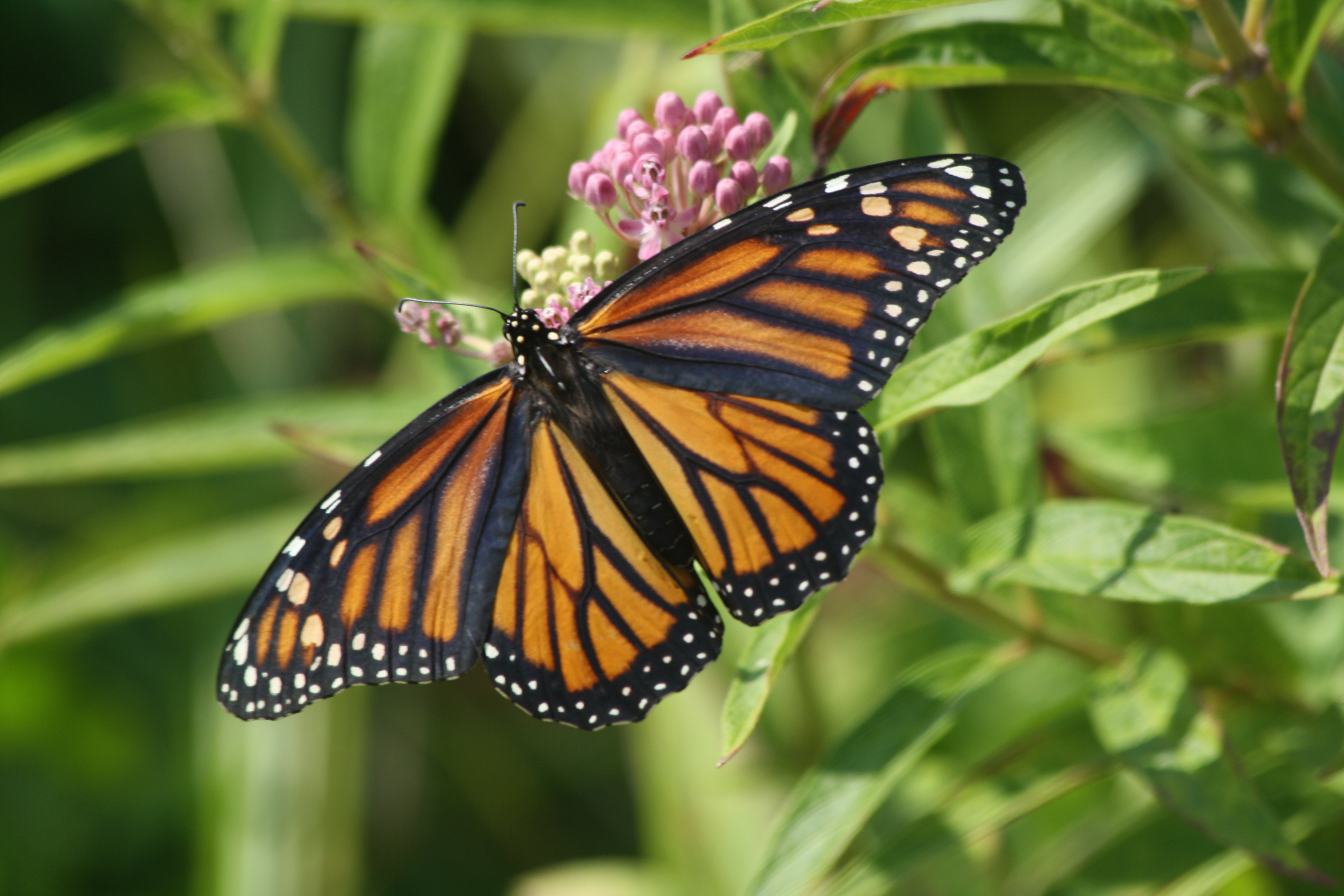
Spring is the time of the great monarch migration when the butterflies leave their wintering grounds in Mexico and head north to Canada. As we have been saying for quite some time, fewer and fewer butterflies have been making the trek each year. Twenty years ago, a billion monarchs swarmed the winter site in Mexico. In 2013, the number was down to 33 million.
Social And Ecological Underpinnings Of Infectious Disease
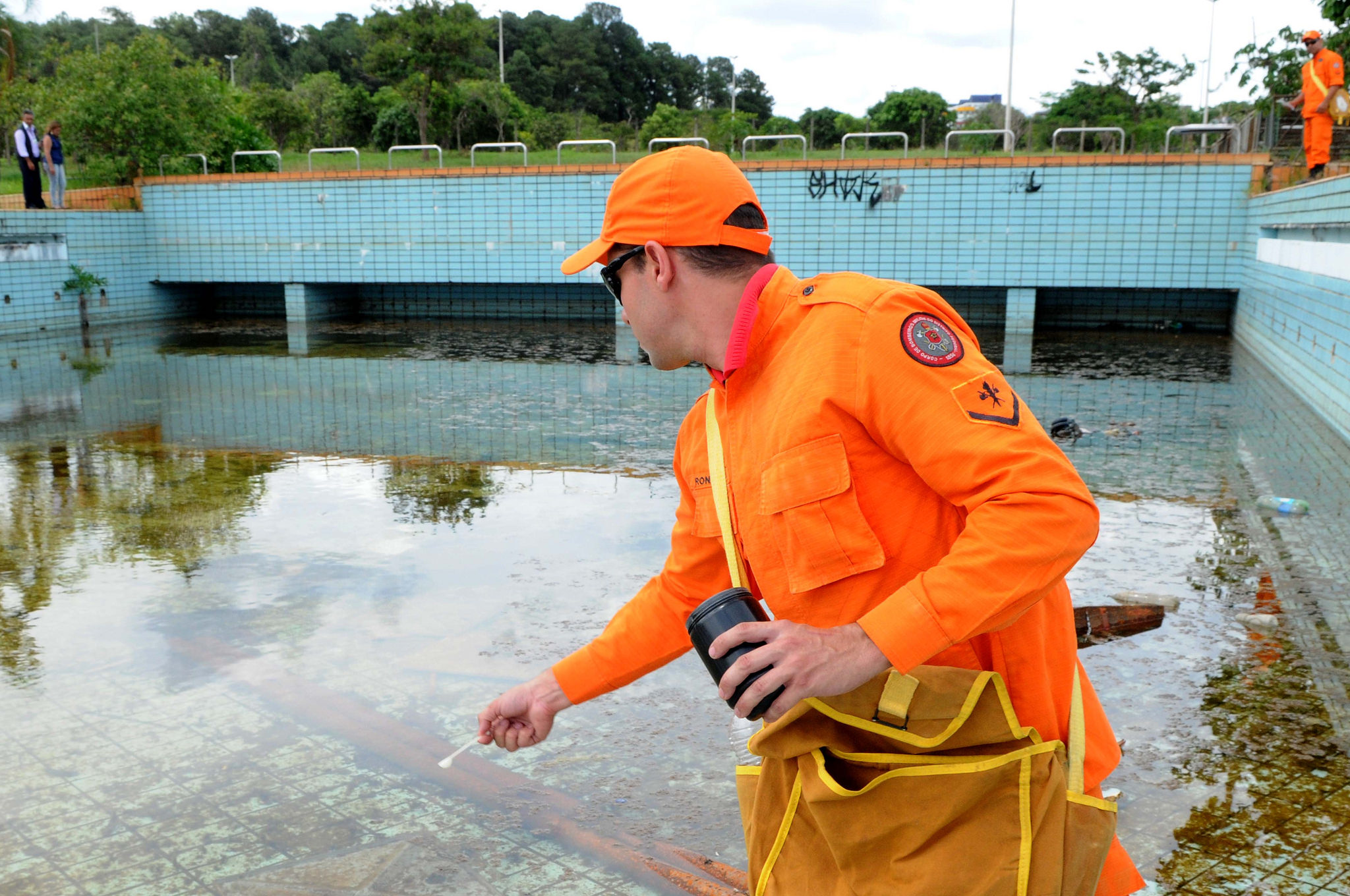
When it comes to addressing infectious disease, we have a short attention span. Forces are mobilized when we’ve crossed a tipping point, and demobilized when the immediate threat has passed. In the case of Zika, the World Health Organization declared a public health emergency based on a strong association between Zika infection and microcephaly in newborns and a spike in Guillain-Barré syndrome.
[Read more…] about Social And Ecological Underpinnings Of Infectious Disease
Who Needs Aedes Mosquitoes?
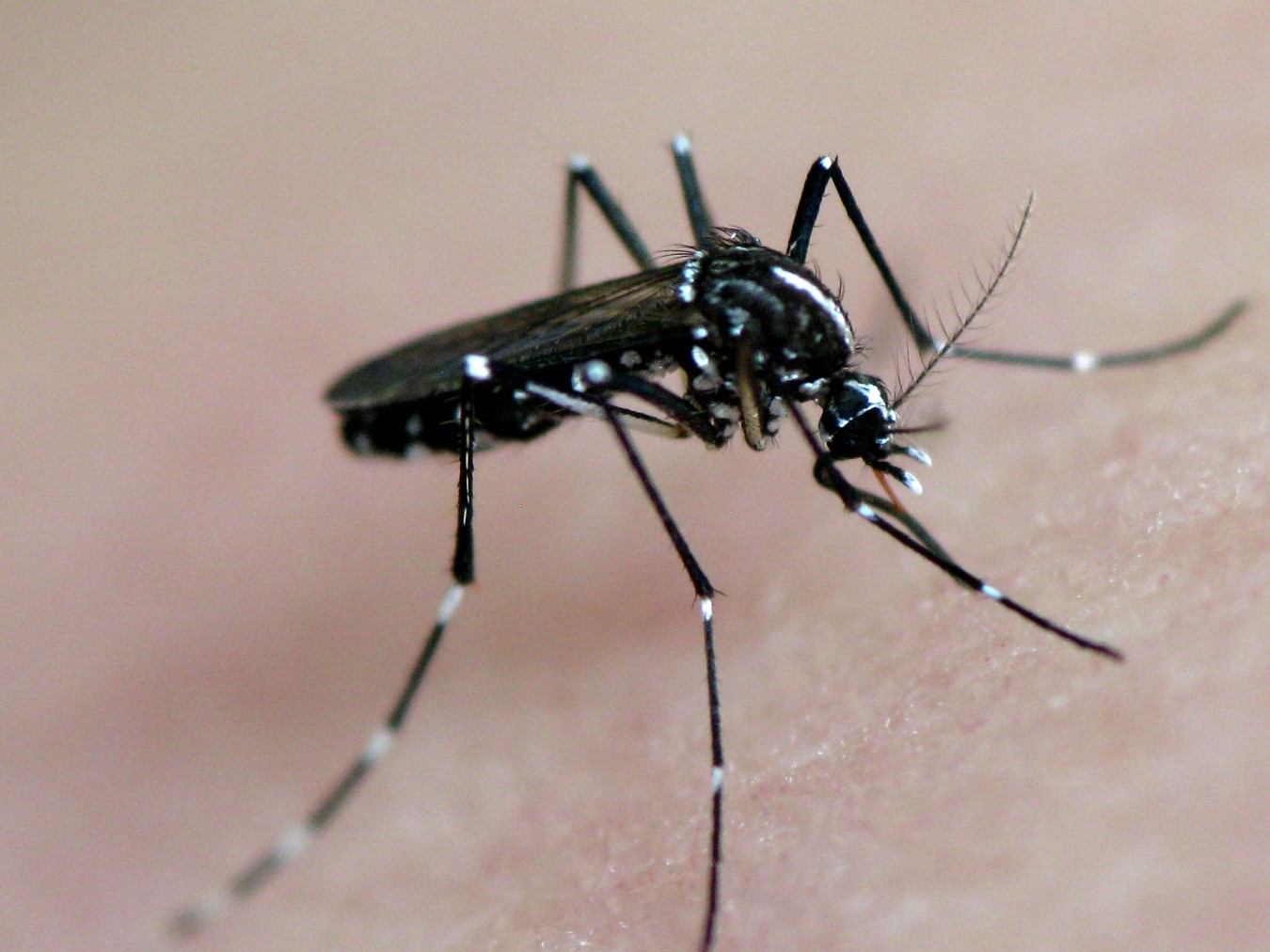
There are approximately 3,500 mosquito species in the world. Of those, only a few hundred are known to bite humans. And just two have adapted to breed almost exclusively in urban environments where they are in close proximity to people.
Arctic Ecosystems
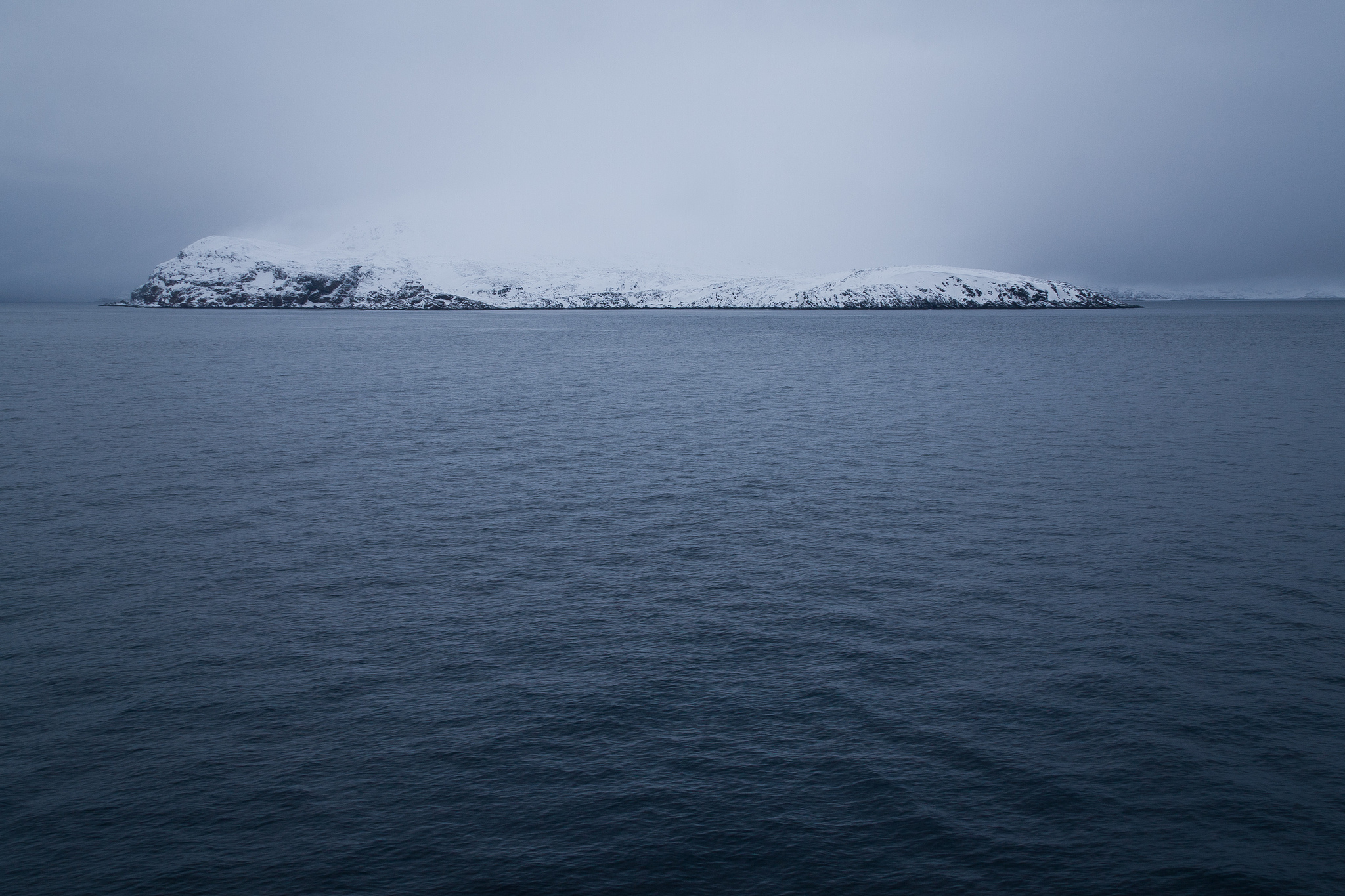
Most of us are aware that shrinking ice cover is bad news for Arctic wildlife, with animals like polar bears and seals losing important breeding, nursery, and feeding grounds. What has received less attention is the impact ice loss has on life in Arctic waters. [Read more…] about Arctic Ecosystems
Lake Ohrid: Respecting An Elder
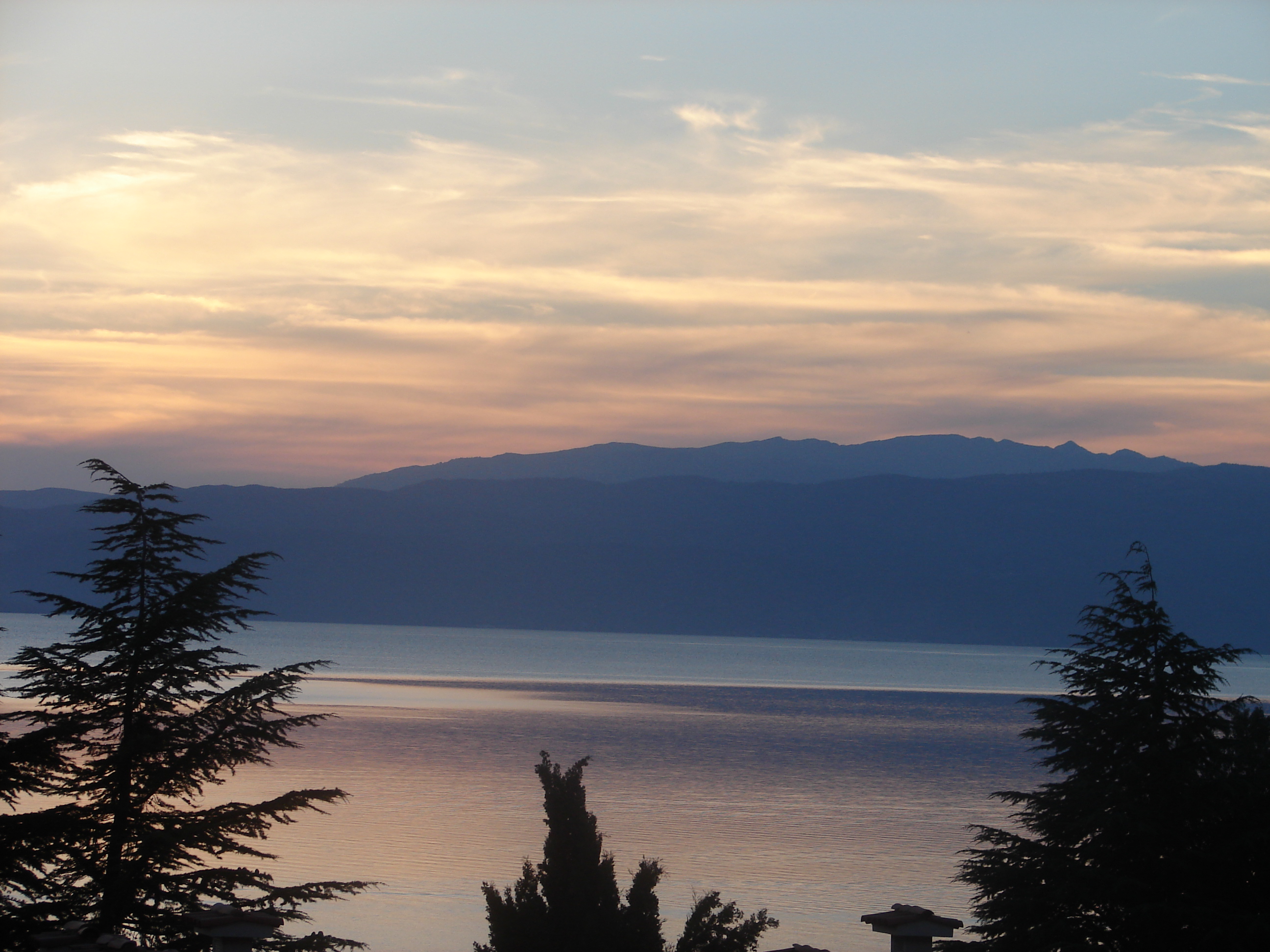
Nestled in the mountainous border between southwestern Macedonia and eastern Albania, Lake Ohrid is a deep, ancient lake. Its waters provide refuge to hundreds of plants and animals that live nowhere else, including seventeen species of fish.
Wild Bee Loss Puts Crops At Risk
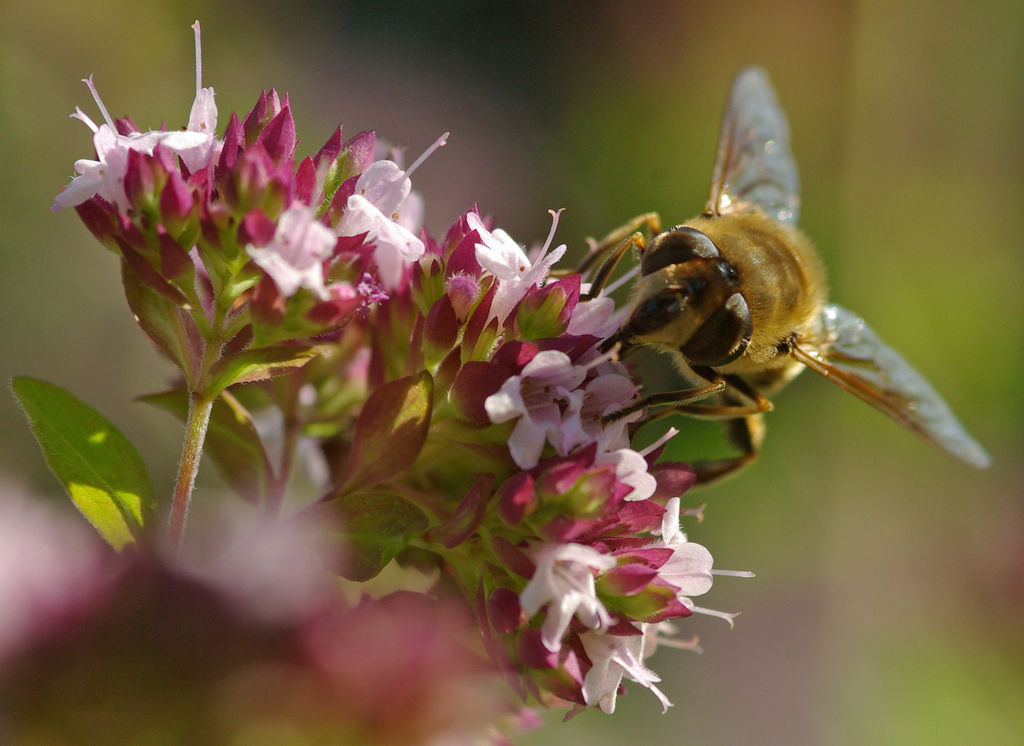
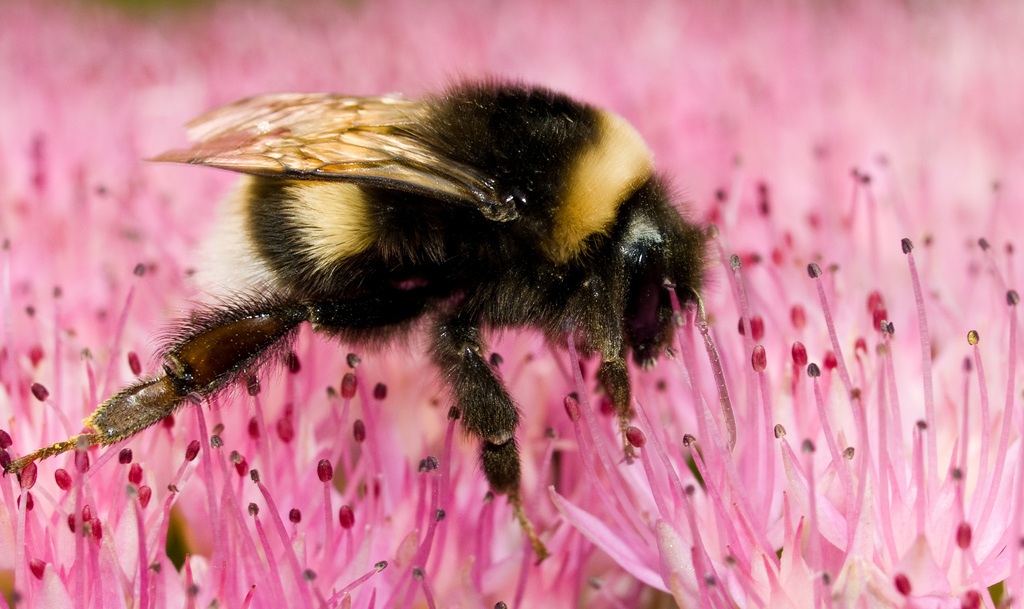
Between 2008 and 2013, the United States lost nearly a quarter of its wild bees. Some 39% of our nation’s croplands rely on pollinators. Important farming regions – from California’s Central Valley to the Midwest’s Corn Belt – are among the areas grappling with wild bee declines.
Crocodiles And Climate Change
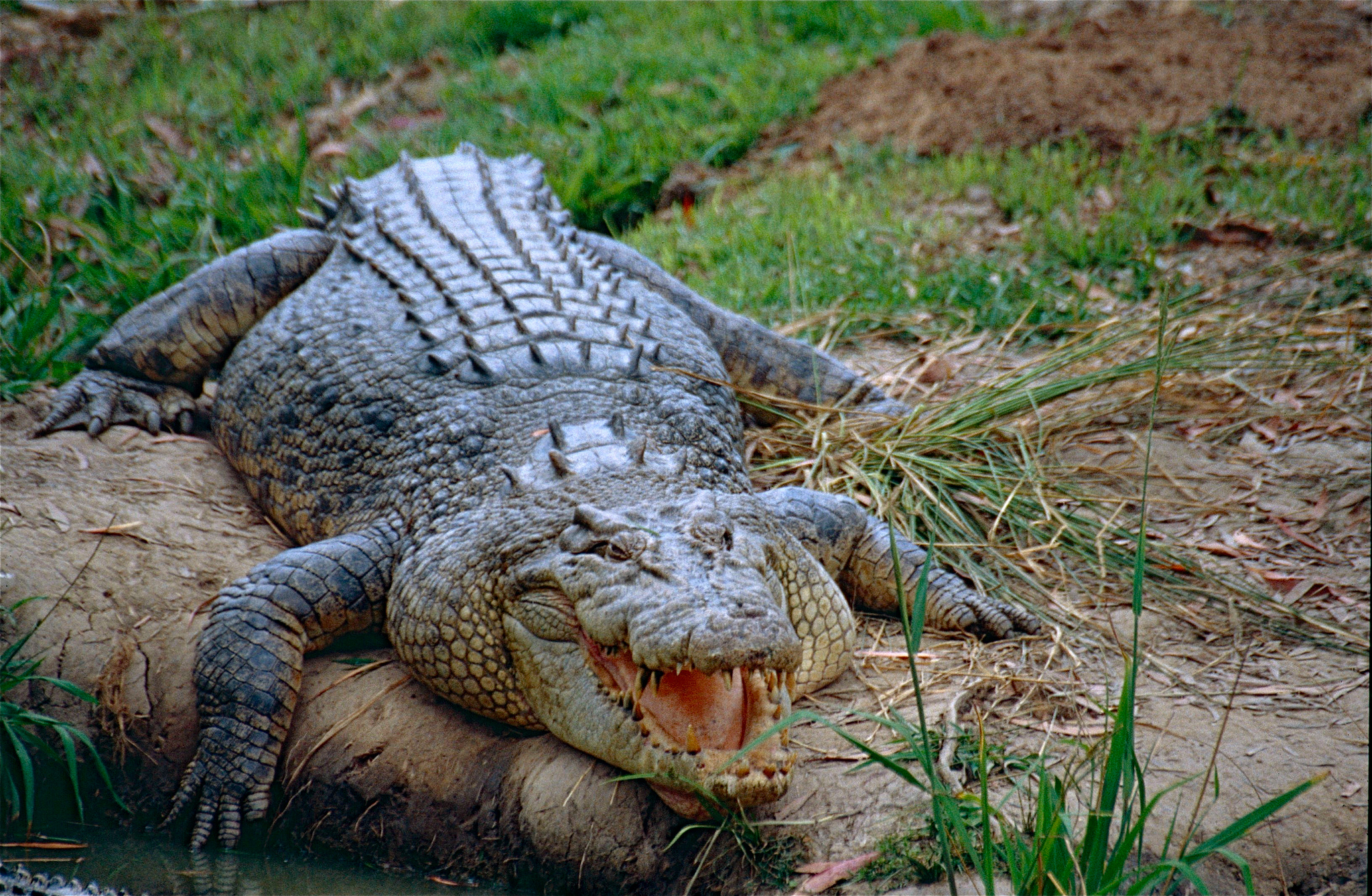
Crocodiles are large aquatic reptiles that live throughout the tropics in Asia, Africa, the Americas, and Australia. The first crocodiles appeared approximately 240 million years ago – around the same time as dinosaurs. And while the resilient species did survive the last great extinction, crocodiles might not be climate change-proof after all.
Noise Pollution And Wildlife
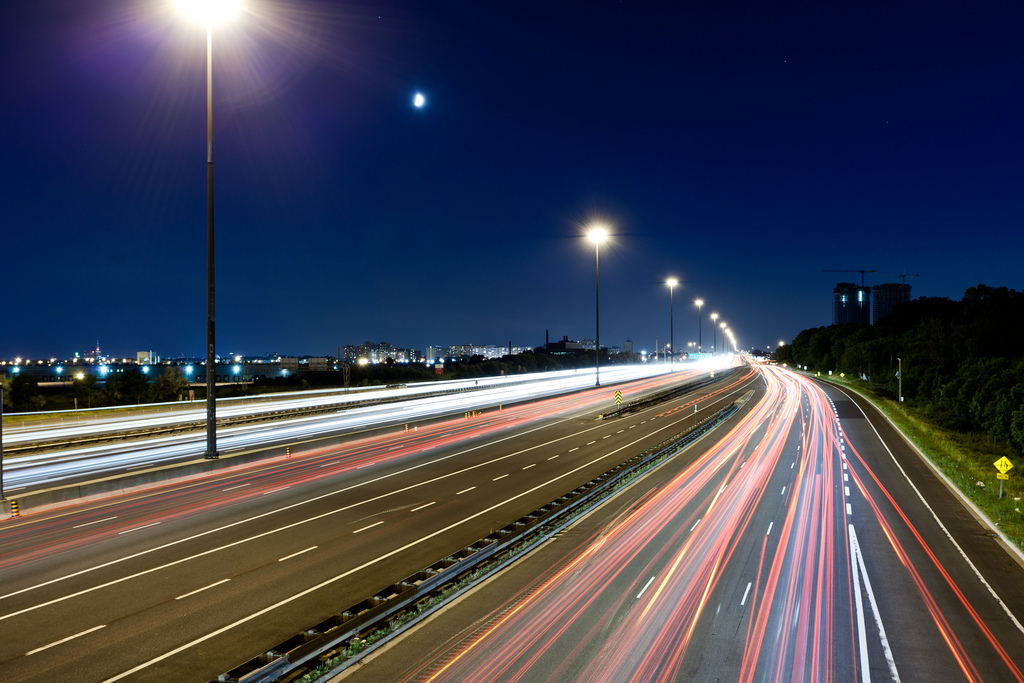
Traffic noise is something nobody likes. We shy away from homes too close to highways and major roads. We soundproof our houses. We build noise abatement walls.
Mosquito Migration
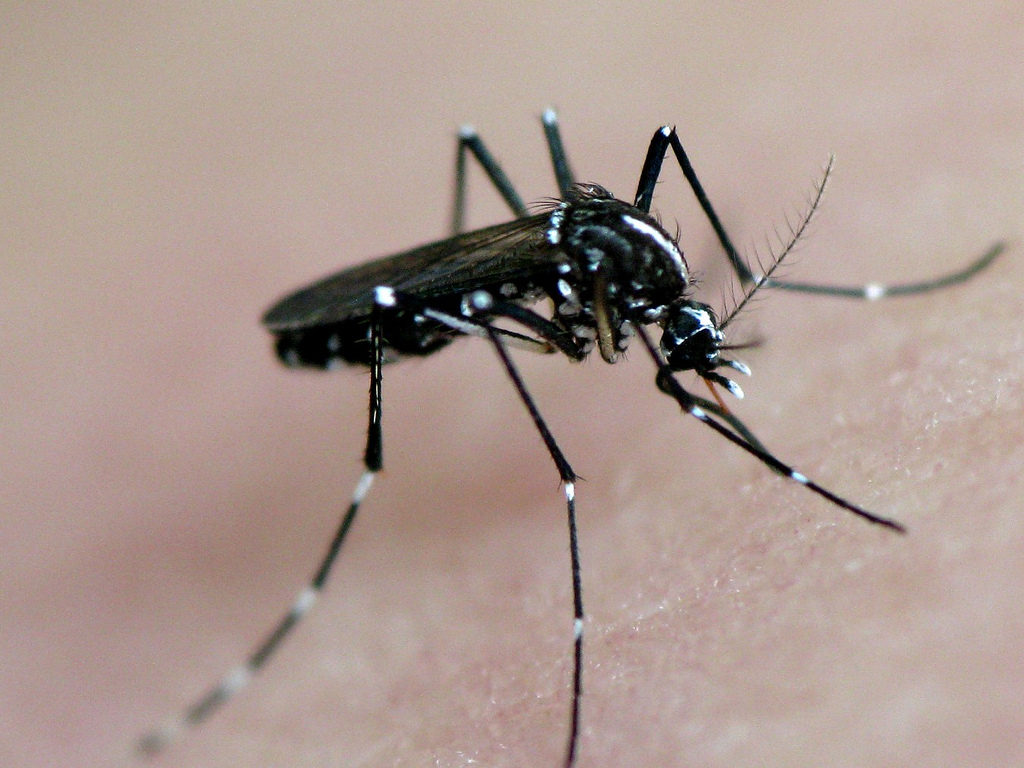
Globally, there are more than 3,000 mosquito species, with around 150 native to the U.S. To many listeners – a mosquito is a mosquito. But depending on the species that bites you, mosquitoes can be a nuisance or a public health threat.
Bumblebees And The Climate Squeeze