emissions
Cleaning Britain’s Air
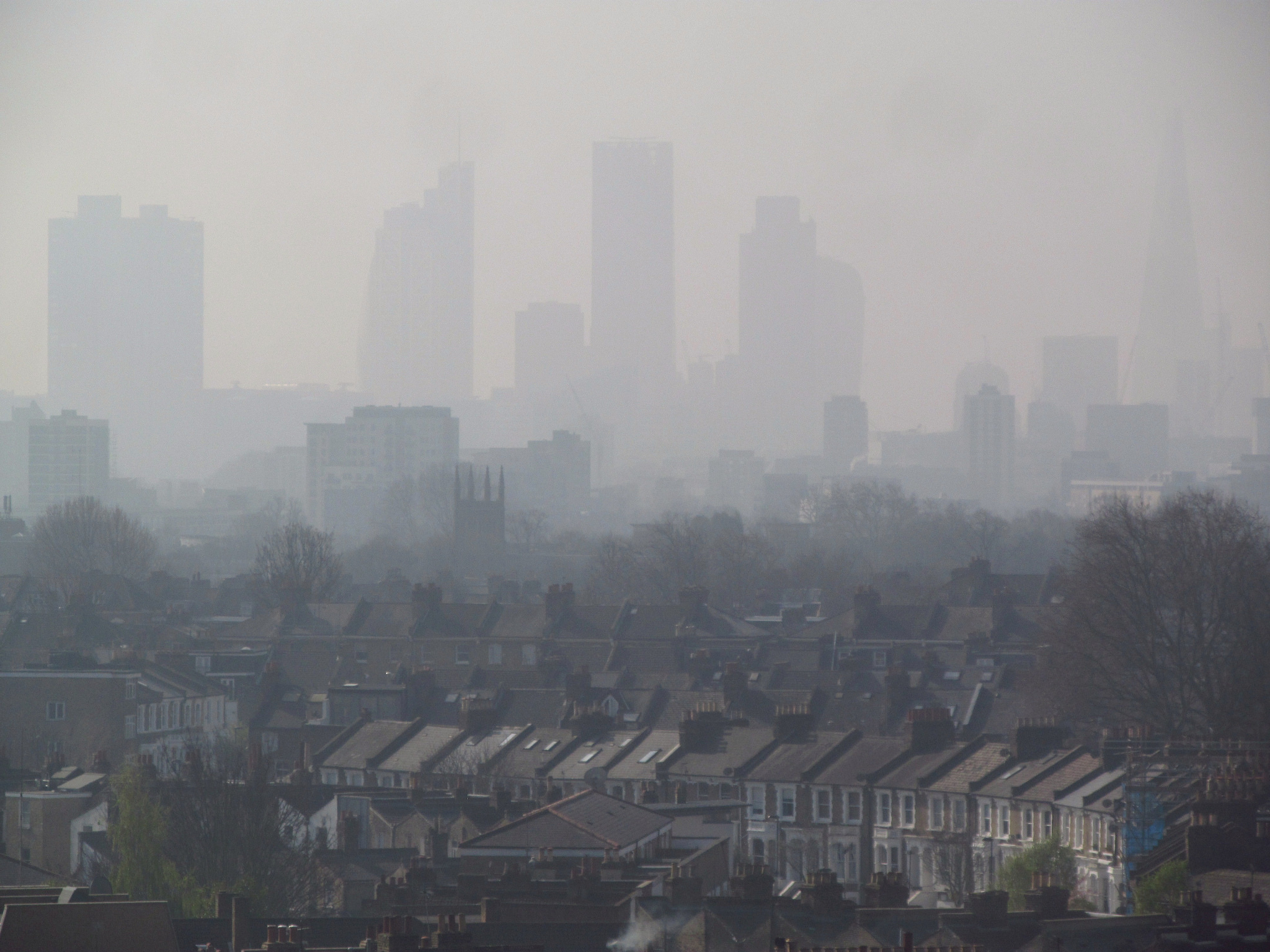
According to a new study by the non-profit group Carbon Brief, carbon dioxide emissions in the United Kingdom are at their lowest levels since the 1920s. Four factors are responsible: a record drop in coal use, the rapid growth of renewable energy, the expansion of energy efficiency programs, and the increased use of natural gas for electricity power plants.
Europe’s E-Mobility
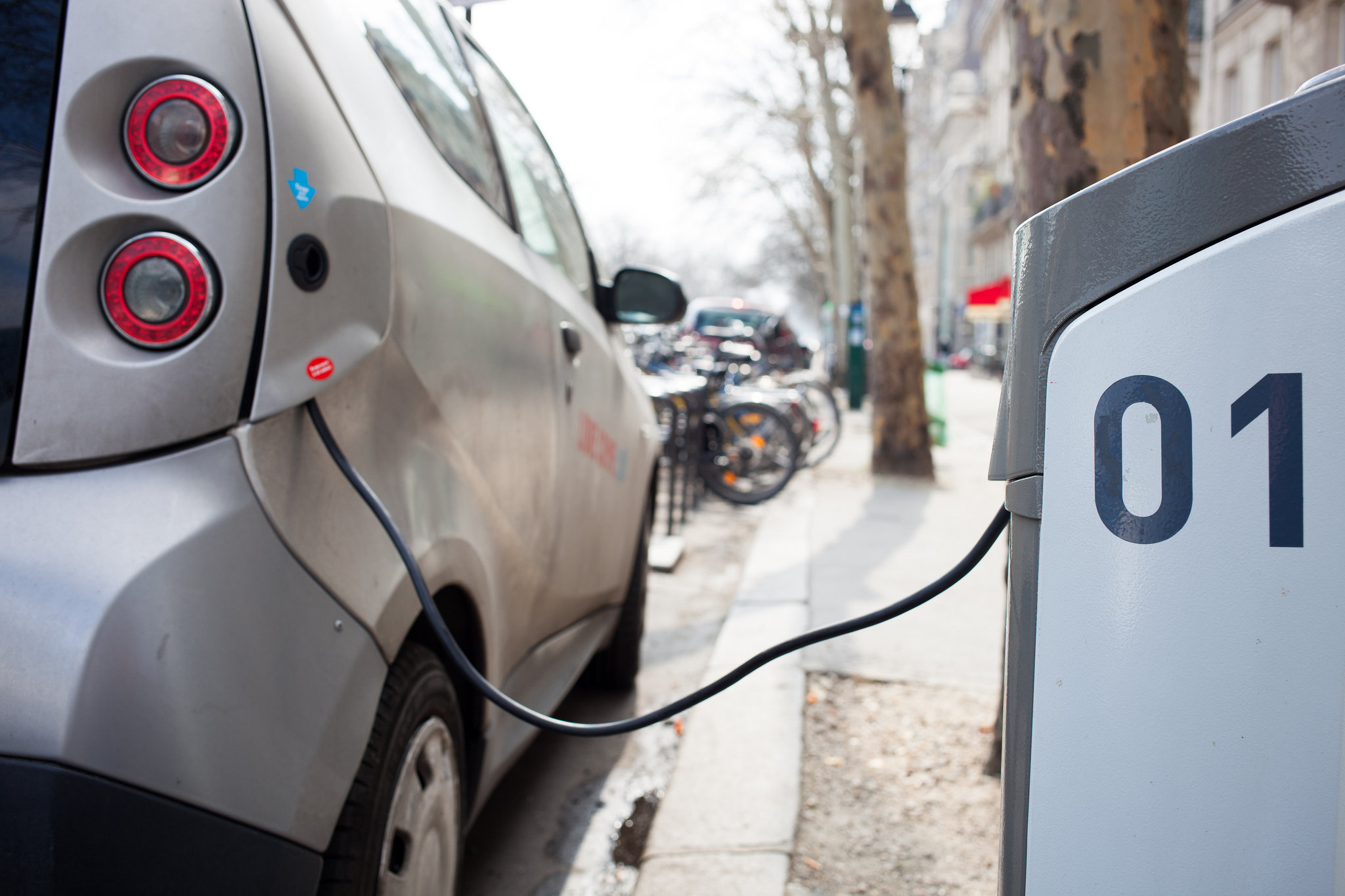
With the arrival of the Chevy Bolt and the long waiting list for the forthcoming Tesla 3, there is starting to be some momentum for electric cars in the United States. But we are still well behind Europe in terms of the significant growth of so-called e-mobility.
Reduced Emissions From Electricity Generation
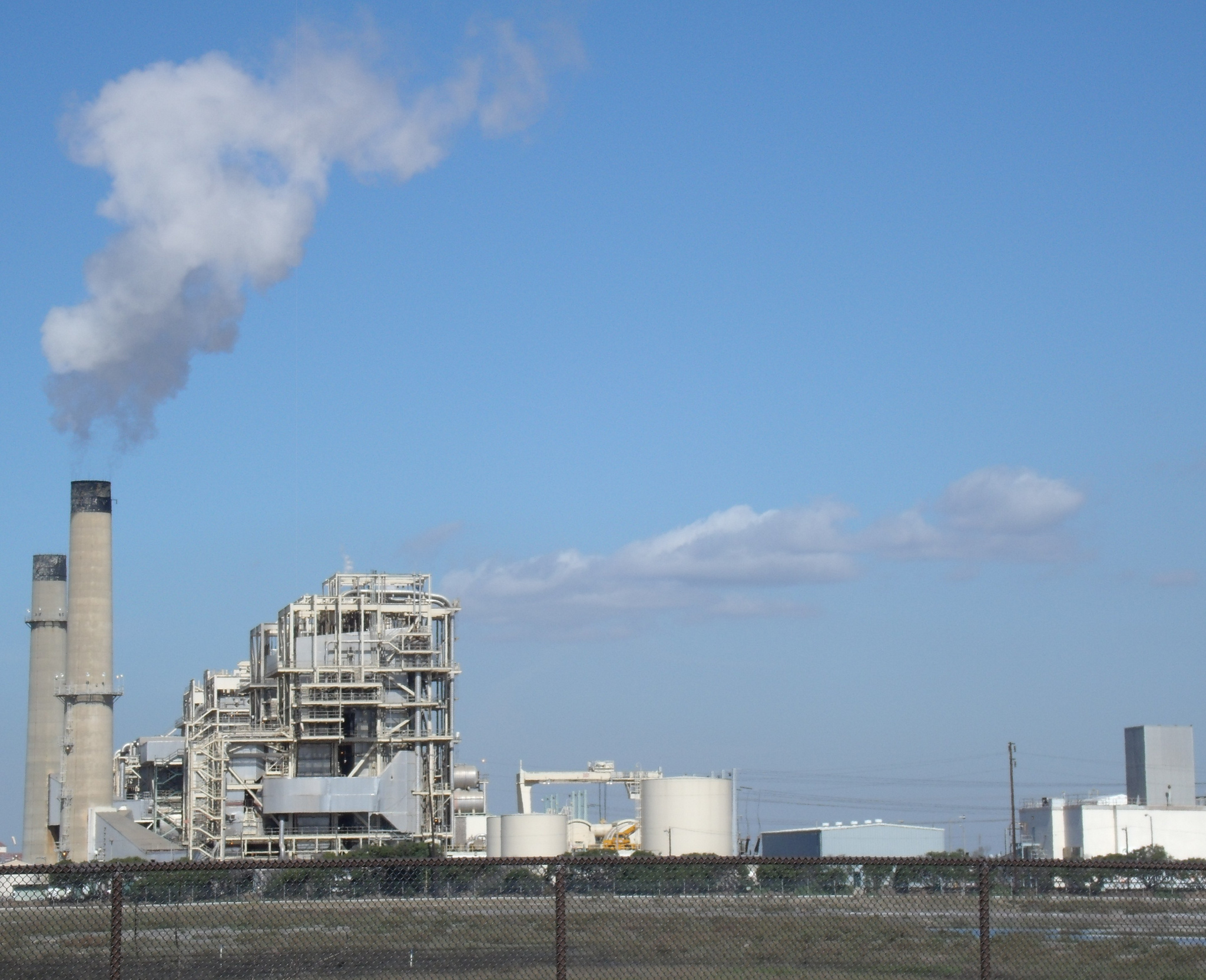
A recent report from the Energy Information Administration notes that for the first time in 40 years, carbon dioxide emissions from electricity generation are less than those from transportation. The reason is that power plants nationwide are abandoning the use of coal and turning to cleaner burning natural gas, as well as newer sources such as solar and wind power.
[Read more…] about Reduced Emissions From Electricity Generation
Bleached And Dying

Climate change is posing a major threat to the future of coral reefs. According to a recent United Nations-backed study, if swift action is not taken to curb greenhouse gas emissions, annual coral bleaching events will affect nearly all of the world’s coral reefs. And coral bleaching can result in serious coral mortality – as Australia’s Great Barrier Reef has recently illustrated.
Clean Coal For Real
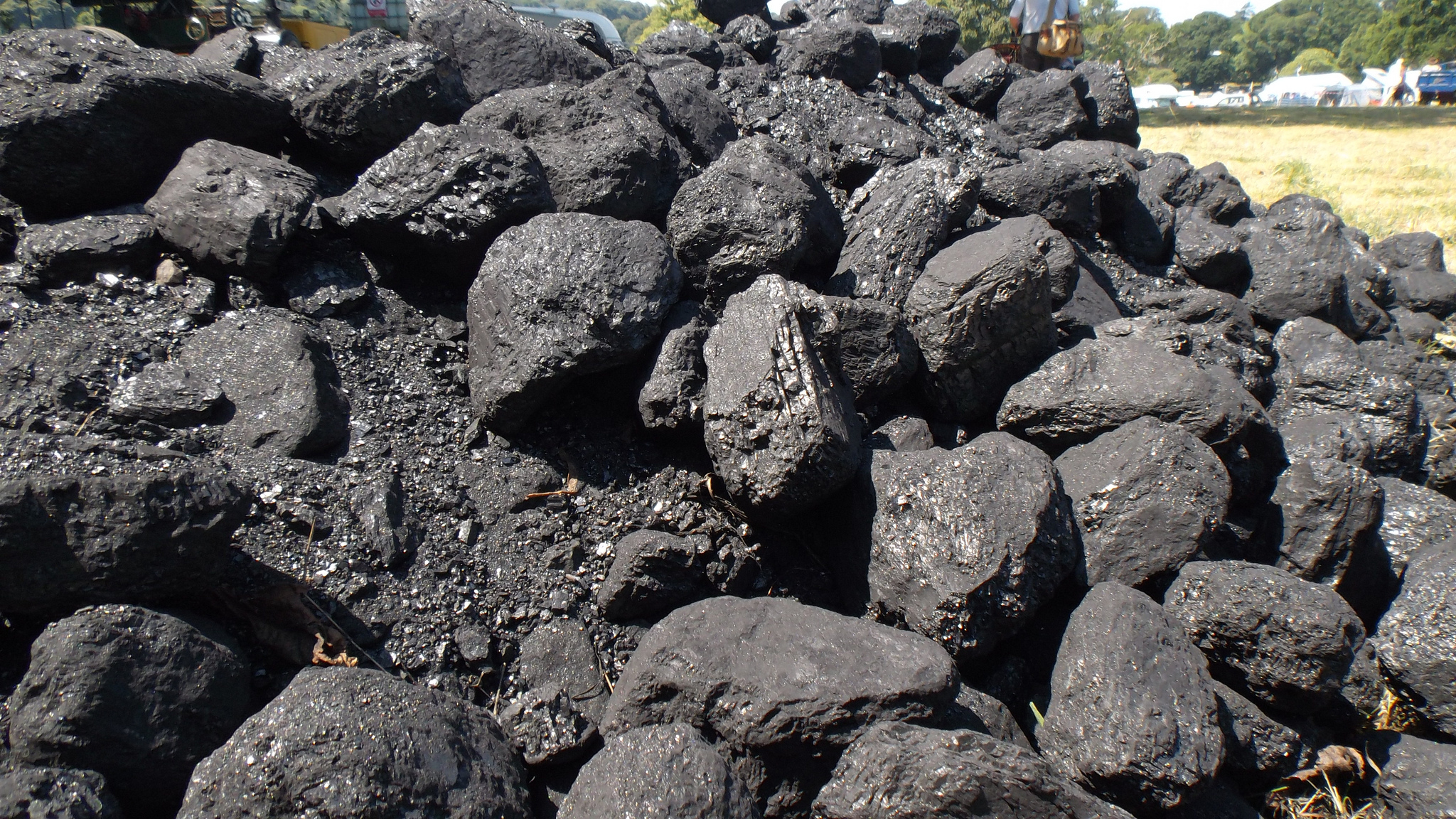
We have heard the term “clean coal” for years, mostly from politicians and in coal company advertising. The concept sounds good: burn coal but don’t produce carbon dioxide emissions. While there have been various small-scale tests of technologies to accomplish this, it has not actually been a viable option for the power industry.
Northeast Temperatures

A year ago, nearly 200 countries signed an agreement, known as the Paris Accord, to fight climate change by mitigating greenhouse gas emissions. They each promised to reduce their carbon output as soon as possible, and to do their best to keep global warming well below 2-degrees Celsius (or 3.6 degrees Fahrenheit).
Can Polar Bears Be Saved?

Climate change is posing a major threat to polar bear survival. The polar bear, whose native range lies largely within the Arctic Circle, depends on sea ice for nearly all of its life cycle functions. And rising temperatures are causing that sea ice to disappear.
Climate Engineering

With the forthcoming administration change, it appears that the federal government is likely to start backing away from tackling climate change and may even be obstructive towards efforts to mitigate the growing problem of greenhouse gas emissions.
China As Climate Leader
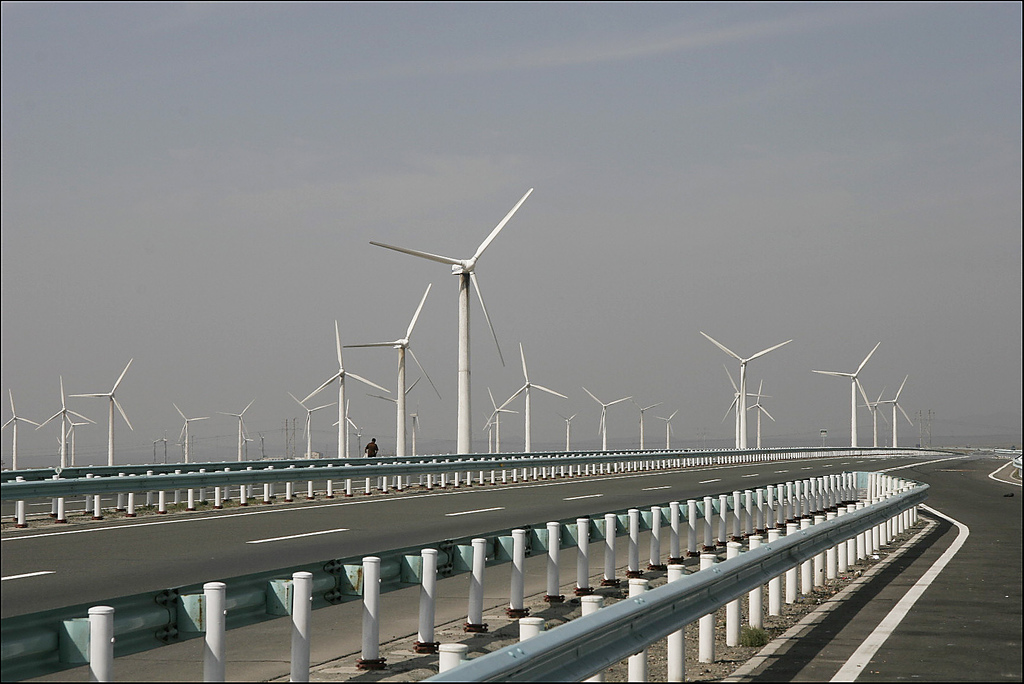
China and the United States today produce nearly half of the world’s carbon emissions, so the fight against global climate change depends greatly upon what actions the two countries take. China has undergone a dramatic transformation over the past twenty years from a largely rural society to one that is far more urbanized and far more energy intensive. In 1997, when the Kyoto Protocol on climate was negotiated, China was only responsible for 14% of global CO2 emissions. It then surpassed the US on that front in less than 10 years and now accounts for nearly 30% of the world’s emissions.
Renewables On Campus

Colleges and universities across the country are increasingly deploying solar arrays and other types of renewable energy. Many have set goals to become carbon neutral.
How Green Are Green Cars?
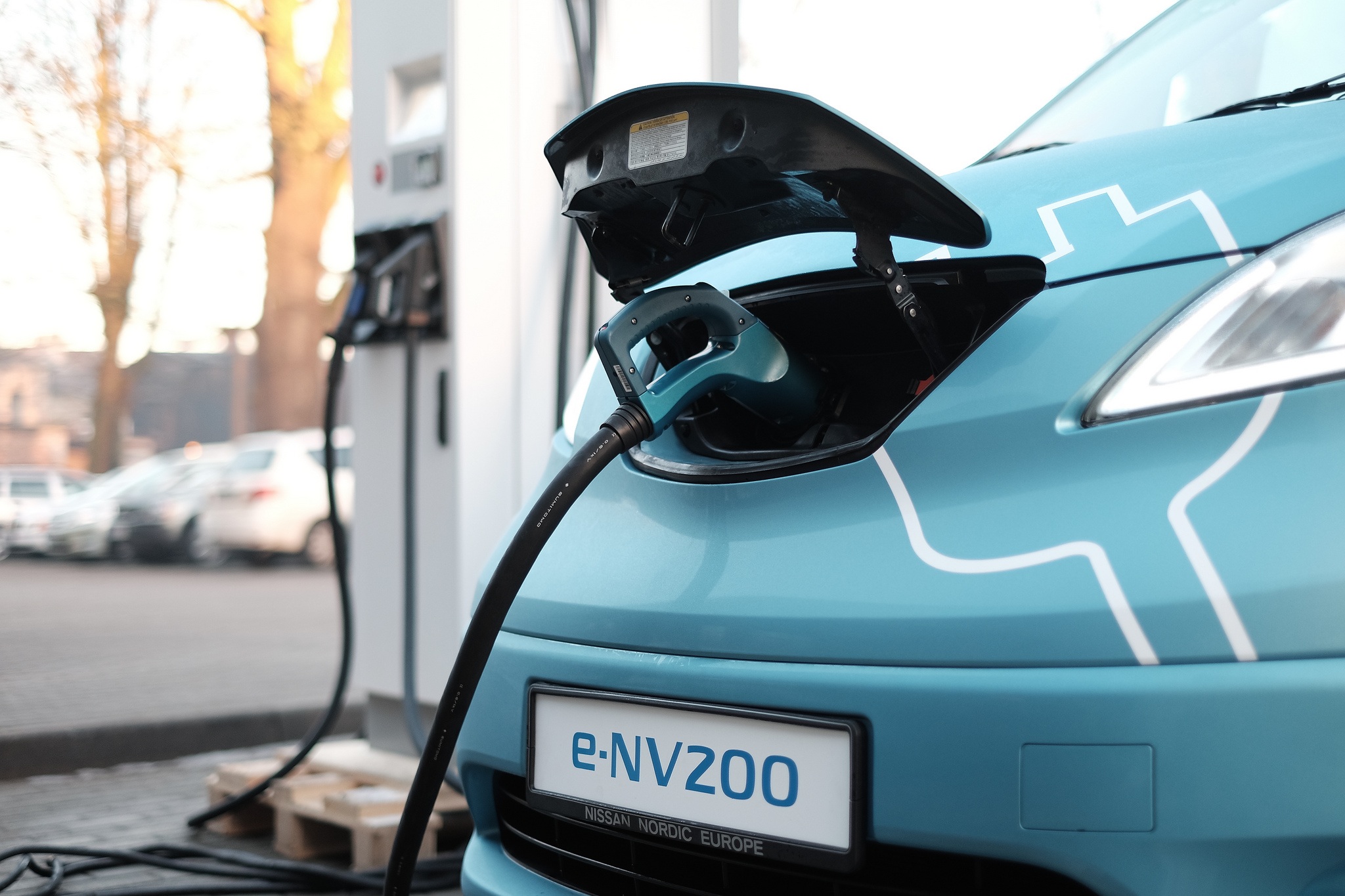
Electric cars are generally seen as the way to eliminate or at least dramatically reduce the disastrous effects of personal transportation on the environment. They still constitute only a tiny fraction of the cars on the road, but their popularity and availability is growing.
Canadian Carbon Tax

The Canadian government has chosen a carbon tax as its national policy to reduce greenhouse gas emissions. This aggressive move could have major repercussions around the world.
A Hydrogen-Powered Ferry

The Red and White Fleet has been ferrying tourists around San Francisco Bay since 1892 and is a company committed to environmental sustainability. When looking for ways to reduce the emissions from its fleet of passenger ferries, the company wondered if there was a way to eliminate emissions entirely. That question was put to researchers at Sandia National Laboratories in a very specific form: Is it feasible to build and operate a high-speed passenger ferry solely powered by hydrogen fuel cells? According to a recently-released report, the answer is yes.
World Deforestation

Forests are a vital part of biodiversity and are one of the planet’s most important natural repositories for carbon dioxide. They are also continually under attack by multiple forces: more mouths to feed, more wood needed to burn and build with, more paper to manufacture, and more land needed to graze cattle.
Jet Fuel From Steel Plants

Industries around the world are working to reduce their carbon emissions. One very carbon-intensive industry is the airline industry and it is struggling to find ways to reduce its emissions even while air travel continues to be on the rise worldwide.
Our Air Is Killing Us
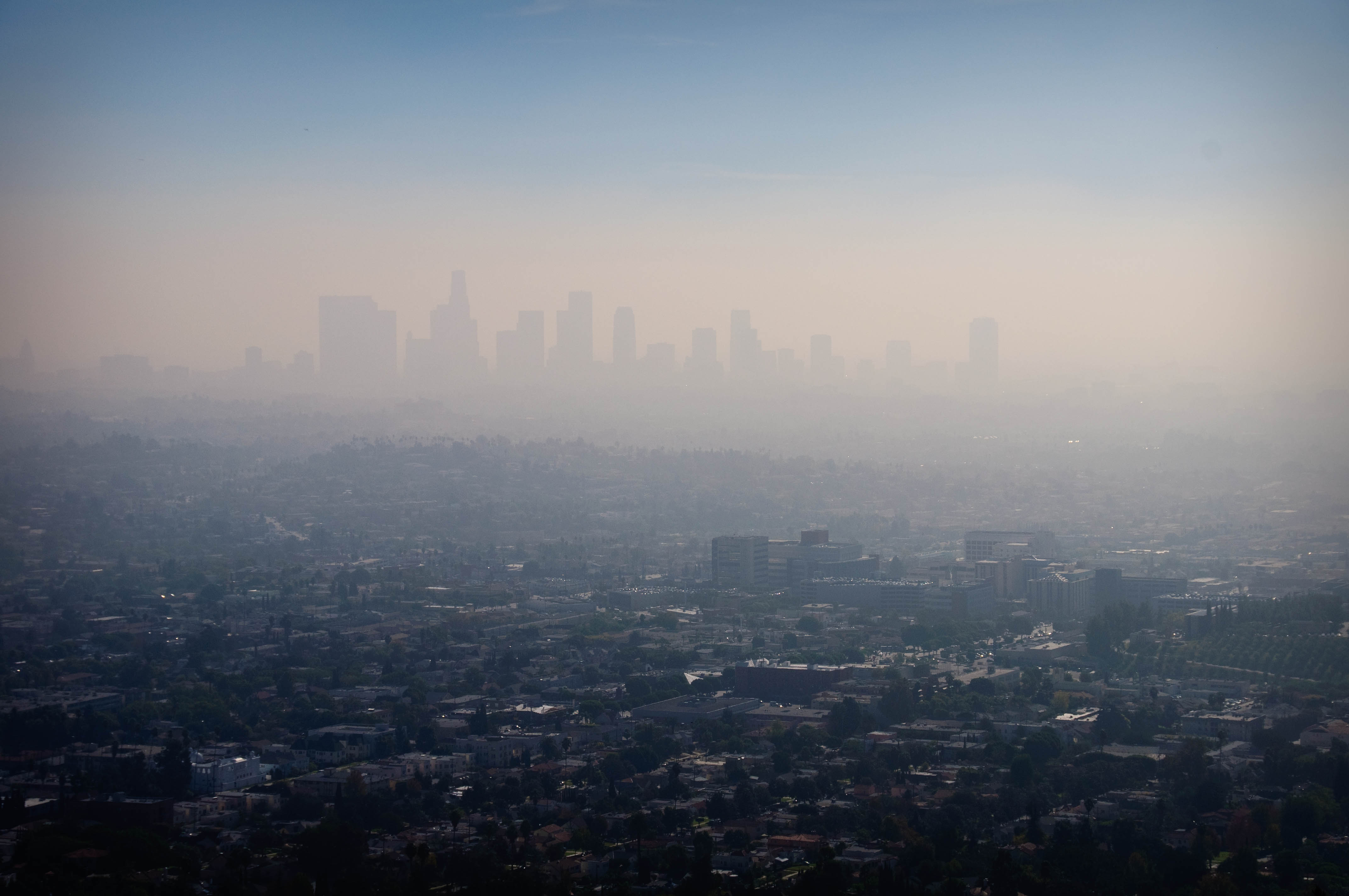
Poor air quality is a serious problem. Exposure to air pollution is linked to the premature deaths of an estimated 6.5 million people every year. This makes air pollution the fourth largest threat to human health. Only high blood pressure, dietary risks, and smoking are a bigger danger.
Finding Methane Leaks
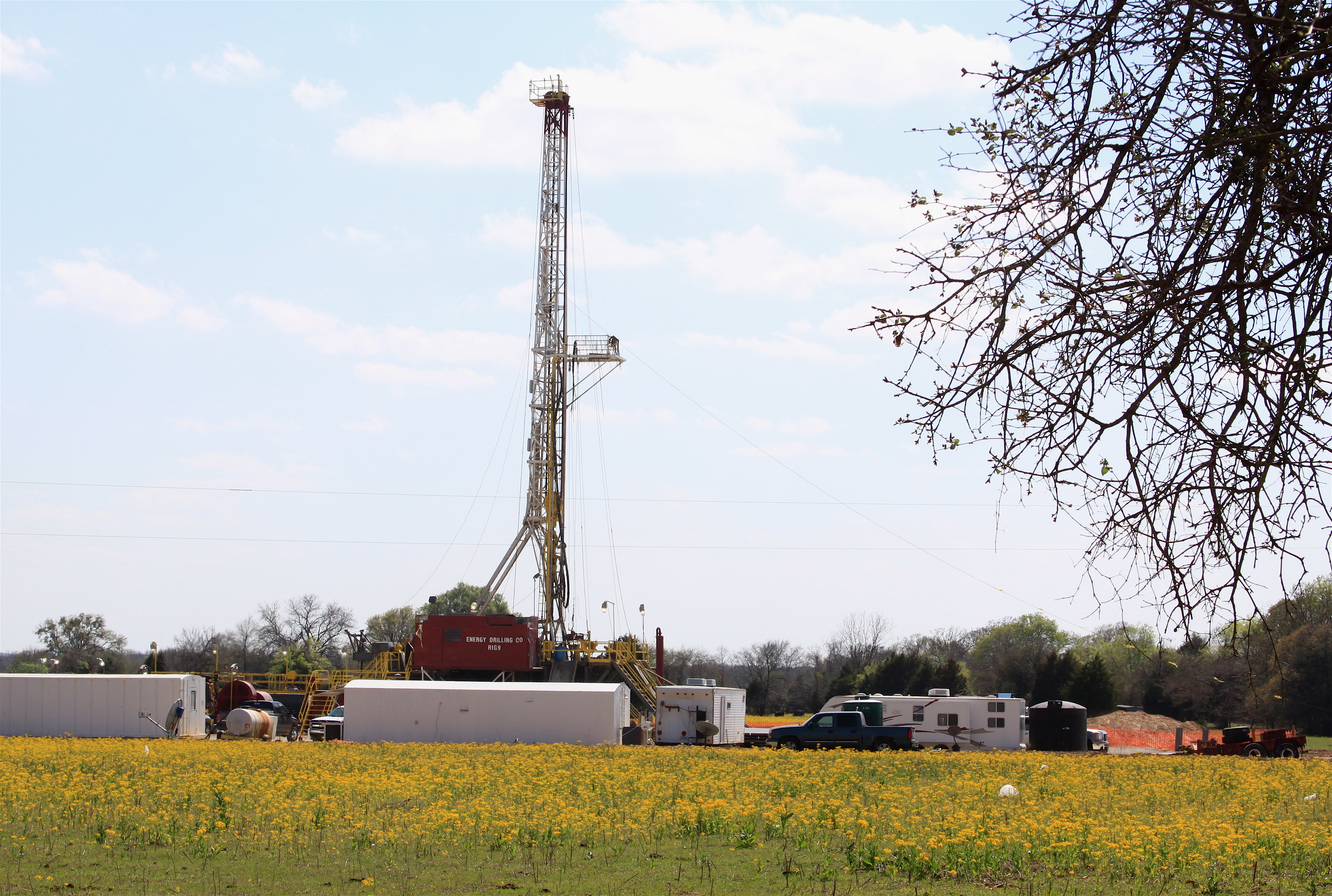
The boom in natural gas drilling by conventional methods and by fracking has led to a spike in methane emissions from pipelines, storage tanks, processing facilities, and other parts of the natural gas system. Natural gas is mostly composed of methane, so these emissions constitute waste and lost revenues. But they also represent a serious environmental problem because methane is 25 times more effective in trapping atmospheric heat than carbon dioxide.
Electric Cars And Climate Change
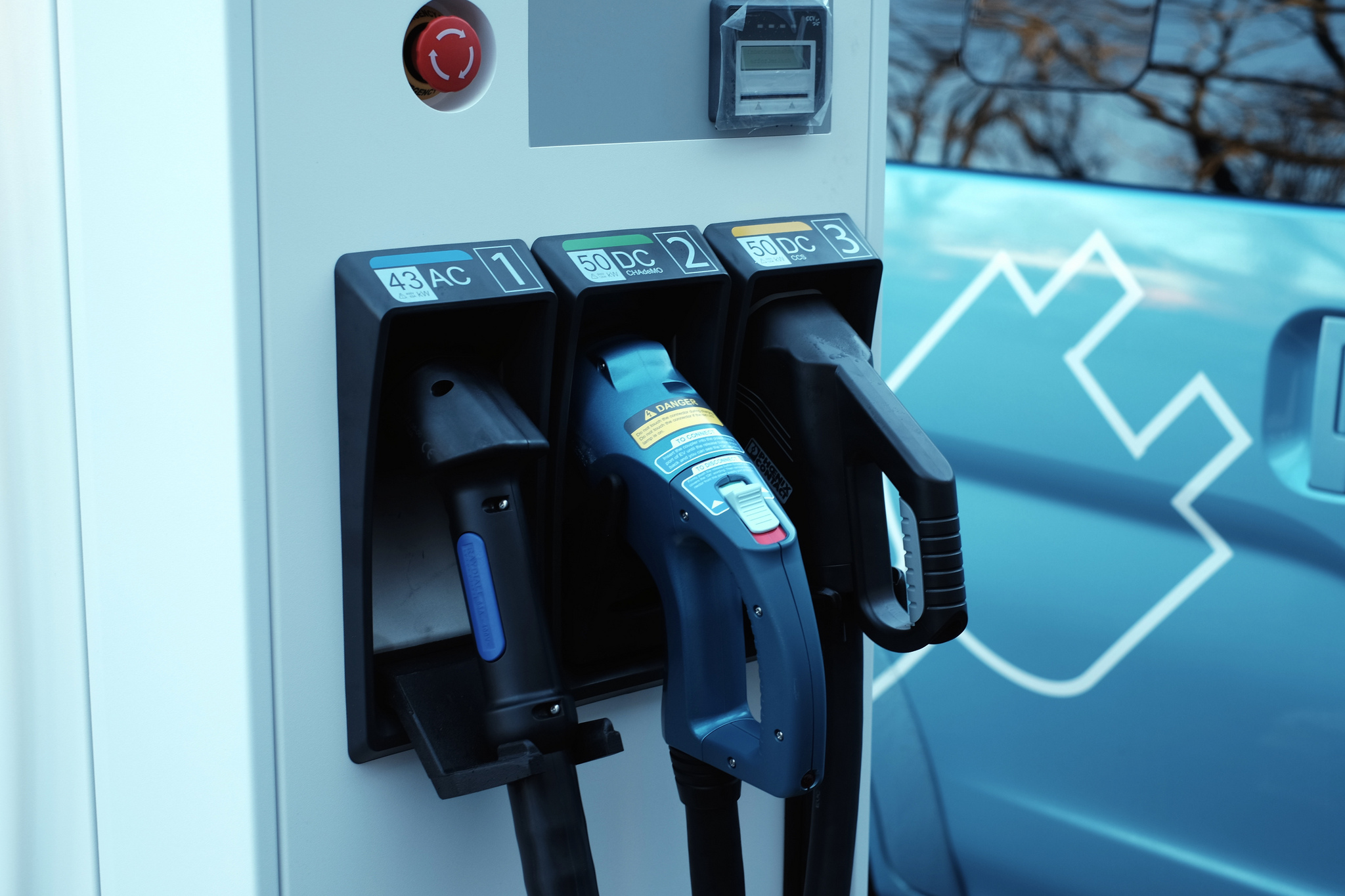
Electric cars are gradually becoming more popular, but there are still real concerns about their driving range, the availability of charging infrastructure, and their price. Adoption of the technology is still rather slow.
The Carbon XPrize
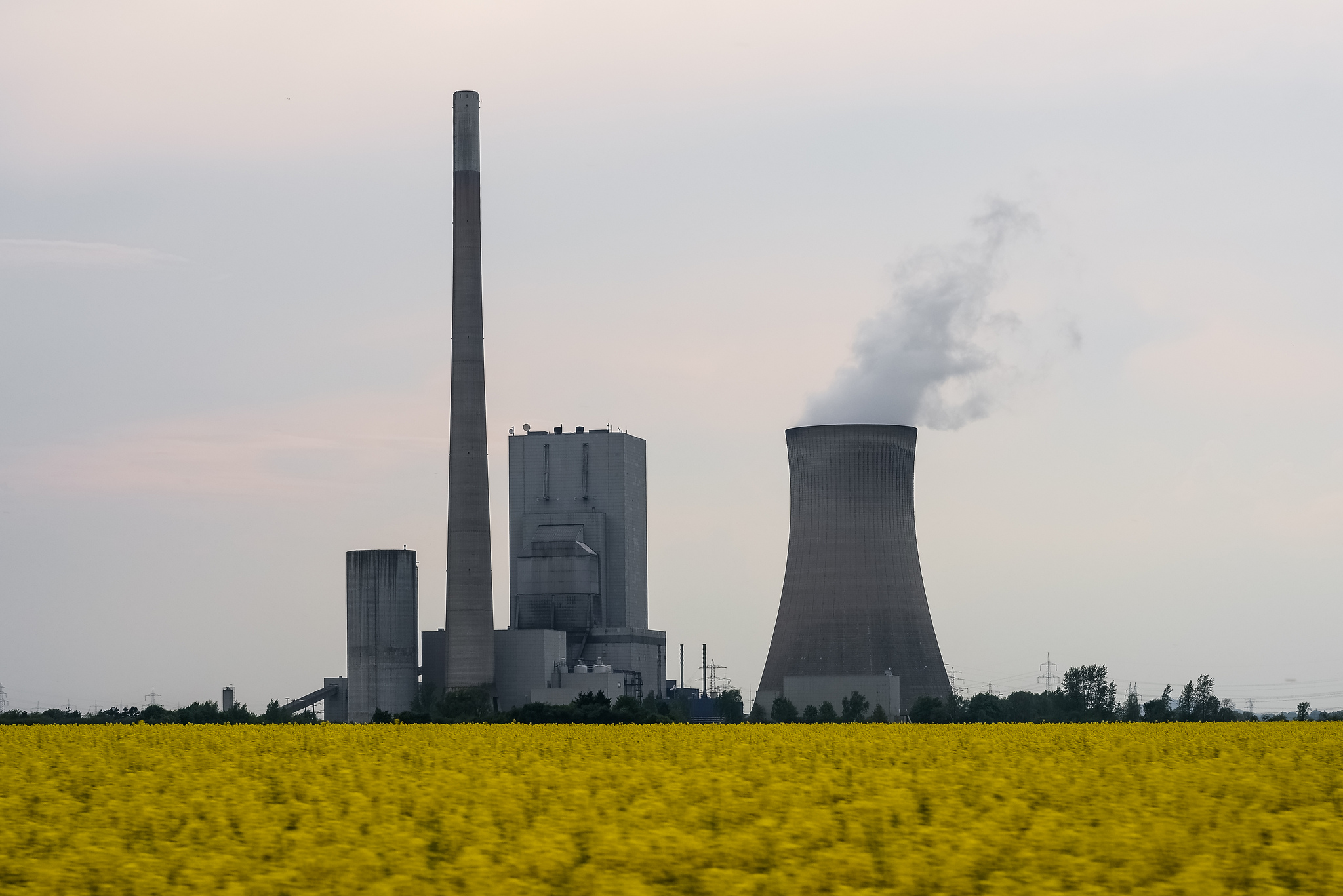
The Carbon XPrize is a five-year, $20 million competition to identify ways to convert carbon emissions into successful, profitable and useful products. Forty-seven organizations from seven countries are competing for the prizes and include large companies, startups and university researchers.