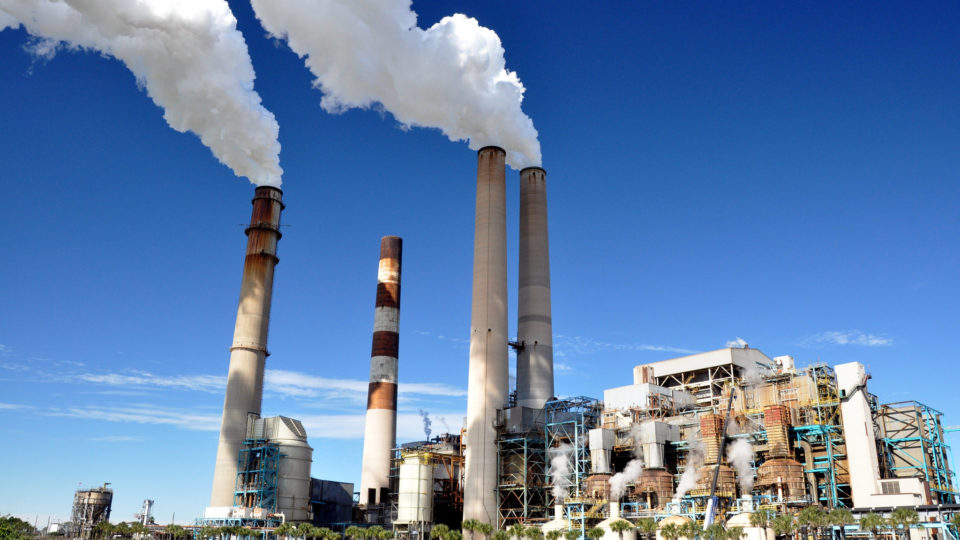
There is growing interest in the idea of capturing and storing carbon dioxide. Reducing the amount of it we are putting into the atmosphere is essential for limiting the effects of climate change, but even eliminating emissions entirely is not enough because the CO2 already there stays in the atmosphere for decades or more.
One of the most harmful effects of the changing climate is what is happening to coral reefs. Warmer ocean temperatures and acidification are causing widespread bleaching of coral. Stressed corals expel the algae living in their tissue, turning the corals white and robbing them of nutrients. When bleaching events persist, the corals starve and die. Reefs everywhere have been experiencing mass bleaching events in recent years with over 70% of the coral reefs around the world being damaged.
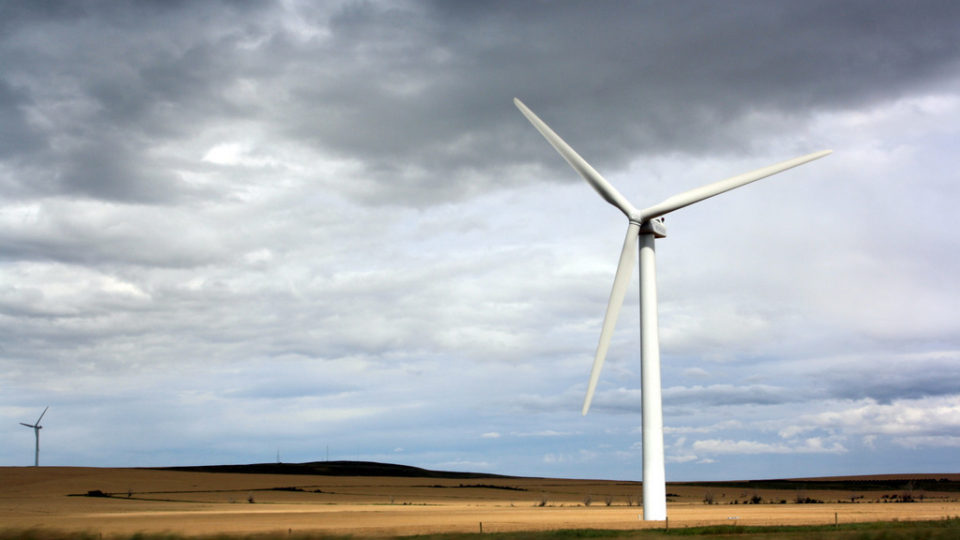
Since 2015, New York has had in place an energy plan aimed at building a clean, resilient and cost-effective energy system for the state. A key part of that plan is to reduce greenhouse gas emissions by 40% from 1990 levels by the year 2030. Another major goal is to have 50% of the state’s electricity produced from renewable sources by the same year.
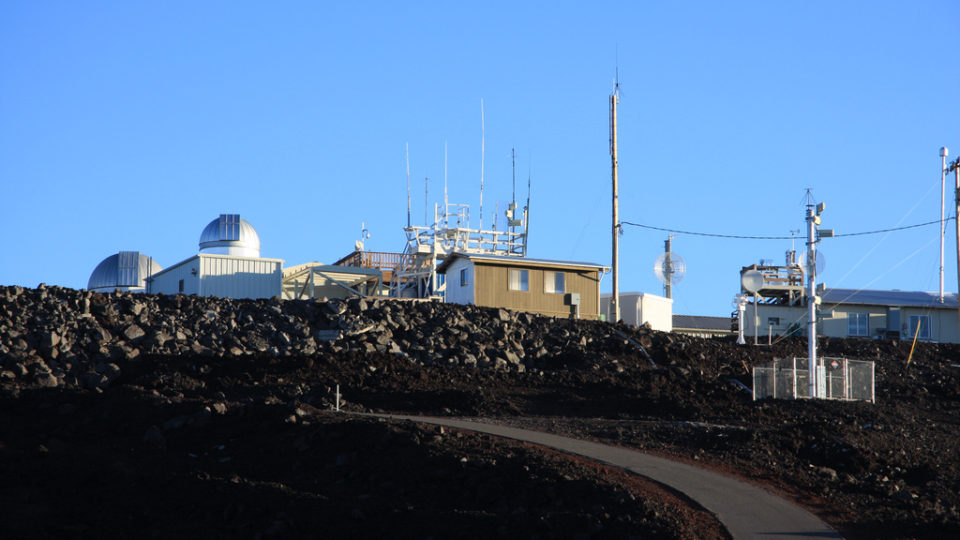
The global concentration of carbon dioxide in the atmosphere was measured at 400 parts per million for the first time in recorded history in May of 2013. It was a brief event at the Mauna Loa Observatory in Hawaii at the time. Within the next couple of years, however, readings of at least 400 ppm became standard.
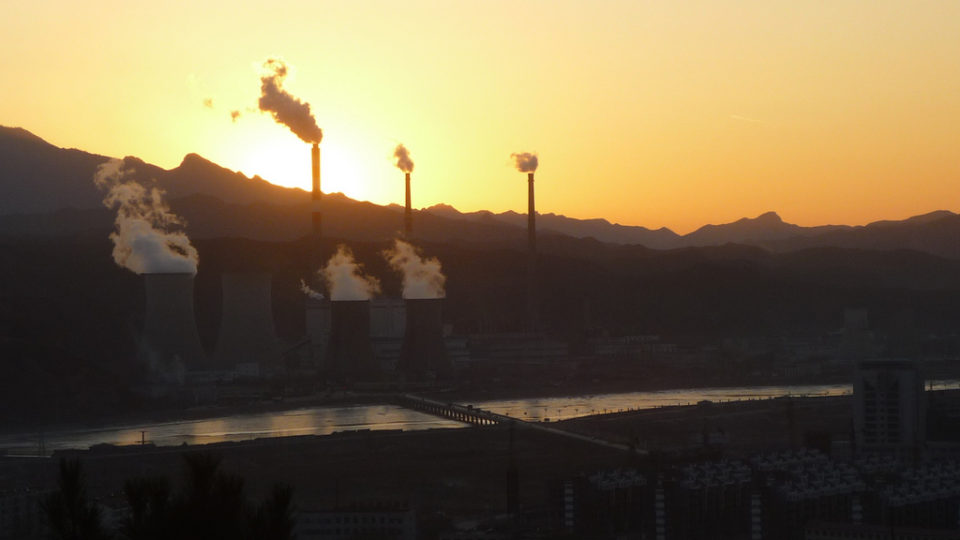
If we want to avoid drastic global warming this century, we need to sharply reduce greenhouse gas emissions over time. For the previous three years, emissions had been holding steady, but last year, global emissions from the use of coal, oil and natural gas increased by 1.4%. According to the International Energy Agency, this unfortunate new data should serve as a strong warning that we need to increase our efforts to combat climate change.
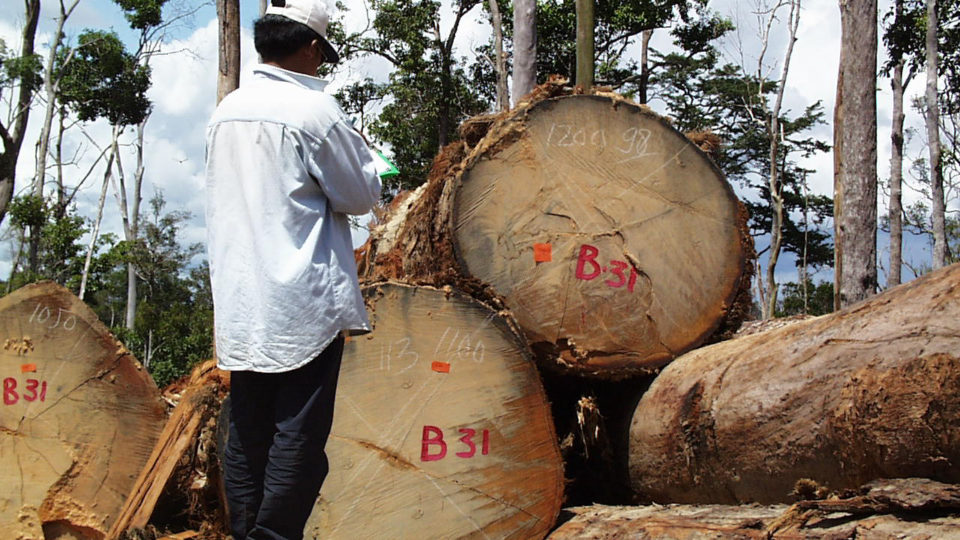
Worldwide, deforestation and land disturbance are responsible for about a quarter of all greenhouse gas emissions. The largest contributor to this problem is Indonesia and getting control of its emissions is a crucial part of meeting global carbon reduction targets.
Burning natural gas instead of coal is considered to be an important way to reduce greenhouse gas emissions. In principle, it is. Gas combustion produces much less carbon dioxide than coal combustion.
As low-cost solar and wind energy become increasingly pervasive, the prospects for hydrogen-based transportation systems are improving. The reason is that cheap electricity makes it practical to produce hydrogen by breaking down water rather than getting it from reforming natural gas, which results in carbon dioxide emissions. The real goal is for hydrogen to be a renewable and carbon-free fuel.
Pollution particles emitted by diesel cars and trucks, coal-fired power plants, factories, primitive cook stoves, and the burning of forests are major contributors to the pervasive air pollution that plagues many cities and regions of the world. In India and China, such pollution leads to hundreds of thousands of deaths each year. And countries around the world are working hard to reduce pollution.
Volcanoes are complicated, and we don’t have universally applicable ways to predict when they might erupt. Measurements of seismicity, gas emissions and ground deformation are all useful in trying to figure out what volcanoes are up to. However, it is unlikely that will ever have definitive prediction techniques.
Cities are responsible for 70% of the world’s energy-related CO2 emissions and it appears that they are taking responsibility for reducing them. Over 7,000 mayors around the world have signed up to the Global Covenant of Mayors for Climate and Energy, thereby pledging to act on climate change.
Container ships, tankers, freighters, and cruise ships are a significant source of carbon dioxide emissions and other pollutants. They currently account for 3% of global emissions – which doesn’t sound like much – but most other sectors such as power plants and automobiles are gradually decarbonizing. As a result, experts believe that shipping could account for as much as 17% of global emissions by the year 2050.
There’s no argument to be made about whether 2017 was hot or not. The only uncertainty is whether it was the second or third warmest year ever recorded.
When considering the greenhouse gas emissions associated with any energy source, it is important to look at the total life cycle emissions both from the direct use of the energy source and from the indirect emissions associated with building the system, producing and transporting fuels and other supplies and, ultimately, decommissioning the system. Taking all of this into consideration is necessary in order to have a full accounting of the carbon impact of power sources.
The Paris Climate Agreement embodies a commitment to hold the increase in the global average temperature to less than 2 Celsius degrees above preindustrial levels. Most strategies to achieve this goal involve reductions in greenhouse gas emissions from human activities such as burning fossil fuels as well as various land use activities. But there are also so-called Natural Climate Solutions, which relate to the storage of carbon and reduction in carbon emissions across global forests, wetlands, grasslands, and agricultural lands.
Plants are the world’s great storehouse of carbon dioxide. That is why deforestation is a major contributor to climate change. If only there were more trees and plants, more of the CO2 in the atmosphere would be absorbed and could no longer trap heat in the atmosphere.
Power plants have been the biggest source of greenhouse gas emissions in the United States for more than 40 years. But the ever-changing picture of electricity production has changed that situation. According to new data from the government’s Energy Information Administration, transportation has now taken over the top spot.
Reducing carbon dioxide emissions is an essential element in mitigating climate change. The best approach is to not produce the stuff in the first place and the ongoing transition away from fossil fuels is trying to do just that. But realistically, fossil fuels will be with us for a long time to come. Given that, additional approaches are necessary.
For the third year in a row, global emissions of carbon dioxide have remained unchanged. This indicates that efforts to reduce emissions have had an effect, but that there is much more to be done. It is essential to reduce emissions, not just cap them.
There is deservedly a great deal of focus on the effects that carbon pollution is having upon the climate and most countries around the world are working to reduce their emissions. However, even if climate effects were not a serious threat to humanity, pollution is a deadly menace to human health.