ecosystem
Can The Great Barrier Reef Be Saved?
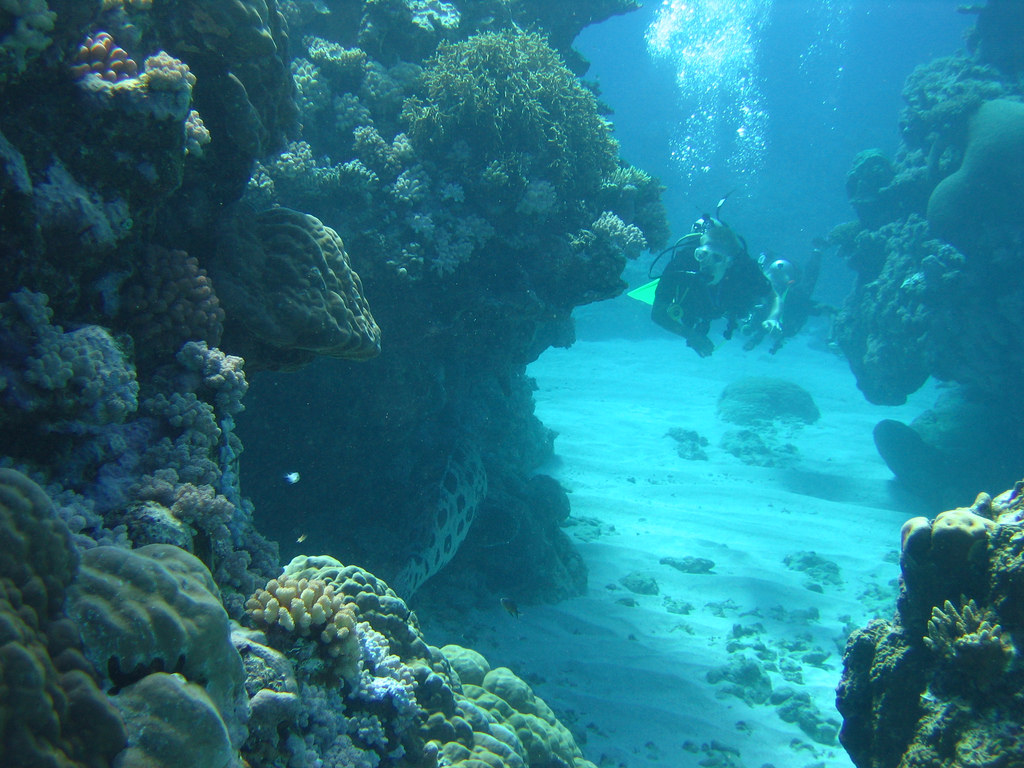
There have been many stories in the media about the ongoing environmental crisis at Australia’s Great Barrier Reef. Over the past two years, the reef has lost almost half of its coral because of bleaching events. Faced with this situation, the Australian government created the Reef 2050 Plan, a strategy to protect and maintain the reef through the year 2050.
Satellites And Conservation Science
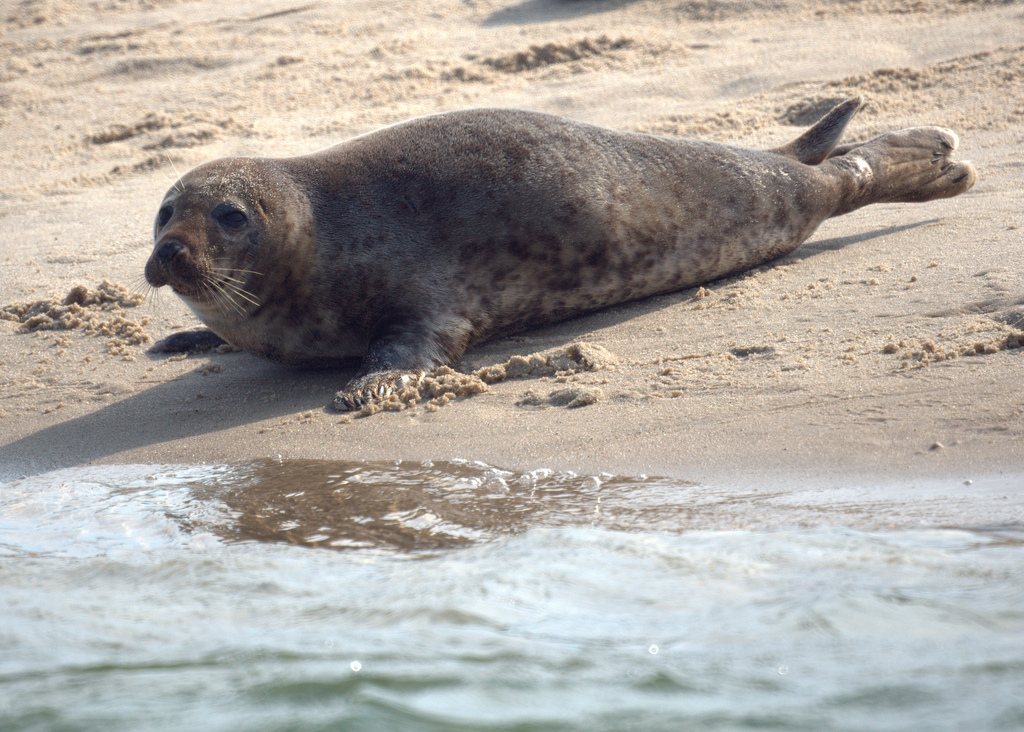
Satellites orbiting the earth are becoming an increasingly powerful tool for counting and monitoring wildlife populations and to answer a host of other questions about the natural world.
Melting Ice Adds Life To The Sea
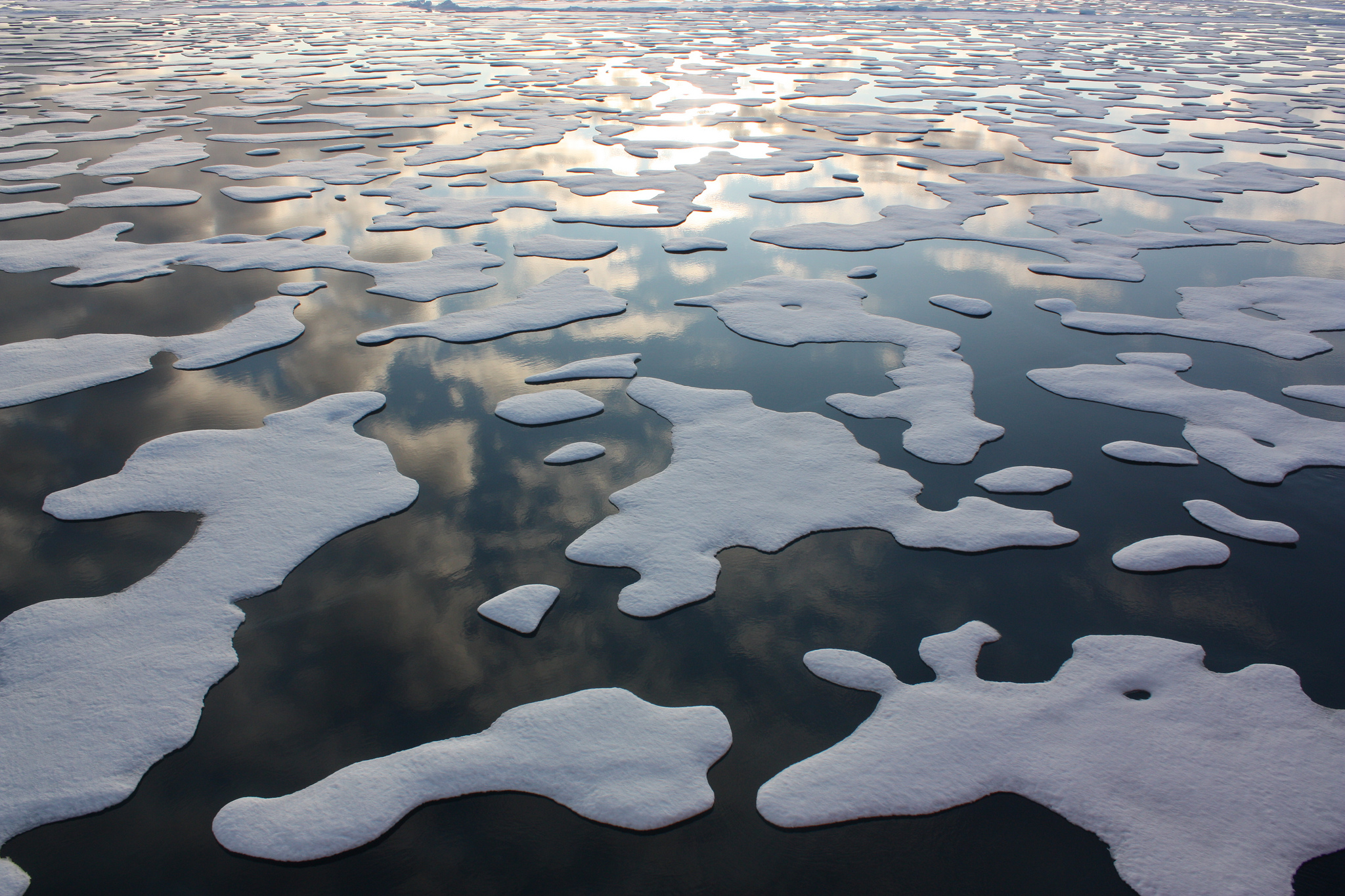
The changing climate has many effects upon the world’s ecosystems, some of which are surprising. One of these relates to the effect of the increasing melting of ice in the Arctic. The ice melt is leading to more life in the Arctic sea.
Terrestrial Plants and Lake Ecosystems
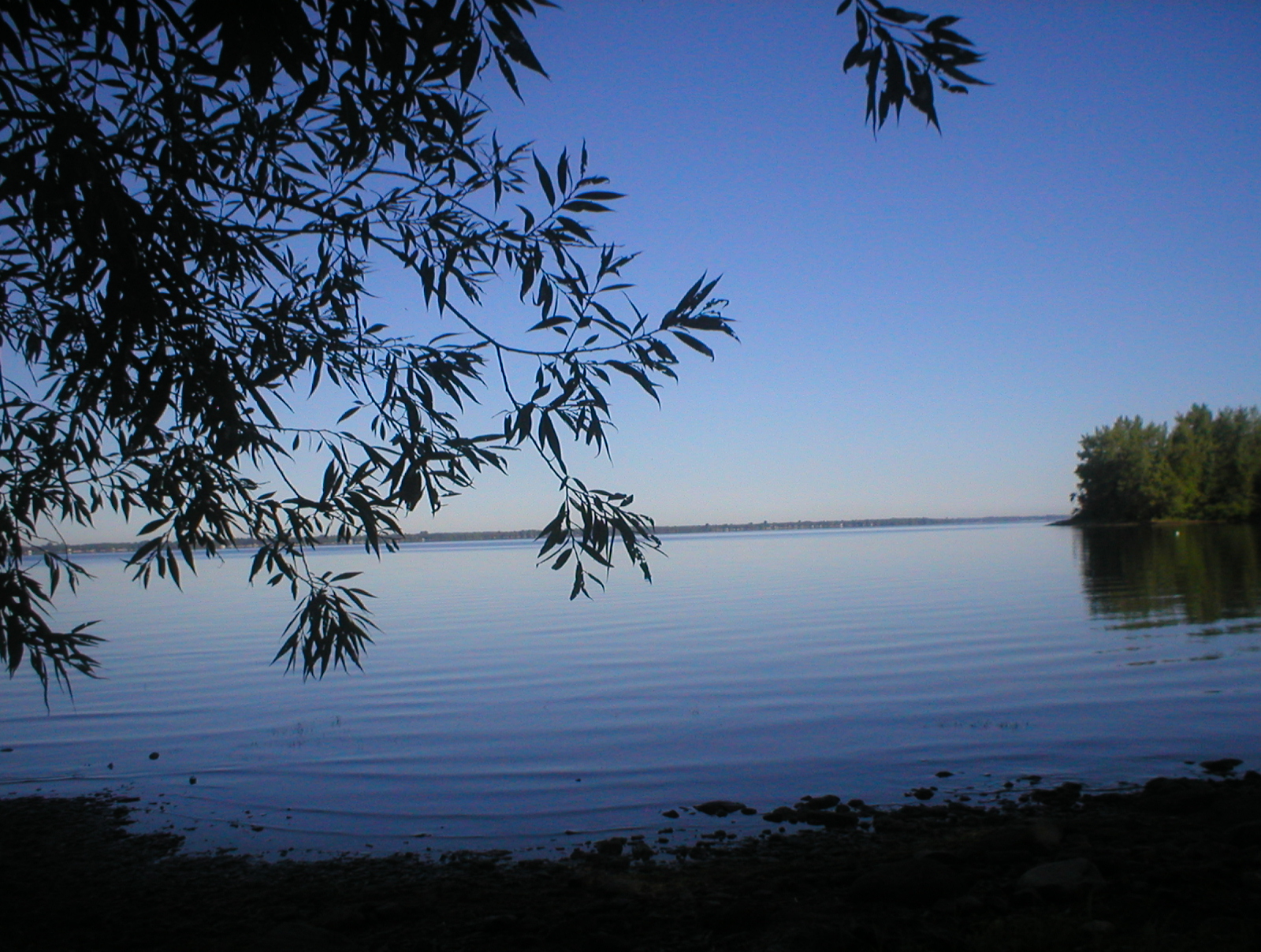
Most of the planet’s freshwater stores are found in the northern hemisphere, a region that is changing rapidly in response to human activity and shifting climate trends. A recent study analyzed 147 northern lakes and found that many rely on nutrients from tree leaves, pine needles, and other land-grown plants to feed aquatic life.
Widespread Local Extinctions
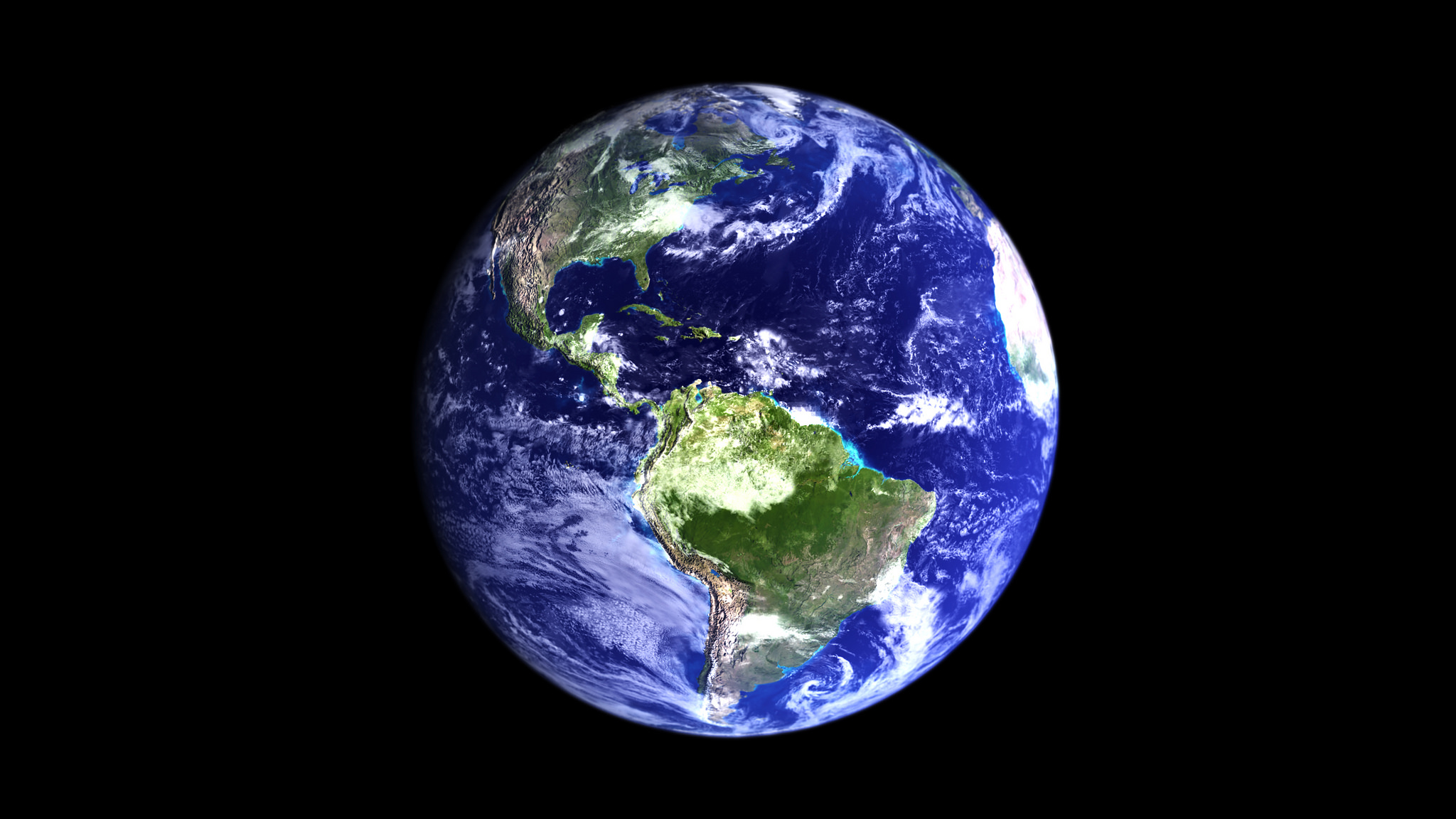
Plants and animals have evolved over time to live in specific environmental niches. As the climate warms, parts of the ranges in which they live may no longer offer the conditions under which they can thrive. Species can respond to these changes in three ways: they can adapt to new conditions by undergoing niche shifts; they can relocate to better conditions, such as by moving to higher elevations or latitudes; or they can locally go extinct.
Restorative Ocean Farming
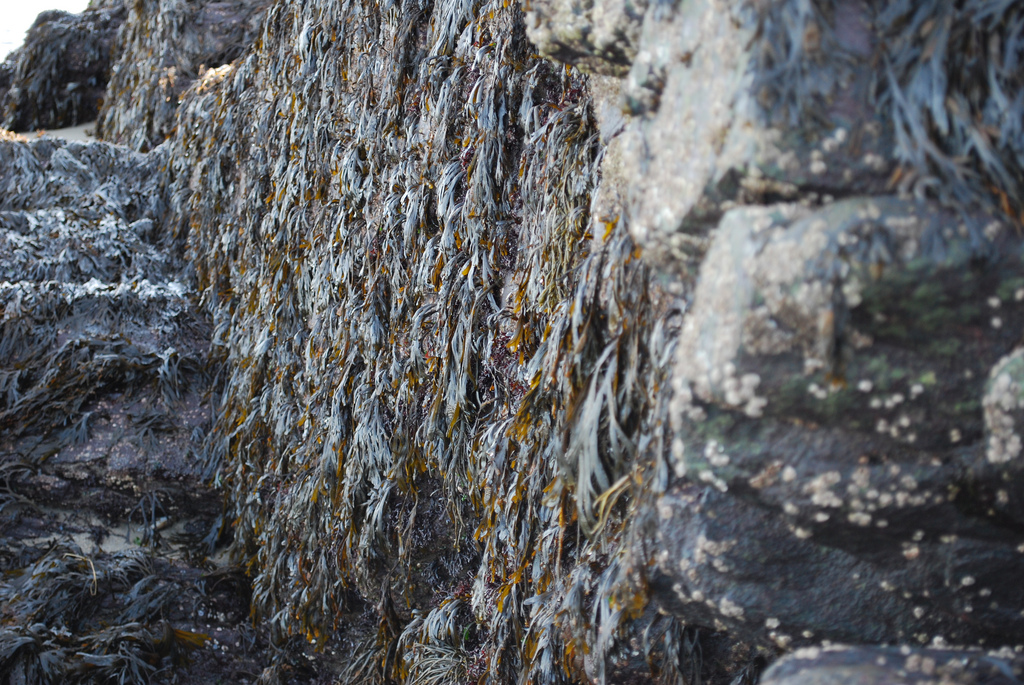
The conventional aquaculture industry has often been associated with many of the same problems that beset land-based agriculture: creating sterile monocultures, fouling the environment with pesticides, antibiotics and organic pollutants, and spreading diseases.
Endangered Bees
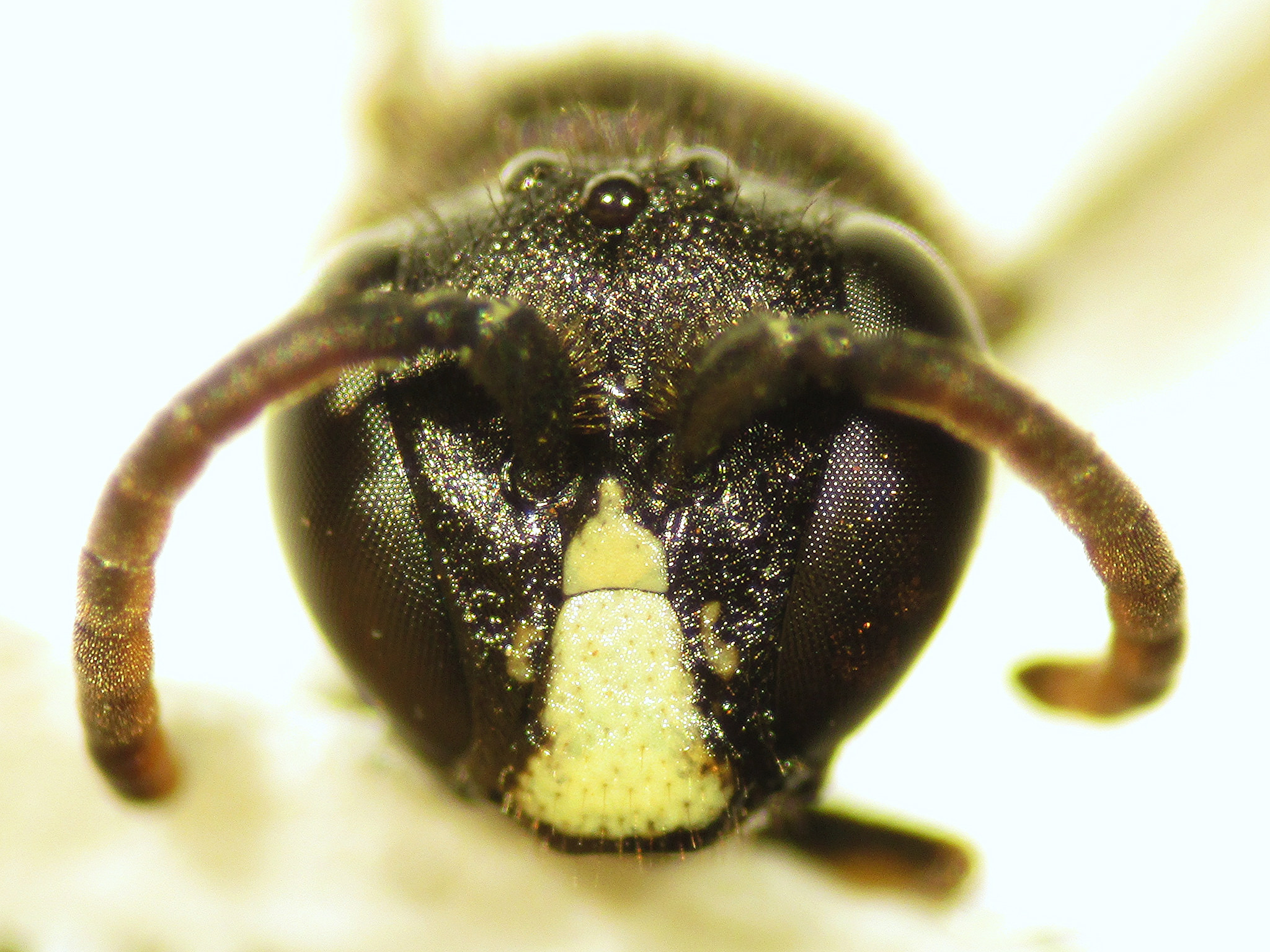
It’s no secret that pollinators around the world are under threat. According to a U.N. sponsored report released earlier this year, 40% of invertebrate pollinator species, such as bees and butterflies, are facing extinction. And since approximately 75% of the world’s food crops depend on pollination, the decline of these pollinators poses a major threat to food worldwide.
A Giant Ocean Reserve
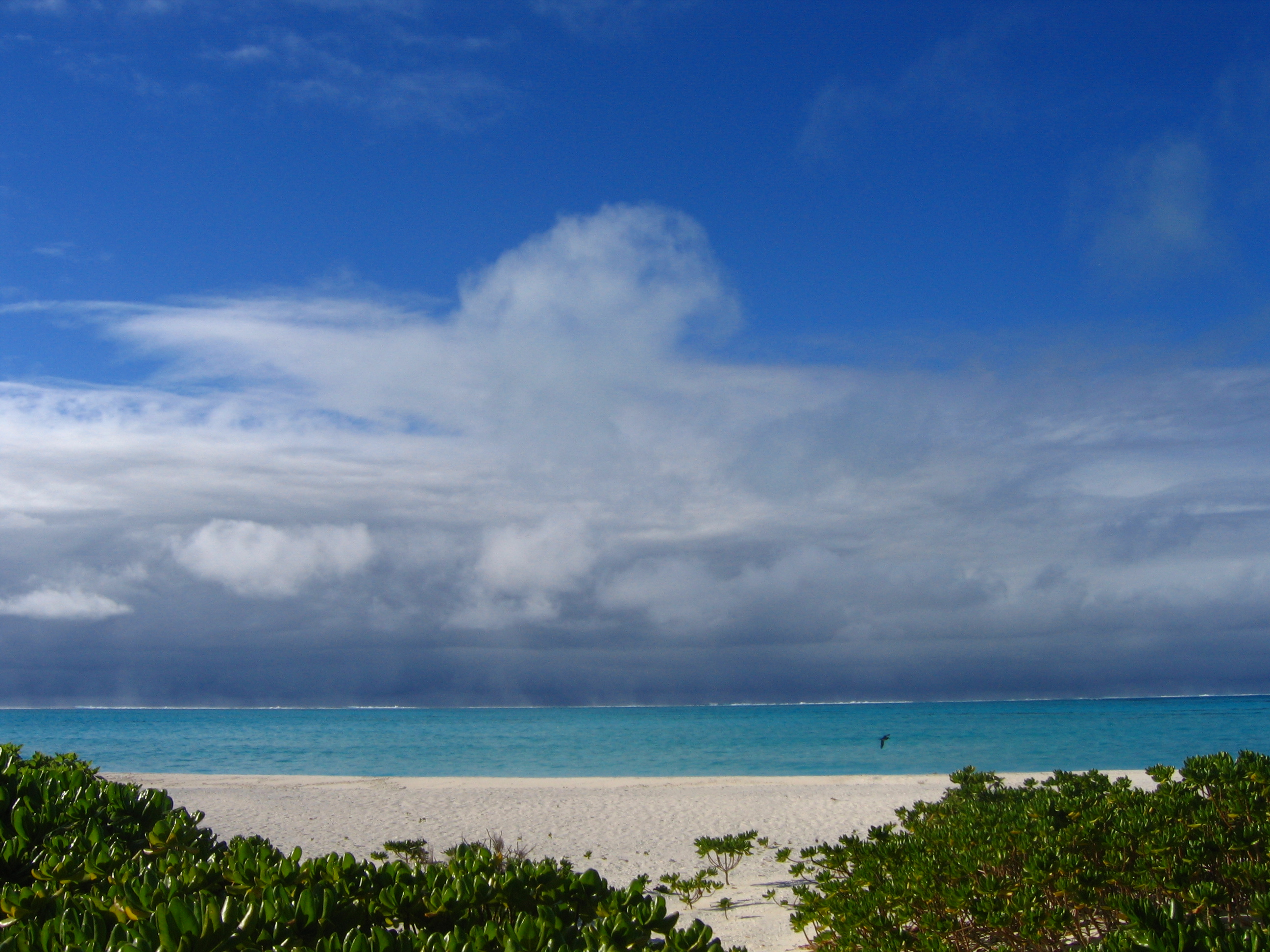
This year marks the 100th anniversary of the National Parks and this year the largest protected area anywhere on Earth has now been created. Twice the size of Texas, the marine park also has the longest name among National Parks: it is the Papahanaumokuakea Marine National Monument.
Climate Change And Radioactive Waste
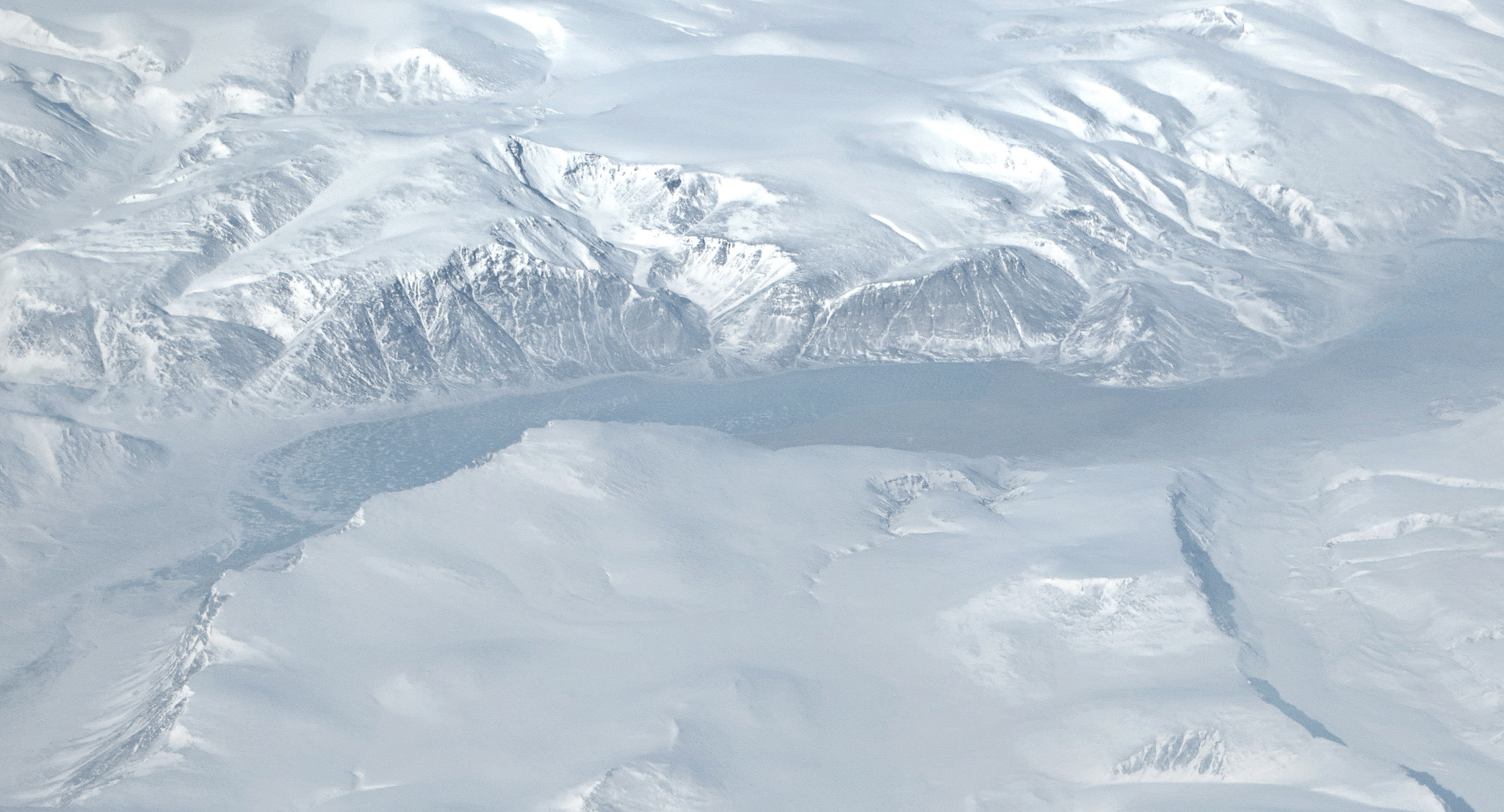
What do climate change and radioactive waste have in common? It turns out a lot more than we’d like. According to research, which was was led by York University in collaboration with the University of Zurich and recently published in the journal Geophysical Research Letters, rising global temperatures could lead to the release of – yep, you guessed it – radioactive waste.
Prowling Cougars
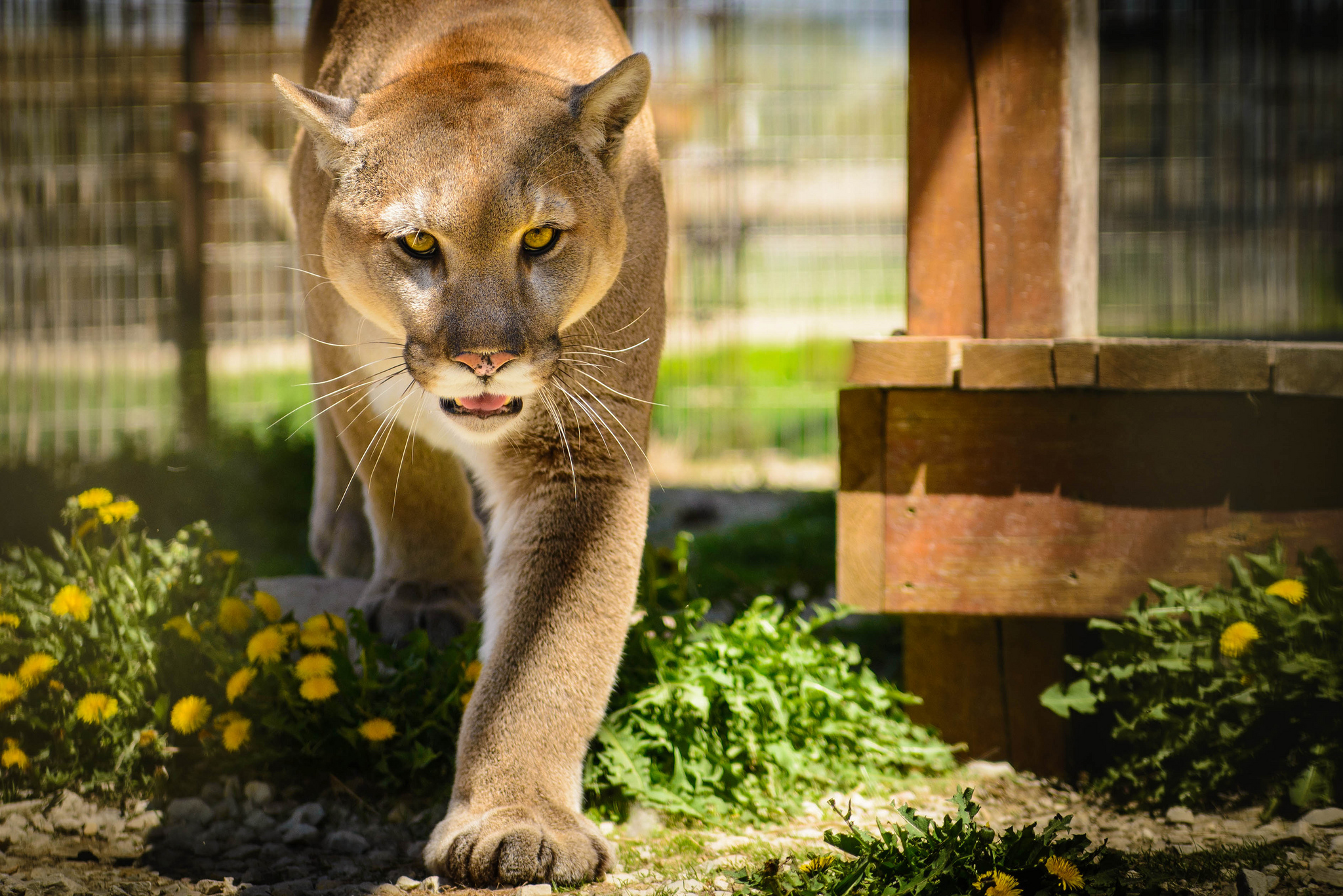
What large mammal routinely kills 200 humans in the Eastern United States every year? Here’s a hint: It’s not cougars. It’s actually overabundant white-tailed deer.
Light Pollution And Early Spring

We have talked about the impact of light pollution on our ability to see stars and the Milky Way. We have also discussed its impact on our circadian rhythms. Recently, scientists in Great Britain published a report on the relationship between light pollution and the timing of when trees produce their buds. The results of the study suggest that light pollution is causing plants to jump the gun on spring.
Trouble For Vultures
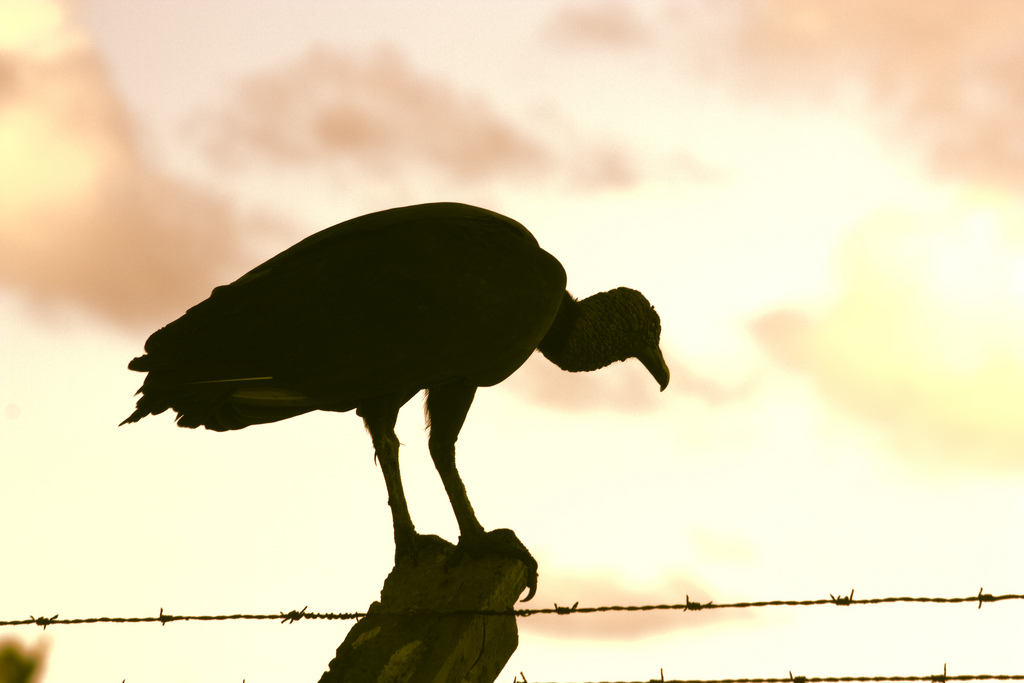
When we think of vultures, we picture big, ugly birds circling over a carcass in the desert. They are a stereotypical harbinger of death. But in many parts of the world, vultures are in danger of disappearing. Our knee-jerk reaction might well be “good riddance”, but as is the case for pretty much all participants in ecosystems, vultures have an important role to play. And when they aren’t around to play that role, bad things can happen.
Mobile Apps Empower Citizen Science
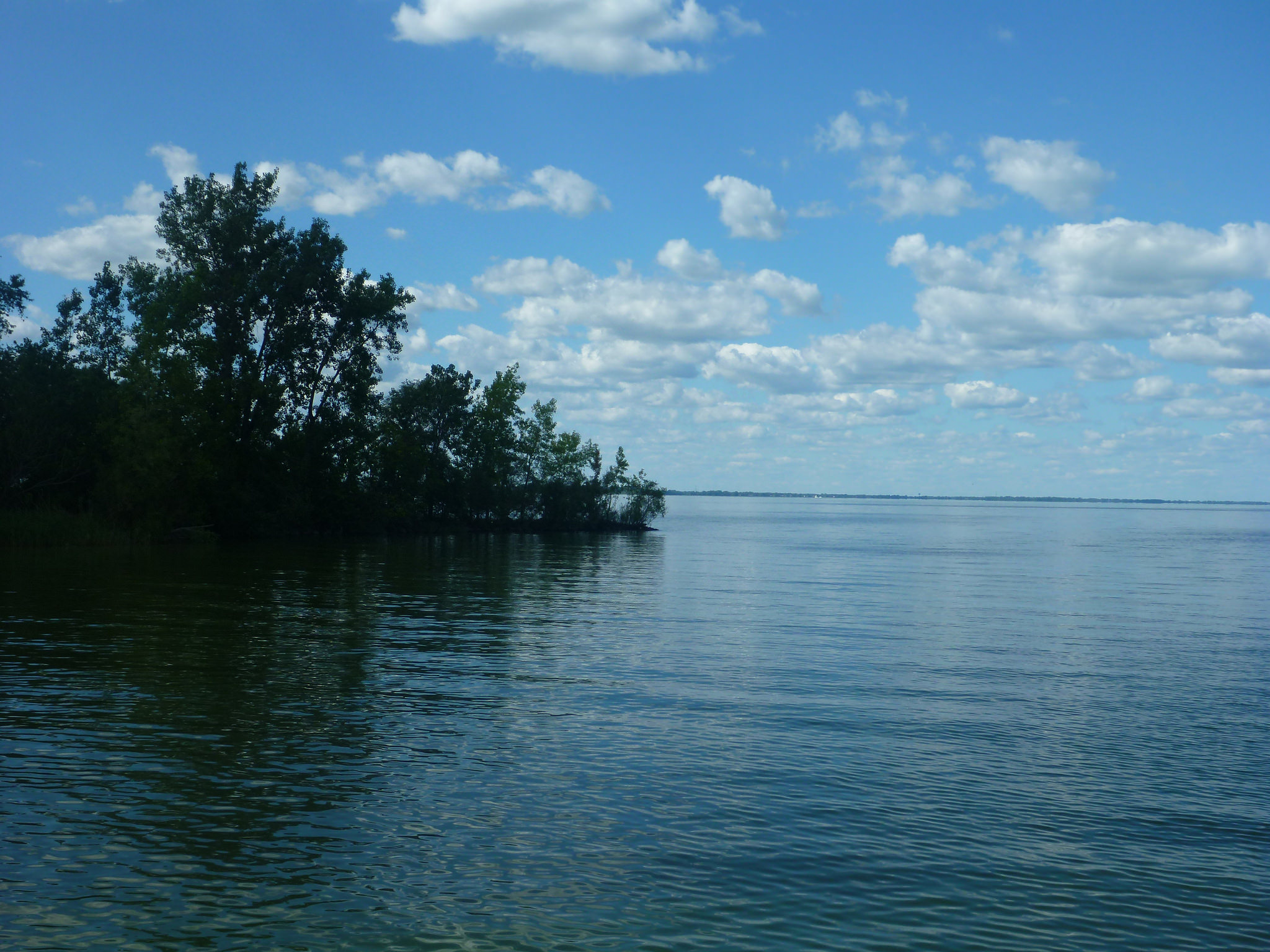
Citizen scientists play a vital role in raising awareness about the health of our nation’s freshwater resources. Their efforts can help document water clarity and track harmful algal blooms and other indicators of poor water quality instrumental to sound management.
Food Insecurity In The Arctic
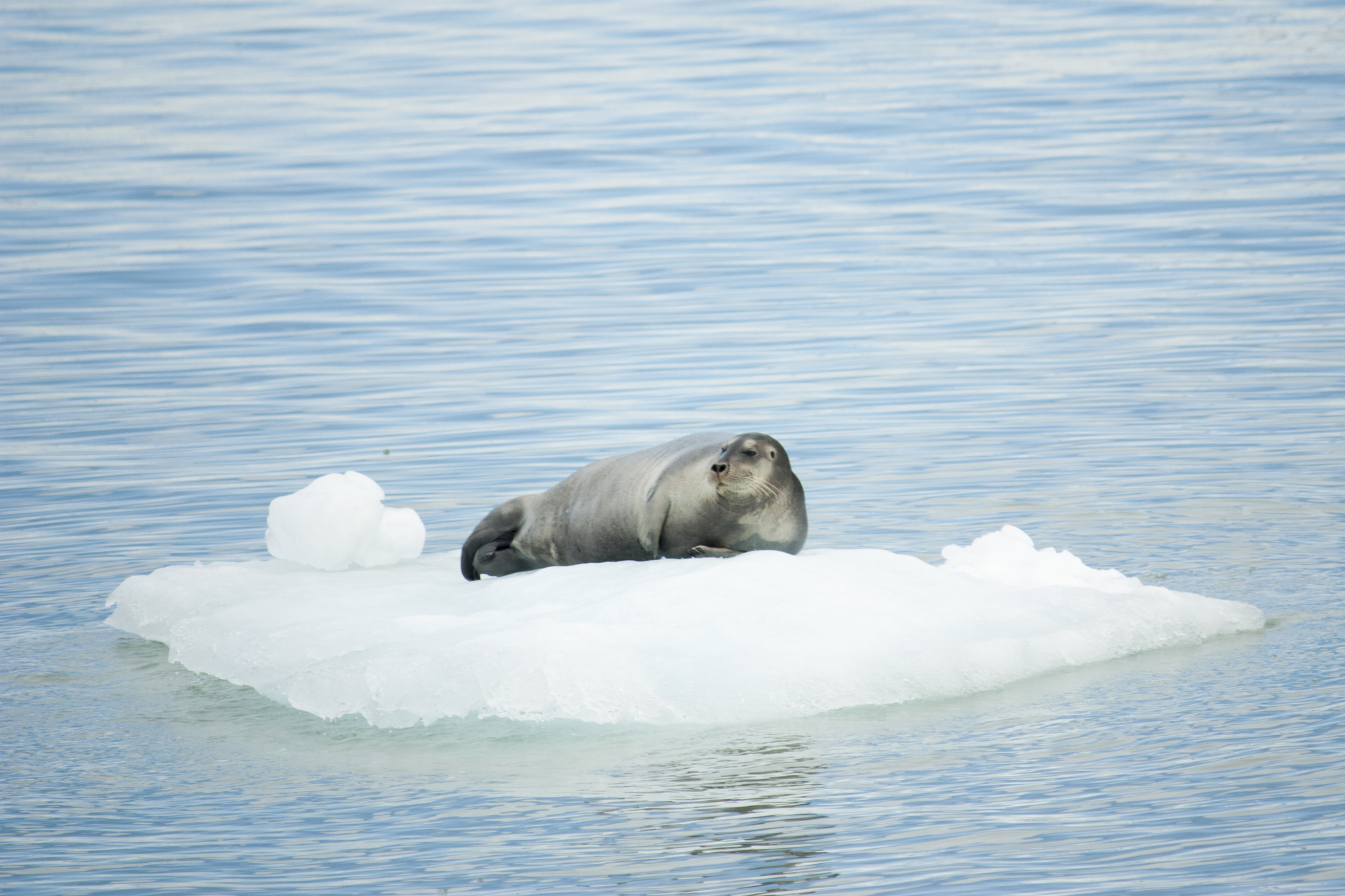
Food shortages have always been a challenge for the Inuit and other aboriginal people in the Arctic, because they depend on subsistence hunting and fishing, which often means living life on the edge.
De-Extinction: Opening Pandora’s Box
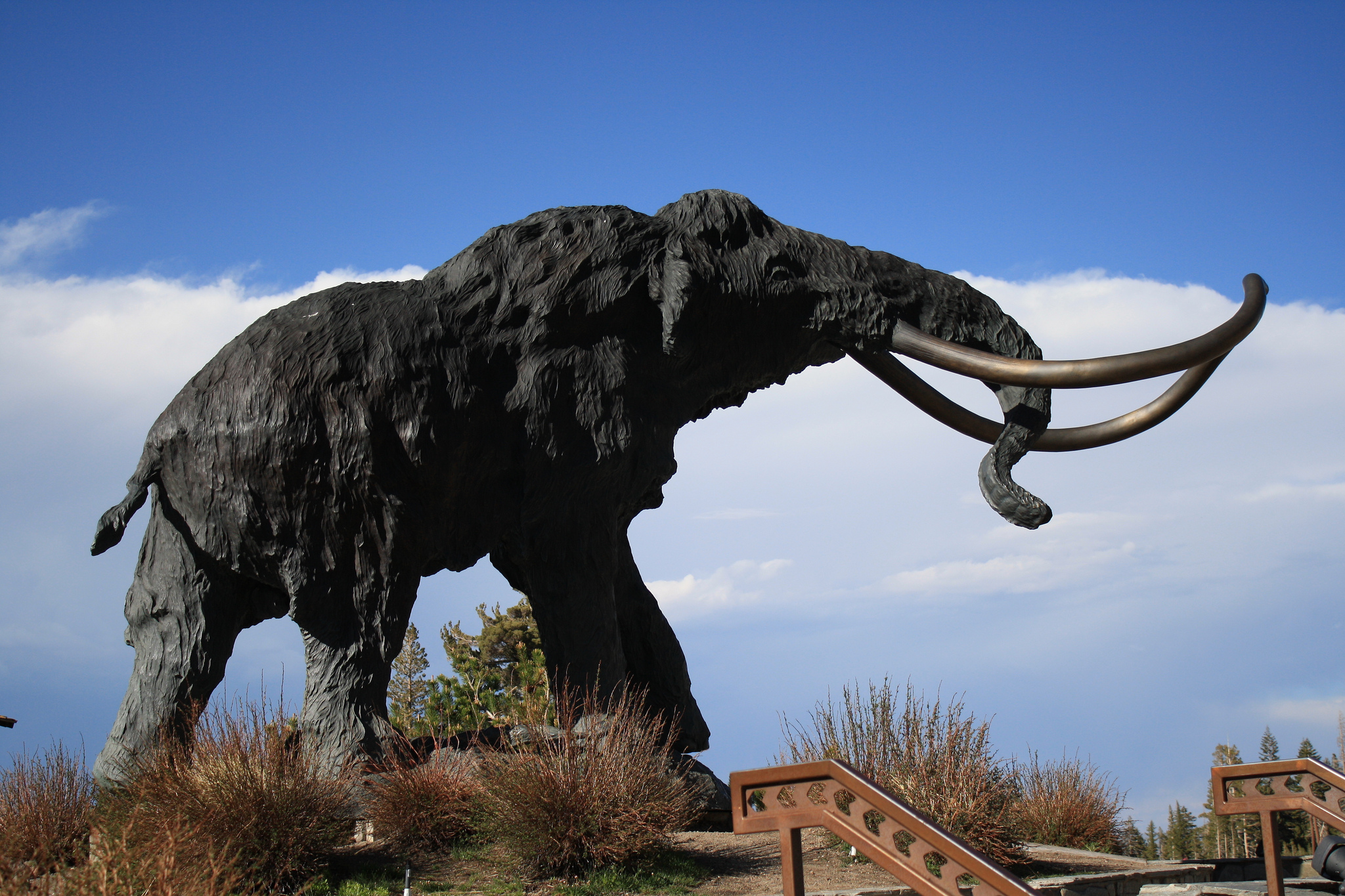
De-extinction, or the act of bringing extinct species back from the dead, has been riding a wave of enthusiasm. Nearly 2 million people have watched Steward Brand’s TED talk on the topic, and Beth Shapiro’s book How to Clone a Mammoth has received rave reviews.
Lake Ohrid: Respecting An Elder
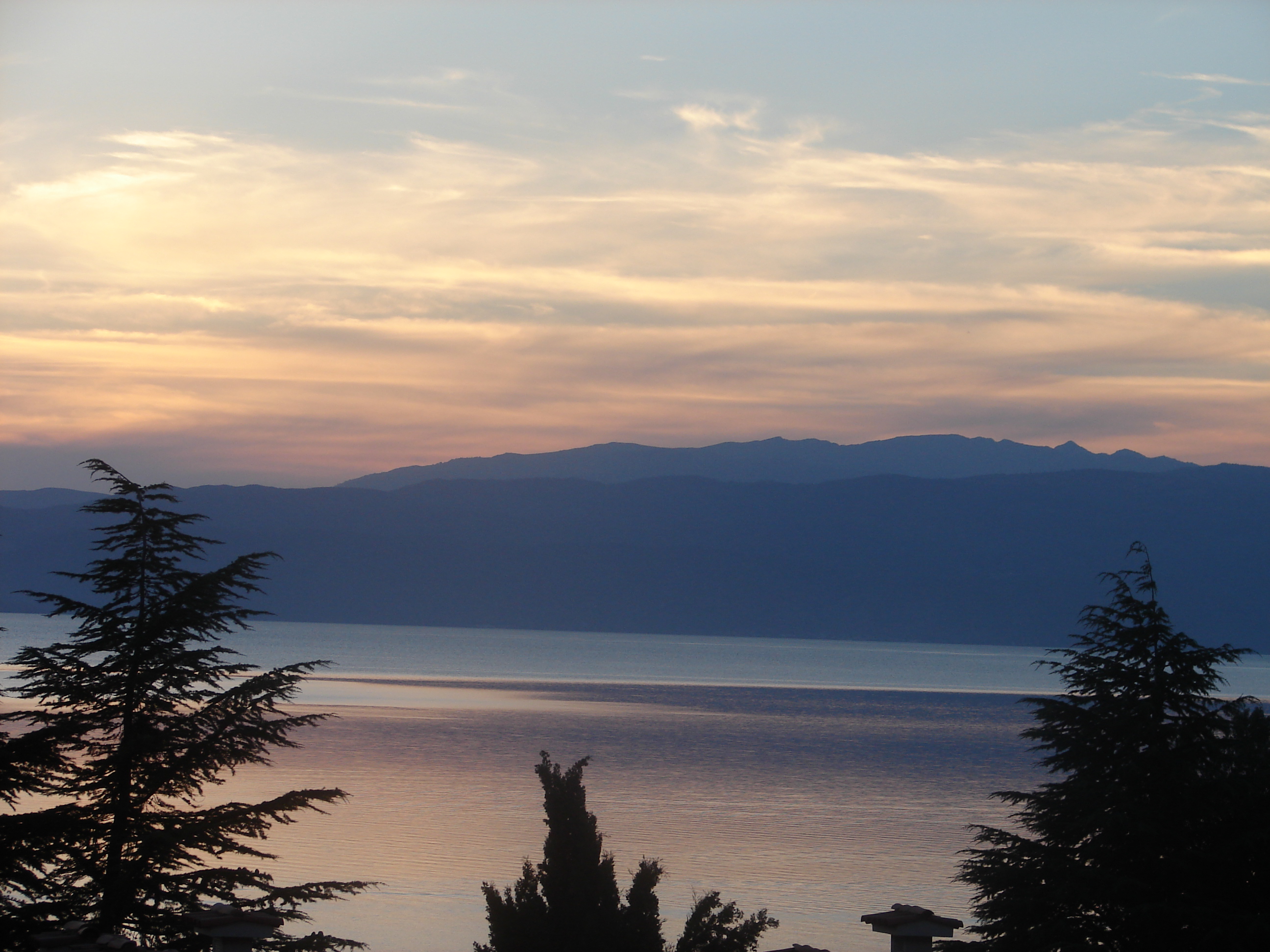
Nestled in the mountainous border between southwestern Macedonia and eastern Albania, Lake Ohrid is a deep, ancient lake. Its waters provide refuge to hundreds of plants and animals that live nowhere else, including seventeen species of fish.