ecosystem
Leave Leaves Alone

In natural ecosystems, there is little waste. Nutrients taken up by plants are returned to the soil when plants die and decompose. Food eaten by animals is excreted; at the end of their lives, animals are also returned to the soil. Ecologists call this nutrient loop a biogeochemical cycle.
Ocean Plastic And Birds
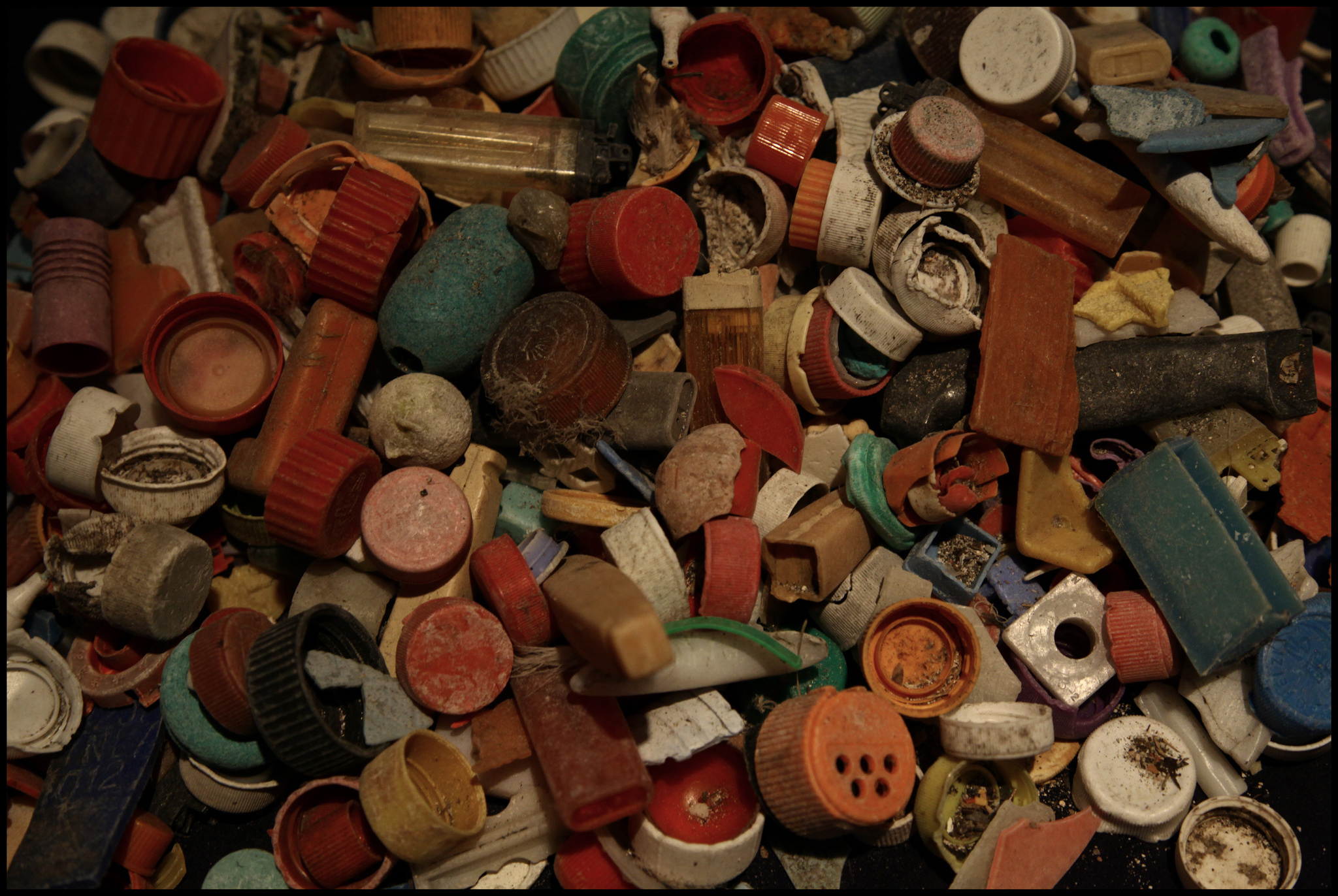
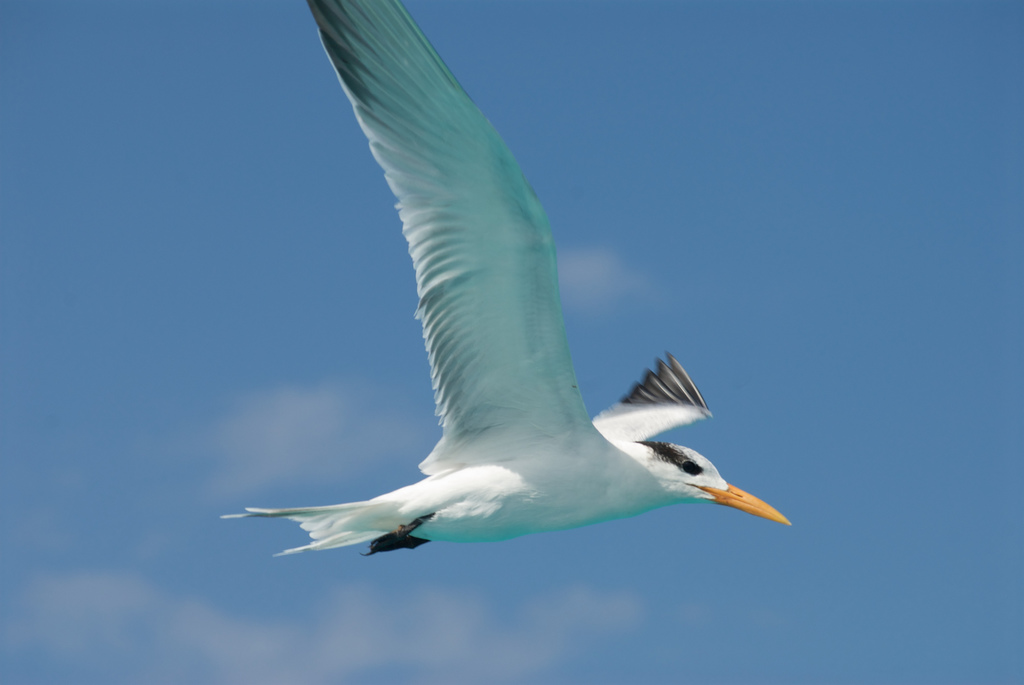
We have talked about the plastic blight – the growing presence of discarded plastic polluting our streets and our waterways. We have discussed the so-called garbage patches in the ocean, composed primarily of plastic. A new study discusses the effects of ocean plastic pollution on seabirds and the results are horrifying.
Global Extinction Rates And Biodiversity
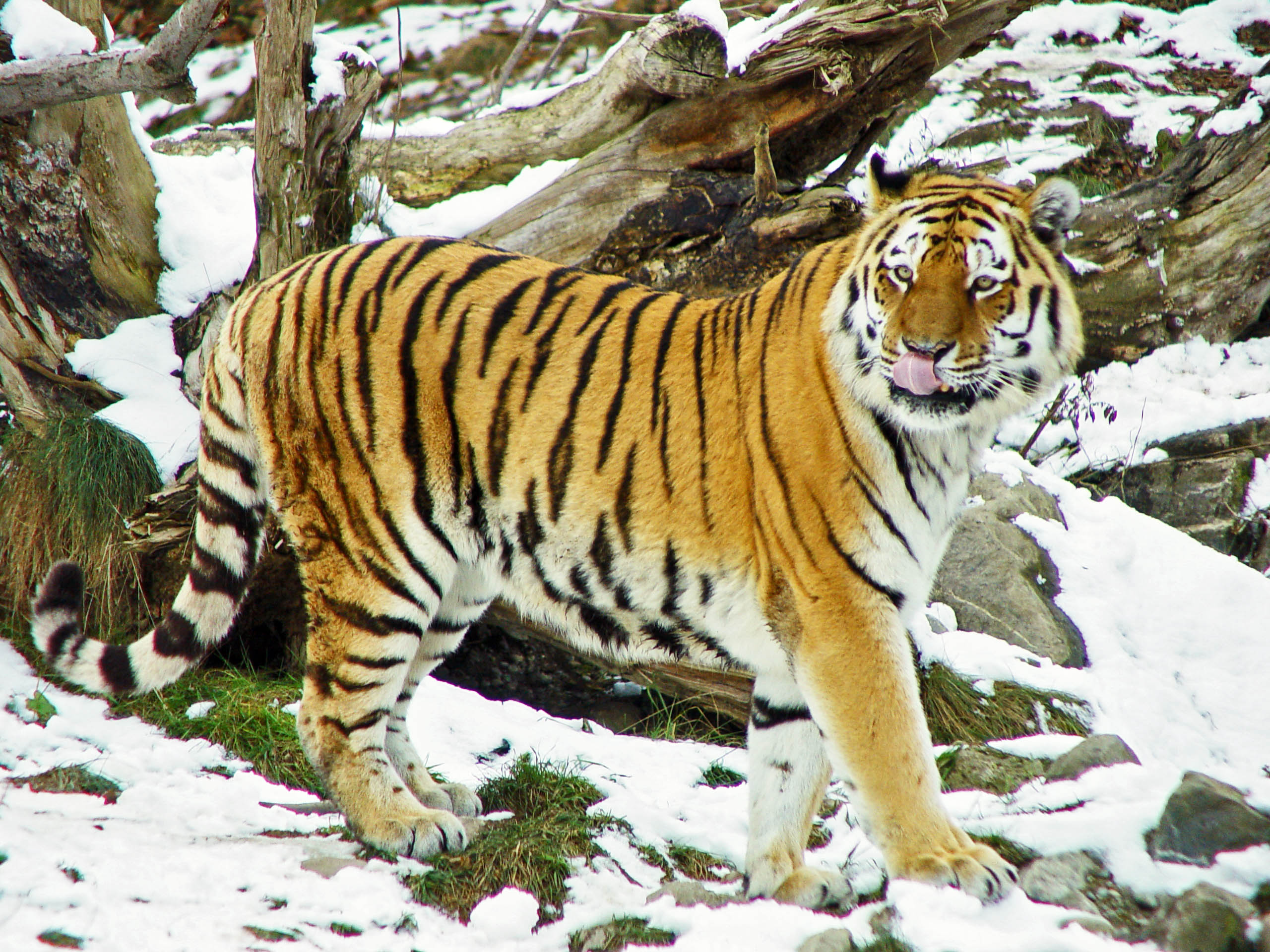
Many ecologists believe that the sixth mass extinction is underway. Whereas previous mass extinctions have been associated with cataclysmic events like asteroid strikes, this one is said to be associated with the impact of humanity on nature.
Biodiversity Is Good For Us
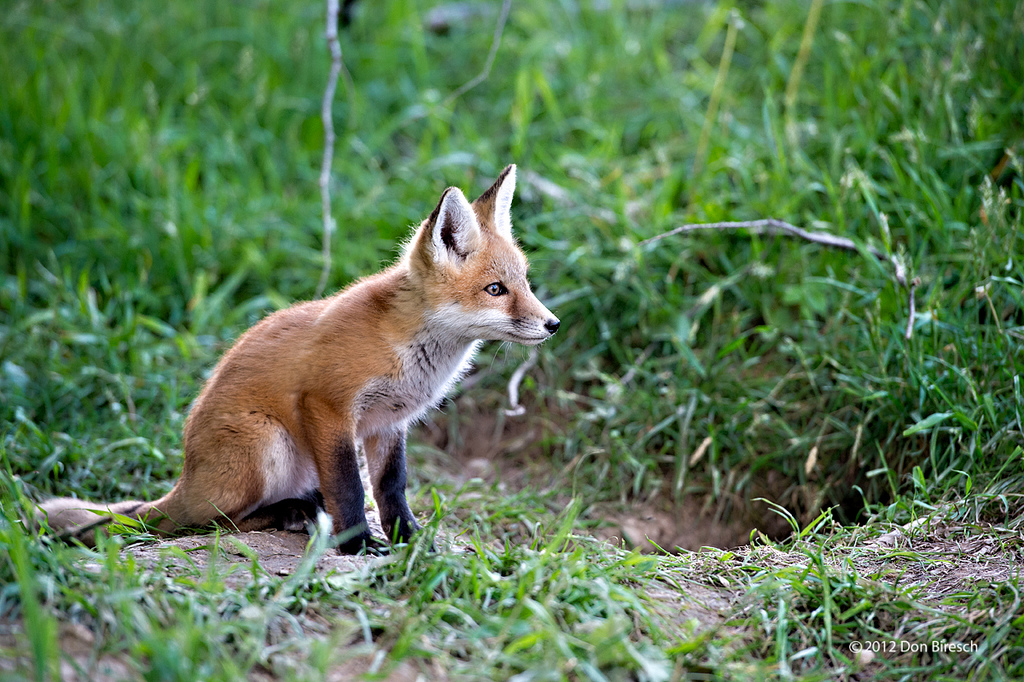
There are many reasons to protect Earth’s biodiversity. One of the more underrated is that disease incidence is lower when ecosystems support a variety of plants and animals.
Is Pollution Good for Trees?