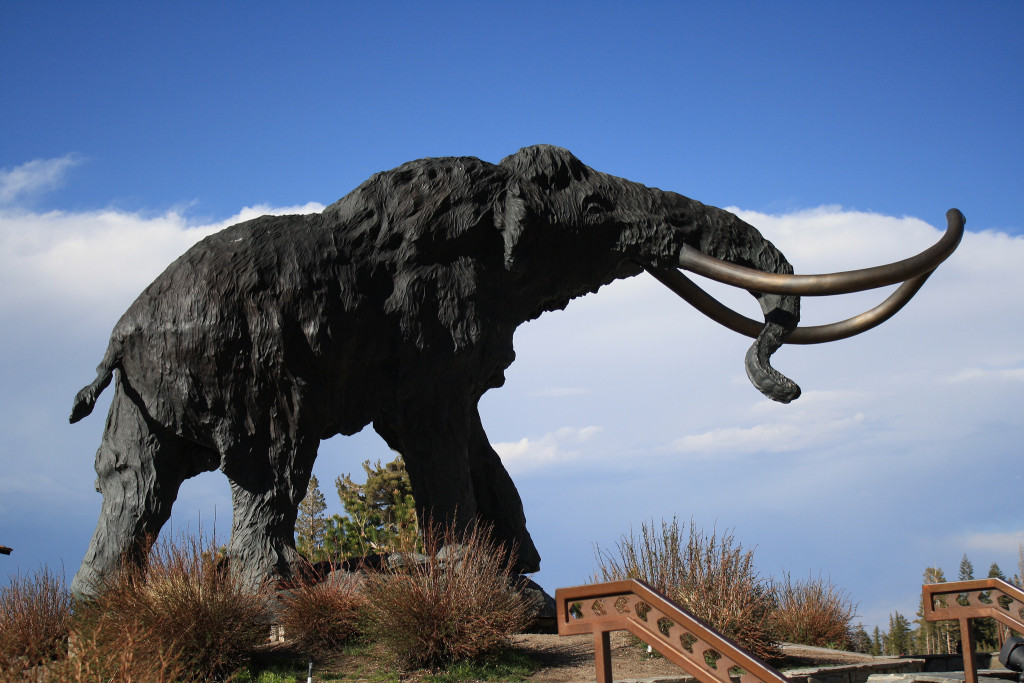
De-extinction, or the act of bringing extinct species back from the dead, has been riding a wave of enthusiasm. Nearly 2 million people have watched Steward Brand’s TED talk on the topic, and Beth Shapiro’s book How to Clone a Mammoth has received rave reviews.
As Shapiro describes, the end product of de-extinction isn’t literally the extinct species, but an animal with some of the genes of the extinct species and some of the genes of a living relative – which hopefully looks and acts something like the extinct species. So to bring back a passenger pigeon, you would also need genetic material from a relative like a band-tailed pigeon; the end result would be passenger pigeon v2.0.
It’s easy to see de-extinction’s appeal. We could bring back charismatic animals, atoning for past mistakes and restoring vital ecological functions. And who doesn’t want to see a mammoth? De-extinction discussions largely focus on the technical challenges of resurrecting species, choosing which species to revive, and worries that de-extinction could divert resources away from conservation programs aimed at preventing further extinctions.
Cary Institute ecologist Dave Strayer cautions that we may be overlooking a bigger problem.
“The set of problems I am interested in that hasn’t received as much attention is, ‘what would be the ecological consequences to bringing these species back into ecosystems?’ And we know from observing many many species invasions that putting a species into an ecosystem can have effects that are large, unpredictable, and difficult to control.”
If de-extinction is to proceed, we need serious consideration of its ecological effects, not just romantic appeals to the imagination.
**********
–This piece was adapted from an essay Dave Strayer wrote for the Ecological Society of America’s blog Ecotone.
Web Extra
Full interview with Dave Strayer, an ecologist at the Cary Institute of Ecosystem Studies
Web Links
Photo, posted June 2, 2012, courtesy of Richard Franklin via Flickr.
‘De-Extinction’ from Earth Wise is a production of WAMC Northeast Public Radio, with script contribution from the Cary Institute of Ecosystem Studies.