disease
Pesticides And Bees
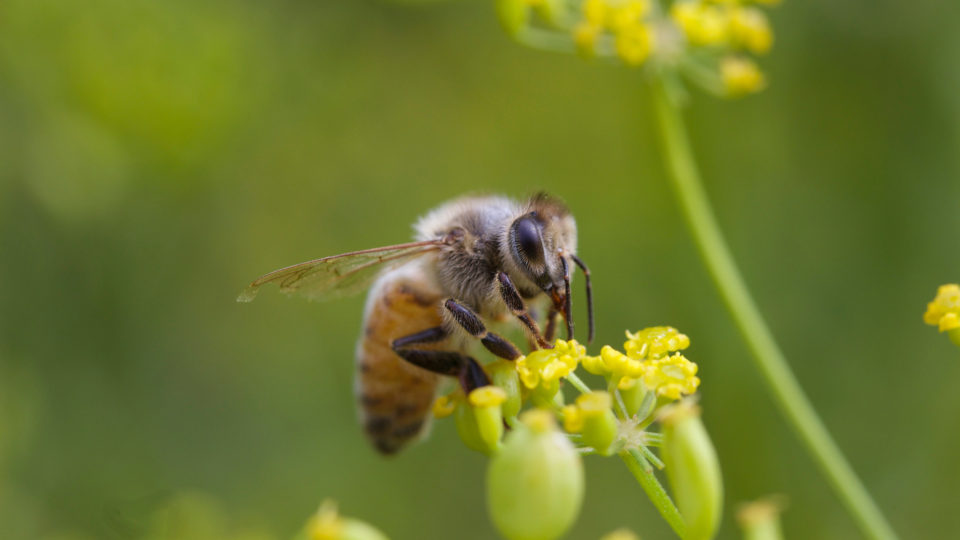
According to a European food safety watchdog, most applications of neonicotinoids – the world’s most widely used insecticides – represent a risk to wild bees and honeybees. The use of these insecticides has been restricted in Europe since 2014 following earlier risk assessments.
Accidentally Saving The Bees
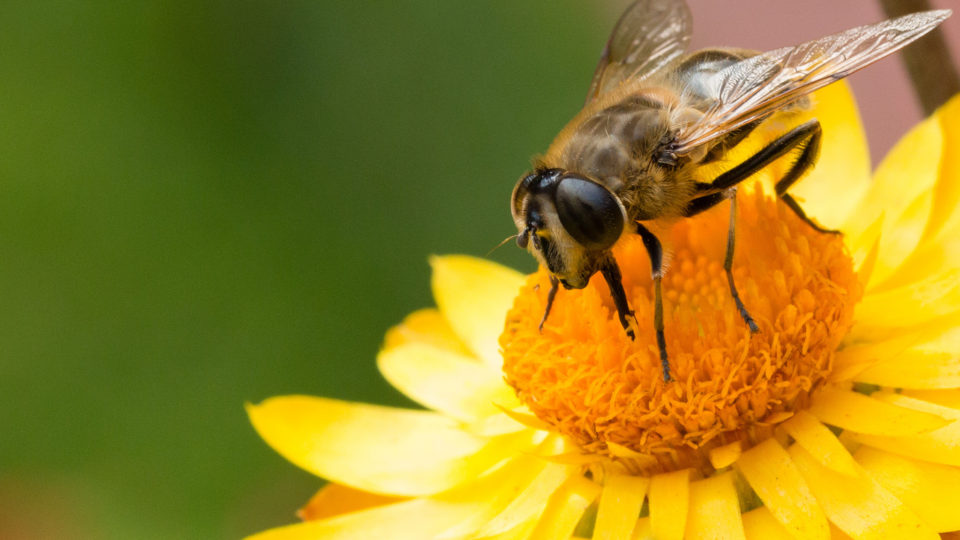
There is no shortage of dangers to honey bees, but a parasitic mite known as Verroa destructor is considered to be the greatest threat because it transmits virus diseases which lead to colony death.
Reviled Animals Can Be Beneficial
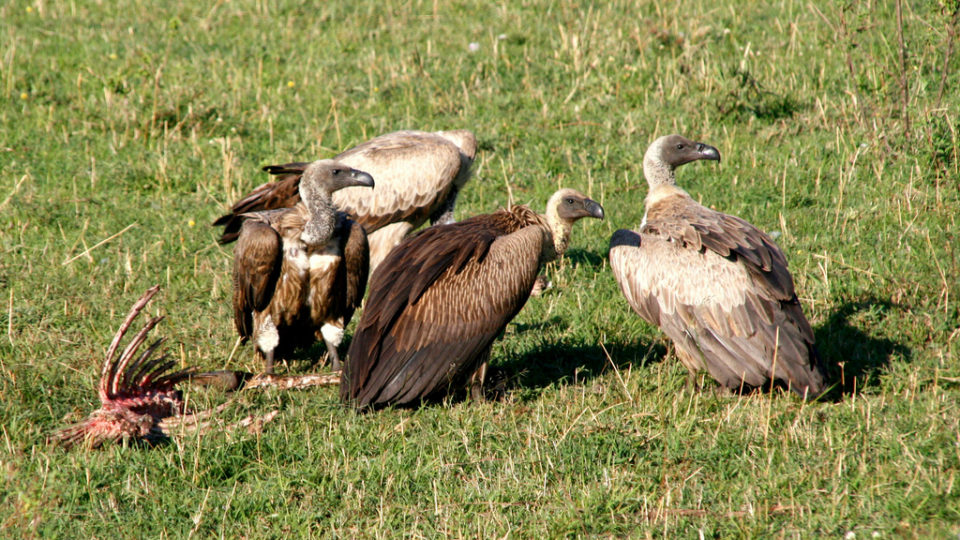
Predators and scavengers are widely persecuted by people because they are often harmful to property, livestock, and human beings. Nonetheless, research has shown that many of these animals play important roles in ecosystems and their removal can be quite harmful.
Climate Change And Hawaii

The Hawaiian Islands are an archipelago of eight major islands, several atolls, numerous smaller islets, and seamounts in the North Pacific Ocean. The islands are a world-renowned vacation spot, known for their white-sand beaches, lush flora, and near perfect weather. But stormier days may be ahead.
Saving African Cattle With Perfume
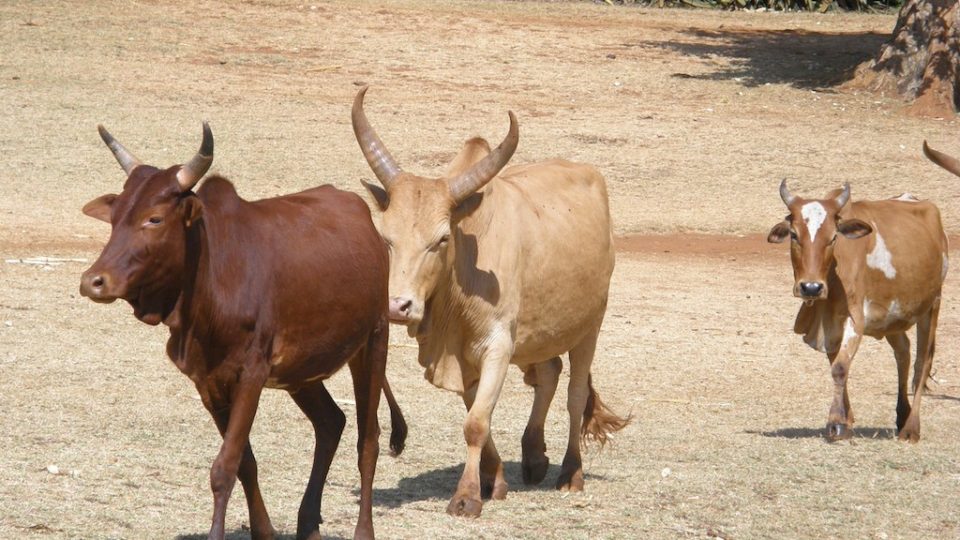
Tsetse flies are widespread in Africa. They feed on blood and are the source of the dreaded sleeping sickness, an infection that can be lethal, damages the nervous system and, in its final stage, causes a dozy state, which gave the disease its name. Sleeping sickness is a real danger for people in tropical Africa, but tsetse flies can also transfer the disease to cattle. This leads to huge losses in milk, meat and manpower. The damage caused by the flies in Africa is estimated to be nearly $5 billion a year.
Saving Chocolate

On previous occasions, we have talked about the problems faced by the global banana industry, which is based almost entirely on a single cultivar, the Cavendish banana, which makes the industry extremely vulnerable to a single disease or blight that may arise.
Genetic Engineering And Conservation
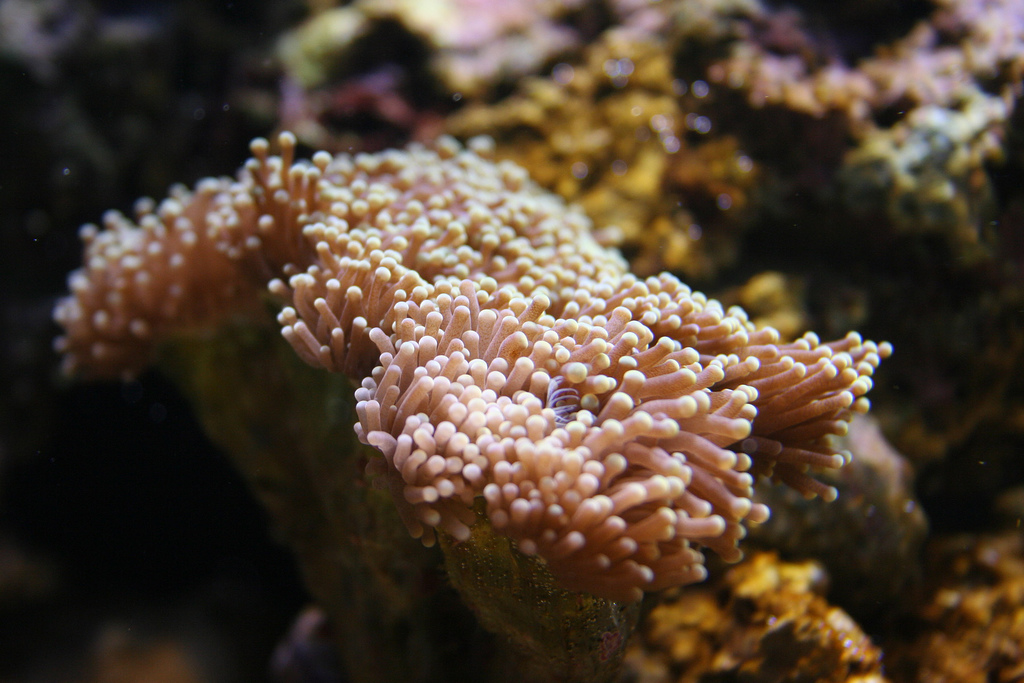
Genetic engineering, or equivalently synthetic biology, is a multi-billion-dollar enterprise involved in pharmaceuticals, chemicals, biofuels and, of course, agriculture. In these fields, it is already the source of a great deal of controversy. But there is increasing interest in using synthetic biology (or synbio) technology as a tool for protecting the natural world, which is a prospect some find tantalizing and others find absolutely terrifying.
Dangerous Diseases From The Past
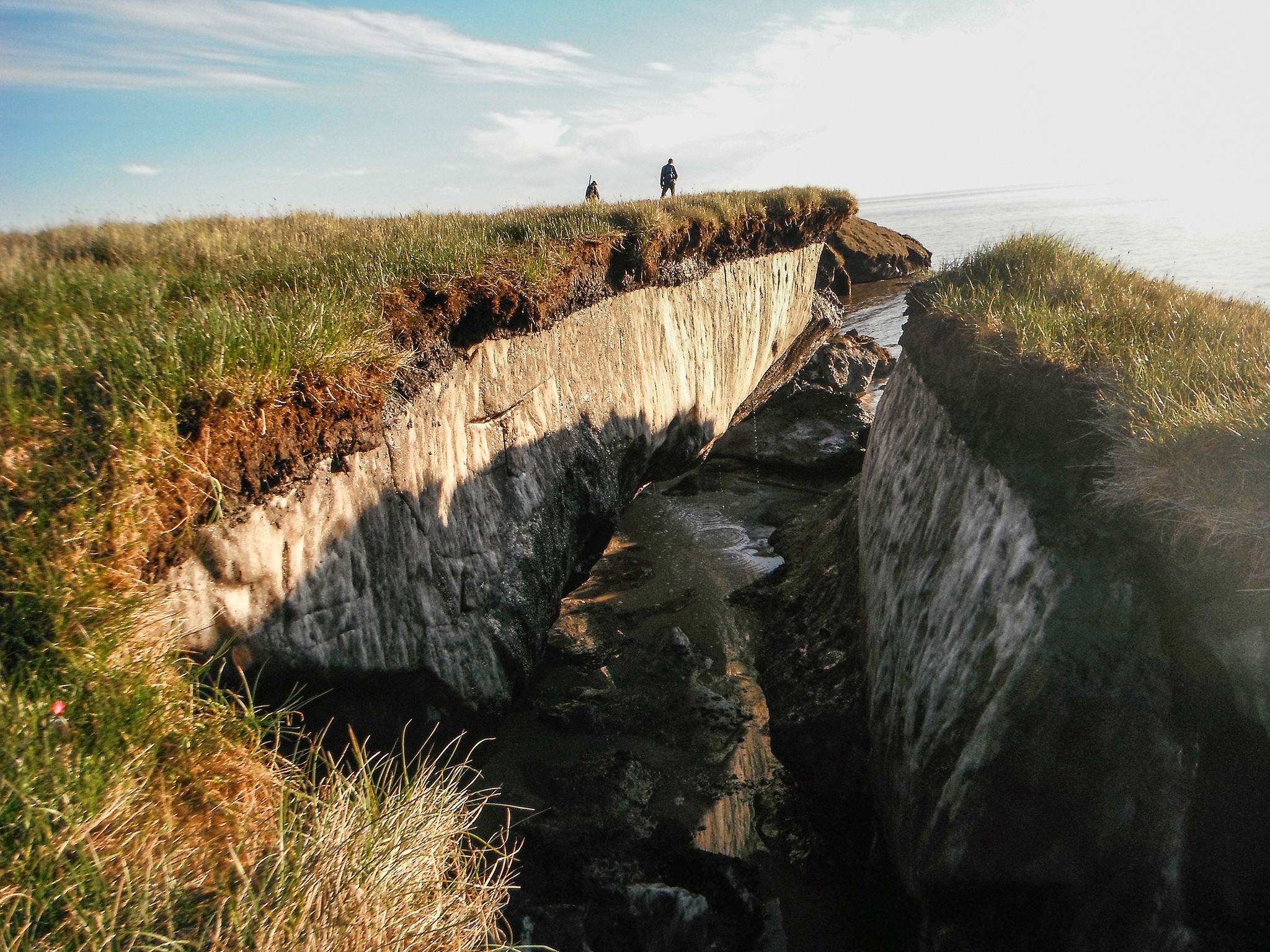
Climate change is poised to transform life on Earth as we know it. The higher temperatures, the rising seas, the more frequent floods and droughts, among the countless other consequences associated with climate change, threaten to do irreversible damage to the world in the coming decades.
Squeaking By
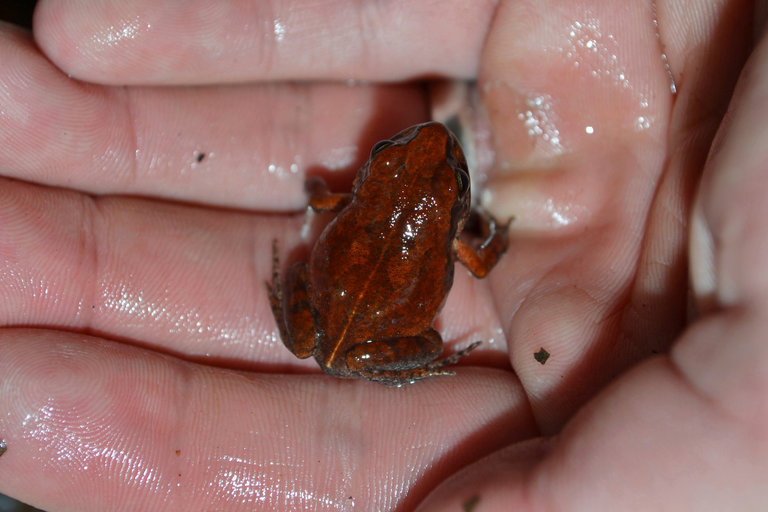
Amphibians are one of the most threatened groups of animals on the planet. Since the late 1980s, scientists have measured dramatic population declines from locations all over the world. The plummeting amphibian populations are perceived to be one of the most critical threats to global biodiversity. According to the IUCN, about 1 of every 3 amphibian species is facing extinction. Some of the greatest threats facing amphibians include climate change, disease, and habitat destruction.
Livestock And Antibiotics
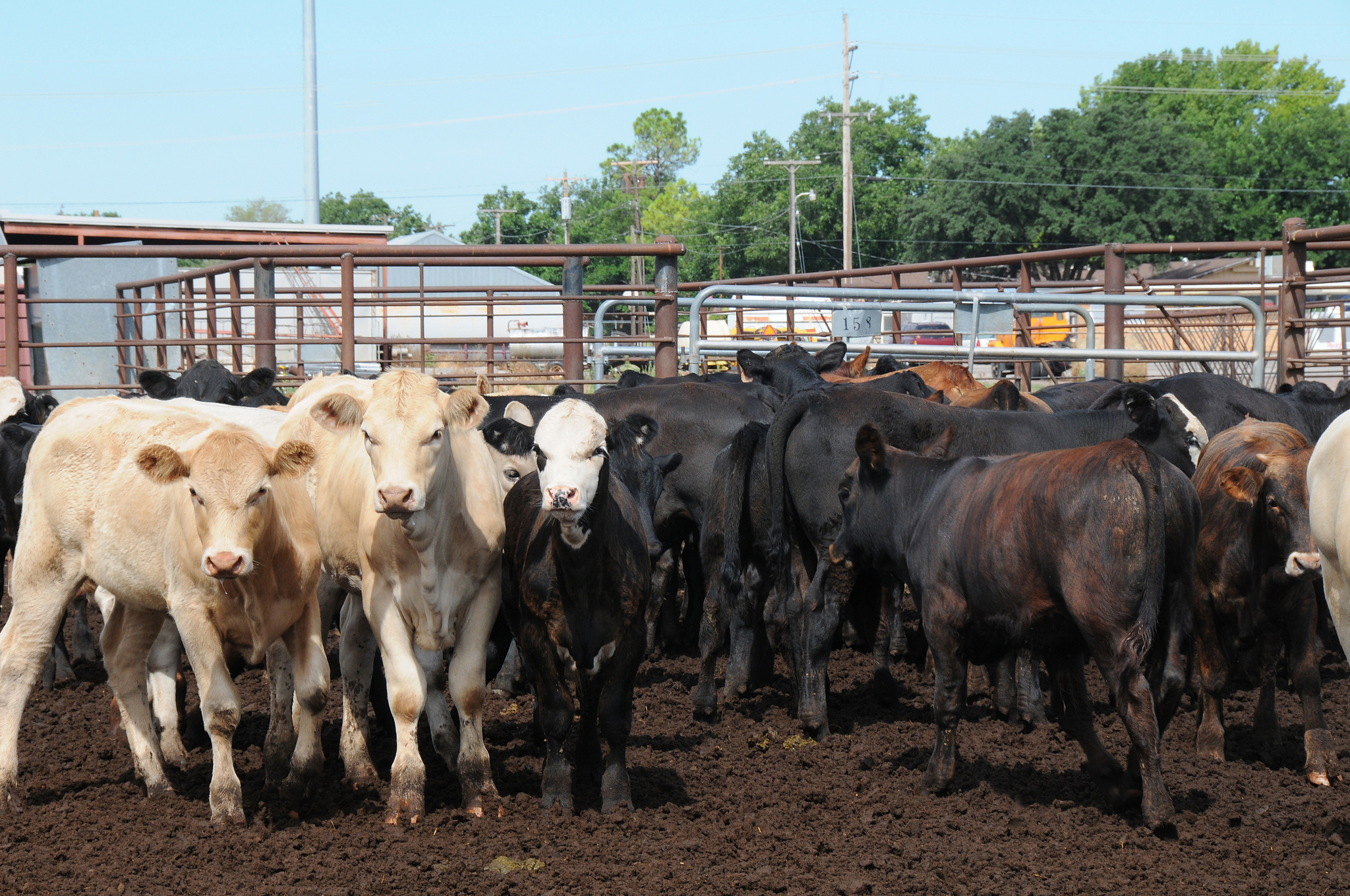
According to the FDA, approximately three-quarters of all antibiotics used in the U.S. are fed to livestock for non-therapeutic purposes. This routine administration of antibiotics promotes the development of antibiotic-resistant bacteria, which can spread to animals and humans. And as antibiotic-resistant bacteria spreads, medicines used to treat human diseases can become less effective. Antibiotic resistant infections kill 90,000 Americans each year.
Dying California Trees
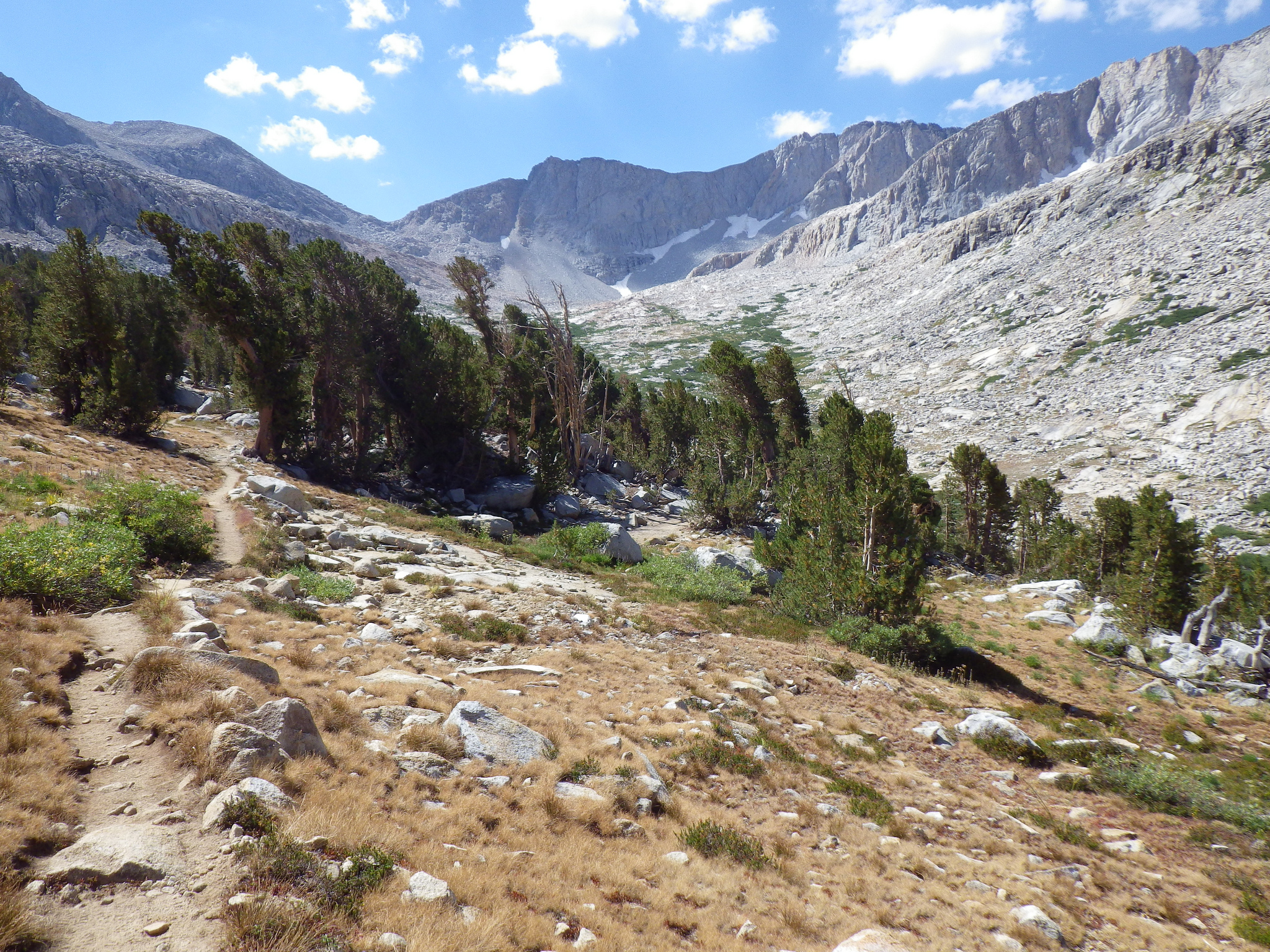
California’s trees are dying. According to the U.S. Forest Service, more than five years of drought in California has left 102 million dead trees across 7.7 million acres of forest. In fact, 62 million trees have died this year alone – a 100% increase from 2015.
Restorative Ocean Farming
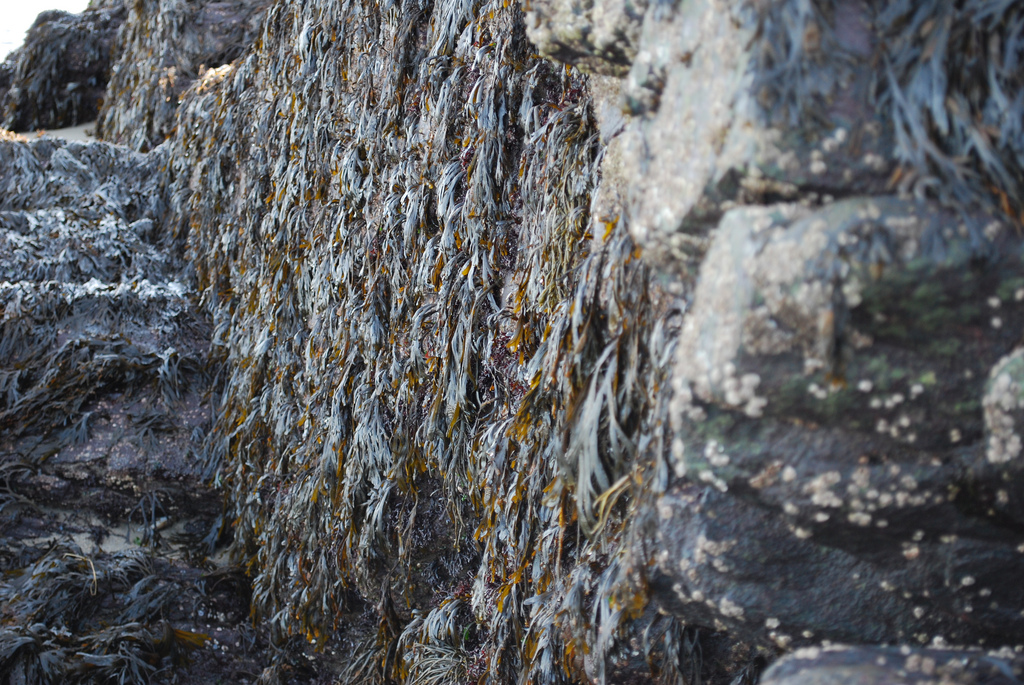
The conventional aquaculture industry has often been associated with many of the same problems that beset land-based agriculture: creating sterile monocultures, fouling the environment with pesticides, antibiotics and organic pollutants, and spreading diseases.
Saving the Banana
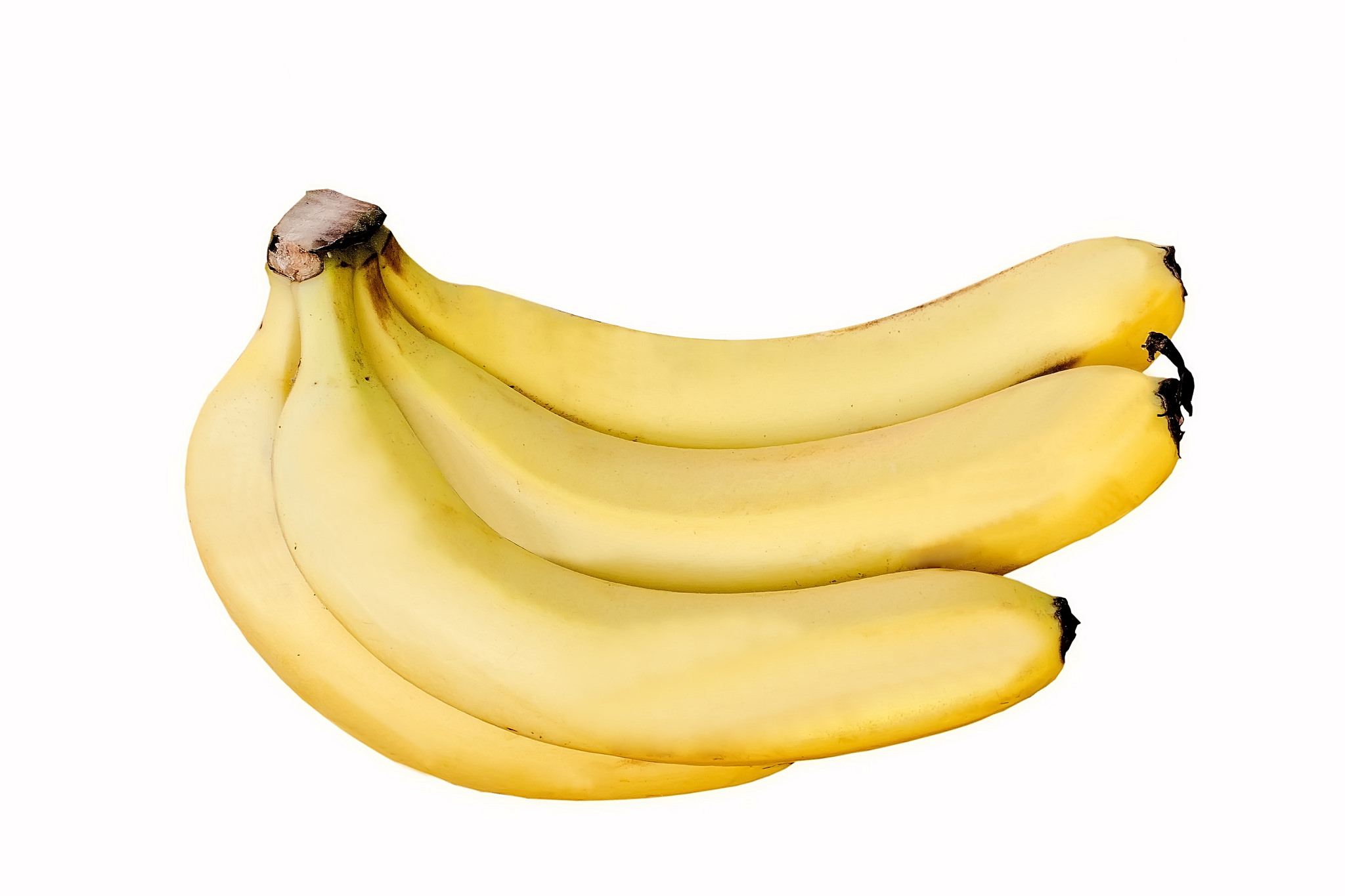
Bananas are the world’s most popular fruit crop, with 130 countries producing over 100 million tons annually. Forty-seven percent of all the bananas grown in the world and ninety-nine percent of all the bananas sold commercially are of one subspecies known as the Cavendish.
Declining Insect Populations
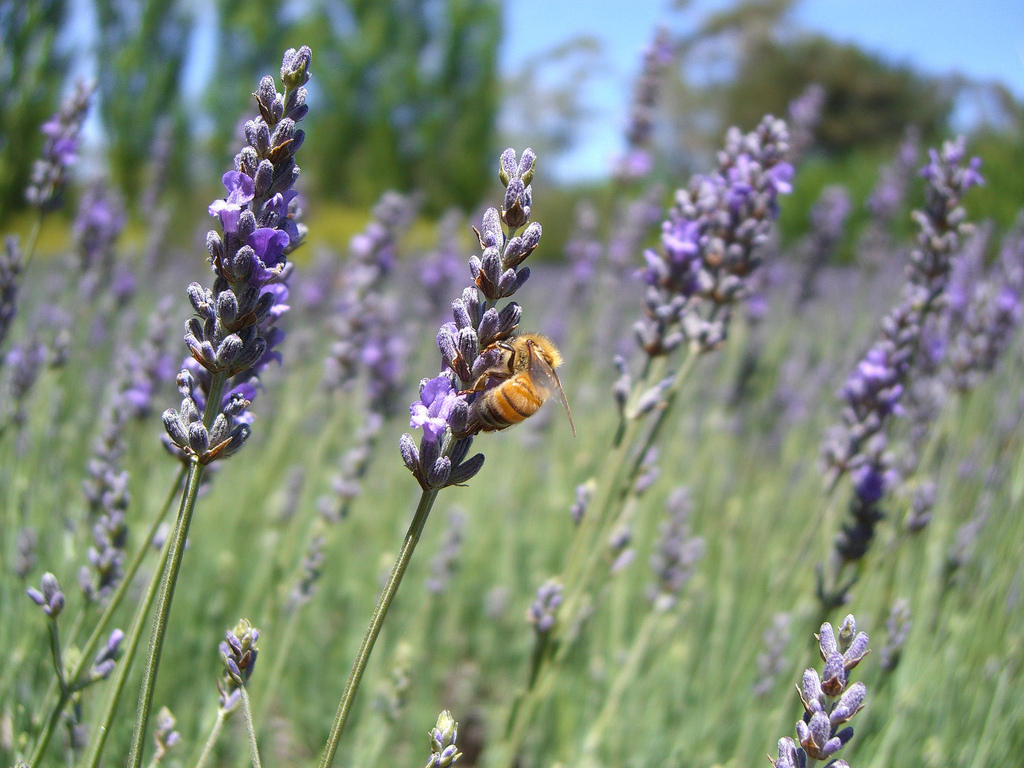
There has been lots of discussion about the decline in bee populations and its dire consequences for agriculture. We have also talked about the efforts to save the monarch butterfly, whose numbers have been dropping dramatically over the years. But the rest of the insect world does not get much attention. For the most part, we think of insects as a nuisance or as potential pests.
Mapping Emerging Infectious Diseases
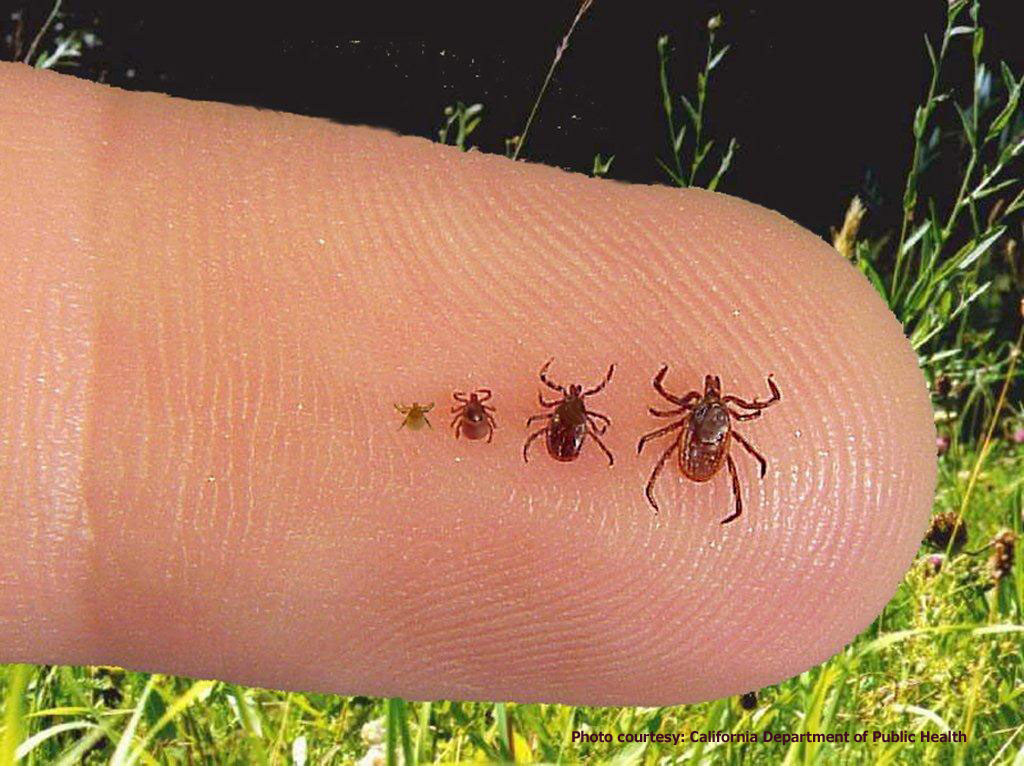
Ebola. Hantavirus. Lyme disease. What do they have in common? Like most emerging infectious diseases, they originated in mammals. So many debilitating pathogens make the jump from wildlife and livestock to humans, yet at the global scale little is known about where people are most at risk of outbreaks.
Big Data + Technology = Improved Global Health
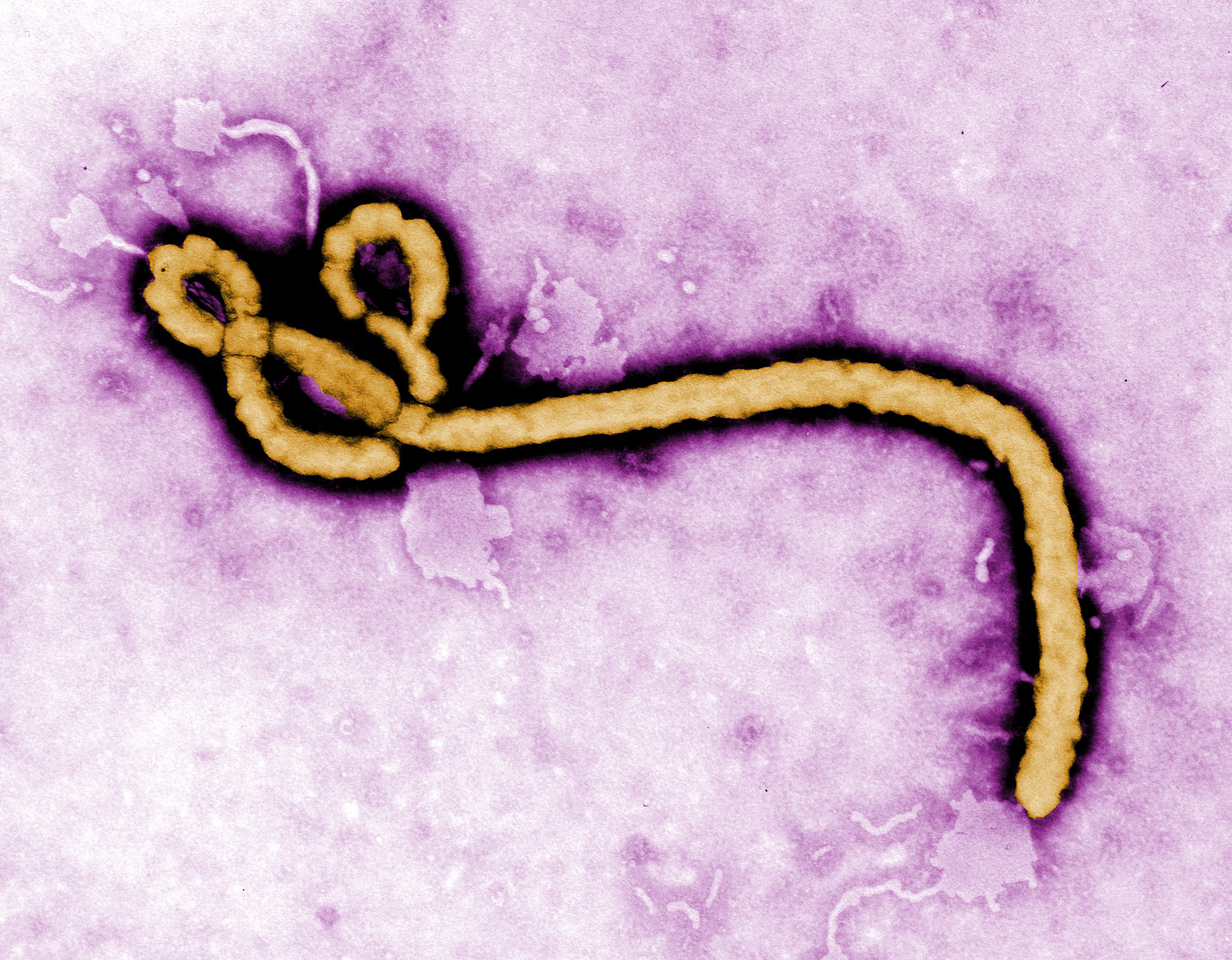
Scientists are calling for the creation of a global early warning system for infectious diseases. Such a system would use computer models to tap into environmental, epidemiological, and molecular data – gathering the intelligence needed to forecast where disease risk is high and what actions could prevent outbreaks or contain epidemics.
[Read more…] about Big Data + Technology = Improved Global Health
Trouble For Vultures
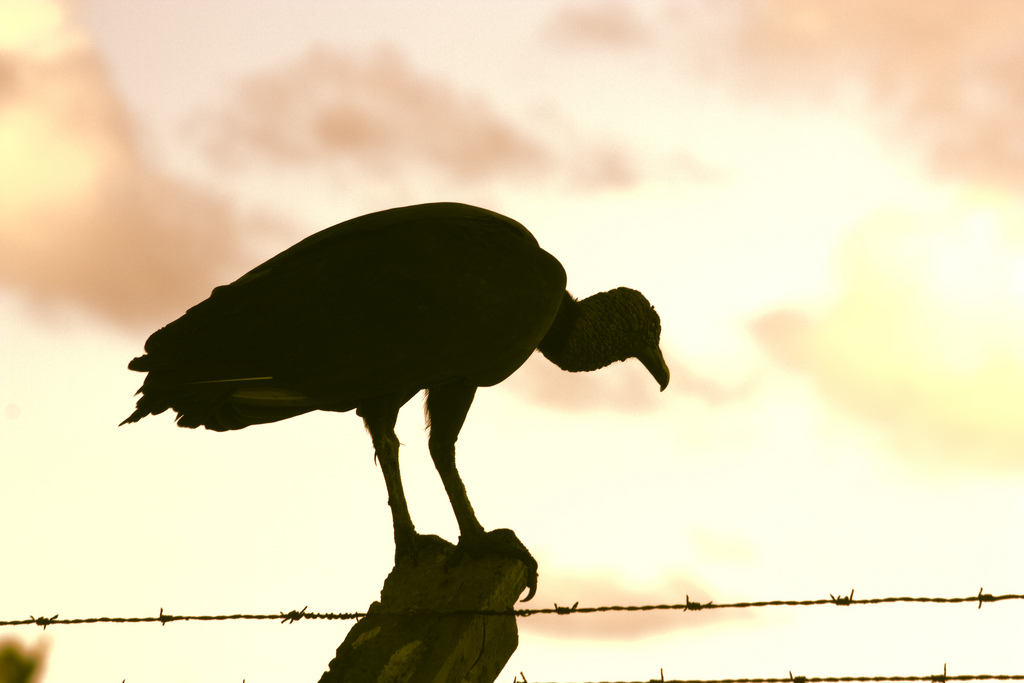
When we think of vultures, we picture big, ugly birds circling over a carcass in the desert. They are a stereotypical harbinger of death. But in many parts of the world, vultures are in danger of disappearing. Our knee-jerk reaction might well be “good riddance”, but as is the case for pretty much all participants in ecosystems, vultures have an important role to play. And when they aren’t around to play that role, bad things can happen.
The State Of The Air

For the past 17 years, the American Lung Association has analyzed data from official air quality monitors to compile the State of the Air report. The State of the Air 2016, which was released late last month, revealed some troubling statistics about the health of the air here in the United States.
Social And Ecological Underpinnings Of Infectious Disease
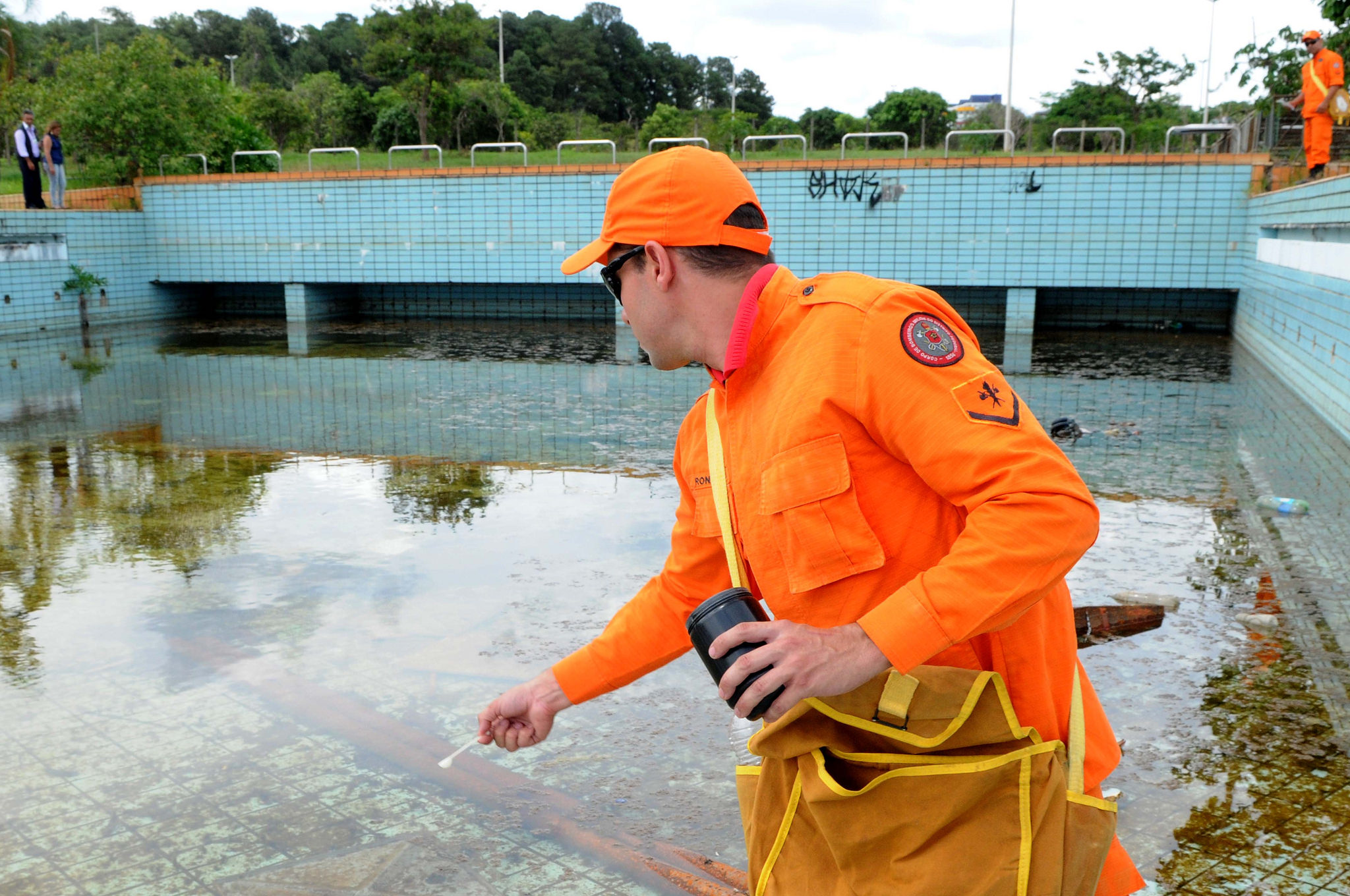
When it comes to addressing infectious disease, we have a short attention span. Forces are mobilized when we’ve crossed a tipping point, and demobilized when the immediate threat has passed. In the case of Zika, the World Health Organization declared a public health emergency based on a strong association between Zika infection and microcephaly in newborns and a spike in Guillain-Barré syndrome.
[Read more…] about Social And Ecological Underpinnings Of Infectious Disease