• Skip to primary navigation
  • Skip to main content
  • Skip to primary sidebar

Earth Wise

A look at our changing environment.

  • Home
  • About Earth Wise
  • Where to Listen
  • All Articles
  • Show Search
Hide Search
You are here: Home / Archives for disease

disease

Bees Threatening Bees | Earth Wise

October 16, 2020 By EarthWise Leave a Comment

bees threatening bees

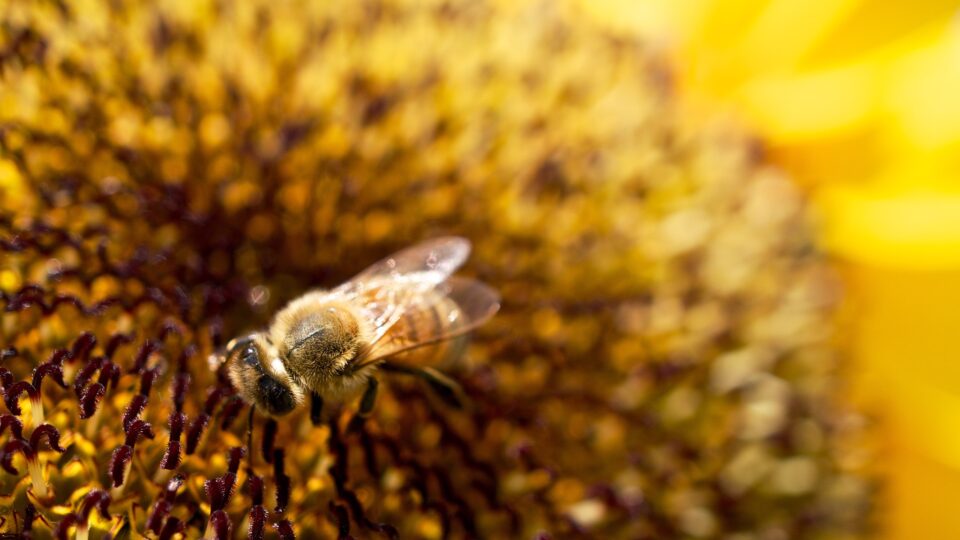
Domesticated honeybees are an essential part of our agricultural system, being responsible for one in every three bites of food Americans consume and contributing $15 billion a year to the value of the nation’s crop production.  Millions of bee colonies are trucked across the country every year to pollinate cranberries, melons, broccoli, blueberries, and cherries, and also to produce honey.

After the growing seasons, honeybees are trucked to various locations to rest and rebuild their population and to replenish bees lost to disease and pesticides.  Some of these locations are in national forests.  Thousands of hives belonging to 112 apiaries are currently permitted in national forests by the Department of Agriculture.  This presents a problem because these hives are being permitted on public lands with virtually no environmental review and with little consideration of the impact these colonies can have on local wild bee populations.

The 4,000 wild bee species in the U.S. consume up to 95% of local available pollen.  Nearly 40 federally listed threatened or endangered species of bees, butterflies, and flower flies depend on national forest land for their survival.  And now the pollinators in these places, which were once refuges for these species and others, increasingly face competition from millions of domesticated honeybees.

Honeybees are super-foraging machines and are literally taking the pollen out of the mouths of other bees and pollinators.  Honeybees themselves have been facing numerous problems from habitat loss, pesticides, and other stress factors.  So, what is happening is essentially a pollinator habitat crunch that carries long-term implications for the U.S. food supply.  We need to find some answers and the sooner the better.

**********

Web Links

Will Putting Honey Bees on Public Lands Threaten Native Bees?

Photo, posted August 9, 2015, courtesy of Tak H. via Flickr.

Earth Wise is a production of WAMC Northeast Public Radio.

Tracking Down Gluten Sensitivity | Earth Wise

October 6, 2020 By EarthWise Leave a Comment

Exploring gluten sensitivity

Celiac disease is a well-documented autoimmune disease triggered by exposure to the dietary proteins found in wheat, rye, and barley.  Celiac disease affects less than 1% of Americans yet many more people claim to be sensitive to gluten.

When people with celiac disease eat gluten, their body mounts an immune response that attacks the small intestine.  These attacks lead to damage on the villi, the small projections that line the small intestine that promote nutrient absorption.  Symptoms range from various digestive problems to fatigue, weight loss, bloating, and anemia.  Ultimately, it can lead to a variety of serious health complications.

Until recently, there was a tendency by doctors to dismiss the complaints of people who claimed to be sensitive to gluten but do not have celiac disease.  That is starting to change, in part as a result of studies conducted at Columbia University that looked at the biological basis for non-celiac gluten sensitivity.

The new study shows that people with non-celiac gluten sensitivity produce a high level of anti-gluten antibodies but that these antibodies are different from the ones triggered by celiac disease and that the inflammatory responses they instigate are also different.  The more restrained inflammatory response is much less likely to be associated with autoimmune activity and intestinal cell damage.  In addition, the immune system of people with non-celiac gluten sensitivity appears to be able to gradually reduce its inflammatory response over time.

Discovery of these antibodies could be used in the future to help doctors more readily identify people with non-celiac gluten sensitivity, which now is difficult to diagnose.  The researchers also believe that their work could lead to potential new therapies for celiac disease, which is currently treated only with dietary restrictions.

**********

Web Links

Unique Antibody Profile Sets Gluten Sensitivity Apart from Celiac Disease

Photo, posted November 27, 2010, courtesy of Francis Storr via Flickr.

Earth Wise is a production of WAMC Northeast Public Radio.
Native Bees In A Honeybee World | Earth Wise

September 21, 2020 By EarthWise Leave a Comment

native bees are in trouble

There is a great deal of attention on the plight of bees and other pollinators.  Much of that focuses on the problems plaguing the large, domesticated honeybee colonies that are trucked from region to region to pollinate everything from almonds to fruit trees.  Managed bee colonies have recently been losing more than 40% of their population over the course of a year.  But overall, honeybees are still relatively safe. They are a globally distributed, domesticated species and are not remotely threatened with extinction.

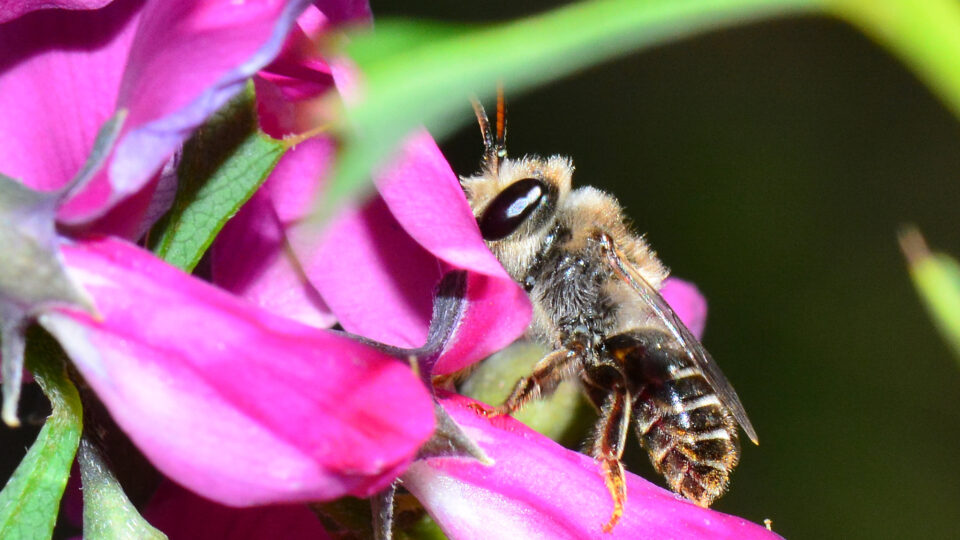
But another group of bees – native bees – faces a different range of threats, most linked to habitat loss.   Worldwide, roughly 20,000 native bee species have evolved over millions of years to thrive in countless habitats, where they have specialized in pollinating specific flowers and plants – in some cases just a single plant.

Scientists have estimated that, globally, 1 in 6 bee species is regionally extinct. In the United States there are about 4,000 native bee species, most of which are solitary bees that nest in the ground or cavities, with many that require just one or a few plant species for sustenance. At least 23 percent of U.S. native bees have declined, with bees in areas with heavy commodity-crop production particularly hard hit due to habitat loss and pesticide use. Other threats to native bees include climate-driven sea-level rise and increased temperatures, loss of host plants, and competition and disease from non-native honeybees. 50% of Midwestern native bee species disappeared from their historic ranges in the last 100 years.   Four of our bumblebee species declined 96% in the last 20 years, and three species are believed to already be extinct. 

Native bees are in big trouble.

**********

Web Links

Backyard Battle: Helping Native Bees Thrive in a Honeybee World

Photo, posted December 2, 2017, courtesy of Flickr.

Earth Wise is a production of WAMC Northeast Public Radio.
Chocolate Is Good For The Heart | Earth Wise

August 27, 2020 By EarthWise Leave a Comment

chocolate is healthy

At last a good news story about what we eat, or more specifically, about what we like to eat.   According to research published recently in the European Journal of Preventive Cardiology, eating chocolate at least once a week is linked with a reduced risk of heart disease.

In the past, clinical studies have shown that chocolate is beneficial for both blood pressure and the lining of blood vessels.   The new study suggests that chocolate helps to keep the heart’s blood vessels healthy.

The researchers conducted a combined analysis of studies from the past five decades examining the association between chocolate consumption and coronary artery disease.  The analysis included data from over 300,000 participants who reported their chocolate consumption.  About 14,000 participants in the study ultimately developed coronary heart disease.  Compared with consuming chocolate less than once a week, eating chocolate more than once a week was associated with an 8% decreased risk of coronary heart disease.

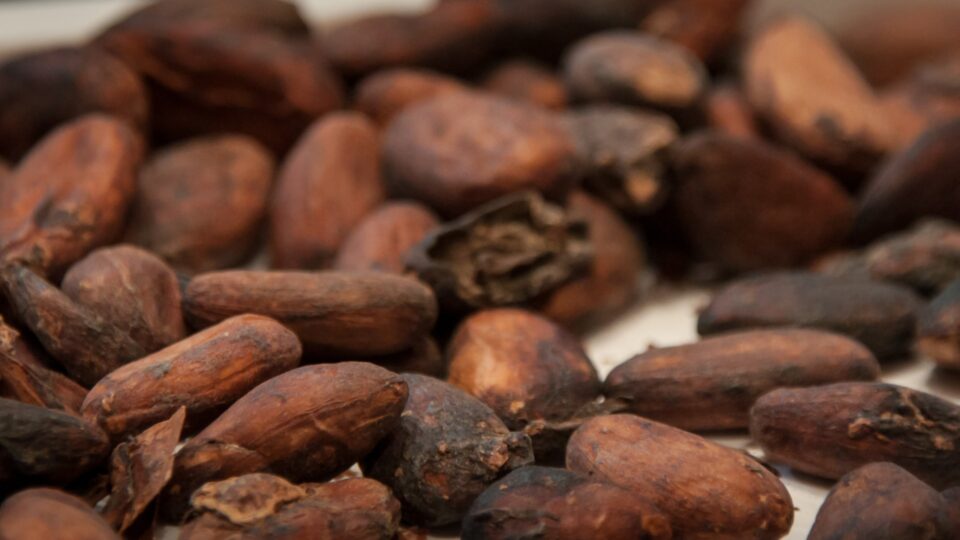
Chocolate contains heart-healthy nutrients such as flavonoids, methylxanthines, polyphenols, and steric acid.  These substances may reduce inflammation and increase good (HDL) cholesterol.

The study did not examine whether any particular type of chocolate is more beneficial or whether there is an ideal portion size.  So, while chocolate appears to be promising for reducing the occurrence of coronary heart disease, it will require more research to determine how much and what kind of chocolate could be recommended.

Not to be spoilsports, but the doctors who conducted the study warned against overeating.  Eating large quantities of chocolate products laden with calories, sugar, milk and fat, is not a recommended path to improved health.

**********

Web Links

Chocolate is good for the heart

Photo, posted February 22, 2014, courtesy of Jan David Hanrath via Flickr.

Earth Wise is a production of WAMC Northeast Public Radio.
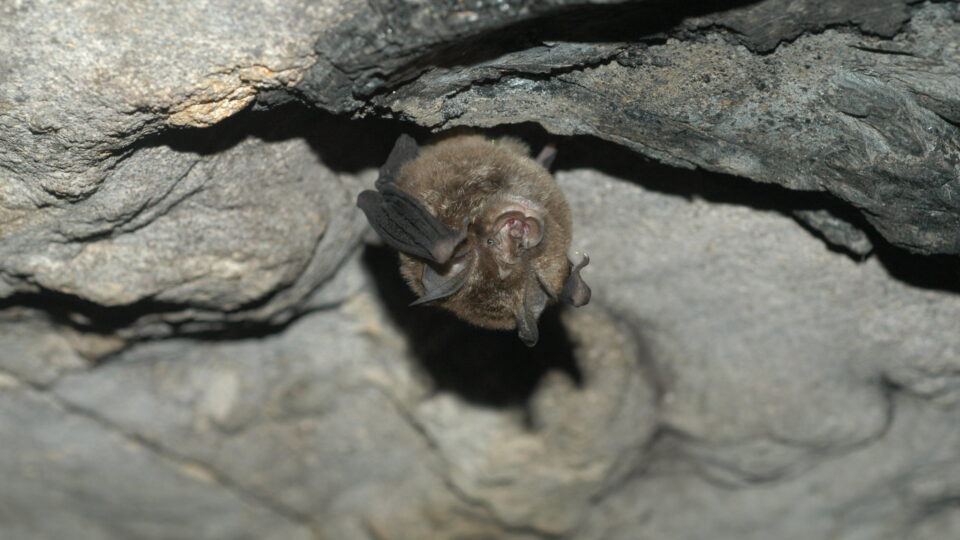
Monitoring Wildlife For Warning Signs of the Next Pandemic | Earth Wise

July 29, 2020 By EarthWise Leave a Comment

Monitoring wildlife to prevent the next pandemic

According to the World Health Organization, the coronavirus that causes COVID-19 likely originated in wild bats near Wuhan, China, and may have been passed to a second animal species before infecting people.  Since then, according to data from Johns Hopkins University, more than 13 million people around the world have been infected by COVID-19 and about 600,000 have died. 

But despite the ever-present threat of a new virus sparking the next pandemic, there is currently no global system to screen for viruses in wild animals that could eventually spill over to humans. 

In an article recently published in the journal Science, a group of scientists is calling for the creation of a decentralized global system of wildlife surveillance.  The establishment of this global system could help identify viruses in wild animals that have the potential to infect and sicken people before another global disease outbreak begins. 

According to the scientists, coronaviruses alone have caused outbreaks in humans three times in the last 20 years:  SARS (or Severe Acute Respiratory Syndrome), MERS (or Middle East Respiratory Syndrome), and COVID-19. 

While it’s impossible to know today how often viruses jump from animals to humans, human activity is making such spillover events more and more likely.  For instance, many continue to develop wild animal habitat to build new homes or businesses.  Some catch wild animals and re-sell them either for consumption or as exotic pets.  Parts from these wild animals are often shipped around the world as trinkets or as ingredients for traditional medicines. 

A global system that could identify potentially harmful viruses before they jump to humans is technologically feasible, affordable, and clearly necessary. 

**********

Web Links

COVID-19 Dashboard by the Center for Systems Science and Engineering (CSSE) at Johns Hopkins University (JHU)

Global wildlife surveillance could provide early warning for next pandemic

Photo, posted January 15, 2008, courtesy of Doug Beckers via Flickr.

Earth Wise is a production of WAMC Northeast Public Radio.
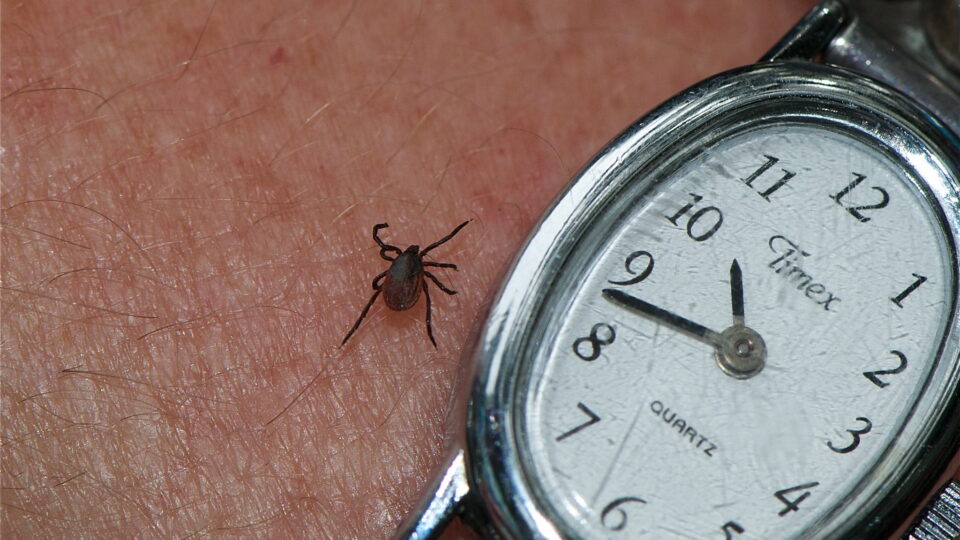
The United States And Ticks | Earth Wise

July 21, 2020 By EarthWise Leave a Comment

United States tick data is lagging

Tiny ticks are a big problem.  Measuring only three to five millimeters in size, ticks are widely distributed around the world.  They are external parasites, feasting on the blood of birds, reptiles, amphibians, and mammals – including humans.

According to estimates from the Centers for Disease Control and Prevention, ticks infect more than 300,000 people with Lyme disease in the United States every year, and the numbers continue to rise.  Other common tick-borne diseases include anaplasmosis, babesiosis, Rocky Mountain Spotted Fever, and powassan encephalitis.

But while the prevalence of tick-borne illnesses has steadily increased in the United States over the past two decades, a new study on tick surveillance and control “has revealed an inconsistent and often under-supported patchwork of programs across the country.”

The study, by university researchers at the CDC’s five Vector-Borne Disease Regional Centers of Excellence, is the first-ever examination of tick management programs in the United States.  The researchers found clear gaps in our public health infrastructure. 

According to the study, which was recently published in the Journal of Medical Entomology, less than 50% of public health and vector-control agencies conduct tick surveillance.  Only 25% test ticks for disease-causing germs.  And only 12% conduct or support tick-control efforts.  Researchers also discovered that the capacity for public tick-control efforts is low, as is the capacity for information and data sharing between agencies on ticks.    

The findings highlight the degree to which tick surveillance and control is lagging in the United States.  According to the research team, greater support for tick-management programs is critical, and they hope their findings will serve as a baseline from which to measure future improvements.  

**********

Web Links

Tick surveillance and control lagging in US

Photo, posted May 4, 2009, courtesy of Jerry Kirkhart via Flickr.

Earth Wise is a production of WAMC Northeast Public Radio.
Turning Dead Trees Into Biomass Energy | Earth Wise

July 1, 2020 By EarthWise Leave a Comment

Biomass energy from dead trees

California has suffered from numerous large wildfires in recent years.  The two largest in the past century took place in 2017 and 2018, and just these two alone burned nearly 750,000 acres, destroyed over 1,200 structures, and killed 24 people.

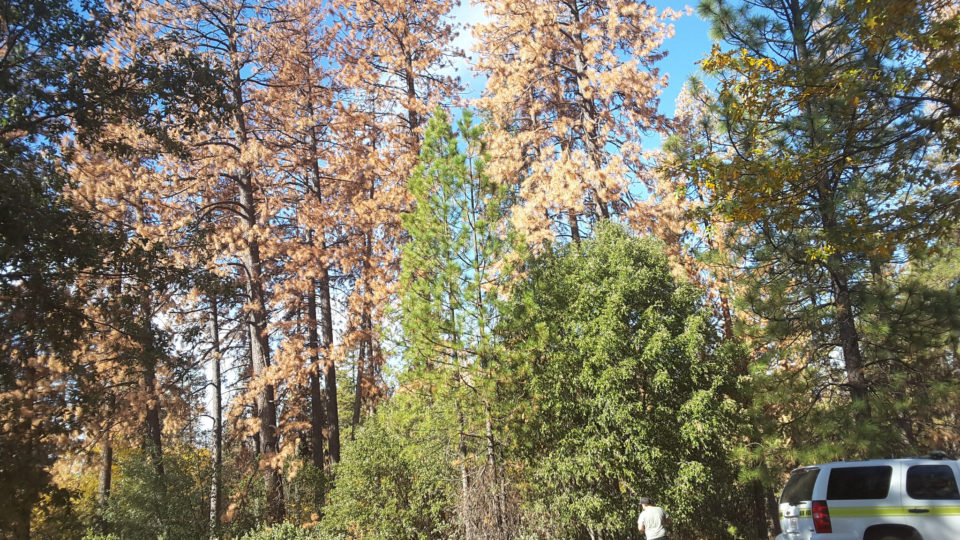
Apart from the fires, drought, the warming climate, and bark-beetle infestations have killed 147 million California trees since 2013, most of them along the spine of the Sierra mountains.  These dead trees represent a significant danger in forthcoming fire seasons as they threaten to burn with enormous intensity.

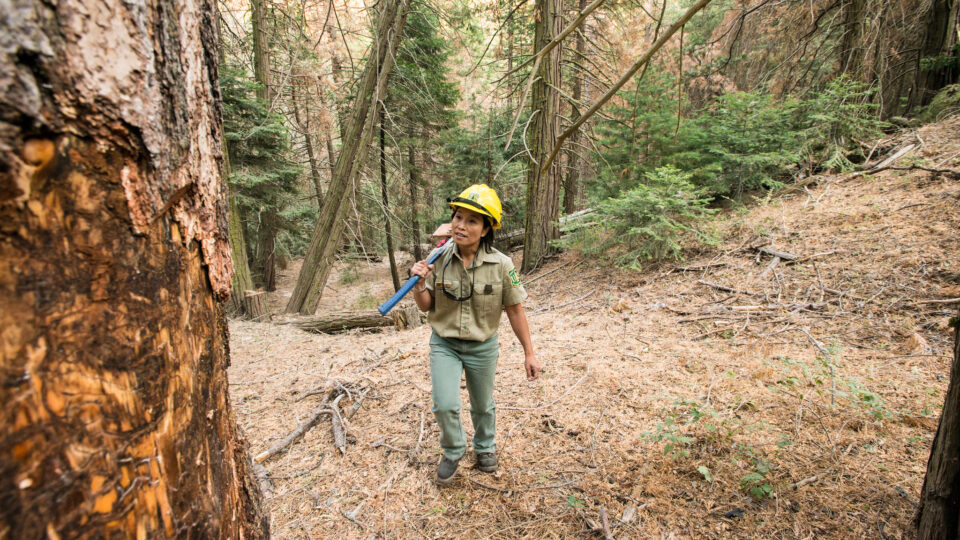
There are now biomass projects in California that thin trees in overcrowded forests and remove dead and diseased trees and turn them into wood chips to supply community biomass facilities that burn them to produce heat and electricity.

Proponents say these projects help rebuild rural communities by creating jobs, while at the same time reducing fire risk. 

There are critics of these programs who claim that they are damaging and destroying ecosystems.    They also point out that burning forest fuels emits 50% more carbon than burning coal and three times as much as burning natural gas.  This is true of biomass in general but is mitigated by the fact that it in principle the carbon can be recaptured by new forest growth.

However, the dominant argument about emissions is that wildfires emit far more carbon dioxide than biomass plants, or much of anything else, for that matter.  In 2018 alone, California wildfires released 50% more carbon dioxide than California’s entire industrial sector.  So, reducing the extent of wildfires is a big deal for many reasons.

**********

Web Links

In California, A Push Grows to Turn Dead Trees into Biomass Energy

Photo, posted August 24, 2016, courtesy of the USDA via Flickr.

Earth Wise is a production of WAMC Northeast Public Radio.
Animals And Social Distancing | Earth Wise

June 16, 2020 By EarthWise Leave a Comment

social distancing to prevent disease

As the spread of COVID-19 continues throughout the U.S. and around the world, health officials continue to ask people to keep physical space between themselves and others outside their homes.  It’s an important and effective way to slow down and prevent the spread of disease. 

But it’s not just humans who can benefit from social distancing.  It turns out that animals can, too.

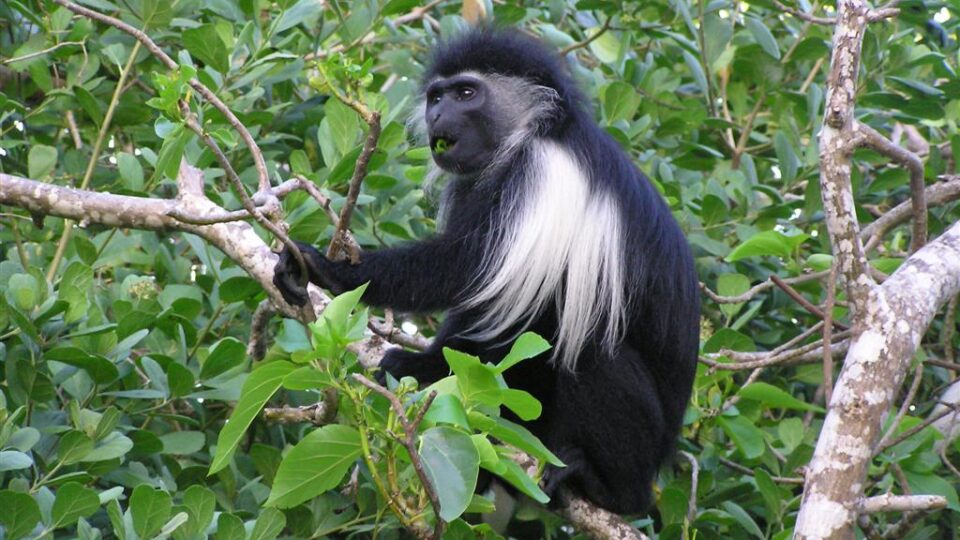
Microorganisms living on or inside our bodies are important for both our health and for the development of disease.  Researchers from the University of Texas at San Antonio have found evidence for the importance of social distancing to minimize the spread of microbes among individuals.   The researchers studied wild monkeys to find out what role diet, genetics, social groupings, and distance in a social network play when it comes to the microbes found inside the gut.  The gut microbiome refers to all the microorganisms living in the digestive tract. 

The research team studied the fecal matter of 45 female colobus monkeys that congregated in eight different social groups in a small forest in Ghana.  The researchers observed major differences in gut microbiomes between the eight social groups.  But individual monkeys from different groups that were more closely connected to the population’s social network had more similar gut microbiomes.  The findings, recently published in the journal Animal Behaviour, indicate that microbes may be transmitted between monkeys during occasional encounters with other monkeys from different social groups.

Learning how microorganisms pass among monkeys can help researchers understand how diseases spread.  Understanding how diseases spread can help guide decision making during this pandemic and any future disease outbreaks. 

**********

Web Links

Even animals benefit from social distance to prevent disease, research shows

Photo, posted January 10, 2007, courtesy of Silke Baron via Flickr.

Earth Wise is a production of WAMC Northeast Public Radio.
Fighting Malaria With Gene-Drive Technology | Earth Wise

June 8, 2020 By EarthWise Leave a Comment

Using malaria to fight malaria

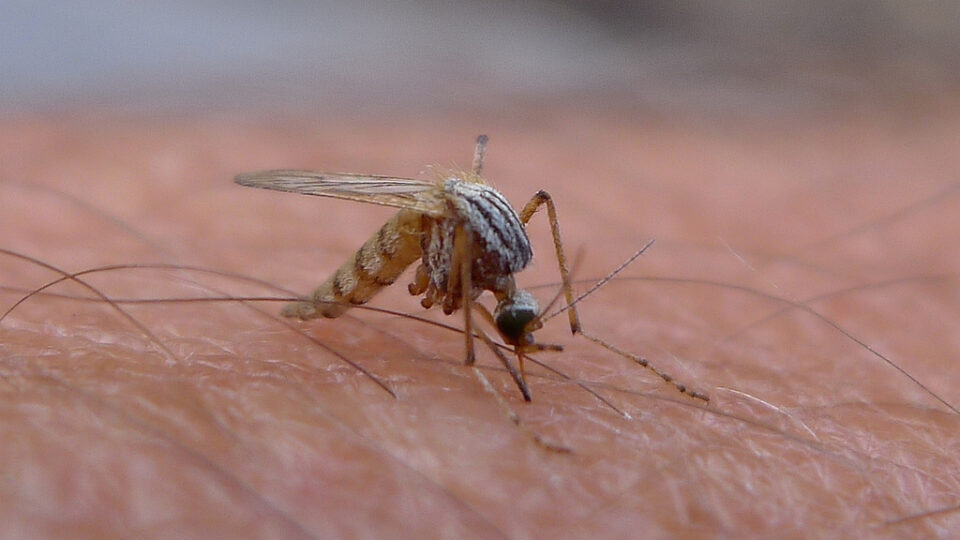
Malaria continues to be a major health hazard throughout the tropical and subtropical regions of the world. There were 228 million cases of malaria in 2018 and over 400,000 deaths. 

Malaria is a mosquito-borne infectious disease spread by 40 of the world’s 3,500 mosquito species.  So, efforts to control mosquito populations are the primary strategy to eradicate malaria.

A team led by Imperial College London has created a genetic modification that distorts the sex ratio of a population of Anopheles gambiae mosquitoes using “gene drive” technology.  The modification works by using a DNA-cutting enzyme to destroy the X chromosome during the production of sperm, which leads to predominantly male offspring, since females require two X chromosomes.  The modification is coupled to a gene drive to allow it to spread through a population in a very effective way.  A gene drive is a genetic engineering technology that propagates a particular modification by assuring that a specific form of a gene (or allele) will be transmitted with far more than the natural 50% probability.

The result of this is that mosquitoes produce more male offspring, eventually leading to no females being born and a total collapse in the population. The mosquitoes studied are the main malaria vector in sub-Saharan Africa.  The hope is that mosquitoes carrying a sex-distorter gene drive would be released in the future, spreading the male bias with local malaria-carrying populations and causing them to collapse.  Only female mosquitoes bite and take blood meals.  If the gene drive technology works in the field, it could be a game-changer in the fight to eliminate malaria.

**********

Web Links

Malaria mosquitoes eliminated in lab by creating all-male populations

Photo, posted June 20, 2014, courtesy of Flickr.

Earth Wise is a production of WAMC Northeast Public Radio.

Protecting Fresh Produce | Earth Wise

May 26, 2020 By EarthWise Leave a Comment

protecting fresh produce from disease

Fresh fruits and vegetables can sometimes become contaminated by microorganisms during their long journey from fields to restaurants and grocery stores.  Contaminated produce can spoil other produce, which increases the number of fruits and vegetables in the supply chain that can cause illnesses. 

In order to prevent this cross-contamination between produce, researchers from Texas A&M University have designed a coating that can be applied to food-contact surfaces, like buckets, rollers, and conveyor belts.  The newly-created dual-function coating is both water-repellent and germicidal.  In other words, it can both repel and kill.  Without water, the researchers say bacteria can’t stick or multiply on surfaces, drastically reducing contamination.

To make this dual-function coating, the researchers chemically-attached a thin layer of silica to an aluminum sheet.  They then added a mixture of silica and lysozyme, a naturally-occurring germicidal protein found in egg whites and tears.  Together, the silica-aluminum and the silica-lysozyme formed microscopic bumps and crevices.  According to the research team, this rough texture, albeit microscopic, is the key to the coating’s superhydrophobic properties.  

The researchers tested the coating’s effectiveness at curbing the growth of two strains of disease-causing bacteria:  Salmonella and Listeria.  Upon review, the number of bacteria found on the dual-coating surfaces was 99.99% less than what was found on the uncoated surfaces. 

Despite the success in preventing bacterial spread, the research team said more research needs to be done to see how well the coating works for mitigating viral cross-contamination.  Since the coating would need to be reapplied after a certain amount of use, the researchers also plan to develop more permanent, dual-function coatings. 

**********

Web Links

New dual-action coating keeps bacteria from cross-contaminating fresh produce

Photo, posted April 14, 2012, courtesy of U.S. Department of Agriculture via Flickr.

Earth Wise is a production of WAMC Northeast Public Radio.

The Cost Of Air Pollution | Earth Wise

March 12, 2020 By EarthWise Leave a Comment

quantifying the global economic and health impacts of fossil fuel-driven air pollution

The environmental consequences of burning fossil fuels are a dominant topic.  The increasing changes in the climate have far-reaching effects across the globe and are a growing geopolitical crisis.  But the climate effects of fossil fuel emissions are by no means the only problem they cause.  

A new report by the Center for Research on Energy and Clear Air has, for the first time, attempted to quantify the global economic and health impacts of fossil fuel-caused air pollution.  In total, the estimate is that the economic and health costs of air pollution from burning fossil fuels totaled $2.9 trillion in 2018, calculated in the form of work absences, years of life lost, and premature deaths. The cost represents 3.3 percent of global GDP, or about $8 billion per day. 

The study focused on the health impacts of three specific types of pollutants:  nitrogen dioxide, ozone, and fine particulate matter, which has the greater impact.  Collectively, these pollutants cause about 1.8 billion days of missed work due to disease and $2.2 trillion in air pollution costs every year. Together, air pollution from these three pollutants is responsible for 4.5 million premature deaths around the world each year.

According to the report, the most premature deaths from fossil fuel-related air pollution in 2018 were in mainland China (1.8 million), India (1 million), and the United States (230,000). As a result, those three countries also faced the highest annual costs: $900 billion in China, $600 billion in the U.S., and $150 billion in India. 

**********

Web Links

Toxic Air: The Price of Fossil Fuels (Full Report)

Photo, posted November 17, 2019, courtesy of Kristoffer Trolle via Flickr.

Earth Wise is a production of WAMC Northeast Public Radio.
Bananas In Danger

October 8, 2019 By EarthWise Leave a Comment

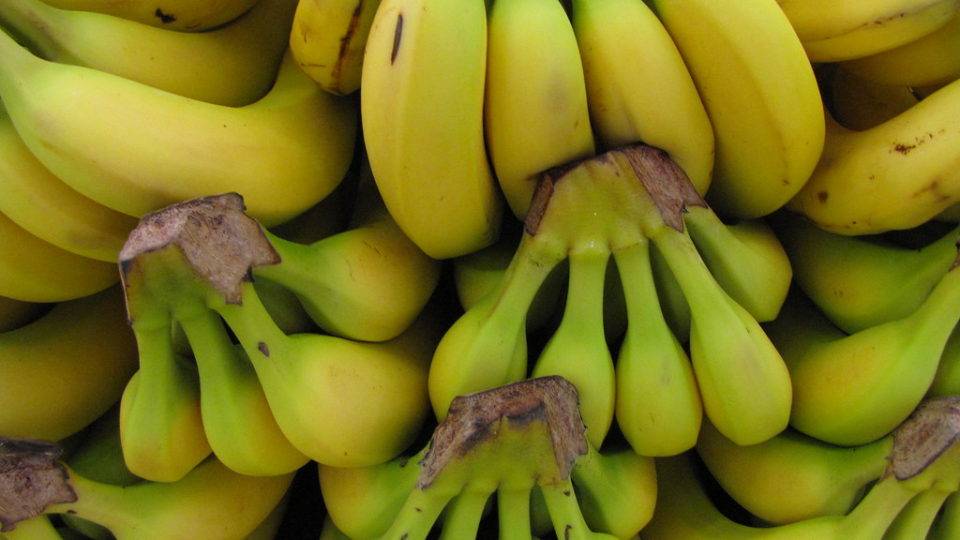
For a few years we have been talking about the precarious position of the global banana crop, which is almost entirely based upon a single cloned cultivar known as the Cavendish banana.  The banana you buy in Rome is identical to the one in Rochester.  And therein lies the danger:  if a fungal blight can kill one banana shrub, it can kill them all.

For decades, a fungal disease known as Panama Disease Tropical Race 4 has been wreaking havoc on banana plantations in the Eastern Hemisphere.   Even though it was first identified in Taiwanese soil samples in the early 1990s, the destructive fungus remained confined to Southeast Asia and Australia until it was confirmed in both the Middle East and Africa in 2013.  Experts continued to fear its eventual appearance in Latin America, which is the epicenter of the global banana export industry.

In August, Colombian agricultural authorities announced that laboratory tests have positively identified the presence of Tropical Race 4 in the Caribbean coastal region and declared a national state of emergency.

The infection of the banana plant does not produce bananas that are unsafe for humans.  What happens is that the infected plants eventually stop bearing fruit.

Cavendish bananas are a prime example of the dangers of growing crops with limited genetic diversity – known as monoculture.  It leaves food systems dangerously vulnerable to disease epidemics.

This has happened to the global banana crop before when the predecessor to the Cavendish banana – the Gros Michel – was mostly eradicated by another fungal outbreak.  At the moment, there is no ready replacement banana to bail out the industry, but scientists are desperately trying to breed one.  In the meantime, the world’s supply of bananas is in real danger.

**********

Web Links

The banana is one step closer to disappearing

Photo, posted July 9, 2009, courtesy of Dabin Lambert via Flickr.

Earth Wise is a production of WAMC Northeast Public Radio.
Controlling Malaria Without Chemicals

August 28, 2019 By EarthWise Leave a Comment

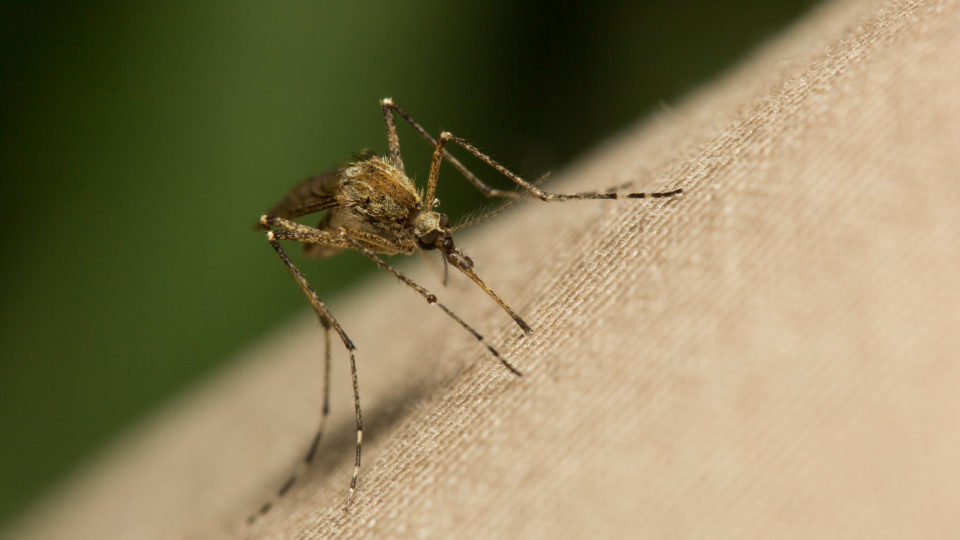
Nearly half of the world’s population lives in areas vulnerable to malaria.  The disease kills roughly 450,000 people each year, most of them children and pregnant women.  Malaria is spread by Anopheles mosquitoes and, over time, the mosquitoes have been developing resistance to the chemical insecticides that are used to control them.  In addition, there is great concern about the toxic side effects of the chemicals used on the mosquitoes.

About 30 years ago, scientists identified a type of bacteria that kills Anopheles, but the mechanism was not understood.  As a result, the bacteria could not be replicated or used as an alternative to chemical insecticides.

But now, an international research team, headed by researchers at UC Riverside, has identified the neurotoxin produced by the bacteria and has determined how it kills Anopheles.  The work is described in a paper published in Nature Communications.

It took the team 10 years to achieve a breakthrough in understanding the bacteria.  Modern gene sequencing techniques were the key.

While many neurotoxins target vertebrates and are highly toxic to humans, the neurotoxin that kills Anopheles mosquitoes does not affect humans, vertebrates, fish, or even other insects.  Known as PMP1, the substance is not even toxic to mice when given by direct injection.

The team has applied for a patent on this discovery and hopes to find partners to help them develop the bacteria-based insecticide.

There is a high likelihood that PMP1 actually evolved to kill the Anopheles mosquito.  This finding opens the door to new avenues of research into other environmentally friendly insecticides that would be targeted at other disease-spreading pests.

**********

Web Links

Controlling deadly malaria without chemicals

Photo, posted June 9, 2018, courtesy of Mario Yardanov via Flickr.

Earth Wise is a production of WAMC Northeast Public Radio.

Sunlight As A Cash Crop

July 10, 2019 By EarthWise Leave a Comment

It isn’t so easy to be a farmer these days.  Farming has always involved long hours, hard work and the uncertainties of weather and yield.  The 21st Century has added new and unique challenges such as increasingly unpredictable weather, insect infestation and disease, and low commodity prices.  Add in sudden tariffs and farmers struggle even more to make ends meet.  The default rate for farmers’ loans is the the highest in at least nine years.

One thing that remains reliable for farmers is the sun.  It rises in the morning and goes down at night.  The sun can be trusted, unlike politicians, rain, or commodity prices.  These days, many farmers are taking advantage of the dependability of the sun to make money from a new cash crop: solar energy.

The trend is spreading.  North Carolina has been a leading solar energy state for several years and a 2017 report found that solar energy generates 30% of the income of many farms.  Typical annual rent payments for farmland by solar companies range from $500 to $1,400 per acre in North Carolina.

A growing list of states have clean energy mandates targeting 100% use of renewable energy.   These mandates provide incentives for farmers that make installing solar a financially smart decision and falling prices for solar installations make it an even better deal.

Solar works well when co-located on a farm and can be built in ways that minimizes impact.  It is quiet, uses almost no water, doesn’t pollute, and if it is decommissioned, the land can go back to its previous use.  If the solar facilities are raised up, the same land can be used to graze livestock or grow shade-tolerant crops.

**********

Web Links

Harvesting the sun is the new cash crop

Photo, posted December 25, 2017, courtesy of Flickr.

Earth Wise is a production of WAMC Northeast Public Radio.
Disease On Coral Reefs

February 19, 2019 By EarthWise Leave a Comment

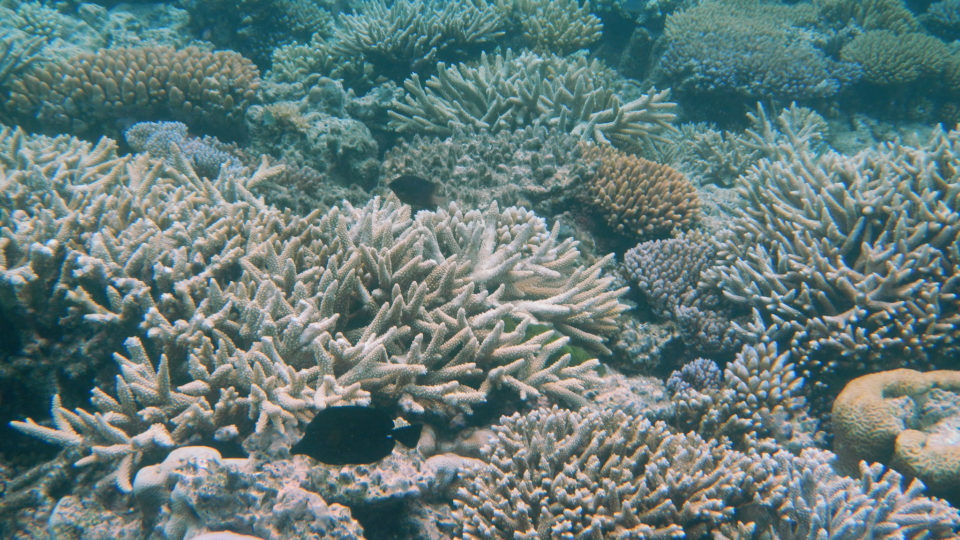
The warming oceans have led to bleaching events in coral reefs around the world, but bleaching is not the only problem corals face.  Disease outbreaks are also becoming more frequent, severe, and widespread.

Many factors are contributing to the problem, including pollution and nitrogen runoff from fertilizers and coastal sewer and septic systems.  However, the key culprit is likely the steadily increasing ocean temperatures, which are the cause of coral bleaching.  Elevated water temperatures can cause coral polyps to expel the algae that sustains them and gives them color. 

According to scientists, bleaching makes corals more susceptible to illness.  In the Caribbean, a coral disease hotspot, about 80% of coral cover has disappeared, largely from outbreaks of “white band disease”, so called because of a white band of dead tissue that forms in affected corals.  Two crucial reef-building species, elkhorn and staghorn coral, are now nearing extinction in the regions.  The reef extending along the Florida coastline is the third largest reef ecosystem in the world and nearly 35% of it has been lost to disease.

Estimates are that disease outbreaks have wiped out at least 6% of the corals on the Great Barrier Reef in Australia.  In that region, diseases are more prevalent in areas where corals were damaged by fishing and other human activity because wounded coral provides an entry point for pathogens and bacteria.

In the face of climate change and mounting disease outbreaks, scientists are scrambling for solutions to stave off catastrophe.  Assisting the migration of hardier coral species and breeding so-called “super corals” are among the strategies being pursued.  It is unknown whether these and other forms of intervention can be used on a wide enough scale to really make a difference.

**********

Web Links

As Disease Ravages Coral Reefs, Scientists Scramble for Solutions

Photo, posted November 29, 2012, courtesy of Robert Linsdell via Flickr.

Earth Wise is a production of WAMC Northeast Public Radio.

The Bitter Truth About Caffeine

January 7, 2019 By EarthWise Leave a Comment

Coffee will be impacted by the changing climate

Black coffee has a bitter taste. Bitterness evolved as a natural warning system to protect the body from harmful substances.  By the logic of evolution, we should therefore want to spit coffee out, but obviously it doesn’t work that way.

Caffeine itself has a particularly bitter taste.  Surprisingly, a new study at Northwestern University has found that the more sensitive people are to the bitter taste of caffeine, the more coffee they drink. That sensitivity is actually a genetic variant.

So, one would think that people who are especially sensitive to the bitter taste of caffeine would drink less coffee.  The counter intuitive result suggests that coffee consumers acquire a taste or an ability to detect caffeine as a result of the learned positive reinforcement (in other words, the buzz) elicited by caffeine.  People with a heightened ability to taste coffee’s bitterness learn to associate good things with it.

The study also found in contrast that people sensitive to the bitter flavor of a different compound called 6-n-propylthiouracil (known as PROP)avoided coffee as well as red wine.

The study made use of applied Mendelian randomization, a technique commonly used in disease epidemiology, to test the causal relationship between bitter taste and beverage consumption in more than 400,000 men and women in the United Kingdom.

These results shed some light on the disdain many coffee drinkers have for decaf coffee.  It may not be just the lack of buzz that turns them off.  Some of them with the right genes may be missing that extra bit of bitterness that alerts them that something good is about to happen.

**********

Web Links

Why we shouldn’t like coffee, but we do

Photo, posted May 22, 2009, courtesy of Olle Svensson via Flickr.  

Earth Wise is a production of WAMC Northeast Public Radio.
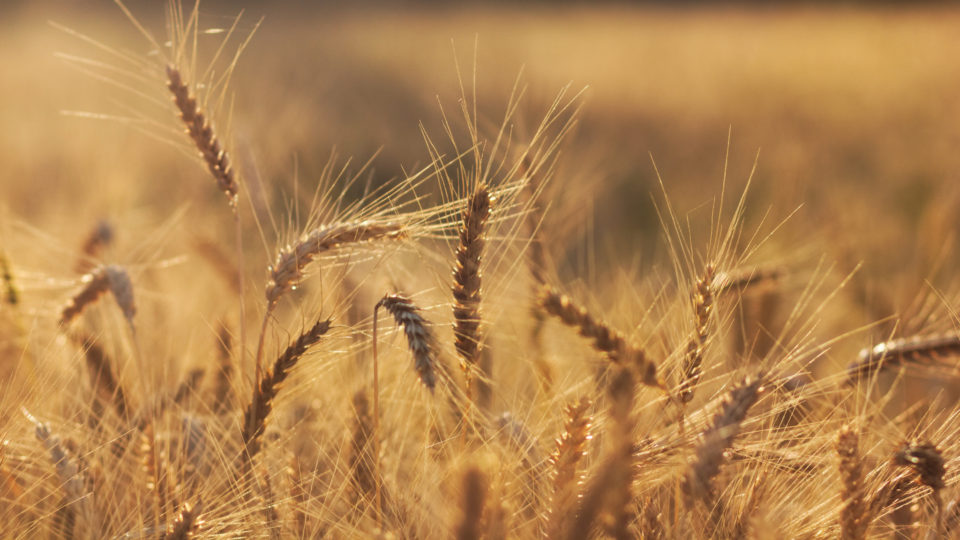
Speed Breeding Of Crops

January 4, 2019 By EarthWise Leave a Comment

A technique pioneered by NASA for the purpose of growing plants extra-terrestrially is now being applied here on earth to fast-track improvements in a range of crops.  The technique, known as speed breeding, has been adapted for use by British and Australian researchers on a scale ranging from vast greenhouses to desktop growth chambers.

Speed breeding uses enhanced LED lighting and day-long regimes of up to 22 hours to optimize photosynthesis and promote rapid growth of crops.  By speeding up the breeding cycle of plants,it is possible, for example, to grow six generations of wheat in a year compared with two generations using traditional breeding methods.

With shortened breeding cycles, genetic improvements such as yield gain, disease resistance and climate resistance can be fast-tracked in crops such as wheat, barley, chickpeas, various Brassica species, oil seed rape and peas.

The ability to do this in compact desktop chambers permits cutting-edge research to be performed inexpensively before being scaled up to large greenhouses.

Crop development is an increasingly important activity and speed breeding is increasingly attractive in light of the opposition in some quarters to modern gene-editing techniques to create GMO crops.  Speed breeding allows crop improvements via anon-GMO route.

The new technique is already being applied in Australia, which is experiencing one of the worst droughts on record.  It is being used to rapidly cycle genetic improvements to make crops more drought resilient.

Generation time in most plant species is a major bottleneck in applied research programs and breeding.  Speed breeding can greatly reduce this bottleneck, allowing scientists to respond more quickly to emerging diseases, the changing climate and increased demand for specific plant traits.

**********

Web Links

JIC joins European scientists to safeguard precision breeding

Photo, posted May 8, 2016, courtesy of Yair Aronshtam via Flickr. 

Earth Wise is a production of WAMC Northeast Public Radio.

Carbon And North American Forests

September 24, 2018 By EarthWise Leave a Comment

https://earthwiseradio.org/wp-content/uploads/2018/09/EW-09-24-18-Carbon-and-North-American-Forests.mp3

Researchers have for the first time calculated the capacity of North American forests to sequester carbon.  The detailed analysis by UC Santa Cruz and collaborators in China and Arizona considers two key factors:  the natural process of forest growth and regeneration, and effects brought about by climate change.

[Read more…] about Carbon And North American Forests

Air Pollution And Diabetes

August 9, 2018 By EarthWise 3 Comments

https://earthwiseradio.org/wp-content/uploads/2018/08/EW-08-09-18-Air-Pollution-and-Diabetes.mp3

Air pollution is deadly.  Studies have found that fine particulate matter, such as airborne pieces of dust, dirt, smoke, soot, and other microscopic particles can enter our lungs and bloodstream, contributing to major health conditions such as heart disease, stroke, cancer, and kidney disease.

[Read more…] about Air Pollution And Diabetes

Losing Forests Is Felt Far Away

July 6, 2018 By EarthWise 2 Comments

https://earthwiseradio.org/wp-content/uploads/2018/06/EW-07-06-18-Losing-Forests-is-Felt-Far-Away.mp3

Large areas of forests in our country are vulnerable to drought, fires and disease.  When forests are heavily damaged, there are well-known local impacts:  drier soils, stronger winds, increased erosion, loss of shade and loss of habitat.

[Read more…] about Losing Forests Is Felt Far Away

  • « Go to Previous Page
  • Page 1
  • Page 2
  • Page 3
  • Page 4
  • Page 5
  • Go to Next Page »

Primary Sidebar

Recent Episodes

  • An uninsurable future
  • Clean energy and jobs
  • Insect declines in remote regions
  • Fossil fuel producing nations ignoring climate goals
  • Trouble for clownfishes

WAMC Northeast Public Radio

WAMC/Northeast Public Radio is a regional public radio network serving parts of seven northeastern states (more...)

Copyright © 2026 ·