disease
Wildflower Decline
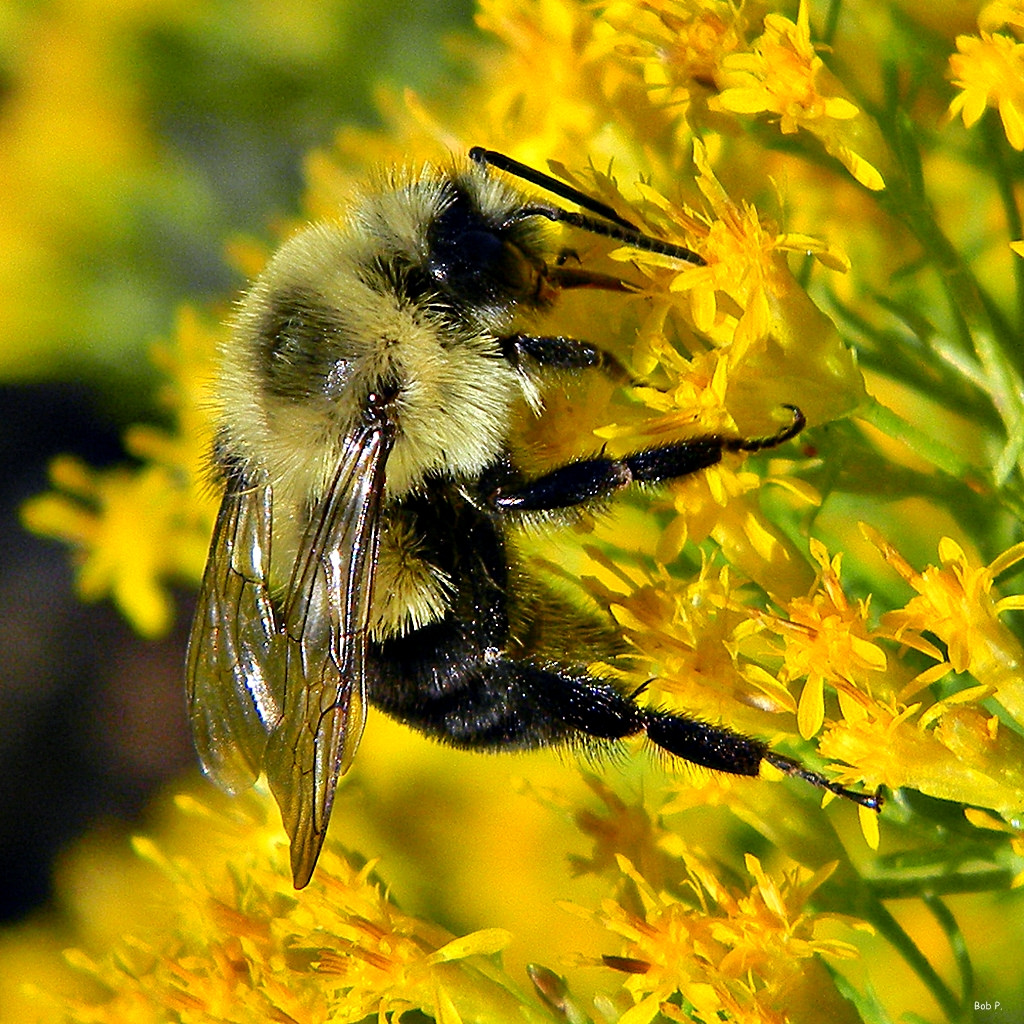
For about a decade now, insect pollinator populations have been in decline. Their decline poses a significant threat to biodiversity, food production, and human health. In fact, at least 80% of the world’s crop species require pollination, and approximately one out of every three bites of food is a direct result of the work of these pollinators. In the United States alone, insect pollinators, such as bees, butterflies, certain wasps and flies (among many others), account for an estimated $15 billion in profits annually.
Fungal Diseases And Wildlife
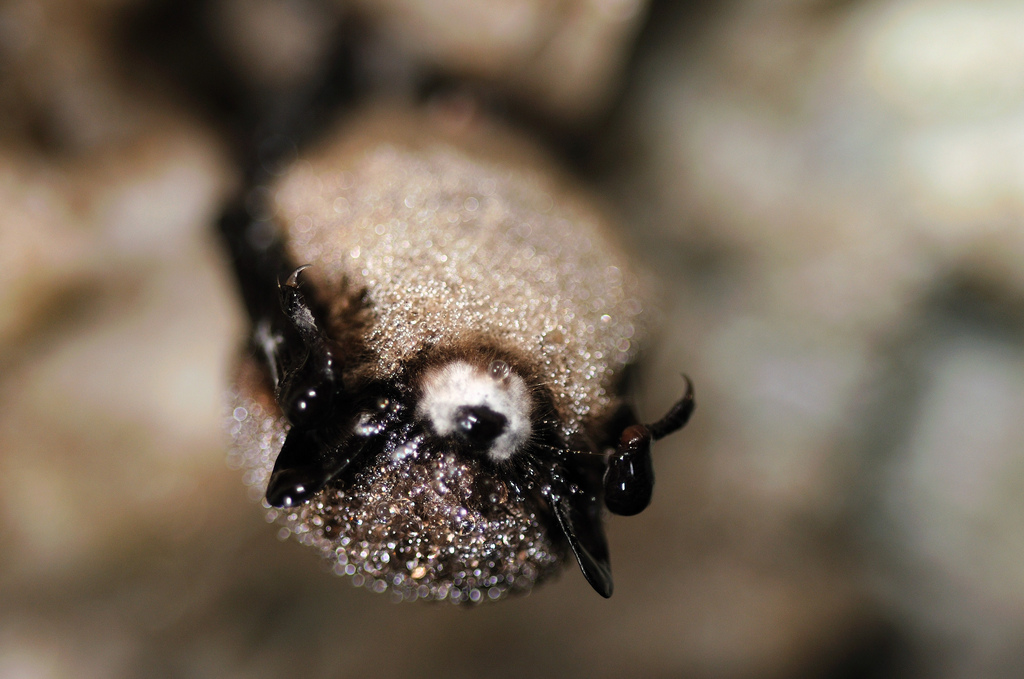
Since the late 1990s, there has been an unprecedented global wave of virulent fungal infections that has been decimating whole groups of animals from salamanders and frogs, to snakes and bats.
Declining Sugar Maples
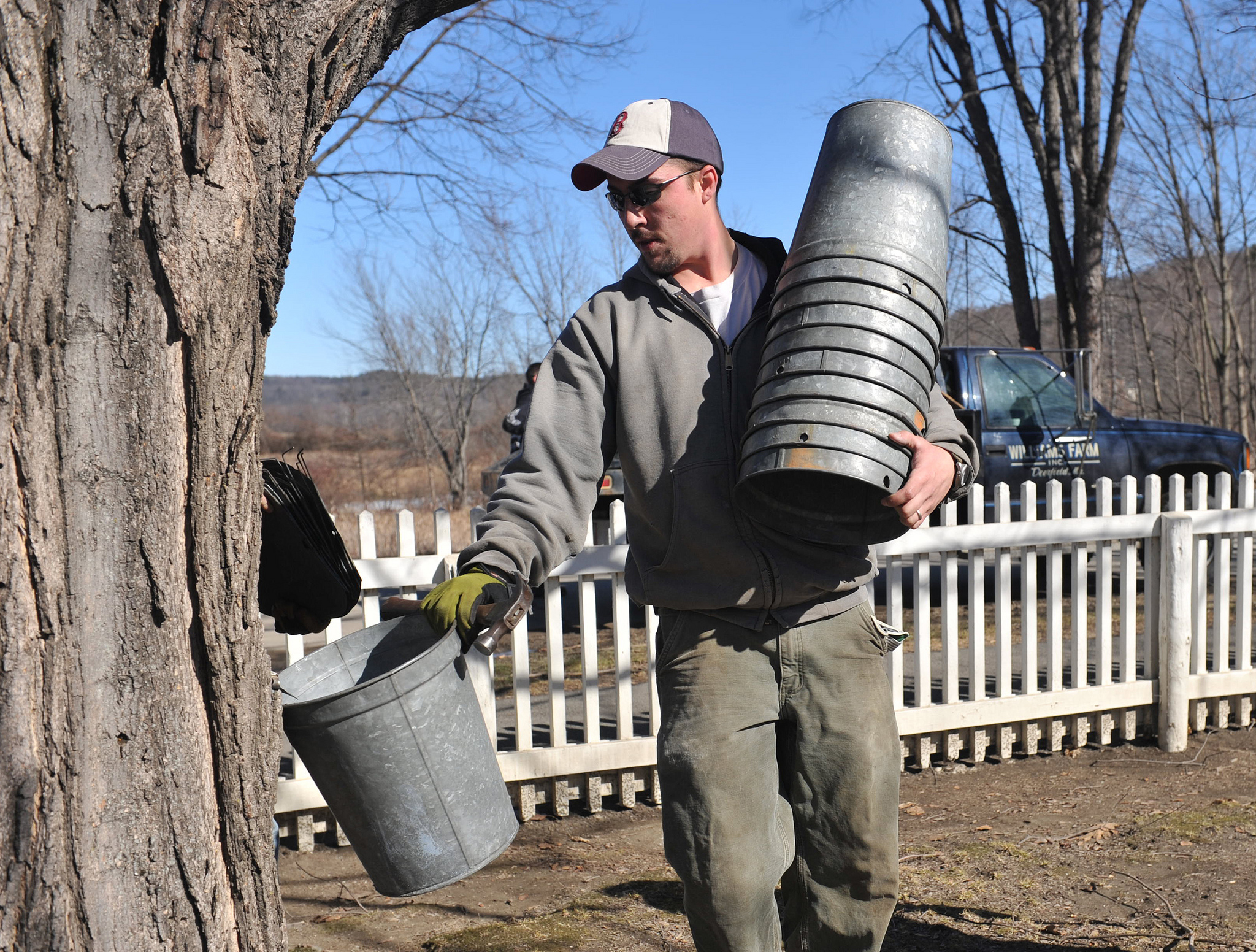
The sugar maple, one of the most economically and ecologically important trees in the eastern United States and Canada, is showing signs of being in decline, according to scientists at SUNY’s College of Environmental Science and Forestry and Harvard Forest.
Acorns And Lyme Disease
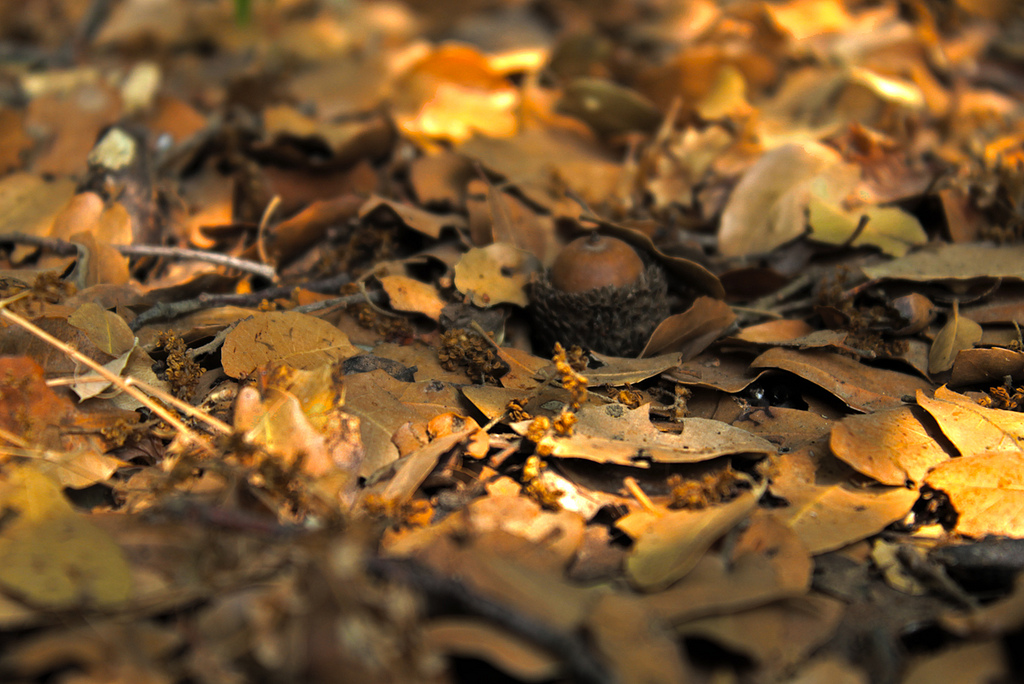
In New York’s Hudson Valley, it’s hard to go outside without stepping on an acorn. Oaks have ‘boom and bust’ acorn production cycles. In lean years, trees produce a handful of nuts. In boom years, acorns seem to rain down from the sky. We are currently experiencing an acorn bumper-crop, or what ecologists call a ‘mast’ year.
In some forests, there can be more than 100 acorns per square meter. This is welcome news to animals like mice, chipmunks, and squirrels. They can gorge on the bounty and stock their larders. Acorn caches help wildlife avoid predators and survive the lean months of winter. They even give well-fed rodents a jump-start on the breeding season.
For this reason, acorn “mast” years are also harbingers of future Lyme disease risk. In the summer following acorn booms, white-footed mouse numbers explode. In New York’s Hudson Valley, these mice play a major role in infecting blacklegged ticks with the agents that cause Lyme disease, Babesiosis, and Anaplasmosis.
Cary Institute disease ecologist Rick Ostfeld explains.
“The ticks that are emerging as larvae in August – just as the mice and chipmunks are reaching their population peaks – they have tons of excellent hosts to feed from. They survive well and they get infected with tick-borne pathogens. And that means that two years following a good acorn crop we see high abundance of infected ticks, which represents a risk of human exposure to tick borne disease.”
Predictions are based on 20 years of field studies that have confirmed the relationship among acorn mast years, mouse outbreaks, and the prevalence of infected ticks. Mark your calendars – 2017 will likely be a bad year for Lyme disease.
**********
Web Extra
Full interview with Rick Ostfeld, a disease ecologist at the Cary Institute of Ecosystem Studies
Web Links
Thanksgiving Turkeys
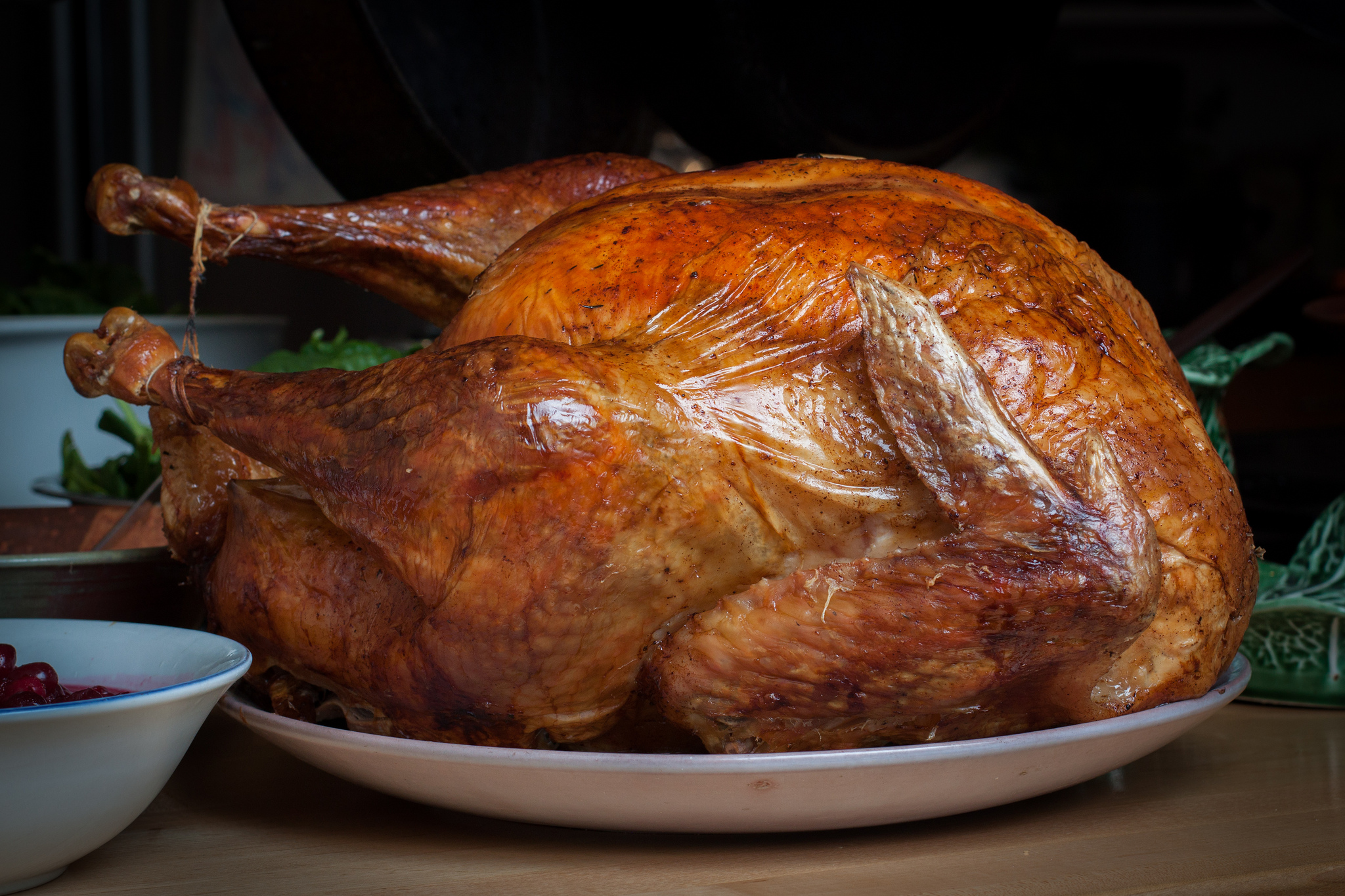
Mashed potatoes, gravy, cranberry sauce, and pumpkin pie. Thanksgiving is just one week away. Many of us will spend the next several days shopping around for ingredients, including one of this country’s oldest traditions: the turkey.
Coffee And Climate Change
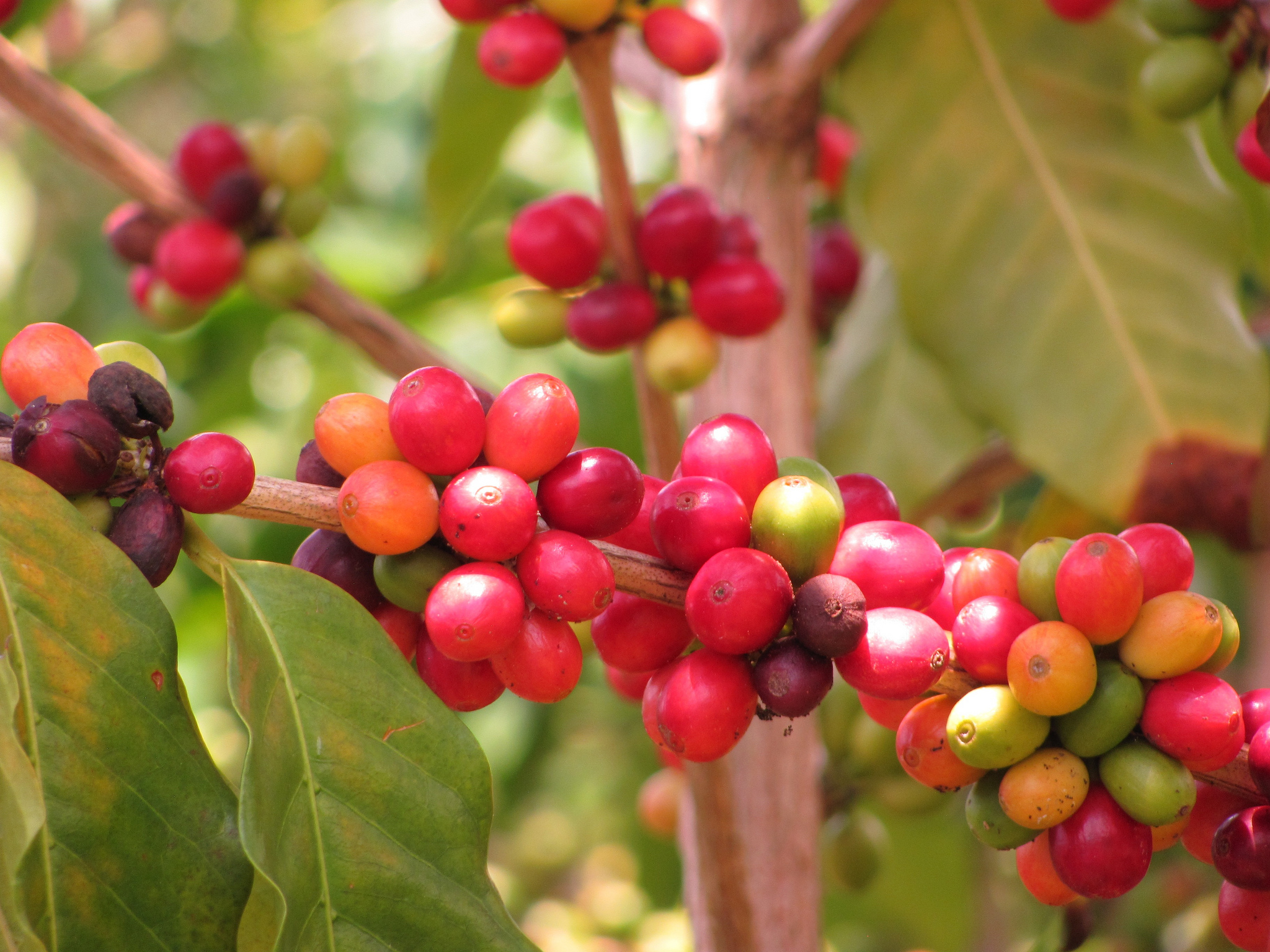
Climate change is threatening crops all around the world, but maybe none more so than coffee. According to the Union of Concerned Scientists, “higher temperatures, long droughts punctuated by intense rainfall, more resilient pests and plant diseases—all of which are associated with climate change—have reduced coffee supplies dramatically in recent years.”
Mosquito Migration
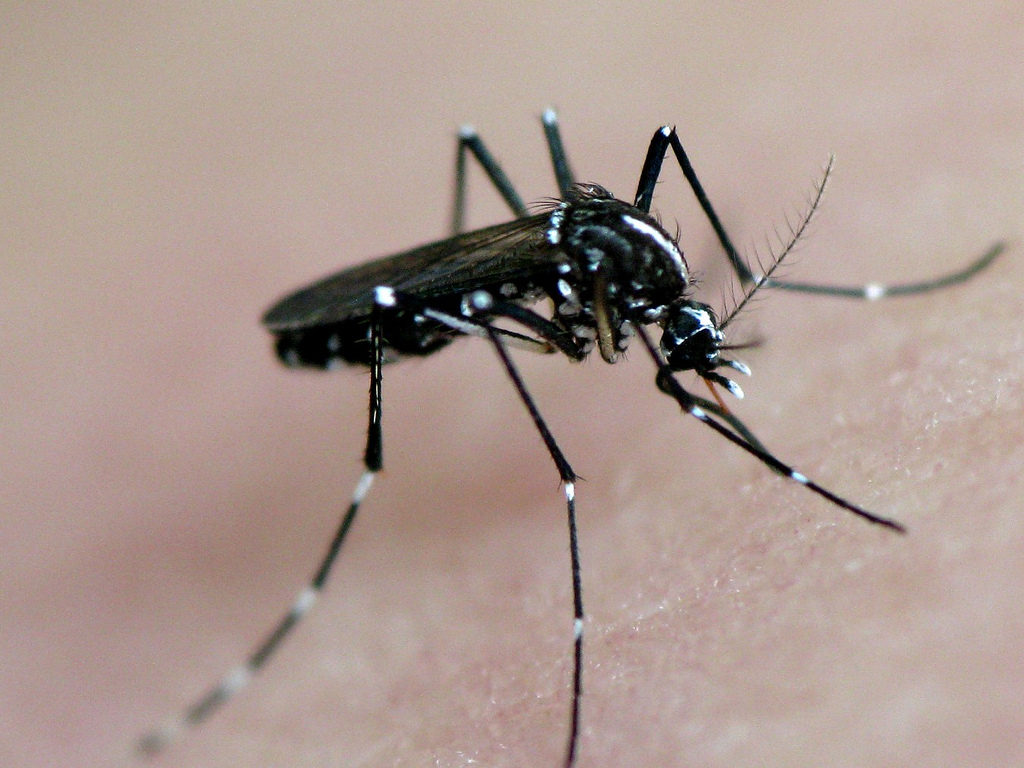
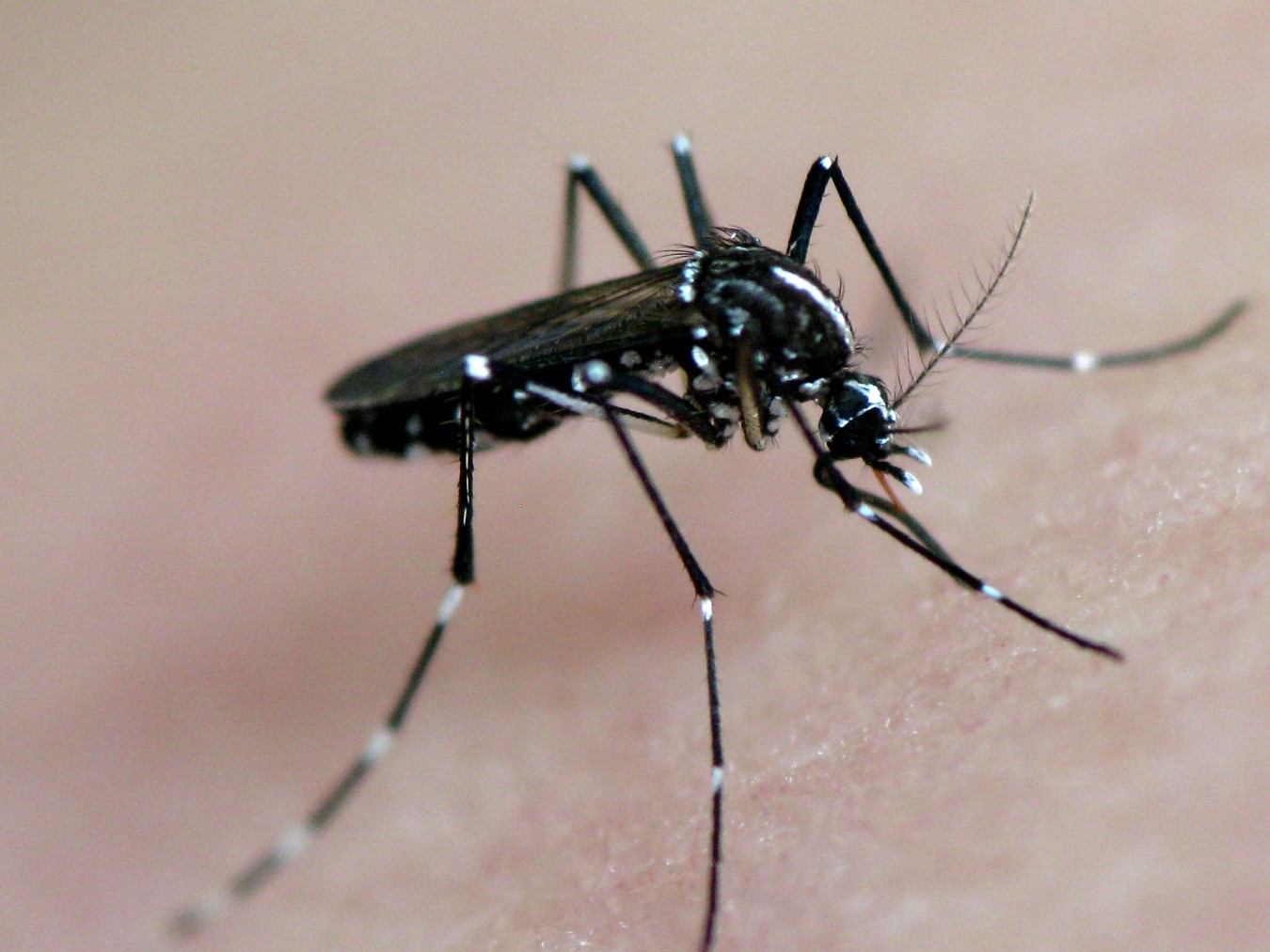
Globally, there are more than 3,000 mosquito species, with around 150 native to the U.S. To many listeners – a mosquito is a mosquito. But depending on the species that bites you, mosquitoes can be a nuisance or a public health threat.
Bumblebees And The Climate Squeeze
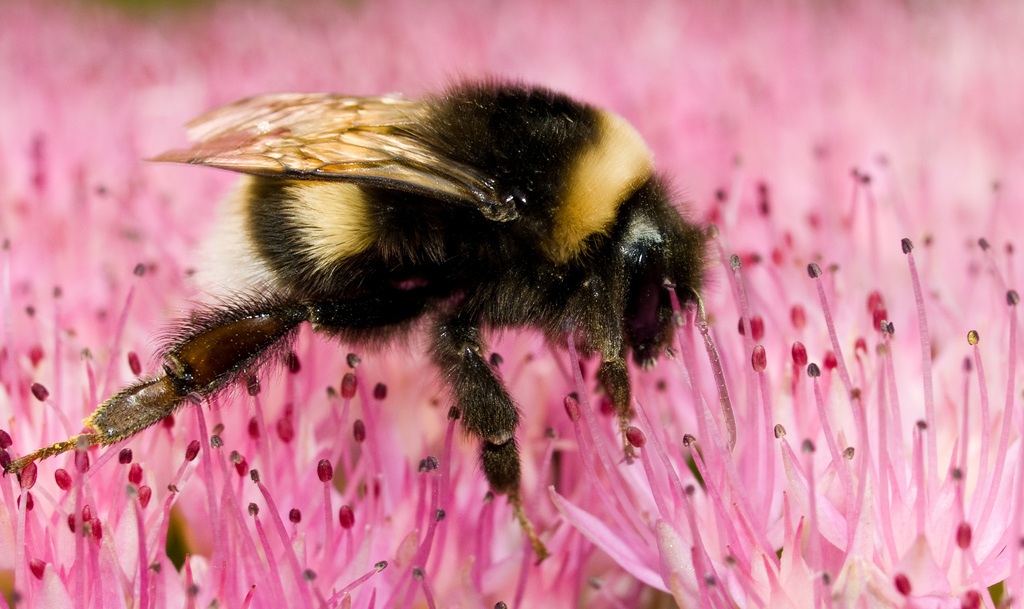
Bumblebees face their share of hazards – habitat loss, disease, and harmful pesticides among them. New research shows that climate change is also a significant threat to bumblebee populations in Europe and North America. In fact, University of Ottawa scientists suggest that, for these bumblebees, climate change may be the biggest threat of all.
Biodiversity Is Good For Us
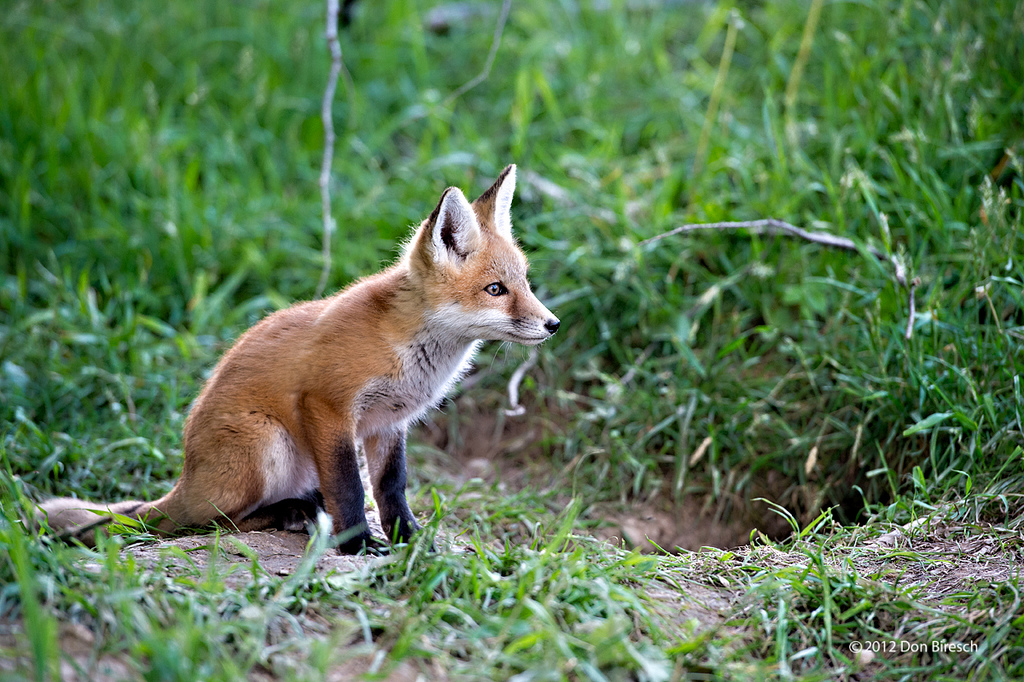
There are many reasons to protect Earth’s biodiversity. One of the more underrated is that disease incidence is lower when ecosystems support a variety of plants and animals.
Tech Advances Provide Window Into Wildlife
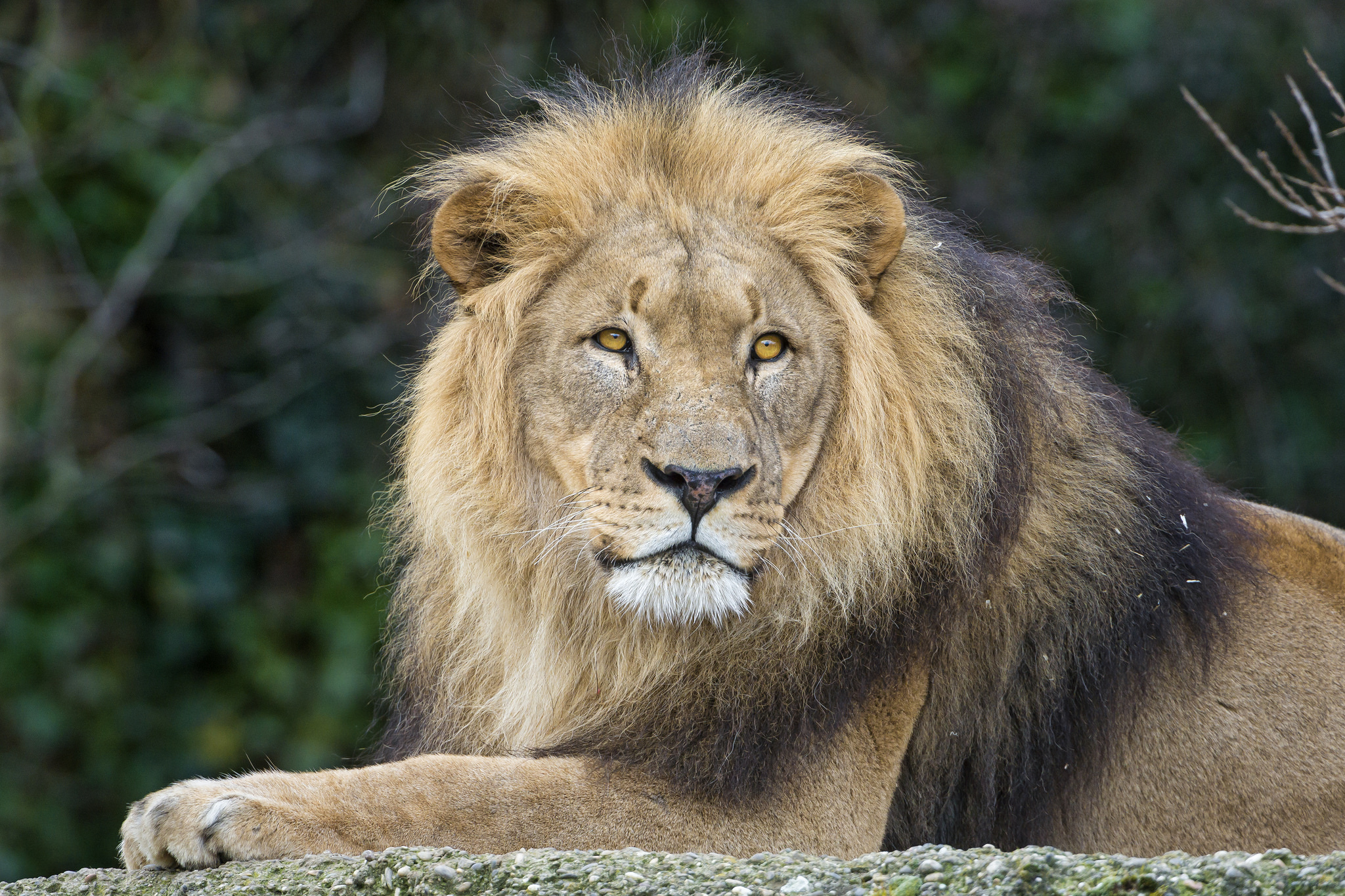
Since the evolution of our earliest ancestors, people have looked to clues – such as footprints in the mud or rubs on trees – to gain insight into wildlife behavior.
[Read more…] about Tech Advances Provide Window Into Wildlife
What Would Our Planet’s Sixth Mass Extinction Mean For Us?

A new study by researchers from three U.S. universities echoes an earlier report out of Duke University indicating that earth is in what appears to be the beginning of its sixth mass extinction – the first in some 65 million years. Large animals face the highest rate of decline, and their losses could affect other species, including us.
[Read more…] about What Would Our Planet’s Sixth Mass Extinction Mean For Us?