Waste
Deepwater Aquaculture
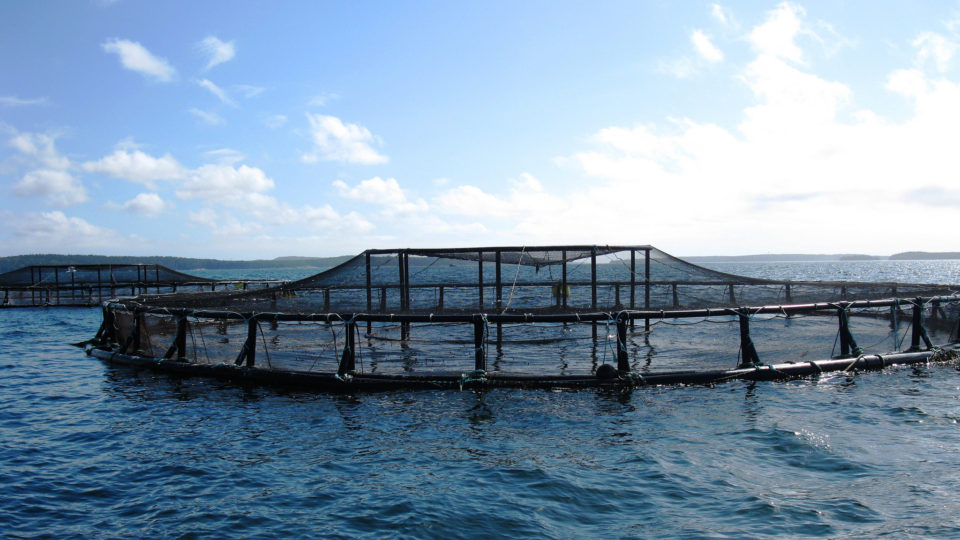
Near-shore fish farms have created many environmental problems. Raising large numbers of fish creates concentrations of fish waste and sea lice, which can adversely impact near-shore ecosystems.
The Last Straw
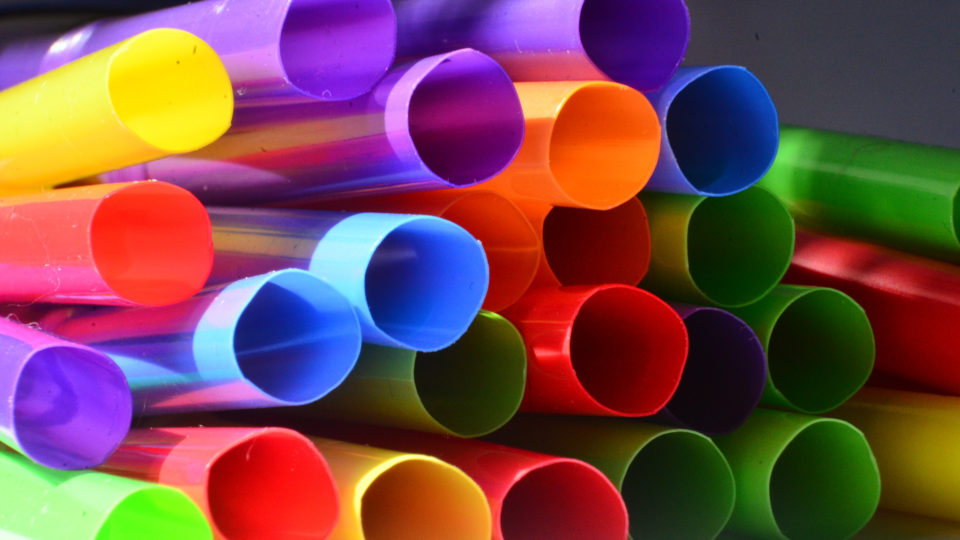
Every day, Americans throw away 500 hundred million plastic straws. That’s enough to circle the Earth twice. Each one of us uses more than 35,000 of them in a lifetime. And these estimates are probably low.
Trends Influencing Our Cities

The Environmental Protection Agency removed its information hub about climate change last year. In response, 17 cities reposted the information on their own city government sites. This is indicative of the fact that cities are increasingly taking on a leadership role in environmental, social and economic change.
Turning Heat Into Electricity
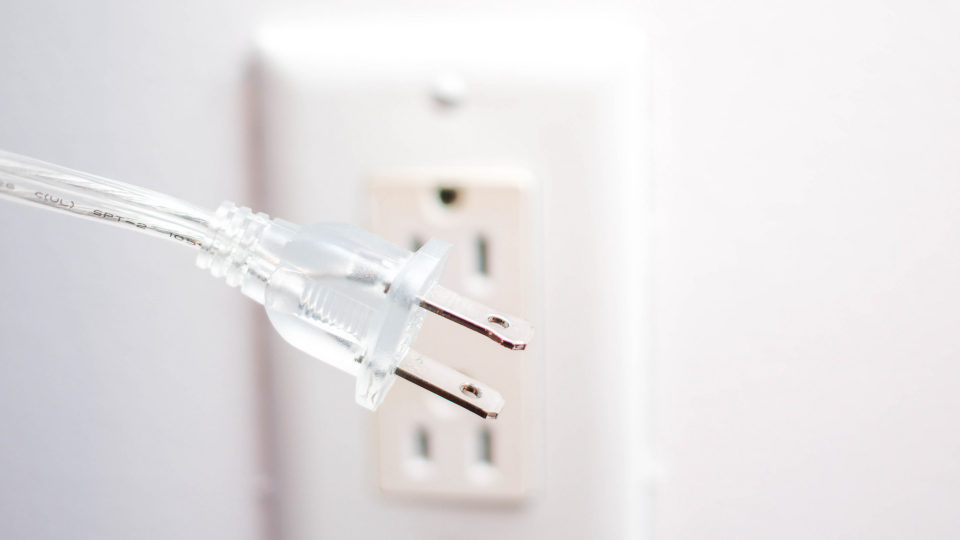
Many of our technologies produce waste heat. Internal combustion engines are a prime example, but all our industrial processes, motors, electronics and other machinery turn some (and, in many cases, most) of the energy it takes to run them into heat that just goes into the environment.
Biomimicry Is Big
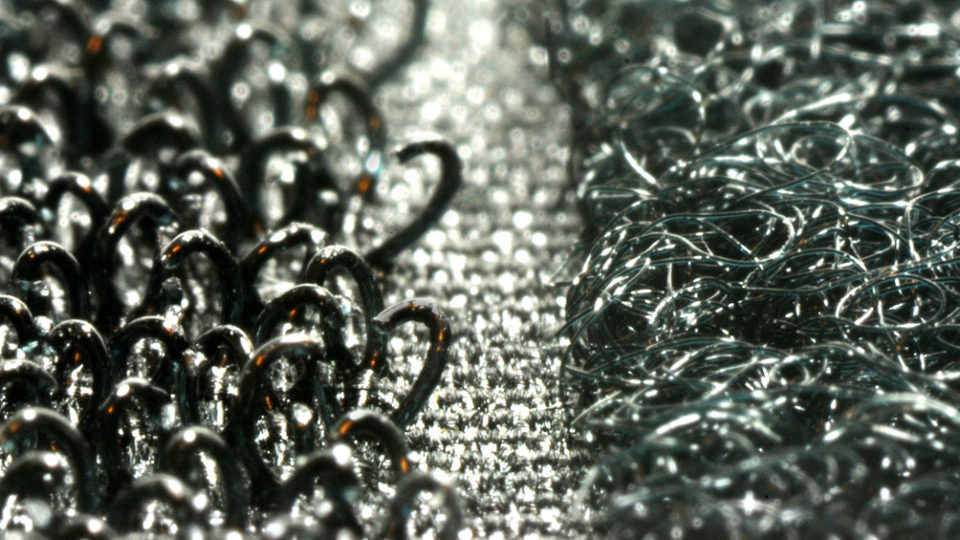
Biomimicry is learning from and then emulating nature’s forms, processes, and ecosystems to create more sustainable designs. Mother Nature is already the inspiration for countless products and designs ranging from Velcro copied from plant burs to the shape of wind turbines modeled after whale fins. There are wetsuits inspired by beaver pelts and office buildings that copy termite dens. Increasingly, innovators are looking at nature for designs in architecture, chemistry, agriculture, energy, health, transportation, computing, and even for the structure of organizations and cities.
Banning Foreign Trash
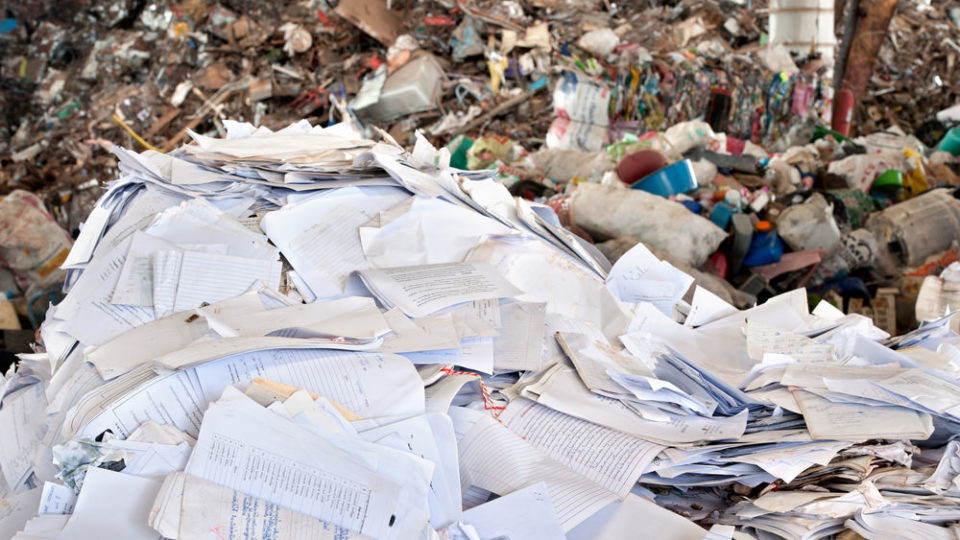
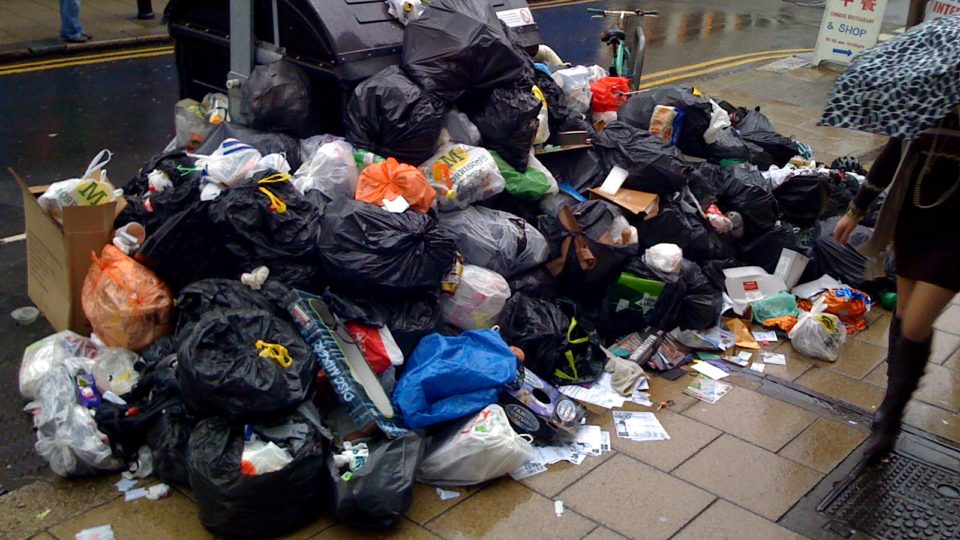
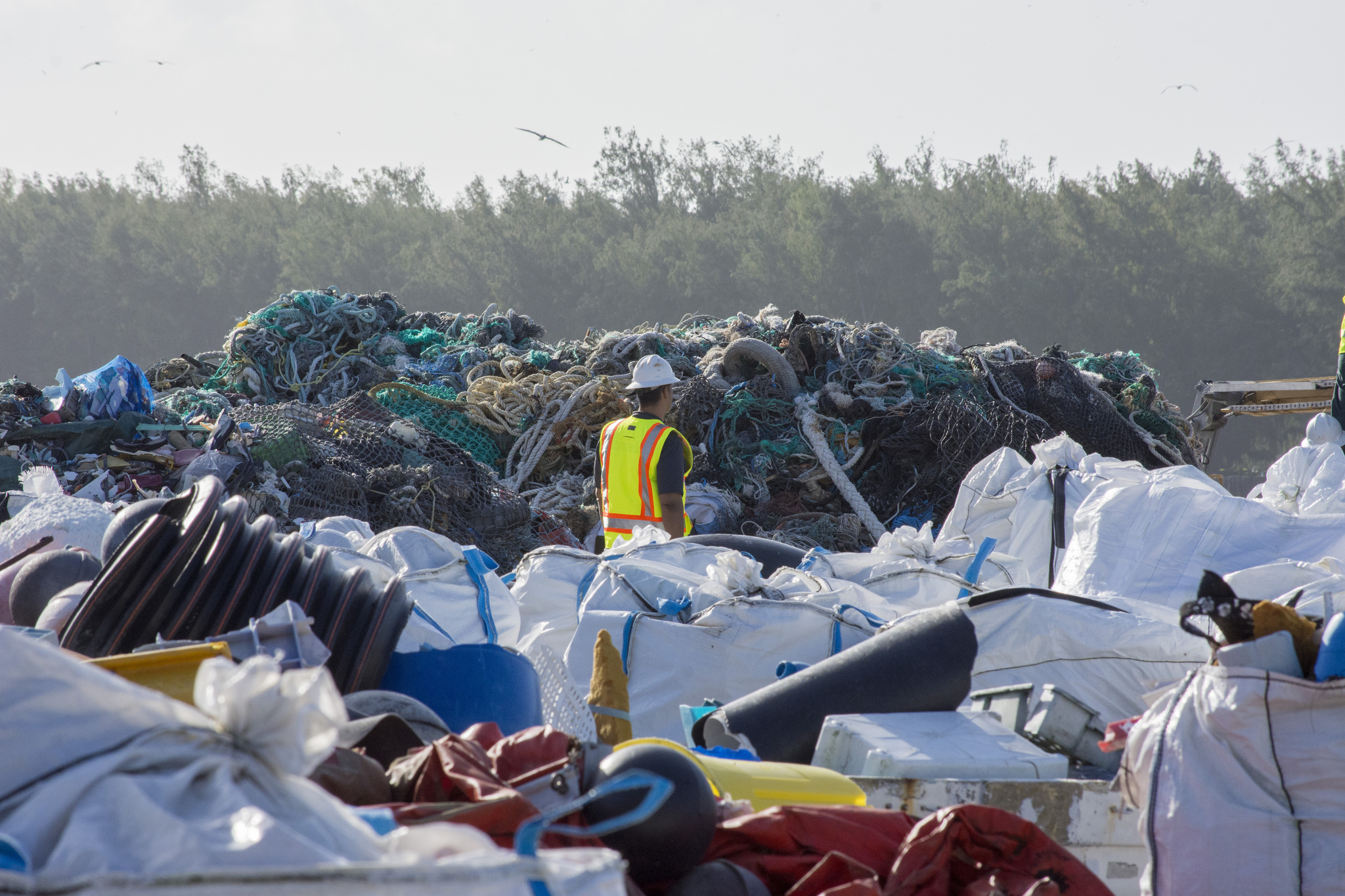
Since the 1980s, China has been the largest importer of foreign trash. In 2012, up to 56% of global exported plastic waste wound up in China. The trash has been both a valuable resource for the country’s booming manufacturing sector as well as an enormous source of environmental and health problems.
Renewable Energy Trends
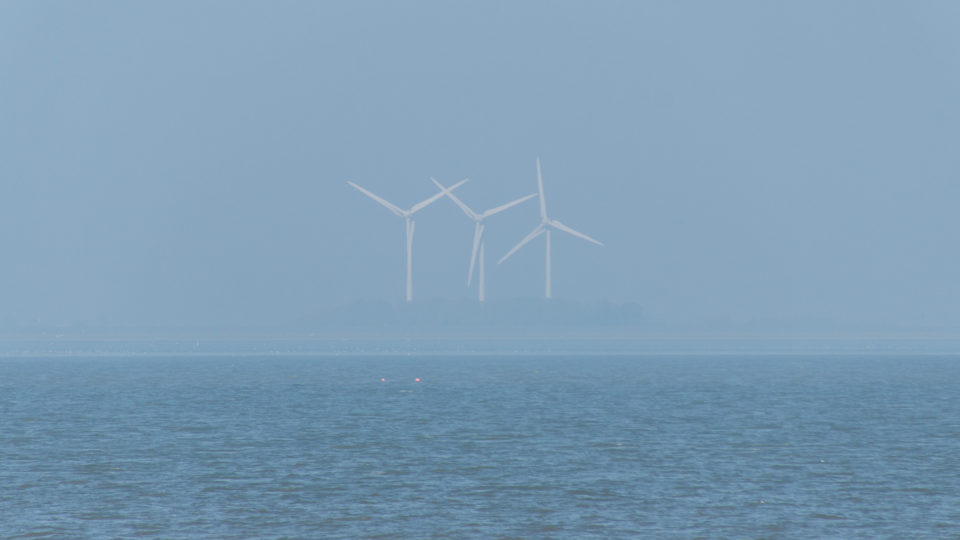
There are major trends going on in the renewable energy world. Several will merit close attention this year.
Carmakers Protecting The Ground And Air
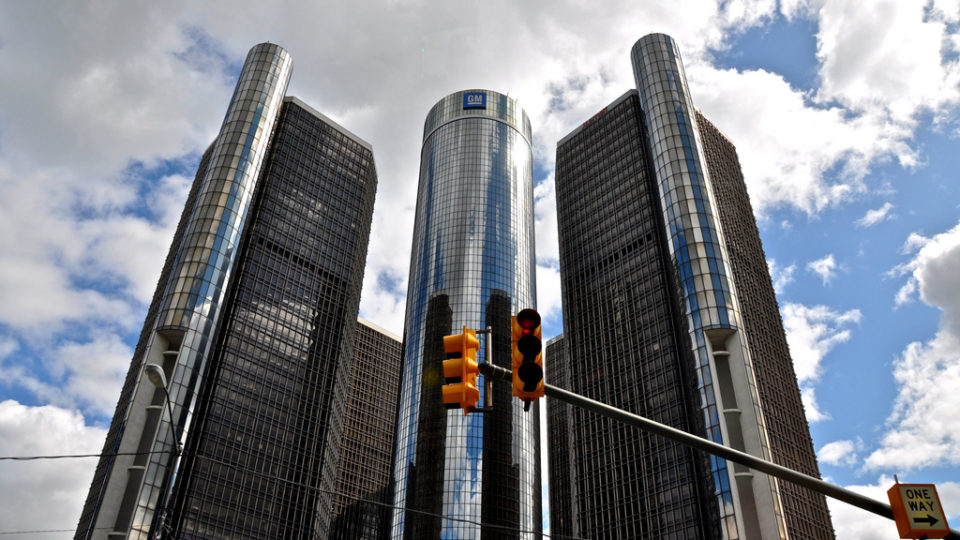
There is quite a bit of effort underway to reduce the amount of pollution automobiles dump into the atmosphere. The expanding role of electric cars is a big part of this.
Toyota’s Hydrogen Factory
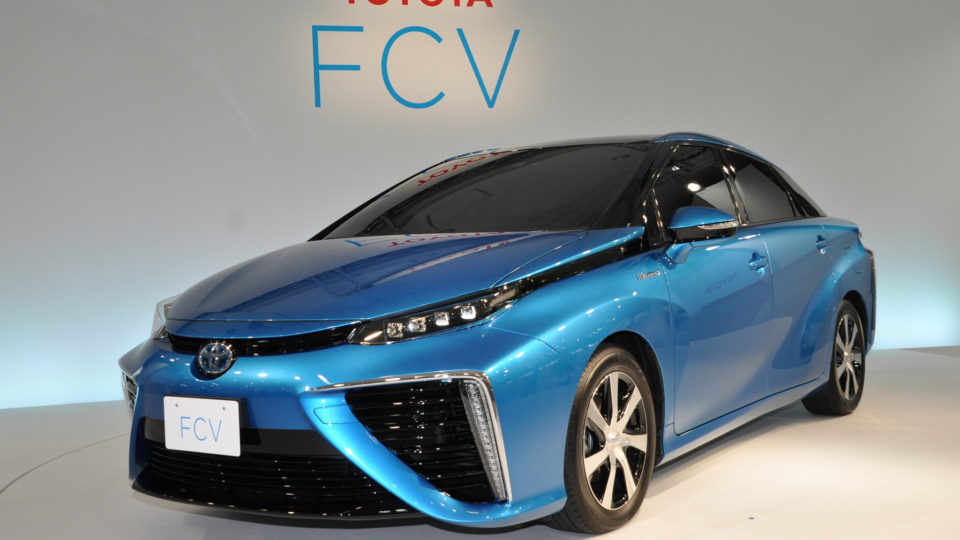
Toyota is one of several automakers that are promoting hydrogen fuel cell cars – electric cars that get their energy from fuel cells rather than batteries. Fueling one of these cars is much like filling up the tank of a gasoline-powered car, except that the fuel in question is hydrogen.
Turning Emissions Into Fuel
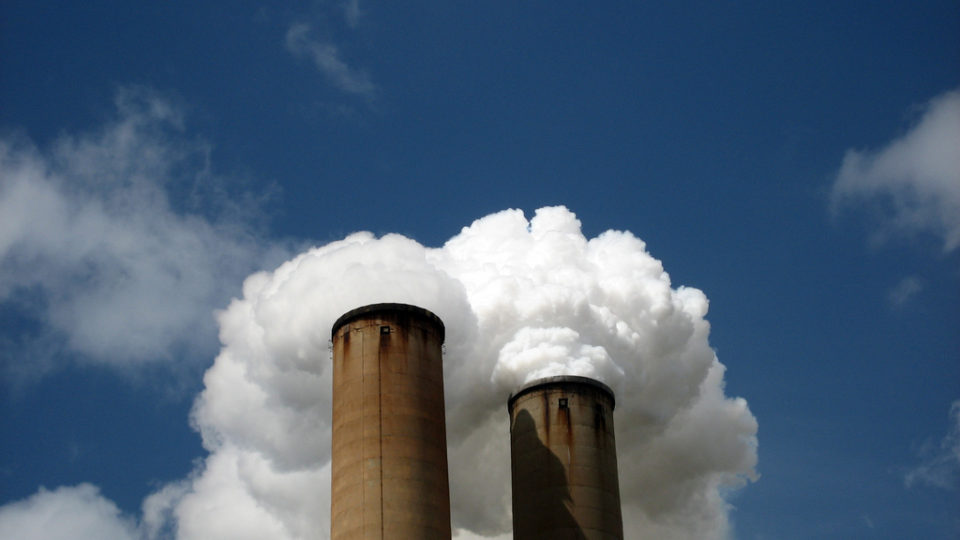
Reducing carbon dioxide emissions is an essential element in mitigating climate change. The best approach is to not produce the stuff in the first place and the ongoing transition away from fossil fuels is trying to do just that. But realistically, fossil fuels will be with us for a long time to come. Given that, additional approaches are necessary.
Coffee Power

The residents of London are known for tea drinking, but in fact each of them consumes an average of 2.3 cups of coffee a day as well. But now, it won’t just be commuters that are running on coffee in the morning. London buses will in part run on oil produced from coffee grounds.
Turning Biofuel Waste Into Valuable Chemicals
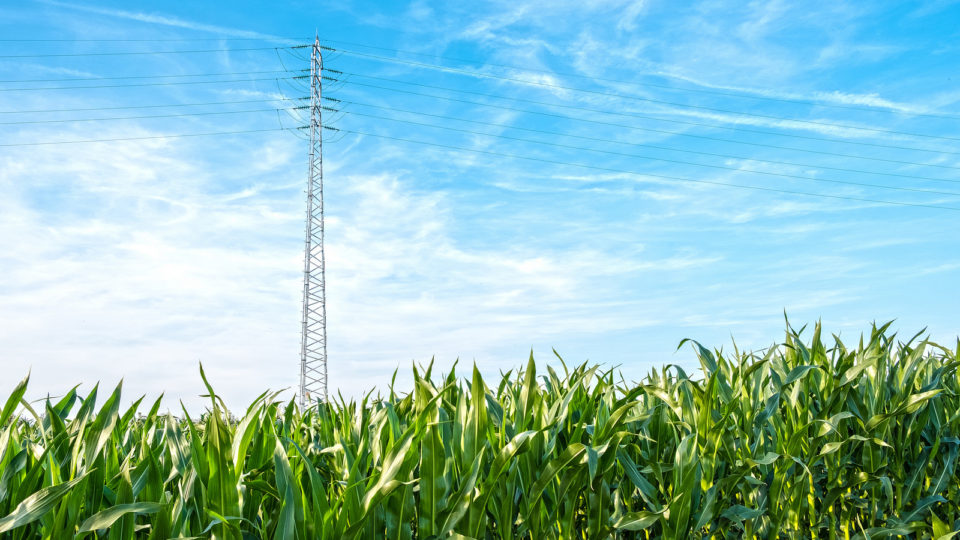
When biofuels are made, tough plant material is left over as waste. The material is lignin, which is a main component of plant cell walls that gives plants their structural integrity. Lignin is made up of many valuable compounds, but taking it apart to extract them is very difficult.
[Read more…] about Turning Biofuel Waste Into Valuable Chemicals