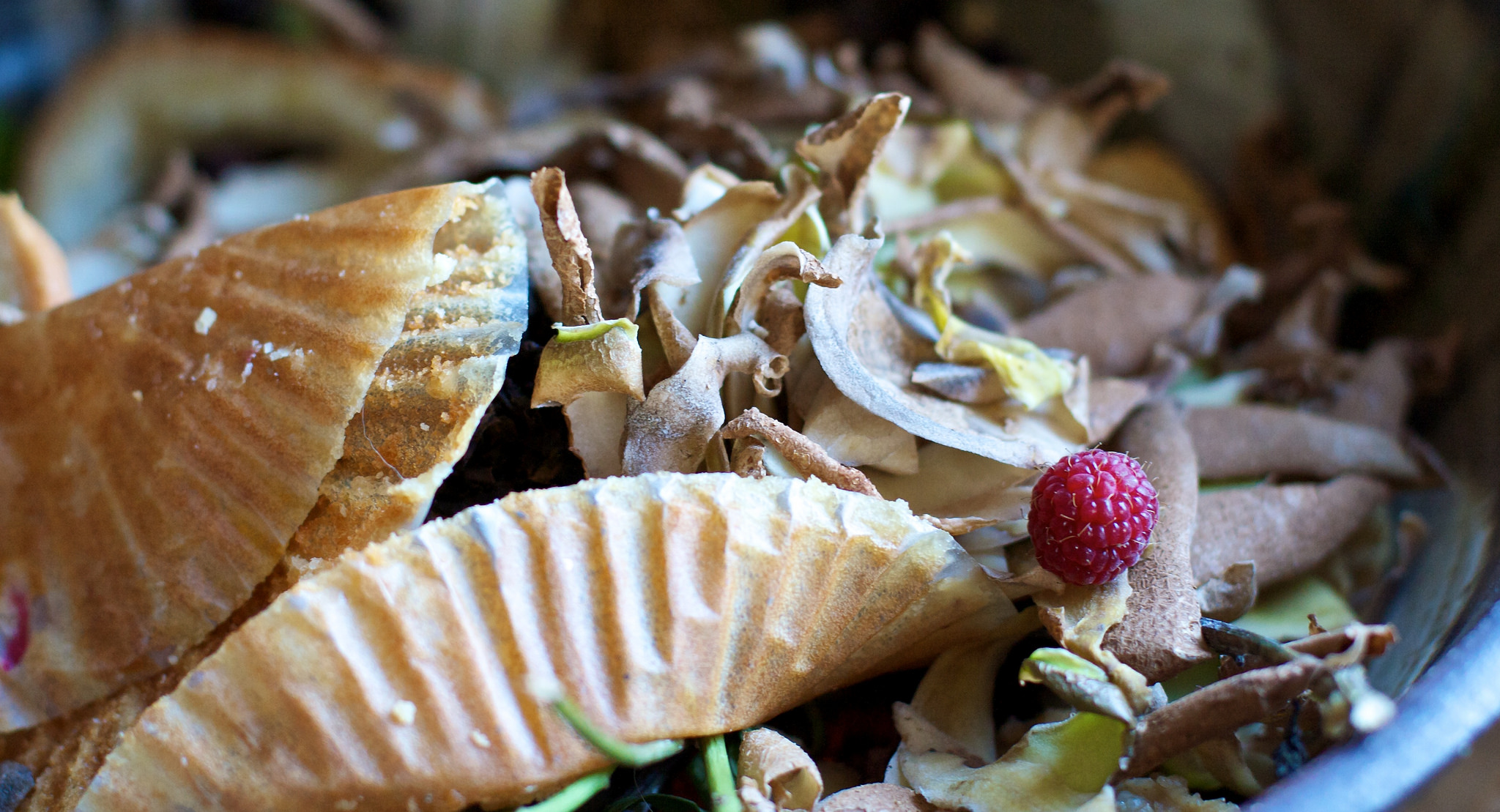
Americans toss out an almost unbelievable $161 billion worth of food every year. There are numerous efforts underway to address this problem, but they are mostly at the local level or in the business sector. To date, we have no national- or international-level policies that tackle the issue. In this regard, Europe is way ahead of us.
Waste
Use-By Labels And Food Waste
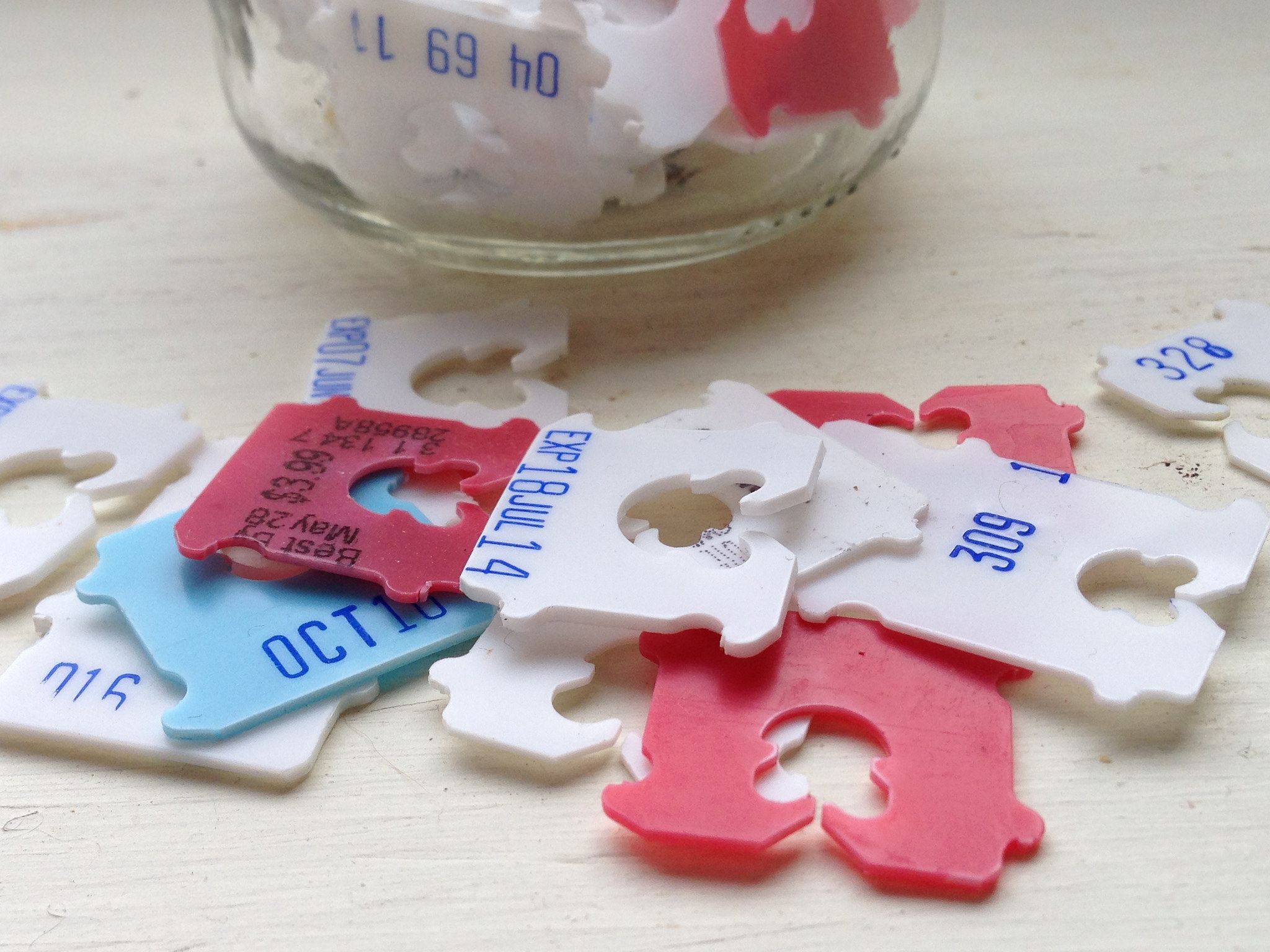
By some estimates, Americans waste as much as 40% of food that is produced. None of the reasons are anything to be proud of, but one of the most frustrating is the confusing array of food date labels that are supposed to tell us whether the food we purchased should be eaten.
Bidding ‘Adieu’ To Plastics
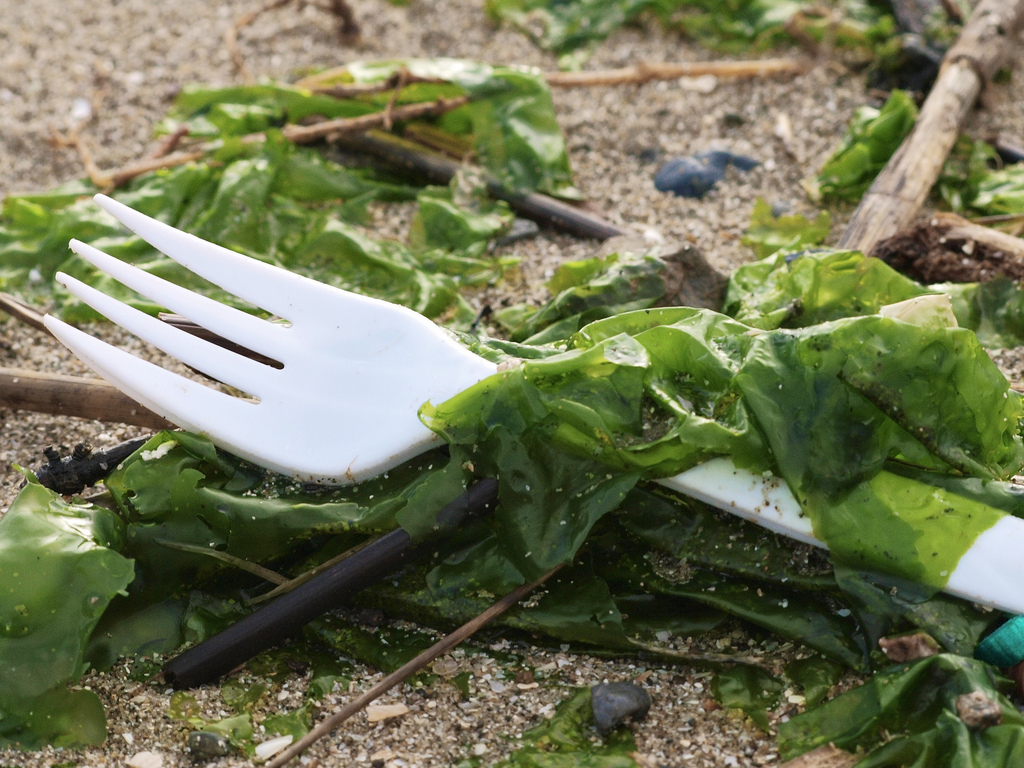
The use of plastics has increased 20-fold in the past 50 years, and production of plastics is expected to double again in the next 20 years. According to Eco Watch, the average American throws away approximately 185 pounds of plastic every year. And nearly one-third of all discarded plastic is not properly disposed of or recycled.
Too Much Waste
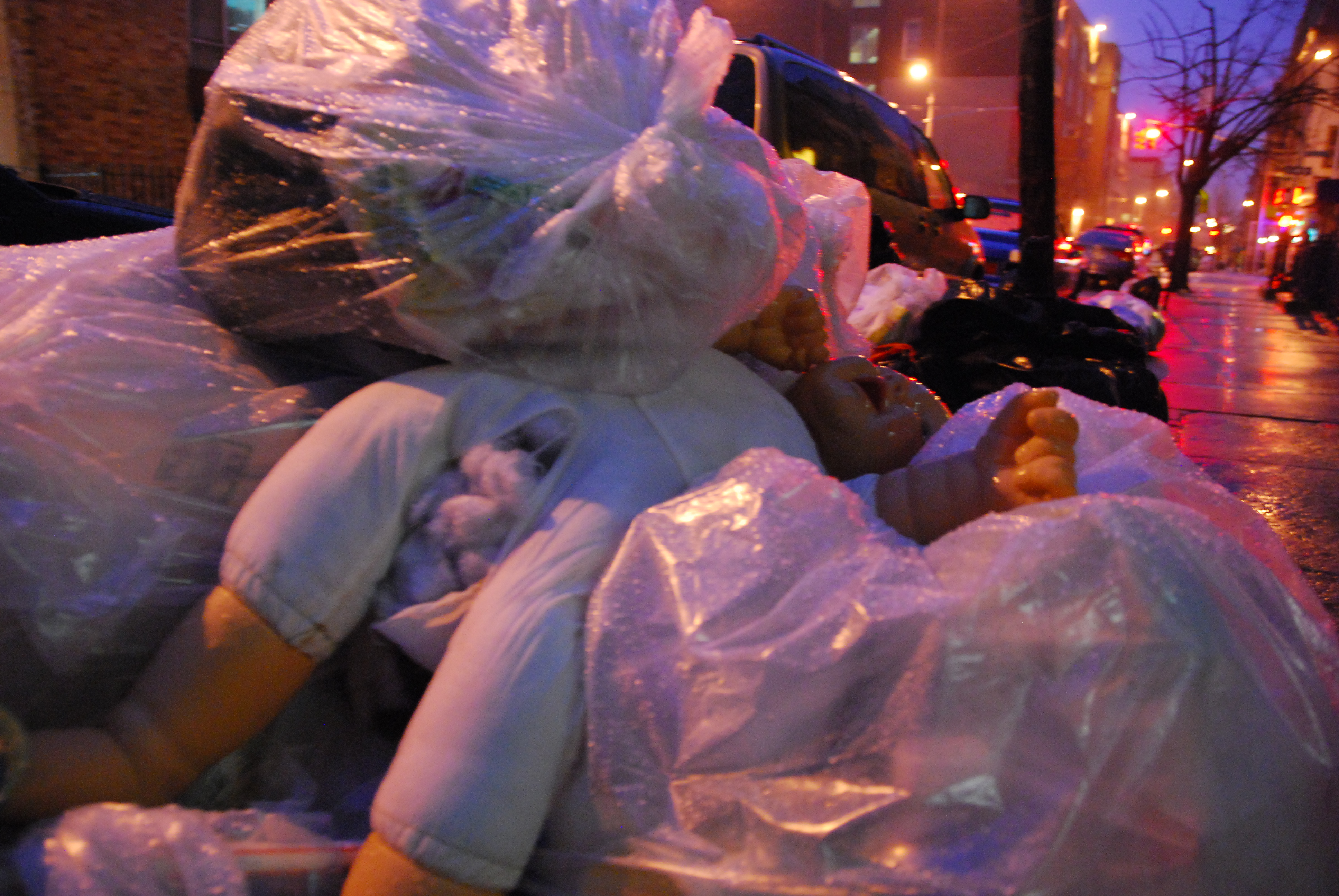
As the world’s population grows and becomes more urban and affluent, the amount of solid waste we produce grows and grows. Over the past century, the total amount has risen tenfold. By 2025, the world-wide total is expected to double again. The average person in the United States throws away their body weight in garbage every month.
Plastic From Milk

These days, many of the foods we buy, such as meat, bread, cheese and snacks – come wrapped in plastic. We end up with lots of non-recyclable, non-biodegradable waste. And thin plastic films are not even that great at preserving food because oxygen still gets through them.
Bottled Water
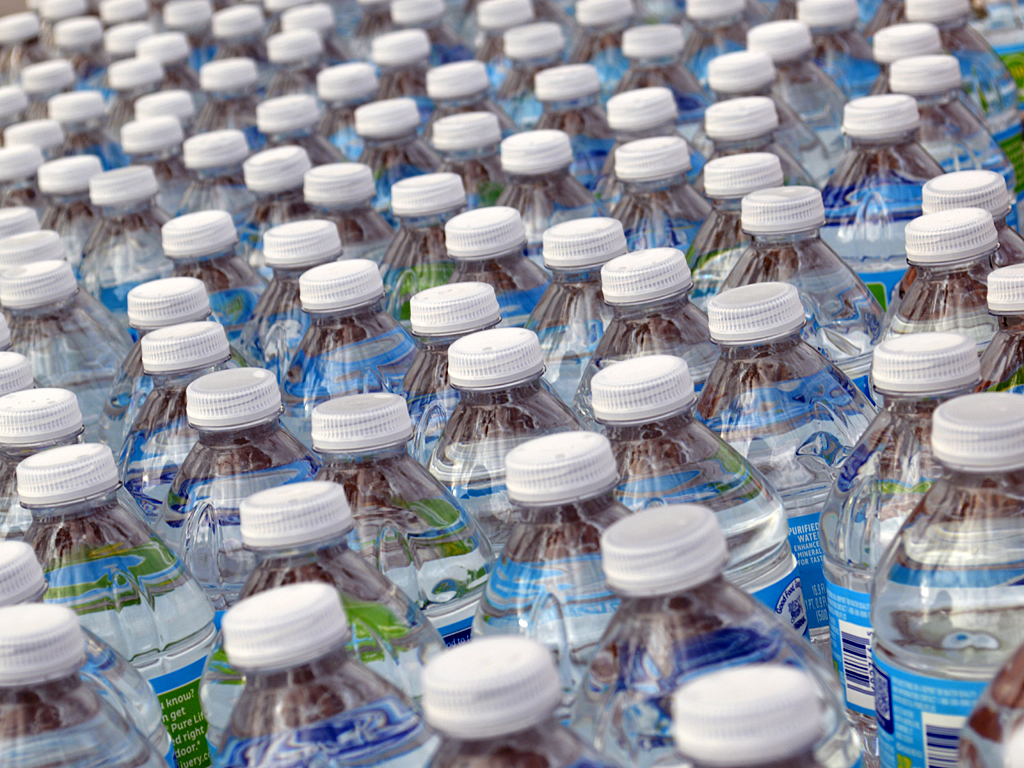
This year, Americans will consume more bottled water than soda for the first time. The average American will buy 27.4 gallons of bottled water, over a gallon more than soda drinks.
Packaging From The Sea

Waste due to excess packaging of the products we buy is a real problem. It is one that most of us are conscious of and more and more businesses are making efforts toward eco-friendly packaging. There is increased use of cardboard, which is recyclable. Most of us try to reduce our waste through recycling. But as we buy more things online and have a growing variety of things delivered to our homes, it is a struggle to receive the things we order in good condition and not end up with piles of packaging materials.
Cradle-to-Cradle

The circular economy refers to the concept of an economic system in which there is no waste. Materials are recycled, repurposed and reinvented to create new raw materials thereby reducing the need to extract new resources and thus saving money, energy and water resources.
Polystyrene Foam
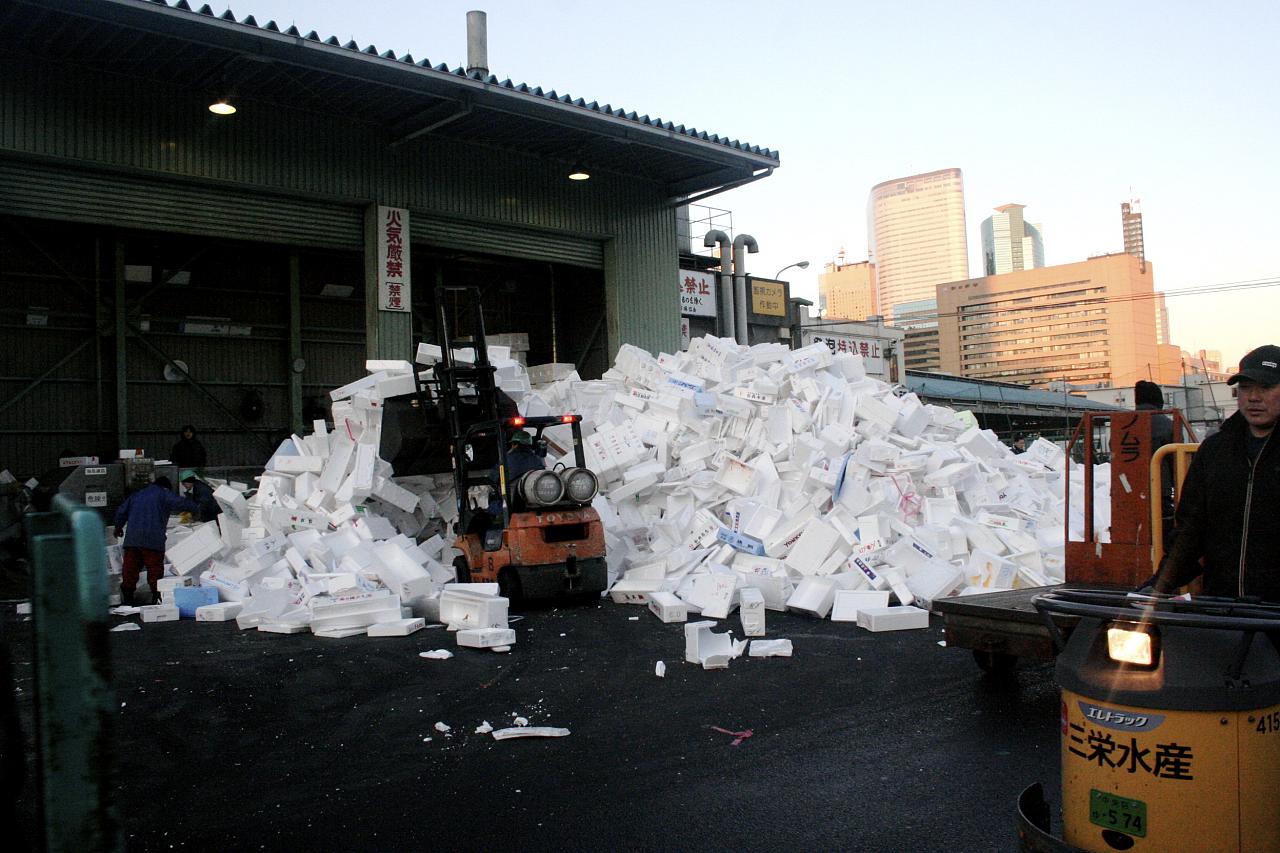
The San Francisco Board of Supervisors has voted to ban expanded polystyrene, the foam plastic used in food packaging, packing peanuts, coffee cups, and more. It is one of the most extensive bans of this type in the U.S.
Waste In The Big Apple
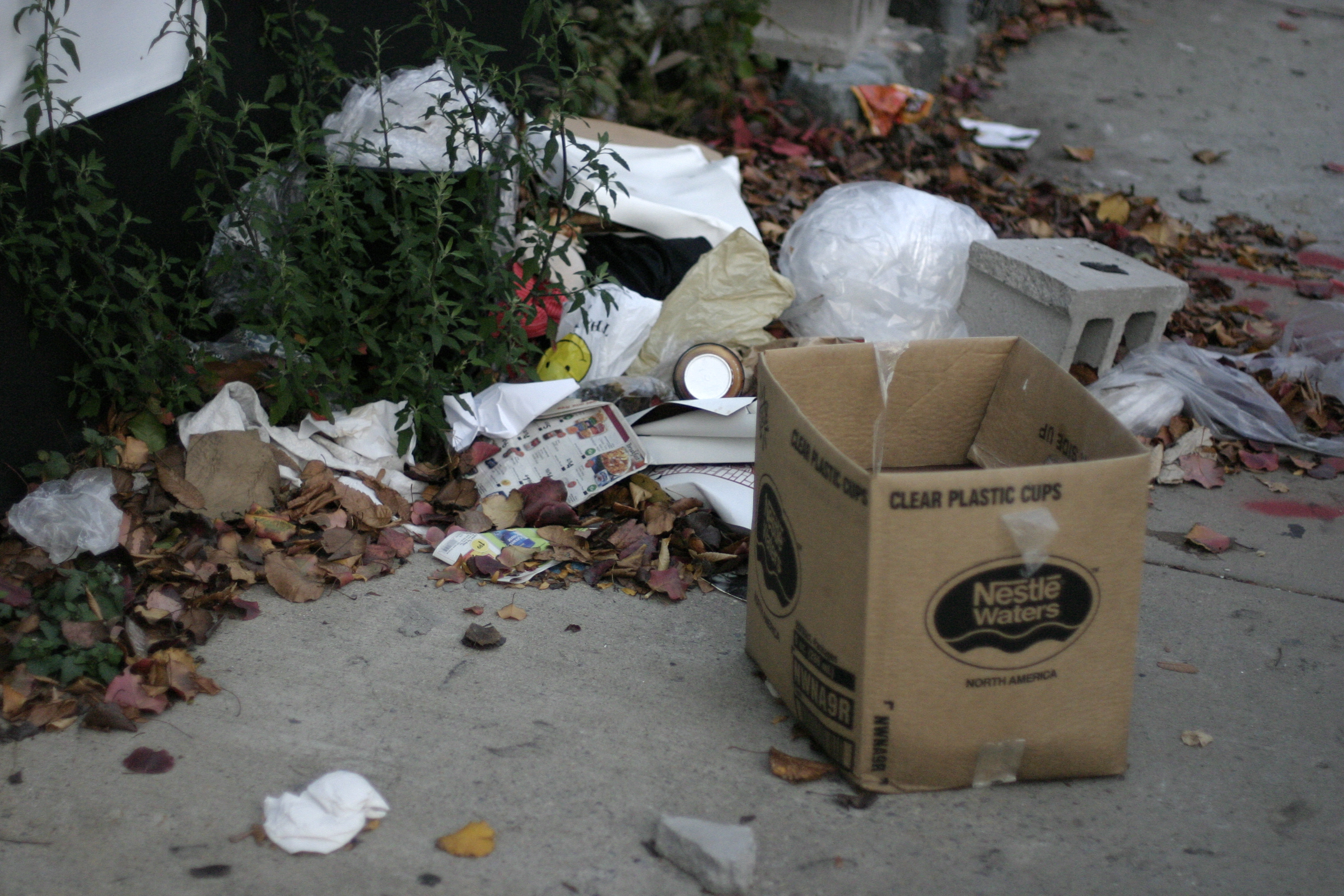
New York City, the financial and cultural center as well as the largest city in the country, is known for a lot of things: skyscrapers, shopping, and pizza immediately come to mind. But we should add another thing to that list. Trash.
Reducing Food Waste
It’s no secret that food waste is a global problem of epic proportions. Approximately one-third of all food is either lost or wasted, while more than 800 million people worldwide go hungry.
Shoes From Garbage
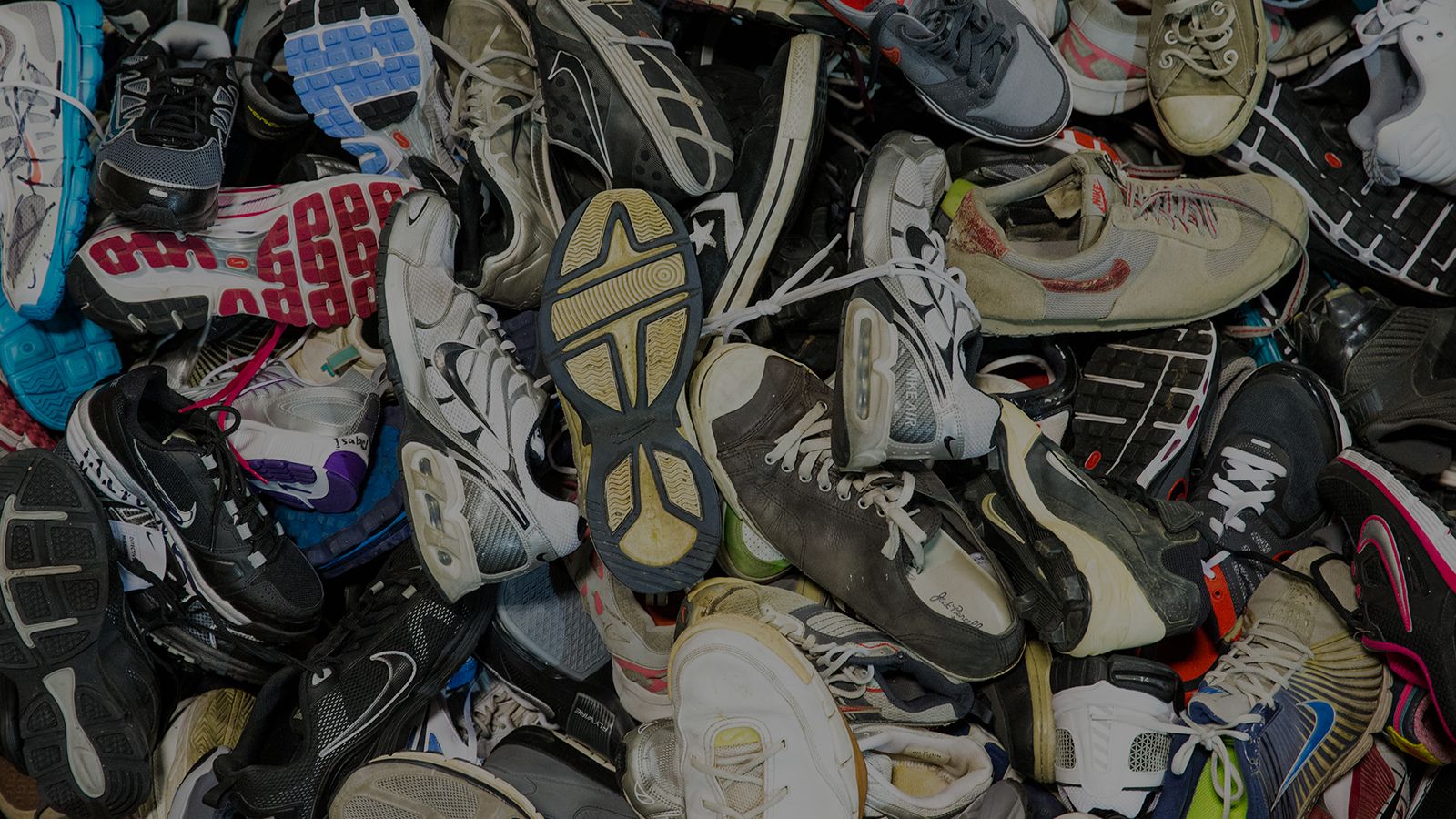
Apparel giant Nike recently announced that 71% of its footwear now contains materials made from waste products from its own manufacturing processes. They call the waste material “Nike Grind,” and it is made from recycled sneakers, plastic bottles, and manufacturing scraps from Nike’s factories.
Food Waste And Behavior
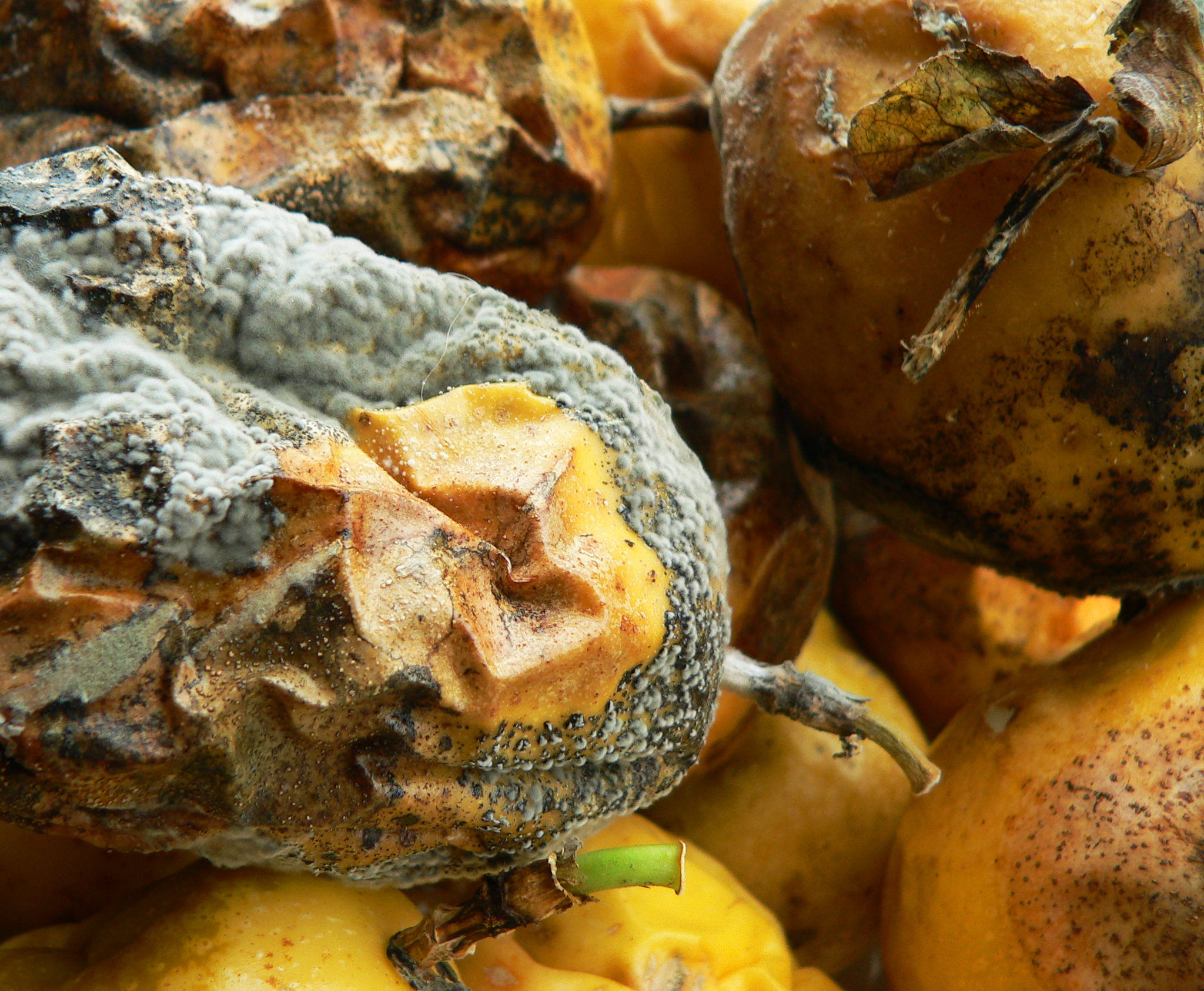
In a recent article in Science entitled “Waste not, want not, emit less,” Danish researchers looked at the problem of food waste in both developed and developing countries. Overall, about a third of the world’s food is lost or wasted, but the reasons for this vary in different parts of the world.
Stop Putting Food Waste Down The Drain
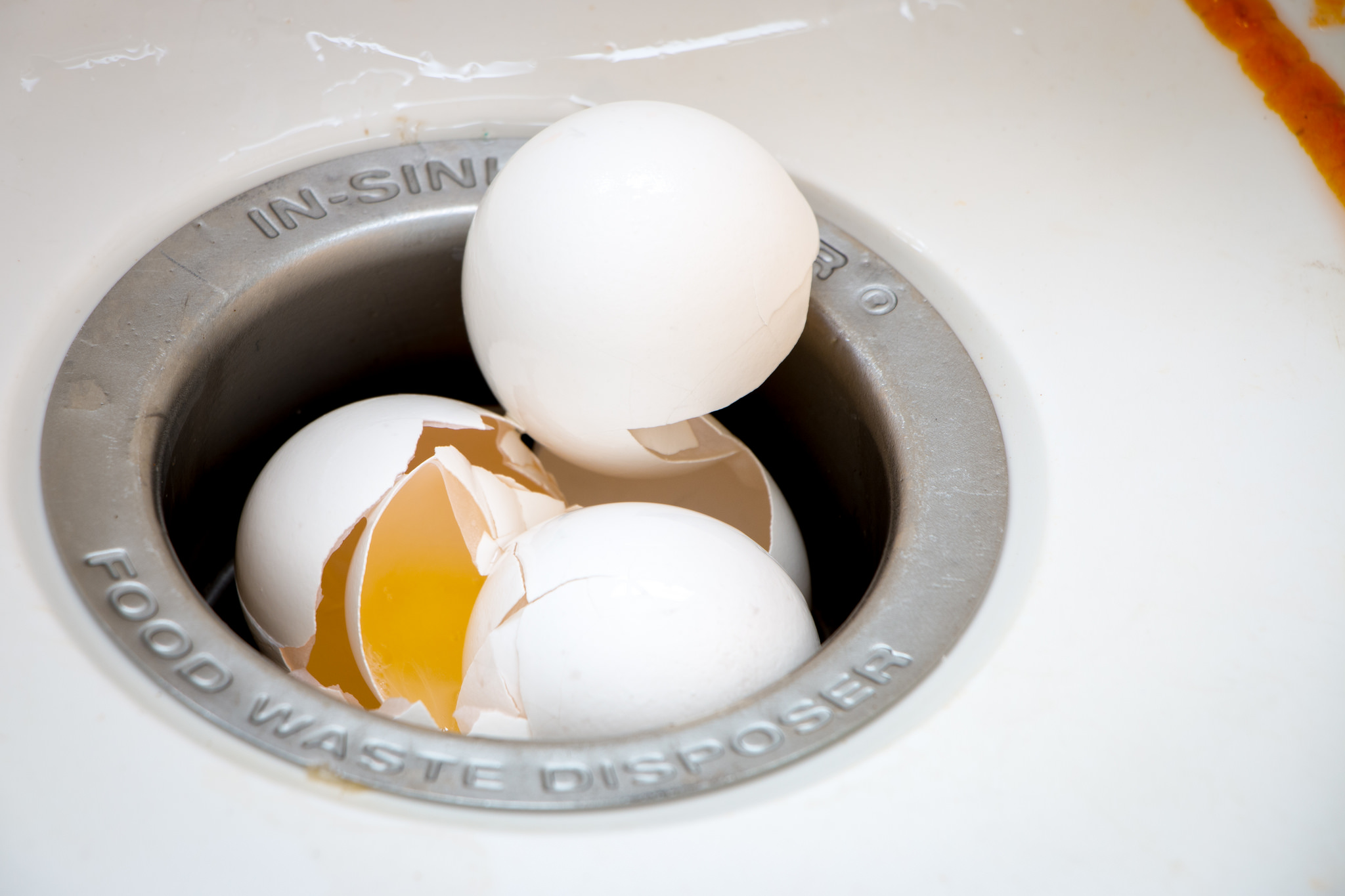
Should we really be putting food scraps down our sinks? Advertisements for kitchen garbage disposals assure us that these devices are a ‘hygienic way of eliminating waste and keeping odors at bay’ – but behind marketing materials questions remain.
Tomato Energy
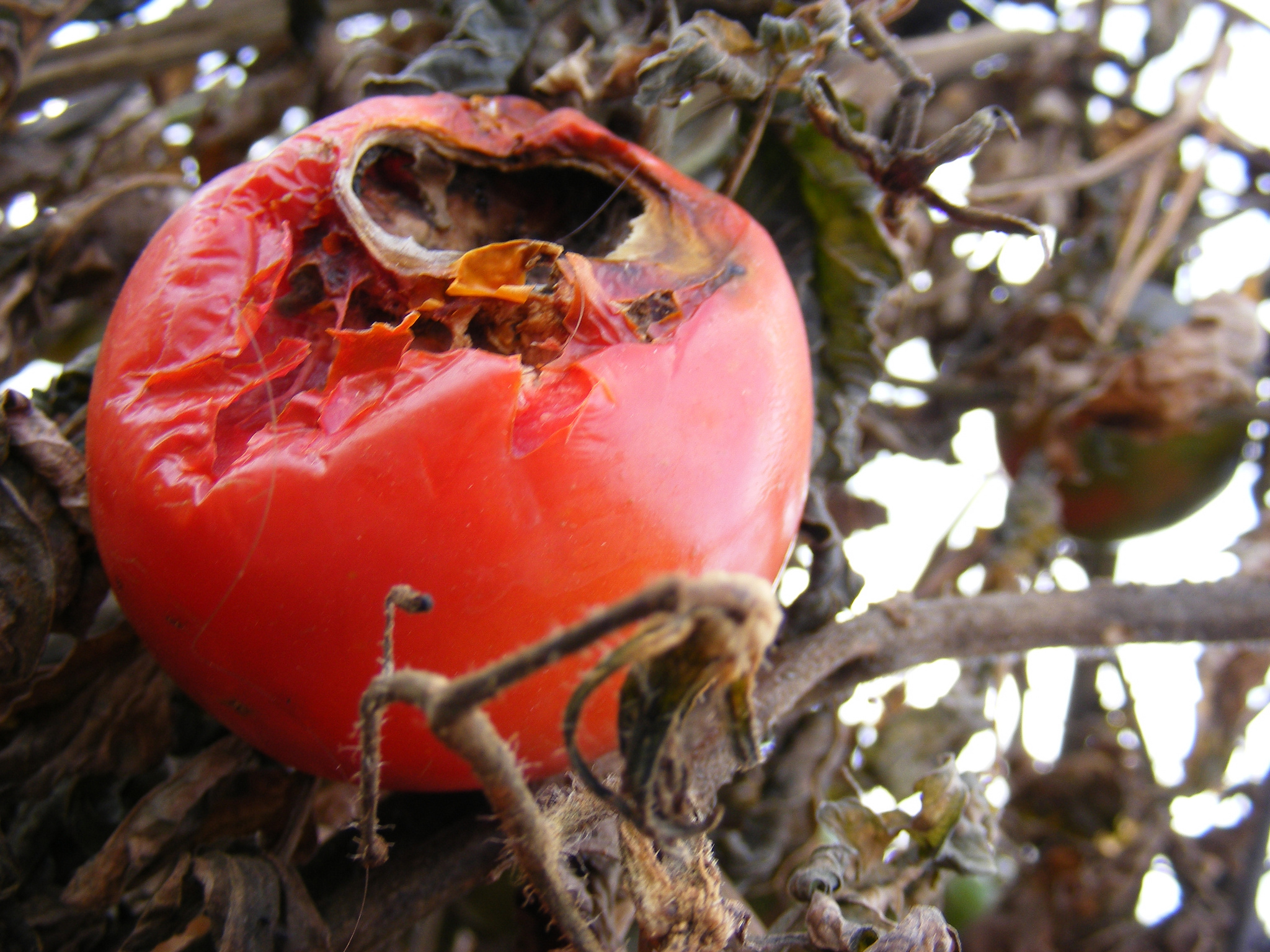
People continue to find new ways to generate energy from unusual sources. A team of scientists at several universities recently reported on a new fuel cell that uses tomato waste left over from harvests in Florida.
Banning Coffee Pods
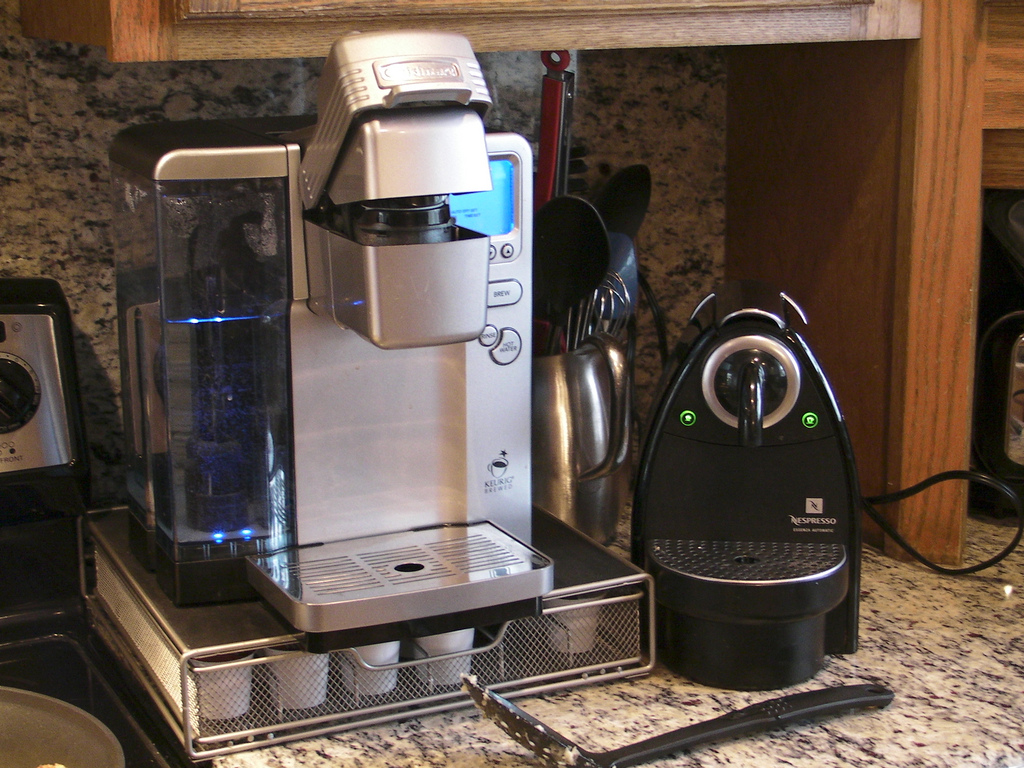
Over the past decade, single-serve coffee pods have quickly become a favorite method for delivering a hot cup o’ joe as fast and efficiently as possible. The explosive growth of pod-based coffee machines is such that now nearly one in three American homes has one.
Reduced Waste From Modular Construction

Our nation’s landfills are overflowing and we are constantly seeking ways to reduce the amount of waste that needs to go into them. Usually, we are thinking about food waste, plastics, glass and paper. However, one of the largest sources of waste generation is actually construction and demolition waste. Estimates are that between 25 and 40% of the national solid waste stream comes from these activities and very little of it gets recycled.
Food Waste And Wildlife

We have talked quite a bit about food waste and in particular its impact on world hunger and on the economy. The world wastes more than $750 billion worth of food each year and 1.6 billion tons of food is left in fields, sent to landfills or scattered about the landscape. Another 7 million tons of fishery discards are dumped in the sea.
The Fight Against Day Burners

A U.S. Department of Energy webpage states that “about 10% of street lights are brightly lit during daytime and essentially waste electricity due to faulty photosensors.” Such lights are called “day burners.” While some think the 10% figure is a slight overestimate, the electricity day burners waste is significant nonetheless.
Composting Pays
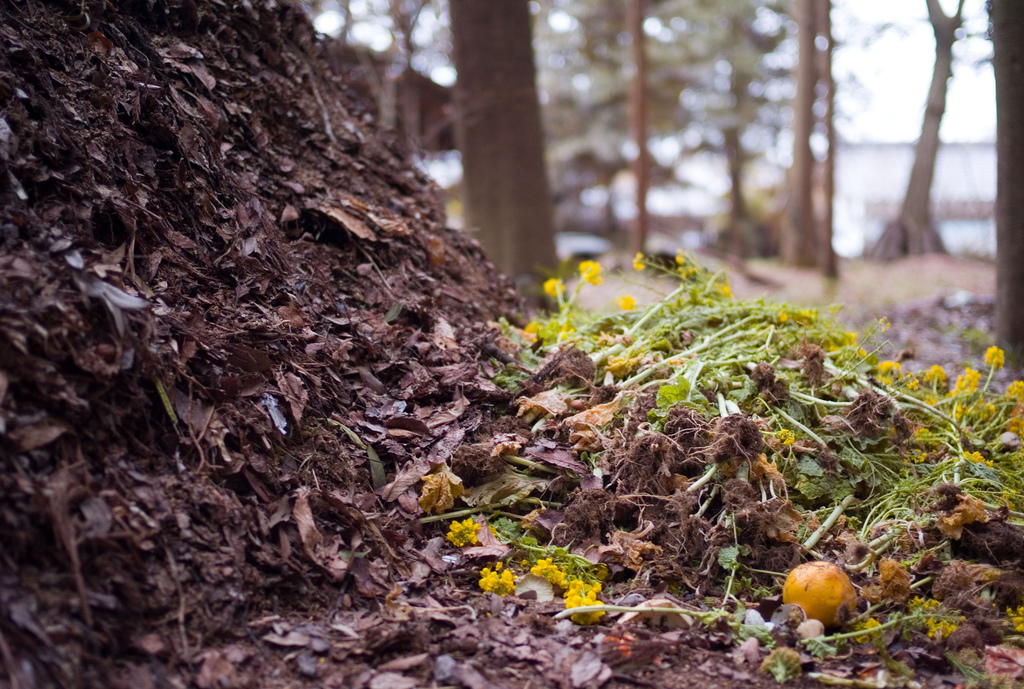
Many people compost their food scraps and yard waste because they think it is the right thing to do. In some places, like San Francisco and Seattle, there is curbside pickup available to have these organic materials composted.