• Skip to primary navigation
  • Skip to main content
  • Skip to primary sidebar

Earth Wise

A look at our changing environment.

  • Home
  • About Earth Wise
  • Where to Listen
  • All Articles
  • Show Search
Hide Search
You are here: Home / Archives for trees

trees

Alaskan Wildfires | Earth Wise

August 4, 2022 By EarthWise Leave a Comment

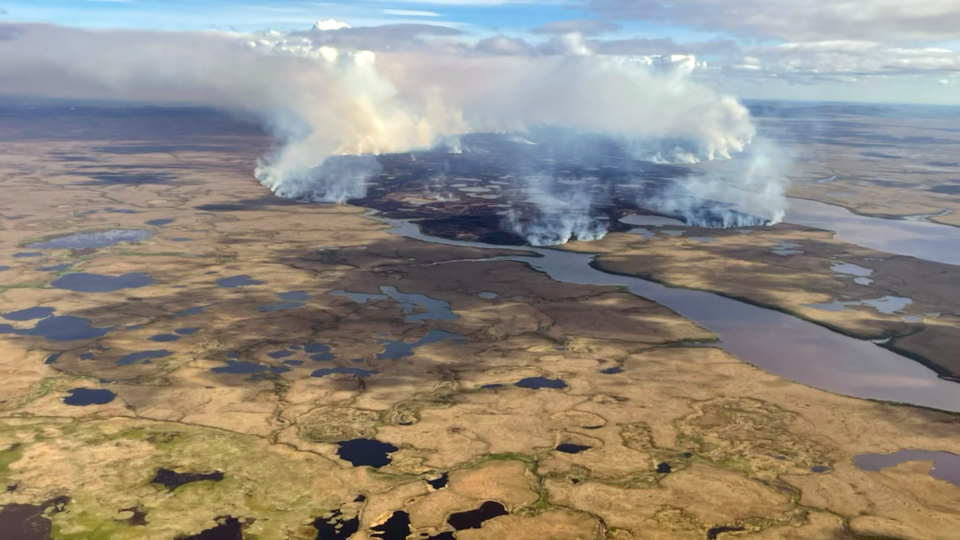
Wildfires are raging in Alaska

Alaska is on a pace for a record fire season this year.  As of mid-July, more than 2.7 million acres had burned, which is more than 10 times the total area burned in all of 2021.

Alaskan fires have been spurred on by warm temperatures, a diminished snowpack, and an unusually large number of lightning strikes.  May was one of the warmest and driest on record leading to lots of fires in June.  More than 300 wildfires ignited during June.  Many were sparked by nearly 5,000 lightning strikes early in the month.

There have already been some very large fires, including the East Fork Fire, near the Yukon Delta which had burned more than 250,000 acres by the beginning of July, and the Lime Complex Fire, in the southwest part of the state, which had burned more than 865,000 acres by mid-July.

The all-time record fire season in Alaska was 2004, when more than 6 million acres went up in flames.   Wildfires are a natural part of the Boreal North ecosystem: the great northern forest region.  But the fires occurring now are very different from those of a century ago and more.   The combination of more fuel in the form of dry vegetation, more lightning strikes, higher temperatures, and lower humidity leads to fires that burn hotter and burn deeper into the ground.  Such fires don’t just scorch trees and burn the undergrowth.  They consume everything leaving a barren landscape of ash.  Million-acre fires occur more than twice as often as they did before 1990.

The state may set a new record for wildfire acreage before the season is over.  Nearly 6,000 firefighters and support personnel continue to battle blazes across the state.

**********

Web Links

Alaska Is on Track for a Record Fire Season

Photo, posted June 18, 2022, courtesy of Ryan McPherson/BLM Alaska Fire Service via Flickr.

Earth Wise is a production of WAMC Northeast Public Radio.
Mangrove Forests And Climate Change | Earth Wise

August 3, 2022 By EarthWise Leave a Comment

Climate change is disrupting mangrove forests

Mangrove forests play a vital role in the health of our planet.  These coastal forests are the second most carbon rich ecosystems in the world.  A patch of mangrove forest the size of a soccer field can store more than 1,000 tons of carbon. It does this by capturing carbon from the air and storing it in leaves, branches, trunks, and roots.

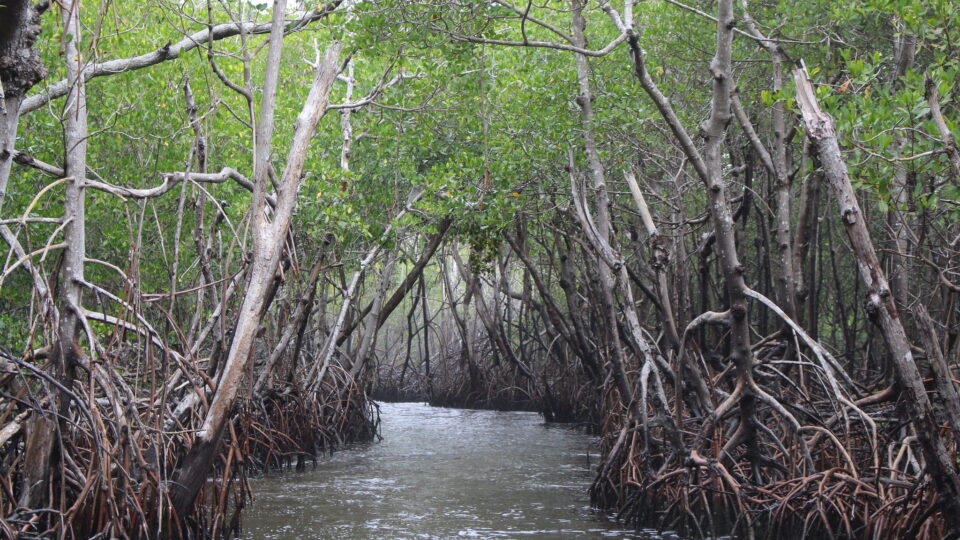
Mangrove forests only grow at tropical and subtropical latitudes near the equator because they cannot withstand freezing temperatures.  These forests can be recognized by their dense tangle of prop roots that make the trees look like they are standing on stilts above the water.  These roots allow the trees to handle the daily rise and fall of tides.  Most mangroves get flooded at least twice a day.  The roots also slow the movement of tidal waters, which allows sediments to settle out of the water and build up on the muddy bottom.  Mangrove forests stabilize coastlines, reducing erosion from storms, currents, waves, and tides.

A new study by the University of Portsmouth in the UK looked at the effects of climate change on how carbon is stored in mangrove forests.  In mangrove ecosystems, a variety of organisms break down fallen wood.  These include fungi, beetle larvae, and termites.  Closer to the ocean, clams known as shipworms degrade organic material.

Climate change is disrupting these processes in at least two ways.  Rising sea levels are changing the way sediments build up and increased ocean acidity is dissolving the shells of marine organisms like shipworms.

Mangrove forests are crucial to mitigating climate change, and changes to the functioning of the carbon cycle of those ecosystems are a threat to their ability to perform that function.

**********

Web Links

Study Reveals How Climate Change Can Significantly Impact Carbon-Rich Ecosystem

Photo, posted March 24, 2014, courtesy of Daniel Hartwig via Flickr.

Earth Wise is a production of WAMC Northeast Public Radio.
Bumblebees And Climate Change | Earth Wise

July 26, 2022 By EarthWise Leave a Comment

Pollinators, such as bees and bats, are vital for global food production.  They provide an ecological service that’s necessary for the reproduction of nearly 75% of the world’s flowering plants, including more than two-thirds of global food crops.

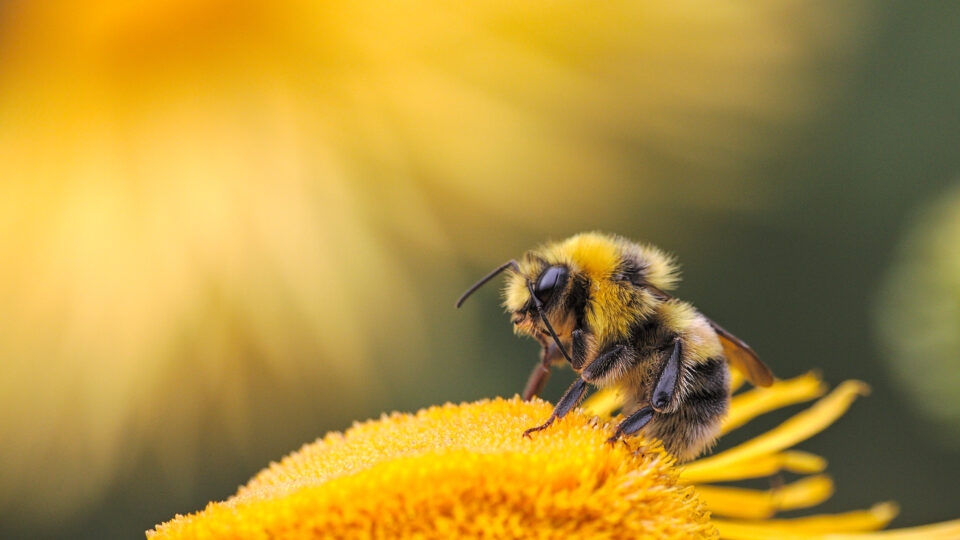
Bumblebees are among the most important plant pollinators.  They pollinate many food crops, including apples, tomatoes, blueberries and legumes, as well as countless types of trees, shrubs, and wildflowers.

According to a new study by researchers from Simon Fraser University in Canada, temperature changes have negatively impacted most bumblebee species during the past 120 years.  The research, which was recently published in the journal Biology Letters, found that these changes in temperature had more of a negative impact than other factors such as precipitation or floral resources. 

The research team analyzed existing data on 46 bumblebee species across North America between 1900 and 2020.  The researchers created two occupancy models – one that was focused on time and the other that focused on environmental factors – to see how climate change and land-use variables impacted species’ occupancy.  They found that six bumblebee species decreased through time, 22 increased, and 18 remained stable.

Temperature changes had primarily negative impacts on bumblebees.  In fact, 37 of the 46 species studied exhibited declines or less positive occupancy increases under observed changes in temperature when compared with temperatures remaining constant.  Approximately half of the bumblebee species were negatively impacted by changes in precipitation or floral resources while the other half were positively impacted.

Bumblebee populations are changing as a consequence of climate change. 

**********

Web Links

The American Bumblebee

Climate change negatively impacting bumble bees: Study

Photo, posted July 14, 2019, courtesy of Dmitry Grigoriev via Flickr.

Earth Wise is a production of WAMC Northeast Public Radio.

Red Pandas And Climate Change | Earth Wise

July 6, 2022 By EarthWise 2 Comments

Climate change threatening red panda populations

Red pandas are small mammals native to the mountainous forests of China, India, Nepal, Bhutan, and Myanmar.  Unlike their name suggests, they are not related to giant pandas.  In fact, red pandas are distant relatives of raccoons. Renowned for their tree-climbing abilities, red pandas live at moderately high elevations in the Himalayas where they forage widely for bamboo shoots and various fruits.

According to the International Union for the Conservation of Nature, red pandas are endangered.  Scientists estimate that there are less than 10,000 red pandas remaining in the wild today, and these numbers are continuing to fall. 

Habitat loss is the main threat to red panda’s survival.  Human expansion into the area, combined with the effects of climate change, has led to the fragmentation and loss of livable land.  Red pandas also face dangers from hunting and poaching.

According to new research recently published in the journal Landscape Ecology, human impacts are driving red pandas closer to extinction than previously thought.  Using GPS telemetry, a research team from the University of Queensland in Australia tracked red pandas in Nepal over a 12-month period.  The researchers found that human activities, such as infrastructure development, were causing red pandas to restrict their movements, which is further fragmenting their habitat and interfering with natural interactions between the animals. 

As the amount of wild forest dwindles, red pandas are being forced into situations where they must decide whether to live closer to predators or adapt to co-exist with humans.

The research team recommends minimizing human-induced disturbances in red panda habitats and to maintain habitat continuity in ecologically sensitive areas. 

**********

Web Links

Red pandas face a fractured future

IUCN: Red Panda

Photo, posted November 27, 2016, courtesy of Mathias Appel via Flickr.

Earth Wise is a production of WAMC Northeast Public Radio.
Skydiving Salamanders | Earth Wise

June 28, 2022 By EarthWise Leave a Comment

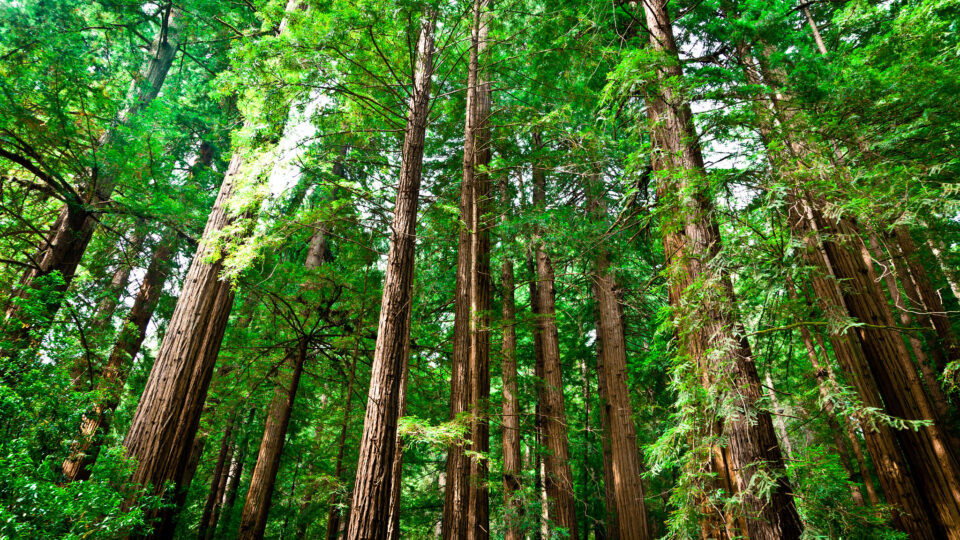
The redwoods of the California coast are the tallest trees in the world.  They are typically a couple of hundred feet tall and the tallest rise to a height of as much as 380 feet.  Scientists have been studying the unique world of the redwood forest canopy for years.  There are multiple animals that actually live up there.  In fact, some spend their entire lives at the top of a single tree.

Over the past 20 years, researchers have been climbing redwoods to observe, capture, and mark salamanders that live in the canopy.  The most arboreal species, called the wandering salamander, is a four-inch-long creature what moves up and down the branches of a tree where it spends its entire life.  The researchers discovered a remarkable ability for the little amphibian.

The salamander readily leaps from perches in the crowns of redwood trees and has the ability to easily maneuver in midair back to a trunk or branch before it plummets to the ground.  When the salamanders were startled by climbing researchers, they simply leap from the canopy and find their way to another perch lower in the tree.

The salamanders assume a skydiving posture with their forelimbs splayed out and can steer themselves by pumping their tails up and down.  They can flip themselves over if they end up upside down.  They have an impressive level of control.

What is most remarkable is that the salamanders, apart from having slightly larger foot pads, look no different from other salamanders that aren’t skydivers.  They have no skin flaps or other anatomical adaptations that would give them the ability to glide.  The researchers hope to eventually figure out just how these creatures have become expert skydivers.

**********

Web Links

Skydiving salamanders live in world’s tallest trees

Photo, posted August 5, 2010, courtesy of Benson Kua via Flickr.

Earth Wise is a production of WAMC Northeast Public Radio.
Primary Ways To Mitigate Climate Change | Earth Wise

May 30, 2022 By EarthWise Leave a Comment

How to mitigate climate change

The most recent report issued by the Intergovernmental Panel on Climate Change states that the world must halt the increase in greenhouse gases within three years, reduce emissions by 43% in the next seven years, and eliminate them entirely by 2050.  Otherwise, there will likely be catastrophic and irreversible impacts on the climate.

With respect to achieving these reductions, the report emphasizes decarbonizing the energy sector through electrification by replacing fossil fuels anywhere and everywhere possible.  Where that isn’t yet practical – such as in shipping and aviation – the use of biofuels and hydrogen can provide a stopgap until battery technology becomes a viable alternative.

The economics of this approach continue to improve.  Since 2010, the cost of wind, solar, and batteries has declined by as much as 85%.  In many cases, costs have fallen below those of fossil fuels.  Nonetheless, the report stresses that continuing to provide national, state, and local incentives for using renewable energy is a key factor in achieving the necessary reductions.

However, reducing emissions will no longer be enough.  This is the first major IPCC report that states that man-made carbon dioxide removal strategies will be necessary to meet the goals of the Paris Climate Agreement.  So-called natural carbon storage options, like planting trees and using farming methods that sequester carbon in soil, are also important parts of the strategy.

It is up to governments, policymakers, and investors to implement the necessary changes to mitigate climate change.  There is lots of talk about it, but it will take concerted action to avoid increasingly dire consequences.

**********

Web Links

Report highlights affordable, available ways to mitigate climate change now

Photo, posted September 8, 2007, courtesy of Kevin Dooley via Flickr.

Earth Wise is a production of WAMC Northeast Public Radio.
The Ivory-Billed Woodpecker | Earth Wise

May 24, 2022 By EarthWise Leave a Comment

Is the Ivory-Billed Woodpecker extinct?

The ivory-billed woodpecker was the largest woodpecker in the US.  They were once relatively common, stretching from the Carolinas through the southeast and across to Texas.  Their numbers started to drop sharply in the 19th century because of habitat loss and overhunting.  Many were taken as valuable specimens; some were even eaten by poverty-stricken people.

The last widely accepted sighting was way back in 1944.  For years, the birds were listed as critically endangered with only infrequent and entirely anecdotal reports of sightings.  Last year, the U.S. Fish and Wildlife Service finally declared the species extinct.

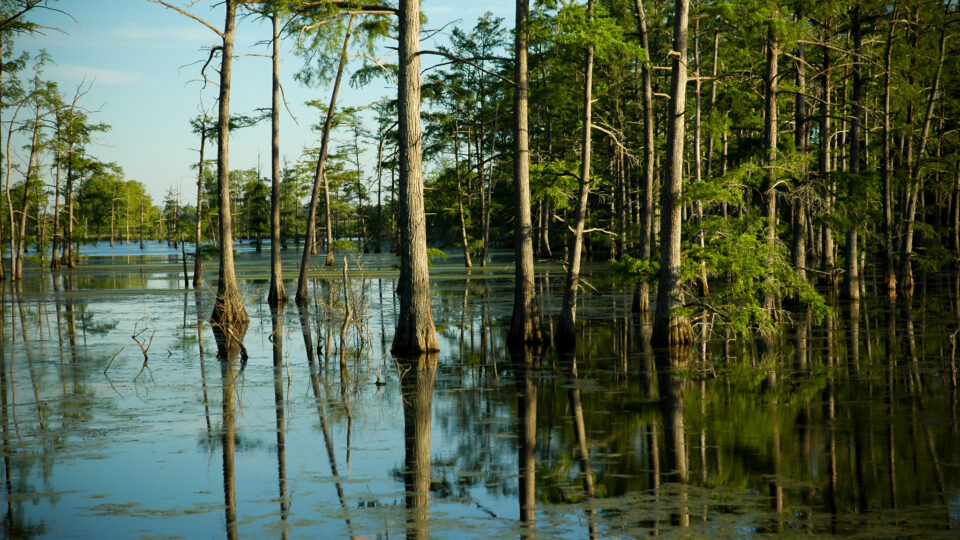
A multiyear field study by avian researchers from multiple institutions has recently reported that the ivory-billed woodpecker may in fact still exist in a remote swampy region of Louisiana. 

The three-year effort to find the woodpecker involved scientists trudging through the remote site to observe birds and take audio recordings.  Unmanned trail cameras taking time-lapse photos and a drone were used to capture images.  Several members of the team report that they observed the birds.  Some photographic images and videos appear to show ivory bills.  Based on characteristic markings visible in some of the photos, the birds do appear to be the ivory bill and not, for example, the fairly common but similar looking pileated woodpecker.

The birds are scarce, live in a tough, swampy habitat, and actively avoid getting near people.  They live high in trees and are very difficult to spot, much less get clear photographs of.  From all indications, however, reports of the demise of the ivory-billed woodpecker may have been premature.

**********

Web Links

Back from the dead? Elusive ivory-billed woodpecker not extinct, researchers say

Photo, posted May 3, 2008, courtesy of Michael McCarthy via Flickr.

Earth Wise is a production of WAMC Northeast Public Radio.
Climate Change And Forest Loss | Earth Wise

May 23, 2022 By EarthWise Leave a Comment

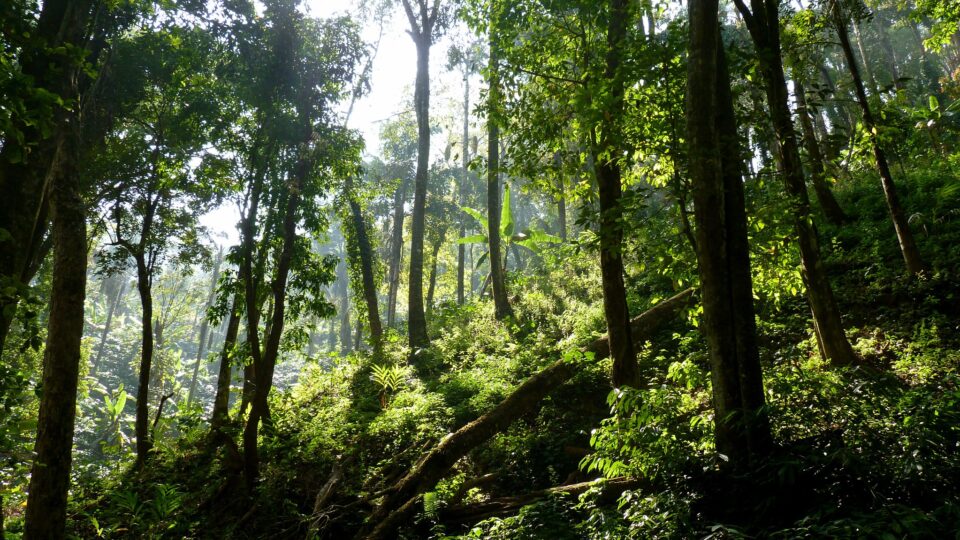
India is one of the most biodiverse countries in the world.  An estimated 47,000 plant species and 89,000 animal species can be found in India, with more than 10% of each thought to be on the list of threatened species. 

India is also among the top ten countries in the world in terms of total forest coverage.  According to Indian government data, the total forest and tree cover in India is 312,000 square miles, which is 24.62% of the geographical area of the country.

However, forest loss in India has been a problem for many decades driven largely (researchers thought) by land use change.  But it turns out that climate change may also have been contributing to forest loss, and its impact is projected to become an even bigger problem in the coming years. 

In the first ever national-scale study of the relationship between forest loss and rainfall and temperature trends in India, researchers from the University of Reading in the U.K. found that climate change may have contributed to large declines in forest since the turn of the century.

The study, which was recently published in the journal Global Change Biology, found far greater forest losses were observed where and when the climate was changing most rapidly.  Decreases in rainfall had the strongest impact on forest loss. 

These findings exacerbate concerns about the already-worrying levels of deforestation in the country, and contradict official reports that have shown relatively small decreases in forest coverage in recent years. 

The research team warns that rapid changes to the climate in some regions will require targeted preservation action to reduce the risk to biodiversity in India. 

*********

Web Links

Indian forest loss ‘worse than feared’ due to climate change

Photo, posted January 20, 2013, courtesy of Dicky Broadhurst / Frontier Official via Flickr.

Earth Wise is a production of WAMC Northeast Public Radio.
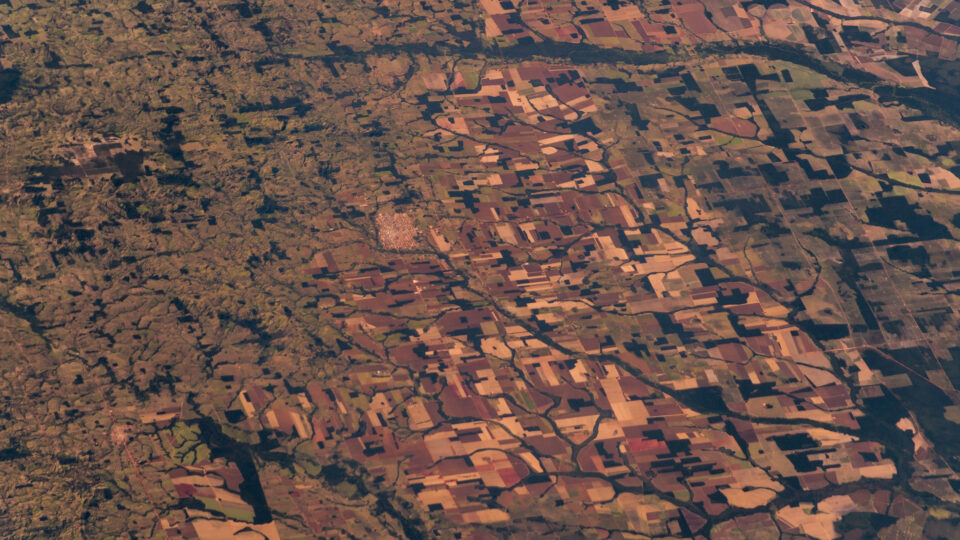
Record Levels Of Deforestation In The Amazon | Earth Wise

March 25, 2022 By EarthWise Leave a Comment

Record levels of deforestation in the Amazon Rainforest

The Amazon rainforest is the largest rainforest in the world, covering more than 2.5 million square miles.  It’s home to 10% of all known species in the world.  The Amazon rainforest’s biodiversity is so rich that scientists are still discovering new plant and animal species today.  

The Amazon rainforest absorbs huge amounts of carbon dioxide from Earth’s atmosphere, making it a key part of mitigating climate change.  The vast rainforest acts as what’s known as a carbon sink.  Simply put, a carbon sink is anything that absorbs more carbon from the atmosphere than it releases.  But as trees in the Amazon disappear, so does the ability of the rainforest to absorb carbon dioxide.

Deforestation of the Amazon rainforest remains a major problem.  According to satellite data from the Brazilian government, the number of trees cut down in the Brazilian Amazon in January far exceeded deforestation figures for the same month last year.  Approximately 166 square miles of land was deforested in January alone, which is five times greater than what was lost in January, 2021.

Cattle ranching – both for beef and for leather – remains the leading cause of deforestation in the Amazon rainforest.  Trees in the Amazon are also cut down for their wood, as well as to clear the land in order to grow food crops, such as soy, sugar, and oil palm. 

Many companies have pledged to achieve “net zero” deforestation in their supply chains over the years, but most have not lived up to the commitment. 

Deforestation is not only a major driver of climate change, but it’s also the leading cause of species extinction.  Preserving the Amazon rainforest is vital. 

**********

Web Links

Amazon deforestation: Record high destruction of trees in January

Greenpeace calls on fast food giants to take a stand against Bolsonaro’s Amazon destruction

Hundreds of Companies Promised to Help Save Forests. Did They?

Photo, posted July 14, 2018, courtesy of Alexander Gerst via Flickr.

Earth Wise is a production of WAMC Northeast Public Radio.
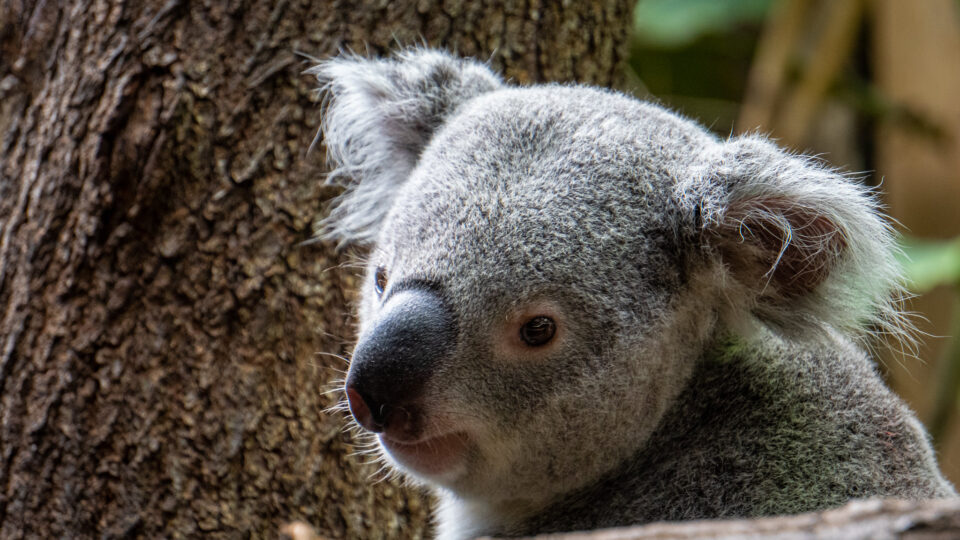
Koalas Are Endangered | Earth Wise             

March 22, 2022 By EarthWise Leave a Comment

Koalas are endangered

The koala is one of the world’s most iconic animal species and is widely considered to be the symbol of Australia.   Koalas are not bears; they are marsupials. 

Being iconic symbols is not sufficient to prevent koalas from going extinct.  In the 1920s, hundreds of thousands of koalas were shot for the fur trade, greatly reducing their population.

More recently, drought, bush fires, disease, and habitat loss have drastically reduced the numbers of koalas.  Since 2018, there has been a 30% decline in koala populations across Australia.  It is difficult to get an accurate count of the animals because they don’t move around much, and they live high up in tree canopies where they are hard to spot.

 Estimates are that the koala population has dropped from between 45,000-82,000 in 2018 to between 32,000-58,000 in 2021.  The koala is now extinct in 47 Australian electorates and in many others, there are only handfuls of animals remaining.   The population decline was accelerated by devastating wildfires in late 2019 into early 2020.  Some estimates are that koalas could be extinct by 2050.  Conservation organizations around the world have been demanding greater protection for koalas for years.

Given this dire situation, the Australian government recently declared the koala an endangered species, reclassifying it from being a vulnerable species.  The government plans to adopt a recovery plan that will include new laws protecting koalas and their natural woodland environments.  The details of the plan remain to revealed.

According to the Australian Koala Foundation, however, the new status of the koala means very little in and of itself.  If the clearing of the koala habitat continues, the species has little chance of surviving in the wild.

**********

Web Links

‘In rapid decline’: Australia has lost 30% of its koalas in just 3 years, foundation says

Australia Declares Koalas an Endangered Species

Photo, posted September 18, 2019, courtesy of Guido Konrad via Flickr.

Earth Wise is a production of WAMC Northeast Public Radio.
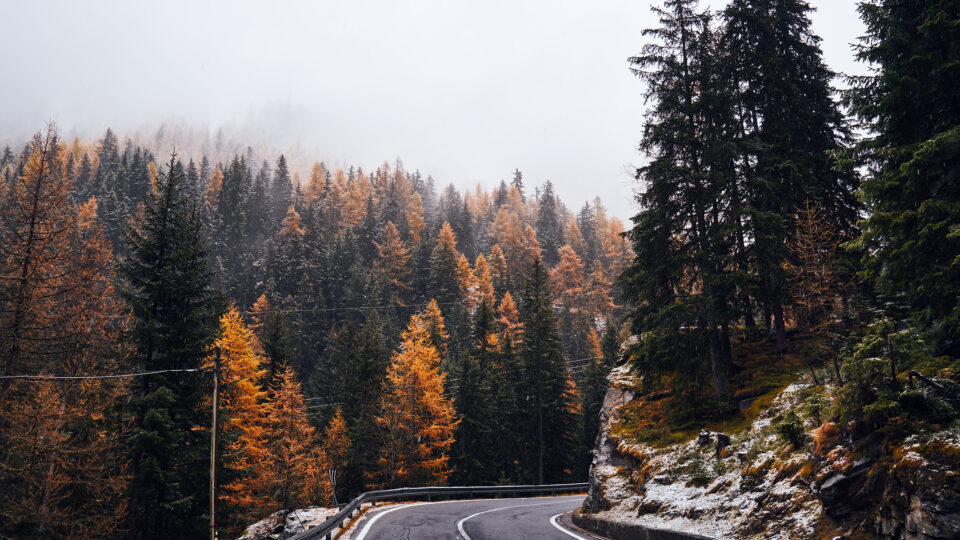
Tree Diversity | Earth Wise

March 4, 2022 By EarthWise Leave a Comment

Scientists estimate the number of tree species on earth

Scientists have estimated that there are more than 8 million species of plants and animals in existence.  Amazingly, only about 1.2 million of them have been identified and described so far and most of those are actually insects.  Millions of other organisms have yet to be discovered.

One would imagine that most of these unknown species are tiny things that are hard to spot or encounter.  But our ignorance of species even applies to trees, which are pretty easy to spot if you encounter them.

A new study involving more than 100 scientists across the globe has produced an estimate of the number of tree species on the Earth.  The new global estimate is that there are 73,000 tree species, which is about 14% more than previously thought.  Based on a combination of data from two global datasets, the study yielded a total of 64,100 documented tree species worldwide.  The researchers then used novel statistical methods to estimate the total number of unique tree species at biome, continental, and global scales, which includes species yet to be discovered and described by scientists.  Therefore, the estimate predicts that there are likely to be over 9,000 tree species still to be found.

Roughly 40% of the undiscovered tree species are likely to be in South America, which is the continent with the highest number of rare tree species and the highest number of continentally endemic tree species – meaning those found only on that continent.  Hot spots of undiscovered tree species are likely the tropical and subtropical moist forests of the Amazon basin and the Andes-Amazon interface.

Extensive knowledge of tree richness and diversity is key to preserving the stability and functioning of ecosystems.

**********

Web Links

Number of Earth’s tree species estimated to be 14% higher than currently known, with some 9,200 species yet to be discovered

Photo, posted November 5, 2017, courtesy of Deensel via Flickr.

Earth Wise is a production of WAMC Northeast Public Radio.

The Importance Of City Trees | Earth Wise

January 28, 2022 By EarthWise Leave a Comment

The importance of street trees in cities

It is well known that green spaces can improve the quality of life and create a better climate in cities.  City trees and vegetation can help reduce urban heat island effects by shading buildings and roads, deflecting radiation from the sun, and releasing moisture into the atmosphere.  City trees and green spaces have also been proven to increase property values, promote wildlife and plant diversity, reduce noise pollution, and improve human health.  But how important are trees and vegetation for producing cleaner air in cities?

According to a new study led by researchers at the University of Gothenburg in Sweden, trees do contribute to cleaner air in cities, but the degree to which they do so varies greatly between different locations. 

The research team measured air pollutants across seven urban settings in the city of Gothenburg, and compared them with pollutants on the leaves of deciduous trees.  The researchers chose to focus on polycyclic aromatic hydrocarbons (PAHs), which are pollutants generated primarily during the incomplete combustion of organic materials, like coal, oil, and wood.

The results revealed that the pollutants in leaves did increase over time.  The researchers were able to show a clear correlation between the level of air pollutants and the concentration of pollutants in leaves. 

But at the same time, the researchers discovered that pollution levels varied greatly between measurement sites.  For example, the levels of PAHs were seven times higher at the most polluted site (the city’s main bus station) than they were at a location on the periphery of the city.

The research team hopes its findings will be used to help guide the planning of future urban landscapes.

**********

Web Links

Trees are important for cleaner air in cities

Photo, posted November 5, 2021, courtesy of Maria Eklind via Flickr.

Earth Wise is a production of WAMC Northeast Public Radio.

The Great Christmas Tree Debate | Earth Wise

December 15, 2021 By EarthWise Leave a Comment

Along with cookies and carols, the Christmas tree is a quintessential part of the holiday season for many people.  According to the American Christmas Tree Association, approximately 75% of Christmas trees in American homes this year will be artificial.  But are artificial trees really the better option for the planet?

The short answer is no.  But it’s more complicated than that.  Ultimately, the answer depends on a variety of factors.

If you decide to go with an artificial tree, you need to use it for a very long time. Studies suggest artificial trees would need to be reused anywhere from 8 to 20 years in order to be considered the more environmentally-friendly option. You should seek out trees manufactured from polyethylene plastic as it’s not as toxic as polyvinyl chloride plastic.  And since the majority of artificial trees are imported from China, look for a “Made in USA” label to reduce the carbon footprint.

If you decide to go for a live tree, shop local. This keeps the carbon footprint low and helps support the local economy in the process.  While some tree farms do spray, researchers say the use of pesticides in tree production is relatively low.  Live trees can also be composted or recycled afterwards.

It’s important to note that live Christmas trees can also be purchased with roots and planted after the holidays.  Some companies even allow you to rent live trees.  Each rented tree can be re-rented for up to seven years, after which it’ll be too large for in-home use and gets planted in its forever home. 

**********

Web Links

Photo, posted December 17, 2017, courtesy of Alan Sandercock via Flickr.

Earth Wise is a production of WAMC Northeast Public Radio.
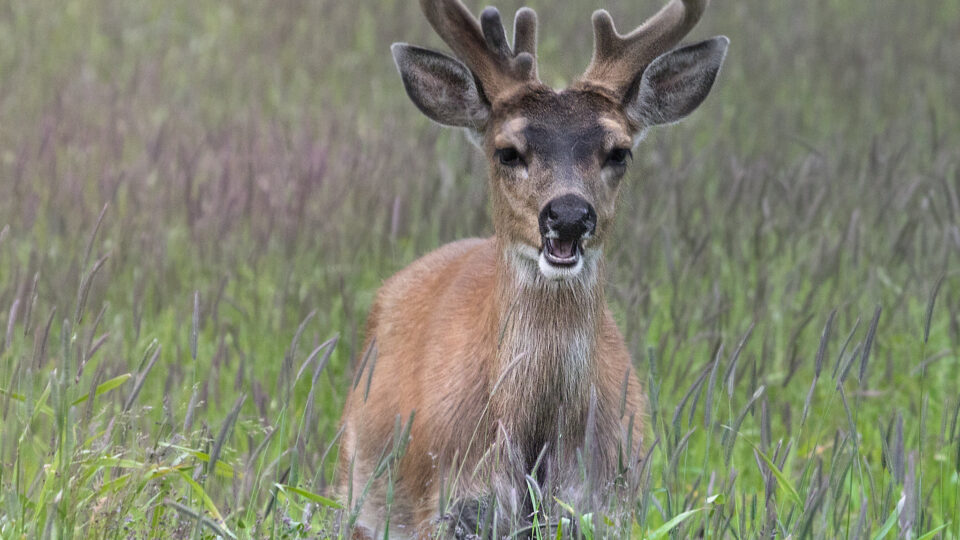
Animals And Wildfires | Earth Wise

December 8, 2021 By EarthWise Leave a Comment

How animals cope with wildfires

More than a century of fire suppression strategies coupled with climate change has led to wildfires that are much larger and more frequent than those of the past.  A question that arises is what happens to the animals in a region when a massive wildfire sweeps through the landscape?

For the most part, we don’t have much information on what animals do when the flames are burning or in the immediate days after the fire has ended.  By chance, a group of researchers from the University of California, Berkeley, the University of California, Santa Barbara, and the University of Washington had the opportunity to get that kind of information.

The researchers had been studying a group of black-tailed deer where the 2018 Mendocino Complex Fire occurred.  That megafire torched more than 450,000 acres in Northern California, including the site where the researchers were studying the movements and feeding patterns of the deer.

The researchers had to evacuate the area during the fire, but their cameras, tracking collars, and other equipment continued to function.  They learned that of the 18 deer studied, all survived.  Deer that had to flee the flames returned home, even though many areas were completely burned and devoid of vegetation to eat.  In fact, most of the deer returned within hours of the fire’s end while trees were still smoldering.   The researchers continue to monitor the deer to look at the long-term effects of the fire.

The researchers speculate that loyalty to home is a tactic that likely helped the species survive past wildfires.  Smaller fires encourage new vegetation growth, a tasty treat for deer.  Whether the strategy will pay off as fires get more intense and more frequent remains to be seen. 

**********

Web Links

After California’s 3rd-largest wildfire, deer returned home while trees were ‘still smoldering’

Photo, posted July 17, 2017, courtesy of C Watts via Flickr.

Earth Wise is a production of WAMC Northeast Public Radio.
Greenhouse Gas Removal And Net Zero | Earth Wise

November 18, 2021 By EarthWise Leave a Comment

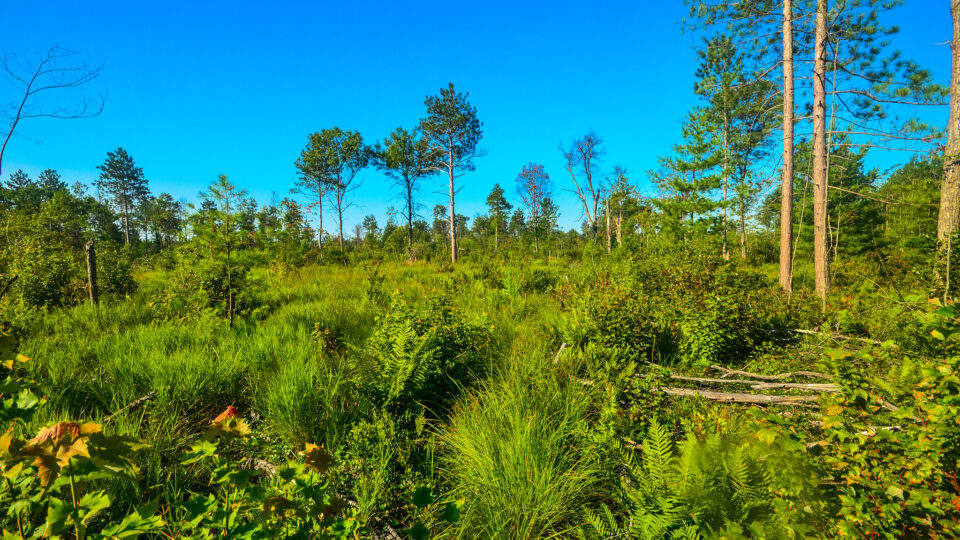
Reducing the amount of greenhouse gas emissions can slow the progress of global warming but only reaching and sustaining net zero global emissions can halt the progress of climate change.

The move to renewable power and the use of electric transport are substantial and essential ways to reduce emissions.  But even if these transitions take place on a rapid timescale, they will not eliminate all emissions.  Many industrial activities and, especially, agriculture will continue to contribute substantial greenhouse gas emissions.   There are efforts to reduce the contributions of these things, but there are no zero-emission substitutes for most of them.

As a result, actually removing CO2 from the atmosphere once it is there is essential to achieve net zero emissions.  If greenhouse gas removal can be scaled up sufficiently, it opens the option of going “net negative”, which would be the ideal way to mitigate and, better still, reverse the effects of climate change.

There are multiple approaches to carbon dioxide removal.  Some are natural, involving ways of capturing and storing carbon in trees, biochar, and peatlands.  Others are technological.  An example is the system that has just gone into operation in Iceland that uses fans, chemicals, and heat to capture CO2 and then mineralize it in volcanic rock.   Another is a system being tested in the UK that captures CO2 from growing biomass and pipes it to storage under the North Sea.

Much of the attention on carbon capture technology is aimed at trapping the emissions from fossil fuel power plants, but the need to remove carbon dioxide that has entered the atmosphere in other ways is ultimately far greater.

**********

Web Links

CO2 removal is essential to achieving net zero

Photo, posted August 17, 2013, courtesy of Joshua Mayer via Flickr.

Earth Wise is a production of WAMC Northeast Public Radio.
Wildfires And Giant Sequoias

October 28, 2021 By EarthWise Leave a Comment

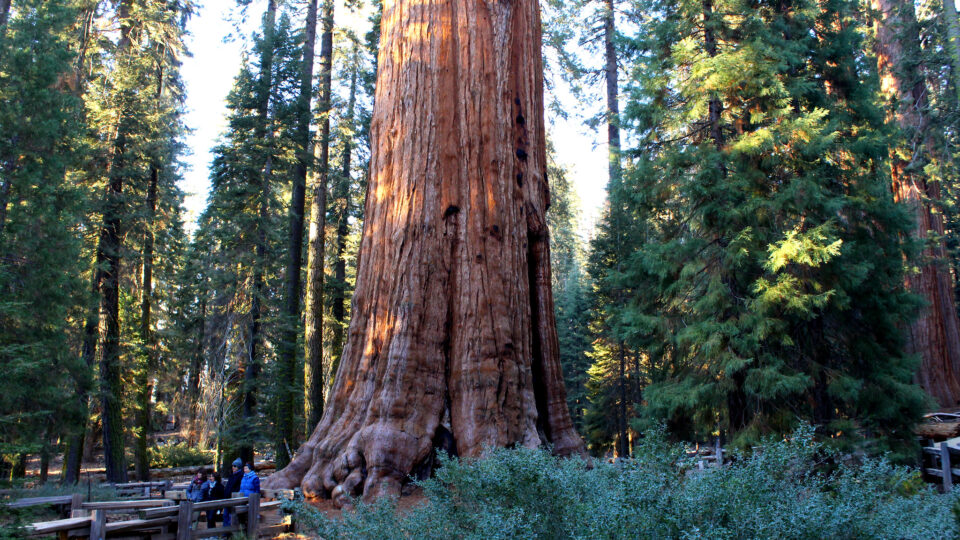
Two massive California wildfires that erupted during a lightning storm on September 9 have continued to threaten groves of giant sequoia trees in the southern Sierra Nevada mountains.  As of the beginning of October, flames from the KNP Complex fire had burned in or passed through 11 sequoia groves, including the famed Giant Forest in Sequoia National Park.

Hundreds of firefighters battled to protect some of the most renowned trees, including the 275-foot-tall General Sherman tree, widely considered to be the largest tree on earth by overall volume.  That tree and many near it are over 2,000 years old.

Firefighters wrapped the base of the General Sherman and several other trees with fire-resistant blankets to protect them from the intense heat of approaching fires.  Sequoias are actually well-adapted to fires because of their thick bark that protects them from heat.  But intense fires like the KNP Complex and Windy fires are more than the trees can handle.

As of the beginning of October, both fires continue to blaze, but thanks to the efforts of firefighters, most of the giant sequoias have survived.  One massive tree in the Giant Forest recently toppled over after burning for several days, but most are still standing and haven’t suffered serious damage.

As of early October, the two fires had blackened over 140,000 acres across national parks, national forests, the Tule River Indian Reservation, and local communities.  These two are among multiple wildfires burning in California this past summer.  The largest – the Dixie fire – has burned nearly a million acres as of early October.  In total, over 2.5 million acres have already burned in California this year.

**********

Web Links

KNP Complex fire triggers flurry of new evacuations, as flames threaten more giant sequoia trees

—

Hundreds of California firefighters battle to protect ancient sequoia groves from raging wildfires – with world’s largest tree General Sherman wrapped in aluminum foil blanket

Photo, posted November 5, 2017, courtesy of Ken Lund via Flickr.

XXXXXXXXXXXXXXXX

The Spotted Lantern Fly Is A Big Problem | Earth Wise

October 27, 2021 By EarthWise Leave a Comment

The spotted lantern fly poses a big threat to agriculture

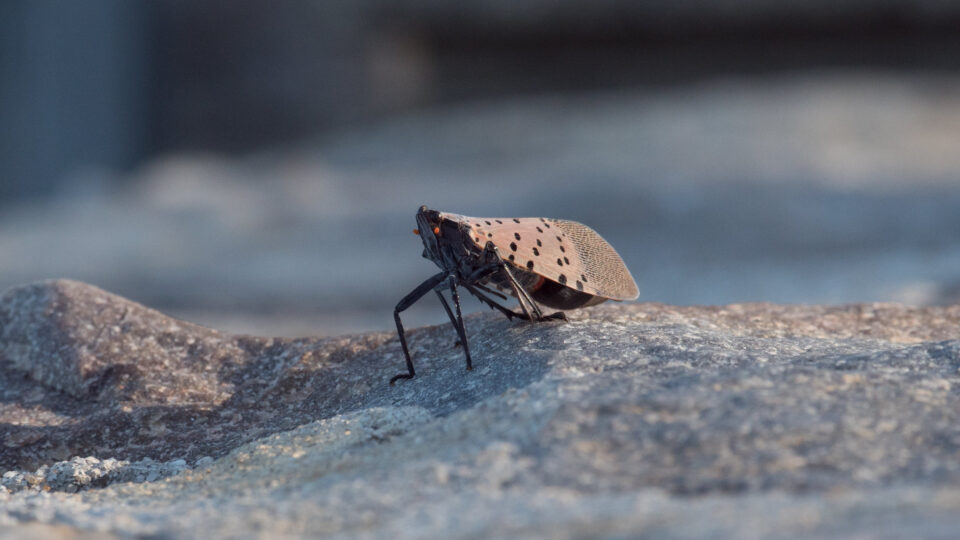
The spotted lanternfly is an invasive pest from Asia that arrived in the United States seven years ago.  It is a handsome and colorful insect, but it feeds on the sap of more than 70 plant species, leaving them susceptible to disease and destruction from other natural antagonists.  It destroys fruit crops, trees, and plants by hopping from plant to plant, crop to crop, and tree to tree.

Several states have established quarantines aimed at preventing the spread of the insects.  Pennsylvania, where they were first detected in the U.S., issued an Order of Quarantine and Treatment that imposes fines and even potential criminal penalties on anyone who intentionally moves a spotted lanternfly, at any stage of its life, from one sort of location to another.  The insects hop and fly only short distances, but they can hitch a ride on vehicles, clothing, and other objects that people bring with them.  They have now spread to at least nine states, primarily in the Northeast.

Lanternflies arrived in New York City last year and quickly made it to the Most Wanted List for environmentalists.  The City’s Parks Department says: “If you see a spotted lanternfly, squish it, dispose of it, and report it to us.”  New York’s Department of Agriculture has asked people in the Finger Lakes region, home of numerous vineyards, to collect specimens and provide specifics on where they were found.

Lanternflies are harmless to humans, but they threaten everything from oak, walnut, and poplar trees to grapes, almonds, and fruit orchards.  As the species continues to spread across the country, federal and state officials have a unified message:  if you come across a spotted lanternfly, kill it.

**********

Web Links

Die, Beautiful Spotted Lanternfly, Die

Photo, posted August 30, 2018, courtesy of the USDA via Flickr.

Earth Wise is a production of WAMC Northeast Public Radio.
Global Light Pollution

October 14, 2021 By EarthWise 1 Comment

Light pollution increasing globally

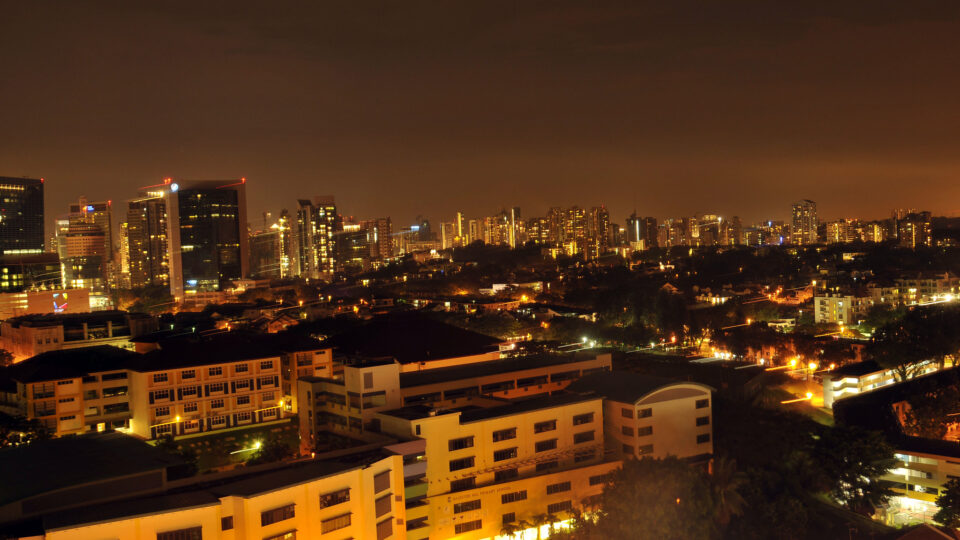
Light pollution is excessive or obtrusive artificial light. It’s a consequence of industrial civilization.  Too much artificial light can cause a host of problems, including disrupting ecosystems, causing adverse health effects, and wasting energy. 

According to a new study led by researchers from the University of Exeter in the U.K., global light pollution has increased by at least 49% over 25 years.  But this figure only includes light visible via satellites.  Scientists estimate that the true increase may be significantly higher – up to 270% more globally. 

That’s because there is a hidden impact of LED technology that isn’t accounted for in the satellite data. LEDs emit more blue light than previous lighting technologies, but satellite sensors fail to pick up this blue light.   This leads to a large underestimate of global light pollution.

The researchers examined light pollution from 1992 to 2017.  They found persistently increasing light pollution in Asia, South America, Oceania and Africa.  In Europe, detected light increased until around 2010, after which it leveled off.  In North America, artificial light appears to be on the decline.  However, the researchers point out that the satellites inability to detect blue light of LEDs means that light pollution has likely actually increased in most locations.

Light pollution has widespread impacts on both animals and plants.  For example, light pollution can confuse the migratory patterns of animals and change predator-prey relationships.   It’s also been shown to cause trees to bud earlier in spring.      

While there’s no off switch for the planet, there are ways that we could reduce the amount of light drastically with little impact on our lives. 

**********

Web Links

Rapid increase in global light pollution

Photo, posted November 2, 2008, courtesy of Timothy Tsui via Flickr.

XXXXXXXXXXXXXXXXXX

Soaring Heat And Inner-City Neighborhoods | Earth Wise

August 31, 2021 By EarthWise Leave a Comment

Inner cities especially vulnerable to climate change

The record-breaking heatwaves this summer have exposed the special vulnerability inner cities have to the effects of summer heat.  Climate change has exacerbated and supercharged heatwaves, as was seen in Seattle and Portland in late June.

Urban cores can be 10 degrees or more warmer than the surrounding countryside.  The urban heat island effect is a result of how cities are built, with so much pavement, so many buildings, and not enough trees.  On top of this, decades of disinvestment in neighborhoods where people of color live have left them especially vulnerable to heat as their homes are not able to cope with it.

In New York City, some residents of Hunts Point in the Bronx keep lists of neighbors they check on to help keep the most vulnerable alive during heat waves.  The city has subsidized 74,000 air conditioners for low-income, elderly residents, and is spending millions to plant trees.  In Phoenix, the hottest big city in the country, officials are working to develop new models for cooler public housing and cooling for streets and pedestrian corridors.

A study, published in 2020, looked at the linkage between higher heat island temperatures and past practices of redlining, where home loans and insurance were unavailable to people in neighborhoods of color.  In 94 of 108 communities studied, the formerly redlined neighborhoods had higher surface temperatures.

Cities are confronted with two heat problems:  emergencies that require immediate action to save lives, and long-term issues related to combating soaring temperatures in heat islands strengthened by global warming. In many cases, cities are not prepared for either problem.  Dealing with and adapting to heat is essential to the long-term viability and quality of life in our cities.

**********

Web Links

A Triple Whammy Has Left Many Inner-City Neighborhoods Highly Vulnerable to Soaring Temperatures

Photo, posted May 27, 2014, courtesy of Dan DeLuca via Flickr.

Earth Wise is a production of WAMC Northeast Public Radio.
Russian Forests And Climate Mitigation | Earth Wise

August 24, 2021 By EarthWise Leave a Comment

Russia's massive forests have enormous potential for impacting climate mitigation

Russia is the largest country in area in the world, almost equal in size to the sum of the next two largest – Canada and the U.S.   Russia is also the world’s largest forest country, containing more than one-fifth of the world’s forests.  As a result, the country’s forests and forestry activities have enormous potential for impacting climate mitigation.

Since the dissolution of the USSR, there has been a decline in the availability of information on the state of Russia’s forests.  The Soviet Forest Inventory and Planning System compiled information until 1988.  Since then, the Russian National Forest Inventory has been the source of forest information on the national scale, and it hadn’t produced a comprehensive inventory until 2020.

The new data indicates that Russian forests have in fact accumulated a large amount of additional biomass over the intervening years.  Using the last Soviet Union report as a reference point, the new results show that the ongoing stock accumulation rate in Russian forests over the 26-year period is of the same magnitude as the net forest stock losses in tropical countries.

Thus, it is clear that Russian forests have great potential in terms of global climate mitigation as well as potential co-benefits relating to the green economy and sustainable development.   It is important to note that as the impact of climate change increases, disturbances to the Russian forests could have severe adverse effects on global climate mitigation efforts.

While much of the world’s attention is rightfully upon tropical rainforests in the Amazon and elsewhere, it is important to not ignore the largest country in the world hosting the largest land biome on the planet where even small percentage changes in the amount of forest biomass could have a major global impact.

**********

Web Links

Russian forests are crucial to global climate mitigation

Photo, posted June 6, 2015, courtesy of Raita Futo via Flickr.

Earth Wise is a production of WAMC Northeast Public Radio.
  • « Go to Previous Page
  • Page 1
  • Page 2
  • Page 3
  • Page 4
  • Page 5
  • Page 6
  • Interim pages omitted …
  • Page 9
  • Go to Next Page »

Primary Sidebar

Recent Episodes

  • An uninsurable future
  • Clean energy and jobs
  • Insect declines in remote regions
  • Fossil fuel producing nations ignoring climate goals
  • Trouble for clownfishes

WAMC Northeast Public Radio

WAMC/Northeast Public Radio is a regional public radio network serving parts of seven northeastern states (more...)

Copyright © 2026 ·