transportation
Making Cities Cooler
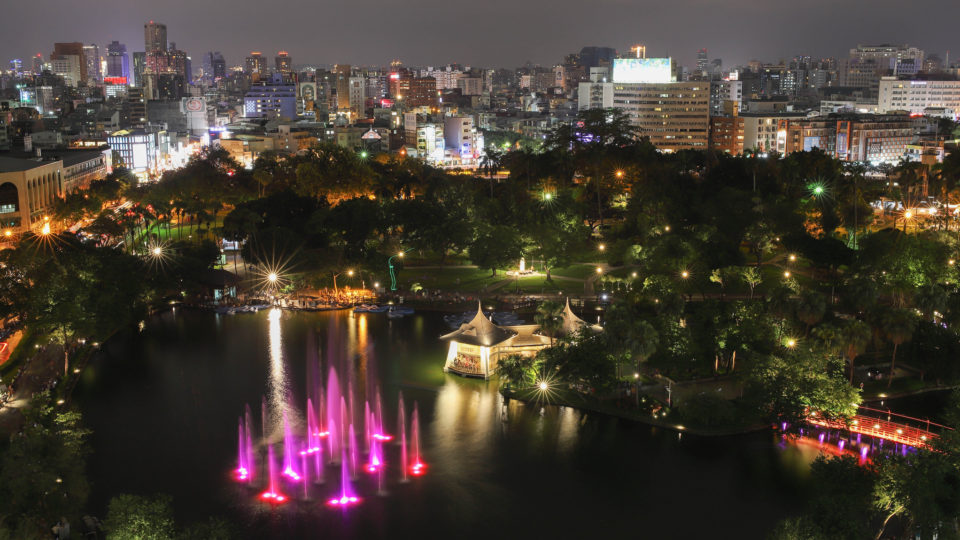
Cities are particularly miserable during heatwaves. With lots of concrete and asphalt surfaces, they soak up lots of heat and re-radiate it. Lots of tall buildings block cooling breezes. Factor in car exhaust and heat from air conditioners and it all adds up to the urban heat island effect. Cities can be several degrees warmer during the day and as much as 20 degrees warmer at night. All of this extra heat is not just a comfort issue, it is a serious health problem.
Greener Concrete

The battle to reduce carbon emissions is heavily focused on electricity generation, transportation, buildings, and agriculture, which collectively account for more than 75% of the total. However, there are other sources of carbon emissions that cannot be ignored. Among industrial activities, the production of cement is responsible for 7% of industrial energy use and is the second largest industrial emitter of carbon dioxide. Making cement accounts for about 7% of global emissions.
Clean Power Is Not Enough
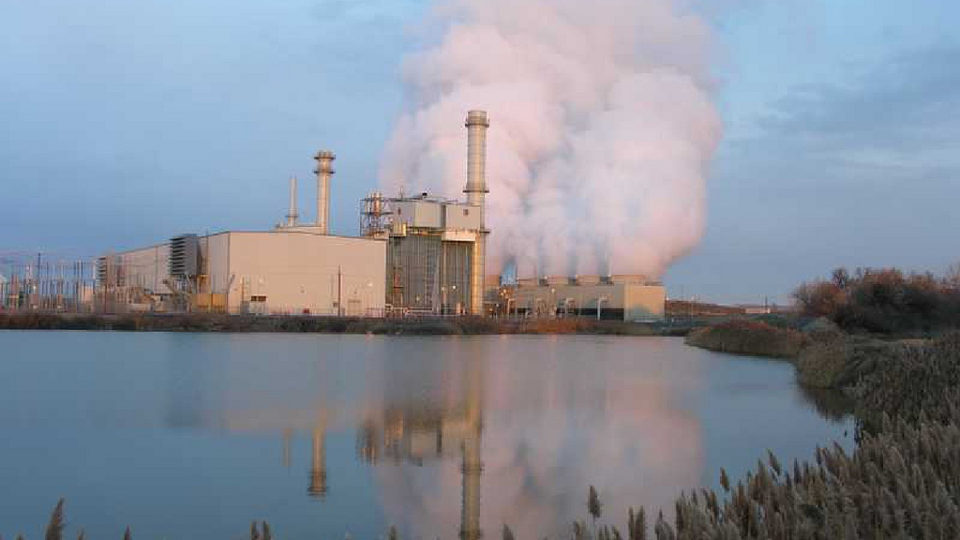
A recent study published in Nature Climate Change looked at what emission reductions are needed to meet the climate targets of the Paris Accords. The results are sobering.
Greenhouses Adapt To Climate Change
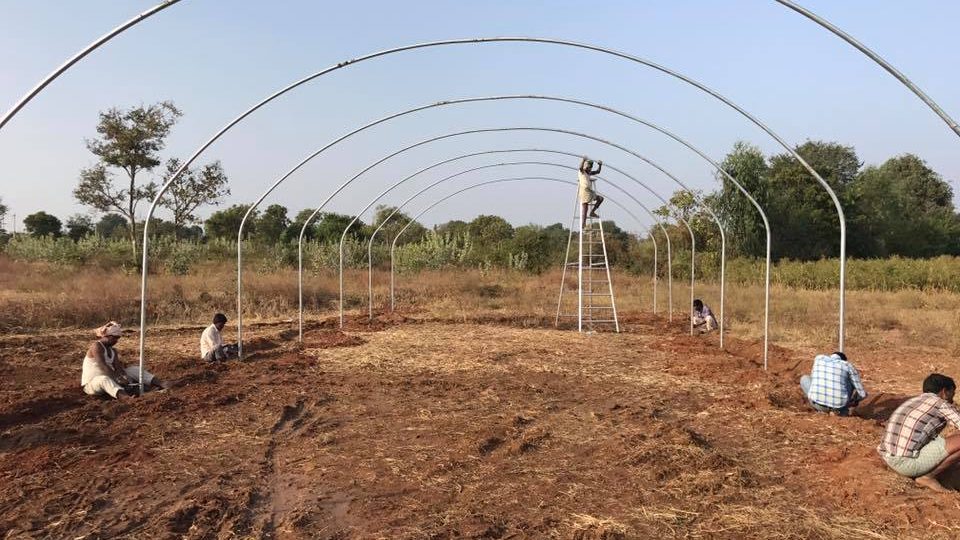
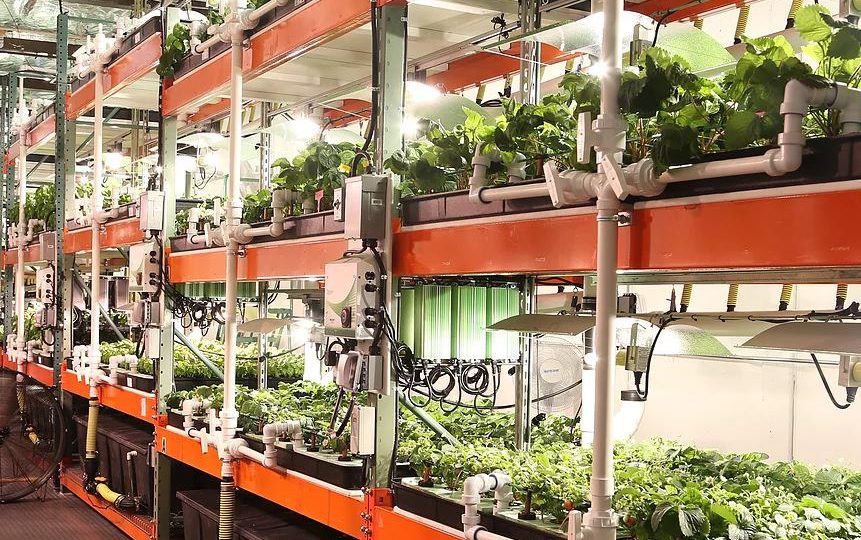
The Telangana region of India has struggled with extreme weather patterns attributed to climate change. Extended periods of drought, heatwaves, and unpredictable heavy rainfalls have led to crop failures, mounting debt, and a heavy human toll. More than 3,000 farmers committed suicide in Telangana during a three-year drought.
Strategies For Limiting Global Warming

A new study published in Nature Energy shows that the goal of limiting global temperature rise to 1.5 degrees Celsius could be achieved by a combination of dramatic improvements in the energy efficiency of everyday activities.
Tourism And Greenhouse Gas Emissions

Tourism is a significant contributor to global gross domestic product. Furthermore, it is growing at an annual rate of 4%, more than many other economic sectors. There are many places around the world where it is the largest industry. But until recently, there really wasn’t very good information about its carbon footprint.
Shielding From Food Waste
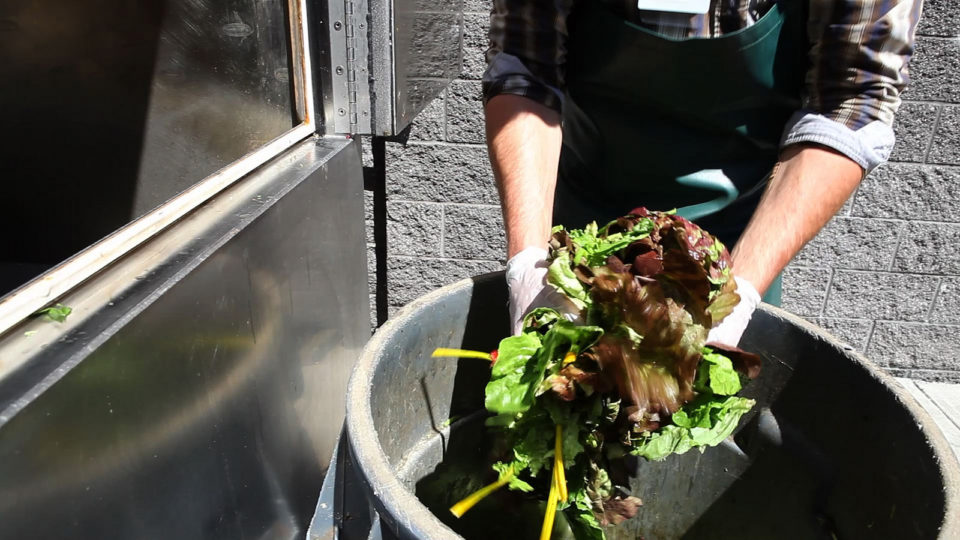
Food waste is one of the most disheartening problems we face. Fully one-third of all food produced globally for human consumption is wasted. Fruits, vegetables and tubers are even worse off: fully half of these things are wasted. It is a loss at an economic, social and environmental level.
Finding Methane Leaks With Lasers
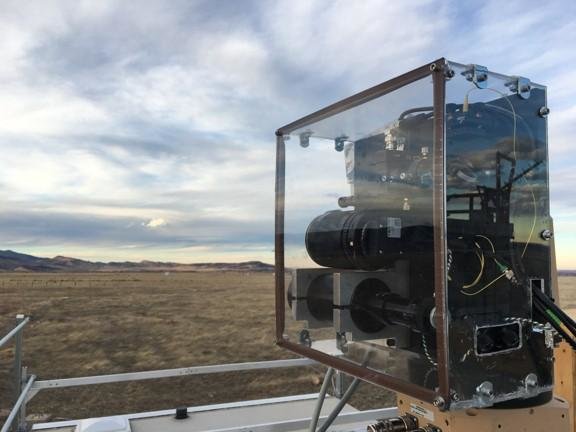
Burning natural gas instead of coal is considered to be an important way to reduce greenhouse gas emissions. In principle, it is. Gas combustion produces much less carbon dioxide than coal combustion.
Hydrogen Progress
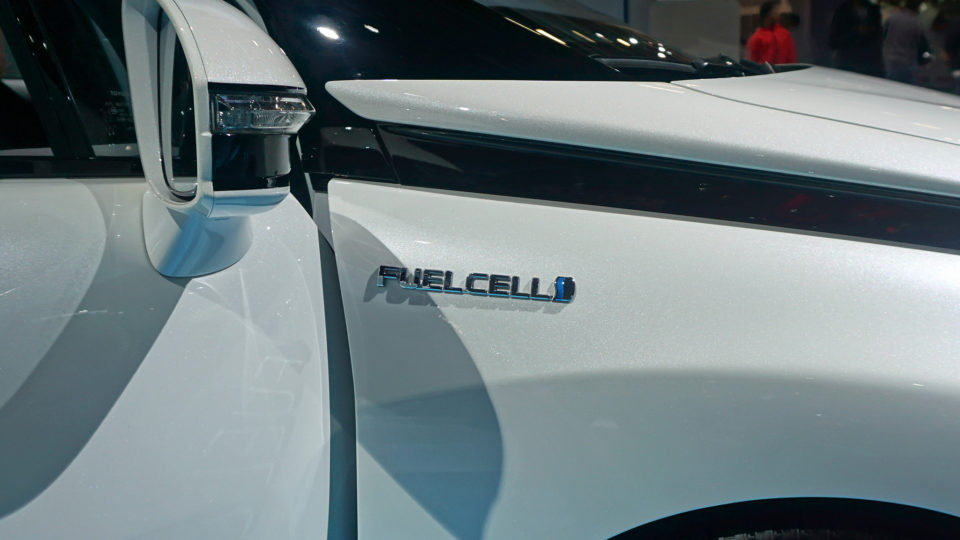
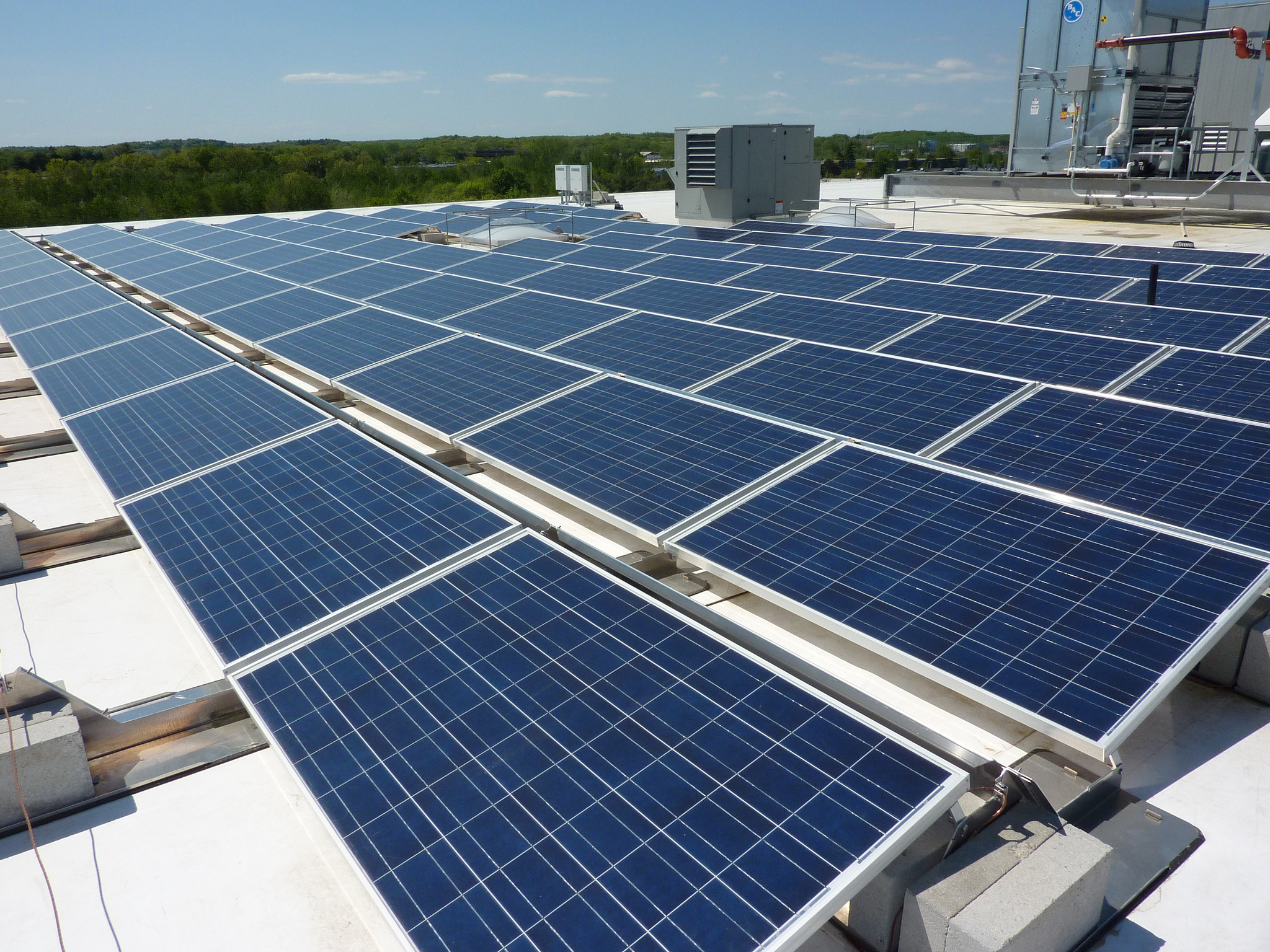
As low-cost solar and wind energy become increasingly pervasive, the prospects for hydrogen-based transportation systems are improving. The reason is that cheap electricity makes it practical to produce hydrogen by breaking down water rather than getting it from reforming natural gas, which results in carbon dioxide emissions. The real goal is for hydrogen to be a renewable and carbon-free fuel.
The Changing Face Of Air Pollution
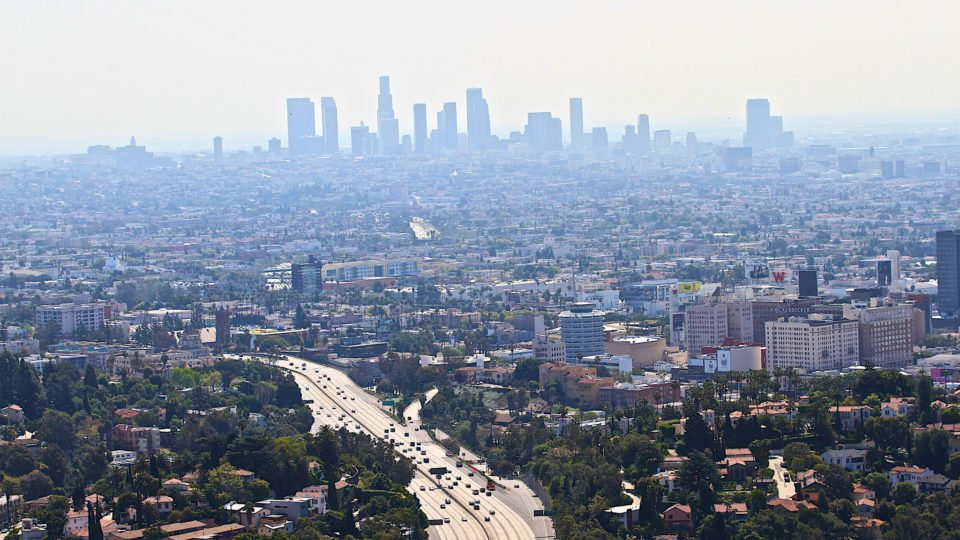
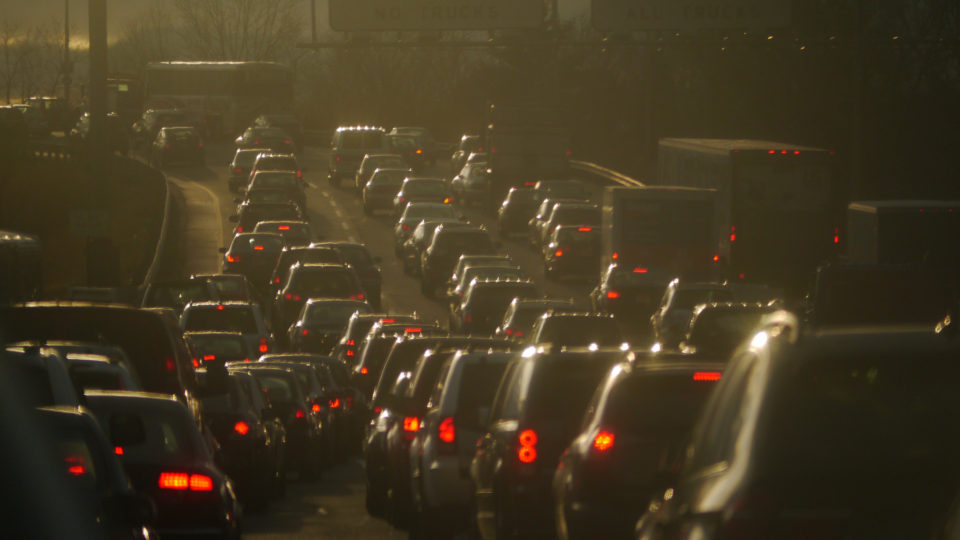
Air pollution in cities is a global problem that has reached crisis proportions in places like China and India. In our country, since the Clean Air Act was passed in 1970, there has been a great deal of effort exerted in controlling pollution from vehicles. A combination of pollution-limiting changes to engines, fuels, and pollution control systems has significantly reduced the amount of air pollution associated with the transportation sector.
The Automobile Future: Dream or Nightmare?
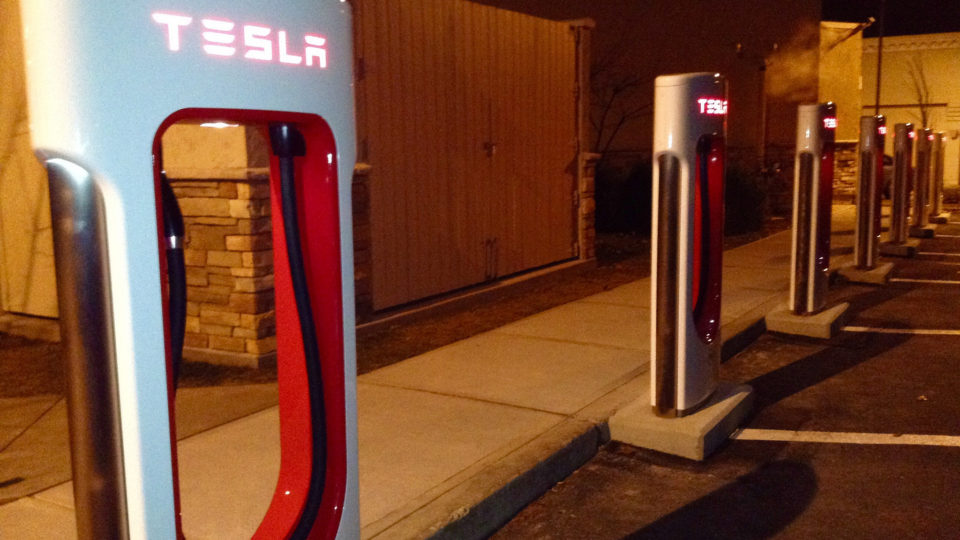
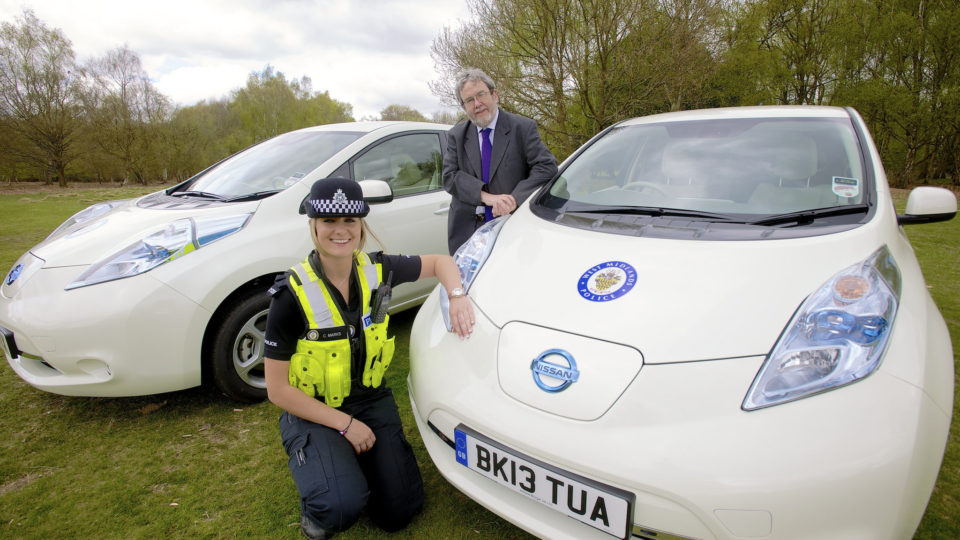
Visionaries tout a future in which cars are electric, self-driving, and shared. All three of these things are starting to happen today, but will they come together to produce a future where congestion and pollution are things of the past?
[Read more…] about The Automobile Future: Dream or Nightmare?