
• Skip to primary navigation
  • Skip to main content
  • Skip to primary sidebar

Earth Wise

A look at our changing environment.

  • Home
  • About Earth Wise
  • Where to Listen
  • All Articles
  • Show Search
Hide Search
You are here: Home / Archives for transportation

transportation

Green Hydrogen | Earth Wise

December 11, 2020 By EarthWise Leave a Comment

Countries betting big on hydrogen

Saudi Arabia is a country built around oil, but it is now placing a big bet on green hydrogen as the next big thing in its energy future.  The country is constructing a $500 billion futuristic city called Neom in the desert along the Red Sea.  The brand-new city will be home to a million people, and it will be powered by green hydrogen.

The U.S. company Air Products & Chemicals has been building a green hydrogen plant there for the last four years.  The giant plant will be powered by 4 gigawatts of wind and solar projects.

Green hydrogen is hydrogen produced without carbon emissions.  Most hydrogen produced commercially is made from natural gas, which results in CO2 emissions.  Green hydrogen is made by using electricity to split water into its component elements using renewable energy to power the process.

Saudi Arabia is an ideal place for a giant green hydrogen plant.  The Middle East has the world’s cheapest wind and solar power.  The sun reliably shines there almost every day and the wind blows almost every night.

While some proponents argue that hydrogen should fuel the entire energy system, other experts see it as a more targeted solution.  The view is that wind and solar power can provide the electricity we need to power homes and electric cars.  However, green hydrogen could be ideal to power energy-intensive industries like concrete and steel manufacturing, as well as parts of the transportation sector that are more difficult to electrify.

While green hydrogen is barely on the radar in the US, around the world a green hydrogen rush is underway, developing it as an energy source that could help end the reign of fossil fuels.

**********

Web Links

Green Hydrogen: Could It Be Key to a Carbon-Free Economy?

Photo, posted November 6, 2020, courtesy of RSM Chrystie via Flickr.

Earth Wise is a production of WAMC Northeast Public Radio.

Hydrogen-Powered Transport In Britain | Earth Wise

November 27, 2020 By EarthWise Leave a Comment

hydrogen powered train coming to the UK

The first hydrogen-powered train in the UK had its first mainline runs at the end of September.  The train, known as HydroFLEX, was developed under a project headed by the University of Birmingham under the UK government’s Department for Transport. 

Hydrogen-powered trains do not emit harmful gases but rather use hydrogen and oxygen to produce electricity, water, and heat.  The technology in the HydroFLEX train will be available by 2023 to retrofit existing diesel-powered trains and thereby de-carbonize the rail network and make train travel greener and more efficient.

The UK has ambitious plans for the use of hydrogen technology.  The Department of Transport plans to publish a master plan in January that will outline how green hydrogen could power buses, trucks, rail, maritime, and aviation transport across the UK.

The HydroFLEX trial is taking place in Tees Valley in northeastern England and the plan is for that area to become a Hydrogen Transport Hub that will include the world’s largest versatile hydrogen refueling facility.   The plans for Tees Valley involve academia, industry, and government participants.  The next stages of the HydroFLEX project are well underway with the University of Birmingham developing a hydrogen and battery-powered module that can be fitted underneath a train to allow for more space for passengers in train cars.

The UK government’s Hydrogen for Transport Program is also funding a green hydrogen refueling station and 19 hydrogen-powered garbage trucks in Glasgow, Scotland.

The UK plans to switch to a net zero economy and their current program increasingly embraces hydrogen technology to provide more sustainable, greener forms of transportation.

***********

Web Links

UK embraces hydrogen-fueled future as transport hub and train announced

Photo, posted May 15, 2019, courtesy of Jeremy Segrott via Flickr.

Earth Wise is a production of WAMC Northeast Public Radio.

Pandemic Lockdowns And Carbon Emissions | Earth Wise

November 25, 2020 By EarthWise Leave a Comment

pandemic impact on carbon emissions

The early months of the COVID-19 pandemic saw many human activities reduced to a fraction of what they were previously.  Notably, air pollution in major cities was dramatically lower than it had been in decades.  Now, a new study has looked at the effect of the pandemic shutdowns on carbon dioxide emissions.

An international team of climate scientists has published an assessment of carbon dioxide emissions by industry, transportation, and other sectors from January through June.  According to their measurements, this year’s pandemic lockdowns resulted in a 9% decline in emissions from 2019 levels.

An earlier study reported a 17% drop in CO2 emissions, but the new study was more comprehensive and detailed.

The new data includes estimates of day-by-day, sector-specific and country-level differences in CO2 emissions derived from frequently updated data sources, some of which are nearly in real-time.  It tracks the effects of COVID-19-related disruptions of human activities in China starting in February and in the United States and Europe in March through May.

The data revealed the resumption of emissions in many regions, such as in China, where they are now back to pre-pandemic levels.  Emissions in the Americas and Europe have been slower to recover, especially in the US, where COVID-19 hotspots are continuing to emerge. 

The reduction in carbon emissions has been due mostly to transportation with fewer people driving to work and traveling by air.  Even by June, when lockdowns were easing, global emissions were still significantly reduced.  In any case, a pandemic is a highly undesirable and unwelcome way to reduce carbon emissions, but the data from this year does show that it is effective.

**********

Web Links

Pandemic lockdowns caused steep and lasting carbon dioxide decline

Photo, posted August 7, 2020, courtesy of Michael Mueller via Flickr.

Earth Wise is a production of WAMC Northeast Public Radio.

Vehicle Electrification On The Rise | Earth Wise

August 21, 2020 By EarthWise Leave a Comment

increasing vehicle electrification

Nearly 70% of U.S. oil consumption is for transportation and transportation accounts for 28% of the country’s greenhouse gas emissions.  Therefore, technology improvements in transportation that can reduce emissions are a key element of combating climate change.  The highest impact strategy is the electrification of the transportation sector, and it is definitely accelerating.

Demand for electric vehicles is growing for multiple reasons.  These include long-term cost savings, tax incentives, declining battery costs, and greater environmental awareness.  This year, about 2.7 percent of global passenger vehicle sales will be for electric vehicles.  It is still a fairly small number, but that number is growing rapidly.  It is expected to be 10% in 2025, 28% in 2030, and more than half of all vehicle sales by 2040.  By that year, more than 30% of passenger vehicles on the road worldwide will be electric.  The numbers for electric buses, delivery vans and trucks, mopeds, scooters, and motorcycles are expected to be even higher.

The environmental impact of electrification will be significant in reducing carbon emissions and pollution in general.  Electric vehicles already reduce oil demand by a million barrels a day.  By the year 2040, they will displace nearly 18 million barrels of oil a day and reduce CO2 emissions by 2.5 billion tons per year.

Electric cars still face challenges.  They are still more expensive than gas-powered cars, but their cost-benefit analysis is changing rapidly as technology improvements and volume efficiencies drive down the cost of battery packs.  Analysts predict that electric vehicles will achieve price parity with internal combustion vehicles in as soon as two years but in any case within the next ten years.

**********

Web Links

Electrification of transportation sector nears tipping point

Photo, posted May 7, 2020, courtesy of Mark Vletter via Flickr.

Earth Wise is a production of WAMC Northeast Public Radio.

Increasing Air Pollution | Earth Wise

July 27, 2020 By EarthWise Leave a Comment

Half of the global population is exposed to increasing air pollution

According to researchers from the University of Exeter, half of the world’s population is exposed to increasing air pollution despite global efforts to improve air quality.  The study, which was completed in conjunction with the World Health Organization, suggests that air pollution represents a major and growing threat to human health. 

For the study, which was recently published in the journal Climate and Atmospheric Science, the researchers reviewed global air quality trends between 2010 and 2016.  The research team examined those findings against a backdrop of global policies to reduce air pollution.  The researchers used ground monitoring data and satellite data to develop yearly air quality profiles for individual countries and regions. 

The scientists focused on fine particulate matter, which is a mixture of solid particles and liquid droplets found in the air.  Some of the particles, like dust, soot, or smoke, are large enough to be seen by the naked eye.  Others are so small that they can only be seen using a microscope.  Inhaling fine particulate matter can cause all sorts of health issues, including asthma, respiratory inflammation, and even promote cancer. 

For much of the world’s population, the consequences of polluted air are more deadly than war, violence, and many diseases.  According to the World Health Organization, more than four million deaths every year can be attributed to outdoor air pollution.  Some of the major sources of air pollution include coal-fired power plants, agriculture, transportation, and deforestation. 

The study found that low and middle income countries experience the highest burden of air pollution around the world, with the largest concentrations found in central and southeastern Asia.

More long term policies are needed to curb this growing threat to public health. 

***********

Web Links

Half of the world’s population exposed to increasing air pollution

Photo, posted August 2, 2019, courtesy of Ron Reiring via Flickr.

Earth Wise is a production of WAMC Northeast Public Radio.
Renewables Surpass Coal | Earth Wise

July 3, 2020 By EarthWise Leave a Comment

Renewable energy surpasses coal

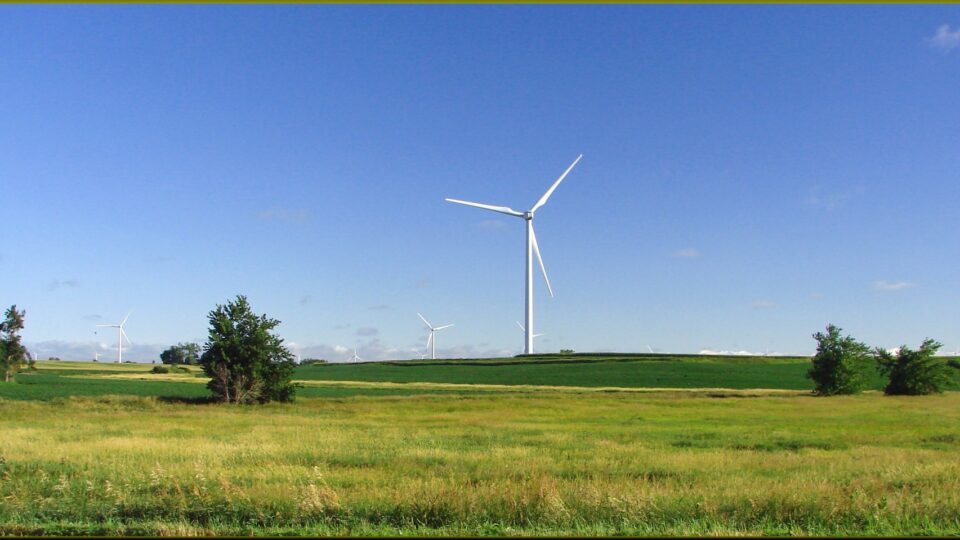
In 2019, energy consumption in the U.S. from renewable sources exceeded consumption from coal for the first time since before 1885.  This has come about from a combination of the continued decline in the amount of coal used for electricity generation as well as the continued growth in renewable energy, mostly from wind and solar.

Until the mid-1800s, burning wood was the main source of energy in the U.S. and, in fact, it was the only commercial-scale renewable energy source until the first hydroelectric plants came online in the 1880s.  Coal was used as fuel for steamboats and trains and making steel but only started to be used to generate electricity in the 1880s.

In 2019, U.S. coal consumption decreased for the sixth consecutive year and fell to its lowest level in 42 years.  Natural gas has displaced much of the energy generation from retired coal plants.

At the same time, renewable energy consumption in the U.S. grew for the fourth year in a row to a record high level, almost entirely as a result of the growing use of wind and solar power.  In 2019, wind power surpassed hydroelectric power for the first time and is now the most-used source of renewable energy for electricity generation in the U.S.

Coal was once commonly used in the industrial, transportation, residential, and commercial sectors.  Today, in the U.S., it is mostly used to generate electricity, and that use is rapidly declining.

Electricity consumption for 2020 is likely to be anomalous in many ways as a result of the Covid-19 pandemic shutdowns.  From all indications, however, the role of renewable energy will only have been increased during the shutdown period.

**********

Web Links

U.S. renewable energy consumption surpasses coal for the first time in over 130 years

Photo, posted July 26, 2013, courtesy of Don Graham via Flickr.

Earth Wise is a production of WAMC Northeast Public Radio.
Coronavirus And European Energy | Earth Wise

April 23, 2020 By EarthWise Leave a Comment

Coronavirus Boosts European Renewable Energy

As people all over the world shelter in place and much ordinary commerce and other activities have ground to a halt, there have been big changes in energy usage.   With production halted, offices shut down, schools closed, and public transport operated on reduced timetables, the demand for energy has decreased dramatically.

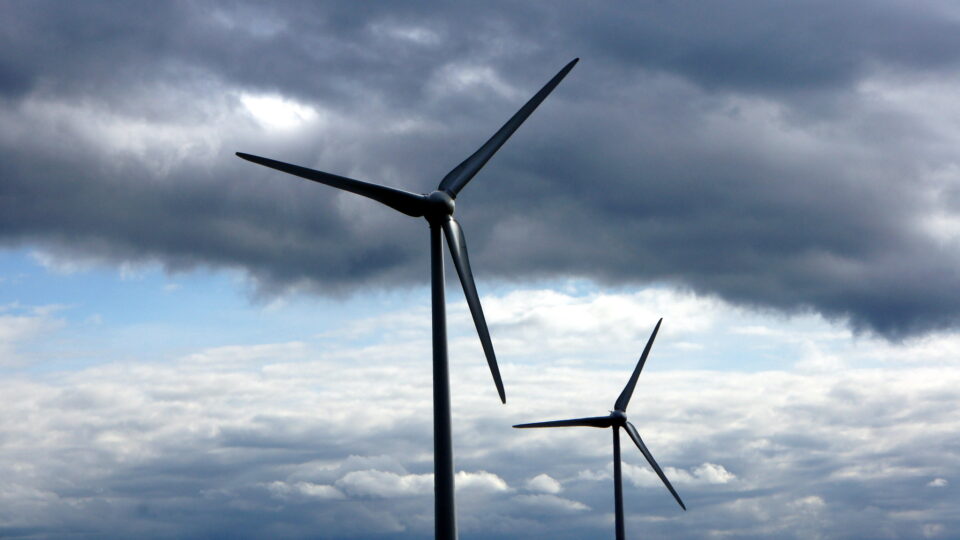
In Europe, as a result of all this, during the first quarter of this year, renewables’ share of total energy production was greater than 60%.  Wind farms provided more than 40% of the renewables’ share of total electricity generation.   During February, Denmark, Germany and Ireland saw nearly 50% of their electricity demand met with wind power.  Hydroelectric power was the second largest source of renewable energy during the first quarter, with Norway providing the largest share of this.  In contrast, generation from nuclear plants was at its lowest first quarter figure for the past five years.

The large shift to renewable generation was in great part due to the overall reduction in demand.  This impacts nuclear and fossil-fuel generation much more than renewables because those plants can be throttled back or shut down entirely so as not to needlessly consume costly fuels.   Generation that runs on sunlight, wind, or flowing water does not require fuel expenses, so it makes sense to prefer them when demand is reduced.

The reduction in demand has in turn had a major effect on fuel costs as oil reached low prices that haven’t been seen in years.

The decline in demand and fuel prices and the enhanced role of renewables are expected to continue in the current quarter as the timetable for renewed economic activity remains unknown.

**********

Web Links

Renewables achieve clean energy record as COVID-19 hits demand

Photo, posted June 25, 2010, courtesy of Martin Abegglen via Flickr.

Earth Wise is a production of WAMC Northeast Public Radio.
Safe And Simple Hydrogen Peroxide

November 29, 2019 By EarthWise Leave a Comment

We don’t think about hydrogen peroxide very often.  Perhaps we have a bottle of it under our bathroom sink that we haven’t touched in a few years.   But it is an important product manufactured in the millions of tons each year and the basis of a $6 billion global business.

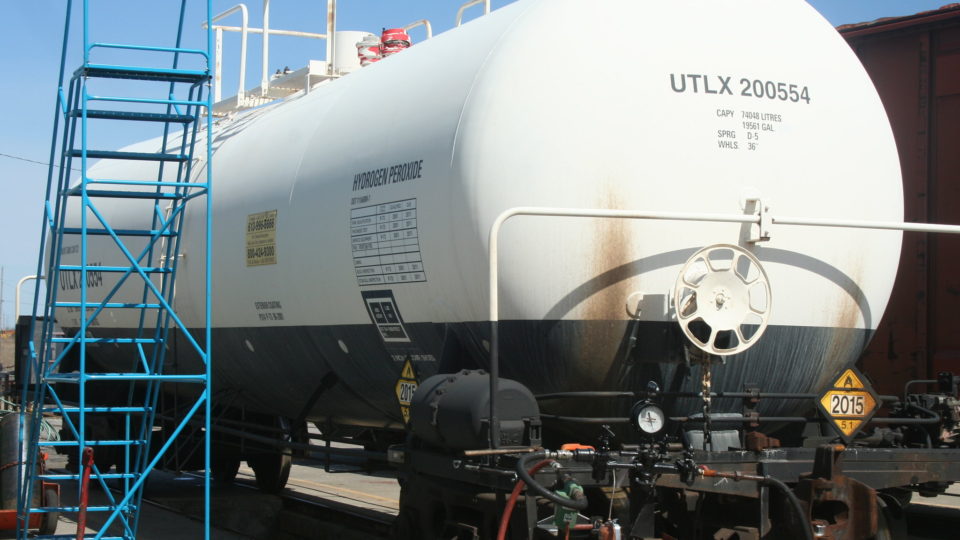
Hydrogen peroxide is widely used as an antiseptic, a detergent, in cosmetics, as a bleaching agent, in water purification, and in many other applications.  It is produced in industrial concentrations of up to 60% in solution with water in order to maximize the economics of transportation.  This makes transportation hazardous and costly because the concentrated form is unstable.  Most applications use a far more diluted form.

Researchers at Rice University have developed a new method for producing hydrogen peroxide that is much simpler and safer than the current technology, which actually dates back to the 1930s.  The Rice technique requires only air, water and electricity to produce the chemical.  The electrosynthesis process, which is detailed in the journal Science, uses an oxidized carbon nanoparticle-based catalyst.

The process could enable point-of-use production of pure hydrogen peroxide solutions, which would eliminate the need to transport the hazardous concentrated chemical.  The use of a solid electrolyte instead of the traditional liquid electrolyte eliminates the need for product separation or purification that is part of the current technology.

In the future, instead of storing containers of hydrogen peroxide, hospitals that use it as a disinfectant could turn on a spigot and get, for example a 3% solution on demand.  Instead of storing chemicals to disinfect swimming pool water, future homeowners could flick a switch and turn on their peroxide reactor to clean their pools.

**********

Web Links

Water + air + electricity = hydrogen peroxide

Photo, posted April 19, 2009, courtesy of Robert Taylor via Flickr.

Earth Wise is a production of WAMC Northeast Public Radio.

The Benefits Of Zero-Carbon Cities

November 8, 2019 By EarthWise Leave a Comment

A new report issued by a coalition of 50 leading international institutions shows that low carbon initiatives in cities could reduce urban emissions by nearly 90% and support 87 million jobs worldwide by 2030.  The report finds that implementing low carbon measures in cities would be worth almost $24 trillion by 2050.

Cities are home to more than half the world’s population but produce 80% of gross domestic product and 75% of carbon emissions.  The research highlights the significant benefits carbon reduction can bring to cities in areas such as public health, job creation, and poverty alleviation.

The report shows that it is possible to cut 90% of emissions from cities using currently available technologies and practices including carbon savings from buildings, transportation, materials efficiency, and waste reduction.  Doing so would require an investment of nearly $2 trillion per year but would generate annual returns of nearly $3 trillion in 2030 and $7 trillion in 2050 based on cost savings alone.  Many low carbon measures would pay for themselves in less than five years, including more efficient lighting, electric vehicles, improved freight logistics, and solid waste management.

In addition to economic benefits, compact, connected and clean cities could provide a higher standard of living and greater opportunity for all.  These measures would also reduce air pollution, cut chronic traffic congestion, and improve worker productivity.

The report offers case studies from around the world where national and local governments have worked together to rapidly and profoundly transform their cities for the better within 20 or 30 years.

**********

Web Links

The benefits of investing in zero-carbon cities

Photo, posted September 8, 2018, courtesy of Steffen Flor via Flickr.

Earth Wise is a production of WAMC Northeast Public Radio.
Electric Buses In Latin America

October 31, 2019 By EarthWise Leave a Comment

Latin America has become increasingly urbanized.  In fact, about 80% of the region’s population lives in cities today and by 2050, that figure could climb to 90%.  Transportation is the largest and fastest-growing source of energy-related emissions in Latin America and accounts for about a third of all of the region’s carbon dioxide emissions. 

Private vehicle ownership is rising in Latin America but at the same time, the region’s rapidly growing cities have increased demand for buses, taxis, and motorcycles.  Currently, an estimated 64,000 people die prematurely every year in Latin America and the Caribbean as a result of air pollution, which is mostly caused by transportation emissions.

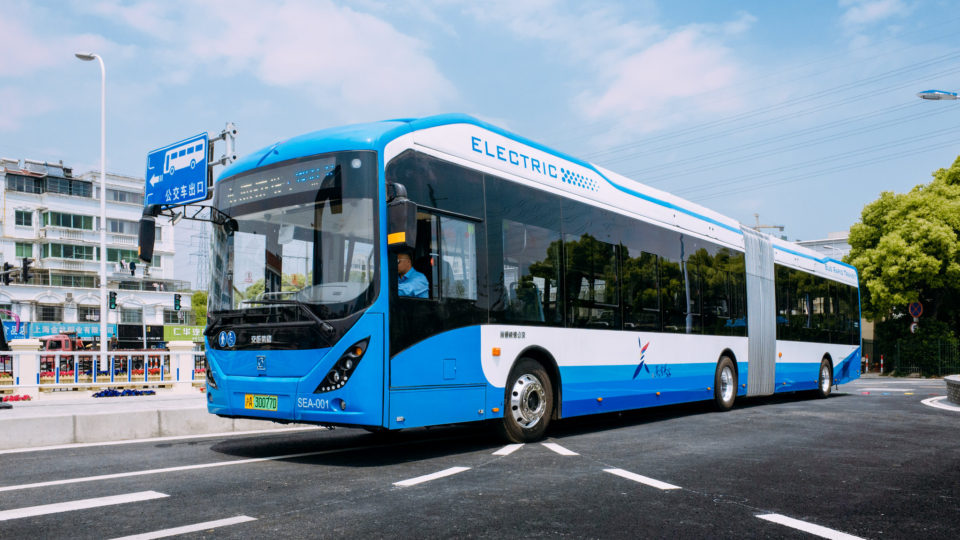
Given this situation, major cities across Latin America – from Colombia to Argentina – are starting to adopt electric bus fleets.   Latin America actually has the highest use of buses per person globally.  So, the transition to electric buses is an important step toward meeting climate targets, cutting fuel costs, and improving air quality.

Medellin, Colombia – whose metropolitan area has 3.7 million people – has started to add electric buses to its fleet, the rest of which runs on natural gas.  When new units arrive from China later this year, Medellin will have the second largest electric bus fleet in Latin America, after Santiago, Chile. 

Worldwide, 425,000 electric buses are in operation, 99% in China.  Europe has a couple of thousand while the United States has only 300.  But going forward, and especially in Latin America, electric buses are the wave of the future.  Estimates are that there will be 1.3 million on the roads by 2040.

**********

Web Links

An Increasingly Urbanized Latin America Turns to Electric Buses

Photo, posted April 22, 2018, courtesy of Hans Johnson via Flickr.

Earth Wise is a production of WAMC Northeast Public Radio.
Renewable Natural Gas

September 30, 2019 By EarthWise Leave a Comment

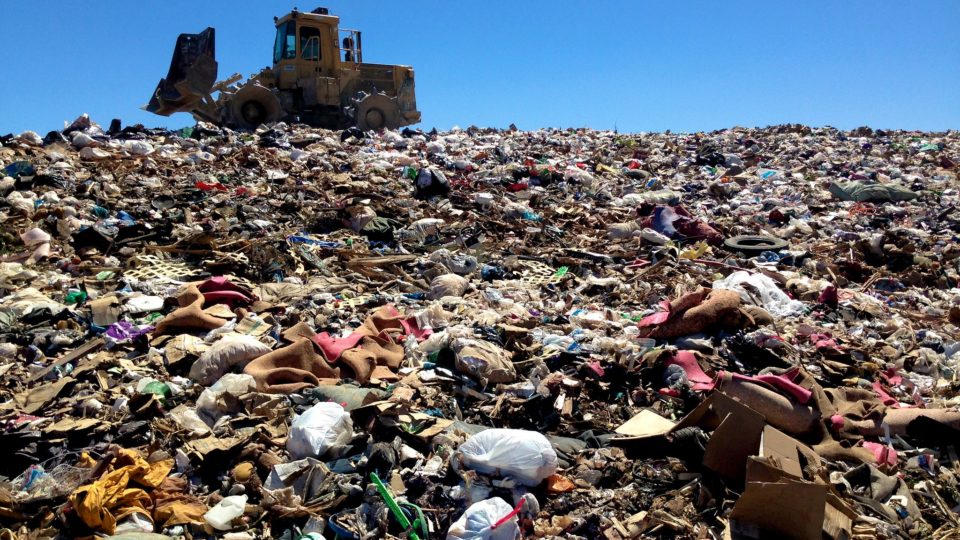
Small-scale biogas systems have collected methane from landfills, sewage plants, and farms for decades.  Here in the US, biogas is finally catching up with modern techniques with the advent of third-party operators introducing more sophisticated technology to capture methane and pump it directly into pipelines.

Renewable methane or natural gas represents a significant mostly unexploited source of energy.  Examples include the vast amounts methane generated by manure from some of the 2,300 hog farms in eastern North Carolina, biodigesters that can turn clusters of large California dairy farms into energy hubs, as well as diverting food waste from landfills and transforming it into vehicle and heating fuels.

According to a 2014 EPA study, the U.S. could support at least 13,000 biogas facilities, fed by manure, landfill gas, and biosolids from sewage treatment plants.  Those facilities could produce over 650 billion cubic feet of biogas per year – enough renewable energy to power 3 million homes.

A study by the World Resources Institute estimated that the 50 million tons of organic waste sent to landfills or incinerated every year in the U.S. has the energy content of 6 billion gallons of diesel fuel, amounting to 15% of all diesel consumed by heavy-duty trucks and buses.

Utilizing all that biogas could help lower greenhouse gas emissions from some of the most difficult sectors to decarbonize – transportation, industry, and heating buildings.  In addition, ramped up renewable gas could keep organic waste out of landfills and prevent manure runoff into rivers and water supplies.

Renewable natural gas could be the next big thing in green energy.

**********

Web Links

Could Renewable Natural Gas Be the Next Big Thing in Green Energy?

Photo, posted June 19, 2013, courtesy of Alan Levine via Flickr.

Earth Wise is a production of WAMC Northeast Public Radio.

Wildfires And Carbon

September 17, 2019 By EarthWise Leave a Comment

This summer has been an unprecedented year for fires in the Arctic.  Major fires have burned throughout the Arctic in Russia, Canada, and Greenland.  In total these fires released 50 million tons of carbon dioxide in June alone, which is as much as Sweden emits in an entire year.

In an average year, wildfires around the world burn an area equivalent to the size of India and emit more carbon dioxide to the atmosphere than global road, rail, shipping and air transport combined.

Ordinarily, this is part of a natural cycle.  As vegetation in burned areas regrows, it draws CO2 back out of the atmosphere through photosynthesis.  This is part of the fire-recovery cycle, which can take less than a year in grasslands, but decades in forests.  But in Arctic or tropical peatlands, full recovery may not occur for centuries.

A recent study looked at and quantified the important role that charcoal plays in helping to compensate for carbon emissions from fires.  In wildfires, some of the vegetation is not consumed by burning, but instead is transformed to charcoal – referred to as pyrogenic carbon.   This carbon-rich material can be stored in soils and oceans over very long time periods.

Researchers have combined field studies, satellite data, and modelling to quantify the amount of carbon that is placed in storage in the form of charcoal.  Their results are that the production of pyrogenic carbon amounts to about 12% of the CO2 emissions from fires and can be considered a significant buffer for landscape fire emissions.

Charcoal does not represent a solution to the problem of increasingly intense wildfires, but it is important to take it into account in understanding what is happening.

**********

Web Links

How wildfires trap carbon for centuries to millennia

Photo, posted August 17, 2018, courtesy of the Bureau of Land Management Oregon and Washington via Flickr.

Earth Wise is a production of WAMC Northeast Public Radio.
The New York Climate Plan

July 24, 2019 By EarthWise Leave a Comment

New York lawmakers have passed a sweeping climate plan that requires the state to eliminate almost all of its greenhouse gas emissions by 2050.  The plan calls for the phase-out of gasoline cars and oil- and gas-burning furnaces and requires all of the state’s electricity to come from carbon-free sources.

The Climate Leadership and Community Protection Act requires the state to slash its carbon emissions to 85% below 1990 levels by 2050 and to offset the remaining 15% by other means such as removing carbon dioxide from the atmosphere.  The bill requires New York to get 70% of its electricity from renewable sources by 2030.

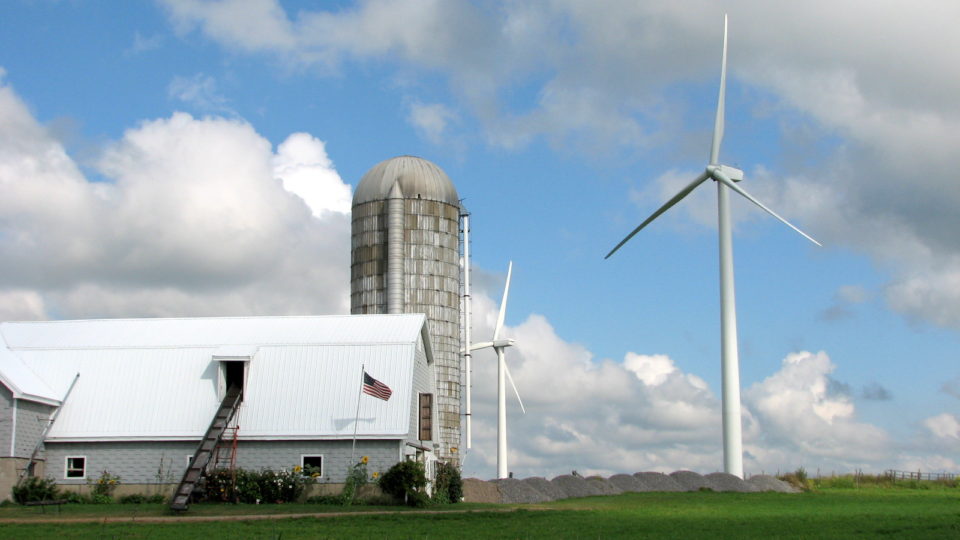
The challenges of reaching the program’s goals are daunting.   New York has so far only reduced its emissions by 8% since 1990.  The state currently does get 60% of its electricity from carbon-free sources – mostly hydroelectric dams and nuclear power plants – but it will require offshore windfarms, ramped-up solar installations, and battery storage systems to push the numbers dramatically higher.

Transportation, which is responsible for a third of New York’s emissions, will be particularly tough to tackle.  The Trump administration is rolling back federal vehicle efficiency rules and is trying to prevent states from setting stricter standards.  Currently, electric car ownership is primarily attractive for single-family homeowners who can plug in their cars at home.  Far more pervasive charging stations – for example, all over the streets of New York City – would be needed to make electric cars practical for everyone.

The plan aims for industries to bear most of the financial burden, but supporters say that the costs of not acting on climate will be vastly greater for businesses.  The plan’s deadlines for major emissions reductions are a decade away but there will be much to do quite soon.

**********

Web Links

New York to Approve One of the World’s Most Ambitious Climate Plans

Photo, posted September 17, 2009, courtesy of Flickr.

Earth Wise is a production of WAMC Northeast Public Radio.

A Sensor For Spoiled Milk

June 20, 2019 By EarthWise Leave a Comment

A new sensor technology developed at Washington State University may eventually make expiration dates on milk a thing of the past.  The sensor essentially can ‘smell’ whether milk is still good or has gone bad.

The sensor consists of chemically coated nanoparticles that react to the gas produced when bacterial growth on milk has taken place.  When such bacteria grow, they produce a volatile compound that doesn’t smell good.  So, when we open a carton of milk that has begun to spoil, our noses tell us so immediately.

The new sensor does not have to be in contact with the milk.  It detects the volatile gases produced by the bacteria and it changes color. So far, it has only been demonstrated in a controlled lab environment.

To really be useful, the sensor would ideally be able to show how long the milk has before it spoils.  Currently, it only shows whether it is ok or already spoiled. The researchers are working on the enhanced version of the sensor.

The researchers envision working with the dairy industry to integrate the sensor technology into a milk bottle’s plastic cap so that consumers can easily see how much longer the milk will stay fresh.  Current expiration dates on milk are based on best-case scenarios. They are only accurate if the milk has been stored at the correct temperature the entire time.  Unfortunately, milk can inadvertently spend time above refrigerator temperature during shipment or transportation home from the store.  If the new sensor technology can be successfully developed, it will be possible to know for sure whether that bottle of milk is good.

**********

Web Links

Sensor can detect spoiled milk before opening

Photo, posted March 8, 2011, courtesy of Roxanne Ready via Flickr.

Earth Wise is a production of WAMC Northeast Public Radio.

Mass Timber

June 10, 2019 By EarthWise Leave a Comment

Mass timber is a type of construction typically characterized by the use of large solid wood panels for wall, floor, and roof construction. Large structural panels, posts, and beams glued under pressure or nailed together in layers, with the wood’s grain stacked perpendicular for extra strength – are prized as innovative building materials, superior to concrete and steel in many ways.  Mass timber has pushed the perceived boundaries of wood construction, leading to building heights and spans that traditionally have required concrete, steel or masonry for structural support. The move to mass timber has become something of a construction revolution and many see it as a significant part of a climate change solution. 

The question is just how green is mass timber construction?  How sustainable is it in terms of the forest management, logging, manufacture and transportation of wood products involved?

A number of environmental groups are very skeptical.  There is not yet comprehensive data on the subject.  Only recently have interdisciplinary scientists begun to study the potential climate impacts of the wide use of mass timber.

Despite these questions, the mass timber industry is taking off.  Demand for mass timber posts and beams has led to new sawmills opening in the U.S. Northwest and many new jobs for loggers.

The aesthetics and economics of mass timber are both very attractive compared with conventional large-scale construction materials.  The real unknowns relate to the environmental impact of its widespread use.  If that can take place in a sustainable and environmentally conscientious way, it would be very important in the fight against climate change.  Carbon dioxide emissions from the building industry account for more than a third of global emissions, primarily from the concrete and steel industries.

**********

Web Links

As Mass Timber Takes Off, How Green Is This New Building Material?

Photo, posted March 19, 2018, courtesy of Freres Lumber Co via Flickr.

Earth Wise is a production of WAMC Northeast Public Radio.

Shipping And Invasive Species

May 7, 2019 By EarthWise Leave a Comment

The increasing numbers of invasive species around the world are a major driver of biodiversity change and cause billions of dollars in economic damages annually.  Climate change is a major factor in the spread of invasive species, but a new study by McGill University suggests that global shipping growth will far outweigh climate change in the spread of non-indigenous pests to new environments in the coming decades.

One of the most significant ways in which the disparate regions of the world are interconnected is via transportation networks.   The global shipping network is the primary means by which materials and goods are moved worldwide, accounting for over 80% of world trade.  And for this reason, the global shipping network is responsible for much of the introduction of non-indigenous species across the planet.

Living organisms are often transported through ballast water, which is taken up to stabilize cargo vessels.  Other species are transported by biofouling, whereby they attach to the hulls of ships.  Taken together, these two pathways account for anywhere between 60 and 90% of marine bioinvasions.   (Terrestrial invaders are generally moved as a byproduct of shipping, for example by infesting wood packaging material).

The McGill study looked at trends in global shipping and how socioeconomic factors are driving change.  For example, China’s share of global container throughput has gone from 1.4% in 1990 to 20.1% in 2013.  So, the distribution and patterns of shipping have been changing dramatically and with it the spread of non-indigenous species.

Awareness of this issue is increasing.  For example, there have been policy initiatives such as the International Ballast Water Management Convention that is an effort to control bio-invasions through measures such as ballast exchange.  We need to take measures to limit the unintentional spread of species.

**********

Web Links

Global forecasts of shipping traffic and biological invasions to 2050

Photo, posted December 3, 2009, courtesy of Roger W via Flickr.

Earth Wise is a production of WAMC Northeast Public Radio.

Affordable Electric Cars

May 1, 2019 By EarthWise Leave a Comment

The main reasons that electric cars haven’t taken over are that they didn’t drive far enough on a charge, it took too long to charge them, and, most of all, they cost too much.

In recent years, the problem with driving range has steadily been disappearing as electric cars that can go over two hundred and even over three hundred miles on a charge have entered the market.  Charging time has also become less of a problem.  Tesla’s network of Superchargers can provide 200 miles worth of charge in half an hour and their next generation of chargers, which are just starting to appear, can cut that time much further.

As for cost, a new report by transportation analysts at Bloomberg New Energy Finance predicts that electric vehicles will be cost-competitive with combustion-engine cars by 2022.

The main reason is that the cost of EV batteries has been plummeting.  In 2015, batteries made up 57% of the total cost of an electric vehicle.  Today, that number is down to 33% and is expected to drop to 20% by 2025.  In addition, the cost of electric powertrain systems is also dropping.  The Bloomberg report predicts that over the next decade, costs for motors, inverters, and power electronics could be 25 to 30% cheaper than today.

The cost of electric vehicles has been dropping faster than predicted.  Bloomberg’s report on the subject in 2017 predicted cost parity in 2026.  Last year, they changed it to 2024.  And now, they are saying 2022.

Given that electric cars are much cheaper to drive than gasoline cars, finding reasons not to drive them is getting harder to do.

**********

Web Links

Electric Cars Could Be As Affordable as Conventional Vehicles In Just Three Years

Photo, posted November 17, 2018, courtesy of Jakob Harter via Flickr.

XXXXXXXXXXXXXXXXXXXX

A Prize For Water From The Air

December 7, 2018 By EarthWise Leave a Comment

https://earthwiseradio.org/wp-content/uploads/2018/12/EW-12-07-18-A-Prize-for-Water-from-Air.mp3

The XPrize competitions provide monetary incentives to crowdsource solutions to the world’s grand challenges.  Originally started in 1994 to spur the development of private spaceflight, the XPrize program now offers prizes for diverse fields including Oceans, Learning, Health, Energy, Environment, Transportation, Safety and Robotics.

[Read more…] about A Prize For Water From The Air

Robo-Taxis And The Grid

October 25, 2018 By EarthWise Leave a Comment

https://earthwiseradio.org/wp-content/uploads/2018/10/EW-10-25-18-Robo-Taxis-And-The-Grid.mp3

The world of personal transportation is evolving.  There are three trends that are developing at the same time:  cars running on electricity rather than fossil fuels, cars operating autonomously, and people sharing vehicles instead of owning them.

[Read more…] about Robo-Taxis And The Grid

A New Way To Store Hydrogen

September 20, 2018 By EarthWise Leave a Comment

https://earthwiseradio.org/wp-content/uploads/2018/09/EW-09-20-18-A-New-Way-to-Store-Hydrogen.mp3

Several major automakers including Toyota, Honda and BMW are betting that hydrogen-fueled cars will be a dominant technology in the future.  There are a number of technical and economic problems to be solved before that can happen.  Producing hydrogen in an cost-effective and environmentally-friendly way is critical.  But beyond that, one of the biggest challenges is the transportation and storage of hydrogen.

[Read more…] about A New Way To Store Hydrogen

  • « Go to Previous Page
  • Page 1
  • Page 2
  • Page 3
  • Page 4
  • Page 5
  • Go to Next Page »

Primary Sidebar

Recent Episodes

  • An uninsurable future
  • Clean energy and jobs
  • Insect declines in remote regions
  • Fossil fuel producing nations ignoring climate goals
  • Trouble for clownfishes

WAMC Northeast Public Radio

WAMC/Northeast Public Radio is a regional public radio network serving parts of seven northeastern states (more...)

Copyright © 2026 ·