science

Corals Like Plastic
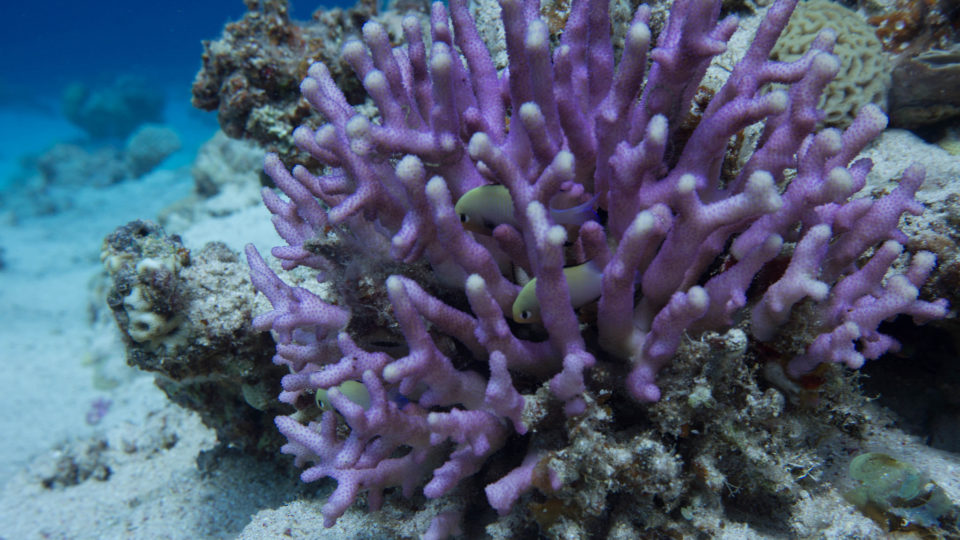
Microplastics, which are tiny pieces of weathered plastic less than 5 millimeters in diameter, have been accumulating in the oceans for the past 40 years and are now ubiquitous in the marine environment. They are a major threat to many kinds of marine life, including numerous species of birds, turtles, fish, marine mammals and invertebrates who ingest the stuff causing a variety of problems.
Tsunami And Invasive Species
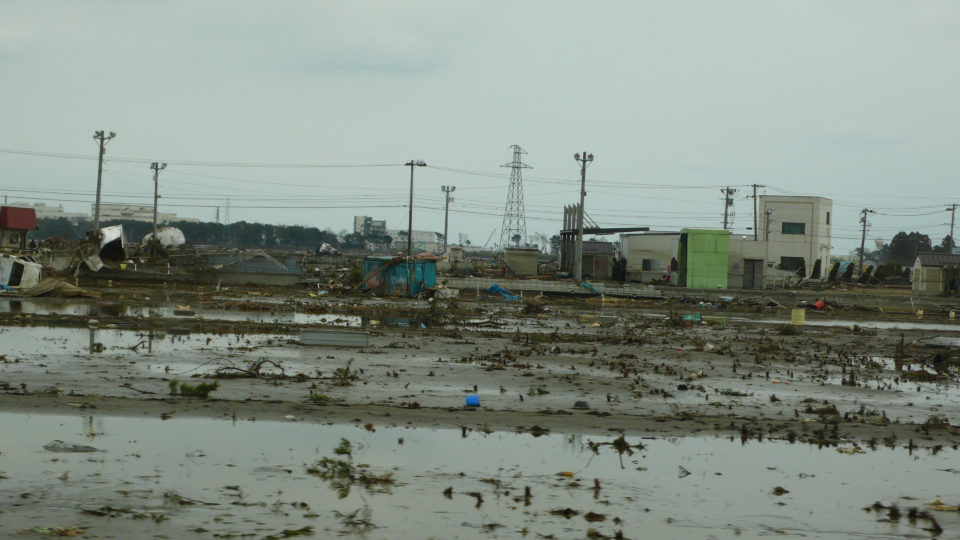
According to a new study published in the journal Science, scientists have discovered that hundreds of Japanese marine species have been swept across the Pacific Ocean to the United States following the deadly Tsunami in 2011.
More Power From The Sea
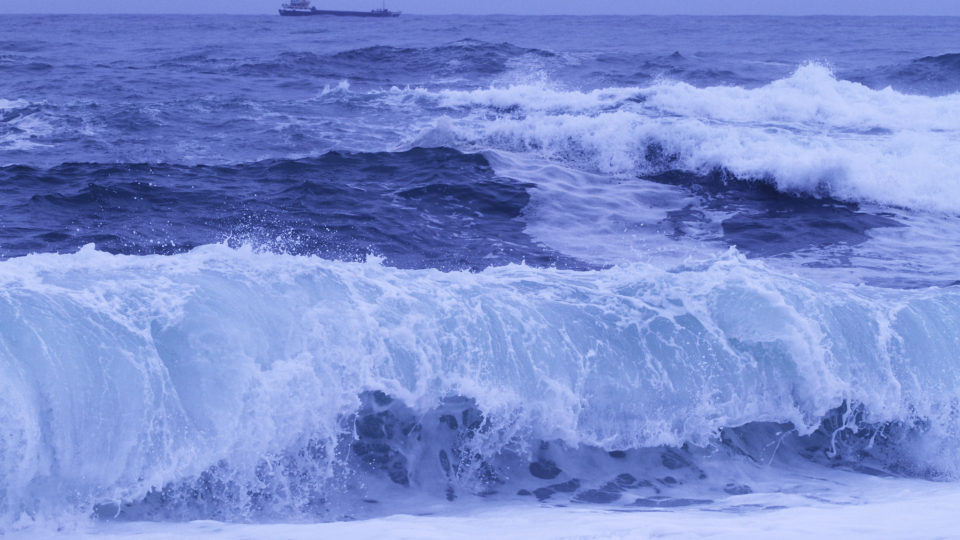
The Okinawa Institute of Science and Technology or OIST has been working on ways to generate electricity from the ocean for five years. Their initial project, known as “Sea Horse” uses submerged turbines anchored to the sea floor that convert the kinetic energy of sustained natural currents into useful electricity, which is then delivered by cables to the land. The project has been successful and OIST is now planning the next phase.
Air Pollution Shortens Lives
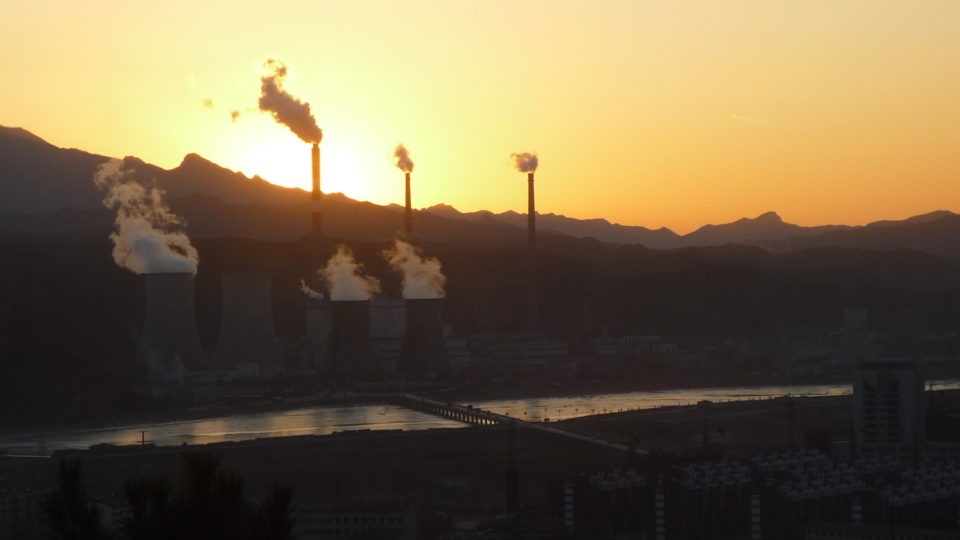
Globally, an estimated 4.5 billion people are exposed to particulate air pollution levels that are at least twice that of what the World Health Organization considers safe. But the impact that sustained exposure to air pollution has on a person’s life expectancy has remained a frustratingly unanswered question. That is until now.
A Ton Of Plastic Per Person
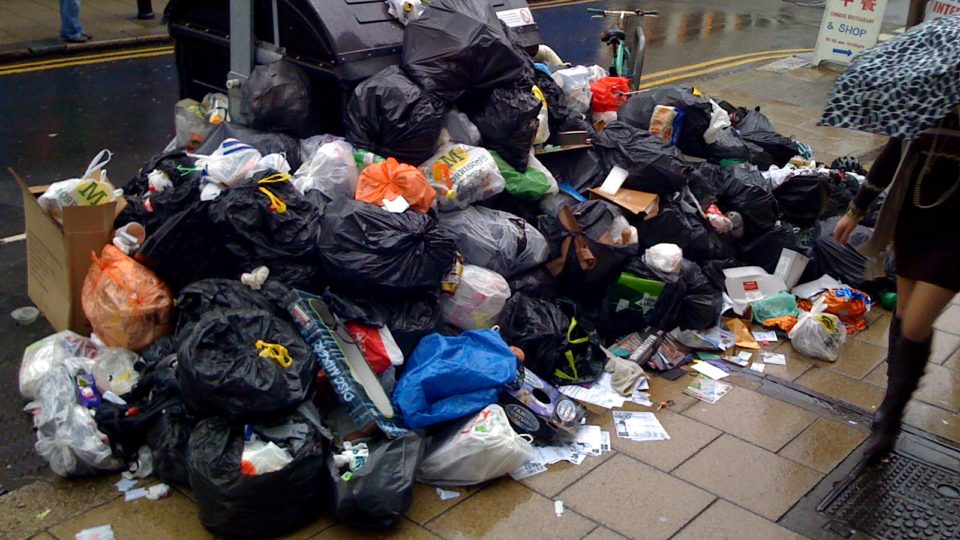
A study by the American Association for the Advancement of Science has produced an estimate of the total amount of plastic manufactured worldwide since the 1950s. The researchers then measured that data against statistics on recycling, incineration and discard rates. The results are sobering.
A New Twist On Electricity
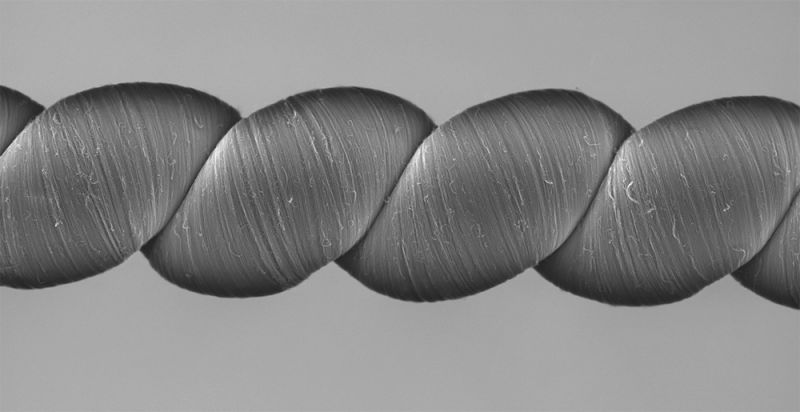
In a study published in the journal Science, researchers from institutions in the United States, South Korea, and China described the development of “twistron” yarns, which are essentially pieces of yarn that produce electricity when they are twisted or stretched.
Global Warming And The Nitrogen Problem
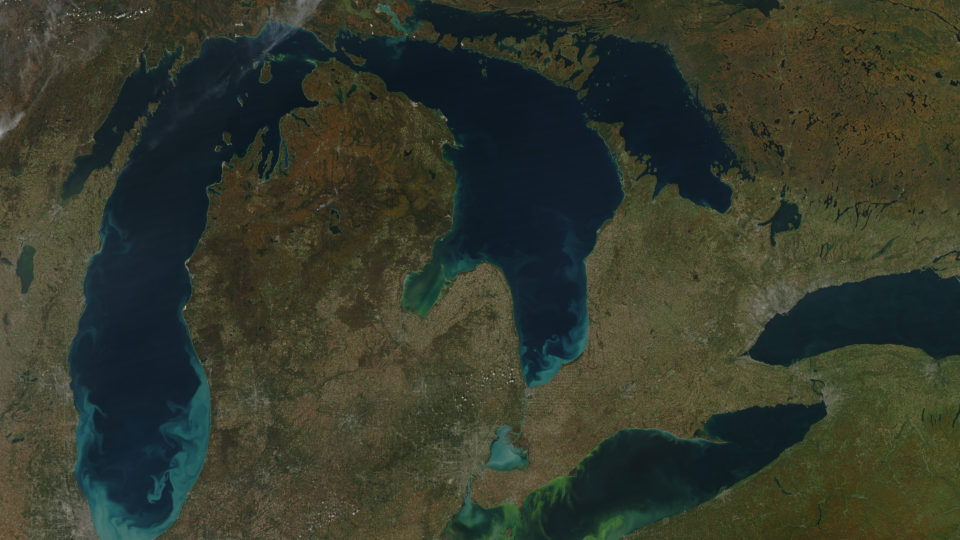
Excess nitrogen in the environment is a big problem. The most visible aspect of the problem is the spread of toxic algae blooms in oceans, lakes and other bodies of water. But there are other effects as well such as unwanted alterations to ecosystems.
Satellites And Conservation Science
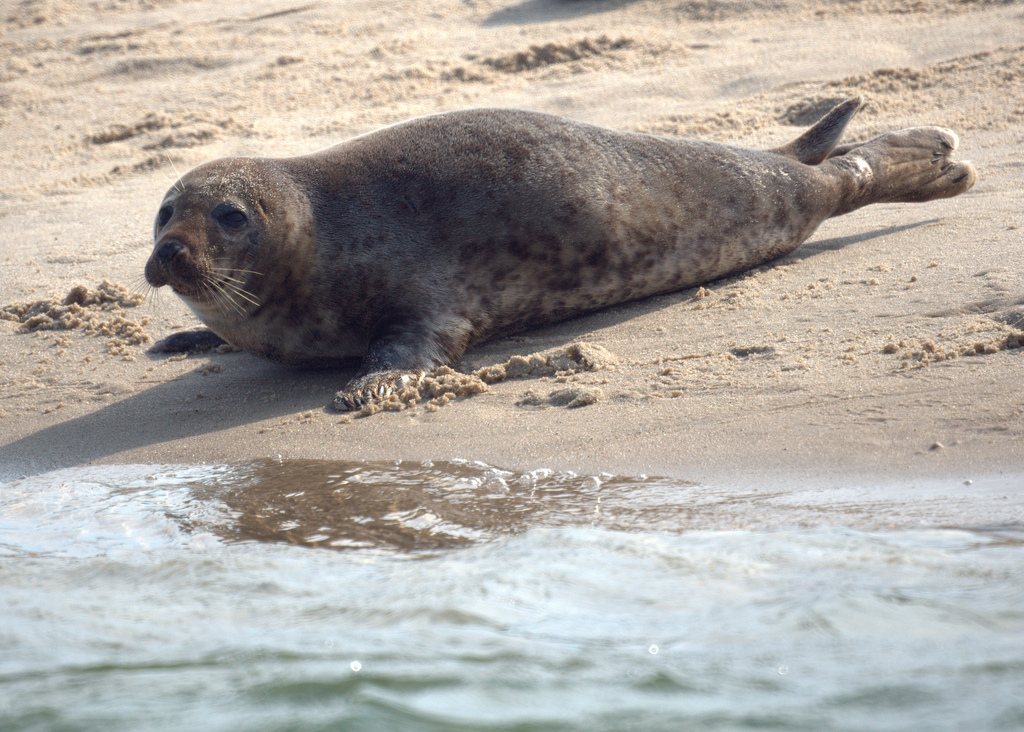
Satellites orbiting the earth are becoming an increasingly powerful tool for counting and monitoring wildlife populations and to answer a host of other questions about the natural world.
Biodegradable Microbeads
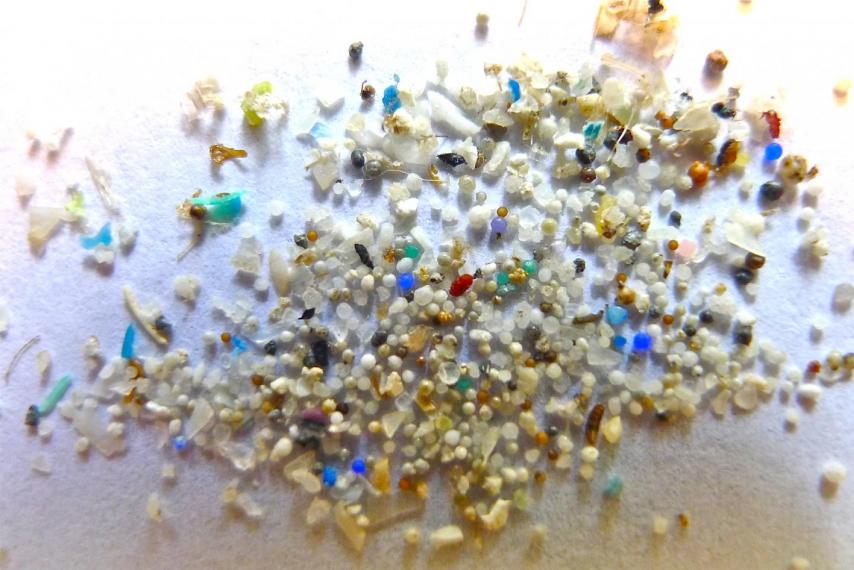
Microbeads are little spheres of plastic less than half a millimeter in diameter that are added to a variety of personal care and cleaning products such as cosmetics, sunscreens and fillers. They give these products a desirable smooth texture. However, they are so small that sewage filtration systems can’t remove them and they end up in rivers and oceans where they are ingested by birds, fish and other marine life.
The Methanol Economy
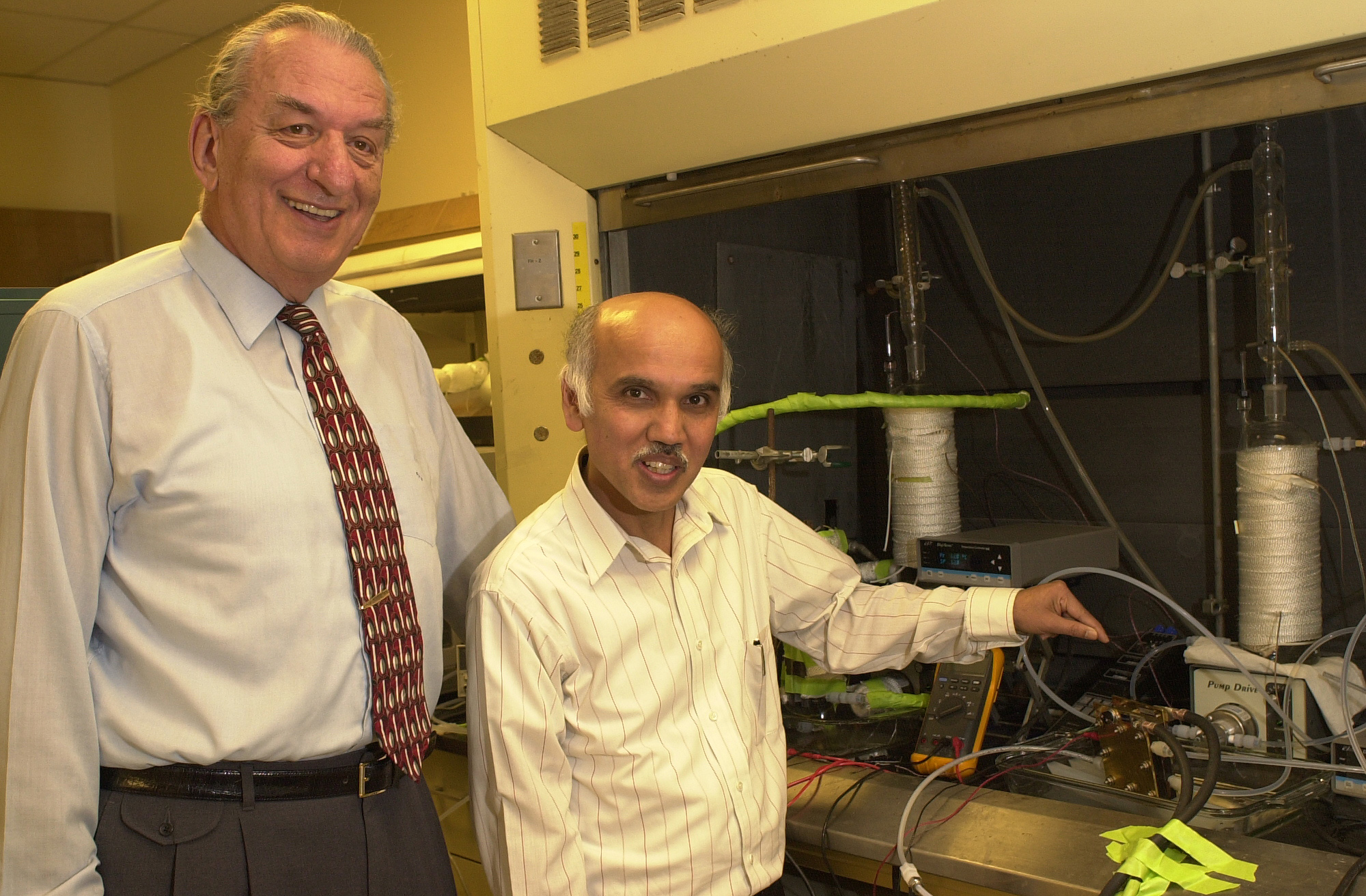
The methanol economy is an idea that was promoted by the late Nobel-prize-winning chemist George Olah since the 1990s. The idea is to replace fossil fuels with methanol for energy storage, ground transportation fuel, and raw material for hydrocarbon-based products. Methanol is the simplest alcohol and can be produced from a wide variety of sources ranging from fossil fuels to agricultural products to just carbon dioxide. Methanol can be used directly as a fuel or it can be reformed into hydrogen, which can then itself be used as a fuel.
Worms That Eat Plastic
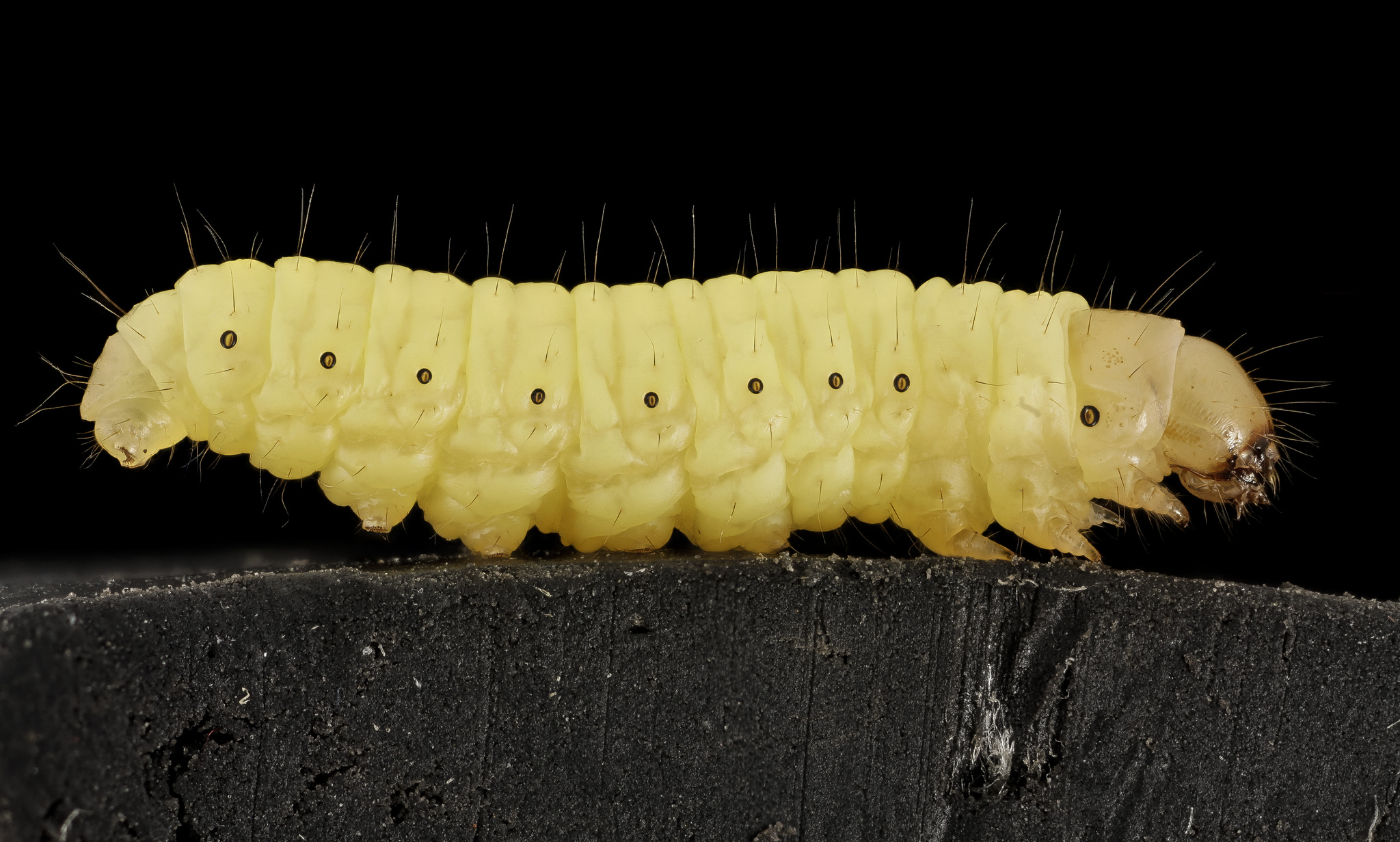
Plastics clogging up our landfills and polluting our oceans are a scourge of modern life and we struggle with ways to combat this growing problem. The biggest issue is that most plastics are simply not biodegradable. Polyethylene, the common plastic found in shopping bags and numerous other products, takes between 100 and 400 years to degrade in a landfill.
Water From Thin Air
Scientists at UC Berkeley and MIT have demonstrated a water harvester that uses only sunlight to pull liters of water out of the air each day in conditions as low as 20% humidity, a level common in arid areas.
California Sea Lions
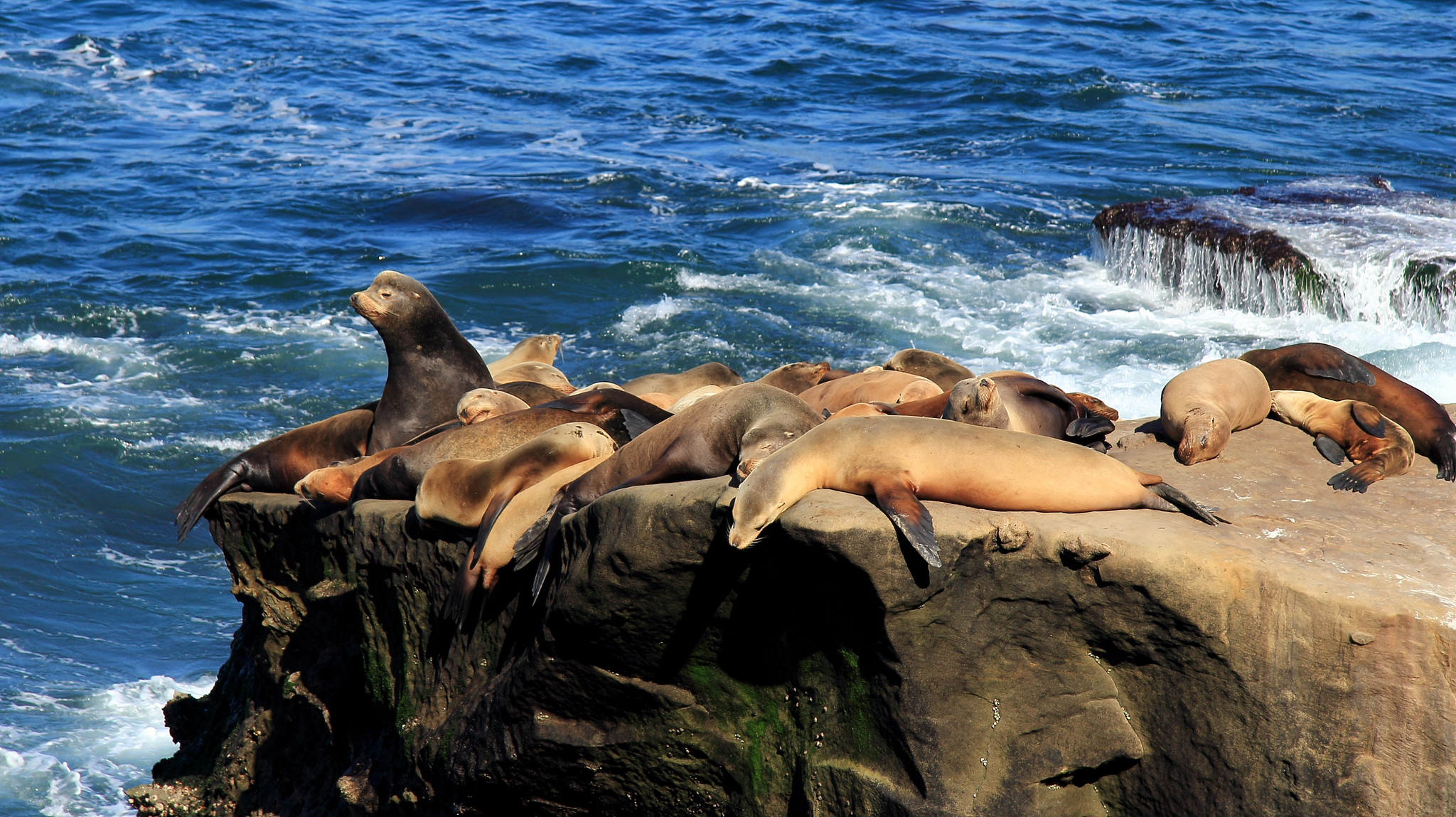
Sea lions in California are under duress from a rather unassuming source: algae. Driven by higher water temperatures and pollution, toxic algae is leading to fatal brain damage in many California sea lions.
Plastic In The Arctic
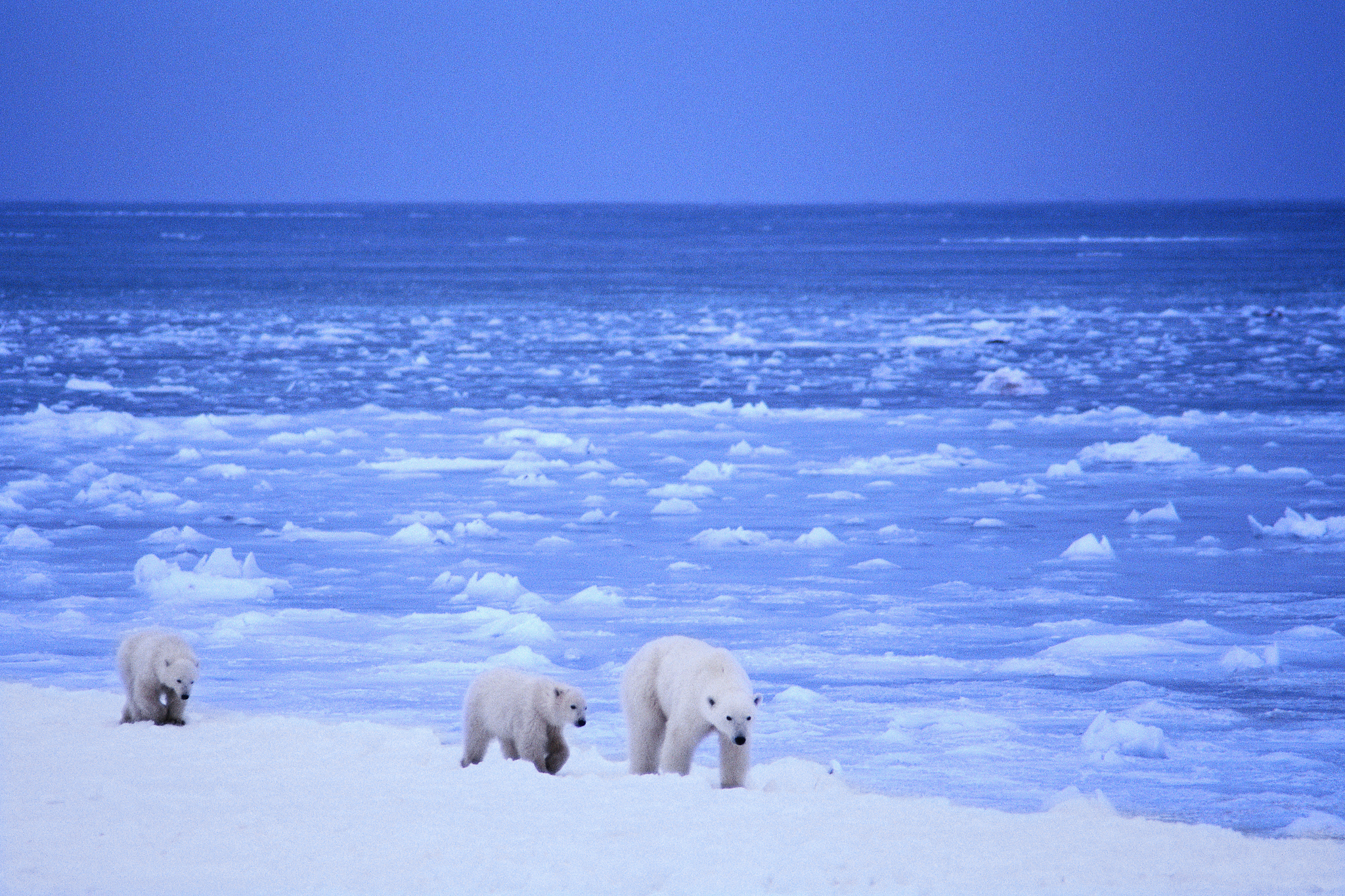
On several occasions, we have talked about the enormous amount of plastic that litters the world’s oceans. Bits of bottles, bags, toys, fishing nets and other objects collect in gyres, or so-called garbage patches, which have grown and grown over the decades.
Cows And The Environment
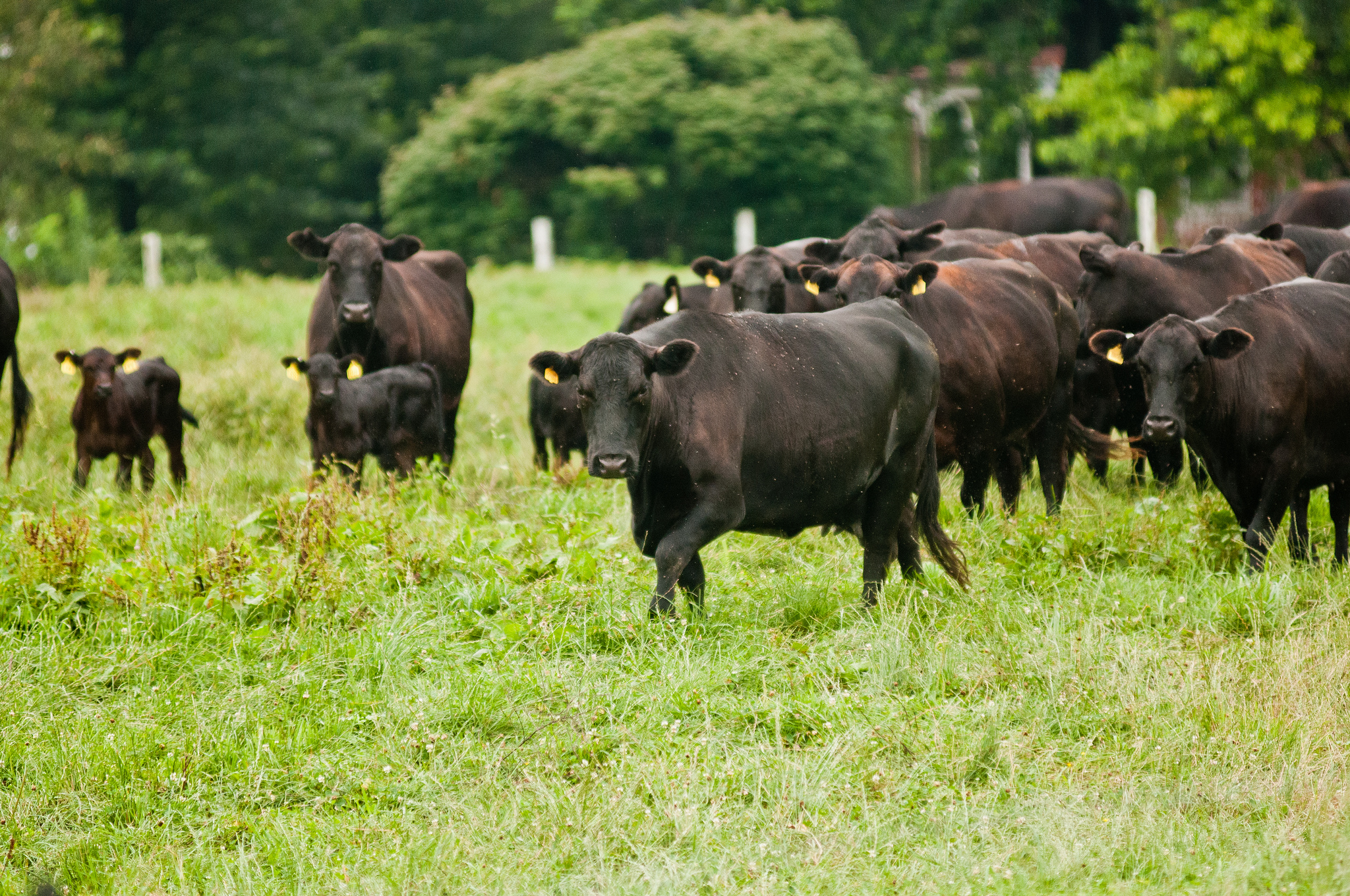
There are many environmental problems associated with ruminant livestock and these problems continue to grow as the demand for meat-rich diets increases around the world. One of the biggest problems is that cows emit methane through eructation (or belching) as they chew their cud. Methane is a powerful greenhouse gas, some 25 times more potent at trapping heat than carbon dioxide. More than a quarter of all human-originated methane going into the atmosphere comes from raising livestock.
Spray-On Solar Cells
One of the most exciting possibilities for future solar energy technology is that of solar cells that can be sprayed or printed on to surfaces like the windows of skyscrapers, the roofs of sports utility vehicles, or the walls of houses. And the expectation is that such technology would be far cheaper than today’s silicon-based solar panels.
Terrestrial Plants and Lake Ecosystems

Most of the planet’s freshwater stores are found in the northern hemisphere, a region that is changing rapidly in response to human activity and shifting climate trends. A recent study analyzed 147 northern lakes and found that many rely on nutrients from tree leaves, pine needles, and other land-grown plants to feed aquatic life.