
• Skip to primary navigation
  • Skip to main content
  • Skip to primary sidebar

Earth Wise

A look at our changing environment.

  • Home
  • About Earth Wise
  • Where to Listen
  • All Articles
  • Show Search
Hide Search
You are here: Home / Archives for research

research

Essential Oils And Organic Crops | Earth Wise

November 6, 2020 By EarthWise Leave a Comment

Essential oils as natural pesticides

Essential oils are concentrated liquids extracted from plants.  They are called “essential” in the sense that they contain the essence of the fragrance that is characteristic of the plant.  Essential does not mean indispensable or usable by the human body.  But despite that fact, essential oils have been used in folk medicine throughout history. 

In recent times, essential oils have frequently been used in aromatherapy.  Generally speaking, medicinal uses of essential oils are controversial, and, in some cases, they have even been demonstrated to be dangerous.

Research has shown that essential oils have potential as natural pesticides.  Recently, the USDA has funded research into the use of essential oils to battle pests and diseases of organic crops.

U.S. organic food sales topped $50 billion in 2018 and fruits, vegetables, and other specialty crops combined make up more than a third of organic sales.  In order to meet consumer demand, farmers need ways to battle pests and diseases that often accompany organic crop growth.

A four-year project at the University of Hawaii at Manoa is entitled “Plant Safety, Horticultural Benefits, and Disease Efficacy of Essential Oils for Use in Organically Grown Fruit Crops:  From the Farm to the Consumer.”   The researchers will work with certified organic producers in Hawaii, Florida, South Carolina, Georgia, and California to evaluate the effectiveness of plant essential oils on major fruit pathogens such as avocado scab, anthracnose fungal disease, and powdery mildew on targeted tropical and temperate fruit crops such as avocado, mango, blueberry, and peach.

The goal is increase orchard productivity of the expanding organic fruit industry.

**********

Web Links

Essential oils could keep pests, disease from organic crops

Photo, posted January 6, 2015, courtesy of Abi Porter via Flickr.

Earth Wise is a production of WAMC Northeast Public Radio.

The Hottest September | Earth Wise

November 5, 2020 By EarthWise Leave a Comment

The hottest September

Here’s a news item that is like many other recent news items:  September 2020 was the hottest September since 1880, according to the National Oceanic and Atmospheric Administration.   The warm September is a part of a year that so far is poised to be at least the second hottest year in the 141-year climate record.

The ten warmest Septembers on record have all occurred since 2005, and the seven warmest Septembers have occurred in the past seven years.

So far, the year-to-date average global temperature has been the second warmest on record, being just 0.07 degrees Fahrenheit lower than the record year-to-date temperature set in 2016.  Expectations are that 2020 will end up somewhere among the three warmest years on record for the globe.

September was warm in many places around the world.  California and Oregon had their warmest September ever.  Europe had its warmest September on record, Asia had its second warmest September on record as did Australia and South America. 

So far, it has been the hottest year-to-date on record in Europe, Asia, and the Gulf of Mexico.  No land or ocean areas anywhere had record-cold year-to-date temperatures. 

Global temperatures represent an average over the entire surface of the planet.  The fact that the global temperature is now nearly one Celsius degree above the 20th century average means that a vast amount of heat has been added in order to warm all the oceans, atmosphere, and land by that much.  So, every uptick in global temperature is a big deal.

Meanwhile, the average Arctic sea ice coverage for September was the second smallest on record.  The 14 smallest minimum annual sea ice extents have all occurred in the past 14 years.

**********

Web Links

Earth just had its hottest September on record

Photo, posted September 2, 2020, courtesy of Tim Vrtiska via Flickr.

Earth Wise is a production of WAMC Northeast Public Radio.
Alien Species On The Rise | Earth Wise

November 3, 2020 By EarthWise Leave a Comment

the number of alien species is rising

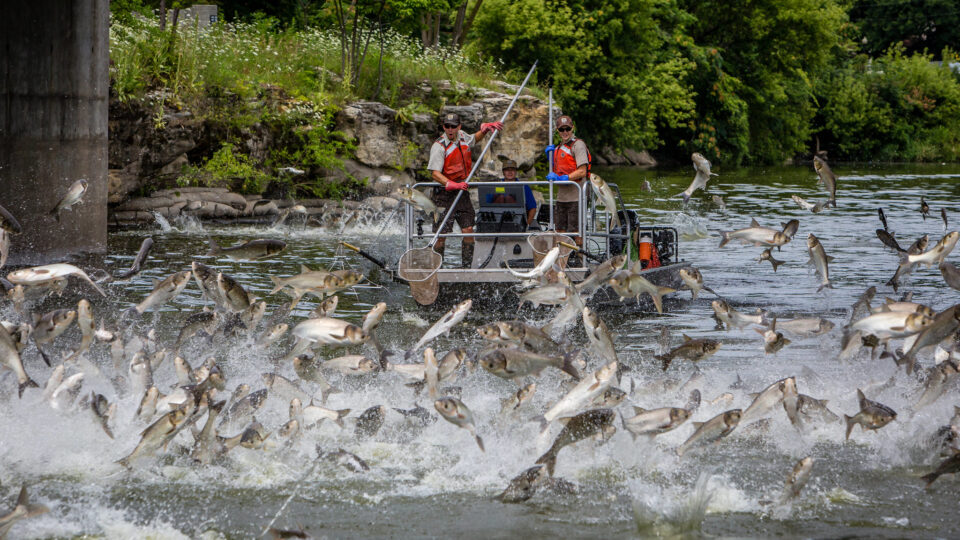
Alien species are species that are introduced, accidentally or intentionally, outside of their natural geographic range as a result of human activities.  More than 35,000 alien species have been recorded through 2005, which is the most recent year for which researchers have comprehensive global data. 

Some of the alien species go on to become invasive alien species, which can have damaging impacts on both ecosystems and economies.  In fact, alien species are one of the main drivers of plant and animal extinctions around the globe.  

According to a new study by an international research team involving University College London, the number of alien species, particularly insects, arthropods and birds, is expected to increase globally by 36% by 2050 when compared to 2005 levels.  The research was recently published in the journal Global Change Biology.

Using a mathematical model developed for the study, the researchers identified high levels of variations between regions.  For example, the largest increase in alien species by the middle of the century is expected in Europe, where numbers are predicted to jump by 64%.  The temperate regions of Asia, North America, and South America are also predicted to be hotspots of alien species.  The lowest relative increase in alien species is expected in Australia.

The researchers do not expect a reversal or slowdown in the spread of alien species.  In fact, with global transportation and trade forecasted to increase in the coming decades, they anticipate many new species will infiltrate non-native habitats by hitching rides as stowaways.   

According to the research team, it would take a concerted global effort with stricter regulations and more rigorous enforcement to slow the flow of new species. 

**********

Web Links

Alien species to increase by 36% worldwide by 2050

Photo, posted October 3, 2016, courtesy of the Asian Carp Regional Coordinating Committee via Flickr. Photo credit: Ryan Hagerty/USFWS.

Earth Wise is a production of WAMC Northeast Public Radio.

Paying To Combat Climate Change | Earth Wise

November 2, 2020 By EarthWise Leave a Comment

Fighting climate change

The majority of Americans believe that climate change is happening, that human activities are largely responsible, and are actually willing to put up their own money to help fight it.   Unfortunately, these views diverge sharply along party lines and, as in many other areas these days, the will of the overall majority has little influence on policy.

According to Yale University research, 73% of adults think that global warming in happening and 57% think it is mostly caused by human activities.  Furthermore, only 32% believe it is due to natural forces.

A survey conducted in the U.S. in August found that more than two-thirds of Americans – actually 70% – indicated willingness to donate a percentage of their personal income to support the fight against climate change.

Breaking that down further, 28% were willing to provide less than 1% of their income, 33% were willing to contribute 1-5% of their income, 6% said they would give 6-10% of their income, and 3% said they would contribute more than 10% of their income.  On the other hand, roughly 30% indicated that they were unwilling to contribute.

The survey also looked at opinions on how the fight against climate change should be paid for.  The majority (59%) chose government incentives for both businesses and consumers.   Three other options each favored by over 40% of those surveyed were taxes, conservation programs, and business investments. 

Another finding of the survey was that 44% are dissatisfied with the job that the federal and state governments are doing to address climate change, 35% are somewhat satisfied, and only 21% are very or completely satisfied with the government’s role.

**********

Web Links

Yale Climate Opinion Maps 2020

Two-thirds of Americans are willing to donate part of their income to fight climate change

Photo, posted April 29, 2017, courtesy of majunznk via Flickr.

Earth Wise is a production of WAMC Northeast Public Radio.

Tracking Down Gluten Sensitivity | Earth Wise

October 6, 2020 By EarthWise Leave a Comment

Exploring gluten sensitivity

Celiac disease is a well-documented autoimmune disease triggered by exposure to the dietary proteins found in wheat, rye, and barley.  Celiac disease affects less than 1% of Americans yet many more people claim to be sensitive to gluten.

When people with celiac disease eat gluten, their body mounts an immune response that attacks the small intestine.  These attacks lead to damage on the villi, the small projections that line the small intestine that promote nutrient absorption.  Symptoms range from various digestive problems to fatigue, weight loss, bloating, and anemia.  Ultimately, it can lead to a variety of serious health complications.

Until recently, there was a tendency by doctors to dismiss the complaints of people who claimed to be sensitive to gluten but do not have celiac disease.  That is starting to change, in part as a result of studies conducted at Columbia University that looked at the biological basis for non-celiac gluten sensitivity.

The new study shows that people with non-celiac gluten sensitivity produce a high level of anti-gluten antibodies but that these antibodies are different from the ones triggered by celiac disease and that the inflammatory responses they instigate are also different.  The more restrained inflammatory response is much less likely to be associated with autoimmune activity and intestinal cell damage.  In addition, the immune system of people with non-celiac gluten sensitivity appears to be able to gradually reduce its inflammatory response over time.

Discovery of these antibodies could be used in the future to help doctors more readily identify people with non-celiac gluten sensitivity, which now is difficult to diagnose.  The researchers also believe that their work could lead to potential new therapies for celiac disease, which is currently treated only with dietary restrictions.

**********

Web Links

Unique Antibody Profile Sets Gluten Sensitivity Apart from Celiac Disease

Photo, posted November 27, 2010, courtesy of Francis Storr via Flickr.

Earth Wise is a production of WAMC Northeast Public Radio.
Crops May Need To Move | Earth Wise

October 5, 2020 By EarthWise Leave a Comment

Climate change might force crops to move

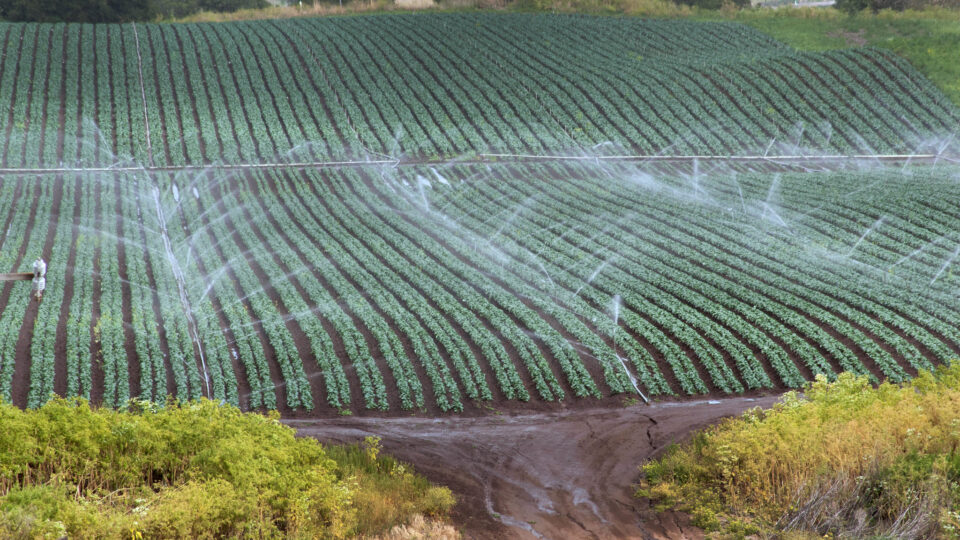
California has unique micro-climate diversity that creates ideal growing conditions for a wide range of crops.  One third of the vegetables and two-thirds of the fruits and nuts we eat in this country are grown on the more than 76,000 farms in California.  But as the climate continues to change, many farmers have started to worry about where and when crops can be grown in the future.   Within the next 20 years or so, some parts of California may become too hot and dry to sustain agricultural production.

According to new research from the Lawrence Berkeley National Laboratory, by the years 2045-2049, warmer temperatures will have a significant effect on cool-season crops such as broccoli and lettuce such that their growing season will need to shift.  On the other hand, warm-season crops like cantaloupe, tomatoes, and carrots will need to move to entirely new growing locations.

The study looked at five key crops that are produced more in California than elsewhere and studied the climate conditions under which they prosper and those under which they fail.  They established the range of conditions for which the crops can remain successful.  Finally they looked at climate projections for various parts of the state.

California’s agriculture is an essential part of our food security, so it is important to predict how future warming will affect when and where crops can be grown.  Changing these things presents challenges.  For example, when considering relocating crops, growers have specialized knowledge of their land and their crops.  If crops need to move to a new area, either the farmers have to move to that area, or they have to grow a different crop.  Either way, it presents a practical and economic burden on the farmer.

**********

Web Links

Some of America’s Favorite Produce Crops May Need to Get a Move On by 2045

Photo, posted June 16, 2011, courtesy of the U.S. Department of Agriculture via Flickr.

Earth Wise is a production of WAMC Northeast Public Radio.
Aluminum And Deodorants | Earth Wise

October 2, 2020 By EarthWise Leave a Comment

Aluminum in deodorants

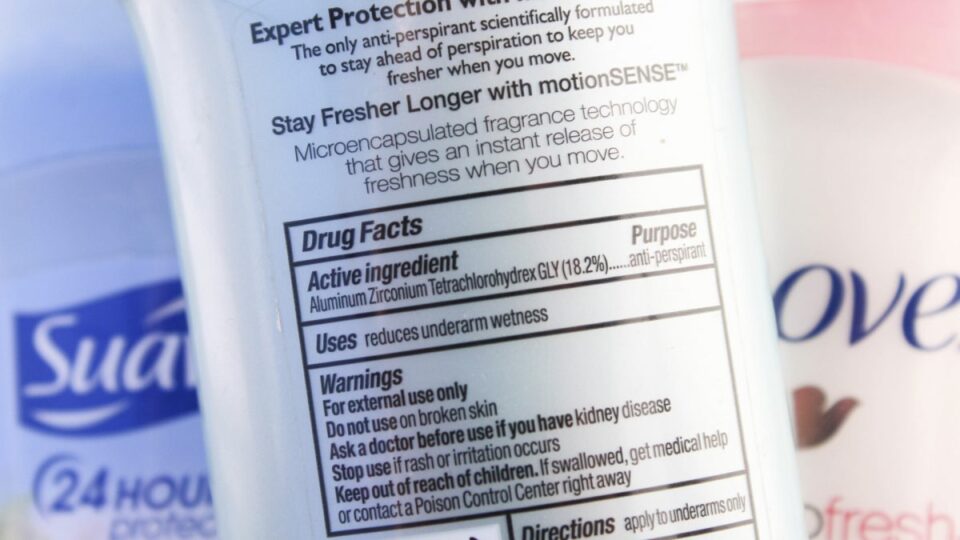
Aluminum is the third most common element in the earth’s crust.  That element and its compounds are contained in numerous foods and products intended for consumers.  Aluminum can occur naturally in certain foods and it can be a part of food additives.  Apart from that, it is also possible for aluminum to transfer to food from packaging and tableware.   We also can take in aluminum from cosmetic products like whitening toothpaste, lipsticks, particles in sunscreens, and in the form of aluminum chlorohydrate in antiperspirants.

The concern about aluminum intake is related to its effects on the nervous system, on the mental and motor development of children, and upon possible negative effects on the kidneys and bones.  When aluminum is ingested via food, its toxicity is low and for healthy people, the kidneys do a good job of excreting it.  However, people with chronic kidney disease may not be able to get rid of aluminum as readily and it can accumulate in the body.

Six years ago, a study looked at the amount of aluminum absorbed through the skin from the use of antiperspirants, but the data at that time was considered to be unreliable and a need for further research was identified.

Recently, the results of two new studies have been published by a German research institute that quantifies the absorption of aluminum salts through the skin.  The results were that significantly less aluminum is absorbed through the skin than previously calculated and that a significant absorption of aluminum from antiperspirants is unlikely.

The total burden of aluminum from all sources can be high among some population groups, but it appears that use of aluminum-containing antiperspirants is not an important contribution to that burden.

**********

Web Links

Aluminium in antiperspirants: Low contribution to the total intake of aluminium in humans

Photo courtesy of NutritionFacts.org.

Earth Wise is a production of WAMC Northeast Public Radio.

Permanent Time Observation | Earth Wise

September 25, 2020 By EarthWise Leave a Comment

permanent standard time

Americans have debated the value of daylight savings time going all the way back to Benjamin Franklin.  As a country, we adopted the practice of changing our clocks twice a year in 1918.

Since the energy crisis of the 1970s, there have been a number of initiatives aimed at making daylight savings time permanent.  However, there is also a growing movement to eliminate the practice entirely.

In August, the American Academy of Sleep Medicine published a position statement calling for the abolishing of daylight savings time in favor of fixed, national, year-round standard time.

The statement describes the adverse effects of the annual abrupt switch to daylight savings time, which range from increased risk of stroke and hospital admissions to sleep loss and increased production of inflammatory markers, which are one of the body’s responses to stress.  It also cites studies that show that traffic fatalities increase by as much as six percent in the first few days following the change to daylight savings time.  Other research shows that there is an 18% increase in adverse medical events related to human error in the week after switching to daylight savings time.

In July, a survey by the academy of more than 2,000 U.S. adults found that 63% support the elimination of seasonal time changes in favor of a national, fixed year-round time, and only 11% oppose the idea, but many of those in favor of the idea actually want permanent daylight savings time.

The sleep academy contends that permanent standard time is the best choice to most closely match our circadian sleep-wake cycle while daylight saving time results in more darkness in the morning and more light in the evening, disrupting the body’s natural rhythm.

Residents of Arizona and Hawaii get to sit out this debate since they don’t change their clocks.

**********

Web Links

American Academy of Sleep Medicine calls for elimination of daylight saving time

Photo, posted May 28, 2018, courtesy of Kis Akos via Flickr.

Earth Wise is a production of WAMC Northeast Public Radio.
Shrinking Alaskan Salmon | Earth Wise

September 24, 2020 By EarthWise Leave a Comment

Salmon in Alaska are shrinking

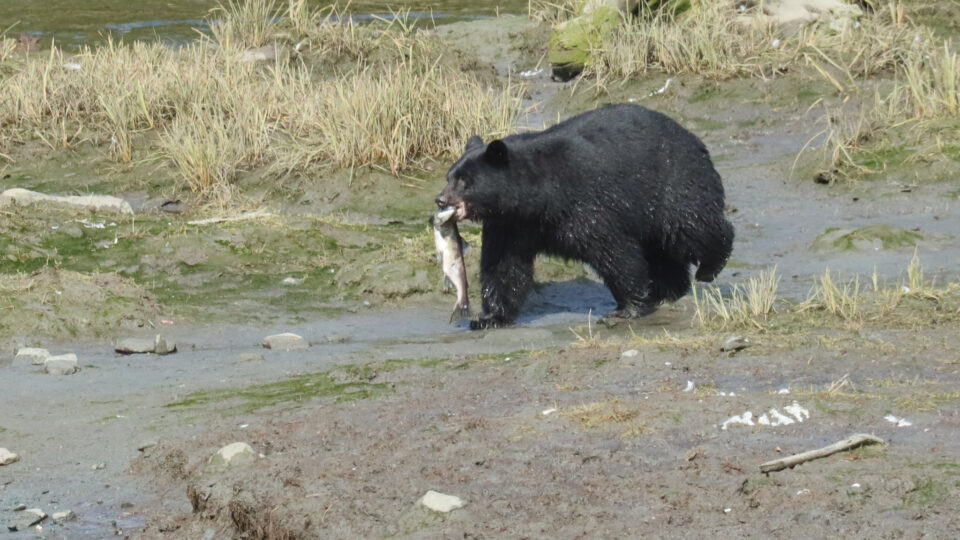
According to a new study published in the journal Nature Communications, salmon returning to Alaskan rivers have become significantly smaller over the past 60 years.  As a result of climate change and competition from hatchery fish, wild salmon are spending less time at sea and are returning to spawning grounds at younger ages.

The study, by scientists at the University of Alaska at Fairbanks and the University of California Santa Cruz, examined measurements of over 12 million fish collected by the Alaska Department of Fish and Game from 1957 through 2018.  Over that time period, four out of Alaska’s five wild salmon species – Chinook, chum, coho, and sockeye – have shrunk in size.  Chinook salmon is the official state fish of Alaska and they used to stay out at sea for seven years before returning to spawn.  Many are now returning to rivers at just four years old and are on average 8% smaller than they were 30 years ago.

The shrinking size of Alaskan salmon has consequences for people, the economy, and ecosystems in Alaska.   Wild salmon is a staple food for many residents of the state, particularly among indigenous groups.  More generally, Alaska produces nearly all of the wild salmon in the U.S.   Commercial fishing of over 200 million wild salmon in 2019 resulted in $657 million in income.  The fish are also an important food source for bears and other wildlife and the spawning migration of salmon plays an important role in nutrient transportation in Alaskan river ecosystems.


Multiple factors are driving the changes in the salmon population, but the largest effects are the changing climate and the abundance of salmon in the ocean due in part to hatchery production that results in competition for the salmon’s food.

**********

Web Links

Alaska’s Salmon Are Significantly Smaller Than They Were 60 Years Ago

Photo, posted September 5, 2019, courtesy of Flickr.

Earth Wise is a production of WAMC Northeast Public Radio.

Ocean Currents And Climate Change | Earth Wise

September 22, 2020 By EarthWise Leave a Comment

Climate change intensifies marine heatwaves

Oceans cover more than 70% of the earth and absorb 94% of incoming solar radiation.  As a result, oceans play a major role in the climate system.  With their massive size and capacity to store heat, oceans help keep temperature fluctuations in check.  But oceans also play a more active role.  Ocean currents are responsible for moving vast amounts of heat around the planet.  

According to a paper recently published in the journal Nature Communications, the world’s strongest ocean currents will experience more intense marine heatwaves than the global average in the coming decades.  These strong ocean currents play key roles in fisheries and ocean ecosystems.  

Sections of the Gulf Stream near the United States, the Kuroshio Current near Japan, the East Australian Current near Australia, and the Antarctic Circumpolar Current will all see more intense marine heatwaves over the next 30 years. 

Scientists from the University of Tasmania and CSIRO in Australia relied on high-resolution ocean modeling to carry out their research.  They confirmed the model’s accuracy by comparing outputs with observations from 1982-2018.  They then used the same model to project how marine heatwaves would alter with climate change out to 2050.

The model projects, for example, that intense marine heatwaves are more likely to form well off the coast of Tasmania, while more intense marine heatwaves along the Gulf Stream start to appear more frequently close to the shore from Virginia to New Brunswick, Canada. 

Marine heatwaves are on the rise globally, but knowing where they will occur and how much hotter they will be will help policymakers, ecologists, and fisheries experts in their regional decision-making. 

**********

Web Links

Where marine heatwaves will intensify fastest: New analysis

Photo, posted April 17, 2016, courtesy of Nicolas Henderson via Flickr.

Earth Wise is a production of WAMC Northeast Public Radio.
Greenland Glaciers Past The Point Of No Return | Earth Wise

September 18, 2020 By EarthWise Leave a Comment

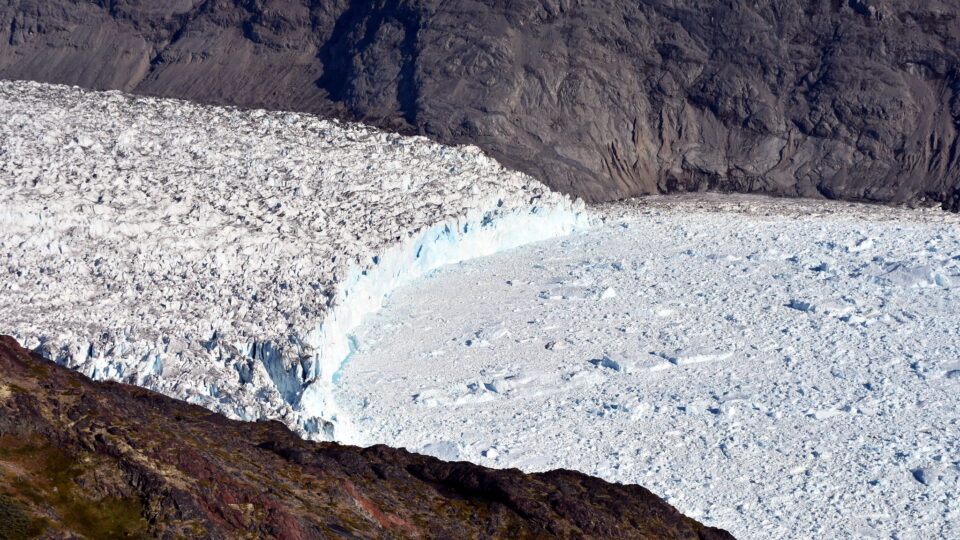
warming greenland glaciers

Forty years of satellite data from Greenland shows that the glaciers on the island have shrunk so much that even if global warming came to an abrupt halt, the Greenland ice sheet would continue to shrink.

This conclusion was published in the journal Communications Earth and Environment by researchers at Ohio State University.  According to their study, Greenland’s glaciers have passed a tipping point where the snowfall that replenishes the ice sheet each year can no longer keep up with the ice that is flowing into the ocean from the glaciers.

The study analyzed monthly satellite data from more than 200 large glaciers that drain into the ocean around Greenland.  It looked at how much ice breaks off into icebergs or melts from the glaciers into the ocean as well as the amount of snowfall each year that replenishes the glaciers.

Throughout the 1980s and 90s, these two processes were mostly in balance, keeping the ice sheet intact.  But the amount of ice being lost each year started to increase steadily around the year 2000 while there was no increase in snowfall.   Both processes fluctuate from year to year, but the baseline for ice loss has steadily risen.  Before 2000, the Greenland ice sheet had about the same chance of gaining or losing mass each year.  At this point, the ice sheet is likely to gain mass in only one out of every 100 years.

Large glaciers in Greenland have retreated about 2 miles since 1985, so that many of them are sitting in deeper water with more ice in contact with warmer water making it harder for glaciers to grow back.  At this point, even if the climate reverses its trend, the ice sheet will continue to lose mass.

**********

Web Links

Warming Greenland ice sheet passes point of no return

Photo, posted August 27, 2015, courtesy of Joxean Koret via Flickr.

Earth Wise is a production of WAMC Northeast Public Radio.
Finding Plastic In Seafood | Earth Wise

September 15, 2020 By EarthWise Leave a Comment

plastic in seafood

Researchers from the University of Exeter in the UK and the University of Queensland in Australia have developed a new method for identifying and measuring the presence of five different types of plastic in seafood.

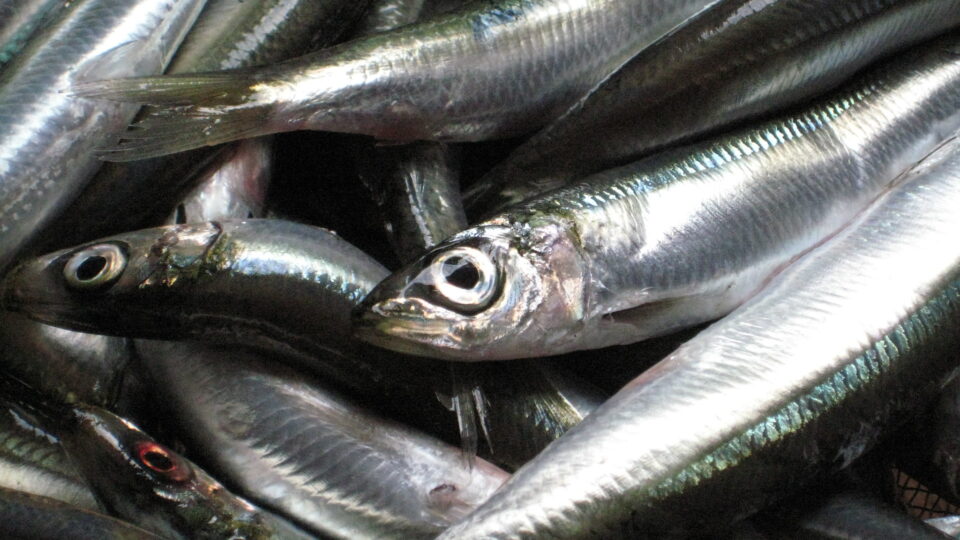
The researchers purchased oysters, prawns, squid, crabs, and sardines from a market in Australia and analyzed them using the new technique.  They found plastic in every single sample.

Their findings showed that the amount of plastics present varies greatly among species and differs between individuals of the same species.  The measured plastic levels were 0.04 mg per gram of seafood in squid, 0.07 mg in prawns, 0.1 mg in oysters, 0.3 mg in crabs, and 2.9 mg in sardines. 

All the plastics are types commonly used in plastic packaging and synthetic textiles and are increasingly found in marine litter:  polystyrene, polyethylene, polyvinyl chloride, polypropylene, and polymethyl methacrylate.

The new method treats the seafood tissues with chemicals that dissolve the plastics present within them.  The resulting solution is then analyzed using a highly sensitive technique called Pyrolysis Gas Chromatography Mass Spectrometry which both identifies and quantifies the plastics.

Microplastics are an increasing source of pollution for much of the planet, including the oceans where they are eaten by all types of marine creatures ranging from planktonic organisms to large mammals.  Microplastics enter our diet not only from seafood, but also from bottled water, sea salt, beer, and honey, as well as from dust that settles on our food.

**********

Web Links

Seafood study finds plastic in all samples

Photo, posted June 23, 2007, courtesy of Flickr.

Earth Wise is a production of WAMC Northeast Public Radio.

Hacking Photosynthesis | Earth Wise

September 14, 2020 By EarthWise Leave a Comment

benefits of hacking photosynthesis

A team led by the University of Illinois has been pursuing a project called Realizing Increased Photosynthetic Efficiency or RIPE, which has the aim of improving photosynthesis in order to provide farmers with higher-yielding crops in an increasingly challenging climate.  Photosynthesis is the natural, sunlight-powered process that plants use to convert carbon dioxide into sugars that fuel growth, development, and for us, crop yield.

If we think of photosynthesis as a factory line composed of multiple machines, the growth of plants is limited by the slowest machines in the line.  The RIPE project has identified some steps in photosynthesis that are slower than others and are attempting to enable plants to build more machines to speed up those slower steps.

The researchers modeled a total of 170 steps in the process of photosynthesis to identify how plants could manufacture sugars more efficiently.  In the study, the team increased crop growth by 27% by resolving two constraints:  one in the first part of photosynthesis where plants turn light energy into chemical energy and one in the second part when carbon dioxide is turned into sugars.

The researchers effectively hacked photosynthesis by adding a more efficient transport protein from algae to enhance the energy conversion process. 

In the greenhouse, these changes improved crop productivity by 52%, but in field trials, which are a more important test, these photosynthetic hacks boosted crop production by 27%.

Ultimately, the team hopes to translate these discoveries to a series of staple food crops, such as cassava, cowpea, corn, soybean and rice, which are needed to feed the world’s growing population this century.

**********

Web Links

Photosynthetic hacks can boost crop yield, conserve water

Photo, posted June 14, 2017, courtesy of Alex Holyoake via Flickr.

Earth Wise is a production of WAMC Northeast Public Radio.

Has Wheat Changed for the Worse? | Earth Wise

September 11, 2020 By EarthWise Leave a Comment

wheat and wheat allergies

In recent years, the number of people affected by celiac disease, wheat allergies, or gluten or wheat sensitivity has increased dramatically.  Why this should be is not well understood.  One theory is that modern wheat varieties contain more immunoreactive protein than those used in the past.  Researchers at two German research institutions investigated this issue in detail. 

Wheat grains contain about 70% starch.  Proteins constitute 10 to 12% of wheat, and nearly 80% of that protein is gluten.  Gluten is a compound mixture of two types of protein subgroups:  gliadins and glutenins.

The researchers investigated the protein content of 60 preferred wheat varieties in use during the period between 1891 and 2010, making use of an extensive seed archive.  They selected 5 leading wheat varieties for each decade over that 120-year period and cultivated the plants under the same geographical and climate conditions.

The results were that the modern wheat varieties actually contain slightly less protein than old ones.  Gluten content itself has been essentially constant over the 120 years, although the proportion of gliadins (which are the prime suspect for causing undesired immune responses) was actually 18% lower while the proportion of glutenins was 25% higher.

Overall, they found no evidence that the immunoreactive potential of wheat has changed over the years as a result of the cultivation factors.

The researchers note that some of the other, less significant proteins in wheat have not been investigated with regard to their physiological effects, so there is more work to be done.  But so far, the culprit for increasing wheat sensitivity has not been found.

**********

Web Links

Is modern wheat off the hook?

Photo, posted July 3, 2009, courtesy of Clare Black via Flickr.

Earth Wise is a production of WAMC Northeast Public Radio.
Restoring Tropical Forests | Earth Wise

September 10, 2020 By EarthWise Leave a Comment

forest restoration

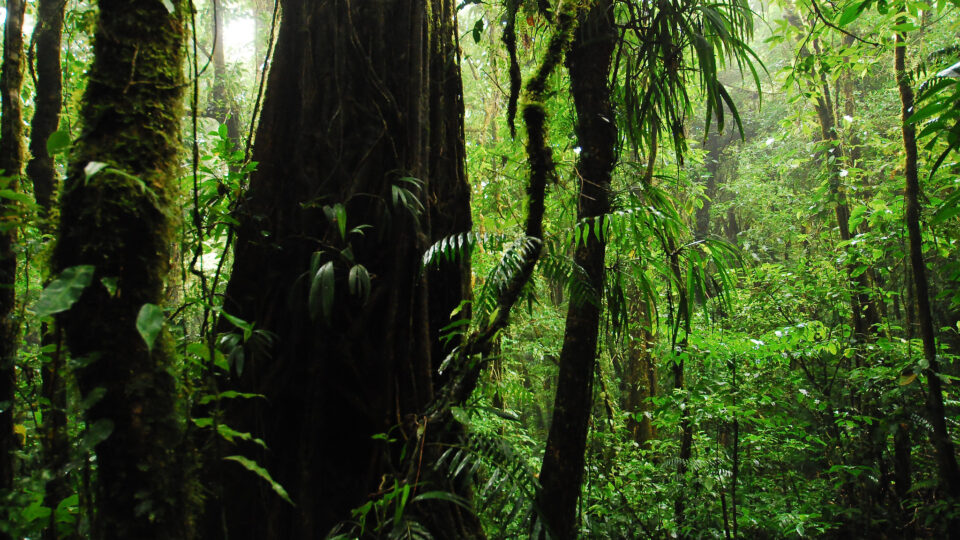
Tropical forests store more than half of the world’s above-ground carbon.  For this reason, deforestation is one of the greatest threats to global climate regulation.   Once forests are degraded through partial clearing and agricultural conversion, they are often perceived as no longer having much ecological value even though degraded forests still provide important ecosystem services despite no longer storing as much carbon.

As a result, once forests have been degraded, they tend to be seen as prime candidates for full conversion to agricultural plantations.   But this is not actually the case.

An international team of scientists, including researchers from Arizona State University’s Center for Global Discovery and Conservation Science, has provided the first long-term comparison of above-ground carbon recovery rates between naturally regenerating and actively restored forests in Southeast Asia.

First of all, the research shows that allowing forests to regenerate naturally results in significant amounts of restored above-ground carbon storage.  It is definitely worthwhile to allow forests to recover rather than giving up on them and putting the land to other uses.

But more importantly, the researchers found that forest areas that undergo active restoration recover their carbon-storing ability 50% faster than naturally recovering forests.

Restoration methods include planting native tree species and thinning vegetation around saplings to improve their chances of survival.   

These findings suggest that restoring tropical forests is a viable and highly scalable solution to regaining lost carbon stocks on land.  What is needed is sufficient incentive to engage in active forest restoration.  The current price of carbon is not sufficient to pay for restoration, but as the climate crisis intensifies, this is likely to change.

**********

Web Links

Tempe to Hawaii: ASU professors teach Hawaiian youth about coral reef conservation

Photo, posted May 22, 2008, courtesy of Eric Chan via Flickr.

Earth Wise is a production of WAMC Northeast Public Radio.

Alaska Is Getting Wetter | Earth Wise

August 31, 2020 By EarthWise Leave a Comment

alaska is getting wetter

Siberia has been in the news for record-setting heat waves and wildfires, but it is not the only northern region experiencing unusual weather.   Alaska, apart from setting its own warm weather records, is experiencing the rainiest five years in its century-long meteorological record.

Extreme weather in the Arctic is being driven by an aspect of climate change called Arctic amplification, which leads to temperatures rising faster than the global average.  The physical basis of Arctic amplification is well understood, but its effects over time are much less predictable.

The past five years included two summers with average precipitation, one that was a little drier than usual, and two of the wettest summers on record.    Researchers have taken measurements of how far below the surface permafrost has thawed by the end of summer over a wide range of Alaskan environments.

About 85% of Alaska sits upon permafrost and the increasing rainfall over the past five years is leading to a deeper thaw of permafrost across the state.  The wettest summer on record was 2014 and permafrost didn’t freeze back to previous levels even when the next couple of summers were relatively drier.

The study demonstrated how different types of land cover govern relationships between summer rainfall and permafrost thaw.  As Alaska becomes warmer and wetter, the vegetation cover is projected to change, and the increasing occurrence of wildfires will disturb larger areas of the landscape.  These conditions are likely to lead to a feedback loop driving more and more permafrost thawing.

Fundamental changes to Alaskan ecosystems are occurring on an unprecedented timescale – not gradually over decades or lifetimes, but over mere months or years.

**********

Web Links

Alaska is getting wetter. That’s bad news for permafrost and the climate.

Photo, posted June 10, 2011, courtesy of Peter Rintels via Flickr.

Earth Wise is a production of WAMC Northeast Public Radio.
Chocolate Is Good For The Heart | Earth Wise

August 27, 2020 By EarthWise Leave a Comment

chocolate is healthy

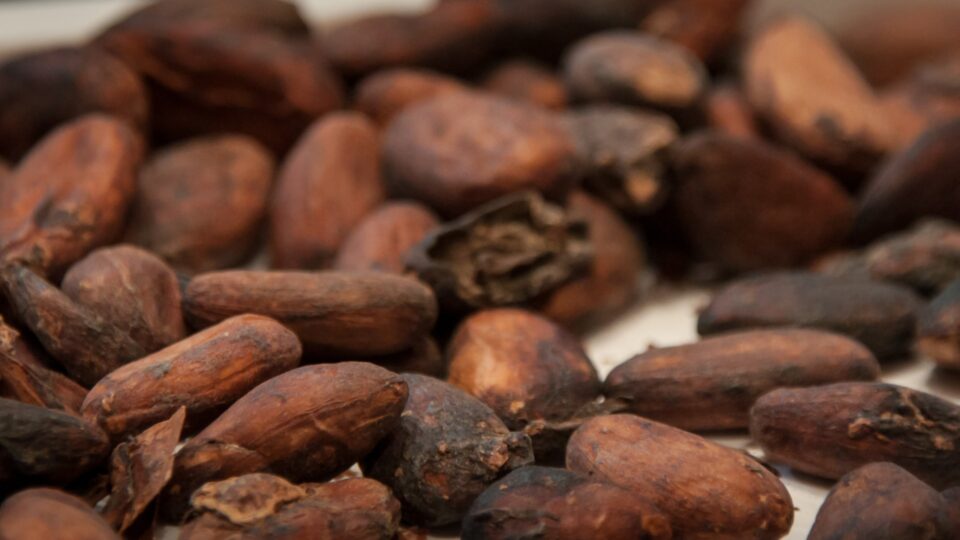
At last a good news story about what we eat, or more specifically, about what we like to eat.   According to research published recently in the European Journal of Preventive Cardiology, eating chocolate at least once a week is linked with a reduced risk of heart disease.

In the past, clinical studies have shown that chocolate is beneficial for both blood pressure and the lining of blood vessels.   The new study suggests that chocolate helps to keep the heart’s blood vessels healthy.

The researchers conducted a combined analysis of studies from the past five decades examining the association between chocolate consumption and coronary artery disease.  The analysis included data from over 300,000 participants who reported their chocolate consumption.  About 14,000 participants in the study ultimately developed coronary heart disease.  Compared with consuming chocolate less than once a week, eating chocolate more than once a week was associated with an 8% decreased risk of coronary heart disease.

Chocolate contains heart-healthy nutrients such as flavonoids, methylxanthines, polyphenols, and steric acid.  These substances may reduce inflammation and increase good (HDL) cholesterol.

The study did not examine whether any particular type of chocolate is more beneficial or whether there is an ideal portion size.  So, while chocolate appears to be promising for reducing the occurrence of coronary heart disease, it will require more research to determine how much and what kind of chocolate could be recommended.

Not to be spoilsports, but the doctors who conducted the study warned against overeating.  Eating large quantities of chocolate products laden with calories, sugar, milk and fat, is not a recommended path to improved health.

**********

Web Links

Chocolate is good for the heart

Photo, posted February 22, 2014, courtesy of Jan David Hanrath via Flickr.

Earth Wise is a production of WAMC Northeast Public Radio.

A New Carbon Capture Technique | Earth Wise

August 25, 2020 By EarthWise Leave a Comment

Reducing carbon dioxide emissions using carbon capture

Carbon dioxide emissions by electricity generating plants, fossil-fuel burning vehicles, and industry produce about 2/3 of the greenhouse gases driving climate change.  Without decreasing these emissions, the earth will continue to get warmer, sea levels will continue to rise, and the world will face more droughts, floods, wildfires, famine and conflict.

Electrification of vehicles and reliance upon renewable energy sources will ultimately drastically reduce the use of fossil fuels and the resultant emissions, but that transition may take too long to reverse the direction of climate change.  In the meantime, there is a great need to find effective and efficient ways to capture emissions from fossil fuel plants. 

Recent research at the University of California, Berkeley, Lawrence Berkeley National Laboratory, and ExxonMobil has developed a new technique for carbon capture.  The technique makes use of metal-organic framework (or MOF) technology.  An MOF, modified with nitrogen-containing amine molecules, captures CO2 and then low-temperature steam is used to flush out the CO2 either to be used or sequestered underground.

Experiments demonstrated the technique to have a six-times greater capacity for removing CO2 from the flue gas of a refinery than current amine-based technology.  It selectively removed 90% of the emitted CO2. 

There is a relatively limited market for captured CO2, so power plants using the capture technology would likely pump the CO2 into the ground, or otherwise sequester it.  The cost of doing this sort of emission scrubbing would have to be facilitated by government policies, such as carbon trading or a carbon tax, which would provide the necessary economic incentive for doing carbon capture and sequestration.

**********

Web Links

New technique to capture CO2 could reduce power plant greenhouse gases

Photo courtesy of UC Berkeley.

Earth Wise is a production of WAMC Northeast Public Radio.
The Decline Of Pollinators Threatens Food Security | Earth Wise

August 24, 2020 By EarthWise Leave a Comment

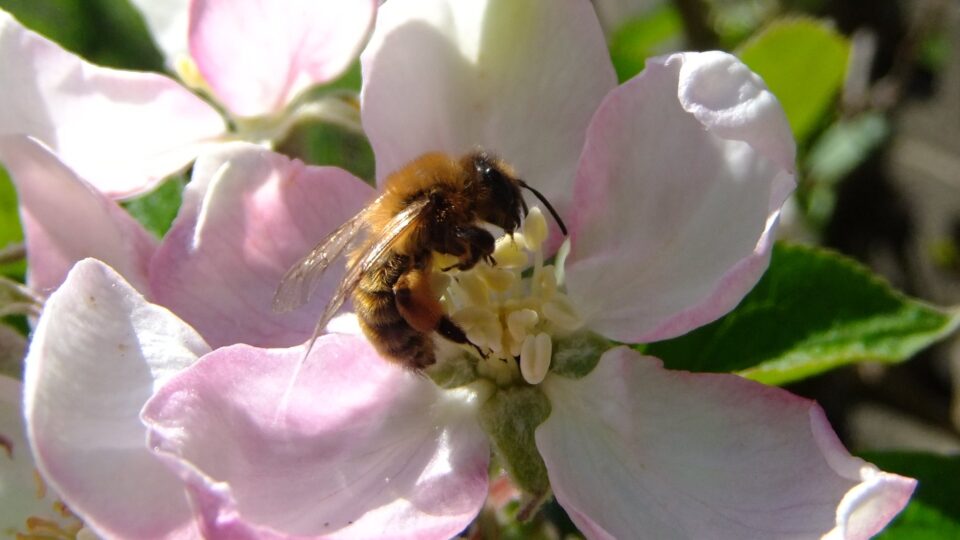
Pollinator decline threatens food security

Scientists have been sounding the alarm on the global struggle of pollinators for many years.  According to a United Nations-sponsored report, 40% of invertebrate pollinator species, including bees and butterflies, are facing extinction.  Approximately 80% of all flowering plant species, which are responsible for 35% of global food production, depend on pollination. 

According to new research led by Rutgers University, crop yields for apples, blueberries, and cherries in the United States are being reduced by a lack of pollinators.  The study, the most comprehensive of its kind to date, found that crop production would be increased if crop flowers received more pollination.  In the U.S., the production of crops that depend on pollinators generates more than $50 billion a year.    

For the study, which was recently published in the journal Proceedings of the Royal Society B, researchers collected data on insect pollination of crop flowers and yield of apples, highbush blueberries, sweet cherries, tart cherries, almonds, watermelons, and pumpkins at 131 farms across the United States and British Columbia, Canada.  Four of those seven crops – apples, blueberries, sweet cherries, and tart cherries – showed evidence of being limited by pollination, meaning that their yields are lower than they would be with full pollination. 

The researchers observed that honey bees and wild bees provided similar amounts of overall pollination, so managing habitat for native bee species or stocking more honey bees would boost pollination levels and, in turn, crop production.

Bees and other pollinators play a critical role in food production, and their continued decline could have devastating consequences.

**********

Web Links

Decline of bees, other pollinators threatens US crop yields

Photo, posted April 22, 2012, courtesy of Flickr.

Earth Wise is a production of WAMC Northeast Public Radio.

Better Paint For Cooler Buildings | Earth Wise

August 20, 2020 By EarthWise 2 Comments

white paints help keep buildings cool

A research team led by scientists at UCLA have developed a super-white paint that reflects as much as 98% of incoming heat from the sun.  Such paint, if used on rooftops and other parts of buildings, could have a major impact on reducing the costs of keeping buildings cool.

Passive daytime radiative cooling is a well-known method to keep buildings cooler.  By having building surfaces reflect sunlight and radiate heat into space, building temperatures can be significantly lowered.  This in turn cuts down on air conditioner use and associated carbon emissions.

A roof painted white will result in lower indoor temperatures than a darker roof.  But a white roof will do even more:  it can reject heat at infrared wavelengths that are invisible to our eyes.  This results in even more radiative cooling.

The best performing white paints currently available reflect about 85% of incoming solar radiation.  The rest is absorbed by materials in the paint.  The new research has identified simple modifications in paint ingredients that lead to a major increase in reflectivity.

Current reflective white paints use titanium dioxide, which absorbs UV radiation and therefore heats up under sunlight.  The researchers studied replacing it with other substances such as barite – an artist’s pigment – or with powdered Teflon, both of which allow the paint to reflect more of the sun’s radiation. 

Many cities are encouraging the use of cool-roof technologies on new buildings.  Using the most reflective coatings possible on rooftops, if applied on a sufficiently large scale, could have a real impact on climate change as well as saving significant amounts of energy used for running air conditioners in buildings.

**********

Web Links

UCLA-led Team Develops Ways to Keep Buildings Cool with Improved Super White Paints

Photo, posted August 15, 2012, courtesy of Flickr.

Earth Wise is a production of WAMC Northeast Public Radio.

  • « Go to Previous Page
  • Page 1
  • Interim pages omitted …
  • Page 48
  • Page 49
  • Page 50
  • Page 51
  • Page 52
  • Interim pages omitted …
  • Page 60
  • Go to Next Page »

Primary Sidebar

Recent Episodes

  • An uninsurable future
  • Clean energy and jobs
  • Insect declines in remote regions
  • Fossil fuel producing nations ignoring climate goals
  • Trouble for clownfishes

WAMC Northeast Public Radio

WAMC/Northeast Public Radio is a regional public radio network serving parts of seven northeastern states (more...)

Copyright © 2026 ·