• Skip to primary navigation
  • Skip to main content
  • Skip to primary sidebar

Earth Wise

A look at our changing environment.

  • Home
  • About Earth Wise
  • Where to Listen
  • All Articles
  • Show Search
Hide Search
You are here: Home / Archives for research

research

Living On Trash | Earth Wise

March 16, 2021 By EarthWise Leave a Comment

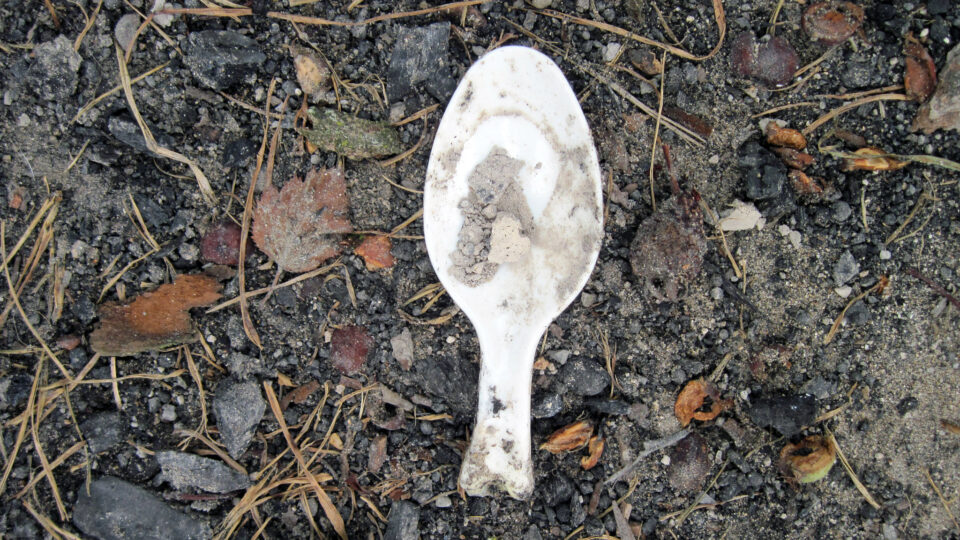
Aquatic river species are increasingly choosing to live on plastic

Litter is persistent and widespread in rivers worldwide.  The world’s major rivers and estuaries are hotspots for plastic waste.  Trash and microparticles wash down tributaries and build up before rivers enter oceans.

New research published in the journal Freshwater Biology has found that as this waste accumulates, aquatic river species like insects and snails are increasingly choosing to settle on plastic rather than on natural features like rocks and fallen branches.

Researchers from the University of Nottingham in the UK collected plastic waste from three rivers in eastern Britain along with rocks from the same rivers.  Their analysis of all the macroinvertebrates on the items’ surfaces found that the surfaces of plastic waste items had nearly four times the diversity of the small animals as did the rocks.  In addition, the more complex the plastic’s surface was, the higher the diversity.

The growing abundance of plastic waste coincides with a decline in natural habitat features in urban rivers.  This is a result of increasing amounts of sedimentation from development that blankets riverbeds in silt and sand, restricting the supply and movement of rocks, fallen tree branches, and aquatic plants.

Clearly litter can serve as a place for various species to colonize, but trash is not a good environment for them.  Trash can release toxic chemicals and entangle animals.  Microplastics pose risks for the animals if ingested.

Estimates are that between 1.15 and 2.41 million tons of plastic waste enter the ocean every year from rivers around the world.  Natural habitats have become rare in urban rivers.  River ecosystems built around piles of trash are not a good thing.

*********

Web Links

As Plastic Pollution in Rivers Gets Worse, Species Are Increasingly Living on Litter

Photo, posted August 17, 2010, courtesy of Renee_McGurk via Flickr.

Earth Wise is a production of WAMC Northeast Public Radio.
Short-Lived Climate Forcing Pollutants | Earth Wise

March 9, 2021 By EarthWise Leave a Comment

Short-lived climate forcing pollutants and climate change

When talking about the causes of climate warming, it is common practice to bundle together various pollutants and express their effects in terms of “CO2 equivalence.”  This involves comparing climate effects of the pollutants on a 100-year timescale.  Recent research from the Institute for Advanced Sustainability Studies in Germany points out the problems with this approach.

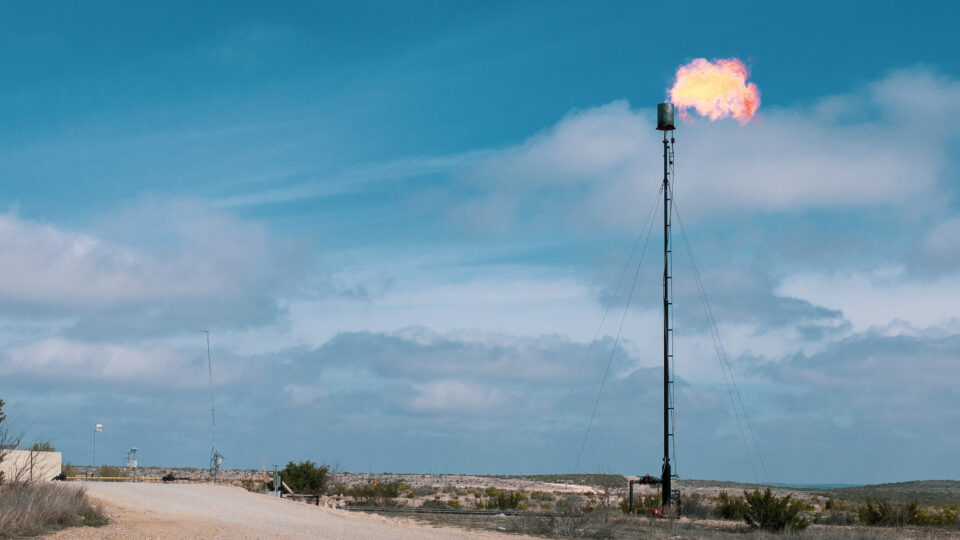
One of the worst qualities of carbon dioxide is that it accumulates in the atmosphere.  Once it gets there, it stays there for anywhere from decades to millennia.  On the other hand, short-lived climate forcing pollutants – or SLCPs – stay in the atmosphere for significantly shorter periods.  However, some of these are far more effective at trapping heat in the atmosphere.  As a result, the atmosphere and climate system react much more quickly to reductions in the emission of these pollutants.

The IASS research study determined that reducing SLCP emissions is an important way to slow near-term climate warming as well as having other positive benefits such as reducing air pollution and improving crop yields.  A number of studies indicate that a rapid reduction in SLCP emissions could slow the rate of climate change and reduce the risk of triggering dangerous and potentially irreversible climate tipping points.

Examples of SLCPs are the methane gas emitted from landfills and hydrofluorocarbons that are still widely used as coolants. HFCs only persist in the atmosphere for 15 years but are nearly 4,000 times more effective in trapping heat over a 20-year period.

In order to mitigate the most harmful consequences of climate change, we need to minimize both the near-term climate impacts of SLCPs and the long-term climate impacts of carbon dioxide.

**********

Web Links

More Than Just CO2: It’s Time To Tackle Short-Lived Climate-Forcing Pollutants

Photo, posted March 10, 2020, courtesy of Jonathan Cutrer via Flickr.

Earth Wise is a production of WAMC Northeast Public Radio.

Aircraft Emissions And Climate Change | Earth Wise

March 1, 2021 By EarthWise Leave a Comment

Using winds at altitude to reduce aircraft emissions

The aviation industry accounts for about 2.4% of global carbon dioxide emissions.  If the aviation industry was a country, it would place sixth in emissions, between Japan and Germany.

According to scientists at the University of Reading in the United Kingdom, aviation industry emissions could be reduced by simply better surfing the wind.  The researchers found that commercial flights between New York and London could have used up to 16% less fuel if they had made better use of the fast-moving winds at altitude.

The study, which was recently published in the journal Environmental Research Letters, analyzed approximately 35,000 flights in both directions between New York and London last winter.  The researchers compared how much fuel was burned during these flights to how much less fuel would have been burned by flying into or around the eastward jet stream air currents. 

They found that taking better advantage of the winds would have saved about 125 miles worth of fuel per flight on average.  The fuel saving per flight was 1.7% when flying west to New York, and 2.5% when flying east to London. 

New satellites will soon allow transatlantic flights to be tracked more accurately.  This should afford aircraft more flexibility in their flight paths, allowing them to better follow tailwinds and avoid headwinds. 

Upgrading aircraft or switching to greener fuels are two other ways that the aviation industry can reduce emissions, but those things are costly and take time to implement.  Optimizing flight paths is cheaper and offers immediate benefits.  

**********

Web Links

Aircraft could cut emissions by better surfing the wind

Photo, posted May 16, 2011, courtesy of Cory W. Watts via Flickr.

Earth Wise is a production of WAMC Northeast Public Radio.

Street Trees And Depression | Earth Wise

February 25, 2021 By EarthWise Leave a Comment

Investigating the link between street trees and depression

According to a study published in the journal Jama Network Open last fall, the COVID-19 pandemic has tripled the rate of depression in U.S. adults in all demographic groups. 

Previous studies have demonstrated that greenspaces in urban areas can have a positive effect on those people experiencing mental ill health. But most of those studies used self-reporting measures, which makes it difficult to compare results and draw conclusions.

As a result, an interdisciplinary research team from three research organizations in Germany tried to improve upon the work by involving an objective indicator: prescriptions of antidepressants.  To figure out whether greenspaces – in this case street trees – could positively influence mental health, the researchers focused on how the number of street trees and their proximity to homes correlated to the number of prescribed antidepressants.

After analyzing data from nearly 10,000 people living in Leipzig, Germany, and combining the findings with data on city street trees, researchers were able to identify an association between antidepressant prescriptions and the number of street trees.  The results were controlled for other factors known to be associated with depression, such as employment, gender, age, and body weight.

Having more trees within 100 meters of the home was associated with a reduced risk of being prescribed antidepressants.  The association was especially strong for groups of people deprived of street trees. 

Street trees in urban cities can not only serve as a nature-based solution for good mental health, but they can also contribute to climate change mitigation and biodiversity conservation.

**********

Web Links

Street trees close to the home may reduce the risk of depression

Photo, posted August 17, 2011, courtesy of Aleksandr Zykov via Flickr.

Earth Wise is a production of WAMC Northeast Public Radio.
Saving The Queen Conch | Earth Wise

February 3, 2021 By EarthWise Leave a Comment

A new manual to help save Queen Conch

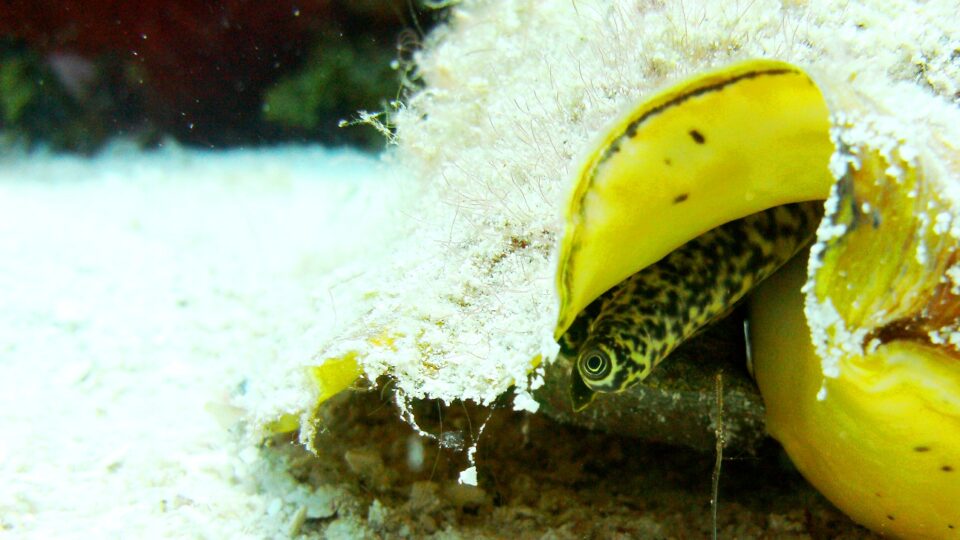
Queen conchs are large sea snails belonging to the same taxonomic group as clams, oysters, and squid.  They live on coral reefs or seagrass meadows in warm, shallow waters.  Queen conchs are found throughout the Caribbean Sea and Gulf of Mexico, ranging as far north as Bermuda and as far south as Brazil.

Reaching up to 12” long and living up to 40 years, the queen conch is prized as a delicacy and revered for its shell.  It’s the second most important sea-bottom fishery in the Caribbean region, trailing only the spiny lobster. 

But queen conchs face a challenge.  Their populations are in a steady rate of decline as a result of overfishing, habitat degradation, and hurricane damage.  In some places, the numbers are so low that remaining conchs cannot find breeding partners.  The situation is urgent from both an ecological and economical perspective. 

As a result, Megan Davis, a scientist from Florida Atlantic University who spent more than four decades researching queen conch, has released an 80-page, step-by-step user manual about how to care for the species. Her work was recently published in the National Shellfisheries Association’s Journal of Shellfish Research.

According to Davis, aquaculture, along with conservation of breeding populations and fishery management, are ways to help ensure longevity of the queen conch.  With requests for mariculture guidance pouring in from communities throughout the Caribbean, Davis and her collaborators are expanding their queen conch conservation, education, and restorative mariculture program.

Their desired outcomes include creating protected breeding areas, establishing sustainable hatcheries, and repopulating protected habitats.

**********

Web Links

‘Hail to the queen’: Saving the Caribbean queen conch

Photo, posted June 3, 2012, courtesy of Christopher Gonzalez via Flickr.

Earth Wise is a production of WAMC Northeast Public Radio.
Restoring Coastal Ecosystems | Earth Wise

February 1, 2021 By EarthWise Leave a Comment

Developing hardier corals for endangered reefs that resist the effects of climate change

Research published by CSIRO, Australia’s national science agency, examined the positive effects of restoration efforts for coastal ecosystems in terms of biodiversity, local economies, and human wellbeing.

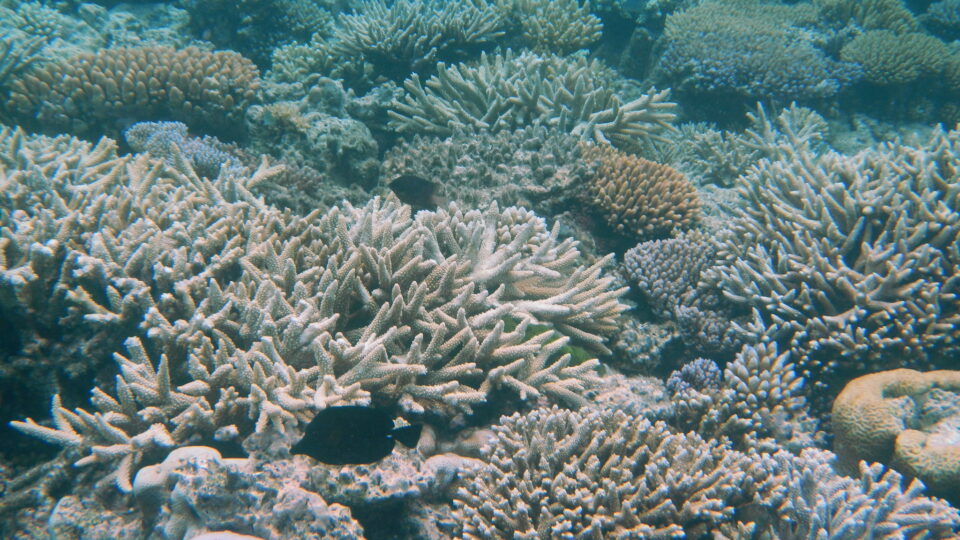
Coastal ecosystems include saltmarshes, mangroves, seagrasses, oyster reefs, kelp beds, and coral reefs.  All of these have suffered declines of up to 85% over recent decades.  The research identified a number of successful coastal and marine restoration projects in recent years that indicate the likelihood that such efforts could be expanded by as much as a factor of ten to support human health and wellbeing, boost the adaptation response to climate change, and generate jobs. 

Some of the successful efforts identified included projects in the Great Barrier Reef to harvest coral larvae to boost large-scale coral restoration efforts.   Simple changes to how saltmarshes are planted have resulted in doubled survivorship and biomass.  In the U.S., the propagation of seagrass seeds has resulted in seagrass meadows recovering in areas where they had been lost decades ago.  In Indonesia, recovery of reefs impacted by blast fishing has been achieved by placing rocks or other hard structures underwater to help with coral colonization.

Investing in coral restoration creates jobs and can be used as a strategy to boost economic recovery and coastal marine health.  Restoration of marine habitats like kelp forests and oyster reefs has improved commercial and recreational fishing.

The United Nations has recognized the importance of coastal restoration and has declared the Decade on Ecosystem Restoration to start from 2021.

**********

Web Links

Scientists shine light on ‘bright spots’ to restore coastal ecosystems

Photo, posted November 29, 2012, courtesy of Robert Linsdell via Flickr.

Earth Wise is a production of WAMC Northeast Public Radio.

Hudson River Tidal Marshes And Sea Level Rise | Earth Wise

January 29, 2021 By EarthWise Leave a Comment

Hudson River estuary marshes resilient to accelerated sea level rise

A new study at the University of Massachusetts Amherst looked at the resilience of Hudson River Estuary marshes to rising sea levels.  They observed that these marshes are growing upward at a rate two or three times faster than sea level rise, suggesting that they should be resilient to accelerated sea level rise in the future.

The study documented the fact that more than half of Hudson River tidal marshes actually formed since 1850.  In that year, the river channel was straightened, and a riverside railroad, berms, jetties and human-made islands of dredged soil were built.  All of these human-made features trapped sediment and created backwaters that often turned into marshes.

The research centered on seven sites spanning more than 100 miles of the Hudson Estuary from Wall Street up to Albany.  Although these marshes were an unintended result of early industrial development, they serve to protect the shoreline and provide rich ecosystems in terms of direct ecological and human benefits.  Marshes are a first line of defense against coastal flooding, provide an essential habitat for juvenile commercial fish species, store huge amounts of carbon that mitigates climate change, provide habitat for migratory birds, and filter nutrients coming off the land.

The study determined that such marches form relatively quickly.  When sediment is readily available, freshwater tidal wetlands can develop rapidly in sheltered settings.   There is concern that marshes globally will be drowned by rising sea levels, but this Hudson River case study shows how marshes may be able to resist the rising seas.  The research will help guide future land acquisition and land conservation strategies for areas adjacent to the river.

**********

Web Links

New Study Finds More than Half of Hudson River Tidal Marshes were Created Accidentally by Humans; Resilient Against Sea Level Rise

Photo, posted December 4, 2008, courtesy of Daina Dajevskis via Flickr.

Earth Wise is a production of WAMC Northeast Public Radio.

The Costs Of Mislabeled Seafood | Earth Wise

January 27, 2021 By EarthWise Leave a Comment

Mislabeled seafood has huge hidden costs

Seafood is the world’s most highly traded food commodity and reports of seafood mislabeling have become increasingly common over time.  A new study by Arizona State University looked at the environmental effects of mislabeled seafood.

What is mislabeled seafood?  Sometimes the snapper you were served was really Pacific Ocean Perch.  Maybe grouper was really whitefin weakfish.  Many times white leg shrimp are actually giant tiger prawns.

Approximately 190,000 to 250,000 tons of mislabeled seafood are sold in the U.S. each year, or 3.4 to 4.3% of consumed seafood.  Previous studies focused on the economic aspects of getting cheaper fish when paying for more expensive fish.  The new research looks at the environmental costs associated with mislabeled seafood.

Substituted seafood is 28% more likely to be imported from other countries, which may have weaker environmental laws than the U.S.  In the United States, fishery management is pretty good.  There is strong monitoring and enforcement to support limits on fishing.  Metrics like fish abundance, fishing mortality, bycatch, and discards are all monitored.  In many other places, this is not the case.

To really evaluate the overall effects of seafood mislabeling, one has to take into account both the rates of substitution and the levels of consumption. 

Consuming fish from a well-managed fishery should not have a negative impact in terms of the population now or in the future.  But even inadvertently consuming fish from poorly managed fisheries in not sustainable.  It is good to get your seafood from a trusted source.

**********

Web Links

ASU Study Looks At The Environmental Effects Of Purchasing, Consuming Mislabeled Fish

Photo, posted August 1, 2014, courtesy of Ralph Daily via Flickr.

Earth Wise is a production of WAMC Northeast Public Radio.

Shifting Climate Attitudes – Even In Texas | Earth Wise

January 25, 2021 By EarthWise Leave a Comment

Attitudes on climate change continue to evolve

Any conversation about climate policy and energy in the United States has to take Texas into consideration.  Texas leads the nation in energy production, providing more than one-fifth of U.S. domestically produced energy.  Texas also uses more energy than any other state and accounts for almost one-seventh of total U.S. energy consumption.  The state’s industrial sector, which includes petroleum refining and chemical manufacturing, accounts for almost half of Texas energy consumption.

As a result, longstanding skepticism among Texans toward the climate movement has represented a real impediment in developing and implementing effective climate policy in this country.  But according to new research at the University of Houston, attitudes in Texas have changed and now mirror those in the rest of the United States.

About 80% of Americans believe that climate change is happening, and now about 81% of Texans hold the same view.  Two out of three Americans are worried about climate change; more than 60% of Texans agree.

Nationwide, 55% agree that the oil and gas industries have deliberately misled people on climate change; 49% of Texans agree. 64% of Americans say hydraulic fracking has a negative effect on the environment and 61% of Texans agree.  People everywhere are willing to pay more for carbon-neutral energy, and a higher premium for gasoline as well.

Mitigation strategies for climate change are not well understood.  While 61% nationwide have heard of carbon taxes, less than half are familiar with carbon management, and only a third have heard of carbon pricing.

As the U.S. heads toward reengaging in efforts to address climate change, Texans appear to have caught up with the rest of the nation.

**********

Web Links

Attitudes About Climate Change Are Shifting, Even in Texas

Photo, posted October 1, 2011, courtesy of Steve Rainwater via Flickr.

Earth Wise is a production of WAMC Northeast Public Radio.
Compost And Landfills | Earth Wise

January 19, 2021 By EarthWise Leave a Comment

the importance of landscaping

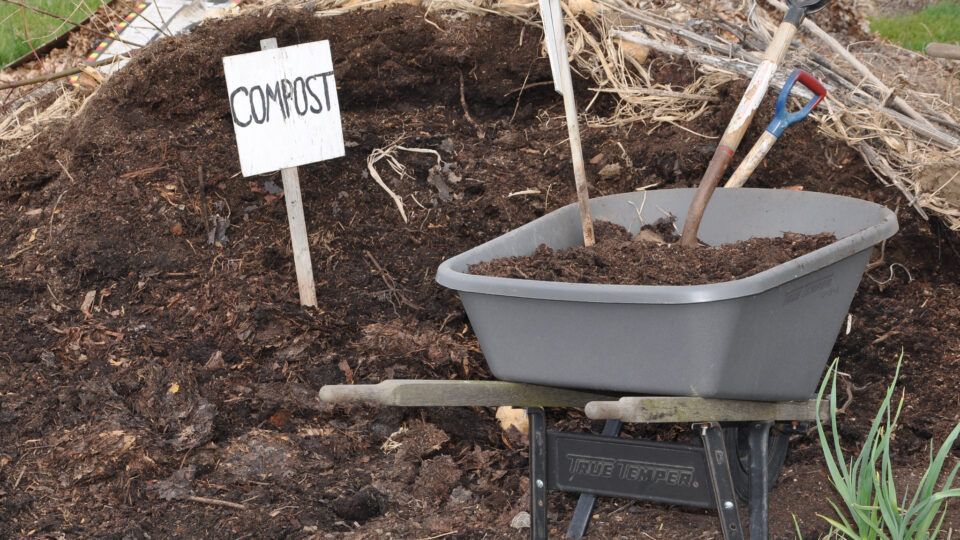
Composting is popular as a way to keep solid waste out of landfills and many people turn much of their kitchen waste into rich soil amendments.   Cities and towns across the country have composting programs that collect waste from residents to produce large quantities of compost rather than adding the waste to landfills.  A new study from North Carolina State University looked into the environmental benefits of actually using compost at landfills.

Most municipal composting programs require that the compost they produce gets used “beneficially”.  The new research shows that using compost as an alternative daily cover at landfills is competitive and often superior to the use of compost as a soil amendment in terms of its environmental benefits.

Landfills apply a layer of daily cover to reduce odors, reduce windblown debris, and keep vermin out of landfill waste.  Federal regulations require six inches of soil as a daily cover.

Compost from food waste in particular is not always suitable for soil amendment in gardens and agricultural fields because it often contains broken glass and other contaminants.

The North Carolina State study looked at the environmental impact of using compost as daily cover in landfills compared with its use as a soil amendment.  They looked at global warming potential, acidification potential, eutrophication (which is the amount of nutrients released to ground and surface water), cumulative energy demand, and the depletion of resources.

The study concluded that using compost as landfill daily cover is environmentally superior with regard to eutrophication, acidification, and global warming potential.  On the other hand, soil amendment was better in terms of resource depletion and cumulative energy demand.

**********

Web Links

Applying Compost to Landfills Could Have Environmental Benefits

Photo, posted April 22, 2008, courtesy of Alachua County via Flickr.

Earth Wise is a production of WAMC Northeast Public Radio.
Non-Native Plants And Insect Decline | Earth Wise

January 15, 2021 By EarthWise Leave a Comment

The impact of non-native plants on insect decline

Global insect populations have been in decline since the beginning of the 20th century.  The decline accelerated during the 1950s and 1960s, and it has reached alarming levels during the past 20 years.

The causes of plummeting insect populations include habitat destruction, deforestation, climate change, light pollution, and the rise of industrial agriculture.  This so-called insect apocalypse is being mirrored by a bird Armageddon because so many bird species depend on insects for their diets.

A still controversial, but increasingly likely factor in the decline of insect populations is the spread of non-native plants in agriculture, agroforestry, and horticulture.  A recent study published in the journal Ecological Entomology presents recent data supporting the proposition that the widespread displacement of native plants is a key cause of insect declines. 

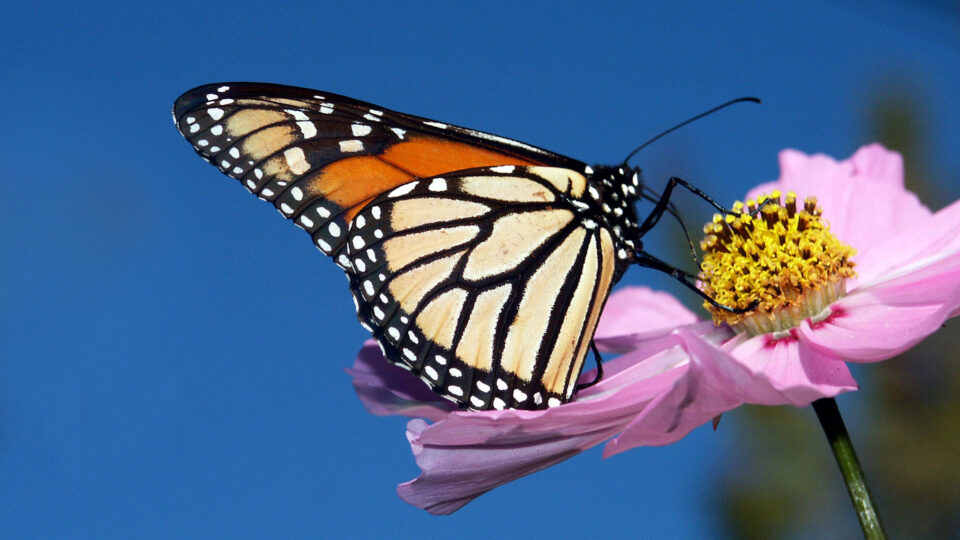
Many insects depend on a limited number of plants for survival.  In many cases, insects’ diets are restricted to a single plant family.  When native host plants dwindle or disappear from an area, the population of insects that depend on those plants shrinks.

There are examples of insects that adopt introduced plants as food sources, such as silver-spotted skipper butterfly larvae feeding on invasive kudzu in the eastern U.S.  But generally, the widespread incursion of non-native plants is harmful to native insect populations.

Non-native plants are especially popular for horticulture.  Millions of acres of potential insect habitat have been transformed into food deserts for native insects.  The authors of the recent study recommend that Americans should extensively include native plants in their yards to help preserve insect diversity.

**********

Web Links

How Non-Native Plants Are Contributing to a Global Insect Decline

Photo, posted May 2, 2004, courtesy of Bernard Spragg via Flickr.

Earth Wise is a production of WAMC Northeast Public Radio.
What’s Been Killing Salmon? | Earth Wise

January 5, 2021 By EarthWise Leave a Comment

the mysterious deaths of Coho salmon

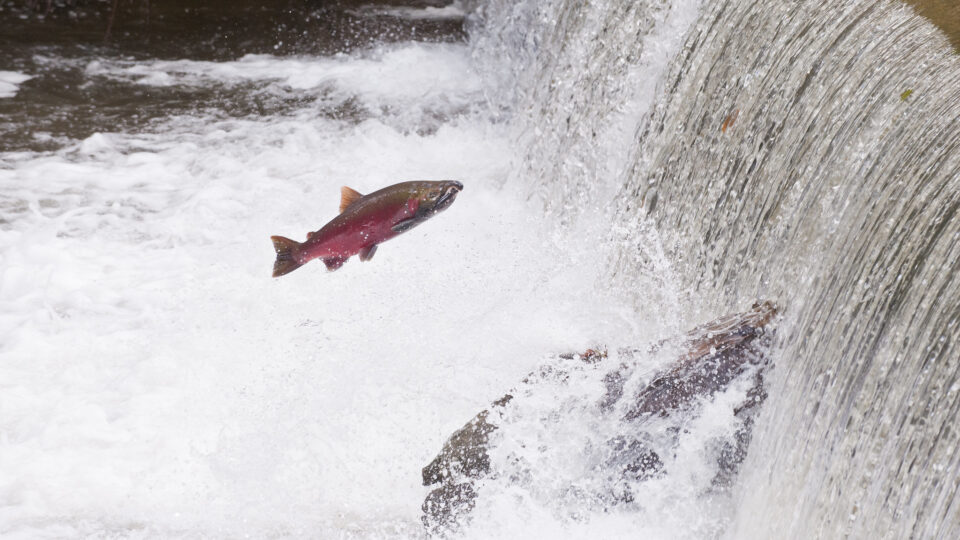
For decades, there have been mysterious deaths of Coho salmon.  The salmon return from the Pacific Ocean each year to spawn along the West Coast.   They can be found from Alaska all the way down into California.  After heavy rain events each fall, fish have been turning up dead in huge numbers before they spawn.  Normally, less than 1% of adult Coho die before spawning. In these mass death events, anywhere from 40% to 90% of fish can perish in affected streams.  The mysterious phenomenon has been the subject of intense research for years.

Recently, scientists announced that they may have solved the mystery.  There is a chemical antioxidant known as 6PPD that is used in the manufacture of tires around the world to make them last longer.  As tire treads break down over time, they leave behind bits of microplastics on roads.  The 6PPD in the plastic bits reacts with ozone to become another chemical:  a previously unreported substance called 6PPD-quinone.

That chemical turns out to be toxic to Coho salmon.  Researchers have found the presence of 6PPD-quinone in roadway water runoff samples taken from across the West Coast.  Based on these observations, they believe it is likely that exposure to this chemical is the main cause of the Coho salmon population decline.

Coho salmon are a favorite of sport fishermen and have great cultural significance to many Native American tribes on the West Coast.  The central California Coho population is classified as endangered and three other Coho populations are listed as threatened.

Tire industry representatives call the study results “preliminary” but say the industry is deeply committed to protecting the environment.  A safe chemical substitute for 6PPD is clearly needed.

**********

Web Links

Salmon have been dying mysteriously on the West Coast for years. Scientists think a chemical in tires may be responsible

Photo, posted November 17, 2011, courtesy of Lynn Ketchum/Oregon State University via Flickr.

Earth Wise is a production of WAMC Northeast Public Radio.
Improved Radar For Cars | Earth Wise

December 31, 2020 By EarthWise Leave a Comment

Improving radar technology for cars

Self-driving cars require a variety of sensor systems in order for the cars to safely navigate roads and deal with the wide range of objects and conditions that they encounter.  Two competing technologies that cars use to identify and locate objects on the scene are radar and LiDAR. 

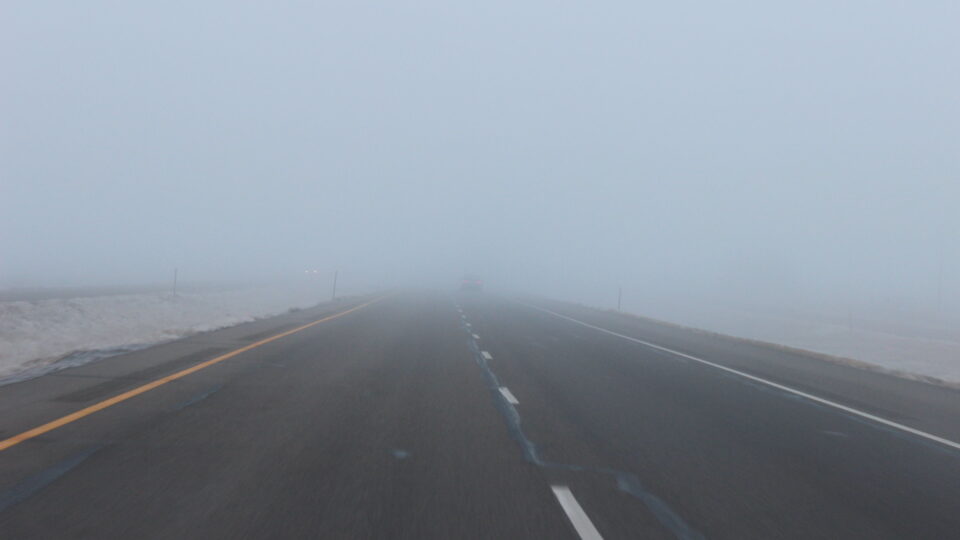
Radar uses transmitted radio waves to locate objects and LiDAR bounces laser beams off of objects.   Each has its shortcomings.   Radar has the problem that only a small fraction of the transmitted signals gets reflected back to the sensor, so that there is frequently insufficient data to fully characterize a scene.  LiDAR has the problem that it is an optical system that does not work well in fog, dust, rain, or snow.  It is also much more expensive than radar.

Researchers at the University of California San Diego have developed a new system that they describe as a LiDAR-like radar. The system consists of two radar sensors placed on a car’s hood and spaced about 1.5 meters apart.  This configuration enables the system to see more space and detail than a single radar sensor.

Having two radars at different vantage points with an overlapping field of view creates a region of high-resolution with a high probability of detecting the objects that are present.  The system also overcomes noise problems of conventional radar systems.

The researchers developed new algorithms that can fuse the information from two different radar sensors and produce a new image free of noise.

Self-driving cars have to combine detection technologies like radar with cameras and ultrasonic sensors.  Duplicating the capabilities that people use in order to safely drive a car is a complex problem requiring a combination of multiple sensors and sophisticated software.

**********

Web Links

Upgraded radar can enable self-driving cars to see clearly no matter the weather

Photo, posted January 2, 2014, courtesy of Bradley Gordon via Flickr.

Earth Wise is a production of WAMC Northeast Public Radio.
Return Of The Blue Whales | Earth Wise

December 21, 2020 By EarthWise Leave a Comment

Blue whales making a comeback

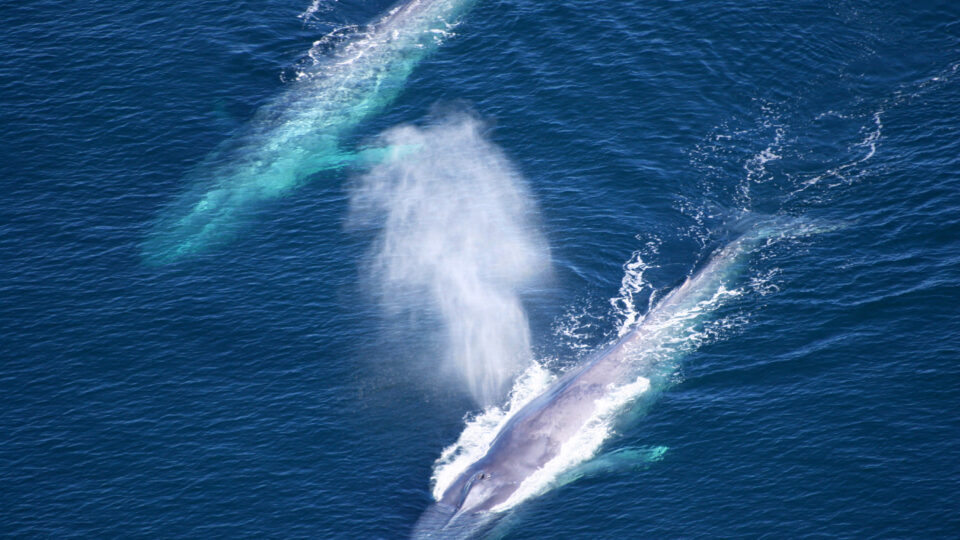
An international research team has revealed that critically endangered Antarctic blue whales have returned to the sub-Antarctic island of South Georgia, 50 years after whaling just about wiped them out.  Other recent research has found that humpback whales are also returning to the region.

Blue whales were commonplace off South Georgia before 20th century industrial whaling taking place between 1904 and 1971 killed over 42,000 of them there.  Most of that number were killed before the mid-1930s.  As a result, blue whales essentially vanished from the region.  Whale survey ships sighted only a single blue whale between 1998 and 2018.

But things have changed in recent years.  A survey this past February resulted in 58 blue whale sightings and numerous acoustic detections.  Although commercial whaling was banned in the area in the 1960s, it has taken a long time for the whales to make a comeback.

Researchers are not sure why blue whales have taken so long to return to the area.  It may be that so many were killed over the years that the remaining population had little or no cultural memory of South Georgia Island as a foraging ground, and that it is only now being rediscovered.

In total, 41 individual blue whales have been photo-identified from South Georgia over the past 10 years, although none of those matched the 517 whales in the current Antarctic blue whale photographic catalogue.  Dedicated whale surveys are difficult in a region known for its harsh weather and inaccessibility but are crucial to the future management of South Georgia’s seas.  In any case, researchers see the recent sightings as a very positive step forward for conservation of the Antarctic blue whale. 

*********

Web Links

Blue whales return to South Georgia after near extinction

Photo, posted September 7, 2007, courtesy of the NOAA Office of National Marine Sanctuaries via Flickr. Photo credit: NOAA.

Earth Wise is a production of WAMC Northeast Public Radio.

Hydrogen-Powered Jetliners | Earth Wise

December 18, 2020 By EarthWise Leave a Comment

Airbus developing hydrogen-powered jetliners

Airbus, the giant European aerospace company, hopes to have hydrogen-powered commercial airliners in the sky by 2035.  Such planes would have no carbon dioxide emissions.

Greenhouse gas emissions from commercial aviation have been a rapidly increasing contribution to the global total.  Of course, the Covid-19 pandemic has drastically reduced air travel, so emissions are currently lower than they have been in a very long time.  But at some point, they will resume at previous levels and continue to increase.

Planes themselves produce over 2% of global CO2 emissions, and between the climate effects of contrails and the emissions associated with the rest of the air travel industry, commercial aviation drives about 5% of global warming.

Airbus is studying design concepts in which planes run off of hydrogen and oxygen fuel and have no carbon exhaust.   Making such planes practical and environmentally advantageous requires solving an array of complex technical challenges. 

One of the biggest challenges is that the hydrogen on the market today is considered to be “brown” rather than green, meaning that it is not a sustainably produced energy source.  Almost all hydrogen produced today comes from natural gas reforming, which results in carbon emissions.  A viable hydrogen-powered aviation technology assumes that producing hydrogen by splitting water molecules into oxygen and hydrogen using renewable energy becomes the standard source for it.

There have been test flights of small planes and drones powered by hydrogen, but Airbus expects that intensive research and development for the next five years will be required to evolve its current preliminary designs to a stage where they could be developed for future use in its product line.  It won’t happen overnight, but according to Airbus, hydrogen planes are coming.

**********

Web Links

Airbus Hopes to Be Flying Hydrogen-Powered Jetliners With Zero Carbon Emissions by 2035

Photo, posted April 15, 2019, courtesy of Olivier Cabaret via Flickr.

Earth Wise is a production of WAMC Northeast Public Radio.

Reduced Air Travel And Weather Forecasts | Earth Wise

December 16, 2020 By EarthWise Leave a Comment

The pandemic is affecting weather forecasting

There have been countless stories about the major and minor changes in the world caused by the Covid-19 pandemic.  A few of those changes, such as reductions in pollution and traffic, have been positive.  Most have been decidedly negative.

One of the stranger things that has happened is that the pandemic has affected the quality of weather forecasting by sharply reducing the amount of atmospheric data routinely collected by commercial airliners.

It turns out that atmospheric observations from passenger and cargo flights are among the most important data used in weather forecasting models.  These observations are made by instruments aboard thousands of airliners, mostly based in North America and Europe.  The observation program has been in place for decades.  The data is transmitted in real time to forecasting organizations around the world, including the National Weather Service.  About 40 airlines participate in the program, which has equipment aboard about 3,500 aircraft.  Here in the US, Delta, United, American, and Southwest Airlines participate, as do UPS and FedEx.

During the first few months of the pandemic, air traffic declined by 75% or more worldwide.  As a result, atmospheric observations dropped by the same percentage.  A government research study showed that when weather forecasting models receive less data on temperature, wind, and humidity from aircraft, the accuracy of forecasts was reduced.

The amount of data from aircraft has increased in recent months as air travel has picked up to roughly 50% of pre-pandemic levels.  So, the observation program is on the mend.  Nonetheless, impaired weather forecasting is just another unexpected result of the global pandemic.

**********

Web Links

Slump in Air Travel Hindered Weather Forecasting, Study Shows

Photo, posted July 15, 2017, courtesy of Daria Nepriakhina via Flickr. Photo by Photo by Daria / epicantus.

Earth Wise is a production of WAMC Northeast Public Radio.
A Room-Temperature Superconductor | Earth Wise

November 18, 2020 By EarthWise Leave a Comment

room temperature superconductor

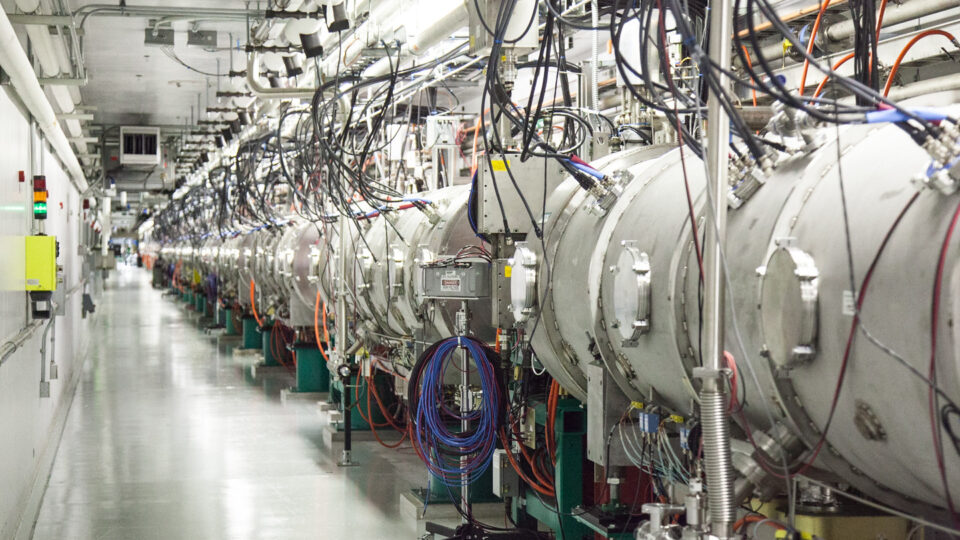
One of the Holy Grails of science has apparently been found:  a room-temperature superconductor.   In a paper recently published in Nature, scientists from the University of Rochester and collaborators announced that they had observed superconductivity at 59 degrees Fahrenheit in an exotic material they produced in the laboratory.

Superconductivity is a phenomenon occurring in certain materials characterized by the total absence of electrical resistance.  Current flowing in a closed loop of superconducting wire can go on forever.  Superconductors have other unique characteristics as well, all of which combine to make them quite useful in a number of applications.  Superconductors are used in high-powered magnets in particle accelerators and in MRI machines.  They continue to be developed for use in electrical power transmission, energy storage, communication filters, magnetic sensors, and more.

The problem with superconductors is that they only work at very low temperatures.  For most of a century – after superconductivity was discovered in 1911 – those temperatures were very close to absolute zero:  459 degrees below zero Fahrenheit.  (In the late 1980s, so-called high-temperature superconductors were discovered.  Those materials superconduct at the temperature of liquid nitrogen:  about 320 degrees below zero).

The dream has been to find a superconductor that works at ambient temperatures.  The Rochester team has produced tiny amounts of a mysterious combination of hydrogen, carbon, and sulfur which, when subjected to extraordinarily high pressures (over 2 million atmospheres), superconducts at the temperature of a pleasant fall day.

 There is no practical value for this first room-temperature superconductor, but it proves that superconductivity can exist at ambient temperature.  Once something is shown to exist at all, there is reason to hope that it can occur in ways that are easier and more practical to attain.

**********

Web Links

First room-temperature superconductor excites — and baffles — scientists

Photo, posted June 18, 2013, courtesy of Oak Ridge National Laboratory via Flickr.

Earth Wise is a production of WAMC Northeast Public Radio.
Even The Deep Sea Is Warming | Earth Wise

November 17, 2020 By EarthWise Leave a Comment

the deep sea is warming

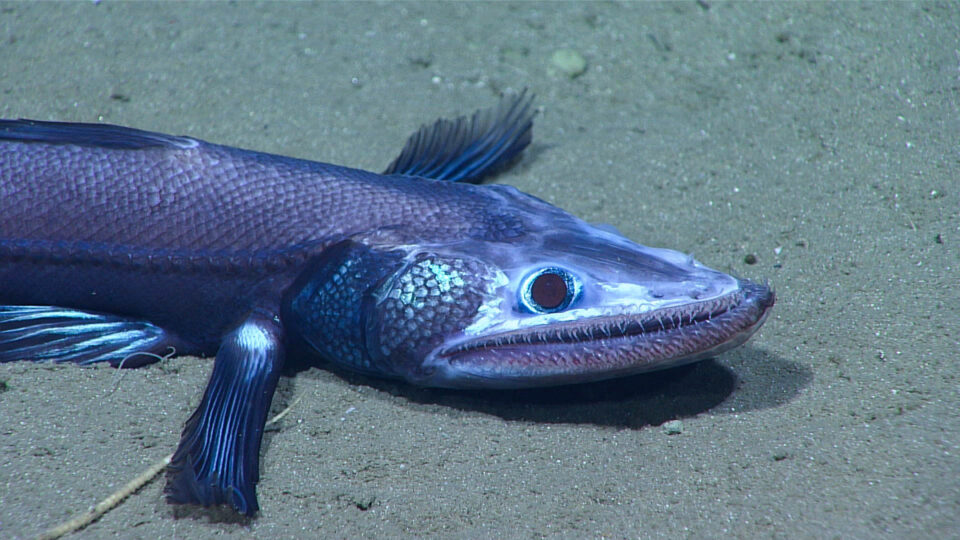
Approximately 75% of the area covered by ocean is deep, dark, and cold.  This is known as the deep sea.  But even in these remote regions of the planet things are heating up. 

According to a new study published in the journal Geophysical Research Letters, researchers analyzed a decade of hourly temperature readings at four depths in the Atlantic Ocean’s Argentine Basin, off the coast of Uruguay.  The research team selected recording depths that would best represent the average depth of the ocean, which is just over 12,000 feet. 

The researchers found that deep sea temperatures fluctuate more than was previously known.  They also detected a warming trend at the bottom of the ocean.  In fact, all recordings indicated a warming trend of 0.02 to 0.04 degrees Celsius per decade between 2009 and 2019.  This is a significant warming trend in the deep sea because temperature fluctuations are typically measured in thousandths of a degree. 

Researchers say this increase is consistent with warming trends in the shallow ocean associated with anthropogenic climate change.  However, they say more research is needed to better understand what is driving the warming temperatures in the deep sea. 

A better understanding of what is driving these changes could have far-reaching implications.  Since oceans absorb a significant amount of the world’s heat, learning about the oceans’ temperature trends could help researchers better understand temperature fluctuations in the atmosphere as well.

The researchers hope their findings will demonstrate the need to survey deep ocean temperatures annually in order to better identify the long-term trends. 

**********

Web Links

The deep sea is slowly warming

Photo, posted July 1, 2018, courtesy of NOAA Ocean Exploration and Research via Flickr.

Earth Wise is a production of WAMC Northeast Public Radio.
A New Super-Enzyme For Breaking Down Plastic | Earth Wise

November 13, 2020 By EarthWise Leave a Comment

Breaking down plastic

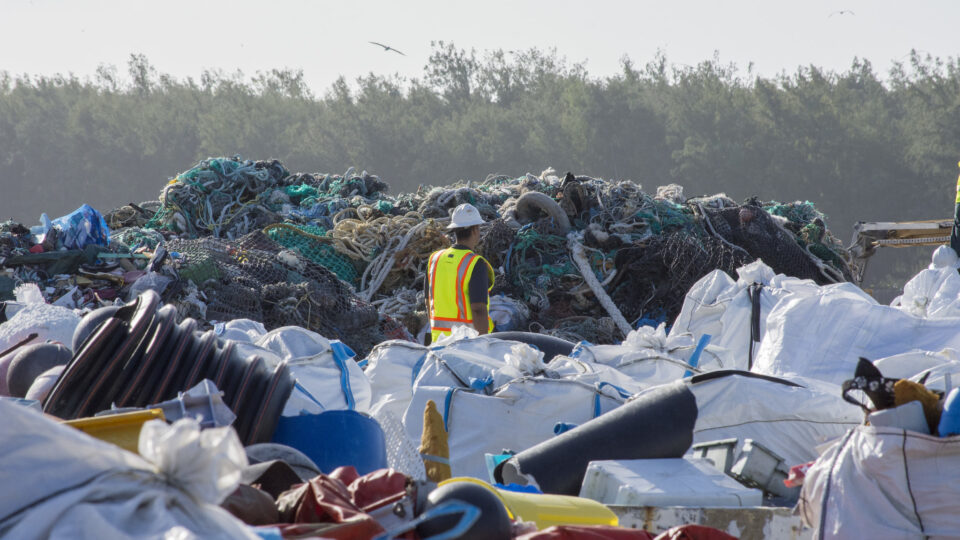
The problems caused by plastic waste continue to grow.  Plastic pollution is everywhere, from the Arctic to the depths of the ocean.  We consume microplastics in our food and breathe them in the air.  It is very difficult to break down plastic bottles into their chemical constituents in order to make new ones from old ones. Therefore, we continue to produce billions of single-use plastic bottles, creating more and more new plastic from oil each year. 

Scientists at the University of Portsmouth in the UK have developed a new super-enzyme that degrades plastic bottles six times faster than before.  They believe that the new enzyme could be used for plastic recycling within a year or two.

The super-enzyme was derived from bacteria that naturally have the ability to eat plastic.  The researchers engineered it by linking two separate enzymes, both of which were found in a plastic-eating bug discovered in a Japanese waste site in 2016.  They revealed an engineered version of the first enzyme in 2018, which started breaking down plastic in a few days.  They had the idea that connecting two enzymes together would speed up the breakdown of plastic.  Such linkage could not happen naturally in a bacterium. 

Carbios, a French company, announced a different enzyme in April that can degrade plastic bottles within 10 hours but requires heating above 160 degrees Fahrenheit.  The new super-enzyme works at room temperature.

The team is now examining how the enzymes can be tweaked to make them work even faster.  Meanwhile, they plan to work in partnership with companies like Carbios, to bring super-enzymes for breaking down plastics into commercial use.

**********

Web Links

New Super-Enzyme Can Break Down Plastic at Rapid Pace

Photo, posted March 24, 2017, courtesy of the USFWS – Pacific Region via Flickr. Photo credit: Holly Richards/USFWS.

Earth Wise is a production of WAMC Northeast Public Radio.
Do Forests Grow Better With Our Help? | Earth Wise

November 9, 2020 By EarthWise Leave a Comment

forest restoration

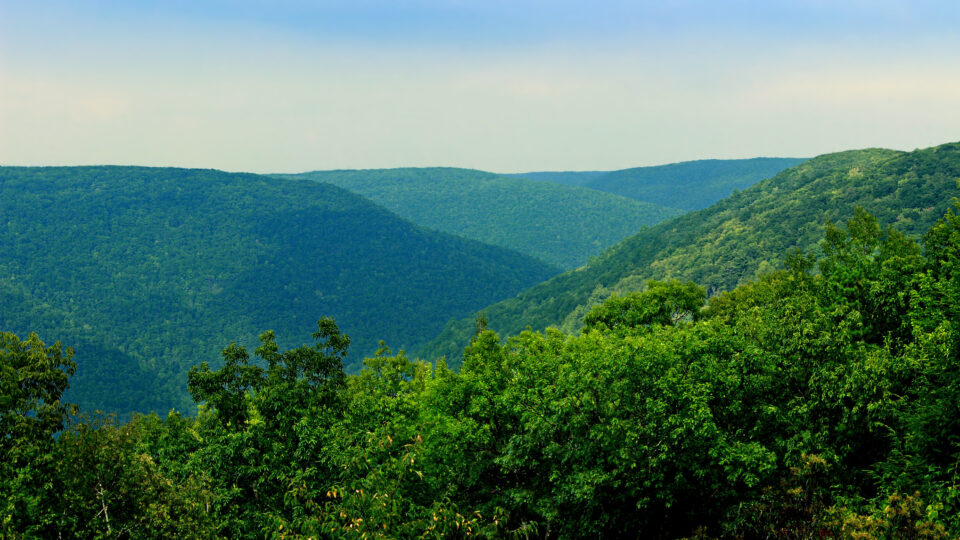
Tree planting has become a worldwide cause.  International calls to plant a trillion trees to combat climate change have led to multiple initiatives by countries around the world.  Even the current U.S. administration, with support from businesses and nonprofits has promised to plant over 800 million trees across an estimated 2.8 million acres.  Planting trees is widely seen to be a vital nature-based solution to climate change; a way of moderating its effects as the world works to reduce carbon emissions.  However, recent studies have created some pushback from that view.

The new studies are not opposed to trees.  What they have revealed is that allowing forests to grow back naturally is a better strategy than planting trees.  The new data has shown that, among other things, estimates of the rate of carbon accumulation by natural forest regrowth have on average been 32% too low and, for tropical forests, have been 53% too low.

A new study published in Nature identified 1.67 billion acres that could be set aside to allow trees to regrow.  It excludes land under cultivation or built on, along with various existing valuable ecosystems. 

Natural regrowth allows nature to select which tree species take hold and turns out to happen quite rapidly and in a widespread manner.  The great thing about natural restoration of forests is that it often requires nothing more than human inaction.  Because it requires no policy initiatives, investments, or oversight, data on its extent is rather scarce.  But the data we have reveals that wherever forests have been allowed to recover on their own, it appears to happen rapidly and with great success.

**********

Web Links

Natural Debate: Do Forests Grow Better With Our Help or Without?

Photo, posted September 5, 2015, courtesy of Nicholas A. Tonelli via Flickr.

Earth Wise is a production of WAMC Northeast Public Radio.

  • « Go to Previous Page
  • Page 1
  • Interim pages omitted …
  • Page 47
  • Page 48
  • Page 49
  • Page 50
  • Page 51
  • Interim pages omitted …
  • Page 60
  • Go to Next Page »

Primary Sidebar

Recent Episodes

  • An uninsurable future
  • Clean energy and jobs
  • Insect declines in remote regions
  • Fossil fuel producing nations ignoring climate goals
  • Trouble for clownfishes

WAMC Northeast Public Radio

WAMC/Northeast Public Radio is a regional public radio network serving parts of seven northeastern states (more...)

Copyright © 2026 ·