• Skip to primary navigation
  • Skip to main content
  • Skip to primary sidebar

Earth Wise

A look at our changing environment.

  • Home
  • About Earth Wise
  • Where to Listen
  • All Articles
  • Show Search
Hide Search
You are here: Home / Archives for record

record

January Climate Report Card | Earth Wise

March 9, 2022 By EarthWise Leave a Comment

A report card on the climate

The global climate is a complicated thing.  While overall trends are relatively straightforward to understand, the details can seem confusing.

January was the sixth-warmest January in the 143 years of global climate record keeping.  The global land and ocean surface temperature was 1.6 degrees Fahrenheit above the 20th century average.

Meanwhile, the United States had its coolest January since 2014, although the month still ranked nearly a degree above the long-term average across the nation.  This January was also the driest January in eight years and was one of the top- 15 driest Januarys on record.  That being said, there was the so-called Bomb Cyclone late in the month that dumped 1-2 feet of snow and brought blizzard conditions along the eastern seaboard and set a one-day snowfall record in Boston.

Global conditions and regional and local conditions can be very different.  In the big picture, January was the 46th consecutive January and the 445th consecutive month with temperatures above the 20th century average.

And while the US had a fairly cool January, South America saw its second-warmest January on record, Asia had its fourth warmest, and Oceania had its seventh warmest.

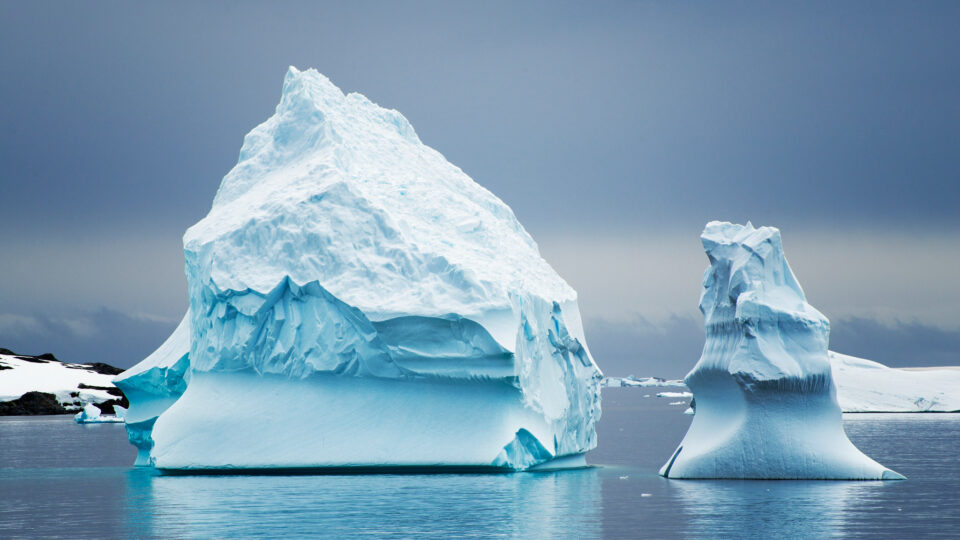
Apart from temperatures, Antarctic sea ice coverage was the second smallest January extent in 44 years.  Arctic ice was 208,000 square miles below the 1981-2010 average, although it was the largest since 2009.

Even as the global climate warms, local and regional climate conditions will continue to have unique and variable characteristics over the course of time.  Every time there’s a bout of cold weather, it isn’t time to stop being concerned about climate change.

**********

Web Links

January 2022 was Earth’s 6th warmest on record

Photo, posted January 6, 2013, courtesy of Christopher Michel via Flickr.

Earth Wise is a production of WAMC Northeast Public Radio.
A Big Year For European Solar Power | Earth Wise

February 2, 2022 By EarthWise Leave a Comment

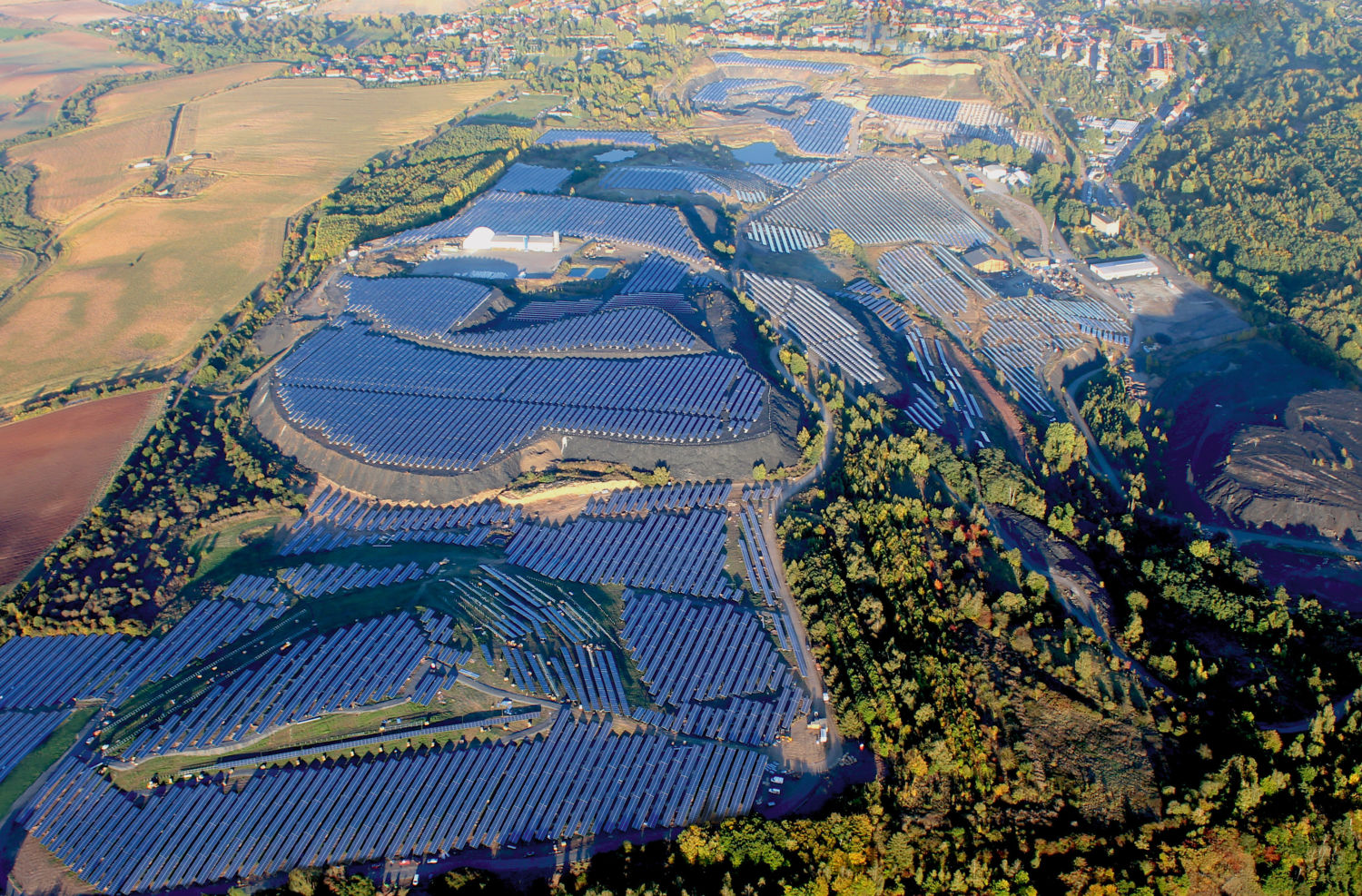
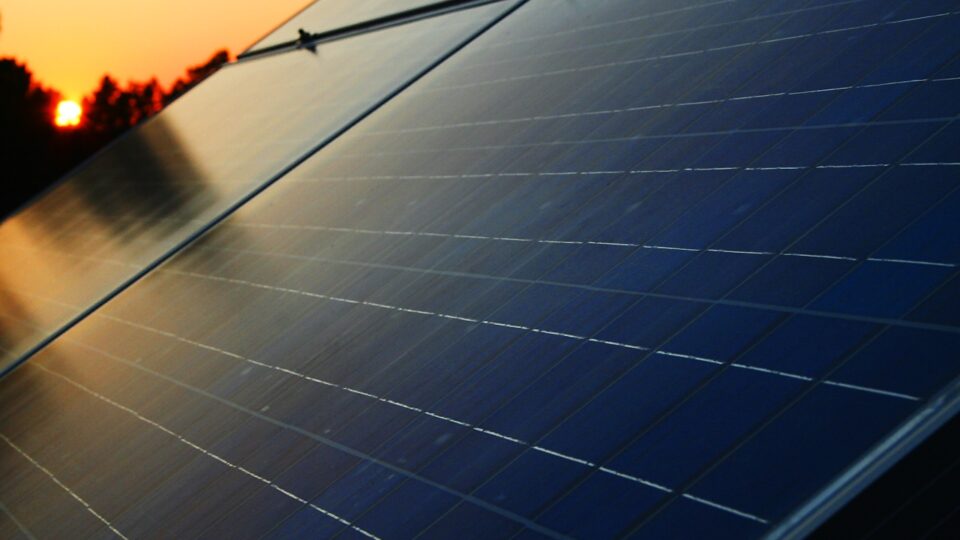
The installed solar capacity in the European Union grew by 34% in 2021.  This means that Europe is on pace to quadruple its solar energy generation by 2030.

During 2021, the 27 countries of the European Union installed 25.9 gigawatts of new solar capacity, compared with 19.3 gigawatts in 2020.  This was the biggest year yet for solar growth, beating out the previous record of 21.4 gigawatts set in 2011.  A gigawatt of solar electricity is enough to power about 300,000 homes, so the 2021 installations can produce enough electricity for about 8 million households.  The European Union is home to about 450 million people.

SolarPower Europe, an industry trade organization, projects that solar energy capacity in the EU will increase from the current 165 gigawatts to 328 gigawatts in 2025 and as much as 672 gigawatts by 2030.

The EU has the goal of generating 45% of its electricity from renewable sources by 2030, which is an important milestone in achieving climate neutrality by 2050. 

Challenges still facing the EU include obstacles to permitting, electricity grid bottlenecks, and assurance of solar panel supplies.  Much of Europe’s supply of solar panels comes from China.  The EU wants to boost its own production of solar panels to 20 gigawatts per year by 2025.

The US currently has about 113 GW of installed solar capacity and is projected to install about 300 gigawatts of new capacity over the next 10 years.

**********

Web Links

For the European Union, 2021 Was a Banner Year for Solar Power

Photo, posted May 3, 2007, courtesy of Bernd Sieker via Flickr.

Earth Wise is a production of WAMC Northeast Public Radio.
Manatees And Pollution | Earth Wise

November 11, 2021 By EarthWise Leave a Comment

Pollution wreaking havoc on Florida manatees

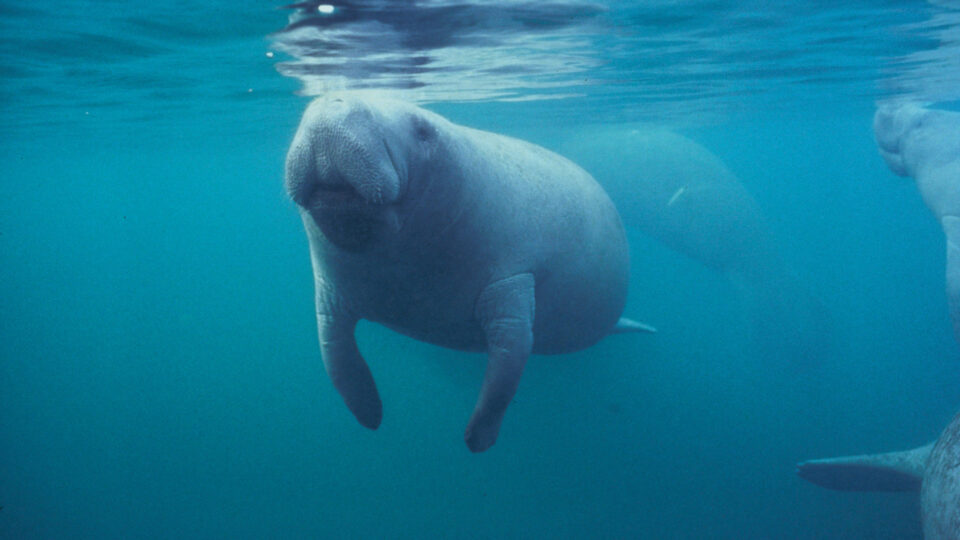
Manatees are large, gentle, and curious marine mammals measuring up to 13 feet long and weighing up to 3,300 lbs.  There are three living species of manatees:  The Amazonian Manatee, the West African Manatee, and the West Indian Manatee, which is commonly found in Florida and the Gulf Coast.  Manatees inhabit the shallow, marshy coastal areas and rivers of the Caribbean Sea, the Gulf of Mexico, the Atlantic coast, the Amazon basin, and West Africa. 

The West Indian Manatee, which includes the Florida Manatee, is protected under the Endangered Species Act.  Today, the range-wide population is estimated to be at least 13,000 manatees, with more than 6,500 in the southeastern United States and Puerto Rico.

In Florida, an uptick in nutrient loading from nonpoint sources is triggering algal blooms in Indian River Lagoon and neighboring areas.  These algal blooms have decimated seagrass, manatees’ primary food source. 

As a result , manatees have starved to death by the hundreds along Florida’s east coast.  The state has recorded 974 manatee deaths in 2021, shattering previous annual all-time highs with still approximately two months to go.  Manatees, which need to eat between 100-200 pounds of seagrass daily, are now eating the seagrass roots, which permanently kills the aquatic plants.

Efforts are being made to replant seagrass and to restore clam and oyster beds so that the mollusks can help clean the water.  But manatees face a myriad of additional threats, including collisions with boats and ships, temperature changes, disease, and crocodile predation.

********** 

Web Links

Florida lawmakers hear Fish & Wildlife agency response to manatee death ‘catastrophe’

West Indian manatee

Preliminary 2021 Manatee Mortality Table by County

Photo, posted May 7, 2010, courtesy of Jim Reid/USFWS via Flickr.

Earth Wise is a production of WAMC Northeast Public Radio.

Record Heat Across the Globe | Earth Wise

August 4, 2021 By EarthWise Leave a Comment

Record high temperatures recorded across the globe

While the Pacific Northwest was setting new records for high temperatures in June, many other places across the globe also experienced unprecedented heat.  Places in Russia and Scandinavia, including locations above the Arctic Circle, set new records for temperature.

The heatwave in Europe was the result of a persistent northward bulge in the polar jet stream.  This blocking pattern in the jet stream has been prevalent over Scandinavia this year and has contributed to unusually warm conditions there.  Further east, similar conditions have created unusual warm temperatures in Siberia.

On June 23, Moscow reached a high of 94.6 degrees, the hottest June temperature on record.  Helsinki, Finland set a record at 89.1 degrees, and both Belarus at 96.3 degrees and Estonia at 94.3 degrees set new records.  The town of Saskylah, north of the Arctic Circle in Siberia, measured almost 90 degrees on June 20. 

High temperature records have been broken in many places.  The all-time record high for June for all of Mexico fell at Mexicali in Baja California on June 17 when the temperature reached 125 degrees.  Palm Springs, California, while known for its desert heat, nonetheless set a new all-time high temperature of 123 degrees and also set a new record for the warmest overnight low temperature for a June night anywhere in North America at an unbelievable 105 degrees.

Stories like this have become all-too common in recent years and are undoubtedly going to occur with greater frequency as the world’s climate continues to react to the growing buildup of greenhouse gases in the atmosphere.

**********

Web Links

A Scorcher in Siberia and Europe

Photo, posted June 8, 2007, courtesy of Niko Pettersen via Flickr.

Earth Wise is a production of WAMC Northeast Public Radio.
New Records For U.S. Wind Power | Earth Wise

March 22, 2021 By EarthWise Leave a Comment

Record setting United States wind power production

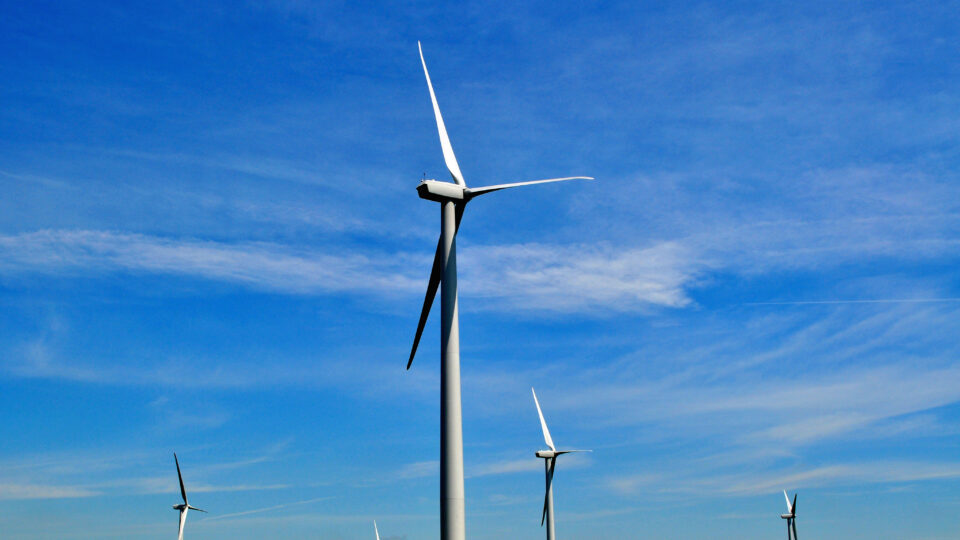
Wind-powered electricity has been increasing its contribution to the American energy mix for years as the number of installed turbines has rapidly grown.  In the final months of 2020, wind power set a number of new records.  Strong wind conditions in November and December, especially in the central states, led to record output from wind turbines.

On April 10, 2019, the U.S. set a record for daily electricity generation from wind turbines in the lower 48 states by producing 1.42 million megawatthours.  That record stood until several different days during November and December.  The newest record was set on December 23 when wind generation reached 1.76 million MWh.  That constituted 17% of total electricity generation in the U.S.   For the entire year of 2020, wind power accounted for 9% of U.S. electricity generation.

Late 2020 also saw new records set for hourly dispatch of wind resources.  On December 22, between 9 and 10 pm Eastern Time, 82 gigawatts of electricity sourced from wind power was dispatched across the U.S., breaking the one-month-old previous record of 73.4 GW.  Wind power varies considerably over the course of a day.  During December, wind power across the country varied between that record of 82 GW to a low of 14.6 GW.

The contributions from wind power are expected to continue to grow.  The U.S. currently has over 112 GW of installed wind capacity.  Project developers and grid operators plan to add another 12.2 GW of new wind capacity to the U.S. grid by the end of 2021.  More than half of that new capacity will be in Texas and Oklahoma.

**********

Web Links

U.S. wind generation sets new daily and hourly records at end of 2020

Photo, posted July 12, 2010, courtesy of Tom Shockey via Flickr.

Earth Wise is a production of WAMC Northeast Public Radio.
Arctic Methane Starting To Release | Earth Wise

November 24, 2020 By EarthWise Leave a Comment

methane is releasing from the arctic

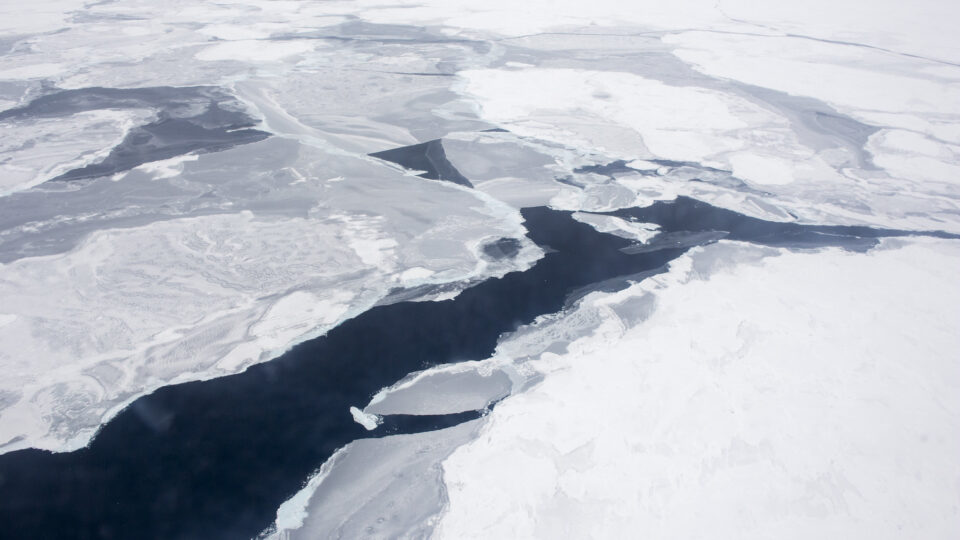
An international team of researchers has found evidence that frozen methane deposits in the Arctic Ocean have started to be released over a large area of the continental slope off the East Siberian coast.  High levels of methane have been detected down to a depth of 1,100 feet in the Laptev Sea near Russia.

The slope sediments in the Arctic contain huge quantities of methane and other gases, known as hydrates.  Methane has a warming effect 80 times stronger than carbon dioxide over a 20-year period.  The US Geological Survey has identified Arctic hydrate destabilization as one of the four most serious scenarios for abrupt climate change.

The research team aboard a Russian ship said that most of the bubbles they observed coming up from the sea bottom were dissolving in the water, but that methane levels at the surface were four to eight times what would normally be expected.

Frozen methane deposits have been called the “sleeping giants of the carbon cycle.”  If these deposit releases were to reach a high enough level, it would be a tipping point that could greatly increase the speed of global warming.  With Arctic temperatures now rising more than twice as fast as the global average, the likelihood of a significant release of the frozen methane grows greater all the time.

Temperatures in Siberia were 9 degrees Fahrenheit higher than average from January to June this year.  Last winter’s sea ice melted unusually early.  This winter’s freeze has yet to begin, which is already a later start than any time on record.

These new discharges of methane are larger than anything found before and are a very worrisome occurrence.

**********

Web Links

Arctic methane deposits ‘starting to release’, scientists say

Photo, posted September 26, 2014, courtesy of the Office of Naval Research via Flickr. Photo credit: U.S. Navy photo by John F. Williams/Released.

Earth Wise is a production of WAMC Northeast Public Radio.
Alaska Is Getting Wetter | Earth Wise

August 31, 2020 By EarthWise Leave a Comment

alaska is getting wetter

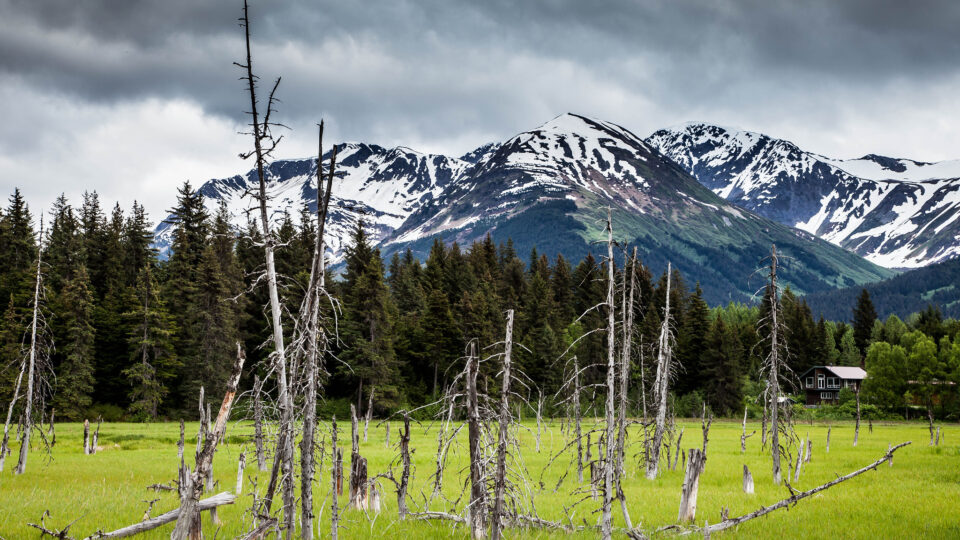
Siberia has been in the news for record-setting heat waves and wildfires, but it is not the only northern region experiencing unusual weather.   Alaska, apart from setting its own warm weather records, is experiencing the rainiest five years in its century-long meteorological record.

Extreme weather in the Arctic is being driven by an aspect of climate change called Arctic amplification, which leads to temperatures rising faster than the global average.  The physical basis of Arctic amplification is well understood, but its effects over time are much less predictable.

The past five years included two summers with average precipitation, one that was a little drier than usual, and two of the wettest summers on record.    Researchers have taken measurements of how far below the surface permafrost has thawed by the end of summer over a wide range of Alaskan environments.

About 85% of Alaska sits upon permafrost and the increasing rainfall over the past five years is leading to a deeper thaw of permafrost across the state.  The wettest summer on record was 2014 and permafrost didn’t freeze back to previous levels even when the next couple of summers were relatively drier.

The study demonstrated how different types of land cover govern relationships between summer rainfall and permafrost thaw.  As Alaska becomes warmer and wetter, the vegetation cover is projected to change, and the increasing occurrence of wildfires will disturb larger areas of the landscape.  These conditions are likely to lead to a feedback loop driving more and more permafrost thawing.

Fundamental changes to Alaskan ecosystems are occurring on an unprecedented timescale – not gradually over decades or lifetimes, but over mere months or years.

**********

Web Links

Alaska is getting wetter. That’s bad news for permafrost and the climate.

Photo, posted June 10, 2011, courtesy of Peter Rintels via Flickr.

Earth Wise is a production of WAMC Northeast Public Radio.
Record Siberian Heat | Earth Wise

July 24, 2020 By EarthWise Leave a Comment

Record temperatures recorded in Siberia

Siberia has been experiencing unprecedented high temperatures in recent months.  May was the hottest May on record and temperatures in Siberia have stayed well above average for the past year.

On June 20, temperatures in the small Siberian town of Verkhoyansk hit 100.4 degrees Fahrenheit, which is a record-high temperature in one of the fastest-warming places in the world.  Average high temperatures in June reach 68 degrees.  Verkhoyansk sits on the Yana River in the Arctic Circle and, during the winter, is one of the world’s coldest towns.  In 1892, its temperature dropped to -90 degrees Fahrenheit.  And now there is hundred-degree heat above the Arctic Circle.

Siberia tends to experience large temperature swings month-to-month and year-to year.  But it is very unusual for temperatures to stay well over average over an extended period of time as they have for the past year.  According to climate scientists, the kind of temperature swings seen recently would only happen once in 100,000 years if it were not for climate change.

Siberia has seen raging wildfires and structural damage from thawing permafrost as its temperatures have stayed warmer than normal.  The prolonged Siberian heatwave is an alarming situation.

The Arctic is warming twice as fast as the rest of the Earth because of a process known as Arctic amplification.  The acceleration of the Arctic ice melt leads to a seasonal snow cover that isn’t as white.  It therefore absorbs more sunlight, which then leads to more warming.

The amplified warming of the Arctic with its increased melting of ice leads to higher sea levels, and not just in the Arctic Ocean.  With less Arctic ice to reflect sunlight, the world’s oceans continue to warm. 

**********

Web Links

Temperatures in an Arctic Siberian town hit 100 degrees, a new high

Photo, posted December 7, 2014, courtesy of Olga Dudenko via Flickr.

Earth Wise is a production of WAMC Northeast Public Radio.
Antarctica’s Hot Summer | Earth Wise

May 1, 2020 By EarthWise Leave a Comment

Extreme heat in Antarctica

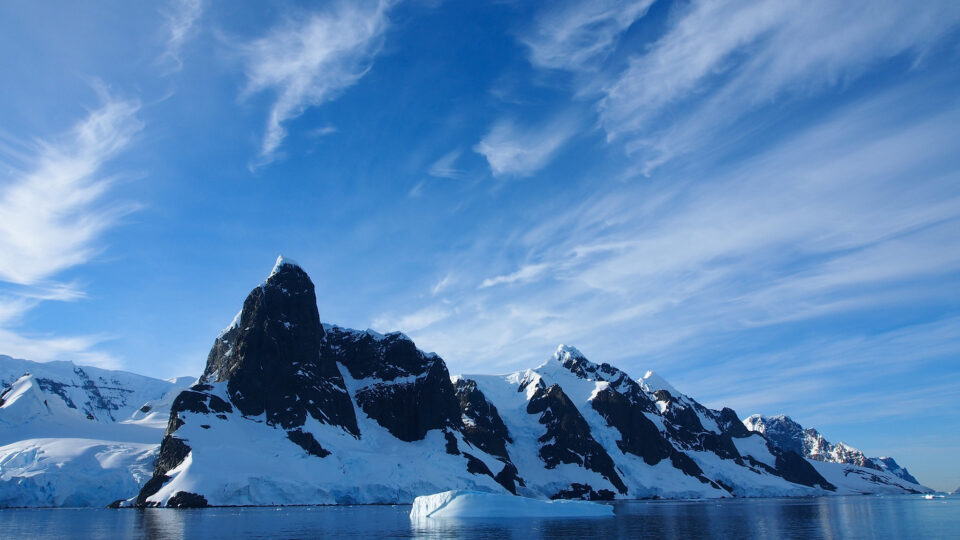
The Southern Hemisphere’s recent summer brought drought, heatwaves and bush-fires that ravaged Australia.  At the same time, Antarctica experienced a summer of extreme weather.

In East Antarctica, the Casey research station in the Australian Antarctic Territory had its first heatwave event, recording extreme maximum and minimum temperatures over three consecutive days in January.  Record high temperatures were also reported at bases on the Antarctic Peninsula.

The Casey station recorded a record high maximum temperature of 49 degrees Fahrenheit and a record overnight low of 36 degrees.  In February, Brazilian scientists reported a high temperature of 69 degrees at Marambio, an all-time record for Antarctica.

Ecologists say that the hot summer would most likely lead to long-term disruption of local populations, communities, and the broader ecosystem.  That disruption could be both positive and negative.

Most life in Antarctica exists in small ice-free oases and depends on melting snow and ice for a water supply.  Melt water from the warming temperatures will lead to increased growth and reproduction of mosses, lichens, microbes and invertebrates.

However, excessive flooding can dislodge plants and alter the composition of communities of invertebrates and microbial mats. If the ice completely melts early in the season, then ecosystems will suffer drought for the rest of the season.

Extreme events often have impacts for years after the event.  There will be long-term studies of the areas affected by the recent Antarctic heat wave. Such extreme events associated with global climate change are predicted to increase in frequency and impact, and even the most remote areas of the planet are not immune to them.

**********

Web Links

Antarctica’s summer of extreme heat

Photo, posted January 30, 2014, courtesy of Andreas Kambanis via Flickr

Earth Wise is a production of WAMC Northeast Public Radio.
A Record Antarctic Temperature | Earth Wise

March 5, 2020 By EarthWise Leave a Comment

warmest temperatures ever recorded

It is still early in the year, but extreme weather events are already piling up.  January was the warmest month on record globally and there have been many records shattered in Europe and Asia.  A number of places in Eastern Europe, including parts of Russia, have seen temperatures 12 to 13 degrees above average.

While the warming of the Arctic has been in the news with increasing frequency, the Antarctic is also seeing rising temperatures and is one of the fastest-warming regions in the world. 

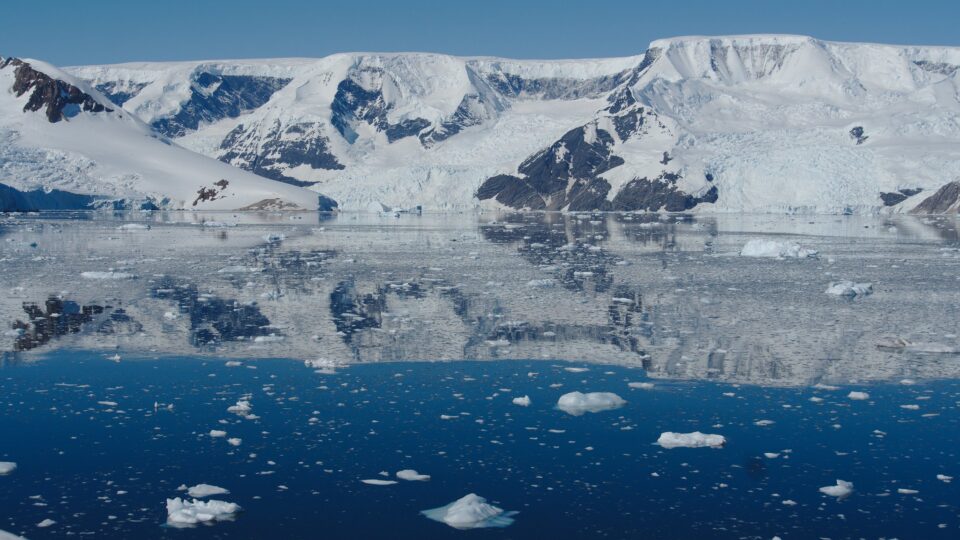
On February 6th, Esperanza Base along Antarctica’s Trinity Peninsula measured a temperature of 65 degrees Fahrenheit, which is the highest temperature ever recorded on that continent.   This rather balmy temperature narrowly beat out the previous record of 63.5 degrees, which occurred in March of 2015.

This one-time reading is certainly anomalous, and scientists say it is associated with a ridge of high pressure that was lingering over the region for several days.  Local wind conditions led to additional warming.

However, the conditions leading to record-breaking high temperatures are not one-time anomalous events. Over the past 50 years, temperatures in the Antarctic have surged by an extraordinary 5 degrees in response to the Earth’s rapidly warming climate.  A rise of five degrees in day-to-day weather is no big deal. A five-degree rise in a region’s average temperature is enormous.

About 87% of the glaciers along the west coast of Antarctica’s Trinity Peninsula have retreated over that 50-year period, most of which doing so during just the past 12 years.

Some researchers claim that the new temperature record is an extreme event that doesn’t tell us anything about the changing climate.  Many others are convinced that there will be many more high temperature records to follow.

**********

Web Links

Antarctica just hit 65 degrees, its warmest temperature ever recorded

Photo, posted February 24, 2019, courtesy of Mike via Flickr.

Earth Wise is a production of WAMC Northeast Public Radio.
Record Low Ice In The Bering Sea | Earth Wise

January 30, 2020 By EarthWise Leave a Comment

ice melts global warming

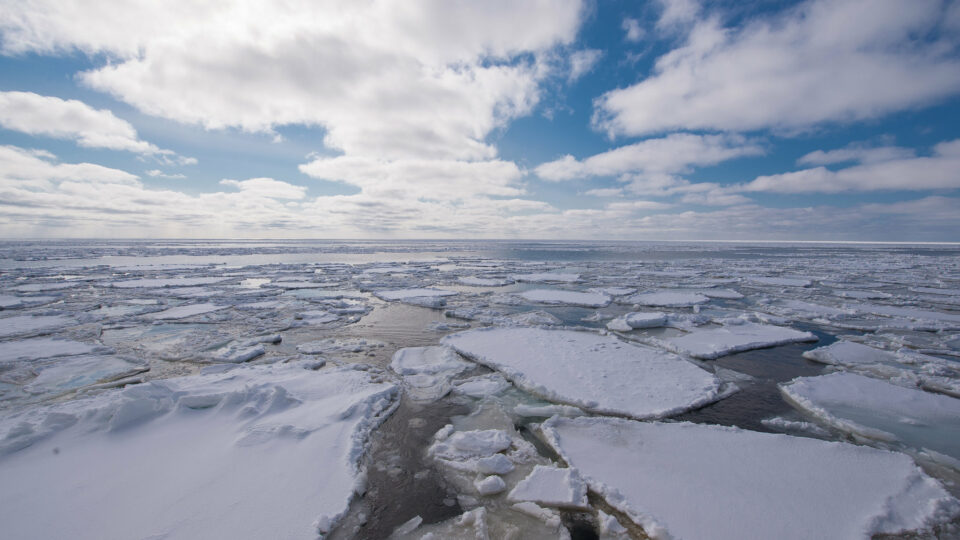
The Bering Sea is the area of the far northern Pacific Ocean that separates Alaska from Russia.  Sea ice in the Bering Sea shrank to its lowest levels in recorded history in 2018, an event with profound effects on northwest Alaska residents who depend on marine resources for food, cash, and culture.

The loss of ice is indicative of very rapid change in the entire northern Bering Sea ecosystem with ramifications for everyone in the region.  A new peer-reviewed study published in the Bulletin of the American Meteorological Society examined the details and consequences of the drastic changes in the Bering Sea.

The study found that the maximum daily Bering Sea ice was the lowest on record, and the widespread impacts of that fact include unprecedented weather effects, marine wildlife die-offs, and sightings of animals outside of their normal range.  Ecological changes included the first documented mass strandings of ice-associated seals, a redistribution of thermally sensitive fish, and a multispecies die-off of seabirds due to starvation.

Persistent and anomalous warm winter weather contributed to poor ice conditions that resulted in a fatal accident on an ice road and retreating and fractured sea ice led to ice-laden flooding that caused power outages and infrastructure damage.  In addition, there have been more than 50 reports of unusual events related to weather and marine wildlife.

The record-low sea ice is a consequence of the warming climate resulting in a warmer ocean, later arrival of sea ice, and more frequent storms than in the pre-industrial era.  These conditions are continuing to increase in occurrence.

**********

Web Links

Record low level of Bering Sea ice causes profound, widespread impacts

Photo, posted April 7, 2014, courtesy of Allen Smith via Flickr.

Earth Wise is a production of WAMC Northeast Public Radio.
Another Greenhouse Gas Record

January 7, 2020 By EarthWise Leave a Comment

Greenhouse gas

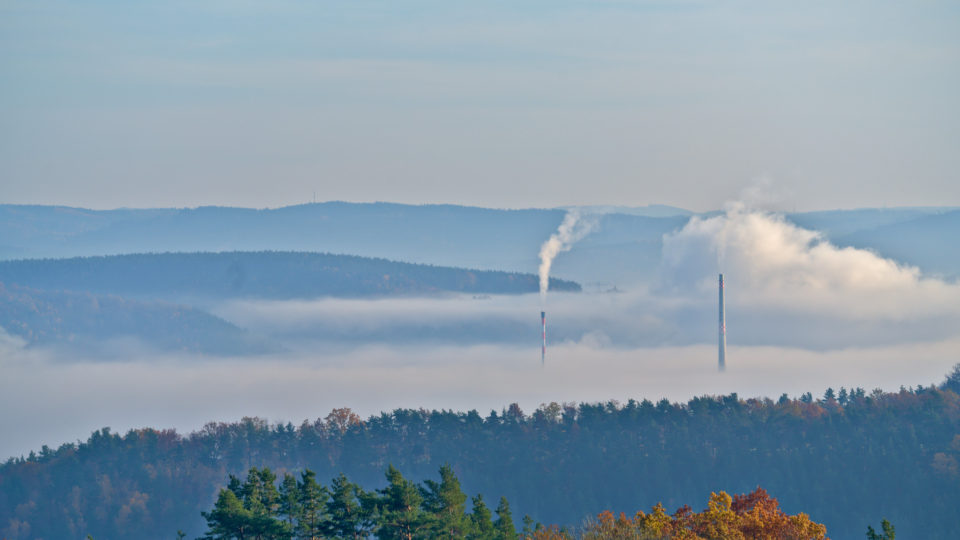
According to the World Meteorological Organization, levels of heat-trapping greenhouse gases in the atmosphere have reached yet another new record high.  Globally averaged concentrations of carbon dioxide reached 407.8 parts per million in 2018, up from 405.5 parts per million in 2017.

The increase year-over-year was similar to that from 2016 to 2017, and remains a little over the average for the last decade.  Global CO2 levels crossed the 400 parts per million threshold in 2015.

Concentrations of methane and nitrous oxide also increased by higher amounts than the average for the past decade, based on observations from the Global Atmosphere Watch network with stations all over the globe.

Since 1990, there has been a 43% increase in total radiative forcing – which is the warming effect on the climate from long-lived greenhouse gases. Carbon dioxide accounts for about 80% of this.  The report notes that the last time the Earth experienced this high a level of CO2 was 3 to 5 million years ago. At that time, global temperatures were 2 to 3 Celsius degrees higher and sea levels were 30 to 60 feet higher than now.

The report includes data on the isotopic analysis of the CO2 in the atmosphere.  CO2 produced by fossil fuel combustion comes from plant material from millions of years ago and does not contain radiocarbon, that is, carbon-14.  CO2 from natural sources contains radiocarbon produced by cosmic rays.  The increasing CO2 levels in the atmosphere contain decreasing levels of radiocarbon, indicating that the overall increase is largely due to human activities.

Overall, global efforts to date to reduce emissions have not been very successful, and this is borne out by the growing levels of carbon dioxide in the atmosphere.

**********

Web Links

Greenhouse gas concentrations in atmosphere reach yet another high

Photo courtesy of Flickr.

Earth Wise is a production of WAMC Northeast Public Radio.
A Record European Heatwave

August 1, 2019 By EarthWise Leave a Comment

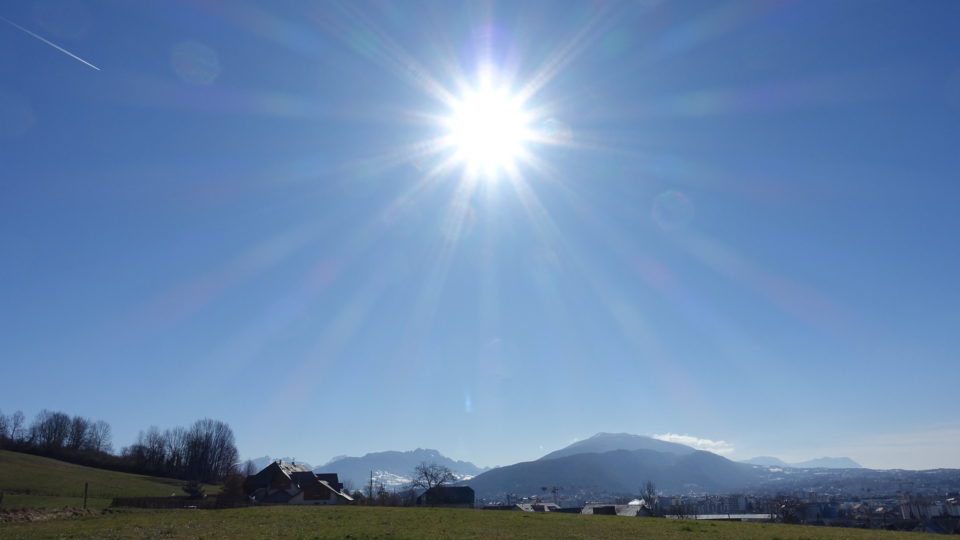
Sahara Desert winds blasted Europe in June, especially during a five-day heatwave that set many records.  Between that and weather elsewhere, June was not only one of the hottest ever for that continent, but also for the world as a whole.

In Europe, the average temperature was about 5 degrees Fahrenheit above the June average of a century ago.  The global temperature was nearly 2 degrees Fahrenheit higher.

The European heatwave broke temperature records in France, Switzerland, Austria, Germany, and Spain.  A temperature above 114 degrees was recorded near the French city of Nîmes.

The intense heat lead to wildfires in Spain and Germany, and widespread disruption across Europe.  Undoubtedly, the heatwave has caused many premature deaths, but it will take some time to compile those statistics.  The European heatwave of 2003 caused more than 70,000 premature deaths.


According to calculations by climate scientists, the record-breaking heatwave in June was made at least 5 and as much as 100 times more likely by climate change.  Global heating caused by the carbon emissions from burning fossil fuels and other human activities means that heatwaves are becoming more probable and severe.  So-called attribution studies estimate how much more likely and severe such events are.

The researchers used temperature records stretching back to 1901 to assess the probability of a heatwave last month and in the past.  They also examined climate change models to assess the impact of global heating.  More than 230 attribution studies to date around the world have found that 95% of heatwaves were made more likely or worse by climate change.

It was the hottest June on record in Europe by a country mile and there are likely to be more months like it in the future.

**********

Web Links

Climate Change Made Last Month’s European Heatwave At Least Five Times More Likely

Photo, posted February 13, 2018, courtesy of Guilhem Vellut via Flickr.

Earth Wise is a production of WAMC Northeast Public Radio.
Our Growing Appetite For Energy

June 13, 2019 By EarthWise Leave a Comment

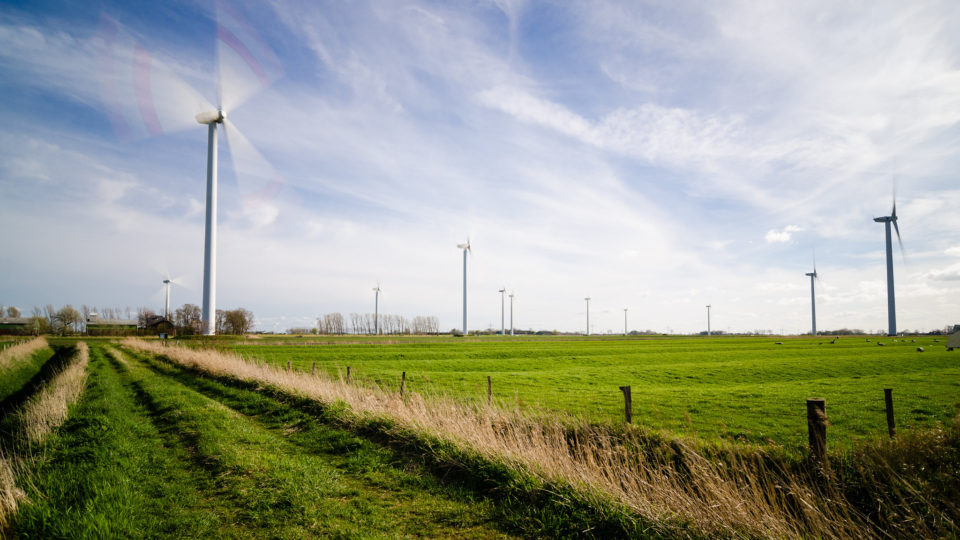
Energy consumption in the United States set a record high in 2018.  Overall, energy consumption reached 101.2 quadrillion BTUs or quads last year, breaking the previous record of 101.0 set in 2007.  Most of us are not too familiar with quadrillions of anything, nor with BTUs for that matter.  If it is any more illuminating, 101 quads are the equivalent of about 300 billion kilowatt hours.  Our energy use increased by 3.6% from 2017, which was the largest annual increase since 2010.

Wind, solar, and natural gas provided the largest increases in energy supply.  In 2018, solar and wind energy were both up by 0.18 quads, representing a 22% gain for solar and a 7.5% increase for wind.  Over the past ten years, overall renewable energy has doubled in the U.S., with wind increasing by a factor of 5 since 2008 and solar by an amazing factor of 48. 

Natural gas generation increased by 10.7%, or a total of 3 quads over the previous year.   The growth in natural gas use isn’t good news, but since much of it represents replacing coal, it at least corresponds to reduced greenhouse gas emissions.

The unfortunate part of our energy consumption is that the majority of it is still in the form of “rejected energy”.  It most often takes the form of waste heat, such as the warm exhaust from automobiles and furnaces.  The efficiency of our cars, lightbulbs and factories determines how much waste heat is produced and in turn how much fuel and electricity can be put to productive use.

**********

Web Links

US energy consumption hits record high in 2018, solar/wind/natural gas grow

Photo, posted April 27, 2015, courtesy of Mathias Appel via Flickr.

Earth Wise is a production of WAMC Northeast Public Radio.
Reducing Polar Bear Attacks

April 8, 2019 By EarthWise Leave a Comment

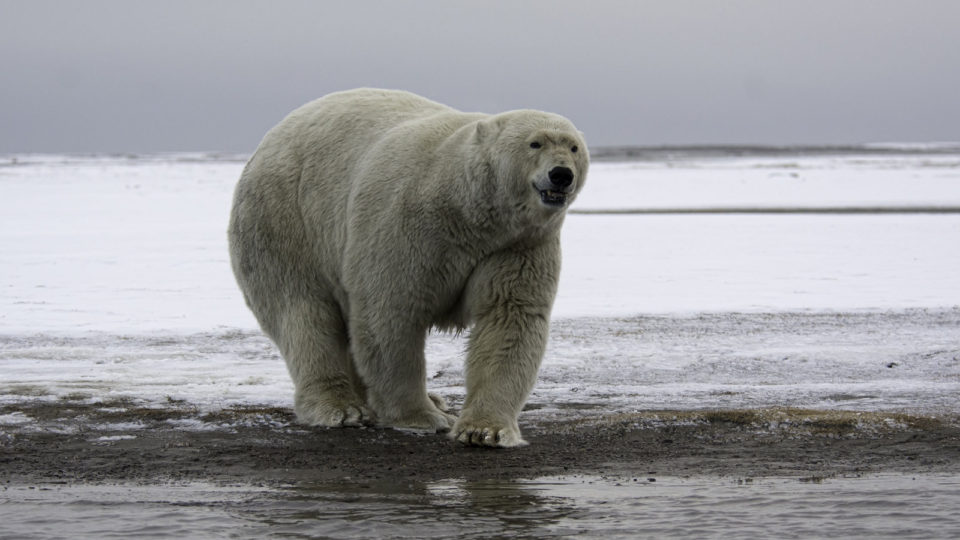
The increasing reduction of sea ice in the Arctic is changing the behavior of polar bears.  Because they are spending more time on land, they are interacting with people much more frequently, occasionally with deadly results.

A study, published in 2017, looked at 144 years’ worth of polar bear attacks on humans in the Arctic.  Between 1960 and 2009, there were a reported 47 attacks by polar bears on people – between 7 and 12 per decade.  Between 2010 and 2014, as sea ice reached record lows, there were 15 attacks, a record for a four-year period.  Since 2000, 88% of attacks have occurred between July and December, when sea ice is at its lowest level of the year.

Last July, a young male polar bear attacked and killed a man who was berry picking with his children.  A month later, a mother polar bear attacked and killed an Inuit hunter and injured two others.  This was the first known fatal attack by a mother polar bear.

As a result, Inuit communities in the Nunavut region are asking for higher legal polar bear harvest quotas, arguing that bear populations have increased to a dangerous level.

These recent human fatalities have also provided an impetus for developing new non-lethal conflict-resolution tools than can be used in northern communities before more people as well as bears are killed.

There are now polar bear patrol teams tasked with driving bears away from settlements.  There is a bear hotline and electric fencing around sled dog compounds.

The changing face of the Arctic is creating growing stress on the polar bear population and on the people who make their home in that region.

**********

Web Links

As Polar Bear Attacks Increase in Warming Arctic, a Search for Solutions

Photo, posted September 28, 2015, courtesy of Anita Ritenour via Flickr.

Earth Wise is a production of WAMC Northeast Public Radio.
Increasing Antarctic Ice Loss

July 31, 2018 By EarthWise Leave a Comment

https://earthwiseradio.org/wp-content/uploads/2018/07/EW-07-31-18-Increasing-Antarctic-Ice-Loss.mp3

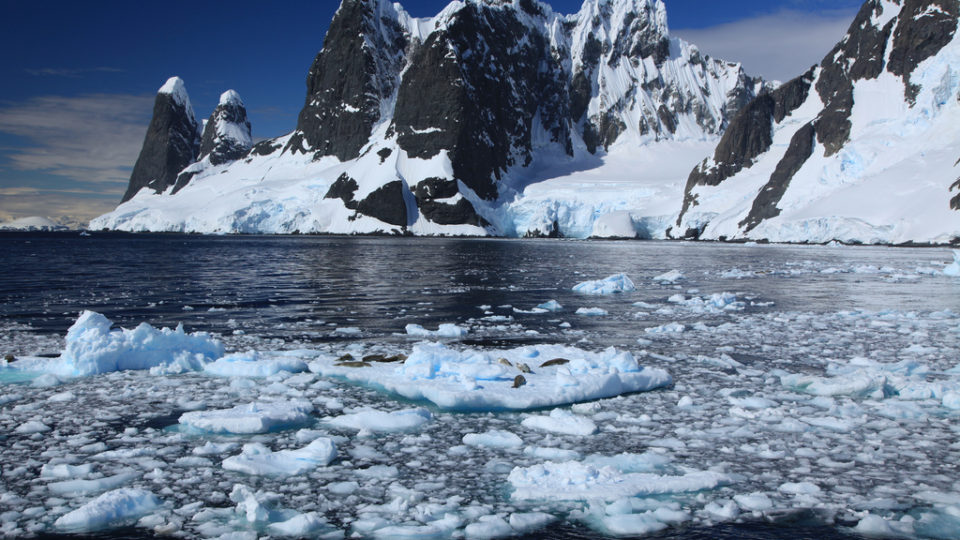
Antarctica’s ice sheets contain enough frozen water to raise sea levels globally about 190 feet.  Ice in the Antarctic is melting at a record-breaking rate and subsequent sea rises could have catastrophic consequences around the world.  So, it is no surprise that scientists have been closely tracking ice loss in recent decades to understand both the current and future impacts of climate change.

[Read more…] about Increasing Antarctic Ice Loss

Cold Weather In A Warming Climate

June 25, 2018 By EarthWise Leave a Comment

https://earthwiseradio.org/wp-content/uploads/2018/06/EW-06-25-18-Cold-Weather-In-A-Warming-Climate.mp3

The climate is warming.  The average global temperature is going up year after year, bringing about significant changes to weather around the world.  But the fact is that these changes don’t always lead to warmer weather.  And ordinary variations in local weather can also go in either direction.

[Read more…] about Cold Weather In A Warming Climate

A Record Drop In Coal Consumption

August 2, 2017 By EarthWise

https://earthwiseradio.org/wp-content/uploads/2017/08/EW-08-02-17-Coal-Consumption.mp3

Global consumption of coal dropped by 1.7% last year.  This is a major change considering that it had increased by an average of 1.9% per year from 2005 to 2015.   China, which accounts for about half of the coal burned in the world, used 1.6% less in 2016, as compared to an increase of 3.7% per year over the previous 11 years.

[Read more…] about A Record Drop In Coal Consumption

Record Low Sea Ice

January 13, 2017 By EarthWise

https://earthwiseradio.org/wp-content/uploads/2016/12/EW-01-13-17-Record-Low-Sea-Ice.mp3

This time of the year, sea ice in the Arctic is on the rise as winter sets in.  A combination of unusually high air temperatures and a warmer than normal ocean led to a record low for Arctic sea ice extent in November.  In the Southern Hemisphere, Antarctic sea ice extent also hit a record low for the month.

[Read more…] about Record Low Sea Ice

The Hottest Month (Again)

September 15, 2016 By WAMC WEB

https://earthwiseradio.org/wp-content/uploads/2016/08/EW-09-15-16-The-Hottest-Month-Again.mp3

NASA data show that the Earth’s temperature in July was the highest recorded since record-keeping began 136 years ago.  It was also the 10th straight month of record-breaking temperatures and was .18 degrees Fahrenheit higher than the previous hottest July in 2011.

[Read more…] about The Hottest Month (Again)

  • « Go to Previous Page
  • Page 1
  • Page 2
  • Page 3

Primary Sidebar

Recent Episodes

  • An uninsurable future
  • Clean energy and jobs
  • Insect declines in remote regions
  • Fossil fuel producing nations ignoring climate goals
  • Trouble for clownfishes

WAMC Northeast Public Radio

WAMC/Northeast Public Radio is a regional public radio network serving parts of seven northeastern states (more...)

Copyright © 2026 ·