• Skip to primary navigation
  • Skip to main content
  • Skip to primary sidebar

Earth Wise

A look at our changing environment.

  • Home
  • About Earth Wise
  • Where to Listen
  • All Articles
  • Show Search
Hide Search
You are here: Home / Archives for record

record

Record low Antarctic sea ice

October 30, 2023 By EarthWise Leave a Comment

Record low sea ice levels in Antarctica

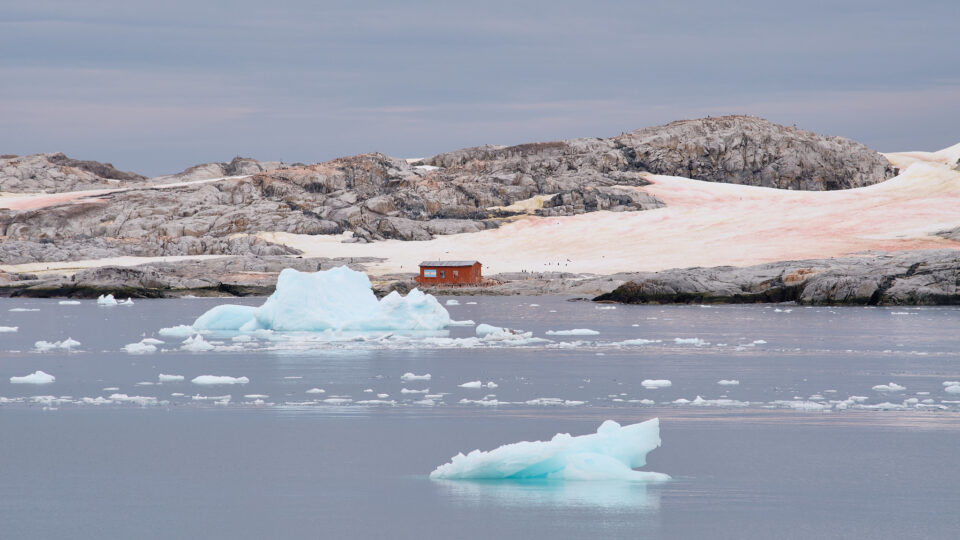
Antarctica’s winter came to a close in September and during that month, the continent reaches its maximum amount of sea ice that grows during the darkest and coldest months.  This year, that maximum occurred on September 10th and turned out to be the lowest on record.

The sea ice around Antarctica reached a maximum extent of 6.5 million square miles according to NASA researchers.  That was nearly 400,000 square miles below the previous record low set in 1986. 

There are several possible causes for the meager growth of Antarctic sea ice this year.  It may be a combination of several factors including El Niño, wind patterns, and warming ocean temperatures.  Recent research indicates that ocean heat is most likely playing an important role in slowing ice growth in the cold season and enhancing ice melting in the warm season.

The record-low ice extent so far this year is a continuation of a downward trend in Antarctic sea ice that has gone on since the ice reached a record high in 2014.  Prior to that year, the ice surrounding the southern continent was actually increasing slightly by about 1% every decade.

Meanwhile, Arctic sea ice reached its minimum extent in September and it was the sixth-lowest level in the satellite record.  Scientists track the seasonal and annual fluctuations of polar sea ice because they shape polar ecosystems and play a significant role in global climate.  Sea ice melting at both poles reinforces global warming because bright sea ice reflects most of the Sun’s energy back to space while open ocean water absorbs 90% of it.

**********

Web Links

Antarctic Sea Ice Sees Record Low Growth  

Photo, posted June 30, 2023, courtesy of Pedro Szekely via Flickr.

Earth Wise is a production of WAMC Northeast Public Radio

The Spooky Reality | Earth Wise

October 23, 2023 By EarthWise Leave a Comment

According to the National Retail Federation, American consumers will spend a whopping $12.2 billion on Halloween this year, exceeding last year’s record of $10.6 billion.  A record number of people – 73% of Americans – will also participate in Halloween-related activities this year, up from 69% in 2022.  But it’s not just our wallets that take a beating. 

Halloween generates a frightening amount of waste.  Picture all those flimsy and often single-use costumes, polyester cobwebs, plastic-wrapped candy, mass-produced decorations, and so forth. Scary stuff!  Here are some simple tricks to make the holiday more sustainable this year. 

Invest in quality costumes.  Those mass-produced costumes leave the largest carbon footprint from Halloween.  They are often made from non-recyclable plastic and most end up in landfills by mid-November.   By renting, thrifting, swapping, or making your own costumes, many of the negative impacts of dressing up for the holiday can be avoided.

Find environmentally-friendly decorations and supplies.  For example, carve local pumpkins and either save the seeds and flesh to eat later, compost it, or feed it to animals.  Make your own spooky decorations.  If you do buy decorations, ensure that they are durable and reusable.  And use wicker baskets, old bags, or pillowcases when trick-or-treating.

Finally, purchase organic and fair trade candy if you’re able to do so.  Some of the largest candy manufacturers are major drivers of deforestation and species extinction around the globe due to their demand for sugar, palm oil, and cocoa beans.

Together, we can “green” Halloween.  

**********

Web Links

Halloween Data Center

Photo, posted November 13, 2019, courtesy of Christian Collins via Flickr.

Earth Wise is a production of WAMC Northeast Public Radio
The Hottest Summer | Earth Wise

October 13, 2023 By EarthWise Leave a Comment

The hottest summer since global record keeping began

It was a very rainy and relatively cool summer in much of New England as well as in New York’s Capital Region, where Earth Wise originates.  Despite that fact, according to NASA scientists, the summer of 2023 was the Earth’s hottest since global record keeping began in 1880.

The months of June, July, and August taken together were .41 degrees Fahrenheit warmer than any other summer on record as well as being 2.1 degrees warmer than the average summer between 1951 and 1980.

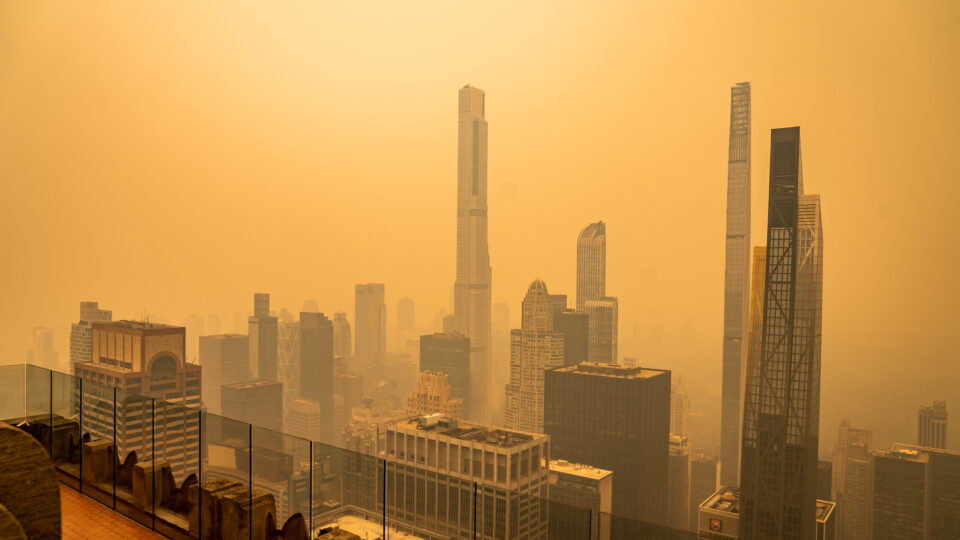
The record summer heat was marked by heatwaves in South America, Japan, Europe, and the US.  The heat exacerbated wildfires in Canada that dumped smoke across much of the northern tier of our country and also led to severe rainfall in Europe.  All sorts of temperature records were set in places across the globe.

According to NASA, exceptionally high sea surface temperatures, fueled in part by the reemergence of El Niño in the Pacific, were a major factor in the summer’s record warmth.

The record-breaking heat of this summer continues a long-term trend of warming.  Scientists around the world have been tracking the warming that is driven primarily by human-caused greenhouse gas emissions.  The combination of this background warming and the marine heatwaves set the stage for new temperature records.  The El Niño was enough to tip the scales. 

In the current environment, heat waves will last longer, be hotter, and be more punishing.  The atmosphere can hold more water producing hot and humid conditions that are harder for the human body to endure.

Scientists are expecting the biggest impacts of El Niño in the early parts of next year.  We can expect to see extreme weather of many kinds over the next year.

**********

Web Links

NASA Announces Summer 2023 Hottest on Record

Photo, posted June 8, 2023, courtesy of Anthony Quintano via Flickr.

Earth Wise is a production of WAMC Northeast Public Radio

Billion-Dollar Disasters | Earth Wise

October 5, 2023 By EarthWise Leave a Comment

As the climate changes, billion-dollar disasters are increasing

By the end of August, the United States had already broken the one-year record for the number of weather and climate disasters that caused more than $1 billion in damage.

According to the National Oceanic and Atmospheric Administration, through August there had already been 23 billion-dollar disasters.  The previous record of 22 had been set in 2020.  The 23 this year racked up $58 billion in damages.

The unfortunate litany of events included two in August:  Hurricane Idalia, which struck Florida’s Big Bend region and the Lahaina fire storm on Maui.  Earlier in the year, winter storms in the Northeast, floods in California and Vermont, and 18 other severe storm events contributed to the record.

With a very active Atlantic hurricane season underway and the prospects for more wildfires in the west, it is likely that the record for billion-dollar disasters will climb even higher before the year ends.

The massive financial losses incurred this year highlight the need for more funding and attention to be directed toward climate resistance and adaptation.  The NOAA report urges policymakers to invest much more in getting out ahead of disasters before they strike rather than only looking for ways to help communities to pick up the pieces after disaster has struck.

Congress is currently considering $16 billion in additional funding for FEMA to keep the agency functioning in this very trying year.

As climate change continues to contribute to more intense storms and larger and more frequent wildfires, the price of adaptation and recovery efforts is likely to continue to grow.

**********

Web Links

2023 has already broken the US record for billion-dollar climate disasters

Photo, posted August 31, 2023, courtesy of Spc. Christian Wilson / The National Guard via Flickr.

Earth Wise is a production of WAMC Northeast Public Radio

Deadly Heatwaves On The Rise | Earth Wise

September 20, 2023 By EarthWise Leave a Comment

Deadly heatwaves are increasing as climate change ramps up

The European heatwave in the summer of 2003 resulted in at least 30,000 deaths with more than 14,000 in France alone. At the time, such a heatwave was considered to be a once-in-a-hundred-year event. But the warming climate is dramatically changing the odds for deadly heatwaves.

A new study by the ETH Institute in Zurich has found that the risk of fatal heatwaves has risen sharply over the past 20 years, and in the future, such extreme weather will become more frequent and heat-related excess mortality will increase, particularly in Europe.  According to a paper published in Nature Medicine, more than 61,000 deaths in Europe could be blamed on the heat during the summer of 2022, which was the hottest summer on record for the continent.  When the readings from this summer are analyzed, that record is likely to be surpassed.

Heatwaves lead to excess deaths due to dehydration, heat stroke, and cardiovascular collapse.  They are particularly deadly for the elderly, the sick, and the poor.  The ETH researchers analyzed comprehensive data from 748 cities and communities in 47 countries.   They determined the relationship between increased temperature and excess mortality.  Their models look at how excess mortality would develop with an average global temperature increase of 0.7 degrees Celsius (the value in 2000), 1.2 degrees (the value in 2020), and both 1.5 degrees (the limit sought by the Paris Agreement) and 2 degrees.

Even with the current global temperature, heatwaves that were a once-in-a-century event are now expected to occur every 10 years.  With 2 degrees of warming, such heatwaves could happen every 2 to 5 years.

**********

Web Links

Heatwaves are becoming more frequent and more deadly

Photo, posted July 22, 2009, courtesy of Matt McGee via Flickr.

Earth Wise is a production of WAMC Northeast Public Radio
Marine Heat Waves | Earth Wise

August 17, 2023 By EarthWise Leave a Comment

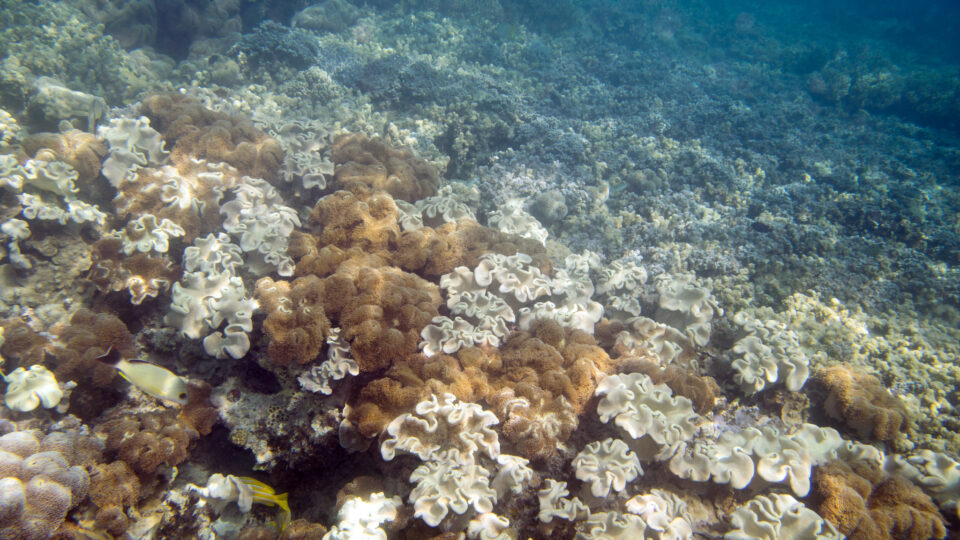
Marine heat waves are devastating

In late July, the ocean temperature measured in Florida Bay, between the southern end of the Florida mainland and the Florida Keys, was 101.1 degrees Fahrenheit, a possible world record for sea surface temperature.  There is no official record keeping for ocean temperatures, but the highest previous reading ever reported was 99.7 degrees in the middle of Kuwait Bay in 2020. 

What is going on is a marine heat wave and marine heat waves can last for weeks, months, or even years.  The current Gulf of Mexico marine heat wave has been present for several months, beginning in February or March.  Experimental forecasts by the National Oceanic and Atmospheric Administration say the extreme ocean temperatures in the area may persist through at least October.

The ocean absorbs 90% of the excess heat associated with global warming.  Therefore, marine heat waves all over the planet are becoming warmer over time.  The current marine heat wave would likely have occurred even without climate change, but because of it, the event is extraordinarily warm.

Marine heat waves cause stress to corals and other marine ecosystems.  Exposure to extreme temperatures for long periods of time causes corals to eject the algae that live inside of them, resulting in white or pale coral.  This coral bleaching leaves the coral without food and will ultimately kill it.

In general, extreme heat can be destructive and deadly for marine ecosystems.  A massive marine heat wave known as “the Blob” took hold in 2013-2016 in the northeastern Pacific Ocean and led to an ecological cascade of fishery collapses, toxic algal blooms, and record numbers of humpback whale entanglements.

**********

Web Links

The ongoing marine heat waves in U.S. waters, explained

Photo, posted December 25, 2016, courtesy of Paul Asman and Jill Lenoble via Flickr.

Earth Wise is a production of WAMC Northeast Public Radio
The World’s Hottest Day | Earth Wise

July 27, 2023 By EarthWise Leave a Comment

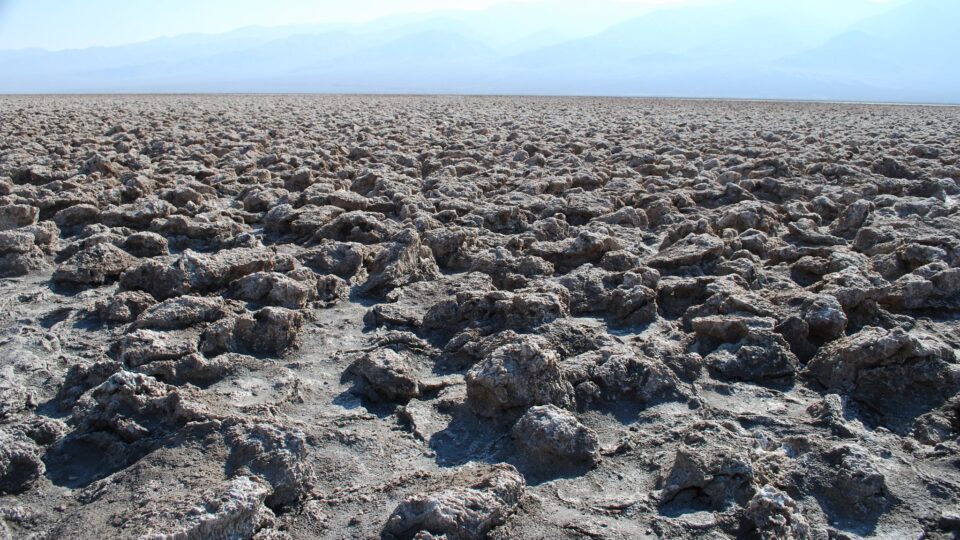
Early in July – for four days in a row – the average global temperature was the highest ever recorded.  As many places around the world endured dangerous heatwaves, the average global temperature on the fourth of July reached 62.92 degrees Fahrenheit, the highest ever recorded by human-made instruments.  On July 6th, the global temperature climbed even further to 63.01 degrees.

The average global temperature on an annual basis was about 56.7 degrees from the 1880s through the 1910s.  Temperatures rose a bit after that but ended up about 57.2 degrees until the 1980s.  After that, temperatures have risen fairly steadily as heat-trapping gases have accumulated in the atmosphere driving the current average above 58 degrees.

Global temperatures have only been directly measured since the mid-20th century.  There are proxy measurements from sources like tree rings, ice core samples, glacier measurements, and more that indicate that the recent readings may be the warmest days the earth has seen in millennia.

Average global temperature is determined using temperature readings at thousands of locations on both land and sea across the entire planet.  Those readings are compared with average temperatures at those locations for the date and the difference (known as the temperature anomaly) used to calculate a global average.

With the recent arrival of the El Niño in the Pacific Ocean, it is likely that the warming already being driven by greenhouse gas accumulation will intensify further. 

In a summer already marked by extreme heatwaves in many locations, having the entire planet 4 or 5 degrees hotter than normal is a very big deal and most certainly not a record to celebrate.

**********

Web Links

Earth reaches hottest day ever recorded 4 days in a row

Photo, posted October 29, 2008, courtesy of Darek via Flickr.

Earth Wise is a production of WAMC Northeast Public Radio
An Unwanted Temperature Threshold Is Approaching | Earth Wise

July 3, 2023 By EarthWise Leave a Comment

An alarming temperature threshold is approaching

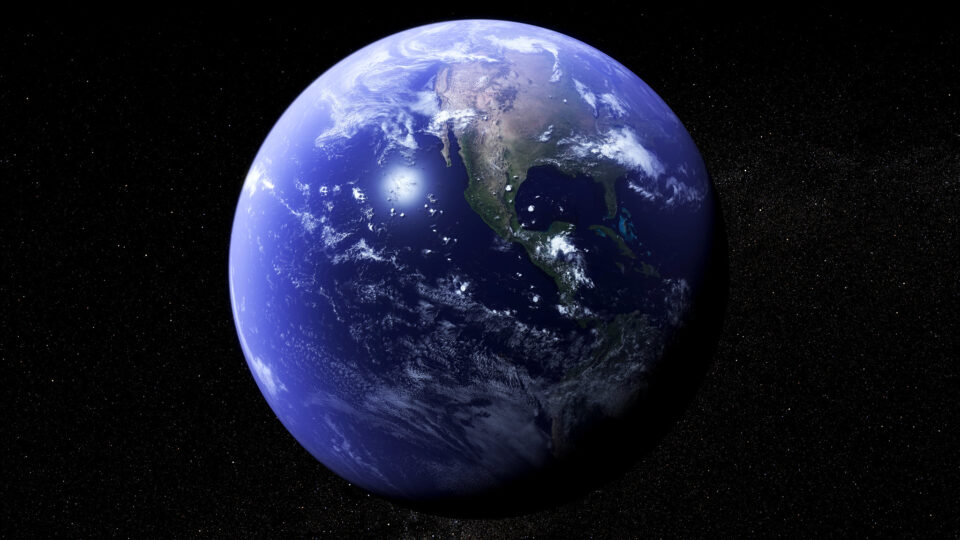
According to the World Meteorological Organization, there is a 66% chance over the next five years that the Earth’s global temperature will exceed 1.5 degrees Celsius above pre-industrial levels for at least one year.

A combination of the continued accumulation of greenhouse gases in the atmosphere along with a looming El Niño condition will contribute to surging temperatures.  The WMO also reports that there is a 98% likelihood that at least one of the next five years will be the warmest on record and that the five-year period as a whole will be the warmest on record.

Reaching or surpassing the 1.5-degree threshold may only be temporary but would be the strongest indication yet of how quickly climate change is accelerating.   The 1.5-degree point is considered by many scientists to be a key tipping point, beyond which the chances of extreme flooding, drought, wildfires, heatwaves, and food shortages could increase dramatically.

The world has already seen about 1.2 degrees of warming as we continue to burn fossil fuels and produce enormous quantities of greenhouse gas emissions.  As recently as 2015, the WMO put the chance of breaching the 1.5-degree threshold as close to zero.

It is important to understand that the 1.5-degree temperature increase is an average for the entire planet.  Many individual locations around the world have been experiencing tremendously greater amounts of warming with record-breaking temperatures.

The 1.5-degree threshold is important, but it is not itself a tipping point.  There is still time to reduce global warming by moving away from fossil fuels and towards clean energy.  But the clock is ticking and so far, the world is not showing any urgency.

**********

Web Links

‘Sounding the alarm’: World on track to breach a critical warming threshold in the next five years

Photo, posted May 20, 2015, courtesy of Kevin Gill via Flickr.

Earth Wise is a production of WAMC Northeast Public Radio
Record Polar Ice Melting | Earth Wise

May 30, 2023 By EarthWise Leave a Comment

A record amount of polar ice has melted

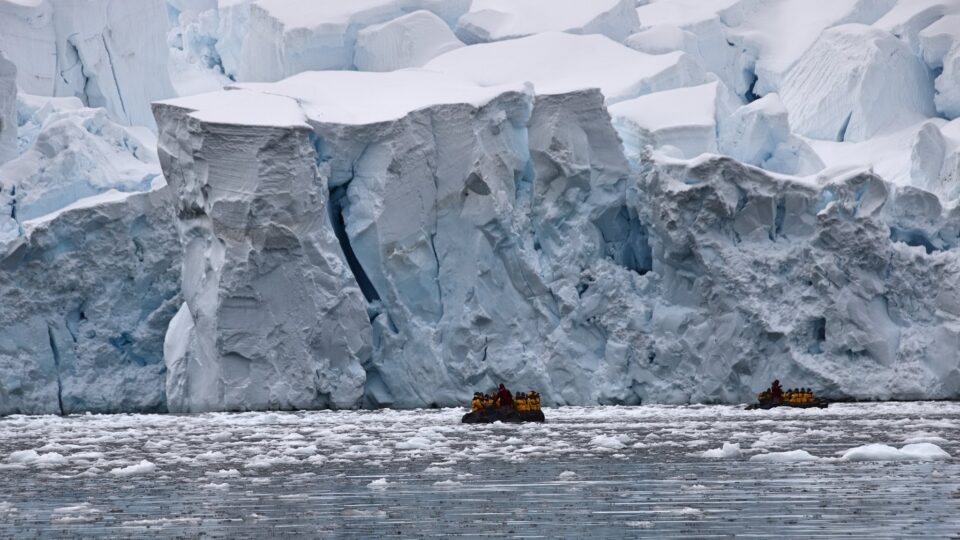
Sea levels are rising and ocean warming is responsible for the bulk of that rise.  As water heats up, it expands, which drives up sea levels.  But on top of that, global warming is melting the polar ice sheets, and that is leading to about a quarter of the world’s sea level rise. So far, polar melting has fueled about an inch of sea level rise, two-thirds from Greenland and one third from Antarctica.   According to scientists, by the end of this century, melting polar ice caps could raise sea levels between 6 and 10 inches.

The seven worst years for polar ice sheet melting have occurred during the past decade.  The worst year on record was 2019.  The loss in 2019 was driven by an Arctic summer heatwave, which resulted in record melting from Greenland, amounting to nearly 500 billion tons melted that year.  Antarctica lost 180 billion tons of ice that year, mostly due to melting glaciers and record melting from the Antarctic Peninsula.

Ice losses from Greenland and Antarctica can now be reliably measured by satellites in space.  A team of researchers led by Northumbria University in the UK has combined 50 satellite surveys taken between 1992 and 2020.

They have found that the Earth’s polar ice sheets have lost over 8,000 billion tons of ice over that time period.  That much ice corresponds to an ice cube roughly 12 miles high.

The satellite technology is now at the stage where the ice sheet status can be continuously updated.  Such monitoring is critical to predict the future behavior of the ice sheets and provide risk warnings of the dangers that coastal communities around the world will face.

**********

Web Links

Polar ice sheet melting records have toppled during the past decade

Photo, posted December 19, 2017, courtesy of Jasmine Nears via Flickr.

Earth Wise is a production of WAMC Northeast Public Radio
Record Low Antarctic Sea Ice | Earth Wise

March 2, 2023 By EarthWise Leave a Comment

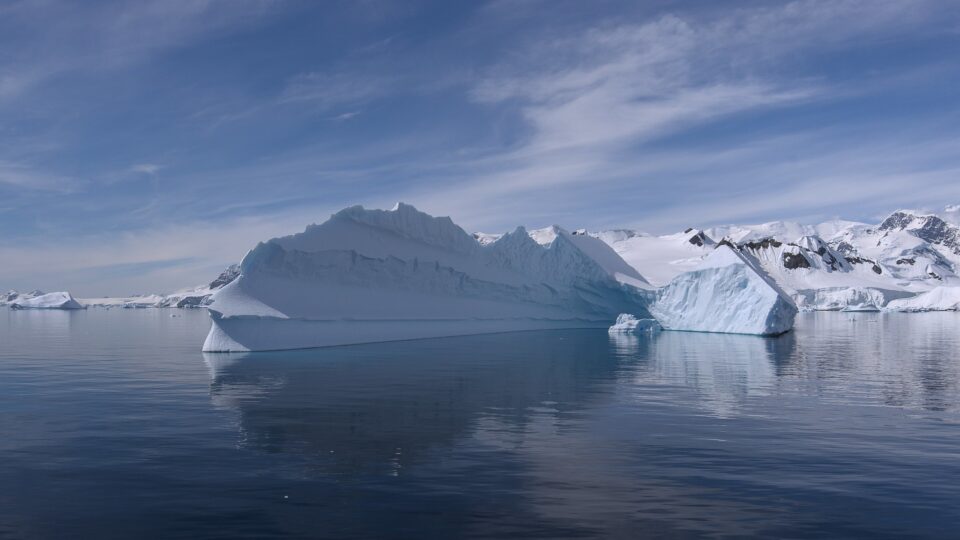
Recent satellite observations of the sea ice in the Antarctic found the lowest level of ice cover ever seen in the forty years that these observations have been made.  As of February 8th, there were only 849,000 square miles of the Southern Ocean covered with ice.  The previous record low was measured last February 24th when the total coverage was 876,000 square miles.  Ice melting was likely to continue as the month went on.

This past January had already set a new record for that month’s mean extent of ice coverage at 1.24 million square miles. This rapid decline in sea ice has been going on for the past six years and is very unusual.  Average Antarctic ice cover hardly changed at all during the previous thirty-five years.

Antarctic sea ice generally reaches its maximum extent in September or October and its minimum extent in February.  At its maximum, the sea ice cover in the Antarctic is generally between 6.9 and 7.7 million square miles.   On the other hand, there are some places where the sea ice melts completely during the Southern Hemisphere summer.  Sea ice varies much more in the Antarctic than in the Arctic where the ice is much thicker.

Climate warming at the poles is much higher than at lower latitudes.  Nonetheless, it is not yet clear whether what we are seeing is the beginning of the end of summer sea ice in the Antarctic, or whether this is just a new phase characterized by low but still stable sea ice cover in the summer.

**********

Web Links

Record low sea ice cover in the Antarctic

Photo, posted January 24, 2012, courtesy of Rob Oo via Flickr.

Earth Wise is a production of WAMC Northeast Public Radio
Record European Heat | Earth Wise

February 13, 2023 By EarthWise Leave a Comment

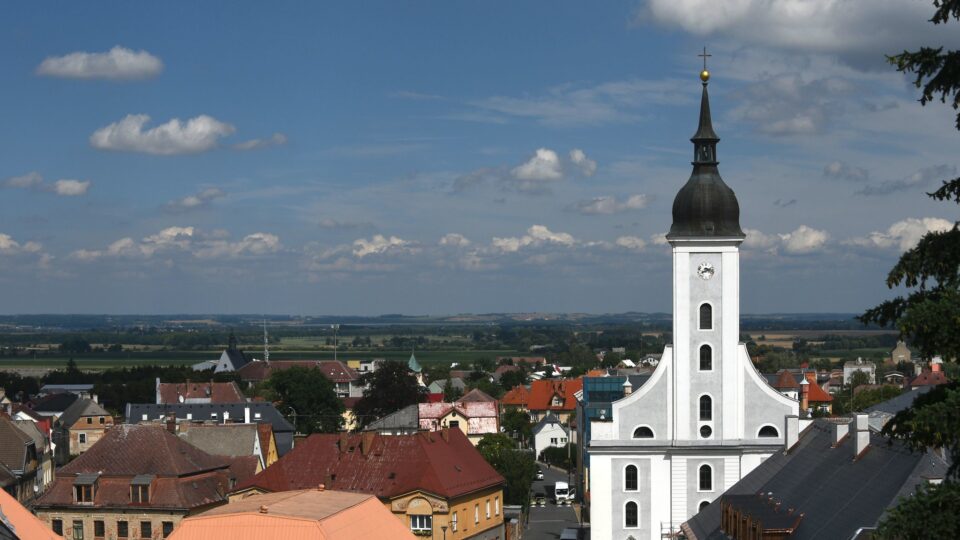
The new year began with record-breaking heat across Europe.  In fact, on December 31 and January 1, about 5,000 all-time high temperature records for those dates were broken, in some cases by margins of more than 9 degrees Fahrenheit.

On New Year’s Day, eight European countries recorded their warmest January day ever. These were Liechtenstein, the Czech Republic, Poland, the Netherlands, Belarus, Lithuania, Denmark, and Latvia.

Many of the European cities affected by the heat wave would ordinarily be covered in snow at that time of year.  For example, Vaduz, the capital of Liechtenstein, the Czech town of Javornik, and the Polish village of Jodlownik, all recorded peak temperatures between 66 and 68 degrees Fahrenheit.

By the measure of how far above normal temperatures rose, it was the most extreme heat wave in European history.  Last summer saw record-breaking heat waves across much of Europe, but the actual temperature increases over normal were smaller than what just occurred at the beginning of the year.

The source of the exceptional heat was a warm mass of air from the west coast of Africa moving across Europe.  As is the case for any individual weather event, one cannot definitively attribute this one to climate change.  However, it is abundantly clear that because of climate change, extreme weather events of all types are becoming more frequent and more intense.

The unprecedented European weather does have the effect of helping to ease the energy crisis that has gripped the European continent.   The Russian invasion of Ukraine has led to soaring natural gas prices.  The warm weather has meant a lower demand for gas, causing gas prices to drop to their lowest level since the start of the war.

**********

Web Links

‘Uncharted territory’: January heat records smashed across Europe

Photo, posted August 13, 2019, courtesy of Herbert Frank via Flickr.

Earth Wise is a production of WAMC Northeast Public Radio

A Hot Year In Europe | Earth Wise

January 5, 2023 By EarthWise Leave a Comment

2022 was a hot year, particularly for Europe

This past summer was marked by some devastating heat waves in Europe.  Through November, the UK, Germany, and France have experienced their hottest year on record.

The UK has experienced its warmest year since 1884 and, in fact, all the top ten warmest years on record have occurred since 2002.

In France, the average temperature for the year is a few tenths of a degree higher than the  previous record, which was set in 2020.

In Germany, the first 11 months of the year saw a record for average temperature.  Its previous record was also set in 2020.

All three countries saw a spike in heat-related mortality as result of the summer heatwaves.  England and Wales reported 3,271 excess deaths during the summer.  France reported 2,816 excess deaths during its three heat waves.  In Germany, an estimated 4,500 people died as a result of extreme heat.

There are multiple effects of climate change which include more frequent heat waves in Europe.  A recent study showed that European summers are warming twice as fast as the global average.  In fact, summer temperatures across much of the European continent have already risen by 3.6 degrees Fahrenheit or 2 degrees Celsius, which is the feared level of global climate increase that nations around the world are trying to stave off.

Worldwide, 2022 will rank among the top ten warmest years on record but will most likely not be the warmest.   That being said, the past eight years are on track to be the eight warmest years on record.  The US will also see one of its ten warmest years, although not the warmest.

**********

Web Links

UK, Germany, France on Pace for Their Hottest Year on Record

Photo, posted April 23, 2022, courtesy of Jose A. via Flickr.

Earth Wise is a production of WAMC Northeast Public Radio

Carbon In The Congo Peatlands | Earth Wise

December 16, 2022 By EarthWise Leave a Comment

Studying the carbon in the Congo Peatlands

The Congo peatlands in central Africa are the world’s largest tropical peatlands complex, occupying an area of 65,000 square miles, about the size of the entire state of Florida. Peatlands represent a huge store of carbon and therefore are important to the stability of the climate.

A study by scientists at the University of Leeds and University College London found that around the time that Stonehenge was built – about 5,000 years ago – there was an extended drying period in central Congo and the peatlands started emitting carbon dioxide rather than storing it.  Over the course of time, the climate in the area got wetter again and over the past 2,000 years, the Congo peatlands have been a place that takes large amounts of carbon out of the atmosphere.

The study utilized peat samples taken from beneath remote swamp forests to build a record of the vegetation and rainfall in the central Congo Basin over the past 17,500 years.

In a paper published in Nature, the researchers warn that if modern-day global warming produces extended droughts in the Congo region, history could repeat itself and the peatlands could once again become carbon emitters.  If that were to happen, over 30 billion tons of carbon could be released into the atmosphere.  That is the equivalent to the total global emissions from fossil fuel burning over a three-year period.

There is some evidence that dry seasons are lengthening in the Congo Basin, but it is unknown if these will continue.  In any case, the study reveals that peatlands are more vulnerable than previously thought and need to be protected.  They are some of the most wildlife and carbon-rich ecosystems on Earth.

**********

Web Links

Congo peatlands could release billions of tonnes of carbon

Photo, posted November 5, 2016, courtesy of Roni Ziade / Forest Service via Flickr.

Earth Wise is a production of WAMC Northeast Public Radio
Glacial Loss In The Swiss Alps | Earth Wise

December 14, 2022 By EarthWise Leave a Comment

Record glacial loss in the Swiss Alps

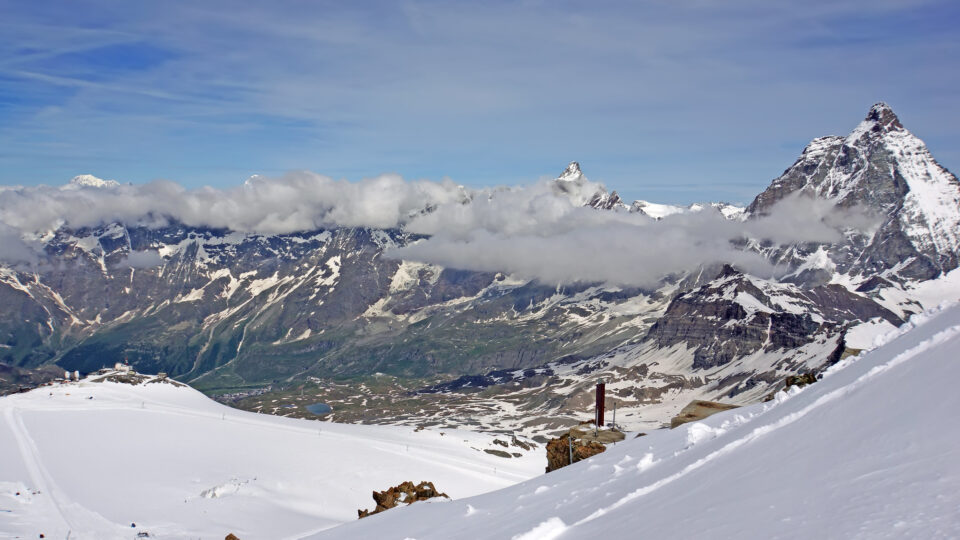
In 2022, glaciers in the Swiss Alps melted more than in any year on record.   This is the latest piece of bad news for the country’s glaciers, which have lost more than half of their volume of ice since the 1930s.

The melting season for Switzerland’s snow and ice typically starts in May and ends in early October.  This year’s melting season caused glaciers in the Diablerets mountain group to thin by an average of 13 feet, which is 3 times the amount of thinning observed over the past decade.   The Tsanfleuron pass between two of the glaciers is now exposed as bare rock for the first time in several thousand years. Across Switzerland, glaciers lost about 6% of their remaining volume just this year.  The previous worst year for glaciers was 2003, when losses were nearly 4%. 

There was significant melting this year in part because of the small amount of snowfall over the winter.  That snow melted quickly, being sped up by the warming effect of dust from the Sahara Desert falling on the snow.  By early summer, there was no longer a protective blanket of snow on the glaciers, exposing them to summer heat.

The loss of glaciers is far more serious than the disappearance of aesthetically pleasing landscape features.   Glaciers act as reservoirs of water that persist through the summer months.  Melt from glaciers provides water to ecosystems and creates habitats for plants and animals.  Cold runoff from glaciers affects downstream water temperatures which have a major impact on insects, fish, and other creatures.  Globally, melting glaciers contribute more than 20% of the observed ongoing sea-level rise.

**********

Web Links

Rocky Road for Swiss Glaciers

Photo, posted June 22, 2015, courtesy of Dennis Jarvis via Flickr.

Earth Wise is a production of WAMC Northeast Public Radio

Greening Halloween | Earth Wise

October 26, 2022 By EarthWise Leave a Comment

According to the National Retail Federation, Halloween participation is expected to return to pre-pandemic levels this year.  Spending on Halloween festivities by the 69% of Americans who celebrate is expected to add up to $10.6 billion in 2022 – or more than $100 per person – reaching a new record high. 

Halloween generates a mind-boggling amount of waste.  Picture all the flimsy single-use costumes, plastic candy wrappers, mass-produced decorations, and so on.  Here are some tricks to treat you to a greener holiday.

Our first trick is to invest in quality costumes.  Mass-produced (and often single use) costumes leave the largest carbon footprint from Halloween.  They are often made from unsustainable materials, manufactured in countries with poor labor standards, and too many end up in landfills by mid-November. By renting, thrifting, swapping, or making your own costumes, many of the negative impacts of dressing up for the holiday can be avoided.

Our second trick is to invest in environmentally-friendly decorations and supplies.  For example, carve local pumpkins and save the seeds and flesh to eat later.  Make your own spooky decorations.  If you do buy decorations, ensure that they are durable and reusable.  And use a wicker basket, old bag, or pillowcase to trick-or-treat.

Our third trick is to pass out organic and fair trade candy.  Some of the largest candy manufacturers are major drivers of deforestation and species extinction around the globe due to their demand for sugar, palm oil, and cocoa beans.

If you’ve already spent your $100 this year, consider these changes for next year.  It’s never too late to become a superhero.

**********

Web Links

Retail Holiday and Seasonal Trends: Halloween

Photo, posted October 14, 2007, courtesy of Brian via Flickr.

Earth Wise is a production of WAMC Northeast Public Radio
Death Valley Flooding | Earth Wise

September 13, 2022 By EarthWise Leave a Comment

Flooding in Death Valley

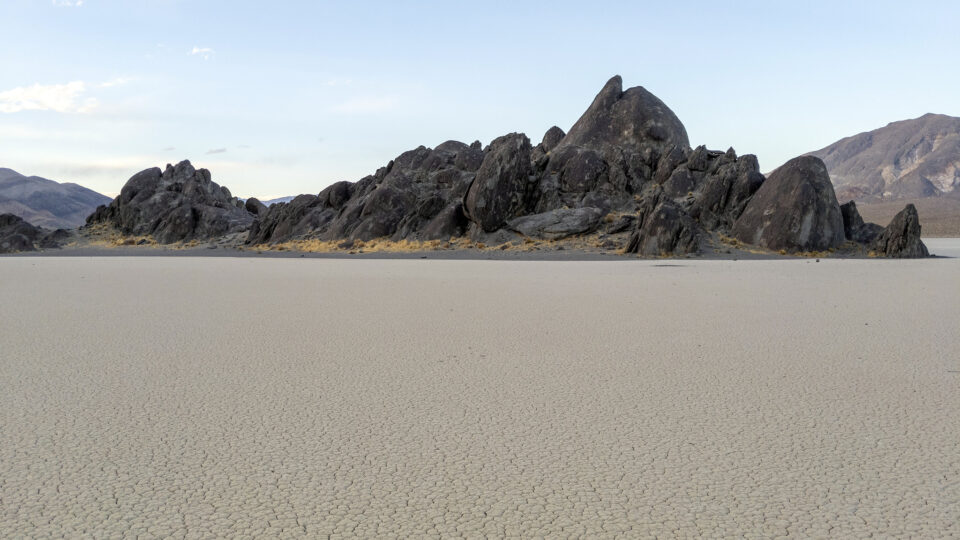
Furnace Creek in Death Valley is the driest place in North America.  Its average annual rainfall is under two inches.  On August 5th, a thousand-year rainfall event dropped 1.46 inches of rain – about three-quarters of a year’s precipitation.  The all-time record for a single day is 1.47 inches, set in April 1988.  The storm did break the record for the most rain ever recorded in August, which averages just over a tenth of an inch of rain for the entire month.

The flash flood washed debris over roads, swept away and buried cars, knocked a water facility offline, damaged buildings, and stranded about a thousand visitors and staff in Death Valley National Park. By the next day, the flood water had mostly receded, and stranded visitors could be escorted out of the park by National Park personnel.

Death Valley sits at 282 feet below sea level.  If it were not for the extremely arid climate there, Death Valley would likely be filled with water.  However, humid air masses traveling east from the Pacific Ocean have to cross four mountain ranges before they reach the desert valley.  Those air masses lose their moisture in the form of rain on the western slopes of the mountain, leaving a dry area, or rain shadow, on the eastern sides.  By the time the air masses reach Death Valley, they are bone dry.  On rare occasions, the lowest spot in the valley fills with water forming a wide, shallow lake, known as Lake Badwater. 

The extreme heat and aridity of Death Valley evaporates the temporary lake quickly, returning the valley to its usual state.  Furnace Creek still holds the record for the highest air temperature ever recorded:  134 degrees Fahrenheit.

**********

Web Links

Death Valley Flash Flooding

Photo, posted April 7, 2021, courtesy of Matthew Dillon via Flickr.

Earth Wise is a production of WAMC Northeast Public Radio.

Alaskan Wildfires | Earth Wise

August 4, 2022 By EarthWise Leave a Comment

Wildfires are raging in Alaska

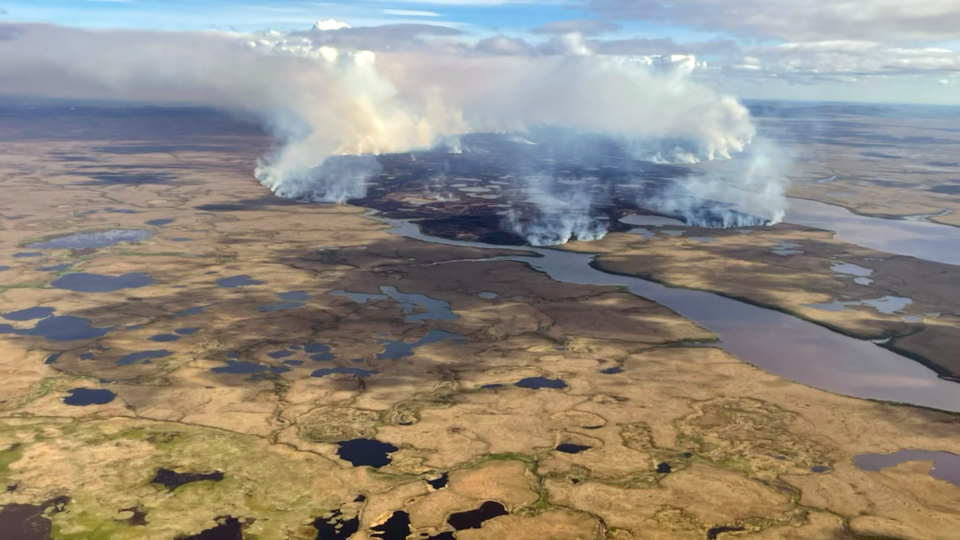
Alaska is on a pace for a record fire season this year.  As of mid-July, more than 2.7 million acres had burned, which is more than 10 times the total area burned in all of 2021.

Alaskan fires have been spurred on by warm temperatures, a diminished snowpack, and an unusually large number of lightning strikes.  May was one of the warmest and driest on record leading to lots of fires in June.  More than 300 wildfires ignited during June.  Many were sparked by nearly 5,000 lightning strikes early in the month.

There have already been some very large fires, including the East Fork Fire, near the Yukon Delta which had burned more than 250,000 acres by the beginning of July, and the Lime Complex Fire, in the southwest part of the state, which had burned more than 865,000 acres by mid-July.

The all-time record fire season in Alaska was 2004, when more than 6 million acres went up in flames.   Wildfires are a natural part of the Boreal North ecosystem: the great northern forest region.  But the fires occurring now are very different from those of a century ago and more.   The combination of more fuel in the form of dry vegetation, more lightning strikes, higher temperatures, and lower humidity leads to fires that burn hotter and burn deeper into the ground.  Such fires don’t just scorch trees and burn the undergrowth.  They consume everything leaving a barren landscape of ash.  Million-acre fires occur more than twice as often as they did before 1990.

The state may set a new record for wildfire acreage before the season is over.  Nearly 6,000 firefighters and support personnel continue to battle blazes across the state.

**********

Web Links

Alaska Is on Track for a Record Fire Season

Photo, posted June 18, 2022, courtesy of Ryan McPherson/BLM Alaska Fire Service via Flickr.

Earth Wise is a production of WAMC Northeast Public Radio.

Record Renewable Use In California | Earth Wise

May 19, 2022 By EarthWise Leave a Comment

California, the most populous state, is the second largest electricity user.  Only Texas, the second most populous state, uses more energy, in part because it consumes large amounts in refining fossil fuels. Overall, California uses about 8% of the electricity generated in the U.S.

Thus, it was a significant milestone when briefly, on April 3, a record 97.6% of the energy on California’s statewide grid came from renewable energy resources.  (The previous record of 96.4% was set just a few days earlier).

Renewable energy’s share of the power typically peaks in the spring when mild temperatures keep demand relatively low and higher sun angles drive greater solar energy production.

On April 8, a record peak solar power production was set at 13,628 megawatts just after noon.  On March 4, the state set an all-time wind generation record of 6,265 megawatts. 

California now has over 15,000 MW of grid-connected solar power and 8,000 MW of wind.  Another 600 MW of solar and 200 MW of wind are coming online by June.  The state also has about 2,700 MW of energy storage online and that will climb to 4,000 MW by June.

In 2020, 34.5% of the state’s retail electricity sales came from wind and solar sources.  Adding in hydropower and nuclear power, nearly 60% of the state’s electricity came from non-fossil fuel.  Despite the effects of drought on hydropower generation and the impact of the pandemic on the pace of renewable energy projects, California continues its dramatic transition to sustainable energy.

**********

Web Links

Solar and wind notched records as renewables met California’s energy demand

Photo, posted September 20, 2016, courtesy of Tom Brewster Photography / BLM via Flickr.

Earth Wise is a production of WAMC Northeast Public Radio.

Antarctic Heatwave | Earth Wise

May 13, 2022 By EarthWise Leave a Comment

The Concordia Research station atop Dome C on the Antarctic Plateau is generally considered to be the coldest place on earth.  In mid-March, the normal high temperature for the day is around -56 degrees Fahrenheit.  But on March 18, the high for the day was 11.3 degrees, nearly 70 degrees warmer than normal.

The World Meteorological Organization doesn’t formally track the metric of largest temperature excess above normal, but if it did, this would probably have set a world record.  Consider a place like Washington, DC.  Its normal high temperature on March 18 is 61 degrees.   Imagine if it got up to 131 degrees! 

The 11-degree reading at the Concordia Research Station was not only the record for the month of March.  It was actually the record for any month.

The Russian Vostok research station, which is another candidate for being the coldest place on earth based on its average high temperature, also saw some record high temperatures.  Vostok reported a high temperature of zero degrees Fahrenheit, which is 63 degrees above its average for the date.  It broke the station’s previous record by almost 27 degrees.

This record warming was the result of a unique combination of meteorological events that included a moist inflow of an atmospheric river as well as a rare infusion of hot air into the Antarctic plateau.  The arrival of the moisture in the atmospheric river trapped the hot air, allowing temperatures to shoot up.

The extreme warmth in Antarctica raises concerns about the long-term effects on the ice there.  A single short heatwave is not going to have a major effect, but if such events become more common, it could be real problem.

**********

Web Links

Extraordinary Antarctica heatwave, 70 degrees above normal, would likely set a world record

Photo, posted October 15, 2016, courtesy of NASA Goddard Space Flight Center via Flickr.

Earth Wise is a production of WAMC Northeast Public Radio.

Record Levels Of Deforestation In The Amazon | Earth Wise

March 25, 2022 By EarthWise Leave a Comment

Record levels of deforestation in the Amazon Rainforest

The Amazon rainforest is the largest rainforest in the world, covering more than 2.5 million square miles.  It’s home to 10% of all known species in the world.  The Amazon rainforest’s biodiversity is so rich that scientists are still discovering new plant and animal species today.  

The Amazon rainforest absorbs huge amounts of carbon dioxide from Earth’s atmosphere, making it a key part of mitigating climate change.  The vast rainforest acts as what’s known as a carbon sink.  Simply put, a carbon sink is anything that absorbs more carbon from the atmosphere than it releases.  But as trees in the Amazon disappear, so does the ability of the rainforest to absorb carbon dioxide.

Deforestation of the Amazon rainforest remains a major problem.  According to satellite data from the Brazilian government, the number of trees cut down in the Brazilian Amazon in January far exceeded deforestation figures for the same month last year.  Approximately 166 square miles of land was deforested in January alone, which is five times greater than what was lost in January, 2021.

Cattle ranching – both for beef and for leather – remains the leading cause of deforestation in the Amazon rainforest.  Trees in the Amazon are also cut down for their wood, as well as to clear the land in order to grow food crops, such as soy, sugar, and oil palm. 

Many companies have pledged to achieve “net zero” deforestation in their supply chains over the years, but most have not lived up to the commitment. 

Deforestation is not only a major driver of climate change, but it’s also the leading cause of species extinction.  Preserving the Amazon rainforest is vital. 

**********

Web Links

Amazon deforestation: Record high destruction of trees in January

Greenpeace calls on fast food giants to take a stand against Bolsonaro’s Amazon destruction

Hundreds of Companies Promised to Help Save Forests. Did They?

Photo, posted July 14, 2018, courtesy of Alexander Gerst via Flickr.

Earth Wise is a production of WAMC Northeast Public Radio.

  • « Go to Previous Page
  • Page 1
  • Page 2
  • Page 3
  • Go to Next Page »

Primary Sidebar

Recent Episodes

  • An uninsurable future
  • Clean energy and jobs
  • Insect declines in remote regions
  • Fossil fuel producing nations ignoring climate goals
  • Trouble for clownfishes

WAMC Northeast Public Radio
WAMC/Northeast Public Radio is a regional public radio network serving parts of seven northeastern states (more...)
Copyright © 2026 ·