• Skip to primary navigation
  • Skip to main content
  • Skip to primary sidebar

Earth Wise

A look at our changing environment.

  • Home
  • About Earth Wise
  • Where to Listen
  • All Articles
  • Show Search
Hide Search
You are here: Home / Archives for production

production

Scaling Up Green Hydrogen | Earth Wise

April 27, 2021 By EarthWise Leave a Comment

How to scale up green hydrogen

The global hydrogen market generates about $150 billion dollars a year.  The bulk of the market consists of hydrogen used to produce ammonia, refine oil, and produce methanol.  Advocates for hydrogen foresee a $600 billion a year market based on power and industry uses, mobility and transport uses, chemical feedstocks, and construction.  But the problem with expanding the use of hydrogen is that the vast majority of hydrogen in use today is produced from fossil fuels such as natural gas and coal and producing it creates carbon dioxide emissions.

The great hope of the industry is “green hydrogen”- hydrogen produced either without using fossil fuels at all or by capturing and storing the emissions generated. The most likely approach is electrolysis – using electricity to produce hydrogen from water.

Billions of dollars are being invested by both governments and by large oil companies in a race to scale up electrolysis and make it economically attractive.  According to the Hydrogen Council industry lobby group, at least $300 billion is expected to be invested globally over the next decade aimed at developing the green hydrogen that could one day meet almost a fifth of global energy demand.

Many argue that producing green hydrogen with electrolysis is an extremely inefficient way to utilize renewable energy.  Critics of hydrogen-powered vehicles particularly make this argument.   But industrial applications of hydrogen that currently use large amounts of fossil fuels – such as steel manufacturing – may be places where green hydrogen would make a real dent in global emissions.

The race to clean up hydrogen is definitely on.

**********

Web Links

The Race to Scale Up Green Hydrogen to Help Solve Some of the World’s Dirtiest Energy Problems

Photo, posted December 16, 2020, courtesy of Sharon Hahn Darlin via Flickr.

Earth Wise is a production of WAMC Northeast Public Radio.

Breaking Down Polystyrene | Earth Wise

April 20, 2021 By EarthWise Leave a Comment

Scientists have developed a way to break down polystyrene

The proliferation of global plastic waste continues to be a growing problem for the world.  Hundreds of millions of tons of plastics are produced each year and most of it is used once and then discarded.  The properties that make plastics so attractive – durability and chemical stability – make it difficult to do anything with discarded plastics other than deposit them in landfills – where they don’t easily degrade over time – or burn them, which dumps carbon dioxide and various hazardous gases into the atmosphere.

Polystyrene is one of the most widely used plastics.  It is found in foam packaging materials, disposable food containers, plastic cutlery, storage containers, and many other places. 

Recycling plastics like polystyrene is generally not economically feasible.  Sorting plastics by type is time and labor intensive and the chemical processes required to break down plastics into usable precursor materials require significant energy input and the use of toxic solvents.

Recently, a team of scientists at Ames Laboratory in Iowa has developed a process based on ball-milling that deconstructs commercial polystyrene in a single step, at room temperature, in ambient atmosphere, and in the absence of harmful solvents.

Ball-milling is a technique that places materials in a milling vial with metal ball bearings which is then agitated to initiate a chemical reaction.  This approach is known as mechanochemistry.

The method represents an important breakthrough that enables dismantling of a polymer that includes its chemical breakdown without requiring solvents or the high temperatures generally needed to thermally decompose it.  This discovery opens up new avenues for low-temperature recovery of monomers from polymer-based systems that include composites and laminates.  It could be a very useful weapon in the battle against plastic waste.

**********

Web Links

Polystyrene waste is everywhere, and it’s not biodegradable. Scientists just found a way to break it down.

Photo, posted December 11, 2010, courtesy of Warrenski via Flickr.

Earth Wise is a production of WAMC Northeast Public Radio.
Residential Gardens And Pollinators | Earth Wise

April 2, 2021 By EarthWise Leave a Comment

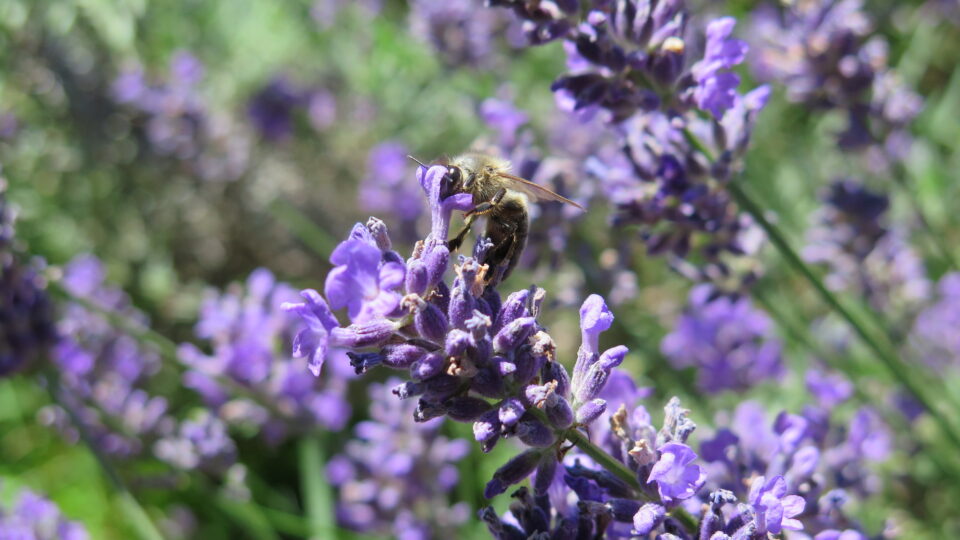
Residential gardens play an important role for pollinators

A new study led by the University of Bristol in the UK measured for the first time how much nectar is produced in urban areas to gauge the role of residential gardens in providing nutrients for pollinators.  They discovered that home gardens accounted for the vast majority of the crucial nutrients for pollinators; in fact, some 85% on average.

The study found that gardens generated a daily average of about a teaspoon of the unique sugar-rich liquid found in flowers which pollinators drink for energy.  A teaspoon sounds like very little, but it is enough to feed thousands of bees.

The research examined nectar production in four major UK towns and cities and measured nectar production in nearly 200 species of plants.  The results were that the nectar supply in urban landscapes is more diverse than in farmland and nature reserves.   In addition, gardens are critical because they produce the most nectar per unit area of land and actually cover the largest area of land in the cities studied.  In those cities, nearly a third of the land comprised domestic gardens, which is six times the area of parks and 40 times the area of small green allotments.

The upshot of the research is that home gardeners have a huge role to play in pollinator conservation.  Without domestic gardens, there would be far less food for pollinators that include bees, wasps, butterflies, moths, flies, and beetles.  Thus, it is important for home gardeners to keep planting nectar-rich flowers, mow lawns less often to let dandelions, clovers, and daisies flourish, avoid harmful pesticides, and avoid covering gardens in paving, decking, or artificial turf.

**********

Web Links

Pioneering research reveals gardens are secret powerhouse for pollinators

Photo, posted June 23, 2018, courtesy of Wolfferl via Flickr.

Earth Wise is a production of WAMC Northeast Public Radio.
Understanding How To Enhance Desalination | Earth Wise

February 16, 2021 By EarthWise Leave a Comment

How to improve desalination

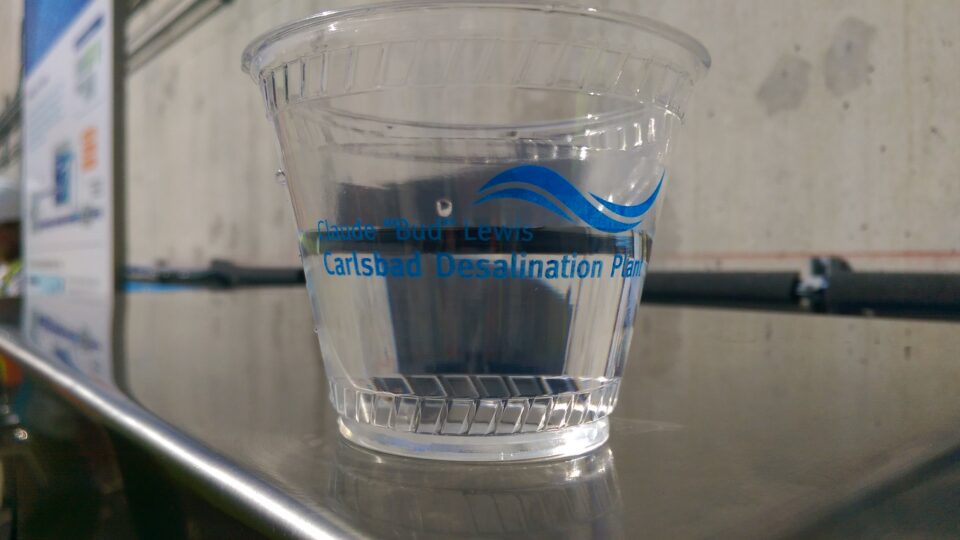
Desalination is the process of removing mineral components – notably salt – from saline water, generally seawater.  Over 16,000 desalination plants operate across 177 countries, generating 25 billion gallons of fresh water each year.  Currently, desalination accounts for about 1% of the world’s drinking water.

The leading process for desalination in terms of installed capacity as well as new installations is reverse osmosis that makes use of a thin-film composite membrane based on ultra-thin polyamide.

Despite the fact that these membranes are widely used for desalination, they are actually rather poorly understood.  It has not been known exactly how water moves through them.  As a result, much of the progress made on the technology over the decades has been essentially based on guesswork.

A team of researchers at the University of Texas, Austin has used advanced microscopy techniques to solve some of the mysteries of reverse osmosis membranes.  By mapping membranes at very high resolution – less than half the diameter of a DNA strand – they gained a much better understanding of what makes a membrane better at reverse osmosis.

They found that desalination membranes are inconsistent in mass distribution and density and that these inconsistencies can impair membrane performance.  It turns out that inconsistencies and dead zones in membranes play a bigger role than membrane thickness.  By making the membranes more uniform in density at the nanoscale, they were able to increase desalination efficiency 30 to 40 percent, therefore cleaning more water with less energy and at lower cost.

Producing fresh water is not just essential for public health, it is also crucial for use in agriculture and energy production.

**********

Web Links

Nanoscale control of internal inhomogeneity enhances water transport in desalination membranes

Photo, posted February 13, 2017, courtesy of Jacob Vanderheyden via Flickr.

Earth Wise is a production of WAMC Northeast Public Radio.

Hydrogen-Powered Jetliners | Earth Wise

December 18, 2020 By EarthWise Leave a Comment

Airbus developing hydrogen-powered jetliners

Airbus, the giant European aerospace company, hopes to have hydrogen-powered commercial airliners in the sky by 2035.  Such planes would have no carbon dioxide emissions.

Greenhouse gas emissions from commercial aviation have been a rapidly increasing contribution to the global total.  Of course, the Covid-19 pandemic has drastically reduced air travel, so emissions are currently lower than they have been in a very long time.  But at some point, they will resume at previous levels and continue to increase.

Planes themselves produce over 2% of global CO2 emissions, and between the climate effects of contrails and the emissions associated with the rest of the air travel industry, commercial aviation drives about 5% of global warming.

Airbus is studying design concepts in which planes run off of hydrogen and oxygen fuel and have no carbon exhaust.   Making such planes practical and environmentally advantageous requires solving an array of complex technical challenges. 

One of the biggest challenges is that the hydrogen on the market today is considered to be “brown” rather than green, meaning that it is not a sustainably produced energy source.  Almost all hydrogen produced today comes from natural gas reforming, which results in carbon emissions.  A viable hydrogen-powered aviation technology assumes that producing hydrogen by splitting water molecules into oxygen and hydrogen using renewable energy becomes the standard source for it.

There have been test flights of small planes and drones powered by hydrogen, but Airbus expects that intensive research and development for the next five years will be required to evolve its current preliminary designs to a stage where they could be developed for future use in its product line.  It won’t happen overnight, but according to Airbus, hydrogen planes are coming.

**********

Web Links

Airbus Hopes to Be Flying Hydrogen-Powered Jetliners With Zero Carbon Emissions by 2035

Photo, posted April 15, 2019, courtesy of Olivier Cabaret via Flickr.

Earth Wise is a production of WAMC Northeast Public Radio.
A Palm Oil Replacement | Earth Wise

December 15, 2020 By EarthWise Leave a Comment

A possible replacement for palm oil

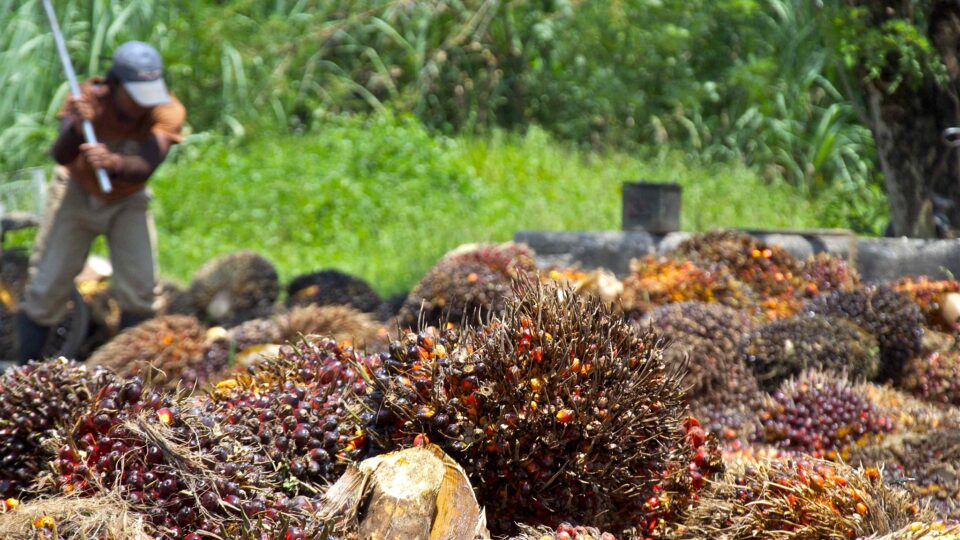
In the 1990s, cardiovascular health issues associated with partially hydrogenated oils containing harmful trans fats became a focus of great concern.  As a result, food companies looked for substitutes and the alternative they identified was palm oil.  Its ability to remain solid at room temperature made it well suited for many food applications.  Unfortunately, that property stems from its high saturated fat content, which means it also increases the risk of coronary heart disease.

The widespread use of palm oil has also caused significant environmental problems.  Palm oil plantations have replaced millions of acres of tropical forests, destroying the habitat for numerous species and threatening biodiversity.

Other potential replacements for partially hydrogenated oils such as coconut oil tend to be more costly, limited in supply, and also high in saturated fats.

Food scientists at the University of Guelph in Ontario, Canada, recently demonstrated the use of enzymatic glycerolysis (EG) to turn liquid vegetable oils into solid fats.  Their process is able to produce solid fats with the textural and structural properties desired by consumers.

The process is fairly simple, relatively easy to scale up, and is amenable to smaller food production or even local production.  Using it would enable food producers to use all sorts of readily available vegetable oils that can be produced in parts of the world that are not necessarily tropical regions.

Palm oil use is not going to go away, but this work may point a way to help slow down the destruction of ecosystems and animal habitats as well lead to more sustainable and healthy food sources.

*********

Web Links

U of G Food Scientists Find Palm Oil Alternative That’s Good for Human, Planet Health

Photo, posted February 21, 2010, courtesy of Craig Morey via Flickr.

Earth Wise is a production of WAMC Northeast Public Radio.

Hydropower And Floating Solar | Earth Wise

October 30, 2020 By EarthWise Leave a Comment

Combining hydropower and solar power

According to a new analysis by the National Renewable Energy Laboratory, hybrid systems of floating solar panels and hydroelectric plants have the potential to produce a significant portion of the world’s electricity.

According to their estimates, adding floating solar panels to bodies of water that host hydropower stations could produce up to 7.6 terawatts of power a year from the solar systems, resulting in about 10,600 terawatt-hours of energy.  The total global electricity consumption in 2018 was 22,300 terawatt-hours.  So, the potential in terms of the global appetite for electricity is very large.

This estimate is certainly optimistic.  It does not take into account economic feasibility or specific market demand.  What it does represent is an estimate of the technical and performance potential of floating photovoltaics at hydroelectric facilities.

Floating solar is just starting to be used in the U.S., but it has already caught on overseas where space for ground-mounted systems is at a greater premium. 

According to the NREL study, nearly 400,000 freshwater hydropower reservoirs across the globe could host floating PV sites that could be used in conjunction with the existing hydroelectric plants.  One important advantage of this approach is that the hybrid system would reduce transmission costs by linking to a common substation.  In addition, the two technologies could balance each other, with solar power taking up the slack in dry seasons and hydropower working well in rainy seasons.  In some places, pumped storage hydropower could be used to store excess solar generation.

There is great potential in hybrid floating solar/hydroelectric power.

**********

Web Links

Untapped potential exists for blending hydropower, floating solar panels

Photo, posted April 12, 2009, courtesy of Alexis Nyal via Flickr.

Earth Wise is a production of WAMC Northeast Public Radio.
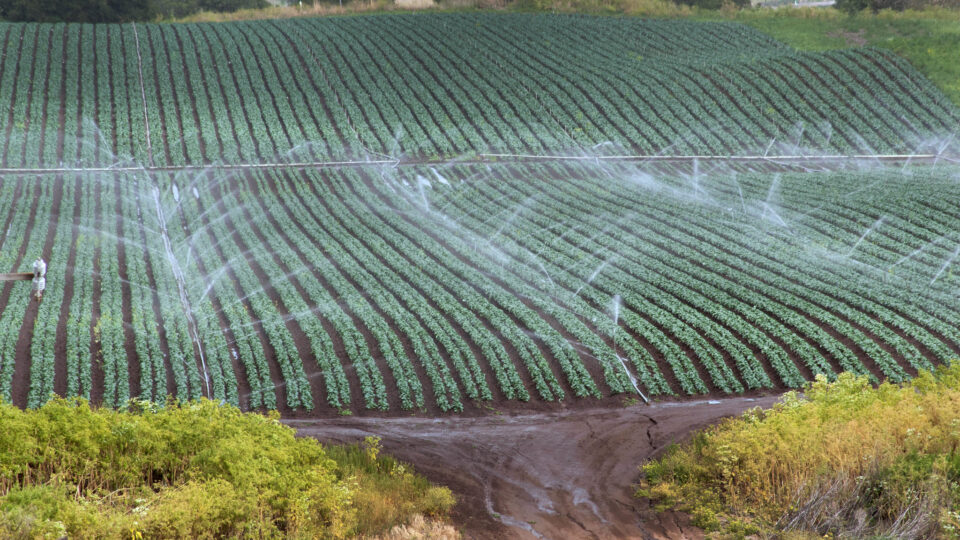
Crops May Need To Move | Earth Wise

October 5, 2020 By EarthWise Leave a Comment

Climate change might force crops to move

California has unique micro-climate diversity that creates ideal growing conditions for a wide range of crops.  One third of the vegetables and two-thirds of the fruits and nuts we eat in this country are grown on the more than 76,000 farms in California.  But as the climate continues to change, many farmers have started to worry about where and when crops can be grown in the future.   Within the next 20 years or so, some parts of California may become too hot and dry to sustain agricultural production.

According to new research from the Lawrence Berkeley National Laboratory, by the years 2045-2049, warmer temperatures will have a significant effect on cool-season crops such as broccoli and lettuce such that their growing season will need to shift.  On the other hand, warm-season crops like cantaloupe, tomatoes, and carrots will need to move to entirely new growing locations.

The study looked at five key crops that are produced more in California than elsewhere and studied the climate conditions under which they prosper and those under which they fail.  They established the range of conditions for which the crops can remain successful.  Finally they looked at climate projections for various parts of the state.

California’s agriculture is an essential part of our food security, so it is important to predict how future warming will affect when and where crops can be grown.  Changing these things presents challenges.  For example, when considering relocating crops, growers have specialized knowledge of their land and their crops.  If crops need to move to a new area, either the farmers have to move to that area, or they have to grow a different crop.  Either way, it presents a practical and economic burden on the farmer.

**********

Web Links

Some of America’s Favorite Produce Crops May Need to Get a Move On by 2045

Photo, posted June 16, 2011, courtesy of the U.S. Department of Agriculture via Flickr.

Earth Wise is a production of WAMC Northeast Public Radio.

Sustainable Flip-Flops | Earth Wise

September 9, 2020 By EarthWise Leave a Comment

Sustainable technologies

Flip-flops are the world’s most popular shoe.  They are lightweight, comfortable, affordable, and durable.  In fact, the global market for flip-flops is expected to reach a whopping $23.8 billion by the year 2025. 

But the popularity comes with a price.  Flip-flops account for a troubling percentage of plastic waste that ends up in our landfills and oceans.  As a result, demand for alternatives is compelling researchers to develop more sustainable versions of the popular footwear.

Scientists at the University of California San Diego have spent years working on this issue, and recently announced a breakthrough.  According to a study recently published in Bioresource Technology Reports, the research team has formulated polyurethane foams – made from algae oil – to meet commercial specifications for mid-sole shoes and the foot-bed of flip-flops.   In other words, the scientists have created sustainable, biodegradable, and consumer-ready materials that could replace plastics in some footwear. 

The UC San Diego scientists collaborated with Algenesis Materials – a technology startup – on the research.  Together, they worked to not only create the shoes, but to degrade them as well.  The team tested their customized foams by immersing them in traditional compost and soil.  The algae-based materials degraded after just 16 weeks.  

The life of any material should be proportionate to the life of the product.  The researchers point out that it doesn’t make sense to create a product that will last 500 years if it’ll only be used for a year or two. 

The research team is currently working on production details with its manufacturing partners.  The creation of biodegradable flip-flops that meet commercial footwear standards could eliminate tons of plastic waste from the environment.   

************ 

Web Links

New science behind algae-based flip-flops

Flip Flops Market Size Worth $23.8 Billion by 2025

Photo, posted December 12, 2019, courtesy of Flickr.

Earth Wise is a production of WAMC Northeast Public Radio.
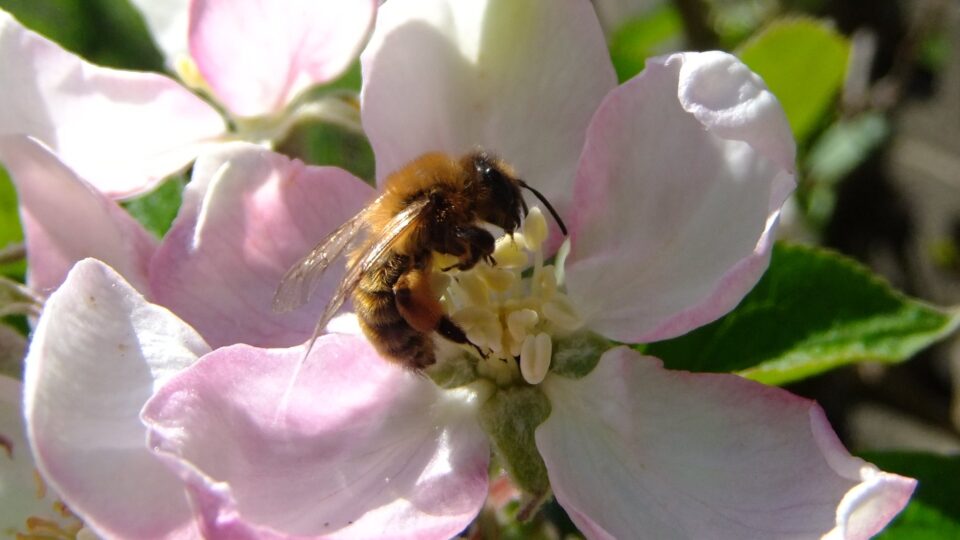
The Decline Of Pollinators Threatens Food Security | Earth Wise

August 24, 2020 By EarthWise Leave a Comment

Pollinator decline threatens food security

Scientists have been sounding the alarm on the global struggle of pollinators for many years.  According to a United Nations-sponsored report, 40% of invertebrate pollinator species, including bees and butterflies, are facing extinction.  Approximately 80% of all flowering plant species, which are responsible for 35% of global food production, depend on pollination. 

According to new research led by Rutgers University, crop yields for apples, blueberries, and cherries in the United States are being reduced by a lack of pollinators.  The study, the most comprehensive of its kind to date, found that crop production would be increased if crop flowers received more pollination.  In the U.S., the production of crops that depend on pollinators generates more than $50 billion a year.    

For the study, which was recently published in the journal Proceedings of the Royal Society B, researchers collected data on insect pollination of crop flowers and yield of apples, highbush blueberries, sweet cherries, tart cherries, almonds, watermelons, and pumpkins at 131 farms across the United States and British Columbia, Canada.  Four of those seven crops – apples, blueberries, sweet cherries, and tart cherries – showed evidence of being limited by pollination, meaning that their yields are lower than they would be with full pollination. 

The researchers observed that honey bees and wild bees provided similar amounts of overall pollination, so managing habitat for native bee species or stocking more honey bees would boost pollination levels and, in turn, crop production.

Bees and other pollinators play a critical role in food production, and their continued decline could have devastating consequences.

**********

Web Links

Decline of bees, other pollinators threatens US crop yields

Photo, posted April 22, 2012, courtesy of Flickr.

Earth Wise is a production of WAMC Northeast Public Radio.
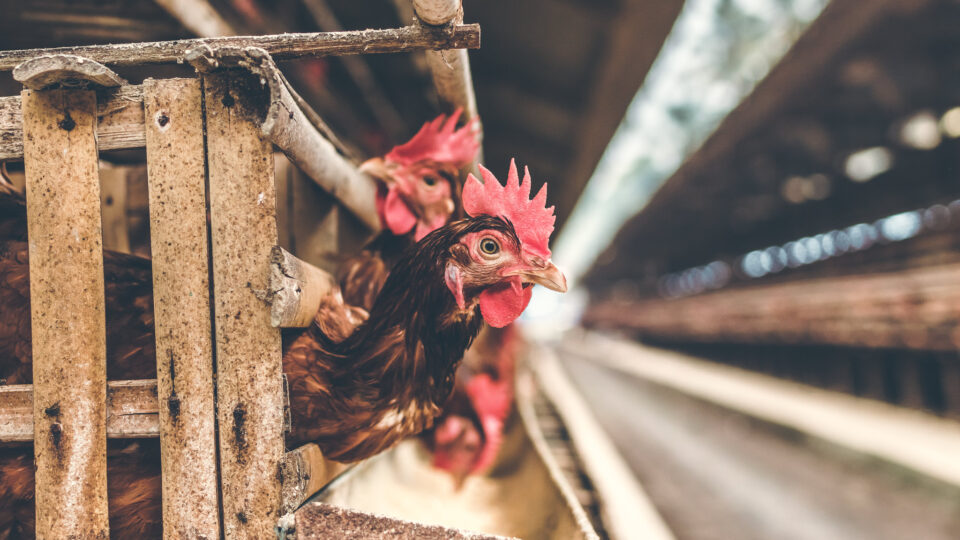
Livestock Expansion And Global Pandemics | Earth Wise

August 18, 2020 By EarthWise 1 Comment

Livestock expansion a factor in pandemics

The domestication of cows, pigs, chickens, and other animals as livestock for their meat, milk, and eggs was historically revolutionary.  It boosted food security by giving people a readily-available means of feeding themselves as opposed to more traditional methods such as hunting and fishing. 

But animal agriculture has plenty of drawbacks.  The industrialization of animal agriculture has led to horrendous conditions.  Animals are kept in huge quantities and packed together with little regard for their health and welfare.  This approach to agriculture is simply designed to maximize production while minimizing costs. 

With its chemical inputs and toxic outputs, intensive animal agriculture is also a major threat to the environment.  In fact, it’s a major driver of habitat degradation and biodiversity loss all around the globe.   

But it’s not just animals and the planet that pay a price.  Humans have inherited several lethal pathogens from livestock over the years, including the influenza virus that likely jumped to humans from poultry.

According to a study recently published in Biological Conservation,  there is a connection between the global increase in the emergence of infectious diseases and epidemics, the accelerated loss of biodiversity, and the expansion of livestock.  In the study, the research team from the Institute of Evolution Sciences of Montpellier cross referenced databases on human and animal health, livestock expansion, and biodiversity loss between 1960-2019.  The team found that the number of epidemics identified in humans increased in correlation with both biodiversity loss and livestock expansion. 

In the era of COVID-19, it’s important to understand how global livestock expansion directly threatens both human health and the health of the planet. 

**********   

Web Links

Livestock expansion is a factor in global pandemics

Photo, posted July 22, 2018, courtesy of Artem Beliakin via Flickr.

Earth Wise is a production of WAMC Northeast Public Radio.

PFAS In The Food Chain | Earth Wise

July 8, 2020 By EarthWise Leave a Comment

PFAS in the food chain

Per- and polyfluoroalkyl substances (PFAS) are a family of human-made chemicals that have been manufactured and used in a variety of industries around the globe.  PFOA and PFOS have been the most extensively produced and the most extensively studied of these chemicals. 

Exposure to PFAS has been linked to a host of adverse health effects, including thyroid hormone disruption and cancer.

PFAS compounds can be found in such things as non-stick cookware, stain-resistant carpets, water-repellent outdoor gear, and food packaging, like fast food wrappers and microwave popcorn bags. 

According to a new study, researchers from North Carolina State University have found PFAS substances in every step of the Yadkin-Pee Dee River food chain, even though the river doesn’t have a known industrial input of these compounds. 

The team collected water, sediment, algae, plant, insect, fish, crayfish, and mollusk samples at five sites along the river and analyzed them for 14 different PFAS compounds.  Nearly every sample tested contained PFAS compounds.  Biofilm contained the largest concentrations of 10 of the 14 PFAS compounds measured.  Insects, which primarily eat biofilm, had the greatest accumulation of PFAS compounds of all the living taxa the researchers sampled. 

When PFAS compounds are present at every step of the food chain, the compounds accumulate at each step leading to greater concentrations in animals that sit higher on the food chain – including humans.  This is known as biomagnification. 

Studies like this that reveal how prevalent PFAS can be within ecosystems without an industrial input highlight the need for further research into how these compounds affect the environment and human health.

*********

Web Links

PFAS present throughout the Yadkin-Pee Dee river food chain

Photo, posted May 24, 2011, courtesy of the U.S. Fish and Wildlife Service via Flickr.

Earth Wise is a production of WAMC Northeast Public Radio.
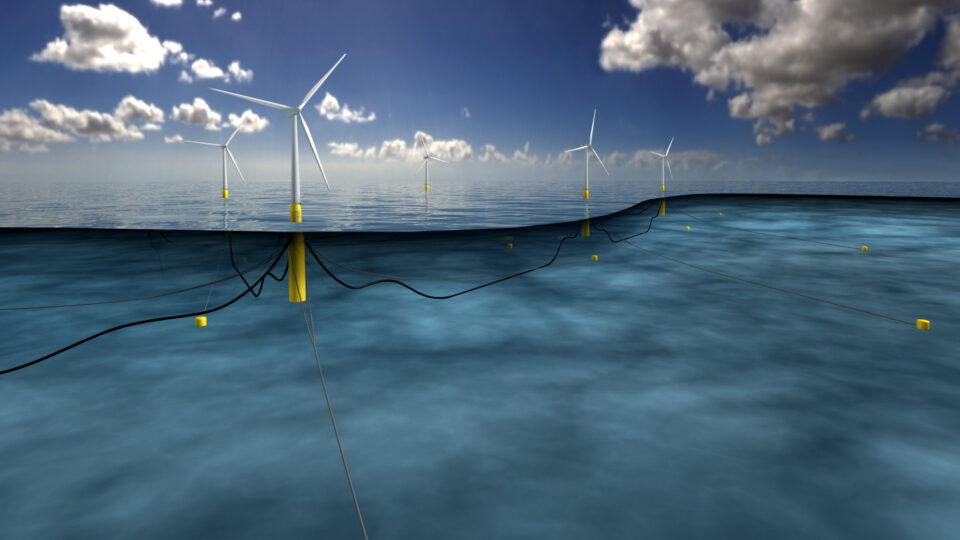
Floating Turbines For Offshore Wind | Earth Wise

June 18, 2020 By EarthWise Leave a Comment

floating wind turbines

Offshore wind is big in Europe.  There are more than 5,000 offshore wind turbines across 12 European countries with a total capacity of more than 22 gigawatts.  Almost every one of those turbines sits on a long tower sunk into the seabed and bolted into place in places where the water is 60 to 160 feet deep.

But off the coast of northern Scotland, there is the Hywind Wind Park which has five 574-foot-tall turbines located 15 miles offshore where the water is 300 feet deep.  The giant masts and turbines sit on buoyant concrete-and-steel keels that allow them to stand upright and float on the water like a giant buoy.  The giant cylindrical bases are held in place with mooring cables attached to anchors that sit on the seafloor.

A key advantage of floating turbines is that they can access outlying ocean waters up to half a mile deep, which is where the world’s strongest and most consistent winds blow.  Another advantage is that such turbines can be installed over the horizon, out of sight of coastal residents who might not like to have wind turbines visible in their scenic ocean views.

Floating wind power has enormous potential for contributing to the expansion of renewable energy.  Offshore wind is still quite a bit more expensive than land-based turbines, and the cost of electricity from distant floating turbines is more than that from near-shore wind turbines.   But all of these costs are likely to come down with improving technology and increased production volume.

There are real challenges to the expanded used of floating wind farms, but the promise of harnessing so much of the open seas for electricity generation is an attractive proposition.

**********

Web Links

Will Floating Turbines Usher in a New Wave of Offshore Wind?

Photo, posted July 17, 2017, courtesy of Crown Estate Scotland via Flickr.

Earth Wise is a production of WAMC Northeast Public Radio.
Concrete Production And Diminishing Coal Burning | Earth Wise

June 5, 2020 By EarthWise Leave a Comment

electricity generation and concrete production

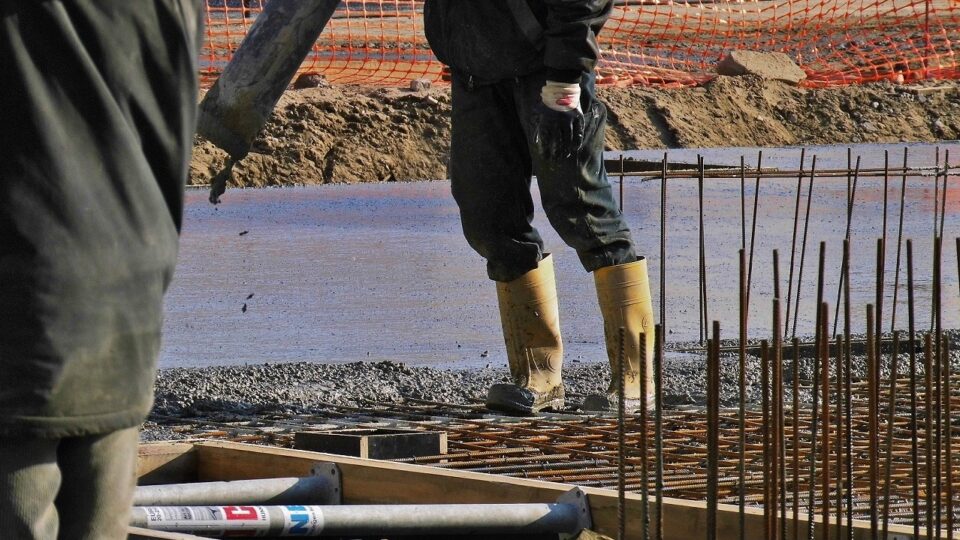
Coal burning is still one of the primary means of generating electricity in the United States, but its use is diminishing and doing so fairly rapidly.  The coal burning process produces residual, incombustible materials.  One of them is fly ash, which is composed of fine, glassy, rounded particles rich in silicon, aluminum, calcium, and iron oxides.  Fly ash is captured from coal plant flue gas by precipitators and bag filters. It turns out that two-thirds of this fly ash is not dumped into landfills or impoundments, but rather is put to use.

Because of its chemical and physical characteristics, fly ash can substitute for a portion of portland cement in concrete.  Using this byproduct material in making cement actually reduces its cost. Beyond cost, the addition of fly ash as a so-called supplementary cementitious material or SCM improves concrete’s long-term strength and reduces porosity and permeability.  It reduces the risk of thermal cracking and provides good long-term mechanical properties.

The amount of fly ash used in concrete products increased by 5% between 2011 and 2017 while the amount produced dropped by 36%.  Concrete production continues to increase steadily while fly ash production is steadily dropping.

Therefore, the concrete industry is looking for alternative sources of SCM.  The most obvious is the approximately 1/3 of fly ash that hasn’t been used to make concrete.  Much of that is landfilled or ponded onsite at power plants.  So, opportunities exist for excavating or dredging and recovering these materials.

As coal burning goes away, concrete manufacturing needs to make some changes.

**********

Web Links

What Does the Changing Face of Electricity Production Mean for Concrete?

Photo, posted February 16, 2017, courtesy of Flickr.

Earth Wise is a production of WAMC Northeast Public Radio.
Renewable Energy And The Post-COVID World | Earth Wise

June 2, 2020 By EarthWise Leave a Comment

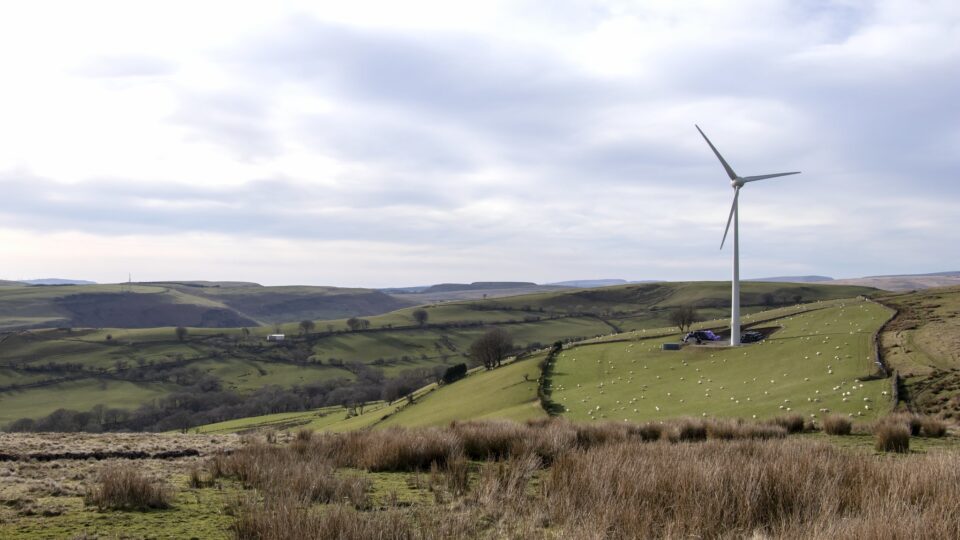
As is the case for virtually all sectors of the global economy, the short-term prospects for wind and solar power look pretty grim.  Lockdowns, social distancing requirements, and financial upheavals have put many new projects on ice and have halted production at factories making solar panels and wind turbines.  Sales of home solar have struggled as people have put off spending during the economic slowdown.

Ironically, the shutdowns aimed at reducing the spread of the Coronavirus have led to renewable sources accounting for an increased share of power generation.  Global energy demand has plummeted and, because of the low cost of solar and wind power, sources like coal and nuclear power have been curtailed in favor of the renewables.  The dramatically reduced demand has pushed oil and gas prices to historic lows and has left fossil fuel companies struggling to find storage space for the glut of product.

When the world emerges from the pandemic, the question is whether renewable energy will end up on a faster track than before or will end up in a long-term slowdown.  The answer will depend to large extent on the choices political leaders make.

Leaders will unquestionably be designing economic recovery packages.  Such packages could accelerate the shift towards wind and solar power, or they could prop up the fossil fuel economy.  Unfortunately, leaders are prone to be motivated by lobbyists more than by the greater needs of society.  The global economic upheaval represents a real opportunity to change the pace of efforts to address climate change.  Whether that change is a positive one or a negative one is just another looming question facing society when we emerge from the pandemic.

**********

Web Links

How Renewable Energy Could Emerge on Top After the Pandemic

Photo, posted April 12, 2020, courtesy of Jeremy Segrott via Flickr.

Earth Wise is a production of WAMC Northeast Public Radio.
Plants Paying For Biofuels | Earth Wise

May 7, 2020 By EarthWise Leave a Comment

Plants can make biofuels cheaper

Biofuels are an important element in broader strategies to replace petroleum in transportation fuels like gasoline, diesel, and jet fuel.  The idea is that biofuels recycle carbon by getting it from growing plants rather than from fossil sources.  The biggest problem with biofuels is that they cost more than conventional petroleum fuels, so there is economic incentive to keep burning the fossil fuels.

One strategy to make biofuels cost competitive is to have the plants provide additional economic benefits beyond being a feedstock for fuel.  This in principle can be done by engineering plants to produce valuable chemical compounds, or bioproducts, as they grow.  Bioproducts include such things as flavoring agents and fragrances as well as biodegradable plastic.  These bioproducts can be extracted from the plants and then the remaining plant material can be converted to fuel. 

Researchers at Lawrence Berkeley National Laboratory recently published a study to determine what quantities of bioproducts plants need to produce to result in cost-effective biofuel production.

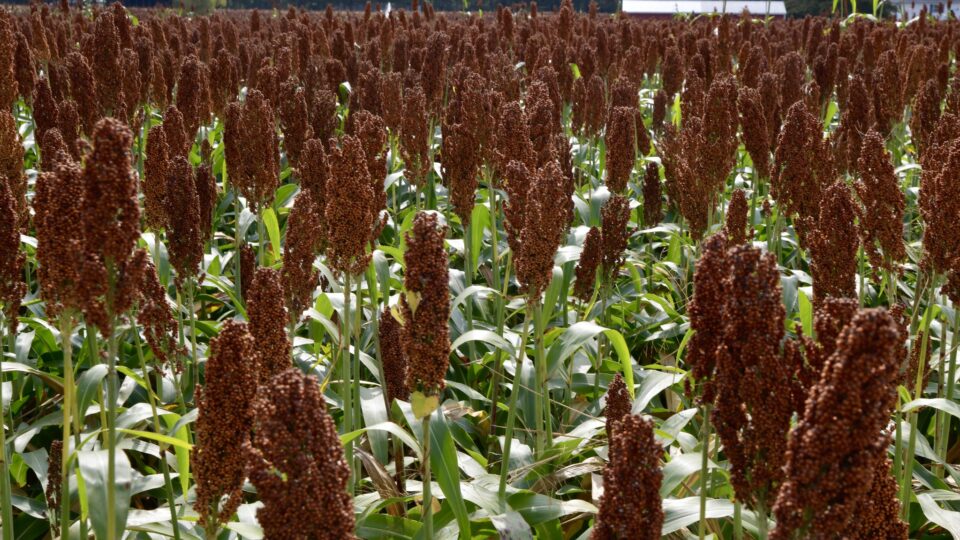
The study looked at a compound called limonene, which is used for flavoring and fragrance.  They calculated that if this compound was accumulated at 0.6% of the biomass dry weight, it would offer net economic benefits to biorefineries.  This corresponds to recovering 130 pounds of limonene from 10 tons of sorghum on an acre of land.

Such quantities are completely practical but, on the other hand, none of these substances are needed in huge quantities. Just six refineries could supply the world with limonene.  So, fuel crops would need to be engineered to produce a broad range of bioproducts to enable a viable cost-effective biofuel industry.

**********

Web Links

Making Biofuels Cheaper by Putting Plants to Work

Photo, posted September 28, 2019, courtesy of Michele Dorsey Walfred via Flickr.

Earth Wise is a production of WAMC Northeast Public Radio.
Natural Habitats And Strawberry Farms | Earth Wise

April 22, 2020 By EarthWise Leave a Comment

natural habitat benefits farms

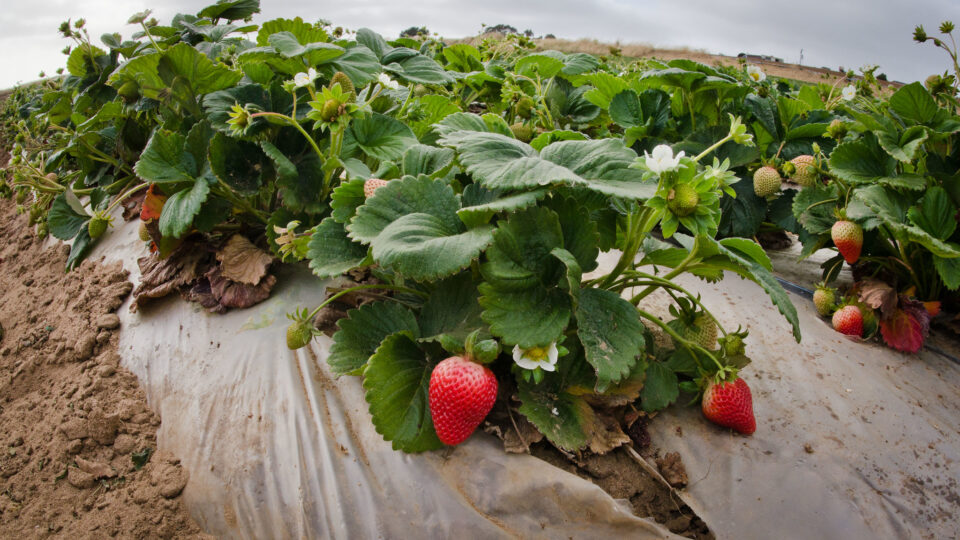
According to a new study led by researchers from the University of California – Davis, conserving natural habitat around strawberry fields can protect farmers’ yields, their bottom line, and the environment.  The study also suggests that conserving natural habitat in this way has no detectable threat to food safety. 

In this study, which was recently published in the journal Ecological Applications, the research team conducted surveys and experiments at 20 strawberry farms along California’s Central Coast.  This region is responsible for 43% of the nation’s strawberry production. 

The researchers found that strawberry farmers were better off with natural habitat, like forests, grasslands, wetlands, and shrubs, around their farms than without it.  According to the study’s models, adding natural habitat can reduce crop damage costs by 23%.  Removing natural habitat can increase costs by as much as 76%. 

Importantly, the strawberry farms with natural habitat surrounding them showed no signs of increased fecal contamination.  While bird feces were regularly encountered on the ground, only 2 of 10,000 strawberries examined show signs of direct fecal contamination.  Those contaminated berries would be discarded during the hand-harvesting process.   

These findings run contradictory to current best practice recommendations that support natural habitat removal around strawberry farms in order to decrease bird fecal contamination and crop damage.  These food safety requirements were a consequence of the deadly outbreak of E. coli in 2006, which was traced back to spinach grown in this region.   

It seems like our agricultural landscapes can both support and benefit from biodiversity. 

**********

Web Links

Natural habitat around farms a win for strawberry growers, birds and consumers

Photo, posted June 16, 2011, courtesy of the USDA via Flickr.

Earth Wise is a production of WAMC Northeast Public Radio.

Electric Cars And The Environment | Earth Wise

April 20, 2020 By EarthWise Leave a Comment

electric cars are good for the environment

There are articles in the media all the time questioning whether electric cars are really better for the environment than those powered by fossil fuels.  The usual argument is that once emissions from vehicle production and electricity generation are taken into account, electric cars are no greener than gas cars, or even worse for the environment.  Of course, these arguments tend to be made by oil companies and their supporters.

A new study by three European universities looked at this very issue in detail. They carried out a life-cycle assessment in which they not only calculated greenhouse gas emissions generated when using cars, but also in the production chain and waste processing.

Their conclusions are that under current conditions, driving an electric car is better for the climate than conventional gasoline cars in 95% of the world.  The only exceptions are places like Poland, where almost all electricity comes from coal-fired plants.

Average lifetime emissions associated with electric cars are up to 70% lower than gas cars in countries like Sweden and France and about 30% lower in England.

It is important to note than in a few years, even inefficient electric cars will be less emission-intensive than gas cars because electricity generation is becoming less carbon-intensive all the time.  The study projects that by 2050, half of the world’s cars will be electric resulting in carbon dioxide emission reductions of 1.5 billion tons.

The study states that the idea that electric cars could increase emissions is a myth.  The detailed study has run the numbers for all around the world and even in the worst-case scenario, there would be a reduction in emissions in almost all cases.

**********

Web Links

Electric cars better for climate in 95% of the world

Photo, posted February 13, 2019, courtesy of Guillaume Vachey via Flickr.

Earth Wise is a production of WAMC Northeast Public Radio.
Solar And Wind Power In China | Earth Wise

April 2, 2020 By EarthWise Leave a Comment

China rapidly adopts solar and wind power

Reducing greenhouse gas emissions is a global challenge and nowhere is that challenge greater than in China.  China accounts for 30% of the world’s emissions and much of that comes from coal power plants.  If the world is going to reach its climate targets, China is going to have to replace as much as possible of its current power mix with renewable energy.

As of 2018, China still made 69% of its electricity from fossil fuels.  Its vast coal reserves have driven its rapid industrialization and better standard of living.  But terrible air pollution problems along with climate issues have led to heavy investments and rapid expansion of both wind and solar power in China.

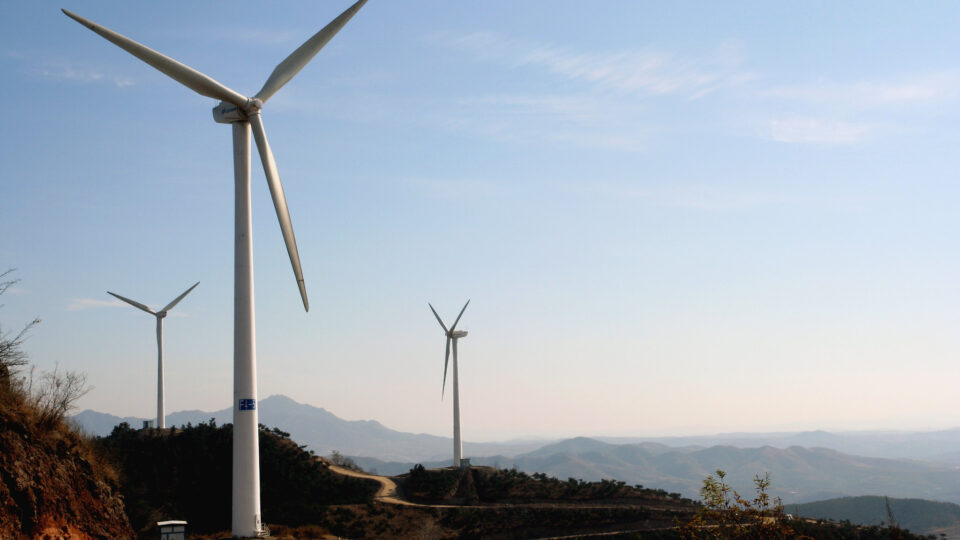
China is now a world leader in renewable energy, both in terms of producing and using renewable power.  At the start of 2016, China had installed a total of 145,000 megawatts of wind power, which is 3,000 MW more than all 28 European Union countries combined.  And this has occurred even though China only started developing their wind power industry 30 years later than the first EU countries.

Until 2009, China exported almost all the solar panels it produced.  But gradually China began to use solar energy in a big way.  The industry took off in 2014, and growth has been exponential.  Solar power production in China is now almost as extensive as wind power.

One has to consider that much of China’s electricity production is used by industries that produce products for the rest of the world.  In effect, these are exported emissions.  China has a long way to go in replacing its fossil fuel generation and we all have a stake in China succeeding in the task.

**********

Web Links

China’s rapid development of solar and wind power

Photo, posted November 12, 2007, courtesy of Flickr.

Earth Wise is a production of WAMC Northeast Public Radio.
Food Waste And Access To Groceries | Earth Wise

March 19, 2020 By EarthWise 1 Comment

access to groceries can reduce food waste and emissions

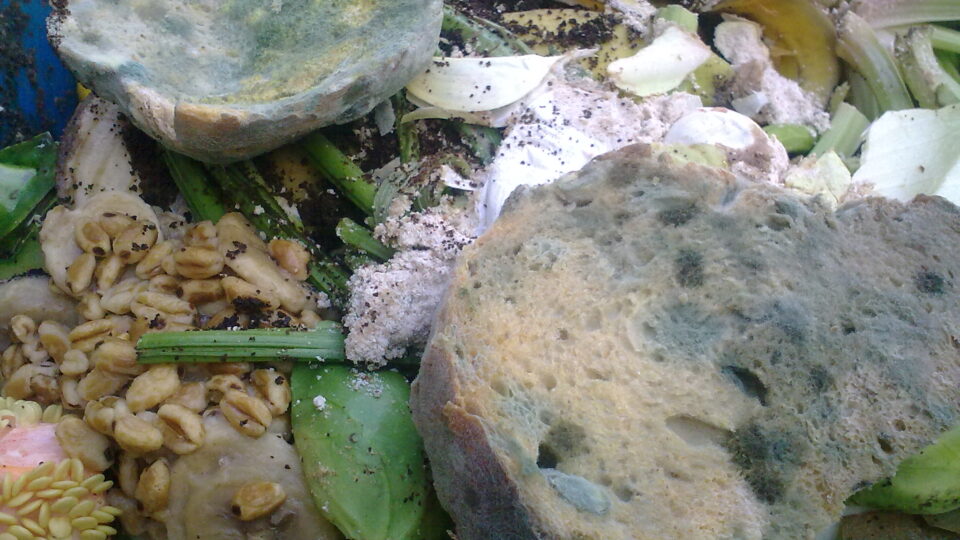
One-third of all food produced is wasted, which turns out to be a major contributor to carbon emissions.  Most of the carbon emissions associated with food waste are related to the production of the food.  Reducing waste would trickle through the supply chain over time and ultimately less food would be produced.

A study at Cornell’s SC Johnson College of Business looked at a particular strategy for reducing food waste’s environmental impact:  opening more grocery stores.

It turns out that the more stores there are, the lower food waste will be.  Cornell Professor Elena Belavina created a model that incorporates data from the grocery industry, the U.S. Census Bureau, and other academic studies.

When applied to Chicago, which is typical of many American cities, the model predicts that by adding just three or four markets within four-square-mile area, food waste would be reduced by 6 to 9 percent.  This would achieve an emissions reduction comparable to converting more than 20,000 cars from fossil fuels to electric power.  According to the model, not only would food waste be reduced, but so would grocery bills.  By trimming food waste and travel costs, consumers would spend up to 4% less.

Most big cities are well below their ideal density of grocery stores that would minimize food waste. When consumers can purchase perishable goods nearby, they shop more often but buy less each time.  There is less food sitting at home, so there is a much lower likelihood that food will spoil.

New York City, which has an abundance of produce stands and neighborhood markets, comes close to having the ideal density of markets.  Basically, the way to reduce food waste is to bring less groceries home.

**********

Web Links

Better access to groceries could reduce food waste, emissions

Photo, posted March 22, 2009, courtesy of Nick Saltmarsh via Flickr.

Earth Wise is a production of WAMC Northeast Public Radio.

  • « Go to Previous Page
  • Page 1
  • Interim pages omitted …
  • Page 4
  • Page 5
  • Page 6
  • Page 7
  • Page 8
  • Page 9
  • Go to Next Page »

Primary Sidebar

Recent Episodes

  • An uninsurable future
  • Clean energy and jobs
  • Insect declines in remote regions
  • Fossil fuel producing nations ignoring climate goals
  • Trouble for clownfishes

WAMC Northeast Public Radio

WAMC/Northeast Public Radio is a regional public radio network serving parts of seven northeastern states (more...)

Copyright © 2026 ·