production
Pests And Crops In A Warming World

By the year 2050, scientists predict that there will be two billion more people to feed in the world. And climate change isn’t making that task any simpler. From extreme weather events to rising global temperatures, climate change is expected to affect the types of food we grow, and to negatively affect the food production needed to feed the growing population.
Unexpected Effects Of Climate Change

The effects of climate change are discussed all the time. We hear a lot about rising seas, extreme weather events, and so on. And mostly, the weather gets warmer. Heatwaves are increasingly common and longer and stronger.
Land And Diets

Most of us are likely familiar with the saying ‘you are what you eat.’ But what we eat – those food choices – can have a profound impact on the planet.
Greener Concrete

The battle to reduce carbon emissions is heavily focused on electricity generation, transportation, buildings, and agriculture, which collectively account for more than 75% of the total. However, there are other sources of carbon emissions that cannot be ignored. Among industrial activities, the production of cement is responsible for 7% of industrial energy use and is the second largest industrial emitter of carbon dioxide. Making cement accounts for about 7% of global emissions.
A New Catalyst For Splitting Water

Hydrogen is widely considered to be a desirable source of clean energy. It can be used in fuel cells to power electric motors in cars or can be burned directly in internal combustion engines. If it is compressed or converted to liquid, it can be efficiently stored and transported. Most of all, when it is used as an energy source, the only emission it produces is water.
The Future Of Energy
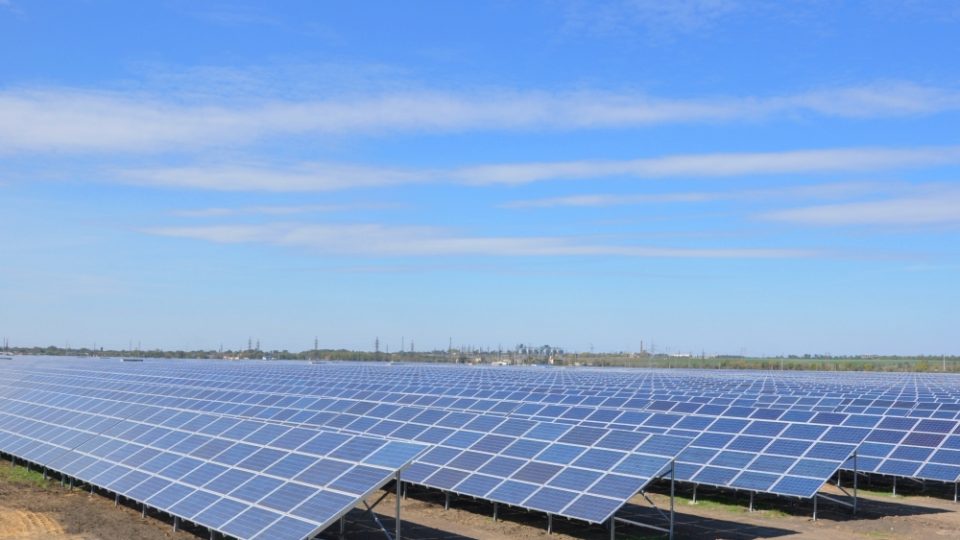
A new report by Bloomberg New Energy Finance takes a long-term look at the world’s energy production. According to the report, renewable energy, mostly in the form of solar and wind power, is set to provide close to 50% of the world’s energy by the year 2050.
Bursting The Carbon Bubble
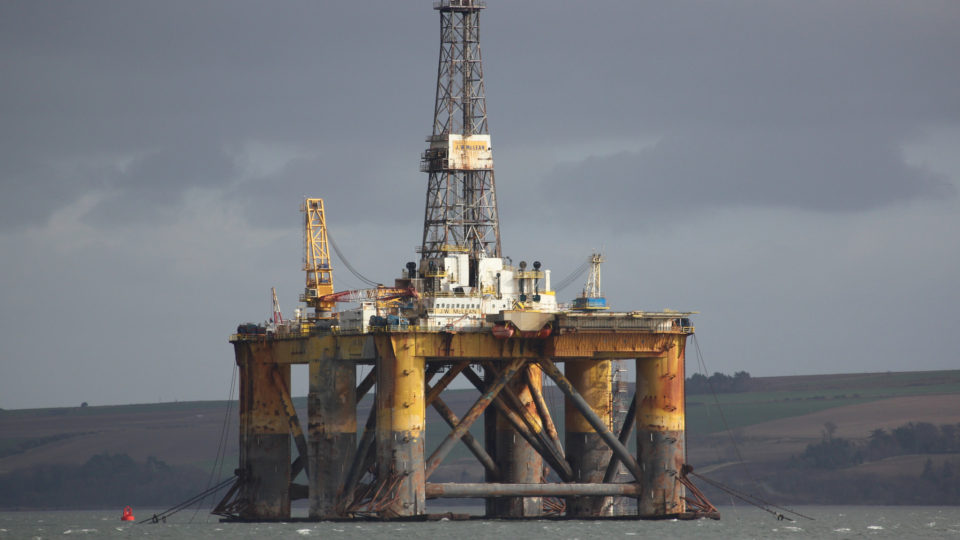
One way or another, the fossil fuel industry seems to be destined to shrink away. A combination of technological advances and climate policies are going to drastically reduce the global demand for fossil fuels over the course of time. New research shows that the demise of the fossil fuel industry will have profound consequences.
Biomass: Renewable But Not Sustainable

Biomass is often touted as a green energy source. Just recently, the US Environmental Protection Agency declared biomass energy to be carbon neutral – a policy already embraced by many European countries. However, burning forests for fuel has hard limitations and ecological consequences.
Greener Biofuel
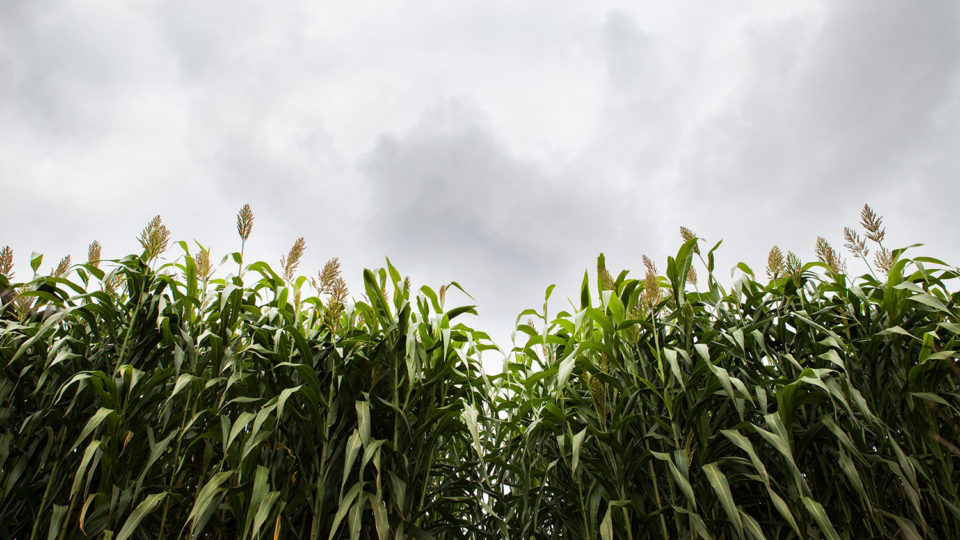
Engineers from the National University of Singapore have recently discovered that a naturally occurring bacterium is capable of directly converting cellulose to biobutanol, a promising biofuel.
The Chinese War On Pollution

For years, China has been struggling with some of the worst air pollution in the world. According to the European Union, only 1% of the country’s half a billion city dwellers were considered safe because almost all of its major cities were covered with what was described as a toxic grey cloud.
Endangered Orangutans

Orangutans are some of the planet’s most intelligent animals. In fact, orangutans and human beings share 97% of their DNA sequence. Orangutans can only be found in the wild in Southeast Asia on the Indonesian island of Sumatra and the island of Borneo, which is a landmass shared by Indonesia, Malaysia, and Brunei. And while all orangutans are endangered, the critically-endangered Bornean orangutans are under exceptional duress.
Reviled Animals Can Be Beneficial

Predators and scavengers are widely persecuted by people because they are often harmful to property, livestock, and human beings. Nonetheless, research has shown that many of these animals play important roles in ecosystems and their removal can be quite harmful.
A Better Way To Make Hydrogen

There is a great deal of interest in developing cost-effective, energy-efficient and environmentally-friendly ways of producing hydrogen. If hydrogen-powered vehicles are to catch on, it is essential.
Toyota’s Hydrogen Factory

Toyota is one of several automakers that are promoting hydrogen fuel cell cars – electric cars that get their energy from fuel cells rather than batteries. Fueling one of these cars is much like filling up the tank of a gasoline-powered car, except that the fuel in question is hydrogen.
Turning Biofuel Waste Into Valuable Chemicals
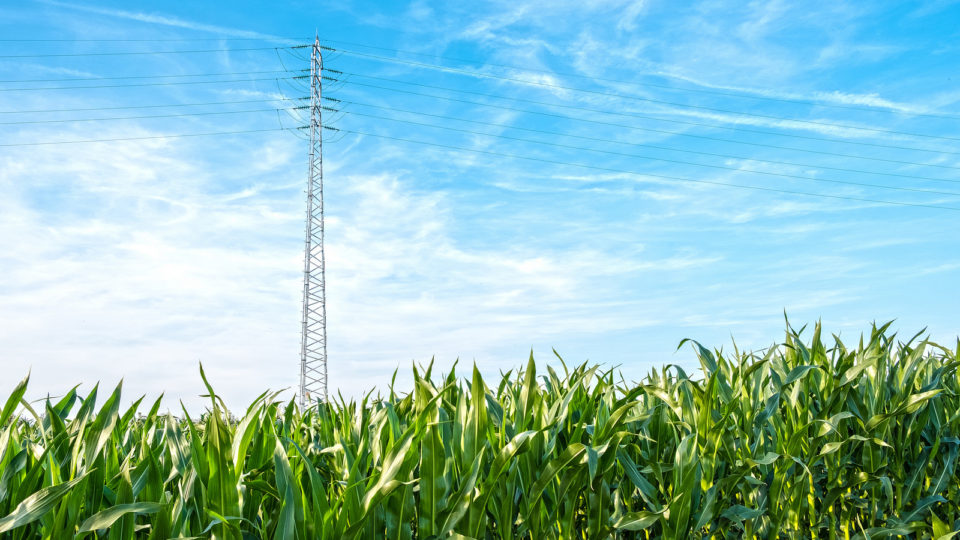
When biofuels are made, tough plant material is left over as waste. The material is lignin, which is a main component of plant cell walls that gives plants their structural integrity. Lignin is made up of many valuable compounds, but taking it apart to extract them is very difficult.
[Read more…] about Turning Biofuel Waste Into Valuable Chemicals