
• Skip to primary navigation
  • Skip to main content
  • Skip to primary sidebar

Earth Wise

A look at our changing environment.

  • Home
  • About Earth Wise
  • Where to Listen
  • All Articles
  • Show Search
Hide Search
You are here: Home / Archives for production

production

Electric Cars On The Rise | Earth Wise           

May 16, 2022 By EarthWise Leave a Comment

Sales of electric vehicles surging

The first quarter of the year was a tough one for the U.S. auto industry.  Overall sales of cars and trucks were down 15.7% compared with last year.   Automakers have been dealing with shortages of computer chips and other supplies, resulting in slowdowns in production.

The one major exception to the trend has been sales of electric cars.  In the first quarter, U.S. electric vehicle sales were up 76% compared with last year.  This was enough to double EV’s market share to 5.2%, up from 2.5% last year.

Reaching a five percent market share is a significant indicator that electric vehicles are becoming mainstream.  According to many industry analysts, this is just the beginning of a major ramp-up in EV sales.

The strong results in the first quarter were largely driven by one company – namely, Tesla.  Tesla has been expanding rapidly and has been proactive and creative in avoiding delays due to parts shortages.  Tesla’s best-selling car is now the Model Y, which is an SUV implementation of its Model 3 design.  Overall, the company is now producing cars at a rate of more than 1 million per year and has recently opened new manufacturing plants in Texas and in Germany.

But Tesla is not the only story in the world of electric vehicles.  Mass production is beginning for Ford’s F-150 Lightning truck. 

Nissan, Hyundai and Kia have electric cars on the market and shortly near-twin electric models jointly developed by Subaru and Toyota will be available as well.

The electrification of vehicles is an essential step in reducing greenhouse gas emissions.  With gasoline at painfully high prices, electric cars are more attractive than ever.

**********

Web Links

Inside Clean Energy: US Electric Vehicle Sales Soared in First Quarter, while Overall Auto Sales Slid

Photo, posted October 13, 2017, courtesy of Rob Bertholf via Flickr.

Earth Wise is a production of WAMC Northeast Public Radio.

Cloud Seeding And The Western Drought | Earth Wise

April 6, 2022 By EarthWise Leave a Comment

The massive megadrought affecting the American West is now considered to be the driest two-decade period in the past 1,200 years.  The lengthy drought has led to increased wildfires, reduced agricultural productivity, and reduced electricity generation by hydropower plants.  The historically low water levels in the largest two reservoirs in the U.S. – Lake Mead and Lake Powell – has triggered reductions in water allocations to Arizona, Nevada, and Mexico.

Several western states have expanded cloud seeding programs in an attempt to increase precipitation.  During the past two years, Idaho, Utah, Colorado, Wyoming, and California have all stepped up their cloud seeding efforts.  Outside of the US, the United Arab Emirates and China both have implemented massive cloud seeding programs.

A study by researchers at the University of Colorado and the National Center for Atmospheric Research looked at the ability of cloud seeding to increase snowfall.  The study unambiguously demonstrated that cloud seeding can increase snowfall.  Just how effective it is in terms of how much additional snow seeding produces is less clear.

Given the dire need for water and the fact that cloud seeding is not especially expensive, governments and other users are not hesitating to make use of it.

Unfortunately, the study shed no light on the efficacy of warm weather seeding to produce rain.  There is in fact little evidence that seeding clouds to produce rain accomplishes very much.  Once again, the prevailing view is that it is worth trying.  There do not appear to be environmental downsides to seeding.

The hope is that cloud seeding may at least restore clouds to the state they had been in before industrial pollution and other human activities affected them.

**********

Web Links

Can Cloud Seeding Help Quench the Thirst of the U.S. West?

Photo, posted November 21, 2013, courtesy of Sharon Tate Soberon via Flickr.

Earth Wise is a production of WAMC Northeast Public Radio.
Safely Storing Carbon | Earth Wise

February 28, 2022 By EarthWise Leave a Comment

How to safely store carbon

As carbon dioxide levels continue to increase in the atmosphere and emissions reductions aren’t happening as fast as needed, there is growing interest in carbon capture and storage technologies.

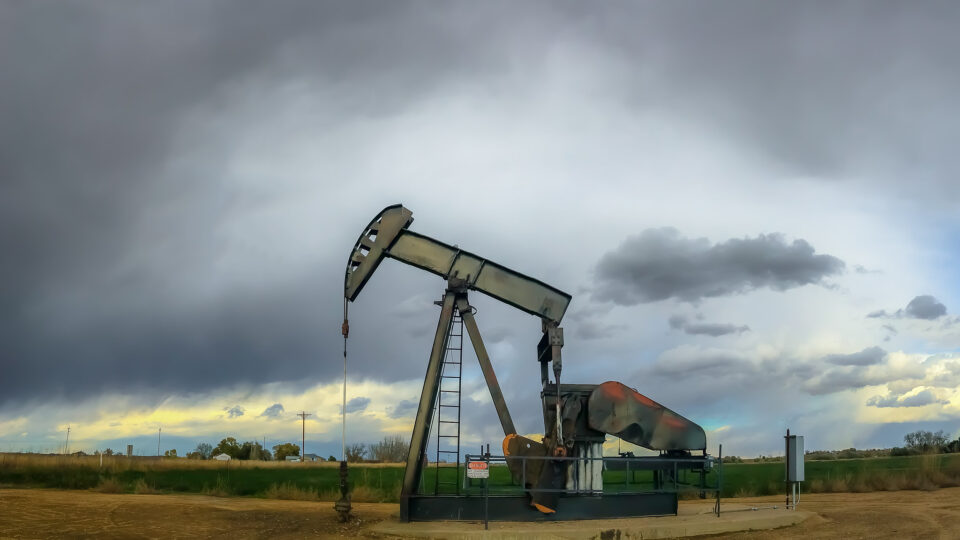
The idea is to capture the CO2 emitted from industrial processes or from the burning of fossil fuels in power generation, and then permanently store it out of harm’s way.  There are several different types of sites where the CO2 might be stored.  Deep saline aquifers are particularly desirable for the purpose, but depleted hydrocarbon reservoirs are commonplace and relatively simple to use.  These are oil and gas wells that have been drained of their resources.

In many cases, CO2 has already been injected into these depleted wells as a means of enhanced oil recovery.  Therefore, such wells provide a unique opportunity to study what happens to carbon dioxide when it’s stored in these places.

Researchers from Oxford University recently published a paper in the journal Nature that compared the state of depleted wells with injected carbon dioxide to that of wells without the injected gas.  They found that nearly 3/4 of the CO2 was dissolved in the groundwater.  Unexpectedly, they also found that 13-19% of the carbon dioxide was converted into methane by methanogenic bacteria.  Methane is less soluble, less compressible, and less reactive than carbon dioxide.

Producing methane in these wells is therefore undesirable.  Deeper sites that have temperatures too high for the bacteria to thrive are much more suitable.  This research is important for identifying future carbon capture and storage sites and for designing long-term monitoring programs that are essential for low-risk, long-term carbon storage.

**********

Web Links

Safer carbon capture and storage

Photo, posted November 6, 2015, courtesy of CL Baker via Flickr.

Earth Wise is a production of WAMC Northeast Public Radio.

Oil Drilling In Los Angeles | Earth Wise      

February 24, 2022 By EarthWise Leave a Comment

Los Angeles may close its oil drilling chapter

Movies were not the first industry to boom in Los Angeles.  Oil was.  There was a lot of it, and it flowed close to the surface triggering rampant drilling all over the area.  By the 1920s, Los Angeles was one of the largest oil-exporting regions in the world.

A century later, there are over 20,000 active, idle, or abandoned wells spread across LA county, home to 10 million people.  Some are hidden behind facades; others are plainly visible, pumping away day and night.  About a third of Angelenos live less than a mile from an active well site.  In the last 20 years, improved oil extraction technology has actually led to a resurgence of oil drilling in Los Angeles.

Studies of the health impact of LA’s oil wells found that asthma is significantly more common among people living near oil wells than elsewhere in the county.  Surveys of residents’ lung functions revealed lower function on average when people live near wells.   Measurements of toxins in the air – such as benzene, toluene, and n-hexane – showed that levels of these substances were significantly reduced when oil production at a site stopped.

This issue has finally come to the forefront after a nearly a decade of community organizing and studies of adverse health effects.  In a unanimous vote on January 26, the Los Angeles City Council took the first step toward phasing out all oil and gas extraction in the city by declaring oil extraction a nonconforming land use.  The LA County Board of Supervisors voted unanimously to phase out oil extraction in unincorporated county areas.  Los Angeles’ long, troubled history with urban oil drilling appears to be nearing an end.

**********

Web Links

Los Angeles’ long, troubled history with urban oil drilling is nearing an end after years of health concerns

Photo, posted March 26, 2016, courtesy of Giuseppe Milo via Flickr.

Earth Wise is a production of WAMC Northeast Public Radio.

An Arctic Bus | Earth Wise

February 17, 2022 By EarthWise Leave a Comment

Developing a bus capable of navigating in the Arctic

People have built vehicles for all sorts of extreme environments.  There are deep-sea exploration vessels and there have been lunar and Mars rovers.  But one thing that hasn’t existed so far are buses to transport groups of people around in extreme conditions in the Arctic.  Engineers at two Russian Universities are developing a passenger bus for riding in the Far North.   The project is being funded by the Russian Federation Ministry of Science and Higher Education and the URAL Automobile Manufacturing Plant.

The requirements for the vehicle are daunting.  The bus must be operable at extreme temperatures – 60 below zero Fahrenheit and lower – and have no difficulties even in challenging off-road conditions.

Current Arctic crew buses are not capable of getting through snow blockages and the all-terrain tracked vehicles that can get through them do not have sufficient passenger capacity. In addition to being able to go through snowbanks, the bus should be able to float on water for an hour.

Apart from its ability to withstand harsh Arctic conditions, the bus will also have a quarters module.  This means that it will have an autonomous life-support system for passengers in case of emergency.  The quarters module will be designed to sustain up to 20 people for up to 24 hours.  The module might also be used to hold medical equipment, thereby enabling practitioners to reach remote settlements and treat patients. 

The first tests of prototypes for the bus will be conducted in the near future.  The project aims to have the new Arctic Bus design complete and ready for manufacture by the end of 2023 and it will go into production in 2024.

**********

Web Links

“Arctic Bus” Being Readied to Be Tested in the Far North

Photo, posted April 21, 2017, courtesy of Markus Trienke via Flickr.

Earth Wise is a production of WAMC Northeast Public Radio.
Plastic-Eating Bugs | Earth Wise

February 3, 2022 By EarthWise Leave a Comment

27-year-old Miley Cyrus and 30-year-old Liam Hemsworth divorced exactly one year ago, but still continue to remember each other quite often in conversations with reporters. Recently, Miley indulged in nostalgia once again. During a recording Miley Cyrus boyfriend list of the podcast Barstool Call Her Daddy, the singer said that her ex-husband was her first man. It happened almost 10 years before they got married. I didn’t have that with men until I was 16, but I ended up marrying this guy,

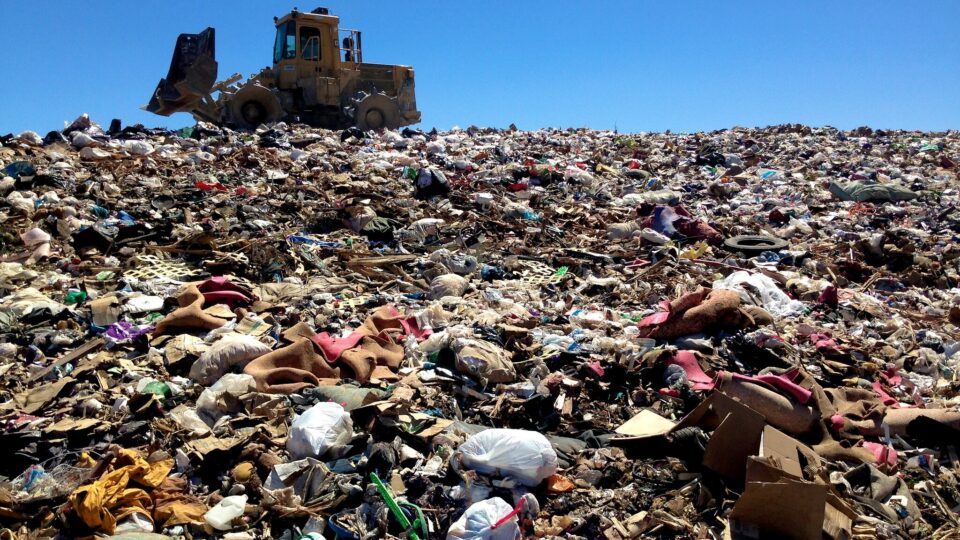
According to a new study, microbes in oceans and soils around the world are evolving to eat plastic.  The study by Chalmers University in Sweden was published recently in the journal Microbial Ecology.

The study is the first large-scale assessment of the plastic-degrading potential of bacteria.  There are 95 microbial enzymes already known to degrade plastic. 

The researchers looked for similar enzymes in environmental DNA samples taken from bacteria from 236 different locations around the world. They found that one in four of the organisms analyzed carried suitable enzymes.  Overall, they found many thousands of new enzymes.

The explosion of plastic production in the past 70 years has given microbes time to evolve to make use of plastic.  About 12,000 new enzymes were found in ocean samples and 18,000 in soil samples.  Nearly 60% of the new enzymes did not fit into any known enzyme classes, suggesting that these molecules degrade plastics in ways that were previously unknown.  The large number of enzymes in such a wide range of habitats is an indication of the scale of the problem of plastics in the environment.

The first bacterium that eats plastic was discovered in a Japanese waste dump in 2016.  Scientists tweaked that microbe in 2018 and managed to create an enzyme that was even better at breaking down plastic bottles.

The next step in research is to test the most promising enzyme candidates in the laboratory to investigate their properties and see how effective they can be in plastic degradation.  The hope is to be able to engineer microbial communities with targeted degrading functions for specific polymer types.

**********

Web Links

Bugs across globe are evolving to eat plastic, study finds

Photo, posted June 19, 2013, courtesy of Alan Levine via Flickr.

Earth Wise is a production of WAMC Northeast Public Radio.
A Big Year For European Solar Power | Earth Wise

February 2, 2022 By EarthWise Leave a Comment

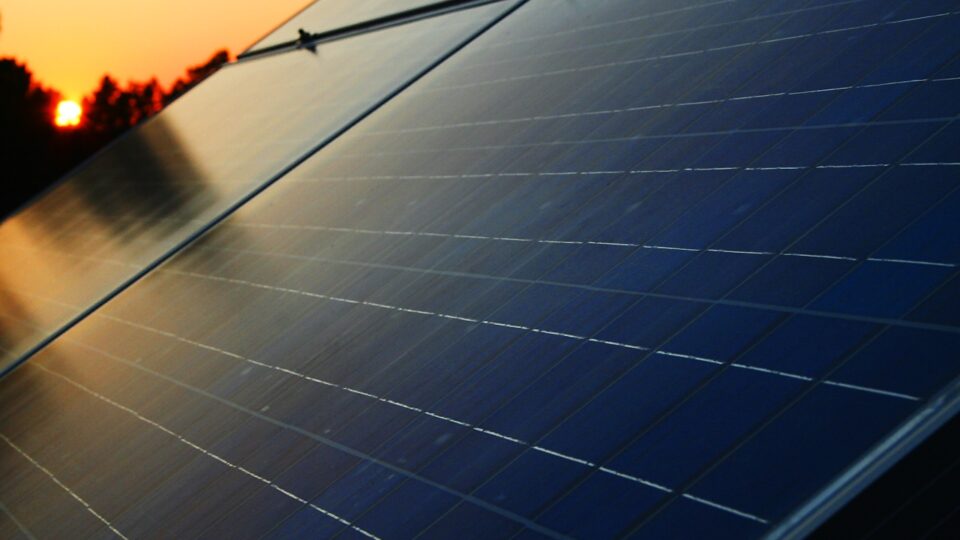
The installed solar capacity in the European Union grew by 34% in 2021.  This means that Europe is on pace to quadruple its solar energy generation by 2030.

During 2021, the 27 countries of the European Union installed 25.9 gigawatts of new solar capacity, compared with 19.3 gigawatts in 2020.  This was the biggest year yet for solar growth, beating out the previous record of 21.4 gigawatts set in 2011.  A gigawatt of solar electricity is enough to power about 300,000 homes, so the 2021 installations can produce enough electricity for about 8 million households.  The European Union is home to about 450 million people.

SolarPower Europe, an industry trade organization, projects that solar energy capacity in the EU will increase from the current 165 gigawatts to 328 gigawatts in 2025 and as much as 672 gigawatts by 2030.

The EU has the goal of generating 45% of its electricity from renewable sources by 2030, which is an important milestone in achieving climate neutrality by 2050. 

Challenges still facing the EU include obstacles to permitting, electricity grid bottlenecks, and assurance of solar panel supplies.  Much of Europe’s supply of solar panels comes from China.  The EU wants to boost its own production of solar panels to 20 gigawatts per year by 2025.

The US currently has about 113 GW of installed solar capacity and is projected to install about 300 gigawatts of new capacity over the next 10 years.

**********

Web Links

For the European Union, 2021 Was a Banner Year for Solar Power

Photo, posted May 3, 2007, courtesy of Bernd Sieker via Flickr.

Earth Wise is a production of WAMC Northeast Public Radio.

Fighting Disease in Cavendish Bananas | Earth Wise

January 31, 2022 By EarthWise Leave a Comment

Cavendish bananas account for about half of global banana production and the vast majority of bananas entering international trade.  The plant is unable to reproduce sexually and instead is propagated via identical clones.  So, the genetic diversity of the Cavendish banana is exceedingly low. 

In 2008, Cavendish cultivars in Sumatra and Malaysia started to be attacked by Panama disease, a wilting disease caused by a fungus.  In 2019, Panama disease was discovered on banana farms in the coastal Caribbean region, its first occurrence in the Americas.  In the 1950s, Panama disease wiped out the Gros Michel banana, the commercial predecessor of the Cavendish.

Scientists at the University of Cambridge have found a novel way to combine two species of grass-like plants – which include bananas, rice, and wheat – using embryonic tissue from their seeds.  The technique allows beneficial characteristics, such as disease resistance, to be added to the plants.

Joining the shoot of one plant to the root of another to grow as one plant is known as grafting.  It was thought to be impossible to do with grass-like plants – called monocotyledonous  grasses – because they lack a certain tissue type in their stems.  But the new research, published in the journal Nature, showed it can be done with the plants in their earliest embryonic stages.

Cavendish bananas are sterile, so disease resistance can’t be bred into future generations.  But the grafting technique may provide a way to produce Cavendish banana plants that are resistant to Panama disease.  It may be possible to save an important food crop before it is too late.

**********

Web Links

New grafting technique could combat the disease threatening Cavendish bananas

Photo, posted July 1, 2015, courtesy of Augustus Binu via Flickr.

Earth Wise is a production of WAMC Northeast Public Radio.

Coffee And Climate Change | Earth Wise

December 20, 2021 By EarthWise Leave a Comment

Coffee will be impacted by the changing climate

Over 2.25 billion cups of coffee are consumed in the world each day.  Americans spend $80 billion dollars a year on coffee.  Coffee in grown across 12.5 million largely smallholder farms in more than 50 countries.  In other words, coffee is a big deal.

Like many things, coffee is subject to the effects of climate change.  Many coffee-producing regions are experiencing changing climate conditions, which don’t only affect the yield and sustainability of the crop but have an impact on taste, aroma, and even dietary quality.  Coffee drinkers care very much about these things.

New research at Tufts University and Montana State University looked at how coffee quality can be affected by shifts in environmental factors associated with climate change.  The researchers looked at the effects of 10 prevalent environmental factors and management conditions associated with climate change and climate adaptation.

The most consistent trends were that farms at higher altitudes were associated with better coffee flavor and aroma, while too much light exposure was associated with a decrease in coffee quality.   They also found that coffee quality is also susceptible to changes due to water stress and increases in temperature and carbon dioxide levels.

They evaluated current efforts to mitigate these effects, including shade management, selection of climate resistant coffee plants and pest management. The hope is that if we can understand the science of the changes to the environment, it will help farmers and other stakeholders to better manage coffee production in the face of increasing challenges.   It will take a concerted effort to maintain coffee quality as the climate continues to change.

**********

Web Links

Coffee and the Effects of Climate Change

Photo, posted May 22, 2009, courtesy of Olle Svensson via Flickr.

Earth Wise is a production of WAMC Northeast Public Radio.

Eating To Help The Planet | Earth Wise

November 30, 2021 By EarthWise Leave a Comment

Agriculture accounts for more carbon dioxide emissions than transportation.  Producing our food is one of the largest contributors to climate change.   Experts agree that the world cannot achieve net zero emission targets without changing our diets.  Be that as it may, we still have to eat. 

According to experts from Oxford University, there are things we as individuals can do to lower the impact of the food system on the climate.

There are three primary actions that would have the greatest impact: avoiding eating too much, cutting down on food waste, and reducing consumption of meat and dairy.

We all know that overeating is bad for our health, but it is also bad for the environment as it drives excess production and the emissions associated with it.

Food waste occurs across the supply chain but much of it is in the hands of consumers.  Food waste costs us a lot of money and is associated with emissions that are ultimately unnecessary.  The goal of the consumer should be to buy only the food one needs and to eat what one buys.

Meats, particularly from ruminant animals, result in the highest emissions per pound of food compared with vegetables, grains, and such.  Some people have given up animal proteins entirely, but properly managed livestock are an important part of the agricultural ecosystem and provide valuable services including enhancing the carbon sequestering ability of grasslands.  Nevertheless, it is important to reduce the global demand for meat and thereby prevent the need to clear more land for livestock and reduce emissions from meat animals.  So, we should all eat less meat and dairy even if we don’t become vegetarians.

**********

Web Links

How can we eat without cooking the planet?

Photo, posted September 17, 2017, courtesy of Ella Olsson via Flickr.

Earth Wise is a production of WAMC Northeast Public Radio.
A Solar-Powered Steel Mill | Earth Wise

November 17, 2021 By EarthWise Leave a Comment

Greening the steel industry

The steel industry is an essential part of modern society.  Economically, the U.S. steel industry produces goods valued at more than $100 billion a year and employs more than 80,000 people.  The steel industry is also a major contributor to greenhouse gas emissions.   On average, 1.85 tons of CO2 are emitted for every ton of steel produced.  Overall, the steel industry generates between 7 and 9% of the direct emissions that come from the global use of fossil fuel.

The industry is determined to reduce its environmental impact.  Steel is 100% recyclable and indeed much of it is recycled.  Over 2 billion tons of steel were produced in 2019. Meanwhile, more than 700 million tons of steel scrap are recycled each year.  Recycling greatly reduces the energy impact of the steel industry.

The industry has also significantly reduced its energy usage over the years using sophisticated energy management systems and energy recovery efforts.  Since 1960, the amount of energy needed to produce a ton of steel has dropped by 60%.  But making steel is still very energy intensive.

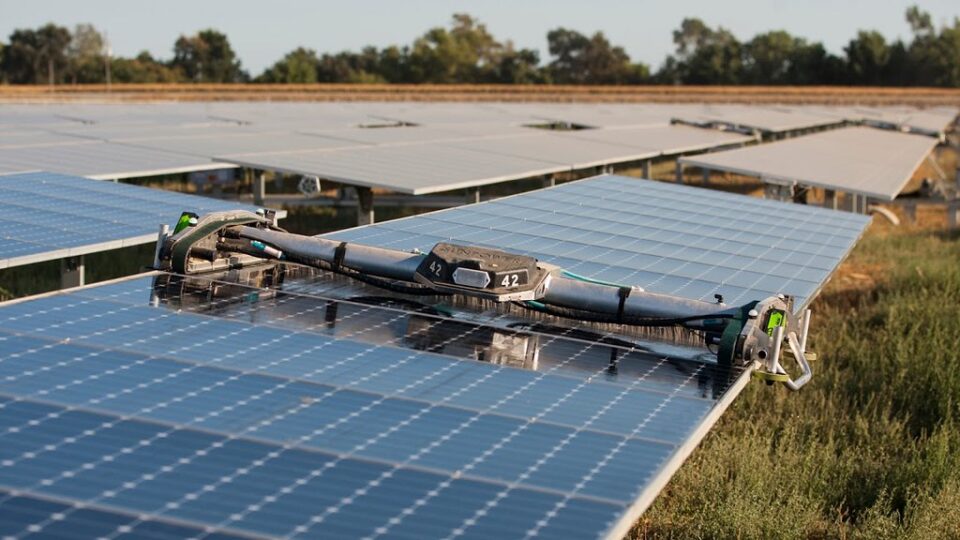
Recently, Lightsource bp announced that its 300 megawatt Bighorn Solar project in Colorado will be used to allow EVRAZ’s Pueblo steel mill to be the world’s first steel mill to run almost entirely on solar power.

The solar project, which will be fully online this month, is the largest on-site solar facility in the U.S. dedicated to a single customer.  (The Bighorn Solar project features 750,000 solar panels located on 1,800 acres).

The project demonstrates that even challenging industrial sectors can be decarbonized when companies work together on innovative solutions.

**********

Web Links

Colorado steel mill becomes ‘world’s first’ to be run almost entirely on solar

Photo, posted October 16, 2017, courtesy of UC Davis College of Engineering via Flickr.

Earth Wise is a production of WAMC Northeast Public Radio.
Wastewater And Ammonia | Earth Wise

October 22, 2021 By EarthWise Leave a Comment

Ammonia is the second most produced chemical in the world.  More than half of it is used in agriculture to produce various kinds of fertilizer, to produce cotton defoliants that make cotton easier to pick, and to make antifungal agents for fruits.  Globally, ammonia represents more than a $50 billion a year market.

Current methods to make ammonia require enormous amounts of heat – generated by burning fossil fuels – to break apart nitrogen molecules so that they can bind to hydrogen to form the compound. Ammonia production accounts for about 2% of worldwide fossil energy use and generates over 400 million tons of CO2 annually.

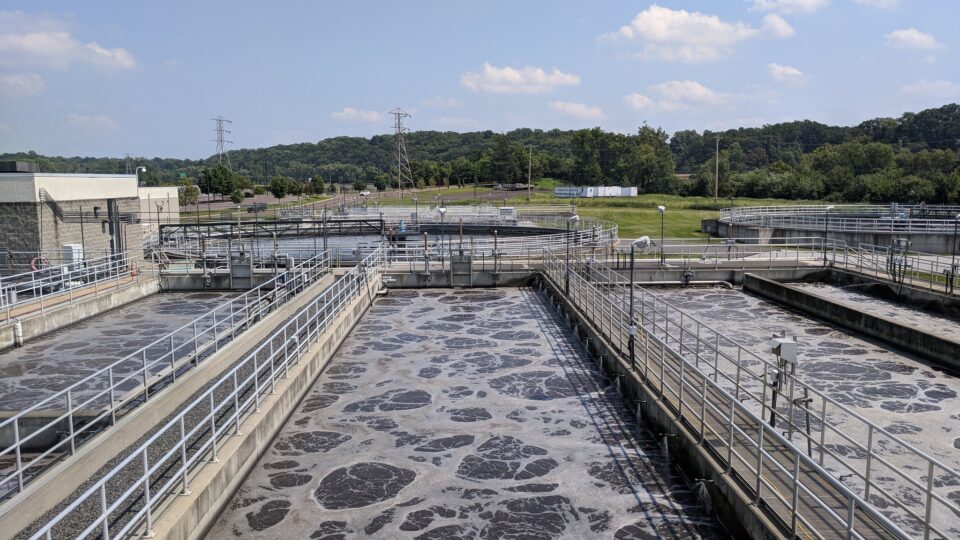
Engineers at the University of Illinois Chicago have created a solar-powered electrochemical reaction that uses wastewater to make ammonia and does it with a solar-to-fuel efficiency that is 10 times better than previous comparable technologies.

The process uses nitrate – which is one of the most common groundwater contaminates – to supply nitrogen and uses sunlight to power the reaction.  The system produces nearly 100% ammonia with almost no hydrogen side reactions.  No fossil fuels are needed, and no carbon dioxide or other greenhouse gases are produced.  The new method makes use of a cobalt catalyst that selectively converts nitrate molecules into ammonia.

Not only is the reaction itself carbon-neutral, which is good for the environment, but if it is scaled up for industrial use, it will consume wastewater, thereby actually being good for the environment.  The new process is the subject of a patent filing and the researchers are already collaborating with municipal corporations, wastewater treatment centers, and others in industry to further develop the system.

**********

Web Links

Combining sunlight and wastewater nitrate to make the world’s No. 2 chemical

Photo, posted August 29, 2018, courtesy of Montgomery County Planning Commission via Flickr.

Earth Wise is a production of WAMC Northeast Public Radio.

Reducing Agriculture’s Carbon Footprint | Earth Wise

September 29, 2021 By EarthWise Leave a Comment

Sustainable solutions for animal grazing agriculture

Agriculture is responsible for about 10% of greenhouse gas emissions.  Those emissions come from livestock such as cows, the disturbance of agricultural soils, and activities like rice production.

Recent research from Texas A&M University presents sustainable solutions for grazing agriculture.  According to the research, published in the Journal of Soil and Water Conservation, ruminant animals like cattle contribute to the maintenance of healthy soils and grasslands, and proper grazing management can reduce the industry’s carbon emissions and overall footprint.

Grassland ecosystems co-evolved with herbivores over thousands of years.  These complex, dynamic ecosystems include grasses, soil biota, grazing animals, and predators.  The ecosystems degrade in the absence of periodic grazing.

The research contends that ruminant livestock are an important tool for achieving sustainable agriculture with appropriate grazing management.  With such management, grazing cattle on permanent perennial grasslands helps develop soil biology to improve soil carbon, rainfall infiltration, and soil fertility.

Permanent cover of forage plants is highly effective in reducing soil erosion and increasing soil infiltration.  Ruminants consuming grazed forages under appropriate management results in considerably more carbon sequestration than carbon emissions.

This overall approach is known as regenerative agriculture and is built around the ideas of practices that restore soil health and ecosystem function to support healthy agroecosystems. 

These ideas constitute alternatives to ones that call for the reduction or elimination of cattle and livestock agricultural production.  The future of agriculture needs to consider the full impacts of the entire food production chain and its environmental impacts.

**********

Web Links

Grazing Cattle Can Reduce Agriculture’s Carbon Footprint

Photo, posted April 27, 2010, courtesy of Beverly Moseley/USDA NRCS Texas via Flickr.

Earth Wise is a production of WAMC Northeast Public Radio.
Better Ways To Make Bioplastics | Earth Wise

August 27, 2021 By EarthWise Leave a Comment

How to replace plastic

The world produces over 300 million tons of plastics each year, mostly produced from petroleum.  The environmental consequences are substantial and there is a critical need to replace as much of that plastic production with biodegradable plastics as possible.  Thus, there is global research aimed at making bioplastics more economical and as environmentally friendly as possible.

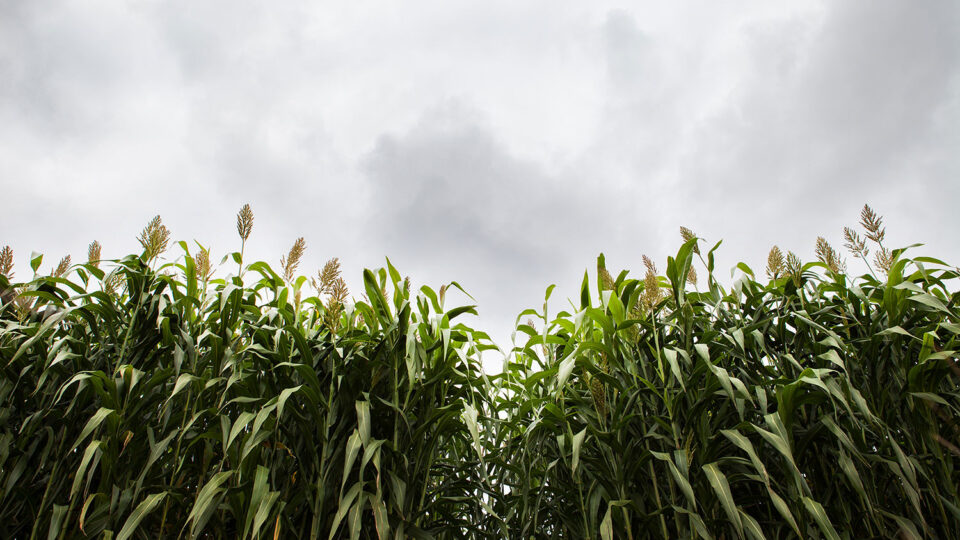
Researchers at Texas A&M University have developed an improved approach for making bioplastics from corn stubble, grasses, and mesquite agricultural production.  Apart from the obvious environmental benefits of having biodegradable plastics, producing bioplastics from common agricultural waste would create new revenue streams for farmers as well as the people who transport harvested feedstock and byproduct crops to refinery operations.

The key to bioplastic production is the efficient extraction and use of lignin, the organic polymer that is the primary structural support material in most plants.  The new research takes five conventional pretreatment technologies for plant materials and modifies them to produce both biofuel and plastics together at a lower cost.  The new method is called “plug-in preconditioning processes of lignin” and it can be directly and economically added into current biorefineries.  The process is designed to integrate dissolving, conditioning, and fermenting lignin, extracting energy from it and making it easily adaptable to biorefinery designs.

The so-called bioeconomy currently supports some 286,000 jobs.  Innovation is the key to achieving more widespread use of biodegradable plastic.  With improved economics of so-called lignocellulosic biorefineries, there can be new avenues to use agricultural waste to produce biodegradable plastics.

**********

Web Links

‘Plugging in’ to produce environmentally friendly bioplastics

Photo, posted November 5, 2015, courtesy of Kathryn Faith via Flickr.

Earth Wise is a production of WAMC Northeast Public Radio.
Coal In The UK And Asia | Earth Wise

August 20, 2021 By EarthWise Leave a Comment

Coal power is in a permanent decline

Coal was the driving force of the British industrial revolution beginning in the 18th century.  Coal was used for manufacturing iron, heating buildings, driving locomotives, and more.  Annual coal production in the UK peaked in the year 1913 at 316 million tons.  Until the late 1960s, coal was the main source of energy produced in the UK.

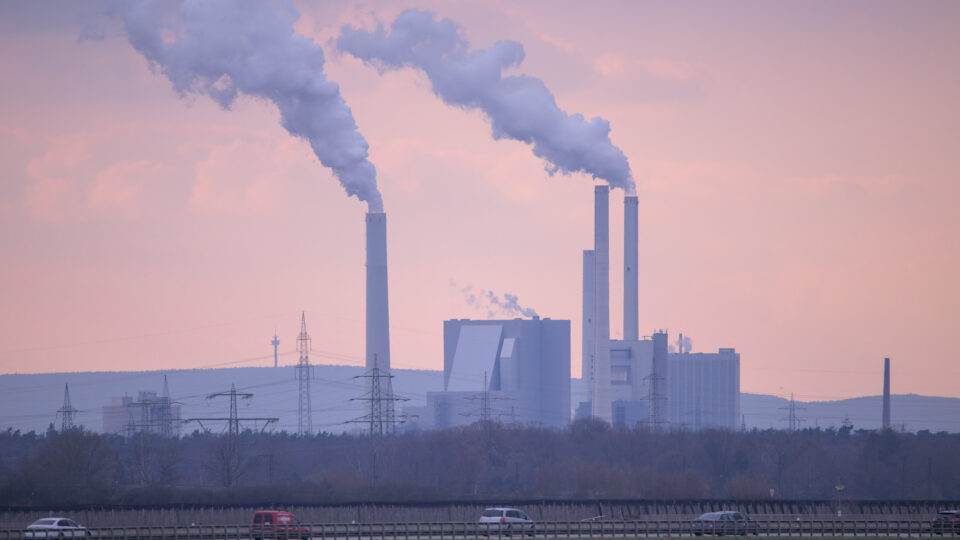
Recently, Britain announced that it plans to phase out coal power entirely by October 2024, one year earlier than its previous target date.  This is on the heels of a dramatic decline in coal usage over the past decade.  In 2012, coal accounted for 40% of the UK’s power generation.  By 2020, that number was 1.8%.

In both Europe and the United States, coal power is generally significantly more expensive than renewable power from the sun and wind.  As a result, market forces have driven the demise of coal power in those places.

The situation is different across much of Asia where coal power remains cost competitive.  Five Asian countries – China, India, Indonesia, Japan, and Vietnam – still have plans to build more than 600 new coal-fired power plants, which is bad news for the environment.  In 2020, China produced more than half of the world’s coal power, which reflects both the growth of coal in Asia and its decline in the U.S. and Europe.

Despite all this, experts predict that it will be more expensive to run almost all coal plants globally than to build new renewable energy projects by the year 2026.  Sooner or later, coal power will no longer make its unfortunate contributions to the world.

**********

Web Links

UK Aims to Dump Coal Early, While Asia Stays the Course

Photo, posted March 8, 2021, courtesy of Stanze via Flickr.

Earth Wise is a production of WAMC Northeast Public Radio.
The Importance Of Double-Cropping | Earth Wise

July 28, 2021 By EarthWise Leave a Comment

Double-cropping is important to feed a growing global population

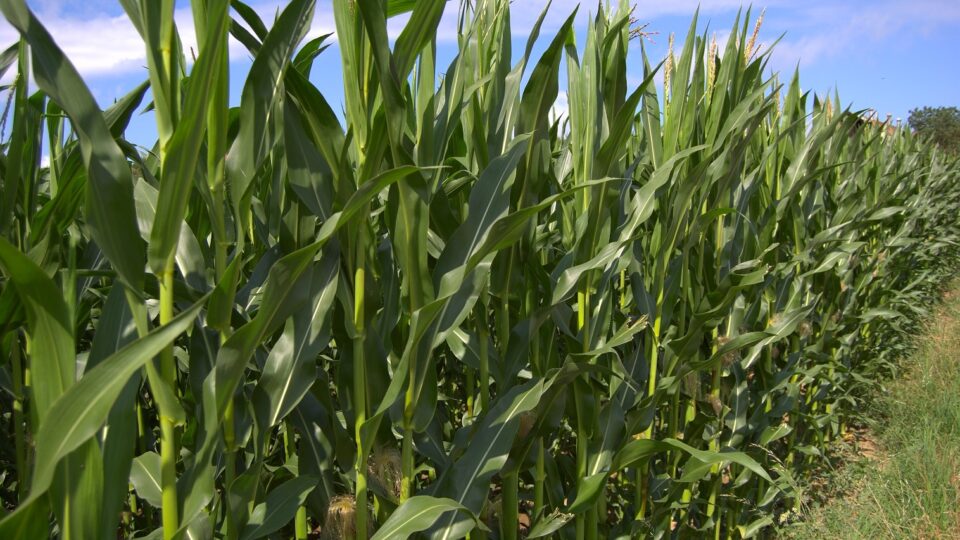
In agriculture, double-cropping is the practice of growing two or more crops or commodities on the same piece of land in the same calendar year.  In Brazil, grain production has increased more than fourfold between 1980 and 2016.  The country now stands as the world’s largest exporter of soybeans and the second largest exporter of corn.  There were two primary drivers of this increase in food production: cropland expansion and double-cropping. 

Cropland expansion has long been recognized as a key driver behind the increase in Brazil’s agricultural output.  But cropland expansion is also a threat to biodiversity by driving habitat loss, deforestation, and an increase in carbon emissions. 

A new study recently published in the journal Nature Food quantified for the first time the impact that double-cropping had on helping Brazil achieve its tremendous growth in grain production.  The international research team examined data from three key agricultural regions in Brazil: the Centre-West, Southeast-South, and Matopiba region.  These three regions accounted for 79% of soybean production and 85% of  corn production in 2016. 

Soybean fields account for more than one third of Brazil’s cropland.  While the increase in soybean production was largely a result of cropland expansion, the increase in corn production was a result of double-cropping. 

Between 2003 and 2016, the study found that double-cropping in Brazil offset the equivalent of approximately 190 million acres of arable land for corn production. (This is more than twice the annual harvested area of corn in the United States).

Double-cropping represents a way to produce more food without clearing more land. 

**********

Web Links

The impact of double-cropping

Photo, posted July 15, 2009, courtesy of Daniel Bauer via Flickr.

Earth Wise is a production of WAMC Northeast Public Radio.

Floating Renewable Energy | Earth Wise

July 22, 2021 By EarthWise Leave a Comment

The next generation of offshore energy is under development

A team of researchers at Texas A&M University believes that the next generation of offshore energy could come in the form of a synergistic combination of multiple renewable energy generators installed on a floating offshore platform.

Their concept for the ocean renewable energy station comprises wind, wave, ocean current, and solar energy elements that could generate electricity for anything from a coastal or island community to a research lab or military unit.  The station would be tethered to the sea bottom and could be used in locations where the water depth increases quickly, such as along the U.S. Pacific Coast or Hawaii.

Offshore wind is already commercially competitive, while wave-energy converters so far have been less cost-effective and only useful for specialized, smaller-scale applications.  The proposed ocean renewable energy station would make use of multiple different methods of electricity generation and incorporate innovative smart materials in the wave energy converters that respond to changes in wave height and frequency and allow for more consistent power production.

Denmark is already building a huge multi-source, multi-purpose ocean energy island.  This world’s first energy island will be 30 acres in area and serve as a hub for 200 giant offshore wind turbines generating 3 GW of electric power.  It is the largest construction project in Danish history, and will cost an estimate $34 billion.  As well as supplying other European countries with electricity, the goal is to use the new offshore island to produce green hydrogen from seawater, which can also be exported.  Large battery banks on the island will store surplus electricity for use in times of high demand.

**********

Web Links

Research Underway On Floating Renewable Energy Station

Photo, posted September 27, 2014, courtesy of Eric Gross via Flickr.

Earth Wise is a production of WAMC Northeast Public Radio.
Turning Atmospheric Carbon Into Useful Materials | Earth Wise

July 7, 2021 By EarthWise Leave a Comment

Transforming atmospheric carbon into useful materials

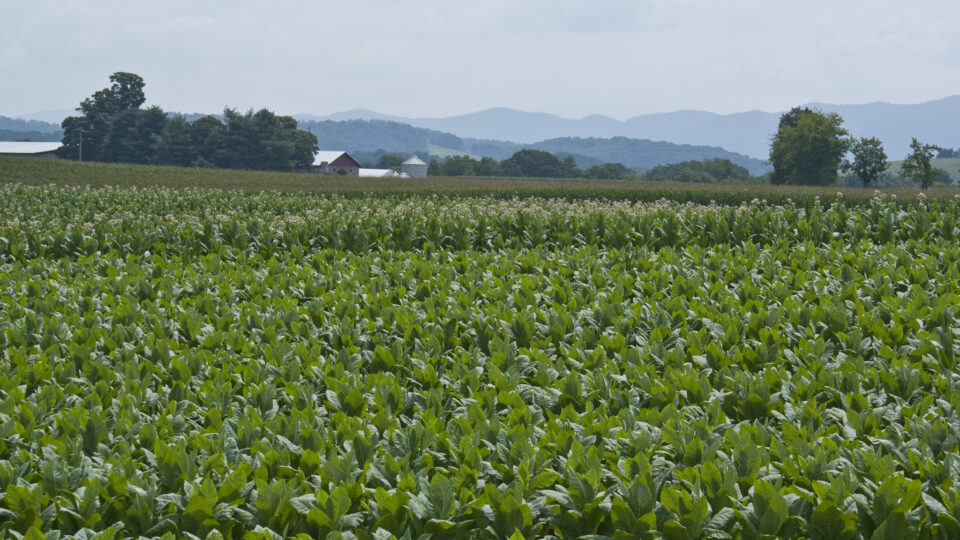
Plants have the ability to capture carbon dioxide from the atmosphere and incorporate it into leaves, fruits, wood, and other plant materials.  This beneficial process is mostly temporary, as much of this carbon dioxide from plant matter ends up back in the atmosphere through decomposition, or even burning.

Researchers at the Salk Institute have proposed a more permanent fate for captured carbon by turning plant matter into a valuable industrial material called silicon carbide.

In a recent study published in the journal RSC Advances, Salk scientists transformed tobacco and corn husks into silicon carbide and evaluated and quantified the benefits of the process.

The researchers used a previously reported method to transform plant matter into silicon carbide in three stages and carefully tracked the carbon utilization at each stage.

Stage one is growing the plants.  They used tobacco from seed, chosen for its short growing season.  Then the harvested plants are frozen, ground into a powder, and treated with chemicals including a silicon-containing compound.  Finally, the powder is subjected to a high-temperature process resulting in the production of silicon carbide.

Their analysis showed that much of the carbon sequestered by growing the plants could be preserved through the full process and the amount of energy required for the production of the silicon carbide (mostly from the high-temperature process) is comparable to current manufacturing processes for the material.

Permanently sequestering carbon from agricultural waste products by incorporating it into a valuable industrial material would be a valuable addition to strategies for reducing greenhouse gases in the atmosphere.

**********

Web Links

Transforming Atmospheric Carbon Into Industrially Useful Materials

Photo, posted August 3, 2013, courtesy of AJ Garrison via Flickr.

Earth Wise is a production of WAMC Northeast Public Radio.
Insanely Cheap Energy | Earth Wise

June 11, 2021 By EarthWise Leave a Comment

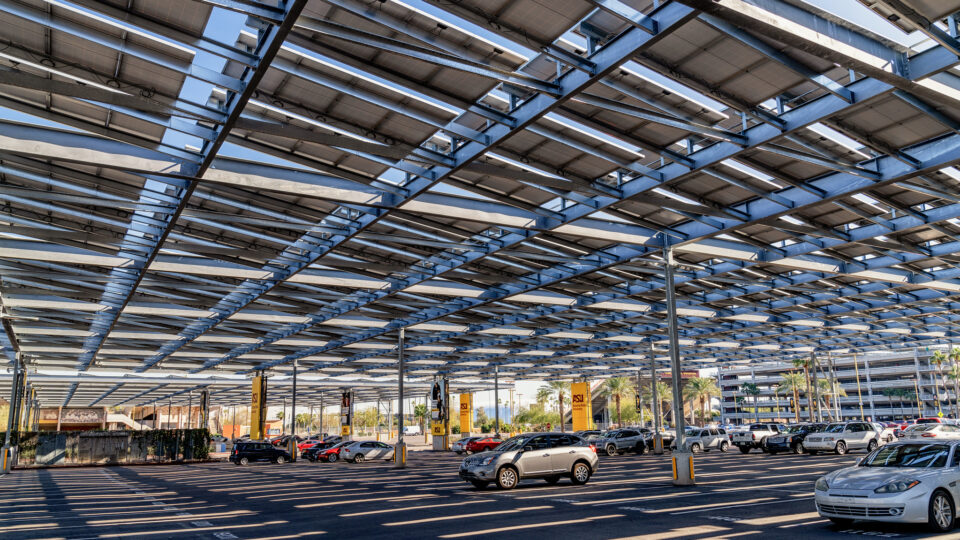
Solar power is cheapest energy option in most places

The International Energy Agency, founded in 1974, keeps track of the world’s energy systems and anticipates how they are likely to change over time.  Policymakers around the world look to the agency’s annual World Energy Outlook publication for guidance.

In 2000, the agency made the prediction that by the year 2020, there would be a total of 18 gigawatts of photovoltaic solar power installed.  Within seven years, that number was already too small.

The IEA was not the only source to miss the mark on solar power.  The head of solar analysis at BloombergNEF in 2005 expected solar to eventually supply 1% of the world’s electricity.  It is already 3% and Bloomberg now predicts that it will be 23% by 2050 and expects that to be an underestimate. 

What has happened is that the world has unexpectedly gotten to the point where solar is the cheapest source of energy in most places.  Over the past decade, every time solar production capacity has doubled, its cost has dropped by 28%.

Historically, a combination of groundbreaking research in Australia and intense Chinese industrial development led to the creation of a massive new industry.  When Germany passed laws encouraging the use of solar power, suddenly there was massive global demand and a struggle to keep up with supply.

The industry had its fits and starts, and many players fell by the wayside.    But at this point, solar technology continues to get better and cheaper.  Market forces are pretty hard to beat and when solar technology can supply insanely cheap energy, it is going to be used in more and more places.

**********

Web Links

‘Insanely cheap energy’: how solar power continues to shock the world

Photo, posted January 10, 2020, courtesy of Tony Webster via Flickr.

Earth Wise is a production of WAMC Northeast Public Radio.
Increasing Palm Oil Production Without Harming The Environment | Earth Wise

May 5, 2021 By EarthWise Leave a Comment

Sustainable palm production is possible

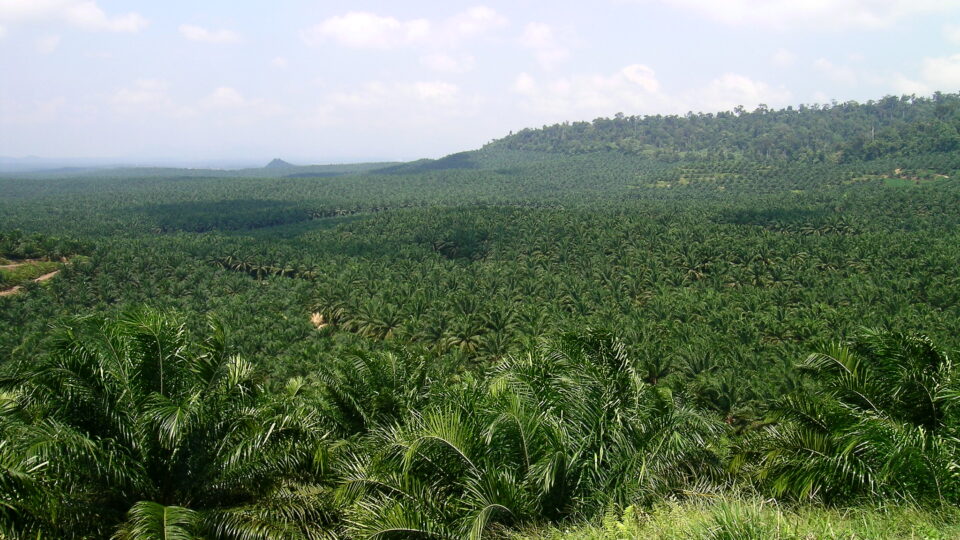
Palm oil is the most important source of vegetable oil in the world.  The oil itself and ingredients based on it are found in approximately 50% of the products on supermarket shelves, including both food and non-food items.  Many of the mysterious chemicals that show up on ingredient lists such as sodium lauryl sulfate are actually derived from palm oil.

Dozens of countries produce palm oil, but about 2/3 of the world’s supply comes from Indonesia and the demand for its oil keeps growing.  To keep up with that demand, Indonesia continues to convert valuable ecosystems that contribute greatly to biodiversity to palm production.

A four-year research project at the University of Nebraska- Lincoln has found that keeping up with palm oil demand may not necessarily mean converting valuable, fragile ecosystems into agricultural land.  According to the study published in Nature Sustainability, palm oil yields on existing farms and plantations could be greatly increased with improved management practices.

The researchers identified key practices that could lead to larger yield.  These include improved harvest methods, better weed control, improved pruning, and better plant nutrition.  With such practices, Indonesia could produce 68% more palm oil on existing plantation areas.

The results were surprising to the researchers and are significant from both environmental and economic standpoints.  In particular, it could have a great impact on the millions of individual farmers who draw their livelihood from small palm farms often containing just a few acres.  In Indonesia, about 42% of land used for palm oil production is owned by smallholder farms.

The researchers are now working with various stakeholders in Indonesia to put these management techniques into practice.

**********

Web Links

Husker research shows palm oil production can grow while protecting ecosystems

Photo, posted August 15, 2006, courtesy of Lian Pin Koh via Flickr.

Earth Wise is a production of WAMC Northeast Public Radio.
  • « Go to Previous Page
  • Page 1
  • Interim pages omitted …
  • Page 3
  • Page 4
  • Page 5
  • Page 6
  • Page 7
  • Interim pages omitted …
  • Page 9
  • Go to Next Page »

Primary Sidebar

Recent Episodes

  • An uninsurable future
  • Clean energy and jobs
  • Insect declines in remote regions
  • Fossil fuel producing nations ignoring climate goals
  • Trouble for clownfishes

WAMC Northeast Public Radio

WAMC/Northeast Public Radio is a regional public radio network serving parts of seven northeastern states (more...)

Copyright © 2026 ·