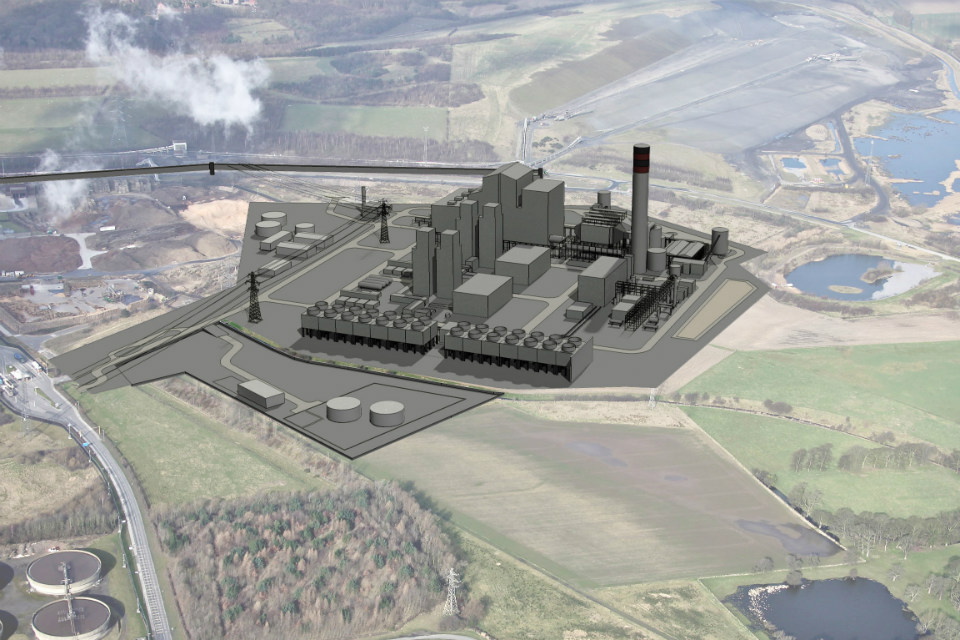
power plants

Electrifying Shipping Fleets

Container ships, tankers, freighters, and cruise ships are a significant source of carbon dioxide emissions and other pollutants. They currently account for 3% of global emissions – which doesn’t sound like much – but most other sectors such as power plants and automobiles are gradually decarbonizing. As a result, experts believe that shipping could account for as much as 17% of global emissions by the year 2050.
A Carbon Loophole
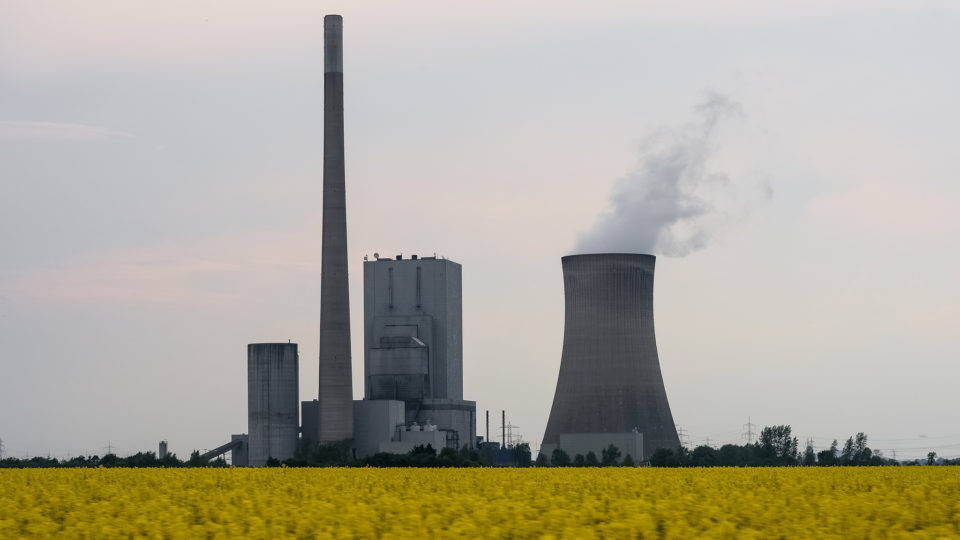
Many power plants in Europe and elsewhere are replacing coal with wood. For example, the Drax Power Station in Britain was its largest coal-burning plant and is now using wood pellets shipped from the southern U.S. in its boilers. According to the carbon accounting rules at the EU and elsewhere, the process is considered to be “carbon neutral.” But is it?
The idea is that new trees are being planted in the forests where the trees are cut to be burned in power plants. So, there is carbon neutrality. In principle.
European countries have embarked on a massive effort to switch to generating power from renewable energy. While there has indeed been major growth in wind and solar power in the 28 countries of the European Union, much of the new “green” power has come from burning wood in converted coal power stations.
A group of 200 scientists wrote to the EU last September insisting that bioenergy from forest biomass is not carbon neutral and that there must be tighter rules to protect forests and their carbon. Wood burning has become a loophole in controlling carbon emissions.
There are problems with the claims of carbon neutrality. There is no way to know whether enough new trees are actually being planted to replace those being burned. And then there is the time lag for tree replacement. Trees don’t grow overnight. There are also the carbon emissions associated with harvesting, processing and transporting wood.
There are most certainly ways in which burning biomass can be carbon neutral and can represent real progress over the use of fossil fuels. But caution must be taken to avoid exploiting loopholes in current climate rules that might actually result in increased carbon emissions.
**********
Web Links
Carbon Loophole: Why Is Wood Burning Counted as Green Energy?
Photo, posted April 26, 2014, courtesy of Flickr.
‘A Carbon Loophole’ from Earth Wise is a production of WAMC Northeast Public Radio.
Transportation And Greenhouse Gases

Power plants have been the biggest source of greenhouse gas emissions in the United States for more than 40 years. But the ever-changing picture of electricity production has changed that situation. According to new data from the government’s Energy Information Administration, transportation has now taken over the top spot.
The Perils Of Air Conditioning

The battle to reduce greenhouse gas emissions is heavily focused on replacing fossil fuel power plants with renewable energy and replacing internal combustion engine autos with electric cars. But there is another elephant in the room: air conditioners.
The Largest Floating Solar Power Plant
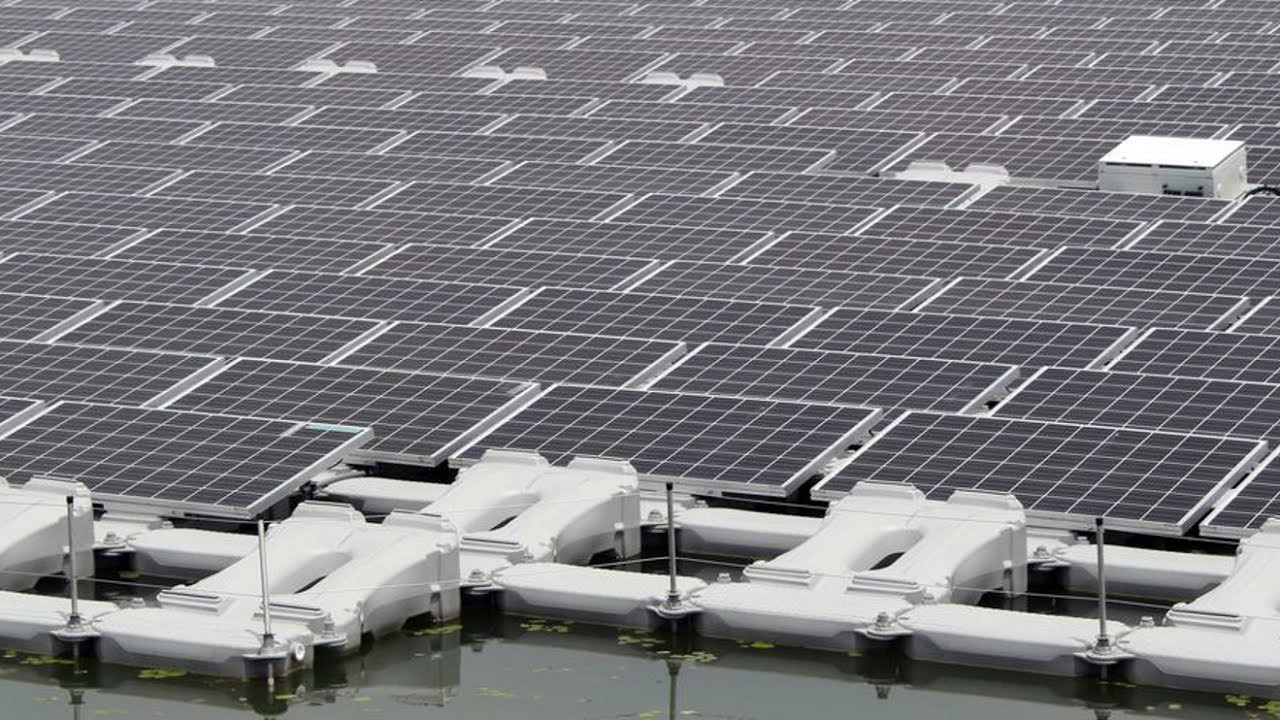
The world’s largest floating solar power plant is now operational and connected to the electric grid in China. It is a 40-megawatt facility and floats in water 13 to 30 feet deep in a lake that was created by a former mining operation.
Old Dog, New Trick
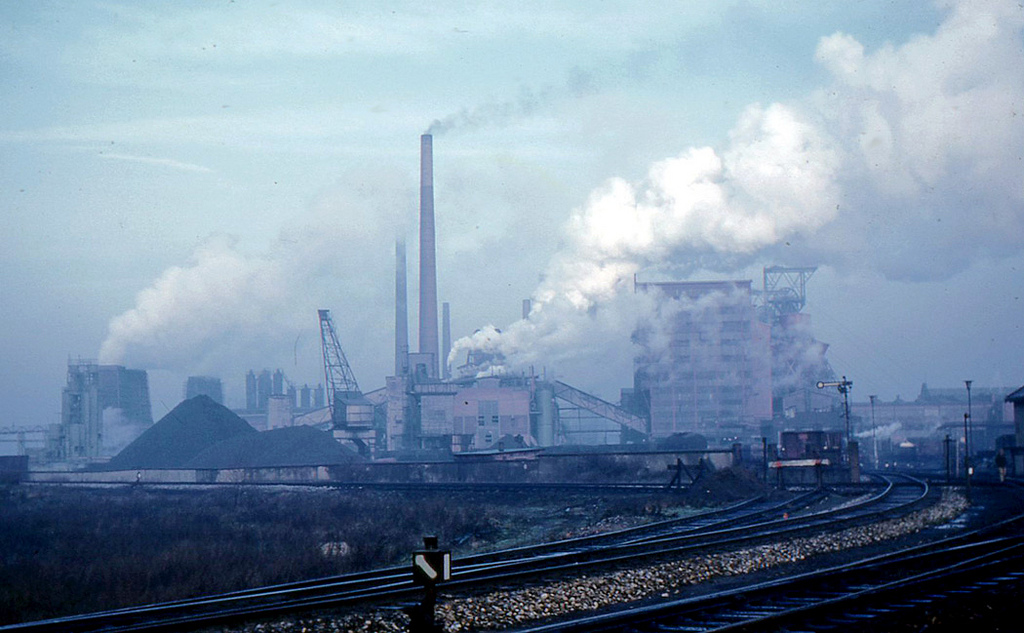
The North-Rhine Westphalia region of Germany was the crucible of that country’s industrial revolution and it still generates a third of Germany’s power, much of it using aging coal plants. However, Germany’s national energy transition program is pushing the country away from coal and other fossil fuels and towards renewable energy sources.
Climate Change And A Divided Country

This Saturday is Earth Day and it’s also the occasion for the March for Science taking place in Washington, DC and in many other cities around the world. The purpose is to express support for scientific research and evidence-based policies in a tumultuous political environment.
Cleaning Britain’s Air
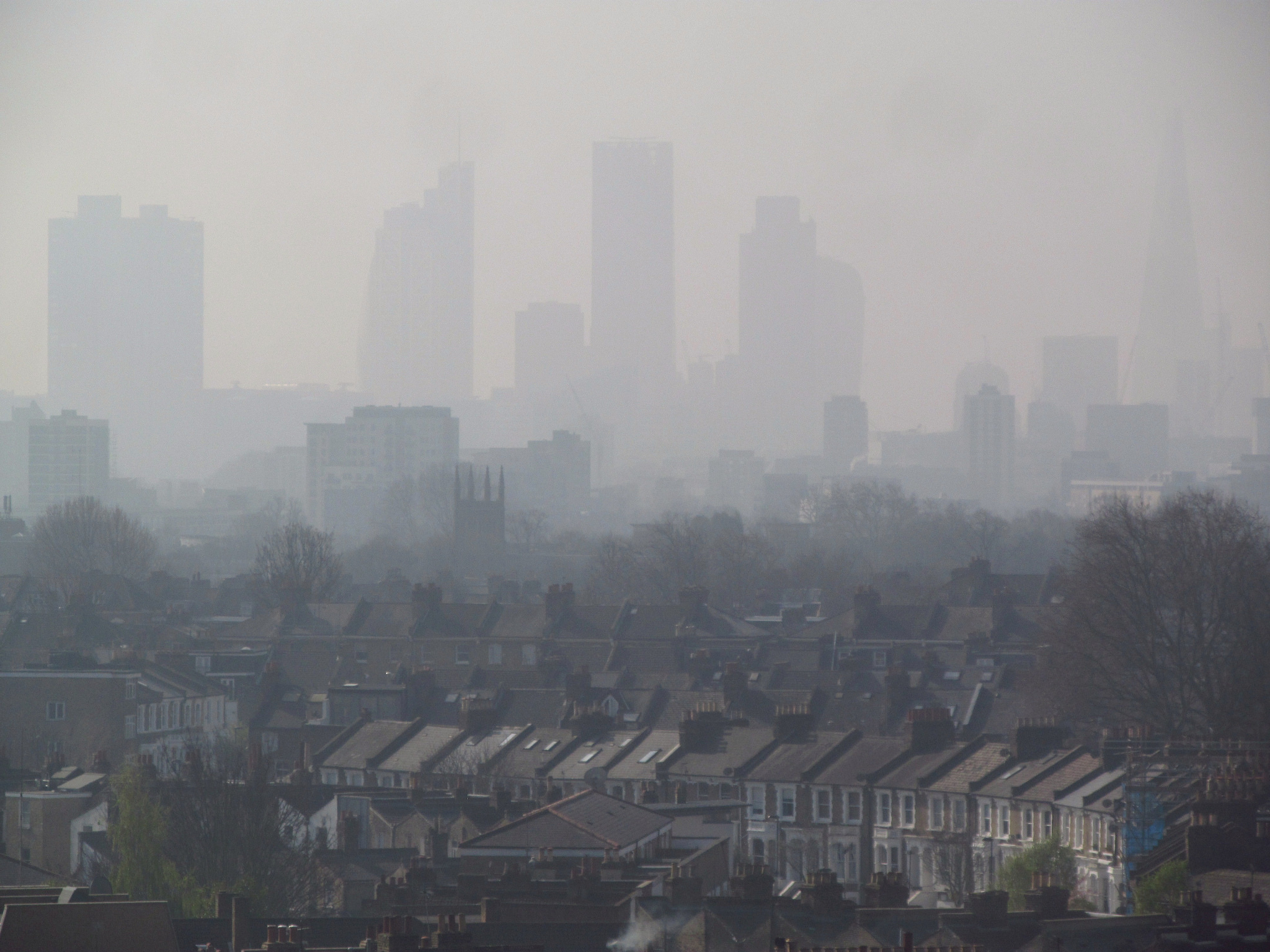
According to a new study by the non-profit group Carbon Brief, carbon dioxide emissions in the United Kingdom are at their lowest levels since the 1920s. Four factors are responsible: a record drop in coal use, the rapid growth of renewable energy, the expansion of energy efficiency programs, and the increased use of natural gas for electricity power plants.
2016 Carbon Progress Report
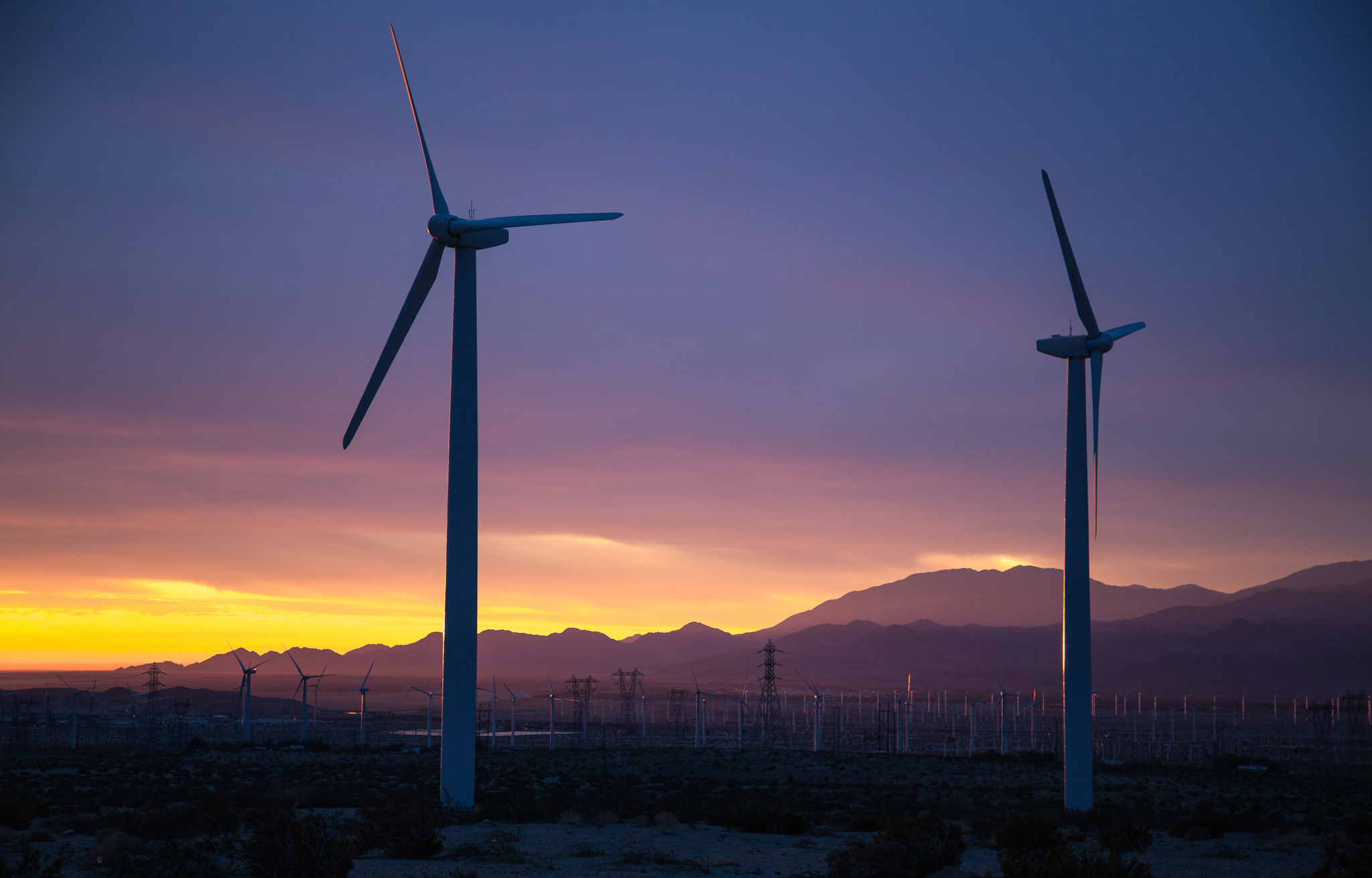
Last year was a big year for progress in the U.S. power sector. Renewable energy provided nearly 17% of the country’s electricity, up from 13.7% in 2015. The first offshore wind farm in the U.S. opened off the coast of Rhode Island. And most significantly, carbon emissions from the power sector continued to decline and reached the lowest levels in nearly 25 years.
Clean Coal For Real
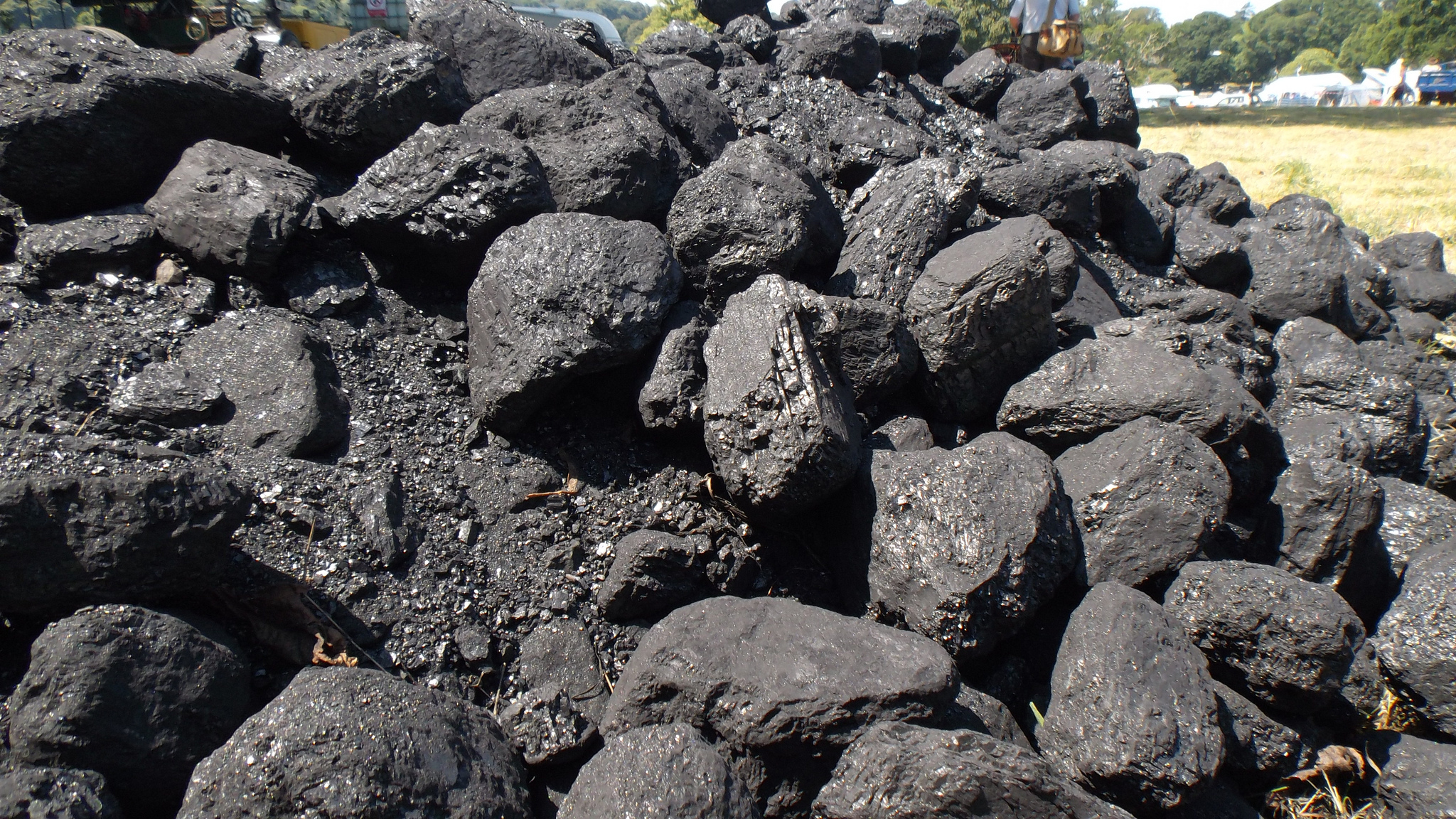
We have heard the term “clean coal” for years, mostly from politicians and in coal company advertising. The concept sounds good: burn coal but don’t produce carbon dioxide emissions. While there have been various small-scale tests of technologies to accomplish this, it has not actually been a viable option for the power industry.
Turning Carbon Dioxide Into Rock
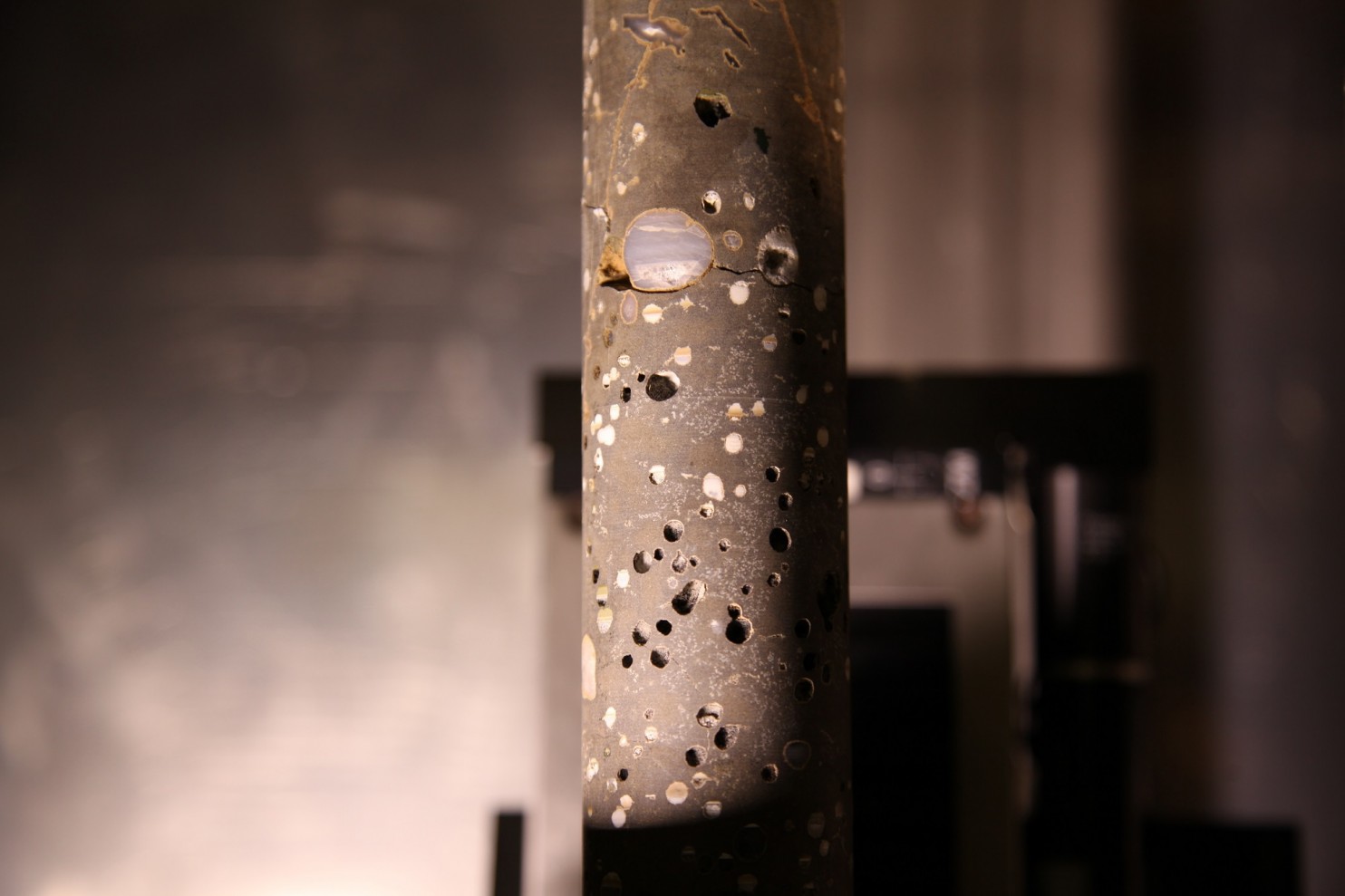
There is a lot of interest in figuring out a way to store carbon dioxide produced from industrial processes and energy plants or even sucking it out of the atmosphere and then storing it. The problem is where exactly to put the stuff and how to make sure that it stays there.
Using Less Energy

Americans comprise less than 5% of the world’s population, but we use almost 20% of its energy. This is a problem from many perspectives and it is one that we are at least trying to solve.
Virtual Power Plants
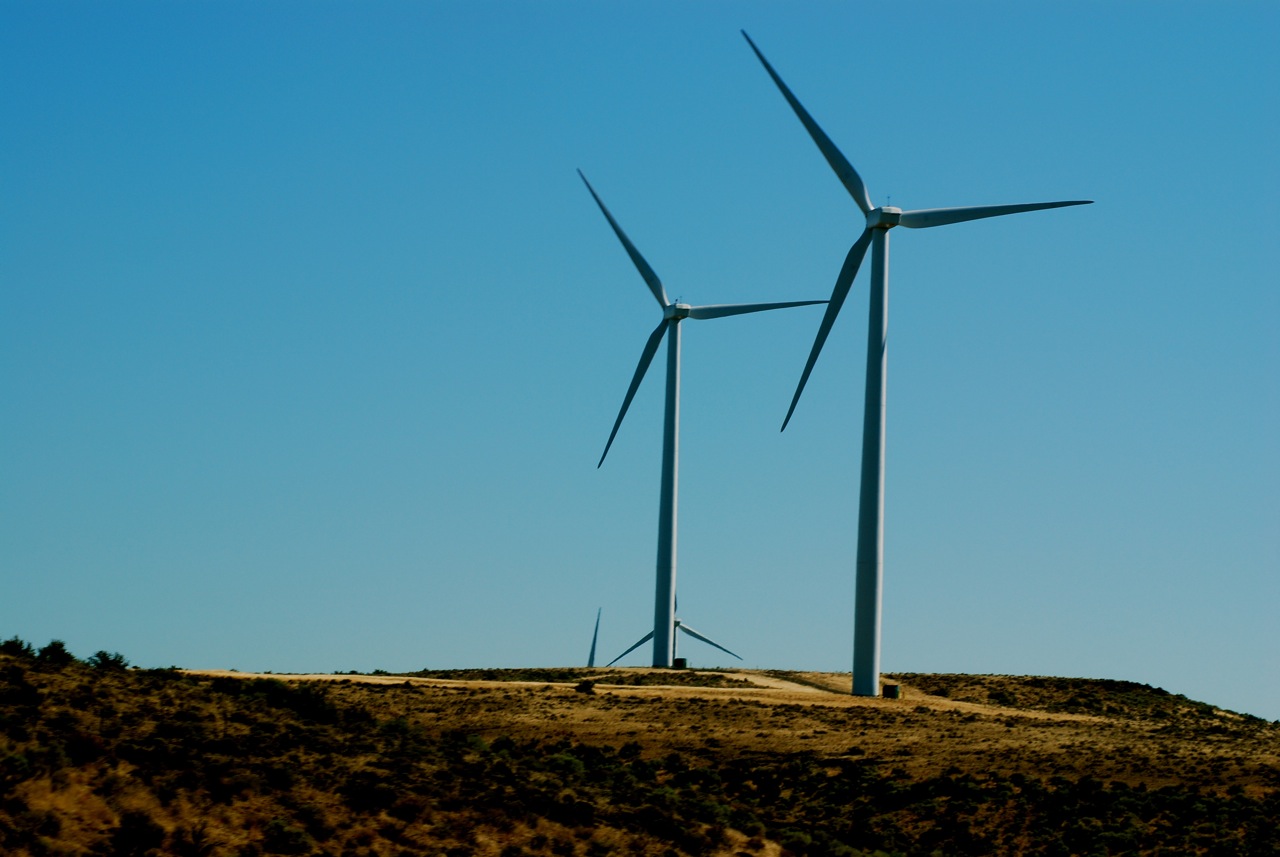
The traditional model of the electricity grid is one where centralized large power plants send power through transmission lines to substations and then on to homes and businesses. As localized renewable energy sources, energy storage systems, and efficiency systems proliferate throughout the system, a new concept is emerging: that of the virtual power plant.
The Carbon XPrize
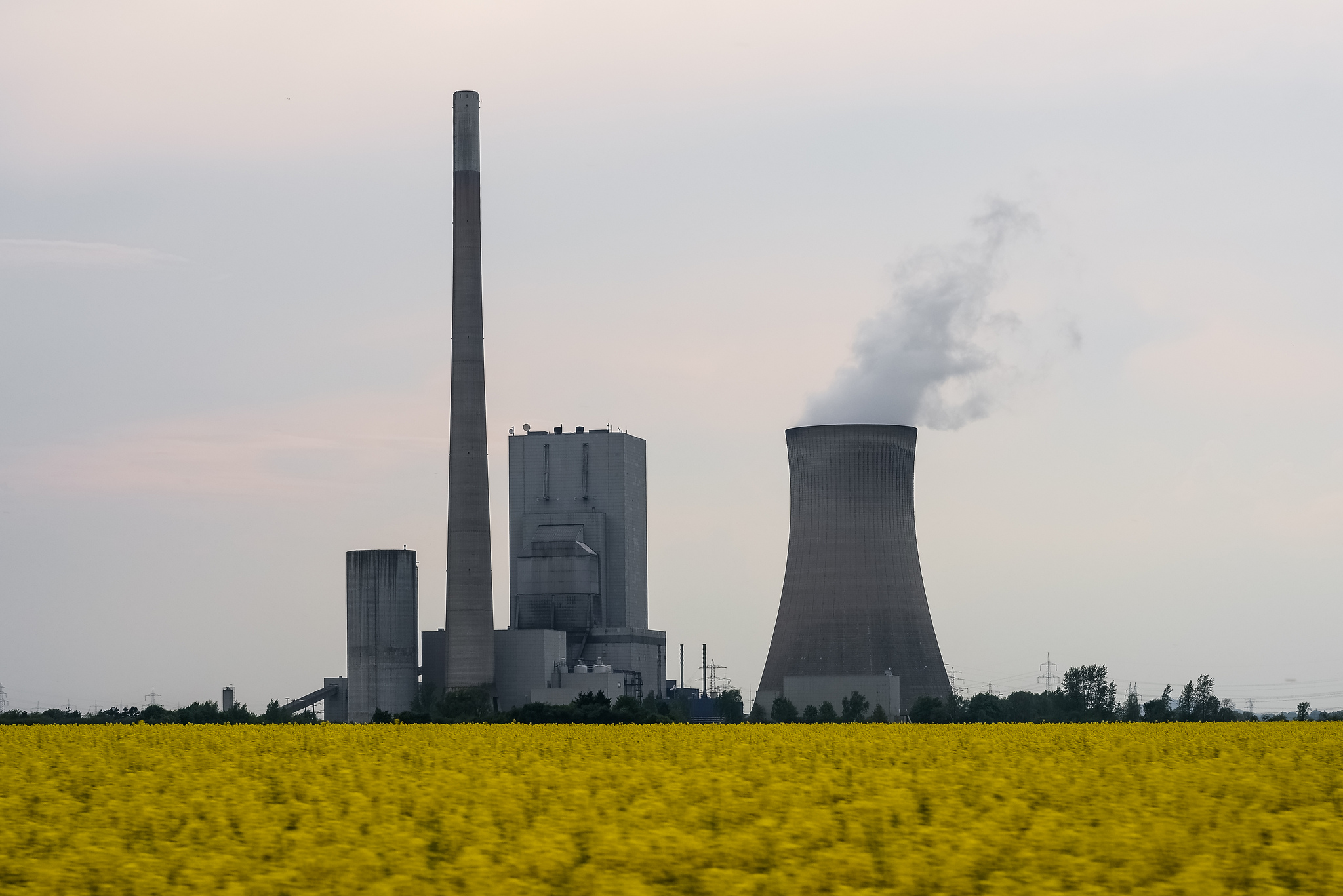
The Carbon XPrize is a five-year, $20 million competition to identify ways to convert carbon emissions into successful, profitable and useful products. Forty-seven organizations from seven countries are competing for the prizes and include large companies, startups and university researchers.