plants
Is The World’s Largest Sea Turtle No Longer Endangered?
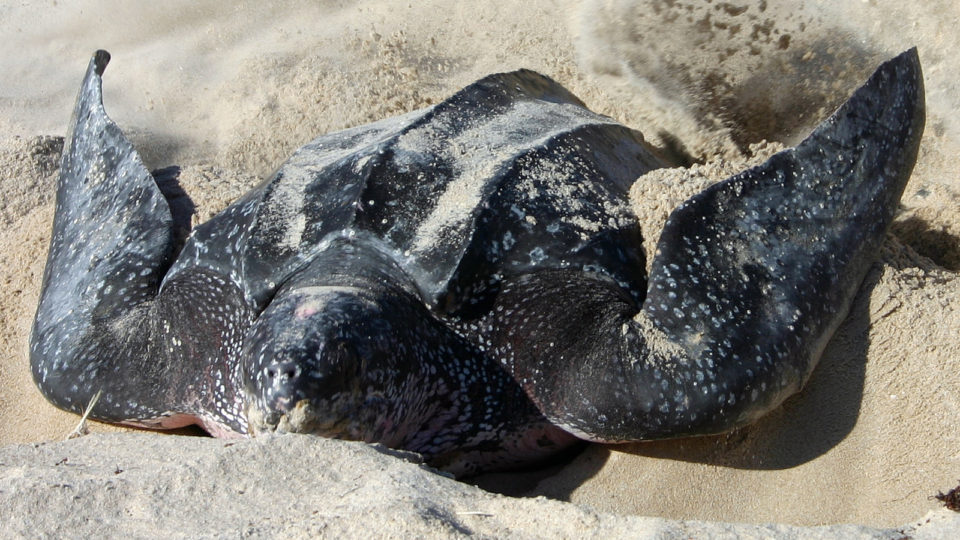
The rapid disappearance of many plants and animals around the world has many scientists saying we are experiencing a sixth mass extinction – the first since the dinosaurs were wiped out some 66 million years ago. Despite all sorts of conservation efforts, living things are struggling as a result of climate change, habitat loss, and countless other natural and manmade pressures. Conservation success stories have been few and far between.
[Read more…] about Is The World’s Largest Sea Turtle No Longer Endangered?
The Ecology Of Dust
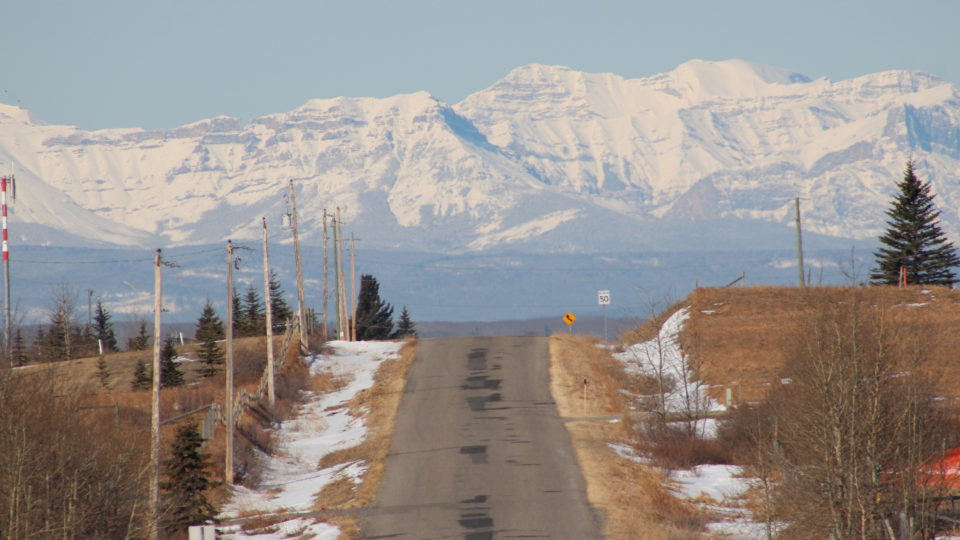
It isn’t something we think about very often, but dust is a connector of ecosystems around the world. Dust carries various minerals and nutrients to places where such things are in very scarce supply. This includes the oceans of the world as well as many forests and other ecosystems. For example, phosphorus-bearing dust carried from the Gobi Desert is essential to the growth of giant redwoods in California’s Sierra Mountains.
Climate Change And Barley
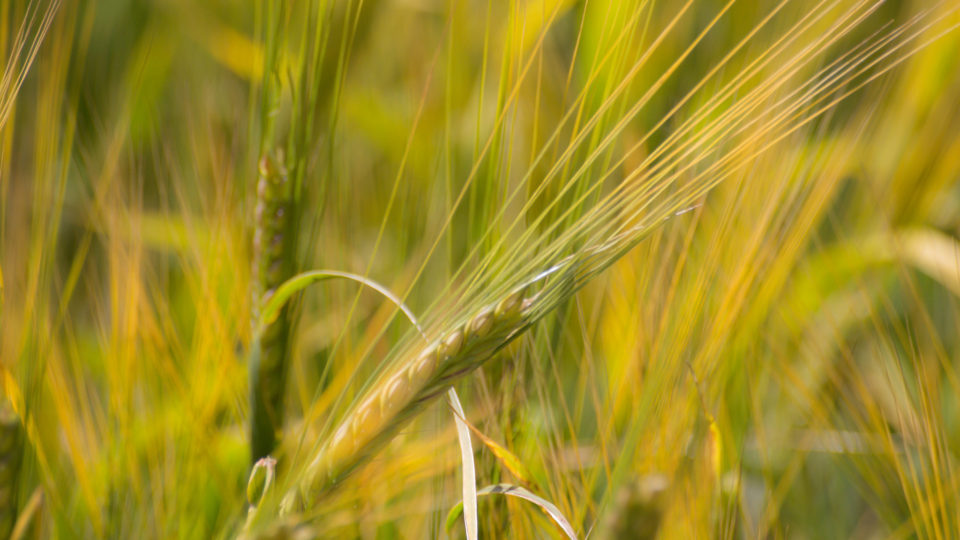
The impacts of increased carbon dioxide and the changing climate are often complicated and, it turns out, not always negative. In some areas of the world, people can actually benefit from increased CO2 and climate change. Barley, the most important feed crop for beef production in Alberta, Canada, as well as the province’s beef industry itself actually stand to gain from the changes that are most assuredly not a good thing for much of the world.
Turning Biofuel Waste Into Valuable Chemicals
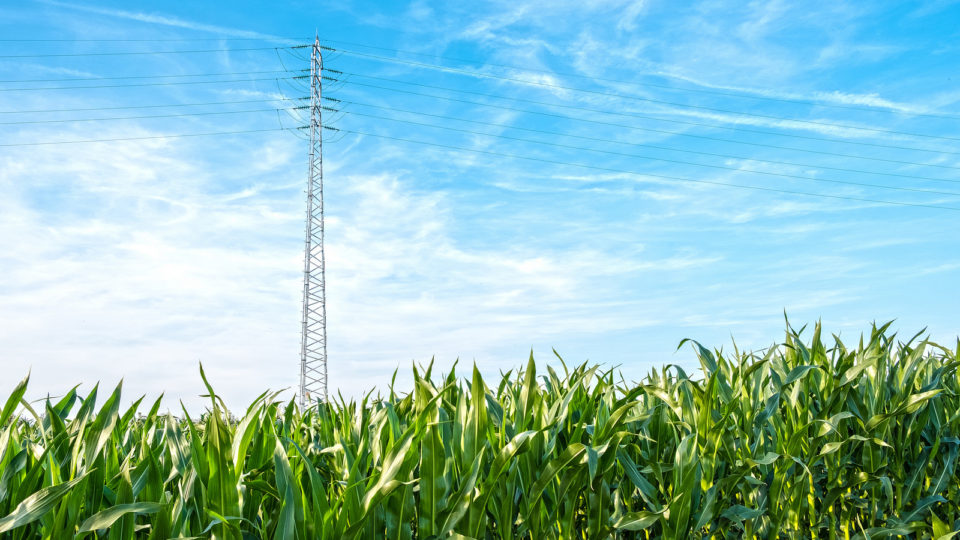
When biofuels are made, tough plant material is left over as waste. The material is lignin, which is a main component of plant cell walls that gives plants their structural integrity. Lignin is made up of many valuable compounds, but taking it apart to extract them is very difficult.
[Read more…] about Turning Biofuel Waste Into Valuable Chemicals
A Decline In Flying Insects
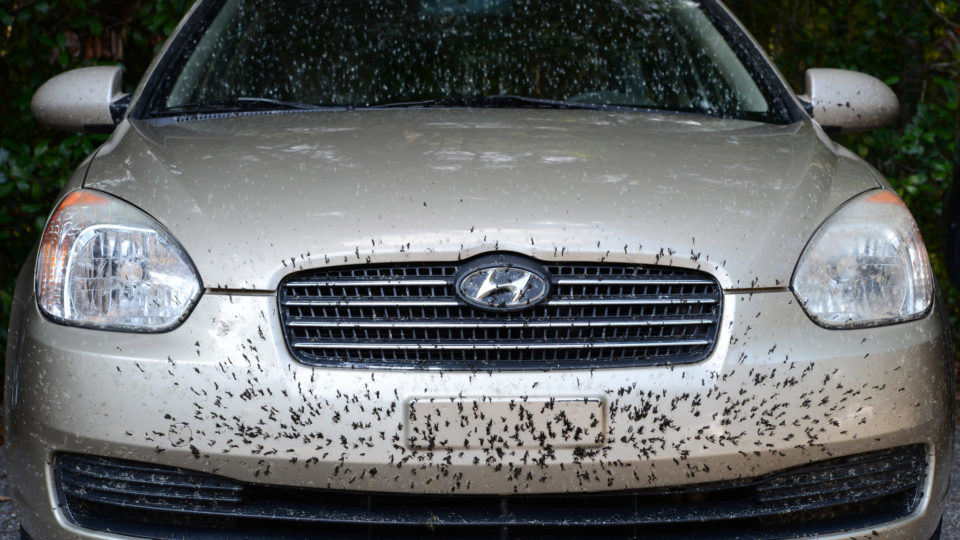
When was the last time you used a squeegee to remove squashed insects from your windshield? It’s been a while, right? It’s not just you. This is known as the windscreen phenomenon. Scientists and some motorists have long suspected that flying insects are in dramatic decline. New research has confirmed these suspicions.
Carbon And Heating Soil
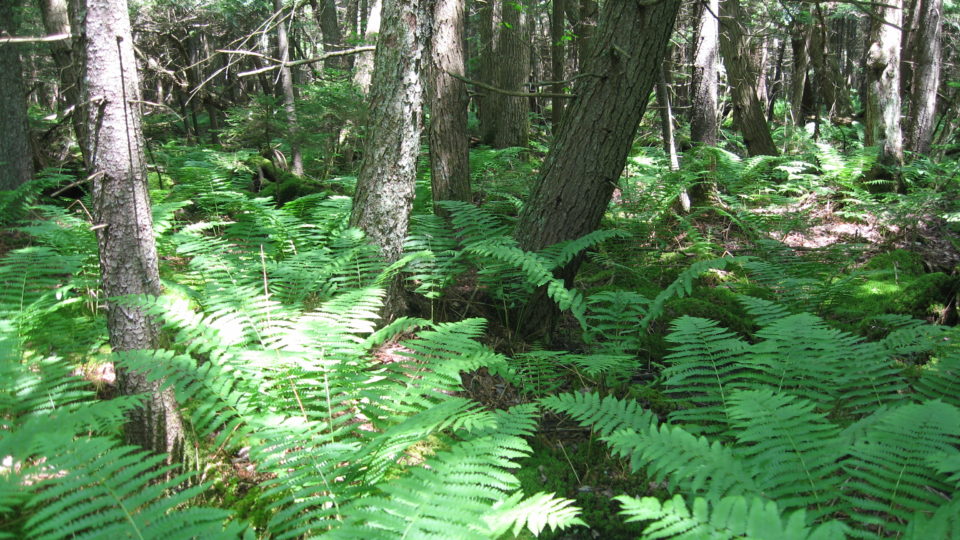
Plants are a critical part of the Earth’s carbon cycle. They take in carbon dioxide during photosynthesis. Eventually, dead leaves, branches and other materials fall to the ground where bacteria and fungi decompose the materials and release the CO2 back into the atmosphere. This carbon-soil feedback loop is a complicated one that is critical to the overall carbon balance because soils actually contain two to three times more carbon than the atmosphere.
Sea Turtle Populations Are Rebounding
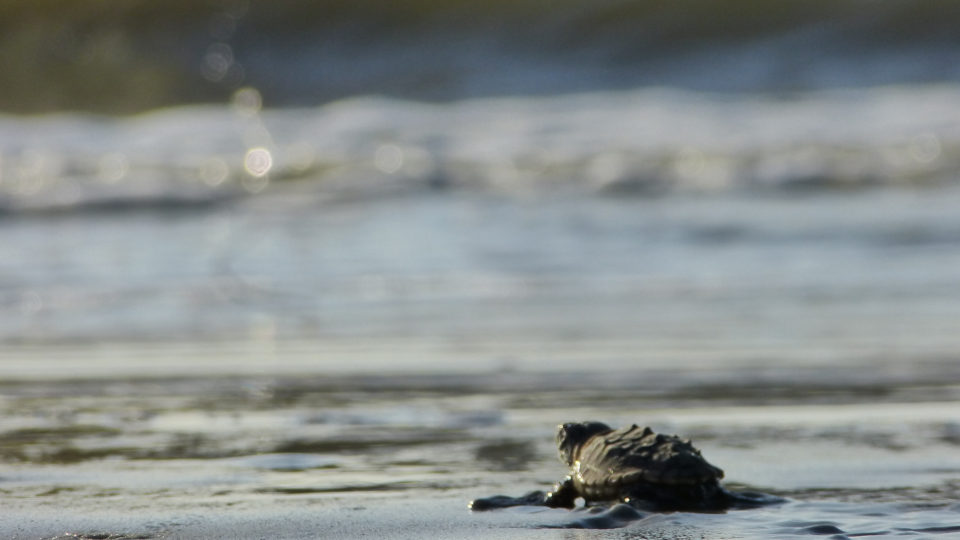
The increasing disappearance of so many plants and animals around the world has made many scientists believe that we are experiencing a sixth mass extinction. Despite ongoing conservation efforts, living things are struggling with habitat loss, climate change, and many other natural and man-made pressures. Conservation success stories seem to be rare events.
Renewables On The March
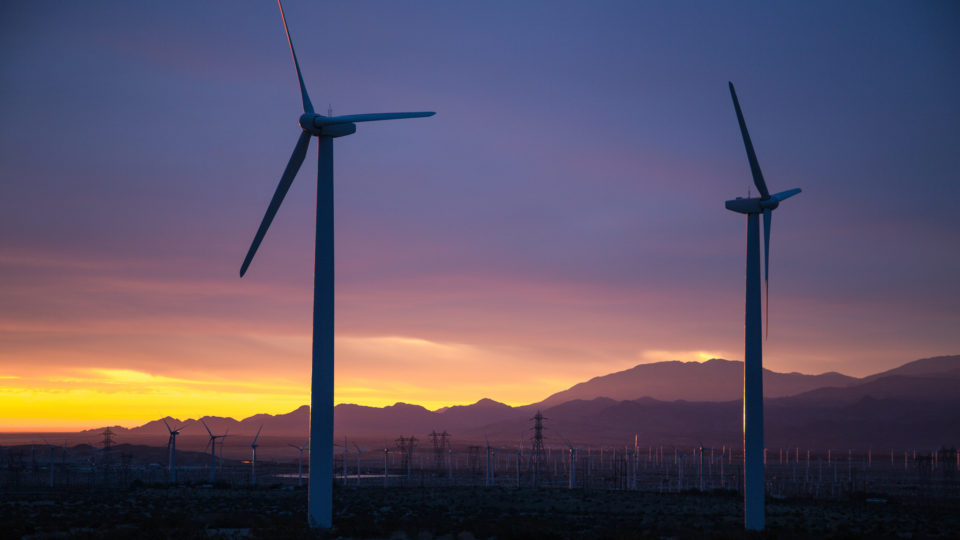
Solar power and wind power have both been growing by leaps and bounds in recent years and there is no end in sight to their progress.
Super Blooms
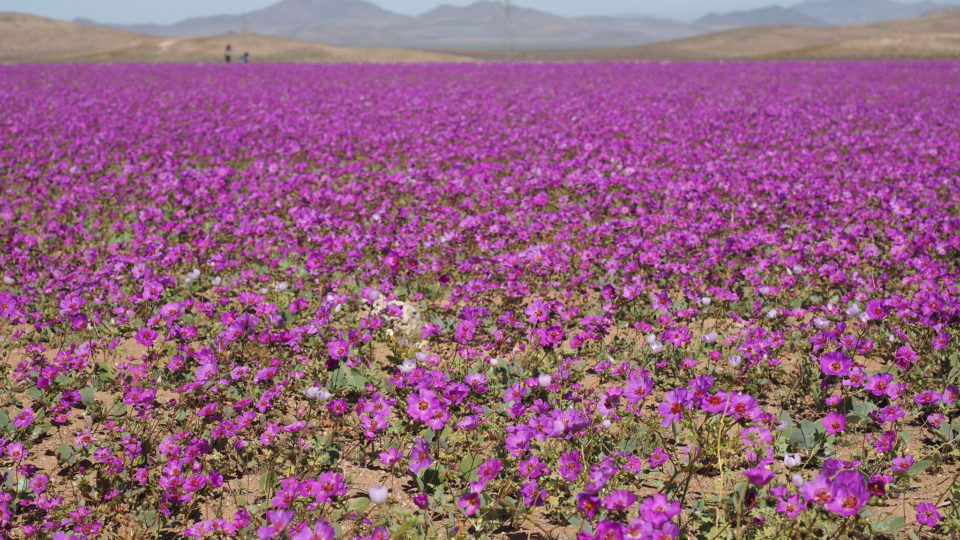
This past August one of the driest regions on Earth transformed from a barren desert to a sea of colorful flowers. Heavy rains in Chile’s Atacama Desert caused the phenomenon, locally known as the desierto florido or flowering desert. These things typically only happen every five to seven years, but the previous super bloom actually took place in 2015.
Can The Great Barrier Reef Be Saved?
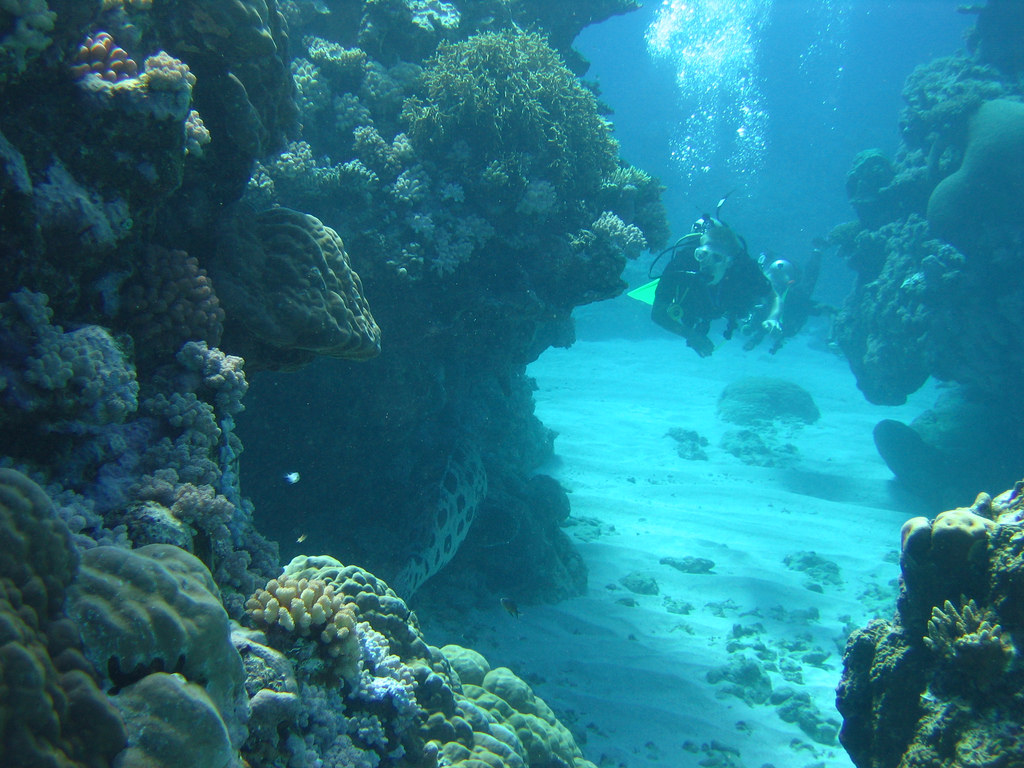
There have been many stories in the media about the ongoing environmental crisis at Australia’s Great Barrier Reef. Over the past two years, the reef has lost almost half of its coral because of bleaching events. Faced with this situation, the Australian government created the Reef 2050 Plan, a strategy to protect and maintain the reef through the year 2050.
Doing More Harm Than Good
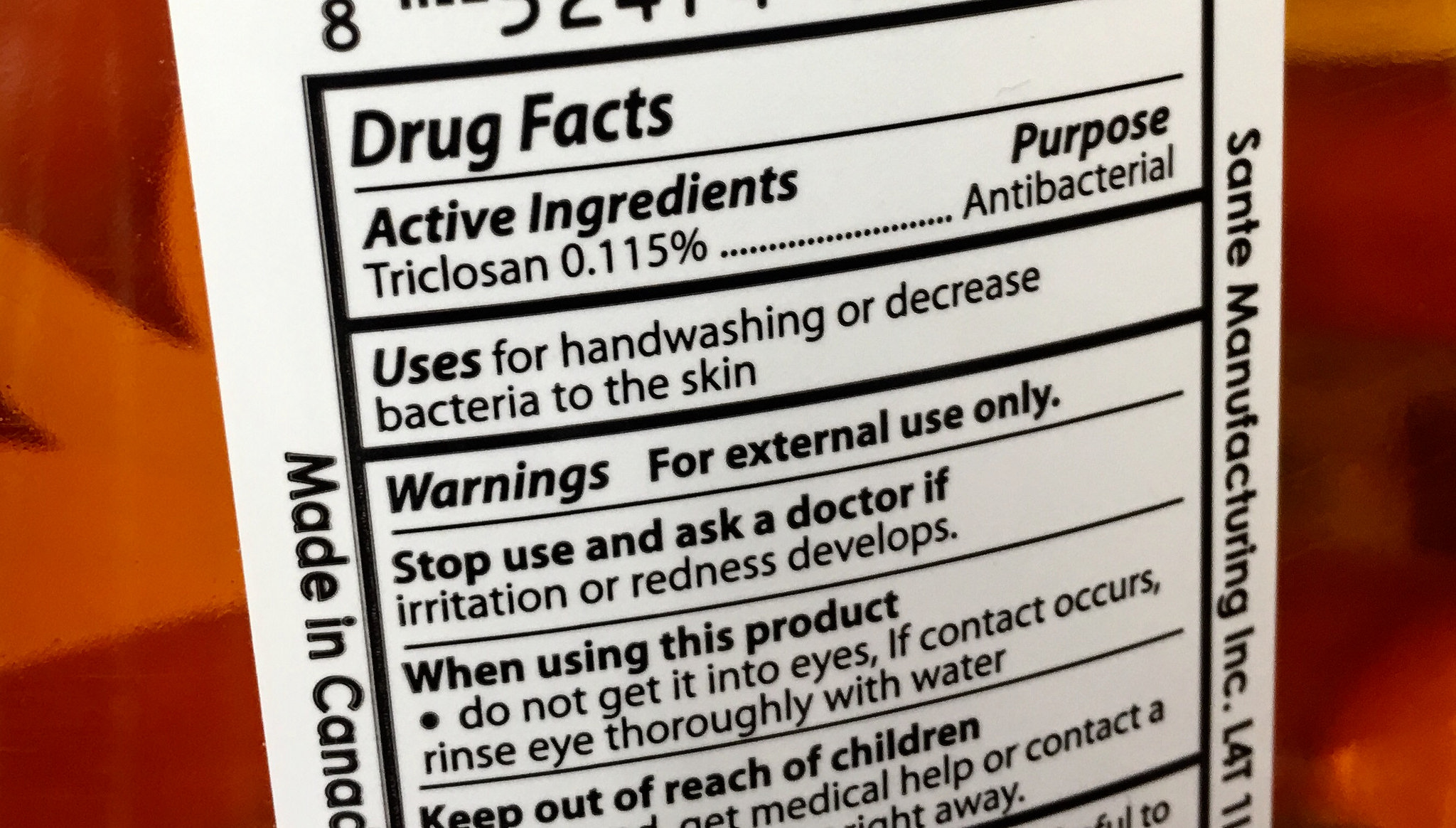
A group of more than 200 scientists and medical professionals has issued a consensus statement in the journal Environmental Health Perspectives urging that antimicrobial chemicals like triclosan and triclocarban should not be used in consumer products. The experts say that these substances offer no health benefits and are actually causing health and environmental harm.
Trees Are Not Enough
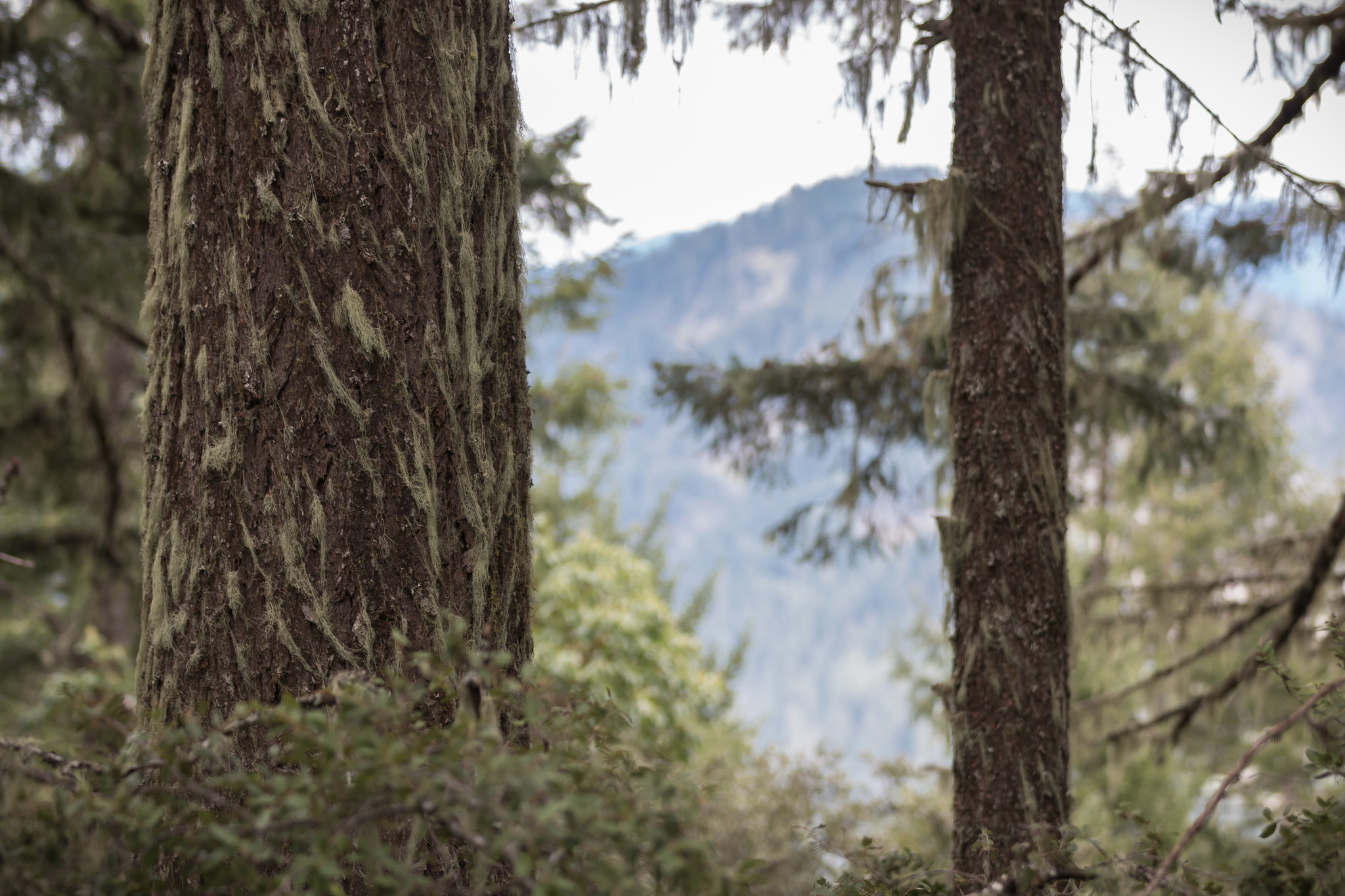
Trees are nature’s way of removing carbon dioxide from the atmosphere. Growing plants take up CO2 and store it in the form of their roots, stems and leaves. And in fact, a significant factor in the growing levels of carbon dioxide in the atmosphere has been the extensive deforestation that has gone on over the past couple of centuries.
Saving Borneo’s Forest
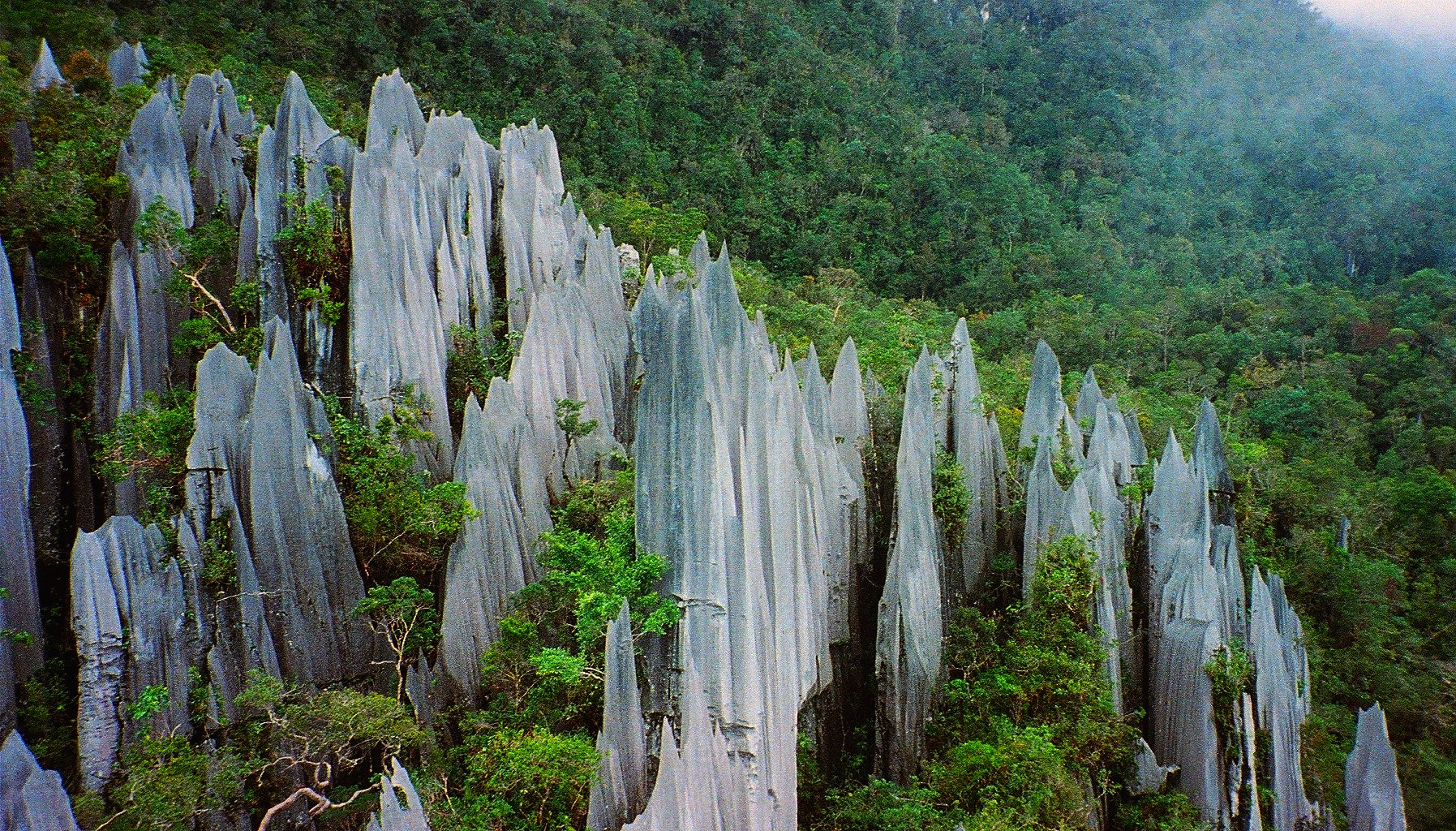
Borneo is the third-largest island in the world, home to part of Indonesia, part of Malaysia, and the small sultanate of Brunei. It is also home to the oldest forest on earth – 130 million years old – which is more than twice as old as the Amazon rain forest.
Making Biofuel Cost Effective
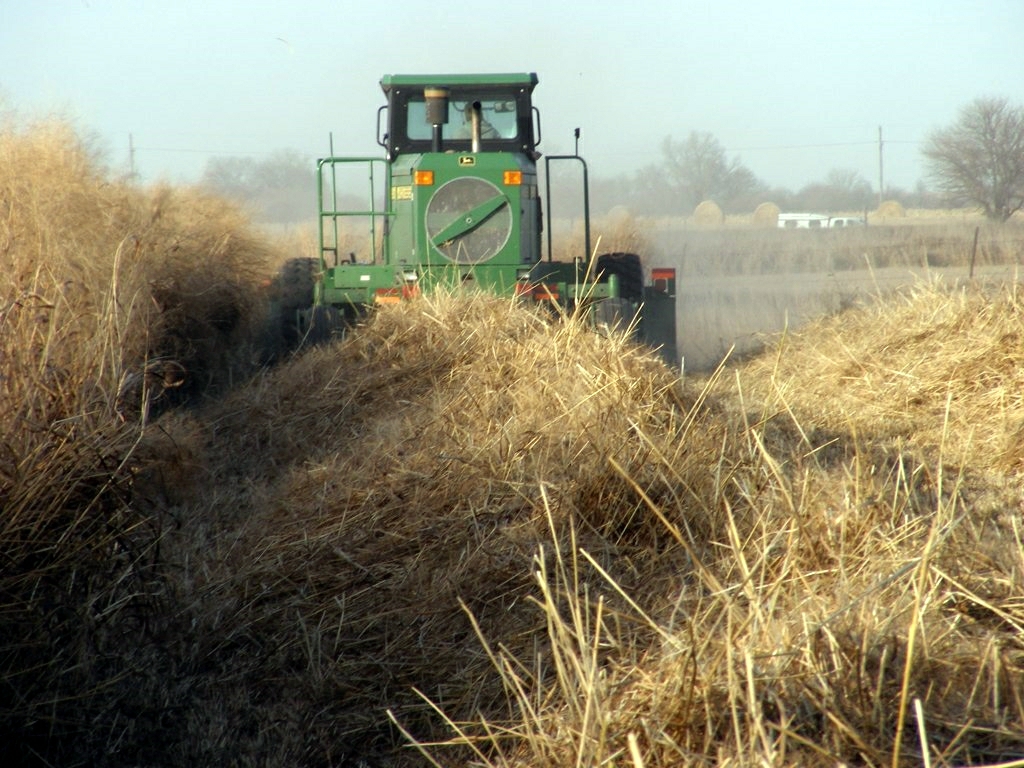
Biofuels are considered to be a sustainable alternative to fossil fuels. However, they are generally more expensive than competing fossil fuels. Government subsidies, such as we have for ethanol in this country, have been necessary to make biofuels competitive in the marketplace.
Increasing Biological Invasions
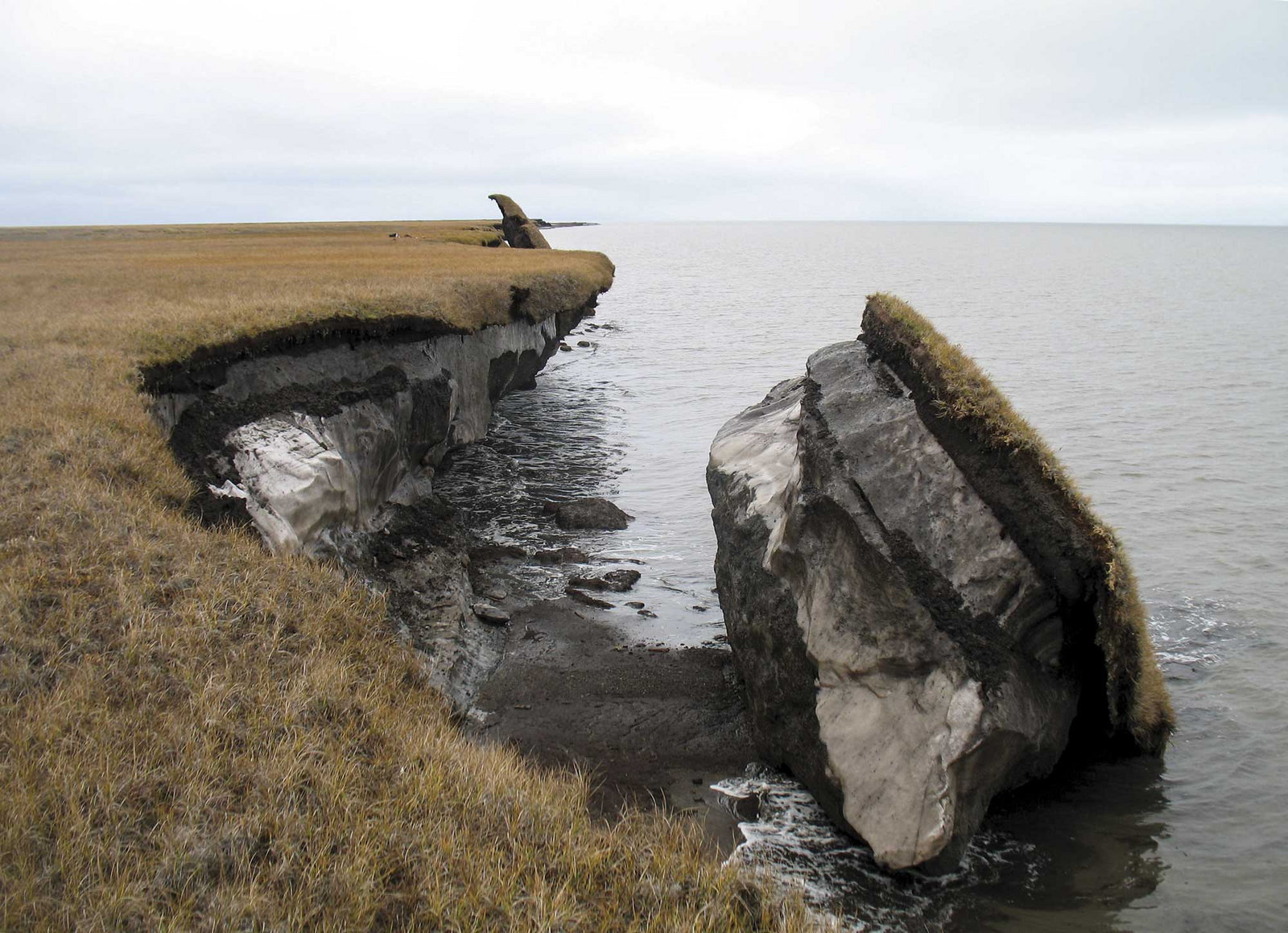
Invasive species have been a problem for quite some time. Over the years, we have grappled with – among other things – invasive plants from Japan, zebra mussels from eastern Europe, and Asian fungus that kills off ash trees in our forests.
Cows And The Environment
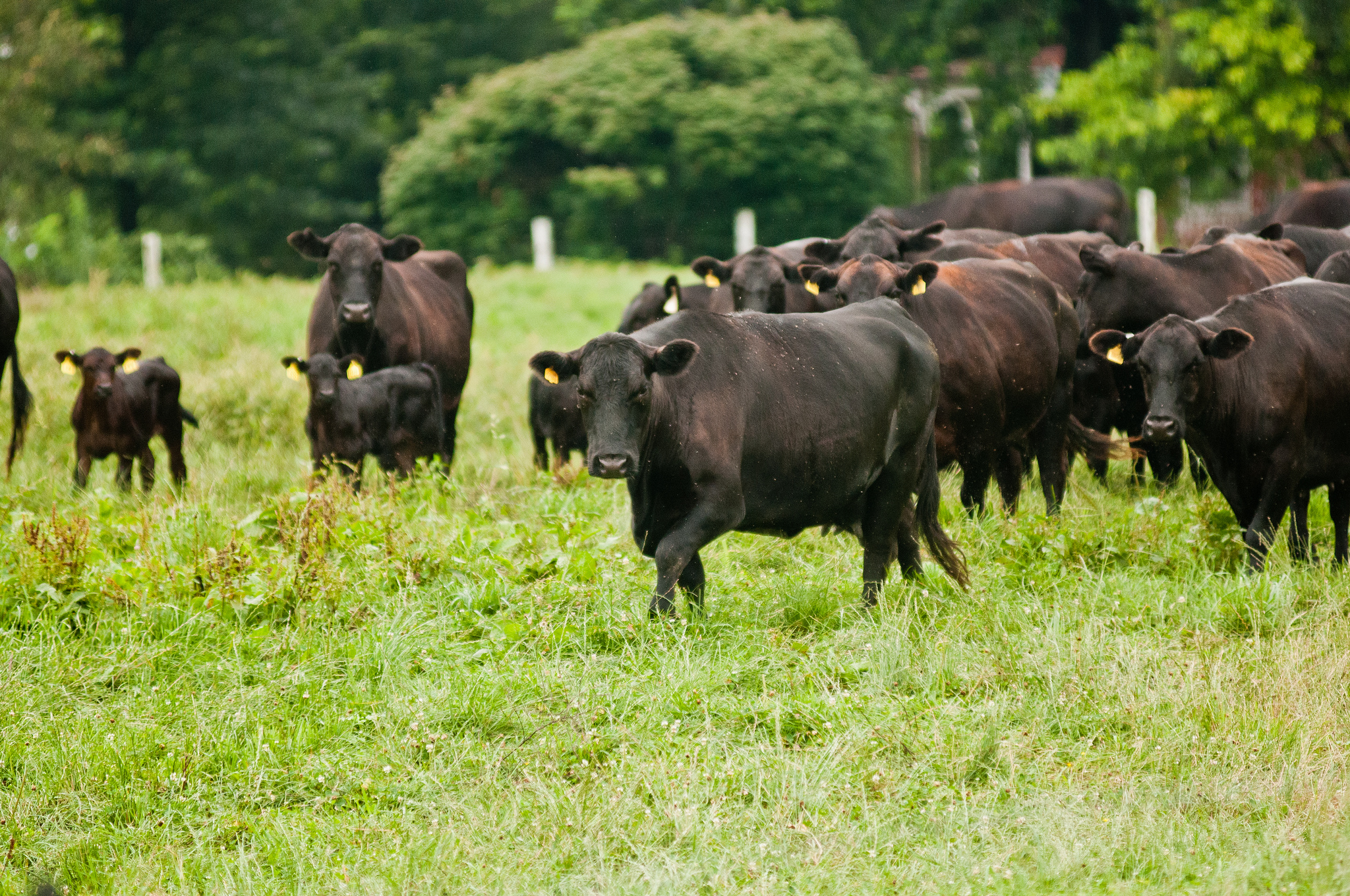
There are many environmental problems associated with ruminant livestock and these problems continue to grow as the demand for meat-rich diets increases around the world. One of the biggest problems is that cows emit methane through eructation (or belching) as they chew their cud. Methane is a powerful greenhouse gas, some 25 times more potent at trapping heat than carbon dioxide. More than a quarter of all human-originated methane going into the atmosphere comes from raising livestock.
Terrestrial Plants and Lake Ecosystems
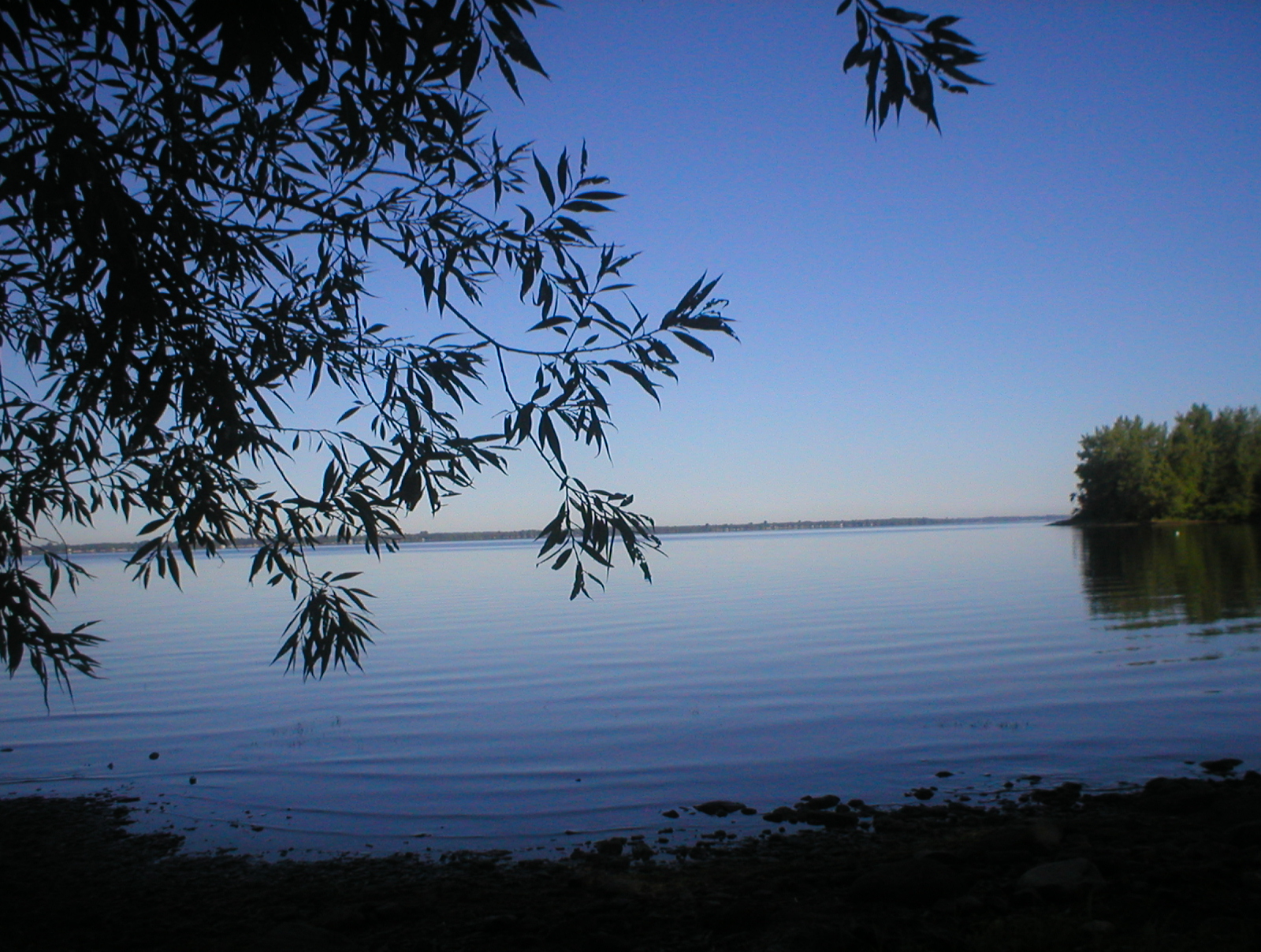
Most of the planet’s freshwater stores are found in the northern hemisphere, a region that is changing rapidly in response to human activity and shifting climate trends. A recent study analyzed 147 northern lakes and found that many rely on nutrients from tree leaves, pine needles, and other land-grown plants to feed aquatic life.
A Helpful Invader
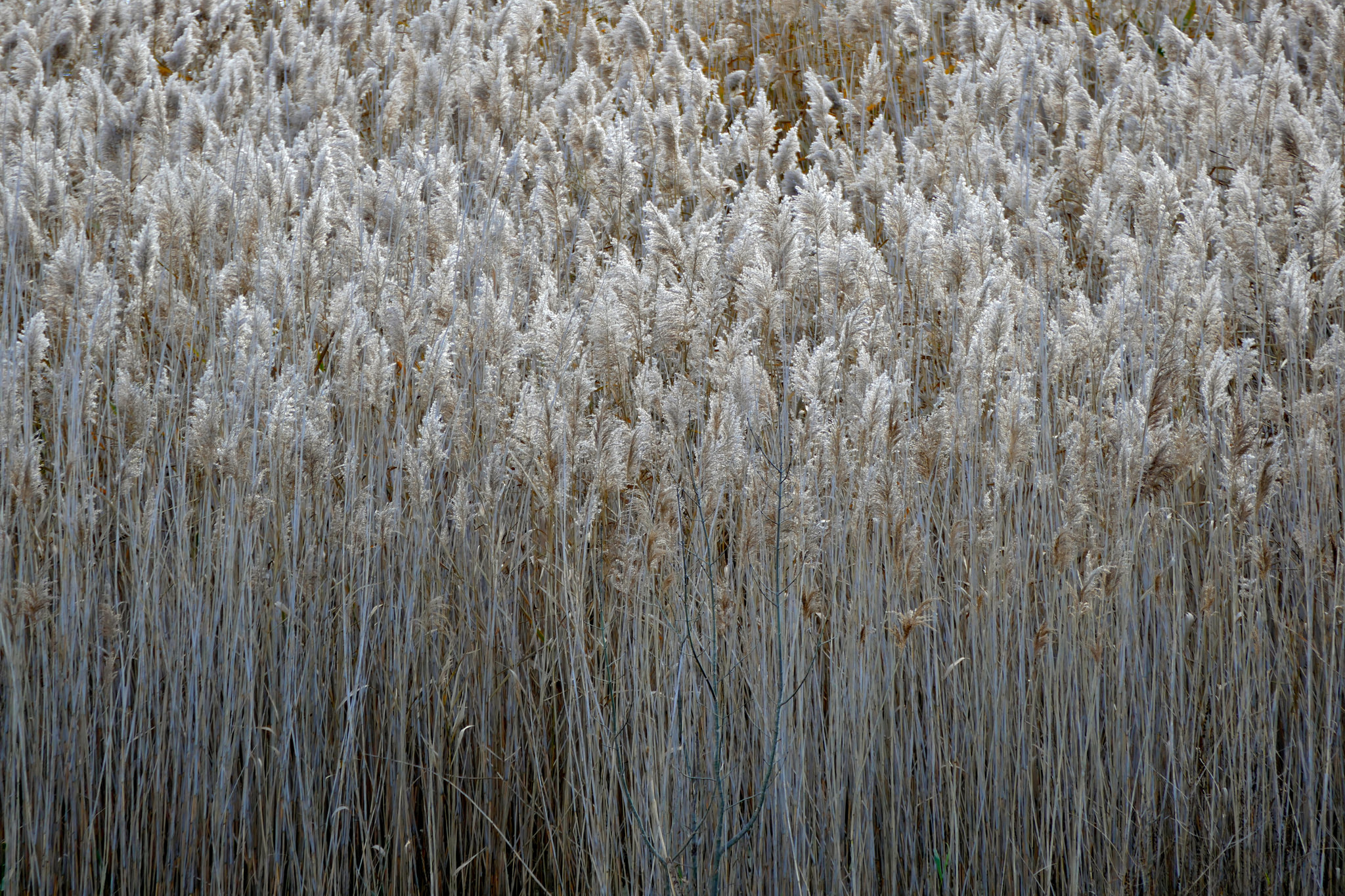
Invasive species are a great concern for the health and stability of ecosystems. They are defined as plants, animals or pathogens that are non-native to the ecosystem under consideration and whose introduction causes or is likely to cause harm. It is that latter consideration that isn’t always obvious.