• Skip to primary navigation
  • Skip to main content
  • Skip to primary sidebar

Earth Wise

A look at our changing environment.

  • Home
  • About Earth Wise
  • Where to Listen
  • All Articles
  • Show Search
Hide Search
You are here: Home / Archives for greenhouse gas

greenhouse gas

Climate Change And Kenya’s Tana River Basin | Earth Wise

September 6, 2021 By EarthWise Leave a Comment

Climate change threatens biodiversity within the Tana River Basin

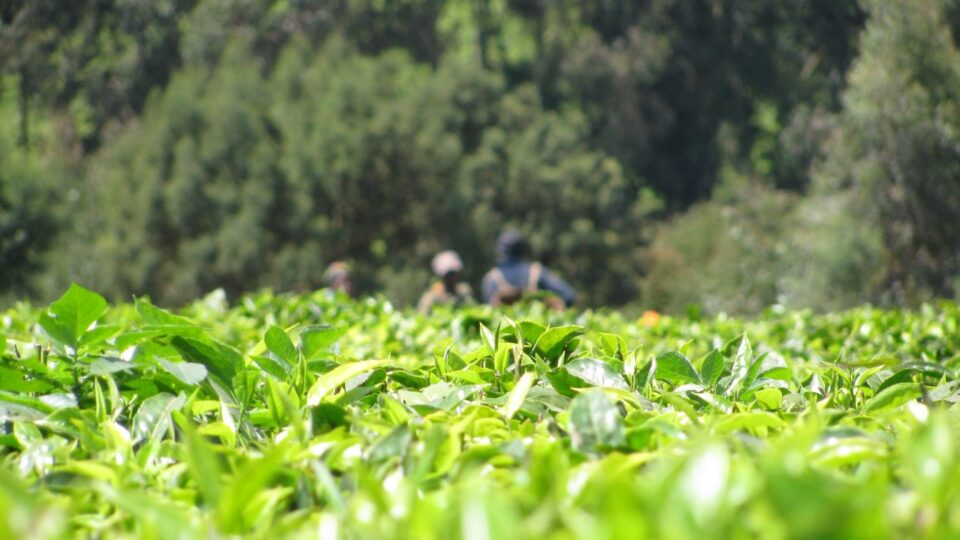
The Tana River is the longest river and most important waterway in Kenya.  It flows 620 miles from its headwaters in the Abderdare mountain range and Mount Kenya to the Indian Ocean.  The Tana River produces approximately half of the country’s electricity, and supplies Nairobi, the capital of Kenya, with 80% of its water.   

According to the United Nations Environment Programme, eight million people live along the Tana River, where coffee, tea, corn and other crops are grown for export, and fishing and cattle grazing help produce food for large portions of the country’s population. 

But the long-term ability of the river to provide these and other essential services is increasingly under threat due to many factors, including pollution, soil erosion, deforestation, and poor land use practices.   

Climate change is also complicating matters.  According to new research from the University of East Anglia, many species within the Tana River Basin will be unable to survive if global temperatures continue to rise at the current pace.  However, the study, which was recently published in the journal PLOS ONE, also found that many of these species could be saved if the world could meet the climate goals of the Paris Agreement. 

Globally, climate and land use changes are the two biggest threats to biodiversity.  According to researchers, 36% of the Tana River Basin has already been converted to agriculture. 

The research team says stronger commitments on climate change are needed from global leaders.  The climate and biodiversity crises can only be solved with urgent action to reduce global greenhouse gas emissions. 

**********

Web Links

The impact of climate change on Kenya’s Tana river basin

Economics of Ecosystem Services of the Tana River Basin

Photo, posted August 19, 2010, courtesy of Luigi Guarino via Flickr.

Earth Wise is a production of WAMC Northeast Public Radio.

Spending Habits And Carbon Emissions | Earth Wise

September 1, 2021 By EarthWise Leave a Comment

Consumption choices have a major impact on carbon emissions

According to a new Swedish study recently published in the Journal of Industrial Ecology, men spend their money on greenhouse gas-emitting goods and services, such as meat and fuel, at a much higher rate than women. 

The study looked at the carbon emissions created by consumption among categories like food, clothing, furniture, and vacations to see if households could reduce their greenhouse gas emissions by buying different products and services.  The research team reviewed Swedish government data through 2012 and analyzed the spending habits of households, single men, and single women. 

According to the study, single Swedish men spent about 2% more money overall than single Swedish women.  But the stuff that the men bought created 16% more greenhouse gases than the stuff that the women bought.  That’s because men were more likely to spend money on high-emitting categories, like fuel for cars, while women spent more on less-emitting categories like furniture, health care, and clothing. 

For both men and women, vacations were a major source of emissions, accounting for approximately one-third of their total carbon footprint. 

While the carbon impact of men’s and women’s diets were nearly equal, men spent more money on meat while women spent more on dairy.  Both meat and dairy production are major sources of global greenhouse gas emissions.   

The study found single people were responsible for more greenhouse gas emissions than married people or people in households. 

According to the research team, people could decrease their carbon emissions nearly 40% by making more environmentally-friendly choices, including switching to plant-based foods and traveling by train as opposed to flying or driving when possible. 

**********   

Web Links

Men have a bigger carbon footprint than women, climate study finds

Photo, posted June 17, 2012, courtesy of Stephen Ausmus/USDA via Flickr.

Earth Wise is a production of WAMC Northeast Public Radio.
Disappearing Mountaintop Glacier Ice | Earth Wise

August 30, 2021 By EarthWise Leave a Comment

Climate changing is shrinking glaciers all around the world

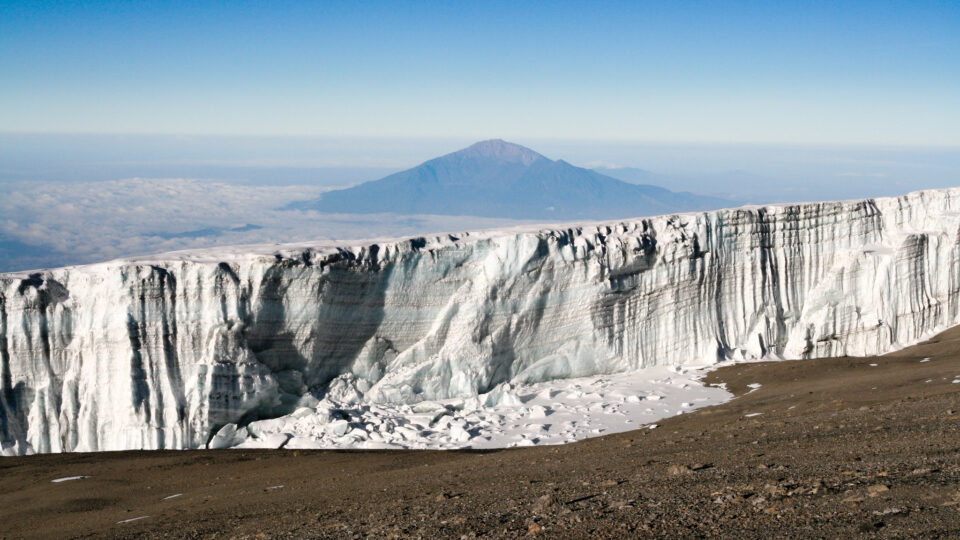
A newly released study has found that mountaintop glacier ice in the tropics of all four hemispheres has diminished dramatically over the past 50 years.  Among the findings of the study, published in the journal Global and Planetary Change, are that a glacier near Puncak Jaya, in Papua New Guinea, lost about 93% of its ice between 1980 and 2018.  Between 1986 and 2019, the area covered by glaciers on top of Mt. Kilimanjaro in Africa decreased by nearly 75%.

The study combined NASA satellite imagery with data from ice cores drilled during field expeditions on tropical glaciers around the world.  The combination of measurements demonstrated that climate change is causing these glaciers to disappear and that the ice loss has accelerated in recent years.

The study looked at glacier ice in Kilimanjaro in Tanzania, the Andes in Peru and Bolivia, the Tibetan Plateau and the Himalayas, and ice fields in Papua, New Guinea.  Collecting ice cores from these places provides information on the climate in these regions over the centuries and millennia.  As snow falls on a glacier each year, it is buried and compressed to form layers that preserve the chemistry of snow, pollutants from the atmosphere, and biological material such as plants and pollen.

Glaciers in the tropics respond more quickly to climate change because they exist in the warmest areas of the world and survive only at very high altitudes. For many of these tropical glaciers, it is too late to prevent their demise.  It is not too late to attempt the slow down the buildup of greenhouse gases in the atmosphere that is causing the planet to warm, but we don’t have unlimited time to act.

**********

Web Links

Mountaintop glacier ice disappearing in tropics around the world

Photo, posted February 12, 2009, courtesy of Christoph Strassler via Flickr.

Earth Wise is a production of WAMC Northeast Public Radio.

Record Heat Across the Globe | Earth Wise

August 4, 2021 By EarthWise Leave a Comment

Record high temperatures recorded across the globe

While the Pacific Northwest was setting new records for high temperatures in June, many other places across the globe also experienced unprecedented heat.  Places in Russia and Scandinavia, including locations above the Arctic Circle, set new records for temperature.

The heatwave in Europe was the result of a persistent northward bulge in the polar jet stream.  This blocking pattern in the jet stream has been prevalent over Scandinavia this year and has contributed to unusually warm conditions there.  Further east, similar conditions have created unusual warm temperatures in Siberia.

On June 23, Moscow reached a high of 94.6 degrees, the hottest June temperature on record.  Helsinki, Finland set a record at 89.1 degrees, and both Belarus at 96.3 degrees and Estonia at 94.3 degrees set new records.  The town of Saskylah, north of the Arctic Circle in Siberia, measured almost 90 degrees on June 20. 

High temperature records have been broken in many places.  The all-time record high for June for all of Mexico fell at Mexicali in Baja California on June 17 when the temperature reached 125 degrees.  Palm Springs, California, while known for its desert heat, nonetheless set a new all-time high temperature of 123 degrees and also set a new record for the warmest overnight low temperature for a June night anywhere in North America at an unbelievable 105 degrees.

Stories like this have become all-too common in recent years and are undoubtedly going to occur with greater frequency as the world’s climate continues to react to the growing buildup of greenhouse gases in the atmosphere.

**********

Web Links

A Scorcher in Siberia and Europe

Photo, posted June 8, 2007, courtesy of Niko Pettersen via Flickr.

Earth Wise is a production of WAMC Northeast Public Radio.
Greenhouse Gas Emissions From Water Reservoirs | Earth Wise

July 27, 2021 By EarthWise Leave a Comment

Water reservoirs produce a surprising amount of greenhouse gas emissions

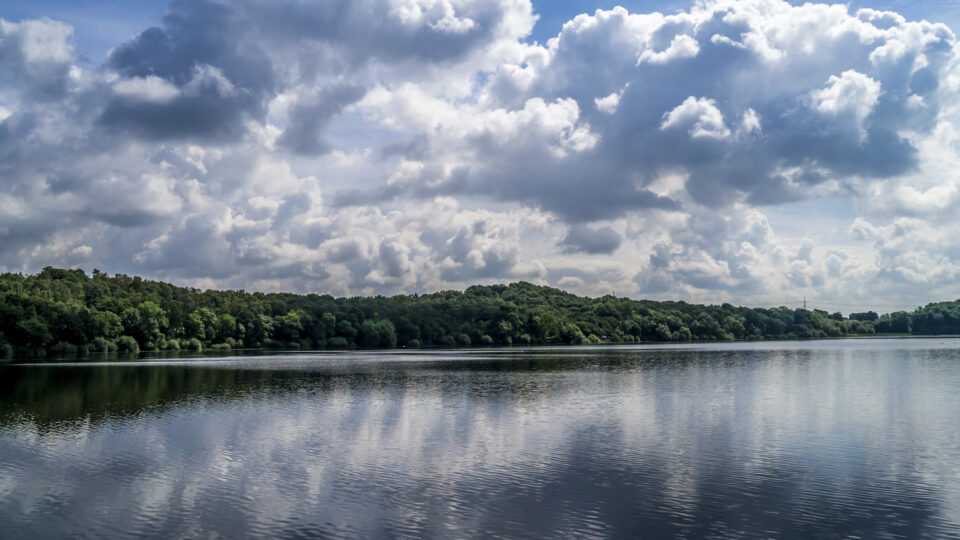
A new study by researchers from Washington State University and the University of Quebec at Montreal looked at greenhouse gas emissions from water reservoirs.  It is perhaps surprising to think that water reservoirs are a source of greenhouse gas emissions at all, but that much was already known.  The new study found that those emissions are actually around 29% higher than previously thought.

Overall, the researchers found that the world’s water reservoirs annually produce methane, carbon dioxide, and other greenhouse gases at an amount equivalent to 1.07 billion tons of carbon dioxide.   That is a small fraction of the 36 billion tons produced by fossil fuels and other industrial sources, but it is by no means a negligible amount.   In fact, it is more greenhouse gases than emitted by the entire country of Germany, which is the world’s sixth largest emitter.

Decomposing plant matter near the bottom of reservoirs fuels the production of methane, which is far more potent than carbon dioxide in warming the atmosphere.  This methane degassing accounts for about 40% of emissions from reservoirs.

The study is particularly important because it may be possible to reduce methane emissions from reservoirs by selectively only withdrawing water from near the reservoirs’ surface, which tends to be relatively methane-poor compared to greater depths.  In a related study, reducing withdrawal depth by 10 feet in a Malaysian reservoir reduced methane degassing emissions by 92%.

Human-generated greenhouse gas emissions come from a surprisingly wide range of sources and it is worthwhile studying as many of them as possible in the hope of finding additional ways to reduce the total.

**********

Web Links

Greenhouse gas emissions from water reservoirs higher than previously expected

Photo, posted July 22, 2016, courtesy of Iain Merchant via Flickr.

Earth Wise is a production of WAMC Northeast Public Radio.
Turning Atmospheric Carbon Into Useful Materials | Earth Wise

July 7, 2021 By EarthWise Leave a Comment

Transforming atmospheric carbon into useful materials

Plants have the ability to capture carbon dioxide from the atmosphere and incorporate it into leaves, fruits, wood, and other plant materials.  This beneficial process is mostly temporary, as much of this carbon dioxide from plant matter ends up back in the atmosphere through decomposition, or even burning.

Researchers at the Salk Institute have proposed a more permanent fate for captured carbon by turning plant matter into a valuable industrial material called silicon carbide.

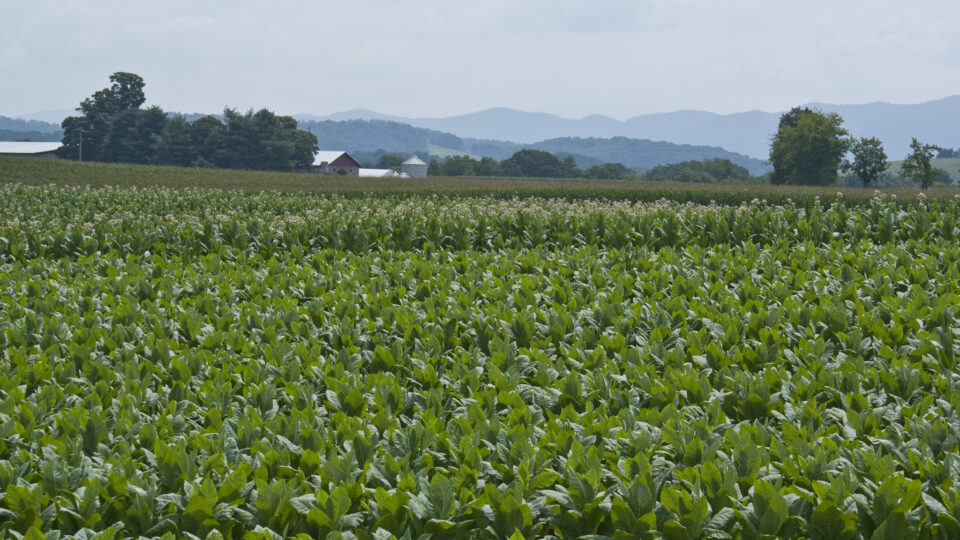
In a recent study published in the journal RSC Advances, Salk scientists transformed tobacco and corn husks into silicon carbide and evaluated and quantified the benefits of the process.

The researchers used a previously reported method to transform plant matter into silicon carbide in three stages and carefully tracked the carbon utilization at each stage.

Stage one is growing the plants.  They used tobacco from seed, chosen for its short growing season.  Then the harvested plants are frozen, ground into a powder, and treated with chemicals including a silicon-containing compound.  Finally, the powder is subjected to a high-temperature process resulting in the production of silicon carbide.

Their analysis showed that much of the carbon sequestered by growing the plants could be preserved through the full process and the amount of energy required for the production of the silicon carbide (mostly from the high-temperature process) is comparable to current manufacturing processes for the material.

Permanently sequestering carbon from agricultural waste products by incorporating it into a valuable industrial material would be a valuable addition to strategies for reducing greenhouse gases in the atmosphere.

**********

Web Links

Transforming Atmospheric Carbon Into Industrially Useful Materials

Photo, posted August 3, 2013, courtesy of AJ Garrison via Flickr.

Earth Wise is a production of WAMC Northeast Public Radio.
Record Carbon Dioxide Levels | Earth Wise

June 29, 2021 By EarthWise Leave a Comment

Carbon dioxide levels set another record despite pandemic shutdowns

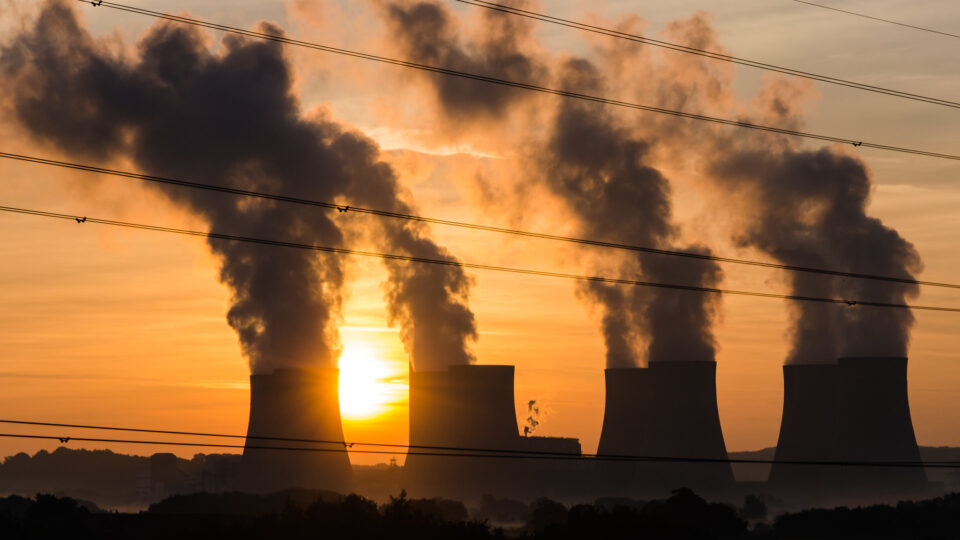
The coronavirus pandemic caused a temporary dip in the burning of fossil fuels around the world as many human activities were diminished or curtailed entirely.  Despite this, the amount of carbon dioxide in the atmosphere set a record in May, reaching the highest levels in human history.

Scientific instruments atop the Mauna Loa volcano in Hawaii measured an average of 419 parts per million for the month, according to analysis from both the Scripps Institution of Oceanography and the National Oceanic and Atmospheric Administration.

This level is about half a percent more than the previous record of 417 ppm, set in May of 2020.  Carbon dioxide is the largest greenhouse gas contributor driving global warming and, according to scientists, there hasn’t been this much of it in the atmosphere for millions of years.

Global emissions of carbon dioxide were actually 5.8 percent lower in 2020 than 2019, as a result of pandemic lockdowns.  This was the largest one-year drop ever recorded.  But humanity was still responsible for emitting more than 31 billion tons of carbon dioxide last year.  About half of that CO2 is absorbed by the world’s trees and oceans, but the other half lingers in the atmosphere for thousands of years, gradually warming the planet via the greenhouse effect.

As long as we keep emitting carbon dioxide, it is going to continue to pile up in the atmosphere.  The only way to stop it is for the world’s nations to zero out their net emissions, mostly by switching away from fossil fuels to technologies that do not emit carbon dioxide, such as electric vehicles fueled by wind, solar, or nuclear power.

**********

Web Links

Carbon Dioxide in Atmosphere Hits Record High Despite Pandemic Dip

Photo, posted August 7, 2013, courtesy of Gerry Machen via Flickr.

Earth Wise is a production of WAMC Northeast Public Radio.
Forests And Climate Change | Earth Wise

June 17, 2021 By EarthWise Leave a Comment

Planting new trees is not enough to mitigate climate change

A carbon sink is anything that absorbs more carbon from the atmosphere than it releases.  Examples of carbon sinks include the ocean, soil, and plants.  In contrast, a carbon source is anything that releases more carbon into the atmosphere than it absorbs.  Volcanic eruptions and burning fossil fuels are two examples.

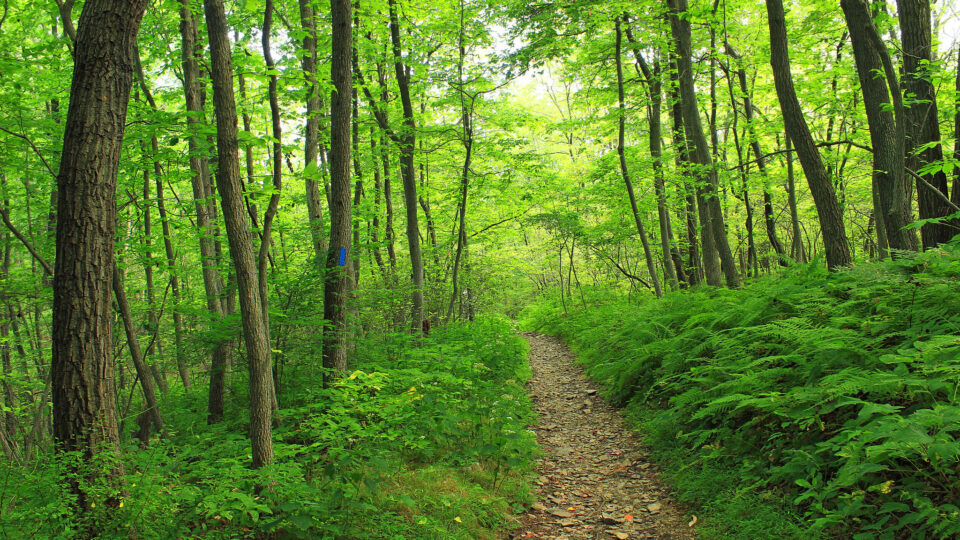
Forests are among the most important carbon sinks.  Trees remove carbon from the air and store it in their trunks, branches, and leaves, and transfer some of it into the soil.  But in many regions, deforestation, forest degradation, and the impacts of climate change are weakening these carbon sinks. As a result, some climate activists advocate for large-scale tree-planting campaigns as a way to remove heat-trapping CO2 from the atmosphere and help mitigate climate change. 

But according to a new study recently published in the journal Science, planting new trees as a substitute for the direct reduction of greenhouse gas emissions could be a pipe dream.  While planting trees is easy, inexpensive, and can help slow climate warming, the ongoing warming would be simultaneously causing the loss of other trees.  Instead, the research team says it makes more sense to focus on keeping existing forests healthy so they can continue to act as carbon sinks, and to reduce emissions as much as possible and as quickly as possible.        

But keeping forests healthy will require a paradigm shift in forest management.  Instead of trying to maintain forests as they were in the 20th century, the research team says forests need to be managed proactively for the changes that can be anticipated. 

One thing is clear: We cannot plant our way out of the climate crisis.

**********

Web Links

Forests and climate change: ‘We can’t plant our way out of the climate crisis’

Photo, posted August 9, 2015, courtesy of Nicholas A. Tonelli via Flickr.

Earth Wise is a production of WAMC Northeast Public Radio.

Post-COVID Emissions Rebound | Earth Wise

May 28, 2021 By EarthWise Leave a Comment

Emissions are on the rise as COVID crisis lessons

The extensive shutdowns associated with the COVID-19 pandemic resulted in reduced activity across many sectors of the global economy.  As a result, global pollution and greenhouse gas emissions also saw lower levels.  As the COVID crisis lessens, an economic recovery is growing and as that occurs, emissions are on the rise.

The International Energy Agency forecasts that energy-related carbon dioxide emissions are projected to increase by 1.5 billion tons this year, the second-largest increase in history.

The emissions increase in 2021 is expected to be nearly 5%, reversing most of last year’s emissions decline caused by the pandemic. This would be the largest annual rise since the 2010 recovery from the global financial crisis.  In many places across the globe, people are making up for lost time and doing more of all the things that cause carbon emissions.

A key driver of the emissions increase is a rise in coal use.  The forecast is that coal-burning in 2021 would come close to the all-time peak of 2014.  Both natural gas and oil use are also expected to increase this year.  These increases are in spite of a predicted 17% increase in electricity generation from wind power and an 18% increase in solar-power generation. 

Atmospheric concentrations of CO2 are now at 417 parts per million and have increased by 3 PPM in the past year.  If human CO2 emissions are not reined in, atmospheric concentrations of planet-warming greenhouse gases could double those of pre-Industrial levels by mid-century, which would have disastrous impacts on the climate.

**********

Web Links

Global CO2 Emissions Set to Surge in 2021 in Post-Covid Economic Rebound

Photo, posted October 22, 2020, courtesy of Hospital Clínic Barcelona via Flickr.

Earth Wise is a production of WAMC Northeast Public Radio.

Banning Short Plane Flights | Earth Wise

May 20, 2021 By EarthWise Leave a Comment

Banning short plane flights to reduce emissions

Almost everything we do ultimately results in greenhouse gases entering the atmosphere and therefore has an impact on the climate.  But some activities have much more impact than others.  The aviation industry is responsible for about 5% of global warming.

This doesn’t seem like that large a contribution, but only a very small percentage of the world’s population flies frequently and even in richer countries, only around half the population flew in any given year (at least before the pandemic.)

Flying is generally the only practical option for most long-haul trips and unless people give up on seeing the world or conducting global business in person, they are not going to give up taking air trips.

But shorter flights are a different story.  If you are planning to take a reasonably short trip in France, a plane will soon no longer be an option.  The French government says that flights will be banned on any route where the trip could be made on a train in 2.5 hours or less.  The driving force is the reduction of CO2 emissions.  A plane trip emits an average of 77 times more CO2 per passenger than taking a train on the same route.

The Netherlands and Belgium are also considering bans on short-haul flights and Austrian Airlines recently replaced its Vienna-to-Salzburg flights with train service.

Advocates of the flight bans say that not only does taking the train significantly reduce a traveler’s carbon footprint, but it can be cheaper and actually faster than a plane when factoring in the time spent getting to airports, standing in security lines, getting on and off planes, and so on.  Europe’s extensive train system makes this approach broadly practical. Unfortunately, here in the U.S., it is not quite that easy.

**********

Web Links

France Will Ban Short Flights That Could Be Replaced By a Train Trip

Photo, posted December 17, 2016, courtesy of Dylan Agbagni via Flickr.

Earth Wise is a production of WAMC Northeast Public Radio.
Should We Block The Sun? | Earth Wise

May 10, 2021 By EarthWise Leave a Comment

The risks of geoengineering need to be better understood

There is growing concern that greenhouse gas emissions are not falling quickly enough to avoid dangerous levels of global warming.  As a result, there is the impetus to examine other options.  Among these are geoengineering, which is one of the most contentious issues in climate policy.  Geoengineering embodies many risks that make even seriously considering it seem risky in itself.

Despite this, the National Academies of Science, Engineering, and Medicine has issued a report saying that governments urgently need to know whether solar geoengineering could work and what its side effects might be.

Solar geoengineering is also called solar radiation modification, which entails reflecting more of the sun’s energy back into space.  This would likely be accomplished by injecting aerosols into the atmosphere, much like what happens after large volcanic eruptions.

Schemes for solar geoengineering raise numerous issues.  Although solar geoengineering might cool the earth’s surface to a global temperature target, the cooling may not be evenly distributed, affecting many ecosystem functions and biodiversity.   It would likely upset regional weather patterns in potentially devastating ways, for example by changing the behavior of the monsoon in South Asia.  It might dangerously relax public commitments to reduce greenhouse emissions. 

Despite these concerns, or perhaps because of them, the committee that produced the report believes that technology to reflect sunlight deserves substantial funding and should be researched as rapidly and effectively as possible.  Once any geoengineering projects get into the hands of policymakers, they may gather momentum that bypasses the advice of scientists.  So, it important to make progress on the science while geoengineering is still only theoretical.

**********

Web Links

Should We Block the Sun? Scientists Say the Time Has Come to Study It.

To intervene or not to intervene? That is the future climate question

Photo, posted August 3, 2018, courtesy of Tomasz Baranowski via Flickr.

Earth Wise is a production of WAMC Northeast Public Radio.

Rising Seas And Wastewater Leakage | Earth Wise

April 28, 2021 By EarthWise Leave a Comment

Rising seas will further damage coastal wastewater infrastructure

Global mean sea level has risen nearly 9 inches since 1880, with over two inches of that over just the last 25 years.  The rising water level is primarily due to two factors:  additional water in the oceans coming from melting glaciers and ice sheets; and the thermal expansion of seawater as it warms.  Climate models estimate that over the course of the century, global sea levels will rise at least a foot even if efforts to reduce greenhouse gas emissions are quite successful and, in the worst case, levels could rise as much as 8 feet.

Faced with this situation, the greatest concerns are, initially, increasing amounts of coastal flooding and erosion and, as things get worse, inundation of coastal regions making many places uninhabitable and creating millions of climate refugees.

Recently, computer modeling studies have focused on an additional imminent problem:  the flooding of coastal wastewater infrastructure, which includes sewer lines and cesspools.

A new study by the University of Hawaii at Manoa is the first to provide direct evidence that tidally driven groundwater inundation of wastewater infrastructure is already occurring in urban Honolulu.  The study shows that higher ocean water levels are leading to wastewater entering storm drains and the coastal ocean.  The result is degradation of coastal water quality and ecological health.

The researchers used chemical tracers to detect groundwater discharge and wastewater present at multiple low-lying areas during spring tides.  During high tides, storm drains become channels for untreated wastewater to flood streets and sidewalks. 

People tend to think of sea-level rise as a future problem, but there are already serious effects going on today that are only going to get worse.

**********

Web Links

Sea-level rise drives wastewater leakage to coastal waters

Photo, posted August 23, 2011, courtesy of Eric Tessmer via Flickr.

Earth Wise is a production of WAMC Northeast Public Radio.

30 Million Solar Homes | Earth Wise

March 29, 2021 By EarthWise Leave a Comment

An ambitious rooftop solar initiative

A national coalition made up of more than 230 organizations has launched an initiative called the 30 Million Solar Homes campaign.  The goal is to add enough rooftop and community solar energy to power 30 million homes across the U.S. over the next five years.  That would be the equivalent of one in four American households.

The major focus of the 30 Million Solar Homes initiative is to rapidly and massively scale programs that help low-income families benefit from solar power.  The coalition lists 15 federal policy initiatives including making solar tax incentives more equitable, providing more reliable low-income energy assistance through solar energy, supplementing low-income weatherization assistance with solar energy, and specifically funding solar projects in marginalized communities.

The federal government spends billions of dollars every year to help families to pay their energy costs, but these efforts only serve less than a fifth of the eligible population.  Funding rooftop and community solar access for these households would provide long-term financial relief and reduce the need for annual energy bill assistance.

The more than 230 organizations in the coalition represent organizations focused on energy equity, climate, business, environment, faith, and public health.  The coalition estimates that executing the plan would create three million good-paying jobs, lower energy bills by at least $20 billion a year, and reduce total annual greenhouse gas emissions by 1.5%.

Over the coming months, the campaign will seek to educate lawmakers and the Biden-Harris Administration about the benefits of distributed solar energy.  The vision outlined by the coalition is an ambitious one to say the least.

**********

Web Links

30 Million Solar Homes

Supporters of 30MSH

Photo, posted May 20, 2009, courtesy of Solar Trade Association via Flickr.

Earth Wise is a production of WAMC Northeast Public Radio.
Not All Trees Cool The Planet | Earth Wise

March 24, 2021 By EarthWise Leave a Comment

Planting certain trees can actually lead to a warmer planet

A new study from Clark University has found that deforestation does not always contribute to planetary warming, as is generally assumed.  The researchers have found that there can be places where removing trees actually cools the planet.

Forests soak up carbon dioxide from the air and store it in the trees themselves and in the soil.   This process is important for slowing the accumulation of greenhouse gases in the atmosphere.

The new research focuses on a different effect that forests have on climate.  They are darker than other surfaces, which causes them to absorb more sunlight and retain heat.  This is known as the albedo effect.

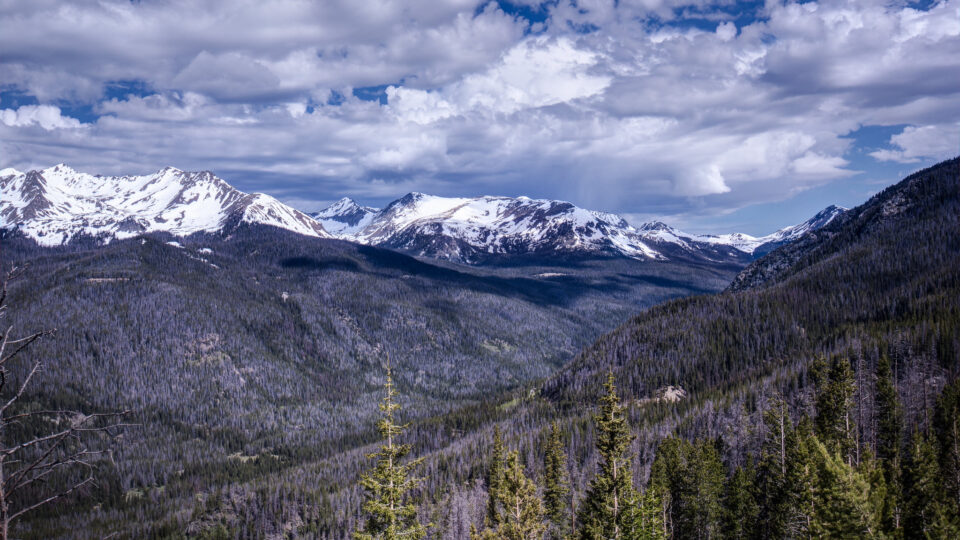
In most places, the absorption of carbon outweighs the albedo effect and forests help cool the planet.  But there are some locations, including the Intermountain and Rocky Mountain West, where more forest actually leads to a hotter planet when both processes are taken into account.  State-of-the-art satellite remote sensing allowed the researchers to quantify the effects of forest loss in the United States.

The upshot of this research is that large-scale tree-planting initiatives, such as Canada’s 2Billion Trees Initiative and the Nature Conservancy’s Plant a Billion Trees campaign need to make sure to put the right trees in the right places.

Every year, about a million acres of forest are being converted to non-forest across the lower 48 states as a result of suburban and exurban expansion and development.   It is important to take into account the albedo effect in trying to replace the climate-cooling capabilities of these disappearing forests by planting more trees.

**********

Web Links

Clark geographer Christopher Williams: More trees do not always create a cooler planet

Photo, posted June 5, 2017, courtesy of Todd Petrie via Flickr.

Earth Wise is a production of WAMC Northeast Public Radio.

Climate Change And The Coronavirus | Earth Wise

March 19, 2021 By EarthWise Leave a Comment

Climate change may have played a role in the emergence of the Covid-19 pandemic

It’s no secret that our planet is heating up.  Scientists have concluded that the changing climate is primarily the result of increased human-caused (or anthropogenic) greenhouse gas emissions.  Some of the effects of global climate change include thawing permafrost, warming oceans, intensifying storms and wildfires, and rising seas.     

In southern China, the surge in greenhouse gas emissions over the past century has driven the growth of forest habitat favored by bats, leading to the creation of a hotspot for bat-borne coronaviruses in that region. 

According to a new study by researchers from the University of Cambridge in the UK, climate change could have played a direct role in the emergence of SARS-CoV-2, the virus that caused the COVID-19 pandemic.

The study, which was recently published in the journal Science of the Total Environment, revealed large-scale changes in the type of vegetation in the southern Chinese Yunnan province over the last century, as well as in the adjacent regions of Myanmar and Laos.  Increases in temperature, sunlight, atmospheric carbon dioxide and other climatic changes have transformed natural habitats from tropical shrubland to tropical savannah and deciduous woodland.  These changes have created ideal habitats for many bat species that predominantly live in forests.

According to the study, an additional 40 bat species moved into Yunnan province over the past century.  This is the region where genetic data suggests SARS-CoV-2 may have arisen.  Each bat species harbors an average of 2.7 coronaviruses. 

The researchers urge policymakers to acknowledge the role that climate change plays in outbreaks of viral diseases and to work together to reduce global greenhouse gas emissions. 

**********

Web Links

Climate change may have driven the emergence of SARS-CoV-2

Photo, posted July 21, 2013, courtesy of the U.S. Fish and Wildlife Service/Ann Froschauer via Flickr.

Earth Wise is a production of WAMC Northeast Public Radio.

The Pandemic And Global Temperatures | Earth Wise

March 12, 2021 By EarthWise Leave a Comment

The pandemic has done little to slow the rise in global tempertures

The early months of the Covid-19 pandemic last year saw dramatic reductions in travel and many forms of commerce.  With much of human activity greatly curtailed, greenhouse gas emissions were greatly reduced.   And yet, all of that did not slow down global warming: 2020 ended up tied with 2016 as the warmest year on record and atmospheric greenhouse gas levels reached a new high.

In order to understand how this came about, it is necessary to understand the complex climate influences of different types of emissions from power plants, motor vehicles, industrial facilities, and other sources.  The fact is that some types of pollution actually have a cooling effect rather than contributing to global warming.

Tiny industrial pollution particles called aerosols actually make clouds brighter, causing them to reflect away more solar heat from the surface of the planet.   During the drastic shutdown last year, the biggest emissions decline was from the most polluting industries.  The reduction of aerosols had immediate, short-term effects on temperatures.  These types of pollutants are very bad for human health, but when they are present, they do have the effect of reducing temperatures.

It is important to keep in mind that carbon dioxide spreads through the Earth’s atmosphere and stays there for a century or more, trapping heat on a global scale.  Industrial aerosols stay relatively concentrated in the region where they are emitted and are often removed by rain and winds within a few weeks.  So, their cooling effect doesn’t spread very far or last very long.

Overall, the initial pandemic slowdown probably didn’t have any real long-term impact on the climate but over the short term, the effects were not as simple as one might expect.

**********

Web Links

Covid-19 Cut Gases That Warm the Globe But a Drop in Other Pollution Boosted Regional Temperatures

Photo, posted July 7, 2020, courtesy of Joey Zanotti via Flickr.

Earth Wise is a production of WAMC Northeast Public Radio.
Global Warming Could Stabilize | Earth Wise

February 19, 2021 By EarthWise Leave a Comment

Reducing emissions could stabilize global temperatures

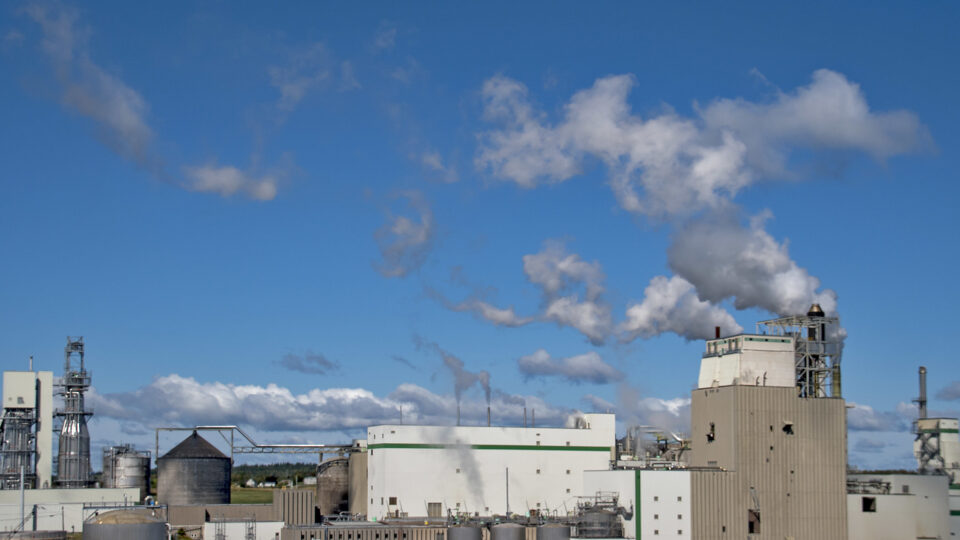
The world has been heading toward climate disaster with the effects of greenhouse gas-induced warming looming larger and larger.  But recent analysis published in Nature Climate Change offers hope that rapidly eliminating emissions could stabilize global temperatures just within a couple of decades.

For quite some time, it has been assumed that further global warming would be locked in for generations regardless of the extent of emissions reductions going forward.  This conclusion was based on having a certain carbon dioxide concentration in the atmosphere which would linger for hundreds of years even if emissions were reduced.

Recent analysis takes into account the dynamism of the Earth’s natural systems which could actually reduce atmospheric CO2 content because of the huge carbon absorption capacity of oceans, wetlands, and forests.  The key requirement is to drastically reduce emissions so that these natural systems can take over.

More than 100 countries have pledged to get to net zero emissions by 2050.  That means they will emit no more carbon dioxide than is removed from the atmosphere by such actions as restoring forests.   The UK, Japan, and the European Union are among the countries that have set this zero target, and the United States is joining the club.

Climate models show that a global temperature rise of 2 degrees Celsius over that of the pre-industrial period would lead to global calamities that include punishing heatwaves, flooding, and mass displacement of people.  The world has already heated up by 1.1 degrees and governments have committed to restrain the rise to less than 1.5 degrees under the Paris Climate Agreement.

**********

Web Links

Global Warming Could Stabilize Faster than Originally Thought If Nations Achieve Net Zero

Photo, posted September 10, 2017, courtesy of Ron Cogswell via Flickr.

Earth Wise is a production of WAMC Northeast Public Radio.
Record Heat In The Arctic | Earth Wise

January 13, 2021 By EarthWise Leave a Comment

Heat in the Arctic is breaking records

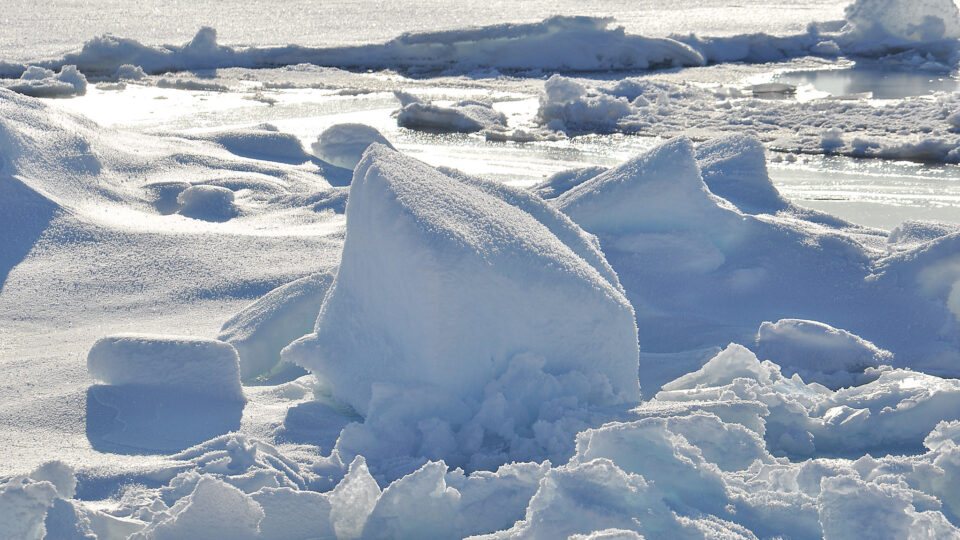
By mid-November, the Arctic stays dark around the clock and twilight does not return until the end of January.  But even as winter darkness descended upon the Arctic this year, record-breaking high temperatures in the region continued.  In late November, temperatures across the entire Arctic basin were 12 degrees Fahrenheit above normal and some locations saw temperatures as high as 30 degrees above normal.

The entire summer and fall in the Arctic were characterized by exceptionally warm temperatures.  In June, the Siberian town of Verkhoyansk – located north of the Arctic Circle – registered a high temperature of 100.4 degrees.  The refreezing of the Arctic Ocean was greatly delayed this year.  The Northeast Passage along the Siberian Coast remained navigable for a record 112 days before freezing in November, breaking the previous record by more than a month.  The extent of sea ice covering the Arctic Ocean in October was the lowest ever recorded for that month.

The strongest warming occurring in the Arctic is during the fall.  That is because rapidly disappearing sea ice is enabling the dark waters of the Arctic Ocean to absorb heat in the summer and then radiate it back into the atmosphere until late in the fall.  The Arctic region is heating up three times faster than the rest of the planet, which has led to the volume of sea ice decreasing by 2/3 in the past 40 years.

According to researchers, the extreme heat in Siberia this year would have been virtually impossible without human-caused climate change and became 600 times more likely because of human emissions of greenhouse gases.

**********

Web Links

Record-shattering Warmth Pushes Arctic Temperatures to 12 Degrees F Above Normal

Photo, posted September 1, 2009, courtesy of the U.S. Geological Survey via Flickr. Photo Credit: Patrick Kelley, U.S. Coast Guard.

Earth Wise is a production of WAMC Northeast Public Radio.
Once In A Lifetime Floods And Climate Change | Earth Wise

January 8, 2021 By EarthWise Leave a Comment

Climate change is worsening flooding

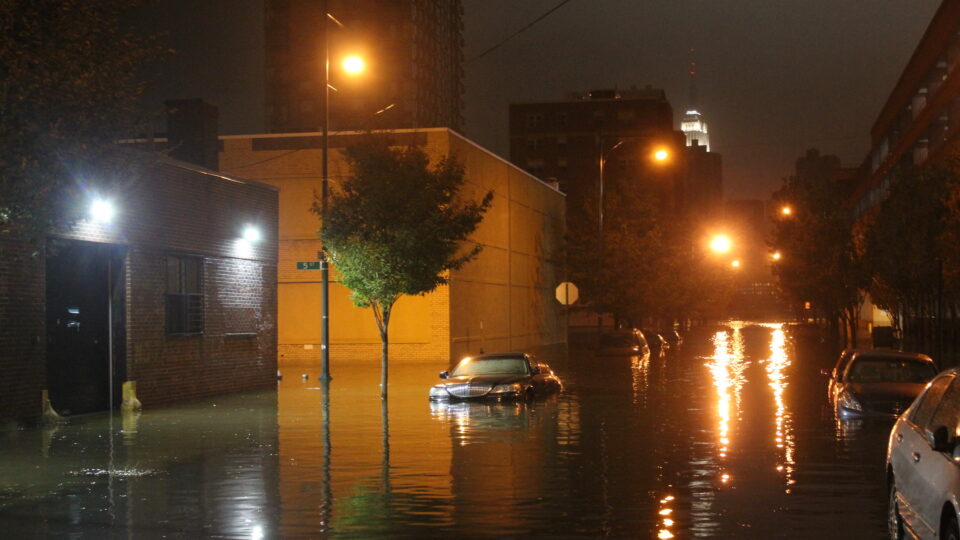
Superstorm Sandy was the deadliest hurricane of 2012 and one of the most destructive hurricanes ever to hit the United States.  According to the National Oceanic and Atmospheric Administration, Superstorm Sandy caused an estimated $74.1 billion dollars in damages.  That figure made it the fourth-costliest storm in U.S. history, trailing only Hurricane Katrina in 2005 and hurricanes Harvey and Maria in 2017.  Superstorm Sandy affected 24 states and all of the eastern seaboard.  

New York was one of the states pummeled by Superstorm Sandy.  The storm brought flood-levels to the region that had not been seen in generations.  But according to a new study published in the journal Climatic Change, those flood levels could become much more common. 

Researchers at Stevens Institute of Technology have found that 100-year and 500-year flood levels could become regular occurrences by the end of the century for the thousands of homes surrounding Jamaica Bay, NY.  The researchers say climate change is the culprit.  

Using anticipated greenhouse gas concentration levels, the research team created simulations to find the probability of different flood levels being reached by the end of the century.  The researchers found that the historical 100-year flood level would become a one-year flood level by the year 2100.  500-year floods, like Superstorm Sandy, would become a four-year flood level by the end of the century. 

While this particular study is specific to Jamaica Bay, it does serve as an example of just how severe and costly the consequences of climate change will be.   

*********

Web Links

Once in a lifetime floods to become regular occurrences by end of century

Photo, posted October 29, 2012, courtesy of Rachel via Flickr.

Earth Wise is a production of WAMC Northeast Public Radio.
 

New York And Renewables | Earth Wise

January 7, 2021 By EarthWise Leave a Comment

Renewables growing in New York

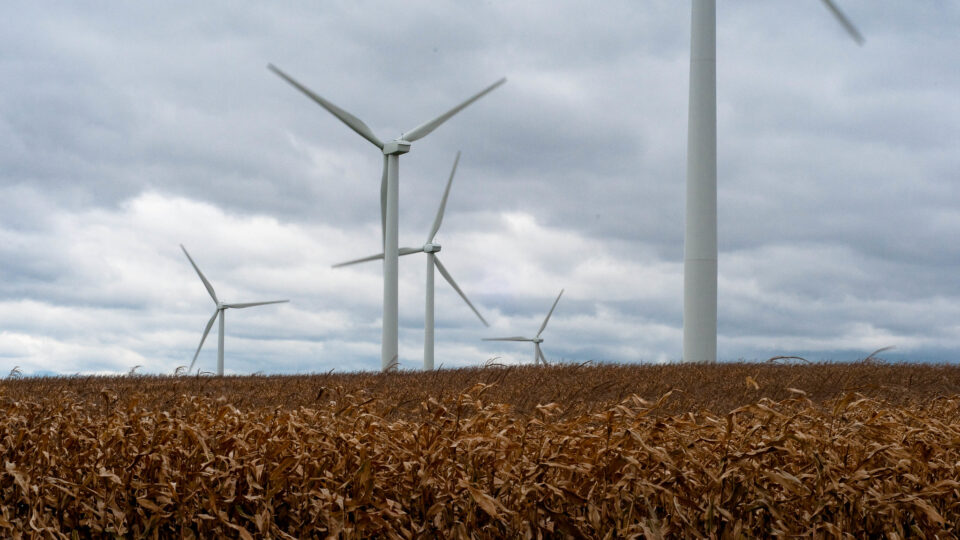
In 2019, New York generated more electricity from renewable sources than all but three other states.  The 39.4 million MWh of renewable electricity generated in New York was the largest of any state east of the Mississippi. 

New York has been a leader in renewable power long before it became a topic of great interest because of its hydroelectric power.  In 2019, 78% of the state’s renewable electricity came from hydropower.  The Robert Moses Niagara hydroelectric plant is the second-largest capacity conventional hydroelectric power plant in the country. 

The three states that generated more renewable electricity than New York are California, Texas, and Washington.  Washington gets 69% of all its electricity generation from its multiple hydroelectric plants which together produce a quarter of all hydroelectric power in the nation.  Texas leads the nation in wind-powered generation and gets over 17% of its in-state generation from wind.  California gets 14% of its power from solar generation, 7% from wind, and over 16% from its own hydroelectric resources.

Wind is the second-largest source of renewable power in New York, accounting for 11% of renewable generation in the state and 3% of total electricity generation.  Solar power is expanding in New York, but the great majority of it is still in the form of small-scale installations on residential and commercial rooftops.

New York’s renewable generation grew from 19% in 2005 to 30% at present.  New York’s Clean Energy Standard adopted in 2015 requires the state to generate 100% carbon-free electricity by 2040.

**********

Web Links

New York generated fourth most electricity from renewables of any state in 2019

Photo, posted October 15, 2010, courtesy of michael-swan via Flickr.

Earth Wise is a production of WAMC Northeast Public Radio.

  • « Go to Previous Page
  • Page 1
  • Interim pages omitted …
  • Page 4
  • Page 5
  • Page 6
  • Page 7
  • Page 8
  • Interim pages omitted …
  • Page 12
  • Go to Next Page »

Primary Sidebar

Recent Episodes

  • An uninsurable future
  • Clean energy and jobs
  • Insect declines in remote regions
  • Fossil fuel producing nations ignoring climate goals
  • Trouble for clownfishes

WAMC Northeast Public Radio

WAMC/Northeast Public Radio is a regional public radio network serving parts of seven northeastern states (more...)

Copyright © 2026 ·