extinction
Saving The Siberian Tiger
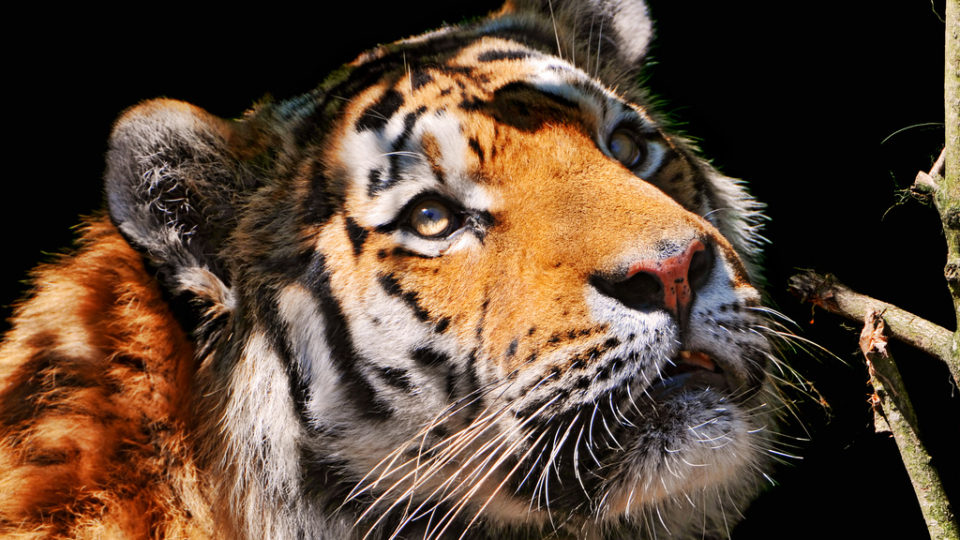
The northeastern part of China, wedged between North Korea to the south and Russia to the northeast, is home to two highly endangered big cats: the Siberian tiger and the Amur leopard. Siberian tigers, which can weigh over 600 pounds and grow to more than 10 feet in length, now number only about 500 in the wild, mostly in Russia. Amur leopards, weighing more than 100 pounds and growing to more than four feet in length, number only about 80 in the wild. While both species are right on the edge of extinction, both are slowly rebounding.
Endangered Chocolate

There are many scary stories floating about with regard to dire potential consequences of climate change, but one that should really strike fear into many of our hearts is the prediction from scientists at the National Oceanic and Atmospheric Administration that cacao plants are likely to go extinct as early as 2050 as a result of the changing climate.
Are Big Cats In Big Trouble?
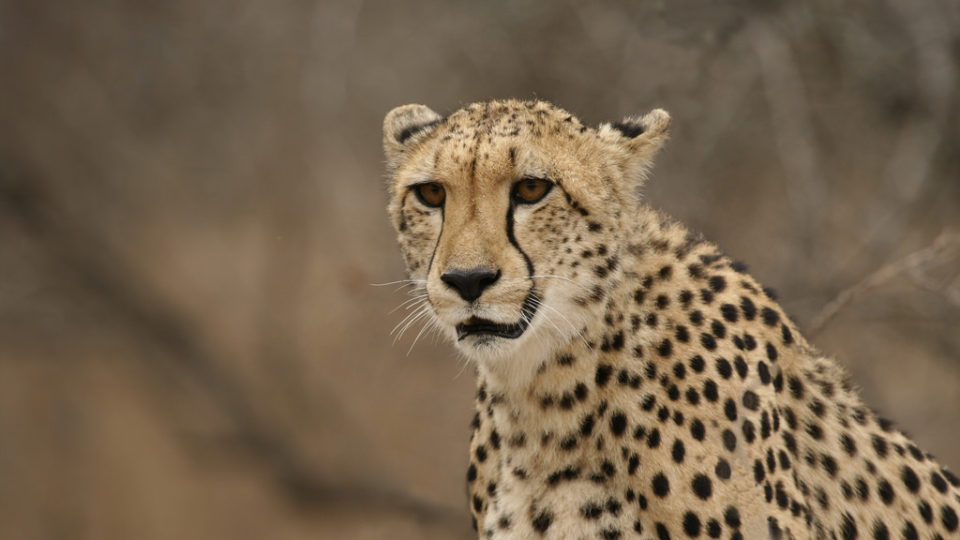
According to researchers with the National Geographic Society’s Big Cats Initiative, cheetahs are much closer to extinction than previously thought. The research team has released a study, which was recently published in the journal PeerJ, that updates the cheetah population numbers in southern Africa, the largest of its remaining habitat.
North Atlantic Right Whales
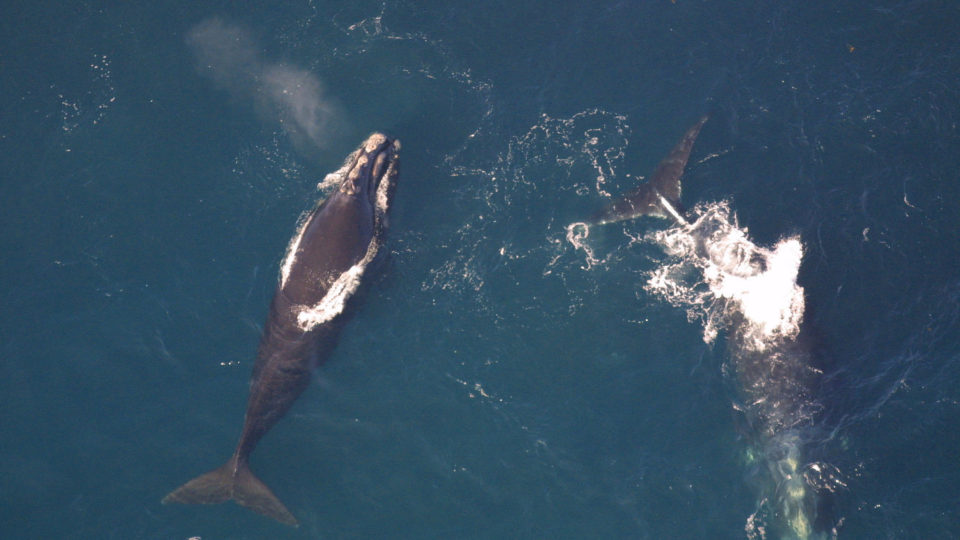
North Atlantic right whales are one of the rarest marine mammals in the world. In fact, according to the National Oceanic and Atmospheric Administration, there are only about 450 of the whales left. Measuring approximately 50 feet long and weighing close to 100,000 pounds, North Atlantic right whales are now more critically endangered than mountain gorillas, black rhinos, and giant pandas.
Greening Halloween

According to the National Retail Federation, 179 million Americans are expected to spend $9.1 billion – or nearly $84 per person – on Halloween festivities this year, reaching a new record high. But it’s not just our wallets that take a beating. The planet also pays quite a price.
Genetic Engineering And Conservation
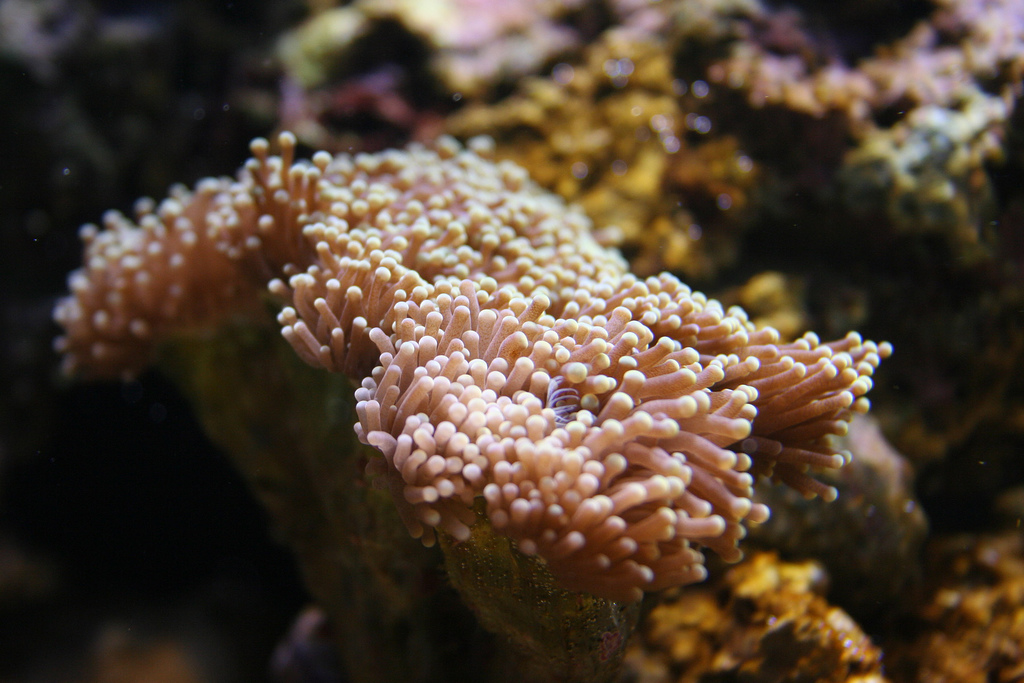
Genetic engineering, or equivalently synthetic biology, is a multi-billion-dollar enterprise involved in pharmaceuticals, chemicals, biofuels and, of course, agriculture. In these fields, it is already the source of a great deal of controversy. But there is increasing interest in using synthetic biology (or synbio) technology as a tool for protecting the natural world, which is a prospect some find tantalizing and others find absolutely terrifying.
‘Noah’s Ark’ Takes On Water

The Svalbard Global Seed Vault, built into a hillside in the Norwegian archipelago of Svalbard far above the Arctic Circle, is often described as humanity’s last hope against extinction after some global crisis. While there are more than 1,700 gene banks around the world that keep collections of seeds, all of them are vulnerable to war, natural disasters, equipment malfunctions, and other problems. Except the Svalbard vault – or so we thought. It has been dubbed the “Noah’s Ark” of seeds and a last chance for the world to regenerate if the worst should come to pass. It’s mission is to keep the world’s seeds safe.
Mapping Risk
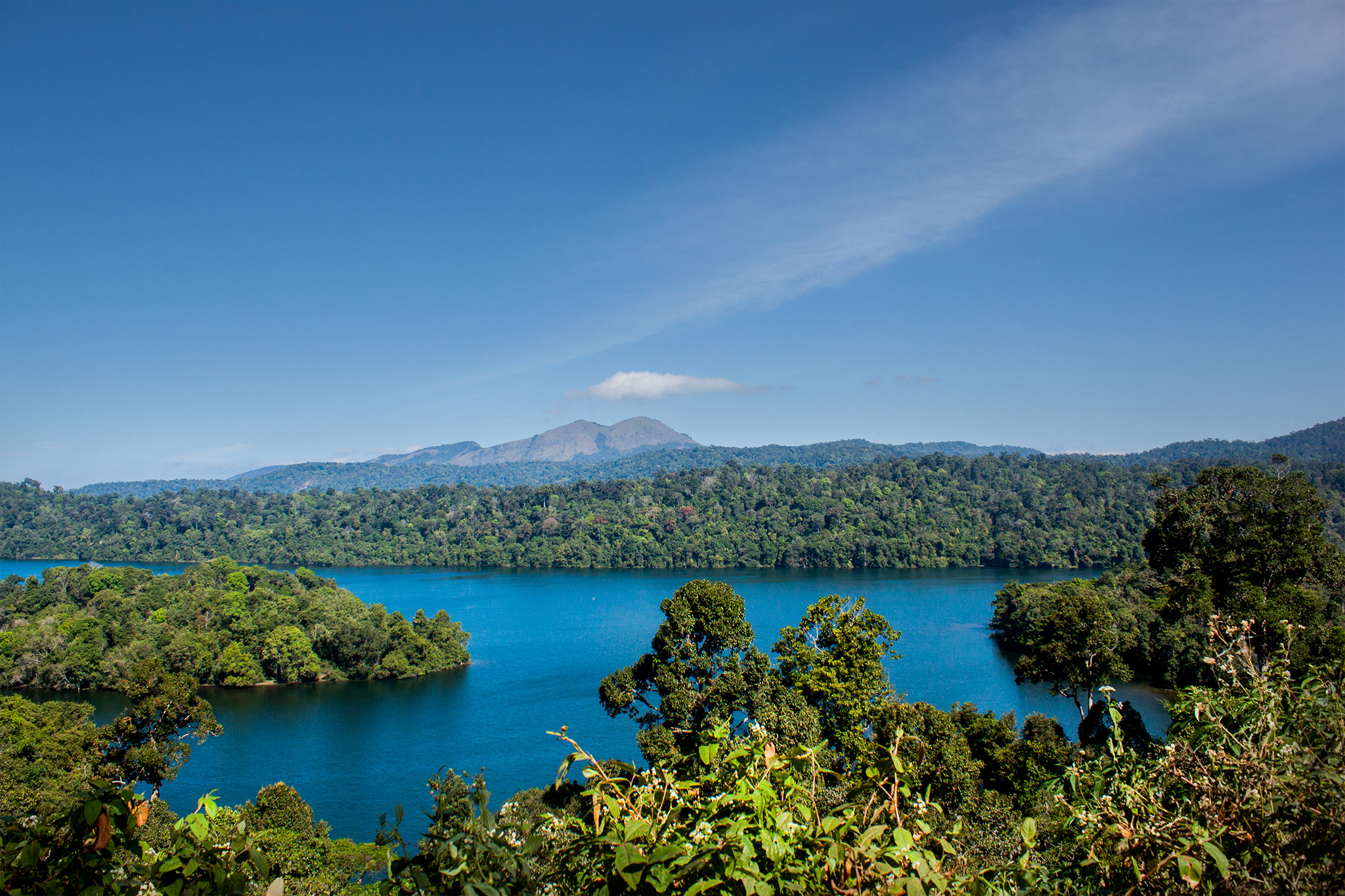
The International Union for Conservation of Nature (IUCN) is the global authority for determining species’ vulnerability in the face of threats such as habitat loss and climate change. How widely a species can be found – its geographic range – is a key indicator used by the IUCN to assign an appropriate conservation status.
Reviving Vaquitas
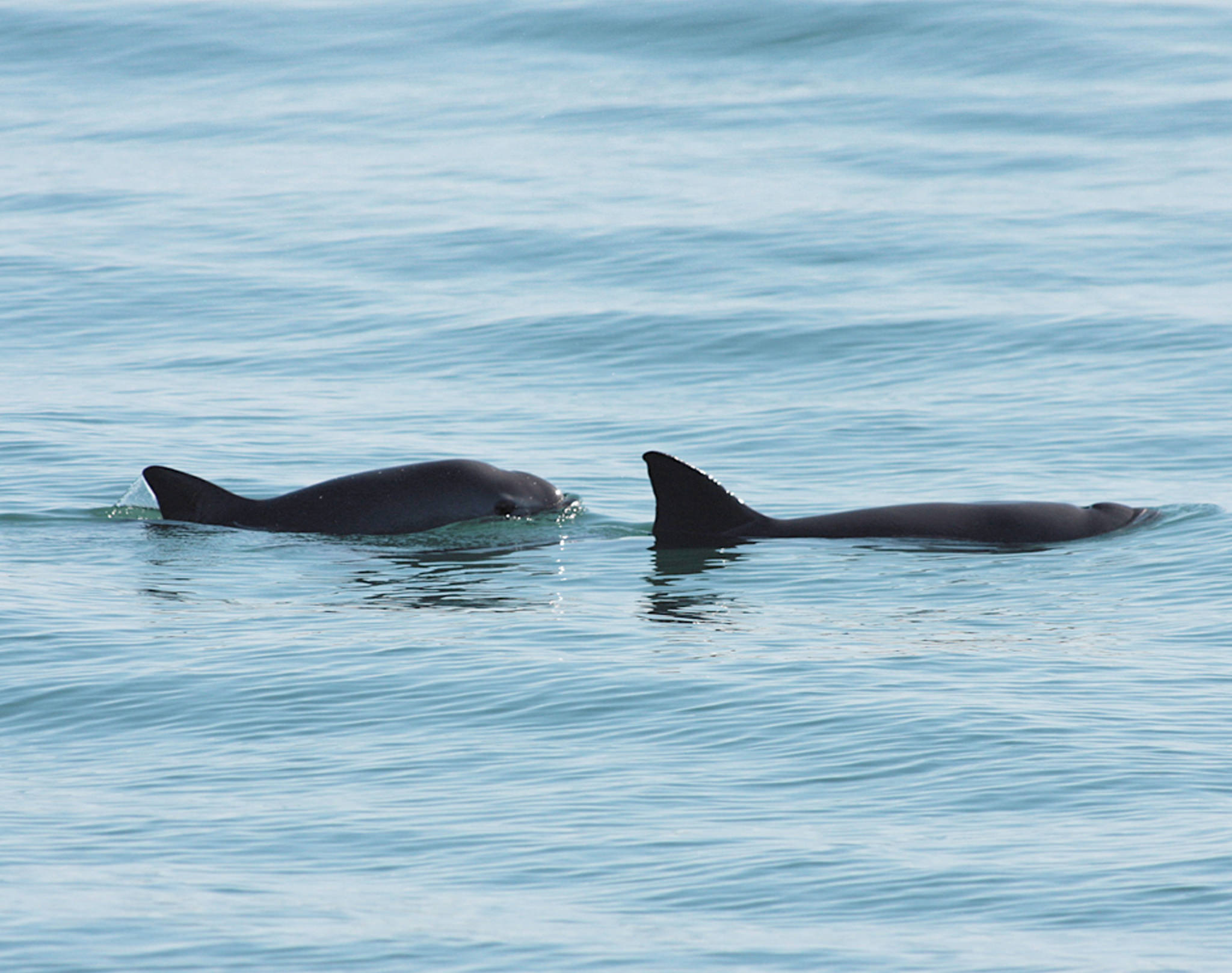
The world’s smallest porpoise is in real trouble. According to scientists, there could be as few as 30 vaquitas remaining on the planet. We highlighted the plight facing this species in detail last month.
Squeaking By
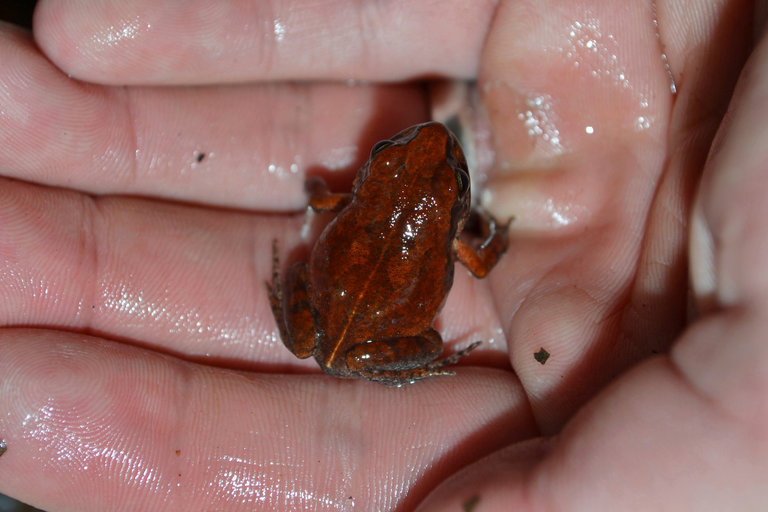
Amphibians are one of the most threatened groups of animals on the planet. Since the late 1980s, scientists have measured dramatic population declines from locations all over the world. The plummeting amphibian populations are perceived to be one of the most critical threats to global biodiversity. According to the IUCN, about 1 of every 3 amphibian species is facing extinction. Some of the greatest threats facing amphibians include climate change, disease, and habitat destruction.
Can Cheetahs Survive?
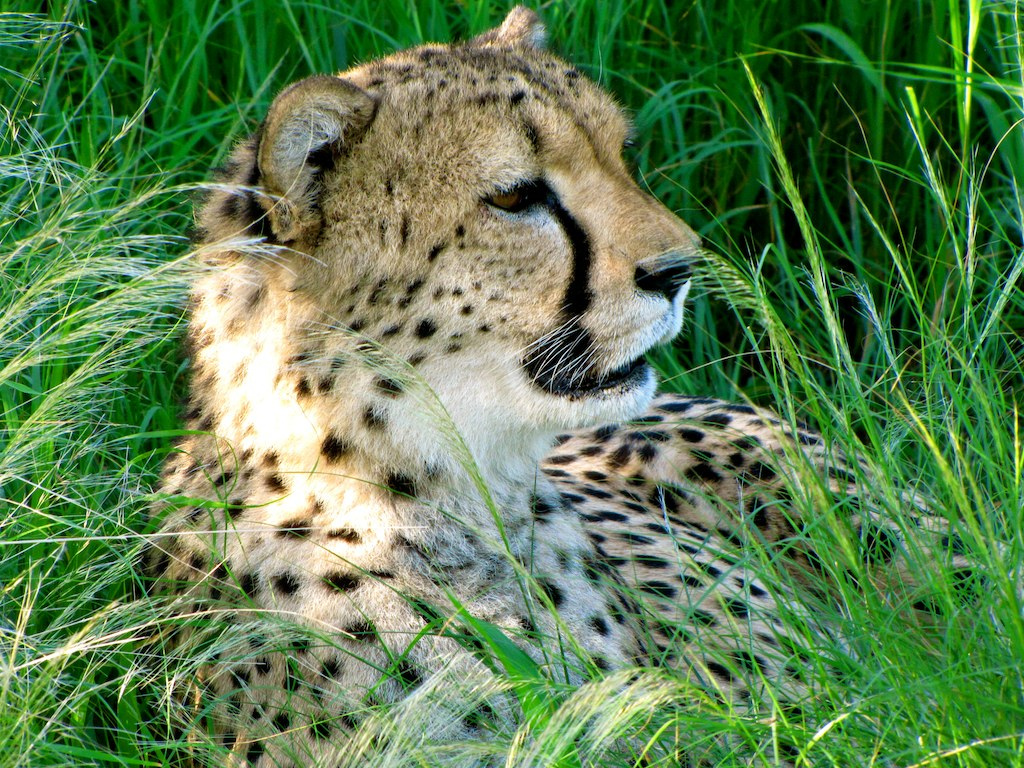
A new study has revealed that the global population of the world’s fastest land animal – the cheetah – is down to only 7,100, a drop of 50% over the past 40 years. The dramatic decline in cheetah population could soon lead to the extinction of the species unless urgent conservation efforts are made.
Vulnerable to Extinction
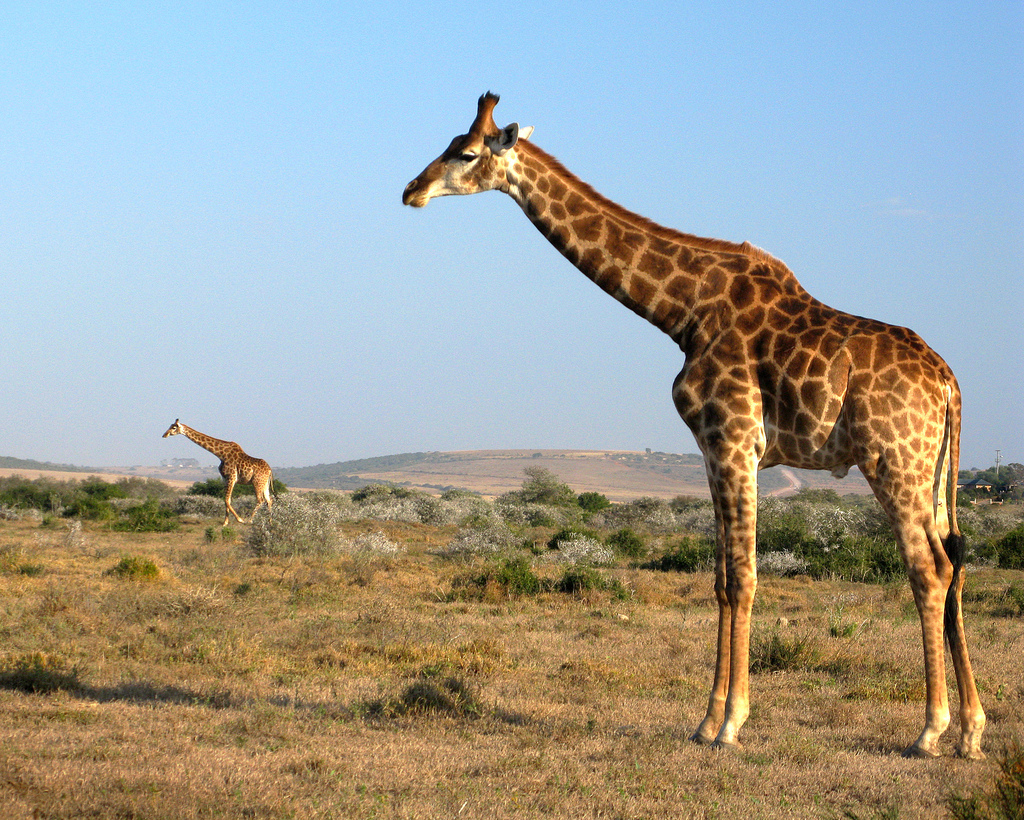
According to the International Union for the Conservation of Nature, the world’s tallest land mammal may be in trouble. Giraffe populations have declined dramatically over the past 30 years, falling to approximately 97,000 from 163,000 in the 1980s.
Pandas No Longer Endangered
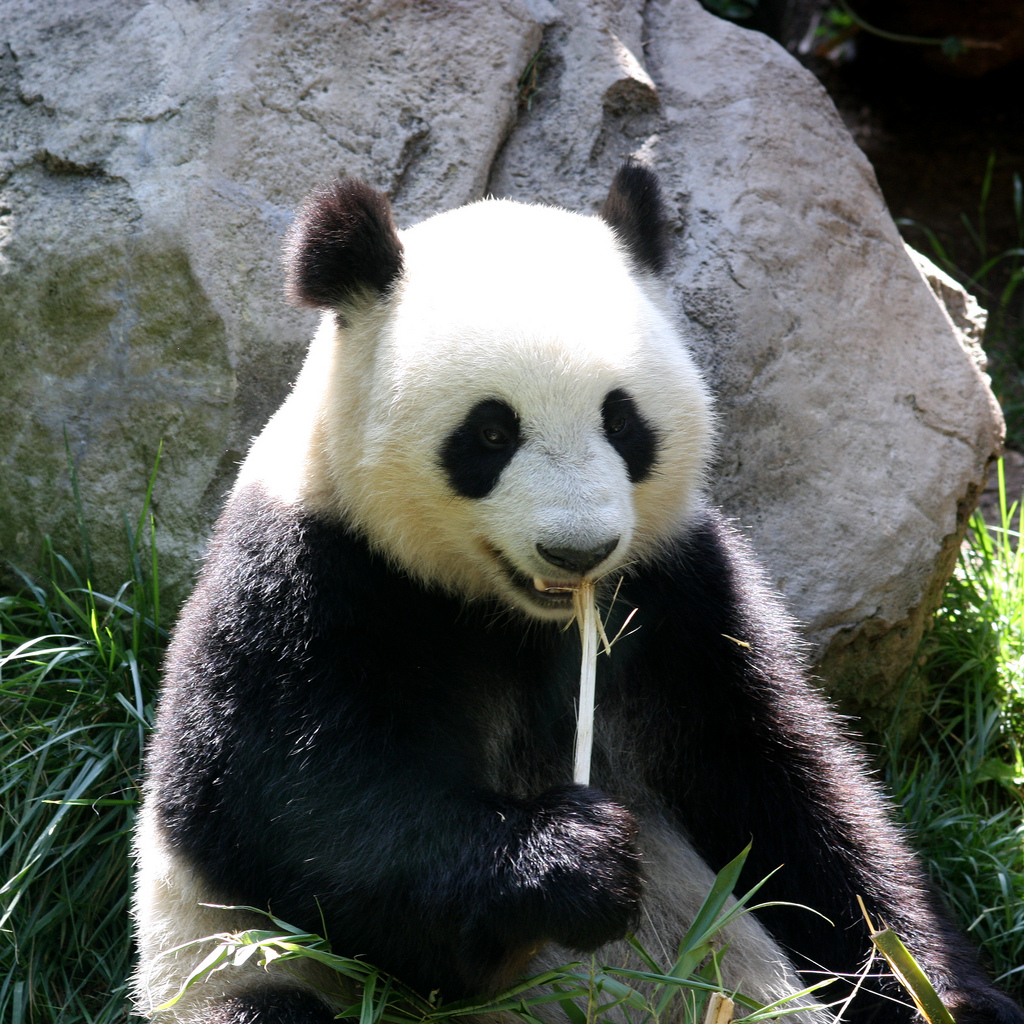
Back in June, we reported that the International Union for the Conservation of Nature was reassessing the giant panda’s status as an endangered species. Well, in an update of the IUCN’s Red List of Threatened Species in September, the giant panda was indeed downgraded to “vulnerable.”
The Threat Of Bushmeat Hunting
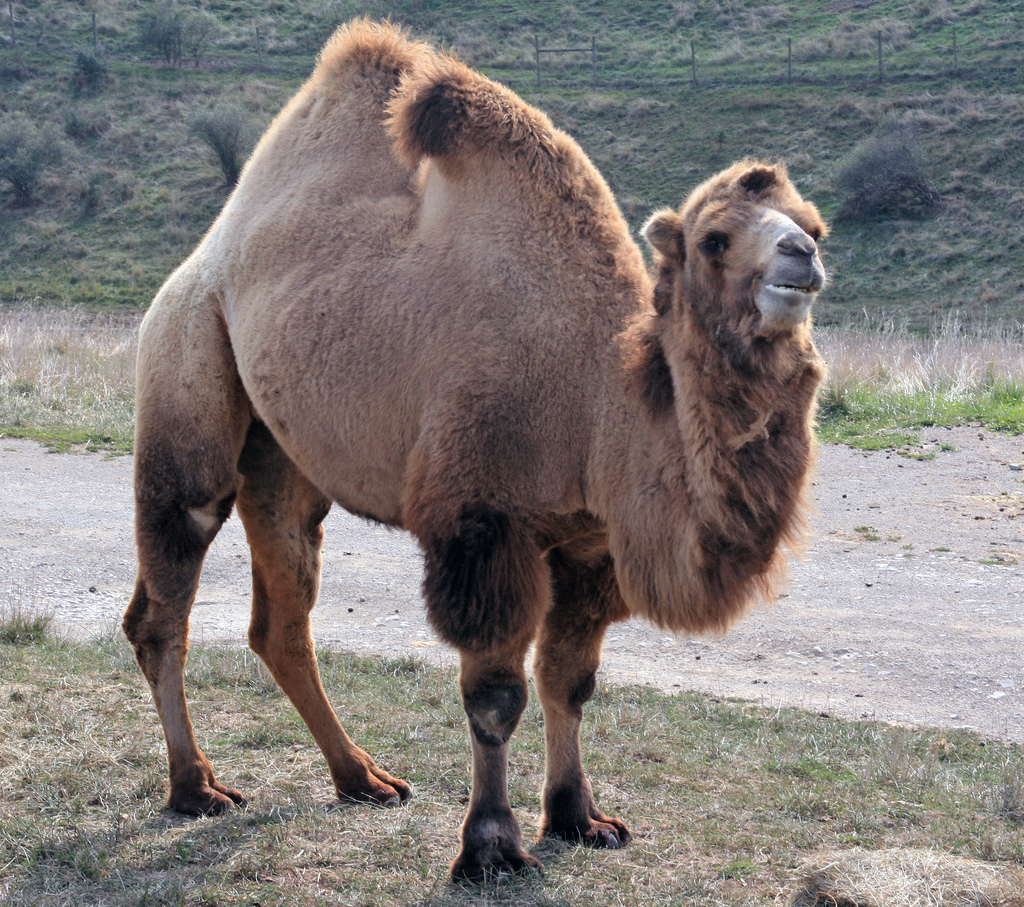
A recent study has identified the steep decline of more than 300 species of mammals as a result of unregulated or illegal hunting. Humans are consuming many of the world’s wild mammals to the point of extinction.
Help For Pangolins
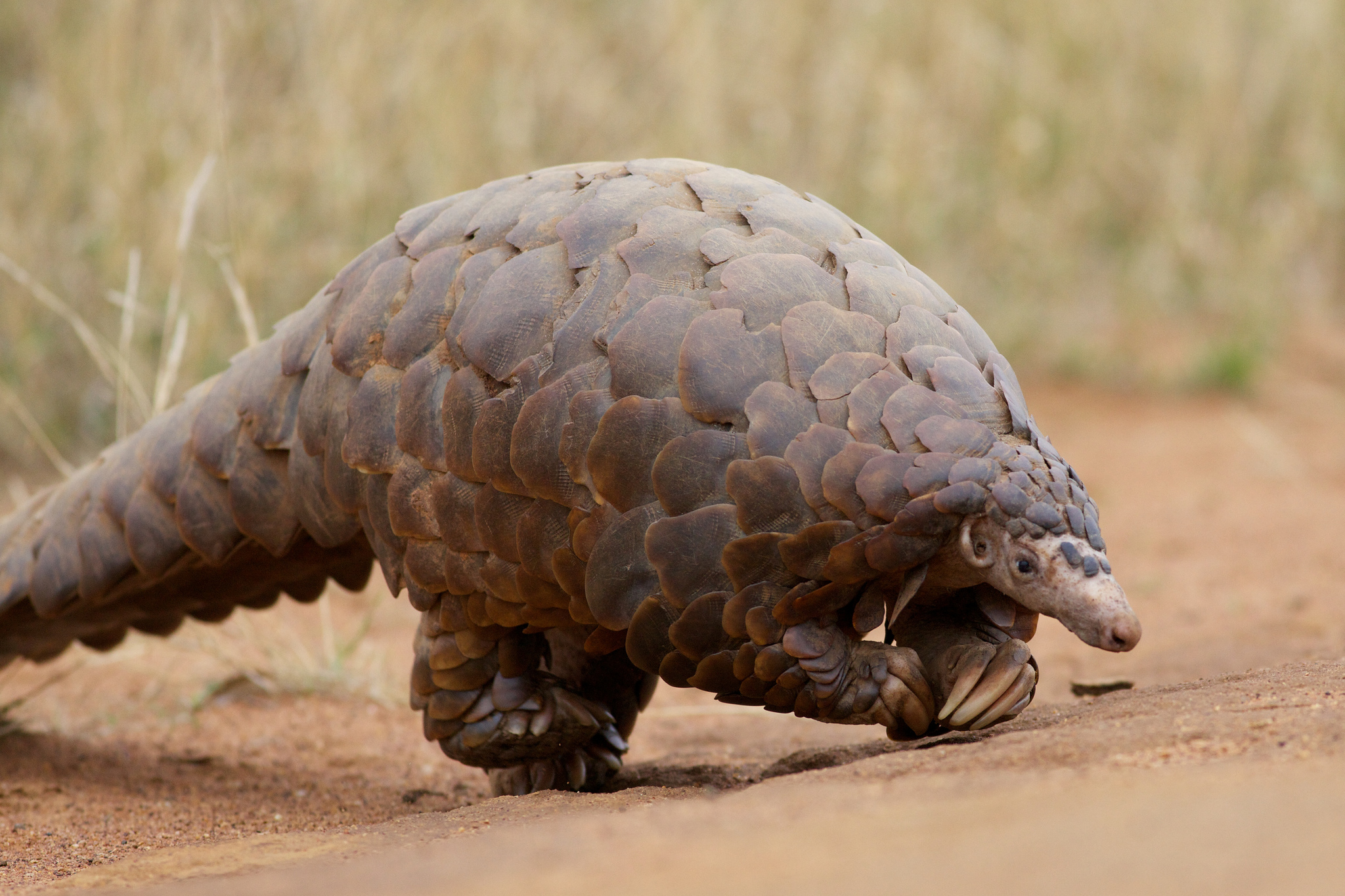
Poaching and illegal trafficking in exotic animals is a world-wide problem that most of us are aware of. What most of us are less aware of is that the most trafficked mammal in the world is the pangolin, which you may well have never even heard of.
Wiping Out Our Relatives
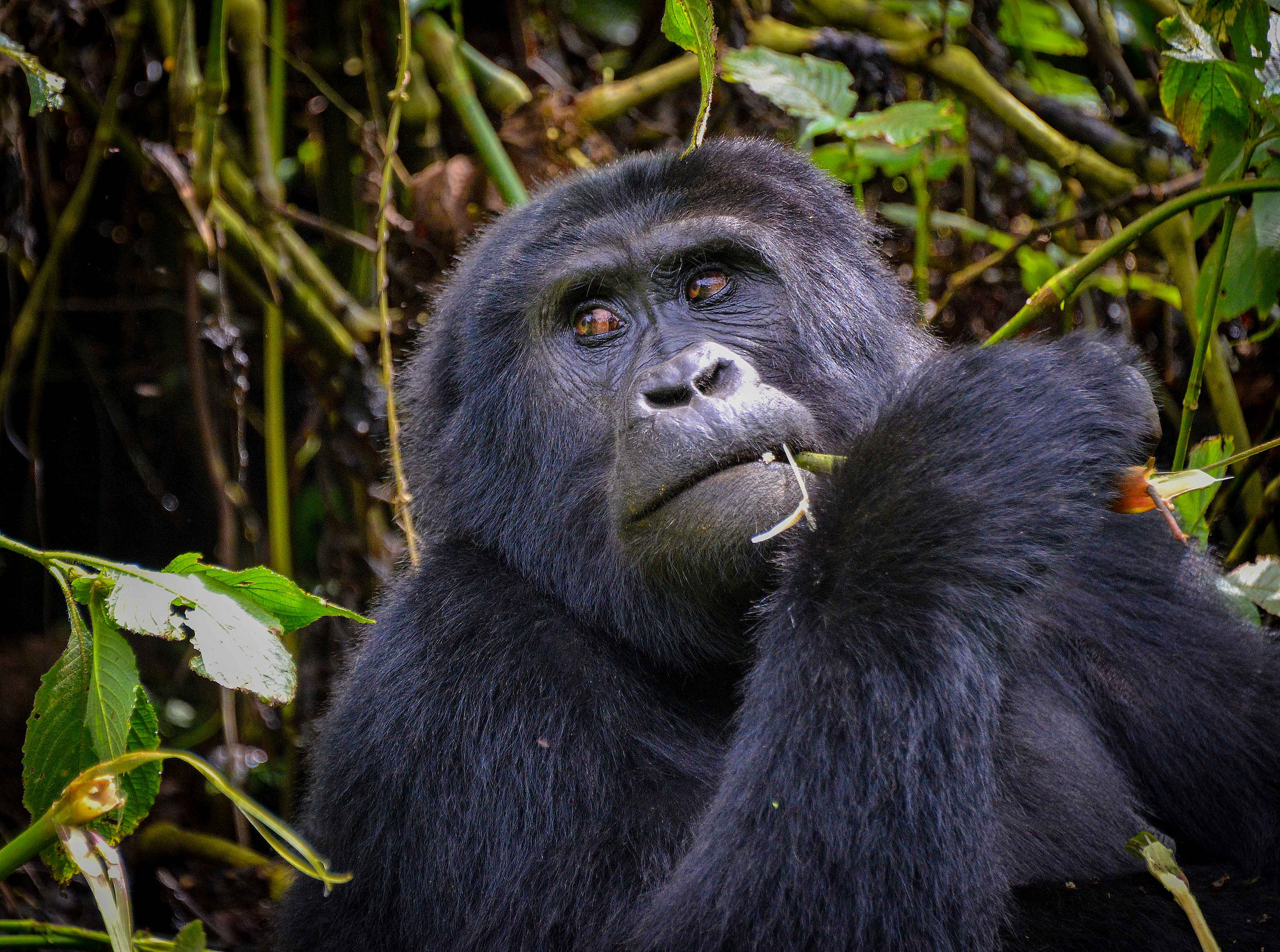
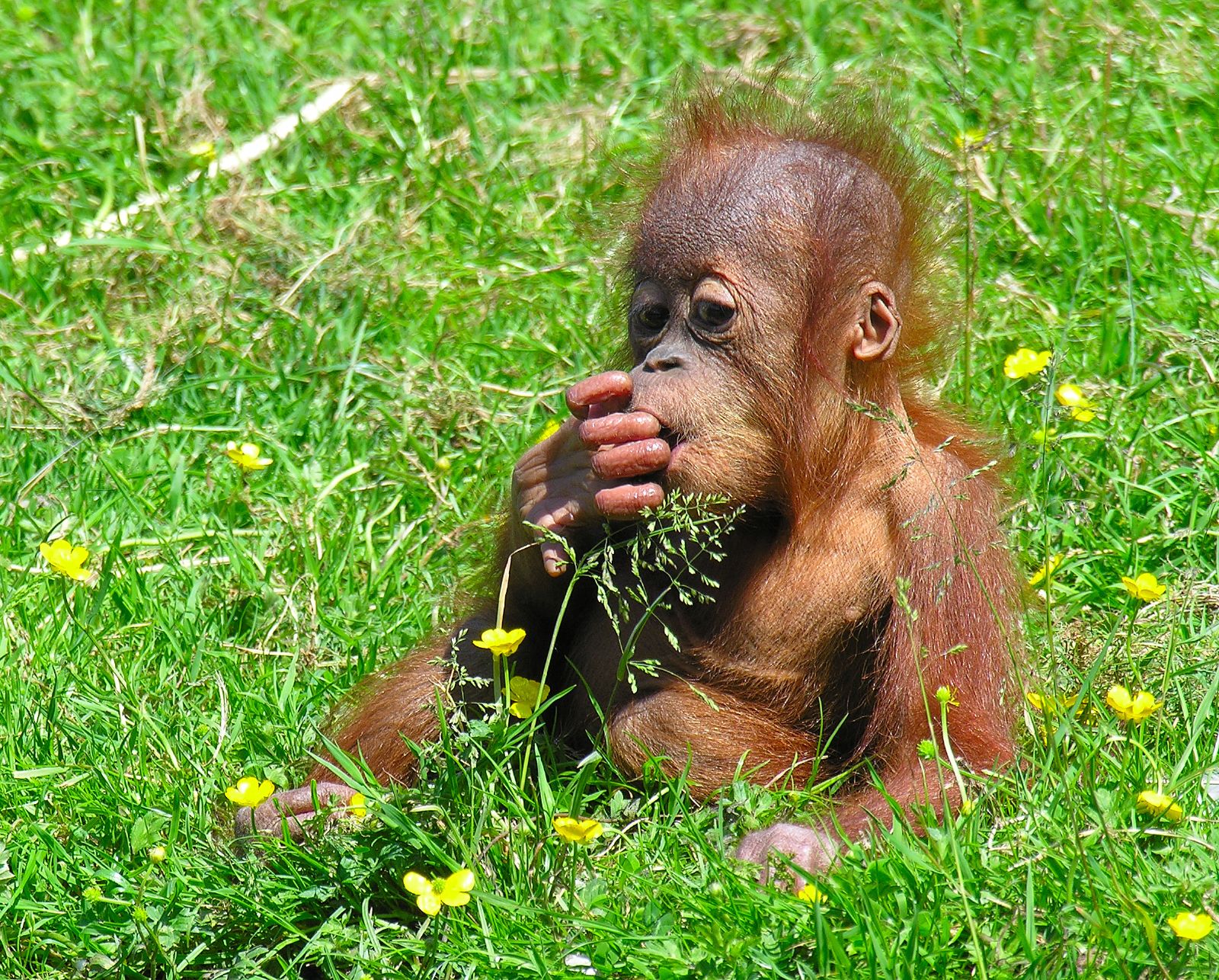
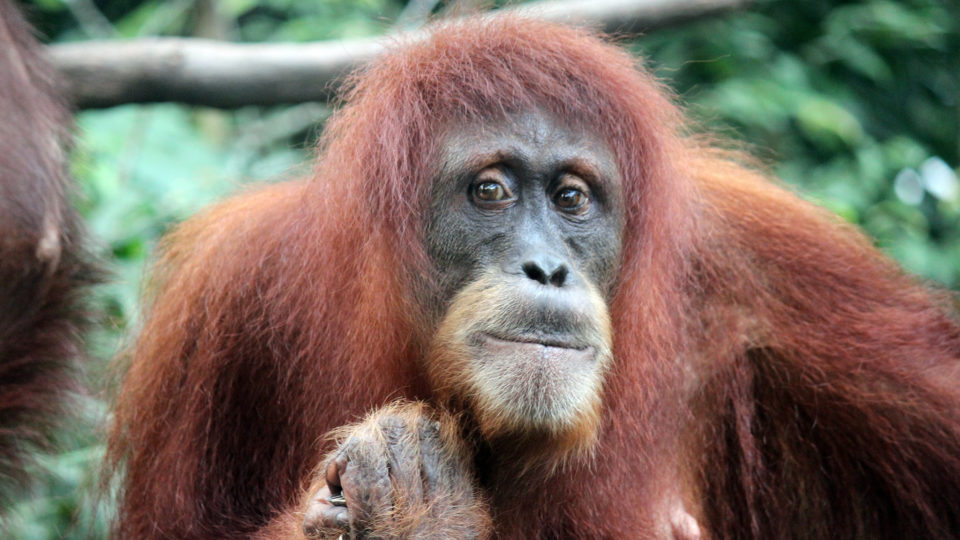
We recently highlighted the plight of orangutans. Following years of failed conservation measures, all orangutans are now listed as critically endangered by the International Union for the Conservation of Nature. The Sumatran orangutan had been listed as critically endangered for nearly two decades, but the Bornean orangutan was a recent addition. According to the IUCN, all orangutans have an “extremely high risk of extinction in the wild.”
Breeding Dory
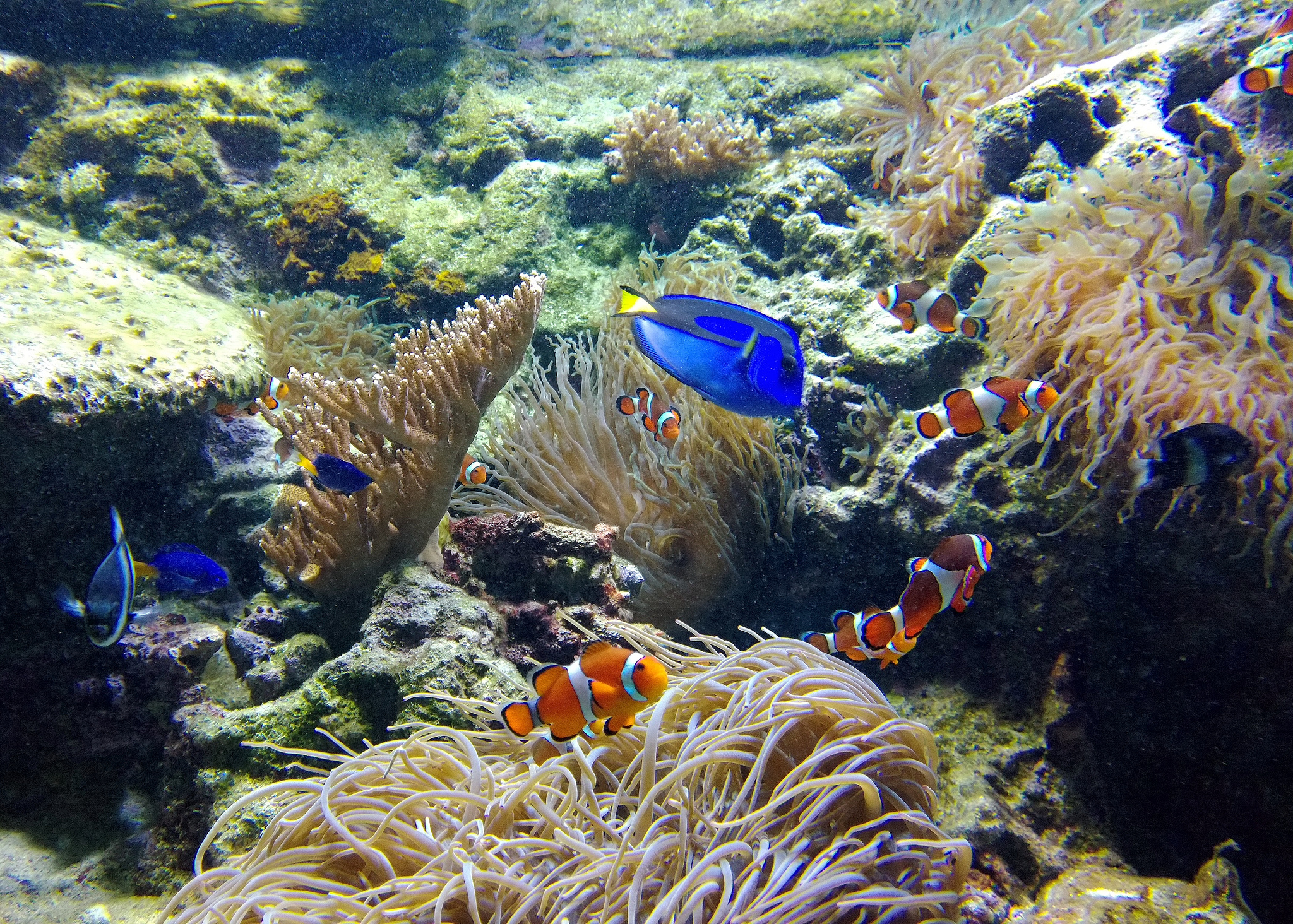
The regal blue tang is one of the most common and most popular marine aquarium fish in the world. In the U.S., they have been ranked as high as the 10th most imported fish species out of over 2,000 that enter the country. Apart from aquarium hobbyists, millions of people now associate blue tangs with the character Dory in a couple of popular animated films.