extinction
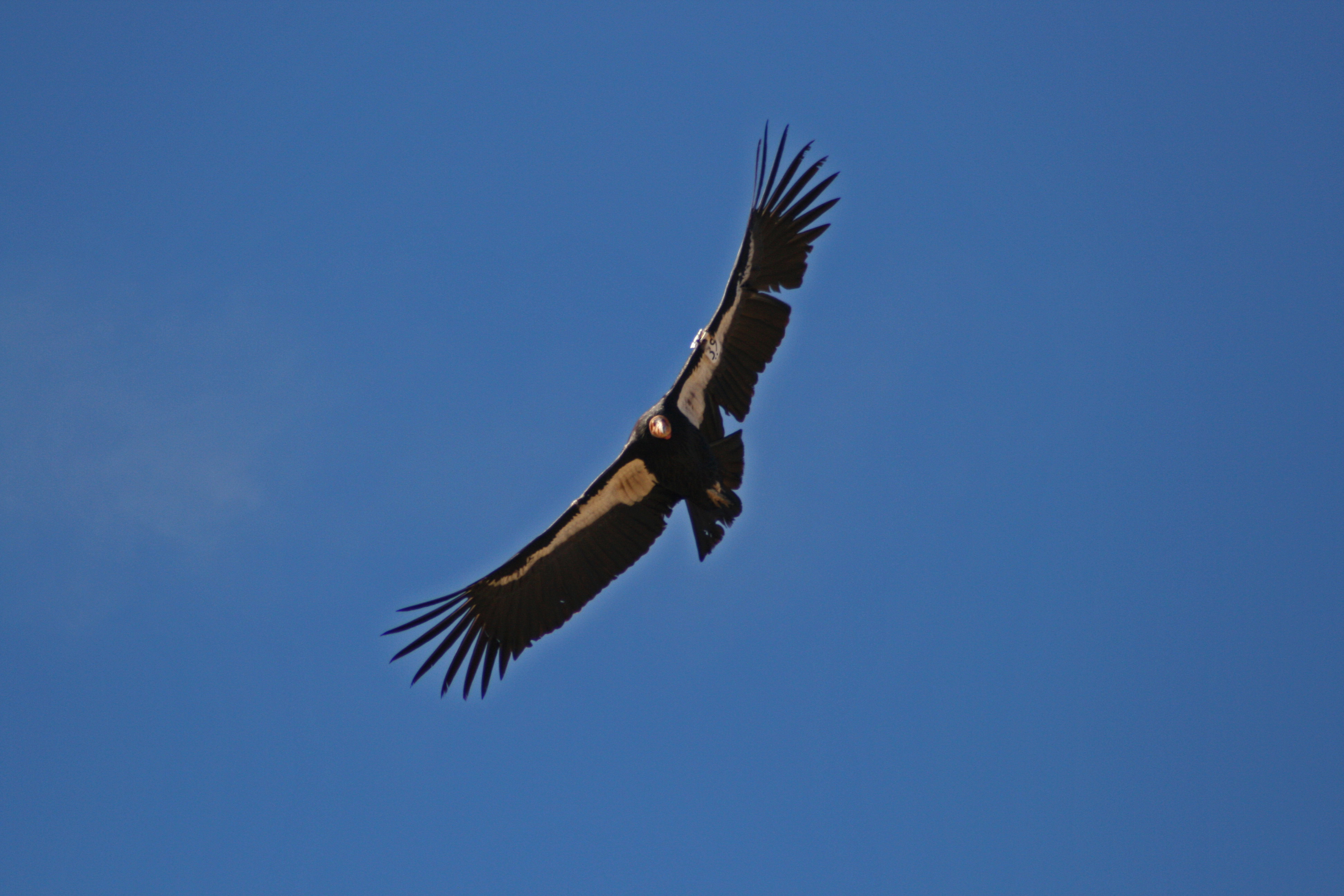
The State Of The Birds
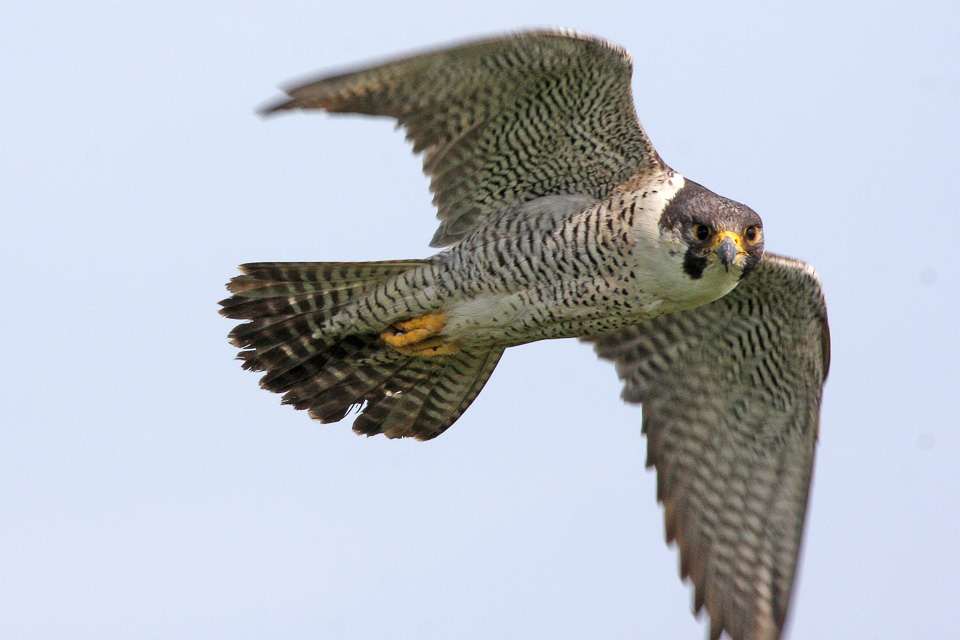
The North American Bird Conservation Initiative recently released its annual “State of the Birds’ report, which is a comprehensive analysis of North American birds. And as with many other things these days, we’re not doing well.
Some Good News For Monarchs
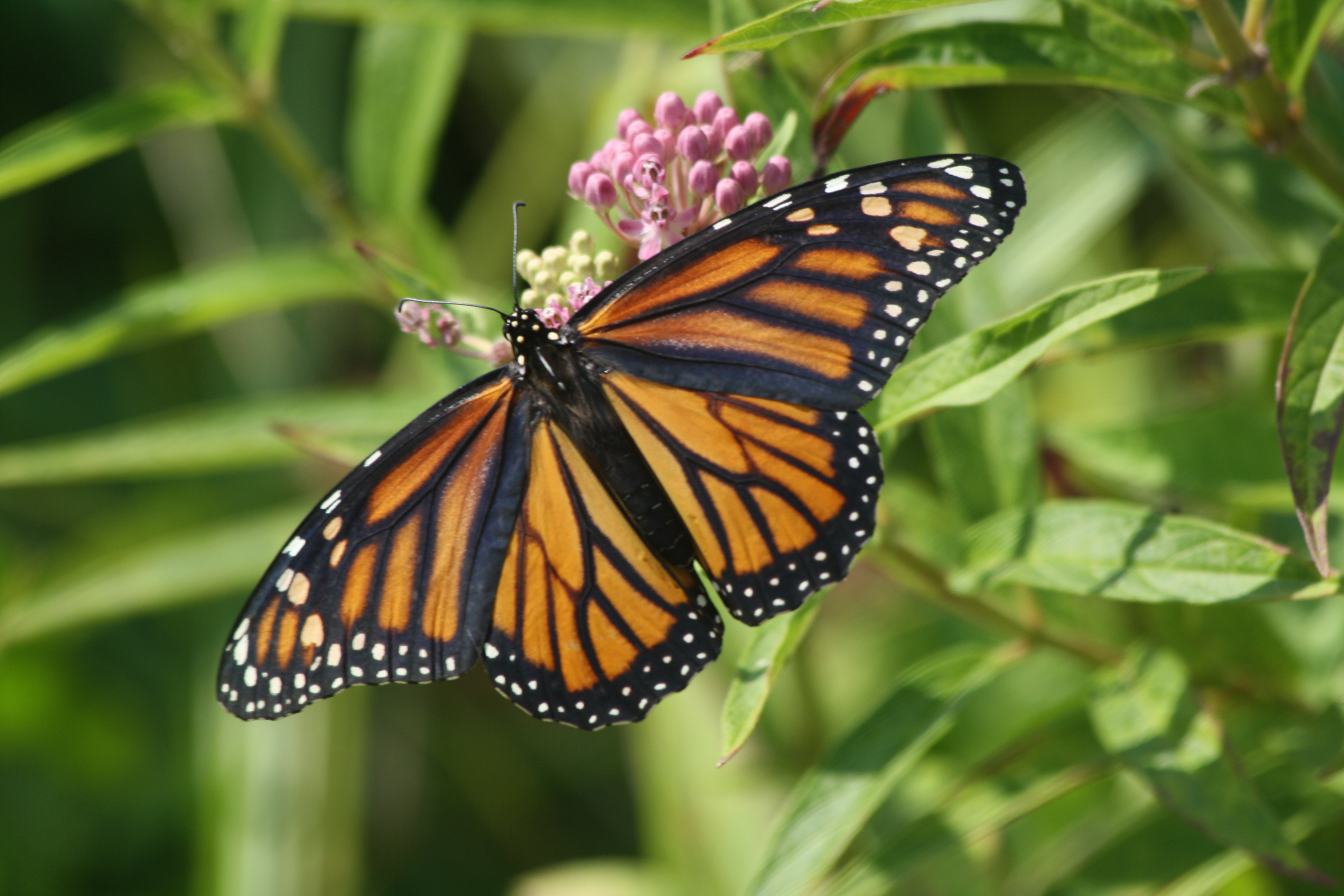
Spring is the time of the great monarch migration when the butterflies leave their wintering grounds in Mexico and head north to Canada. As we have been saying for quite some time, fewer and fewer butterflies have been making the trek each year. Twenty years ago, a billion monarchs swarmed the winter site in Mexico. In 2013, the number was down to 33 million.
Ending The Protection Of Grizzly Bears
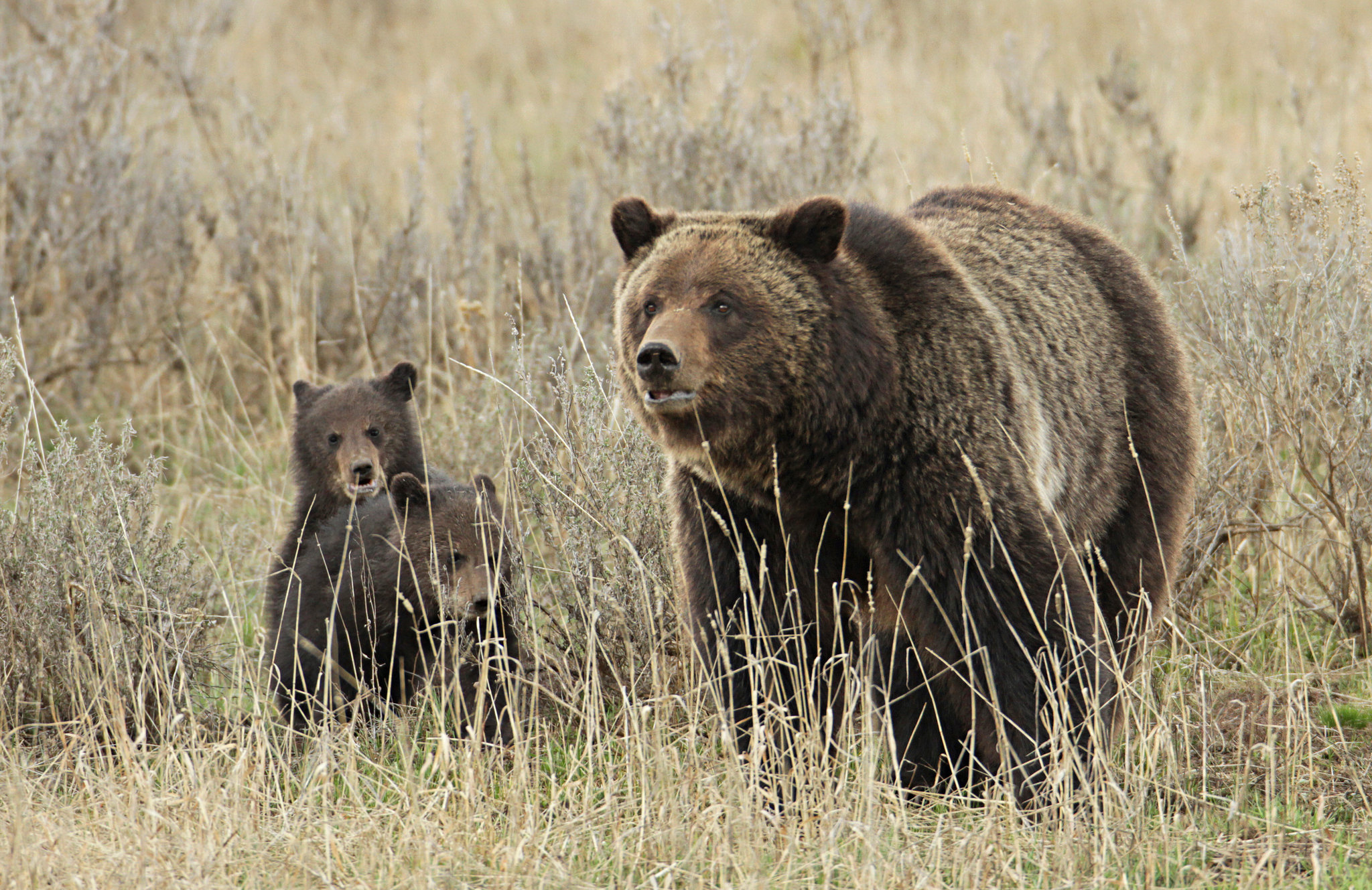
Grizzly bears, also known as North American brown bears, once roamed much of North America and symbolized the continent’s untamed wilderness. But hunters and trappers nearly wiped them out across most of the Lower 48 states by the late 1800s.
Ecotourism And Endangered Species
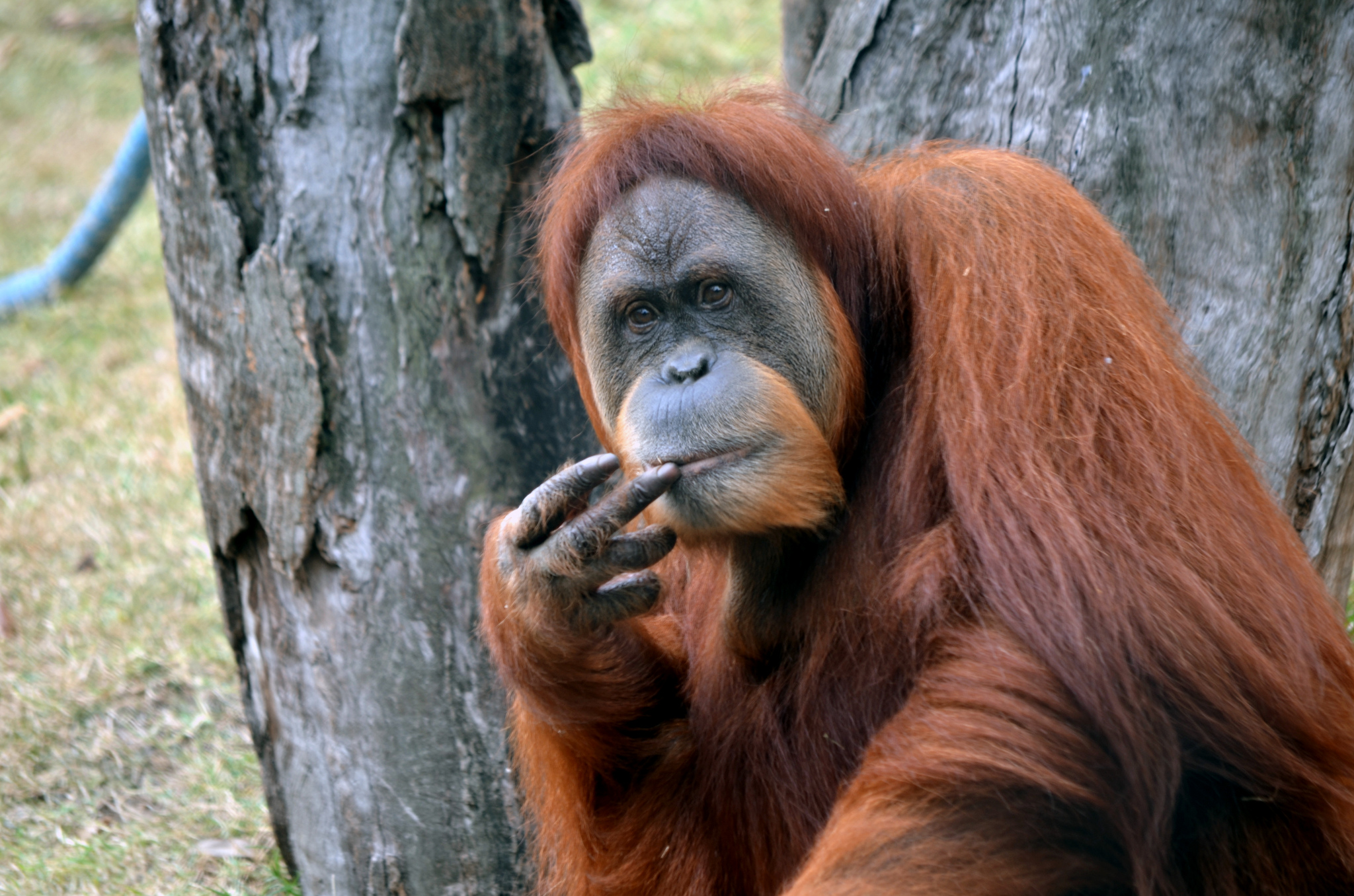
Ecotourism is increasing on a global scale. Ecotourism is generally defined as responsible travel to natural areas that conserves the environment, sustains the well-being of the local people, and involves interpretation and education. Visitor numbers to many protected areas around the world are expanding every year. Ecotourism provides rich experiences for the traveler and often has great benefits to local communities fighting poverty and seeking sustainable development.
De-Extinction: Opening Pandora’s Box
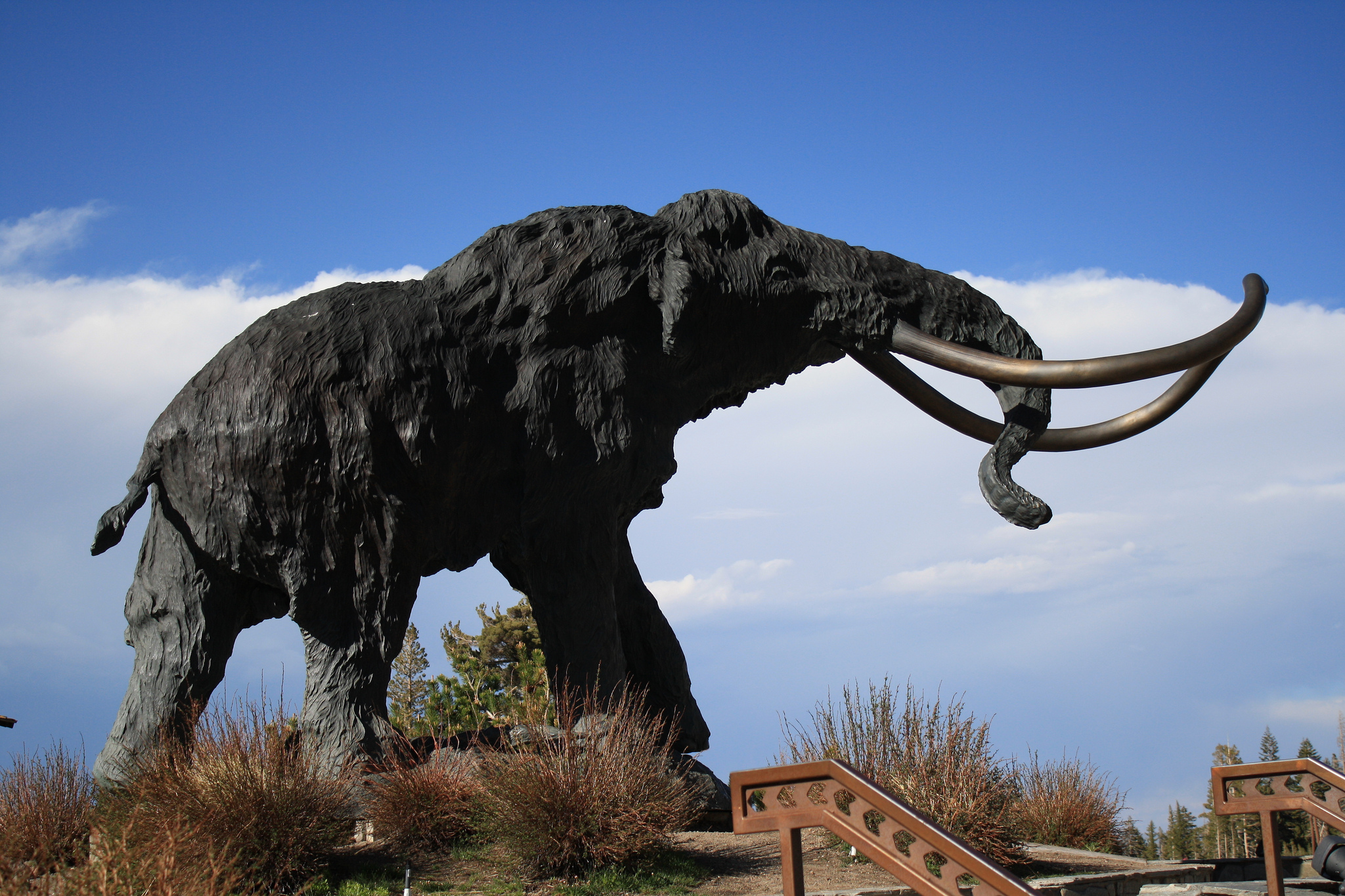
De-extinction, or the act of bringing extinct species back from the dead, has been riding a wave of enthusiasm. Nearly 2 million people have watched Steward Brand’s TED talk on the topic, and Beth Shapiro’s book How to Clone a Mammoth has received rave reviews.
Crocodiles And Climate Change
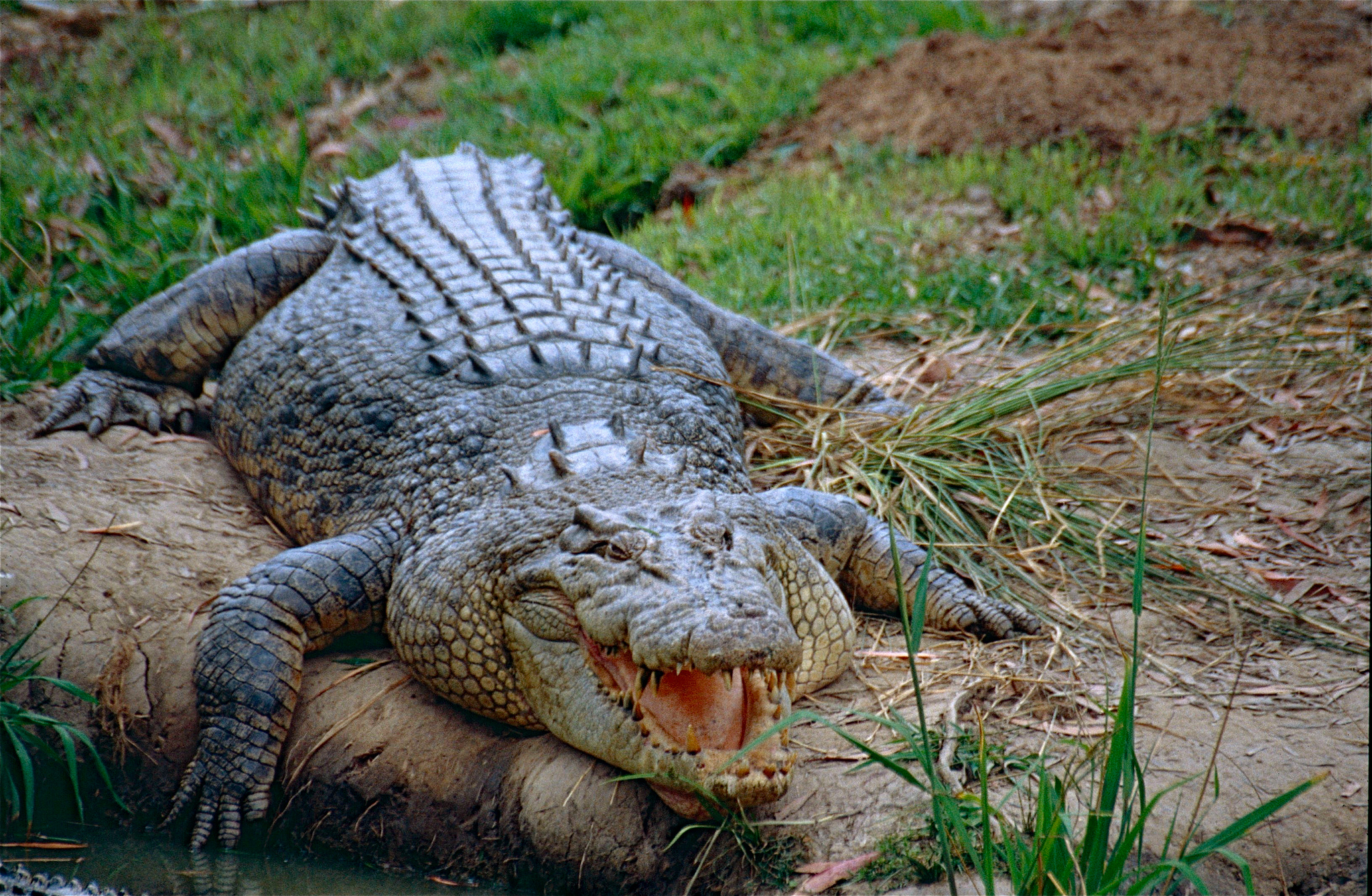
Crocodiles are large aquatic reptiles that live throughout the tropics in Asia, Africa, the Americas, and Australia. The first crocodiles appeared approximately 240 million years ago – around the same time as dinosaurs. And while the resilient species did survive the last great extinction, crocodiles might not be climate change-proof after all.
What Would Our Planet’s Sixth Mass Extinction Mean For Us?

A new study by researchers from three U.S. universities echoes an earlier report out of Duke University indicating that earth is in what appears to be the beginning of its sixth mass extinction – the first in some 65 million years. Large animals face the highest rate of decline, and their losses could affect other species, including us.
[Read more…] about What Would Our Planet’s Sixth Mass Extinction Mean For Us?
The First Mass Extinction Since Dinosaurs
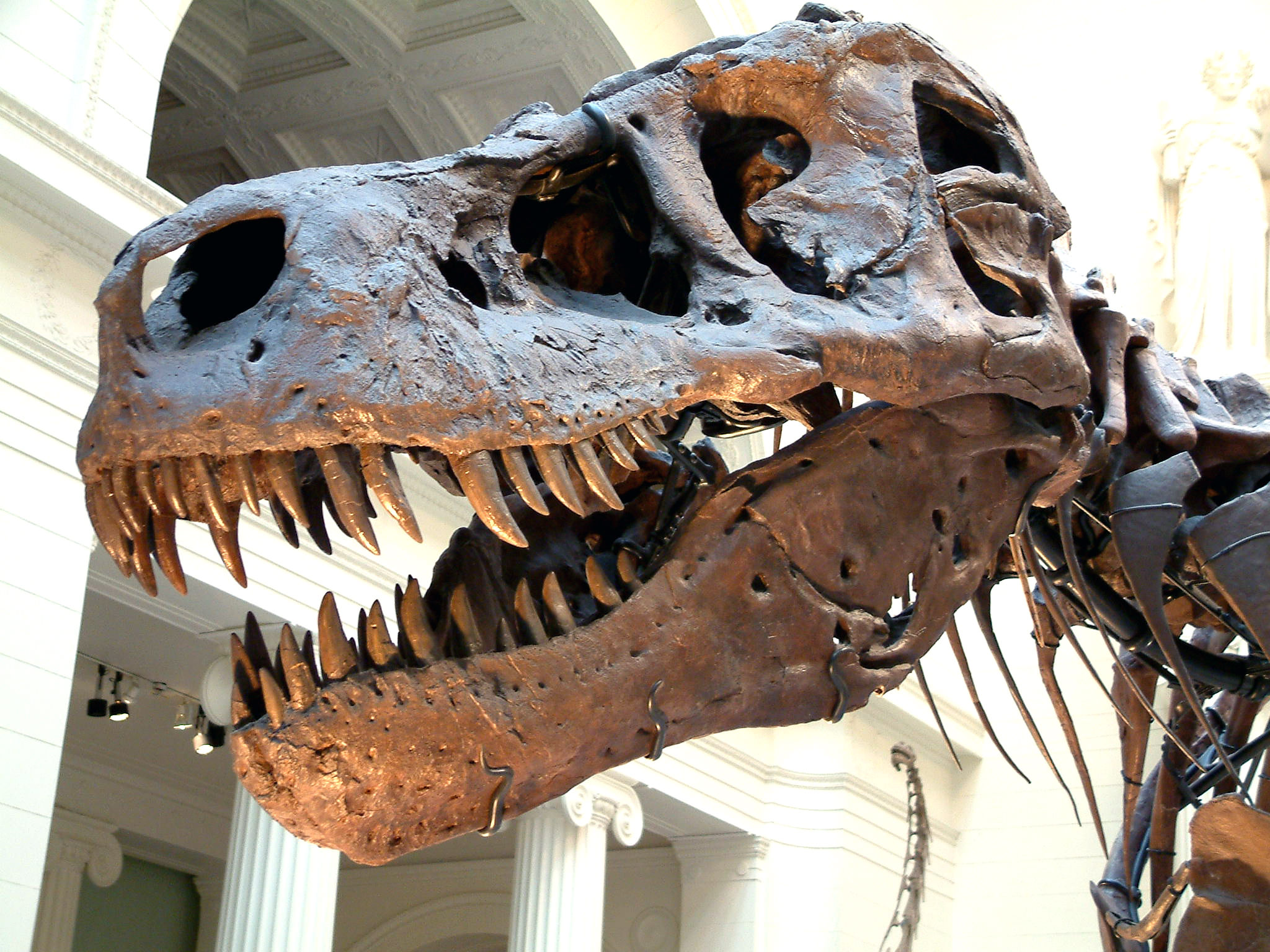
Earth’s current biodiversity is the highest in the history of life – ever. It’s the product of three and a half billion years of evolution. But a new study warns that a tipping point is on the horizon.
[Read more…] about The First Mass Extinction Since Dinosaurs