• Skip to primary navigation
  • Skip to main content
  • Skip to primary sidebar

Earth Wise

A look at our changing environment.

  • Home
  • About Earth Wise
  • Where to Listen
  • All Articles
  • Show Search
Hide Search
You are here: Home / Archives for dry

dry

January Climate Report Card | Earth Wise

March 9, 2022 By EarthWise Leave a Comment

A report card on the climate

The global climate is a complicated thing.  While overall trends are relatively straightforward to understand, the details can seem confusing.

January was the sixth-warmest January in the 143 years of global climate record keeping.  The global land and ocean surface temperature was 1.6 degrees Fahrenheit above the 20th century average.

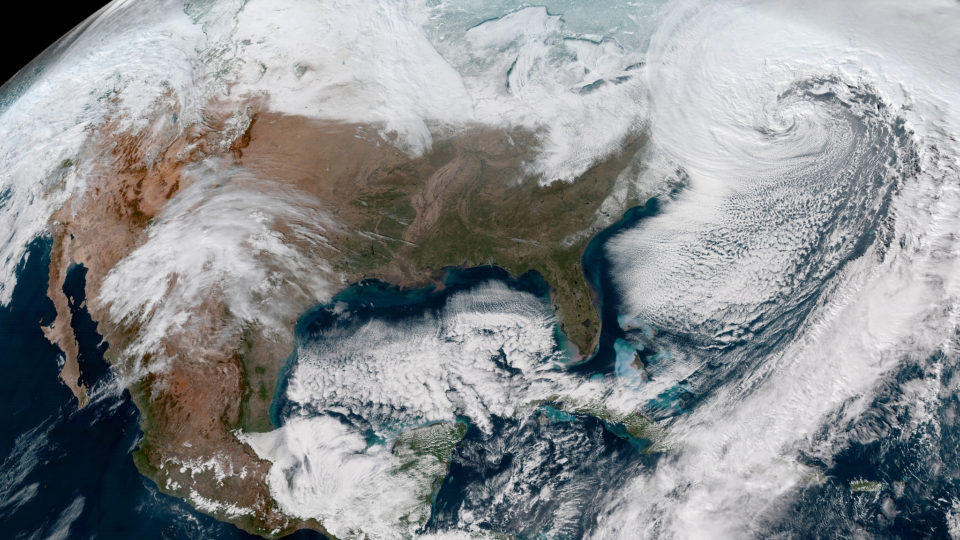
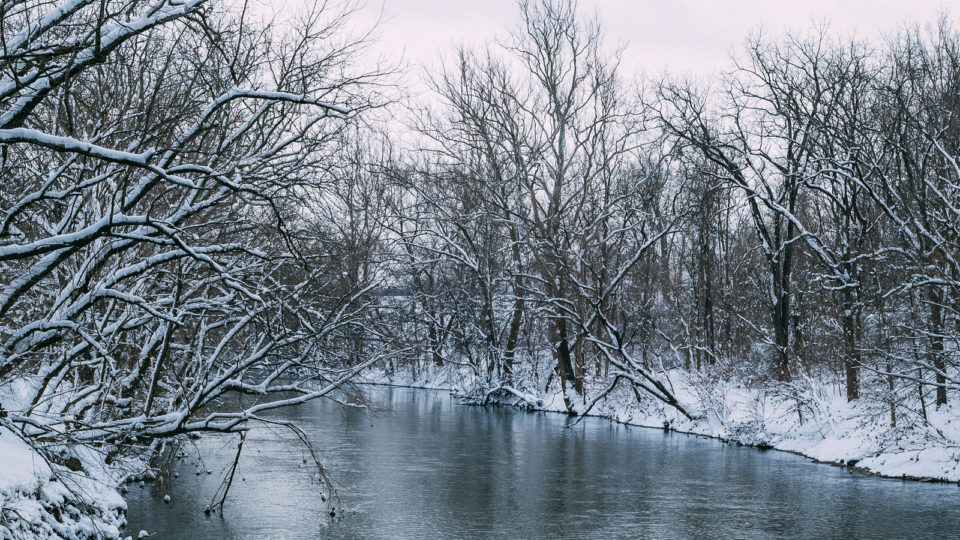
Meanwhile, the United States had its coolest January since 2014, although the month still ranked nearly a degree above the long-term average across the nation.  This January was also the driest January in eight years and was one of the top- 15 driest Januarys on record.  That being said, there was the so-called Bomb Cyclone late in the month that dumped 1-2 feet of snow and brought blizzard conditions along the eastern seaboard and set a one-day snowfall record in Boston.

Global conditions and regional and local conditions can be very different.  In the big picture, January was the 46th consecutive January and the 445th consecutive month with temperatures above the 20th century average.

And while the US had a fairly cool January, South America saw its second-warmest January on record, Asia had its fourth warmest, and Oceania had its seventh warmest.

Apart from temperatures, Antarctic sea ice coverage was the second smallest January extent in 44 years.  Arctic ice was 208,000 square miles below the 1981-2010 average, although it was the largest since 2009.

Even as the global climate warms, local and regional climate conditions will continue to have unique and variable characteristics over the course of time.  Every time there’s a bout of cold weather, it isn’t time to stop being concerned about climate change.

**********

Web Links

January 2022 was Earth’s 6th warmest on record

Photo, posted January 6, 2013, courtesy of Christopher Michel via Flickr.

Earth Wise is a production of WAMC Northeast Public Radio.
Lake Tuz Is Disappearing | Earth Wise

January 10, 2022 By EarthWise Leave a Comment

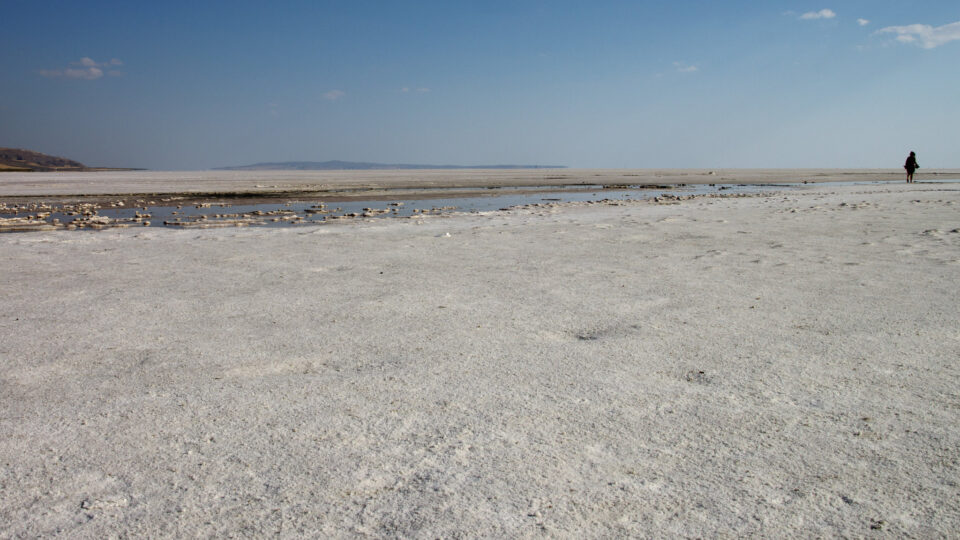
Lake Tuz is Turkey’s second-largest lake and one of the world’s largest hypersaline lakes.  Its high salt content makes it an ideal breeding ground for some migratory bird species, including flamingos, which are often present there in huge numbers in the spring and summer.

Now, Lake Tuz rarely spans an area much larger than a puddle. In some summers, it completely dries up.  It did so this past summer, which resulted in the deaths of thousands of flamingos.

According to experts, Lake Tuz is a victim of climate change-induced drought, which has hit the region hard, and decades of harmful agricultural policies that exhausted the underground water supply.

Water in this region has become increasingly scarce.  The Mediterranean Basin has already seen more frequent and intense droughts, and is considered a climate change hotspot. 

According to new research, which was recently published in the journal Regional Environmental Change, Lake Tuz generally contained enough water in August for the lake to be considered permanent up until 2000.  But between 2001 and 2016, something shifted.  Water spanned less than 20% of the lake in every August except for one, and droughts became more frequent and intense. And in some years, the lake completely dried up.   

What caused this change?  According to the research team, Lake Tuz’s decline coincided with the excessive use of groundwater and surface water resources responsible for feeding the lake.  Some streams were rerouted for agricultural purposes, while others were dammed.  And when surface water sources dwindled, people turned to groundwater that historically fed the springs in Lake Tuz. 

Lake Tuz may be on the brink of extinction. 

**********

Web Links

Impact of climate variability on the surface of Lake Tuz (Turkey), 1985–2016

Disappearing Lake Tuz

Photo, posted August 16, 2021, courtesy of Godot via Flickr.

Earth Wise is a production of WAMC Northeast Public Radio.
Drought And Desalination | Earth Wise

October 11, 2021 By EarthWise Leave a Comment

Improving water desalination to combat droughts

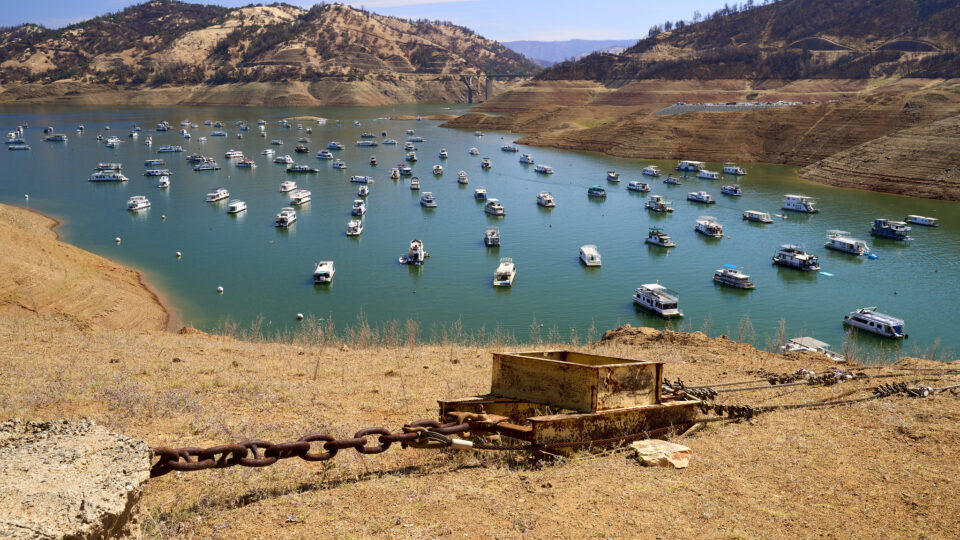
The Western US is currently experiencing what might be the worst drought in over 1,000 years.   The region has seen many droughts in the past, but the changing climate is making dry years drier and wet years wetter.   Diminishing snow-packs mean that rivers, streams, reservoirs, and soil are not replenished enough in the spring and summer.

Meanwhile, the Southwest has seen a growth rate over the past 60 years that is twice that of the rest of the country.  More and more people are moving to areas expected to get even drier in the years to come.  There have been unprecedented water allocation cuts from the Colorado River – which provides water to seven states – and there have been shutdowns of hydroelectric power plants.

Only three percent of the planet’s water is fresh water and much of that is not available for our use.  Over 120 countries have turned to desalination for at least some of their drinking water.  In the US, the largest plant is in Carlsbad, California and a huge new plant is likely to be built in Huntington Beach, California.

Desalination has its drawbacks.  It is expensive, consumes large amounts of energy, and has detrimental environmental impacts.  Most of the world’s desal plants now use membrane filtration technology but there are still many that use the thermal distillation method.

There are efforts around the world aimed at improving desalination.  A giant project in Saudi Arabia is based on solar heating of sea water.  The U.S. Army and the University of Rochester are working on a different solar-based system.  European companies are developing a floating seawater desalination plant powered by wind energy. 

Droughts seem to be here to stay.  Finding better ways to get fresh water is essential.

**********

Web Links

A 1,000 Year Drought is Hitting the West. Could Desalination Be a Solution?

Photo, posted May 31, 2021, courtesy of Frank Schulenburg via Flickr.

Earth Wise is a production of WAMC Northeast Public Radio.
A Dangerous Fire Season | Earth Wise

June 9, 2021 By EarthWise Leave a Comment

Drought conditions expected to cause worse fire season

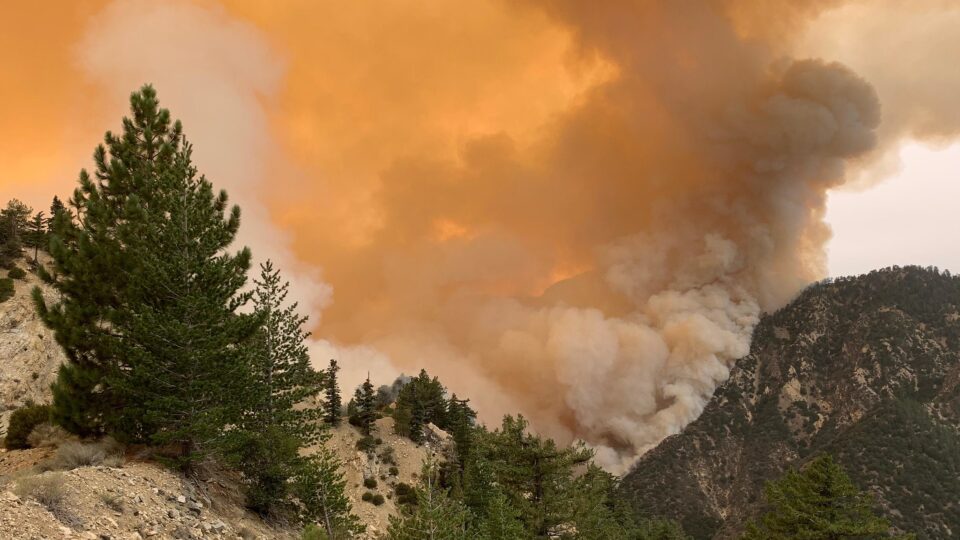
The western United States is entering the fire season under much worse drought conditions than last year.  Last year, 15,800 square miles burned in the U.S., mostly in the West.

The western U.S. is in the midst of a 20-year mega-drought.  Rainfall in the Rocky Mountains and farther west was the second lowest on record this April.  The soil in the western half of the country is the driest it has been since 1895.

The situation is particularly bad in California and the Southwest.  In March, less than a third of California was experiencing extreme or exceptional drought.  Now, 73% of the state is.  A year ago, a record-breaking fire season burned 4% of the state and, at that time, only 3% of California was in a state of extreme drought.

A year ago, no parts of Arizona, Nevada, or Utah were in extreme or exceptional drought.  Now, more than 90% of Utah, 86% of Arizona, and 75% of Nevada face severe drought conditions.  At this time last year, only 4% of New Mexico faced extreme drought but 77% does now.

These extreme drought conditions, which are believed to be linked to climate change, are causing increased tree mortality among many species, ranging from junipers in the Southwest even to drought-tolerant blue oaks in the San Francisco Bay Area.

Conditions are extremely ripe for a lot of forest fire this year.  Last year was a terrible year for wildfires in the West and we are heading into a fire season with much drier fuels than there were last year.  The risks of great damage from wildfires are higher than ever.

**********

Web Links

US West Enters Fire Season Facing Extremely Dry Conditions

Photo, posted September 18, 2020, courtesy of USFS/National Interagency Fire Center via Flickr.

Earth Wise is a production of WAMC Northeast Public Radio.
A Global Assessment Of Groundwater Wells | Earth Wise

May 19, 2021 By EarthWise Leave a Comment

Groundwater wells are at risk

Water is a fundamental need for every human being on the planet.  Each person requires more than five gallons of clean and safe water a day for drinking, cooking, and keeping clean.

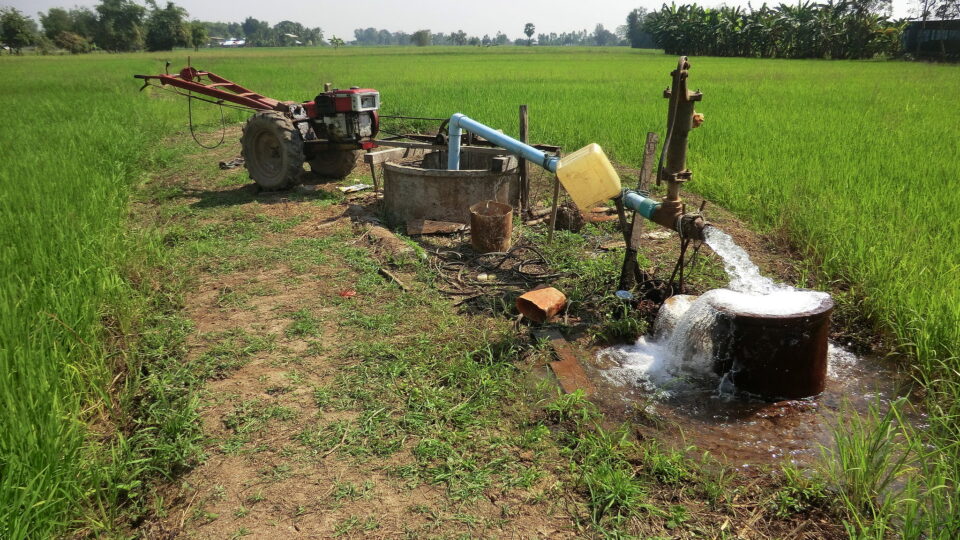
Groundwater wells remain one of the primary sources of drinking water.  In fact, more than half of the world’s population gets its drinking water from groundwater wells.  Groundwater wells also sustain more than 40% of irrigated agriculture.

Researchers from UC Santa Barbara have recently compiled the most comprehensive assessment of groundwater wells to date.  Their research, which was recently published in the journal Science, spanned 40 countries, which collectively account for more than 50% of all groundwater pumping. 

According to the survey’s findings, many wells are at risk of running dry – up to one in five wells, to be exact.  The researchers compared the depths of water tables against well depths. They found that 6% to 20% of the wells in the study were at risk of running dry if water levels continue to decline by just a few meters.

In many areas where groundwater levels are declining, the research team found that new wells are not being drilled deeper to keep pace with the falling water table. As a result, newer wells are just as vulnerable as older wells should groundwater levels continue to decline.  

The researchers hope to expand on this study to include data from China, Iran, and Pakistan, three major users of groundwater from which the researchers could not obtain records.  The researchers also plan to investigate how quickly water tables are dropping and where the trend is accelerating.   

**********

Web Links

The largest assessment of global groundwater wells finds many are at risk of drying up

Photo, posted January 20, 2018, courtesy of François Molle via Water Alternatives Photos on Flickr.

Earth Wise is a production of WAMC Northeast Public Radio.
Self-Watering Soil | Earth Wise

December 9, 2020 By EarthWise Leave a Comment

Self-watering soil could help conserve water

Researchers at the University of Texas at Austin have created a new type of soil that can pull water from the air and distribute it to plants.  Such soil has the potential to expand the map of farmable land to previously inhospitable places as well as to reduce water use in agriculture in an era of growing droughts.

The team’s atmospheric water irrigation system makes use of super-moisture-absorbent gels to capture water from the air.  When they are heated to a high enough temperature, the gels release the water, making it available to plants.

The gels in the soil pull water out of the air during cooler, more humid periods at night and when the sun heats the soil during the day, the water-containing gels release their contents into the soil.

Each gram of soil can extract about 3-4 grams of water.  Depending on the specific crop, somewhere between a couple of ounces and 2 pounds of the soil can provide enough water to irrigate a square yard of farmland.

Experiments on the soil found that it retains water better than the sandy soils found in dry areas and needs much less water to grow plants.

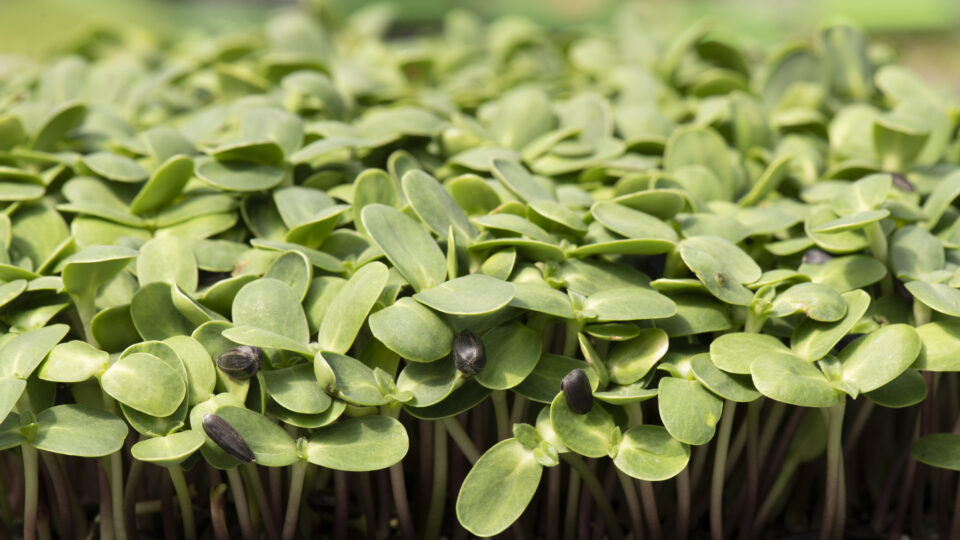
In one experiment, radish plants germinated in the soil all survived a 14-day period without any irrigation beyond the initial watering when they were planted.  Radish plants in ordinary sandy soil irrigated for the first four days of the experiments lasted no more than two days further without watering.

The Austin group has been developing gel-polymer materials that work like super-sponges for two years.  These materials extract large amounts of water from the ambient air, clean it, and release it when heated with solar energy.

**********

Web Links

Self-Watering Soil Could Transform Farming

Photo, posted October 21, 2020, courtesy of the U.S. Department of Agriculture via Flickr. USDA Media by Lance Cheung.

Earth Wise is a production of WAMC Northeast Public Radio.
Crops May Need To Move | Earth Wise

October 5, 2020 By EarthWise Leave a Comment

Climate change might force crops to move

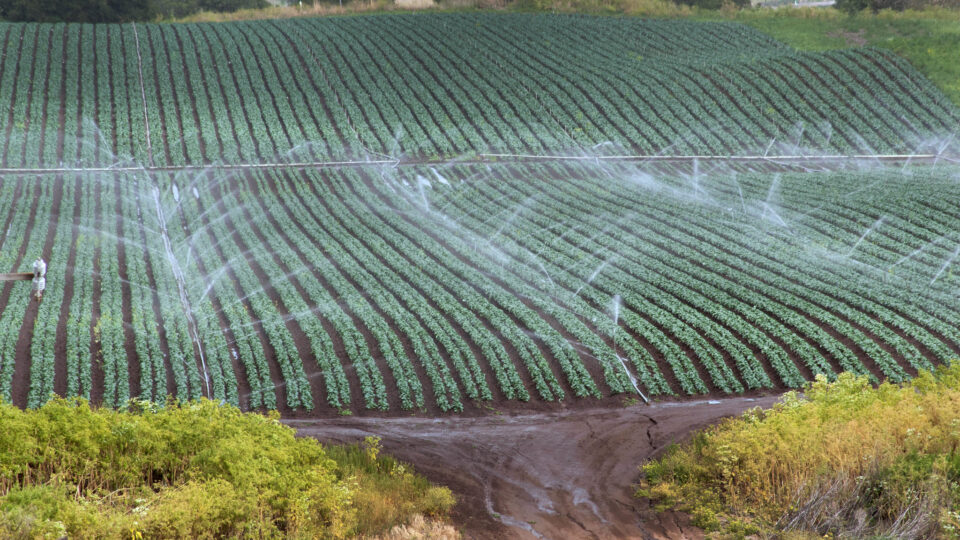
California has unique micro-climate diversity that creates ideal growing conditions for a wide range of crops.  One third of the vegetables and two-thirds of the fruits and nuts we eat in this country are grown on the more than 76,000 farms in California.  But as the climate continues to change, many farmers have started to worry about where and when crops can be grown in the future.   Within the next 20 years or so, some parts of California may become too hot and dry to sustain agricultural production.

According to new research from the Lawrence Berkeley National Laboratory, by the years 2045-2049, warmer temperatures will have a significant effect on cool-season crops such as broccoli and lettuce such that their growing season will need to shift.  On the other hand, warm-season crops like cantaloupe, tomatoes, and carrots will need to move to entirely new growing locations.

The study looked at five key crops that are produced more in California than elsewhere and studied the climate conditions under which they prosper and those under which they fail.  They established the range of conditions for which the crops can remain successful.  Finally they looked at climate projections for various parts of the state.

California’s agriculture is an essential part of our food security, so it is important to predict how future warming will affect when and where crops can be grown.  Changing these things presents challenges.  For example, when considering relocating crops, growers have specialized knowledge of their land and their crops.  If crops need to move to a new area, either the farmers have to move to that area, or they have to grow a different crop.  Either way, it presents a practical and economic burden on the farmer.

**********

Web Links

Some of America’s Favorite Produce Crops May Need to Get a Move On by 2045

Photo, posted June 16, 2011, courtesy of the U.S. Department of Agriculture via Flickr.

Earth Wise is a production of WAMC Northeast Public Radio.
Dust From The Sahara | Earth Wise

July 9, 2020 By EarthWise Leave a Comment

hazardous air quality

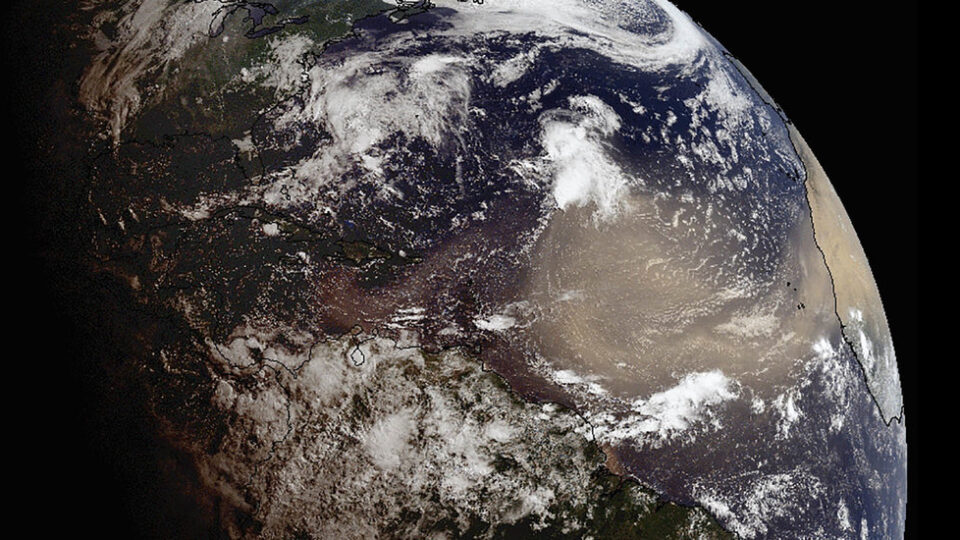
A vast cloud of dust from the Sahara Desert blanketed the Caribbean in late June before drifting across the southeastern U.S.  The phenomenon is nothing new; only the magnitude of the occurrence this time around was unusual.  According to experts, this is the most significant Sahara dust event in 50 years.

The Sahara Desert is the major source on Earth of mineral dust, with some 60-200 million tons of it per year being lifted into the atmosphere.  Convection currents over hot desert areas lift the dust to very high altitudes.  From there, it can be transported worldwide by winds.   The dust, combined with the extremely hot, dry air of the Sahara Desert often forms an atmospheric layer called the Saharan Air Layer, which can have significant effects on tropical weather by interfering with the development of hurricanes.  The Saharan Air Layer typically moves across the North Atlantic every three to five days from late spring to early fall, peaking in the middle of the summer.  It can occupy a layer as much as two miles thick in the atmosphere.

The dust plume this summer was highly visible from space, covering thousands of miles of the Atlantic Ocean and the Caribbean Sea.

A common effect of Sahara dust is that normally blue skies can acquire a milky haze, but beyond that can lead to spectacular sunsets.  But apart from the visual spectacle, the dust can aggravate the conditions of people with asthma, respiratory illnesses, and allergies. On the positive side, as long as the dust is around, it is much less likely that tropical storms and hurricanes will form.

**********

Web Links

Sahara dust blankets Caribbean, air quality hazardous

Photo, posted June 22, 2020, courtesy of Sagar Rana via Flickr.

Earth Wise is a production of WAMC Northeast Public Radio.
Keeping Charleston Dry | Earth Wise

June 11, 2020 By EarthWise Leave a Comment

Rising seas from climate change

Charleston, South Carolina is visited by millions of tourists each year.  The town is a glimpse into the past, showcasing antebellum mansions, row houses, historic African American churches and scenic harbor views from a Civil War-era promenade.

Charleston is also visited more and more by water from rising seas and increasingly powerful storms.  The city is essentially drowning in slow motion and may soon face an existential threat to its survival.

Charleston has a harbor and three rivers and water from all these sources leaks in at every bend and curve, fills streets, disrupts businesses, and rushes into homes during storms.  Million-dollar antebellum mansions, built on spongy marsh and old tidal creeks, flood repeatedly.

City officials have endorsed a plan by the U.S. Army Corps of Engineers to wall off the historic downtown with an 8-mile-long seawall that would cost nearly $2 billion.  The proposed barricade is just one of many proposed projects to build seawalls, surge gates, levees, and other barriers to defend U.S. coastal cities in an era of rising seas and climate-fueled floods and storms.  A proposed flood wall in Miami would cost federal taxpayers $8 billion.

Researchers generally agree that sea levels are likely to rise by at least 3 feet by the end of the century.  Some experts believe the rise will be much greater.  So, a key question is whether these barriers will actually keep out the water.  Critics of many of the proposed solutions contend that they are doomed to fail.

Flooding has caused nearly $1 trillion worth of damage along the East and Gulf coasts over the past 40 years.  And things are almost certain to get worse in Charleston and other coastal cities.

**********

Web Links

Fortress Charleston: Will Walling Off the City Hold Back the Waters?

Photo, posted October 7, 2015, courtesy of Jeff Turner via Flickr.

Earth Wise is a production of WAMC Northeast Public Radio.
American Robins And Climate Change | Earth Wise

April 30, 2020 By EarthWise Leave a Comment

changing climate is making birds migrate earlier

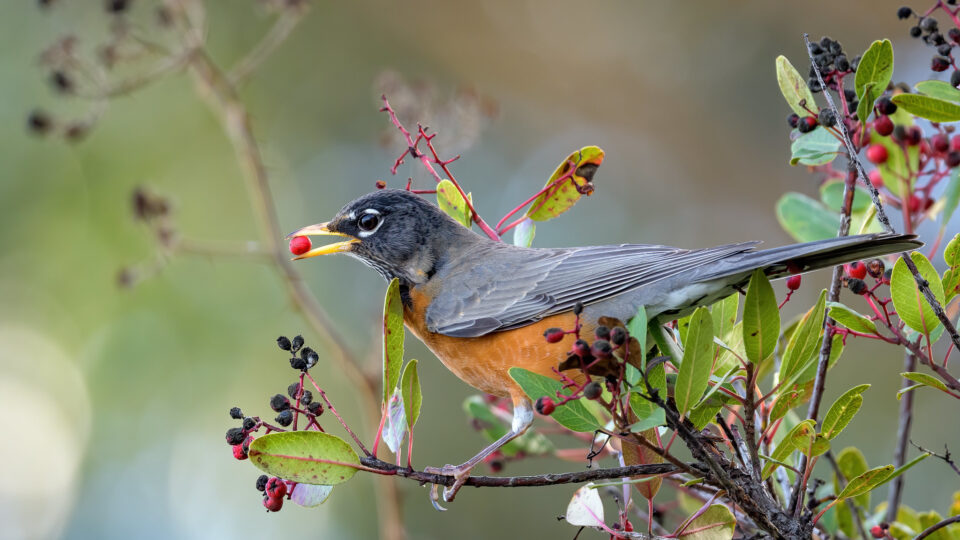
American robins are migratory songbirds that can be found throughout much of North America.  Named after European robins because of their reddish-orange breast, American robins are often found hopping across lawns and nesting on porches.  Their rich caroling is among the first pre-dawn bird songs heard in spring and summer.  

While some overwinter in northern parts of the United States and southern Canada, most American robins migrate south to overwinter in places like Florida and the Gulf Coast, as well as central Mexico and the Pacific Coast.  They typically head south by the end of August and return north sometime between February and March to their breeding grounds in Canada and Alaska.  They spend their short time there trying to find a mate, build a nest, raise a family, and consume enough food to sustain themselves on their long return journey south.

But climate change is making these seasonal rhythms less predictable.  According to a new study recently published in the journal Environmental Research Letters, American robin migration is kicking off earlier by about five days each decade.  The birds now migrate 12 days earlier than they did in 1994.  

For 25 years, researchers at Canada’s Slave Lake have been recording the timing of American robin spring migration.  They attached GPS devices to 55 robins, tracking their movements from April through June. The researchers linked the birds’ movement with weather data, including air temperature, snow depth, wind speed, and precipitation.  The results showed that robins start migrating north earlier when winters are warm and dry. 

Understanding the influence over the timing of migratory events is important because the timing of migration can influence reproductive success.

**********

Web Links

A Migration Mystery

American robins now migrate 12 days earlier than in 1994

Photo, posted January 1, 2020, courtesy of Becky Matsubara via Flickr.

Earth Wise is a production of WAMC Northeast Public Radio.
Monster Tumbleweeds

October 18, 2019 By EarthWise Leave a Comment

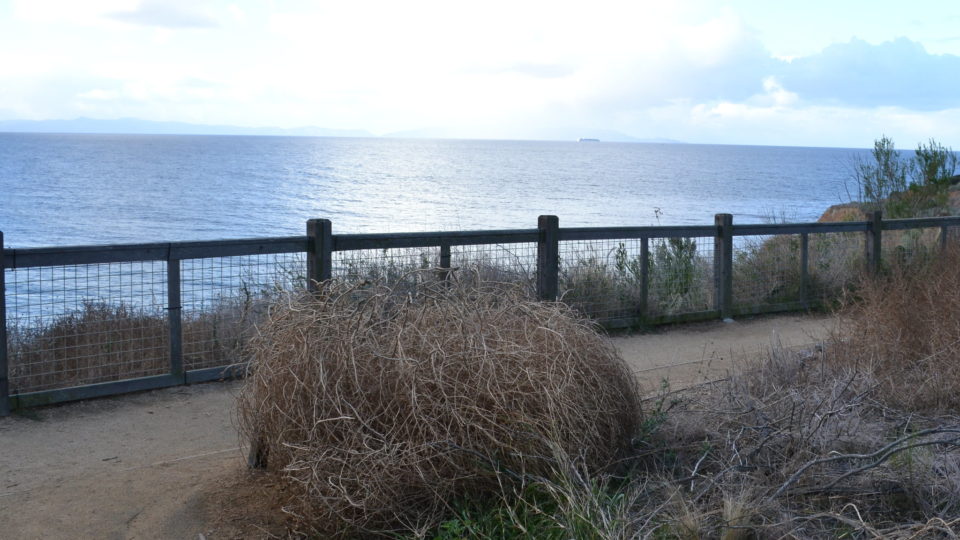
Tumbleweeds have long been seen as symbols of America’s old west.  Tumbleweeds are a structural part of the above-ground anatomy of a number of species of plants known as diaspores.  Diaspores are essentially seed dispersal units.  In a few seed plants, they comprise most or all of the plant.  Once they are mature and dry, they detach from the roots and roll around due to the force of the wind.

There is a new species of gigantic tumbleweed – the Salsola ryanii – that is expanding its territory in the American west.  It is the result of a relatively unusual genetic process known as polyploidy, which produces offspring with multiple sets of chromosomes.  Researchers believe that that the new hybrid species of tumbleweed is healthier than earlier versions.  As a result, one geneticist described Salsola ryanii as a nasty species replacing other nasty species of tumbleweed in the US.

These tumbleweeds can grow up to 6 feet tall.  Tumbleweeds in general are invasive plants that cause traffic accidents, damage agricultural operations, and cause millions of dollars in property damage.  Last year, the town of Victorville in the California desert was buried in them, piling up to the second story of some houses.

Salsola ryanii has a relatively small range, but it is expanding rapidly.  The new study determined that it is more vigorous than its predecessors, which are invasive in 48 states.  The plant is an annual but tends to grow on the later side of winter.  It is one of the only things that is still green in late summer.  With summer rains increasing as the climate changes, these monster tumbleweeds are poised to wreak havoc.   The experts are warning that there should be efforts to suppress them before they take over.

**********

Web Links

Monster tumbleweed: Invasive new species is here to stay

Photo, posted February 27, 2018, courtesy of Tracie Hall via Flickr.

Earth Wise is a production of WAMC Northeast Public Radio.
Saved By The Trees

February 1, 2019 By EarthWise Leave a Comment

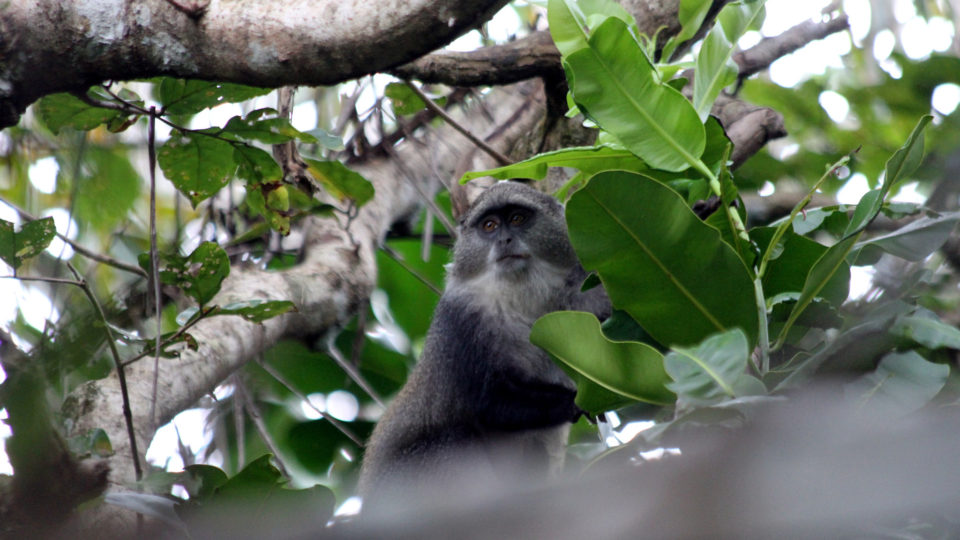
The island of Kokota, part of the Zanzibar Archipelago off the coast of Tanzania, is tiny – only one square kilometer and home to just 500 people.  For centuries, its residents subsisted by harvesting the islet’s natural resources, including its trees.

By the early 21st century, the deforestation had become unsustainable and the islanders faced a crisis.  Fisheries were depleted, and rivers ran dry.  The changing climate brought rising sea levels, more erratic rainfall, and coral bleaching in the surrounding waters.  The situation looked hopeless.

But in recent years, the island has come back from the brink of ruin.  Reforestation efforts began in 2008 on the larger island of Pemba and on Kokota itself, led by a Pemba local and a Canadian tree planter who formed the non-profit Community Forests International.  Since then, nearly 2 million trees have been planted on the two islands.  Enthusiastic volunteers on Kokota usually help plant trees during the rainy season, when water is plentiful.

Community Forests International, along with spearheading the tree planting effort, also built Kokota’s first school, and installed rainwater storage tanks for the community.

The conservation group is now devising ways for Kokota to make more money by diversifying its agriculture with crops that grow well in its climate including spices like cloves, cinnamon, and nutmeg.  They are also helping locals to grow more and different vegetables in their gardens.

Small, poor communities are often the most vulnerable to the effects of climate change, such as drought, powerful storms, and depleted fisheries.  Tiny Kokota provides an example of an environmental comeback.  Fighting climate change requires economic solutions along with environmental solutions.  For this one tiny island, it  appears to have been saved by the trees.

**********

Web Links

This island was on the brink of disaster. Then, they planted thousands of trees.

Photo, posted July 18, 2015, courtesy of Marco Zanferrari via Flickr.

Earth Wise is a production of WAMC Northeast Public Radio.
Shifting Climate Zones

November 16, 2018 By EarthWise Leave a Comment

https://earthwiseradio.org/wp-content/uploads/2018/11/EW-11-16-18-Shifting-Climate-Zones.mp3

As the climate warms, the planet’s landscape is changing.  The Arctic ice is shrinking, the ocean is rising altering coastlines, and plants, animals and diseases are on the move.  The world’s climate zones are changing in significant and measurable ways.

[Read more…] about Shifting Climate Zones

Cold And Snow From Global Warming

April 4, 2018 By EarthWise Leave a Comment

https://earthwiseradio.org/wp-content/uploads/2018/04/EW-04-04-18-Cold-from-Global-Warming.mp3

The Arctic has been experiencing record warm temperatures and record low sea ice levels.  During February, there were nine days in a row with temperatures averaging 27 degrees above normal and often above freezing.  Over the previous 20 years, there were only two previous readings above freezing in February – once in 2011 and once last year.

[Read more…] about Cold And Snow From Global Warming

Saving Venice From The Sea

January 26, 2018 By EarthWise Leave a Comment

https://earthwiseradio.org/wp-content/uploads/2018/01/EW-01-26-18-Saving-Venice-from-the-Sea.mp3

The risks of rising sea waters are growing more apparent every year.  While the world struggles with taking action to reduce the carbon emissions that are driving the sea level rise, cities around the world are building sea walls designed to protect them from storm surges and flooding.   Most of these are massive, complex infrastructure projects that cost billions of dollars and take decades to complete.

[Read more…] about Saving Venice From The Sea

Winter Outlook

November 8, 2017 By EarthWise Leave a Comment

https://earthwiseradio.org/wp-content/uploads/2017/10/EW-11-08-17-Winter-Outlook.mp3

Each year around this time, the National Oceanic and Atmospheric Administration, or NOAA, releases its U.S. Winter Outlook that predicts overall weather trends around the country for the upcoming winter.  They produce these seasonal outlooks to help communities prepare for the weather that is likely to be forthcoming.

[Read more…] about Winter Outlook

Spreading Like Wildfire

October 18, 2017 By EarthWise Leave a Comment

https://earthwiseradio.org/wp-content/uploads/2017/10/EW-10-18-17-Spreading-Like-Wildfire.mp3

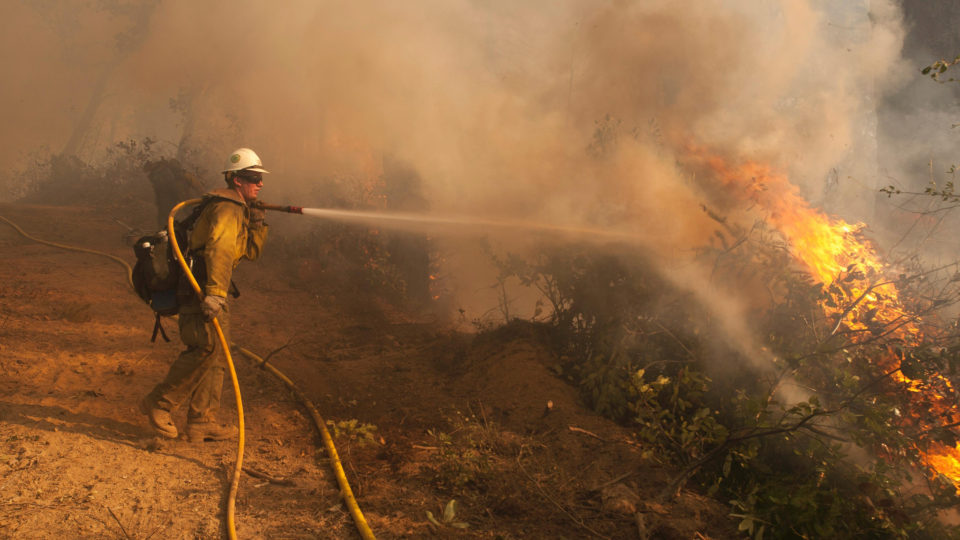
Last July 7th, 140 wildfires started up in British Columbia, triggering a state of emergency.  By the end of the summer, more than 1,000 fires had been triggered across the Canadian province, burning nearly 3 million acres of forest, about 10 times more than the average over the past decade.

[Read more…] about Spreading Like Wildfire

Pine Barrens Threatened

September 29, 2017 By EarthWise Leave a Comment

https://earthwiseradio.org/wp-content/uploads/2017/08/EW-09-29-17-Pine-Barrens-Threatened.mp3

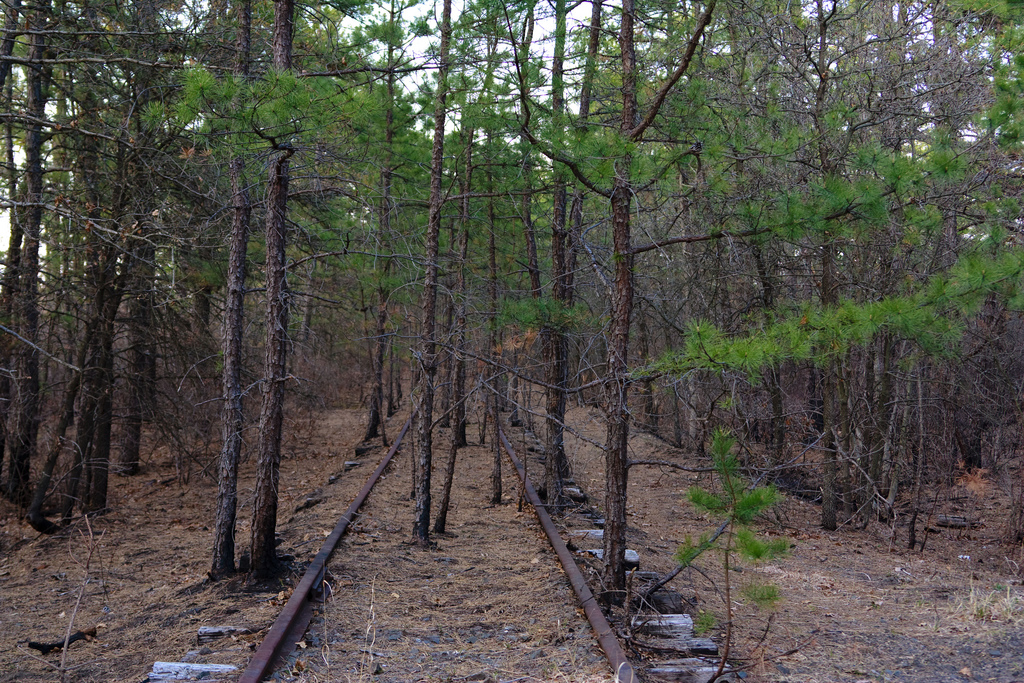
Pine barrens occur throughout the northeastern U.S. from New Jersey to Maine.  They are plant communities that occur on dry, acidic, infertile soils dominated by grasses, forbs, low shrubs, and small to medium-sized pines.  The Pine Bush Preserve in Albany, New York is one of the larger inland pine barrens in the country.

[Read more…] about Pine Barrens Threatened

Super Blooms

September 27, 2017 By EarthWise Leave a Comment

https://earthwiseradio.org/wp-content/uploads/2017/09/EW-09-27-17-Super-Blooms.mp3

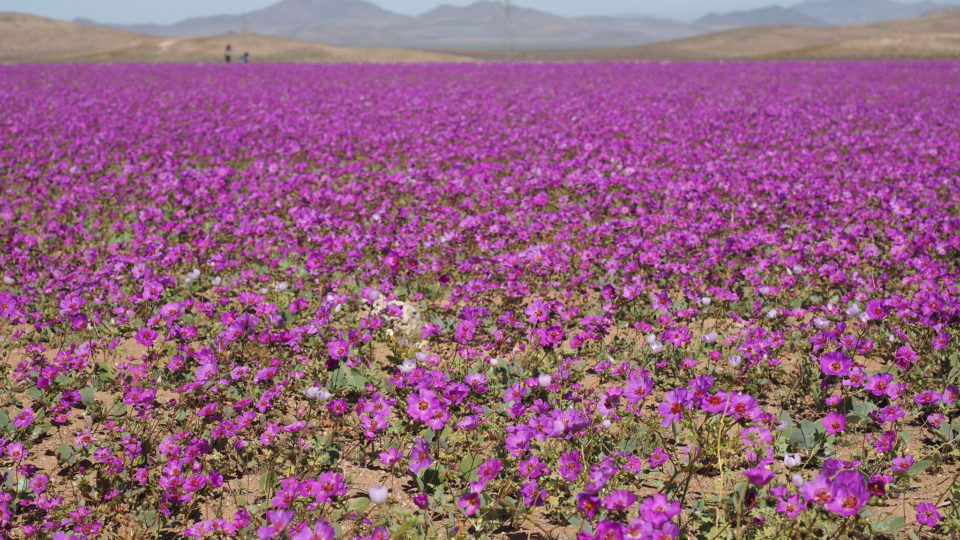
This past August one of the driest regions on Earth transformed from a barren desert to a sea of colorful flowers.  Heavy rains in Chile’s Atacama Desert caused the phenomenon, locally known as the desierto florido or flowering desert.   These things typically only happen every five to seven years, but the previous super bloom actually took place in 2015.

[Read more…] about Super Blooms

Sahara Greening And Tropical Cyclones

July 25, 2017 By EarthWise

https://earthwiseradio.org/wp-content/uploads/2017/07/EW-07-25-17-Sahara-Greening-.mp3

Global weather patterns are influenced by environmental conditions in places around the world.  One of the world’s major weather creators is the Sahara Desert.  The Sahara is the largest hot desert in the world.  The only larger deserts of any sort are in the polar extremes of the planet and are thus not hot deserts at all.

[Read more…] about Sahara Greening And Tropical Cyclones

  • « Go to Previous Page
  • Page 1
  • Page 2
  • Page 3
  • Go to Next Page »

Primary Sidebar

Recent Episodes

  • An uninsurable future
  • Clean energy and jobs
  • Insect declines in remote regions
  • Fossil fuel producing nations ignoring climate goals
  • Trouble for clownfishes

WAMC Northeast Public Radio

WAMC/Northeast Public Radio is a regional public radio network serving parts of seven northeastern states (more...)

Copyright © 2026 ·