development

Salt Cocktails Compromise Freshwater
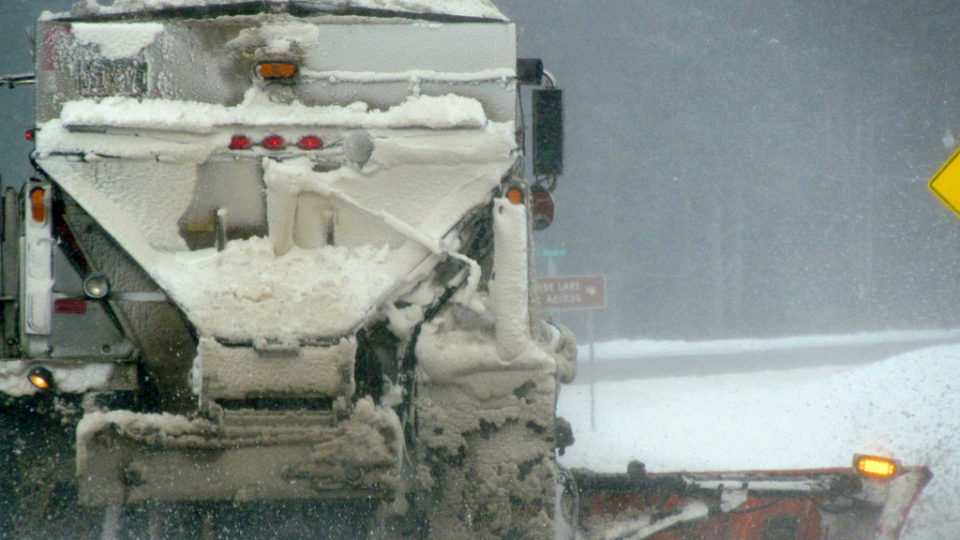
Human activities are exposing US rivers and streams to a cocktail of salts, with consequences for infrastructure and drinking water supplies. Road salt, fertilizers, and mining waste – as well as natural weathering of concrete, rocks, and soils – all contribute to increased salt in waterways. When these different salt compounds combine, their harmful effects can amplify.
Saildrones For Science
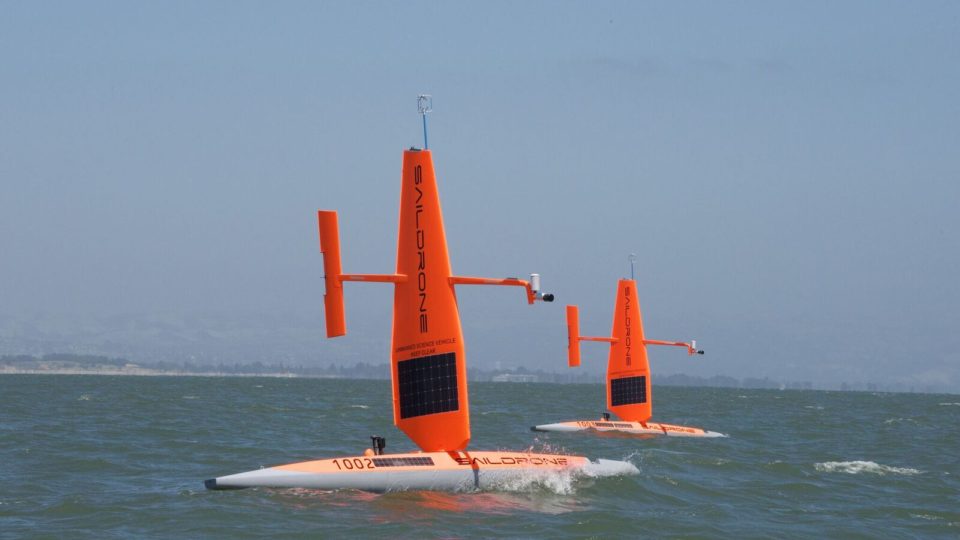
Nine years ago, engineer Richard Jenkins broke the world land speed record for a wind-powered vehicle with a sailboat on wheels driving across a dry lakebed at 126 miles per hour. After years of engineering development, his technology has now taken on the form of a saildrone that can autonomously sail the sea gathering ecologic, oceanic and atmospheric data.
New Jersey Wind
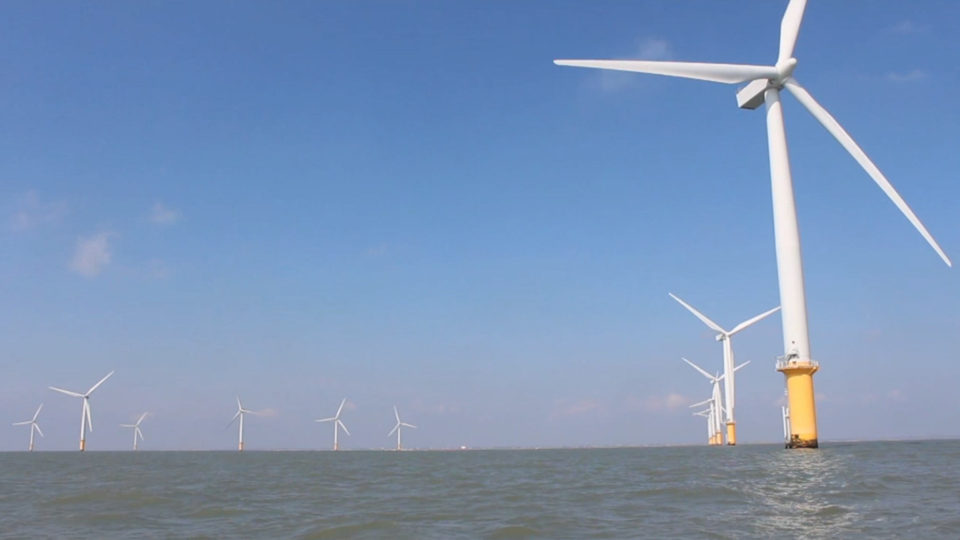
New Jersey may host the second commercially operating offshore wind farm in the U.S. as soon as 2020. The company EDF Renewable Energy is moving forward with a plan to bring online a 24-MW farm sited off the coast of Atlantic City.
City Geometry And Urban Heat Islands

More than half of the world’s people now live in cities so understanding climate issues in cities is crucial. One of the most important city climate effects which has a profound impact on both human health and energy consumption is the Urban Heat Island Effect.
Renewables In Texas
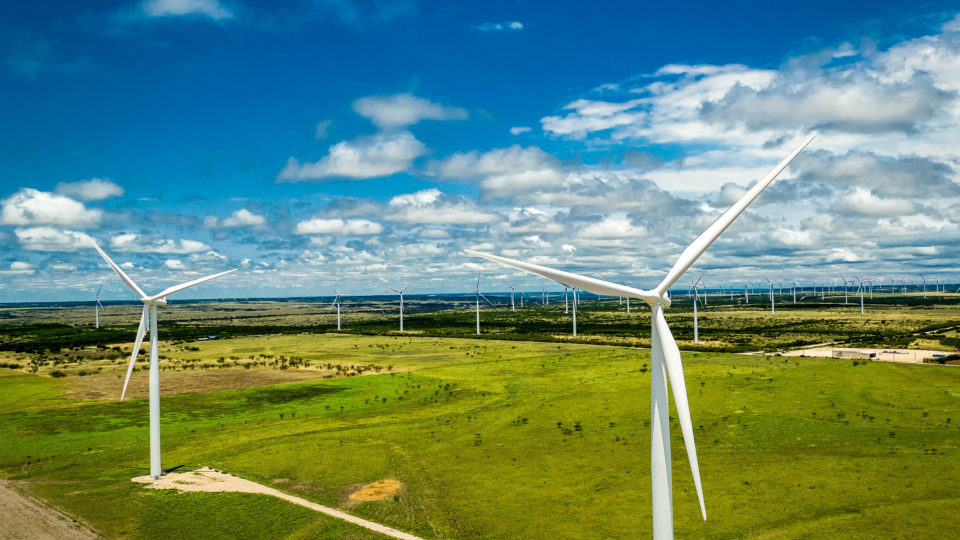
When we think about Texas, we think of oil and conservative politics. But Texas is also earning a reputation as a leading state for integrating renewable energy into its electric grid.
Natural Climate Solutions

The Paris Climate Agreement embodies a commitment to hold the increase in the global average temperature to less than 2 Celsius degrees above preindustrial levels. Most strategies to achieve this goal involve reductions in greenhouse gas emissions from human activities such as burning fossil fuels as well as various land use activities. But there are also so-called Natural Climate Solutions, which relate to the storage of carbon and reduction in carbon emissions across global forests, wetlands, grasslands, and agricultural lands.
The Deadly Cost Of Pollution

There is deservedly a great deal of focus on the effects that carbon pollution is having upon the climate and most countries around the world are working to reduce their emissions. However, even if climate effects were not a serious threat to humanity, pollution is a deadly menace to human health.
An All-Electric Plane

The British discount airline EasyJet recently announced a partnership with American company Wright Electric to develop an all-electric commercial airplane that they said could be flying within 10 years. The goal of the partnership is to develop aircraft with a maximum range of 335 miles, which is long enough for many of the European routes that EasyJet flies from its hub in England.
A Big Problem For The Giant Panda

The giant panda, a national icon of China, has been the focus of an intensive, high-profile conservation campaign since the 1970s. In an update to the IUCN’s Red List of Threatened Species last year, the giant panda had its designation changed from “endangered” to “vulnerable” following a nationwide census that revealed its population was improving. But it appears as though this conservation success may be short-lived.
Looking For “Super Coral”

Coral reefs are essential for much of marine life and are the basis of many commercial fisheries. In places from Florida to Australia, they are major tourist attractions. Estimates are that the economic impact of coral reefs is more than $375 billion a year. And apart from all of that, they are some of the most beautiful places on the planet.
Pine Barrens Threatened

Pine barrens occur throughout the northeastern U.S. from New Jersey to Maine. They are plant communities that occur on dry, acidic, infertile soils dominated by grasses, forbs, low shrubs, and small to medium-sized pines. The Pine Bush Preserve in Albany, New York is one of the larger inland pine barrens in the country.
China And India Climate Progress

China and India have 36% of the world’s population and produce about 35% of global CO2 emissions, ranking first and third respectively in that category. The United States, with a little over 4% of the world’s population, produces about 16% of global CO2 emissions, good for second place.
Carbon Dioxide Marches On

The end of 2013 marked the first occasional observations of carbon dioxide levels in the atmosphere of 400 parts per million. There is nothing magical about that value, but we do tend to focus on round numbers.
More Bears In New York
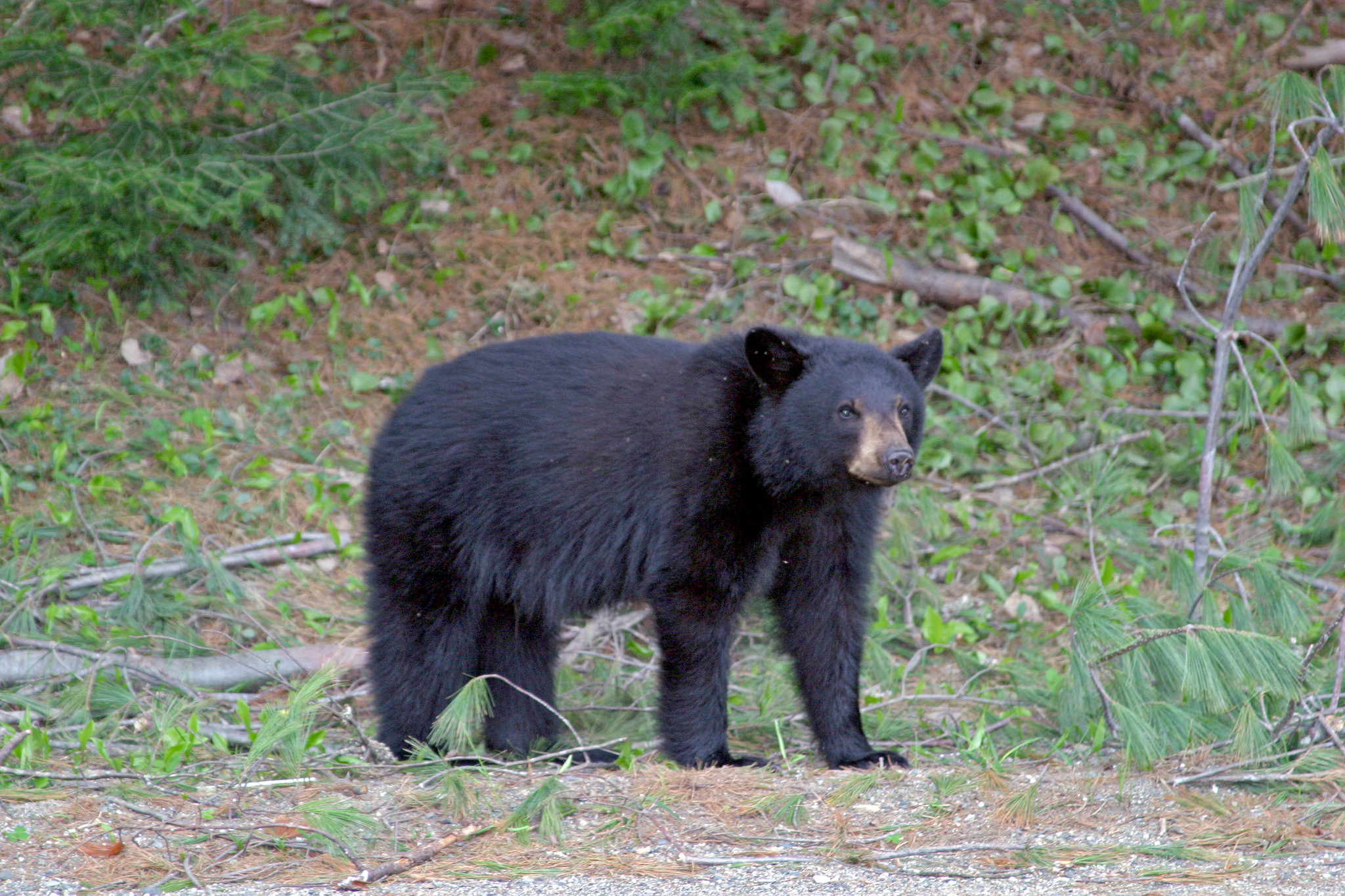
The population of black bears in southern New York has grown and expanded its range over the past 20 years, which has led to increased encounters with people. Until recently, a detailed knowledge of bear populations in the state has been lacking.
Increasing Biological Invasions
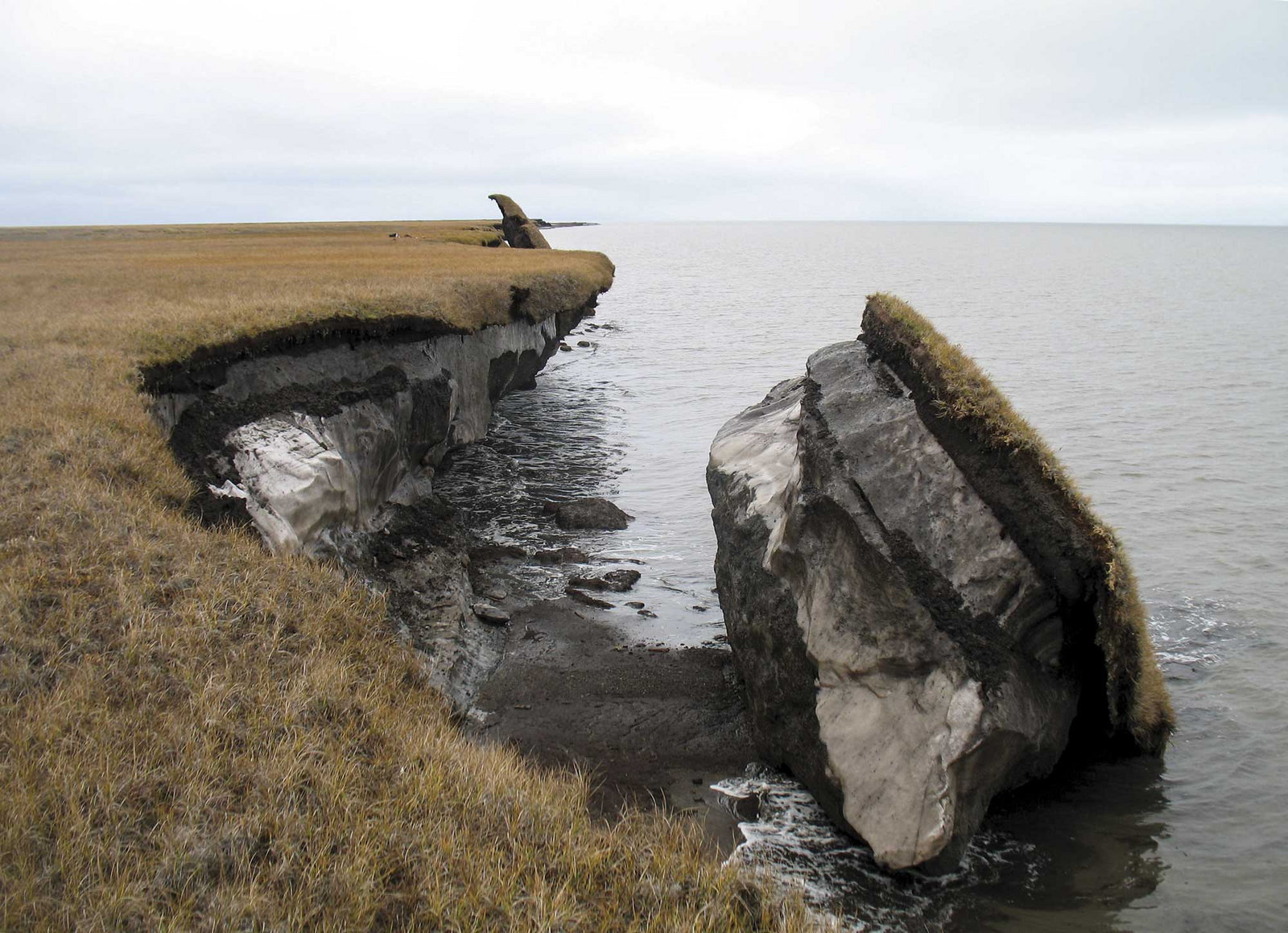
Invasive species have been a problem for quite some time. Over the years, we have grappled with – among other things – invasive plants from Japan, zebra mussels from eastern Europe, and Asian fungus that kills off ash trees in our forests.
A Helpful Invader

Invasive species are a great concern for the health and stability of ecosystems. They are defined as plants, animals or pathogens that are non-native to the ecosystem under consideration and whose introduction causes or is likely to cause harm. It is that latter consideration that isn’t always obvious.
Wind Surpasses Water
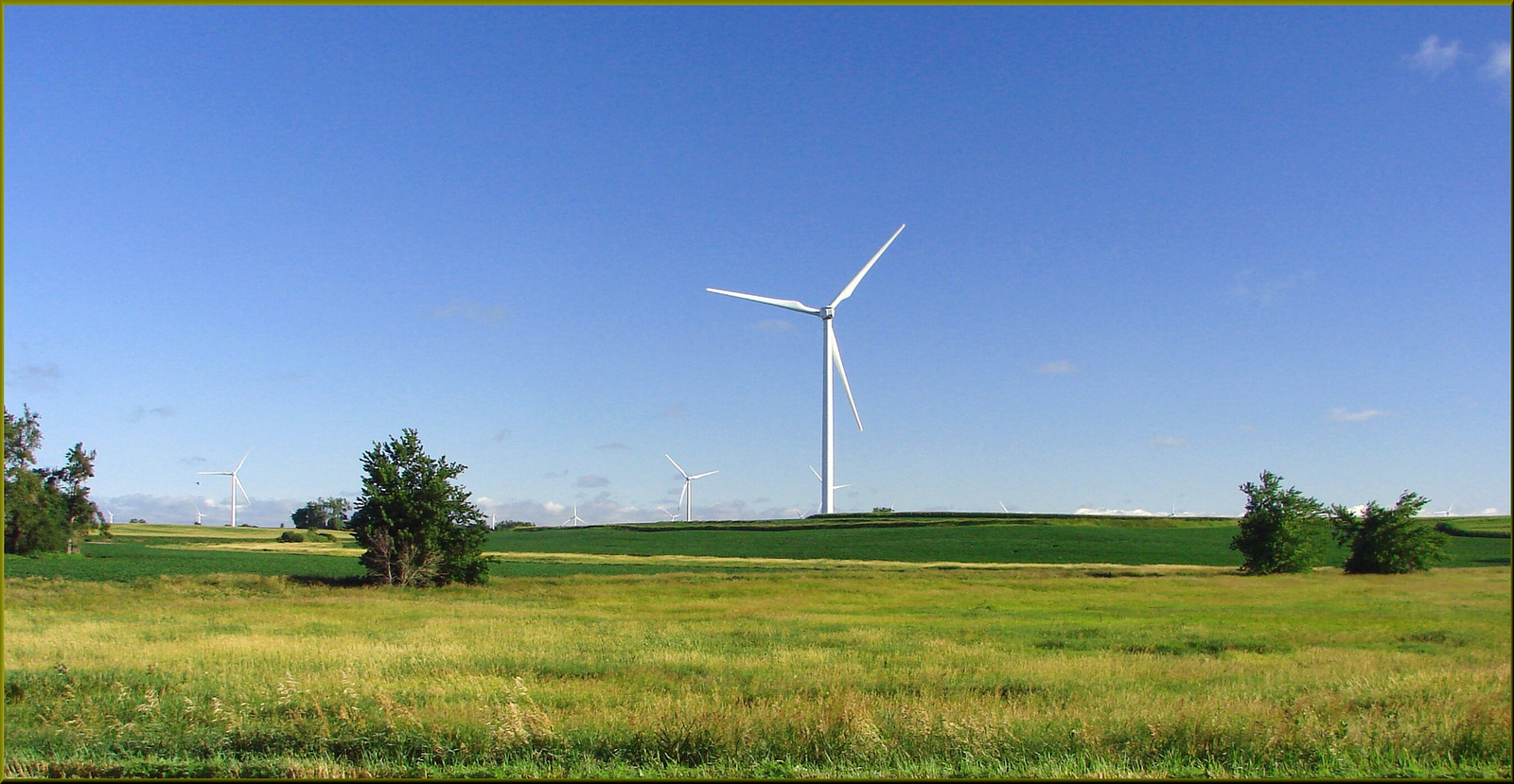
For many decades, hydroelectric dams were the top source of renewable energy in the United States. But for the first time ever, by the end of last year, installed wind power capacity in the U.S. outpaced hydroelectric capacity.
A New Low-Cost Battery

Batteries have never been more important. Not only do we all depend on cell phones, tablets and laptop computers that run on batteries, but two enormous industries are in major transitions that rely upon battery technology: personal transportation and the utility industry. The electricity grid is increasingly turning to solar and wind power for generation and both will require effective energy storage if they are to truly become the predominant sources of electricity.
Coal And Chinese Air
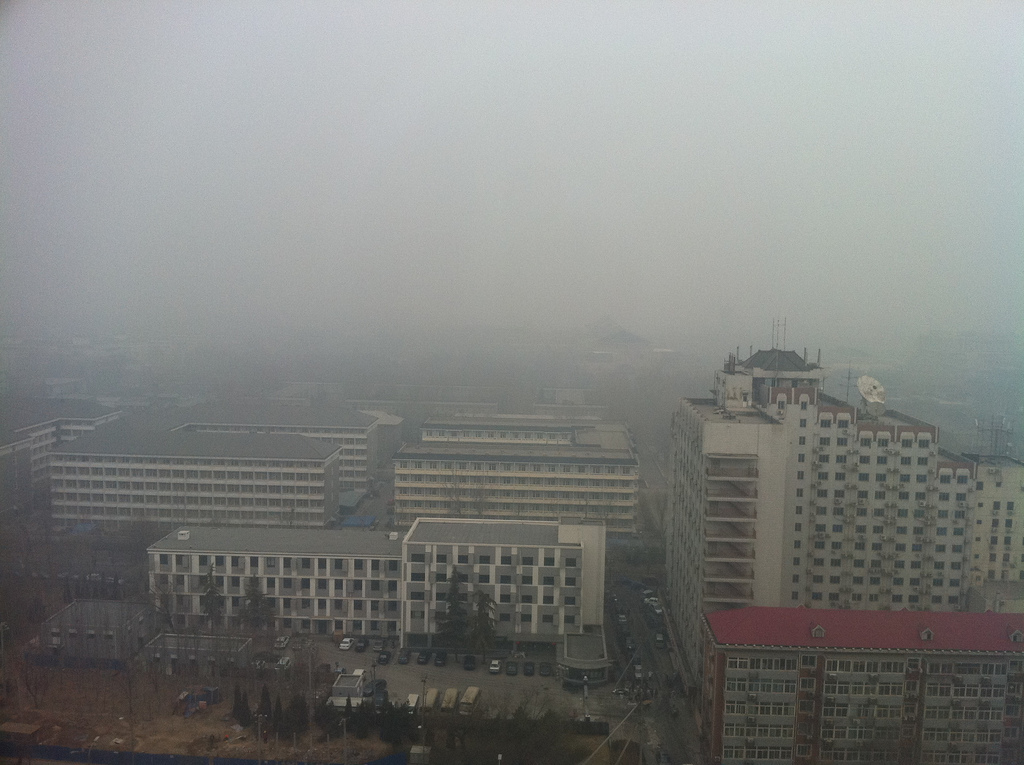
China has worked to reduce its coal consumption in recent years but the air quality in cities like Beijing is still notoriously poor and a major health hazard.