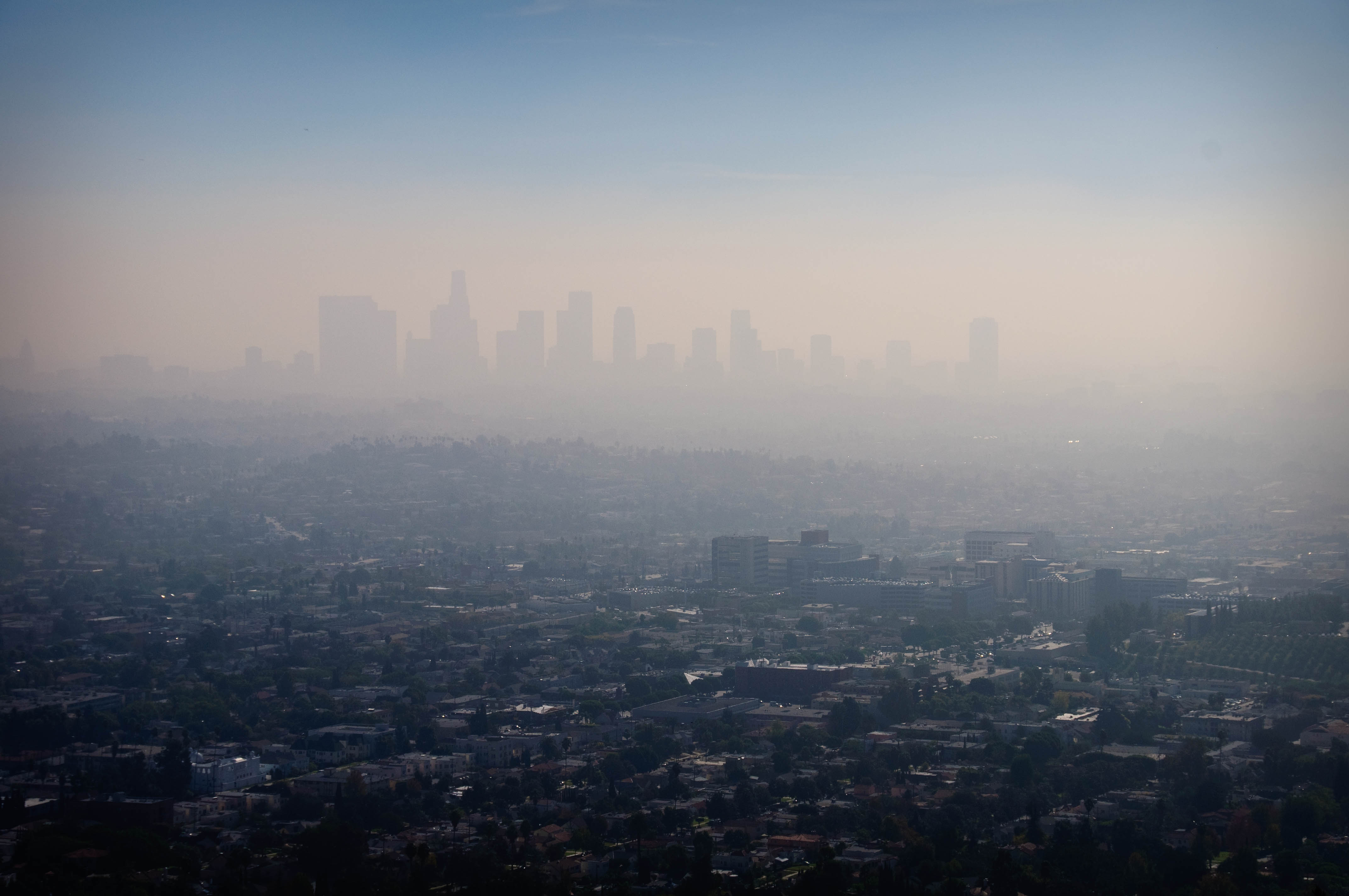
Poor air quality is a serious problem. Exposure to air pollution is linked to the premature deaths of an estimated 6.5 million people every year. This makes air pollution the fourth largest threat to human health. Only high blood pressure, dietary risks, and smoking are a bigger danger.
development
Prowling Cougars
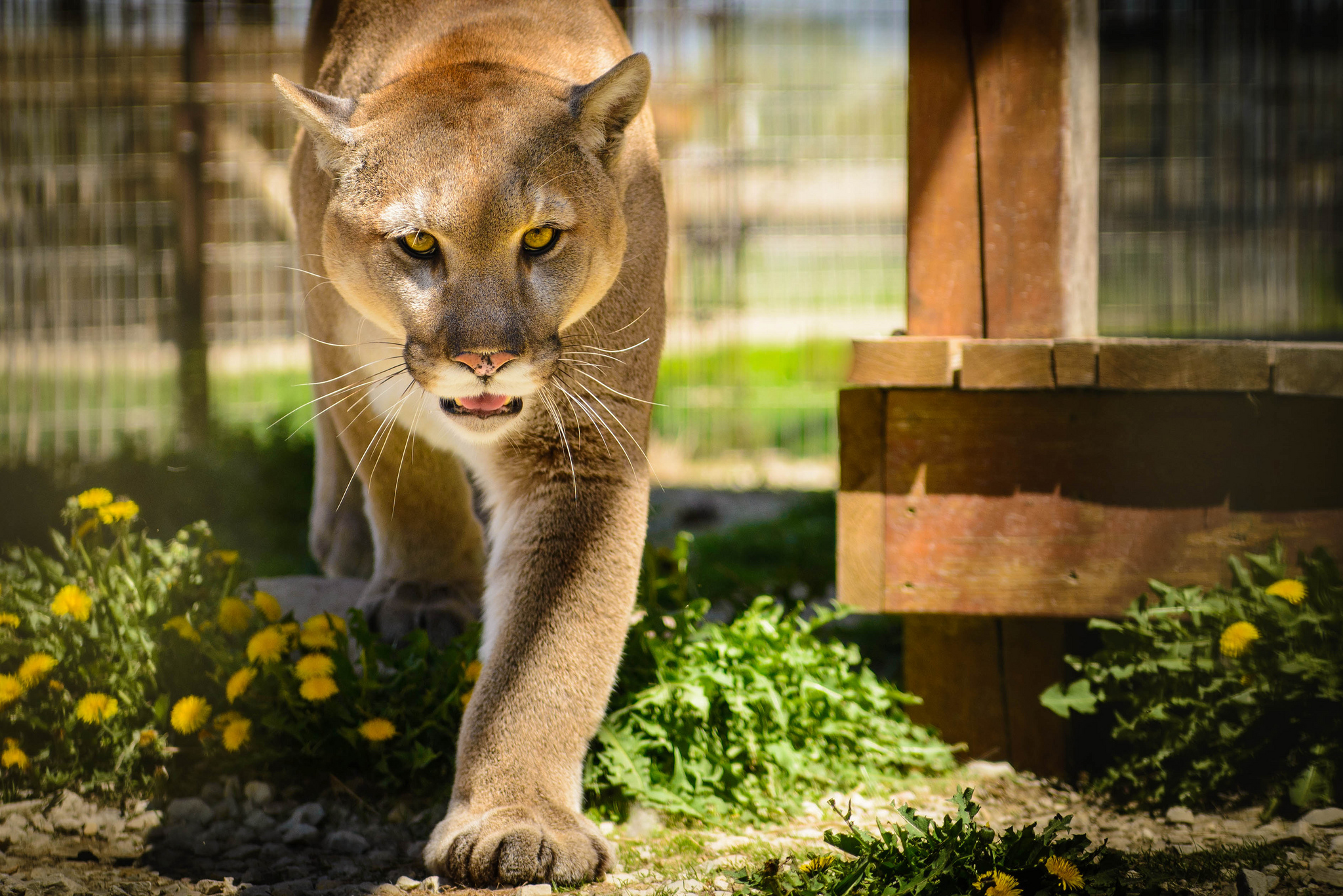
What large mammal routinely kills 200 humans in the Eastern United States every year? Here’s a hint: It’s not cougars. It’s actually overabundant white-tailed deer.
Amazon In Peril
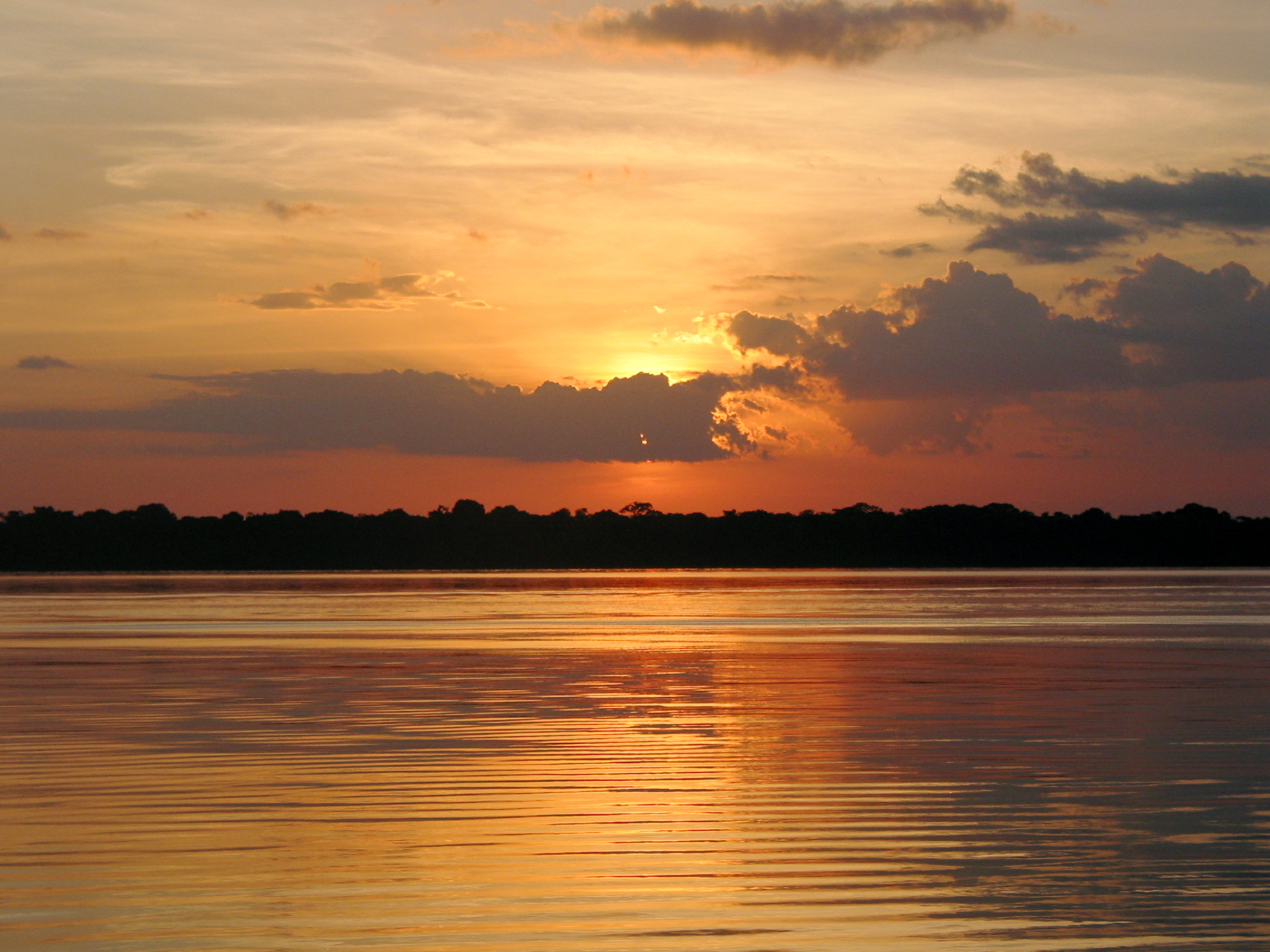
A constitutional amendment being discussed in the Brazilian Senate threatens to set back decades of conservation efforts in the Amazon.
Size Matters
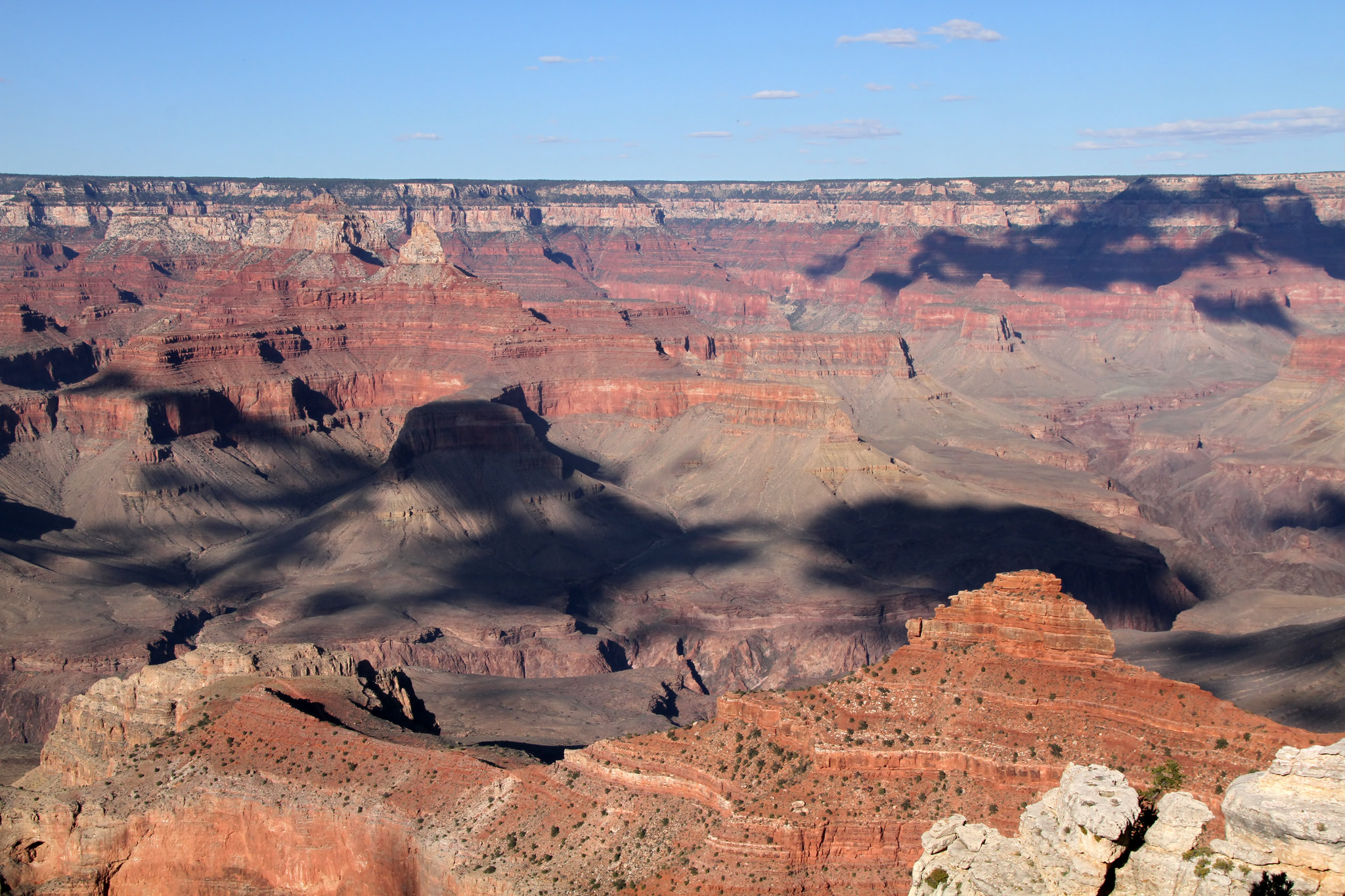
One of the crowning achievements for wildlife protection in the US was the establishment of the National Wildlife Refuge system in the 1930s, when the populations of waterfowl were perilously low. Refuges provided breeding and migratory habitat that has allowed a remarkable recovery of many species of ducks and geese.
A Large-Scale Tidal Energy Plant
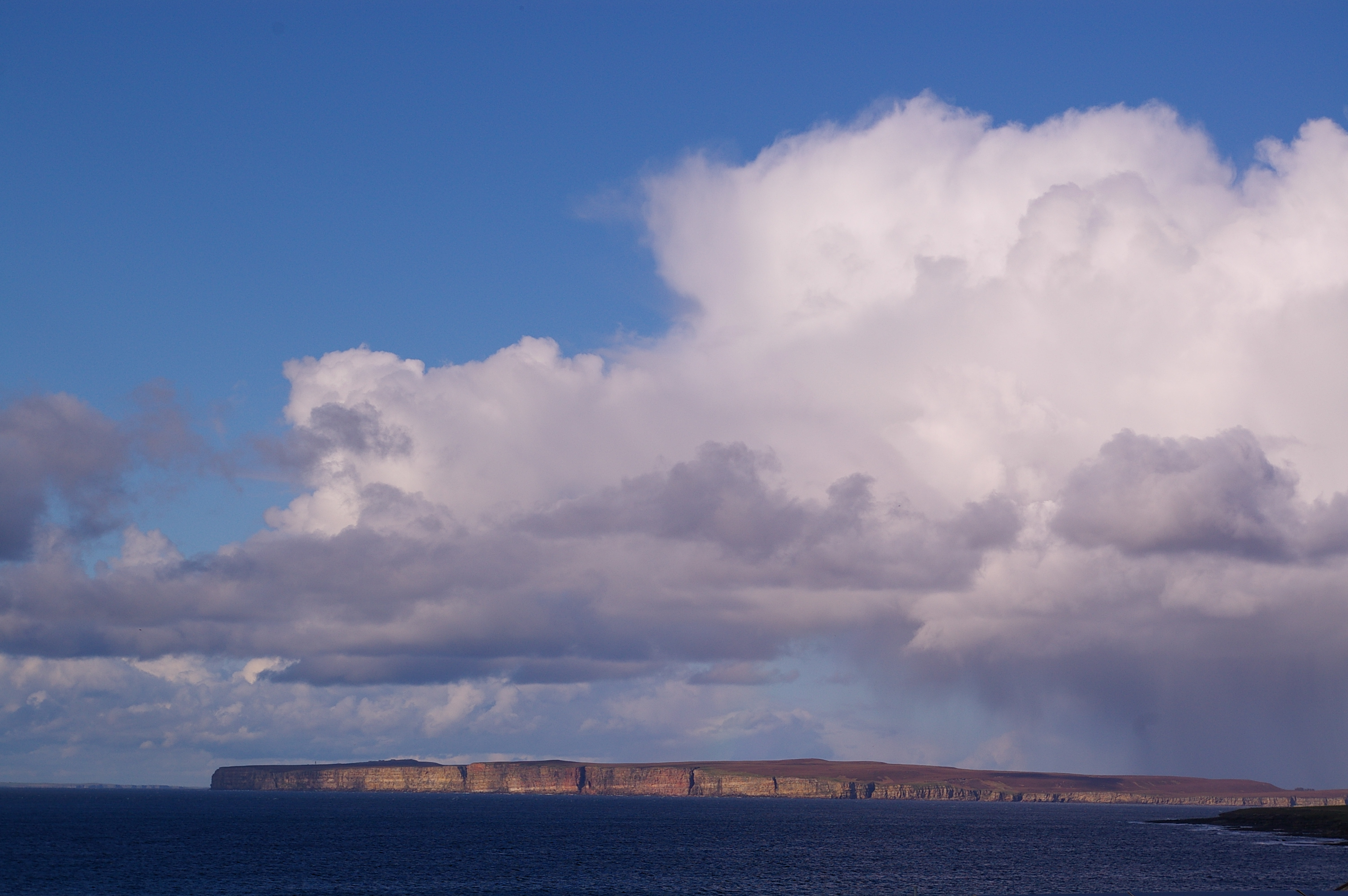
Ocean energy is about to take an important step towards making a real impact in Scotland. The MeyGen Tidal Array Project is reaching the final construction of its demonstration phase, which will be the first test of multiple underwater turbines sited together in a full-scale array.
Outdoor Lights Dim Nature
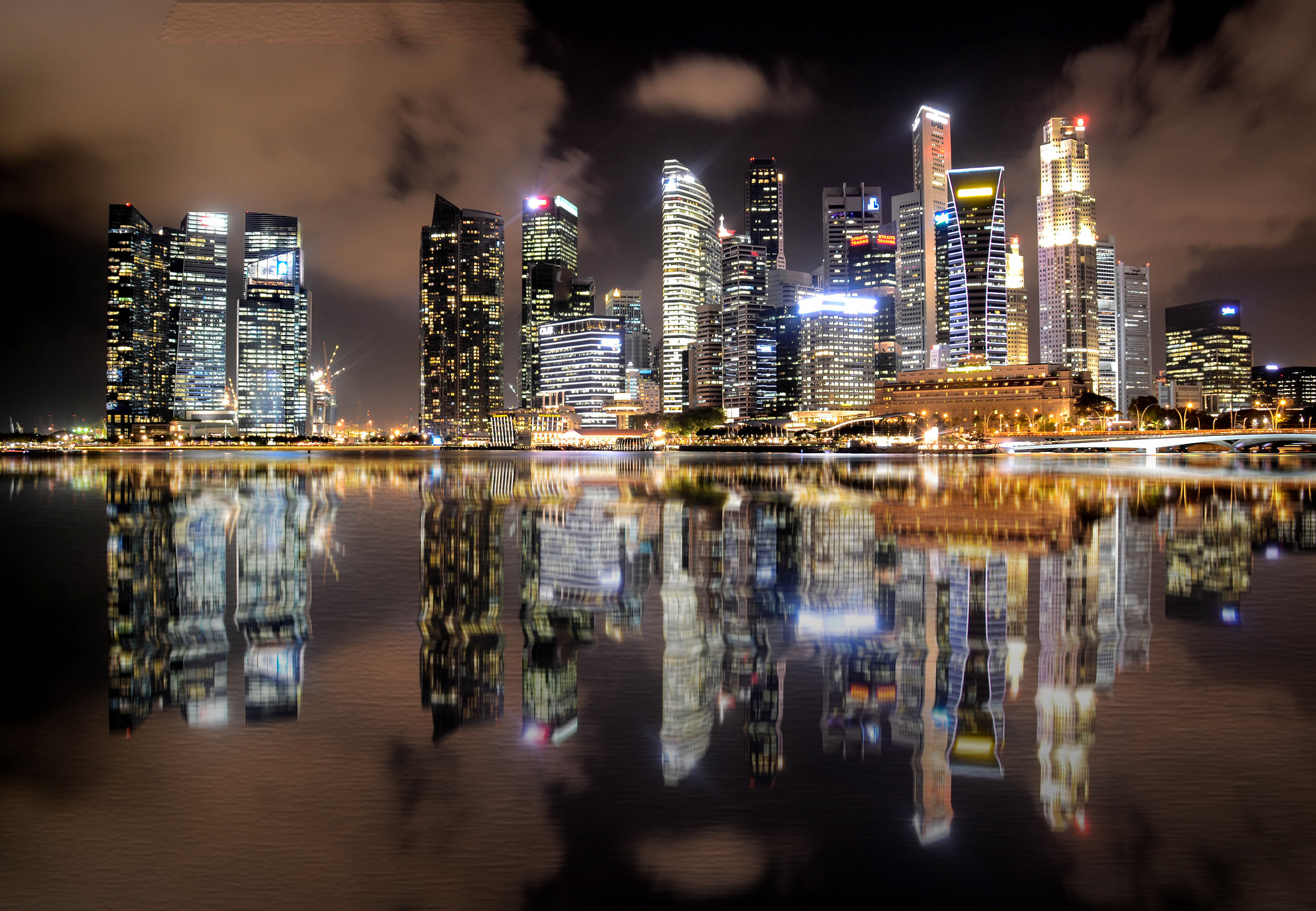
At night our planet is now bathed in artificial light, ranging from streetlights and floodlights to burning gas flares in oil fields. There are few places that are truly dark at night.
Natural World Heritage Sites
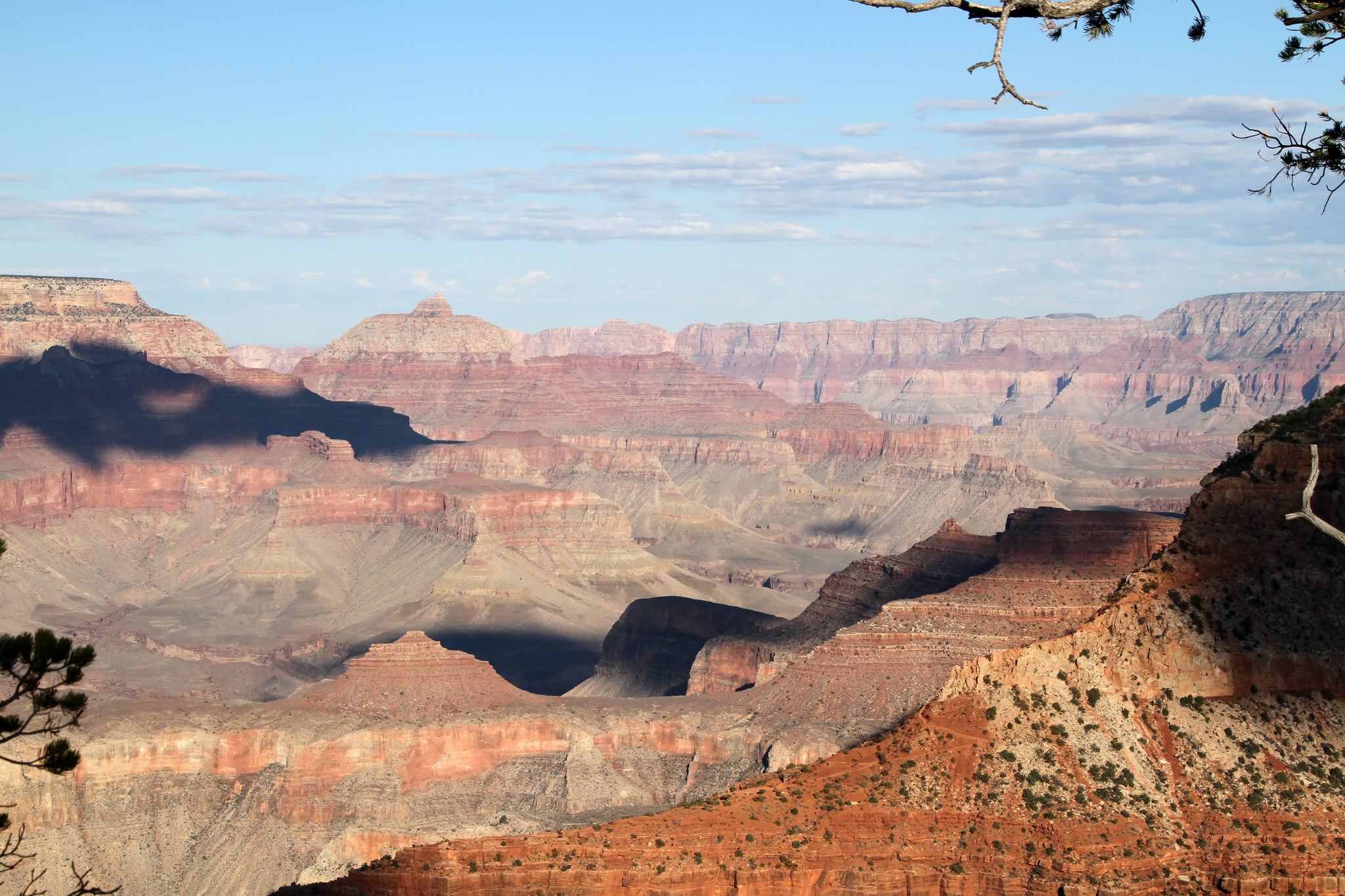
Natural world heritage sites exemplify the world’s greatest areas of natural beauty, ecology, geology, and biodiversity. They are recognized internationally for their value as places with significance that is “so exceptional as to transcend national boundaries and be of common importance for present and future generations of all humanity.” Many of these areas also are a vital source of food, fuel, and water for rural communities, and provide a revenue stream for national economies through tourism and recreation. The livelihoods of some 11 million people are directly dependent on these areas.
Ecotourism And Endangered Species
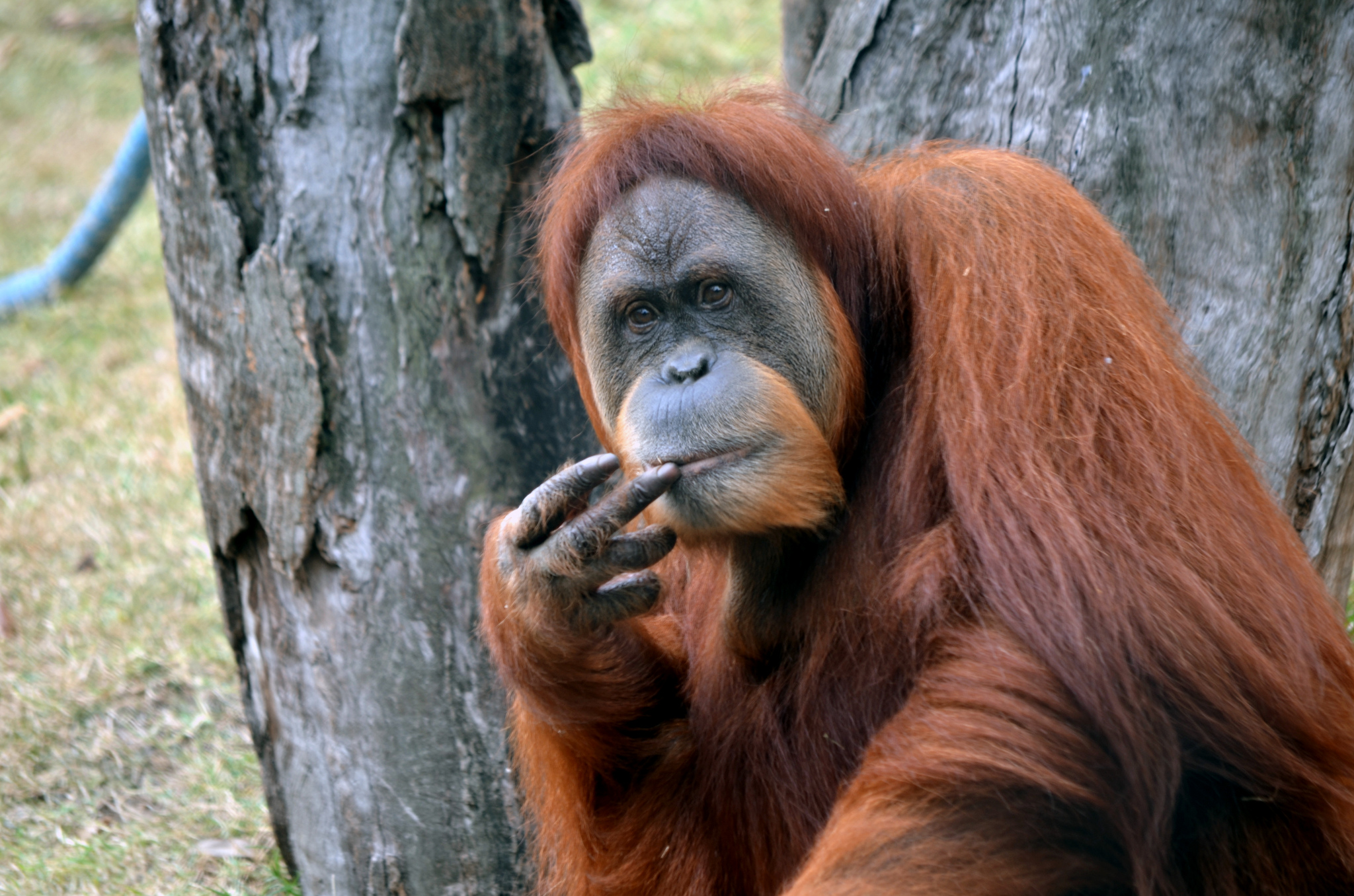
Ecotourism is increasing on a global scale. Ecotourism is generally defined as responsible travel to natural areas that conserves the environment, sustains the well-being of the local people, and involves interpretation and education. Visitor numbers to many protected areas around the world are expanding every year. Ecotourism provides rich experiences for the traveler and often has great benefits to local communities fighting poverty and seeking sustainable development.
River Conservation And Hydropower

Rivers concentrate the water and resources of an entire region. They are literally the lifeblood of much of the world’s fish population. They are also the fuel for hydropower, a critical energy source for human civilization.
Bolivia’s Disappearing Lake
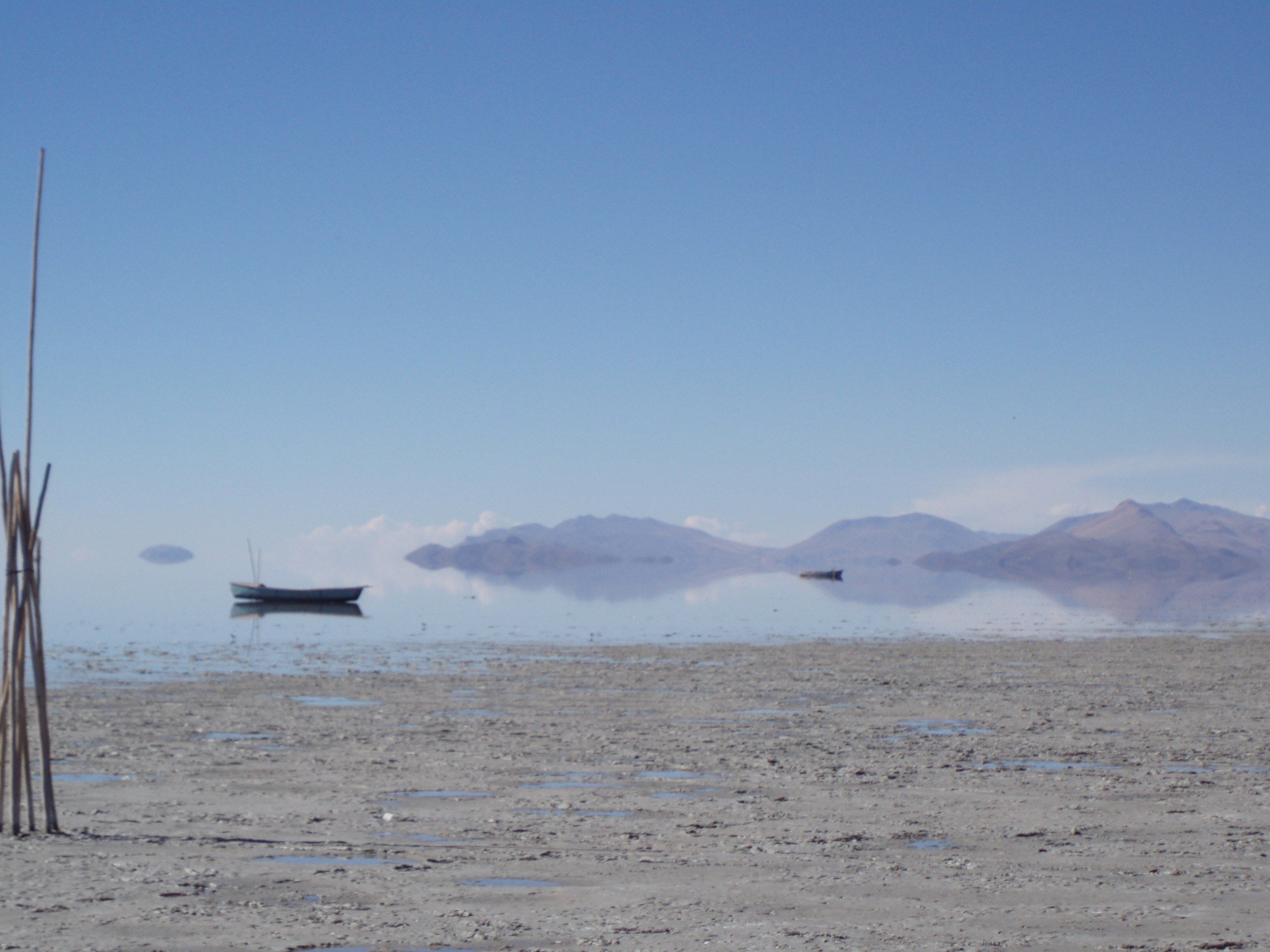
Bolivia’s second largest lake has nearly disappeared. Lake Poopó, a saltwater lake located in a shallow depression in the Altiplano Mountains, used to cover an area about the size of Los Angeles. While it’s not the first time the lake has dried out, scientists believe its recovery hangs in the balance due to the combined stress of drought, climate change, and water diversion.
Fungal Diseases And Wildlife
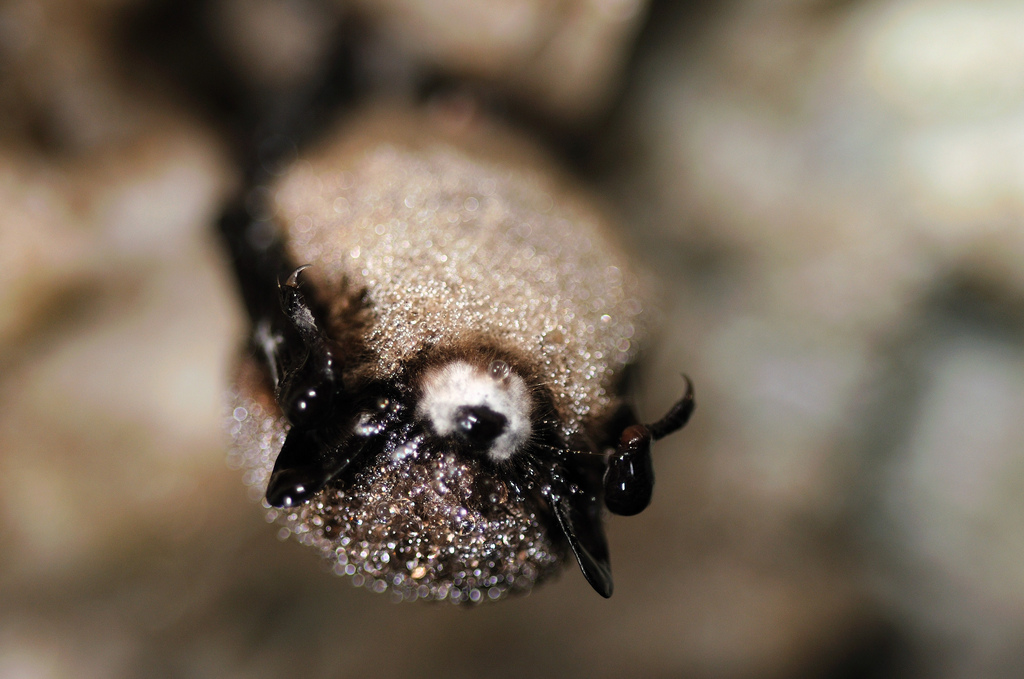
Since the late 1990s, there has been an unprecedented global wave of virulent fungal infections that has been decimating whole groups of animals from salamanders and frogs, to snakes and bats.
Lake Ohrid: Respecting An Elder
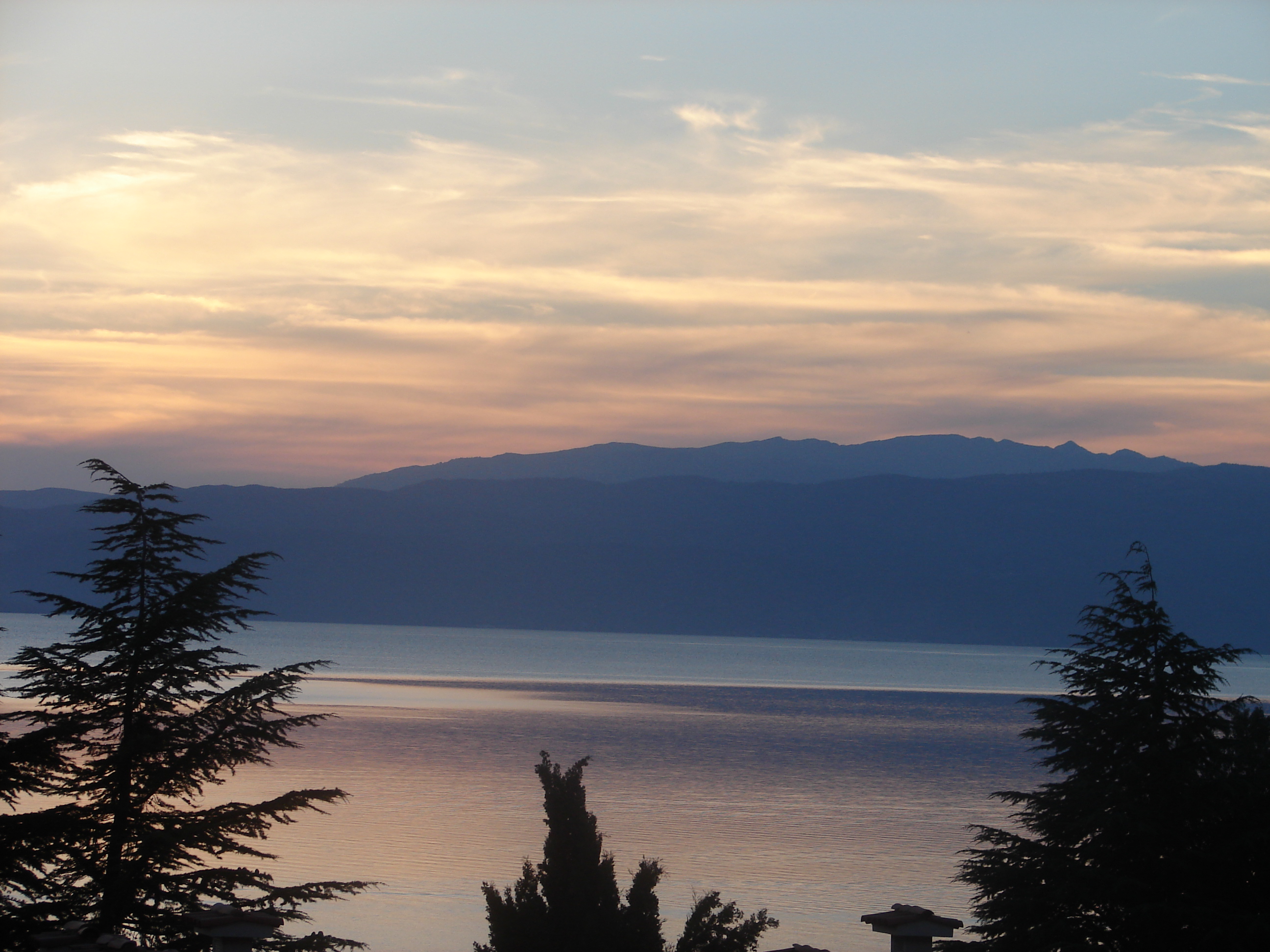
Nestled in the mountainous border between southwestern Macedonia and eastern Albania, Lake Ohrid is a deep, ancient lake. Its waters provide refuge to hundreds of plants and animals that live nowhere else, including seventeen species of fish.
Tech Advances Provide Window Into Wildlife
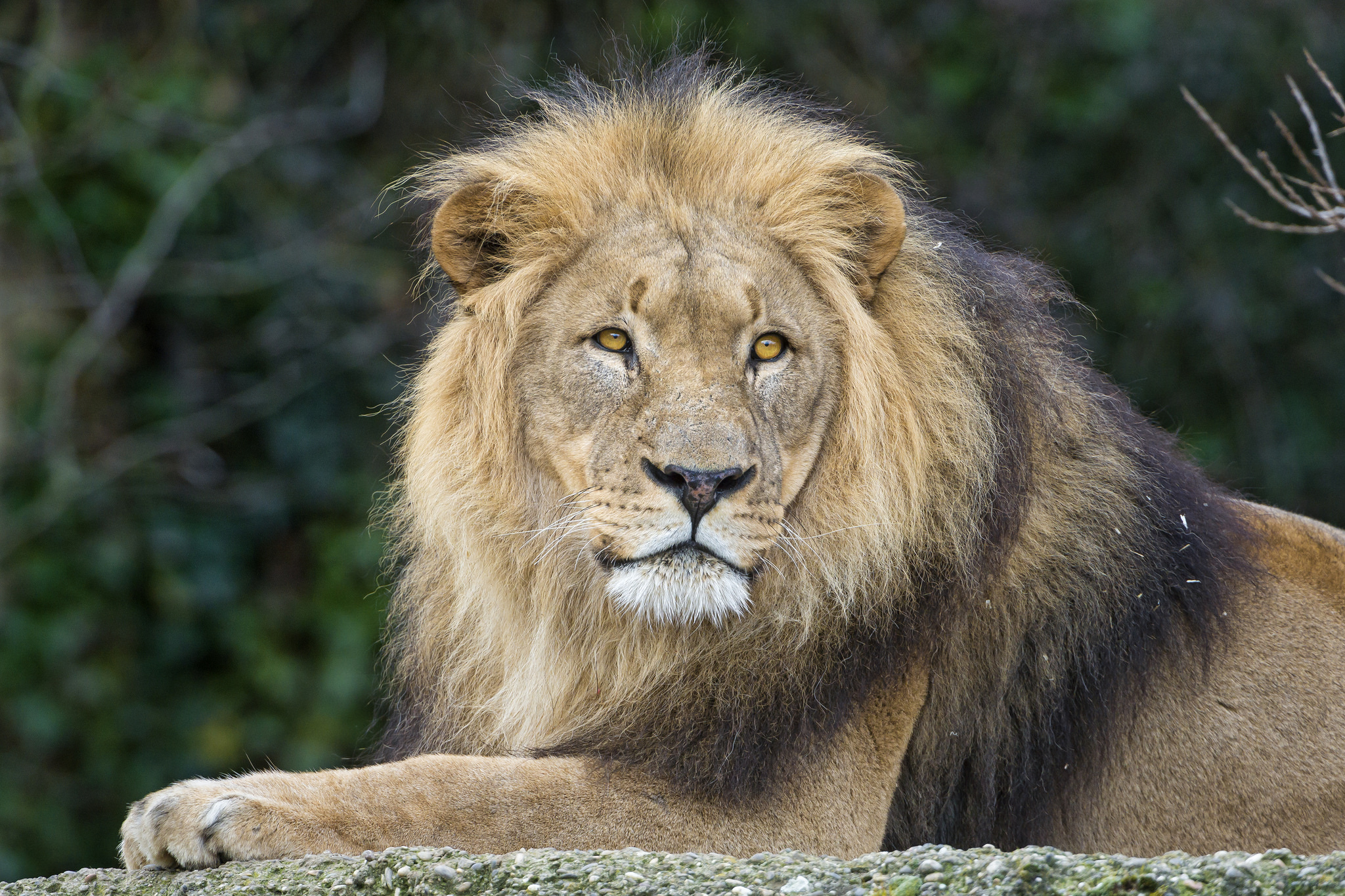
Since the evolution of our earliest ancestors, people have looked to clues – such as footprints in the mud or rubs on trees – to gain insight into wildlife behavior.
[Read more…] about Tech Advances Provide Window Into Wildlife
The First Mass Extinction Since Dinosaurs
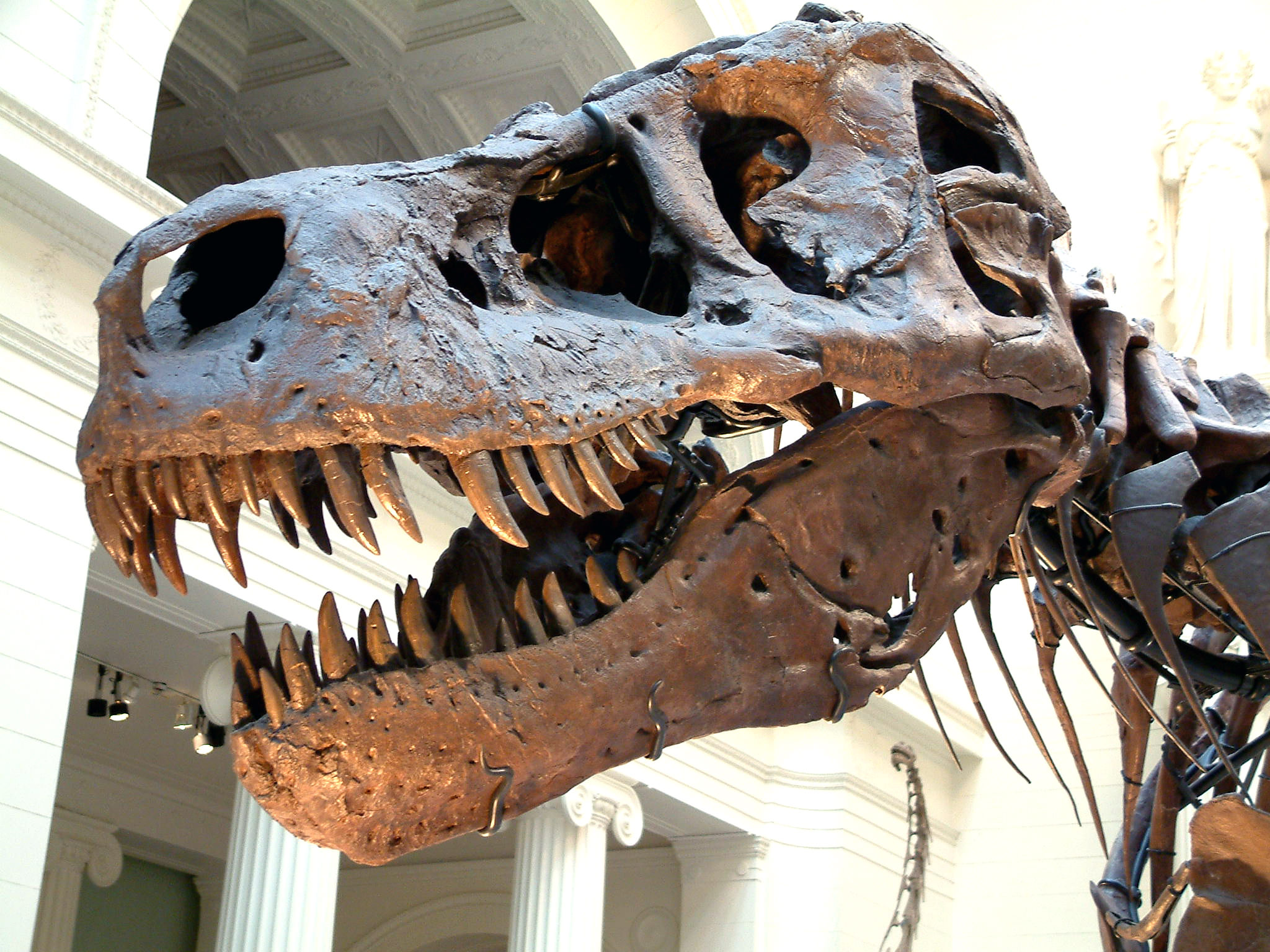
Earth’s current biodiversity is the highest in the history of life – ever. It’s the product of three and a half billion years of evolution. But a new study warns that a tipping point is on the horizon.
[Read more…] about The First Mass Extinction Since Dinosaurs