
• Skip to primary navigation
  • Skip to main content
  • Skip to primary sidebar

Earth Wise

A look at our changing environment.

  • Home
  • About Earth Wise
  • Where to Listen
  • All Articles
  • Show Search
Hide Search
You are here: Home / Archives for data

data

Carbon From 25 Cities | Earth Wise

September 10, 2021 By EarthWise Leave a Comment

Urban carbon emissions are a major driver of climate change

There are roughly 10,000 cities in the world, defined as places with at least 50,000 inhabitants with a sufficient population density.  Roughly half the world’s population lives in cities.

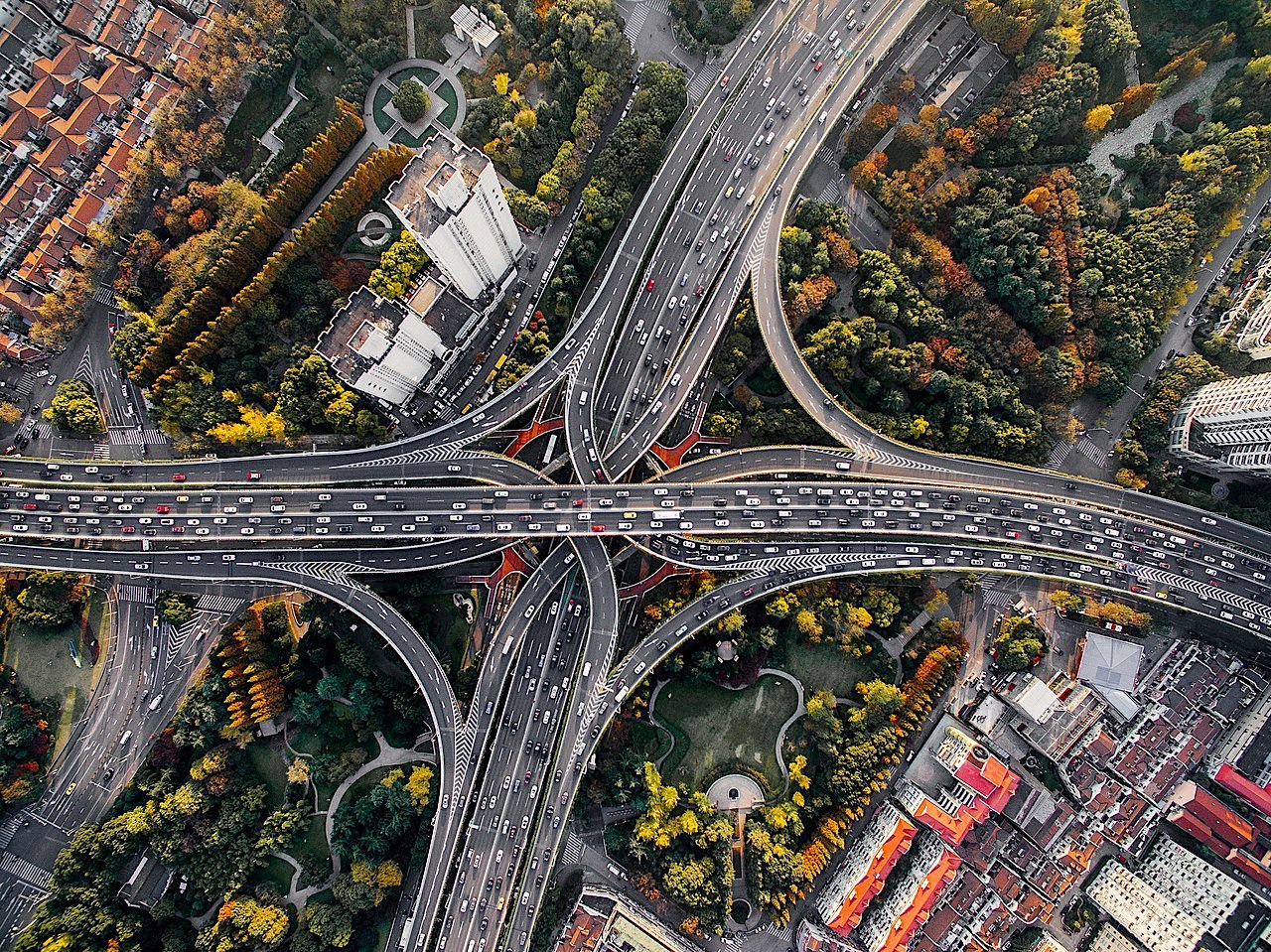
Urban carbon emissions are one of the world’s biggest problems with respect to the climate.  A new study has determined that just 25 cities globally are responsible for 52% of urban greenhouse gas emissions.

The study gathered data on greenhouse gas emissions in 167 cities in 53 countries.  The results were that megacities in Asia, such as Shanghai and Tokyo, were among the biggest total emitters, and that major cities in Europe, the US, and Australia tended to have larger per capita emissions.  Several Chinese cities, however, matched levels seen in developed countries.  Researchers tracked emissions over time in 42 of the cities studied.  Some cities saw declining emissions in the period between 2005 and 2016.  These included Oslo, Houston, Seattle, and Bogota.  Others saw large increases, including Rio de Janeiro, Johannesburg, and Venice.

The largest sources of emissions are power generation, industry, and transportation.  In a third of the cities, road transportation alone accounted for over 30% of emissions.  (Railways, waterways, and aviation combined only accounted for less than 15% of total emissions).

Half of the world’s population lives in cities, but cities are responsible for more than 70% of greenhouse gas emissions.  Thus, cities have a big responsibility for the decarbonization of the global economy.  Of the 167 cities in the study, 113 have set emission-reduction targets.  But as the study shows, cities have much more work to do to meet the goals of the Paris Climate Agreement.

**********

Web Links

Two Dozen Large Cities Produce 52 Percent of Urban Carbon Emissions

Photo, posted December 1, 2017, courtesy of Hector Galbis via Flickr.

Earth Wise is a production of WAMC Northeast Public Radio.
Russian Forests And Climate Mitigation | Earth Wise

August 24, 2021 By EarthWise Leave a Comment

Russia's massive forests have enormous potential for impacting climate mitigation

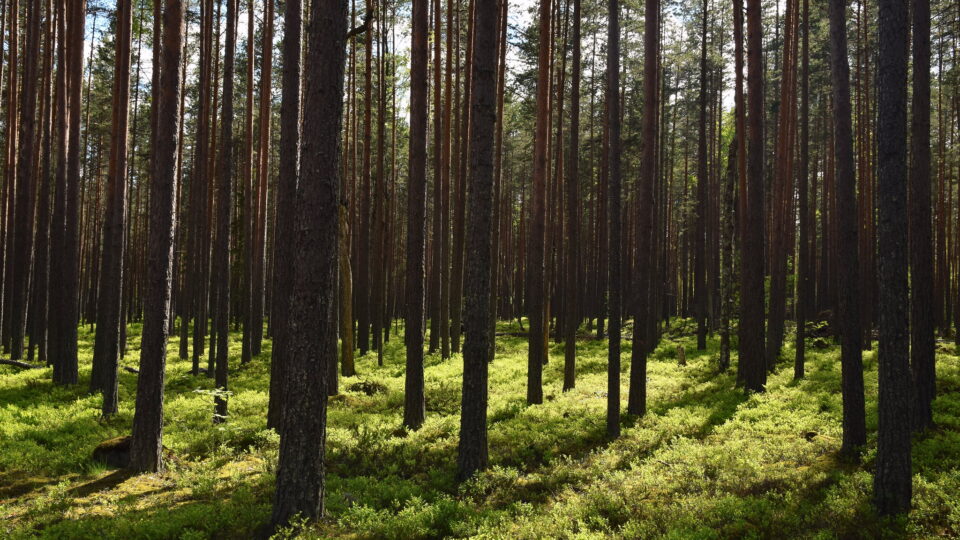
Russia is the largest country in area in the world, almost equal in size to the sum of the next two largest – Canada and the U.S.   Russia is also the world’s largest forest country, containing more than one-fifth of the world’s forests.  As a result, the country’s forests and forestry activities have enormous potential for impacting climate mitigation.

Since the dissolution of the USSR, there has been a decline in the availability of information on the state of Russia’s forests.  The Soviet Forest Inventory and Planning System compiled information until 1988.  Since then, the Russian National Forest Inventory has been the source of forest information on the national scale, and it hadn’t produced a comprehensive inventory until 2020.

The new data indicates that Russian forests have in fact accumulated a large amount of additional biomass over the intervening years.  Using the last Soviet Union report as a reference point, the new results show that the ongoing stock accumulation rate in Russian forests over the 26-year period is of the same magnitude as the net forest stock losses in tropical countries.

Thus, it is clear that Russian forests have great potential in terms of global climate mitigation as well as potential co-benefits relating to the green economy and sustainable development.   It is important to note that as the impact of climate change increases, disturbances to the Russian forests could have severe adverse effects on global climate mitigation efforts.

While much of the world’s attention is rightfully upon tropical rainforests in the Amazon and elsewhere, it is important to not ignore the largest country in the world hosting the largest land biome on the planet where even small percentage changes in the amount of forest biomass could have a major global impact.

**********

Web Links

Russian forests are crucial to global climate mitigation

Photo, posted June 6, 2015, courtesy of Raita Futo via Flickr.

Earth Wise is a production of WAMC Northeast Public Radio.
Climate Change And Heat-Related Deaths | Earth Wise

July 14, 2021 By EarthWise Leave a Comment

Climate change is killing people

According to a new study recently published in the journal Nature Climate Change, more than one-third of the world’s heat-related deaths each year are attributable to human-induced climate change. 

Researchers from the London School of Hygiene and Tropical Medicine in the UK  and the University of Bern in Switzerland analyzed data from 732 locations in 43 countries.  They took observed temperatures and compared them with 10 computer models simulating a world without climate change.  By applying this technique to their data, the researchers were able to calculate for the first time the actual contribution of anthropogenic climate change in increasing mortality risks due to heat.

The research team found that 37% of all heat-related deaths between 1991 and 2018 were attributable to the warming of the planet due to human activities.  This percentage was highest in South America, Central America, and South-East Asia. 

In the United States, 35% of heat deaths were found to be a result of climate change.  New York had the most heat-related deaths at 141, and Honolulu had the highest percentage of heat deaths attributable to climate change at 82%.

But scientists caution that this is only a small portion of the climate’s overall impact. Many more people die from other extreme weather amplified by climate change, including severe storms, floods, and droughts.  Heat-related death figures will grow exponentially as temperatures rise.

According to the research team, the study’s findings highlight the need to adopt stronger climate change mitigation strategies, and to implement interventions to protect people from the adverse consequences of heat exposure.    

**********

Web Links

Global warming already responsible for one in three heat-related deaths

Photo, posted April 14, 2017, courtesy of Karim Bench via Flickr.

Earth Wise is a production of WAMC Northeast Public Radio.
Overwintering Fires | Earth Wise

July 6, 2021 By EarthWise Leave a Comment

Early detection of overwintering fires could help with fire management

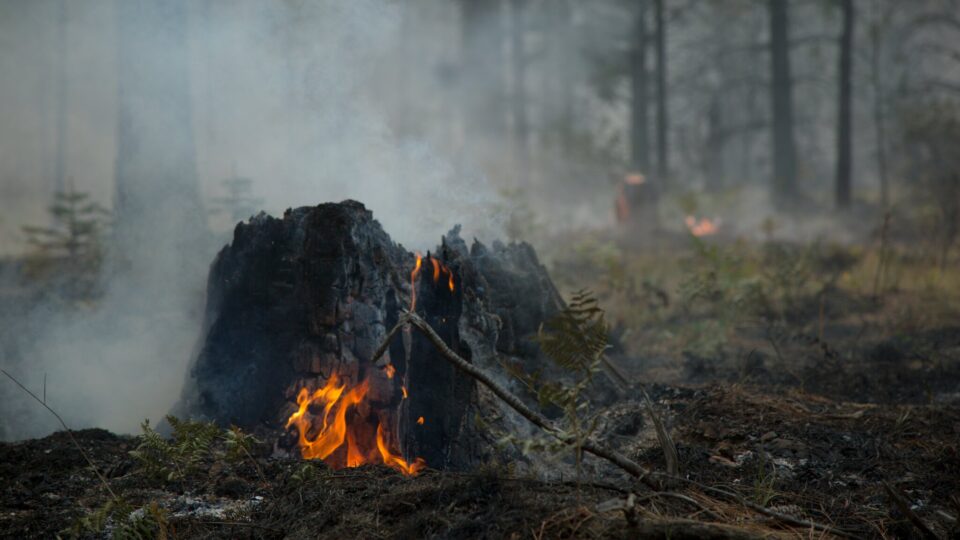
Fires that go on for long periods of time, surviving the snow and rain of winter to reemerge in the spring, are becoming more common in high northern latitudes as the climate warms.  Such fires are called holdover fires, hibernating fires, overwintering fires, or even zombie fires.  Whatever people choose to call them, this type of wildfire is occurring more often.

These smoldering fires start out as flaming fires but then enter an energy-saver mode.  They start above ground but then smolder in the soil or under tree roots through the winter.  They barely survive based on the oxygen and fuel resources that they have but can transition back into flaming fires once conditions are more favorable.

Dutch researchers used ground-based data with fire detection data from NASA’s Moderate Resolution Imaging Spectroradiometer instruments on the Terra and Aqua satellites to study fires in the boreal forests of Alaska and Canada’s Northwest Territories.  They found a way to identify overwintering fires based on their unique characteristics.  

Their data indicates that overwintering fires tend to be linked to high summer temperatures and large fire seasons.  Between 2002 and 2018, overwintering fires generally accounted for a small amount of the total burned area in the region but in individual years with hot and severe fire seasons, the number can escalate.  In 2008 in Alaska, for example, overwintering fires accounted for nearly 40% of the burned area.

Early detection of these overwintering fires could help with fire management and reduce the amount of carbon – which is stored in large amounts in the region’s organic soils – that gets released to the atmosphere during fires.

**********

Web Links

Overwintering Fires on the Rise

Photo, posted September 14, 2017, courtesy of Andrew R. Mitchell/USDA via Flickr.

Earth Wise is a production of WAMC Northeast Public Radio.
Deep Learning And Dirty Air | Earth Wise

May 6, 2021 By EarthWise Leave a Comment

Using deep learning to improve air quality

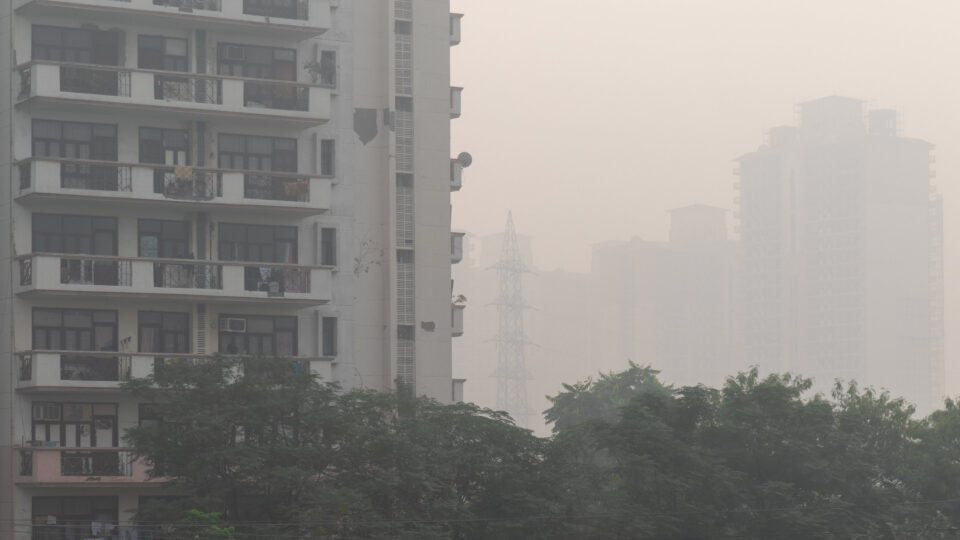
Poor air quality is a major global problem.  According to the World Health Organization, exposure to air pollution is linked to the premature deaths of an estimated seven million people every year.  In fact, 9 out of 10 people breathe air that contains more pollutants than what the WHO considers safe.  Air pollution is the fourth largest threat to human health, trailing only high blood pressure, dietary risks, and smoking.

But predicting pollution levels at a given place and time remains challenging.  According to a new study recently published in the journal Science of the Total Environment, scientists are turning to deep learning to improve air quality estimates. 

According to researchers, satellite observations and ground observations both measure air pollution, but both have major limitations.  For example, satellites may collect data at the same time and at the same location each day, but they miss how emissions may vary throughout the day.  Ground-based observations from weather stations do continuously collect data, but they only do so in a limited number of locations.    

As a result, scientists have turned to deep learning – a type of machine learning – to analyze the relationship between satellite and ground-based observations of nitrogen dioxide around Los Angeles.  Nitrogen dioxide is associated with emissions from traffic and power plants.  The researchers were able to rely on the learned relationship to take daily satellite observations and create hourly estimates of atmospheric nitrogen dioxide levels in approximately three mile grids.     

According to the research team, this study could be repeated for other greenhouse gases, and applied to different cities and regions – or even whole continents. 

**********

Web Links

Scientists turn to deep learning to improve air quality forecasts

Air Pollution

Photo, posted November 4, 2019, courtesy of Ninara via Flickr.

Earth Wise is a production of WAMC Northeast Public Radio.
Street Trees And Depression | Earth Wise

February 25, 2021 By EarthWise Leave a Comment

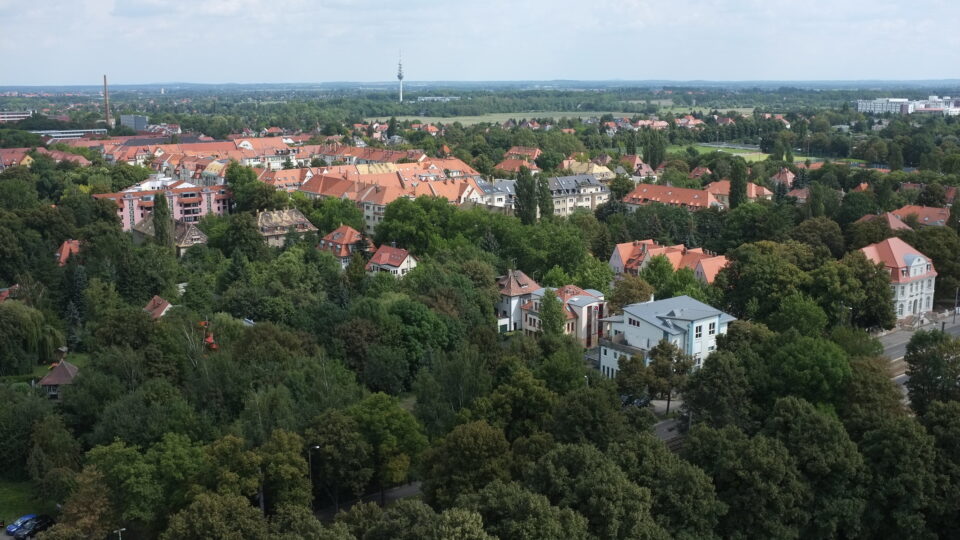
Investigating the link between street trees and depression

According to a study published in the journal Jama Network Open last fall, the COVID-19 pandemic has tripled the rate of depression in U.S. adults in all demographic groups. 

Previous studies have demonstrated that greenspaces in urban areas can have a positive effect on those people experiencing mental ill health. But most of those studies used self-reporting measures, which makes it difficult to compare results and draw conclusions.

As a result, an interdisciplinary research team from three research organizations in Germany tried to improve upon the work by involving an objective indicator: prescriptions of antidepressants.  To figure out whether greenspaces – in this case street trees – could positively influence mental health, the researchers focused on how the number of street trees and their proximity to homes correlated to the number of prescribed antidepressants.

After analyzing data from nearly 10,000 people living in Leipzig, Germany, and combining the findings with data on city street trees, researchers were able to identify an association between antidepressant prescriptions and the number of street trees.  The results were controlled for other factors known to be associated with depression, such as employment, gender, age, and body weight.

Having more trees within 100 meters of the home was associated with a reduced risk of being prescribed antidepressants.  The association was especially strong for groups of people deprived of street trees. 

Street trees in urban cities can not only serve as a nature-based solution for good mental health, but they can also contribute to climate change mitigation and biodiversity conservation.

**********

Web Links

Street trees close to the home may reduce the risk of depression

Photo, posted August 17, 2011, courtesy of Aleksandr Zykov via Flickr.

Earth Wise is a production of WAMC Northeast Public Radio.
The Search For Lingering Ash | Earth Wise

January 12, 2021 By EarthWise Leave a Comment

Ash trees are critically endangered

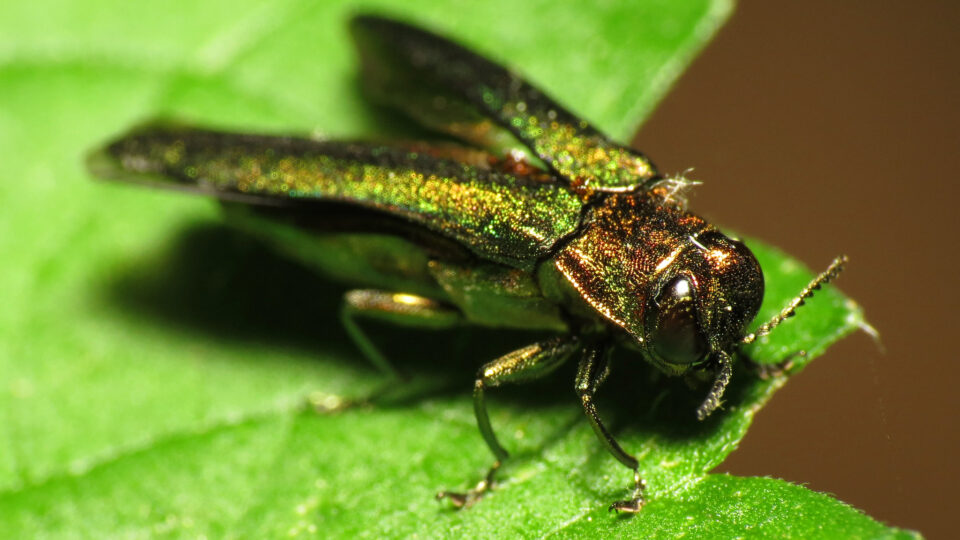
Ash trees are some of the most important plants along riverbanks and in wetlands.  There are three ash species in North America:  the white, green, and black ash.  Unfortunately, all three species are critically endangered because of the emerald ash borer.

The emerald ash borer is an exotic beetle from Asia that first showed up in the U.S. in southeastern Michigan in the summer of 2002.  The adult beetles do little damage but the larvae feed on the inner bark of ash trees and disrupt the tree’s ability to transport water and nutrients.  The beetles are now found in 35 states and 5 Canadian provinces and have killed hundreds of millions of ash trees.

The greatest hope for preserving ash tree species relates to lingering ash, which are those rare trees that have managed to survive the onslaught of the emerald ash borer. The idea is that those trees have some natural genetic resistance to the borer.  Getting seeds and cuttings from lingering ash and propagating them at nurseries may be the only way to get ash trees back into the natural landscape.

Lingering ash are extremely rare and therefore very hard to find.  As a result, researchers are reaching out to the public to help with the search and report the presence of these surviving trees in woodlands.

Researchers want to find large, mature trees left among those that were killed by the invasive insect and therefore display great resilience.  In Kentucky, university and Division of Forestry researchers are making use of software tools to engage the assistance of the public. An app called TreeSnap allows people to provide data on trees that they find in their community, on their property, or out in the wild.

**********

Web Links

Researchers Ask Public for Help Finding Lingering Ash Trees

Help Our Nation’s Trees!

Photo, posted May 31, 2014, courtesy of Katja Schulz via Flickr.

Earth Wise is a production of WAMC Northeast Public Radio.
The First Earth Fund Awards | Earth Wise

December 25, 2020 By EarthWise Leave a Comment

Environmental organizations receiving large grants

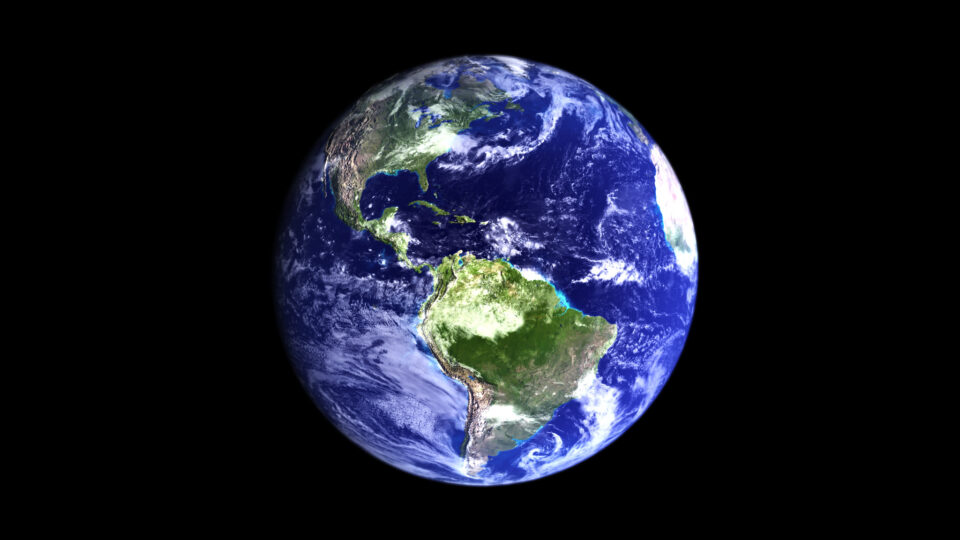
Last February, Amazon CEO Jeff Bezos announced that he was launching the Bezos Earth Fund that would grant money to scientists, activists, NGOs and others making an effort to help preserve and protect the natural world.  The fund would start out with $10 billion and would begin issuing grants later in the year.

In November, the first Earth Fund award recipients were announced.  In total, 16 organizations will be receiving nearly $800 million in funding.

The largest awards include the following:  the Environmental Defense Fund received $100 million to build and launch MethaneSAT, a satellite that will locate and measure sources of methane pollution around the world and provide public access to data that assures accountability.

The Natural Resources Defense Council was awarded $100 million to advance climate solutions and legislation at the state level, promote policies and programs focused on reducing oil and gas production, protect and restore ecosystems that store carbon, and accelerate sustainable and regenerative agriculture practices.

The Nature Conservancy also received $100 million and plans to use the money to help protect the Emerald Edge forest.  (That is the largest intact coastal rainforest on Earth, spanning 100 million acres through Washington, British Columbia and Alaska).

The World Resources Institute will receive $100 million, doled out over five years, to be used to develop a satellite-based monitoring system to advance natural climate solutions around the world.

An additional $100 million award went to the World Wildlife Fund to help protect and restore mangroves, develop new markets for seaweed as an alternative to fossil fuel-based products, and to protect forests and other ecosystems around the world.

**********

Web Links

The organizations that will benefit from Bezos’ $791M and what will they do with the money

Photo, posted March 4, 2015, courtesy of Kevin Gill via Flickr.

Earth Wise is a production of WAMC Northeast Public Radio.
Finding Methane Leaks from Space | Earth Wise

December 23, 2020 By EarthWise Leave a Comment

Innovations to detect methane leaks

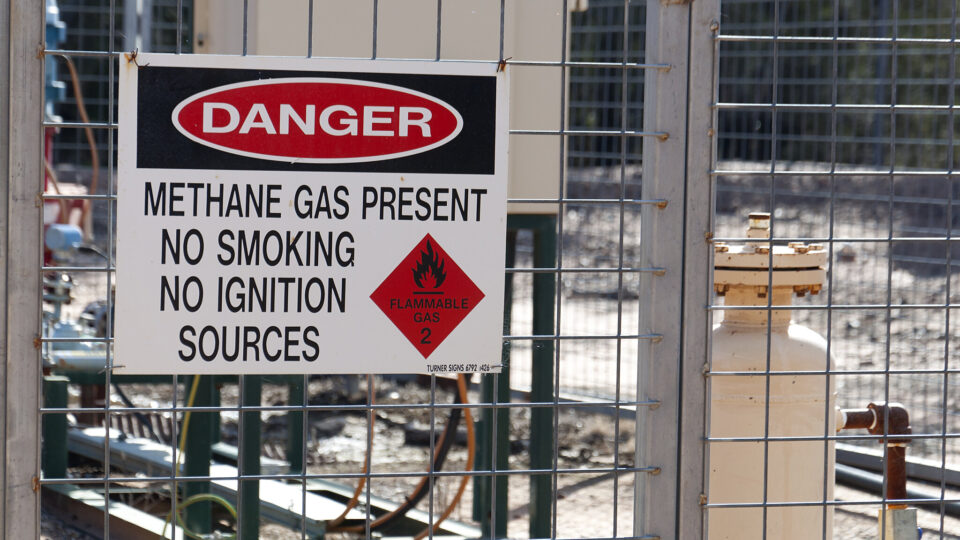
There is growing concern about the climate effects of methane leaking from oil and gas wells.  The 20-year global warming potential of methane is 84, meaning that over a 20-year period, it traps 84 times more heat per mass unit than carbon dioxide.  Global methane concentrations have increased by nearly a factor of 3 since the industrial revolution.

More than a century of oil and gas drilling has left behind millions of abandoned wells, many of which are leaching pollutants into the air and water.   In the U.S. alone, more than 3.2 million abandoned oil and gas wells emitted 280,000 tons of methane just in 2018.  And the data is incomplete.

Part of the problem is finding out which wells are leaking.  Ground-based sensors or airplanes and drones are effective ways to find leaks but considering how many wells there are to check, the costs are considerable, and the process is time consuming and complicated. 

New technology is coming along that uses satellites to detect methane leaks.  A Canadian company called GHGSat recently used satellites to detect what it has called the smallest methane leak ever seen from space and has begun selling data to emitters interested in pinpointing leaks.

Another company, New York-based Bluefield Technologies, plans a group of satellites for launch in 2023 that promises even finer resolution.  The Environmental Defense Fund, with support from Jeff Bezos’ Earth Fund, plans to launch MethaneSAT in the next couple of years, which is designed to find small sources of methane.

Research at Stanford University determined that just 5% of methane leaks produce around half the total leakage. 

**********

Web Links

New Technology Claims to Pinpoint Even Small Methane Leaks From Space

Photo, posted June 8, 2011, courtesy of Jeremy Buckingham via Flickr.

Earth Wise is a production of WAMC Northeast Public Radio.
Reduced Air Travel And Weather Forecasts | Earth Wise

December 16, 2020 By EarthWise Leave a Comment

The pandemic is affecting weather forecasting

There have been countless stories about the major and minor changes in the world caused by the Covid-19 pandemic.  A few of those changes, such as reductions in pollution and traffic, have been positive.  Most have been decidedly negative.

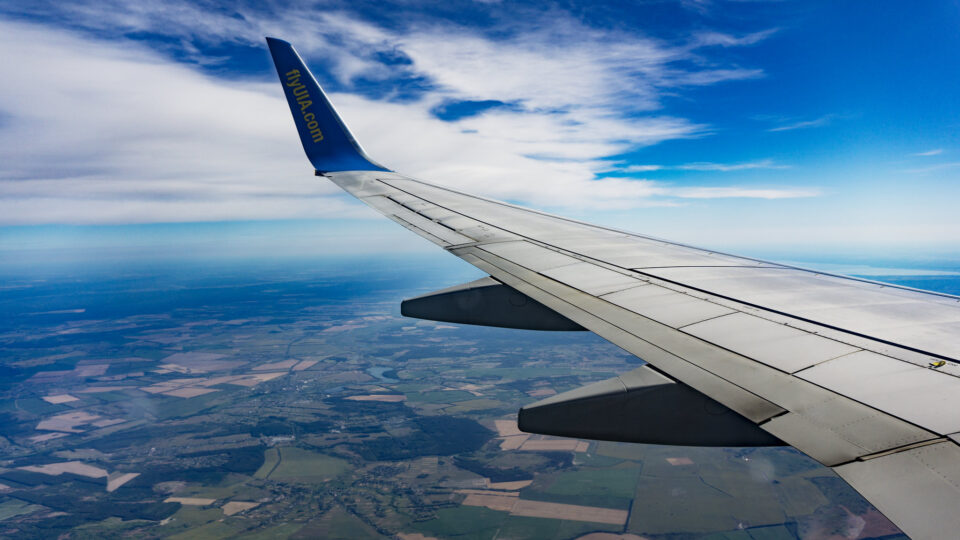
One of the stranger things that has happened is that the pandemic has affected the quality of weather forecasting by sharply reducing the amount of atmospheric data routinely collected by commercial airliners.

It turns out that atmospheric observations from passenger and cargo flights are among the most important data used in weather forecasting models.  These observations are made by instruments aboard thousands of airliners, mostly based in North America and Europe.  The observation program has been in place for decades.  The data is transmitted in real time to forecasting organizations around the world, including the National Weather Service.  About 40 airlines participate in the program, which has equipment aboard about 3,500 aircraft.  Here in the US, Delta, United, American, and Southwest Airlines participate, as do UPS and FedEx.

During the first few months of the pandemic, air traffic declined by 75% or more worldwide.  As a result, atmospheric observations dropped by the same percentage.  A government research study showed that when weather forecasting models receive less data on temperature, wind, and humidity from aircraft, the accuracy of forecasts was reduced.

The amount of data from aircraft has increased in recent months as air travel has picked up to roughly 50% of pre-pandemic levels.  So, the observation program is on the mend.  Nonetheless, impaired weather forecasting is just another unexpected result of the global pandemic.

**********

Web Links

Slump in Air Travel Hindered Weather Forecasting, Study Shows

Photo, posted July 15, 2017, courtesy of Daria Nepriakhina via Flickr. Photo by Photo by Daria / epicantus.

Earth Wise is a production of WAMC Northeast Public Radio.

Pandemic Lockdowns And Carbon Emissions | Earth Wise

November 25, 2020 By EarthWise Leave a Comment

pandemic impact on carbon emissions

The early months of the COVID-19 pandemic saw many human activities reduced to a fraction of what they were previously.  Notably, air pollution in major cities was dramatically lower than it had been in decades.  Now, a new study has looked at the effect of the pandemic shutdowns on carbon dioxide emissions.

An international team of climate scientists has published an assessment of carbon dioxide emissions by industry, transportation, and other sectors from January through June.  According to their measurements, this year’s pandemic lockdowns resulted in a 9% decline in emissions from 2019 levels.

An earlier study reported a 17% drop in CO2 emissions, but the new study was more comprehensive and detailed.

The new data includes estimates of day-by-day, sector-specific and country-level differences in CO2 emissions derived from frequently updated data sources, some of which are nearly in real-time.  It tracks the effects of COVID-19-related disruptions of human activities in China starting in February and in the United States and Europe in March through May.

The data revealed the resumption of emissions in many regions, such as in China, where they are now back to pre-pandemic levels.  Emissions in the Americas and Europe have been slower to recover, especially in the US, where COVID-19 hotspots are continuing to emerge. 

The reduction in carbon emissions has been due mostly to transportation with fewer people driving to work and traveling by air.  Even by June, when lockdowns were easing, global emissions were still significantly reduced.  In any case, a pandemic is a highly undesirable and unwelcome way to reduce carbon emissions, but the data from this year does show that it is effective.

**********

Web Links

Pandemic lockdowns caused steep and lasting carbon dioxide decline

Photo, posted August 7, 2020, courtesy of Michael Mueller via Flickr.

Earth Wise is a production of WAMC Northeast Public Radio.

Quiet In The Pandemic | Earth Wise

November 19, 2020 By EarthWise Leave a Comment

Pandemic creates quiet

The early months of the Covid-19 pandemic had dramatic effects on many aspects of our daily lives.  Vehicle traffic, air pollution, and many other aspects of modern life saw reduced levels not seen in decades.  It turns out that one of the things that saw reduced levels was people’s exposure to environmental noise.

According to University of Michigan researchers, daily average sound levels dropped in half during the time that local governments made announcements about social distancing and issued stay-at-home orders in March and April as compared to noise levels measured in January and February.

The data was acquired from the Apple Hearing Study, which looked at noise exposure data from volunteer Apple Watch users in Florida, New York, California, and Texas.  The analysis included more than half a million daily noise levels measured before and during the pandemic shutdown.

The noise reduction – 3 decibels, which is a factor of two in noise level – is considered to be quite large and could have a significant effect on people’s overall health outcomes over time.

The four states studied had differing responses in terms of stay-at-home orders.  Both California and New York both had really drastic reductions in sound that happened very quickly, whereas Florida and Texas had somewhat less of a reduction.

The study demonstrated the utility of everyday use of digital devices in evaluating daily behaviors and exposures.  This sort of analysis could allow researchers to begin describing what personal sound exposures are like for Americans who live in a certain state, or are of a certain age, or who do or don’t have hearing loss.  The Apple Hearing Study is continuing and is still accepting new participants.

**********

Web Links

Stay-at-home orders cut noise exposure nearly in half

Photo, posted April 10, 2020, courtesy of Joey Zanotti via Flickr.

Earth Wise is a production of WAMC Northeast Public Radio.
Do Forests Grow Better With Our Help? | Earth Wise

November 9, 2020 By EarthWise Leave a Comment

forest restoration

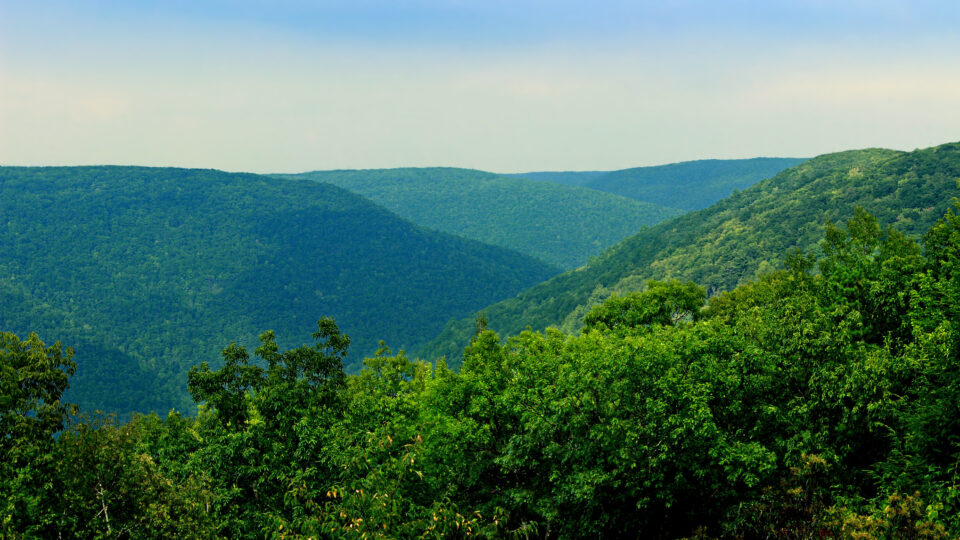
Tree planting has become a worldwide cause.  International calls to plant a trillion trees to combat climate change have led to multiple initiatives by countries around the world.  Even the current U.S. administration, with support from businesses and nonprofits has promised to plant over 800 million trees across an estimated 2.8 million acres.  Planting trees is widely seen to be a vital nature-based solution to climate change; a way of moderating its effects as the world works to reduce carbon emissions.  However, recent studies have created some pushback from that view.

The new studies are not opposed to trees.  What they have revealed is that allowing forests to grow back naturally is a better strategy than planting trees.  The new data has shown that, among other things, estimates of the rate of carbon accumulation by natural forest regrowth have on average been 32% too low and, for tropical forests, have been 53% too low.

A new study published in Nature identified 1.67 billion acres that could be set aside to allow trees to regrow.  It excludes land under cultivation or built on, along with various existing valuable ecosystems. 

Natural regrowth allows nature to select which tree species take hold and turns out to happen quite rapidly and in a widespread manner.  The great thing about natural restoration of forests is that it often requires nothing more than human inaction.  Because it requires no policy initiatives, investments, or oversight, data on its extent is rather scarce.  But the data we have reveals that wherever forests have been allowed to recover on their own, it appears to happen rapidly and with great success.

**********

Web Links

Natural Debate: Do Forests Grow Better With Our Help or Without?

Photo, posted September 5, 2015, courtesy of Nicholas A. Tonelli via Flickr.

Earth Wise is a production of WAMC Northeast Public Radio.
Alien Species On The Rise | Earth Wise

November 3, 2020 By EarthWise Leave a Comment

the number of alien species is rising

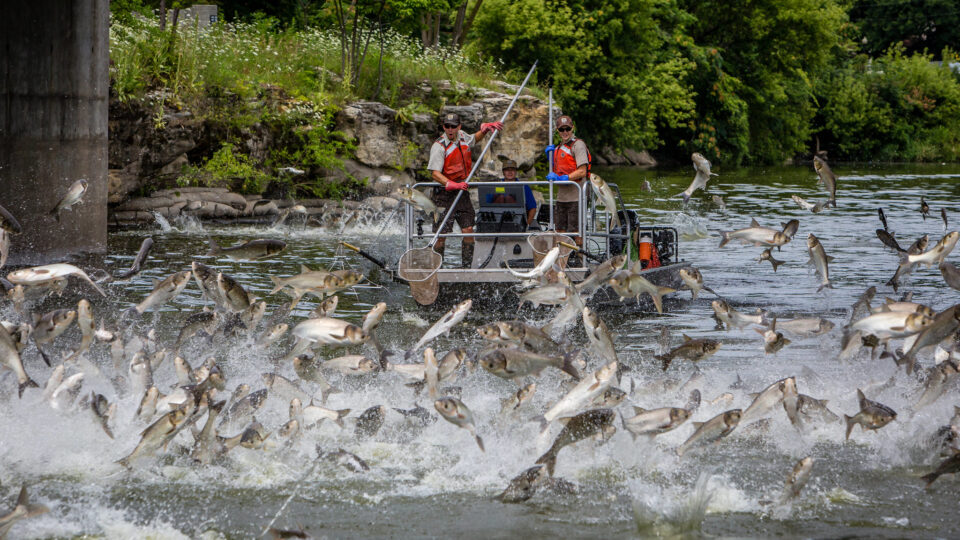
Alien species are species that are introduced, accidentally or intentionally, outside of their natural geographic range as a result of human activities.  More than 35,000 alien species have been recorded through 2005, which is the most recent year for which researchers have comprehensive global data. 

Some of the alien species go on to become invasive alien species, which can have damaging impacts on both ecosystems and economies.  In fact, alien species are one of the main drivers of plant and animal extinctions around the globe.  

According to a new study by an international research team involving University College London, the number of alien species, particularly insects, arthropods and birds, is expected to increase globally by 36% by 2050 when compared to 2005 levels.  The research was recently published in the journal Global Change Biology.

Using a mathematical model developed for the study, the researchers identified high levels of variations between regions.  For example, the largest increase in alien species by the middle of the century is expected in Europe, where numbers are predicted to jump by 64%.  The temperate regions of Asia, North America, and South America are also predicted to be hotspots of alien species.  The lowest relative increase in alien species is expected in Australia.

The researchers do not expect a reversal or slowdown in the spread of alien species.  In fact, with global transportation and trade forecasted to increase in the coming decades, they anticipate many new species will infiltrate non-native habitats by hitching rides as stowaways.   

According to the research team, it would take a concerted global effort with stricter regulations and more rigorous enforcement to slow the flow of new species. 

**********

Web Links

Alien species to increase by 36% worldwide by 2050

Photo, posted October 3, 2016, courtesy of the Asian Carp Regional Coordinating Committee via Flickr. Photo credit: Ryan Hagerty/USFWS.

Earth Wise is a production of WAMC Northeast Public Radio.
Shrinking Ice In The Bering Sea | Earth Wise

October 19, 2020 By EarthWise Leave a Comment

Bering Sea ice continues to shrink

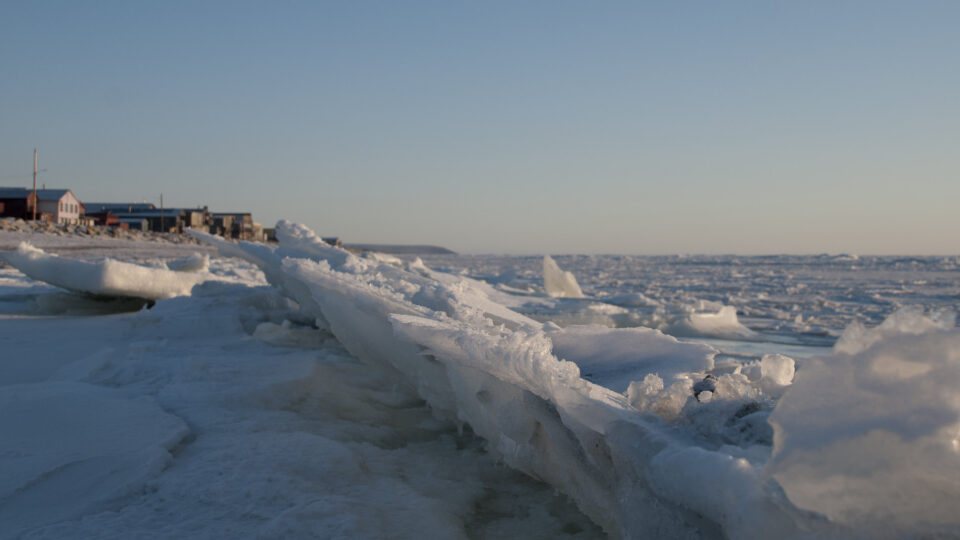
The Bering Sea forms the divide between the two largest landmasses on Earth:  Eurasia and the Americas.  Recent analysis of vegetation from a Bering Sea island has determined that the extent of sea ice in the region is the lowest it has been for over 5,000 years.

St. Matthew Island, a small island in the middle of the Bering Sea, has essentially been recording what is happening in the ocean and atmosphere around it, in the form of the composition of peat layers on the island.  By analyzing the chemical composition of peat core samples, scientists can estimate how sea ice in the region has changed over the course of time.

Changes in the relative amounts of two oxygen isotopes in the sediment and plant debris trapped in the peat on the island reflect the nature of precipitation during the period when the peat layers formed.  That ratio is correlated with the amount of sea ice in the region.  Satellite data acquired over the past 40 years confirms this correlation.

Analysis of the data shows that the current ice levels are unprecedented in the last 5,500 years.  These long-term findings affirm that reductions in Bering Sea ice are due to more than recent higher temperatures associated with global warming.  Atmospheric and ocean currents, which have also been altered by climate change, play a large role in the presence of sea ice.

Summertime sea ice in the Arctic was expected to reach its second-lowest extent in September in 40 years of observation.  Sea ice typically builds up again each winter, but the changes in ice extents actually lag behind changes in greenhouse gas level by decades.  Future ice loss is already built into the system.

**********

Web Links

Bering Sea ice extent is at most reduced state in last 5,500 years

Photo, posted December 2, 2012, courtesy of Bering Land Bridge National Preserve via Flickr.

Earth Wise is a production of WAMC Northeast Public Radio.
Greenland Glaciers Past The Point Of No Return | Earth Wise

September 18, 2020 By EarthWise Leave a Comment

warming greenland glaciers

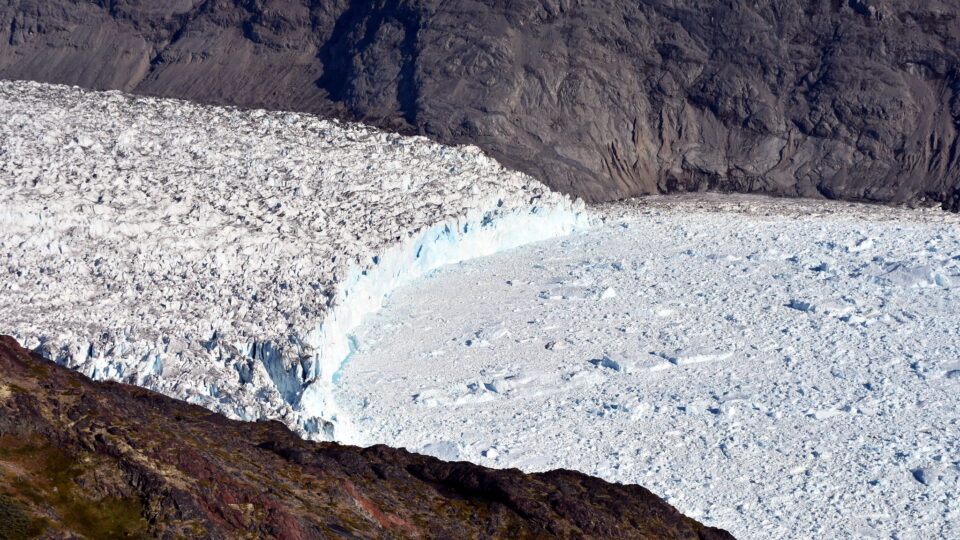
Forty years of satellite data from Greenland shows that the glaciers on the island have shrunk so much that even if global warming came to an abrupt halt, the Greenland ice sheet would continue to shrink.

This conclusion was published in the journal Communications Earth and Environment by researchers at Ohio State University.  According to their study, Greenland’s glaciers have passed a tipping point where the snowfall that replenishes the ice sheet each year can no longer keep up with the ice that is flowing into the ocean from the glaciers.

The study analyzed monthly satellite data from more than 200 large glaciers that drain into the ocean around Greenland.  It looked at how much ice breaks off into icebergs or melts from the glaciers into the ocean as well as the amount of snowfall each year that replenishes the glaciers.

Throughout the 1980s and 90s, these two processes were mostly in balance, keeping the ice sheet intact.  But the amount of ice being lost each year started to increase steadily around the year 2000 while there was no increase in snowfall.   Both processes fluctuate from year to year, but the baseline for ice loss has steadily risen.  Before 2000, the Greenland ice sheet had about the same chance of gaining or losing mass each year.  At this point, the ice sheet is likely to gain mass in only one out of every 100 years.

Large glaciers in Greenland have retreated about 2 miles since 1985, so that many of them are sitting in deeper water with more ice in contact with warmer water making it harder for glaciers to grow back.  At this point, even if the climate reverses its trend, the ice sheet will continue to lose mass.

**********

Web Links

Warming Greenland ice sheet passes point of no return

Photo, posted August 27, 2015, courtesy of Joxean Koret via Flickr.

Earth Wise is a production of WAMC Northeast Public Radio.

Giant Jellyfish | Earth Wise

August 28, 2020 By EarthWise Leave a Comment

There have been recent news stories about giant jellyfish washing ashore from Maine to the south coast of Massachusetts.  These stories have claimed that some of these lion’s mane jellyfish have been the largest on record and even might be the largest animals in the ocean.

The truth of these accounts is rather suspect.  For one thing, it is rather difficult to measure the size of a jellyfish when it is out of the water.  Gravity compresses and spreads out the bell portion of the animal, and that makes up the bulk of its mass.  For example, a jellyfish bell that measures four feet across on the beach would appear to be much smaller if the animal was floating in the water.

Some claims that lion’s mane jellyfish are larger than blue whales date back a full century and are very much disputable.  The claimed size certainly included the animal’s long tentacles, and such things hardly compare with a blue whale.

In any event, the current spate of jellyfish sightings is not necessarily that unusual.  Many factors influence jellyfish populations, including water temperature and food supply.  It is possible that warming water temperatures may be influencing the jellyfish population this year, but there is not enough data to know for sure.

People do need to be cautious around lion’s mane jellyfish.  They do sting and while their stings are not as bad as those of a number of other species, they can be a problem for people who have allergic reactions.  Furthermore, the stinging cells remain active in a jellyfish that has washed ashore.

Sightings of these animals are continuing, and reports of larger specimens continue as well, even if they don’t compare with blue whales.

**********

Web Links

Jellyfish larger than blue whales?

Photo, posted September 13, 2015, courtesy Derek Keats via Flickr.

Earth Wise is a production of WAMC Northeast Public Radio.
Climate Change And The South Pole | Earth Wise

August 10, 2020 By EarthWise Leave a Comment

Extreme warming at the South Pole

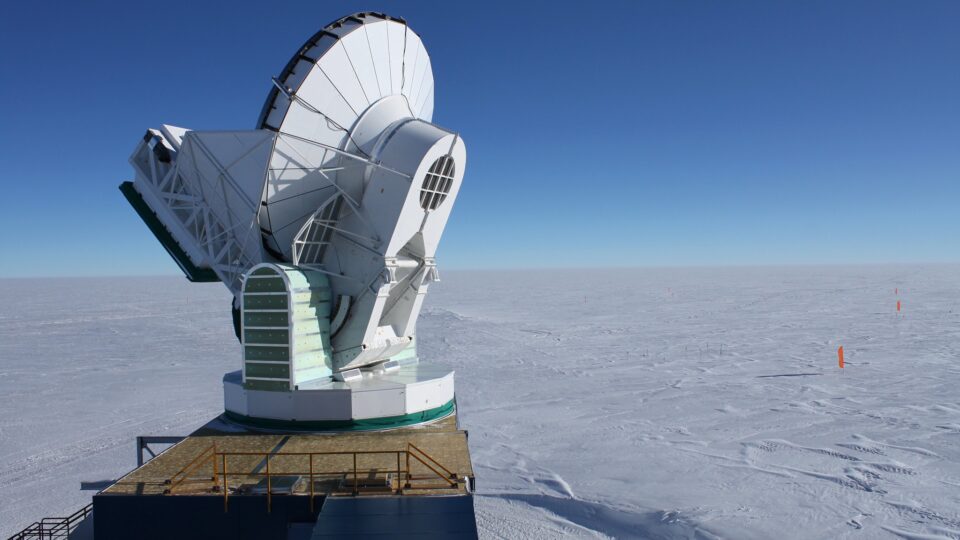
According to a study led by researchers at Ohio University, the South Pole has warmed more than three times the global average over the past 30 years.  While the warming was driven by natural tropic climate variability, the researchers argue that rising greenhouse gas emissions likely intensified the warming. 

The climate in the antarctic has some of the largest ranges in temperature during the year.  Some regions, like most of West Antarctica and the Antarctic Peninsula, experienced warming during the late 20th century.  But the South Pole, which is located in the remote and high-altitude interior of the continent, actually cooled until the 1980s.  The South Pole, as the study highlights, has warmed substantially ever since. 

For the study, which was recently published in the journal Nature Climate Change, the researchers analyzed climate models and weather station data at the South Pole.  They found that, between 1989 and 2018, the South Pole had warmed by 1.8 degrees Celsius.  This warming trend of 0.6 degrees Celsius per decade is three times the global average. 

According to the study, the robust warming of the Antarctic interior has been mainly driven by the tropics.  Warm ocean temperatures in the western tropical Pacific Ocean have altered the winds in the South Atlantic, increasing the delivery of warm air to the South Pole.  These atmospheric changes are an important part of what’s driving the climate anomalies in the region.

But the researchers argue that the warming trends are unlikely a result of natural climate change alone.  The effects of anthropogenic – or human-caused – climate change in addition to the natural changes have combined to make this one of the strongest warming trends globally.    

**********

Web Links

Extreme warming of the South Pole

Photo, posted February 7, 2011, courtesy of Eli Duke via Flickr.

Earth Wise is a production of WAMC Northeast Public Radio.
Monitoring Wildlife For Warning Signs of the Next Pandemic | Earth Wise

July 29, 2020 By EarthWise Leave a Comment

Monitoring wildlife to prevent the next pandemic

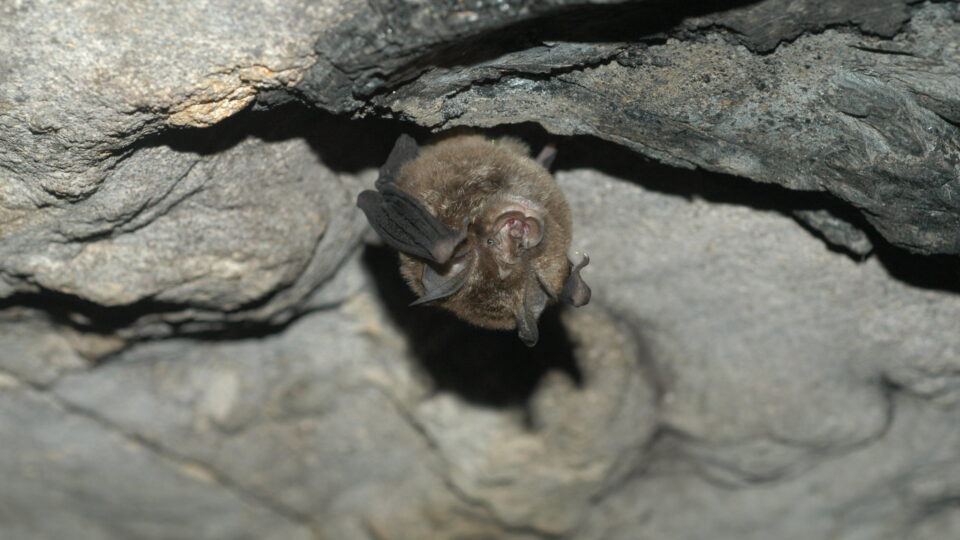
According to the World Health Organization, the coronavirus that causes COVID-19 likely originated in wild bats near Wuhan, China, and may have been passed to a second animal species before infecting people.  Since then, according to data from Johns Hopkins University, more than 13 million people around the world have been infected by COVID-19 and about 600,000 have died. 

But despite the ever-present threat of a new virus sparking the next pandemic, there is currently no global system to screen for viruses in wild animals that could eventually spill over to humans. 

In an article recently published in the journal Science, a group of scientists is calling for the creation of a decentralized global system of wildlife surveillance.  The establishment of this global system could help identify viruses in wild animals that have the potential to infect and sicken people before another global disease outbreak begins. 

According to the scientists, coronaviruses alone have caused outbreaks in humans three times in the last 20 years:  SARS (or Severe Acute Respiratory Syndrome), MERS (or Middle East Respiratory Syndrome), and COVID-19. 

While it’s impossible to know today how often viruses jump from animals to humans, human activity is making such spillover events more and more likely.  For instance, many continue to develop wild animal habitat to build new homes or businesses.  Some catch wild animals and re-sell them either for consumption or as exotic pets.  Parts from these wild animals are often shipped around the world as trinkets or as ingredients for traditional medicines. 

A global system that could identify potentially harmful viruses before they jump to humans is technologically feasible, affordable, and clearly necessary. 

**********

Web Links

COVID-19 Dashboard by the Center for Systems Science and Engineering (CSSE) at Johns Hopkins University (JHU)

Global wildlife surveillance could provide early warning for next pandemic

Photo, posted January 15, 2008, courtesy of Doug Beckers via Flickr.

Earth Wise is a production of WAMC Northeast Public Radio.
The United States And Ticks | Earth Wise

July 21, 2020 By EarthWise Leave a Comment

United States tick data is lagging

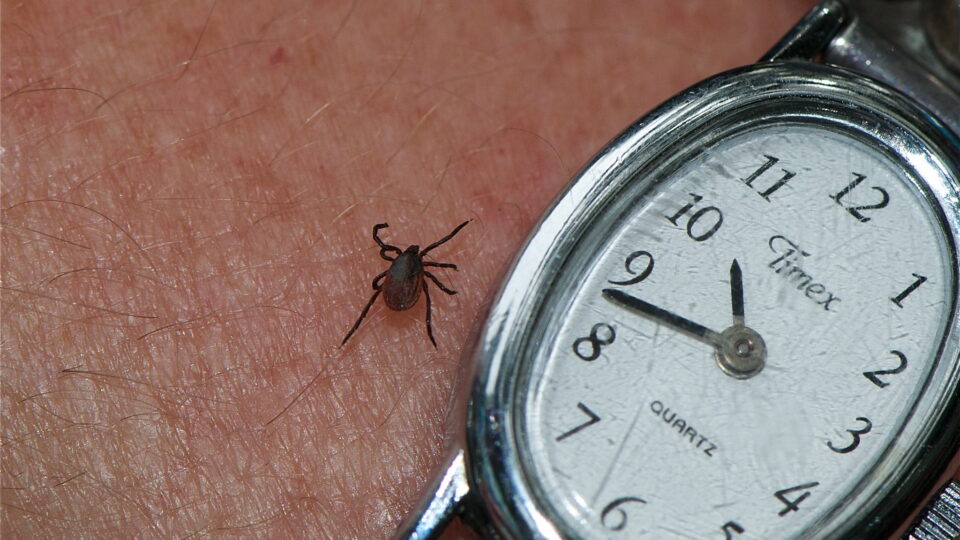
Tiny ticks are a big problem.  Measuring only three to five millimeters in size, ticks are widely distributed around the world.  They are external parasites, feasting on the blood of birds, reptiles, amphibians, and mammals – including humans.

According to estimates from the Centers for Disease Control and Prevention, ticks infect more than 300,000 people with Lyme disease in the United States every year, and the numbers continue to rise.  Other common tick-borne diseases include anaplasmosis, babesiosis, Rocky Mountain Spotted Fever, and powassan encephalitis.

But while the prevalence of tick-borne illnesses has steadily increased in the United States over the past two decades, a new study on tick surveillance and control “has revealed an inconsistent and often under-supported patchwork of programs across the country.”

The study, by university researchers at the CDC’s five Vector-Borne Disease Regional Centers of Excellence, is the first-ever examination of tick management programs in the United States.  The researchers found clear gaps in our public health infrastructure. 

According to the study, which was recently published in the Journal of Medical Entomology, less than 50% of public health and vector-control agencies conduct tick surveillance.  Only 25% test ticks for disease-causing germs.  And only 12% conduct or support tick-control efforts.  Researchers also discovered that the capacity for public tick-control efforts is low, as is the capacity for information and data sharing between agencies on ticks.    

The findings highlight the degree to which tick surveillance and control is lagging in the United States.  According to the research team, greater support for tick-management programs is critical, and they hope their findings will serve as a baseline from which to measure future improvements.  

**********

Web Links

Tick surveillance and control lagging in US

Photo, posted May 4, 2009, courtesy of Jerry Kirkhart via Flickr.

Earth Wise is a production of WAMC Northeast Public Radio.
  • « Go to Previous Page
  • Page 1
  • Page 2
  • Page 3
  • Page 4
  • Page 5
  • Page 6
  • Interim pages omitted …
  • Page 8
  • Go to Next Page »

Primary Sidebar

Recent Episodes

  • An uninsurable future
  • Clean energy and jobs
  • Insect declines in remote regions
  • Fossil fuel producing nations ignoring climate goals
  • Trouble for clownfishes

WAMC Northeast Public Radio

WAMC/Northeast Public Radio is a regional public radio network serving parts of seven northeastern states (more...)

Copyright © 2026 ·