• Skip to primary navigation
  • Skip to main content
  • Skip to primary sidebar

Earth Wise

A look at our changing environment.

  • Home
  • About Earth Wise
  • Where to Listen
  • All Articles
  • Show Search
Hide Search
You are here: Home / Archives for data

data

Climate Change And Species Tipping Points | Earth Wise

June 22, 2023 By EarthWise Leave a Comment

In climate science, tipping points are critical thresholds that, once crossed, lead to large and often irreversible changes in the climate system. For example, surpassing a 1.5 degree C rise in global warming has long been considered a tipping point for the planet. 

According to a new study led by researchers from University College London, climate change will abruptly push species over tipping points as their geographic ranges reach unforeseen temperatures. 

In the study, which was recently published in the journal Nature Ecology and Evolution, the research team analyzed data from more than 35,000 species of animals and seagrasses from every continent and ocean basin, alongside climate projections up to 2100.  The researchers found a consistent trend:  for many animals, the thermal exposure threshold will be crossed for much of their geographic range within the same decade. 

The thermal exposure threshold is defined as the first five consecutive years where temperatures consistently exceed the most extreme monthly temperature experienced by a species across its geographic range over recent history. 

The researchers also found that the extent of global warming will make a big difference for animals.  If the planet warms by just 1.5°C, 15% of species studied will be at risk of experiencing unfamiliarly hot temperatures across at least 30% of their current  geographic range in a single decade.  But this figure will double to 30% of species at 2.5°C of warming.

Since their data provides an early warning system, the researchers hope that their findings will help species conservation efforts. 

**********

Web Links

Climate change to push species over abrupt tipping points

Photo, posted May 27, 2017, courtesy of Sarah Lemarié via Flickr.

Earth Wise is a production of WAMC Northeast Public Radio

Chatbots Are Thirsty | Earth Wise

June 19, 2023 By EarthWise Leave a Comment

We hear a lot about artificial intelligence these days.  ChatGPT has found its way into education, technology, and many other aspects of life.  It and its brethren are a source of fascination, enthusiasm, and even fear.  Many of us have given queries to the bot to see what kind of results we can obtain.  But a recent study has found out something about AI systems that we probably didn’t know – they use up lots of fresh water.

According to researchers at the University of California, Riverside, running a few dozen queries on ChatGPT uses up about half a quart of fresh water from already overtaxed reservoirs.

Running artificial intelligence systems like ChatGPT relies on cloud computations done in racks of servers in warehouse-sized data processing centers.  Google’s data centers in the U.S. alone consumed nearly 3.5 billion gallons of fresh water in 2021 in order to keep their servers cool.

Data processing centers consume water in two ways.  They often draw much of their electricity from power plants that use large cooling towers that convert water into steam emitted into the atmosphere.  In addition, the servers themselves need to be cooled to keep running and are typically connected to cooling towers as well.

It isn’t going to be easy for AI systems to reduce their water use.  The study’s authors noted that people make use of AI at all hours of the day and night.  But a significant amount of AI activity is actually the training of the systems.  That could be scheduled for the cooler hours, when less water is lost to evaporation.

In an era of scarce fresh water and droughts, it is important to make AI less thirsty.

**********

Web Links

AI programs consume large volumes of scarce water

Photo, posted May 22, 2023, courtesy of Jernej Furman via Flickr.

Earth Wise is a production of WAMC Northeast Public Radio

Shrinking Birds | Earth Wise

June 5, 2023 By EarthWise Leave a Comment

A new study by researchers at Yale University looks at the way bird morphology is changing in response to the warming climate.  As temperatures rise, birds’ bodies are growing smaller, but their wings are growing longer.

In the study, published in the Proceedings of the National Academy of Sciences, the scientists analyzed two independently collected datasets containing 40 years of morphology changes in 129 bird species comprising 52 migratory species in North America and 77 South American species.

In both datasets, similar changes were observed over the 40-year period.  The overall trend makes sense given that being smaller and having longer wings both would help birds to stay cool in warmer weather.  What was less obvious was that the changes to the birds were much greater among the smallest bird species.

One possible explanation is that smaller species tend to reproduce on a shorter time scale and therefore evolve more quickly.  However, the study found no link between generation length and the changes in body size.

Another possible explanation is that smaller species tend to have larger populations, which means there is a greater chance of having individuals with desirable new traits that can get passed on.  But the scientists found no link between population size and shifts in body size either.

At this point, it is unclear why smaller birds are shrinking more.  More research is needed to figure out why larger birds are slower to adapt to climate change.  In general, larger species of animals have an increased risk of extinction.  This new research suggests that larger body size exacerbates extinction risk by limiting the ability for birds to adapt to the changes we are making to the climate.

**********

Web Links

Birds Are Shrinking as the Climate Warms — and Small Birds Are Shrinking Faster

Photo, posted October 30, 2018, courtesy of N. Lewis / National Park Service via Flickr.

Earth Wise is a production of WAMC Northeast Public Radio
Record Polar Ice Melting | Earth Wise

May 30, 2023 By EarthWise Leave a Comment

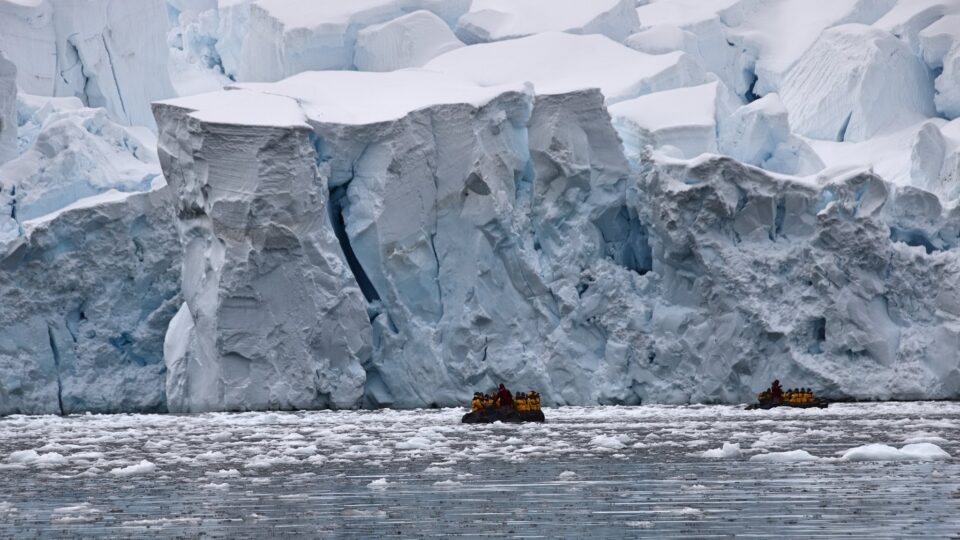
A record amount of polar ice has melted

Sea levels are rising and ocean warming is responsible for the bulk of that rise.  As water heats up, it expands, which drives up sea levels.  But on top of that, global warming is melting the polar ice sheets, and that is leading to about a quarter of the world’s sea level rise. So far, polar melting has fueled about an inch of sea level rise, two-thirds from Greenland and one third from Antarctica.   According to scientists, by the end of this century, melting polar ice caps could raise sea levels between 6 and 10 inches.

The seven worst years for polar ice sheet melting have occurred during the past decade.  The worst year on record was 2019.  The loss in 2019 was driven by an Arctic summer heatwave, which resulted in record melting from Greenland, amounting to nearly 500 billion tons melted that year.  Antarctica lost 180 billion tons of ice that year, mostly due to melting glaciers and record melting from the Antarctic Peninsula.

Ice losses from Greenland and Antarctica can now be reliably measured by satellites in space.  A team of researchers led by Northumbria University in the UK has combined 50 satellite surveys taken between 1992 and 2020.

They have found that the Earth’s polar ice sheets have lost over 8,000 billion tons of ice over that time period.  That much ice corresponds to an ice cube roughly 12 miles high.

The satellite technology is now at the stage where the ice sheet status can be continuously updated.  Such monitoring is critical to predict the future behavior of the ice sheets and provide risk warnings of the dangers that coastal communities around the world will face.

**********

Web Links

Polar ice sheet melting records have toppled during the past decade

Photo, posted December 19, 2017, courtesy of Jasmine Nears via Flickr.

Earth Wise is a production of WAMC Northeast Public Radio
Arctic Warming And Weather At Mid-Latitudes | Earth Wise

May 18, 2023 By EarthWise Leave a Comment

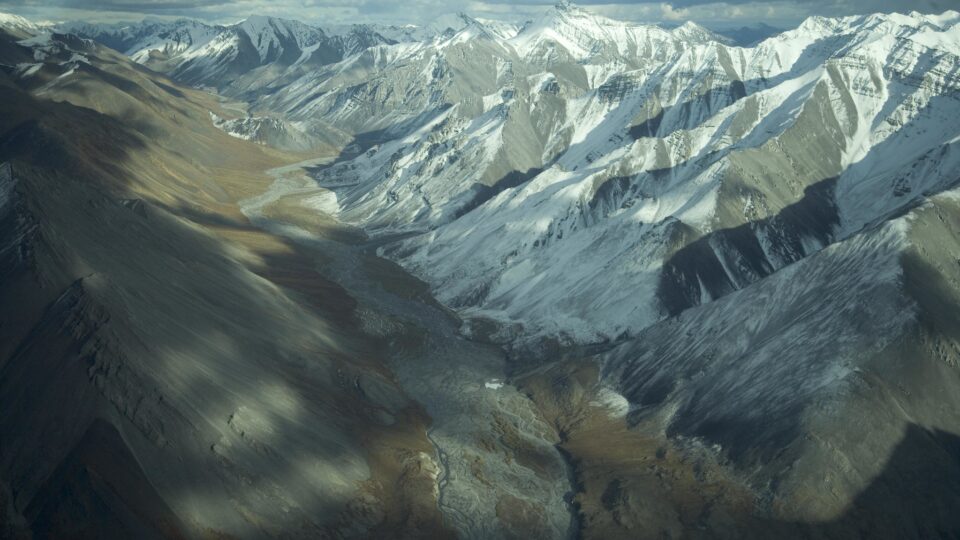
Arctic warming and how it impacts weather

Some of the most striking images of climate change are those of melting glaciers in the Arctic and polar bears stranded on shrinking sea ice. The Arctic has been warming at a rate twice as fast as the global average.  In recent years, there has been growing recognition of the Arctic’s role in driving extreme weather events in other parts of the world.

Winters in the midlatitude regions have seen more extreme weather events.  The past winter saw record-breaking cold temperatures and snowfall in Japan, China, and Korea.   Many parts of Eurasia and North America experienced severe cold snaps, with heavy snowfall and prolonged periods of subzero temperature.  On the other hand, Europe saw its second warmest winter on record with record high temperatures in many places, much drier than normal conditions, and the closure of many ski resorts.

A study published in the journal Climate and Atmospheric Science by scientists from South Korea and the U.S. looked at various climate projection models as well as historic climate data to assess what is likely to happen to weather in the mid-latitudes as the Arctic continues to warm.  Warmer Arctic Sea temperatures usually result in lower winter temperatures in East Asia and North America as ocean currents and the jet streams are altered.

The study shows that Arctic warming-triggered cold waves in the mid-latitudes are likely to persist in a warmer future, but that such events will become more difficult to predict.  The study highlights the importance of continued efforts to better understand the interactions between Arctic warming and the climate of the midlatitudes.   There need to be better ways to predict the extreme weather events that are likely to come.

**********

Web Links

Gwangju Institute of Science and Technology Researchers Correlate Arctic Warming to Extreme Winter Weather in Midlatitude and Its Future

Photo, posted August 31, 2006, courtesy of Hillebrand / USFWS via Flickr.

Earth Wise is a production of WAMC Northeast Public Radio
Tracking Global Forest Changes | Earth Wise

January 30, 2023 By EarthWise Leave a Comment

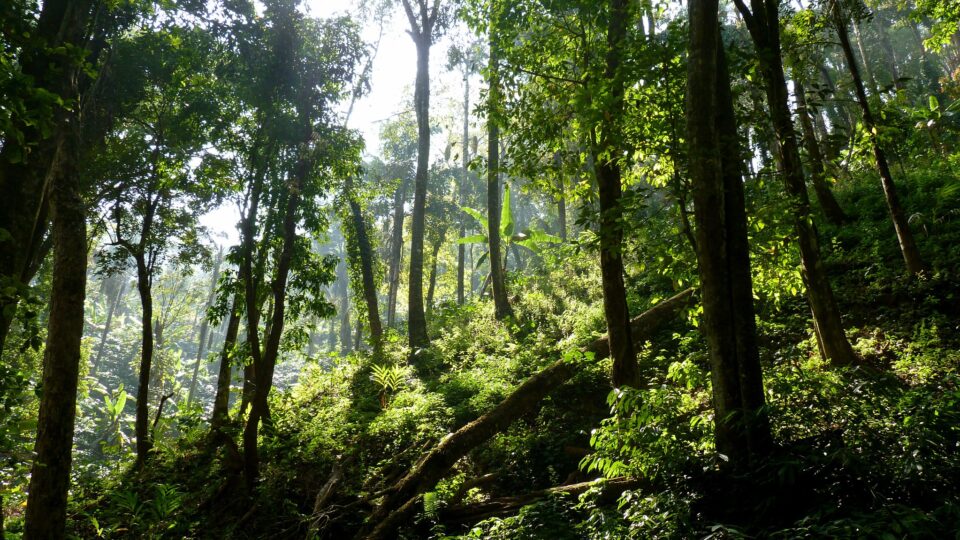
Using deep learning to track global forest changes

India is one of the most biodiverse countries in the world.  An estimated 47,000 plant species and 89,000 animal species can be found in India, with more than 10% of each thought to be on the list of threatened species.

India is also one of the 10 most forest-rich countries in the world.  Trees cover approximately 25% of the nation.  But this is still a significant decline from years past.  In fact, between the 1890s and 1990s, a combination of rapid development and resource overexploitation caused India to lose nearly 80% of its native forest area.  Today, as India’s forests continue to disappear, researchers are trying to help preserve what forest remains. 

Using satellite-monitoring data, researchers from The Ohio State University have developed a deep learning algorithm that could provide real-time land use and land cover maps for parts of India. 

The land use monitoring system was trained using satellite data from Norway’s International Climate and Forests Initiative.  By combining this data with a global land cover map produced by Tsinghua University in China, the researcher team’s deep learning model was able to acquire a more detailed type of base map of the area.  Using their model, the researchers were able to process 10 monthly maps.  Their research was recently  presented at the annual meeting of the American Geophysical Union.   

Using these maps, the researchers were able to detect seasonal shifts across india.  These include changes to barren land, how crop land was affected by monsoons, and the distribution of forests in mountainous regions. 

Understanding the impact of these seasonal changes will help scientists better predict the effects of climate change on forests.

**********

Web Links

Using deep learning to monitor India’s disappearing forest cover

Photo, posted January 20, 2013, courtesy of Frontier Official via Flickr.

Earth Wise is a production of WAMC Northeast Public Radio
Oxygen Loss In Lakes | Earth Wise

January 13, 2023 By EarthWise Leave a Comment

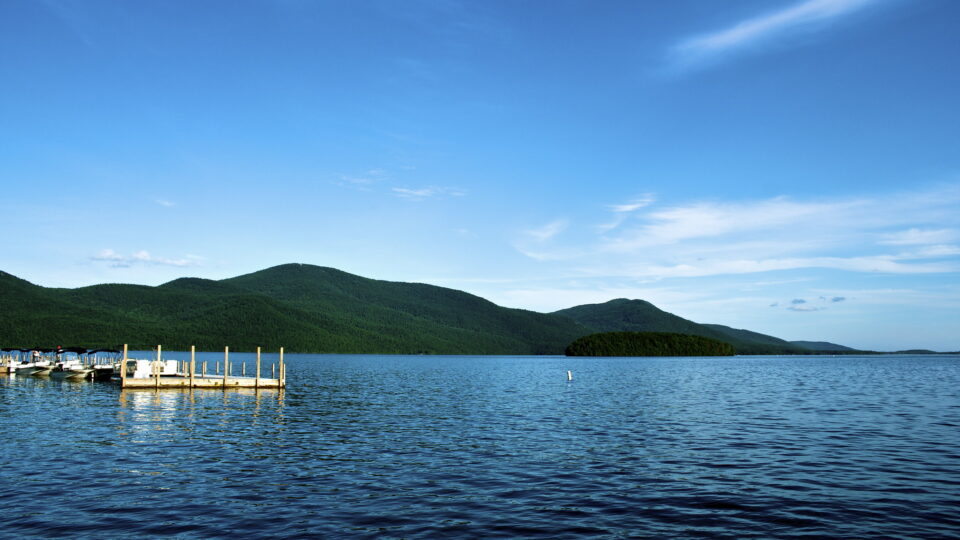
The warming climate is prompting harmful oxygen loss in lakes.

Researchers from Cornell University and Rensselaer Polytechnic Institute have found that the continual warming in the world over the past 25 years has been reducing the amount of oxygen in many lakes.

Data from more than 400 lakes – mostly in the United States – shows that lakes with dissolved oxygen losses strongly outnumber those with gains.  Overall, the researchers found that the amount of low oxygen water is increasing by 0.9% to 1.7% per decade on average  and the volume of lake water lacking oxygen has increased by more than 50% from 25 years ago.

In the summer, lake surfaces may be about 70 degrees while the lake bottom may be about 40 degrees.  The colder water is denser than the warmer water which causes resistance to the layers mixing.  It is akin to having oil and vinegar in a cruet.  This is known as stratification.   The result is that oxygen from the atmosphere is prevented from replenishing dissolved oxygen in deep waters.  This is a normal seasonal phenomenon.

However, with winter ending sooner than it used to, seasonal stratification is starting earlier and ending later. As warming continues, it is likely that there will be an increasing number of oxygen-depleted lakes in the future.

Oxygen deprivation in water can lead to hypoxia (low oxygen) and even anoxia (no oxygen), which have negative consequences for fish and other species.  Reducing oxygen in lake water can lead to buildup of methane.   Nutrients from agricultural runoff, released from unsettled lake sediment, increase the likelihood of harmful algal blooms.

**********

Web Links

Warming climate prompts harmful oxygen loss in lakes

Photo, posted June 23, 2010, courtesy of Alexander Acker via Flickr.

Earth Wise is a production of WAMC Northeast Public Radio.

Assessing The Planet’s Most Unique Birds | Earth Wise

January 11, 2023 By EarthWise Leave a Comment

Birds come in a huge variety of shapes, sizes and plumages.  The physical attributes of birds are adaptations that have taken countless millennia to develop, and physical attributes are closely related to the roles birds play in their environment.   

According to a new study led by researchers from the University College London in the U.K., bird species with extreme or uncommon combinations of traits have the highest risk of extinction.  Losing these bird species and the unique roles they play in the environment, including seed dispersal, pollination and predation, could have severe consequences on the health of ecosystems.

In the study, which was recently published in the British Ecological Society journal Functional Ecology, the researchers analyzed the extinction risk and physical attributes of 99% of all living bird species.  The research team used a dataset of measurements collected from living birds and museum specimens.  The measurements included things like beak size and shape, and the length of wings, tails and legs.  The researchers combined this data with extinction risk, and then ran simulations to see what would happen if the most threatened birds were to go extinct.

Some of the bird species that are both most unique and most threatened include the Christmas Frigatebird and the Bristle-thighed Curlew.  Kiwis were excluded from the study because the researchers viewed them as extreme morphological outliers.

While most unique birds were also classified as threatened on the Red List, the research was unable to show what links uniqueness in birds to extinction risk

The research team warns that if more isn’t done to protect these threatened species and avoid extinctions, the functioning of ecosystems will be dramatically disrupted.

*********

Web Links

Planet’s most unique birds at higher risk of extinction

Photo, posted June 25, 2012, courtesy of Kristine Sowl / USFWS via Flickr.

Earth Wise is a production of WAMC Northeast Public Radio.

Mauna Loa Eruption And Climate Tracking | Earth Wise

January 9, 2023 By EarthWise Leave a Comment

Mauna Loa eruption disrupts global climate tracking

Mauna Loa, the largest active volcano in the world, erupted for the first time in nearly 40 years in late November.  A 124-foot aluminum tower at the top of the volcano has been the site of carbon dioxide measurements for over 60 years but the eruption cut off power to the site, stopping the monitoring.

Carbon dioxide measurements on Mauna Loa began in 1958.  The project was started by geochemist Charles Keeling and eventually taken over by his son Ralph Keeling upon his father’s death in 2005.  It is the longest continuous record of the rising levels of carbon dioxide in the world.

Mauna Loa is an ideal location for carbon dioxide monitoring because it is a remote location away from both carbon dioxide sources like dense population centers and roads, and carbon sinks like areas of heavy vegetation.

There are hundreds of carbon dioxide monitoring stations around the world, including more than 70 operated by the National Oceanic and Atmospheric Administration, so the interruption will not stop global recordkeeping.  But Mauna Loa holds significant symbolism as the first and most frequently sited source of carbon dioxide data.

There have been other interruptions in the measurements.  Federal budget cuts in 1964 paused them for about 3 months.  A 1984 eruption also cut off power to the facility and shut it down for about a month.

When the facility first started operating, the average carbon dioxide concentration was measured at 313 parts per million.   Most recently, levels have peaked at around 421 parts per million, the greatest concentration in at least 4 million years. 

Power will be restored to the Mauna Loa facility and its measurements will resume.

**********

Web Links

Mauna Loa Eruption Threatens a Famous Climate Record

Photo, posted November 29, 2022, courtesy of L. Gallant / USGS via Flickr.

Earth Wise is a production of WAMC Northeast Public Radio.

Decarbonizing Could Save Trillions | Earth Wise

October 18, 2022 By EarthWise Leave a Comment

Decarbonizing could save $12 trillion globally

Scientists have long been calling for a transition to clean energy to prevent catastrophic impacts of climate change.  For much of that time, many people and, specifically, many of those in power, were skeptical of the need to do something about the warming climate.  But even as the facts about the changing climate became increasingly undeniable, there continued to be fears that the transition to clean energy sources would be unacceptably expensive and harmful to the economy.

A recent study published by Oxford University shows that the opposite is true:  a concerted effort to convert to green energy technologies such as solar, wind, and batteries, will save the world enormous amounts of money.

The Oxford study shows that a transition to nearly 100% clean energy by 2050 results in a lower-cost energy system that provides energy access to more people around the world.  The energy transition is expected to save the world at least $12 trillion compared to continuing our current levels of fossil fuel use.

The cost of renewable energy sources has been going down for decades and they are already cheaper than fossil fuels in many situations.  It is expected that they will become cheaper than fossil fuels across almost all applications over time.  Accelerating the transition will allow renewables to become cheaper faster.

The study made use of probabilistic models to estimate the costs of various possible future energy systems based on past data.  Even the most pessimistic models showed that scaling up green technologies is likely to drive their costs down so far that they will generate net cost savings and that the faster the transition goes, the more will be saved.  The result will be a cleaner, cheaper, more energy secure future.

**********

Web Links

Decarbonising the energy system by 2050 could save trillions

Photo, posted July 12, 2010, courtesy of Tom Shockey via Flickr.

Earth Wise is a production of WAMC Northeast Public Radio
Coping With Climate Change | Earth Wise

October 11, 2022 By EarthWise Leave a Comment

Animals will cope with climate change differently

Extreme weather events including prolonged drought and heavy rainfall are becoming more common and more severe as global temperatures rise.  As the climate continues to change in the coming decades, how will animals respond? 

Researchers from the University of Southern Denmark have examined how different mammals react to climate change. They analyzed data on population fluctuations from 157 mammal species around the world.  They compared these fluctuations with weather and climate data from the same time period.  The research team had 10 or more years of data for each species studied. 

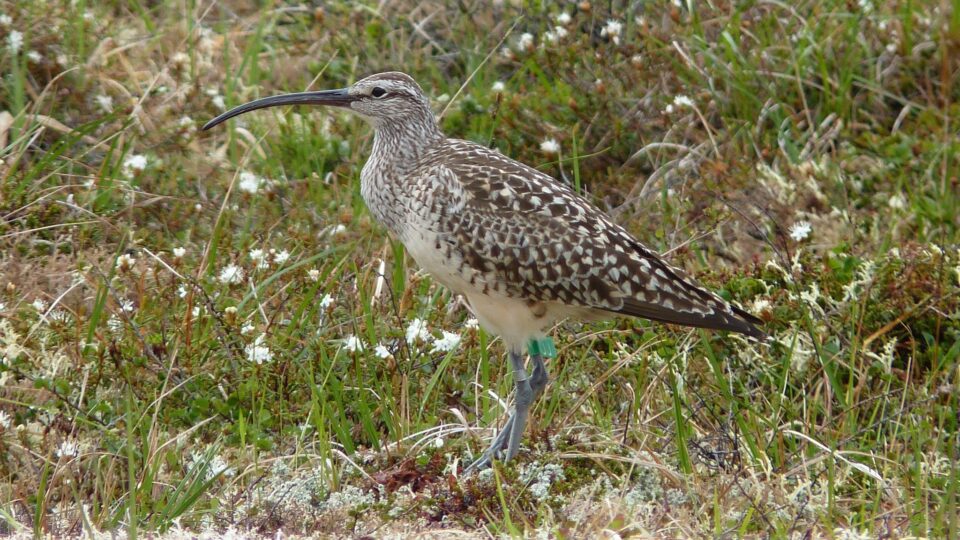
The researchers found that mammals that live for a long time and/or produce less offspring –  like llamas, elephants, bears, and bison – are more climate resilient than small mammals with short lives — like mice, possums, lemmings, and rare marsupials. 

For example, large, long-lived mammals can invest their energy into one offspring, or simply wait for better times if conditions become challenging.  On the other hand, small, short-lived mammals like rodents have more extreme population changes in the short term. In the event of a prolonged drought, large portions of their food base may rapidly disappear, and they are left to starve because they have limited fat reserves.

However, the research team notes that the ability of a species to withstand climate change must not be the only factor when assessing a species’ vulnerability.  In fact, in many cases, habitat destruction, poaching, pollution, and invasive species pose a larger threat to animal species than climate change. 

While the study only examined 157 species, the findings enable researchers to also predict how animals they know less about will react to climate change.

********** 

Web Links

Which animals can best withstand climate change?

Photo, posted July 8, 2018, courtesy of Ray via Flickr.

Earth Wise is a production of WAMC Northeast Public Radio
California Trees Are Dying | Earth Wise

August 19, 2022 By EarthWise Leave a Comment

Climate change is killing California trees

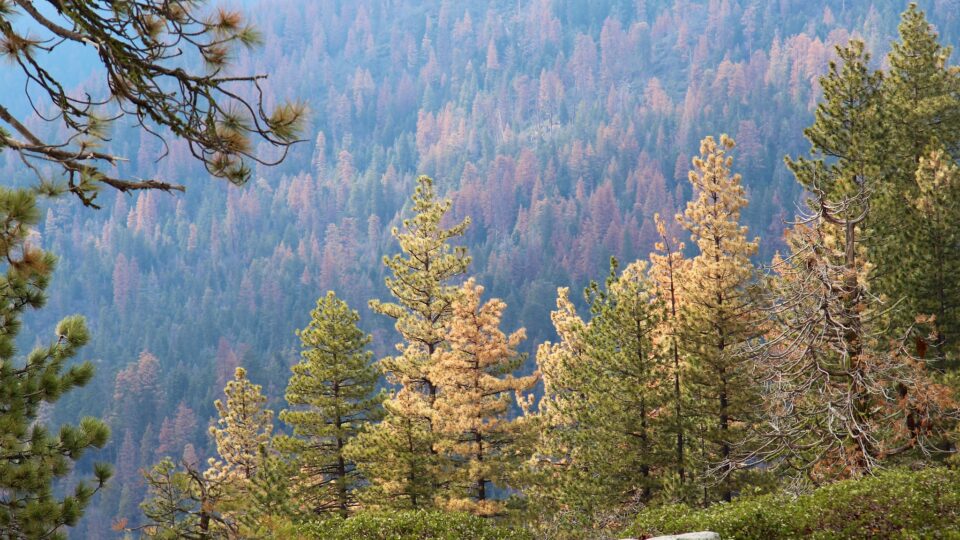
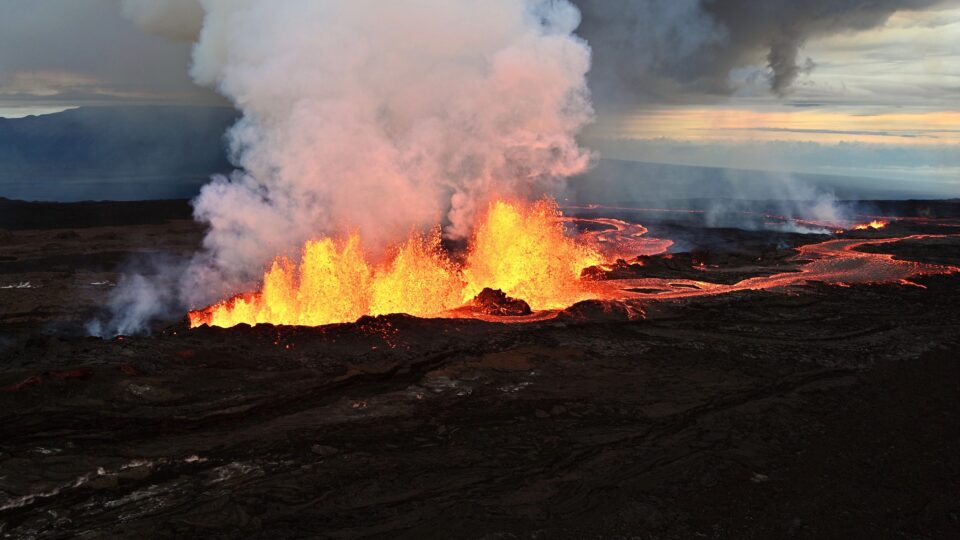
California relies on extensive forests to help reduce the amount of carbon dioxide entering the atmosphere.  But extensive drought and increasingly frequent wildfires have been reducing the state’s tree population for the past three decades.

A comprehensive study by a team of scientists from the University of California Irvine used satellite data to study vegetation changes between 1985 and 2021.  Across the entire state, tree cover area has declined 6.7% over that time period.  The results varied from region to region across the state.

Southern California exhibited the sharpest decline, where 14% of the tree population in local mountain ranges vanished, potentially permanently.  In the Sierra Nevada mountains, tree populations were relatively stable until about 2010.  After that, a severe drought followed by historically large wildfires resulted in a 8.8% die-off of trees.  The northern parts of the state, with higher rainfall and cooler temperatures, fared better, being able to more easily recover from wildfires.

The study goes beyond measuring the tree population of the state and its effects on carbon storage.  The data is also important for understanding how changes in forest cover affects water resources and fire behavior in the state.

The decline of trees in California is affecting the carbon storage abilities of the state.  The satellite survey showed that as the tree populations have dropped, the state’s coverage of shrubs and grasses has risen, possibly indicating that permanent ecosystem shifts are occurring.  The forces contributing to the decline of trees in California are not going away any time soon.  As a result, the threat to California’s ability to mitigate the effects of climate change continues to grow.

**********

Web Links

UCI study: California’s trees are dying, and might not be coming back

Photo, posted March 24, 2016, courtesy of David Fulmer via Flickr.

Earth Wise is a production of WAMC Northeast Public Radio.

Marine Predation And Climate Change | Earth Wise

July 11, 2022 By EarthWise Leave a Comment

Climate change is taking a toll on forests, farms, freshwater resources, and economies all around the world.  But ocean ecosystems remain the center of global warming.

Despite their vast ability to absorb heat and carbon dioxide, oceans are warming.  In fact, according to scientists, the oceans have absorbed 90% of all the warming that has occurred during the past 50 years. 

The ocean’s surface layer, which is home to most marine life, takes most of this heat.  As a result, the top 2,300 feet of global ocean water has warmed approximately 1.5°F since 1901.

Well it turns out that a hotter ocean is also a hungrier ocean.  According to a new study recently published in the journal Science, researchers discovered that predator impacts in the Atlantic and Pacific oceans peak at higher temperatures.  The effects of more intense marine predation could disrupt ecosystem balances that have existed for millennia. 

An international research team led by the Smithsonian Institution and Temple University analyzed predator and prey data collected from 36 sites, running along the Atlantic and Pacific coasts from Alaska in the north to Tierra de Fuego at the tip of South America.  The research team found that, in warmer waters, predators’ more voracious appetites left outsized marks on the prey community.  Total prey biomass plunged in warmer waters when prey were left unprotected.  However, in the coldest zones, leaving prey exposed or protected made nearly no difference at all.  

As the oceans continue to warm, more intense predation will create winners and losers and could jeopardize the overall health of marine ecosystems.  

***********

Web Links

As the ocean heats up hungrier predators take control

Photo, posted July 14, 2017, courtesy of Jonathan Chen via Flickr.

Earth Wise is a production of WAMC Northeast Public Radio.

Fires Are Larger And More Frequent | Earth Wise

May 6, 2022 By EarthWise Leave a Comment

Wildfires are becoming more frequent and larger

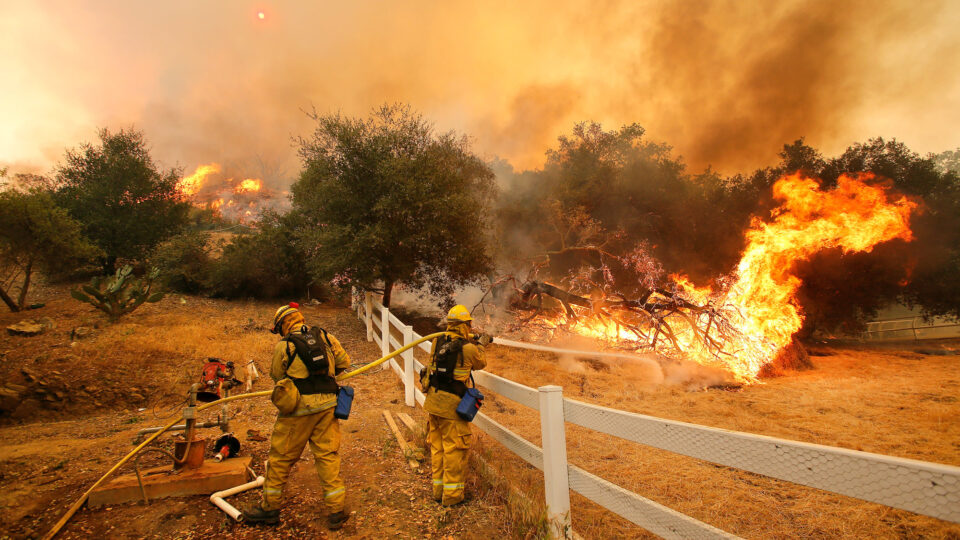
According to a new study by the University of Colorado Boulder, wildfires have gotten much larger and much more frequent across the United States since the year 2000.  The rise in wildfires in recent years has been attributed to the changing climate and the new research shows that large fires have become more common and have been spreading into new areas that previously did not burn.

The researchers analyzed data from over 28,000 fires that occurred between 1984 and 2018 using satellite imagery along with detailed state and federal fire history records.

The results are that there were more fires across all regions of the contiguous U.S. from 2005 to 2018 compared to the previous 20 years.  In the West and East, fire frequency doubled, and in the Great Plains, fire frequency quadrupled.  The amount of land burned each year at least tripled in those regions.

The team discovered that the size of fire-prone areas increased in all regions of the contiguous U.S. in the 2000s, meaning that the distance between individual fires has been getting smaller than it was in previous decades and the fires have been spreading into areas that did not burn in the past.

This comprehensive study confirms what has been assumed by the media, public, and firefighting officials.  The results also align with increasing risk trends such as the growing development of natural hazard zones. Projected changes in climate, fuel, and ignitions suggest that there will be more and larger fires in the future.  More large fires plus intensifying development mean that the worst fire disasters are still to come.

**********

Web Links

U.S. Fires Four Times Larger, Three Times More Frequent Since 2000

Photo, posted May 3, 2013, courtesy of Daria Devyatkina via Flickr.

Earth Wise is a production of WAMC Northeast Public Radio.

Computing With Honey | Earth Wise           

April 28, 2022 By EarthWise Leave a Comment

Using honey in computing devices

Researchers are always working to develop faster and more powerful computers.  Some of them believe that the future of computing lies with neuromorphic computers, which are systems designed to mimic the neurons and synapses found in the human brain.

The human brain has more than 100 billion neurons with more than 1 quadrillion synapses or connections among them.  These numbers far exceed anything people have built.  There have been some neuromorphic computer chips made that have the equivalent of more than 100 million neurons per chip, but this is still far less than the number in the brain.  Despite all its complexity, the brain uses vastly less power than a powerful computer.  Some supercomputers use tens of millions of watts to operate; the brain uses around 10 to 20 watts.

Many researchers are searching for biodegradable and renewable ways to make neuromorphic computing components.  Researchers at Washington State University have demonstrated a way to make them using, of all things, honey.  The honey is used to form a memristor, which is a component similar to a transistor that can both process and store data in memory.  The device uses honey processed into a solid form and sandwiched between two metal electrodes.  The organic device is very stable and reliable over a long time.

So far, these devices are on a micro scale – about the size of a human hair.  The researchers want to develop them on a nanoscale, which is about 1/1000 the width of a human hair, and then bundle many millions or even billions together to make a neuromorphic computing system.  Such a honey-based system would be renewable and biodegradable – which, pardon the pun, would be really sweet.

**********

Web Links

Honey holds potential for making brain-like computer chips

Photo, posted January 28, 2008, courtesy of Dino Giordano via Flickr.

Earth Wise is a production of WAMC Northeast Public Radio.

Spring is Sooner And Warmer In The United States | Earth Wise

April 7, 2022 By EarthWise Leave a Comment

Spring is arriving earlier

Despite some March snowstorms in the Northeast, the record shows that spring is getting warmer and coming sooner in the United States.

The independent research organization Climate Central analyzed 52 years of spring data across the United States.  Half of the 234 locations studied had an increase in their average spring temperatures of at least 2 degrees.  About 70% of the locations had at least 7 extra days above their normal spring temperatures.  About the only part of the country where spring hasn’t gotten much warmer is in the upper Midwest.

Over that time period, the average spring temperature in Albany, NY has increased by 2.1 degrees.  And compared with 1970, there are now 11 more warm spring days in New York’s Capital Region.

Spring warming has been greatest in the Southwest.  The three cities with the largest temperature increases were Reno, Nevada at 6.8 degrees, Las Vegas, Nevada with 6.2 degrees, and El Paso, Texas with 5.9 degrees.

Spring has been arriving early as a result of the warming conditions, cutting into the cold winter months.  While an early spring sounds like nothing but good news, the shift can cause problems.  An early spring and early last freeze can lengthen the growing season.  With it comes the arrival of mosquitoes and pollen and its associated allergy season.

A greater problem is that spring warming can disrupt the timing of ecosystem events.  For example, migratory birds could show up at the wrong time, impacting their food availability and breeding success.

As the overall climate changes, so does the spring.

**********

Web Links

2022 Spring Package

Photo, posted March 20, 2011, courtesy of Suzie Tremmel via Flickr.

Earth Wise is a production of WAMC Northeast Public Radio.

A Historic Western Drought | Earth Wise

April 1, 2022 By EarthWise Leave a Comment

A historic drought in the American west

The American Southwest has suffered from drought conditions since the year 2000.  The drought has reduced water supplies, devastated farmers and ranchers, and it has helped to fuel numerous wildfires across the region.  It has generally been considered to be worst in 500 years.

According to a recent analysis, the drought has become so severe that it has actually led to the driest two decades in at least 1,200 years and the changing climate is largely responsible.  The summer of 2021 was especially dry; about 2/3 of the West was in severe drought conditions.

Scientists at UCLA used tree ring data to gauge drought.  Based on that analysis, 2000-2021 is the driest 22-year period since 800 A.D. which is as far back as the data goes.

The study confirmed the role of temperature, more than precipitation, in driving exceptional droughts.  Precipitation levels can go up and down over time and can vary in different regions.  But the ongoing emissions of greenhouse gases into the atmosphere are causing temperatures to generally rise over time.  Warmer temperatures make the air more capable of pulling water out of the soil, out of vegetation, out of crops, and out of forests.  All of that makes drought conditions more severe.

A megadrought is generally considered to be one that is both severe and long.  But even during one, there can be wet years.  2005 was a notable one.  But there must be enough consecutive wet years to actually end a drought.

Several previous megadroughts over the past 1,200 years lasted as long as 30 years.  So, the current drought is in full swing and may go on for a long time to come.

**********

Web Links

How Bad Is the Western Drought? Worst in 12 Centuries, Study Finds.

Photo, posted September 25, 2021, courtesy of David Sierralupe via Flickr.

Earth Wise is a production of WAMC Northeast Public Radio.

Tree Diversity | Earth Wise

March 4, 2022 By EarthWise Leave a Comment

Scientists estimate the number of tree species on earth

Scientists have estimated that there are more than 8 million species of plants and animals in existence.  Amazingly, only about 1.2 million of them have been identified and described so far and most of those are actually insects.  Millions of other organisms have yet to be discovered.

One would imagine that most of these unknown species are tiny things that are hard to spot or encounter.  But our ignorance of species even applies to trees, which are pretty easy to spot if you encounter them.

A new study involving more than 100 scientists across the globe has produced an estimate of the number of tree species on the Earth.  The new global estimate is that there are 73,000 tree species, which is about 14% more than previously thought.  Based on a combination of data from two global datasets, the study yielded a total of 64,100 documented tree species worldwide.  The researchers then used novel statistical methods to estimate the total number of unique tree species at biome, continental, and global scales, which includes species yet to be discovered and described by scientists.  Therefore, the estimate predicts that there are likely to be over 9,000 tree species still to be found.

Roughly 40% of the undiscovered tree species are likely to be in South America, which is the continent with the highest number of rare tree species and the highest number of continentally endemic tree species – meaning those found only on that continent.  Hot spots of undiscovered tree species are likely the tropical and subtropical moist forests of the Amazon basin and the Andes-Amazon interface.

Extensive knowledge of tree richness and diversity is key to preserving the stability and functioning of ecosystems.

**********

Web Links

Number of Earth’s tree species estimated to be 14% higher than currently known, with some 9,200 species yet to be discovered

Photo, posted November 5, 2017, courtesy of Deensel via Flickr.

Earth Wise is a production of WAMC Northeast Public Radio.

Batteries On Wheels | Earth Wise

December 24, 2021 By EarthWise Leave a Comment

electric vehicles as a battery resource

Transportation accounts for nearly a quarter of the direct carbon dioxide emissions coming from burning fuel.  As a result, electrification of transport is one of the major ways we can reduce emissions.  Increasing the number of electric vehicles over time is essential for meeting emissions targets.

But electric vehicles have the potential to do more than deliver emissions reduction; they can also provide other energy services.

More and more electric cars provide over 200 miles of driving range, but most cars are actually driven no more than 30 miles a day.  As a result, the fleet of electric cars represents a huge bank of energy stored in battery packs and mostly sitting around unused.  This presents an opportunity to leverage this resource.

Car battery packs could be used to absorb excess renewable energy generated in the middle of the day (for example from solar installations) or at night (from wind farms) and potentially then to export stored energy to power homes and support the grid.  This energy system is known as V2G, or vehicle-to-grid technology.

The University of Queensland in Australia has launched a unique international trial to see if the spare battery capacity in vehicles could be used for these purposes.  The university has partnered with Teslascope, which is an online analytics platform used by Tesla owners to track the performance of their cars.  Tesla owners wishing to be part of the study authorize the collection of their data and, in turn, receive a free 12-month subscription to the Teslascope service.  The study will collect data from Tesla owners in Australia, the US, Canada, Norway, Sweden, Germany, and the UK.

**********

Web Links

Can EV spare battery capacity support the grid?

Photo, posted February 8, 2009, courtesy of City of St Pete via Flickr.

Earth Wise is a production of WAMC Northeast Public Radio.

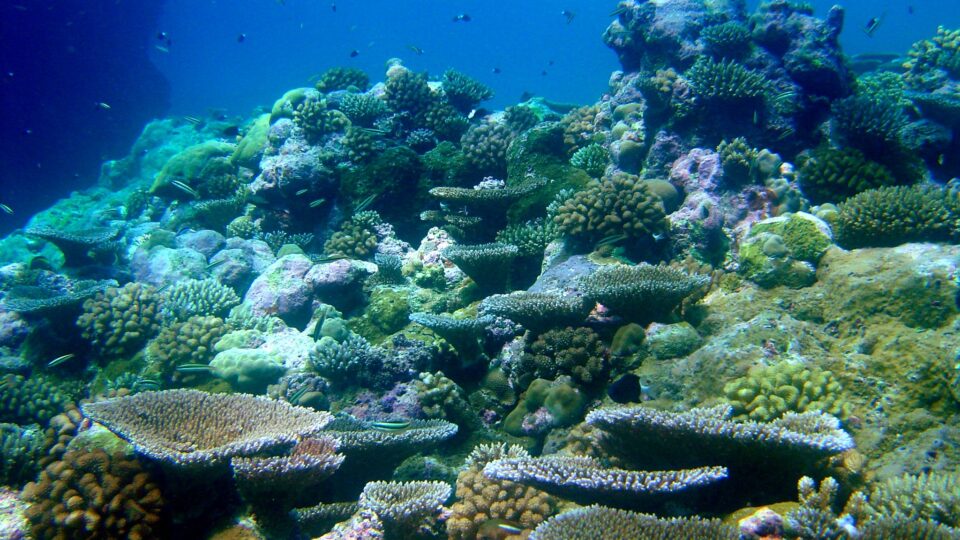
Coral Reefs And Ecosystem Services

October 18, 2021 By EarthWise Leave a Comment

The ecosystem services of coral reefs

A new study led by the University of British Columbia provides the first comprehensive look at what climate change, overfishing, and habitat destruction of coral reefs mean for their ecosystem services.  For humans, this means how the global decline in coral reefs has affected their ability to provide essential benefits including food, livelihoods, and protection from storms.

The study found that global coverage of living corals has declined by about half since the 1950s and the diversity of reef species has declined by more than 60%.  So, it is no surprise that there has been a significant loss in the ability of reefs to provide ecosystem services.

The study analyzed data from coral reef surveys around the world, fisheries catches, indigenous consumption, and more.  Apart from the declines in reef coverage and biodiversity, the study found that fish catches on coral reefs peaked in 2002 and has steadily declined since then, despite increased fishing efforts.

The findings of the study led the researchers to conclude that continued degradation of coral reefs in the years to come threaten the well-being and sustainable development of millions of people in communities on the coast that depend on coral reefs.  Fish and fisheries provide essential nutrients in places with few alternative sources of nutrition.  Coral reef biodiversity and fisheries have added importance for indigenous communities, where important cultural relationships exist with reefs.

The study’s authors say that the results are a call to action.  The level of destruction happening all over the world’s coral reefs is threatening people’s culture, their daily food, and their history.  It is not just an environmental issue; it is a human rights issue.

**********

Web Links

Photo, posted September 22, 2010, courtesy of David Burdick / NOAA Photo Library via Flickr.

XXXXXXXXXXX

  • « Go to Previous Page
  • Page 1
  • Page 2
  • Page 3
  • Page 4
  • Page 5
  • Interim pages omitted …
  • Page 8
  • Go to Next Page »

Primary Sidebar

Recent Episodes

  • An uninsurable future
  • Clean energy and jobs
  • Insect declines in remote regions
  • Fossil fuel producing nations ignoring climate goals
  • Trouble for clownfishes

WAMC Northeast Public Radio

WAMC/Northeast Public Radio is a regional public radio network serving parts of seven northeastern states (more...)

Copyright © 2026 ·