• Skip to primary navigation
  • Skip to main content
  • Skip to primary sidebar

Earth Wise

A look at our changing environment.

  • Home
  • About Earth Wise
  • Where to Listen
  • All Articles
  • Show Search
Hide Search
You are here: Home / Archives for data

data

Making wind turbines safer for birds

September 18, 2024 By EarthWise Leave a Comment

Making wind turbines safer for birds

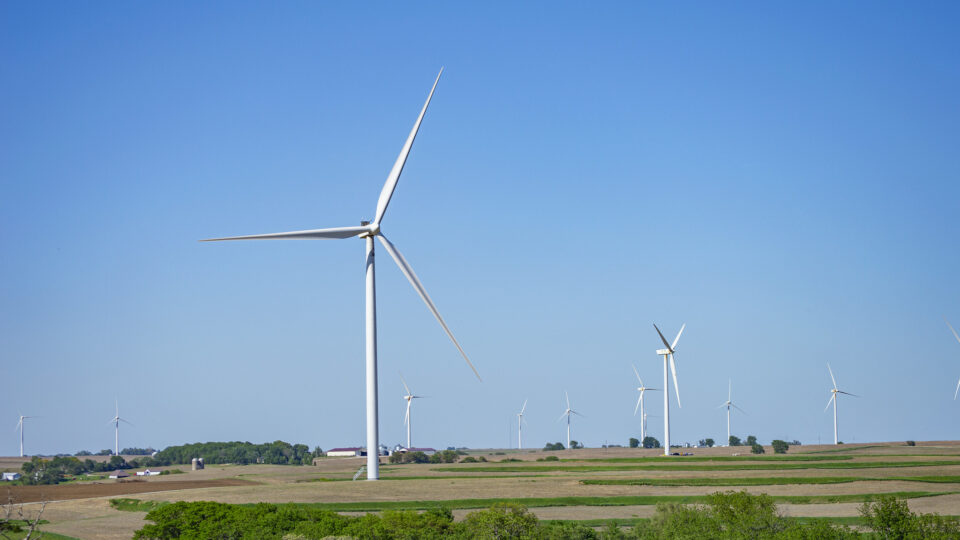
There are people who oppose the installation of wind turbines for a variety of reasons. It is true that wind turbines can be dangerous to birds.  Estimates are that about 250,000 birds are killed flying into wind turbines each year in the U.S.  

However, this data needs to be looked at in comparison to bird deaths from flying into electrical lines (25 million), vehicles (214 million), and building glass (at least 600 million). And even these figures pale in comparison to the more than 2 billion birds killed by domestic cats each year.

Despite these facts, it would still be great if fewer birds died from flying into wind turbines.  Researchers at Oregon State University are part of a team looking at reducing bird collision risks from wind turbines by painting a single blade of the turbine black.

Recent research in Norway found that painting a single turbine blade black reduced the number of bird collisions by nearly 72%.  Why should this work?  The hypothesis is that the black-painted blades disrupt the visual uniformity of the airspace around the turbines and makes them more noticeable to birds, which prompts avoidance behavior.

The Norwegian data is based on a relatively small sample size and the Oregon State researchers as well as others in Spain, Sweden, and South Africa are working on more rigorous and comprehensive studies.

The hope is that this rather simple strategy could make windfarms safer for birds.  Unfortunately, this approach is not likely to be very effective with bats, which rely more on auditory cues rather than visual cues.

**********

Web Links

Scientists studying impact of painting wind turbine blade black to reduce bird collisions

Photo, posted May 21, 2024, courtesy of Roy Harryman via Flickr.

Earth Wise is a production of WAMC Northeast Public Radio
China and carbon emissions

August 22, 2024 By EarthWise Leave a Comment

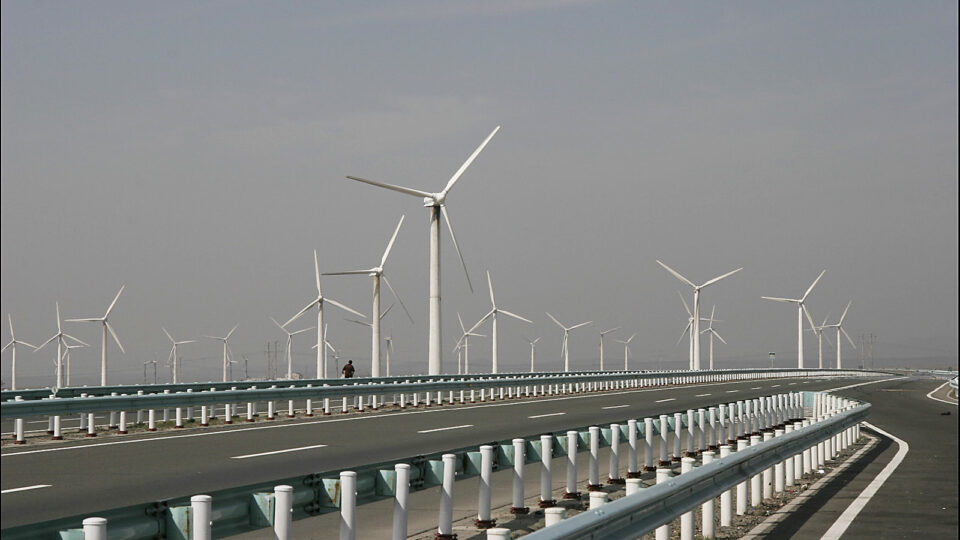
China has been the biggest source of greenhouse emissions for nearly 20 years.  Its emissions surpassed those of the United States in 2006 and its fraction of the world’s emissions is now nearly a third.  Therefore, unless China’s emissions stop growing, the world’s emissions won’t either.

Recent data from China’s government and by energy analysts provides some reasons for optimism.  What is happening is that how China produces its electricity is changing.  Renewable sources are gradually replacing coal.

Last year alone, China installed more solar panels than the United States has in its entire history.  Nearly two-thirds of utility-scale wind and solar plants under construction are in China.  According to a report from Global Energy Monitor, China is developing more than eight times the wind and solar capacity currently being planned for the US.

Despite all this progress, China still generates 53% of its electricity from coal.  While this is the lowest share reported since its government began publishing energy data decades ago, it is still a major source of carbon emissions.  China is responsible for two-thirds of the world’s newly operating coal plants and still plans to build many more.  China accounts for about 60% of the world’s coal use.

China is investing heavily in pumped-storage hydropower along with its massive efforts in solar and wind power.  But if it is to meet existing and proposed new commitments to reduce emissions, it will need to be much more aggressive in reducing its dependence on coal.  Current predictions are that China’s emissions may soon no longer be increasing.  But what is needed is for them to start dropping and the sooner the better.

**********

Web Links

Why the Era of China’s Soaring Carbon Emissions Might Be Ending

Photo courtesy of Mike Locke via Flickr.

Earth Wise is a production of WAMC Northeast Public Radio
Expanding solar and wind in the U.S.

August 20, 2024 By EarthWise Leave a Comment

Solar and wind power are expanding in the United States

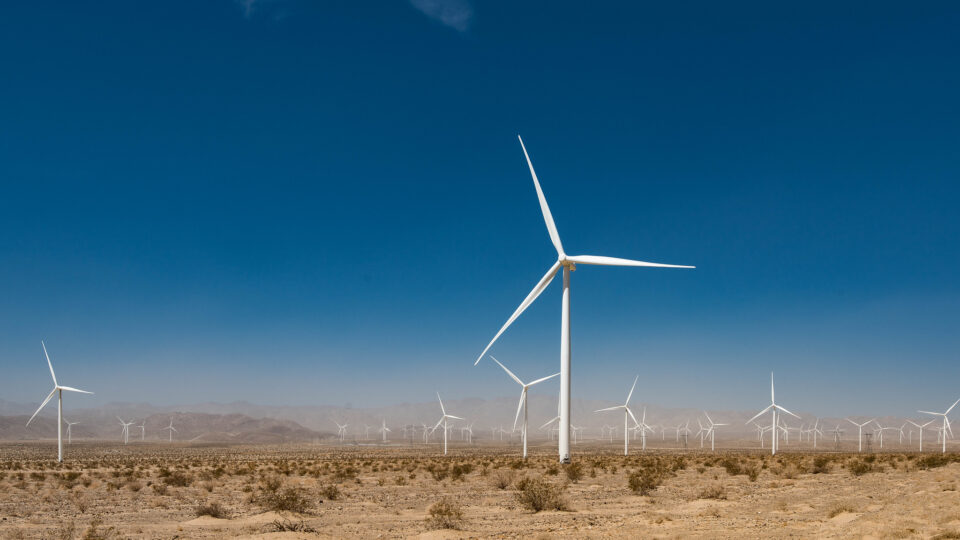
According to new data from the Federal Energy Regulatory Commission, solar and wind now make up more than 20% of the total US electrical generating capacity.  Adding up all renewable energy sources – which also include biomass, geothermal, and hydropower – renewable energy is now nearly 30% of the total electrical generating capacity in this country.

During the first five months of 2024, 10.669 gigawatts of solar and 2.095 gigawatts of wind power came online.  There were also 212 megawatts of hydropower and 3 megawatts of biomass added to generating capacity.  All told, renewables constituted 89.91% of new generating capacity added this year.  This does not include 1.1 gigawatts of nuclear power added at the Vogtle-4 reactor in Georgia. 

Solar power is booming.  The amount added this year was more than double the amount added over the same period last year.  Solar has been the largest source of new generating capacity for nine months straight.  Wind was the second largest.

About one-third of US solar capacity is in the form of small-scale – that is, rooftop – solar.  The statistics quoted in this report do not take that into account.  If it was included, solar plus wind would be closer to 25% of the US total.

Predictions are that over the next three years, nearly 90 gigawatts of additional solar power will be added to the grid as well as 23 gigawatts of wind power.  Over that period, coal, natural gas, and oil are projected to shrink by more than 20 gigawatts.

**********

Web Links

Solar and wind now make up more than 20% of US electrical generating capacity

Photo, posted October 28, 2016, courtesy of Daxis via Flickr.

Earth Wise is a production of WAMC Northeast Public Radio
Wildfires and carbon storage

August 14, 2024 By EarthWise Leave a Comment

Wildfires impacting carbon storage potential

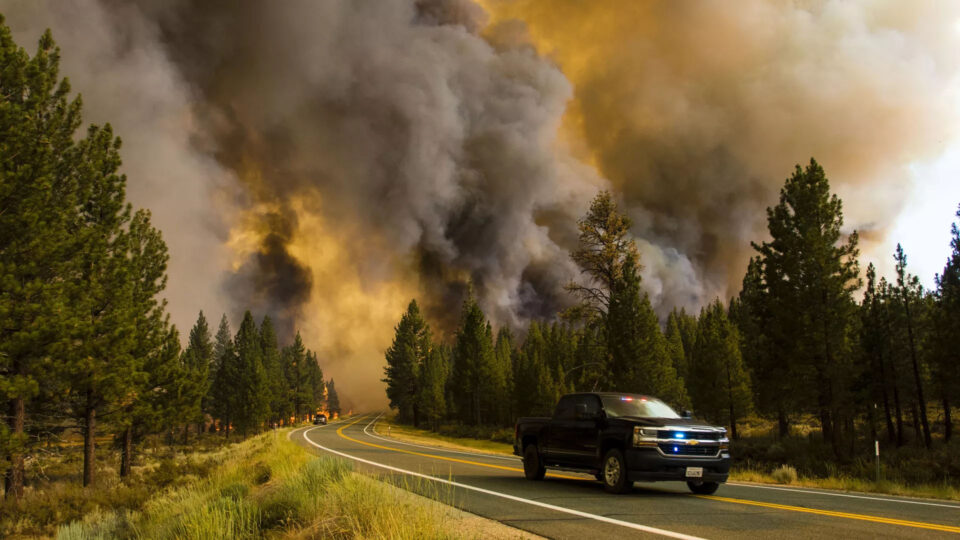
Forests are known to be a key natural solution to the increasing amounts of carbon dioxide in the atmosphere.  For this reason, there are widespread efforts to plant more trees around the world and to prevent increasing deforestation for development and agriculture.  But a new study has highlighted the fact that wildfires in the western US are degrading the potential for forests to help curb climate change.

The study has established a baseline for how much carbon is currently stored in Western forests, how that amount is changing, and how fires and droughts are affecting the ability of the forests to mitigate climate change.

The study made use of survey data collected by the US Forest Service to estimate how much carbon is stored in 19 ecoregions across the West.  These ecoregions range from hot and dry areas in the Southwest to the wet and cool regions of the Pacific Northwest.

The study reveals that the carbon stored in living trees declined across much of the Western US between 2005 and 2019.  Carbon stored in dead trees and woody debris increased.  These things do not provide long-term carbon storage.  Instead, they release it back into the atmosphere through decomposition or combustion in forest fires.

The increasing frequency and intensity of wildfires, especially since 2020, indicate that the decline in live carbon stored in the forests will become increasingly pronounced.  The result, according to the study’s authors, is that we cannot rely on increasing carbon storage in Western US forests.  It may be possible to increase the stability of carbon storage in the forests with mechanical thinning and prescribed burning, but the carbon carrying capacity of those forests is not likely to be what is needed.

**********

Web Links

Forest carbon storage has declined across much of the Western US, likely due to drought and fire

Photo, posted July 25, 2021, courtesy of Felton Davis via Flickr.

Earth Wise is a production of WAMC Northeast Public Radio

Threats to the Amazon Rainforest

August 1, 2024 By EarthWise Leave a Comment

Brazil has made great progress in reducing deforestation in its Amazon Rainforest.  In 2023, the rate of deforestation in Brazil dropped by 50% over the previous year. This was the result of the efforts by conservation-minded President Luiz da Silva, who replaced Jair Bolsonaro, a big proponent of deforestation.  Da Silva’s government has cracked down on land clearing by farmers and ranchers.

In the first quarter of this year, deforestation decreased by 40% over the previous year’s quarter.   Deforestation levels are the lowest they’ve been in six years, although the amount of forest cleared in the period was still nearly 200 square miles.

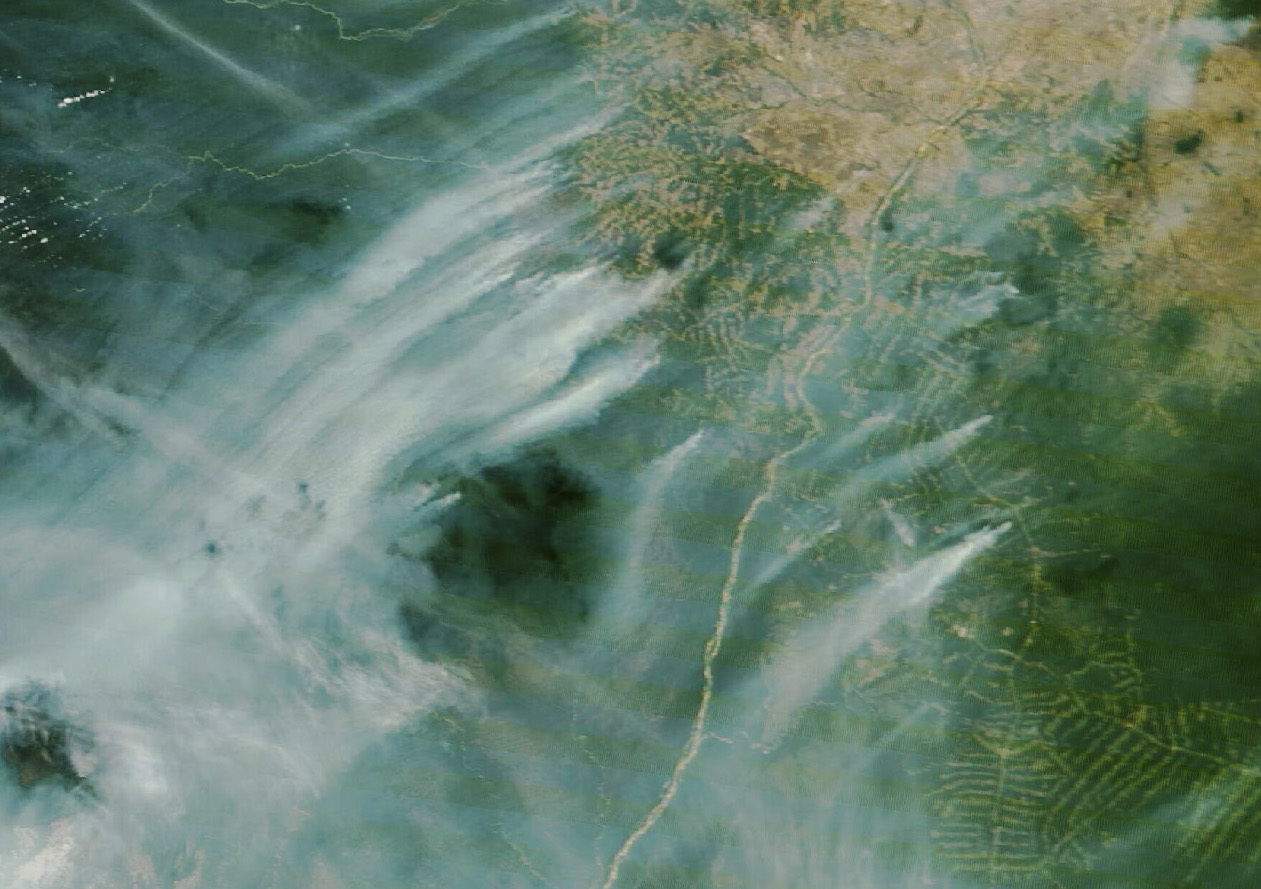
Unfortunately, the Amazon Rainforest is facing another growing threat:  climate change.  Because of pervasive drought and increasing temperatures, the number of wildfires in the region have hit a 20-year high.

According to satellite data from the national space agency, from January through June, Brazil recorded 13,489 wildfires in the Amazon.  That is 61% more fires than during the same period last year.  And the wildfire season has yet to reach its peak, which usually is in August or September.

Many of these fires begin in pastures or recently cleared rainforest, but then spread into the surrounding rainforest areas.  Many are huge fires.  Hundreds of square miles of rainforest have been consumed by fire, comparable in size to the areas deforested by farmers and ranchers.

Going forward, worsening wildfires could reverse the gains being made by the government’s deforestation policies.  This could not only threaten forest protection, but also weaken public support for the government’s commitment to protecting the region.

**********

Web Links

Brazil Is Seeing a Record Number of Wildfires This Year

Photo, posted January 26, 2018, courtesy of Chris Parker via Flickr.

Earth Wise is a production of WAMC Northeast Public Radio
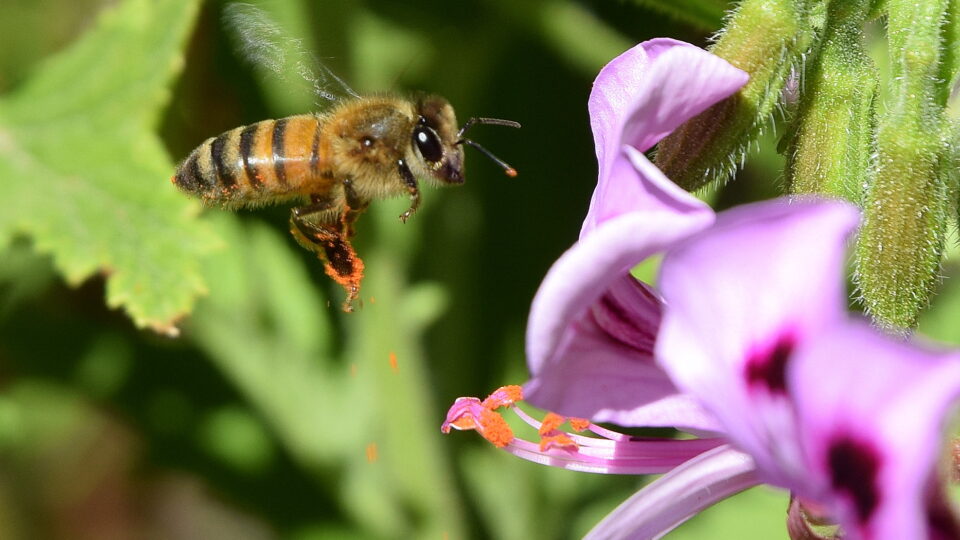
Declining pollinator populations

June 28, 2024 By EarthWise Leave a Comment

Declining pollinator populations in North America

Scientists have been sounding the alarm on the global struggle of pollinators for decades.  Many recent studies have highlighted alarming declines in pollinator populations, sparking concern about the potential negative impacts on ecosystems and agriculture.  Habitat loss, invasive species, and climate change are some of the factors linked to the population declines. But most pollinator research has focused on well-studied species in easily-accessible regions.

In a new study recently published in the journal PLOS One, a research team led by Northern Arizona University compiled data on four major families of bees and butterflies to create species distribution models, allowing them to assess changes over time and space across North America.

The researchers confirmed that bee and butterfly populations are declining in major regions of North America due to ongoing environmental changes, and found that significant gaps in pollinator research limit the ability to protect these species. 

The highest species richness was found along North America’s West Coast –  especially in California. But the models showed a decline in species richness over the past century in western North America.  In contrast, the research team found disproportionate increases in eastern North America.

Comparisons with climate data indicate that the pollinator population changes are at least partly due to the impacts of climate change, including prolonged drought and habitat degradation. 

The study identifies regions of declining populations where officials can prioritize conservation efforts, and highlights how improved monitoring methods could address the knowledge gaps on pollinator populations.

**********

Web Links

Bee and butterfly records indicate diversity losses in western and southern North America, but extensive knowledge gaps remain

Bees and butterflies on the decline in western and southern North America

Photo, posted April 3, 2017, courtesy of Tracie Hall via Flickr.

Earth Wise is a production of WAMC Northeast Public Radio

Palm oil and water quality

June 3, 2024 By EarthWise Leave a Comment

Palm oil is the world’s cheapest and most widely used vegetable oil.  In fact, more than 86 million tons of palm oil was consumed last year alone.  Even though few of us cook with it, palm oil can be found in approximately half of all packaged grocery items – everything from ice creams and pizzas to detergents and cosmetics. 

This massive global demand for palm oil is driving tropical deforestation around the world.  While many studies have shown how converting rainforests to oil palm plantations causes biodiversity loss, researchers from UMass Amherst are the first to demonstrate how these plantations also cause wide-ranging disturbances to nearby watersheds.

In the study, which was recently published in the journal Science of the Total Environment, the research team focused on the Kais River watershed of West Papua, a province in the far east of Indonesia.  Approximately 25% of the watershed has been turned into oil palm plantations. The watershed is also one of the oldest continually inhabited homes for different groups of Indigenous Papuans.

The researchers found that the conversion of tropical rainforest to oil palm plantation has increased precipitation, runoff, and soil moisture. Water quality in the watershed has also gotten dramatically worse: sedimentation has increased by 16.9%, nitrogen by 78.1%, and phosphorus by 144%.

The research team hopes regulators will work to limit the use of pesticides, conduct continuous water quality monitoring, and ensure that downstream communities have access to water quality information. 

**********

Web Links

Oil Palm Plantations Are Driving Massive Downstream Impact to Watershed

Photo, posted December 13, 2008, courtesy of Fitri Agung via Flickr.

Earth Wise is a production of WAMC Northeast Public Radio
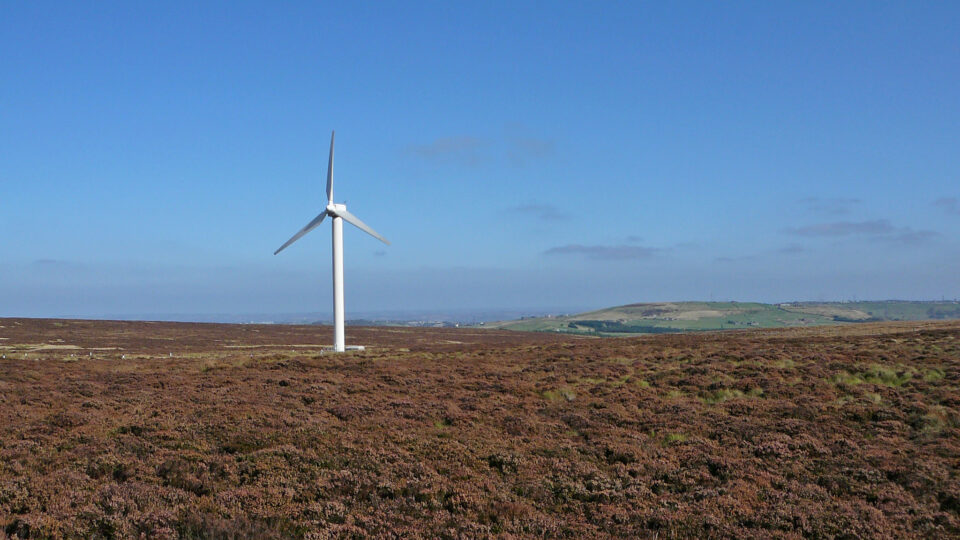
Wind farms and land use

May 20, 2024 By EarthWise Leave a Comment

Analyzing wind power and land use

Wind power has become one of the most affordable ways to generate electricity as well as being renewable and not contributing to global warming.  But there has been the perception that wind farms require a lot of land compared with fossil fuel power plants. This issue of land use has made decision-makers reluctant to invest in wind energy in many instances.

A new study by McGill University in Montreal looked at this issue and has found that land use for wind power is far more efficient than previously thought.  The study combined data from geographic information systems with machine learning models to assess land usage associated with nearly 16,000 wind turbines in the western U.S.

The study assessed the land use of 320 wind farms.  They found that wind power infrastructure (mostly the turbines themselves and the roads that lead to them) typically only uses 5% of the land area of a wind farm.  If the wind farm is sited in locations with existing infrastructure, such as on agricultural land, then it can be as much as seven times more land-efficient – meaning the amount energy produced in a given area of land impacted by the infrastructure – than a wind farm that is developed on unused land.

Previous studies of wind farm land usage assumed that all of the land where the wind farm was located was devoted to energy generation.  In reality, most of land in question is often used for other purposes, such as agriculture.

The methods developed by the researchers are potentially useable for future assessments of various energy technologies in terms of their environmental sustainability.

**********

Web Links

Clearing the air: wind farms more land efficient than previously thought

Photo, posted September 29, 2009, courtesy of Tim Green via Flickr.

Earth Wise is a production of WAMC Northeast Public Radio
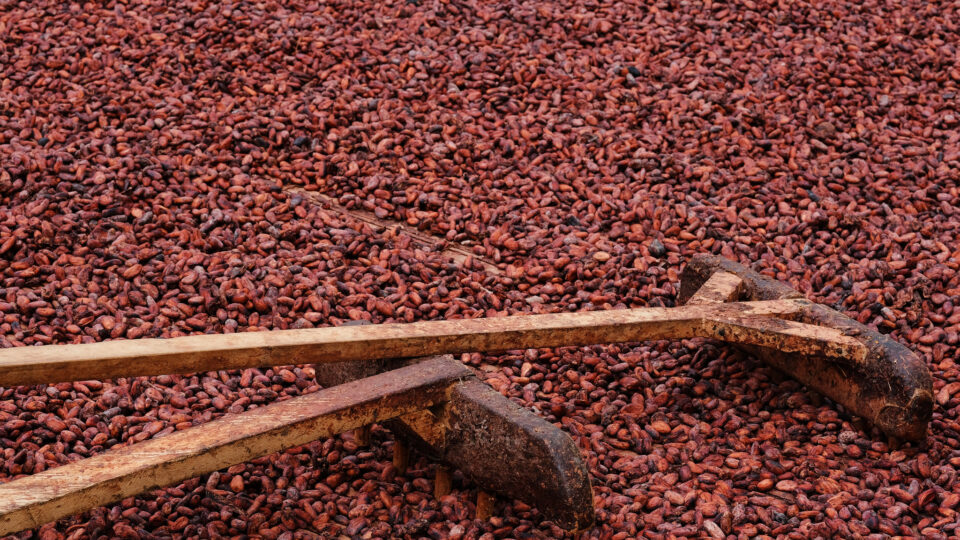
The global chocolate supply is threatened

May 16, 2024 By EarthWise Leave a Comment

The global supply of chocolate is threatened

The world is facing the biggest deficit of cocoa in decades. Most cocoa beans are grown in West Africa, where climate change-induced drought has ravaged crops.  Harvests are forecasted to fall short for the third consecutive year. 

The harvest shortfall has triggered a steep rise in cocoa prices.  In fact, cocoa prices have more than doubled in the first four months of this year, and have more than tripled in the past 12 months.

But drought isn’t the only threat:  A rapidly spreading virus is also threatening the future of chocolate.   

Approximately half of the world’s chocolate originates from cacao trees in Ghana and the Ivory Coast.  The Cacao Swollen Shoot Virus Disease is spread by small insects called mealybugs, which eat the leaves, buds, and flowers of cacao trees.  The virus is attacking cacao trees in Ghana, resulting in harvest losses of 15-50%. 

Pesticides don’t work well against mealybugs.  Farmers can vaccinate trees to inoculate them from the virus.  But the vaccines are expensive, and the vaccinated trees produce a smaller harvest of cacao.

According to a new paper recently published in the journal PLOS ONE, an international team of researchers has developed a new strategy to combat these pests: using mathematical data to determine how far apart vaccinated trees need to be planted in order to stop mealybugs from hopping from tree to tree.  The researchers developed two models that allow farmers to create a defensive ring of vaccinated trees around unvaccinated trees

The research team hopes its models will help farmers protect their crops and achieve better harvests in the future. 

**********

Web Links

Cacao sustainability: The case of cacao swollen-shoot virus co-infection

Will rising cocoa prices trigger a chocolate crisis?

Photo, posted April 1, 2019, courtesy of Konrad Lembcke via Flickr.

Earth Wise is a production of WAMC Northeast Public Radio

Major species turnover forecasted for North American cities

May 2, 2024 By EarthWise Leave a Comment

Major species turnover is forecasted for cities in North America

Climate change affects animal species in many ways.  It induces habitat loss, disrupts migration and breeding patterns, threatens marine life, and facilitates an increased spread of disease.  It may also affect where animals can be found in the future. 

According to a new study led by researchers from the University of Toronto Mississauga and Apex Resource Management Solutions in Canada, climate change may dramatically affect the animal species observed in North American cities by the end of the century.

The researchers used species distribution data combined with machine learning to study the impact of human-caused climate change on more than 2,000 animal species historically found in the 60 most populous North American cities. 

According to the research team, changes in biodiversity are brewing for almost every city it studied by the year 2100.  In fact, cities with a rich history of biodiversity are predicted to have the largest declines and fewest gains in species. Cooler and wetter cities like Quebec, Ottawa, Winnipeg, Kansas City, and Omaha are expected to welcome the most new species.  Warmer cities with higher precipitation – like cities in coastal California – are projected to lose the most species. 

More than 95% of bird and insect species are predicted to experience a change in the number of cities they call home.  Canines, most amphibians, and aquatic birds are expected to experience the greatest losses.  Toads, turtles, mice and pelicans are projected to become more common overall. 

The researchers hope their findings will encourage more efforts to protect biodiversity.

**********

Web Links

North American cities may see a major species turnover by the end of the century

Photo, posted September 29, 2013, courtesy of Jonathan Kriz via Flickr.

Earth Wise is a production of WAMC Northeast Public Radio
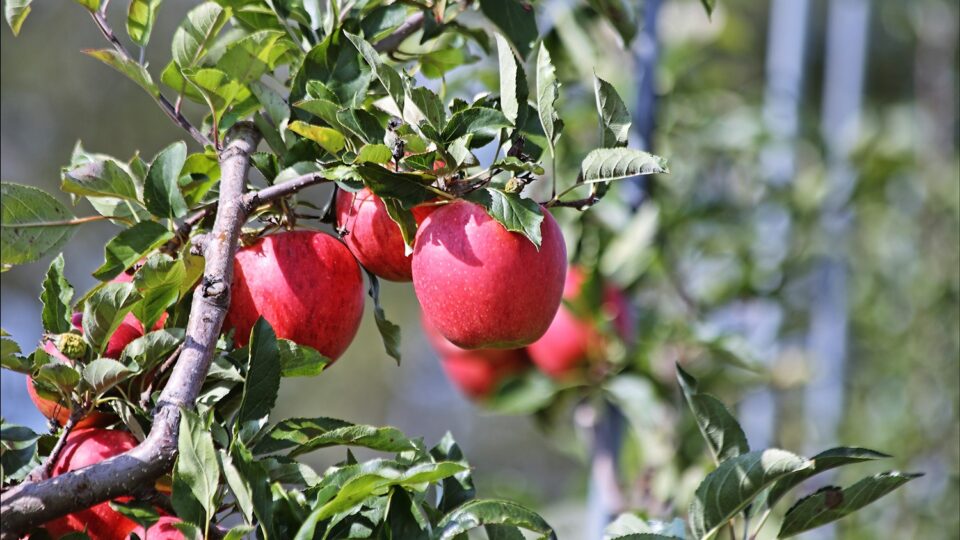
Cyber protection for apple orchards

April 2, 2024 By EarthWise Leave a Comment

How best to protect apple orchards as weather changes

Spring frosts represent a real danger for apple orchards.  The changing climate has brought about periods of unusually warm weather at times early in the year that have caused trees and other flowering plants to bloom early.  For apple growers, this has made their orchards more susceptible to the damaging effects of extreme cold events.

Apple growers attempt to prevent this damage by heating the canopies of their orchards, but these efforts tend to be inefficient.  Applying heat is one of the most effective methods to prevent apple flower bud damage, but it is difficult to determine when and where to apply heat in orchards.

Researchers at Penn State University have developed a frost-protection cyber-physical system that autonomously makes heating decisions based on real-time temperature and wind-direction data.  Their system includes a temperature-sensing device, a propane-fueled heater that adjusts the direction where it provides heat, and an unmanned ground vehicle that moves the system through an apple orchard.

The results of tests of the system were published in the journal Computers and Electronics in Agriculture, and the findings show that it greatly reduced damage to apple tree buds in tests conducted at low temperatures, doubling or tripling the amount of time that trees were protected.

The equipment used for the study mostly consisted of off-the-shelf parts and cost about $5,000, most of which was for the vehicle.   The researchers envision that even a very large orchard could be protected by multiple units guided by an aerial drone monitoring canopy temperatures. Further research will aim to bring the technology to point where it can enter the marketplace and be available to apple growers.

**********

Web Links

Cyber-physical heating system may protect apple blossoms in orchards

Photo, posted September 6, 2017, courtesy of Sue Thompson via Flickr.

Earth Wise is a production of WAMC Northeast Public Radio
The East Coast is sinking

March 11, 2024 By EarthWise Leave a Comment

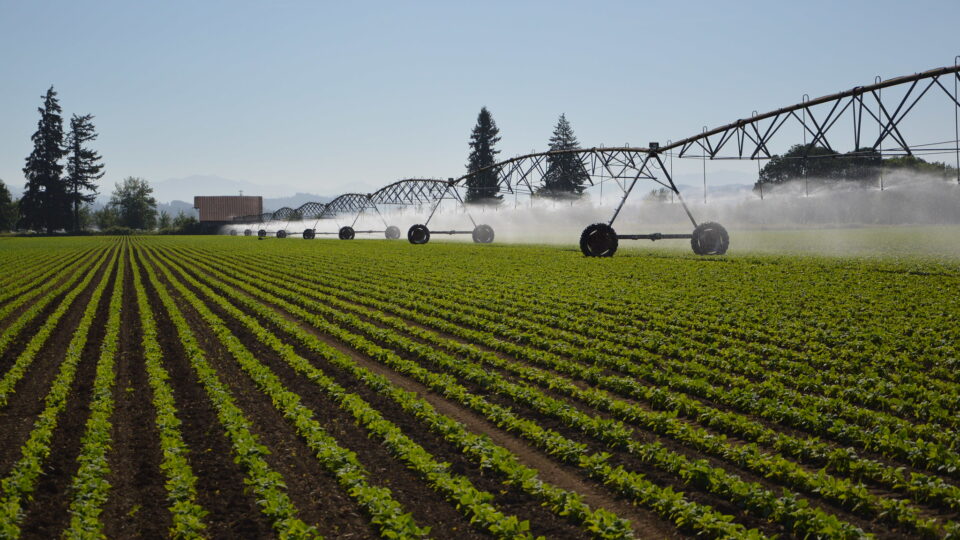
Most of the world’s largest cities are located in coastal regions and coastal regions are on the front lines of the climate crisis.  Human populations continue to migrate towards low-elevation coastal areas at the same time that sea level rise is accelerating.  Coastal communities worldwide are increasingly vulnerable to the dangers of flooding and erosion.  With these hazards occupying a great deal of attention, there has been less attention paid to the dangers of land subsidence.

A recent study by researchers at Virginia Tech and the US Geological Survey using satellite data shows that parts of America’s east coast are sinking, and the culprit is the withdrawal of too much water from the aquifers beneath these coastal areas.

A series of overlapping aquifers extends all the way from New Jersey to Florida along the coast, providing a reliable source of water for drinking, irrigation, and industrial uses.  Even though these areas get regular rainfall, the deeper aquifers can take hundreds or even thousands of years to refill once water is pumped out.  Once water is removed, soils can compress and collapse, causing the land surface to sink.

Cities that were built on drained marshland or on fill soil are especially vulnerable to compaction. 

Seal level rise is slow, but it is insidious and continuous.  Add land subsidence to the mix and effects multiply.  Places like Boston, New York, Washington DC, Roanoke, Savannah, Jacksonville, and Miami, among others, all are increasingly vulnerable to these coastal hazards.  The combined effects of sea level rise and subsidence may even triple the prospects for flooding areas over the next few decades.

**********

Web Links

As Aquifers Are Depleted, Areas Along The East Coast Of The US Are Sinking

Photo, posted August 7, 2015, courtesy of Tracy Robillard / NRCS Oregon via Flickr.

Earth Wise is a production of WAMC Northeast Public Radio

Global groundwater depletion

March 4, 2024 By EarthWise Leave a Comment

Groundwater is found underground in aquifers and it bubbles up naturally into springs, streams, and rivers.  It’s also often pumped out for use by people. 

Researchers from UC Santa Barbara have conducted the largest assessment of groundwater levels across the globe, spanning 170,000 wells and nearly 1,700 aquifers across more than 40 countries. The team compiled and analyzed data, including 300 million water level measurements taken over the past 100 years.

In the study, which was recently published in the journal Nature, the researchers found that groundwater is rapidly declining across the globe, often at accelerating rates.  In fact, they found that groundwater is dropping in 71% of the aquifers studied.  The rates of groundwater decline observed in the 1980s and ’90s sped up from 2000 to the present, highlighting how a bad problem became even worse. 

But there are some reasons to be optimistic.  That’s because in 16% of the aquifers studied, the researchers found that the rate at which groundwater levels are falling in the 21st century had slowed down compared to the 1980s and ‘90s.  The research team highlighted specific success stories in Thailand, Arizona, and New Mexico, where groundwater has begun to recover after interventions to better regulate water use or redirect water to replenish depleted aquifers.

While groundwater depletion isn’t inevitable, the researchers stress that aquifer recovery will require interventions.  They hope this study will help scientists, policy makers, and resource managers better understand the global dynamics of groundwater. 

**********

Web Links

Global groundwater depletion is accelerating, but is not inevitable

Photo, posted October 4, 2016, courtesy of Deborah Lee Soltesz / Coconino National Forest via Flickr.

Earth Wise is a production of WAMC Northeast Public Radio
Why are bees making less honey?

February 8, 2024 By EarthWise Leave a Comment

Honey bees are making less honey in the United States

Scientists have been sounding the alarm on the global struggle of pollinators for a long time.  According to the United Nations, nearly 35% of the invertebrate pollinator species, such as bees and butterflies, are facing extinction. And since 75% of the world’s food crops depend on pollination to some extent, the decline of pollinators poses a major threat to global food security.

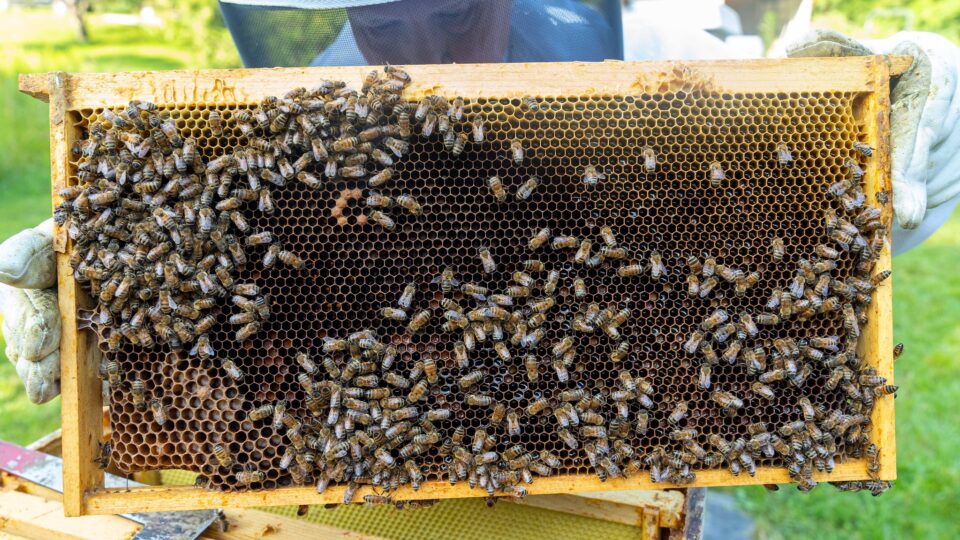
Honey bees are among the struggling pollinators.  Honey bee colonies in the United States have experienced annual population declines since 2006.  But in addition to there being fewer bees, the bees that remain are also making less honey.  In fact, honey yields in the United States have been declining since the 1990s. 

A new study by researchers from Penn State University has solved some of the mystery.  Using five decades of data across the United States, the research team analyzed the factors that could be affecting the number of flowers growing in different regions, which, in turn, affects the amount of honey produced by bees. 

In the study, which was recently published in the journal Environmental Research, the scientists found that climate conditions and soil productivity were two of the biggest factors in estimating honey yields.  States in both warm and cool regions produced higher honey yields when they had productive soils.  These two factors set a baseline production level of honey, while herbicide use, weather, and land use changes influenced how much honey was produced in a given year. 

The study’s findings  provide valuable insights that should help beekeepers, growers, and land managers better support honey bees.

**********

Web Links

Why are bees making less honey? Study reveals clues in five decades of data

Photo, posted August 30, 2021, courtesy of Brandon O’Connor / NRCS via Flickr.

Earth Wise is a production of WAMC Northeast Public Radio
Lower carbon emissions in the U.S.

February 7, 2024 By EarthWise Leave a Comment

Carbon emissions in the United States are slowly falling

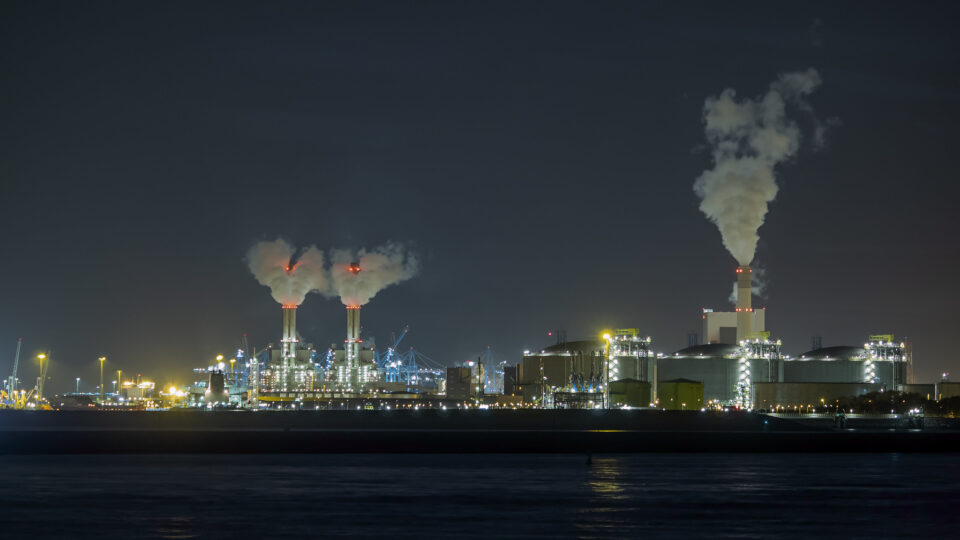
American greenhouse gas emissions in 2023 fell by 1.9%.  In total, U.S. emissions have now fallen by over 17% since 2005.  The largest factor in the decline has been the reduction in the burning of coal to produce electricity.  Coal-fired generation has fallen to its lowest level in half a century.

There was a huge drop in emissions at the start of the covid pandemic when large segments of the economy shut down.  But then there was a sharp rebound in emissions in the following two years when economic activity resumed.  But over the long term, American emissions have been trending downward as both cars and power plants have become cleaner and greener.

The decline in emissions is a good thing but hasn’t been nearly enough to meet the nation’s goals for trying to slow down global warming.  The U.S. has a goal of reducing emissions by 2030 to half of the 2005 level.  To achieve that goal, annual emissions would have to fall more than three times faster than they did last year for the rest of the decade.

The emissions data used for the current assessment included those from transportation, electricity generation, industry, and buildings.  It did not include pollution from agriculture, which accounts for about 10% of the nation’s greenhouse gases.

The 2022 Inflation Reduction Act provided record amounts of money for low-emissions technologies like solar panels, wind turbines, nuclear reactors, electric vehicles, and hydrogen fuels.  The full impact of these federal investments has yet to be seen, since many companies are still ramping up their efforts in clean energy.  How quickly emissions will fall as these efforts come to fruition remains to be seen.

**********

Web Links

U.S. Carbon Emissions Fell in 2023 as Coal Use Tumbled to New Lows

Photo, posted May 17, 2020, courtesy of Frans Berkelaar via Flickr.

Earth Wise is a production of WAMC Northeast Public Radio
Who wins: Wind or solar?

November 27, 2023 By EarthWise Leave a Comment

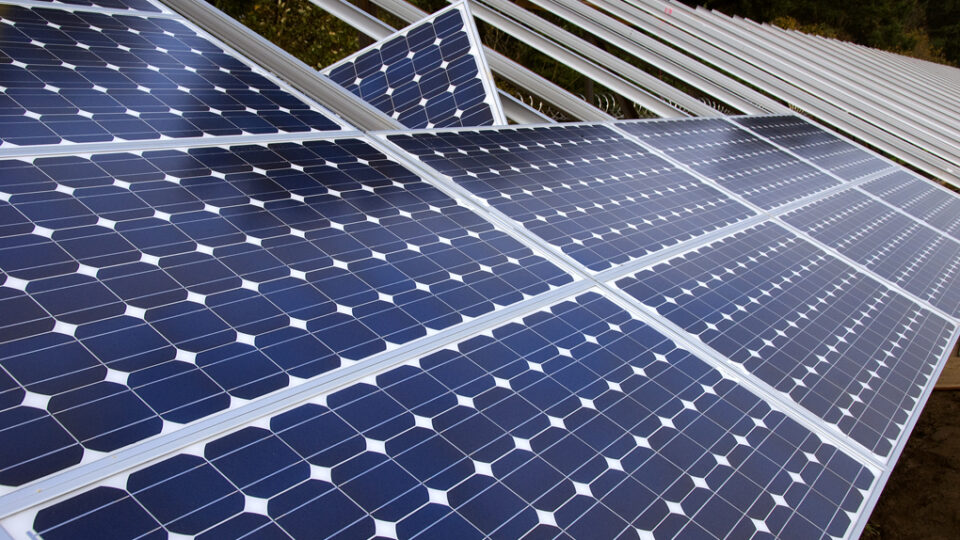
A new study by the University of Exeter in the UK suggests that the world may have crossed a tipping point that will inevitably make solar power our main source of energy.  This data-driven model of technology seems to fly in the face of the current situation in which wind power contributes considerably more generation than solar power – by a factor of 3 in the U.S. and nearly double worldwide.

Wind and solar power both have advantages and disadvantages.  Solar power is quiet, requires little maintenance, and presents little danger to wildlife.  It is also practical for individual homes.  Residential wind power is not really a viable option for most people in most places.  But on the other hand, wind energy can produce more power than solar, can work both day and night, and can be located offshore far away from people.  On land, both wind and solar power take up lots of space and compete with other land use needs as well as countering people’s aesthetic preferences.

Both technologies continue to get cheaper over time, although solar has especially seen significant cost reductions.  The cost of solar power, which is already the cheapest form of electricity production, is estimated to fall to as low as $20 per megawatt hour over time from the current level of $40 per megawatt hour.

Wind and solar energy are on track to account for more than a third of the world’s electricity by 2030, according to the Rocky Mountain Institute.  Despite the predictions of various studies and the ambitions of specific technologies, it seems likely that wind and solar power will both play an expanding role in our energy systems for a long time to come.

**********

Web Links

World may have crossed solar power ‘tipping point’

Photo, posted November 22, 2008, courtesy of Oregon Department of Transportation via Flickr.

Earth Wise is a production of WAMC Northeast Public Radio

Deadly Heatwaves On The Rise | Earth Wise

September 20, 2023 By EarthWise Leave a Comment

Deadly heatwaves are increasing as climate change ramps up

The European heatwave in the summer of 2003 resulted in at least 30,000 deaths with more than 14,000 in France alone. At the time, such a heatwave was considered to be a once-in-a-hundred-year event. But the warming climate is dramatically changing the odds for deadly heatwaves.

A new study by the ETH Institute in Zurich has found that the risk of fatal heatwaves has risen sharply over the past 20 years, and in the future, such extreme weather will become more frequent and heat-related excess mortality will increase, particularly in Europe.  According to a paper published in Nature Medicine, more than 61,000 deaths in Europe could be blamed on the heat during the summer of 2022, which was the hottest summer on record for the continent.  When the readings from this summer are analyzed, that record is likely to be surpassed.

Heatwaves lead to excess deaths due to dehydration, heat stroke, and cardiovascular collapse.  They are particularly deadly for the elderly, the sick, and the poor.  The ETH researchers analyzed comprehensive data from 748 cities and communities in 47 countries.   They determined the relationship between increased temperature and excess mortality.  Their models look at how excess mortality would develop with an average global temperature increase of 0.7 degrees Celsius (the value in 2000), 1.2 degrees (the value in 2020), and both 1.5 degrees (the limit sought by the Paris Agreement) and 2 degrees.

Even with the current global temperature, heatwaves that were a once-in-a-century event are now expected to occur every 10 years.  With 2 degrees of warming, such heatwaves could happen every 2 to 5 years.

**********

Web Links

Heatwaves are becoming more frequent and more deadly

Photo, posted July 22, 2009, courtesy of Matt McGee via Flickr.

Earth Wise is a production of WAMC Northeast Public Radio

Top Fish Predators And Climate Change | Earth Wise

September 12, 2023 By EarthWise Leave a Comment

Climate change is taking its toll on forests, farms, freshwater sources, and the economy, but ocean ecosystems remain the epicenter of global warming.  In fact, oceans have absorbed more than 90% of the excess heat from greenhouse gas emissions since the 1970s.

As a result, many marine fish species are responding to ocean warming by relocating towards the poles.  According to new research recently published in the journal Science Advances, climate change is causing widespread habitat loss for some of the ocean’s top fish predators, driving these species northward.

The research team studied 12 species of highly migratory fish predators, including sharks, tuna, and billfish, such as marlin and swordfish, inhabiting the Northwest Atlantic Ocean and the Gulf of Mexico.  These two regions are undergoing rapid changes in sea surface temperatures, and are among the fastest warming ocean regions on earth.

The research, which was led by researchers from Woods Hole Oceanographic Institution in Massachusetts, with collaboration from San Diego State University, NOAA, and several other U.S. institutions, found that most species will encounter widespread habitat losses by 2100.  Some species could lose upwards of 70% of suitable habitat by that year.  Areas offshore of the Southeast United States and Mid-Atlantic coasts were identified as likely hotspots of multi-species habitat loss. 

According to the researchers, strategies for managing fish have historically been static. But marine systems need to be treated as dynamic and changing.  This study helps provide the scientific data needed for marine conservation and fisheries management efforts.

**********

Web Links

Top fish predators could suffer wide loss of suitable habitat by 2100 due to climate change

Photo, posted March 18, 2015, courtesy of Kenneth Hagemeyer via Flickr.

Earth Wise is a production of WAMC Northeast Public Radio

Beaver Believers | Earth Wise

August 18, 2023 By EarthWise Leave a Comment

Believing in beavers as ecosystem engineers

Beavers are ecosystem engineers based on their ability to construct dams and create ponds.  By doing so, they create wetland habitat for other species.  They create biodiversity by allowing plant species to emerge in new places as they clear out existing trees and other plants.  Beavers improve water quality and their dams store water during droughts.  Their handiwork minimizes flood risk and mitigates flooding impacts.

Before beavers were widely trapped, there were beaver dams just about everywhere in the American west.  Now beaver rewilding is trying to restore many western ecosystems. In places like Idaho, ranchers have gone from seeing beavers as a nuisance to actually recruiting them onto their land.  One cattle rancher began stream restoration on his land with beaver rewilding in 2014.  By 2022, he was a firm “beaver believer”.  There are now over 200 beaver dams along Birch Creek near Preston, Idaho, and the stream now flows 40 days longer into the year.

NASA has established a team to investigate the extent to which beavers can have an outsized and positive impact on local ecosystems.  The team is using NASA’s Earth Observation satellites to observe the effects beavers are having.  Satellites can collect data from large areas and can pass over the same areas regularly and across seasons.  The goal is to support people on the ground who are implementing beaver rewilding efforts to increase water availability and to increase habits for fish and other species.  NASA’s project will run through 2025 and it plans to expand it to other states with similar terrain and water management strategies.

**********

Web Links

Researchers Become “Beaver Believers” After Measuring the Impacts of Rewilding

Photo, posted February 23, 2021, courtesy of Deborah Freeman via Flickr.

Earth Wise is a production of WAMC Northeast Public Radio

The Upper Atmosphere Is Cooling | Earth Wise

June 26, 2023 By EarthWise Leave a Comment

The upper atmosphere is cooling

The part of the atmosphere closest to the Earth’s surface has been warming since the Industrial Revolution.  This warming is associated with increasing amounts of carbon dioxide as well as other human-made chemicals that have been changing the makeup of the atmosphere. Climate change is generally thought about in terms of the lowest regions of the atmosphere – known as the troposphere – where our weather happens.

But climate models also predict that another result of the changes to the makeup of the atmosphere is that most of the atmosphere up higher will get dramatically colder.  The same gases that are warming the bottom few miles of air are cooling the much greater expanses above that extend to the edge of space.

Recent satellite data has confirmed the accuracy of these models and provide further confirmation of the human fingerprint of climate change. The natural variability of weather that complicates climate models does not play a role in the upper atmosphere.

In the higher levels of the atmosphere, the effects of increasing levels of carbon dioxide are quite different.  In the thinner air up there, the heat trapped and re-emitted by CO2 does not bump into other molecules creating warming.  Instead, it escapes to space.  Combined with the trapping of heat at lower levels, the result is a rapid cooling of the upper atmosphere.

There are potential problems associated with the cooling upper atmosphere including that it is contracting.  The result is that the crowd of manmade objects in low orbit remains there longer, and there is a potential increased degradation of the ozone layer. 

The changes we are making to the atmosphere are having significant effects from the surface of the earth to the edge of space.

**********

Web Links

The Upper Atmosphere Is Cooling, Prompting New Climate Concerns

Photo, posted August 18, 2021, courtesy of Arek Socha via Flickr.

Earth Wise is a production of WAMC Northeast Public Radio
  • « Go to Previous Page
  • Page 1
  • Page 2
  • Page 3
  • Page 4
  • Interim pages omitted …
  • Page 8
  • Go to Next Page »

Primary Sidebar

Recent Episodes

  • An uninsurable future
  • Clean energy and jobs
  • Insect declines in remote regions
  • Fossil fuel producing nations ignoring climate goals
  • Trouble for clownfishes

WAMC Northeast Public Radio

WAMC/Northeast Public Radio is a regional public radio network serving parts of seven northeastern states (more...)

Copyright © 2026 ·