corn

Mass Production Of Biodegradable Plastic
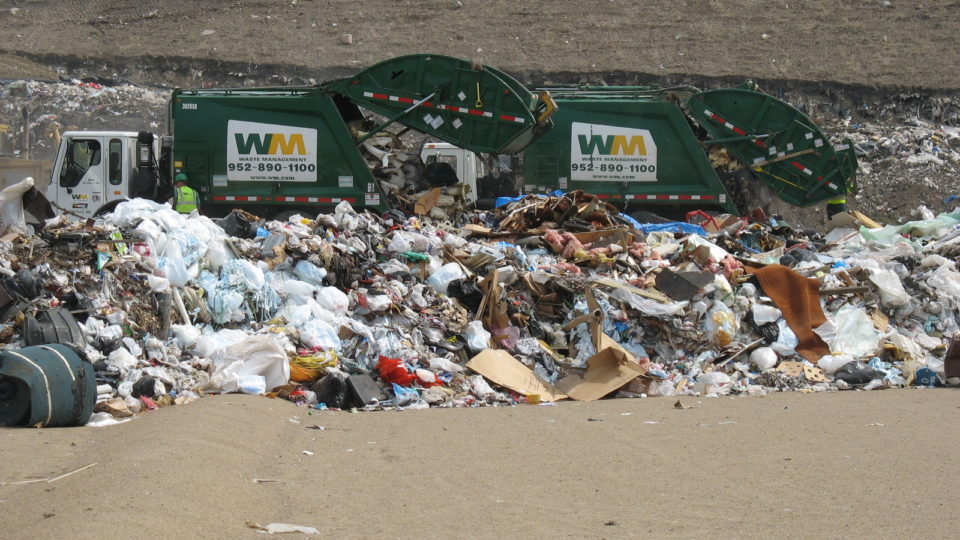
Plastic pollution is a major problem for the world’s oceans and non-biodegradable plastics continue to fill the planet’s landfills and litter the landscape. There are many approaches to making plant-derived, biodegradable plastics but most of these materials do not offer the resistance to heat and moisture that is characteristic of petroleum-based plastics.
Sustainable Ethanol

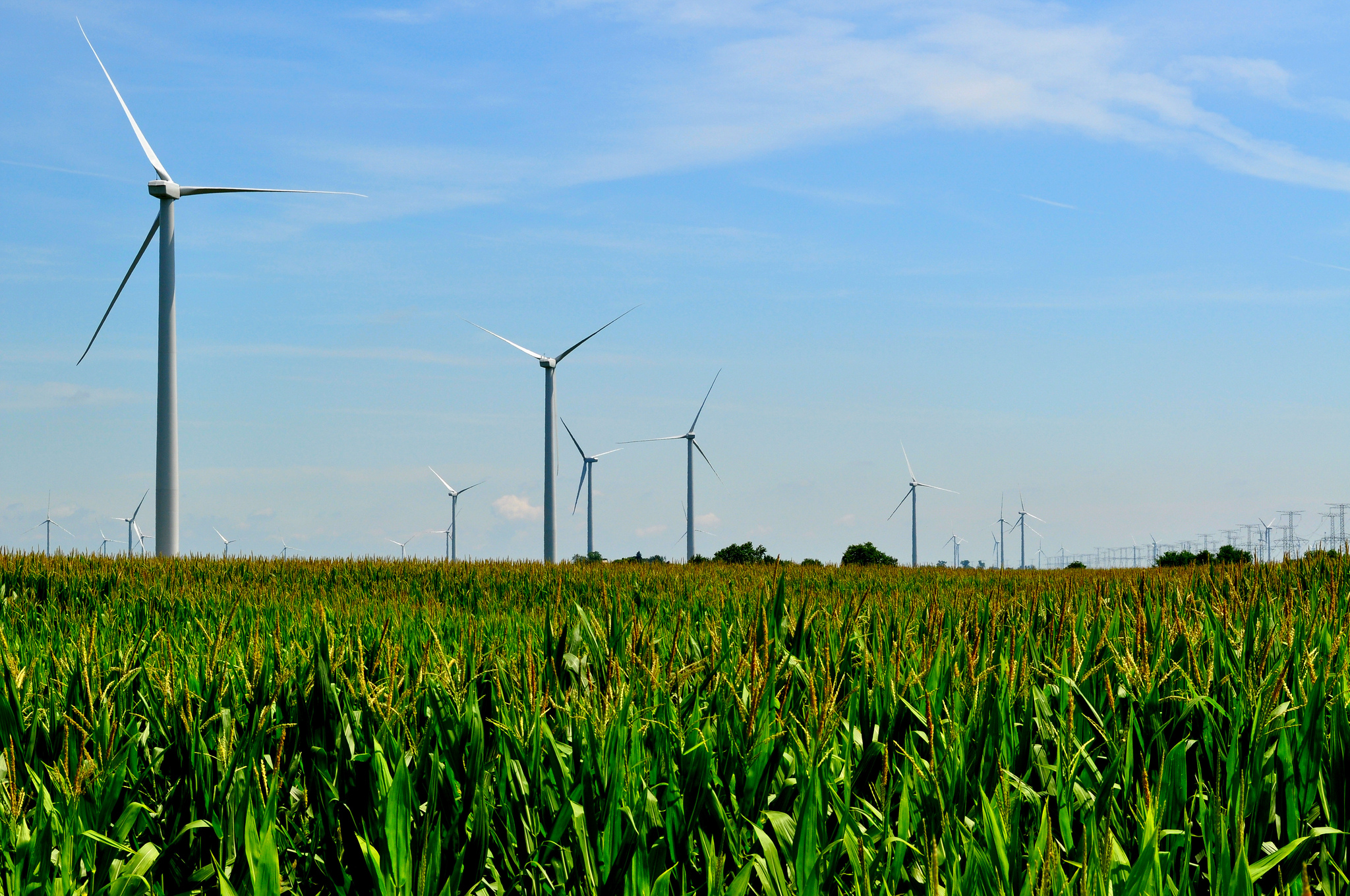
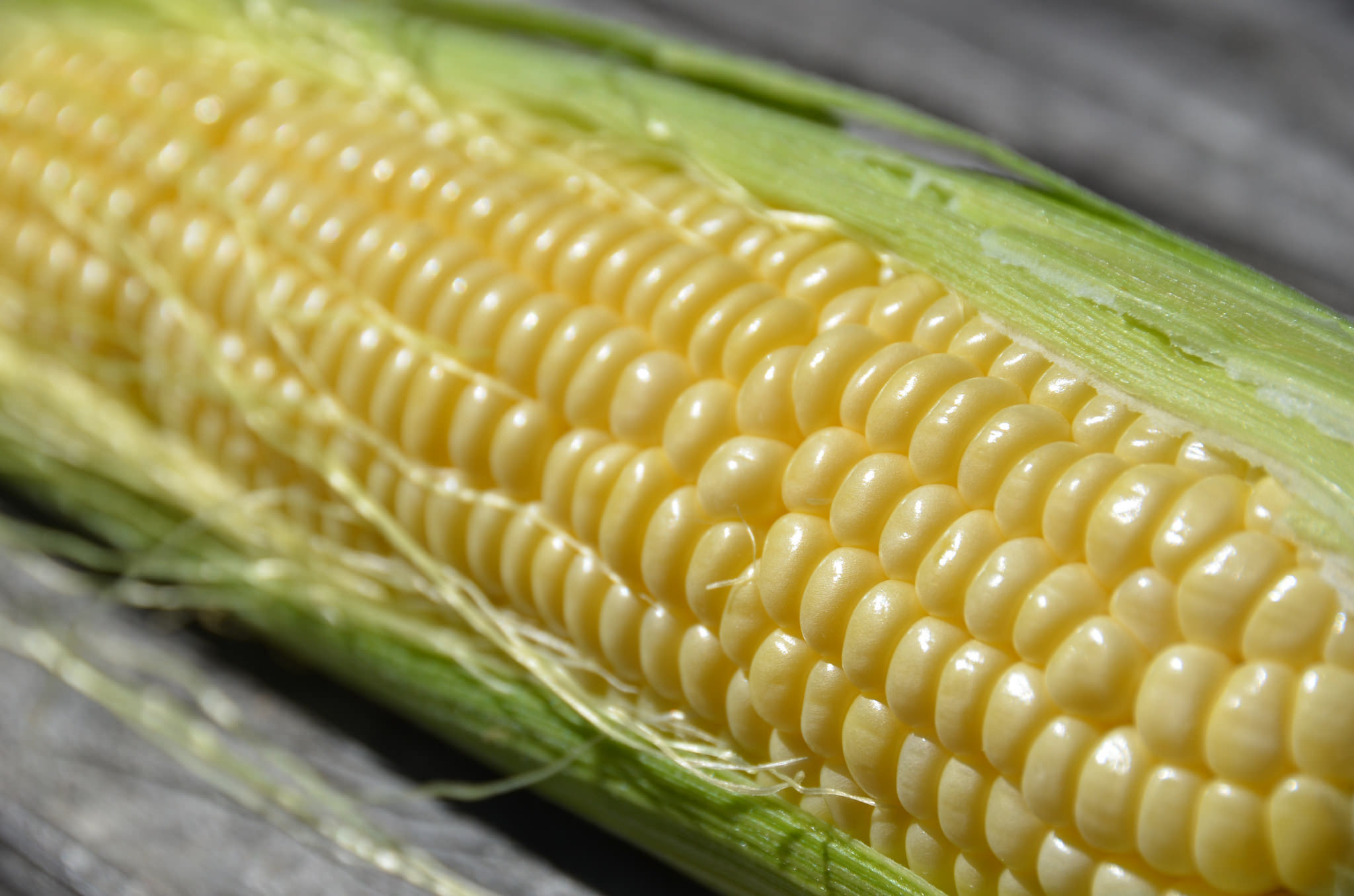
Most gas stations in the U.S. sell a blend of 90% gasoline and 10% ethanol. Mandated by legislation, the 14 billion gallons of ethanol consumed annually by American drivers is mostly made from fermented corn. Producing this ethanol requires millions of acres of farmland.
Satellites And Conservation Science

Satellites orbiting the earth are becoming an increasingly powerful tool for counting and monitoring wildlife populations and to answer a host of other questions about the natural world.
Tires From Trees
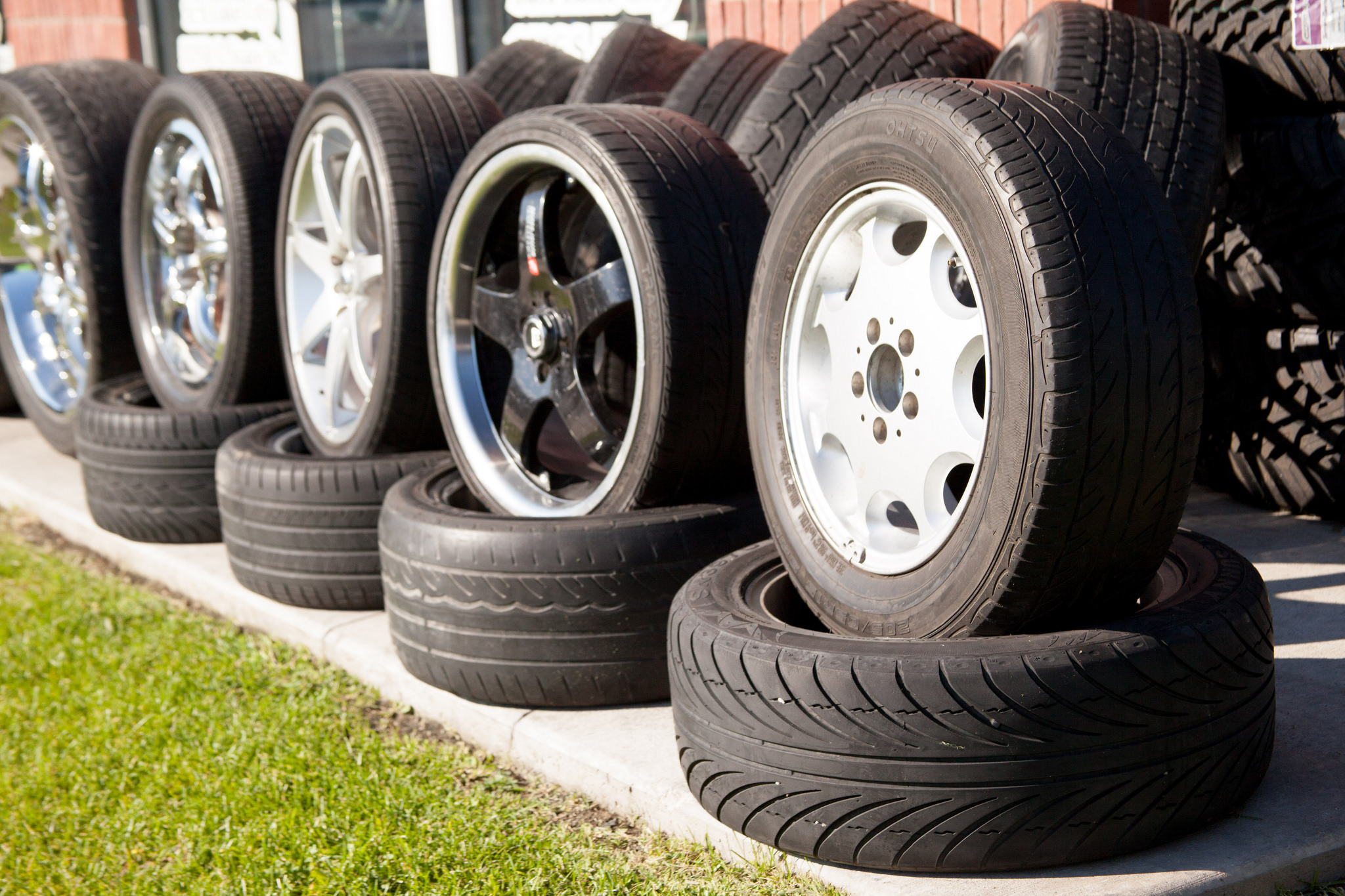
Car tires are generally considered environmentally unfriendly because they are predominantly made from fossil fuels. Natural rubber is generally not used anymore; most tires are made from isoprene, which is chemically very like rubber but is produced by thermally breaking apart molecules in petroleum in a process called cracking. The isoprene is separated out and purified and then reacted to form the artificial rubber that is the major component in car tires. The tires eventually end up discarded in giant piles that represent one of our biggest waste disposal problems.
A Better Way To Farm Algae
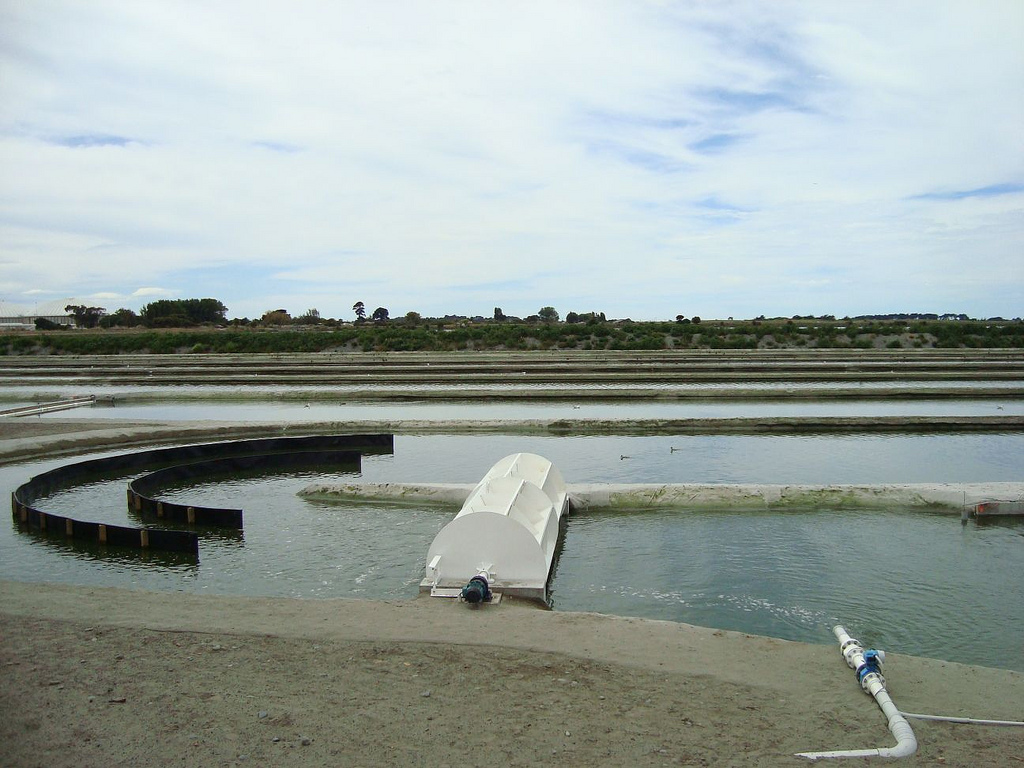
Microalgae biofuels may provide a viable alternative to fossil fuels. Algae efficiently use CO2 and can produce biomass very quickly. Some species can double their mass in as little as 6 hours. Such single-celled organisms are amenable to high-throughput techniques to evolve new strains, unlike terrestrial biomass sources like corn which can take years to modify.