• Skip to primary navigation
  • Skip to main content
  • Skip to primary sidebar

Earth Wise

A look at our changing environment.

  • Home
  • About Earth Wise
  • Where to Listen
  • All Articles
  • Show Search
Hide Search
You are here: Home / Archives for corn

corn

The Importance Of Double-Cropping | Earth Wise

July 28, 2021 By EarthWise Leave a Comment

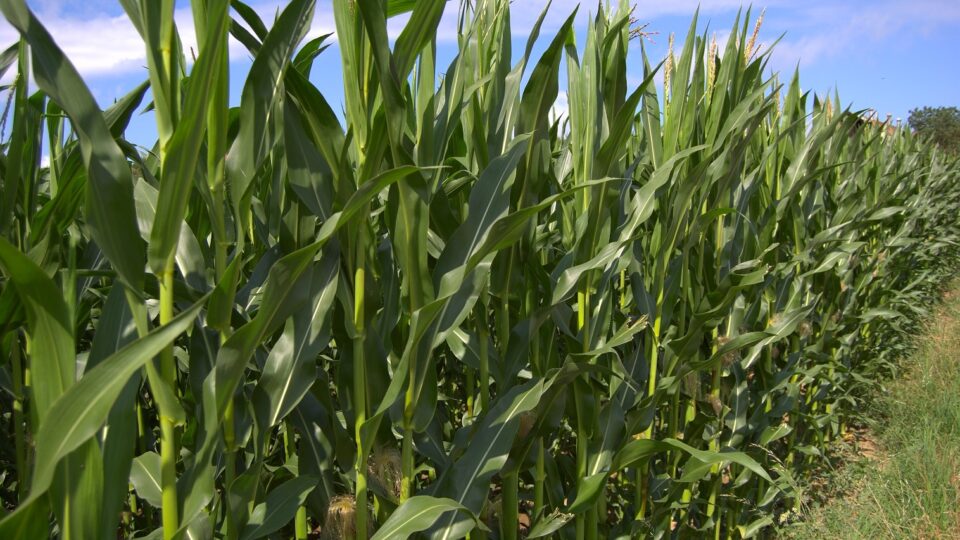
Double-cropping is important to feed a growing global population

In agriculture, double-cropping is the practice of growing two or more crops or commodities on the same piece of land in the same calendar year.  In Brazil, grain production has increased more than fourfold between 1980 and 2016.  The country now stands as the world’s largest exporter of soybeans and the second largest exporter of corn.  There were two primary drivers of this increase in food production: cropland expansion and double-cropping. 

Cropland expansion has long been recognized as a key driver behind the increase in Brazil’s agricultural output.  But cropland expansion is also a threat to biodiversity by driving habitat loss, deforestation, and an increase in carbon emissions. 

A new study recently published in the journal Nature Food quantified for the first time the impact that double-cropping had on helping Brazil achieve its tremendous growth in grain production.  The international research team examined data from three key agricultural regions in Brazil: the Centre-West, Southeast-South, and Matopiba region.  These three regions accounted for 79% of soybean production and 85% of  corn production in 2016. 

Soybean fields account for more than one third of Brazil’s cropland.  While the increase in soybean production was largely a result of cropland expansion, the increase in corn production was a result of double-cropping. 

Between 2003 and 2016, the study found that double-cropping in Brazil offset the equivalent of approximately 190 million acres of arable land for corn production. (This is more than twice the annual harvested area of corn in the United States).

Double-cropping represents a way to produce more food without clearing more land. 

**********

Web Links

The impact of double-cropping

Photo, posted July 15, 2009, courtesy of Daniel Bauer via Flickr.

Earth Wise is a production of WAMC Northeast Public Radio.
Cleaner Water Using Corn | Earth Wise

May 12, 2021 By EarthWise Leave a Comment

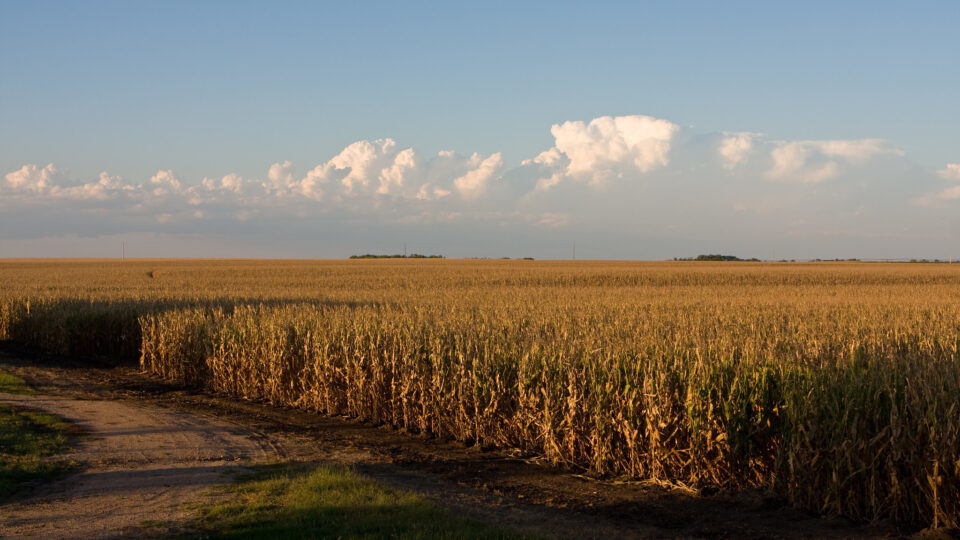
Using corn waste to clean water

Corn is the largest agricultural crop in the U.S., and it is also one of the most wasteful.  About half of the harvest ends up as stover – corn stalks, leaves, husks, and cobs – once the kernels are used for food.

Corn stover has relatively few commercial or industrial uses.  It can be used to produce biofuel, but that is not very energy efficient.  It is sometimes used as a low-quality livestock feed as well.  Mostly, it is just burned if it is used at all.

Researchers at the University of California Riverside have developed an energy-efficient way to make good use of stover by transforming it into activated carbon for use in water treatment.

Activated carbon – often called activated charcoal – is an organic material that is specially treated to contain millions of microscopic pores that make it highly absorbent.  It has many industrial uses, the most common of which is for filtering pollutants out of drinking water.  Most household water filters such as Brita filters as well as the ones built into refrigerators make use of activated carbon.

The Riverside researchers explored methods for producing activated carbon from charred corn stover and found that processing the material with hot compressed water – a process known as hydrothermal carbonization – produced highly absorbent activated carbon with superior properties compared to material produced by slow pyrolysis, where corn stover is charred at increasing temperatures over a long period of time.

According to the researchers, it is important to create approaches that convert waste into high-value materials, fuels, and chemicals in order to create new value streams and eliminate the environmental harm that comes from a so-called “take-make-dispose” economic model.

**********

Web Links

Cleaner Water Through Corn

Photo, posted September 15, 2010, courtesy of the United Soybean Board / the Soybean Checkoff via Flickr.

Earth Wise is a production of WAMC Northeast Public Radio.
The Corn Belt Is Losing Topsoil | Earth Wise

April 16, 2021 By EarthWise 2 Comments

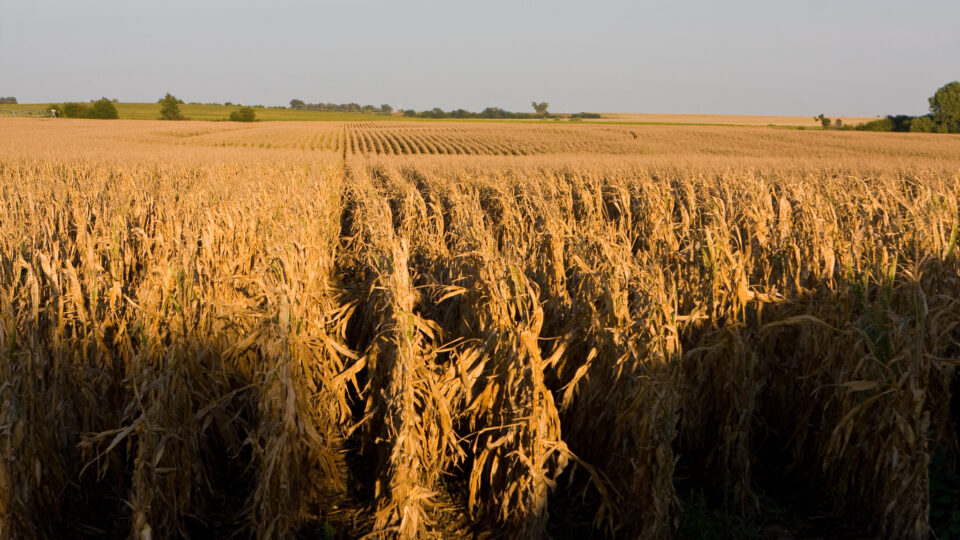
Erosion is claiming the corn belt's topsoil

According to a new study published in the Proceedings of the National Academy of Sciences, more than a third of the farmland in the U.S. Corn Belt has completely lost its carbon-rich topsoil due to erosion.   The affected area is nearly 100 million acres and the amount of carbon loss is nearly 2 million tons.

The study, led by scientists at the University of Massachusetts, Amherst, found that the greatest loss of carbon-rich topsoil was on hilltops and ridgelines.  This indicates that tillage – the repeated plowing of fields – was the primary cause of the erosion because loosened soils move downslope.

The loss of topsoil has reduced corn and soybean yields in the Midwest by 6%, resulting in a loss of nearly $3 billion a year for farmers.  In addition, the loosening of the topsoil increases runoff of sediment and nutrients into nearly waterways, worsening water quality.

Previous studies have shown that no-till farming practices can have a significant impact on reducing erosion.  A study published last November found that if farmers shifted entirely to no-till practices, it would reduce soil erosion from U.S. agricultural fields by more than 70%, as well as significantly reducing nutrient and sediment runoff. 

No-till farming is the practice of planting crops without tilling the soil.  Instead, seeds are planted through the remains of previous crops by planters or drills that cut seed furrows, place the seeds, and close the furrow.  Currently less than 15% of farmland in the upper Mississippi River watershed is farmed with no-till practices. 

Even partial changes in tilling practices could produce positive results for topsoil retention and for waterways.

**********

Web Links

One-Third of Farmland in the U.S. Corn Belt Has Lost Its Topsoil

Photo, posted September 15, 2010, courtesy of the United Soybean Board / Soybean Checkoff via Flickr.

Earth Wise is a production of WAMC Northeast Public Radio.

Prickly Pear As A Sustainable Crop | Earth Wise

April 6, 2021 By EarthWise Leave a Comment

Searching for more sustainable food and fuel crops

The fruits and pads of opuntia, better known as prickly pear cactus, find their way into people’s diets in many arid and semi-arid places around the world.  In Mexico, the pads are known as nopales and are used in a variety of dishes.  The pears themselves are used in jams, salads, and juices.

A five-year study by the University of Nevada Reno College of Agriculture, Biotechnology & Natural Resources investigated the prospects for cactus pear to become a major crop like soybeans and corn and to help provide a biofuel source.

As the climate changes, dry areas are going to get dryer and drought issues will increasingly affect traditional crops.

The study looked at the particular opuntia species called the spineless cactus pear and found that it had the highest fruit production while using up to 80% less water than some traditional crops.  Cactus pear can be used for both human consumption and livestock feed.  As a perennial crop, once the fruit and pads are harvested for food, the remaining biomass can be used for biofuel production.

Corn and sugar cane are the most utilized bioenergy crops right now, but these use three to six times more water than cactus pear.  The cactus pear productivity is on par with corn and sugar cane, but not only do they use a fraction of the water, they also have higher heat tolerance.

Over 40% of land area around the world is classified as semi-arid or arid.  There is enormous potential for planting cactus for carbon sequestration.  If nothing else, it makes great sense to grow cactus pear crops in abandoned areas that are marginal and may not be suitable for other crops.

**********

Web Links

Study shows cactus pear as drought-tolerant crop for sustainable fuel and food

Photo, posted April 16, 2020, courtesy of Kevin Dooley via Flickr.

Earth Wise is a production of WAMC Northeast Public Radio.

Carnivores Eating Human Food | Earth Wise

December 1, 2020 By EarthWise Leave a Comment

Carnivores increasingly relying on humans for food

A recent study by ecologists at the University of Wisconsin-Madison has found that carnivores living near people often get more than half of their diets from human food sources rather than from their traditional prey.  This represents a major lifestyle disruption that puts North America’s carnivore-dominated ecosystems at risk.

The researchers studied the diets of seven predator species across the Great Lakes region using bone and fur samples taken from animals from areas as remote as national parks to metropolitan areas including Albany, New York.  What they found – unsurprisingly – is that the closer carnivores lived to cities and farms, the more human food they ate.  Dietary contributions of human food varied with species, but on average was more than 25% in most human-altered habitats.

The researchers studied the diets of carnivores like bobcats, coyotes, red and gray foxes, fishers, and American martens by chemical analysis of samples from Minnesota, Wisconsin, upstate New York, and the Upper Peninsula of Michigan.  The diets of the animals could be analyzed on the basis of the carbon content of bone and fur samples.  Human food, heavy in corn and sugar, lends these samples a distinctive carbon isotope signature.  In contrast, prey species confer their own carbon signatures.  The ratio of these isotope fingerprints provides information on the proportion of an animal’s diet that came from human sources.

Relying upon human food increases how much carnivores overlap one another in their competition for food.  Compared to when these predators vie for distinct prey, there can be more conflicts between animals.  Changing how a species gets their food can have far-ranging effects on ecosystems.

**********

Web Links

Carnivores living near people feast on human food, threatening ecosystems

Photo, posted August 18, 2007, courtesy of Jitze Couperus via Flickr.

Earth Wise is a production of WAMC Northeast Public Radio.

Hacking Photosynthesis | Earth Wise

September 14, 2020 By EarthWise Leave a Comment

benefits of hacking photosynthesis

A team led by the University of Illinois has been pursuing a project called Realizing Increased Photosynthetic Efficiency or RIPE, which has the aim of improving photosynthesis in order to provide farmers with higher-yielding crops in an increasingly challenging climate.  Photosynthesis is the natural, sunlight-powered process that plants use to convert carbon dioxide into sugars that fuel growth, development, and for us, crop yield.

If we think of photosynthesis as a factory line composed of multiple machines, the growth of plants is limited by the slowest machines in the line.  The RIPE project has identified some steps in photosynthesis that are slower than others and are attempting to enable plants to build more machines to speed up those slower steps.

The researchers modeled a total of 170 steps in the process of photosynthesis to identify how plants could manufacture sugars more efficiently.  In the study, the team increased crop growth by 27% by resolving two constraints:  one in the first part of photosynthesis where plants turn light energy into chemical energy and one in the second part when carbon dioxide is turned into sugars.

The researchers effectively hacked photosynthesis by adding a more efficient transport protein from algae to enhance the energy conversion process. 

In the greenhouse, these changes improved crop productivity by 52%, but in field trials, which are a more important test, these photosynthetic hacks boosted crop production by 27%.

Ultimately, the team hopes to translate these discoveries to a series of staple food crops, such as cassava, cowpea, corn, soybean and rice, which are needed to feed the world’s growing population this century.

**********

Web Links

Photosynthetic hacks can boost crop yield, conserve water

Photo, posted June 14, 2017, courtesy of Alex Holyoake via Flickr.

Earth Wise is a production of WAMC Northeast Public Radio.
An Incentive For Carbon Capture | Earth Wise

April 1, 2020 By EarthWise Leave a Comment

Convincing industries to reduce their carbon dioxide emissions has not been easy.  Many approaches have been debated, including carbon taxes, carbon tax-and-trade schemes, and passing a giant Green New Deal.  Most economists agree that putting a price on carbon is likely to be the most effective approach.

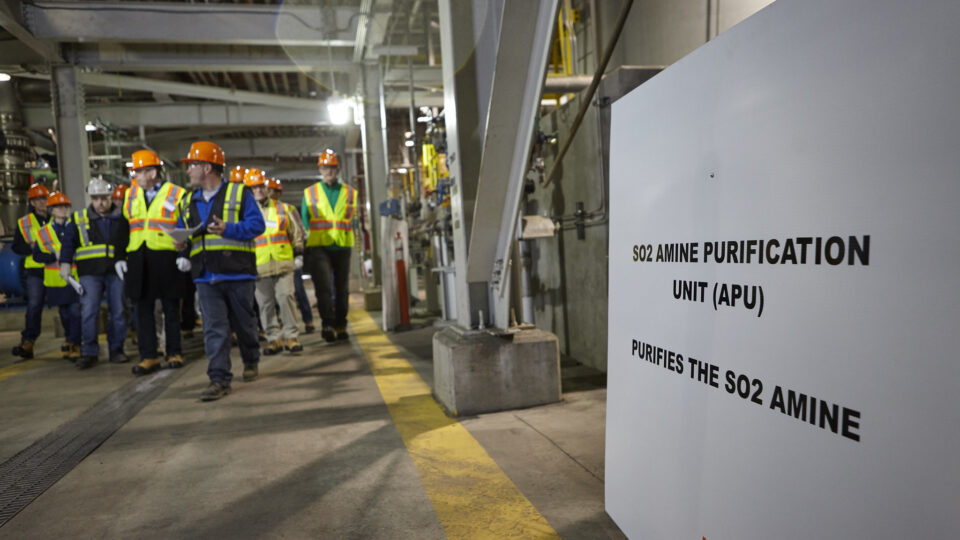
But there is already in place an adjustment to the US tax code that is more of a carrot than a stick.  It is a tax credit that is designed to make capturing CO2 a financial winner for a number of high-emitting industries.  The credit, called 45Q, was enacted in February 2018.

The 45Q credit earns industrial manufacturers $50 per metric ton of CO2 stored permanently or $35 per ton if the CO2 is put to use.  An earlier credit for capturing carbon dioxide was limited to only $20 per metric ton and was capped at 75 million tons.  Some large fossil fuel companies did make use of the earlier credit.

The new version does not have a cap, but to qualify, companies need to start constructing carbon-capture facilities within 7 years and have 12 years to claim their money.

Companies with emission-intensive operations are busy figuring out how to take advantage of the credit.  These include cement makers, steel and power plants, corn ethanol producers, and ammonia plants.

Because the credit mandates that companies start constructing their carbon-capture facilities within seven years, most companies will tend to rely on mature technologies.  But the tax credit should also drive demand for next-generation carbon-capture technologies, of which there are many under development.  Saving lots of money on taxes is likely to lure US companies to capture carbon dioxide.

**********

Web Links

45Q, the tax credit that’s luring US companies to capture CO2

Photo, posted October 2, 2014, courtesy of Sask Power via Flickr.

Earth Wise is a production of WAMC Northeast Public Radio.

Jet Fuel From Acetone | Earth Wise

February 25, 2020 By EarthWise Leave a Comment

Greening Jet Fuel

Acetone is a common organic solvent.  It is used to make plastic, fibers, drugs, and other chemicals.  It is commonly used by consumers as nail polish remover.  Acetone is a manufactured chemical, but it is also found naturally in the environment in plants, among other places. There are now companies that produce acetone entirely by fermentation of plant feedstocks, such as corn.

Researchers at Los Alamos National Laboratory have now developed a process by which acetone can be converted into a fuel additive that can improve the performance of petroleum-based jet fuel, providing both environmental and economic benefits.

The process takes biomass-derived acetone and converts it to isophorone, which they produce by a process called photochemical cycloaddition that creates more complex hydrocarbons.  They then use ultraviolet light to convert the isophorone into cyclobutane, which is a type of hydrocarbon with high energy density that is suitable for aviation fuel applications.

Acetone itself is quite volatile and is unsuitable for fuel applications.  It also cannot be added directly to any fuel supply since it can dissolve engine parts and o-rings.  Cyclobutane, on the other hand, is a safer and more energy-dense fuel that can be a replacement for additives that require high-pressure hydrogen treatment in their synthesis.  Currently, most hydrogen is produced by a process that generates carbon dioxide.  The new conversion process does not result in carbon emissions.

According to the Los Alamos researchers, their process can result in a domestically generated product that will provide environmental benefits, create domestic jobs, improve U.S. energy security, and further U.S. global leadership in bioenergy technologies.

**********

Web Links

Acetone plus light creates a green jet fuel additive

Photo, posted December 18, 2007, courtesy of Flickr.

Earth Wise is a production of WAMC Northeast Public Radio.

An Upside Of Climate Change

October 15, 2019 By EarthWise Leave a Comment

In contrast with most countries in the world, the main political factions in the United States have very different views of climate change.  Somehow, one side of the aisle remains skeptical about the changing climate even as temperature records are broken, arctic ice disappears, and powerful storms become increasingly common.

But putting aside the increasingly inexplicable political schism about climate change, there are instances where the consequences of the warming climate are not all dire.  In fact, there are places where climate change is having a positive effect.

One such place is West Virginia, where research studies are finding a real upside to the changing climate.

A recent study of the climate in West Virginia over the period from 1900 to 2016 found the maximum temperatures trended downward, average minimum temperatures ascended, and annual precipitation increased.  On average, West Virginians are now seeing cooler summers, warmer winters and wetter weather.

Given these changes, there have been big changes in agriculture.  Yields of important crops like hay, corn, winter wheat, and soybeans have all increased.  The winter season has shrunk by as much as 20 days and the growing season itself has increased by approximately 13 days.  A number of crops that historically did not fare well in West Virginia may now become viable.  It may even be possible to pursue double cropping, meaning that the longer growing season may allow farmers to raise one crop, harvest it, and then raise and harvest a second crop within the same year.

In the big picture, climate change is shaping up as a global calamity, but for a few people in certain places – such as West Virginia – it may have some real upside.

**********

Web Links

The positive implications of…climate change? WVU researcher sees agricultural, food availability and economic possibilities

Photo, posted November 12, 2014, courtesy of Mike via Flickr.

Earth Wise is a production of WAMC Northeast Public Radio.
Mexico’s Wonder Plant

September 13, 2019 By EarthWise Leave a Comment

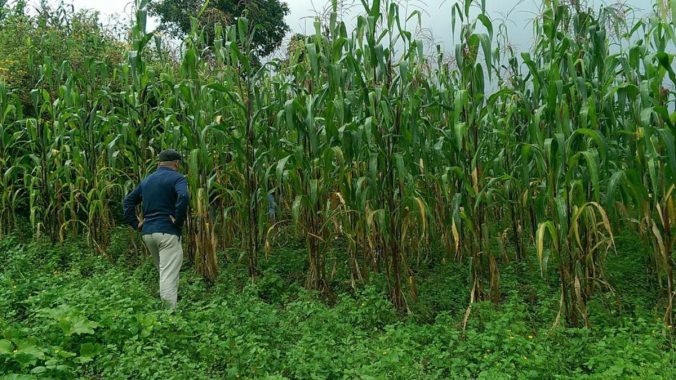
In 1979, an American naturalist named Thomas Hallberg visiting a small town in Oaxaca, Mexico was amazed to find a type of local maize – or corn – that grew nearly 20 feet high in poor-quality soil even though the local farmers did not use any fertilizer.

The unique corn plant had aerial roots that grew a mucous-like gel just before harvest season.  It seemed totally implausible, but the plant seemed to be fixing its own nitrogen:  extracting it from the air and somehow making it useful to the plant.

In 1992, Hallberg returned with a group of Mexican scientists and collected samples to study in his lab.  His research showed that the maize indeed received nitrogen from the air through its aerial roots.  It took over 20 years to figure out what was going on in the plants.  It turns out that bacteria that thrive in the low-oxygen environment of the maize’s mucus pulls nitrogen from the air and feeds it to the plant.

Scientists will probably spend years figuring out if a commercial application of this indigenous maize is viable.  It isn’t guaranteed that the self-fertilizing trait of the plant can be bred into a commercial crop.  But if it can, the payoff would be huge.  Farmers spend more than $3 billion a year on corn fertilizer in the US alone.

A vexing problem is who should reap the financial benefits of the maize.  The isolated village where the plant is grown has already signed an agreement to share in any such benefits.   But there are other Oaxacan villages that also grow the plant. 

Mexico’s wonder plant is likely to be caught up in the growing issue of biopiracy, which is the exploitation of indigenous knowledge and biological resources without permission.

**********

Web Links

Indigenous Maize: Who Owns the Rights to Mexico’s ‘Wonder’ Plant?

Photo credit: ALLEN VAN DEYNZE/UC DAVIS

Earth Wise is a production of WAMC Northeast Public Radio.
Climate Change And Nutrients

August 15, 2019 By EarthWise Leave a Comment

Ending hunger isn’t a question of producing enough food.  Globally, enough food is produced to feed all 7.7 billion people on the planet.  But despite this, approximately 1 in 9 people go hungry.  Conflict, natural disasters, and extreme poverty are some of the main drivers of global hunger. 

Climate change is another.  The more frequent and intense extreme weather events increase food insecurity and malnutrition by destroying land, livestock, crops, and food supplies.  Climate change makes growing crops harder every year, especially for those who lack the tools and technology to adapt. 

But the challenge of reducing hunger and malnutrition is to not only produce foods that provide enough calories, but to also produce foods that make enough necessary nutrients widely available.  According to new research, climate change is projected to significantly reduce the availability of critical nutrients such as protein, iron, and zinc over the next 30 years.  The total impact of climate change could reduce global per capita nutrient availability of protein, iron, and zinc by 19.5%, 14.4%, and 14.6%, respectively.

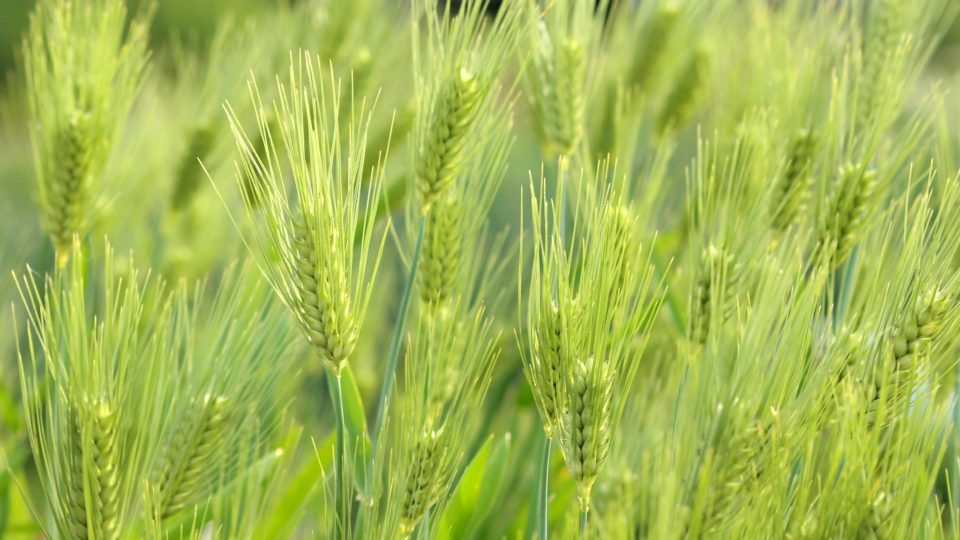
While higher levels of carbon dioxide can boost growth in plants, wheat, rice, corn, barley, potatoes, soybeans, and vegetables are all projected to suffer nutrient losses of about 3% on average by 2050 due to the elevated CO2 levels.

The study, which was co-authored by an international group of researchers and published in the peer-reviewed journal, Lancet Planetary Health, represents the most comprehensive synthesis of the impacts of climate change on the availability of nutrients in the global food supply to date. 

Climate change is complicating the quest to end global hunger and malnutrition. 

**********

Web Links

Rising CO2, climate change projected to reduce availability of nutrients worldwide

Photo, posted April 30, 2015, courtesy of Flickr.

Earth Wise is a production of WAMC Northeast Public Radio.
Intense Rainfall And Crops

July 2, 2019 By EarthWise Leave a Comment

The warming of the planet does not necessarily imply local weather will be warmer or drier than average.  While heatwaves and droughts are increasingly common events in many places, so are intense rain events.

A new study led by scientists at the University of Illinois has found that intense rainfall is as damaging to the U.S. agricultural sector as heatwaves and excessive droughts.

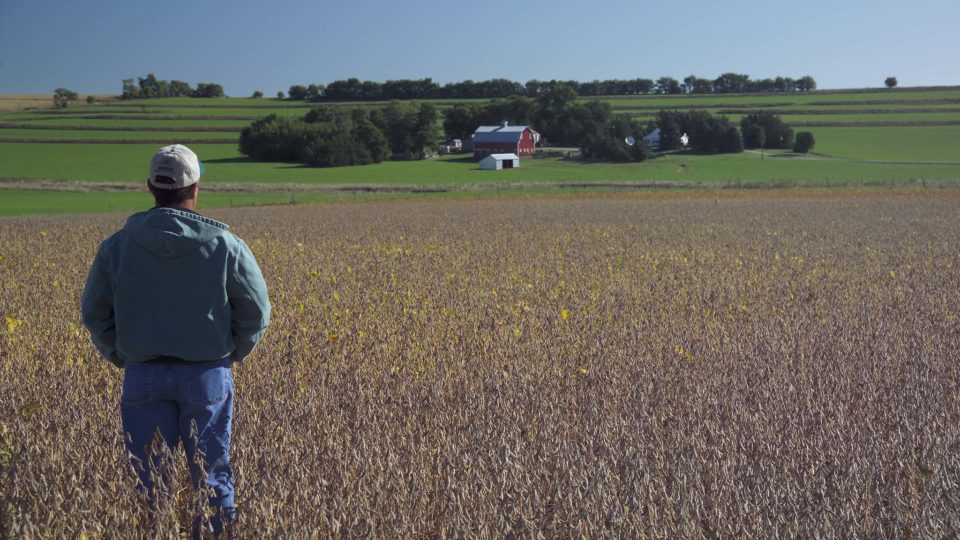
The study examined more than three decades of crop insurance, climate, soil, and corn yield data.  Researchers found that since 1981, corn yields in the U.S. Midwest were reduced by as much as 34% during years with excessive rainfall.  Years with drought and heatwaves experienced yield losses of up to 37%.

Intense rain events can physically damage crops, delay planting and harvesting, restrict root growth, and cause oxygen deficiency and nutrient loss.  The study estimated that between 1989 and 2016, excessive rainfall caused $10 billion in agricultural losses. However, excessive rainfall can have either negative or positive impact on crop yield and the effects can vary regionally.

Parts of the Midwest have already experienced a 42% increase in the heaviest precipitation events since 1958.  Climate change models predict that much of this region will experience even more frequent and intense precipitation events in the coming decade.

According to the study, excessive rainfall is the major cause of crop damage currently in the U.S. for corn, and also has broad impacts for other staple crops such as soybeans and wheat. The authors suggest that as rainfall becomes more extreme, reforms will be needed in the U.S. crop insurance industry in order to better meet planting challenges faced by farmers. 

**********

Web Links

Intense Rainfall Is As Damaging to Crops As Heatwaves and Drought, and Climate Change Is Making It Worse

Photo, posted October 2, 2013, courtesy of the United Soybean Board via Flickr.

Earth Wise is a production of WAMC Northeast Public Radio.
Crop Diversity

March 22, 2019 By EarthWise Leave a Comment

A study at the University of Toronto suggests that on a global scale, we are growing more of the same kinds of crops, and this diminishing diversity presents major challenges for agricultural sustainability.

In some places, for example here in North America, crop diversity has actually increased.  Back in the 1960s, North Americans grew about 80 crops.  Now there are 93.

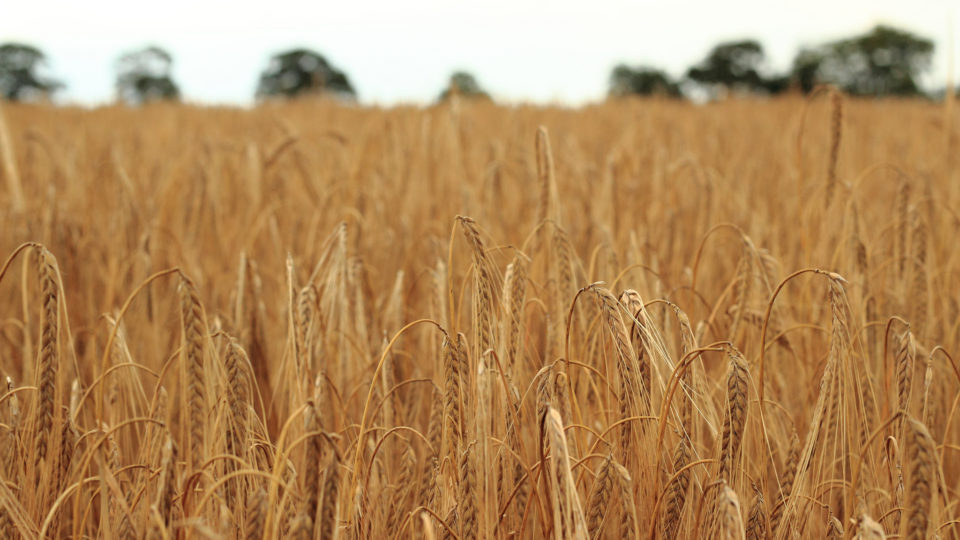
But on a global scale, more of the same kinds of crops are being grown on much larger scales.  Just four crops – soybeans, wheat, rice and corn – occupy nearly 50% of the world’s entire agricultural lands.  The remaining 152 crops cover the rest.  Large industrial farms often grow one crop species – usually just a single genotype – across thousands of acres of land.

This decline in global crop diversity is problematic in several ways.  On a cultural level, it threatens regional food sovereignty.  If regional crop diversity is threatened, it makes it more difficult for people to eat or afford foods that are culturally significant to them.

On an ecological level, the dominance by a few genetic lineages of crops makes the agricultural system increasingly susceptible to pests or diseases.  The deadly fungus that is threatening the world’s banana plantations is a prime current example.  The Irish potato famine in the 19th century is a tragic historical example.

As large industrial-sized farms in Asia, Europe and the Americas start to look more and more alike, the dangers of large monocultures of crops that are commercially valuable will only increase.  It will be important for global governments to consider the impact of policies that affect the diversity of the agricultural system and its sustainability in an increasingly hungry world.

**********

Web Links

A small number of crops are dominating globally. And that’s bad news for sustainable agriculture

Photo, posted August 13, 2012, courtesy of Alasdair McKenzie via Flickr.

Earth Wise is a production of WAMC Northeast Public Radio.
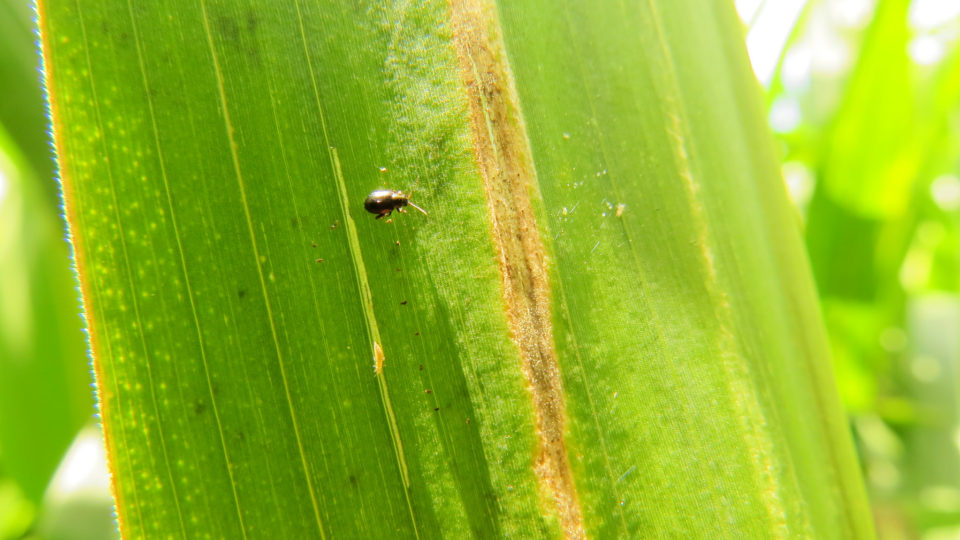
Pests And Crops In A Warming World

October 1, 2018 By EarthWise Leave a Comment

https://earthwiseradio.org/wp-content/uploads/2018/09/EW-10-01-18-Pests-and-Crops-in-Warming-World.mp3

By the year 2050, scientists predict that there will be two billion more people to feed in the world.  And climate change isn’t making that task any simpler.  From extreme weather events to rising global temperatures, climate change is expected to affect the types of food we grow, and to negatively affect the food production needed to feed the growing population.

[Read more…] about Pests And Crops In A Warming World

Accelerating Sugarcane Growth

September 21, 2018 By EarthWise Leave a Comment

https://earthwiseradio.org/wp-content/uploads/2018/09/EW-09-21-18-Accelerating-Sugarcane-Growth.mp3

Brazil is the world’s second largest producer of ethanol fuel behind the United States.  More than that, it has the first sustainable biofuel economy, which is based on sugarcane ethanol, not corn ethanol.  It is sustainable because of Brazil’s advanced agri-industrial technology and its enormous amount of arable land.   Furthermore, producing sugarcane ethanol is far more energy-efficient than corn ethanol. It actually makes energy sense to produce it.

[Read more…] about Accelerating Sugarcane Growth

Yet Another Hot Year

September 14, 2018 By EarthWise Leave a Comment

https://earthwiseradio.org/wp-content/uploads/2018/09/EW-09-14-18-Yet-Another-Hot-Year.mp3

This summer has seen record heat in many places and some record-breaking wildfires.  In short, it looks a lot like the future that scientists have been warning about in the era of climate change.  And still some people continue to argue about whether anything is happening to the climate.

[Read more…] about Yet Another Hot Year

Greener Biofuel

May 17, 2018 By EarthWise Leave a Comment

https://earthwiseradio.org/wp-content/uploads/2018/05/EW-05-17-18-Greener-Biofuel.mp3

Engineers from the National University of Singapore have recently discovered that a naturally occurring bacterium is capable of directly converting cellulose to biobutanol, a promising biofuel.

[Read more…] about Greener Biofuel

Is It Time to Ban Neonics?

May 10, 2018 By EarthWise Leave a Comment

https://earthwiseradio.org/wp-content/uploads/2018/05/EW-05-10-18-Time-to-Ban-Neonics.mp3

Neonicotinoids (or ‘neonics’ for short) are a class of insecticides chemically related to nicotine.  In fact, the name ‘neonicotinoid’ literally means “new nicotine-like insecticide.”  And like nicotine, neonics act on certain kinds of receptors in the nerve synapse.  Most corn, soy, and wheat seeds planted today are coated with neonics, which is reportedly 5,000 to 10,000 times more toxic than DDT. 

[Read more…] about Is It Time to Ban Neonics?

Farming In Solar Farms

March 19, 2018 By EarthWise Leave a Comment

https://earthwiseradio.org/wp-content/uploads/2018/03/EW-03-19-18-Farming-in-Solar-Farms.mp3

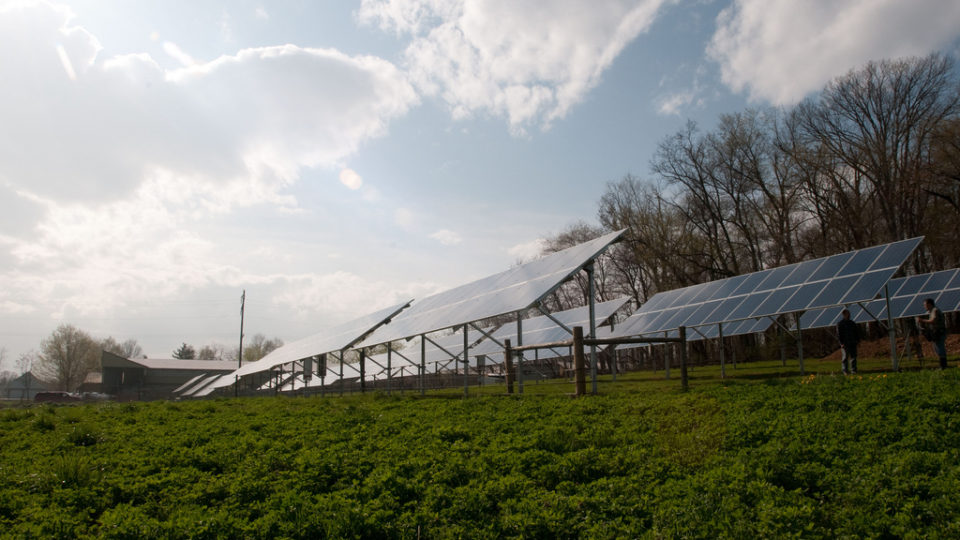
Utility-scale solar installations have been expanding rapidly.  The amount of land used for solar projects is becoming quite substantial.  The National Renewable Energy Laboratory (NREL) predicts that 3 million acres will be devoted to solar farms by 2030, and 6 million by 2050.  These numbers pale in comparison with the land used for corn, soybeans, and wheat, but are more than used for such familiar crops as oats, barley and rice.

[Read more…] about Farming In Solar Farms

Reviled Animals Can Be Beneficial

February 16, 2018 By EarthWise Leave a Comment

https://earthwiseradio.org/wp-content/uploads/2018/01/EW-02-16-18-Reviled-Animals-Can-Be-Beneficial.mp3

Predators and scavengers are widely persecuted by people because they are often harmful to property, livestock, and human beings.  Nonetheless, research has shown that many of these animals play important roles in ecosystems and their removal can be quite harmful.

[Read more…] about Reviled Animals Can Be Beneficial

  • « Go to Previous Page
  • Page 1
  • Page 2
  • Page 3
  • Go to Next Page »

Primary Sidebar

Recent Episodes

  • An uninsurable future
  • Clean energy and jobs
  • Insect declines in remote regions
  • Fossil fuel producing nations ignoring climate goals
  • Trouble for clownfishes

WAMC Northeast Public Radio

WAMC/Northeast Public Radio is a regional public radio network serving parts of seven northeastern states (more...)

Copyright © 2026 ·