• Skip to primary navigation
  • Skip to main content
  • Skip to primary sidebar

Earth Wise

A look at our changing environment.

  • Home
  • About Earth Wise
  • Where to Listen
  • All Articles
  • Show Search
Hide Search
You are here: Home / Archives for Climate Change

Climate Change

Hydropower And Floating Solar | Earth Wise

October 30, 2020 By EarthWise Leave a Comment

Combining hydropower and solar power

According to a new analysis by the National Renewable Energy Laboratory, hybrid systems of floating solar panels and hydroelectric plants have the potential to produce a significant portion of the world’s electricity.

According to their estimates, adding floating solar panels to bodies of water that host hydropower stations could produce up to 7.6 terawatts of power a year from the solar systems, resulting in about 10,600 terawatt-hours of energy.  The total global electricity consumption in 2018 was 22,300 terawatt-hours.  So, the potential in terms of the global appetite for electricity is very large.

This estimate is certainly optimistic.  It does not take into account economic feasibility or specific market demand.  What it does represent is an estimate of the technical and performance potential of floating photovoltaics at hydroelectric facilities.

Floating solar is just starting to be used in the U.S., but it has already caught on overseas where space for ground-mounted systems is at a greater premium. 

According to the NREL study, nearly 400,000 freshwater hydropower reservoirs across the globe could host floating PV sites that could be used in conjunction with the existing hydroelectric plants.  One important advantage of this approach is that the hybrid system would reduce transmission costs by linking to a common substation.  In addition, the two technologies could balance each other, with solar power taking up the slack in dry seasons and hydropower working well in rainy seasons.  In some places, pumped storage hydropower could be used to store excess solar generation.

There is great potential in hybrid floating solar/hydroelectric power.

**********

Web Links

Untapped potential exists for blending hydropower, floating solar panels

Photo, posted April 12, 2009, courtesy of Alexis Nyal via Flickr.

Earth Wise is a production of WAMC Northeast Public Radio.
Artificial Reefs As Havens For Marine Predators | Earth Wise

October 28, 2020 By EarthWise Leave a Comment

Artificial reefs as habitat for marine predators

Climate change, pollution, development and other stresses have accelerated the decline of reef ecosystems across much of the world’s oceans in recent years.  Large predators such as sharks, mackerels, barracudas, jacks and others that formerly fed around reefs have had to venture outside their normal migratory routes in search of suitable alternatives.

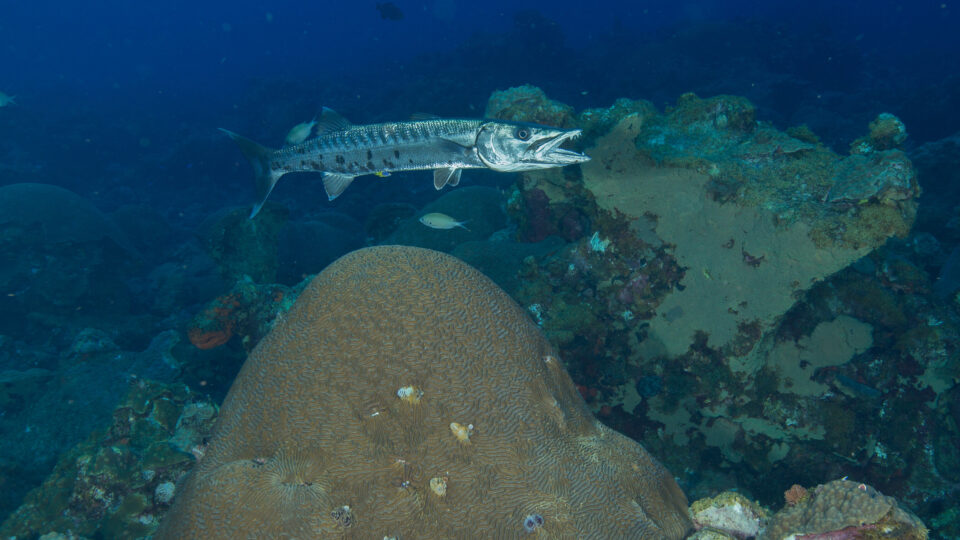
According to a new study by Duke University, marine predators have taken up residence at shipwrecks and other artificial reefs.  The study surveyed 30 sites along the North Carolina coast and found that predator densities were up to five times larger at the 14 artificial reefs surveyed than at the 16 natural reefs in the survey.

Shipwrecks, particularly those that rose between 4 and 10 meters up into the water column, were a big favorite of the fishes.  Some of those sites supported predator densities up to 11 times larger than natural reefs or low-profile artificial reefs.  The shipwrecks are basically high-rise timeshares in the sea.

The findings of the survey show that artificial reefs can support large predators, supplementing natural reefs if the design and placement of the artificial reefs are appropriate.  In addition, when it comes to designing artificial reefs, there appears to be a height advantage.  So, reefs either made from sunken ships or at least made to resemble them would be desirable.

Because undersea predators help maintain healthy and sustainable populations of species lower in the food web, providing suitable habitat for the predators is extremely important.  Based on the study, it appears that the strategic use of artificial reefs can be an effective way to help counter the increasing loss of natural habitat on the ocean bottom.

**********

Web Links

Artificial Reefs Take on a Towering Presence as Havens for Marine Predators

Photo, posted July 29, 2014, courtesy of NOAA Photo Library via Flickr. Photo credit: Flower Garden Banks National Marine Sanctuary

Earth Wise is a production of WAMC Northeast Public Radio.
Using CO2 To Convert Seawater Into Drinking Water | Earth Wise

October 27, 2020 By EarthWise Leave a Comment

Converting Seawater into Drinking Water

A chemist at the University of Copenhagen has invented a technology that uses carbon dioxide to convert seawater into drinking water within minutes.  This desalination technology has the potential to replace electricity with CO2 and be used in survival gear and in large-scale industrial plants in places where people don’t have clean drinking water.

Over 800 million people worldwide lack access to clean drinking water and that number is growing rapidly.  Seawater is a vital source of drinking water in many parts of the world, but desalination faces the major challenge of being highly energy intensive.  Desalination plants use huge amounts of fossil fuel-generated electricity and therefore contribute to climate change.

The Copenhagen technology is reminiscent of a SodaStream machine.  Carbon dioxide is added to water, initiating a chemical reaction.  But instead of using it for bubbly carbonation, it is used to separate salt from water.  It works by adding a chemical called CO2-responsive diamine to saltwater.  The diamine compound binds with the added CO2 and acts as a sponge to absorb the salt, which can then be separated.  The entire process takes one to ten minutes.  Once the CO2 is removed, the salt is released again, allowing the diamine to be reused for several more rounds of desalination.

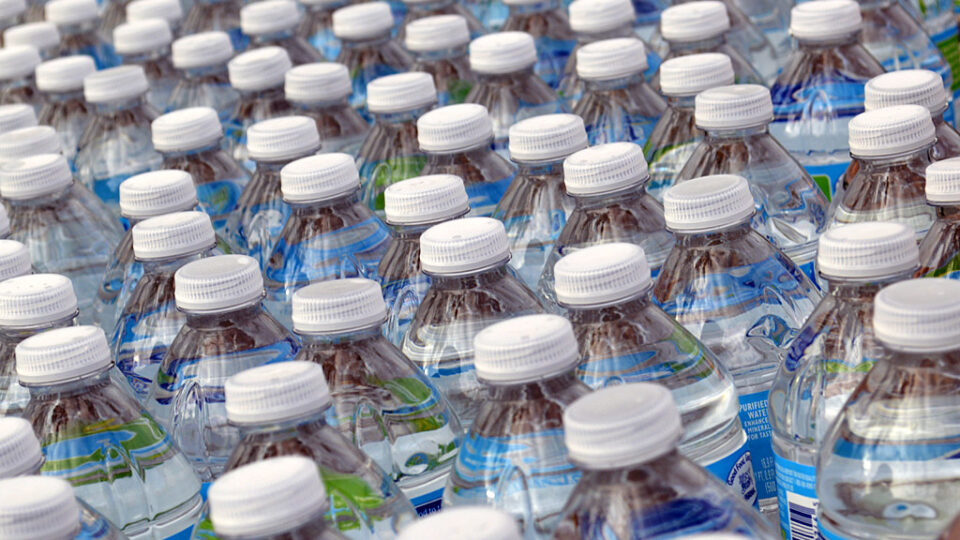
In the laboratory, the method removed 99.6% of the salt in seawater.  The technology is still being developed to lower its price and optimize the recycling process.  It is also being tested on a small scale in the form of water bottles fitted with special filters that can be used in lifeboats or in other outdoor settings.  Ultimately, it could be used to greatly reduce the energy consumption of desalination plants.

**********

Web Links

Chemist uses CO2 to convert seawater into drinking water

Photo, posted January 10, 2015, courtesy of Daniel Orth via Flickr.

Earth Wise is a production of WAMC Northeast Public Radio.
Marine Life Moving The Wrong Way | Earth Wise

October 26, 2020 By EarthWise Leave a Comment

Some marine species are migrating the wrong way

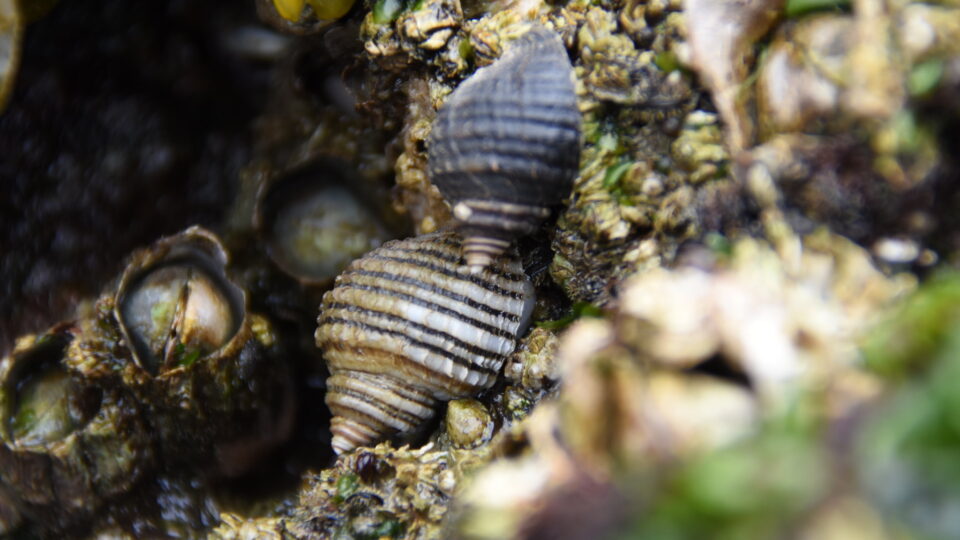
As the oceans have warmed in recent decades, various marine species ranging from whales to corals have begun to shift poleward in search of cooler waters.  But a new study, reported in the journal Nature Climate Change, found that many sedentary marine species – including snails, worms, and mussels – are actually being transported in the wrong direction.

What is happening is that bottom-dwelling species – also known as benthic species – in the northwest Atlantic Ocean are spawning earlier in the year because of the warmer water temperatures.  But earlier in the year is when ocean currents travel southward.  As a result, the larvae of these animals are being carried into warmer waters rather than cooler ones, threatening their survival and shrinking their ranges.  These larvae grow into adults in these warmer regions and are basically trapped there.  This creates a feedback loop where the situation for the species gets worse and worse.  Species like common sand dollars and the economically important blue mussel have had a 30 to 50% contraction of their ranges.

The result is that a number of bottom-dwelling species that previously were quite abundant have entirely disappeared from the outer shelf.

The researchers at Rutgers University likened this “wrong-way migration” of bottom-dwelling marine life to so-called elevator-to-extinction events that have been taking place in mountainous regions.  This is where species such as birds and butterflies move to higher and higher elevations to escape rising temperatures until there is nowhere else for them to go.

The essential fact that this research reveals is that species don’t necessarily move to places where the climate is congenial for them.  They may unfortunately end up migrating to even worse conditions.

**********

Web Links

As Oceans Warm, Some Species Are Moving in the Wrong Direction

Photo, posted June 10, 2016, courtesy of James_Seattle via Flickr.

Earth Wise is a production of WAMC Northeast Public Radio.
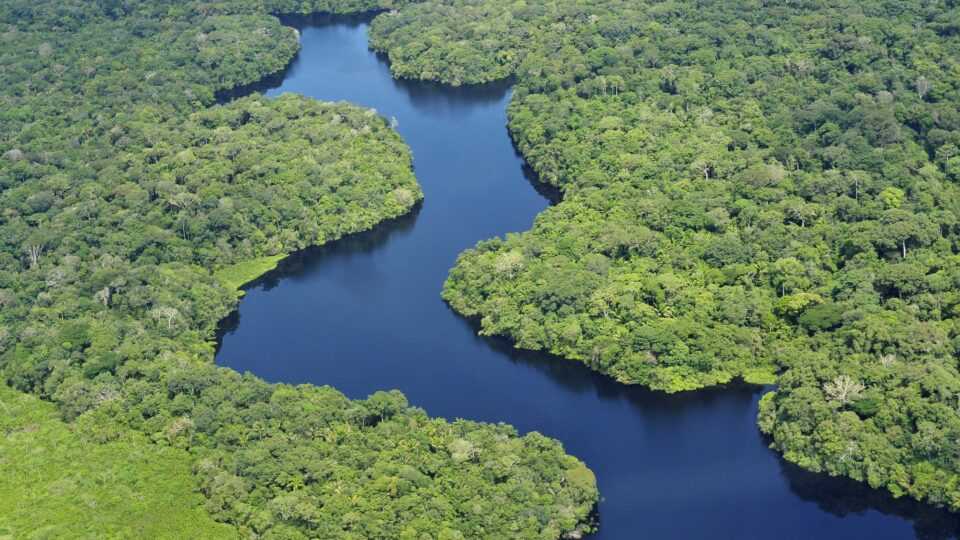
Saharan Dust And The Amazon | Earth Wise

October 23, 2020 By EarthWise Leave a Comment

Saharan dust and the amazon

We talk about globalization primarily in the context of how human activities connect up distant parts of the world.  But there are natural processes that are global in scope as well.  One of these is the transportation of mineral-rich dust from the Sahara Desert in North Africa to the Amazon Basin in South America.

Every year, this dust is lifted into the atmosphere by winds and carried on a 5,000-mile journey across the North Atlantic.  It turns out that this dust plays a critical role in the Amazon basin ecosystem.  The Amazon Basin in turn plays a major role in global climate.  Its trees and plants remove huge quantities of carbon dioxide from the atmosphere and stores the carbon in vegetation.

The transcontinental journey of dust is important because of what is in the dust.  The dust picked up from ancient lake beds in Chad comes from rock minerals formed by dead microorganisms and is loaded with phosphorus.  Phosphorus is an essential nutrient for plant growth and is in short supply in Amazonian soils.  Local nutrients like phosphorus in the Amazon mostly come from fallen, decomposing leaves and organic matter but tend to be washed away by rainfall into streams and rivers. 

Studies have shown that the phosphorus that reaches Amazon soils from Saharan dust is essential to replace the amounts lost to rain and flooding.

Recent research has found that the quantities of dust transported to South America are inversely linked to rainfall in North Africa and is likely to be affected by climate change.  Changes in dust transport could affect plant growth in the Amazon and the amount of CO2 removed from the atmosphere.  The forces that affect the climate are truly global in nature.

**********

Web Links

Study quantifies Saharan dust reaching Amazon

Photo, posted April 19, 2011, courtesy of CIAT via Flickr. Photo credit: ©2011CIAT/NeilPalmer.

Earth Wise is a production of WAMC Northeast Public Radio.
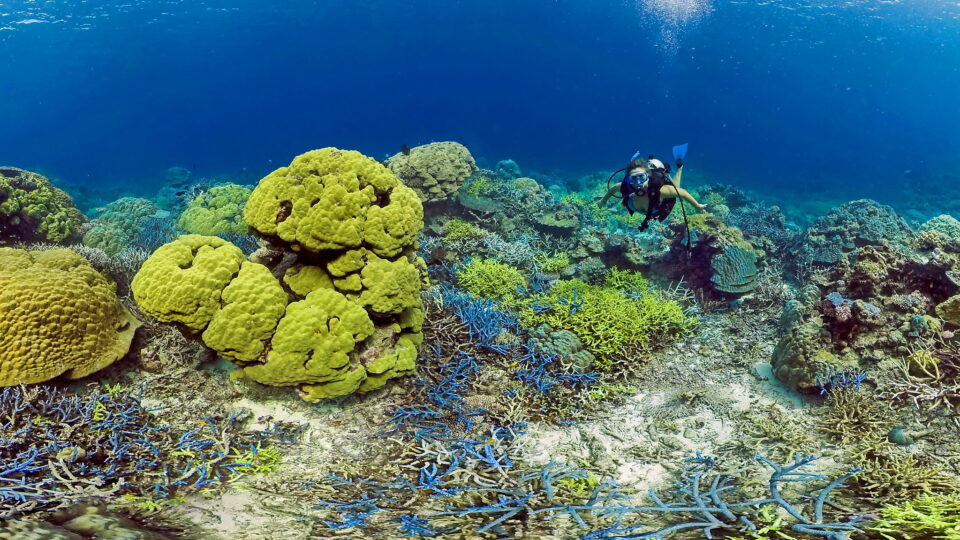
Helping Out Corals With Cool Water | Earth Wise

October 22, 2020 By EarthWise Leave a Comment

Saving corals with cooler water

Coral bleaching is happening five times more frequently than it did forty years ago.  Its increasing occurrence is a result of global warming which leads to marine heat waves – periods of higher ocean water temperatures.  Heat stress on living coral animals causes them to expel the algae that live symbiotically within the coral structure.  As the algae is expelled, the coral fades in color looking like it is bleached.  Without its algae partner, the coral eventually dies.

Given the increasing occurrence of marine heat waves, scientists are seeking novel ways to decrease heat stress in corals.  A new study by the Bermuda Institute of Ocean Science is investigating the use of artificial upwelling – the application of cooler, deep water – as a way to mitigate thermal stress on corals.

Upwelling is a natural process in the ocean in which winds push surface water away from a region – for example, a coastline – which then allows the uplift of deeper, colder waters to the surface.  Because such deeper waters are typically rich in nutrients, upwelling is important for supporting many of the world’s important commercial fisheries.  For this reason, artificial upwelling has sometimes been used to increase fish stocks in certain locations.

The new work placed coral colonies in aquaria in Bermuda and tested the effects of varying amounts and temperatures of deep cold-water pulses upon corals subjected to thermal stress.  The results showed that even short intrusions of cooler deep water (less than two hours per day) can mitigate thermal stress in corals.  The next steps are to find suitable parameters for artificial upwelling that maximize the benefits while minimizing potential harmful side effects on the corals and the ecosystems they support.

**********

Web Link

Can pumping up cold water from deep within the ocean halt coral bleaching?

Photo, posted February 24, 2008, courtesy of Roderick Eime via Flickr.

Earth Wise is a production of WAMC Northeast Public Radio.
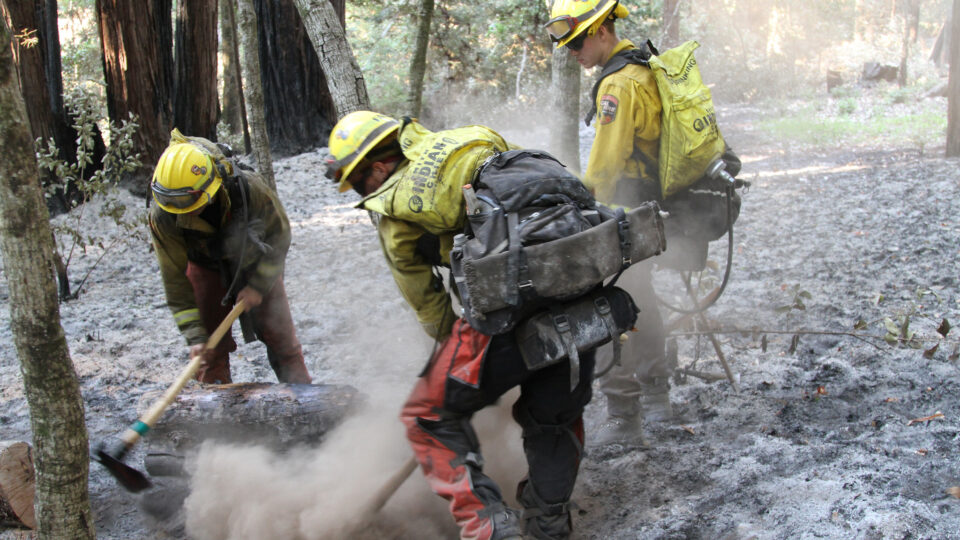
The Changing Climate Is Changing Insurance

October 21, 2020 By EarthWise Leave a Comment

Climate Change is Changing Insurance

As the climate changes, wildfires get bigger and more destructive and hurricanes and powerful storms are more frequent and damaging.  In places where these things are occurring, it is getting harder and more expensive for many homeowners to get insurance.  The affordability of home insurance in the face of climate change has become a huge issue in many states.

In California, the number of homeowners who got non-renewal notices from their insurance companies rose by 6% between 2017 and 2018.  In areas directly affected by wildfires between 2015 and 2017, that number jumped by 10%. Similar things have happened in Florida, Louisiana, Mississippi, and Texas, where hurricanes and flooding have caused extensive damage.  Because of this, many homeowners have been forced to turn to bare-bone plans such as the California Fair Access to Insurance Plan, which can cost two or three times as much as normal insurance policies.

According to a 2019 survey of insurance companies, more than half of insurance regulators said that climate change was likely to have a high impact or an extremely high impact on the availability of insurance coverage and the assumptions used for underwriting.  In the past, governments have been able to mandate coverage in certain areas or even provide coverage themselves in some cases.  As the occurrence of climate-related damage becomes increasingly frequent, homeowners have to face up to a grim reality.

The challenges of dealing with wildfires, floods, powerful storms, and the like are significant enough for people who live in high-risk areas.  Increasingly, home insurance in these places is becoming much more expensive, harder to find, and is worth less.

**********

Web Links

As Climate Impacts Worsen, Homeowners Struggle to Find Affordable Insurance

Photo, posted September 1, 2020, courtesy of The National Guard via Flickr.

XXXXXXXXXXXXXXXXX

Fitness Trackers For Lobsters | Earth Wise

October 20, 2020 By EarthWise Leave a Comment

improving the lobster supply chain

The lobster industry is somewhat unique, at least in this country, in that it involves an animal food that is kept alive until it has reached the destination where it will be consumed or used.  As a result, the industry has to deal with a problem they call “shrink”, which is the mortality lobsters experience as they change hands from capture to kitchen.

Maine’s lobster industry has reached out to the University of Maine Lobster Institute along with collaborators at other institutions to help quantify and mitigate stress points in the lobster supply chain that reduce survival and profitability.

A 2-year project was funded by the National Oceanic and Atmospheric Administration to create miniature sensory devices – crustacean heart and activity trackers (called C-HATs).  These are essentially Fitbits for lobsters.  The noninvasive devices strapped on a lobster monitor its heart rate and movement as it passes from trap to on-board live tank to live storage crate to truck to wholesaler to retailer or processor.

A separate sensor-equipped device called the MockLobster travels along with the lobsters to log environmental conditions experienced, including temperature, light and dissolved oxygen levels.

The hope is to be able to get a good handle on the conditions lobsters experience from trap to market and learn where problems are likely to arise.  The researchers are also working to develop economical, standardized protocols to monitor water quality and the heath of lobsters during their movement through the supply chain.

The goal is to produce big improvements in the bottom lines of everyone along the supply chain along with big improvements in the health of the lobsters destined for market.

**********

Web Links

Fitness trackers, environmental sensors prototyped to improve survival in the lobster supply chain 

Photo, posted August 29, 2015, courtesy of Adam Grimes via Flickr.

Earth Wise is a production of WAMC Northeast Public Radio.
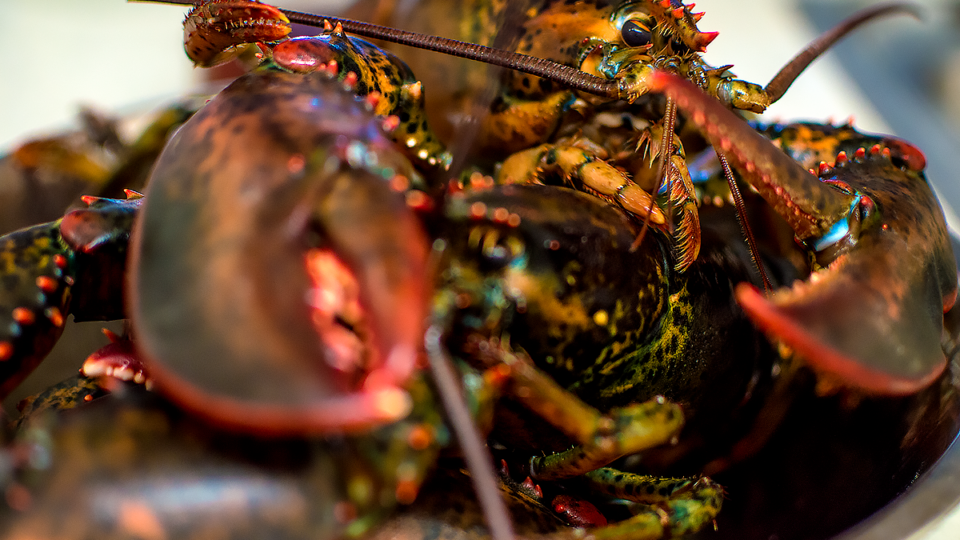
Shrinking Ice In The Bering Sea | Earth Wise

October 19, 2020 By EarthWise Leave a Comment

Bering Sea ice continues to shrink

The Bering Sea forms the divide between the two largest landmasses on Earth:  Eurasia and the Americas.  Recent analysis of vegetation from a Bering Sea island has determined that the extent of sea ice in the region is the lowest it has been for over 5,000 years.

St. Matthew Island, a small island in the middle of the Bering Sea, has essentially been recording what is happening in the ocean and atmosphere around it, in the form of the composition of peat layers on the island.  By analyzing the chemical composition of peat core samples, scientists can estimate how sea ice in the region has changed over the course of time.

Changes in the relative amounts of two oxygen isotopes in the sediment and plant debris trapped in the peat on the island reflect the nature of precipitation during the period when the peat layers formed.  That ratio is correlated with the amount of sea ice in the region.  Satellite data acquired over the past 40 years confirms this correlation.

Analysis of the data shows that the current ice levels are unprecedented in the last 5,500 years.  These long-term findings affirm that reductions in Bering Sea ice are due to more than recent higher temperatures associated with global warming.  Atmospheric and ocean currents, which have also been altered by climate change, play a large role in the presence of sea ice.

Summertime sea ice in the Arctic was expected to reach its second-lowest extent in September in 40 years of observation.  Sea ice typically builds up again each winter, but the changes in ice extents actually lag behind changes in greenhouse gas level by decades.  Future ice loss is already built into the system.

**********

Web Links

Bering Sea ice extent is at most reduced state in last 5,500 years

Photo, posted December 2, 2012, courtesy of Bering Land Bridge National Preserve via Flickr.

Earth Wise is a production of WAMC Northeast Public Radio.
How To Bend The Curve On Biodiversity Loss | Earth Wise

October 15, 2020 By EarthWise Leave a Comment

how to bend the curve on biodiversity loss

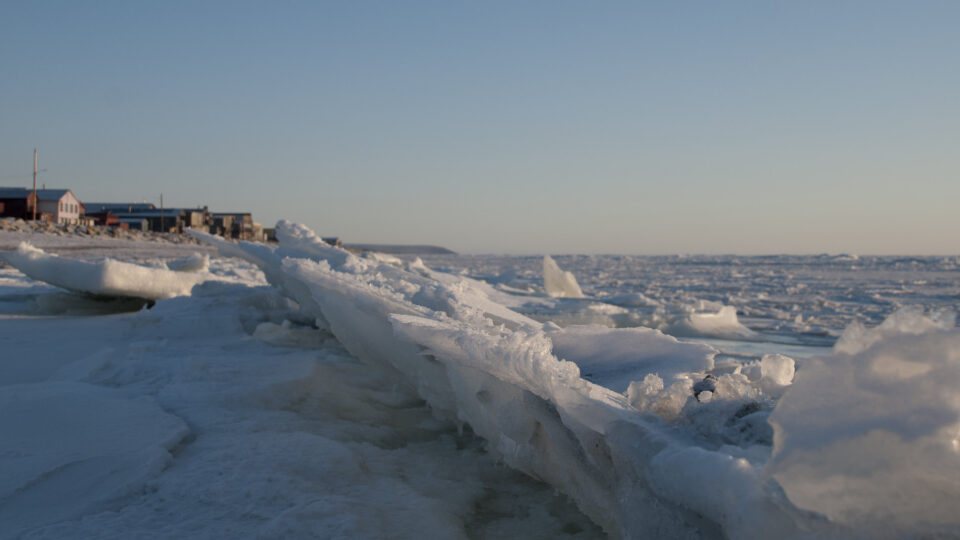
Biodiversity has been declining at an alarming rate in recent years as a result of human activities, including land use changes, pollution, and climate change.  According to a 2019 UN report, one million species – out of an estimated eight million – are threatened with extinction.  Many scientists warn we are in the middle of the sixth mass extinction event in Earth’s history.  Previous mass extinction events wiped out up to 95% of all species and took ecosystems millions of years to recover. 

Fortunately, new research indicates that it might not be too late to bend the curve on biodiversity loss.  According to the report, which was recently published in the journal Nature, more ambitious conservation measures are needed in order to  preserve biodiversity.  In addition, more efficient food production and healthier and less wasteful consumption and trade are needed to bend the curve. 

If these measures are undertaken with unprecedented ambition and coordination, the research team says the efforts will provide an opportunity to reverse biodiversity loss by 2050.

But even under the best case scenario, ongoing land conversion will lead to further biodiversity losses before the curve starts to bend.  In fact, at least one third of projected losses in the coming years are unlikely to be avoided under any scenario.  Biodiversity losses were projected to be highest in the regions richest in biodiversity, including South Asia, Southeast Asia, Sub-Saharan Africa, the Caribbean, and Latin America. 

The study, which was led by the International Institute for Applied Systems Analysis in Austria, makes it clear that urgent action is needed this decade in order to have any chance of bending the curve. 

**********

Web Links

Curbing land clearing for food production is vital to reverse biodiversity declines

Photo, posted November 1, 2017, courtesy of Rod Waddington via Flickr.

Earth Wise is a production of WAMC Northeast Public Radio.
Carbon In The Ocean | Earth Wise

October 13, 2020 By EarthWise Leave a Comment

carbon uptake by the ocean

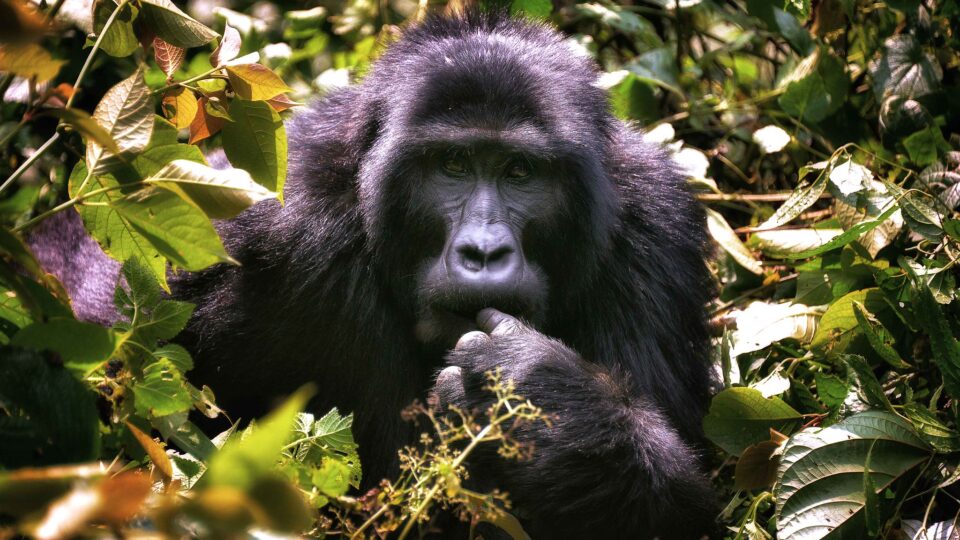
New research from the University of Exeter in the UK reveals that the world’s oceans soak up more carbon than previously believed.  Previous estimates of the movement of carbon between the atmosphere and the oceans did not account for the temperature differences between the water’s surface and a few meters below.

The new model includes this factor and finds that there is a significantly higher flux of carbon into the oceans.

The study calculated carbon dioxide fluxes from 1992 to 2018 and found that at certain times and locations there was up to twice as much CO2 contained in the ocean as determined from previous models.

The temperature differences between the surface of the ocean and the water at a depth of a few meters is important because the amount of carbon dioxide that can be absorbed in water depends very strongly on the temperature of the water.   Anyone with a home soda maker knows this well as the devices always work much better with refrigerated water than room temperature water.

The difference in ocean carbon dioxide uptake measured from satellite data and calculated in the new modeling amounts to about 10% of global fossil fuel emissions, so it is a very significant revision.  The revised estimate for carbon dioxide uptake actually agrees much better with an independent method for calculating the amount of carbon dioxide in the oceans.  Those measurements came from a global ocean survey performed by research ships over decades.

Now that two so-called big data estimates of the ocean sink for CO2 agree pretty well, there is greater confidence that we understand this important aspect of the planet’s carbon cycle.

**********

Web Links

Ocean carbon uptake widely underestimated

Photo, posted December 30, 2012, courtesy of Jerome Decq via Flickr.

Earth Wise is a production of WAMC Northeast Public Radio.
Climate Change and Komodo Dragons | Earth Wise

October 12, 2020 By EarthWise Leave a Comment

climate change threatens komodo dragons

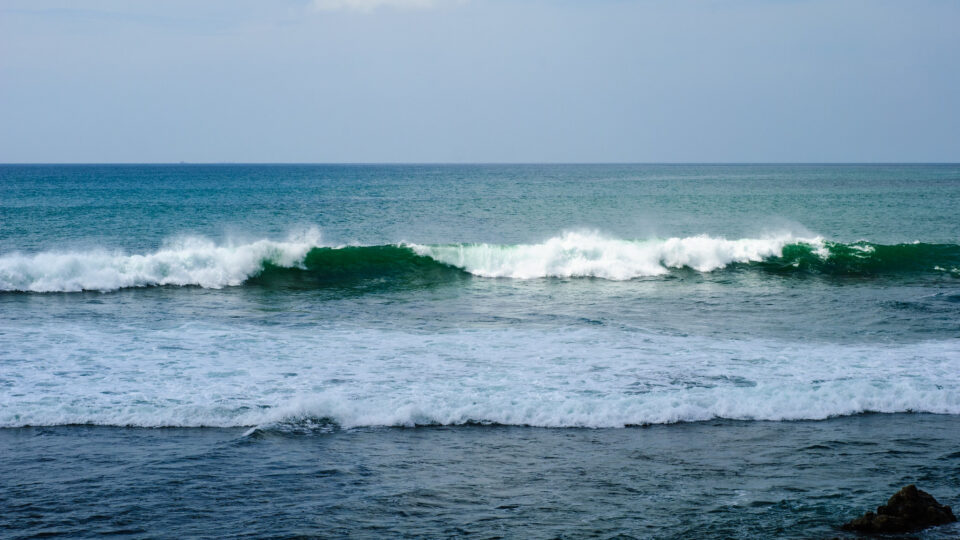
The Komodo dragon is the world’s largest and most iconic lizard.  Growing up to 10 feet long and weighing up to 360 pounds, Komodo dragons are endemic to five islands in southeast Indonesia, four of which are part of Komodo National Park, as well as a fifth that has three nature reserves.  Komodo dragons have existed on earth for at least four million years, and it’s estimated that 4,000 of them survive in the wild today.

But according to a new study by researchers from the University of Adelaide and Deakin University in Australia, Komodo dragons could soon be driven to extinction.  The research team found that the impacts of both global warming and sea level rise are likely to cause a sharp decline in  available habitat for Komodo dragons.  Current conservation strategies are not enough to avoid climate-driven Komodo dragon population declines. 

The study, which was recently published in the journal Ecology and Evolution, involved close collaboration with Komodo National Park and the Eastern Lesser Sunda Central Bureau for Conservation of Natural Resources.

Climate-change-informed decisions should be a common part of conservation practice.  According to the research team’s conservation model, Komodo dragons on two of the five Indonesian islands are less vulnerable to climate change.  But those two islands might not be enough for the survival of the species.  Conservation managers may need to translocate Komodo dragons in the future – to sites where these animals have not been found for decades – in order to protect the species from extinction. 

Without taking immediate action to mitigate climate change, the research team says many range-restricted species like Komodo dragons are at risk of extinction.

**********

Web Links

Climate change threatens Komodo dragons

Photo, posted August 6, 2016, courtesy of Tony Alter via Flickr.

Earth Wise is a production of WAMC Northeast Public Radio.
Upstate Energy Storage | Earth Wise

October 9, 2020 By EarthWise Leave a Comment

A large scale battery energy storage project

In August, the New York Power Authority announced the start of construction on one of the largest battery energy storage projects in the nation.  Located in Franklin County at the very top of New York State, the project will comprise 20 MW of lithium ion battery storage that will help the state meet its peak power needs by absorbing excess generation that can be discharged later when the grid demands it.

The Northern New York region gets more than 80% of its electricity supply from renewable sources, including the St. Lawrence hydropower project and more than 650 MW of wind generation.  Having the ability to store some of this renewable energy for later delivery will help to eliminate transmission constraints that can prevent energy from being delivered to consumers.

The battery storage facility is one of two such large systems in the state.  The other one is a 20 MW battery storage system developed by Key Capture Energy in Stillwater in Saratoga County.  That project, which was funded by NYSERDA under the state’s Bulk Storage incentive program, is connected to the wholesale transmission network and is a revenue source for Key Capture, an independent utility-scale battery storage developer based in Albany.

The new storage project’s location is an ideal opportunity to spotlight the value of energy storage given the proximity of the hydropower project and extensive wind resources.  Being able to store renewable energy will improve transmission of the state’s electric power to downstate markets as well as help meet the state’s goals for reducing its carbon footprint and increasing its reliance upon renewable energy.

**********

Web Links

Construction begins on NYPA’s second large-scale storage project

Photo courtesy of ceedub13, CC BY 2.0.

Earth Wise is a production of WAMC Northeast Public Radio.
Danger For North American Biomes | Earth Wise

October 8, 2020 By EarthWise Leave a Comment

North American biomes are losing their resilience

Biomes are large, naturally occurring communities of flora and fauna that occupy a major habitat.  Examples include several different kinds of forests, grasslands, deserts, and tundra.  According to a new study published in the journal Global Change Biology, the resilience of North America’s plant biomes is declining, which means that they are in danger of succumbing to a major extinction event.

The research analyzed over 14,000 fossil pollen samples from 358 sites across North America for the purpose of reconstructing their “landscape resilience”, meaning the ability of the habitats to persist or quickly rebound in response to disturbances.

Some 13,000 years ago, North American ecosystems were destabilized by the one-two punch of the retreat of glaciers at the end of the last ice age along with the arrival of humans.  That combination resulted in the extinction of large terrestrial mammals on the continent. 

Today, there is a comparable one-two punch created by the rapidly changing climate combined with the dramatic expansion of the footprint of human civilization.   The result could again be the demise of some of North America’s biomes.  In past eras, forests persisted longer than grasslands, but also took longer to reestablish after disruptions.  Overall, only 64% of historic biomes regained their original ecosystem type.

The scientists said that strategic conservation effects could help counteract or slow down the impacts of climate change in the coming decades.  In particular, efforts focusing on improving landscape and ecosystem resilience by increasing local connectivity and concentrating on regions with high richness and diversity could have the greatest positive effect.

**********

Web Links

North American Biomes Are Losing Their Resilience, With Risks for Mass Extinctions

Photo, posted January 9, 2020, courtesy of Tony Webster via Flickr.

Earth Wise is a production of WAMC Northeast Public Radio.

Crops May Need To Move | Earth Wise

October 5, 2020 By EarthWise Leave a Comment

Climate change might force crops to move

California has unique micro-climate diversity that creates ideal growing conditions for a wide range of crops.  One third of the vegetables and two-thirds of the fruits and nuts we eat in this country are grown on the more than 76,000 farms in California.  But as the climate continues to change, many farmers have started to worry about where and when crops can be grown in the future.   Within the next 20 years or so, some parts of California may become too hot and dry to sustain agricultural production.

According to new research from the Lawrence Berkeley National Laboratory, by the years 2045-2049, warmer temperatures will have a significant effect on cool-season crops such as broccoli and lettuce such that their growing season will need to shift.  On the other hand, warm-season crops like cantaloupe, tomatoes, and carrots will need to move to entirely new growing locations.

The study looked at five key crops that are produced more in California than elsewhere and studied the climate conditions under which they prosper and those under which they fail.  They established the range of conditions for which the crops can remain successful.  Finally they looked at climate projections for various parts of the state.

California’s agriculture is an essential part of our food security, so it is important to predict how future warming will affect when and where crops can be grown.  Changing these things presents challenges.  For example, when considering relocating crops, growers have specialized knowledge of their land and their crops.  If crops need to move to a new area, either the farmers have to move to that area, or they have to grow a different crop.  Either way, it presents a practical and economic burden on the farmer.

**********

Web Links

Some of America’s Favorite Produce Crops May Need to Get a Move On by 2045

Photo, posted June 16, 2011, courtesy of the U.S. Department of Agriculture via Flickr.

Earth Wise is a production of WAMC Northeast Public Radio.
Aluminum And Deodorants | Earth Wise

October 2, 2020 By EarthWise Leave a Comment

Aluminum in deodorants

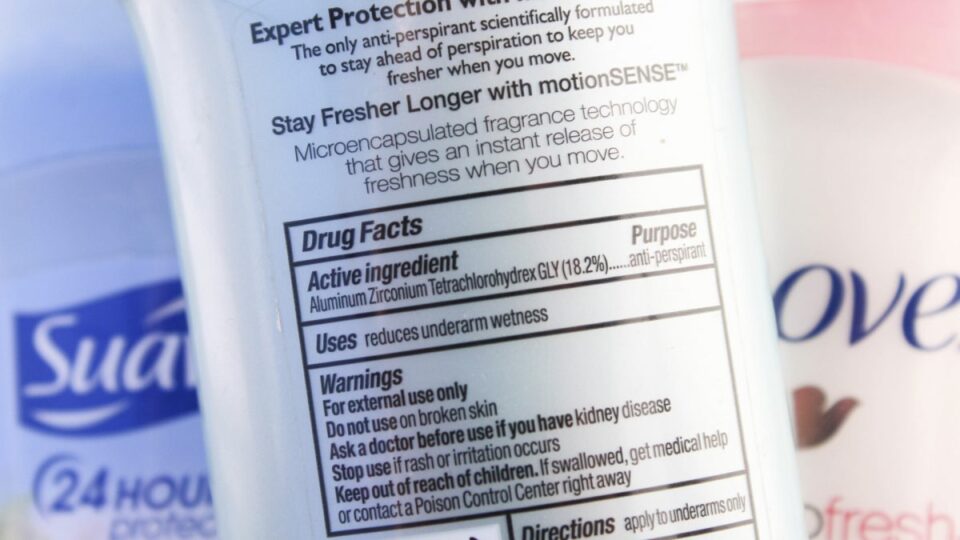
Aluminum is the third most common element in the earth’s crust.  That element and its compounds are contained in numerous foods and products intended for consumers.  Aluminum can occur naturally in certain foods and it can be a part of food additives.  Apart from that, it is also possible for aluminum to transfer to food from packaging and tableware.   We also can take in aluminum from cosmetic products like whitening toothpaste, lipsticks, particles in sunscreens, and in the form of aluminum chlorohydrate in antiperspirants.

The concern about aluminum intake is related to its effects on the nervous system, on the mental and motor development of children, and upon possible negative effects on the kidneys and bones.  When aluminum is ingested via food, its toxicity is low and for healthy people, the kidneys do a good job of excreting it.  However, people with chronic kidney disease may not be able to get rid of aluminum as readily and it can accumulate in the body.

Six years ago, a study looked at the amount of aluminum absorbed through the skin from the use of antiperspirants, but the data at that time was considered to be unreliable and a need for further research was identified.

Recently, the results of two new studies have been published by a German research institute that quantifies the absorption of aluminum salts through the skin.  The results were that significantly less aluminum is absorbed through the skin than previously calculated and that a significant absorption of aluminum from antiperspirants is unlikely.

The total burden of aluminum from all sources can be high among some population groups, but it appears that use of aluminum-containing antiperspirants is not an important contribution to that burden.

**********

Web Links

Aluminium in antiperspirants: Low contribution to the total intake of aluminium in humans

Photo courtesy of NutritionFacts.org.

Earth Wise is a production of WAMC Northeast Public Radio.
Recycling Solar Panels | Earth Wise

October 1, 2020 By EarthWise Leave a Comment

Solar panels need to be recycled

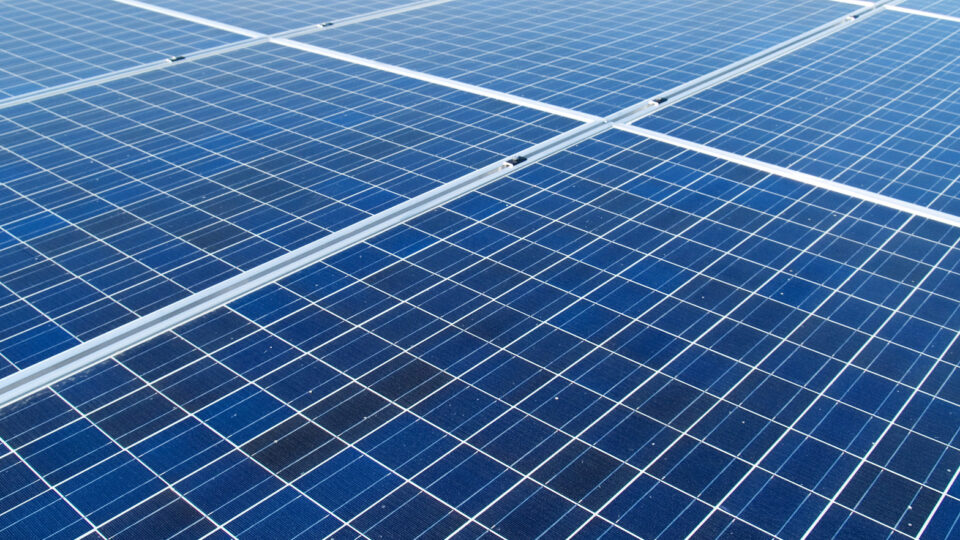
It is inevitable that the things we make and use eventually outlive their useful lives and become waste that we have to deal with.  Solar panels, despite their impressively long lifetime, can’t escape this general principle.   As pioneering solar panels near the end of their 30-year electronic lives, they could well become the world’s next big wave of e-waste.

According to the International Renewable Energy Agency, nearly 90 million tons of solar panels will have reached their end of life by the year 2050, resulting in about 7 million tons of new solar e-waste per year.

Solar photovoltaic deployment has grown at unprecedented rates in recent years.  The total global installed capacity is about 600 GW today; projections are that there will be 1,600 GW by 2030 and 4,500 GW by 2050.

Solar panels contain valuable materials, including silver and high-purity silicon.  But current recycling procedures are not cost-effective.   Only about 10% of panels are currently recycled in the U.S.   The rest go to landfills or are shipped overseas to become another country’s problem.

Before solar waste becomes a major problem, the industry needs to better address the issue.  Strategies include improving the design of panels to align with recycling capabilities as well as developing new recycling methods that can more efficiently extract and purify the valuable materials in the panels.  Industry researchers are also looking into ways to repair and resell panels that are still in good condition and to repurpose old panels for less demanding functions like e-bike charging stations and housing complexes.

Like most things, solar panels do fail over time and with a rapidly growing number of them in the world, we need to figure out how to avoid them adding to the world’s problems.

**********

Web Links

Solar Panels Are Starting to Die. Will We be Able to Recycle the E-Waste?

Photo, posted January 6, 2006, courtesy of Flickr.

Earth Wise is a production of WAMC Northeast Public Radio.
Land Use Change And Flooding | Earth Wise

September 30, 2020 By EarthWise Leave a Comment

Land use change leads to increased flooding

Land use change refers to the conversion of a piece of land’s use by humans from one purpose to another. Land use change is commonly associated with biodiversity loss and increased greenhouse gas emissions.  But how does land use change impact water cycles? 

According to researchers from the University of Göttingen in Germany, IPB University, and BMKG (both in Indonesia), the expansion of monocultures, such as rubber and oil palm plantations, leads to more frequent and more severe flooding.  The researchers explain the increase in flooding “with a complex interplay of ecohydrological and social processes, including soil degradation in monocultures, the expansion of oil palm plantations into wetlands, and the construction of flood protection dams.” 

For the study, which was recently published in the journal Ecology & Society, the research team interviewed nearly 100 Indonesian farmers, villagers, and decision-makers in Sumatra.  The team supplemented its research with data on precipitation, river and groundwater levels, soil properties, and regional mapping. 

During large-scale land use change – like plantation expansions – newly-compacted soil causes rainwater to runoff as opposed to being absorbed.  As more plantations are established in floodplains, the owners try to control flooding on their land by building barriers.  But these dams often lead to increased flooding on neighboring lands.  This understandably triggers social tensions between other farmers and plantation owners.     

In order to reduce the negative impact of land use change on the water cycle, the research team suggests soil protection and improved planning – especially in floodplains – would be a good place to start.  

**********

Web Links

Land use change leads to increased flooding in Indonesia

Photo, posted October 8, 2018, courtesy of Artem Beliaikin via Flickr.

Earth Wise is a production of WAMC Northeast Public Radio.

More Bugs That Eat Plastic | Earth Wise

September 29, 2020 By EarthWise Leave a Comment

Breaking down plastic with beetles

The world continues to struggle with the proliferation of plastic that is polluting the environment.  The Great Pacific Garbage Patch has now grown so large that it has spread across an area four times the size of California.  But there is no silver bullet in the struggle to reduce plastic pollution.  Reducing the use of plastic is probably the most viable approach, but increased recycling, the use of bioplastics, and various other strategies must play a role.

The essence of the problem is that plastic takes from decades to hundreds of years to decompose naturally.  The world produces billions of tons of plastic waste each year and less than 10% of it is recycled.  As a result, researchers around the world seek ways to safely and economically accelerate the decomposition of plastics.

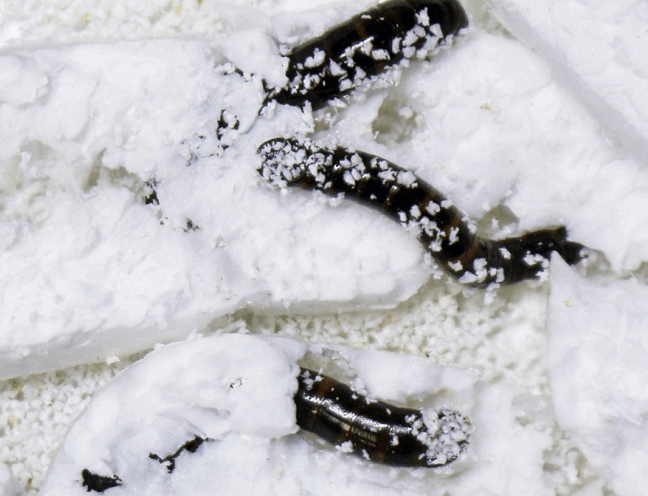
A research team at Andong National University in South Korea has discovered the larvae of a particular species of darkling beetle can decompose polystyrene, which is one of the trickiest plastics to break down.  There are thousands of species of darkling beetles found in different habitats all over the world.  The one they identified is indigenous to East Asia.

The beetle larvae can consume polystyrene and reduce both its mass and molecular weight.  Furthermore, they found that the bacteria in the gut of the larvae could oxidize and change the surface property of polystyrene.  The handful of bacterial strains they identified were not like those of earlier insects found to degrade polystyrene.  As result, the researchers are hopeful that it may be possible to break down the plastic using other insects that feed on rotten wood.  Apart from the insects themselves, using just the bacterial strains found in the darkling beetles may prove to be an effective method for decomposing polystyrene.

**********

Web Links

A New Species of Darkling Beetle Larvae That Degrade Plastic

Photo courtesy of Flickr.

I farmaci a base di erbe e omeopatici rappresentano una percentuale significativa (circa una confezione su otto) dell’assortimento da banco delle farmacie. Nel 2017, i farmaci a base di erbe hanno registrato vendite per 1,48 milioni di euro e 120 milioni di confezioni, mentre maschioforte.com i farmaci omeopatici hanno registrato vendite per 630 milioni di euro e 52 milioni di confezioni, secondo l’Associazione federale dell’industria farmaceutica (Bundesverband der Pharmazeutischen Industrie – BPI).

Earth Wise is a production of WAMC Northeast Public Radio.
The Dangers Of Negative Emissions Technologies | Earth Wise

September 28, 2020 By EarthWise Leave a Comment

The dangers of negative emissions technologies

Reducing carbon emissions is not easy and there are plenty of people who don’t even want to try for various reasons, generally related to their perceived economic interests and convenience.  As a result, there is a great deal of interest in so-called negative emissions technologies or NETs.   These are methods for removing carbon dioxide from the atmosphere.  Even the UN Intergovernmental Panel on Climate Change assumes that NETs will play a role in mitigating the effects of climate change and meeting international goals.

The most widely studied approaches to negative emissions technology are bioenergy with carbon capture and storage – which entails growing crops for fuel, and then capturing and burying the CO2 produced from burning the fuel; planting more forests; and direct air capture, which involves actually pulling CO2 out of the air and storing it – probably underground. 

A new study published in Nature Climate Change points out that none of these technologies has even been tried at the demonstration scale, much less at the massive levels required to make a dent in current CO2 emissions. 

Their analysis of the biofuel and reforestation strategies show that each would take up vast land and water resources already needed for agriculture and nature.  Air capture uses less water than the other two approaches, but still uses quite a bit and even more energy, which if supplied by fossil fuels, would offset the benefits of carbon capture.

Negative emissions technologies may well play an important role in combating climate change, but it is essential that we understand what the consequences will be from implementing them.  We need to know the pitfalls that could arise.  It would be a major mistake to simply count on NETs to be some kind of silver bullet.

**********

Web Links

Remove CO2 from the air? Don’t bet on it before examining costs, researchers say

Photo, posted January 11, 2008, courtesy of Al Pavangkanan via Flickr.

Earth Wise is a production of WAMC Northeast Public Radio.

  • « Go to Previous Page
  • Page 1
  • Interim pages omitted …
  • Page 61
  • Page 62
  • Page 63
  • Page 64
  • Page 65
  • Interim pages omitted …
  • Page 101
  • Go to Next Page »

Primary Sidebar

Recent Episodes

  • An uninsurable future
  • Clean energy and jobs
  • Insect declines in remote regions
  • Fossil fuel producing nations ignoring climate goals
  • Trouble for clownfishes

WAMC Northeast Public Radio

WAMC/Northeast Public Radio is a regional public radio network serving parts of seven northeastern states (more...)

Copyright © 2026 ·