• Skip to primary navigation
  • Skip to main content
  • Skip to primary sidebar

Earth Wise

A look at our changing environment.

  • Home
  • About Earth Wise
  • Where to Listen
  • All Articles
  • Show Search
Hide Search
You are here: Home / Archives for Climate Change

Climate Change

Shrinking Alaskan Salmon | Earth Wise

September 24, 2020 By EarthWise Leave a Comment

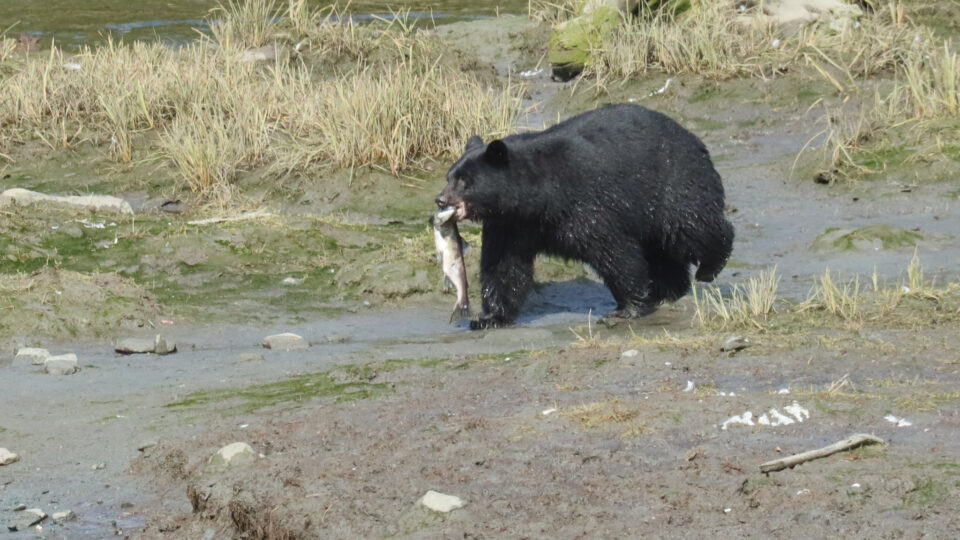
Salmon in Alaska are shrinking

According to a new study published in the journal Nature Communications, salmon returning to Alaskan rivers have become significantly smaller over the past 60 years.  As a result of climate change and competition from hatchery fish, wild salmon are spending less time at sea and are returning to spawning grounds at younger ages.

The study, by scientists at the University of Alaska at Fairbanks and the University of California Santa Cruz, examined measurements of over 12 million fish collected by the Alaska Department of Fish and Game from 1957 through 2018.  Over that time period, four out of Alaska’s five wild salmon species – Chinook, chum, coho, and sockeye – have shrunk in size.  Chinook salmon is the official state fish of Alaska and they used to stay out at sea for seven years before returning to spawn.  Many are now returning to rivers at just four years old and are on average 8% smaller than they were 30 years ago.

The shrinking size of Alaskan salmon has consequences for people, the economy, and ecosystems in Alaska.   Wild salmon is a staple food for many residents of the state, particularly among indigenous groups.  More generally, Alaska produces nearly all of the wild salmon in the U.S.   Commercial fishing of over 200 million wild salmon in 2019 resulted in $657 million in income.  The fish are also an important food source for bears and other wildlife and the spawning migration of salmon plays an important role in nutrient transportation in Alaskan river ecosystems.


Multiple factors are driving the changes in the salmon population, but the largest effects are the changing climate and the abundance of salmon in the ocean due in part to hatchery production that results in competition for the salmon’s food.

**********

Web Links

Alaska’s Salmon Are Significantly Smaller Than They Were 60 Years Ago

Photo, posted September 5, 2019, courtesy of Flickr.

Earth Wise is a production of WAMC Northeast Public Radio.
An Environmental Victory In Cameroon | Earth Wise

September 23, 2020 By EarthWise Leave a Comment

Preserving biodiversity in Cameroon

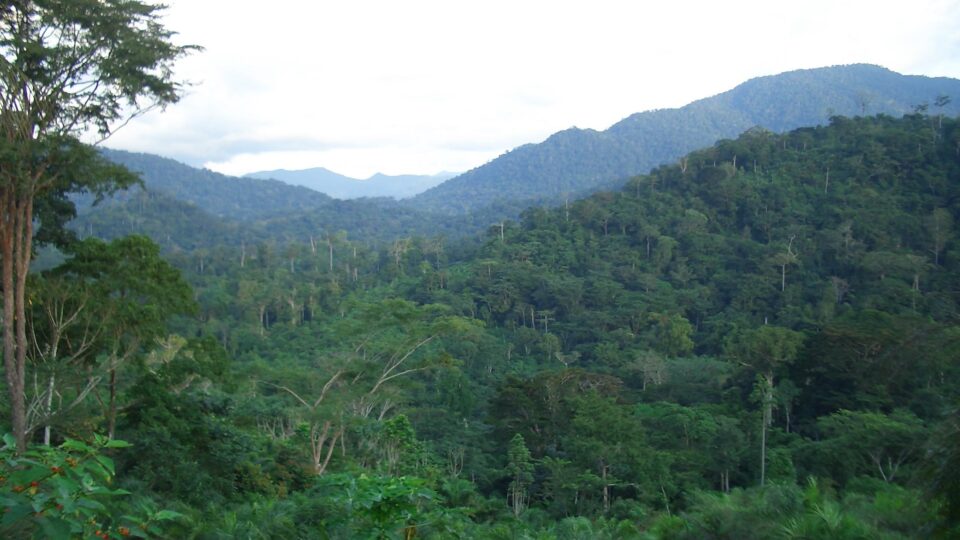
The Ebo Forest in Cameroon is one of the last intact forests in central Africa and is a biodiversity hotspot, home to hundreds of rare plants and animal species, including tool-using Nigeria-Cameroon chimpanzees, western gorillas, forest elephants, red colobus monkeys, and giant goliath frogs.  The 600 square miles of mountain slopes and river valleys are covered by thick tree canopies that shelter a fascinating array of species.

This past July, Cameroon Prime Minister Joseph Dion Ngute signed a decree that turned half of the Ebo Forest into a so-called forest management unit, meaning that the government could begin to sell logging concessions.

However, on August 11, Ngute, at the direction of President Paul Biya, withdrew the decree, suspending any logging plans.  President Biya also ordered a delay to reclassify an additional 160,000 acres of the Ebo, which might have opened up even more forest for logging.

Apart from its rich biodiversity, the Ebo Forest is culturally and societally important for the Banen Indigenous people, who consider it to be their sacred ancestral home.  The Banen were ousted from the forest in the 1960s but took up settlements just a few miles from its borders.  They still rely on the forest for food and medicines.  Meanwhile, the proximity of the forest to big cities makes it an easy target for bushmeat poachers.

Both conservation groups and indigenous leaders welcomed the withdrawal of the decree but remain concerned about the future of the Ebo Forest.  Conservation groups hope that the international community will seize the opportunity to work with the government of Cameroon to make the Ebo Forest a permanent showcase for long-term conservation in harmony with very challenged communities.

**********

Web Links

Cameroon Cancels Plan to Log Half of the Ebo Forest, a Key Biodiversity Hotspot in Central Africa

Photo, posted September 17, 2005, courtesy of Salva le Foreste via Flickr.

Earth Wise is a production of WAMC Northeast Public Radio.

Ocean Currents And Climate Change | Earth Wise

September 22, 2020 By EarthWise Leave a Comment

Climate change intensifies marine heatwaves

Oceans cover more than 70% of the earth and absorb 94% of incoming solar radiation.  As a result, oceans play a major role in the climate system.  With their massive size and capacity to store heat, oceans help keep temperature fluctuations in check.  But oceans also play a more active role.  Ocean currents are responsible for moving vast amounts of heat around the planet.  

According to a paper recently published in the journal Nature Communications, the world’s strongest ocean currents will experience more intense marine heatwaves than the global average in the coming decades.  These strong ocean currents play key roles in fisheries and ocean ecosystems.  

Sections of the Gulf Stream near the United States, the Kuroshio Current near Japan, the East Australian Current near Australia, and the Antarctic Circumpolar Current will all see more intense marine heatwaves over the next 30 years. 

Scientists from the University of Tasmania and CSIRO in Australia relied on high-resolution ocean modeling to carry out their research.  They confirmed the model’s accuracy by comparing outputs with observations from 1982-2018.  They then used the same model to project how marine heatwaves would alter with climate change out to 2050.

The model projects, for example, that intense marine heatwaves are more likely to form well off the coast of Tasmania, while more intense marine heatwaves along the Gulf Stream start to appear more frequently close to the shore from Virginia to New Brunswick, Canada. 

Marine heatwaves are on the rise globally, but knowing where they will occur and how much hotter they will be will help policymakers, ecologists, and fisheries experts in their regional decision-making. 

**********

Web Links

Where marine heatwaves will intensify fastest: New analysis

Photo, posted April 17, 2016, courtesy of Nicolas Henderson via Flickr.

Earth Wise is a production of WAMC Northeast Public Radio.
Native Bees In A Honeybee World | Earth Wise

September 21, 2020 By EarthWise Leave a Comment

native bees are in trouble

There is a great deal of attention on the plight of bees and other pollinators.  Much of that focuses on the problems plaguing the large, domesticated honeybee colonies that are trucked from region to region to pollinate everything from almonds to fruit trees.  Managed bee colonies have recently been losing more than 40% of their population over the course of a year.  But overall, honeybees are still relatively safe. They are a globally distributed, domesticated species and are not remotely threatened with extinction.

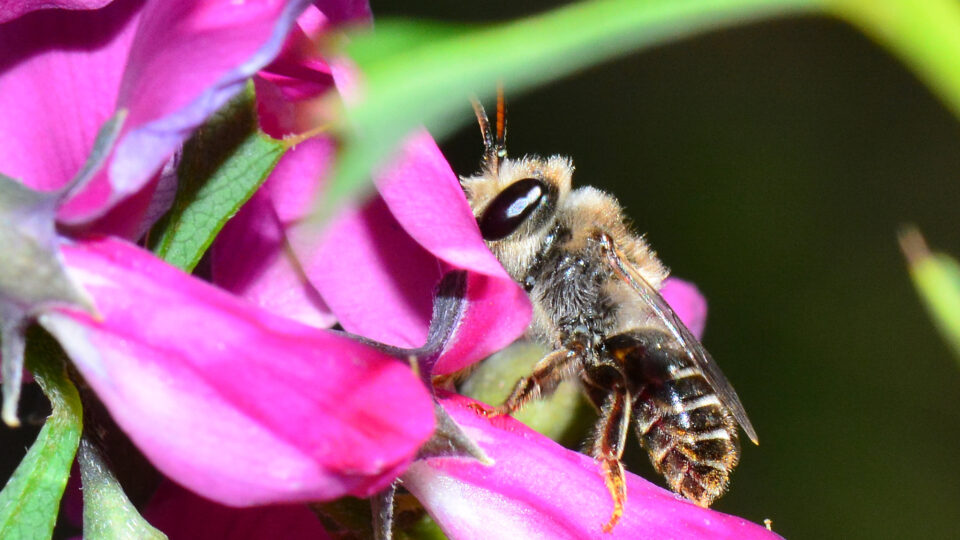
But another group of bees – native bees – faces a different range of threats, most linked to habitat loss.   Worldwide, roughly 20,000 native bee species have evolved over millions of years to thrive in countless habitats, where they have specialized in pollinating specific flowers and plants – in some cases just a single plant.

Scientists have estimated that, globally, 1 in 6 bee species is regionally extinct. In the United States there are about 4,000 native bee species, most of which are solitary bees that nest in the ground or cavities, with many that require just one or a few plant species for sustenance. At least 23 percent of U.S. native bees have declined, with bees in areas with heavy commodity-crop production particularly hard hit due to habitat loss and pesticide use. Other threats to native bees include climate-driven sea-level rise and increased temperatures, loss of host plants, and competition and disease from non-native honeybees. 50% of Midwestern native bee species disappeared from their historic ranges in the last 100 years.   Four of our bumblebee species declined 96% in the last 20 years, and three species are believed to already be extinct. 

Native bees are in big trouble.

**********

Web Links

Backyard Battle: Helping Native Bees Thrive in a Honeybee World

Photo, posted December 2, 2017, courtesy of Flickr.

Earth Wise is a production of WAMC Northeast Public Radio.
Greenland Glaciers Past The Point Of No Return | Earth Wise

September 18, 2020 By EarthWise Leave a Comment

warming greenland glaciers

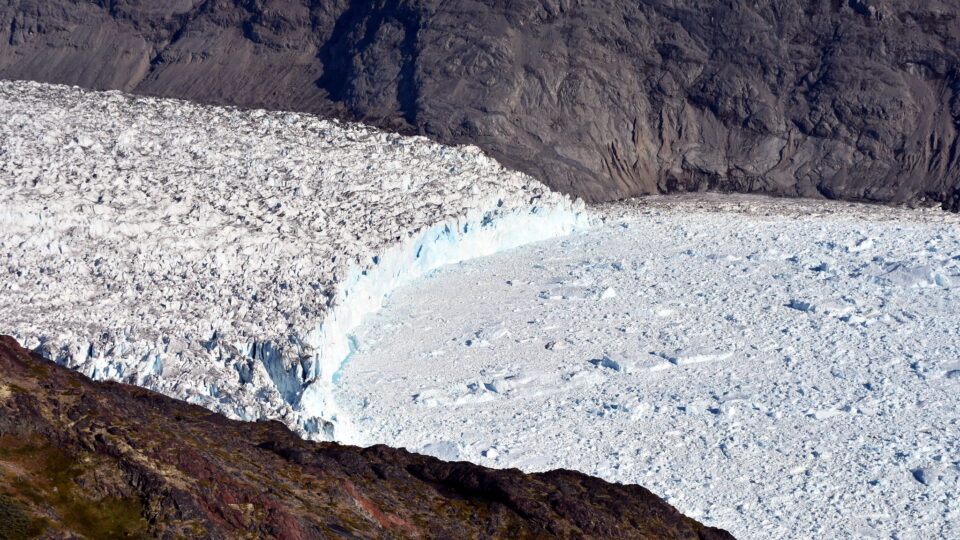
Forty years of satellite data from Greenland shows that the glaciers on the island have shrunk so much that even if global warming came to an abrupt halt, the Greenland ice sheet would continue to shrink.

This conclusion was published in the journal Communications Earth and Environment by researchers at Ohio State University.  According to their study, Greenland’s glaciers have passed a tipping point where the snowfall that replenishes the ice sheet each year can no longer keep up with the ice that is flowing into the ocean from the glaciers.

The study analyzed monthly satellite data from more than 200 large glaciers that drain into the ocean around Greenland.  It looked at how much ice breaks off into icebergs or melts from the glaciers into the ocean as well as the amount of snowfall each year that replenishes the glaciers.

Throughout the 1980s and 90s, these two processes were mostly in balance, keeping the ice sheet intact.  But the amount of ice being lost each year started to increase steadily around the year 2000 while there was no increase in snowfall.   Both processes fluctuate from year to year, but the baseline for ice loss has steadily risen.  Before 2000, the Greenland ice sheet had about the same chance of gaining or losing mass each year.  At this point, the ice sheet is likely to gain mass in only one out of every 100 years.

Large glaciers in Greenland have retreated about 2 miles since 1985, so that many of them are sitting in deeper water with more ice in contact with warmer water making it harder for glaciers to grow back.  At this point, even if the climate reverses its trend, the ice sheet will continue to lose mass.

**********

Web Links

Warming Greenland ice sheet passes point of no return

Photo, posted August 27, 2015, courtesy of Joxean Koret via Flickr.

Earth Wise is a production of WAMC Northeast Public Radio.
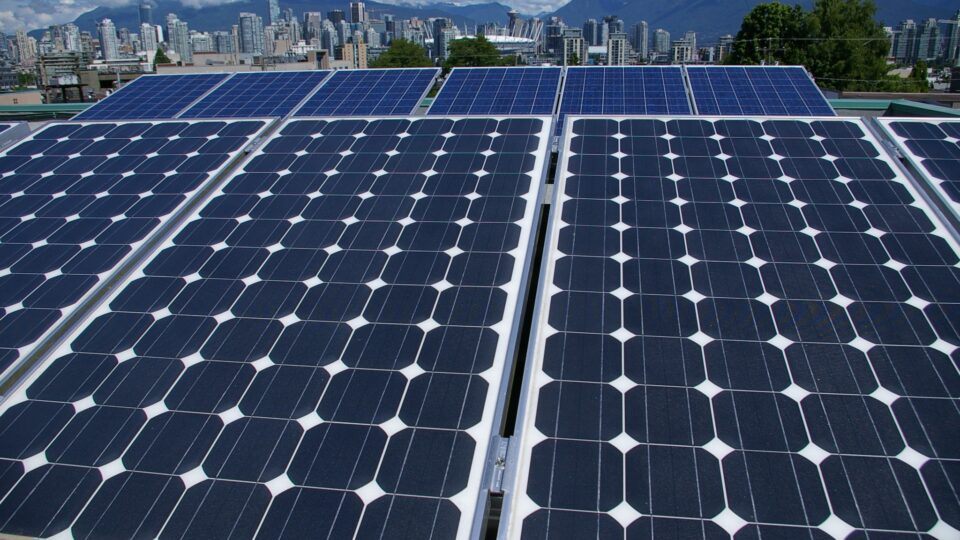
Solar On Commercial Buildings | Earth Wise

September 17, 2020 By EarthWise Leave a Comment

commercial solar panels

The United States installed 3.6 gigawatts of photovoltaic solar capacity in the first quarter of this year to reach a total installed capacity of 81.4 GW.  That is enough to power about 16 million American homes.  More than 2/3 of that capacity has been installed during the past five years.  

There has been a boom in solar installations in recent years and, until the Covid-19 pandemic stuck, 2020 was expected to be the biggest year yet.  Now the unprecedented health, social, and economic conditions in our country creates great uncertainty in such forecasts.

Nevertheless, the opportunities for growth in solar power continue to be substantial.  A new report from the energy research firm Wood Mackenzie looked at the prospects for using the roof space of commercial buildings for solar power.

Currently, just 3.5% of commercial buildings in the U.S. have solar panels on their roofs.  Another 1% of those buildings are attached to solar projects located off-site.  The report looked at how many buildings are potential targets for solar projects.

After accounting for buildings that are too small or that use too little electricity to make solar power a worthwhile investment, the report estimated that 70% of commercial buildings in the U.S. – amounting to some 600,000 sites – are candidates for solar installations.  Doing this would provide 145 GW of new solar capacity, which is nearly twice as much as currently exists in this country. 

Commercial solar installations have their own unique logistical and financial challenges.  While utility solar can scale to lower costs and residential solar has financing opportunities, commercial solar has neither.  But ultimately, it represents an important opportunity for our future energy system.

**********

Web Links

U.S. Commercial Rooftops Hold 145 Gigawatts of Untapped Solar Potential

Photo, posted June 25, 2014, courtesy of Rob Baxter via Flickr.

Earth Wise is a production of WAMC Northeast Public Radio.
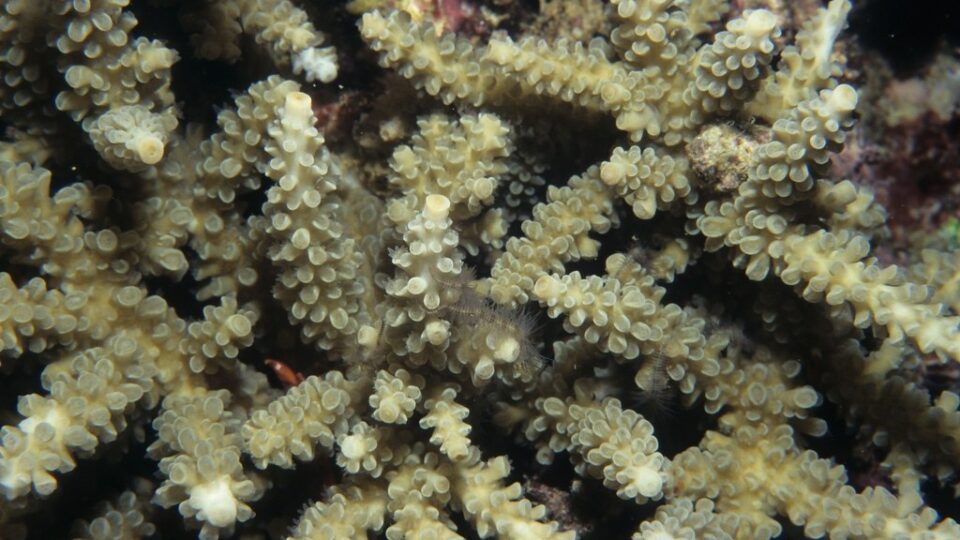
Artificial Aquatic Polyps | Earth Wise

September 16, 2020 By EarthWise Leave a Comment

Aquatic robots can clean water

Corals are often mistaken for rocks because of their hardened surfaces.  And, since they attach or “take root” to the sea floor, they are often mistaken for plants.  But unlike rocks, corals are alive.  And unlike plants, corals do not make their own food.  Corals are actually animals. 

Most of these structures that we call “coral” are made up of hundreds to thousands of tiny coral creatures called polyps.  A coral polyp, which is often no thicker than a nickel, has a saclike body and mouth that is encircled by stinging tentacles.  Polyps are responsible for a host of ecosystem services, including nourishing corals, and aiding coral survival by generating self-made currents through the motion of their soft bodies. 

Inspired by these marine organisms, researchers from the University of Warwick in the UK and Eindhoven University of Technology in the Netherlands have collaborated to develop an artificial aquatic polyp capable of removing contaminants from water.  The 1 square centimeter wireless robot polyp can attract, grasp, and release objects, moving under the influence of a magnetic field and whose “tentacles” are triggered by light. 

The next step for the researchers is to see if the technology can be successfully scaled up from laboratory to pilot scale.  In order for that to happen, the team has to design an array of artificial polyps capable of working harmoniously together.   

Corals are an incredibly important part of ocean ecosystems.  And while it remains to be seen how much value artificial polyps can achieve in future applications, it serves as another example of scientists emulating nature to create more sustainable designs. 

**********

Web Links

Aquatic robots can remove contaminant particles from water

An artificial aquatic polyp that wirelessly attracts, grasps, and releases objects

Photo, posted April 14, 2011, courtesy of Derek Keats via Flickr.

Earth Wise is a production of WAMC Northeast Public Radio.
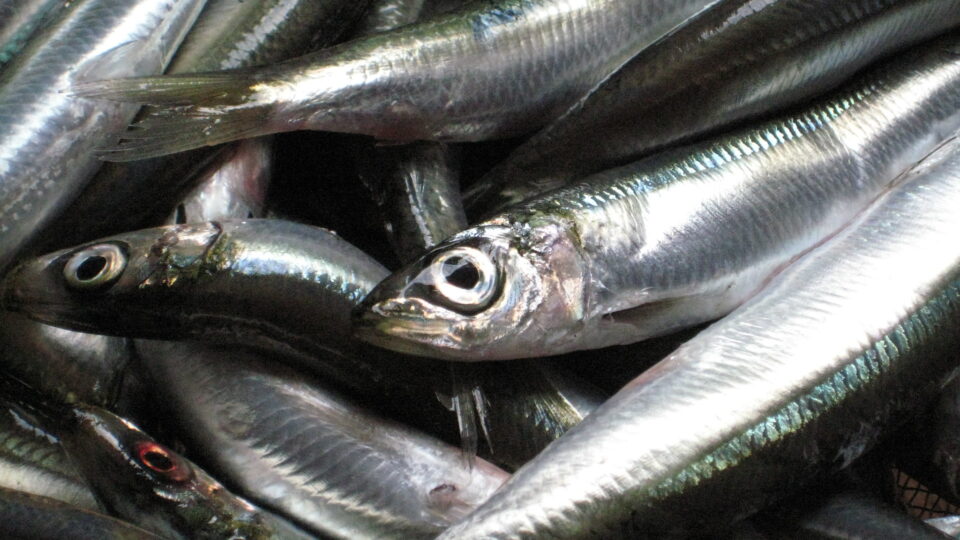
Finding Plastic In Seafood | Earth Wise

September 15, 2020 By EarthWise Leave a Comment

plastic in seafood

Researchers from the University of Exeter in the UK and the University of Queensland in Australia have developed a new method for identifying and measuring the presence of five different types of plastic in seafood.

The researchers purchased oysters, prawns, squid, crabs, and sardines from a market in Australia and analyzed them using the new technique.  They found plastic in every single sample.

Their findings showed that the amount of plastics present varies greatly among species and differs between individuals of the same species.  The measured plastic levels were 0.04 mg per gram of seafood in squid, 0.07 mg in prawns, 0.1 mg in oysters, 0.3 mg in crabs, and 2.9 mg in sardines. 

All the plastics are types commonly used in plastic packaging and synthetic textiles and are increasingly found in marine litter:  polystyrene, polyethylene, polyvinyl chloride, polypropylene, and polymethyl methacrylate.

The new method treats the seafood tissues with chemicals that dissolve the plastics present within them.  The resulting solution is then analyzed using a highly sensitive technique called Pyrolysis Gas Chromatography Mass Spectrometry which both identifies and quantifies the plastics.

Microplastics are an increasing source of pollution for much of the planet, including the oceans where they are eaten by all types of marine creatures ranging from planktonic organisms to large mammals.  Microplastics enter our diet not only from seafood, but also from bottled water, sea salt, beer, and honey, as well as from dust that settles on our food.

**********

Web Links

Seafood study finds plastic in all samples

Photo, posted June 23, 2007, courtesy of Flickr.

Earth Wise is a production of WAMC Northeast Public Radio.

Hacking Photosynthesis | Earth Wise

September 14, 2020 By EarthWise Leave a Comment

benefits of hacking photosynthesis

A team led by the University of Illinois has been pursuing a project called Realizing Increased Photosynthetic Efficiency or RIPE, which has the aim of improving photosynthesis in order to provide farmers with higher-yielding crops in an increasingly challenging climate.  Photosynthesis is the natural, sunlight-powered process that plants use to convert carbon dioxide into sugars that fuel growth, development, and for us, crop yield.

If we think of photosynthesis as a factory line composed of multiple machines, the growth of plants is limited by the slowest machines in the line.  The RIPE project has identified some steps in photosynthesis that are slower than others and are attempting to enable plants to build more machines to speed up those slower steps.

The researchers modeled a total of 170 steps in the process of photosynthesis to identify how plants could manufacture sugars more efficiently.  In the study, the team increased crop growth by 27% by resolving two constraints:  one in the first part of photosynthesis where plants turn light energy into chemical energy and one in the second part when carbon dioxide is turned into sugars.

The researchers effectively hacked photosynthesis by adding a more efficient transport protein from algae to enhance the energy conversion process. 

In the greenhouse, these changes improved crop productivity by 52%, but in field trials, which are a more important test, these photosynthetic hacks boosted crop production by 27%.

Ultimately, the team hopes to translate these discoveries to a series of staple food crops, such as cassava, cowpea, corn, soybean and rice, which are needed to feed the world’s growing population this century.

**********

Web Links

Photosynthetic hacks can boost crop yield, conserve water

Photo, posted June 14, 2017, courtesy of Alex Holyoake via Flickr.

Earth Wise is a production of WAMC Northeast Public Radio.
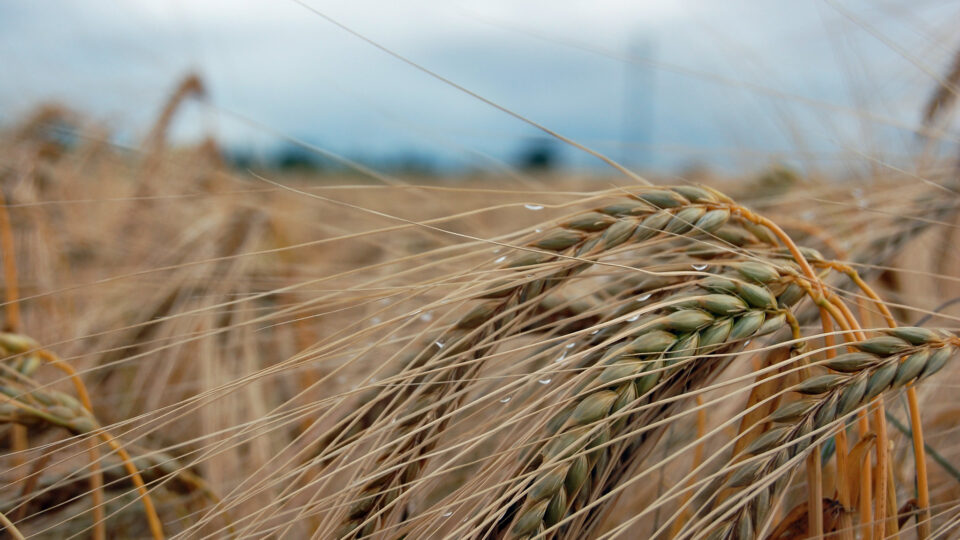
Has Wheat Changed for the Worse? | Earth Wise

September 11, 2020 By EarthWise Leave a Comment

wheat and wheat allergies

In recent years, the number of people affected by celiac disease, wheat allergies, or gluten or wheat sensitivity has increased dramatically.  Why this should be is not well understood.  One theory is that modern wheat varieties contain more immunoreactive protein than those used in the past.  Researchers at two German research institutions investigated this issue in detail. 

Wheat grains contain about 70% starch.  Proteins constitute 10 to 12% of wheat, and nearly 80% of that protein is gluten.  Gluten is a compound mixture of two types of protein subgroups:  gliadins and glutenins.

The researchers investigated the protein content of 60 preferred wheat varieties in use during the period between 1891 and 2010, making use of an extensive seed archive.  They selected 5 leading wheat varieties for each decade over that 120-year period and cultivated the plants under the same geographical and climate conditions.

The results were that the modern wheat varieties actually contain slightly less protein than old ones.  Gluten content itself has been essentially constant over the 120 years, although the proportion of gliadins (which are the prime suspect for causing undesired immune responses) was actually 18% lower while the proportion of glutenins was 25% higher.

Overall, they found no evidence that the immunoreactive potential of wheat has changed over the years as a result of the cultivation factors.

The researchers note that some of the other, less significant proteins in wheat have not been investigated with regard to their physiological effects, so there is more work to be done.  But so far, the culprit for increasing wheat sensitivity has not been found.

**********

Web Links

Is modern wheat off the hook?

Photo, posted July 3, 2009, courtesy of Clare Black via Flickr.

Earth Wise is a production of WAMC Northeast Public Radio.
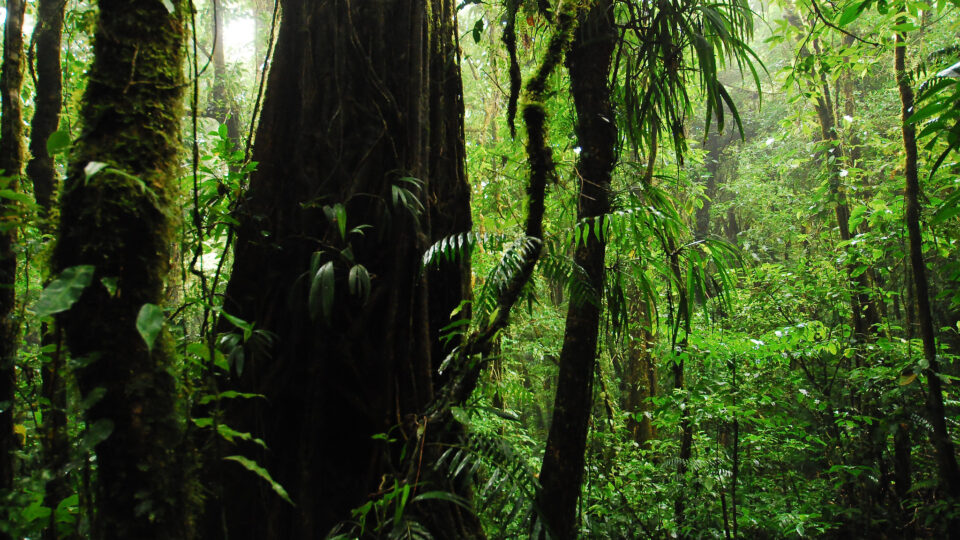
Restoring Tropical Forests | Earth Wise

September 10, 2020 By EarthWise Leave a Comment

forest restoration

Tropical forests store more than half of the world’s above-ground carbon.  For this reason, deforestation is one of the greatest threats to global climate regulation.   Once forests are degraded through partial clearing and agricultural conversion, they are often perceived as no longer having much ecological value even though degraded forests still provide important ecosystem services despite no longer storing as much carbon.

As a result, once forests have been degraded, they tend to be seen as prime candidates for full conversion to agricultural plantations.   But this is not actually the case.

An international team of scientists, including researchers from Arizona State University’s Center for Global Discovery and Conservation Science, has provided the first long-term comparison of above-ground carbon recovery rates between naturally regenerating and actively restored forests in Southeast Asia.

First of all, the research shows that allowing forests to regenerate naturally results in significant amounts of restored above-ground carbon storage.  It is definitely worthwhile to allow forests to recover rather than giving up on them and putting the land to other uses.

But more importantly, the researchers found that forest areas that undergo active restoration recover their carbon-storing ability 50% faster than naturally recovering forests.

Restoration methods include planting native tree species and thinning vegetation around saplings to improve their chances of survival.   

These findings suggest that restoring tropical forests is a viable and highly scalable solution to regaining lost carbon stocks on land.  What is needed is sufficient incentive to engage in active forest restoration.  The current price of carbon is not sufficient to pay for restoration, but as the climate crisis intensifies, this is likely to change.

**********

Web Links

Tempe to Hawaii: ASU professors teach Hawaiian youth about coral reef conservation

Photo, posted May 22, 2008, courtesy of Eric Chan via Flickr.

Earth Wise is a production of WAMC Northeast Public Radio.

Sustainable Flip-Flops | Earth Wise

September 9, 2020 By EarthWise Leave a Comment

Sustainable technologies

Flip-flops are the world’s most popular shoe.  They are lightweight, comfortable, affordable, and durable.  In fact, the global market for flip-flops is expected to reach a whopping $23.8 billion by the year 2025. 

But the popularity comes with a price.  Flip-flops account for a troubling percentage of plastic waste that ends up in our landfills and oceans.  As a result, demand for alternatives is compelling researchers to develop more sustainable versions of the popular footwear.

Scientists at the University of California San Diego have spent years working on this issue, and recently announced a breakthrough.  According to a study recently published in Bioresource Technology Reports, the research team has formulated polyurethane foams – made from algae oil – to meet commercial specifications for mid-sole shoes and the foot-bed of flip-flops.   In other words, the scientists have created sustainable, biodegradable, and consumer-ready materials that could replace plastics in some footwear. 

The UC San Diego scientists collaborated with Algenesis Materials – a technology startup – on the research.  Together, they worked to not only create the shoes, but to degrade them as well.  The team tested their customized foams by immersing them in traditional compost and soil.  The algae-based materials degraded after just 16 weeks.  

The life of any material should be proportionate to the life of the product.  The researchers point out that it doesn’t make sense to create a product that will last 500 years if it’ll only be used for a year or two. 

The research team is currently working on production details with its manufacturing partners.  The creation of biodegradable flip-flops that meet commercial footwear standards could eliminate tons of plastic waste from the environment.   

************ 

Web Links

New science behind algae-based flip-flops

Flip Flops Market Size Worth $23.8 Billion by 2025

Photo, posted December 12, 2019, courtesy of Flickr.

Earth Wise is a production of WAMC Northeast Public Radio.
Generating Hydrogen From Poor-Quality Water | Earth Wise

September 8, 2020 By EarthWise Leave a Comment

generating hydrogen from polluted water

Hydrogen could be the basis of a complete energy system.  It could be stored and transported and could be used to power vehicles and to generate electricity in power plants.  Proponents of the so-called hydrogen economy contend that hydrogen is the best solution to the global energy challenge.  But among the challenges faced by a hydrogen economy is the development of an efficient and green method to produce hydrogen.

The primary carbon-free method of producing hydrogen is to break down water into its constituent elements – hydrogen and oxygen.  This can be done in a number of ways, notably by using electricity in a process called electrolysis.  A method that seems particularly attractive is to use sunlight as the energy source that breaks down the water molecule.

While there is an abundance of water on our planet, only some of it is suitable for people to drink and consume in other ways.    Much of the accessible water on earth is salty or polluted.  So, a technique to obtain hydrogen from water ideally should work with water that is otherwise of little use to people.

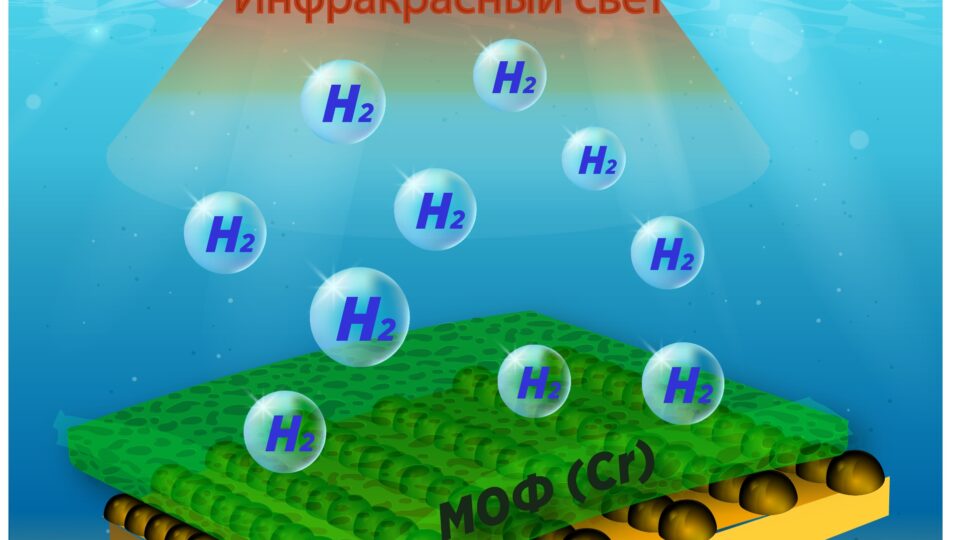
Researchers in Russia and the Czech Republic have recently developed a new material that efficiently generates hydrogen molecules by exposing water – even saltwater or polluted water – to sunlight. 

The new material is a three-layer structure composed of a thin film of gold, an ultra-thin layer of platinum, and a metal-organic framework or MOF of chromium compounds and organic molecules.  The MOF layer acts as a filter that gets rid of impurities.

Experiments have demonstrated that 100 square centimeters of the material can generate half a liter of hydrogen in an hour.  The researchers continue to improve the material and increase its efficiency over a broad range of the solar spectrum.

**********

Web Links

New Material Can Generate Hydrogen from Salt and Polluted Water

Photo courtesy of Tomsk Polytechnic University.

Earth Wise is a production of WAMC Northeast Public Radio.
Widespread Drought | Earth Wise

September 7, 2020 By EarthWise Leave a Comment

united states drought

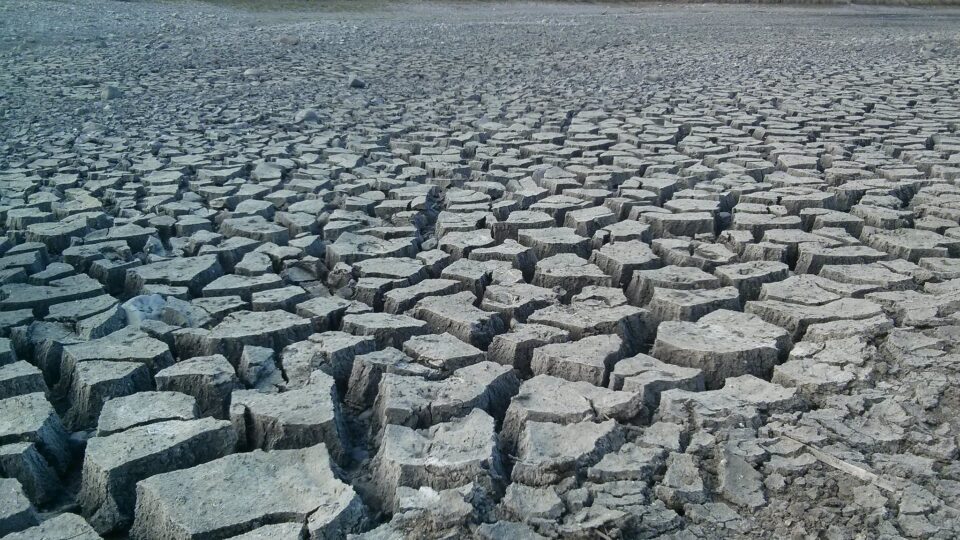
As the U.S. enters the last part of the summer, fully one-third of the country is experiencing at least a moderate level of drought.   Much of the West is reaching severe drought conditions and New England has been unusually dry and hot.  In total, over 50 million Americans are living in drought-affected areas.

According to the U.S. Drought Monitor program, more than 93% of Utah, Colorado, Nevada, and New Mexico are experiencing drought to some degree.  More than 60% of both Utah and Colorado are in severe drought.   More than three-quarters of Oregon, Arizona, and Wyoming are also in drought.  And most of these areas had no sign of drought this time last year.

Severe drought conditions result in stunted and browning crops, limited pasture yields, dust storms, reduced well water levels, and an increase in the number and severity of wildfires.

Warm air temperatures and minimal snowfall in spring set the stage for this summer’s drought conditions.  A ridge of high pressure over the northeastern Pacific Ocean pushed the jet stream farther north than usual.  And, once again, there has been a failure of the southwestern monsoon in Arizona and New Mexico and the Four Corners region.  Monsoon rains provide half of the year’s precipitation in many of those areas. 

Instead, there has been extreme heat in the region.  Phoenix has already smashed the record for the most days over 110oF in a calendar year (42 as of August 18), with five months to go.  Las Vegas hasn’t seen measurable rainfall since April, and Cedar City, Utah has recorded a record low of 0.05 inches of rain this summer.

Conditions are not expected to get better for a couple of months.

**********

Web Links

A Third of the U.S. Faces Drought

Photo, posted May 7, 2014, courtesy of Tyler Bell via Flickr.

Earth Wise is a production of WAMC Northeast Public Radio.
Sharks On The Decline | Earth Wise

September 4, 2020 By EarthWise Leave a Comment

shark populations declining

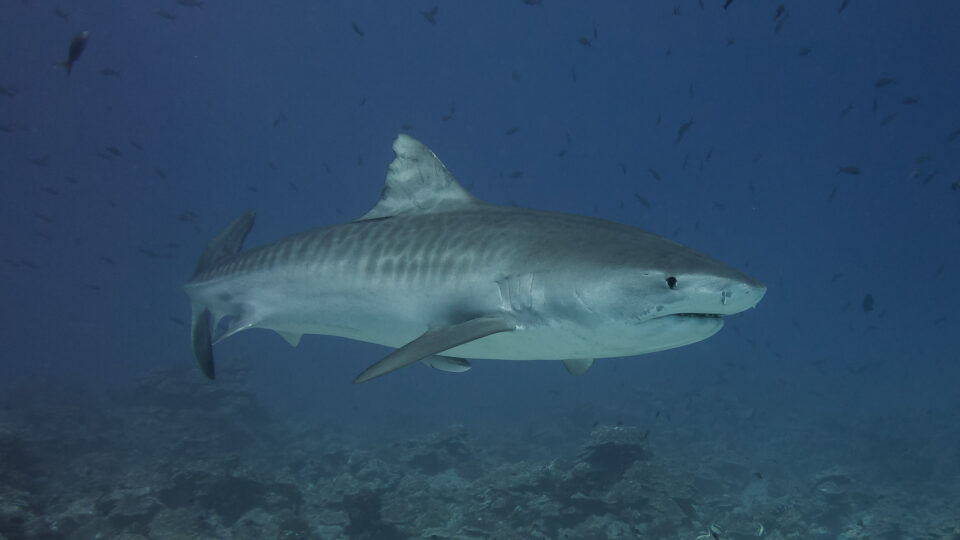
During the past 70 years, global shark populations have been on the decline.   Many species have become threatened or endangered.  Conservation efforts have been underway in many places, but shark populations continue to be at risk because of over-fishing and habitat loss.

A comprehensive study by marine biologists at Texas A&M University deployed more than 15,000 baited remote underwater video stations on 371 coral reefs in 58 countries.   The study included 59 different shark species in the Atlantic, Pacific and Indian Oceans.  The researchers were surprised to find that no sharks at all were detected in almost 20% of the locations surveyed and were almost completely absent from coral reefs in several nations. 

Scientists believe that demand for shark products, such as fins and meat, and bycatch (that is, sharks captured in nets by fisherman trapping other kinds of fish) are strong contributors to the widespread declines in shark numbers around the world.

The study shows that if corrective steps are not taken in regions where marine management is still ineffective, continued depletion of shark populations is highly likely. 

Sharks have important roles in marine ecosystems.  When their habitats deteriorate and their populations decrease, ecosystem stability and health is degraded because sharks help regulate prey populations.

Some countries, notably the Bahamas, are combating the problem by providing sanctuaries for sharks where fishing and harvesting is prohibited.  Such places support some of the healthiest shark populations in the world.  However, the decline of coral reefs is just another challenge facing shark populations around the world.

**********

Web Links

Study Shows Alarming Decline In Shark Numbers Around The World

Photo, posted January 9, 2017, courtesy of Kris-Mikael Krister via Flickr.

Earth Wise is a production of WAMC Northeast Public Radio.
Recycling Tough Plastics | Earth Wise

September 3, 2020 By EarthWise Leave a Comment

recycling tough plastics

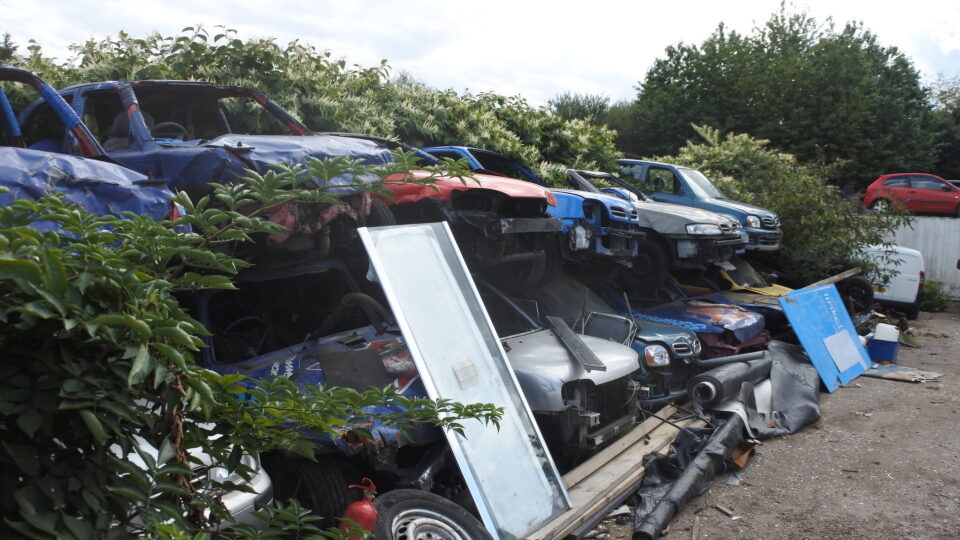
Thermoset plastics are ones that contain polymers that cross-link together during the curing process to form an irreversible chemical bond.  This improves the material’s mechanical properties, provides chemical resistance, heat resistance, and structural integrity.  Thermosets include epoxies, polyurethanes, and rubber used for tires.  The big problem with thermosets is that they cannot be easily recycled or broken down after use.

Seventy-five percent of all plastics are thermoplastics, which can be recycled by heating them until they become liquid and can then be remolded.   Thermoset plastics, on the other hand, have such strong chemical bonds that they simply will not melt.  They will typically burn before they can be remolded.

Chemists at MIT have recently developed a way to modify thermoset plastics with a chemical linker that makes them much easier to break down, but still retain the mechanical properties that make them so useful.

In a study published in Nature, the researchers produced a degradable version of a thermoset plastic called pDCPD.  They then broke the plastic down into a powder and were able to use the powder to create more pDCPD.  The paper also proposed a theoretical model that suggests that their approach could be used for a wide range of other plastics and polymers, including rubber.

By adding a chemical called a silyl ether monomer to the liquid precursors that from pDCPD plastic, they found that the resultant material retained its mechanical strength but can be broken down into a soluble powder upon exposure to fluoride ions.

Using this approach with other thermoset materials, the researchers believe it will be possible to create recyclable versions of many of the toughest plastic materials.

**********

Web Links

Chemists make tough plastics recyclable

Photo, posted September 1, 2019, courtesy of Luke McKernan via Flickr.

Earth Wise is a production of WAMC Northeast Public Radio.

A Hot July | Earth Wise

September 2, 2020 By EarthWise Leave a Comment

record temperatures

The numbers are in and, unsurprisingly, July was a hot month.  July 2020 tied for the second-hottest July on record for the planet, according to the National Oceanic and Atmospheric Administration.  In our own backyard, the Northern Hemisphere saw the hottest July ever, breaking the previous record set just last year.

The July 2020 global temperature was 62.06 Fahrenheit, which is 1.66 degrees above the 20th-century average.  The combined land and ocean surface average temperature for the Northern Hemisphere, the highest ever recorded for July, was 2.12 degrees F above average, breaking the previous record by 0.14 degrees.

Record-hot July temperatures were also recorded across parts of southeastern Asia, northern South America, across the west and northern Pacific Ocean, the northern Indian Ocean, and parts of the Caribbean Sea.

The year-to-date global land and ocean surface temperature was the second highest in the 141 years of record keeping at 58.79 degrees Fahrenheit, which is 1.89 degrees F above the 20th-century average. 

So far it is been the hottest year to date on record across a large portion of northern Asia, parts of Europe, China, Mexico, northern South America, as well as the Atlantic, northern Indian and Pacific oceans.

Meanwhile, the extent of sea ice in the Arctic for July 2020 was the smallest ever measured in the 42 years of record-keeping, over 23% below the 1981-2010 average.  July’s Arctic sea ice extent was smaller than the previous record (set last year) by 120,000 square miles, an area roughly the size of New Mexico.

*********

Web Links

July 2020 was record hot for N. Hemisphere, 2nd hottest for planet

Photo, posted July 24, 2018, courtesy of Maria Eklund Flickr.

Earth Wise is a production of WAMC Northeast Public Radio.

A Fabric To Keep You Cool | Earth Wise

September 1, 2020 By EarthWise Leave a Comment

cooling fabric technology

About 10% of all electricity consumption in the U.S. is devoted to keeping us cool with air conditioning and other methods.  Researchers at two universities in Shanghai, China have developed a new material that can be made into clothing that cools the wearer without using any electricity.

The new fabric transfers heat, allows moisture to evaporate from the skin, and repels water.  Cooling off a person’s body is much more efficient than cooling off an entire room or a building.  There have been textiles and types of clothing designed to perform the cooling function, but most of those have disadvantages.  These include some combination of poor cooling capacity, high energy consumption, complex and time-consuming manufacturing, and high cost.

The researchers wanted to develop a personal cooling fabric that can efficiently transfer heat away from the body while at the same time being breathable, water resistant and easy to make.

The new fabric is made by electrospinning an ordinary polyurethane polymer with a water-repelling fluorinated version of polyurethane polymer along with a thermally conductive filler composed of boron nitride nanosheets.  The resultant material is a nanofibrous membrane that repels water from the outside but has large enough pores to allow sweat to evaporate from the skin and air to circulate. 

Tests of the membrane demonstrated higher thermal conductivity than other conventional or high-tech fabrics.  Used in clothing, the material would be more effective than previous fabrics in conducting heat away from the body. It may be possible to beat the heat without turning on the AC.   These membranes could also be useful for solar energy collection, seawater desalination, and thermal management of electronic devices.

**********

Web Links

New fabric could help keep you cool in the summer, even without A/C

Photo courtesy of the American Chemical Society on Youtube.

Earth Wise is a production of WAMC Northeast Public Radio.
Alaska Is Getting Wetter | Earth Wise

August 31, 2020 By EarthWise Leave a Comment

alaska is getting wetter

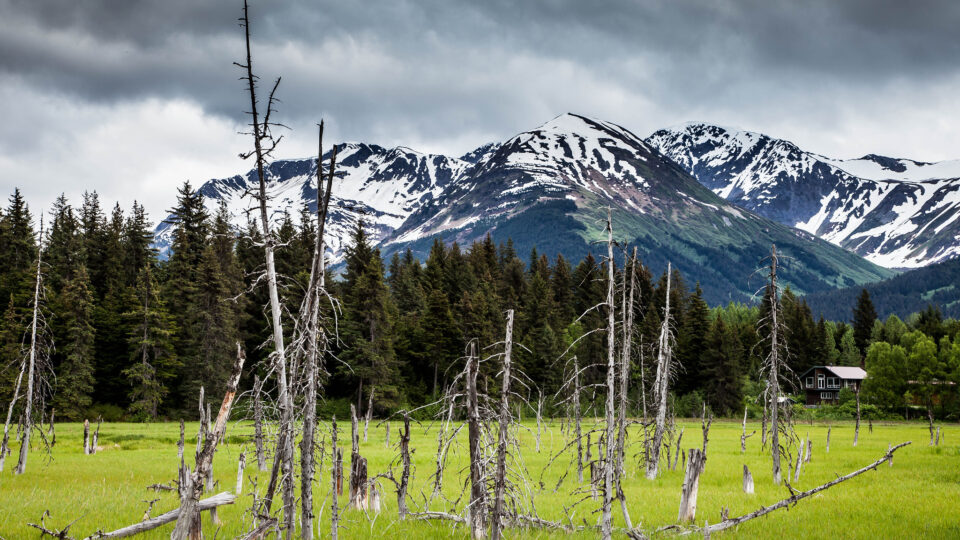
Siberia has been in the news for record-setting heat waves and wildfires, but it is not the only northern region experiencing unusual weather.   Alaska, apart from setting its own warm weather records, is experiencing the rainiest five years in its century-long meteorological record.

Extreme weather in the Arctic is being driven by an aspect of climate change called Arctic amplification, which leads to temperatures rising faster than the global average.  The physical basis of Arctic amplification is well understood, but its effects over time are much less predictable.

The past five years included two summers with average precipitation, one that was a little drier than usual, and two of the wettest summers on record.    Researchers have taken measurements of how far below the surface permafrost has thawed by the end of summer over a wide range of Alaskan environments.

About 85% of Alaska sits upon permafrost and the increasing rainfall over the past five years is leading to a deeper thaw of permafrost across the state.  The wettest summer on record was 2014 and permafrost didn’t freeze back to previous levels even when the next couple of summers were relatively drier.

The study demonstrated how different types of land cover govern relationships between summer rainfall and permafrost thaw.  As Alaska becomes warmer and wetter, the vegetation cover is projected to change, and the increasing occurrence of wildfires will disturb larger areas of the landscape.  These conditions are likely to lead to a feedback loop driving more and more permafrost thawing.

Fundamental changes to Alaskan ecosystems are occurring on an unprecedented timescale – not gradually over decades or lifetimes, but over mere months or years.

**********

Web Links

Alaska is getting wetter. That’s bad news for permafrost and the climate.

Photo, posted June 10, 2011, courtesy of Peter Rintels via Flickr.

Earth Wise is a production of WAMC Northeast Public Radio.
Chocolate Is Good For The Heart | Earth Wise

August 27, 2020 By EarthWise Leave a Comment

chocolate is healthy

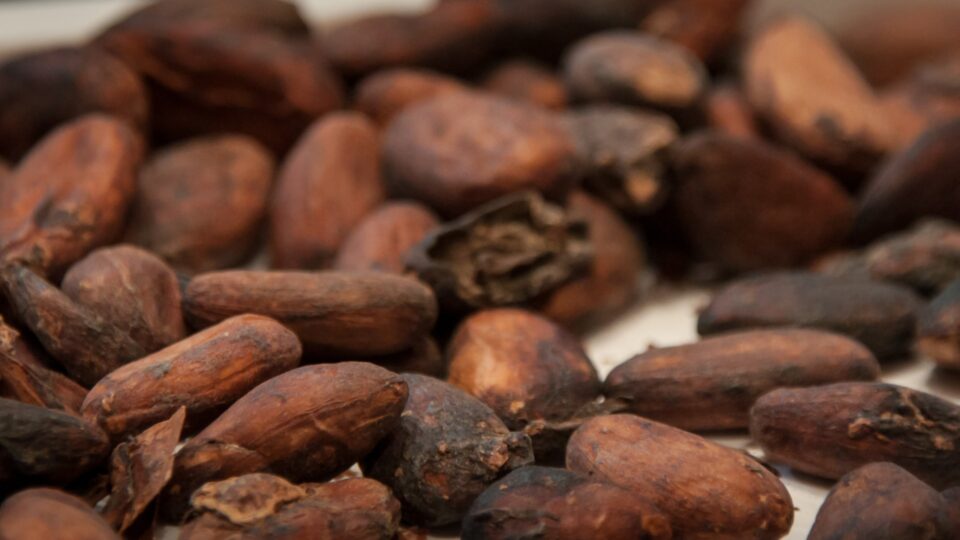
At last a good news story about what we eat, or more specifically, about what we like to eat.   According to research published recently in the European Journal of Preventive Cardiology, eating chocolate at least once a week is linked with a reduced risk of heart disease.

In the past, clinical studies have shown that chocolate is beneficial for both blood pressure and the lining of blood vessels.   The new study suggests that chocolate helps to keep the heart’s blood vessels healthy.

The researchers conducted a combined analysis of studies from the past five decades examining the association between chocolate consumption and coronary artery disease.  The analysis included data from over 300,000 participants who reported their chocolate consumption.  About 14,000 participants in the study ultimately developed coronary heart disease.  Compared with consuming chocolate less than once a week, eating chocolate more than once a week was associated with an 8% decreased risk of coronary heart disease.

Chocolate contains heart-healthy nutrients such as flavonoids, methylxanthines, polyphenols, and steric acid.  These substances may reduce inflammation and increase good (HDL) cholesterol.

The study did not examine whether any particular type of chocolate is more beneficial or whether there is an ideal portion size.  So, while chocolate appears to be promising for reducing the occurrence of coronary heart disease, it will require more research to determine how much and what kind of chocolate could be recommended.

Not to be spoilsports, but the doctors who conducted the study warned against overeating.  Eating large quantities of chocolate products laden with calories, sugar, milk and fat, is not a recommended path to improved health.

**********

Web Links

Chocolate is good for the heart

Photo, posted February 22, 2014, courtesy of Jan David Hanrath via Flickr.

Earth Wise is a production of WAMC Northeast Public Radio.

  • « Go to Previous Page
  • Page 1
  • Interim pages omitted …
  • Page 62
  • Page 63
  • Page 64
  • Page 65
  • Page 66
  • Interim pages omitted …
  • Page 101
  • Go to Next Page »

Primary Sidebar

Recent Episodes

  • An uninsurable future
  • Clean energy and jobs
  • Insect declines in remote regions
  • Fossil fuel producing nations ignoring climate goals
  • Trouble for clownfishes

WAMC Northeast Public Radio

WAMC/Northeast Public Radio is a regional public radio network serving parts of seven northeastern states (more...)

Copyright © 2026 ·