
• Skip to primary navigation
  • Skip to main content
  • Skip to primary sidebar

Earth Wise

A look at our changing environment.

  • Home
  • About Earth Wise
  • Where to Listen
  • All Articles
  • Show Search
Hide Search
You are here: Home / Archives for Climate Change

Climate Change

Assessing Human-Caused Wildlife Mortality | Earth Wise

May 31, 2022 By EarthWise Leave a Comment

Assessing the impact humans have on wildlife mortality

Bycatch is the fishing industry term used to describe the deaths of non-target fish and ocean wildlife during the fishing process.  Some bycatch species are thrown away because regulations prohibit them from being kept.  Others are thrown out because they won’t fetch high enough prices.  According to some estimates, global bycatch amounts to about 10% of the world’s total catch. 

Approximately half of global bycatch is a result of trawling.  Trawling is a method of commercial fishing that involves pulling or dragging a fishing net – called a trawl – through the water or across the seabed in hopes of catching fish.  Commercial fishing companies favor towing trawl nets because large quantities of fish can be caught.  But the method is destructive to the seafloor and leads to the indiscriminate catch of all sorts of species, including whales, dolphins, porpoises, sharks, seals, rays, turtles, and seabirds. 

Researchers have developed a new method to assess the sustainable levels of human-caused wildlife mortality.  When this method is applied to a trawl fishery in Australia, it shows that the dolphin capture is not sustainable.  The study, led by scientists at the University of Bristol in the U.K. and United Arab Emirates University, modeled different levels of dolphin capture, including those reported in logbooks and those reported by independent observers.  According to the findings, which were recently published in the journal Conservation Biology, even the lowest recorded dolphin capture rates are not sustainable. 

The new approach is extremely adept at assessing human-caused mortality to wildlife, and can be applied to fisheries bycatch, hunting, lethal control measures, or even wind turbine collisions.

**********

Web Links

Wasted Catch

Dolphin bycatch from fishing practices unsustainable, study finds

Photo, posted May 18, 2011, courtesy of Pete Markham via Flickr.

Earth Wise is a production of WAMC Northeast Public Radio.

Primary Ways To Mitigate Climate Change | Earth Wise

May 30, 2022 By EarthWise Leave a Comment

How to mitigate climate change

The most recent report issued by the Intergovernmental Panel on Climate Change states that the world must halt the increase in greenhouse gases within three years, reduce emissions by 43% in the next seven years, and eliminate them entirely by 2050.  Otherwise, there will likely be catastrophic and irreversible impacts on the climate.

With respect to achieving these reductions, the report emphasizes decarbonizing the energy sector through electrification by replacing fossil fuels anywhere and everywhere possible.  Where that isn’t yet practical – such as in shipping and aviation – the use of biofuels and hydrogen can provide a stopgap until battery technology becomes a viable alternative.

The economics of this approach continue to improve.  Since 2010, the cost of wind, solar, and batteries has declined by as much as 85%.  In many cases, costs have fallen below those of fossil fuels.  Nonetheless, the report stresses that continuing to provide national, state, and local incentives for using renewable energy is a key factor in achieving the necessary reductions.

However, reducing emissions will no longer be enough.  This is the first major IPCC report that states that man-made carbon dioxide removal strategies will be necessary to meet the goals of the Paris Climate Agreement.  So-called natural carbon storage options, like planting trees and using farming methods that sequester carbon in soil, are also important parts of the strategy.

It is up to governments, policymakers, and investors to implement the necessary changes to mitigate climate change.  There is lots of talk about it, but it will take concerted action to avoid increasingly dire consequences.

**********

Web Links

Report highlights affordable, available ways to mitigate climate change now

Photo, posted September 8, 2007, courtesy of Kevin Dooley via Flickr.

Earth Wise is a production of WAMC Northeast Public Radio.

Recycling Shingles | Earth Wise

May 27, 2022 By EarthWise Leave a Comment

A process to recycle asphalt shingles

Every year in the US, about 13 million tons of asphalt material is removed from old roofs to be replaced with new shingles.  Only about 10% of that is recycled for use in paving and various roadway projects.  The other 12 million tons of asphalt ends up in landfills where it takes a very long time to break down.

GAF, the largest roofing manufacturer in North America, has developed a shingle recycling process for which it has received three patents.  The process involves grinding torn-off shingles into a refined material which can then be introduced into the shingle manufacturing process.  The material – referred to as RAS for recycled asphalt shingles – has the potential to significantly reduce the amount of virgin asphalt needed to make new shingles.

Tests by GAF reclaimed upwards of 90% of the waste shingle material and produced new shingles containing up to 15% recycled content.  Underwriters Laboratories certified the shingles containing RAS material with regard to their safety and effectiveness.  The GAF process opens to door to creating a circular, sustainable economy for asphalt used for roofing shingles.

Roofs play an important role in the transition to a green economy.  Apart from recycling asphalt shingles, there are increasing options for solar shingles, which take the place of both traditional asphalt shingles and ordinary solar panels by integrating them into a single roofing product.  There are also so-called green roofs, which replace conventional roofing materials with a contained green space atop a building. Such roofs provide stormwater management, cooling, and an interesting aesthetic.

All aspects of buildings play important roles in our environment – even their roofs.

**********

Web Links

5 Ways Roofers Can Celebrate Earth Day, Everyday

Photo, posted April 15, 2012, courtesy of Robert Taylor via Flickr.

Earth Wise is a production of WAMC Northeast Public Radio.
Climate Change And The Next Pandemic | Earth Wise

May 26, 2022 By EarthWise Leave a Comment

Climate change could lead to the next pandemic

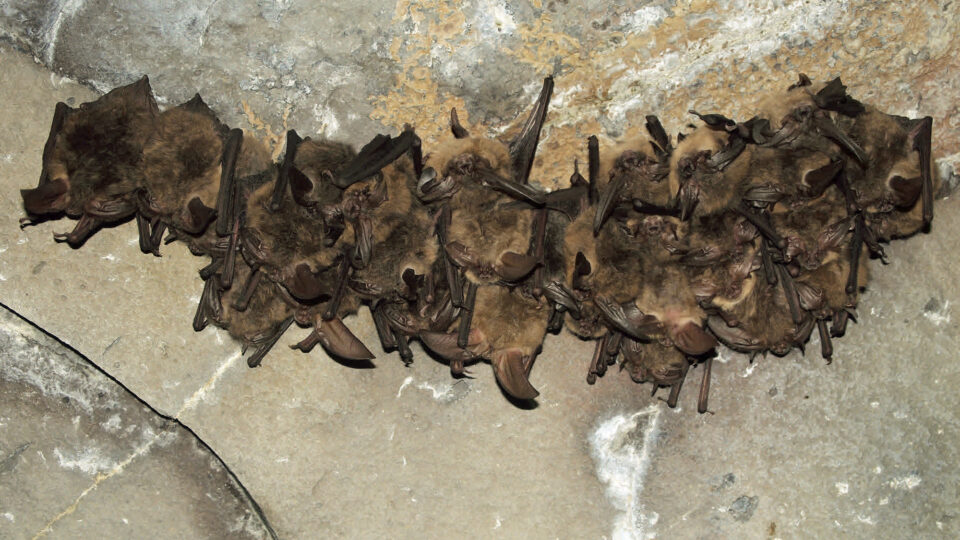
As the planet continues to heat up, animals big and small are moving towards the poles to escape the heat.  According to researchers, these animals are likely to come into contact with other animals that they normally wouldn’t, and are likely to relocate to regions with large human populations.  These factors create opportunities for pathogens to get into new hosts, which dramatically increases the risk of a viral jump to humans.  Climate change could lead to the next pandemic.      

An international research team led by scientists at Georgetown University recently made this connection between climate change and viral transmission.  In the study, which was recently published in the journal Nature, researchers conducted the first comprehensive assessment of how climate change will restructure the global mammalian virome.  Their work focused on geographic range shifts. 

As animals eccounter other animals for the first time, the study projects that they will share thousands of viruses.  And as animals increasingly move into the same areas as humans, there will be greater opportunities for these viruses to jump to humans.  The research team says that the impact on conservation and human health could be alarming as viruses jump between species at unprecedented rates. 

In our warming world, much of this process may unfortunately already be underway.  And efforts to reduce greenhouse gas emissions may not be enough to stop these events from unfolding. 

According to the study, climate change will become the biggest upstream risk factor for disease emergence, eclipsing deforestation, industrial agriculture, and the wildlife trade.  Pairing wildlife disease surveillance with real-time studies of environmental change may be part of the solution to predicting and preventing the next pandemic. 

**********

Web Links

Climate change could spark the next pandemic, new study finds

Coronavirus and Climate Change

Photo, posted October 16, 2014, courtesy of Shawn Thomas / NPS via Flickr.

Earth Wise is a production of WAMC Northeast Public Radio.
Rock Dust And Carbon | Earth Wise

May 25, 2022 By EarthWise Leave a Comment

Adding basalt rock dust to crop fields helps fight climate change

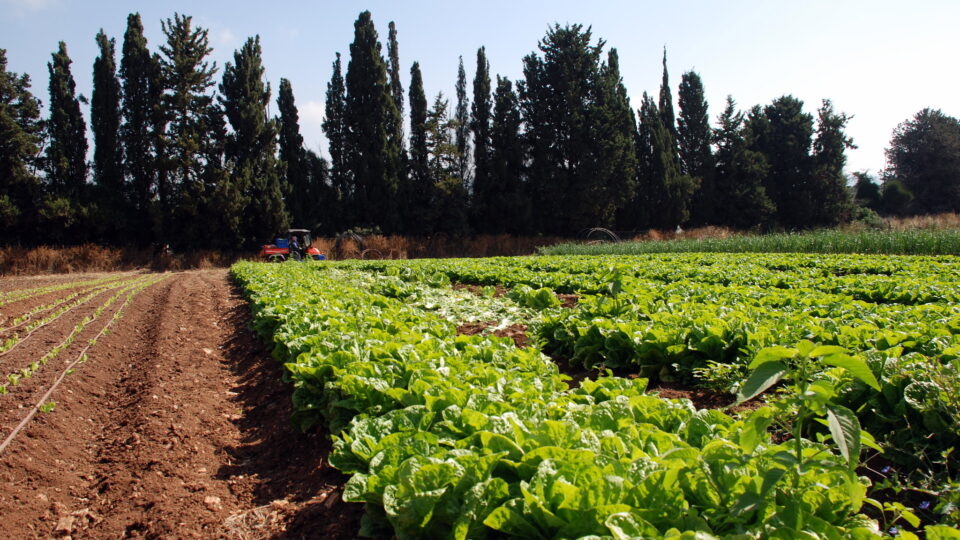
According to a new study by Cardiff University in the UK, Britain could achieve nearly half of the carbon removal needed to meet its climate goals by adding basalt rock dust to crop fields.  The process is known as enhanced weathering and has been the subject of ongoing research in the U.S. at Cornell University and the University of California, as well as in the UK, Canada, and Australia.

Adding rock dust to agricultural lands speeds up the chemical reactions that lock up carbon in soil.  Basalt contains magnesium, calcium, and silica, among other components.  When basalt is pulverized and applied to soils, magnesium and calcium are released and dissolve in water as it moves through the soil.  The minerals in the soil react with the water, and the carbon that would otherwise end up in the atmosphere instead forms bicarbonates, which can hang around in water for thousands of years.  It can also eventually make its way to the oceans where it precipitates out as limestone and can stay on the seafloor for millions of years.

Basalt is a waste stream byproduct of mining and manufacturing and is found all over the world.  Mining waste is the largest waste stream in the world, so there is no shortage.

According to the U.N. Intergovernmental Panel on Climate Change, applying rock dust to agricultural lands on a global basis could theoretically remove 2 to 4 billion tons of carbon dioxide from the air each year, which is between 34-68% of the global greenhouse gas emissions produced by agriculture annually.

The added rock dust would in fact be good for the soil and for crops.  Whether the economics of producing and transporting it make sense remains to be determined.

**********

Web Links

Adding Rock Dust to Farmland Could Get UK Almost Halfway to Its Carbon Removal Goal

Photo, posted April 24, 2011, courtesy of the State of Israel via Flickr.

Earth Wise is a production of WAMC Northeast Public Radio.
The Ivory-Billed Woodpecker | Earth Wise

May 24, 2022 By EarthWise Leave a Comment

Is the Ivory-Billed Woodpecker extinct?

The ivory-billed woodpecker was the largest woodpecker in the US.  They were once relatively common, stretching from the Carolinas through the southeast and across to Texas.  Their numbers started to drop sharply in the 19th century because of habitat loss and overhunting.  Many were taken as valuable specimens; some were even eaten by poverty-stricken people.

The last widely accepted sighting was way back in 1944.  For years, the birds were listed as critically endangered with only infrequent and entirely anecdotal reports of sightings.  Last year, the U.S. Fish and Wildlife Service finally declared the species extinct.

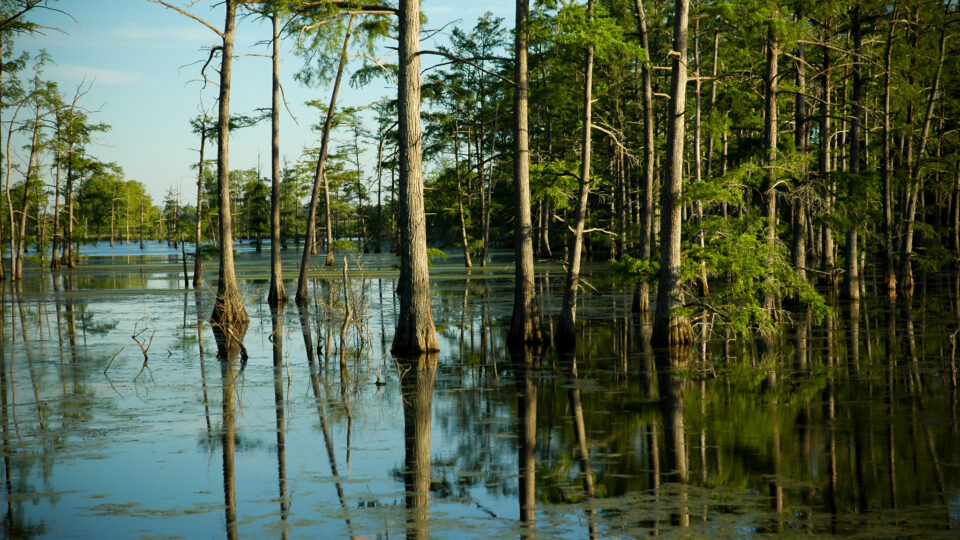
A multiyear field study by avian researchers from multiple institutions has recently reported that the ivory-billed woodpecker may in fact still exist in a remote swampy region of Louisiana. 

The three-year effort to find the woodpecker involved scientists trudging through the remote site to observe birds and take audio recordings.  Unmanned trail cameras taking time-lapse photos and a drone were used to capture images.  Several members of the team report that they observed the birds.  Some photographic images and videos appear to show ivory bills.  Based on characteristic markings visible in some of the photos, the birds do appear to be the ivory bill and not, for example, the fairly common but similar looking pileated woodpecker.

The birds are scarce, live in a tough, swampy habitat, and actively avoid getting near people.  They live high in trees and are very difficult to spot, much less get clear photographs of.  From all indications, however, reports of the demise of the ivory-billed woodpecker may have been premature.

**********

Web Links

Back from the dead? Elusive ivory-billed woodpecker not extinct, researchers say

Photo, posted May 3, 2008, courtesy of Michael McCarthy via Flickr.

Earth Wise is a production of WAMC Northeast Public Radio.
Climate Change And Forest Loss | Earth Wise

May 23, 2022 By EarthWise Leave a Comment

India is one of the most biodiverse countries in the world.  An estimated 47,000 plant species and 89,000 animal species can be found in India, with more than 10% of each thought to be on the list of threatened species. 

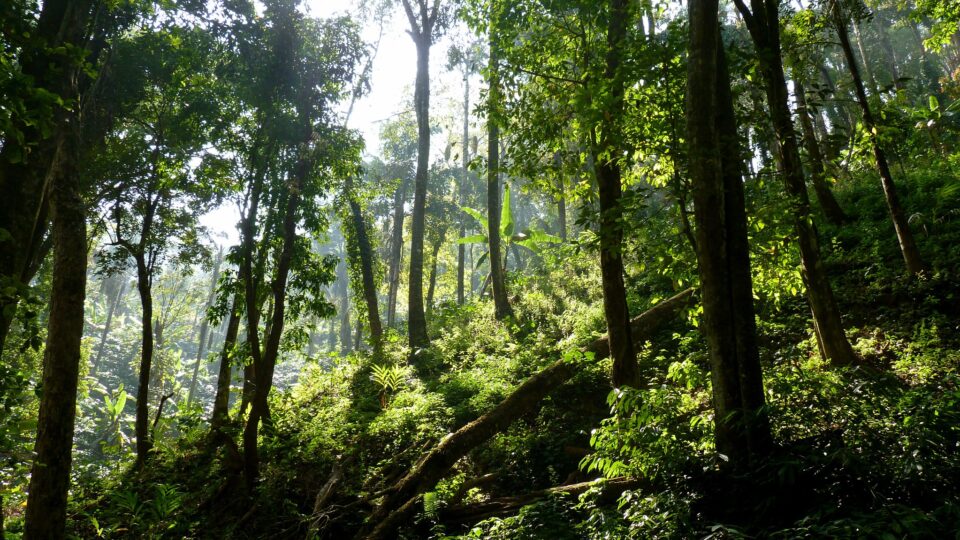
India is also among the top ten countries in the world in terms of total forest coverage.  According to Indian government data, the total forest and tree cover in India is 312,000 square miles, which is 24.62% of the geographical area of the country.

However, forest loss in India has been a problem for many decades driven largely (researchers thought) by land use change.  But it turns out that climate change may also have been contributing to forest loss, and its impact is projected to become an even bigger problem in the coming years. 

In the first ever national-scale study of the relationship between forest loss and rainfall and temperature trends in India, researchers from the University of Reading in the U.K. found that climate change may have contributed to large declines in forest since the turn of the century.

The study, which was recently published in the journal Global Change Biology, found far greater forest losses were observed where and when the climate was changing most rapidly.  Decreases in rainfall had the strongest impact on forest loss. 

These findings exacerbate concerns about the already-worrying levels of deforestation in the country, and contradict official reports that have shown relatively small decreases in forest coverage in recent years. 

The research team warns that rapid changes to the climate in some regions will require targeted preservation action to reduce the risk to biodiversity in India. 

*********

Web Links

Indian forest loss ‘worse than feared’ due to climate change

Photo, posted January 20, 2013, courtesy of Dicky Broadhurst / Frontier Official via Flickr.

Earth Wise is a production of WAMC Northeast Public Radio.
Wind And Solar And Meeting Climate Goals | Earth Wise

May 20, 2022 By EarthWise Leave a Comment

Meeting climate goals using solar and wind power

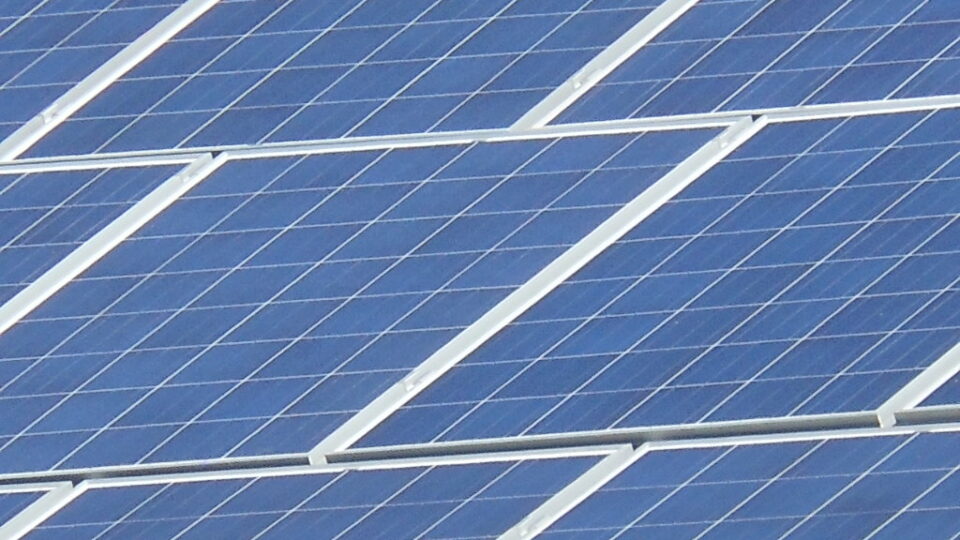
According to a new report from the climate think tank Ember, the rapid growth that has been going on for solar and wind power could allow the global electricity sector to do its part in limiting global warming to 1.5 degrees Celsius.

In 2021, solar power grew by 23% worldwide and wind power grew by 14%.  The Netherlands, Australia, and Vietnam had the largest gains in renewable energy.  Solar power in Vietnam grew by 337%.

The trends over the past decade, if continued across the globe, would result in the power sector being on track for meeting climate goals.  But not all the news is good.  The overall power sector has not been adequately reducing emissions.  Coal power actually grew by 9% last year as a result of increased demand for power during the rapid economic recovery in the easing of the pandemic shutdowns.  A spike in natural gas prices made coal more cost-competitive.

In order for the power sector to do its part in keeping warming below 1.5 degrees, wind and solar power will need to provide 40% of the world’s power by 2030 and nearly 70% by 2050.  Today, they supply only 10% of the world’s electricity.

With rising gas prices during Russia’s war with Ukraine, there is real danger of increased use of coal, threatening the gains made by renewable energy.

Nonetheless, a study published in Oxford Open Energy modeled various scenarios for the growth of renewable energy and found that it is feasible to meet climate goals.  In order to achieve this, countries’ policies will need to stimulate significant increases in energy and resource efficiency and rapid deployment of low-carbon technologies, promote strong environmental actions, and encourage low population growth.

**********

Web Links

Rapid Growth of Wind and Solar Could Help Limit Warming to 1.5 degrees C

Photo, posted October 11, 2011, courtesy of Michael Coghlan via Flickr.

Earth Wise is a production of WAMC Northeast Public Radio.
Record Renewable Use In California | Earth Wise

May 19, 2022 By EarthWise Leave a Comment

California, the most populous state, is the second largest electricity user.  Only Texas, the second most populous state, uses more energy, in part because it consumes large amounts in refining fossil fuels. Overall, California uses about 8% of the electricity generated in the U.S.

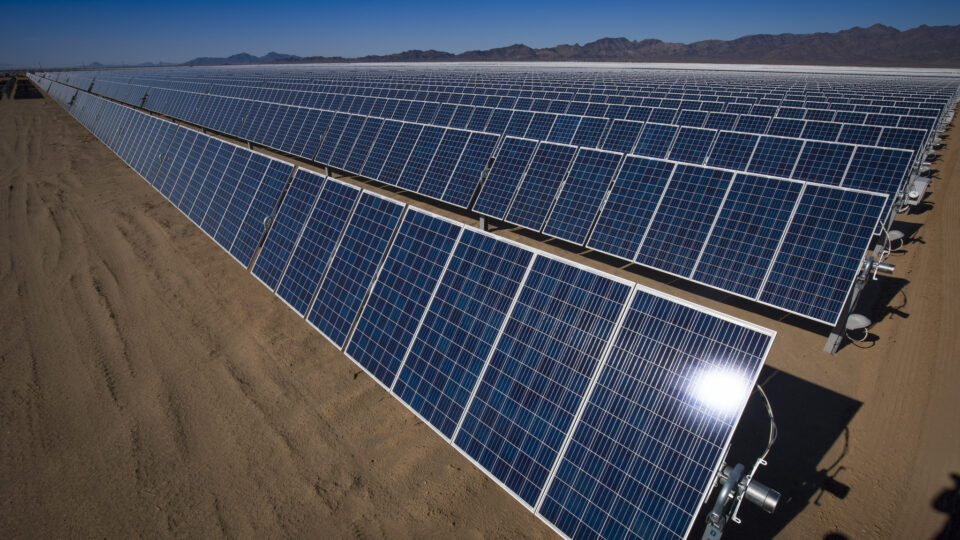
Thus, it was a significant milestone when briefly, on April 3, a record 97.6% of the energy on California’s statewide grid came from renewable energy resources.  (The previous record of 96.4% was set just a few days earlier).

Renewable energy’s share of the power typically peaks in the spring when mild temperatures keep demand relatively low and higher sun angles drive greater solar energy production.

On April 8, a record peak solar power production was set at 13,628 megawatts just after noon.  On March 4, the state set an all-time wind generation record of 6,265 megawatts. 

California now has over 15,000 MW of grid-connected solar power and 8,000 MW of wind.  Another 600 MW of solar and 200 MW of wind are coming online by June.  The state also has about 2,700 MW of energy storage online and that will climb to 4,000 MW by June.

In 2020, 34.5% of the state’s retail electricity sales came from wind and solar sources.  Adding in hydropower and nuclear power, nearly 60% of the state’s electricity came from non-fossil fuel.  Despite the effects of drought on hydropower generation and the impact of the pandemic on the pace of renewable energy projects, California continues its dramatic transition to sustainable energy.

**********

Web Links

Solar and wind notched records as renewables met California’s energy demand

Photo, posted September 20, 2016, courtesy of Tom Brewster Photography / BLM via Flickr.

Earth Wise is a production of WAMC Northeast Public Radio.
Managing Pests With Cover Crops | Earth Wise

May 18, 2022 By EarthWise Leave a Comment

The use of pesticides in global agriculture brings with it many problems including the killing of non-target, beneficial species as well as reversing pest-management gains from the use of conservation agriculture methods.

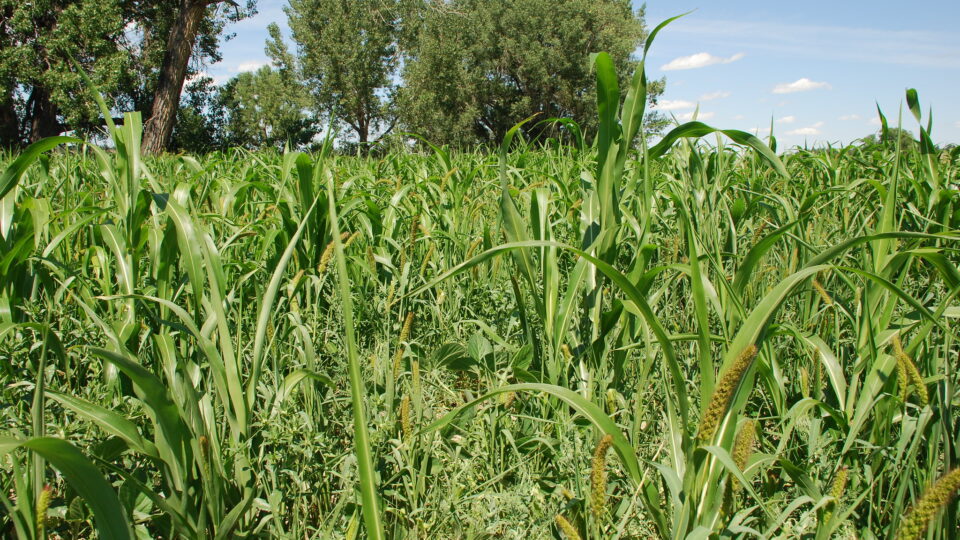
In a newly published study by researchers at Penn State University, the use of plant cover, such as cover crops, was shown to potentially be more effective at reducing pest density and crop damage than the application of insecticides without the downsides.  Cover crops reduce insect pest outbreaks by increasing pest predator abundance.

Cover crops are plantings that are primarily used to slow erosion, improve soil health, enhance water availability, smother weeds, and help control pests and diseases.  Typical cover crops include mustard, alfalfa, rye, clovers, buckwheat, and winter peas.  Most cover crops are fairly inexpensive to plant.

Plant cover can provide habitat for populations of natural enemies of pests.  Winter cover crops can harbor pest predator populations outside of the growing season of the cash crop.  When the cover crop is killed off to allow the growth of the cash crop, residues of the cover crop remain on the soil during the growing season, so they still enhance the habitat for pest predators.

Conservation agriculture includes methods like cover crops, no-till planting, and crop rotation.  The use of cover crops constitutes a form of preventive pest management that is an alternative to planting seeds treated with systemic insecticides to control early-season pests.  There is also the possibility for integrated pest managements, which is an approach in which insecticides are applied but only when pest numbers exceed economic thresholds despite the use of nonchemical tactics.

**********

Web Links

Cover crops more effective than insecticides for managing pests, study suggests

Photo, posted August 8, 2011, courtesy of USDA NRCS Montana via Flickr.

Earth Wise is a production of WAMC Northeast Public Radio.
Peak Natural Gas Generation | Earth Wise

May 17, 2022 By EarthWise Leave a Comment

Peak natural gas generation is in the past

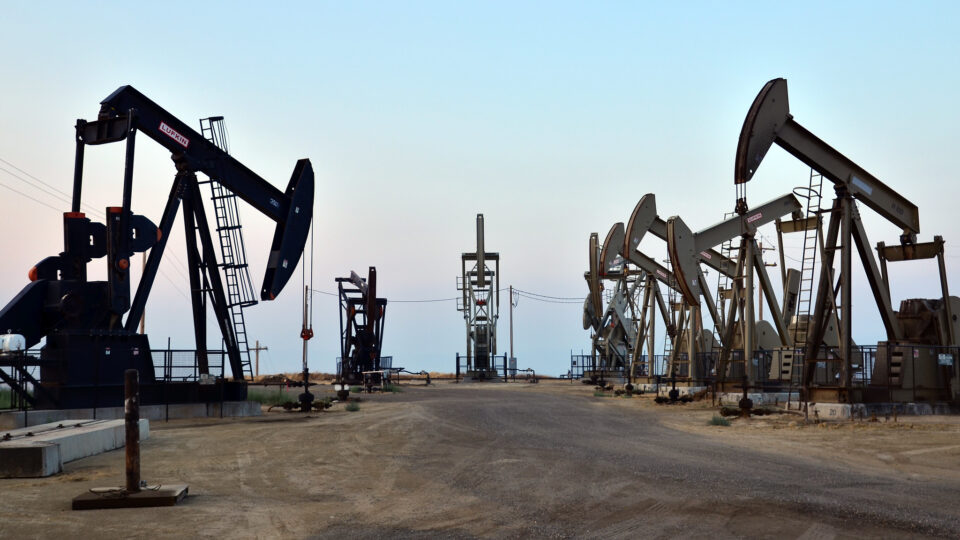
According to a new report from the Institute for Energy Economics and Finance (the IEEFA), the U.S. most likely hit its peak usage of natural gas to generate electricity in 2020.  Growth in wind and solar power are beginning to erode the use of natural gas.

At the moment, natural gas prices are unusually high as a result of supply chain issues and the war in Ukraine.  The U.S. is shipping record amounts of gas to Europe in order to help allies to wean off of Russian gas imports.  As a result, U.S. natural gas prices are at their highest level in more than 13 years.  Heating bills in the Northeast have been exceptionally high this past winter.

These high gas prices have also thrown a temporary lifeline to coal, which has seen a recent surge.  Despite this, coal in the U.S. is continuing its long-term decline.  Several of the largest power companies – including the Tennessee Valley Authority, Duke Energy, and Georgia Power – are planning to phase out coal entirely by 2035 and shift to renewable power.

The surging prices in fossil fuels – at the gas pump and in the home – along with multiple disruptions in energy security, are supercharging the already rapid pace of growth in solar, wind, and battery energy storage projects.

Wind, solar, and hydropower currently account for about 20% of U.S. power generation.  According to the IEEFA, these renewable sources could provide more than a third of our power by 2027.  Including both renewables and nuclear power plants, the U.S. could generate more than half of its electricity from carbon-free sources by that year, which represents a massive transition from just five years ago.

**********

Web Links

U.S. May Have Hit Peak Natural Gas Power Generation, Report Says

Photo, posted July 11, 2017, courtesy of John Ciccarelli / BLM via Flickr.

Earth Wise is a production of WAMC Northeast Public Radio.

Electric Cars On The Rise | Earth Wise           

May 16, 2022 By EarthWise Leave a Comment

Sales of electric vehicles surging

The first quarter of the year was a tough one for the U.S. auto industry.  Overall sales of cars and trucks were down 15.7% compared with last year.   Automakers have been dealing with shortages of computer chips and other supplies, resulting in slowdowns in production.

The one major exception to the trend has been sales of electric cars.  In the first quarter, U.S. electric vehicle sales were up 76% compared with last year.  This was enough to double EV’s market share to 5.2%, up from 2.5% last year.

Reaching a five percent market share is a significant indicator that electric vehicles are becoming mainstream.  According to many industry analysts, this is just the beginning of a major ramp-up in EV sales.

The strong results in the first quarter were largely driven by one company – namely, Tesla.  Tesla has been expanding rapidly and has been proactive and creative in avoiding delays due to parts shortages.  Tesla’s best-selling car is now the Model Y, which is an SUV implementation of its Model 3 design.  Overall, the company is now producing cars at a rate of more than 1 million per year and has recently opened new manufacturing plants in Texas and in Germany.

But Tesla is not the only story in the world of electric vehicles.  Mass production is beginning for Ford’s F-150 Lightning truck. 

Nissan, Hyundai and Kia have electric cars on the market and shortly near-twin electric models jointly developed by Subaru and Toyota will be available as well.

The electrification of vehicles is an essential step in reducing greenhouse gas emissions.  With gasoline at painfully high prices, electric cars are more attractive than ever.

**********

Web Links

Inside Clean Energy: US Electric Vehicle Sales Soared in First Quarter, while Overall Auto Sales Slid

Photo, posted October 13, 2017, courtesy of Rob Bertholf via Flickr.

Earth Wise is a production of WAMC Northeast Public Radio.

Antarctic Heatwave | Earth Wise

May 13, 2022 By EarthWise Leave a Comment

The Concordia Research station atop Dome C on the Antarctic Plateau is generally considered to be the coldest place on earth.  In mid-March, the normal high temperature for the day is around -56 degrees Fahrenheit.  But on March 18, the high for the day was 11.3 degrees, nearly 70 degrees warmer than normal.

The World Meteorological Organization doesn’t formally track the metric of largest temperature excess above normal, but if it did, this would probably have set a world record.  Consider a place like Washington, DC.  Its normal high temperature on March 18 is 61 degrees.   Imagine if it got up to 131 degrees! 

The 11-degree reading at the Concordia Research Station was not only the record for the month of March.  It was actually the record for any month.

The Russian Vostok research station, which is another candidate for being the coldest place on earth based on its average high temperature, also saw some record high temperatures.  Vostok reported a high temperature of zero degrees Fahrenheit, which is 63 degrees above its average for the date.  It broke the station’s previous record by almost 27 degrees.

This record warming was the result of a unique combination of meteorological events that included a moist inflow of an atmospheric river as well as a rare infusion of hot air into the Antarctic plateau.  The arrival of the moisture in the atmospheric river trapped the hot air, allowing temperatures to shoot up.

The extreme warmth in Antarctica raises concerns about the long-term effects on the ice there.  A single short heatwave is not going to have a major effect, but if such events become more common, it could be real problem.

**********

Web Links

Extraordinary Antarctica heatwave, 70 degrees above normal, would likely set a world record

Photo, posted October 15, 2016, courtesy of NASA Goddard Space Flight Center via Flickr.

Earth Wise is a production of WAMC Northeast Public Radio.
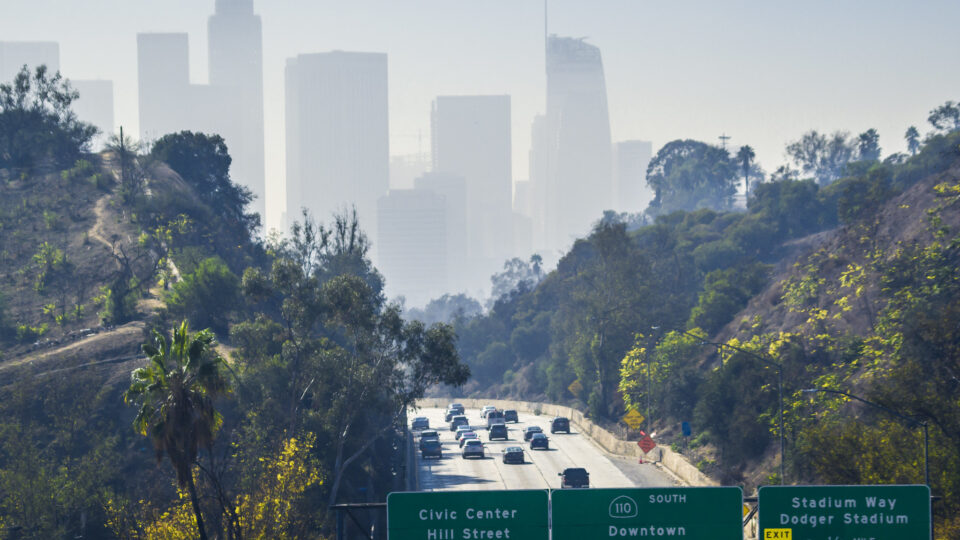
Unhealthy Air | Earth Wise

May 12, 2022 By EarthWise Leave a Comment

Most of the global population breathes unhealthy air

According to the World Health Organization, almost the entire global population – 99% in fact – breathes air that exceeds WHO air quality limits and threatens their health.

Air quality is of great concern everywhere.  Over 6,000 cities in 117 countries monitor air quality, but the people living in those cities are still breathing unhealthy levels of fine particulate matter and nitrogen dioxide. The WHO is citing these findings as a compelling reason to curb fossil fuel use and to take other steps to reduce air pollution levels. 

There is growing number of studies of the damage air pollution does to the human body.  Even low levels of many air pollutants can cause significant harm.  Particulate matter – especially so-called PM2.5 – is capable of penetrating deep into the lungs and entering the bloodstream, contributing to cardiovascular, cerebrovascular, and respiratory problems. 

Nitrogen dioxide is associated with respiratory diseases – especially asthma – and leads to respiratory symptoms, hospital admissions, and visits to emergency rooms.

The WHO is calling to governments around the world to take additional steps to improve air quality including adopting stricter air quality standards, supporting the transition to clean household energy sources, implementing stricter vehicle emission standards, reducing the use of incineration, and many other actions.

According to the WHO, cities in high-income countries fare better in terms of air quality, but very few places avoid unhealthy air entirely.   Seven million deaths a year are linked to unhealthy air quality.  It is a global crisis that cannot be ignored.

**********

Web Links

Billions of people still breathe unhealthy air: new WHO data

Photo, posted December 1, 2021, courtesy of Ron Reiring via Flickr.

Earth Wise is a production of WAMC Northeast Public Radio.

Conseguir un medicamento en las farmacias extranjeras no puede ser más difícil que la compra nocturna de alimentos. Si no se requiere una receta en línea para la compra de medicamentos, se puede comprar libremente, incluso no sólo en las farmacias, sino también en los supermercados, dijo un abogado y director general del grupo de consultoría vvCube Vadim Tkachenko.

Capturing Carbon Dioxide With Plastic | Earth Wise

May 11, 2022 By EarthWise 2 Comments

The world is awash in both waste plastic and in carbon dioxide emissions.   Researchers at Rice University have discovered a chemical technique for making waste plastic into an effective carbon dioxide absorbent for industry.

Chemists at Rice reported in the journal ACS Nano that heating plastic waste in the presence of potassium acetate produces particles with nanometer-scale pores that trap carbon dioxide molecules.   According to the researchers, these particles could be used to remove CO2 from the flue gas streams of power plants.

Significant sources of CO2 emissions like power plant exhaust stacks could be fitted with this waste-plastic-derived material to absorb large amounts of carbon dioxide that would otherwise enter the atmosphere. 

The Rice University process is an enhancement to the current process of pyrolyzing waste plastic – that is, breaking it down in the presence of heat.  By pyrolyzing plastic in the presence of potassium acetate, porous particles are formed that can hold up to 18% of their own weight in carbon dioxide.

According to the researchers, the cost of capturing carbon from a power plant would be $21 a ton, which is far less expensive than existing energy-intensive processes used to pull carbon dioxide from natural gas feeds.

The sorbent material can be reused.  Heating it to about 167 degrees Fahrenheit releases trapped carbon dioxide from the pores and regenerates about 90% of the material’s binding sites.

The Rice process may represent a much better way to capture carbon dioxide from power plant exhaust stacks.  It could be a way to make use of one environmental problem – waste plastic – to deal with another one.

**********

Web Links

Treated plastic waste good at grabbing carbon dioxide

Photo, posted April 19, 2021, courtesy of Ivan Radic via Flickr.

Earth Wise is a production of WAMC Northeast Public Radio.
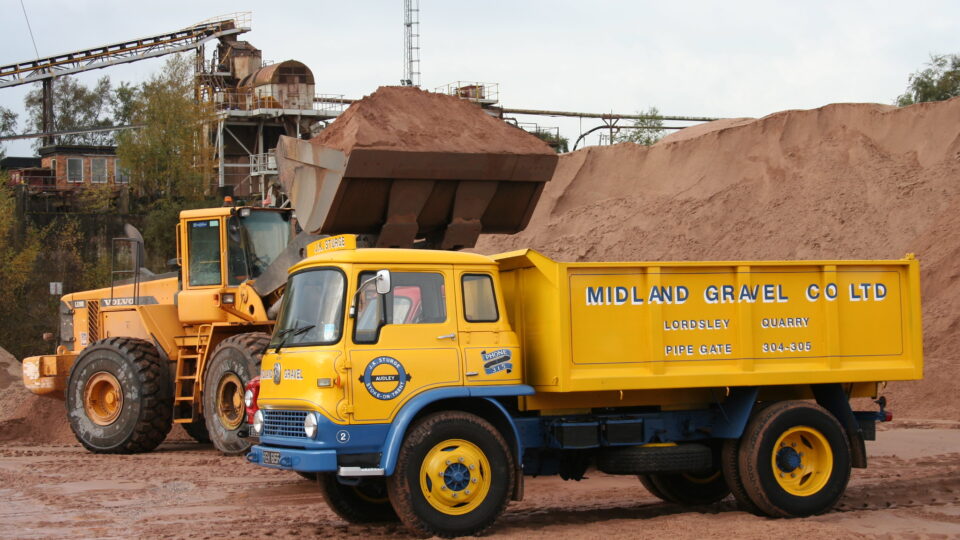
Sand From Mining Waste | Earth Wise

May 10, 2022 By EarthWise Leave a Comment

The natural resources people use the most are air and water.  It may come as a surprise that in third place is sand.  Sand is used to make glass, computer chips, toothpaste, cosmetics, food, wine, paper, paint, plastics, and more.  It is estimated that 50 billion tons of sand are used each year.

Concrete is 10% cement, 15% water, and 75% sand.  The concrete required to build a house takes on average 200 tons of sand, a hospital uses 3,000 tons, and a mile of a highway requires 15,000 tons.

One would think that there is no shortage of sand, but we are using it up faster than the planet can make it and the extraction of sand from seas, rivers, beaches, and quarries has negative impacts on the environment and surrounding communities.  For example, removing sand leads to erosion in riverbanks, significantly increasing the risk of flooding in some places.

A potential strategy to reduce the impact of extracting sand to meet society’s growing need for is also a strategy for helping to reduce the production of mineral mining waste, which is the largest waste stream on the planet.  Mining produces between 33 and 66 billion tons of waste material each year.

A new study by researchers in Switzerland and Australia looked at the potential for using mining waste as a source of so-called ore-sand.  Sand-like material left over from mining operations could be used for many current applications for sand.  Separating and repurposing these materials before they are added to the waste stream would not only reduce the volume of waste being generated by mining operations but would also create a responsible new source of sand.

**********

Web Links

Solution to world’s largest waste stream: Make sand

Photo, posted October 22, 2005, courtesy of Alan via Flickr.

Earth Wise is a production of WAMC Northeast Public Radio.

The Atmosphere Is Thirstier | Earth Wise      

May 9, 2022 By EarthWise Leave a Comment

The American West is in the throes of a two-decade-long drought.  The climate there is getting warmer and drier, which has led to increasing demand for water resources from both humans and ecosystems.  According to a new study by the Desert Research Institute and collaborators, the atmosphere across much of the U.S. is also demanding a greater share of water than it used to.

Evaporative demand, which is also called atmospheric thirst, is a measure of the potential loss of water from the earth’s surface up to the atmosphere.  It is a function of temperature, humidity, wind speed, and solar radiation.  The study, published in the Journal of Hydrometeorology, assessed trends in evaporative demand during a 40-year period from 1980-2020.

The study’s findings showed substantial increases in atmospheric thirst across much of the Western U.S. over that period, with the largest increases centered around the Rio Grande and Lower Colorado rivers.  This is important because atmospheric thirst is a persistent force in pushing Western landscapes and water supplies toward drought.

The study found that, on average, increases in temperature were responsible for 57% of the changes observed in atmospheric thirst, humidity 26%, and the other factors playing lesser roles.

For farmers and other water users, increases in atmospheric thirst mean that, in the future, more water will be required to meet existing water needs.  Crops already require more water than they did in the past and can be expected to require more water in the future.  Over time, for every drop of precipitation that falls, less and less water is likely to drain into streams, wetlands, aquifers, or other water bodies.

**********

Web Links

New study shows robust increases in atmospheric thirst across much of U.S. during past 40 years

Photo, posted August 9, 2007, courtesy of William Clifford via Flickr.

Earth Wise is a production of WAMC Northeast Public Radio.
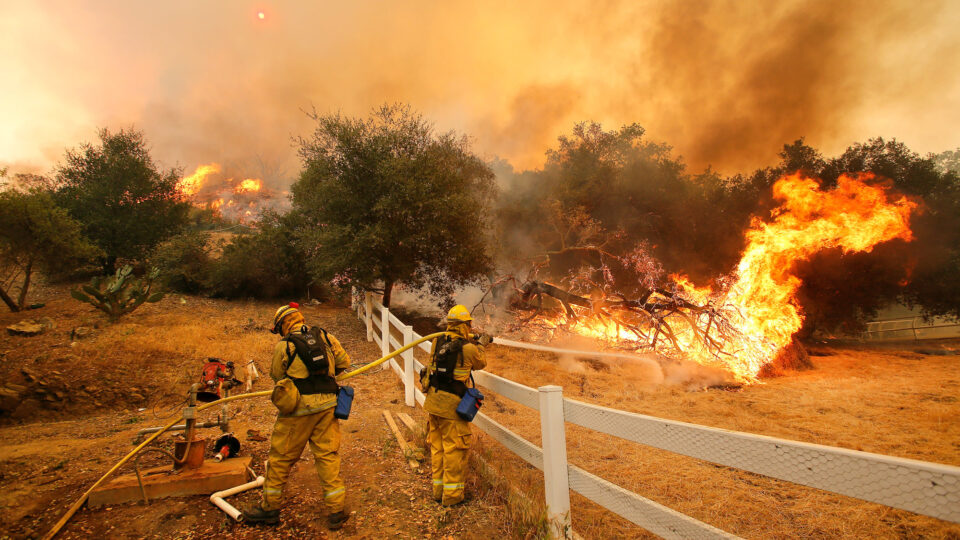
Fires Are Larger And More Frequent | Earth Wise

May 6, 2022 By EarthWise Leave a Comment

Wildfires are becoming more frequent and larger

According to a new study by the University of Colorado Boulder, wildfires have gotten much larger and much more frequent across the United States since the year 2000.  The rise in wildfires in recent years has been attributed to the changing climate and the new research shows that large fires have become more common and have been spreading into new areas that previously did not burn.

The researchers analyzed data from over 28,000 fires that occurred between 1984 and 2018 using satellite imagery along with detailed state and federal fire history records.

The results are that there were more fires across all regions of the contiguous U.S. from 2005 to 2018 compared to the previous 20 years.  In the West and East, fire frequency doubled, and in the Great Plains, fire frequency quadrupled.  The amount of land burned each year at least tripled in those regions.

The team discovered that the size of fire-prone areas increased in all regions of the contiguous U.S. in the 2000s, meaning that the distance between individual fires has been getting smaller than it was in previous decades and the fires have been spreading into areas that did not burn in the past.

This comprehensive study confirms what has been assumed by the media, public, and firefighting officials.  The results also align with increasing risk trends such as the growing development of natural hazard zones. Projected changes in climate, fuel, and ignitions suggest that there will be more and larger fires in the future.  More large fires plus intensifying development mean that the worst fire disasters are still to come.

**********

Web Links

U.S. Fires Four Times Larger, Three Times More Frequent Since 2000

Photo, posted May 3, 2013, courtesy of Daria Devyatkina via Flickr.

Earth Wise is a production of WAMC Northeast Public Radio.
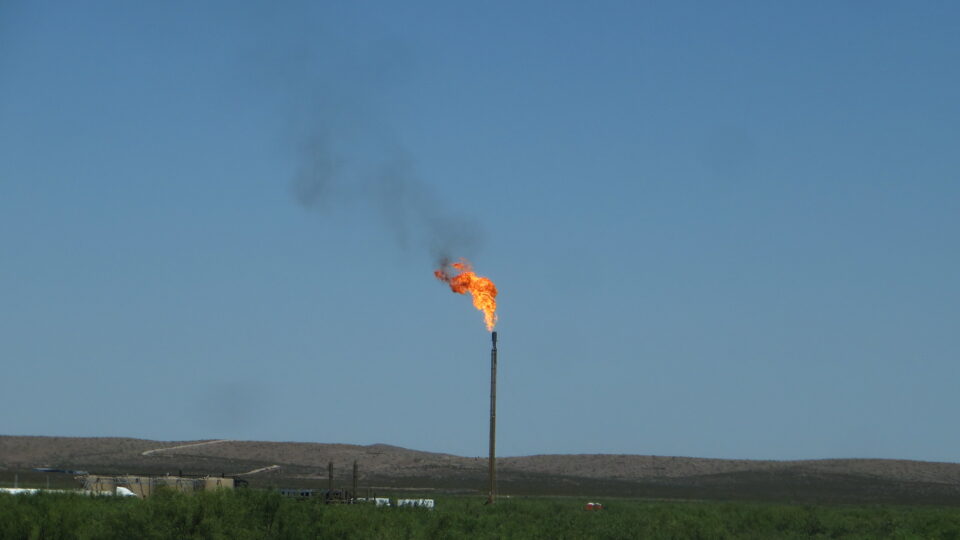
Methane Leaks Are Worse Than We Thought | Earth Wise

May 4, 2022 By EarthWise Leave a Comment

Methane leaks are worse than was previously thought

Methane leaking from oil and gas wells is a real problem for the environment because methane is far more potent at trapping heat than carbon dioxide.   The EPA has estimated that about 1.4% of the methane produced by wells nationally leaks into the atmosphere.   However, environmental experts and energy industry engineers have been concerned that leaks from mines, wells, refineries, storage facilities, and pipelines are vastly underreported.  But until recently, there really wasn’t a good way to find out.

Researchers at Stanford University have developed a technique based on the use of hyperspectral cameras mounted to airplanes.  The cameras measure sunlight reflected off of chemicals in the air that are invisible to the human eye.  Each chemical, including methane, has a unique fingerprint.  Using these sensors, methane is easy to spot and the technique can measure the output of individual wells.

The researchers performed a study of almost every oil and gas asset in the New Mexico Permian Basin, one of the largest and highest-producing oil and gas regions in the world.  They surveyed the sites for an entire year.  They estimate that more than 9% of all methane produced in the region is being leaked into the skies, far more than EPA estimates.

The positive outcome of the survey is that the researchers found that fewer than 4% of the 26,000 sites studied produced half of all the methane emissions observed.  Being able to identify the so-called super-emitter sites and dealing with them could lead to a major improvement in the situation.

The new technique is more accurate, faster, and more cost-effective than current ways to monitor emissions.

**********

Web Links

Stanford-led study: Methane leaks are far worse than estimates, at least in New Mexico, but there’s hope

Photo, posted July 10, 2016, courtesy of Ken Lund via Flickr.

Earth Wise is a production of WAMC Northeast Public Radio.
Birds Bees And Coffee | Earth Wise

May 3, 2022 By EarthWise Leave a Comment

Biodiversity adds value to agriculture

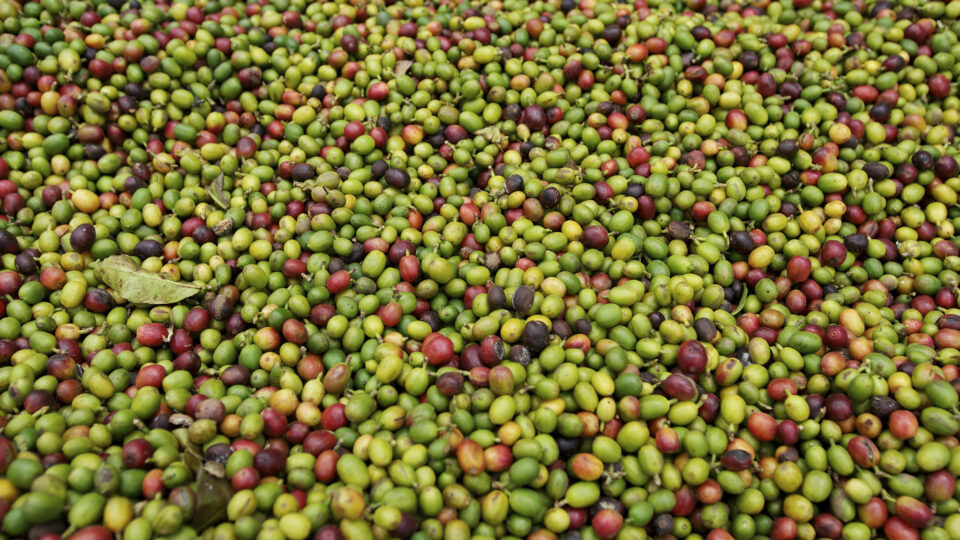
A new study by the University of Vermont in collaboration with researchers from three Latin American countries looked at the effects of birds and bees on coffee crops.  They found that coffee beans are bigger and more plentiful when birds and bees team up to protect and pollinate coffee plants.

The real-world study manipulated coffee plants across 30 farms by excluding birds and bees with a combination of large nets and small lace bags.  They looked at four scenarios:  bird activity alone (pest control), bee activity alone (pollination), no bird and bee activity at all, and a natural environment where birds and bees were free to pollinate and eat insects that otherwise damage coffee plants.

The study looked at fruit set, fruit weight, and fruit uniformity – important factors that determine the quality and price of the coffee crop.  The results were that the combined positive effects of birds and bees were greater than their individual effects.   Without birds and bees, the average coffee yield on the farms declined nearly 25%.  That is important information for the $26 billion coffee industry.

A surprising result of the study is that many birds providing pest control to coffee plants in Costa Rica had migrated thousands of miles from Canada and the U.S.

Previous studies looked at the benefits of natural factors separately and then added them up.  But the new study demonstrates that nature is an interacting system with both synergies and trade-offs.  Past assessments of individual ecological services may have underestimated the benefits biodiversity provides to agriculture and human wellbeing.  Ecosystems services are more valuable together than separately.

**********

Web Links

The Secret to Better Coffee? The Birds and the Bees

Photo, posted March 2, 2012, courtesy of Caroline Gluck/Oxfam via Flickr.

Earth Wise is a production of WAMC Northeast Public Radio.

  • « Go to Previous Page
  • Page 1
  • Interim pages omitted …
  • Page 42
  • Page 43
  • Page 44
  • Page 45
  • Page 46
  • Interim pages omitted …
  • Page 101
  • Go to Next Page »

Primary Sidebar

Recent Episodes

  • An uninsurable future
  • Clean energy and jobs
  • Insect declines in remote regions
  • Fossil fuel producing nations ignoring climate goals
  • Trouble for clownfishes

WAMC Northeast Public Radio

WAMC/Northeast Public Radio is a regional public radio network serving parts of seven northeastern states (more...)

Copyright © 2026 ·