• Skip to primary navigation
  • Skip to main content
  • Skip to primary sidebar

Earth Wise

A look at our changing environment.

  • Home
  • About Earth Wise
  • Where to Listen
  • All Articles
  • Show Search
Hide Search
You are here: Home / Archives for capture

capture

Assessing Human-Caused Wildlife Mortality | Earth Wise

May 31, 2022 By EarthWise Leave a Comment

Assessing the impact humans have on wildlife mortality

Bycatch is the fishing industry term used to describe the deaths of non-target fish and ocean wildlife during the fishing process.  Some bycatch species are thrown away because regulations prohibit them from being kept.  Others are thrown out because they won’t fetch high enough prices.  According to some estimates, global bycatch amounts to about 10% of the world’s total catch. 

Approximately half of global bycatch is a result of trawling.  Trawling is a method of commercial fishing that involves pulling or dragging a fishing net – called a trawl – through the water or across the seabed in hopes of catching fish.  Commercial fishing companies favor towing trawl nets because large quantities of fish can be caught.  But the method is destructive to the seafloor and leads to the indiscriminate catch of all sorts of species, including whales, dolphins, porpoises, sharks, seals, rays, turtles, and seabirds. 

Researchers have developed a new method to assess the sustainable levels of human-caused wildlife mortality.  When this method is applied to a trawl fishery in Australia, it shows that the dolphin capture is not sustainable.  The study, led by scientists at the University of Bristol in the U.K. and United Arab Emirates University, modeled different levels of dolphin capture, including those reported in logbooks and those reported by independent observers.  According to the findings, which were recently published in the journal Conservation Biology, even the lowest recorded dolphin capture rates are not sustainable. 

The new approach is extremely adept at assessing human-caused mortality to wildlife, and can be applied to fisheries bycatch, hunting, lethal control measures, or even wind turbine collisions.

**********

Web Links

Wasted Catch

Dolphin bycatch from fishing practices unsustainable, study finds

Photo, posted May 18, 2011, courtesy of Pete Markham via Flickr.

Earth Wise is a production of WAMC Northeast Public Radio.

Capturing Carbon Dioxide With Plastic | Earth Wise

May 11, 2022 By EarthWise 2 Comments

The world is awash in both waste plastic and in carbon dioxide emissions.   Researchers at Rice University have discovered a chemical technique for making waste plastic into an effective carbon dioxide absorbent for industry.

Chemists at Rice reported in the journal ACS Nano that heating plastic waste in the presence of potassium acetate produces particles with nanometer-scale pores that trap carbon dioxide molecules.   According to the researchers, these particles could be used to remove CO2 from the flue gas streams of power plants.

Significant sources of CO2 emissions like power plant exhaust stacks could be fitted with this waste-plastic-derived material to absorb large amounts of carbon dioxide that would otherwise enter the atmosphere. 

The Rice University process is an enhancement to the current process of pyrolyzing waste plastic – that is, breaking it down in the presence of heat.  By pyrolyzing plastic in the presence of potassium acetate, porous particles are formed that can hold up to 18% of their own weight in carbon dioxide.

According to the researchers, the cost of capturing carbon from a power plant would be $21 a ton, which is far less expensive than existing energy-intensive processes used to pull carbon dioxide from natural gas feeds.

The sorbent material can be reused.  Heating it to about 167 degrees Fahrenheit releases trapped carbon dioxide from the pores and regenerates about 90% of the material’s binding sites.

The Rice process may represent a much better way to capture carbon dioxide from power plant exhaust stacks.  It could be a way to make use of one environmental problem – waste plastic – to deal with another one.

**********

Web Links

Treated plastic waste good at grabbing carbon dioxide

Photo, posted April 19, 2021, courtesy of Ivan Radic via Flickr.

Earth Wise is a production of WAMC Northeast Public Radio.

Turning Pollution Into Cash | Earth Wise     

April 22, 2022 By EarthWise Leave a Comment

Developing ways to turn pollution into cash

Power plants and other industrial facilities are a major source of carbon emissions.  There are a variety of techniques under development to prevent those emissions by capturing them rather than releasing them into the atmosphere.  All of them add costs to the functioning of the facility.  A good way to offset those costs is to convert the emissions into useful products, ideally making it profitable to capture emissions.

Engineers at the University of Cincinnati have developed an electrochemical system that converts carbon dioxide into ethylene, which is a chemical used in a wide range of manufacturing.  Ethylene has sometimes been called “the world’s most important chemical”.  It is used in many kinds of plastics, textiles, and the rubber found in tires and insulation. It is also used in heavy industry such as steel and cement plants as well as in the oil and gas industry.

The Cincinnati process is a two-stage cascade reaction that converts carbon dioxide to carbon monoxide and then into ethylene.  It is based on the underlying principle of the plug-flow reactor that is used for variety of production applications.  The study, published in the journal Nature Catalysis, demonstrates that the process has high ethylene selectivity – meaning that it effectively isolates the desired compound – as well as high productivity – meaning that it makes a lot of it.  The system will take more time to become truly economical, but the researchers are continuing to make progress on that front with improved catalysts.

The researchers believe that this technique can reduce carbon emissions and make a profit doing it.  Power plants and other facilities emit a lot of carbon dioxide.  With this process, it may be possible to capture it and produce a valuable chemical.

**********

Web Links

Conversion process turns pollution into cash

Photo, posted February 27, 2018, courtesy of Cyprien Hauser via Flickr.

Earth Wise is a production of WAMC Northeast Public Radio.

Mercury In The Amazon Rainforest | Earth Wise

March 8, 2022 By EarthWise Leave a Comment

Mercury polluting the Amazon rainforest

Recent research has found that some of the highest levels of mercury pollution ever recorded are in a patch of pristine Amazonian rainforest.  The international team of researchers discovered that illegal goldmining in the Peruvian Amazon is the source of the pollution.

Illegal miners separate gold particles from river sediments using mercury.  Mercury binds to gold, forming pellets large enough to be caught in a sieve.   The pellets are then burned in open fire ovens, releasing the mercury to the atmosphere, leaving the gold behind.  The mercury smoke ends up being washed into the soil by rainfall, deposited onto the surface of leaves, or directly absorbed into leaf tissues.

Deforested areas had low levels of mercury, while the areas with the largest, densest old-growth trees captured huge volumes of atmospheric mercury, more than any other ecosystem studied in the entire world.  Mercury levels were directly related to leaf area index:  the denser the canopy, the more mercury it holds.  Birds from this area have up to twelve times more mercury in their systems than birds from less polluted areas.  Such high concentrations of mercury could provoke a decline of up to 30% in these birds’ reproductive success.

Small-scale artisanal gold mining is an important livelihood for local communities.  Eliminating it outright may not be a viable solution but coming up with ways to continue to provide a sustainable livelihood while protecting communities from poisonous pollution is essential.

In the meantime, the forests are doing an important service by capturing much of the mercury and preventing it from getting into the general atmosphere and endangering more people and animals.  Burning or harvesting the mercury-ridden trees would release the mercury back into the atmosphere.

**********

Web Links

Modern Day Gold Rush Turns Pristine Rainforests into Heavily Polluted Mercury Sinks

Photo, posted August 24, 2016, courtesy of Anna and Michal via Flickr.

Earth Wise is a production of WAMC Northeast Public Radio.
Synthetic Palm Oil | Earth Wise

February 18, 2022 By EarthWise Leave a Comment

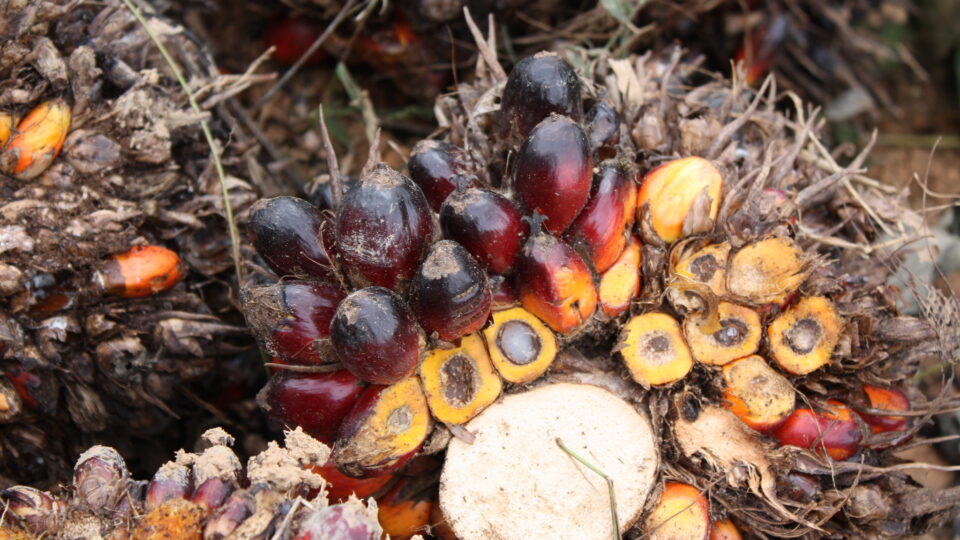
Palm oil is the world’s cheapest and most widely used vegetable oil.  Producing it is a primary driver of deforestation and biodiversity loss in the tropics.  In Borneo, for example, oil palm cultivation has accounted for more than half of all deforestation over the past two decades.   More than one million square miles of biodiversity hotspots could be threatened by oil palm cultivation, which could potentially affect more than 40% of all threatened bird, mammal, and amphibian species.

Today, the world consumes over 70 million tons of palm oil each year, used in products ranging from toothpaste and oat milk to biodiesel and laundry detergent.

Given this situation, there are now multiple companies developing microbial oils that might offer an alternative to palm oil while avoiding its most destructive impacts.

A company called C16 Biosciences is working on the problem in Manhattan, backed by $20 million from a Bill Gates’ climate solutions investment fund.  A California-based startup called Kiverdi is working to manufacture yeast oil using carbon captured from the atmosphere. 

Xylome, a Wisconsin-based startup is working to produce a palm oil alternative that they call “Yoil”, produced by a proprietary strain of yeast.  The oil from the yeast strain is remarkably similar to palm oil. 

The challenge is to be able to produce microbial oils at large scale and at a competitive price.  Unless valuable co-products could be manufactured along with the oil, it may be difficult to compete with palm oil.  Without regulatory pressures and willingness of consumers to pay more, it may be difficult to replace palm oil in many of its applications.

**********

Web Links

Can Synthetic Palm Oil Help Save the World’s Tropical Forests?

Photo, posted December 9, 2008, courtesy of Fitri Agung via Flickr.

Earth Wise is a production of WAMC Northeast Public Radio.

Carbon Capture In Denmark | Earth Wise

January 11, 2022 By EarthWise Leave a Comment

Denmark pursuing carbon capture technologies

Denmark has pledged to reduce greenhouse gas emissions 70% by 2030 compared with 1990 levels. The country has also banned oil exploration in Danish waters and plans to phase out offshore drilling in the North Sea by 2050.

Instead of pumping oil from the North Sea, Denmark plans to capture CO2 and store it there.  To meet its climate goals, Denmark is investing $2.4 billion in a plan to capture carbon dioxide from its energy and industrial sectors and inject it into the seabed in geological formations that previously held oil and gas deposits.

The first North Sea carbon capture and storage facilities will be put into service in 2025 and will remove nearly half a million tons of emissions from the atmosphere each year.  The carbon dioxide will be captured from energy and industrial sectors such as waste incineration and cement production.

There are multiple carbon capture projects underway around the world.  Many are directed at so-called direct air capture, which is taking carbon dioxide out of the air once it is already there.  In Iceland, a project named “Orca” is extracting CO2 from the air and piping into a processing facility where it is mixed with water and diverted into a deep underground well.  Other large direct air capture plants are being built in the U.S. Southwest and in Scotland.

Whether capturing carbon from industrial operations or directly from the air ultimately makes environmental and economic sense remains to be seen.  What is driving the development of these technologies is the troubling math that reducing emissions is not happening fast enough to stave off the destructive effects of climate change that will result from global temperatures rising too much.

**********

Web Links

Denmark bets on North Sea carbon capture to hit climate goals

Photo, posted July 2, 2018, courtesy of Ansgar Koreng via Flickr.

Earth Wise is a production of WAMC Northeast Public Radio.
Liquid Fuels From Carbon Dioxide | Earth Wise

January 5, 2022 By EarthWise Leave a Comment

Converting carbon dioxide into liquid fuels

Most of the world’s energy demands are still being met by burning fossil fuels, thereby releasing carbon dioxide into the atmosphere.  The energy system is in the midst of a transition to renewable sources such as solar and wind power, but it will be quite some time before fossil fuels are only a minor part of energy production.  To reduce global warming, it will be necessary to prevent the carbon dioxide from fossil fuels from entering the atmosphere by capturing it and either locking it away or making use of it.

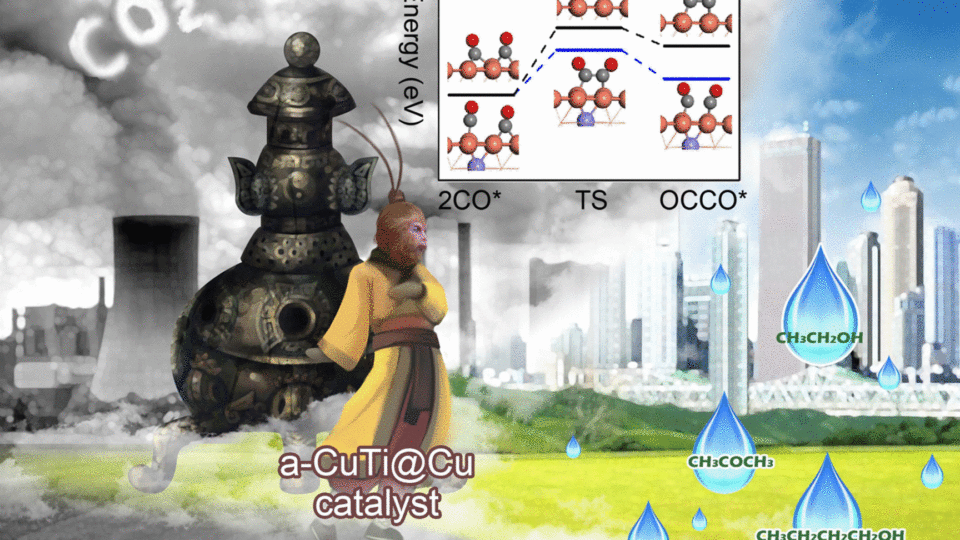
Recent research at several Chinese universities has developed a novel electrocatalyst that efficiently converts CO2 to liquid fuels containing multiple carbon atoms.  The main products of the high-efficiency reaction are ethanol, acetone, and n-butanol.  Previous electrocatalystic methods have mostly produced simpler hydrocarbons – namely, ones with only a single carbon atom.  The fuels the new catalyst produces are much more useful.

The catalyst is made from thin ribbons of a copper/titanium alloy that are etched with hydrofluoric acid to remove the titanium from the surface.  The process results in a material with a porous copper surface on an amorphous CuTi alloy.  The substance exhibits remarkably high activity, selectivity, and stability for catalyzing the reactions leading to the production of the hydrocarbon fuels.

Converting carbon dioxide into liquid fuels would be advantageous because they have high energy density and are safe to store and transport.  Apart from preventing carbon dioxide from entering the atmosphere, the process could also be a way to make use of excess energy produced by solar and wind generation by essentially storing that energy in the form of liquid fuels.

**********

Web Links

Liquid Fuels from Carbon Dioxide

Photo courtesy of Angewandte Chemie via Wiley-VCH.

Earth Wise is a production of WAMC Northeast Public Radio.
Capturing Methane To Feed Fish | Earth Wise

December 30, 2021 By EarthWise Leave a Comment

Using captured methane as food for fish

Methane in the atmosphere is an extremely potent greenhouse gas.  Its warming potential is about 85 times that of carbon dioxide over a 20-year period.  It also worsens air quality by increasing atmospheric ozone.  Many human activities add methane to the atmosphere, notably emissions from landfills and oil and gas facilities.

Capturing methane from these sources for subsequent use is currently uneconomical but new research from Stanford University analyzes the market for using the methane to feed bacteria to produce fishmeal.

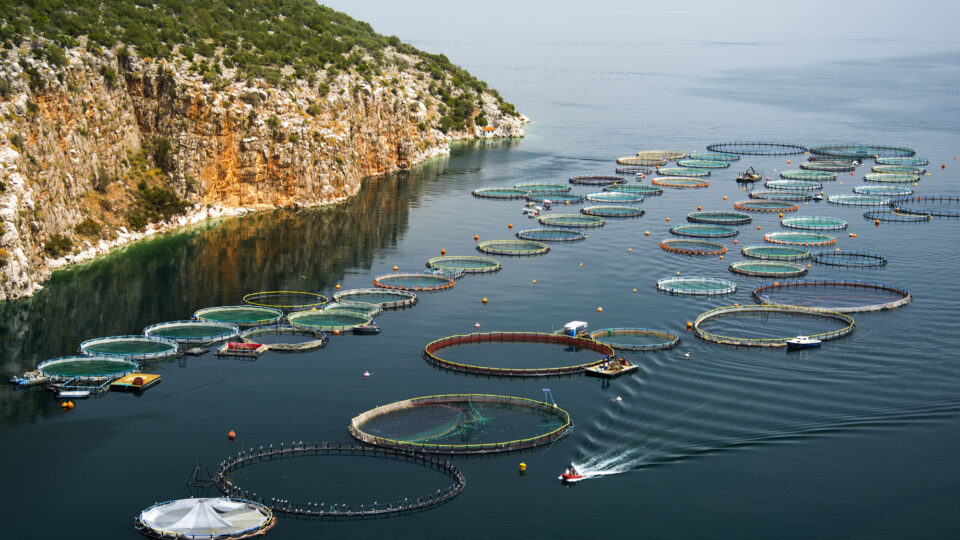
Methane-consuming bacteria called methanotrophs can be grown in chilled, water-filled bioreactors containing pressurized methane, oxygen, and nutrients.  The bacteria produce a protein-rich biomass that can be used as fishmeal in aquaculture.  This could offset demand for fishmeal made from small fish or plant-based feeds that require land, water, and fertilizer.

Some companies already do this using natural gas provided by utility pipelines, but it would be far better for the environment to use methane emitted at large landfills, wastewater treatment plants, and oil and gas facilities.

Consumption of seafood has more than quadrupled since 1960, depleting wild fish stocks.  Farmed fish now provide half of all the animal-sourced seafood we eat.

The Stanford research analyzed the cost of methanotrophic fishmeal production under various scenarios and found it to be very competitive with and in some cases considerably cheaper than current market prices for fishmeal. 

According to the study, this process could profitably supply total global demand for fishmeal with methane captured in the U.S. alone.

**********

Web Links

Stanford researchers reveal how to turn a global warming liability into a profitable food security solution

Photo, posted April 30, 2017, courtesy of Artur Rydzewski via Flickr.

Earth Wise is a production of WAMC Northeast Public Radio.
Direct Air Capture | Earth Wise

October 15, 2021 By EarthWise Leave a Comment

How to make direct air capture feasible

There is a lot of interest in carbon capture and sequestration (or CCS) in the context of trapping the carbon dioxide emissions from power plants and industrial facilities.  The fossil fuel industry is especially enthusiastic about the potential for continuing to burn fuels without harming the environment.  Apart from the technical challenges, there is the looming problem of CCS adding significant costs to power generation that is already losing the economic battle to renewable sources.

Direct air capture is a different matter.   This is the idea of actively taking CO2 out of the atmosphere.  This already happens by natural means such as sequestering it in soil or forests.  But there is considerable work going on aimed at developing technology to capture atmospheric carbon dioxide in massive quantities.

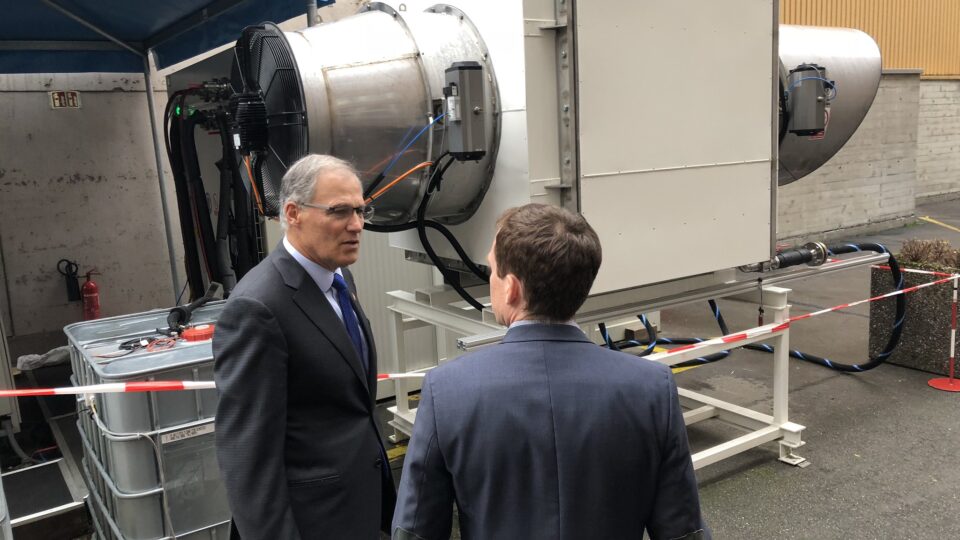
This September marks the opening of a new project called “Orca” in Iceland, which will, for the time being, be the largest direct air capture system in the world.  Once it is running around the clock, Orca will remove up to 4,000 metric tons of CO2 from the atmosphere each year.

Even larger DAC plants – one in the southwestern U.S and another in Scotland – are planned to come online in the next few years.

Ultimately, the question is whether direct air capture is feasible at large enough scale and affordable cost.  The numbers are daunting.  Society releases over 30 billion metric tons of carbon dioxide into the atmosphere each year.  Removing significant amounts of that with DAC technology is an enormous challenge.  Eliminating emissions remains the most practical way to mitigate the effects of climate change.

**********

Web Links

The Dream of Carbon Air Capture Edges Toward Reality

Photo, posted November 10, 2017, courtesy of Governor Jay and First Lady Trudi Inslee via Flickr.

Earth Wise is a production of WAMC Northeast Public Radio.
Scaling Up Green Hydrogen | Earth Wise

April 27, 2021 By EarthWise Leave a Comment

How to scale up green hydrogen

The global hydrogen market generates about $150 billion dollars a year.  The bulk of the market consists of hydrogen used to produce ammonia, refine oil, and produce methanol.  Advocates for hydrogen foresee a $600 billion a year market based on power and industry uses, mobility and transport uses, chemical feedstocks, and construction.  But the problem with expanding the use of hydrogen is that the vast majority of hydrogen in use today is produced from fossil fuels such as natural gas and coal and producing it creates carbon dioxide emissions.

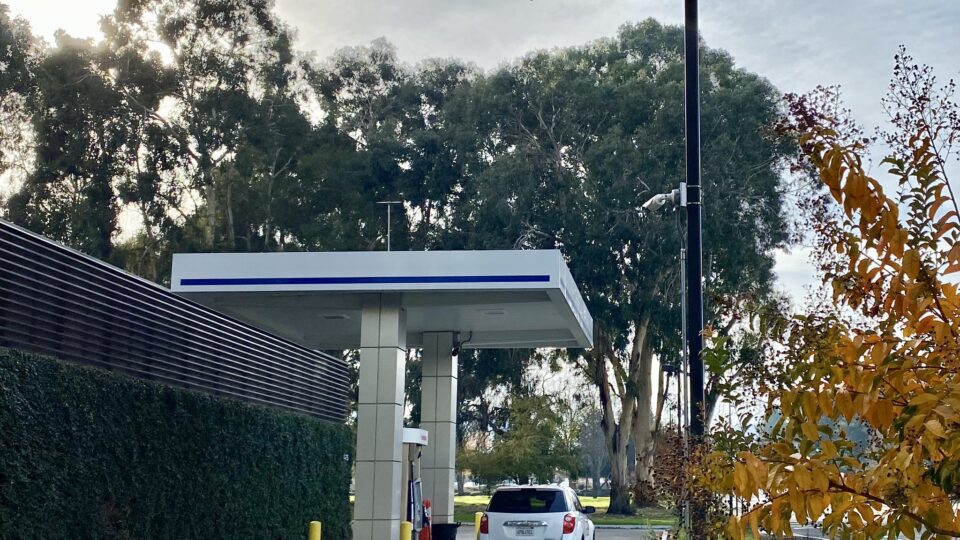
The great hope of the industry is “green hydrogen”- hydrogen produced either without using fossil fuels at all or by capturing and storing the emissions generated. The most likely approach is electrolysis – using electricity to produce hydrogen from water.

Billions of dollars are being invested by both governments and by large oil companies in a race to scale up electrolysis and make it economically attractive.  According to the Hydrogen Council industry lobby group, at least $300 billion is expected to be invested globally over the next decade aimed at developing the green hydrogen that could one day meet almost a fifth of global energy demand.

Many argue that producing green hydrogen with electrolysis is an extremely inefficient way to utilize renewable energy.  Critics of hydrogen-powered vehicles particularly make this argument.   But industrial applications of hydrogen that currently use large amounts of fossil fuels – such as steel manufacturing – may be places where green hydrogen would make a real dent in global emissions.

The race to clean up hydrogen is definitely on.

**********

Web Links

The Race to Scale Up Green Hydrogen to Help Solve Some of the World’s Dirtiest Energy Problems

Photo, posted December 16, 2020, courtesy of Sharon Hahn Darlin via Flickr.

Earth Wise is a production of WAMC Northeast Public Radio.

Fitness Trackers For Lobsters | Earth Wise

October 20, 2020 By EarthWise Leave a Comment

improving the lobster supply chain

The lobster industry is somewhat unique, at least in this country, in that it involves an animal food that is kept alive until it has reached the destination where it will be consumed or used.  As a result, the industry has to deal with a problem they call “shrink”, which is the mortality lobsters experience as they change hands from capture to kitchen.

Maine’s lobster industry has reached out to the University of Maine Lobster Institute along with collaborators at other institutions to help quantify and mitigate stress points in the lobster supply chain that reduce survival and profitability.

A 2-year project was funded by the National Oceanic and Atmospheric Administration to create miniature sensory devices – crustacean heart and activity trackers (called C-HATs).  These are essentially Fitbits for lobsters.  The noninvasive devices strapped on a lobster monitor its heart rate and movement as it passes from trap to on-board live tank to live storage crate to truck to wholesaler to retailer or processor.

A separate sensor-equipped device called the MockLobster travels along with the lobsters to log environmental conditions experienced, including temperature, light and dissolved oxygen levels.

The hope is to be able to get a good handle on the conditions lobsters experience from trap to market and learn where problems are likely to arise.  The researchers are also working to develop economical, standardized protocols to monitor water quality and the heath of lobsters during their movement through the supply chain.

The goal is to produce big improvements in the bottom lines of everyone along the supply chain along with big improvements in the health of the lobsters destined for market.

**********

Web Links

Fitness trackers, environmental sensors prototyped to improve survival in the lobster supply chain 

Photo, posted August 29, 2015, courtesy of Adam Grimes via Flickr.

Earth Wise is a production of WAMC Northeast Public Radio.

A New Carbon Capture Technique | Earth Wise

August 25, 2020 By EarthWise Leave a Comment

Reducing carbon dioxide emissions using carbon capture

Carbon dioxide emissions by electricity generating plants, fossil-fuel burning vehicles, and industry produce about 2/3 of the greenhouse gases driving climate change.  Without decreasing these emissions, the earth will continue to get warmer, sea levels will continue to rise, and the world will face more droughts, floods, wildfires, famine and conflict.

Electrification of vehicles and reliance upon renewable energy sources will ultimately drastically reduce the use of fossil fuels and the resultant emissions, but that transition may take too long to reverse the direction of climate change.  In the meantime, there is a great need to find effective and efficient ways to capture emissions from fossil fuel plants. 

Recent research at the University of California, Berkeley, Lawrence Berkeley National Laboratory, and ExxonMobil has developed a new technique for carbon capture.  The technique makes use of metal-organic framework (or MOF) technology.  An MOF, modified with nitrogen-containing amine molecules, captures CO2 and then low-temperature steam is used to flush out the CO2 either to be used or sequestered underground.

Experiments demonstrated the technique to have a six-times greater capacity for removing CO2 from the flue gas of a refinery than current amine-based technology.  It selectively removed 90% of the emitted CO2. 

There is a relatively limited market for captured CO2, so power plants using the capture technology would likely pump the CO2 into the ground, or otherwise sequester it.  The cost of doing this sort of emission scrubbing would have to be facilitated by government policies, such as carbon trading or a carbon tax, which would provide the necessary economic incentive for doing carbon capture and sequestration.

**********

Web Links

New technique to capture CO2 could reduce power plant greenhouse gases

Photo courtesy of UC Berkeley.

Earth Wise is a production of WAMC Northeast Public Radio.
A Possible Storage Breakthrough: Solar Energy | Earth Wise

January 10, 2020 By EarthWise 2 Comments

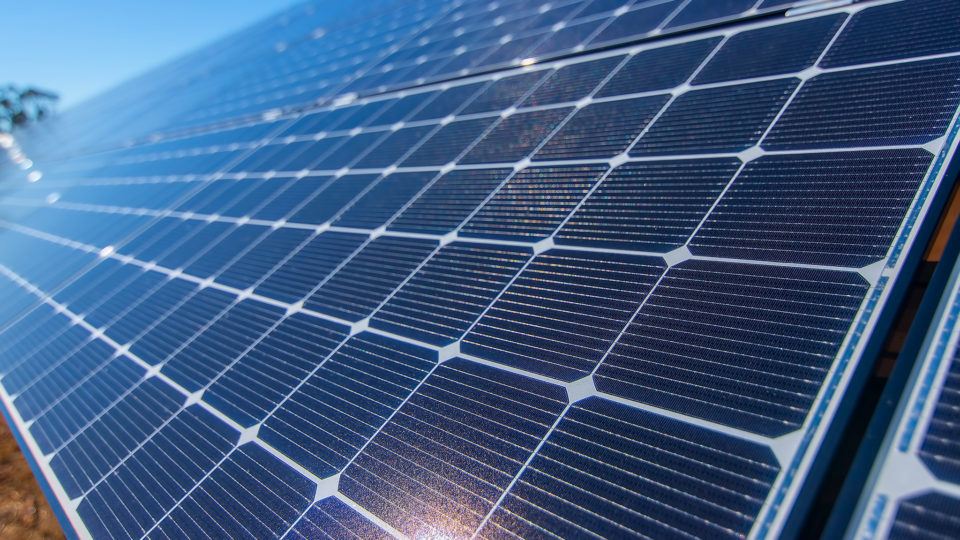
Solar energy is a nearly unlimited resource, but it is only available to us when the sun is shining.  For solar power to provide for the majority of our energy needs, there needs to be a way to capture the energy from the sun, store it, and release it when we need it.  There are many approaches to storing solar energy, but so far none have provided an ideal solution.

Scientists at the Chalmers Institute of Technology in Sweden have developed a way to harness solar energy and keep it in reserve so it can be released on demand in the form of heat—even decades after it was captured. Their solution combines several innovations, including an energy-trapping molecule, a storage system, and an energy-storing laminate for windows and textiles.

The energy-trapping molecule is made up of carbon, hydrogen, and nitrogen.  When hit by sunlight, the molecule captures the sun’s energy and holds on to it until it is released as heat by a catalyst.  The specialized storage unit is claimed to be able to store energy for decades.  The transparent coating that the team developed also collects solar energy and releases heat.  Using it would reduce the amount of electricity required for heating buildings.

So far, the team has concentrated on producing heat from stored solar energy.  It is unclear whether the technology can be adapted to produce electricity, which would be even more valuable.  In any event, the team does not yet have precise cost estimates for its technology, but there are no rare or expensive elements required, so the economics seem promising.  There is much more work to be done, but this could be a very important technology for the world’s energy systems.

**********

Web Links

An Energy Breakthrough Could Store Solar Power for Decades

Photo courtesy of Flickr.

Earth Wise is a production of WAMC Northeast Public Radio.
New Membranes For Carbon Capture

October 2, 2019 By EarthWise Leave a Comment

Drastically reducing the amount of carbon dioxide being emitted into the atmosphere is an essential goal in the effort to mitigate the effects of climate change.  While the ultimate solution is to avoid combustion of fossil fuels by the use of clean alternative energy sources, that transition will take time – possibly more time than we have.  As a result, there is a great deal of effort underway to develop techniques for capturing the carbon emitted by fossil fuel combustion and either recycling it or storing it.

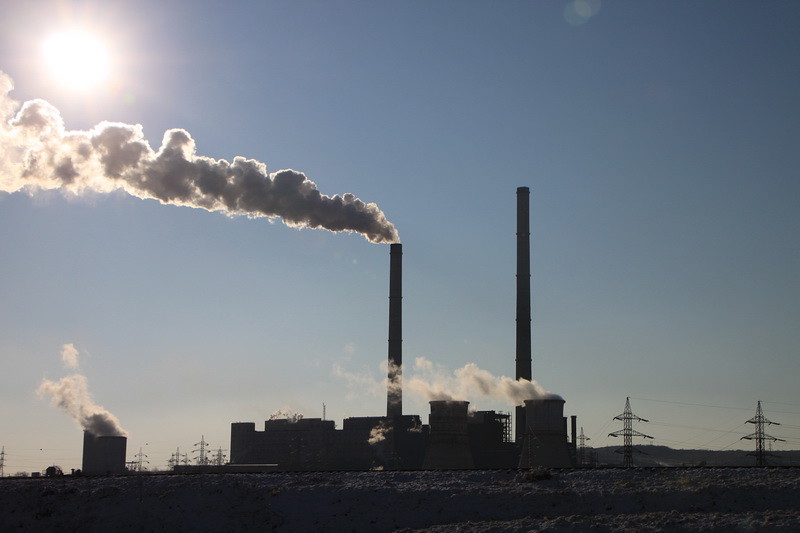
There are multiple ways to capture carbon emissions, but the ultimate goal is to find a technique that is both inexpensive and scalable.  One promising technique involves the use of high-performance membranes, which are filters that can specifically pick out CO2 from a mix of gases, such as those coming out of a factory smokestack.

Scientists at a Swiss laboratory have now developed a new class of high-performance membranes that exceeds the targeted performance for carbon capture by a significant margin.  The membranes are based on single-layer graphene with a selective layer thinner than 20 nanometers – only about 40 atoms thick. The membranes are highly tunable in terms of chemistry, meaning that they can be designed to capture specific molecules.

The membranes are highly permeable – meaning that they don’t impede gas flow too much – but highly selective.  The CO2/N2 separation factor is 22.5, which means that 22.5 times more nitrogen can get through the membrane than carbon dioxide.

The work is just at the laboratory stage at this point, but it is a very promising step towards developing a practical scheme for keeping carbon dioxide from escaping from power-plant and factory smokestacks.

**********

Web Links

Next-gen membranes for carbon capture

Photo, posted December 28, 2010, courtesy of Emilian Robert Vicol via Flickr.

Earth Wise is a production of WAMC Northeast Public Radio.

Exotic Pets Can Become Problems

August 26, 2019 By EarthWise Leave a Comment

Each year, millions of exotic animals are sold as pets around the world.  The term “exotic” lacks a set definition but is generally used to refer to an animal that’s wild or more unusual than standard pets, like cats and dogs. 

The exotic pet trade is a multi-billion dollar industry,  involving tens of millions of individual animals from thousands of species, including reptiles, amphibians, fish, birds, and mammals.

Some of the exotic pet trade is legal, but a lot of it isn’t.  Many animals are illegally captured from the wild to meet the global demand for exotic pets. 

People often purchase exotic animals without completely understanding the consequences.  Some exotic pets, for example, can live nearly twice as long as the average dog.  Caring for exotic pets can be both expensive and risky, since they are largely undomesticated (and therefore can have unpredictable behavior).

As a result, it’s not uncommon for owners to release exotic pets intentionally.  When this happens, the consequences can be catastrophic.  Sometimes the animal dies from starvation or predation, but in other instances, the animal proliferates and becomes an invasive species.

Invasive species are the second largest driver of biodiversity loss worldwide, and they cost the U.S. $120 billion a year. 

According to an academic review recently published in the journal Frontiers in Ecology and the Environment, the exotic pet trade is one of the primary causes of the spread of invasive species and has fueled the establishment of hundreds of them.  Tegus, Burmese pythons, and red lionfish are examples of pets-turned-pests. 

The best way to combat this trend is through education, detection, and rapid response. 

**********

Web Links

Why you should never release exotic pets into the wild

Photo, posted September 19, 2010, courtesy of Mike Baird via Flickr.

Earth Wise is a production of WAMC Northeast Public Radio.
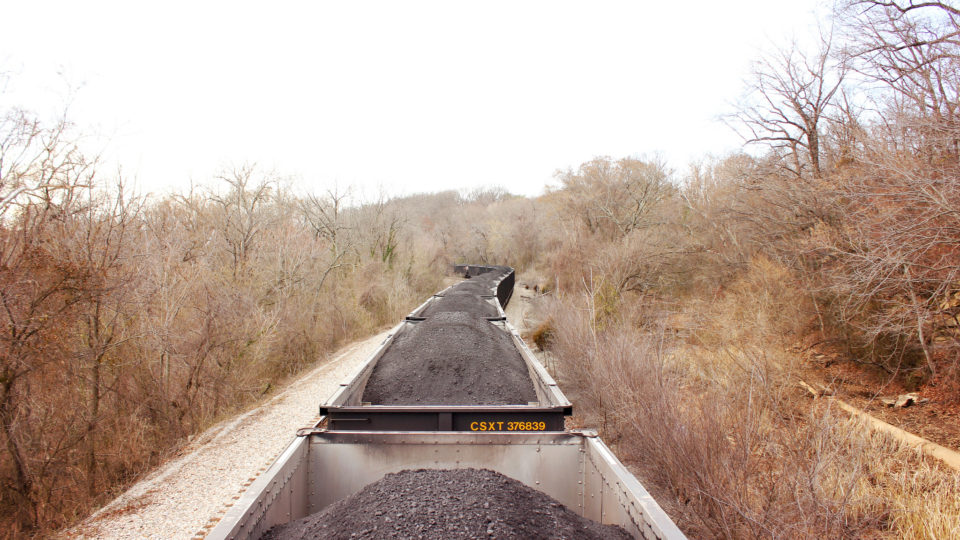
Making Coal To Fight Climate Change

April 19, 2019 By EarthWise Leave a Comment

Coal is the most harmful fossil fuel for the environment and, furthermore, for human health.  Its use has stubbornly persisted because it is so plentiful and, therefore, cheap.  As a result, a big part of efforts to fight climate change is finding a way to remove the carbon dioxide dumped into the atmosphere by the combustion of coal.

Researchers at the Royal Melbourne Institute of Technology in Australia have developed a remarkable technology that in effect reverses the process that has led to soaring CO2 levels in the atmosphere.  They have found a way to pull carbon dioxide from the atmosphere and turn it into coal, after which it can be stored cheaply and safely underground.

Most previous carbon capture and storage technologies have focused on compressing carbon dioxide gas into a liquid form and then pumping it into rock formations.  Such techniques are rather expensive, require lots of energy, and pose risks that the liquid CO2 could escape from its underground storage sites.  More recently, research on solid metal catalysts has led to the possibility of turning CO2 into solid carbon, but most of these reactions require very high temperatures and use a lot of energy.

The new technique developed at RMIT uses a new class of catalysts based on metal alloys.  With a small jolt of electricity applied at room temperature, CO2 can be converted into solid carbon – basically, coal.

If this technique can be industrialized economically, it would be like turning back the clock by taking carbon dioxide that entered the atmosphere by the combustion of coal and turning it back into coal and putting it back underground.  It seems like excellent environmental justice.

**********

Web Links

Scientists Turn Atmospheric CO2 Into Coal

Photo, posted March 16, 2015, courtesy of Will Fisher via Flickr.

Earth Wise is a production of WAMC Northeast Public Radio.
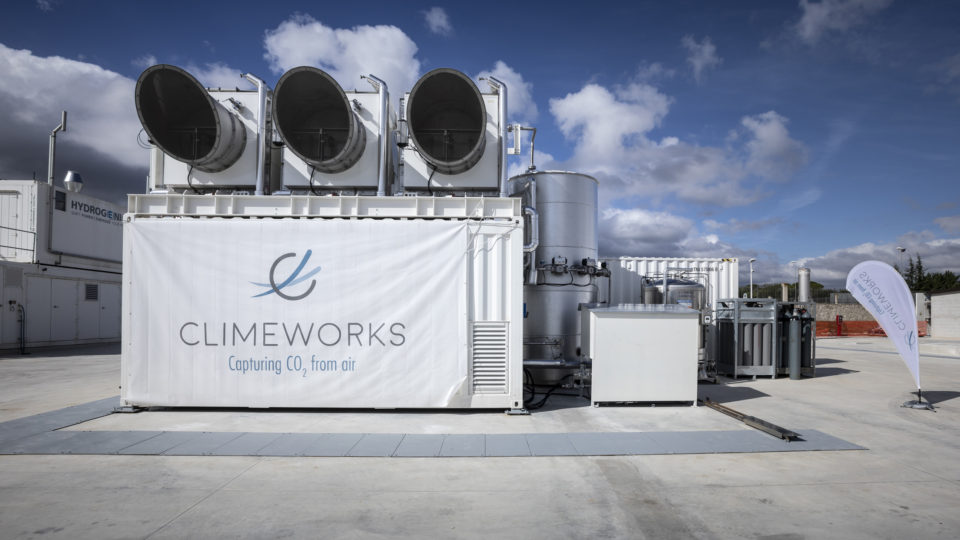
Capturing CO2 From The Air

November 9, 2018 By EarthWise Leave a Comment

https://earthwiseradio.org/wp-content/uploads/2018/10/EW-11-09-18-Capturing-CO2-from-the-Air.mp3

It is increasingly clear that the rate at which carbon dioxide emissions are being reduced is not sufficient to prevent dire consequences of climate change.  It appears that it will be necessary to try to actually remove carbon dioxide from the air.  Such actions are termed “negative emissions.”

[Read more…] about Capturing CO2 From The Air

Oman’s Rocks

June 13, 2018 By EarthWise Leave a Comment

https://earthwiseradio.org/wp-content/uploads/2018/05/EW-06-13-18-Omans-Rocks.mp3

There is growing interest in the idea of capturing and storing carbon dioxide.  Reducing the amount of it we are putting into the atmosphere is essential for limiting the effects of climate change, but even eliminating emissions entirely is not enough because the CO2 already there stays in the atmosphere for decades or more.

[Read more…] about Oman’s Rocks

A CO2 Vacuum Cleaner

July 13, 2017 By EarthWise

https://earthwiseradio.org/wp-content/uploads/2017/07/EW-07-13-17-A-CO2-Vacuum-Cleaner.mp3

A new carbon capture plant, sitting on top of a waste incineration facility near Zurich, Switzerland, is now sucking CO2 out of the air to sell to its first customer.  The plant opened on May 31, and is the first commercial enterprise of its kind.

[Read more…] about A CO2 Vacuum Cleaner

More Bears In New York

June 13, 2017 By EarthWise

https://earthwiseradio.org/wp-content/uploads/2017/06/EW-06-13-17-More-Bears-in-New-York.mp3

The population of black bears in southern New York has grown and expanded its range over the past 20 years, which has led to increased encounters with people.   Until recently, a detailed knowledge of bear populations in the state has been lacking.

[Read more…] about More Bears In New York

  • « Go to Previous Page
  • Page 1
  • Page 2
  • Page 3
  • Go to Next Page »

Primary Sidebar

Recent Episodes

  • An uninsurable future
  • Clean energy and jobs
  • Insect declines in remote regions
  • Fossil fuel producing nations ignoring climate goals
  • Trouble for clownfishes

WAMC Northeast Public Radio

WAMC/Northeast Public Radio is a regional public radio network serving parts of seven northeastern states (more...)

Copyright © 2026 ·