• Skip to primary navigation
  • Skip to main content
  • Skip to primary sidebar

Earth Wise

A look at our changing environment.

  • Home
  • About Earth Wise
  • Where to Listen
  • All Articles
  • Show Search
Hide Search
You are here: Home / Archives for Canada

Canada

Protecting coastal areas with tidal range electricity generation

February 13, 2024 By EarthWise Leave a Comment

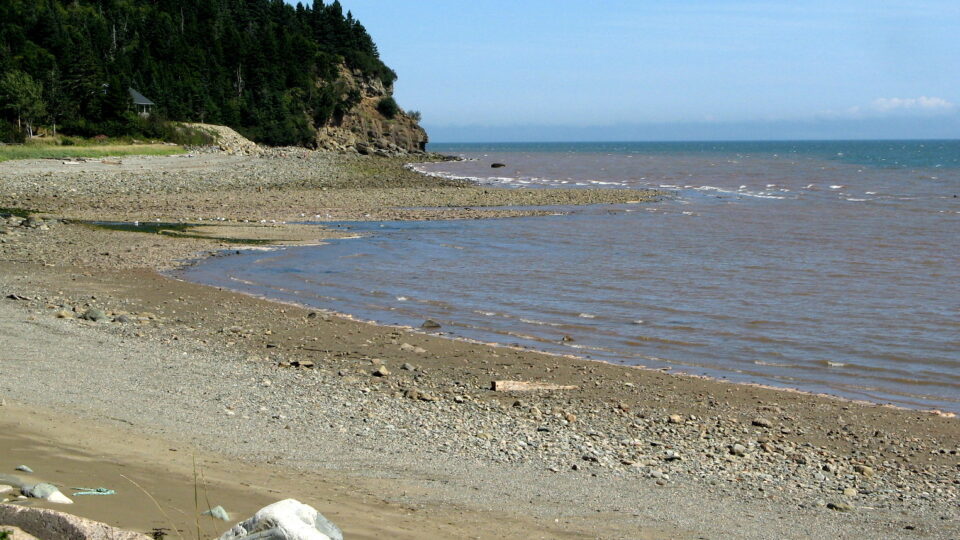
Tidal range electricity generation uses the water level difference between high and low tides to operate generator turbines.  The method requires the construction of barrages and sluices to capture water during high tides and then release it during generation at low tide.  Tidal range generation is predictable renewable energy driven by the gravitational pull of the moon and sun.

It is only a practical scheme in those places that have large tidal ranges.  The largest tidal range in the world is in the Bay of Fundy in Canada.  The second largest is the Severn Estuary, in the UK.  Tidal ranges are large in many places around Britain’s coasts. But they are also vulnerable to flooding and surges from rising seas.

A new study by Lancaster University in the UK has found that the environmental and economic benefits are huge because tidal range barrages can protect coastal areas from flooding and sea level rise. With two-way generation and pumping, the full range of existing tides can be maintained to protect and support low-lying intertidal areas such as saltmarshes and mudflats. High tides can be limited to existing levels simply by closing sluices and running turbines and low tide levels can be maintained by pumping.  The study determined that with modern technology and operating procedures, these so-called estuarine barrages may be the only practical way to protect vital coastal habitats.

Earlier work by the researchers found that tidal range projects under commercial consideration in the UK can produce about 5% of the country’s electricity use and additional projects are feasible for 4 or 5 times as much generation.

**********

Web Links

How tidal range electricity generation can protect coastal areas from flooding

Photo, posted August 17, 2014, courtesy of Andrea via Flickr.

Earth Wise is a production of WAMC Northeast Public Radio
Record high emissions

January 3, 2024 By EarthWise Leave a Comment

Record high emissions in 2023

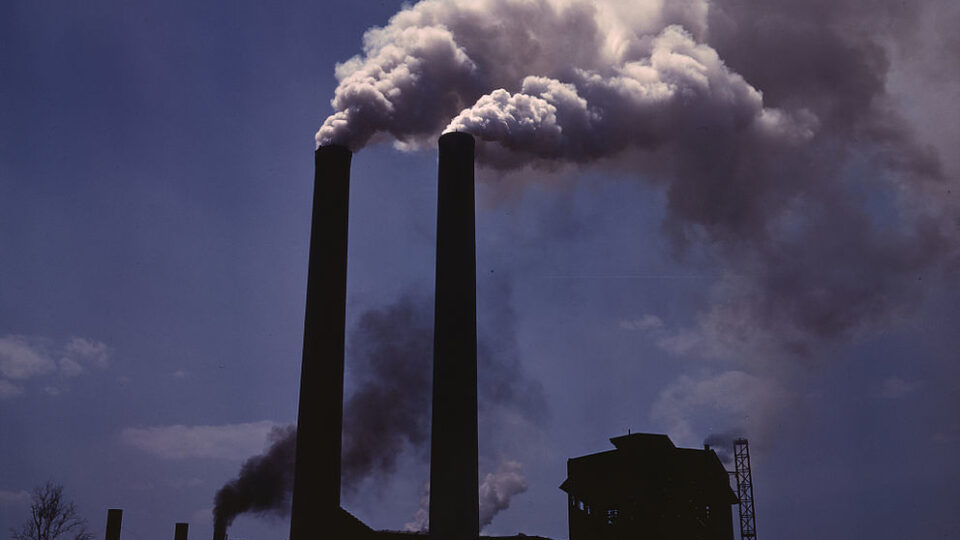
The world is adding solar and wind power to the grid.   We are driving more and more electric cars.  Countries are pledging to cut back fossil fuel use.  There are highly visible international conferences on the climate crisis.   But despite all of these things, global carbon emissions from fossil fuels have risen once again in 2023, reaching all-time record high levels of more than 40 billion tons, about 1.1% more than the previous year.

In some places, including Europe and the U.S., fossil fuel CO2 emissions are falling, but globally, they are still rising.  Emissions continued to increase in India and China.  Global action to cut fossil fuel use is not happening fast enough to prevent the increasingly dangerous effects of climate change.

Global CO2 emissions include both the contributions of fossil fuel use and the effects of land use change.  Adding the two together, in 2023 the total was about 45 billion tons, basically unchanged from last year. 

Adding insult to injury are the emissions from fires.  The extreme wildfire seasons in Canada, Australia, and other places have contributed CO2 emissions much larger than historical averages.

About half of all the carbon dioxide emitted on Earth is absorbed by carbon sinks on land and the oceans.  The other half remains in the atmosphere, where levels are now averaging 419 parts per million, 51% above pre-industrial levels.

Current efforts are simply not profound enough or widespread enough to put global emissions on a downward trajectory.  Some climate policies in some places are proving effective, but much more needs to be done.

**********

Web Links

Fossil CO2 emissions at record high in 2023

Photo, posted December 18, 2013, courtesy of Steve Nelson via Flickr.

Earth Wise is a production of WAMC Northeast Public Radio
Wildfires and air quality

January 1, 2024 By EarthWise Leave a Comment

The impact of wildfires on air quality

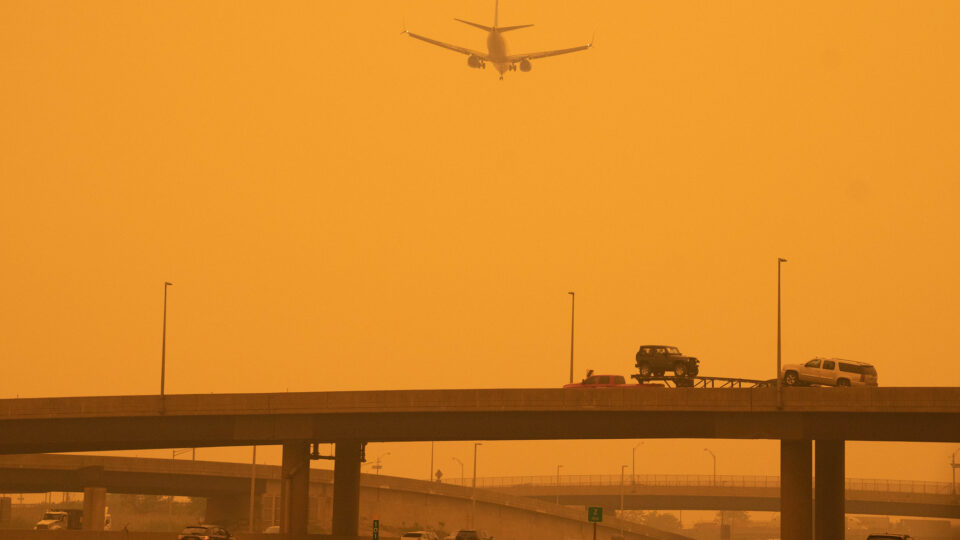
The wildfires last summer in parts of the U.S. and Canada fouled the air over much of the country.  Air quality in many places was dangerous for human health.  And such fires are becoming more numerous and more intense.

A new study by the University of Iowa has assessed the effects of two decades of wildfires on air quality and human health in the continental U.S.

From 2000 to 2020, air quality in the western U.S. has gotten worse as a result of the numerous fires in that region.  More generally, all those fires have undermined the success of federal efforts to improve air quality, primarily through the reductions in automobile emissions.

American air had been getting cleaner and clearer as a result of EPA regulations on vehicle emissions, but the surge in wildfires has limited and, in some cases, erased these air quality gains.  Twenty years of efforts by the EPA to make our air cleaner have been lost in fire-prone areas and in many downwind areas.

The Iowa study looked at the concentration of black carbon, a fine-particle air pollutant from fires linked to respiratory and heart disease.  In the western U.S., black carbon concentrations have risen 86% on an annual basis.

Fires have also affected the air in the Midwest, although not to the same degree as in the west.  The eastern U.S. had no major declines in air quality during the 2000-2020 time period.  Given the episodes of smoke from Canadian wildfires experienced by the east coast this past summer – as far south as Florida – even the air in that part of the country is suffering from the spread of wildfires.

**********

Web Links

Wildfires have erased two decades’ worth of air quality gains in western US

Photo, posted June 8, 2023, courtesy of Anthony Quintano via Flickr.

Earth Wise is a production of WAMC Northeast Public Radio
Are we really serious about eliminating fossil fuels?

December 15, 2023 By EarthWise Leave a Comment

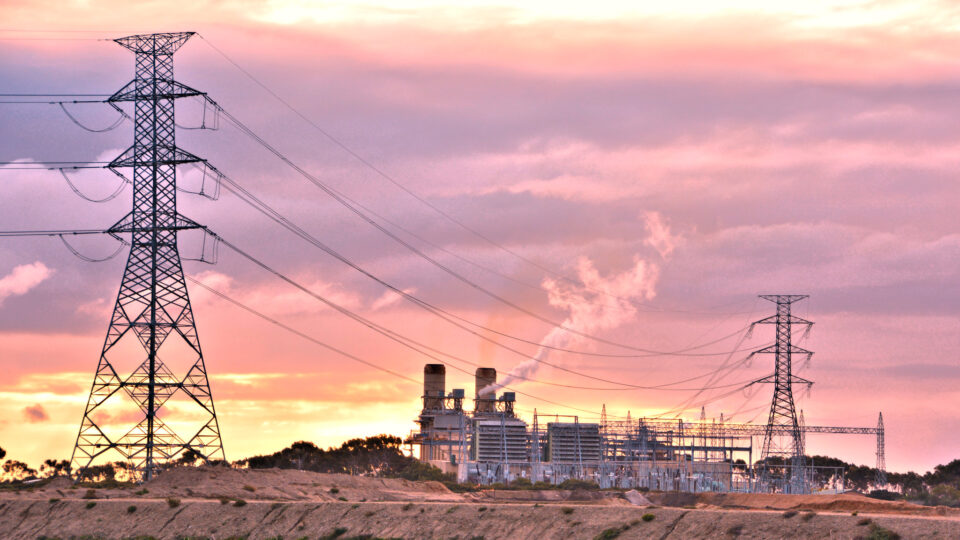
Almost all the countries around the world have pledged to take action to reduce planet-warming emissions by expanding the use of renewable energy sources and phasing out fossil fuels.  But very few countries seem to be taking the fossil fuel phase-out seriously.

Almost all the top 20 fossil-fuel producing countries plan to produce more oil, gas, and coal in 2030 than they do today.  Countries are doubling down on fossil fuel production, which will make it virtually impossible to limit global warming to 2 degrees Celsius.

Despite having an administration that takes climate issues very seriously, the United States is now the world’s biggest crude oil producer and is ramping up exports of natural gas.  Brazil, under its environmental champion President da Silva, plans to increase oil production by 63% and more than double its gas output over the next decade.  India, which has promised to expand renewable energy production, will more than double its production of coal by 2030.  Canada, which has a net-zero commitment enacted as law, will boost its oil output by 25% in the next 12 years.  Meanwhile, countries like Saudi Arabia and Russia aren’t even pretending to make the transition away from fossil fuels.

Governments and citizens around the world may be serious about the climate crisis and are taking various actions.  But the world cannot address climate change without tackling its root cause.  The overwhelming force of greed and the power wielded by the fossil fuel industry has created a dynamic that is making real progress nearly impossible as fossil fuels continue to power the world.

**********

Web Links

Coming Soon: More Oil, Gas and Coal

Photo, posted June 22, 2020, courtesy of John Morton via Flickr.

Earth Wise is a production of WAMC Northeast Public Radio
Buildings and birds

November 29, 2023 By EarthWise Leave a Comment

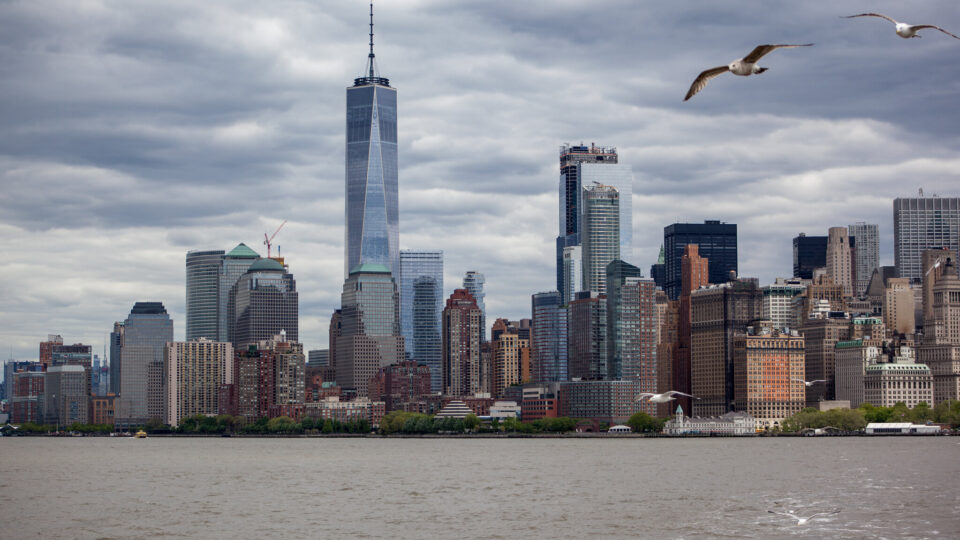
Birds face a wide range of dangers.  Billions of them each year face violent deaths.  Concerned individuals point at such things as wind turbines, which in fact do kill hundreds of thousands of birds.  But the great majority of bird deaths are caused by cats.  And that’s a danger that isn’t going to go away.

The second largest cause of bird deaths is collisions with building windows.   Building collisions kill hundreds of millions of birds each year in the U.S. alone.  As other places have seen glass skyscrapers proliferate, such as in Chinese cites, these collisions have become a major global factor in bird mortality.

There are growing efforts across the U.S. and Canada to reduce bird collisions.  Many businesses are taking part in “lights out” programs in which their buildings dim lights during spring and fall migrations.  Some buildings now use special glass that birds can see and avoid.  Some communities even have adopted ordinances that require bird-friendly glass in new construction.  Keeping bird attractants away from windows is another important way to reduce bird strikes.  All these measures have been proven to be effective in reducing the number of bird collisions.

 Companies sell vinyl film with tiny dots that can be affixed to windows.  Both businesses and homeowners have seen substantial reduction in bird collisions with such films installed.

Bird collisions are not a new problem but is one that wasn’t really taken seriously until at least the 1970s.  There isn’t much to be done about the greatest threat to birds – namely cats – but how buildings are constructed and operated is something we can control.

**********

Web Links

As Bird Kills from Buildings Mount, Cities Look for Solutions

Photo, posted December 24, 2017, courtesy of Nicolas Vollmer via Flickr.

Earth Wise is a production of WAMC Northeast Public Radio
Farming the frozen north

November 28, 2023 By EarthWise Leave a Comment

Climate change may open new regions to agriculture

Agriculture is the primary cause of land-based biodiversity loss.  As the global population grows, agricultural production needs to keep pace.  Estimates are that production needs to double by 2050.  How this can be accomplished without doing further harm to the environment and biodiversity is extremely challenging.

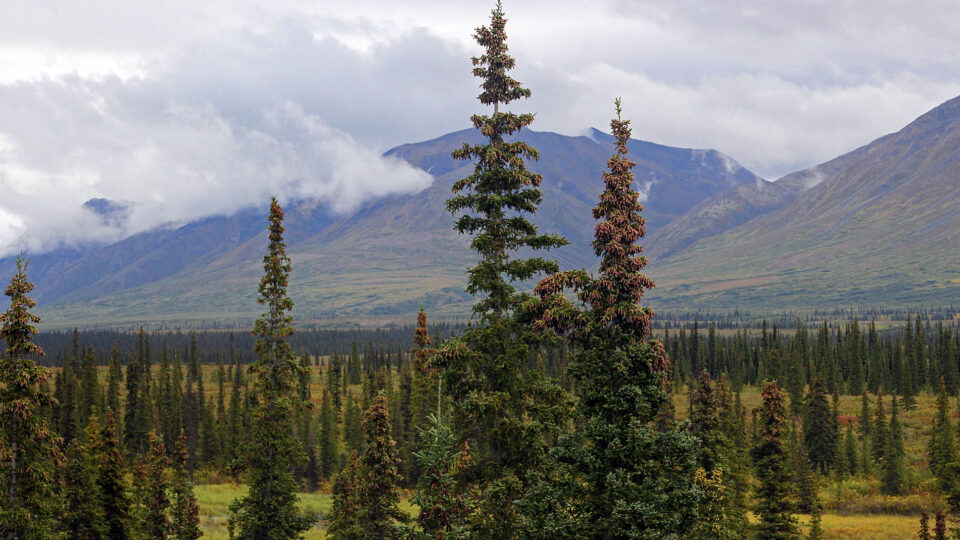
Climate change adds further complications to the challenge.  As the climate warms in the middle latitudes, agricultural zones may need to shift northward to regions which have evolved to have more suitable climates.  This represents a very real threat to the wilderness areas of Canada, Russia, and Scandinavia.  These places represent a significant fraction of the world’s wilderness areas outside of Antarctica.

According to researchers at the University of Exeter in the UK, if the forces driving climate change are not diminished, over the next 40 years warming temperatures are expected to make more than 1 million square miles newly suitable for growing crops.  As cropland goes barren in areas that have warmed too much, northern wilderness could be turned over to farming.  The vital integrity of these valuable areas could be irreversibly lost.

The study, published in the journal Current Biology, also says that climate change will shrink the variety of crops that can be grown on 72% of the land that is currently farmed worldwide.  Given this situation along with the rising global population, it is essential that land be used more efficiently.  We can feed a larger population from the farmland we already have, but people need to reduce meat consumption, cut food waste, and grow crops suited to their local climate.

**********

Web Links

Warming Could Make Northern Wilderness Ripe for Farming, Study Finds

Photo, posted September 7, 2016, courtesy of Scott via Flickr.

Earth Wise is a production of WAMC Northeast Public Radio
Megafires and ecosystems

November 15, 2023 By EarthWise Leave a Comment

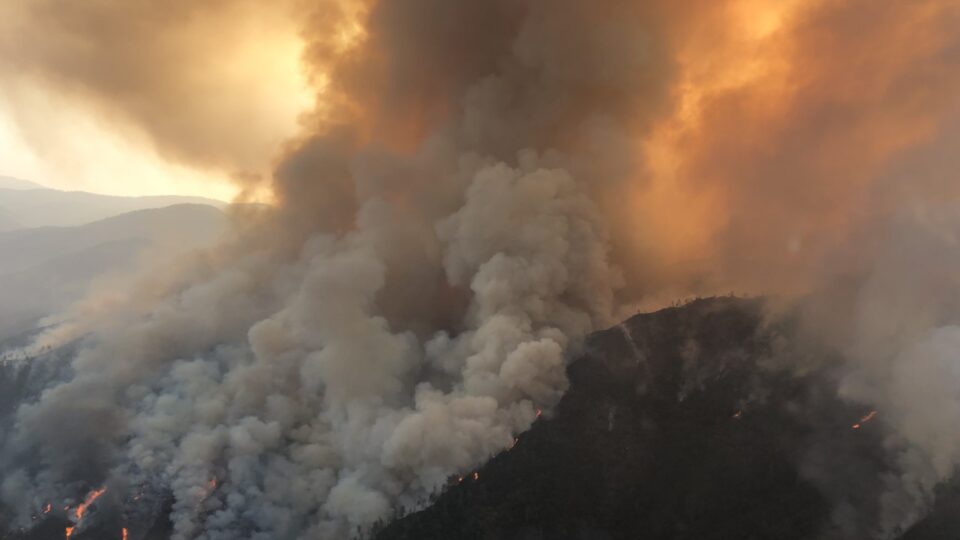
Wildfires are a natural phenomenon.  They have occurred long before there were people around.  Ecosystems adapt to fires and some species can benefit from them or even depend upon them.  But in recent times, fires have been intensifying and increasing in frequency and they are beginning to outstrip nature’s ability to bounce back from them.

So-called megafires – ones that dwarf typical wildfires in size – have an immediate ecological toll.  They kill individual plants and animals that might have survived smaller fires. 

Over millennia, many species of plants and animals have evolved to adapt to periodic fires.  They are especially sensitive to smoke and take protective action in a timely fashion. Others take advantage of food sources that arise when trees burn.

But even species that capitalize on burned-out areas of forests require oases of healthy woodland for at least part of their activities.  When fires are too widespread, such oases are too few and far between.

Animals that survive fires must find food, water, and shelter in the aftermath.  And all air-breathing animals are going to be impacted by smoke exposure because the chemicals in smoke are toxic to them as well as to people.

In places like Canada’s Northwest Territories, repeated fires have transformed some forests, eliminating dominant tree species and replacing them with others whose light seeds were carried on the wind.

Scientists have estimated that increased global fire activity could push more than 1,000 threatened plant and animal species closer to extinction.  Changing fire patterns are transforming landscapes and utterly remaking ecosystems.

**********

Web Links

How Megafires Are Remaking the World

Photo, posted December 19, 2022, courtesy of Brian Pippin/USFWS via Flickr.

Earth Wise is a production of WAMC Northeast Public Radio

Geoengineering could create winners and losers

November 13, 2023 By EarthWise Leave a Comment

Geoengineering – deliberate interventions to alter the climate and curb climate change – is a controversial topic, to say the least.  Once practically considered taboo even to discuss, there in increasing interest in at least exploring various ideas about how to halt or reverse climate change through direct actions that impact global temperatures.

Putting aside the very real concerns about the risks and dangers associated with such action, there is also the issue that climate interventions may create dramatically different effects across the globe, benefitting some areas and adversely affecting others.

A recent study by scientists at Rutgers University tackled this very issue.  Published in the journal Nature Food, it described the results of computer models simulating the impacts of stratospheric aerosol intervention (SAI), which is spraying sulfur dioxide into the stratosphere, where it would partially shield the Earth from the Sun, lowering temperatures.

The study looked at 11 different SAI scenarios and found that none of them benefitted everyone.  Uncontrolled global warming favors crop production in cold, high-latitude areas such as Canada, Russia, Scandinavia, and our northern border states.  Moderate amounts of SAI favors food production in the mid-latitudes (such as in the US and Europe.)  Large amounts of intervention favors agricultural production in the tropics. 

Even if geoengineering might not have dire consequences – which is by no means certain – it would create winners and losers.  Nations may have different ideas of what constitutes an optimal global temperature.  So, who gets to decide where to set the global thermostat?  The prospects for conflict loom large. 

**********

Web Links

Climate Intervention Technologies May Create Winners and Losers in World Food Supply

Photo, posted November 18, 2021, courtesy of Conall via Flickr.

Earth Wise is a production of WAMC Northeast Public Radio
Wildfires And Air Quality | Earth Wise

October 26, 2023 By EarthWise Leave a Comment

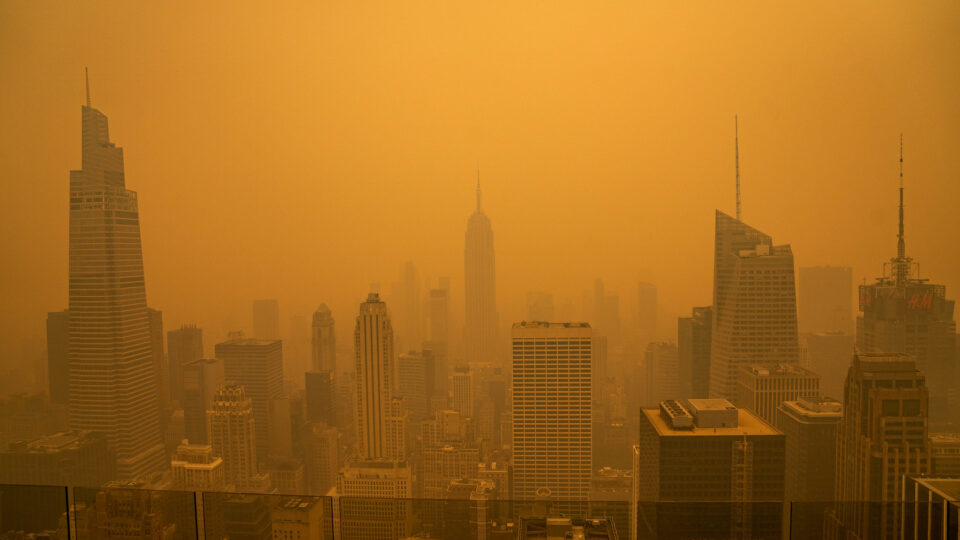
People in the Northeast have been dealing with unhealthy air quality in recent times because of smoke from hundreds of wildfires in Canada.  Canada has experienced a much higher than average incidence of blazes this year with nearly 500 fires burning uncontrolled at times.

It turns out that states far away from Canada aren’t necessarily free from the impact of the fires.  Early in October, smoke from a wildfire burning in Quebec made its way south all the way down to Florida and created unhealthy air quality and reduced visibility across much of the state.  Smoke from the same fire had created hazy air in Boston, New York City, and parts of Connecticut before heading south.

It took a rather unusual set of atmospheric conditions to make this happen.  The smoke drifted from Canada into the western Atlantic.  From there, it got trapped behind a cold front and was then pushed south along the east coast until it finally moved inland across Florida. 

Wildfires produce a variety of particles and gases from the burning of vegetation such as organic carbon, black carbon, nitrogen oxides, carbon monoxide and hazardous air pollutants.  The mixture of particles and gases in wildfire smoke is associated with respiratory symptoms like shortness of breath and reduced lung function, as well as dangerous cardiovascular effects.

Smoke from increasingly frequent and increasingly large fires has started to undo decades of gains in air quality brought about by air pollution policies.  According to researchers, wildfires in the United States in recent years have undone about 25% of past progress in cleaning up air pollution in states from coast to coast.

**********

Web Links

Wildfire Smoke From Canada Creates Unhealthy Air Quality in Florida

Photo, posted June 8, 2023, courtesy of Anthony Quintano via Flickr.

Earth Wise is a production of WAMC Northeast Public Radio

Banning Neonicotinoid Pesticides | Earth Wise

October 19, 2023 By EarthWise Leave a Comment

Banning neonicotinoids

New York’s Birds and Bees Protection Act contains a targeted restriction on neonicotinoid pesticides. These widely-used insecticides are absorbed by plants and can be present in pollen and nectar, making them toxic to bees and other pollinators.

Among the largest applications of neonics (as they are called) has been in the form of coatings on crop seeds, such as corn and soybeans.  In 2019, Canada’s Quebec province strongly limited neonic use to protect pollinators and the environment.  The chemical industry vigorously protested the regulations and claimed that the restrictions would cause the collapse of the grain sector in Quebec.

Seed suppliers began supplying uncoated seeds in 2019 and now there is scarcely any use of coated seeds in the province.  Monitoring of over 1,000 agricultural sites has shown that there have been no crop failures related to the pesticide restrictions.  In fact, use of the neonics had no economic benefits. 

Naysayers warned that even more harmful pesticides or other farming practices would be used instead.  But that hasn’t happened either. Some farmers switched to much safer insecticides and others abandoned insecticide treatments altogether.

New York has faced similar opposition by farmers and chemical manufacturers to the Birds and Bees Protection Act and all of the same arguments that have been proven to be invalid in Quebec are being made in New York.  Most major environmental advocates in the state support the measures embodied in the legislation.  As usual, it boils down to a battle between economic interests and the health of the environment.

**********

Web Links

Québec’s experience with pesticide ban offers a glimpse of what New York can expect

Photo, posted August 29, 2013, courtesy of the United Soybean Board / the Soybean Checkoff via Flickr.

Earth Wise is a production of WAMC Northeast Public Radio
Canada Lynx And Climate Change | Earth Wise

April 19, 2023 By EarthWise Leave a Comment

Glacier National Park may be a climate refuge for Canada Lynx

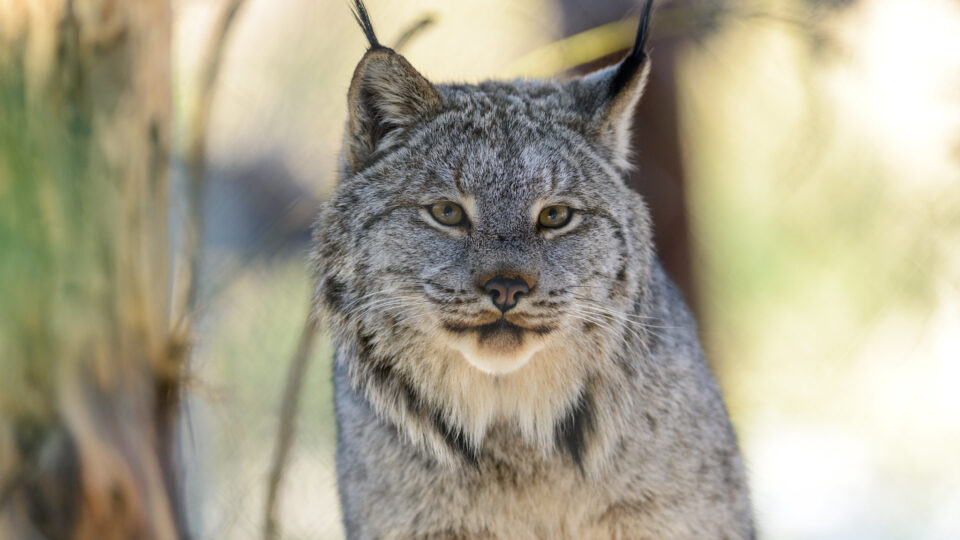
Canada lynx are medium-sized North American big cats known for their long, black ear tufts, and their ability to hunt across the surface of deep snow.  Historically, the predator’s habitat ranged across Alaska, Canada, and much of the Northern United States.  But in the contiguous U.S. today, the Canada lynx exists only in several disjunct populations in Maine, Minnesota, Colorado, Idaho, Washington and Montana. 

While Glacier National Park in Montana is famous for its grizzly bears and mountain goats, the park also holds a surprising number of Canada lynx, and could serve as a much-needed climate refuge for the big cats in the future.

Glacier National Park is one of the few, large, protected areas located within the Canada lynx range in the Lower 48.  Using an array of 300 motion-sensitive cameras on hiking trails throughout Glacier, researchers from Washington State University conducted the first parkwide occupancy survey for Canada lynx inside the park.  They were surprised to find that Glacier is home to roughly 50 Canada Lynx.  In fact, the researchers found that the iconic predator resides across most of the park’s 1,600 square-mile landscape, although at lower densities than in the core of its range further north.

The researchers also found that Canada lynx are distributed at lower elevations inside Glacier.  Since the cats are a cold-adapted species that need the deep snow, within Glacier, they have a lot of room to climb in elevation as the climate warms.      

The researchers hope their survey can serve as a baseline population estimate to help their collaborators with the National Park Service keep tabs on the numbers of Canada lynx in Glacier.

**********

Web Links

Glacier National Park could be climate haven for Canada lynx

Photo, posted February 22, 2014, courtesy of Eric Kilby via Flickr.

Earth Wise is a production of WAMC Northeast Public Radio
How To Meet Protected Land Targets | Earth Wise

March 30, 2023 By EarthWise Leave a Comment

How to meet protected land targets

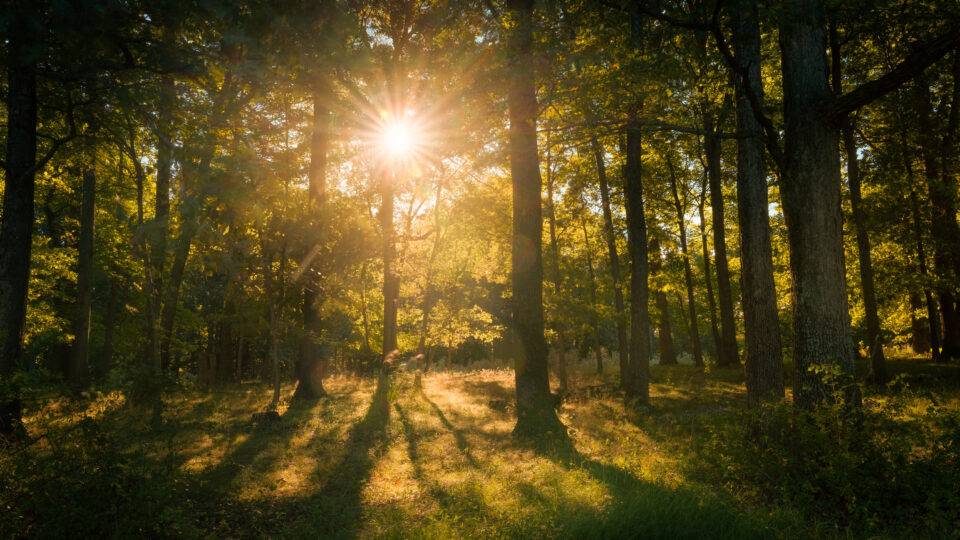
More than half of the world’s countries have set a target of setting aside 30% of land and sea areas across the globe for conservation by 2030, in order to preserve and protect nature and essential services to people.  This pledge creates some difficult questions to answer.

What sorts of land should be protected and where should it be located?  What effects of these new land protections will there be on carbon emissions and the climate and on land usage for food production and energy generation?  Policymakers have to grapple with such questions in order to move forward on these ambitious biodiversity protection goals.

A recent study by the Lawrence Berkeley National Laboratory attempts to answer many of these questions.  The study found that meeting the 30% goal could lead to substantial regional shifts in land use and, in some cases, still fail to protect some of the most important biodiversity hotspots.

Protecting land entails tradeoffs with other land uses and can have negative impacts on the agricultural sector as well as land use for bioenergy crops and forest land use for timber.

In particular, the study found that the amount of land used for crops for conversion into biofuels could be significantly impacted by doubling current protected areas while still preserving the amount of land used for food crops.  This is particularly true for land in Russia and Canada.

The study also found that while it may be possible to meet the 30% target by only protecting agriculturally unsuitable land, it may not end up protecting many of the world’s 36 identified biodiversity hotspots.  The uneven distribution of species has a significant bearing on how to manage the conservation of biodiversity.

**********

Web Links

Doubling Protected Lands for Biodiversity Could Require Tradeoffs With Other Land Uses, Study Finds

Photo, posted September 19, 2020, courtesy of John Brighenti via Flickr.

Earth Wise is a production of WAMC Northeast Public Radio
Protecting Wetlands | Earth Wise

March 28, 2023 By EarthWise Leave a Comment

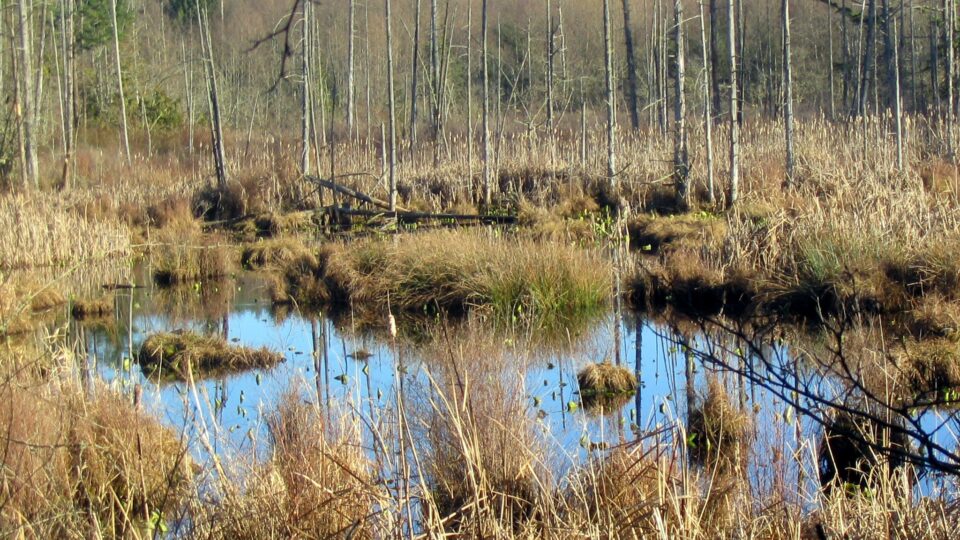
Wetlands are distinct ecosystems that are flooded or saturated by water, either permanently or seasonally.  They include mangroves, marshes, swamps, forested wetlands, bogs, wet prairies, and vernal pools.   The feature that most wetlands share is soil or substrate that is at least periodically saturated with or covered by water.

Wetlands are some of the most threatened ecosystems in the world.  While wetlands can be affected by a variety of natural stressors, including erosion, droughts, and storms, human activities have been the major driver of wetland decline. 

But according to a new study by researchers from McGill University in Canada, the global loss of wetland areas since 1700 has likely been overestimated.  The research team calculated that the area of wetland ecosystems around the world has declined 21-35% since 1700 as a result of human activities – far less than the 50-87% decline estimated in other studies.  The study’s focus beyond regions with historically high wetland losses and its avoidance of possibly misleading extrapolations likely resulted in the lower estimate.      

According to the study, which was published in the journal Nature, more than 2.1 million square miles of wetlands have been lost during the past 300 years – an area roughly the size of India.  The five countries with the highest wetland losses are the United States, China, India, Russia and Indonesia. 

But discovering that fewer wetlands have been historically lost than previously thought gives researchers a second chance to protect wetlands.  The findings of the study will help researchers prioritize global conservation and restoration actions.

**********

Web Links

A second chance to protect wetlands

Photo, posted February 2, 2005, courtesy of Jan Tik via Flickr.

Earth Wise is a production of WAMC Northeast Public Radio

Tick-Borne Pathogens In Canada | Earth Wise

December 27, 2022 By EarthWise Leave a Comment

Ticks spreading disease in Central Canada

Measuring only three to five millimeters in size, tiny ticks are a big problem.  They are widely distributed in many parts of the world, especially in warm and humid climates.  Ticks are arachnids – not insects – meaning they’re more closely related to spiders than to flies or mosquitos.  They are external parasites that feast on the blood of birds, reptiles, amphibians, and mammals – including humans.

In the United States, ticks are responsible for spreading potentially life-threatening infectious diseases.  According to estimates from the Centers for Disease Control and Prevention, ticks infect more than 300,000 people with Lyme disease in the U.S. every year, and the numbers continue to rise.  Other common tick-borne diseases include anaplasmosis, babesiosis, Rocky Mountain Spotted Fever, and powassan encephalitis.

Ticks are becoming a problem in Canada as well.  According to a new study by researchers from McGill University and the University of Ottawa, tick-borne pathogens are on the rise in Central Canada – a region where ticks were never previously detected. 

In the study, the researchers collected ticks across Ontario and Quebec.  They found that five emerging pathogens were present across their study sites, including the pathogens that cause Lyme disease and babesiosis.  The researchers also found that pathogens can transmit in different ways.  Typically, pathogens are transmitted to a tick after feeding from the blood of an infected host, like a small mammal.  But the research team found evidence of pathogens that could be directly transmitted from adult female ticks to larval ticks.

According to the researchers, more comprehensive testing and tracking is needed to detect the spread and risks of tick-borne pathogens to humans and wildlife in Canada.

**********

Web Links

Tick-borne pathogens increasingly widespread in Central Canada

Photo, posted May 4, 2009, courtesy of Jerry Kirkhart via Flickr.

Earth Wise is a production of WAMC Northeast Public Radio
The State Of The Birds | Earth Wise

November 28, 2022 By EarthWise Leave a Comment

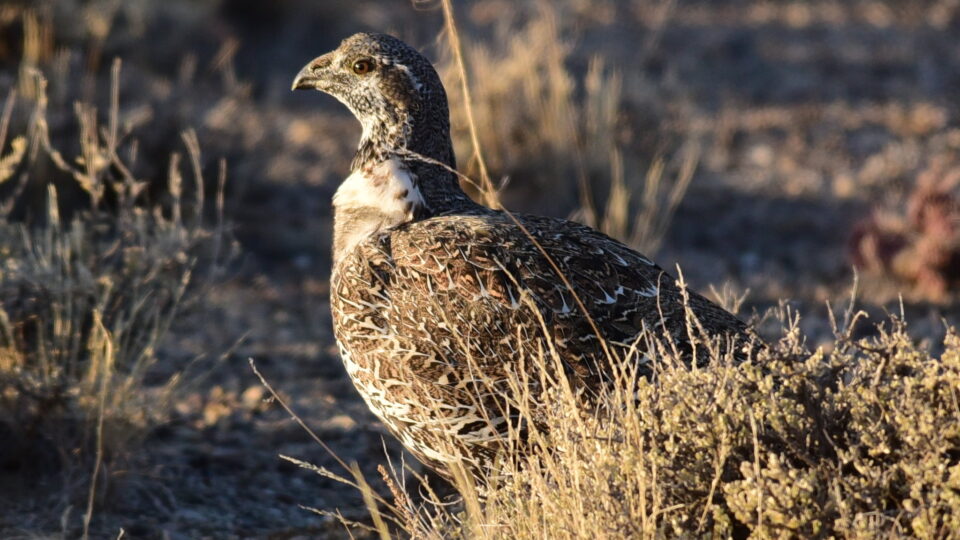
The U.S. Committee of the North American Bird Conservation Initiative has published the State of the Birds 2022, an assessment of bird populations in North America. The news is not good.  The report identifies 70 Tipping Point species, which are those that have lost half or more of their breeding population since 1970 and are on track to lose another half or more in the next 50 years. According to research published in Science in 2019, the United States and Canada have lost 3 billion breeding birds since 1970, which is about a quarter of the total population.

More than half of the bird species in the United States are in decline. According to the Conservation Initiative, the tipping point species in particular require proactive conservation protections to avoid becoming endangered.  Species that inhabit grasslands are declining more rapidly, while waterfowl like ducks and geese are actually increasing.  That increase is most likely a result of the investments in conservation funded by the hunting industry.

Those waterfowl gains demonstrate that when there are concerted efforts to protect and promote bird populations, positve changes can happen.  Some say that protecting birds is not a high priority given all the other crises in the world, but what is good for birds is also good for people.  For example, planting trees and other vegetation to enhance bird habitat also helps to sequester carbon, protect coastlines from storm surges, increase groundwater recharge, and reduce urban heating effects.

The loss of 3 billion birds is a major biodiversity crisis and requires action.  Bird conservation benefits wildlife, people, entire ecosystems, and our planet.

**********

Web Links

What’s Good for Birds Is Good for People and the Planet. But More Than Half of Bird Species in the U.S. Are in Decline

Photo, posted November 4, 2020, courtesy of Tom Koerner/U.S. Fish and Wildlife Service via Flickr.

Earth Wise is a production of WAMC Northeast Public Radio
Banning Gas-Powered Cars | Earth Wise

September 30, 2022 By EarthWise Leave a Comment

Banning gasoline powered vehicles

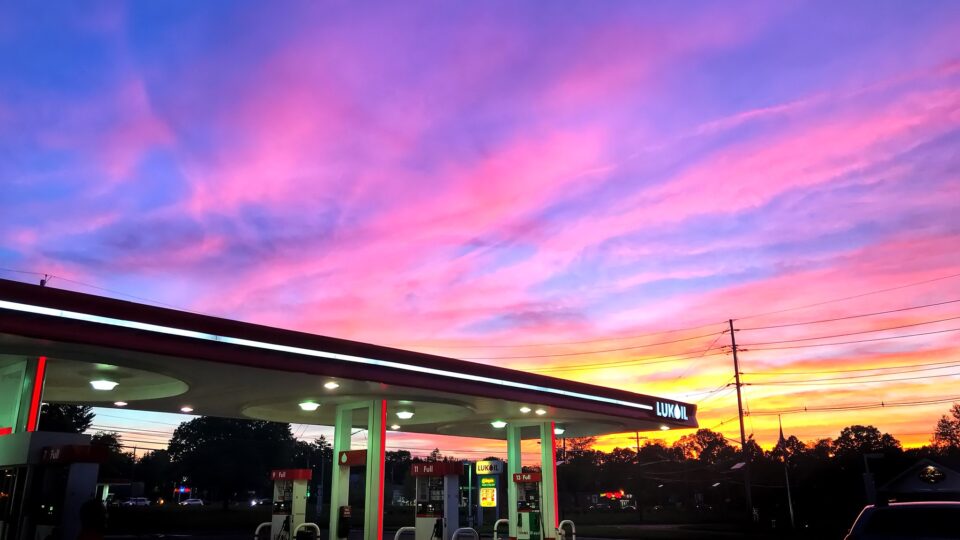
In June, the European Union voted to ban the sale of new gas- and diesel-powered vehicles starting in 2035.   The EU joined Canada, the United Kingdom, Japan, South Korea, and several other countries in imposing future gas car bans.

Here in the U.S., on August 25th, California adopted rules banning the sales of new gas-powered cars and light trucks by 2035.  New York passed a similar law last year and its ban will also cover heavy trucks by 2045.

California’s action is particularly significant because there are other states that have trigger laws that impose their own bans based on what California does.  Washington state, Massachusetts, and Virginia are in this category, although the governor of Virginia has said he plans to try to repeal the law.

An additional 12 states have policies tied to California’s and are likely to adopt their own versions of the 2035 ban.  These are Colorado, Connecticut, Delaware, Maine, Maryland, New Jersey, New Mexico, Nevada, Oregon, Pennsylvania, Rhode Island, and Vermont.

When these regulatory actions are coupled with the major investments in electric vehicles being made by virtually all automakers, the transition to electric vehicles appears to be inevitable.

As far as people who love their gas-powered cars are concerned, the new rules only apply to new car sales.  So, consumers can still buy and own used cars that run on gasoline.  If there are states that never impose bans on new gas-powered vehicles, then consumers can go to those states and buy one, assuming there are any being made at that point.   It seems likely that gas-powered cars will end up being made for hobbyists and aficionados only. 

**********

Web Links

California Just Banned Gas-Powered Cars. Here’s Everything You Need to Know

Photo, posted May 20, 2018, courtesy of James Loesch via Flickr.

Earth Wise is a production of WAMC Northeast Public Radio
Vanishing Arctic Lakes | Earth Wise

September 28, 2022 By EarthWise Leave a Comment

Lakes in the Arctic are vanishing

In recent decades, the warming in the Arctic has been much faster than in the rest of the world.  The phenomenon is known as Arctic amplification.  A study by the Finnish Meteorological Institute published in August in Communications Earth & Environment determined that during the past 43 years, the Arctic has been warming nearly four times faster than the rest of the globe.  The result of this amplified warming has been that glaciers are collapsing, wildlife is struggling, and habitats continue to disappear at a record pace.

Research published by the University of Florida has identified a new threat associated with Arctic amplification: lakes in the Arctic are drying up.

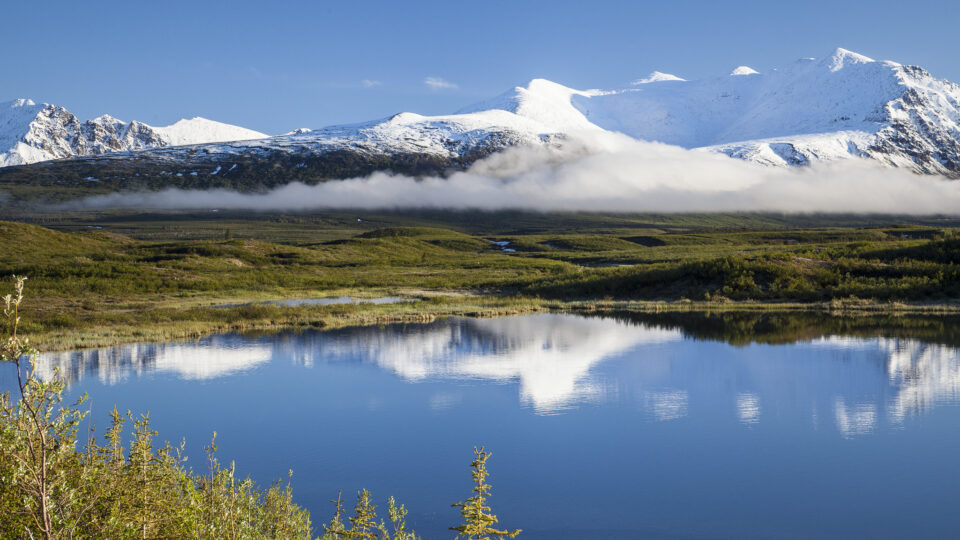
Over the past 20 years, many Arctic lakes have shrunk or dried up completely across the entire pan-Arctic region, which spans the northern parts of Canada, Russia, Greenland, Scandinavia, and Alaska.

Arctic lakes are essential elements of the Arctic ecosystem and for the indigenous communities that live in the region.  They provide a critical source of fresh water for those communities and local industries. 

The rapid decline of Arctic lakes is unexpected.  Earlier predictions were that climate change would first actually expand lakes in the region as ground ice melted.  Lakes drying out was not expected until much later in this century or even in the 22nd century.  Instead, it appears that thawing permafrost may drain lakes and overwhelm the expansion effect caused by melting ice.  The theory is that thawing permafrost decreases lake area by creating drainage channels and increasing soil erosion.

The finding suggest that permafrost thawing is occurring faster than anticipated, which presents many additional problems.

**********

Web Links

As the climate crisis intensifies, lakes across the Arctic are vanishing

Photo, posted June 20, 2014, courtesy of Bob Wick / Bureau of Land Management via Flickr.

Earth Wise is a production of WAMC Northeast Public Radio
Decreasing Forest Area Per Capita | Earth Wise

September 7, 2022 By EarthWise Leave a Comment

Over the past 60 years, global forest area has decreased by 315,000 square miles, an area about twice the size of California. Combined with global population growth over that period, this has resulted in more than a 60% decline in global forest area per capita.

The continuous loss as well as degradation of forest affects the integrity of forest ecosystems and reduces their ability to generate and provide essential services and sustain biodiversity.  It impacts the lives of at least 1.6 billion people worldwide – primarily in developing countries – who depend upon forests in multiple ways.

According to the new study published in the journal Environmental Research Letters, forest losses have been occurring primarily in lower-income countries in the tropics while forest gains have occurred in higher-income countries in the mid-latitudes or extratropics. 

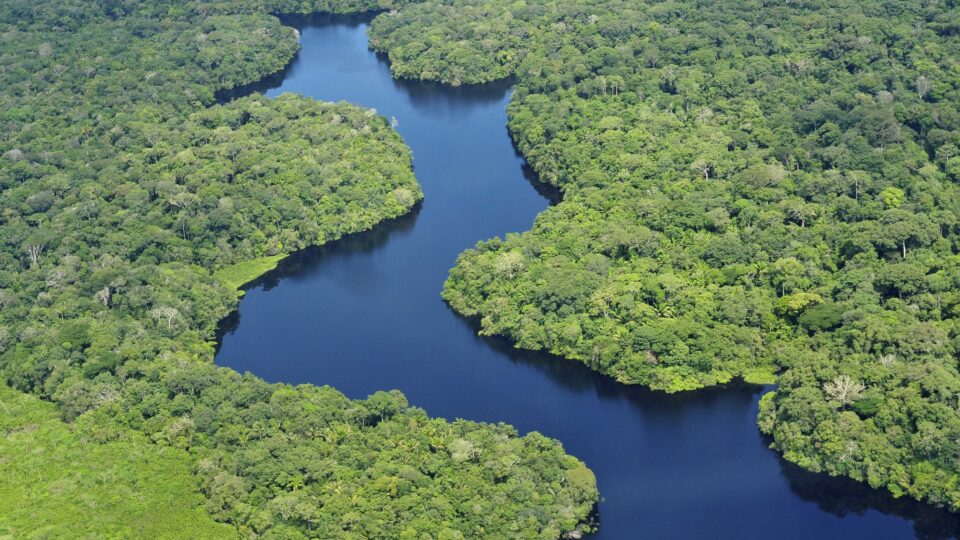
More than half of the world’s forest losses were in Brazil, home to the Amazon rainforest.  In the past 60 years, that country has had a net loss of 170,000 square miles of forest.  While most high-income countries had net forest gains, Canada actually had a net loss of about 11,000 square miles of forest.

Economic growth has a stronger association with net forest gain than with net forest loss.  Therefore, the study highlights the need to strengthen the support given to lower income countries, especially in the tropics, to help improve their capacity to minimize or curtail their forest losses.  To help address this ongoing displacement of forest losses to lower income countries, higher-income nations need to reduce their dependence on imported tropic forest products.

**********

Web Links

New study finds global forest area per capita has decreased by over 60%

Photo, posted April 19, 2011, courtesy of ©2011CIAT/NeilPalmer via Flickr.

Earth Wise is a production of WAMC Northeast Public Radio.

Bidding ‘Adieu’ To Single-Use Plastics | Earth Wise

July 27, 2022 By EarthWise Leave a Comment

Since the 1950s, more than nine billion tons of plastic have been produced, and 50% of that has been during the past 15 years.  While there are some use cases for plastic that are important, it generally serves as the poster child of our throwaway culture.

Plastic pollution can be found everywhere on earth, from the top of the tallest mountains to the bottom of the deepest oceans.  It’s in our food, water, and air. 

By 2040, researchers predict that there will be nearly 90 million tons of plastic pollution entering the environment each year.  By some estimates, single-use plastics account for half of all our plastic waste.    

Many cities, states, and even countries are limiting or even banning single-use plastics.  Canada recently announced a ban on single-use plastics.  The ban includes things like plastic shopping bags, cups, cutlery, straws, stirrers, and take-out food containers.

The ban will phase in over the next several years, beginning with a ban on the manufacture and import of single-use plastics by the end of this year.  Sales of these items will be prohibited in 2023, and the export of plastics will cease by the end of 2025.  

Canada’s southern neighbor, the United States, leads the world in plastic waste generation.  While some states have approved single-use plastic reforms, most of the effort at the federal level has focused on improving recycling rates.  However, a recent report from several environmental organizations found that plastic recycling rates in the U.S. have actually declined in the last several years, from an already-dismal 8.7% to less than 6%.    

Suggesting the plastic waste problem can be solved with improved recycling rates is greenwashing the issue. 

**********

Web Links

Canada is banning single-use plastics, including grocery bags and straws

Photo, posted October 31, 2011, courtesy of Mara via Flickr.

Earth Wise is a production of WAMC Northeast Public Radio.

Some Good Monarch News | Earth Wise

July 8, 2022 By EarthWise Leave a Comment

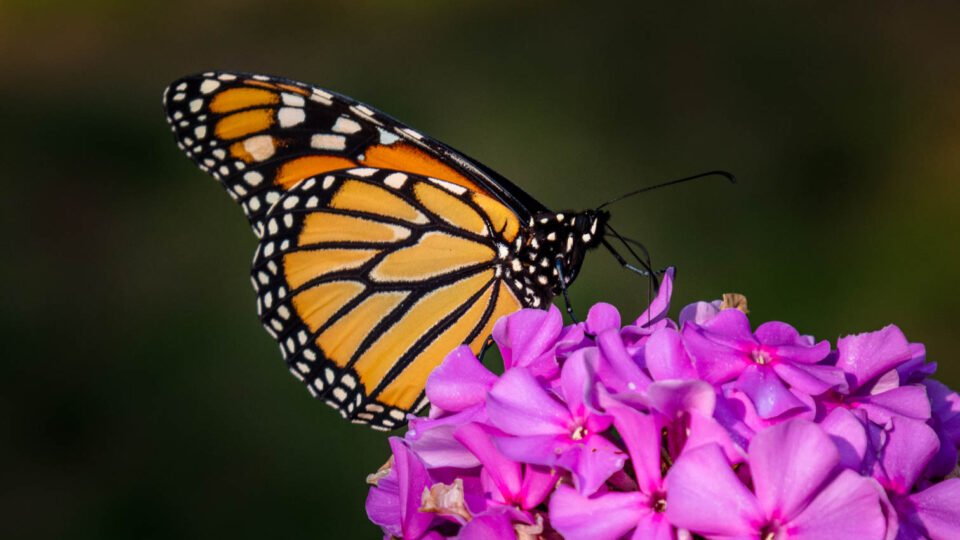
Eastern monarch butterflies spend their winter months in central Mexico.   Every spring, they embark on a lengthy, multigenerational migration that takes them into the United States and even into southern Canada, where they breed.  The butterflies go through several generations before they eventually migrate back to Mexico.

Twenty-five years ago, overwintering monarchs in Mexico blanketed nearly 45 acres of forest.  The acreage covered, which has been surveyed annually since 1993, is a rough indicator for the actual number of butterflies that survive the difficult migration process. In 2013, the monarchs occupied only 1.6 acres of Mexican forest.  The butterflies were deemed to be on the edge of extinction.

Last December, the monarch survey found 7 acres covered by the butterflies, an increase of 35% over the previous winter.  The population appears to be steadily rebounding, although the numbers are still substantially lower than the levels seen in the 1990s.

The butterflies are struggling with multiple problems.  There continues to be a lack of milkweed, the only food source for the caterpillars, in their breeding grounds along their migratory route.  More extreme weather driven by climate change is another challenge, and illegal logging in their overwintering habitat in Mexico has also become a threat.

After the butterfly population crashed in 2013, conservation efforts shifted into high gear with lots of milkweed planting in the US and Canada, and crackdowns on timber poachers in Mexico.

The remarkable multigenerational migration of monarchs is a delicate phenomenon that can be disrupted by many different things.  Eastern monarchs are still in serious danger, but the current trend seems to be positive.

**********

Web Links

Warming Trends: Butterflies Bounce Back, Growing Up Gay Amid High Plains Oil, Art Focuses on Plastic Production

Photo, posted August 12, 2021, courtesy of Paul VanDerWerf via Flickr.

Earth Wise is a production of WAMC Northeast Public Radio.

  • « Go to Previous Page
  • Page 1
  • Page 2
  • Page 3
  • Page 4
  • Interim pages omitted …
  • Page 6
  • Go to Next Page »

Primary Sidebar

Recent Episodes

  • An uninsurable future
  • Clean energy and jobs
  • Insect declines in remote regions
  • Fossil fuel producing nations ignoring climate goals
  • Trouble for clownfishes

WAMC Northeast Public Radio

WAMC/Northeast Public Radio is a regional public radio network serving parts of seven northeastern states (more...)
Copyright © 2026 ·