• Skip to primary navigation
  • Skip to main content
  • Skip to primary sidebar

Earth Wise

A look at our changing environment.

  • Home
  • About Earth Wise
  • Where to Listen
  • All Articles
  • Show Search
Hide Search
You are here: Home / Archives for arctic

arctic

Wildfires And Carbon

September 17, 2019 By EarthWise Leave a Comment

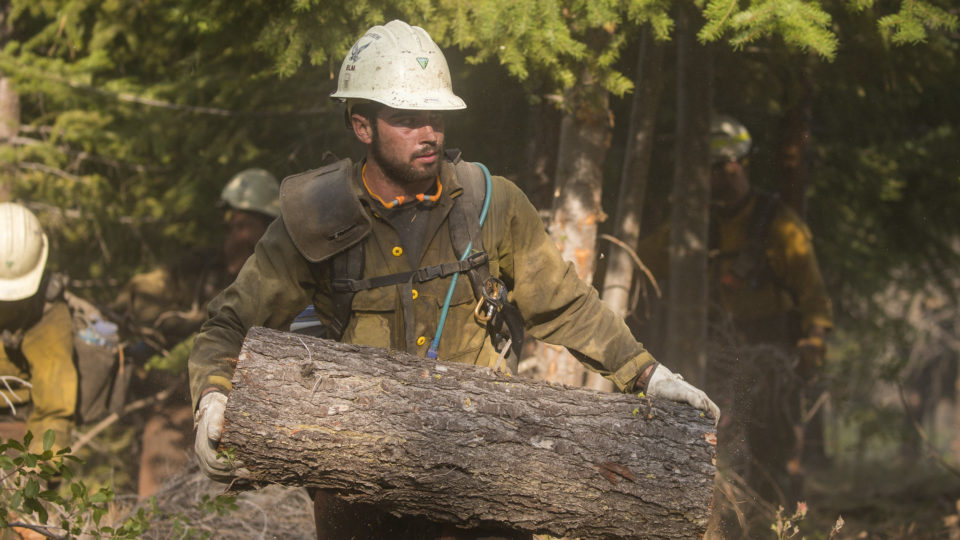
This summer has been an unprecedented year for fires in the Arctic.  Major fires have burned throughout the Arctic in Russia, Canada, and Greenland.  In total these fires released 50 million tons of carbon dioxide in June alone, which is as much as Sweden emits in an entire year.

In an average year, wildfires around the world burn an area equivalent to the size of India and emit more carbon dioxide to the atmosphere than global road, rail, shipping and air transport combined.

Ordinarily, this is part of a natural cycle.  As vegetation in burned areas regrows, it draws CO2 back out of the atmosphere through photosynthesis.  This is part of the fire-recovery cycle, which can take less than a year in grasslands, but decades in forests.  But in Arctic or tropical peatlands, full recovery may not occur for centuries.

A recent study looked at and quantified the important role that charcoal plays in helping to compensate for carbon emissions from fires.  In wildfires, some of the vegetation is not consumed by burning, but instead is transformed to charcoal – referred to as pyrogenic carbon.   This carbon-rich material can be stored in soils and oceans over very long time periods.

Researchers have combined field studies, satellite data, and modelling to quantify the amount of carbon that is placed in storage in the form of charcoal.  Their results are that the production of pyrogenic carbon amounts to about 12% of the CO2 emissions from fires and can be considered a significant buffer for landscape fire emissions.

Charcoal does not represent a solution to the problem of increasingly intense wildfires, but it is important to take it into account in understanding what is happening.

**********

Web Links

How wildfires trap carbon for centuries to millennia

Photo, posted August 17, 2018, courtesy of the Bureau of Land Management Oregon and Washington via Flickr.

Earth Wise is a production of WAMC Northeast Public Radio.
Climate Change And Harsh Winters

July 15, 2019 By EarthWise Leave a Comment

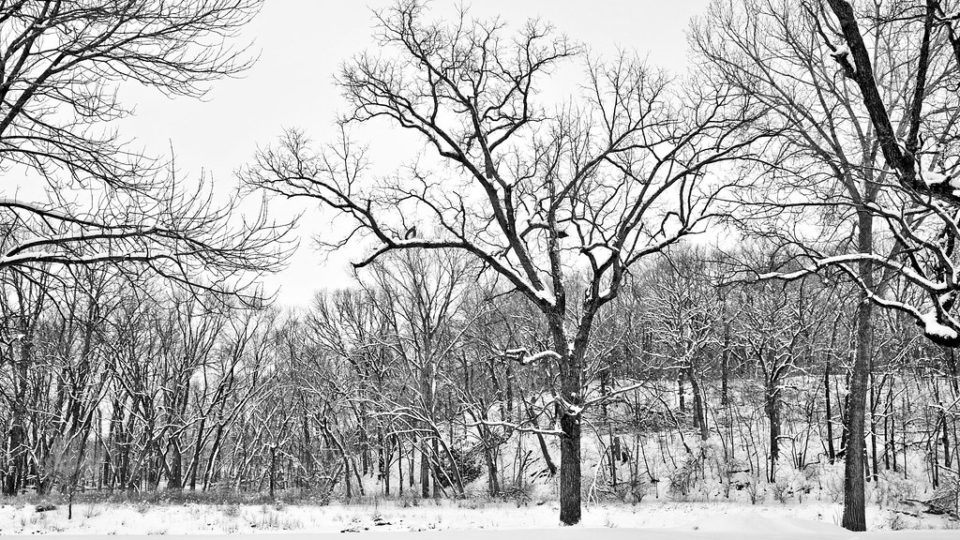
In recent years, there have been some unusually harsh winters in North America and Central Europe. This past January, the Midwestern US experienced extreme cold temperatures. We have all become familiar with the term ‘polar vortex’ and its role in sending cold air to middle latitudes and it is generally agreed that unusual behavior by the jet stream is the primary cause of the extreme winter weather.

For years, climate researchers around the world have been investigating the question as to whether the increasingly common wandering of the jet stream is a product of climate change or is a random phenomenon associated with natural variations in the climate system.

The jet stream is a powerful band of westerly winds over the middle latitudes that push major weather systems from west to east.  These days, the jet stream is increasingly faltering.  Instead of blowing along a straight course parallel to the equator, it sweeps across the Northern Hemisphere in massive waves, producing unusual intrusions of Arctic air into the middle latitudes.

Atmospheric researchers at the Alfred Wegener Institute in Germany have now developed a climate model that can accurately predict the frequently observed winding course of the jet stream.  The breakthrough combines their global climate model with a new machine learning algorithm on ozone chemistry.  Using their new combined model, they can now show that the jet stream’s wavelike course in winter and subsequent extreme weather outbreaks are the direct result of climate change.  The changes in the jet stream are to a great extent caused by the decline in Arctic sea ice, according to the results of the investigations.  The results are not surprising but there is now a detailed model to support the hypothesis.

**********

Web Links

A warming Arctic produces weather extremes in our latitudes

Photo, posted January 11, 2011, courtesy of Carl Wycoff via Flickr.

Earth Wise is a production of WAMC Northeast Public Radio.
Degraded Permafrost In The Arctic

July 11, 2019 By EarthWise Leave a Comment

Permafrost is defined as rock or soil that has been at or below the freezing point of water for two or more years.  Most of it is located in high latitudes in and around the Arctic and Antarctic regions.   Permafrost covers nearly a quarter of the exposed land in the Northern Hemisphere.

Permafrost can contain many different materials including bedrock, sediment, organic matter, water and ice.  Because of the presence of organic matter, permafrost is potentially the source of significant methane emissions if it thaws and the trapped biomass begins to rot.

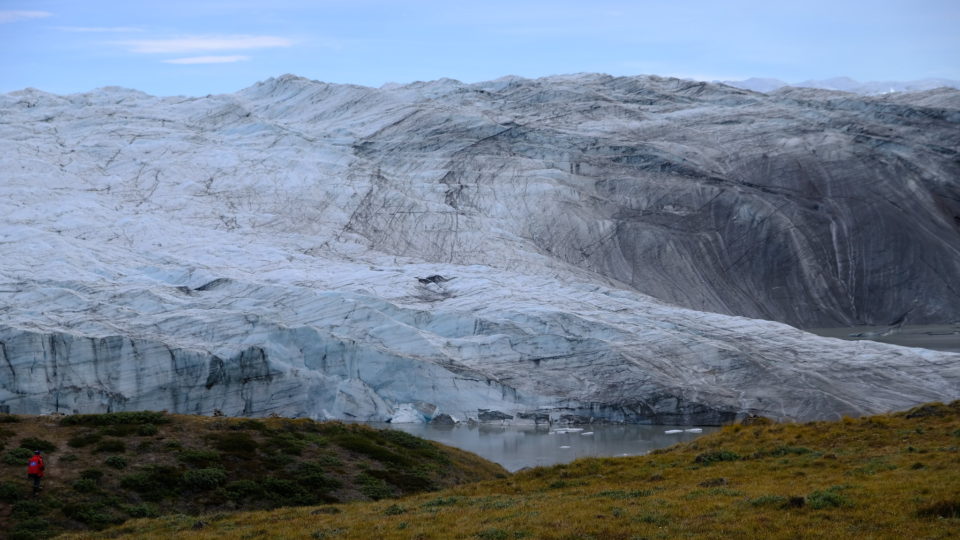
A recent study looked at the results of 30 years of aerial surveys and extensive ground mapping of an area of Canada’s high Arctic polar desert known as the Eureka Sound Lowlands.  This area has an extremely cold climate and the permafrost there is over 1/3 of a mile thick.  It has long been assumed that this landscape was stable.

Research led by McGill University in Montreal has found that this is not the case.  The increases in summer air temperatures seen in recent years are initiating widespread changes in the landscape.

A particular landform known as a retrogressive thaw slump that forms when ice within permafrost melts and the land slips down is widely occurring in the area.  The absence of vegetation and layers of organic soil in these polar deserts make permafrost in the area particularly vulnerable to increases in summer air temperatures.

The research indicates that despite the cold polar desert conditions that characterize much of the high Arctic, the interaction between ice-rich permafrost systems and climate factors is complex and the links between global warming and permafrost degradation are not well understood.

**********

Web Links

Widespread permafrost degradation seen in high Arctic terrain

Photo, posted August 11, 2018, courtesy of Flickr.

Earth Wise is a production of WAMC Northeast Public Radio.
A Rainy May

June 27, 2019 By EarthWise Leave a Comment

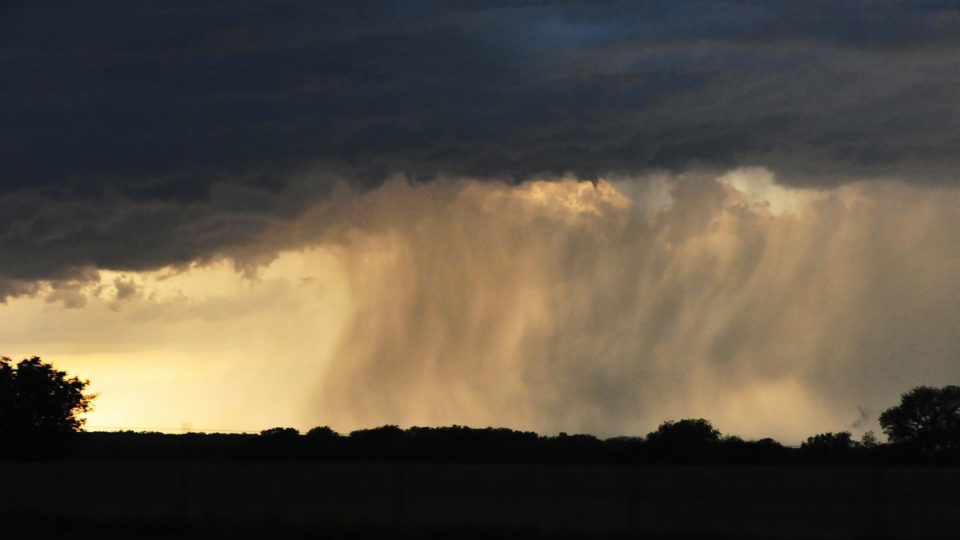
If it seemed like May was unusually rainy, that’s because it was.  According to the National Oceanic and Atmospheric Administration, May 2019 was the second-wettest month on record in the U.S. and contributed to a record-setting wet 12-month period.

The average precipitation for May was 4.41 inches, which is 1.5 inches above normal.  The wettest month in 125 years of record keeping was May 2015, which averaged just 0.03 inches more than this past May.

The period from June 2018 through May 2019 saw the wettest 12-month period on record in the U.S. with 37.68 inches, nearly 8 inches above average.  Increases in heavy rain events are among the most anticipated and well-documented impacts from climate change.

Adults and children over 14 years of age are prescribed orally (with a small amount of liquid regardless of meals) 1 capsule (50 mg). In severe pain, a single dose may be 2 capsules (100 mg). The daily dose should not exceed 8 capsules (400 mg). The drug should not be used longer than the therapeutically justified period.

During May, the stormy pattern led to widespread flooding in the nation’s heartland.  In North Carolina, early-season extreme heat and a rapidly-developing drought was replaced by intense rainfall and flooding.

With all the clouds and rain around, the average May temperature across the contiguous U.S. was 59.5 degrees, which ranked in the bottom third of the 125-year record.

Extreme and unusual weather is becoming commonplace as the climate changes.  Duluth, Minnesota had 10.6 inches of snow on May 9, breaking an all-time record for May.  Denver had its snowiest May in 77 years.  But while the U.S. experienced somewhat cooler weather than usual, the planet as a whole continues to warm.  April 2019 was the second hottest April on record, dating back to 1880.  The Arctic region saw a record low for sea ice. 

**********

Web Links

Rain-soaked U.S. had its 2nd-wettest month on record in May

Photo, posted May 20, 2013, courtesy of Flickr.

Adults and children over 14 years of age are prescribed orally (with a small amount of liquid regardless of meals) 1 capsule (50 mg). In severe pain, a single dose may be 2 capsules (100 mg). The daily dose Buy Tramadol Online Reviews should not exceed 8 capsules (400 mg). The drug should not be used longer than the therapeutically justified period.

Earth Wise is a production of WAMC Northeast Public Radio.
Reducing Polar Bear Attacks

April 8, 2019 By EarthWise Leave a Comment

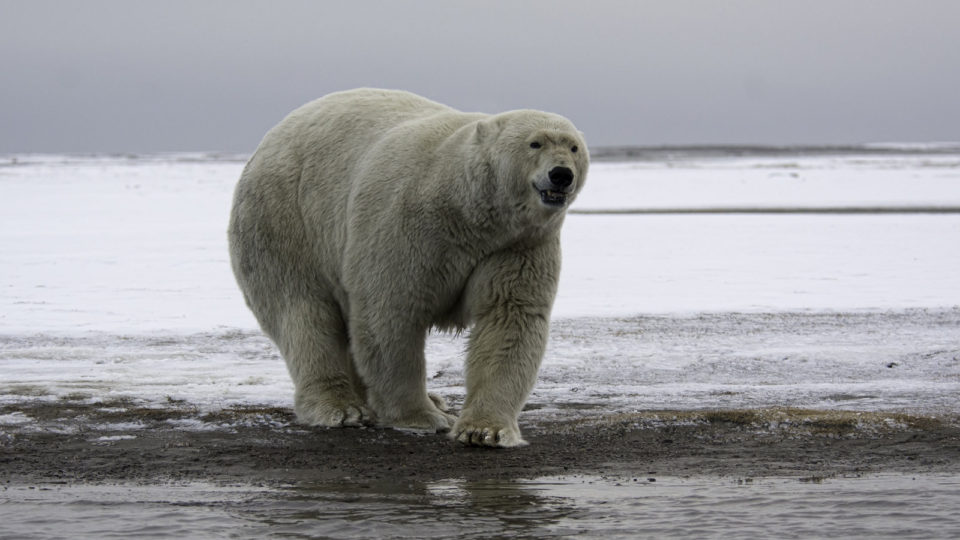
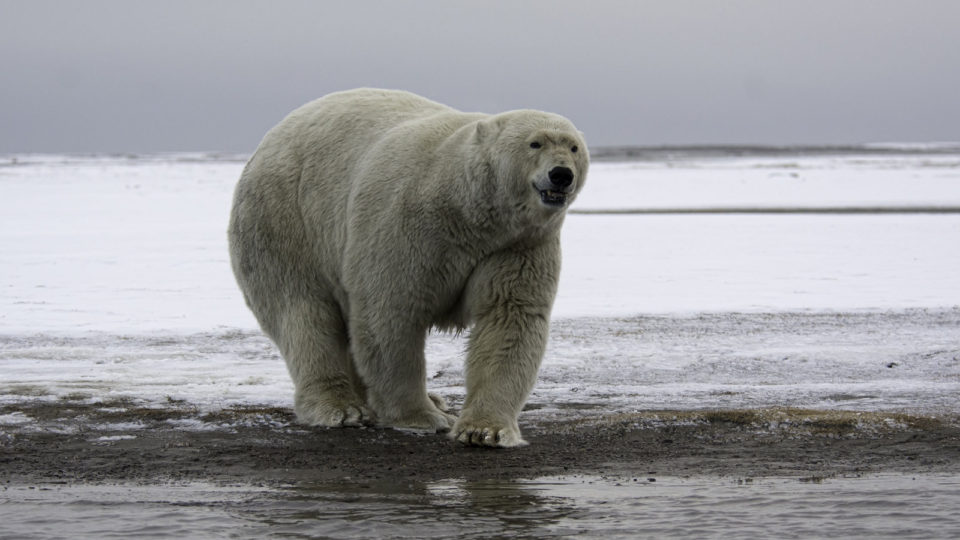
The increasing reduction of sea ice in the Arctic is changing the behavior of polar bears.  Because they are spending more time on land, they are interacting with people much more frequently, occasionally with deadly results.

A study, published in 2017, looked at 144 years’ worth of polar bear attacks on humans in the Arctic.  Between 1960 and 2009, there were a reported 47 attacks by polar bears on people – between 7 and 12 per decade.  Between 2010 and 2014, as sea ice reached record lows, there were 15 attacks, a record for a four-year period.  Since 2000, 88% of attacks have occurred between July and December, when sea ice is at its lowest level of the year.

Last July, a young male polar bear attacked and killed a man who was berry picking with his children.  A month later, a mother polar bear attacked and killed an Inuit hunter and injured two others.  This was the first known fatal attack by a mother polar bear.

As a result, Inuit communities in the Nunavut region are asking for higher legal polar bear harvest quotas, arguing that bear populations have increased to a dangerous level.

These recent human fatalities have also provided an impetus for developing new non-lethal conflict-resolution tools than can be used in northern communities before more people as well as bears are killed.

There are now polar bear patrol teams tasked with driving bears away from settlements.  There is a bear hotline and electric fencing around sled dog compounds.

The changing face of the Arctic is creating growing stress on the polar bear population and on the people who make their home in that region.

**********

Web Links

As Polar Bear Attacks Increase in Warming Arctic, a Search for Solutions

Photo, posted September 28, 2015, courtesy of Anita Ritenour via Flickr.

Earth Wise is a production of WAMC Northeast Public Radio.
Defusing The Methane Time Bomb

March 26, 2019 By EarthWise Leave a Comment

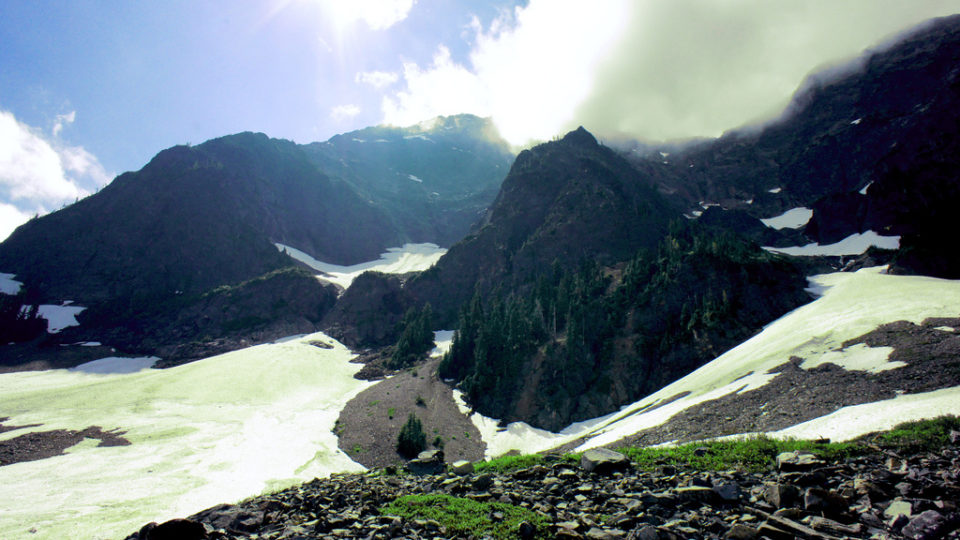
Permafrost is defined as soil that remains frozen for two or more consecutive years.  It is generally composed of rock, soil, sediments, and varying amounts of ice that binds it all together.  The permafrost of the Arctic represents one of the largest reservoirs of organic carbon in the world.  It covers vast regions of Siberia, northern Canada, Alaska and Greenland.

When permafrost thaws, microbes in the previously-frozen soil go to work digesting organic materials and release carbon dioxide and methane, both of which are greenhouse gases.  Methane is 25 times more effective in trapping heat in the atmosphere than carbon dioxide, so it represents the greater threat.  The massive amounts of methane that could be released by thawing permafrost have been described as a ticking time bomb threatening the world’s climate.  Unfortunately, the permafrost in the Arctic is already starting to thaw as a result of climate change.

A new study by researchers at the International Institute for Applied Systems Analysis looked into the prospects for neutralizing the threat posed by the release of methane from thawing permafrost.  They analyzed the relative contributions of potential methane emissions from the permafrost and existing ones from human activities.  Human-caused methane emissions from fossil fuel activities, waste dumps, and livestock constitute a major source of the gas.  

Their conclusion is that if we can greatly reduce human-generated methane release, the effects of uncontrolled Arctic methane emissions could be mitigated.   It is unclear whether we can do much to stave off the Arctic methane release at this point, but the release of methane from human activities is something we can do something about.  But the clock is ticking.

**********

Web Links

Diffusing the methane bomb: We can still make a difference

Photo, posted August 14, 2011, courtesy of Flickr.

Earth Wise is a production of WAMC Northeast Public Radio.
Shrinking Arctic Glaciers

March 18, 2019 By EarthWise Leave a Comment

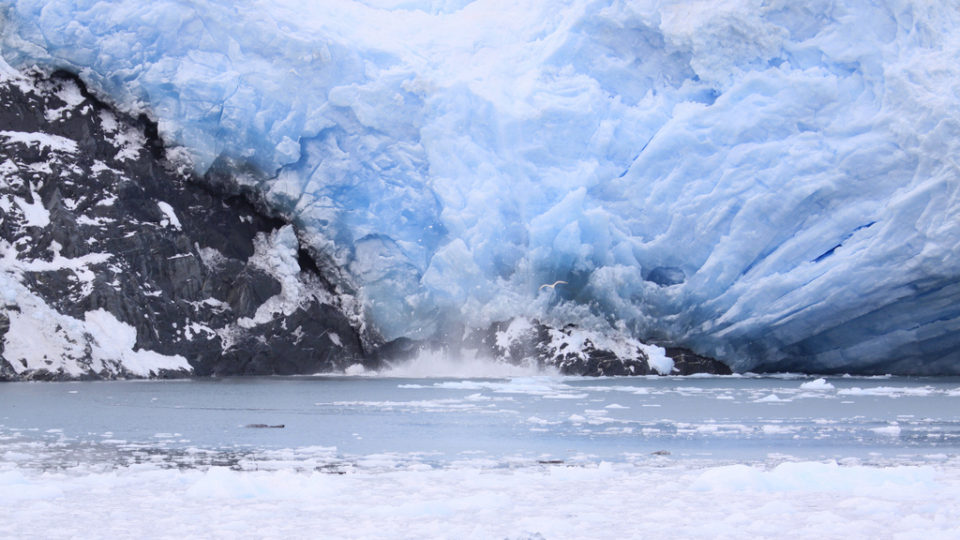
The glaciers on Baffin Island, located in Canada’s northeastern Arctic, have been shrinking as the climate warms.  The melting, receding glaciers have exposed fragments of ancient plants that had frozen in the places where they once grew.  New research has shown that these spots have not seen the light of day for at least 40,000 years.

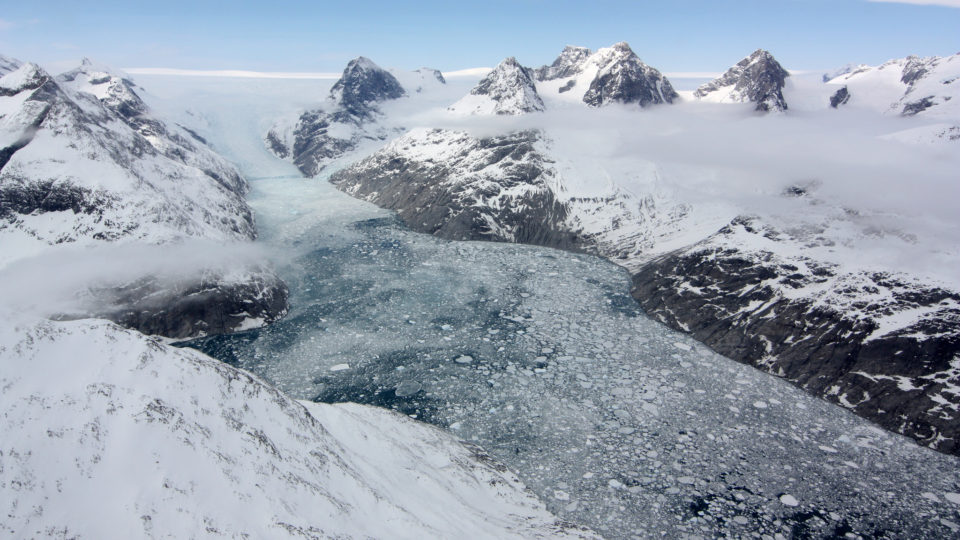
The entire planet has been warming since humanity started flooding the atmosphere with greenhouse gases at the start of the Industrial Revolution, but the effects are not uniform across the globe.  Some regions – like the Arctic – are seeing temperature rises that are greater and faster than anywhere else in the world.  As a result, glaciers in the Arctic have been melting away at rates never before observed in modern human history.

Researchers at the University of Colorado performed radiocarbon dating experiments in order to find out when the last time was that the Arctic was as warm as today.   There have been natural variations in Arctic temperatures caused by the complicated way the Earth wobbles on its axis.  For example, 10,000 years ago the northern latitudes pointed at the sun more directly during the summer than they do now, providing about 9% more sunshine during the summer.

The results of the study showed that the newly-uncovered plants had died at least 40,000 years earlier, indicating that the glaciers had not melted back to today’s size for at least that long.  Global measurements indicate that the planet as a whole has not been as warm as it is today for about 115,000 years, back then again a result of the orientation of the Earth.

Well, the Earth hasn’t wobbled recently.  The Arctic is melting because we are dumping massive amounts of greenhouse gases into the atmosphere.

**********

Web Links

These Arctic glaciers are smaller than ever before in human history

Photo, posted September 1, 2010, courtesy of Doryce S. via Flickr.

Earth Wise is a production of WAMC Northeast Public Radio.
Climate Change And The Polar Vortex

February 20, 2019 By EarthWise Leave a Comment

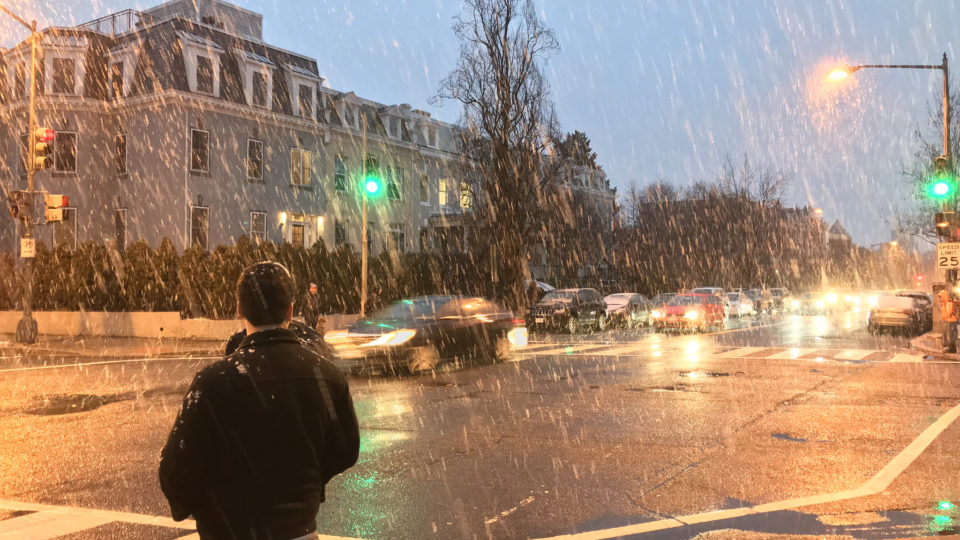
This winter has seen some brutally-cold weather in many places, some of it record-breaking.  Predictably, some climate-change deniers point to this as evidence that the climate is not warming at all.  They are quite wrong.

For starters, it is essential to understand the difference between climate and weather.  Climate is the average weather patterns in a region over extended periods of time.  Weather is the short-term fluctuations in temperature, precipitation, barometric pressure, wind, and so forth.  There can be extremes in weather of many types in a given climate region including very cold weather in a warming climate.

The recent cold weather events in the U.S. stem from the flow of Arctic air into southern regions.  Such flows are impacted dramatically by the behavior of the jet stream.  These high-altitude east-to-west winds are driven by temperature differences between cold arctic air and warm tropical air and play a huge role in our weather. 

The Arctic has seen extremely unusual warming due to the changing climate, weakening and fracturing the polar vortex, which is a persistent low-pressure area near the pole.   The changing air flow from the Arctic causes the jet stream to take wild swings.  When it swings further south, it causes cold air to reach farther south.  These swings tend to hang around for a while, leading to extended periods of cold weather in the winter and, actually, extended periods of warm weather or even droughts in the summer.  Studies have predicted that extreme, deadly weather events could increase by as much as fifty percent by 2100.

As more Arctic air flows into southern regions, North America can expect to see harsher winters.  The warming climate doesn’t always lead to warmer weather.

**********

Web Links

Why cold weather doesn’t mean climate change is fake

Photo, posted January 30, 2019, courtesy of Kyle via Flickr.

Earth Wise is a production of WAMC Northeast Public Radio.
Throwing Off Nature’s Seasonal Clock

October 29, 2018 By EarthWise Leave a Comment

https://earthwiseradio.org/wp-content/uploads/2018/10/EW-10-29-18-Throwing-Off-Natures-Clock.mp3

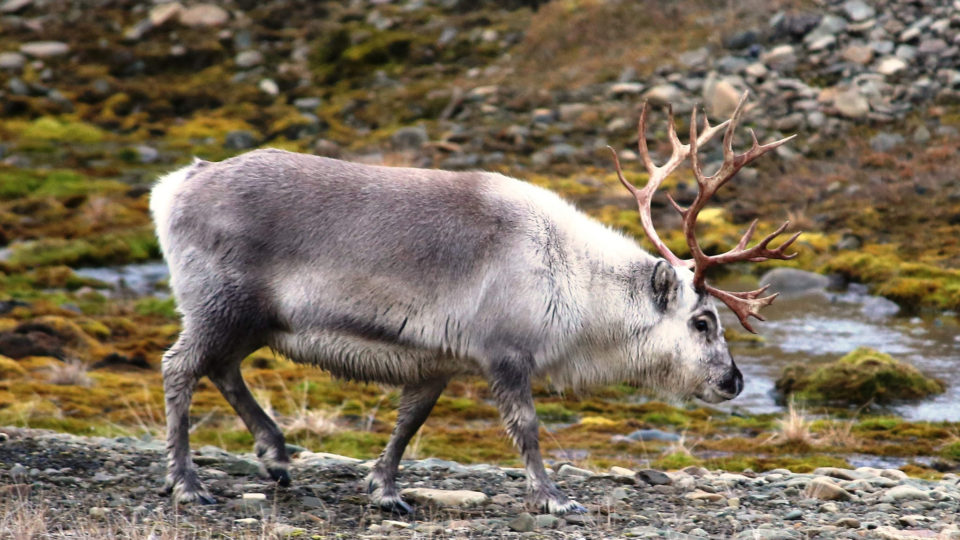
Ecosystems throughout the Arctic are regulated by seasonal changes leading to a finely tuned balance between the greening of vegetation and the reproduction of animals.  The rapidly warming climate and the disappearing sea ice are upending that balance.

[Read more…] about Throwing Off Nature’s Seasonal Clock

Saildrones For Science

July 11, 2018 By EarthWise Leave a Comment

https://earthwiseradio.org/wp-content/uploads/2018/07/EW-07-11-18-Saildrones-for-Science.mp3

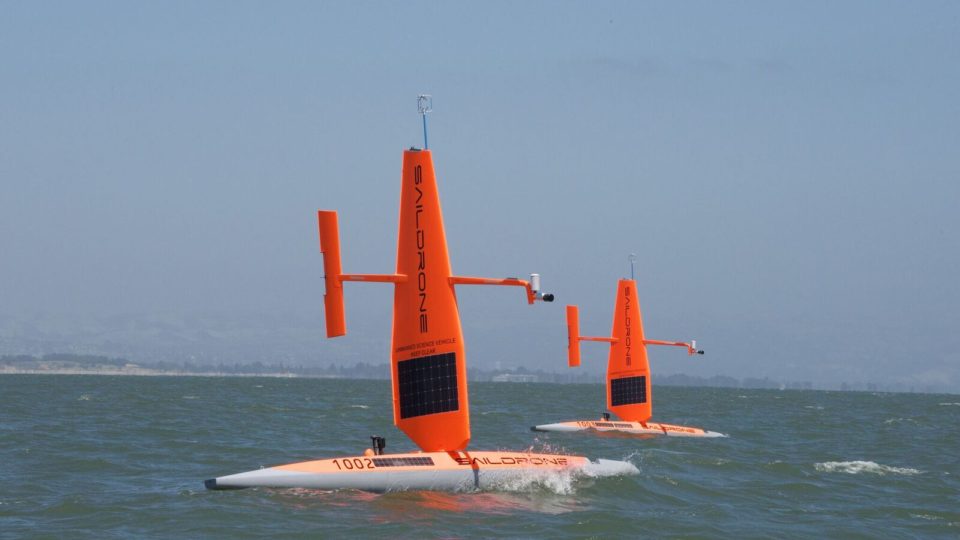
Nine years ago, engineer Richard Jenkins broke the world land speed record for a wind-powered vehicle with a sailboat on wheels driving across a dry lakebed at 126 miles per hour.  After years of engineering development, his technology has now taken on the form of a saildrone that can autonomously sail the sea gathering ecologic, oceanic and atmospheric data.

[Read more…] about Saildrones For Science

Cold Weather In A Warming Climate

June 25, 2018 By EarthWise Leave a Comment

https://earthwiseradio.org/wp-content/uploads/2018/06/EW-06-25-18-Cold-Weather-In-A-Warming-Climate.mp3

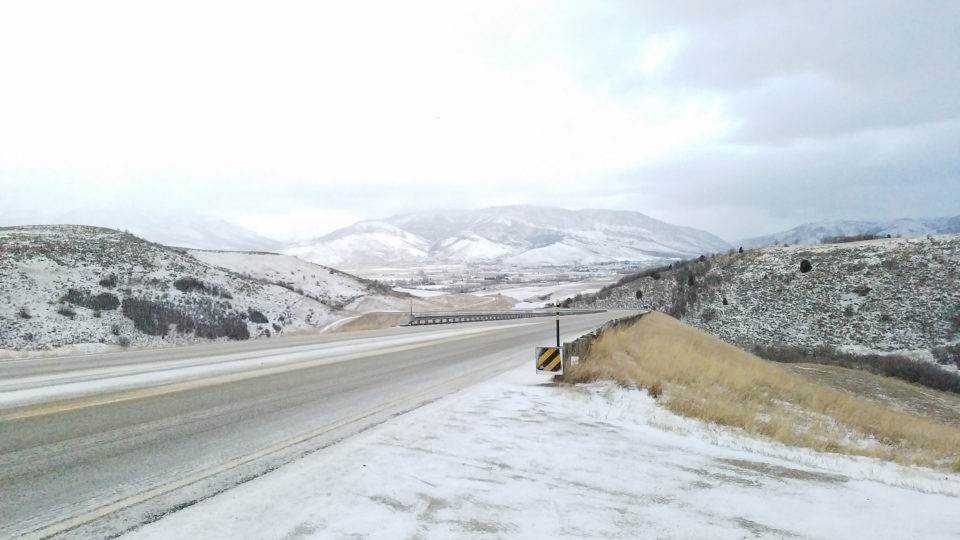
The climate is warming.  The average global temperature is going up year after year, bringing about significant changes to weather around the world.  But the fact is that these changes don’t always lead to warmer weather.  And ordinary variations in local weather can also go in either direction.

[Read more…] about Cold Weather In A Warming Climate

Alien Waters Invade The Arctic

June 18, 2018 By EarthWise Leave a Comment

https://earthwiseradio.org/wp-content/uploads/2018/06/EW-06-18-18-Alien-Waters-Invade-the-Arctic.mp3

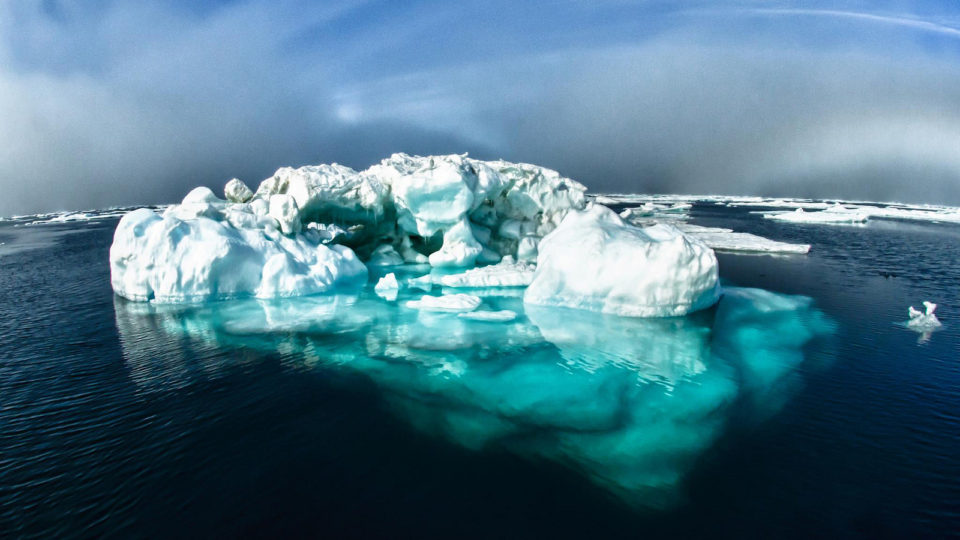
The Arctic is heating up faster than any other region of the planet.  As a result, once-distinct boundaries between the frigid polar ocean and the warmer, neighboring Atlantic and Pacific Oceans are blurring, opening the way for the southern waters to enter the polar regions.  The volume of Pacific Ocean water flowing into the Arctic Ocean through the Bering Strait has increased by 70% over the past decade.  The Arctic Ocean’s cold layering system that blocks Atlantic inflows is breaking down.

[Read more…] about Alien Waters Invade The Arctic

Rising Seas On The East Coast

June 6, 2018 By EarthWise Leave a Comment

https://earthwiseradio.org/wp-content/uploads/2018/06/EW-06-06-18-Rising-Seas-on-the-East-Coast.mp3

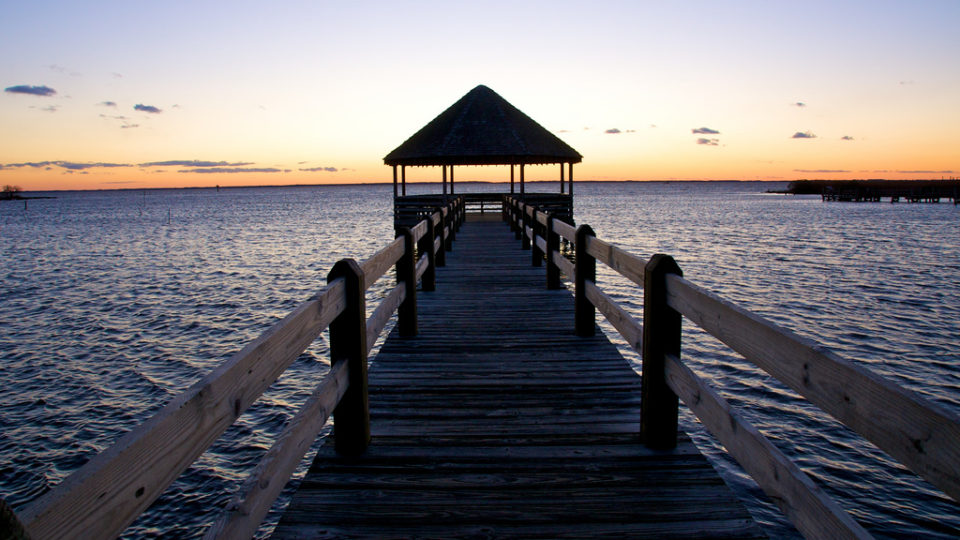
Global sea levels are rising by about a tenth of an inch per year, but in some places, the rise is faster… much faster.  From 2011 to 2015, sea levels rose up to 5 inches – an inch per year – in some locales along the Eastern Seaboard.  Places like Norfolk, Virginia and Miami are experiencing so-called sunny day flooding, something that had not been expected for decades according to climate projections.  So, what is going on?

[Read more…] about Rising Seas On The East Coast

Extreme Weather Increasing

May 11, 2018 By EarthWise Leave a Comment

https://earthwiseradio.org/wp-content/uploads/2018/04/EW-05-11-18-Extreme-Weather-Increasing.mp3

It sure seems like extreme weather is increasingly common:  floods, droughts, extreme rainfall, powerful snowstorms, hurricanes and so on.  But we tend to focus on recent events and often give them undue emphasis.  So, it is reasonable to ask whether extreme weather really is more common these days.

[Read more…] about Extreme Weather Increasing

Spring Is Springing Earlier

April 9, 2018 By EarthWise Leave a Comment

https://earthwiseradio.org/wp-content/uploads/2018/04/EW-04-09-18-Spring-is-Springing-Earlier.mp3

A comprehensive study has confirmed what has been widely believed in the scientific community and in popular reports for years:  spring is arriving earlier and the further north you go, the more pronounced is the effect.

[Read more…] about Spring Is Springing Earlier

Cold And Snow From Global Warming

April 4, 2018 By EarthWise Leave a Comment

https://earthwiseradio.org/wp-content/uploads/2018/04/EW-04-04-18-Cold-from-Global-Warming.mp3

The Arctic has been experiencing record warm temperatures and record low sea ice levels.  During February, there were nine days in a row with temperatures averaging 27 degrees above normal and often above freezing.  Over the previous 20 years, there were only two previous readings above freezing in February – once in 2011 and once last year.

[Read more…] about Cold And Snow From Global Warming

Polar Bears Are Struggling To Find Food

March 9, 2018 By EarthWise Leave a Comment

https://earthwiseradio.org/wp-content/uploads/2018/03/EW-03-09-18-Polar-Bears-Struggling.mp3

Climate change continues to pose a major threat to polar bear survival.  Polar bears, whose native range largely lies within the Arctic Circle, depend on sea ice for nearly all of their life cycle functions.  And rising global temperatures are causing that sea ice to disappear. 

[Read more…] about Polar Bears Are Struggling To Find Food

Algae And The Greenland Ice Sheet

February 2, 2018 By EarthWise Leave a Comment

https://earthwiseradio.org/wp-content/uploads/2018/02/EW-02-02-18-Algae-and-the-Greenland-Ice-Sheet.mp3

The Greenland Ice Sheet is the second largest ice body in the world, after the Antarctic ice sheet.  It is about 1,500 miles long, nearly 900 miles across at its widest point, and averages more than a mile in thickness.  It has experienced record melting in recent years and is a source of great concern as the climate continues to warm. The Greenland Ice Sheet is losing an estimated 270 billion tons of ice each year.   If the entire sheet were to melt, global sea levels would rise by 24 feet which, of course, would be a world-wide catastrophe.

[Read more…] about Algae And The Greenland Ice Sheet

Strange Ocean Current Behavior

January 18, 2018 By EarthWise 4 Comments

https://earthwiseradio.org/wp-content/uploads/2017/12/EW-01-18-18-Strange-Ocean-Current-Behavior.mp3

The Beaufort Gyre is a massive wind-driven current in the Arctic Ocean.  Located north of Alaska and Canada’s Yukon Territory, it is like a giant spinning top that corrals vast amounts of sea ice in the far north.

[Read more…] about Strange Ocean Current Behavior

‘Noah’s Ark’ Takes On Water

June 23, 2017 By EarthWise

https://earthwiseradio.org/wp-content/uploads/2017/06/EW-06-23-17-The-Svalbard-Global-Seed-Vault.mp3

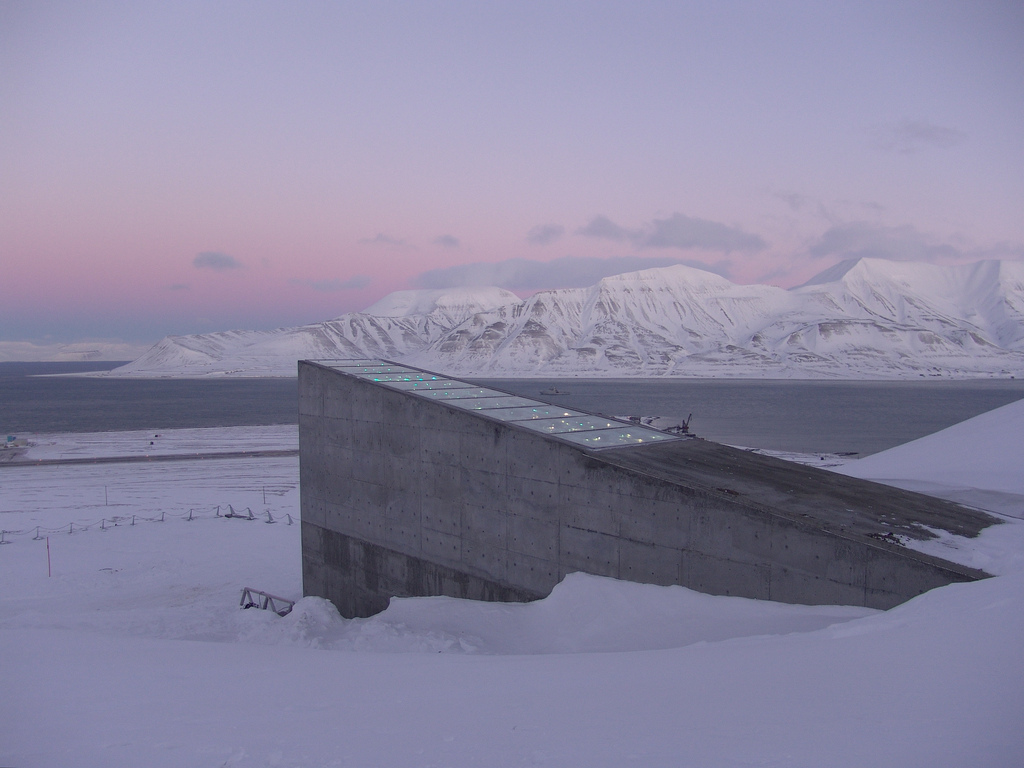
The Svalbard Global Seed Vault, built into a hillside in the Norwegian archipelago of Svalbard far above the Arctic Circle, is often described as humanity’s last hope against extinction after some global crisis.  While there are more than 1,700 gene banks around the world that keep collections of seeds, all of them are vulnerable to war, natural disasters, equipment malfunctions, and other problems.  Except the Svalbard vault – or so we thought.  It has been dubbed the “Noah’s Ark” of seeds and a last chance for the world to regenerate if the worst should come to pass.  It’s mission is to keep the world’s seeds safe. 

[Read more…] about ‘Noah’s Ark’ Takes On Water

  • « Go to Previous Page
  • Page 1
  • Page 2
  • Page 3
  • Page 4
  • Page 5
  • Page 6
  • Go to Next Page »

Primary Sidebar

Recent Episodes

  • An uninsurable future
  • Clean energy and jobs
  • Insect declines in remote regions
  • Fossil fuel producing nations ignoring climate goals
  • Trouble for clownfishes

WAMC Northeast Public Radio

WAMC/Northeast Public Radio is a regional public radio network serving parts of seven northeastern states (more...)

Copyright © 2026 ·