arctic
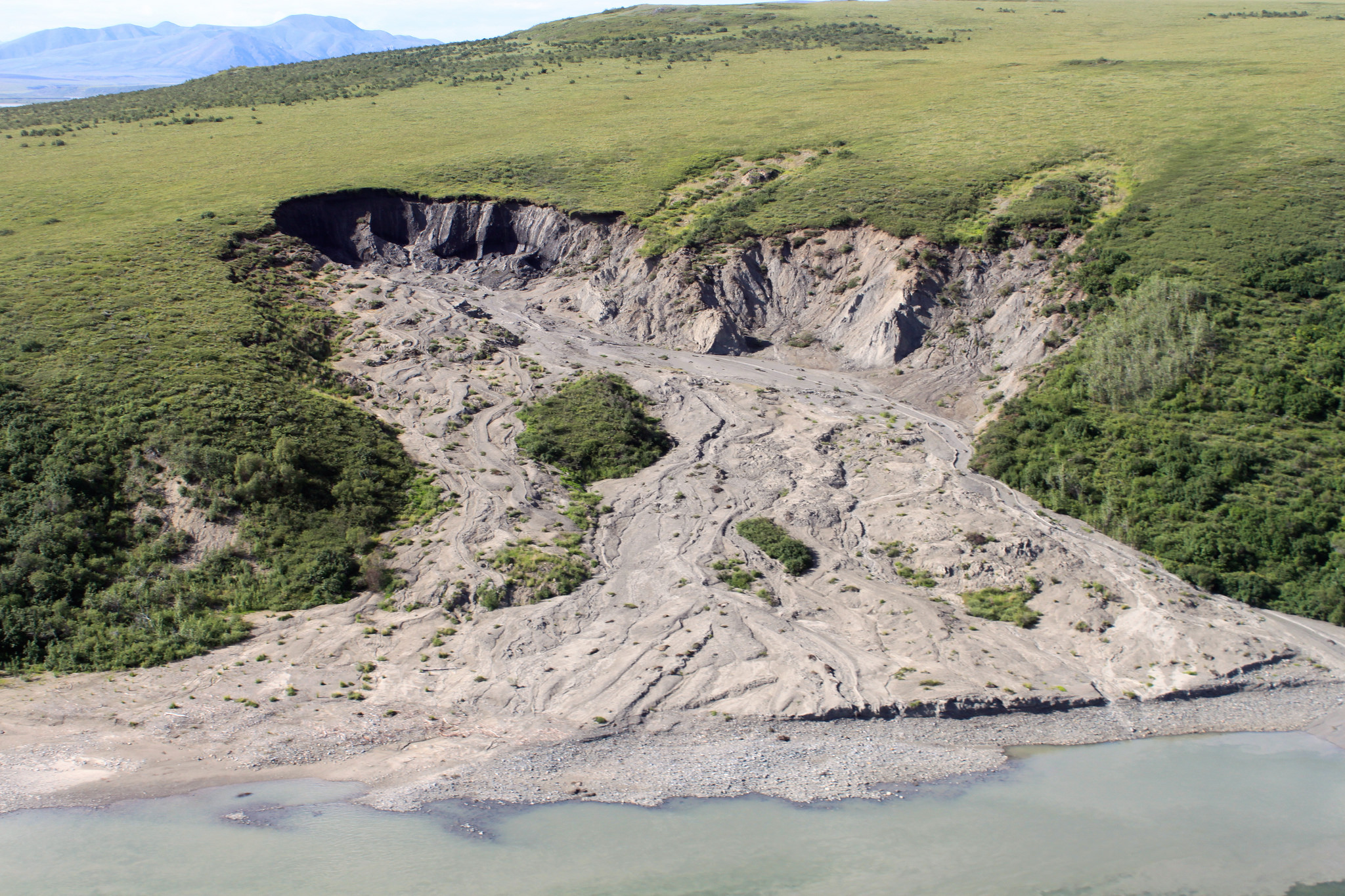
Dangerous Diseases From The Past
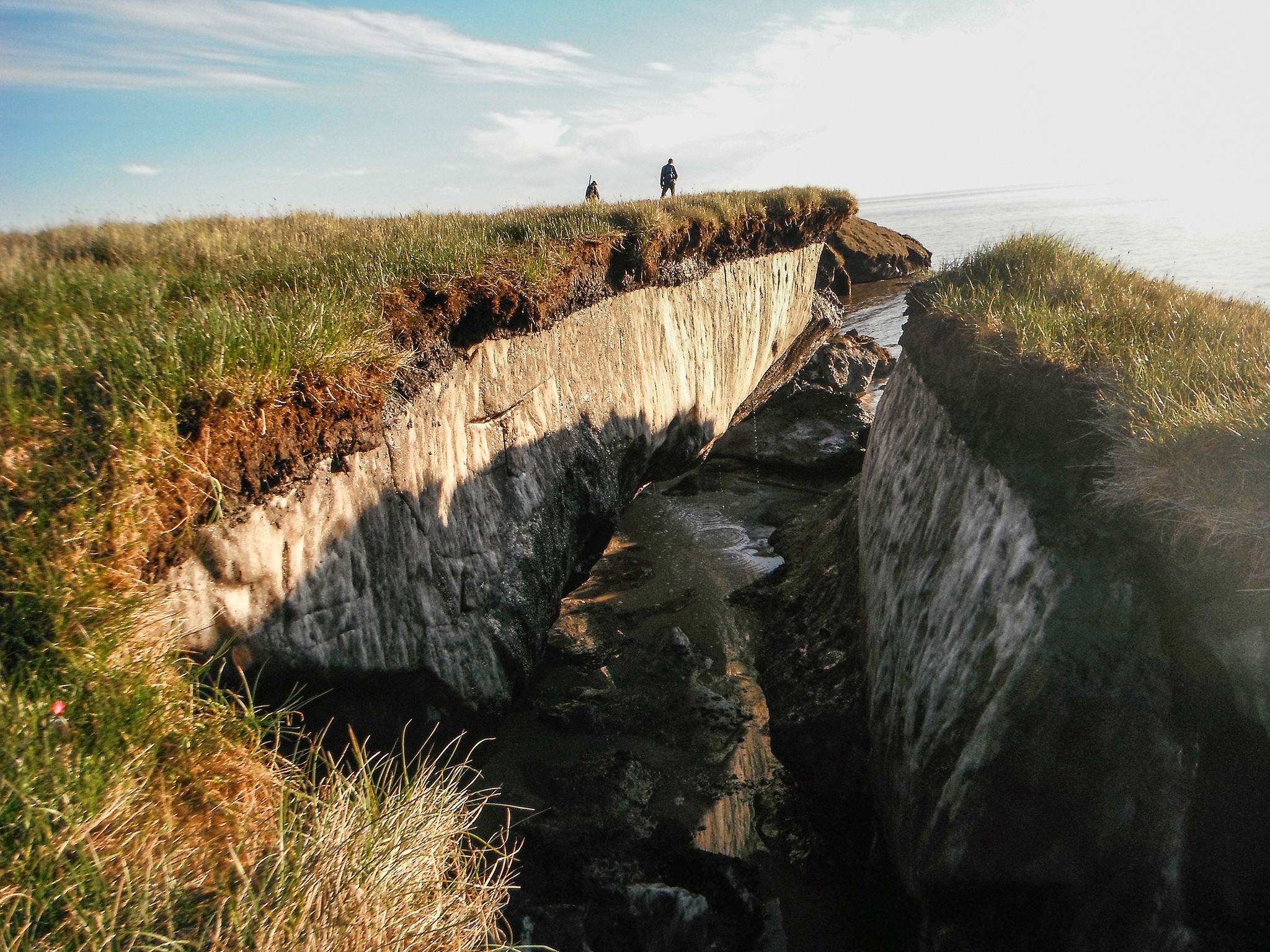
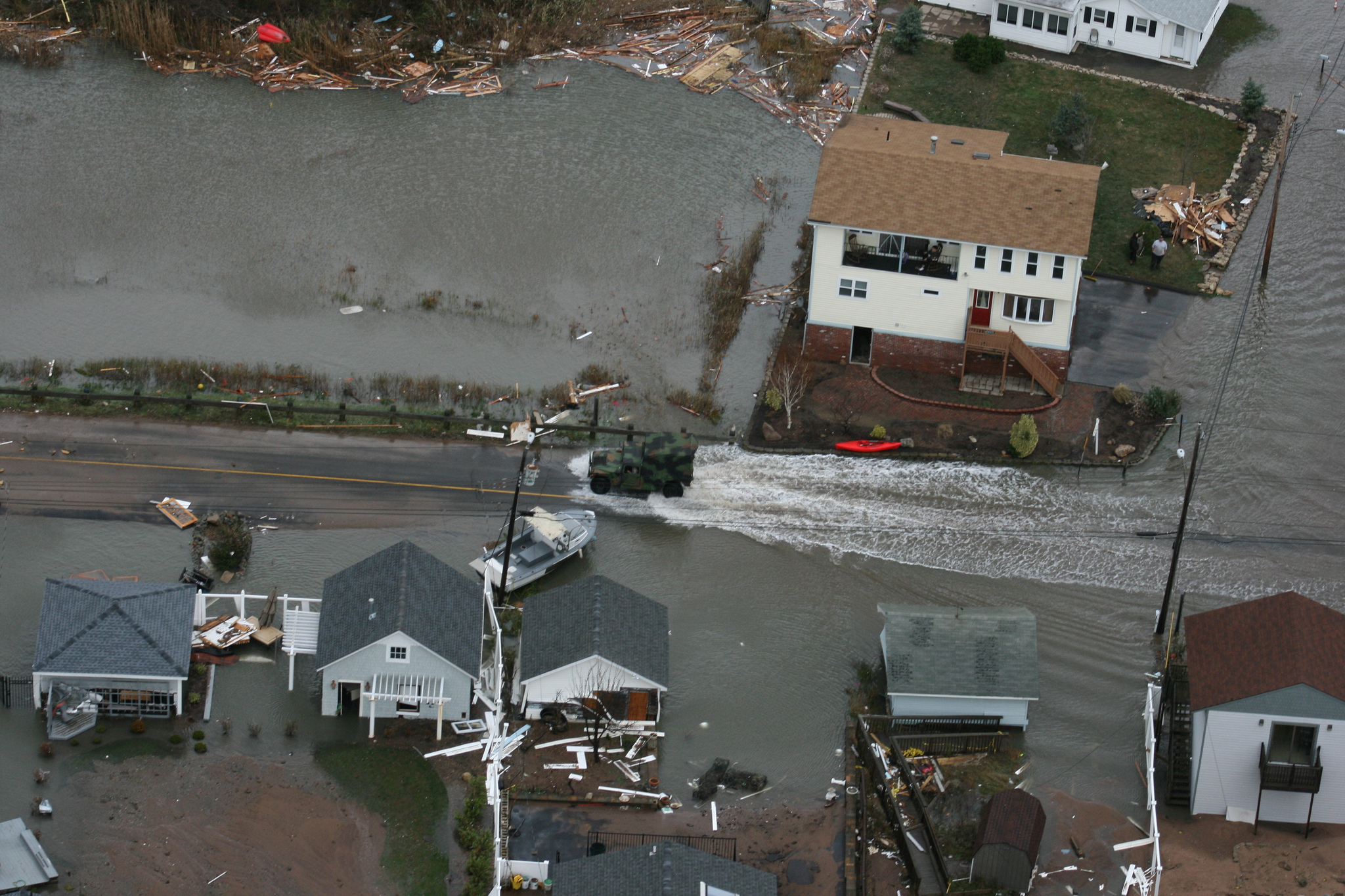
Climate change is poised to transform life on Earth as we know it. The higher temperatures, the rising seas, the more frequent floods and droughts, among the countless other consequences associated with climate change, threaten to do irreversible damage to the world in the coming decades.
Increasing Biological Invasions
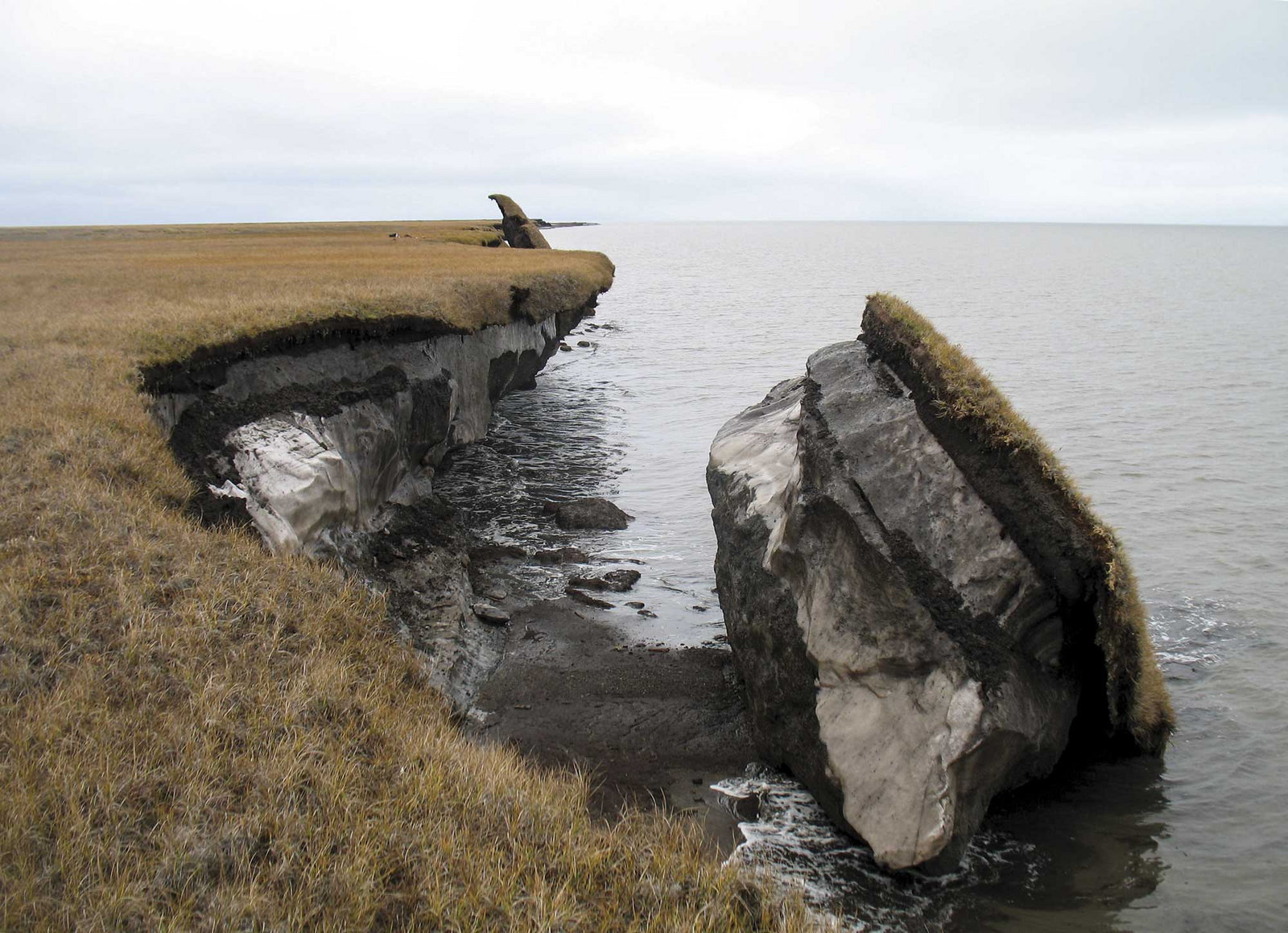
Invasive species have been a problem for quite some time. Over the years, we have grappled with – among other things – invasive plants from Japan, zebra mussels from eastern Europe, and Asian fungus that kills off ash trees in our forests.
Plastic In The Arctic
On several occasions, we have talked about the enormous amount of plastic that litters the world’s oceans. Bits of bottles, bags, toys, fishing nets and other objects collect in gyres, or so-called garbage patches, which have grown and grown over the decades.
Melting Ice Adds Life To The Sea
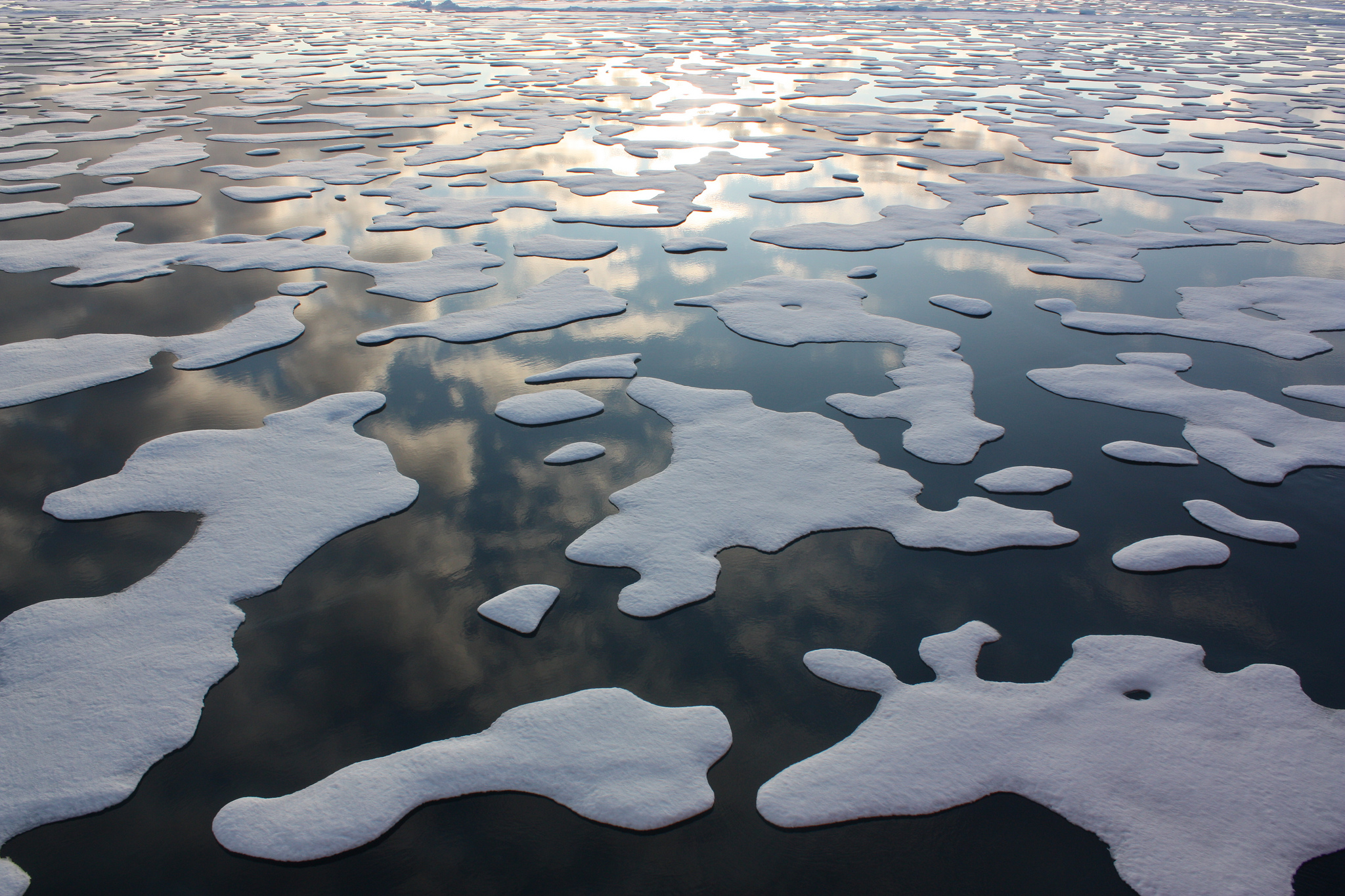
The changing climate has many effects upon the world’s ecosystems, some of which are surprising. One of these relates to the effect of the increasing melting of ice in the Arctic. The ice melt is leading to more life in the Arctic sea.
The Doomsday Seed Vault
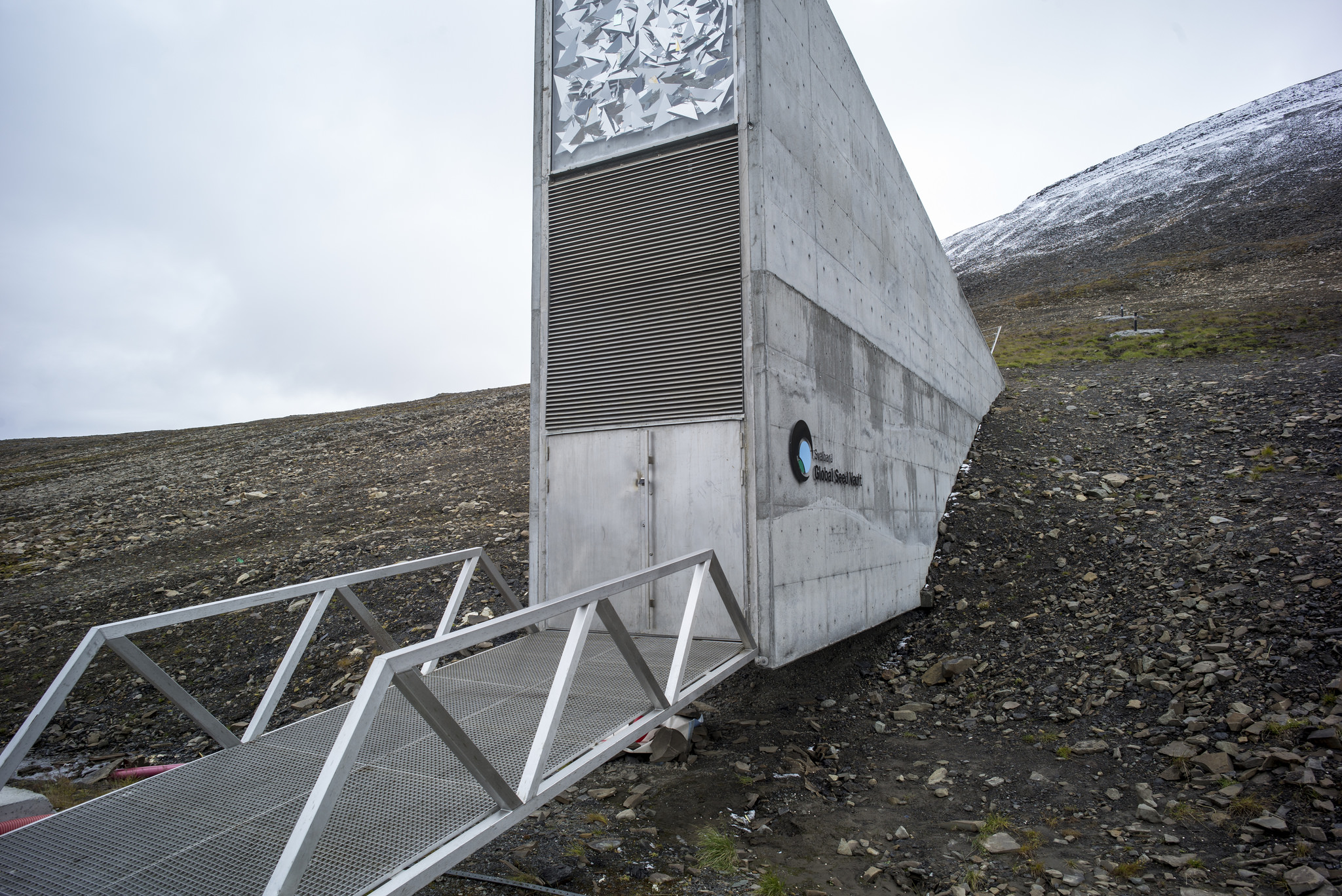
The Svalbard Global Seed Vault, tucked away on a Norwegian island far above the Arctic Circle, is often described as humanity’s last hope against extinction after some global crisis and is popularly known as the “Doomsday Vault.” Although its mission is to keep the world’s seeds safe, it wasn’t actually created to reseed the planet after a world-wide catastrophe.
The Arctic Is Getting Crazy
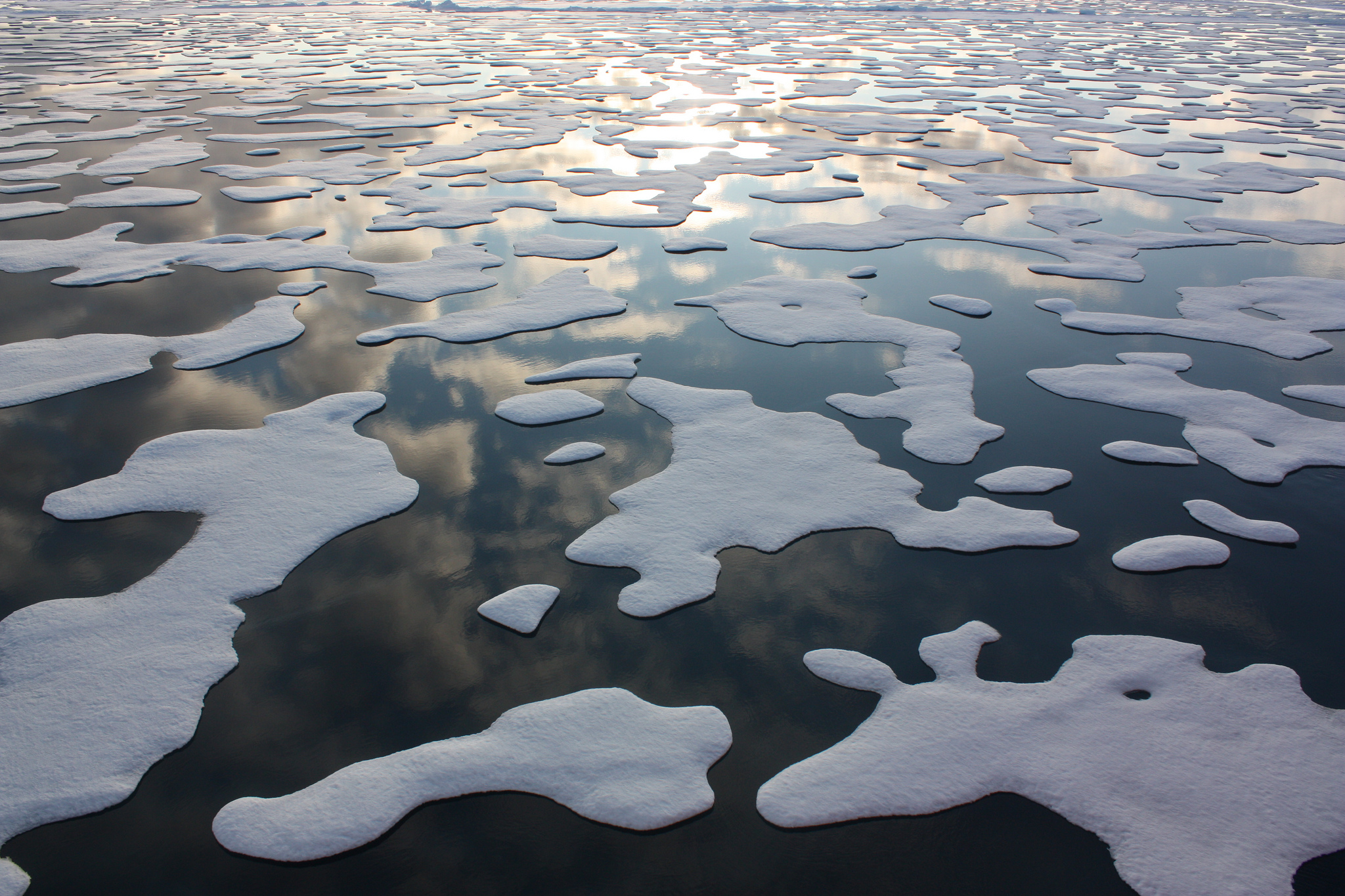
Unprecedented things have been happening with the weather up in the Arctic in recent times. In fact, during the past year, the climate in the Arctic has at times bordered on the absurd.
Climate Change And Heat Waves
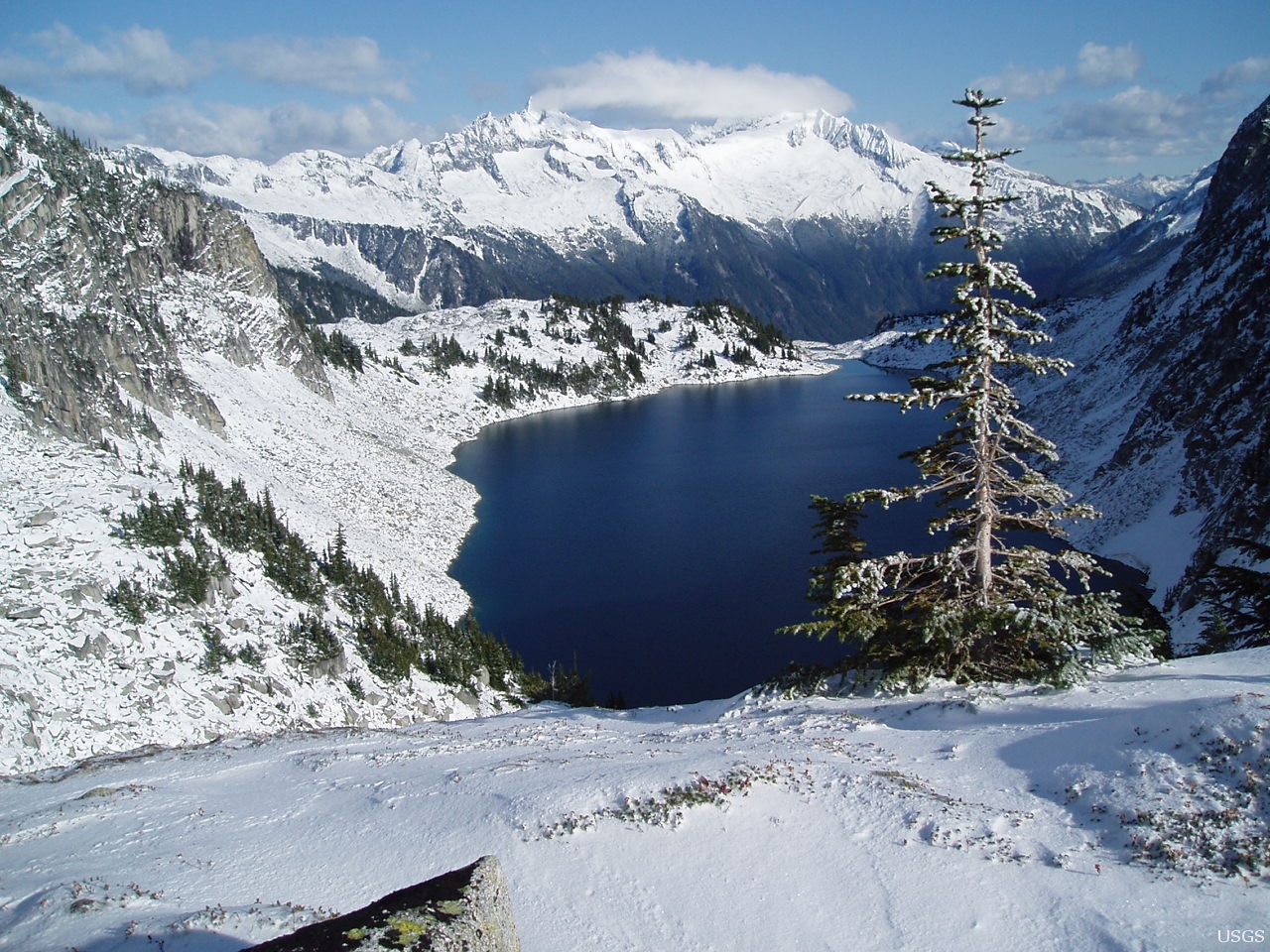
2016 was the hottest year on record and saw many extreme weather events. How much of what happened resulted from climate change has yet to be assessed. However, the analysis of 2015 – which was the hottest year on record up until last year – has been presented in a special publication by the American Meteorological Society.
Can Polar Bears Be Saved?
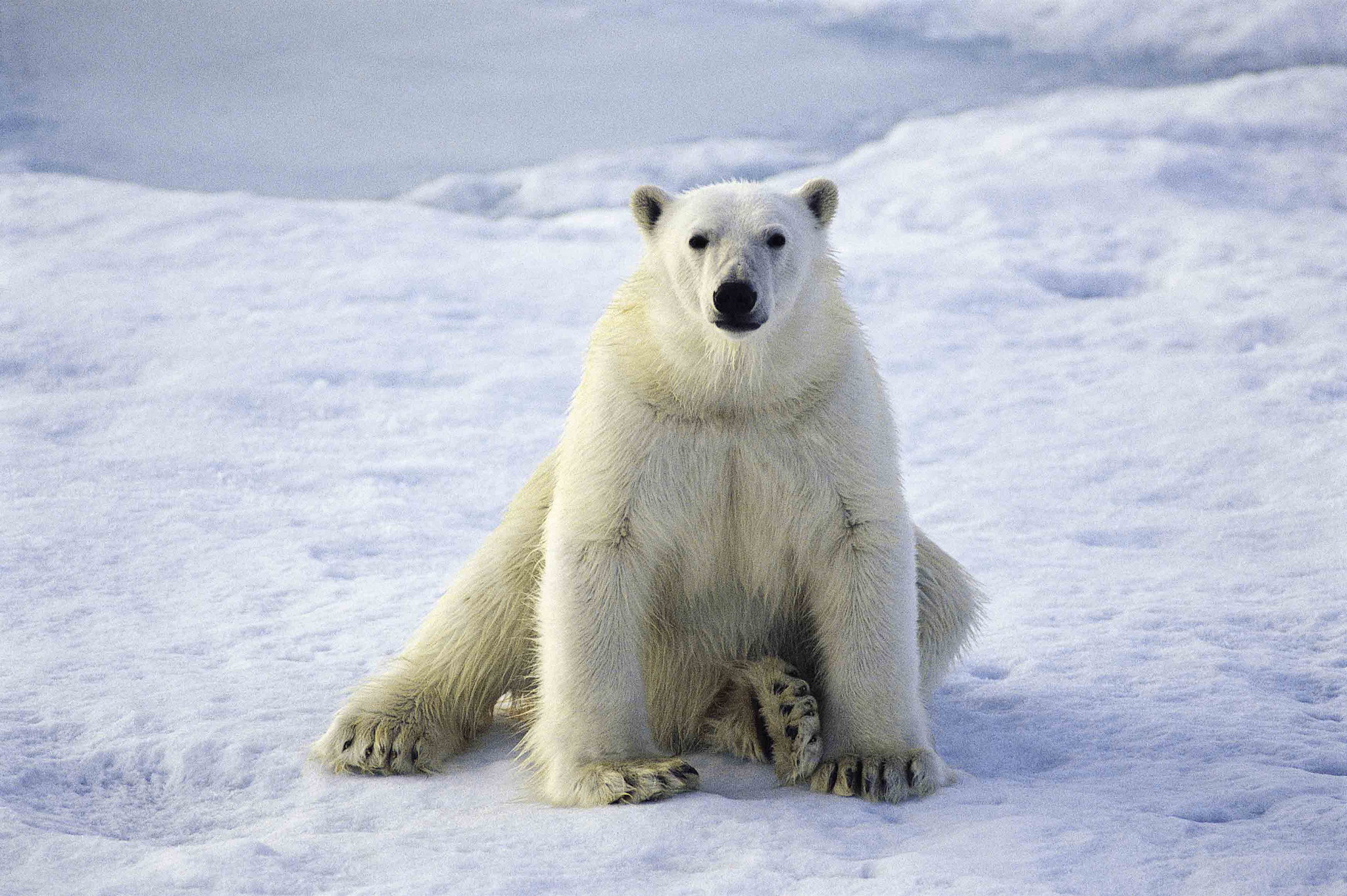
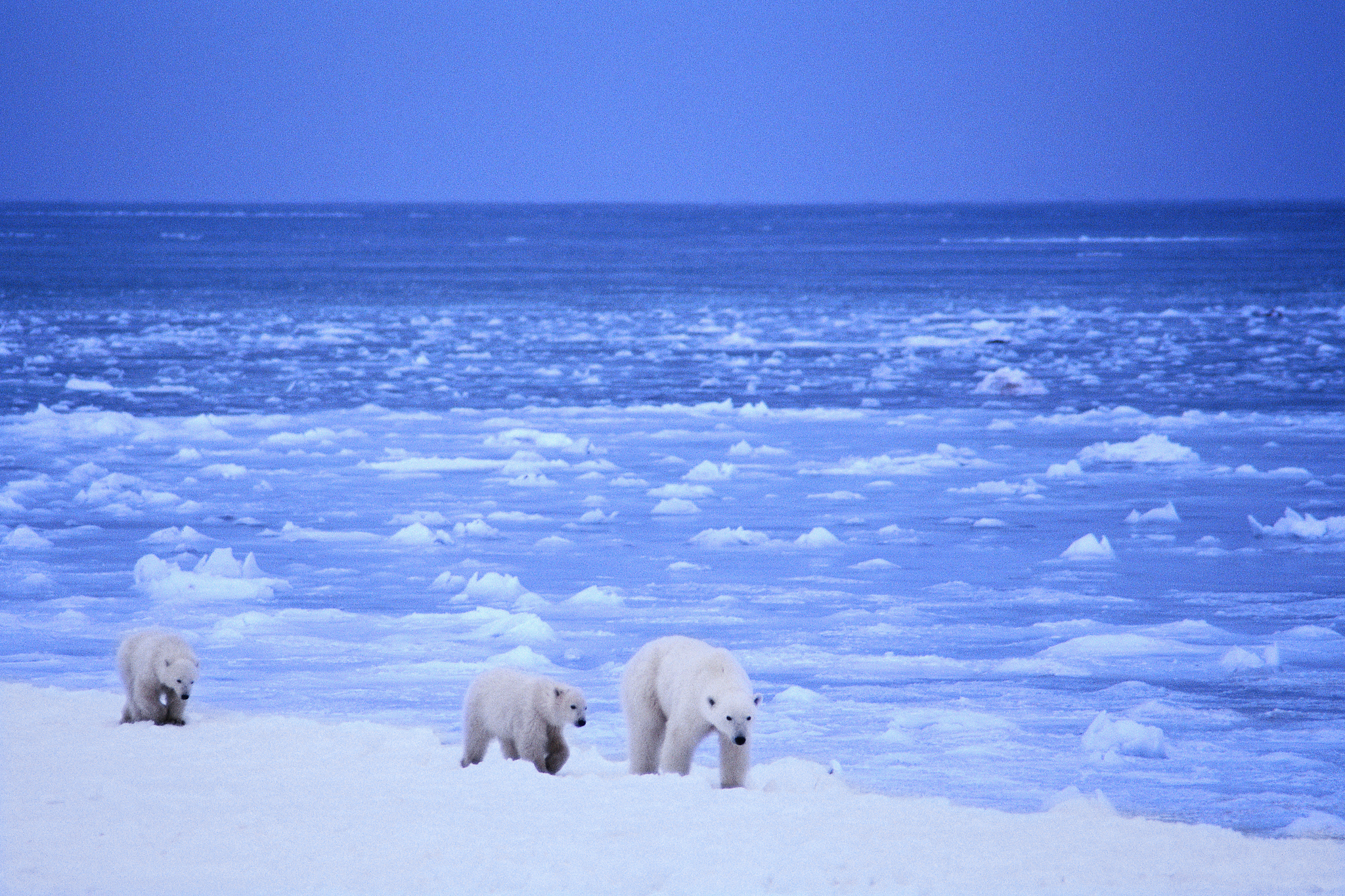
Climate change is posing a major threat to polar bear survival. The polar bear, whose native range lies largely within the Arctic Circle, depends on sea ice for nearly all of its life cycle functions. And rising temperatures are causing that sea ice to disappear.
Alaska’s Threatened Communities
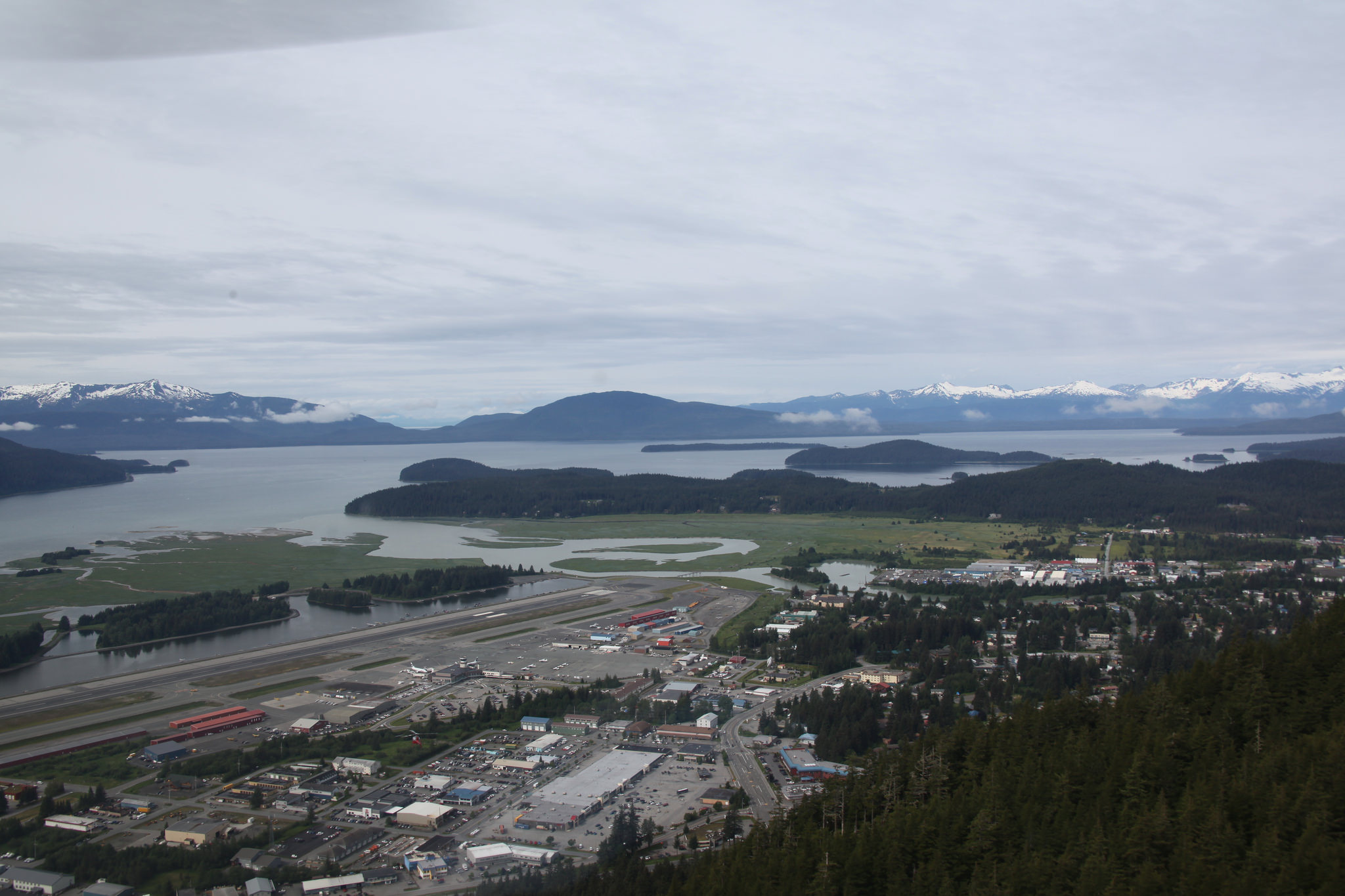
Because of its Arctic location, Alaska is warming about twice as fast as the rest of the United States. The past year has been the warmest on record. The forces of erosion and increasingly powerful storms have resulted in the imminent risk of destruction for at least 31 Alaskan towns and cities. Many are predicted to become uninhabitable over the next few decades. Residents of these places are likely to join the growing flow of climate refugees around the globe.
Record Low Sea Ice
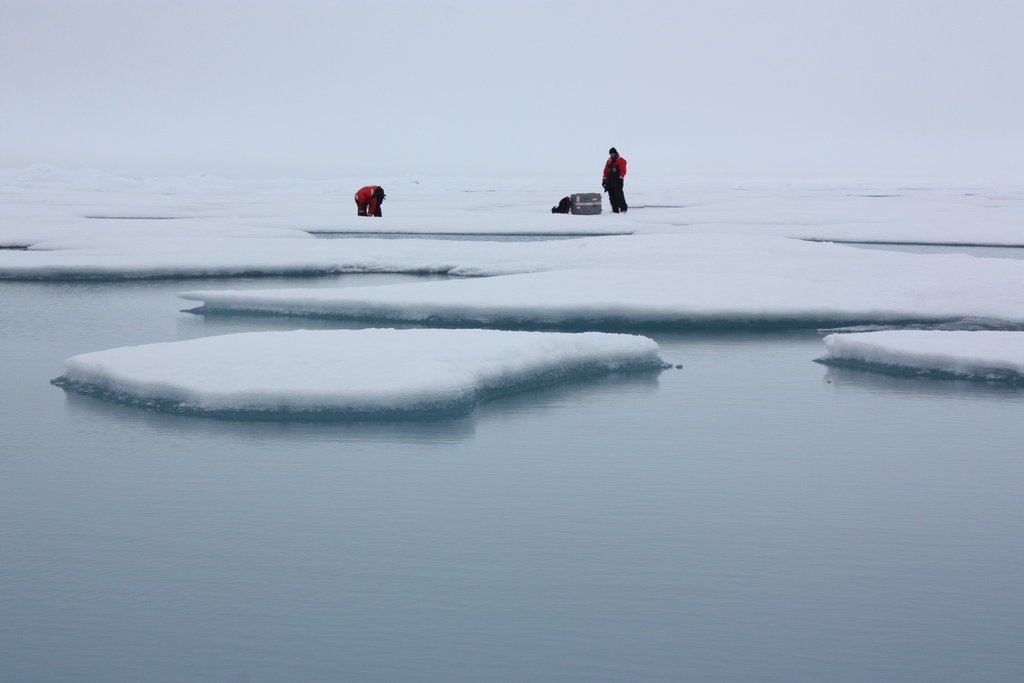
This time of the year, sea ice in the Arctic is on the rise as winter sets in. A combination of unusually high air temperatures and a warmer than normal ocean led to a record low for Arctic sea ice extent in November. In the Southern Hemisphere, Antarctic sea ice extent also hit a record low for the month.
Extreme Cold And Climate Change
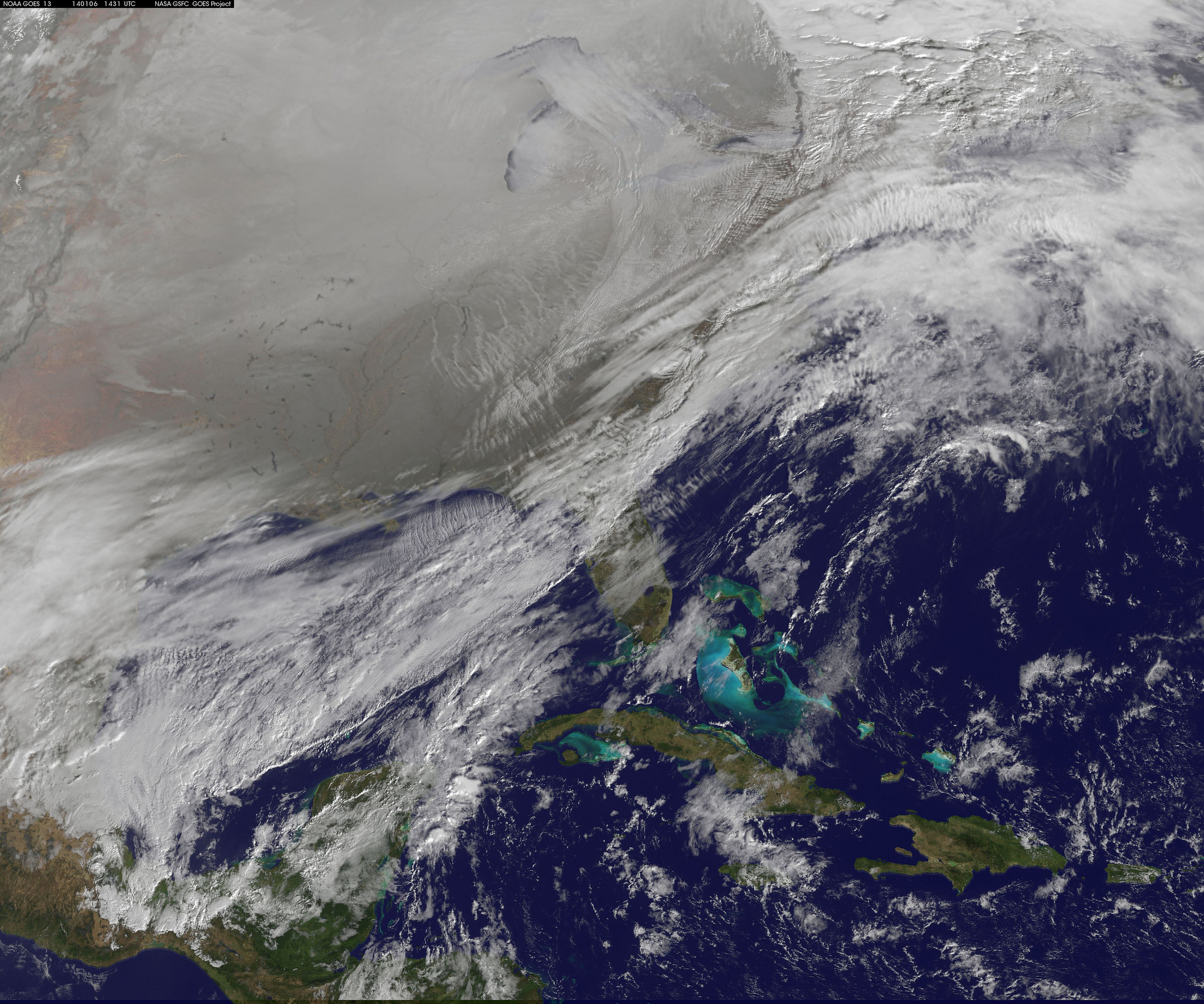
Global climate change is typically referred to as global warming and that name implies that things are getting warmer all the time. Well, the planet as a whole is, as measured by the planet-wide mean temperature, which continues to rise over time.
Climate Change And Reindeer
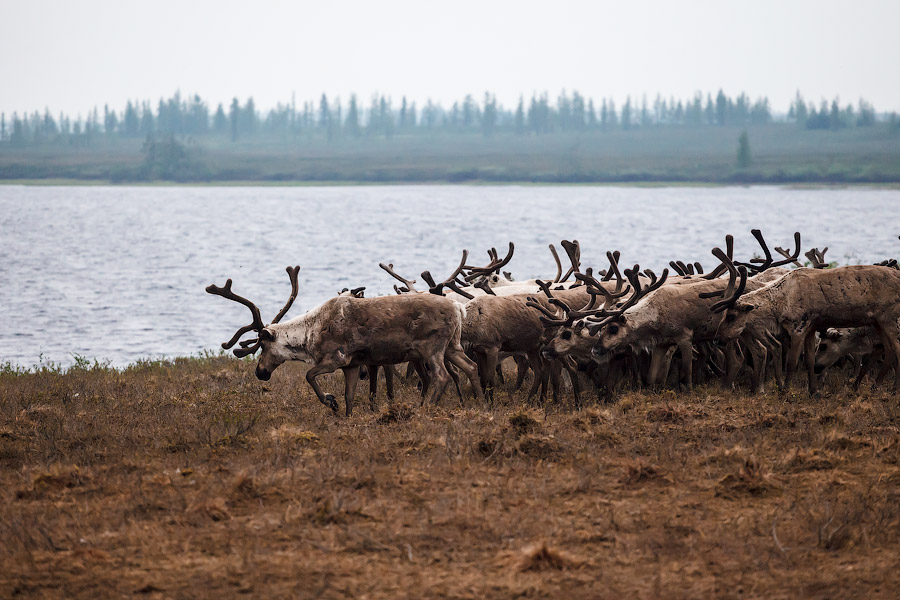
Hundreds of thousands of reindeer roam Russia’s Yamal Peninsula, which is located in northwestern Siberia, and are herded by the indigenous Nenets people, reportedly among the Arctic’s last truly nomadic reindeer herders. Reindeer provide these indigenous people with transportation, food, clothes, and even tools made from their bones. Reindeer are well suited for the freezing temperatures and thick snow of this climate. But they are not well suited for climate change.
Hot Times For Santa
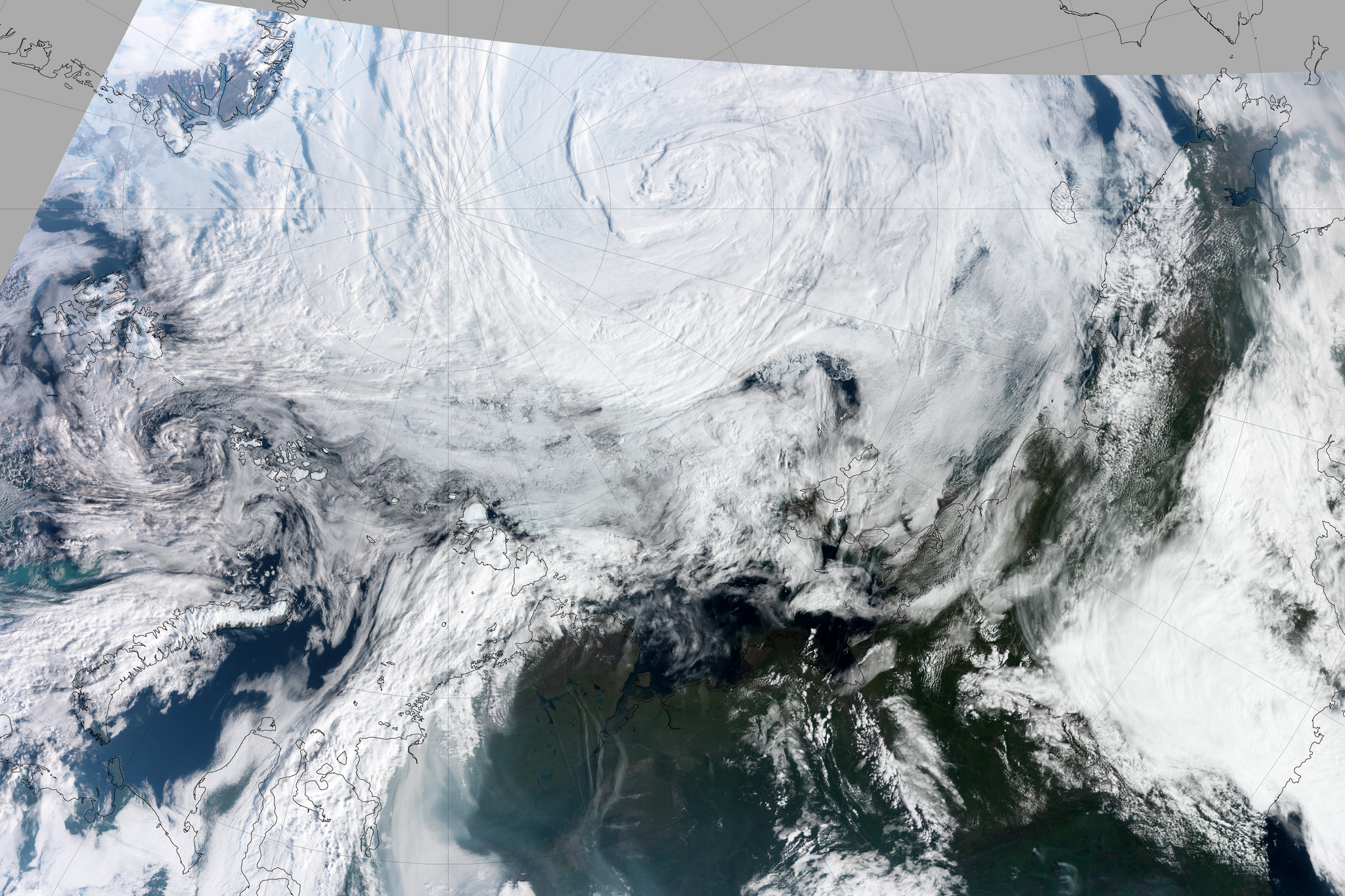
Santa Claus may have to change out of that heavy red suit this Christmas. The North Pole, site of his fabled workshop, is seeing historically high temperatures this year. In fact, it is 36 degrees Fahrenheit higher than it has been in past decades. This is a staggering number.
Arctic Shipping
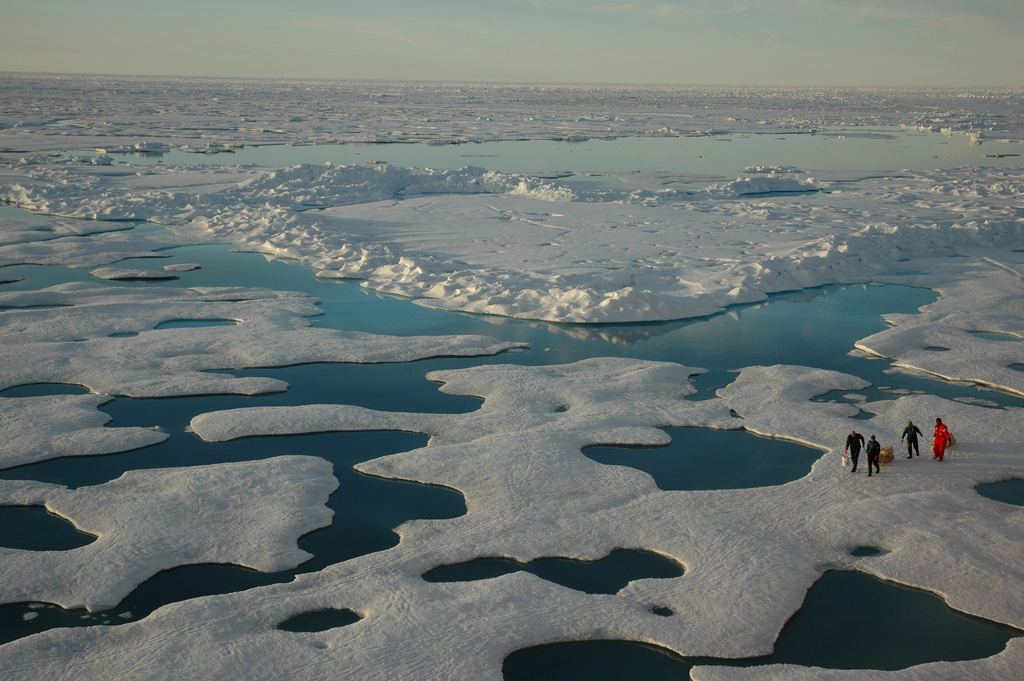
The Arctic used to be pretty much a pristine wilderness populated only by fairly small numbers of indigenous residents living environmentally benign lifestyles. The disruptive elements of modern civilization were not much of a factor. Because of the changing climate, this is no longer true.
More Ice In Antarctica
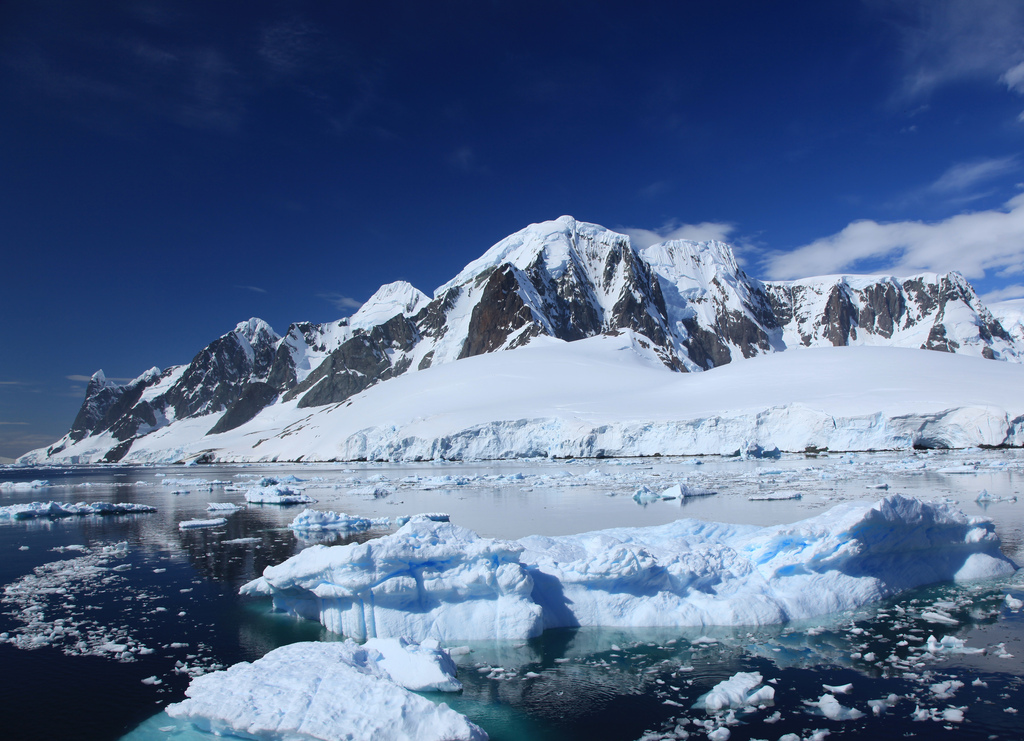
Two years ago, NASA reported that the sea ice surrounding Antarctica reached a new record high extent, surpassing levels mapped since the late 1970s. This seemed to be quite contrary to the global warming trend that is leading to the melting of the Arctic and glaciers worldwide. And in fact, it does seem rather puzzling.
Disappearing Arctic Ice
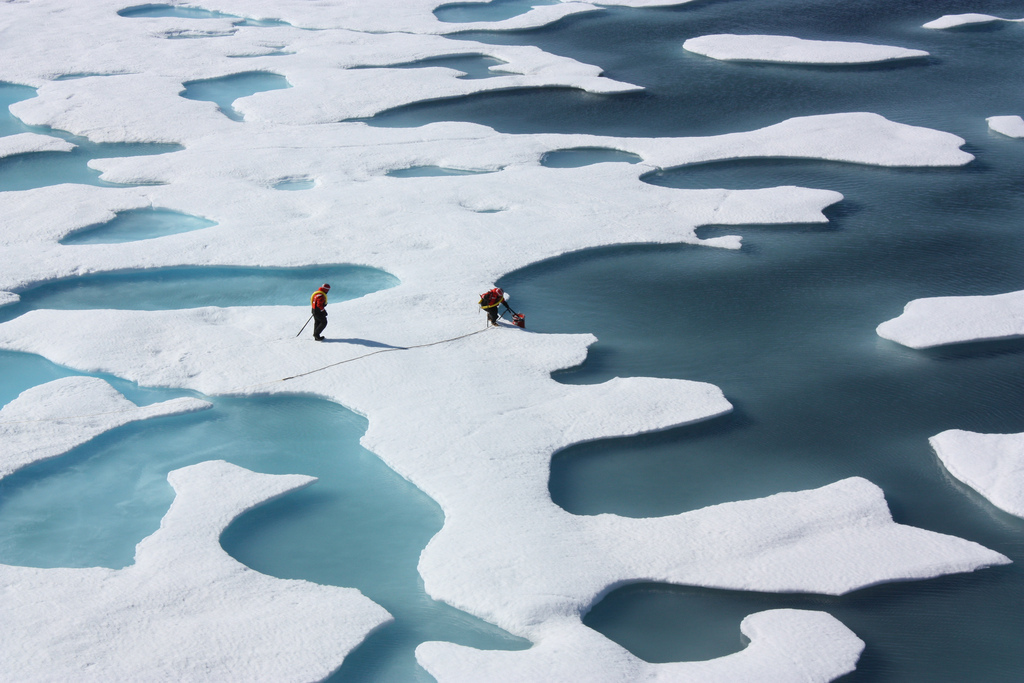
The top of the world is turning from white to blue in the summer. The ice that has long covered the north polar seas is melting away.
Cruising The Northwest Passage
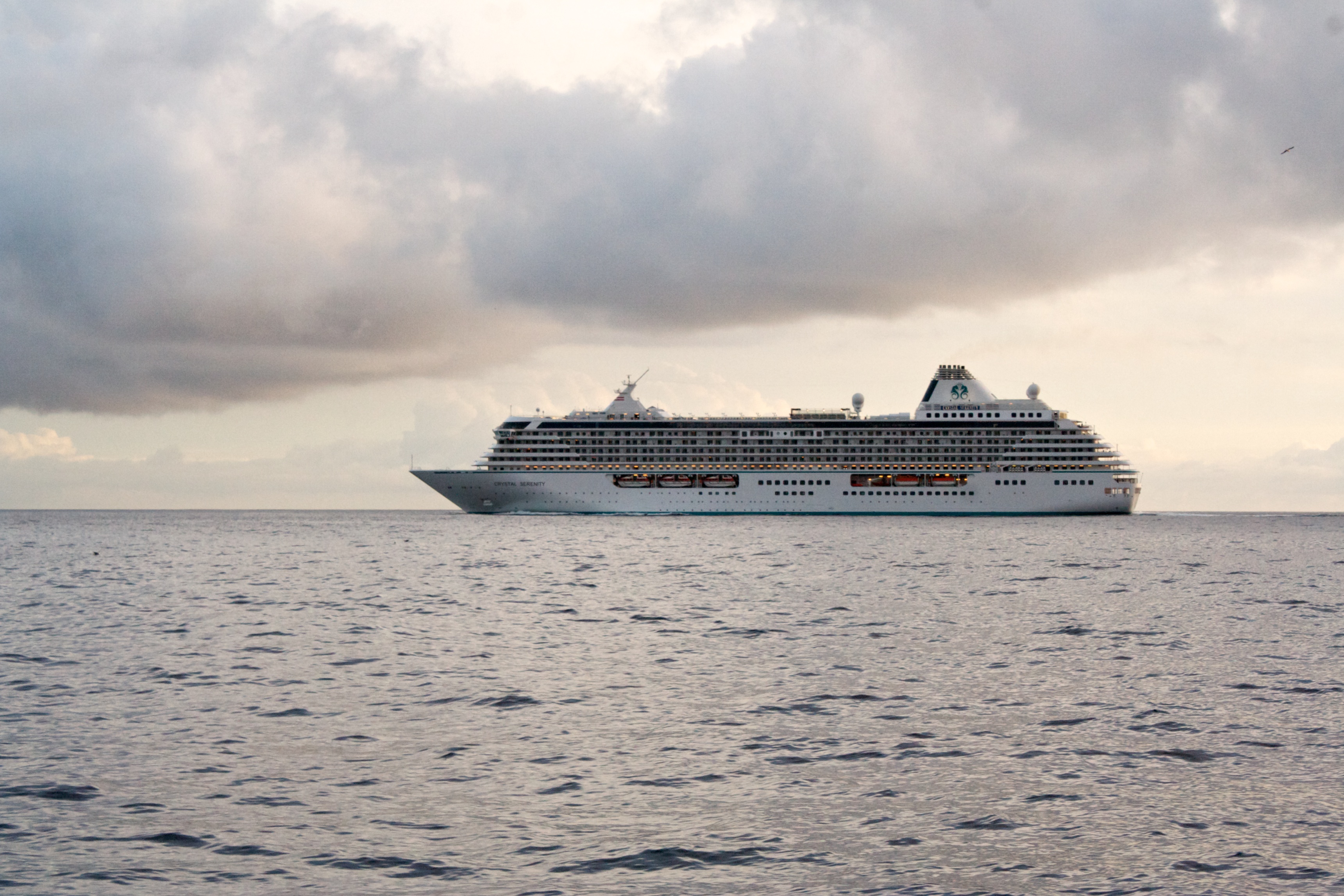
The Northwest Passage is a sea route connecting the northern Atlantic and Pacific Oceans through the Arctic Ocean, going along the northern coast of North America via waterways through the Canadian Arctic Archipelago.
The Hottest Month (Again)
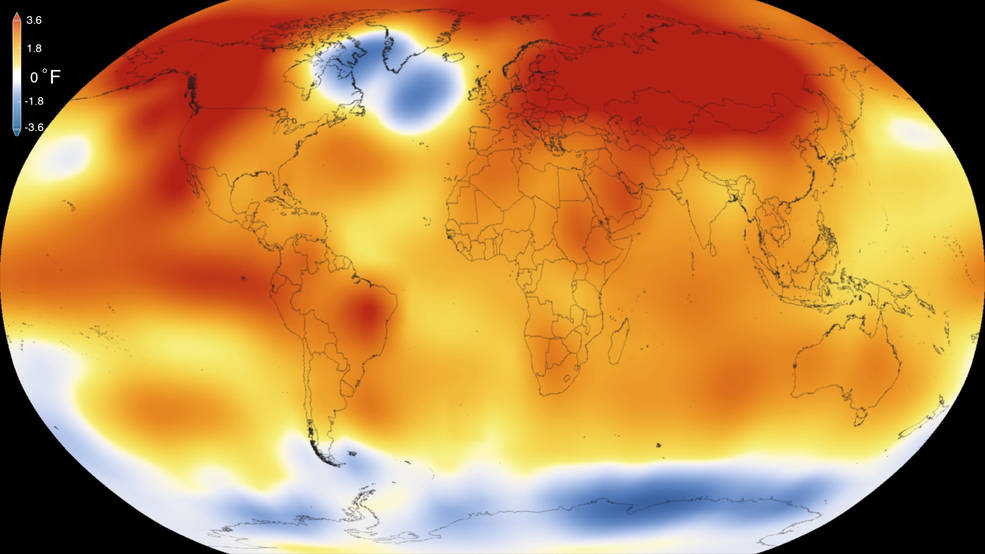
NASA data show that the Earth’s temperature in July was the highest recorded since record-keeping began 136 years ago. It was also the 10th straight month of record-breaking temperatures and was .18 degrees Fahrenheit higher than the previous hottest July in 2011.