animals
Fracking And Streams
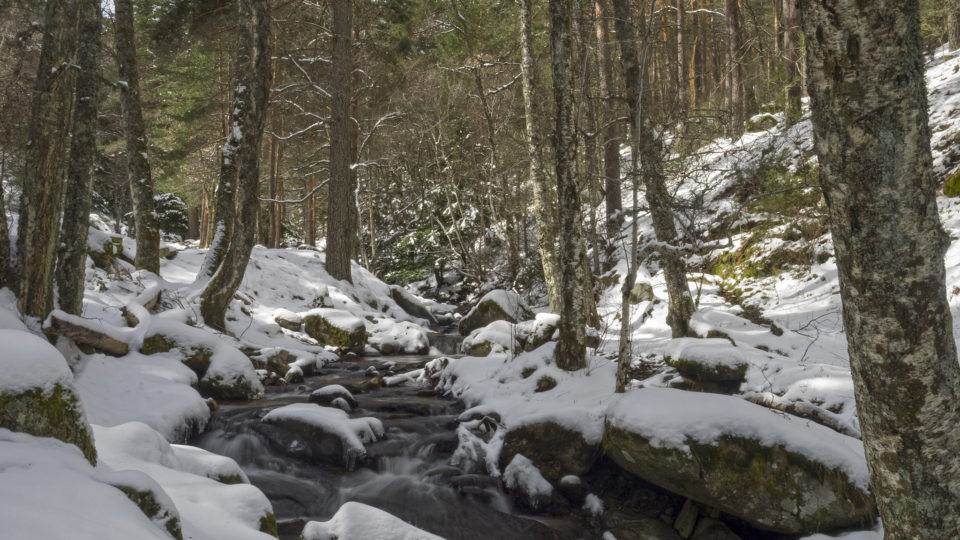
Hydraulic fracturing – better known as fracking – is a method of extracting oil and gas from shale deposits in which millions of gallons of freshwater and chemicals are injected into deep underground deposits. There has been a great deal of concern related to the effects that this process has on water quality and also on the stability of the ground in the vicinity of where it takes place.
Reviled Animals Can Be Beneficial
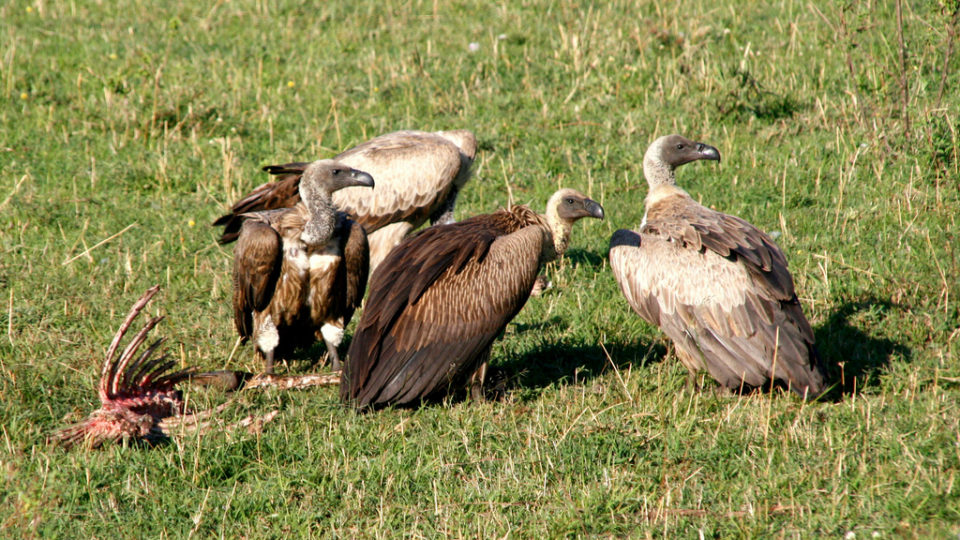
Predators and scavengers are widely persecuted by people because they are often harmful to property, livestock, and human beings. Nonetheless, research has shown that many of these animals play important roles in ecosystems and their removal can be quite harmful.
Is The World’s Largest Sea Turtle No Longer Endangered?
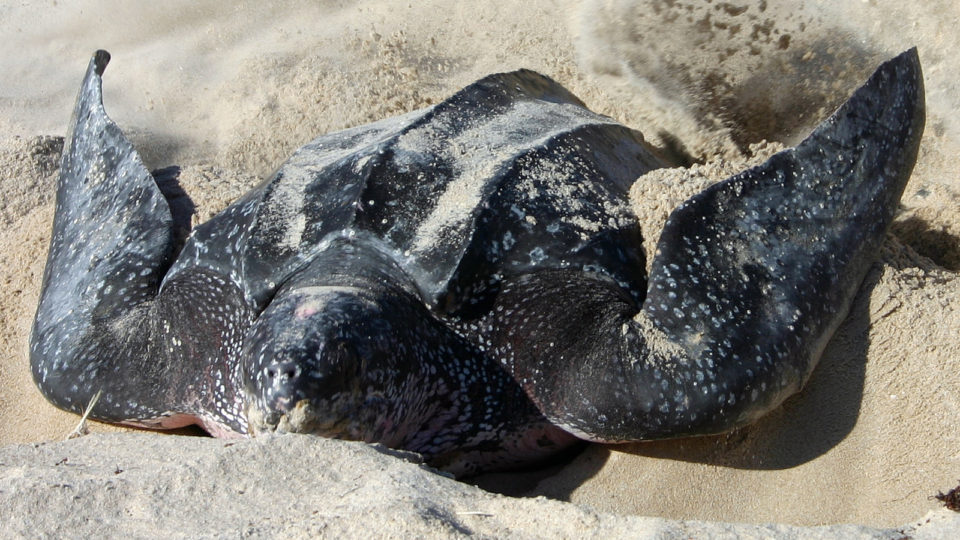
The rapid disappearance of many plants and animals around the world has many scientists saying we are experiencing a sixth mass extinction – the first since the dinosaurs were wiped out some 66 million years ago. Despite all sorts of conservation efforts, living things are struggling as a result of climate change, habitat loss, and countless other natural and manmade pressures. Conservation success stories have been few and far between.
[Read more…] about Is The World’s Largest Sea Turtle No Longer Endangered?
Sea Turtle Populations Are Rebounding
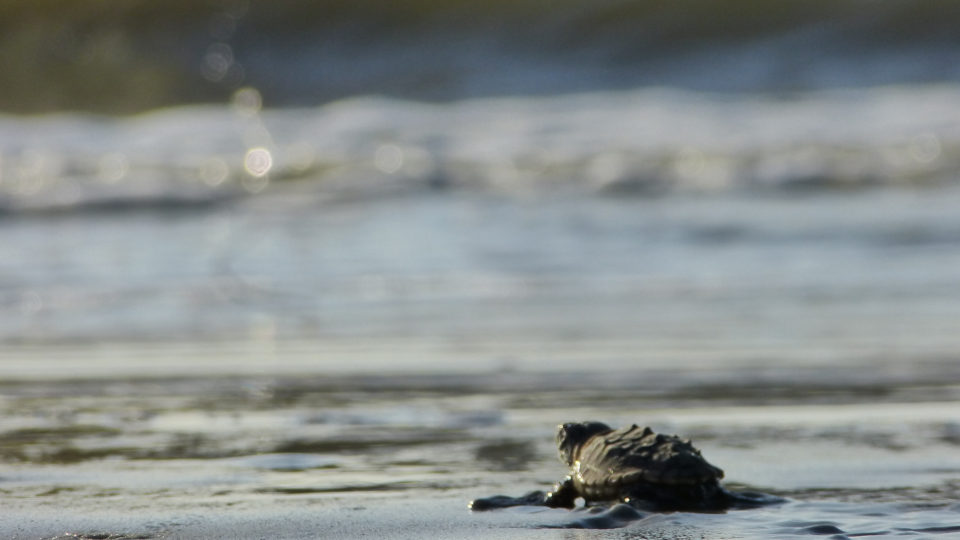
The increasing disappearance of so many plants and animals around the world has made many scientists believe that we are experiencing a sixth mass extinction. Despite ongoing conservation efforts, living things are struggling with habitat loss, climate change, and many other natural and man-made pressures. Conservation success stories seem to be rare events.
Dioxane And Drinking Water
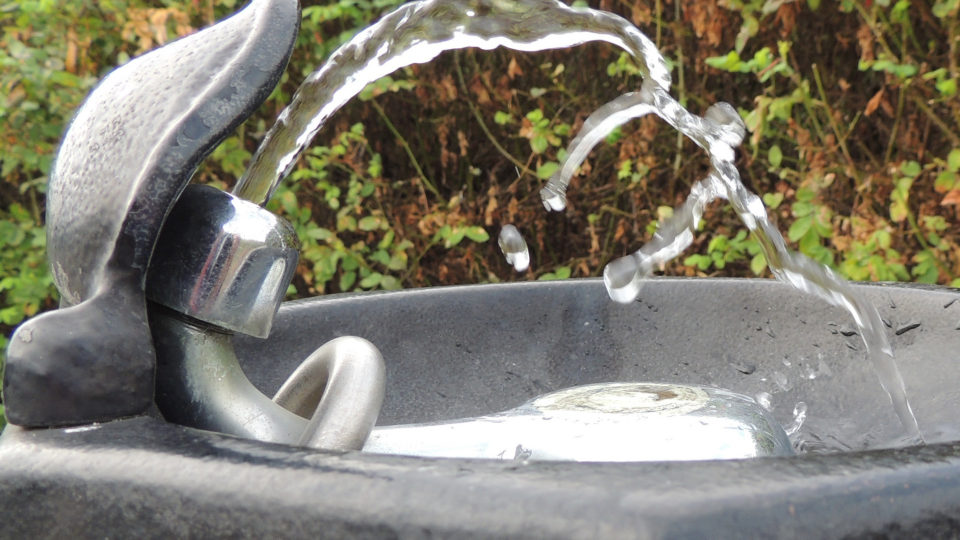
A byproduct of plastics production, dioxane is a clear, synthetic, liquid solvent that easily mixes with water. It’s frequently used in paint strippers, dyes, and varnishes, as well as shampoos and body washes – particularly those that are sudsy. Dioxane doesn’t really biodegrade and is widely regarded as a contaminant.
Super Blooms
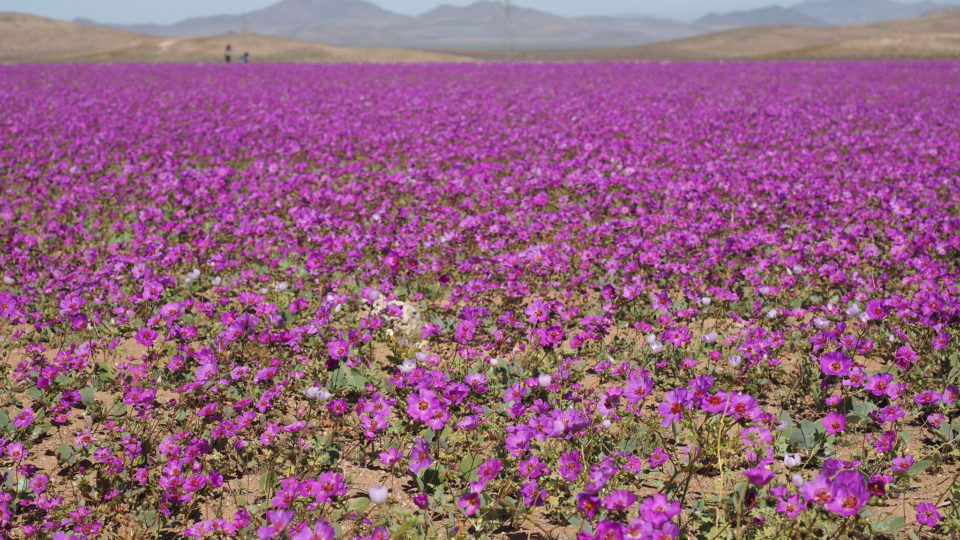
This past August one of the driest regions on Earth transformed from a barren desert to a sea of colorful flowers. Heavy rains in Chile’s Atacama Desert caused the phenomenon, locally known as the desierto florido or flowering desert. These things typically only happen every five to seven years, but the previous super bloom actually took place in 2015.
Can The Great Barrier Reef Be Saved?
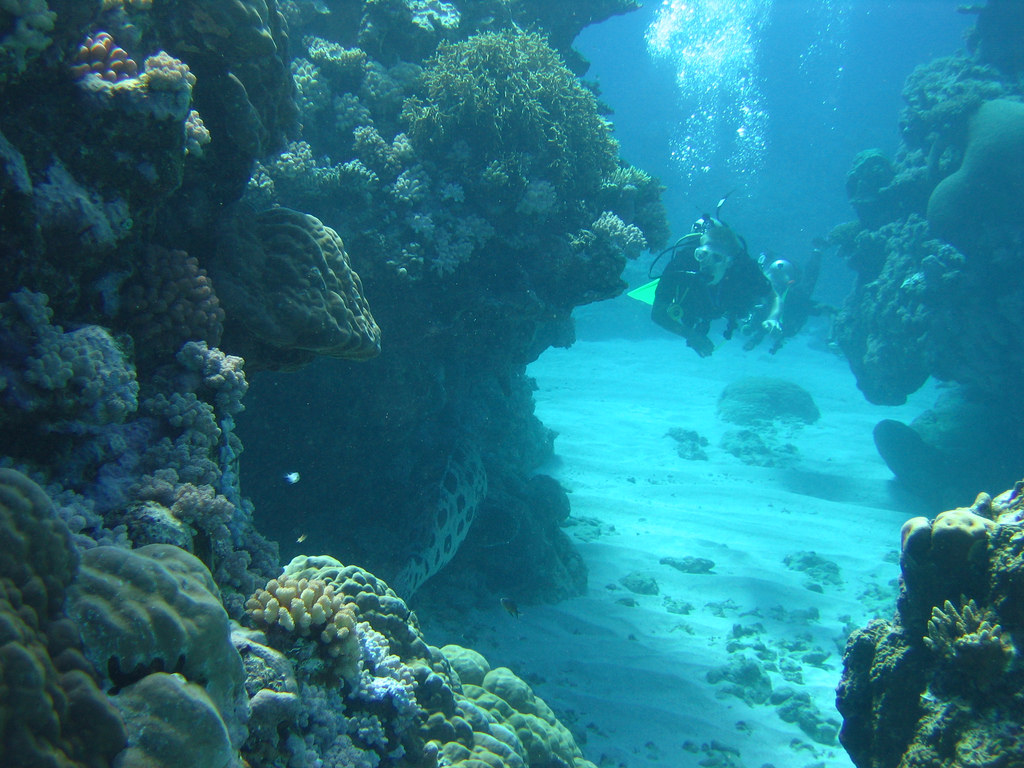
There have been many stories in the media about the ongoing environmental crisis at Australia’s Great Barrier Reef. Over the past two years, the reef has lost almost half of its coral because of bleaching events. Faced with this situation, the Australian government created the Reef 2050 Plan, a strategy to protect and maintain the reef through the year 2050.
Doing More Harm Than Good
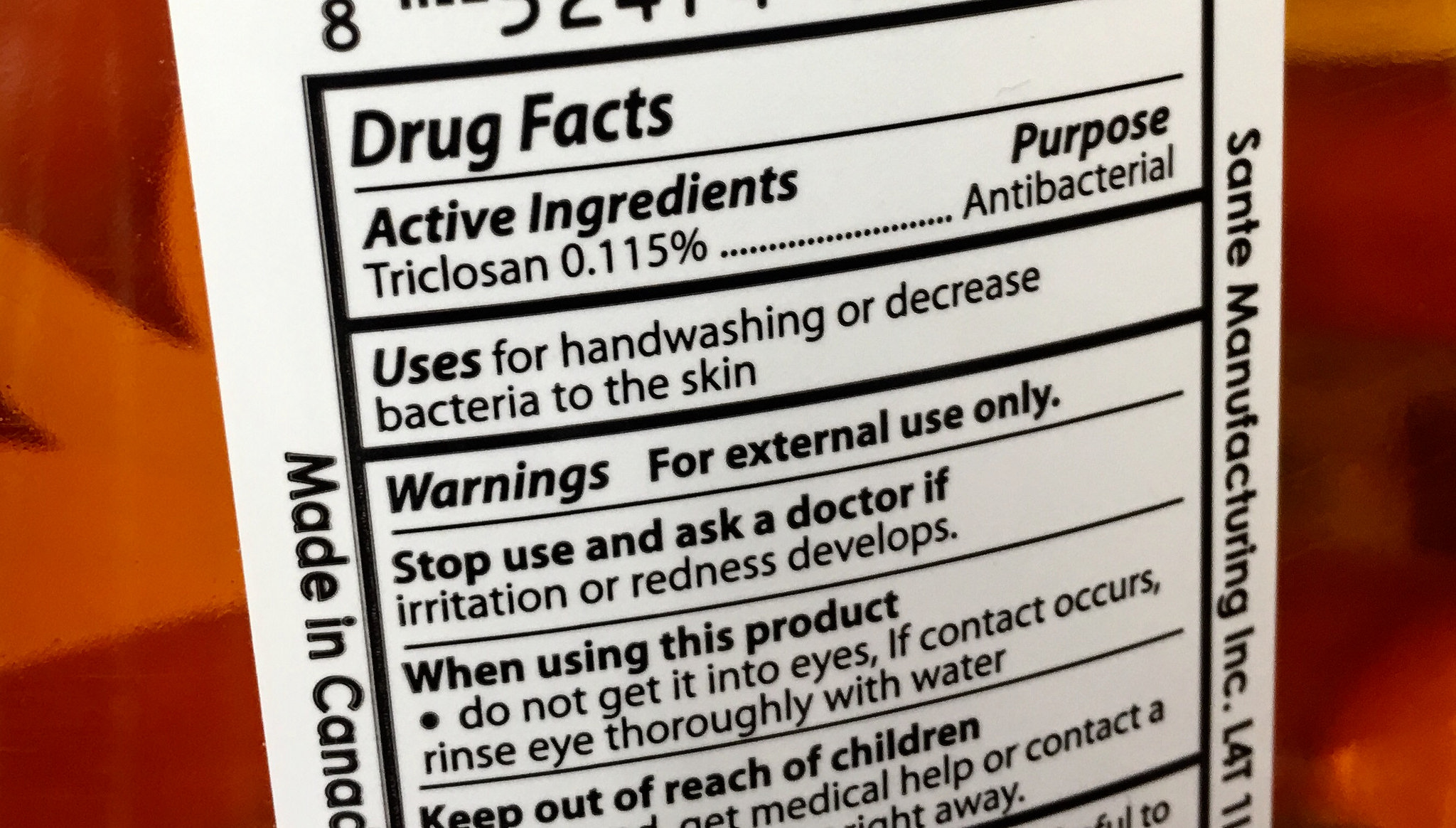
A group of more than 200 scientists and medical professionals has issued a consensus statement in the journal Environmental Health Perspectives urging that antimicrobial chemicals like triclosan and triclocarban should not be used in consumer products. The experts say that these substances offer no health benefits and are actually causing health and environmental harm.
Saving Borneo’s Forest
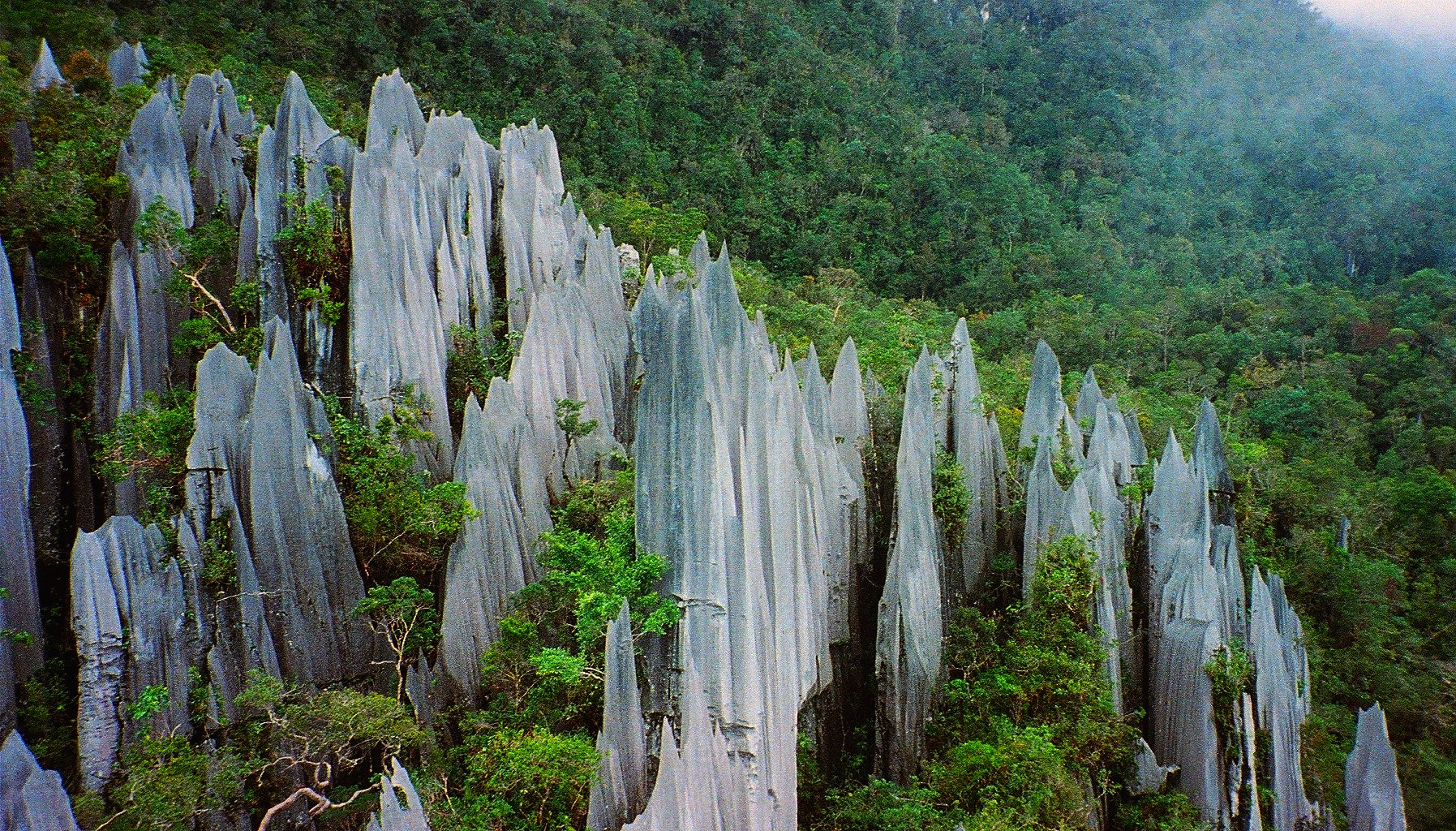
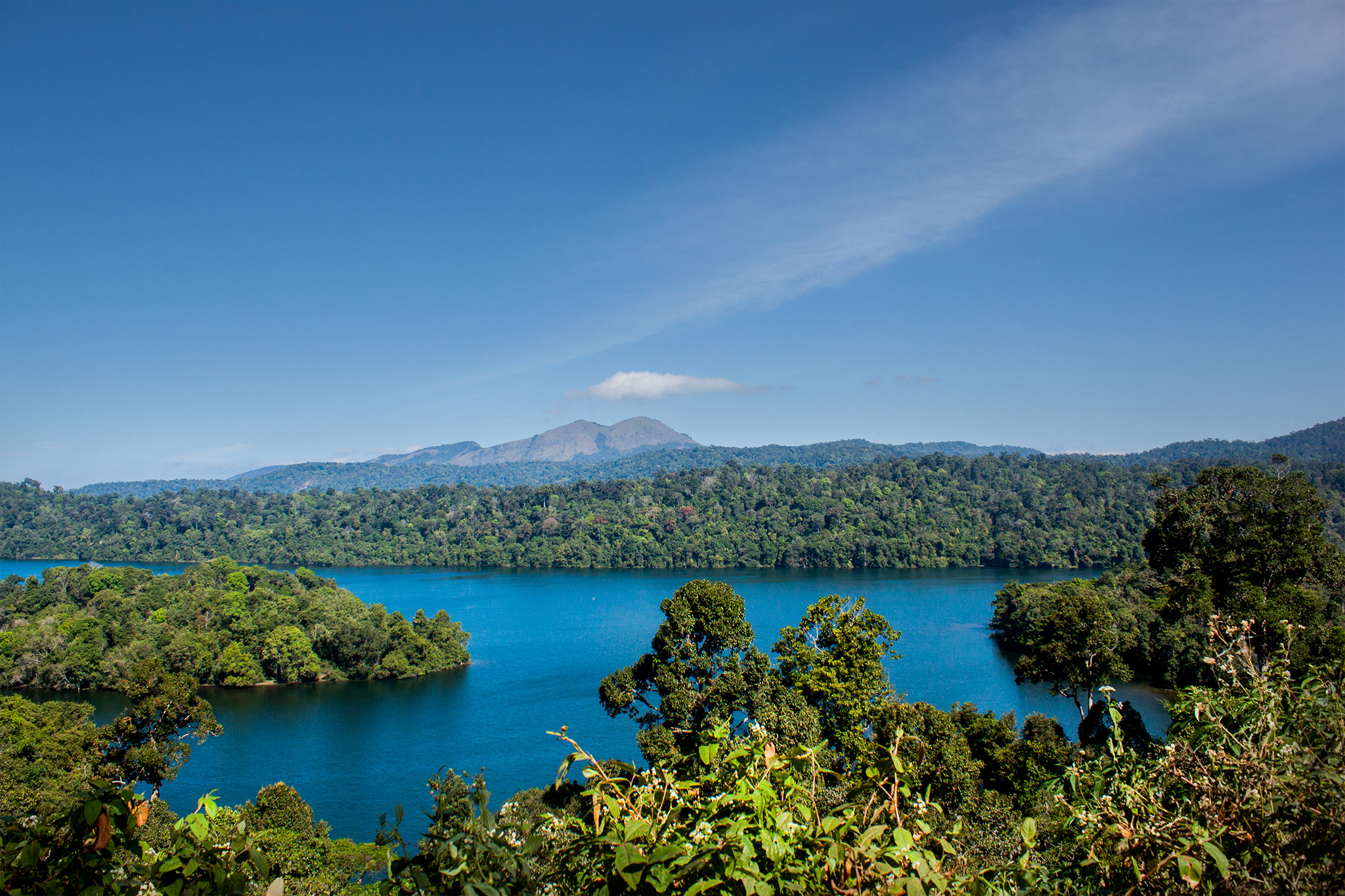
Borneo is the third-largest island in the world, home to part of Indonesia, part of Malaysia, and the small sultanate of Brunei. It is also home to the oldest forest on earth – 130 million years old – which is more than twice as old as the Amazon rain forest.
Mapping Risk
The International Union for Conservation of Nature (IUCN) is the global authority for determining species’ vulnerability in the face of threats such as habitat loss and climate change. How widely a species can be found – its geographic range – is a key indicator used by the IUCN to assign an appropriate conservation status.
Melting Ice Adds Life To The Sea
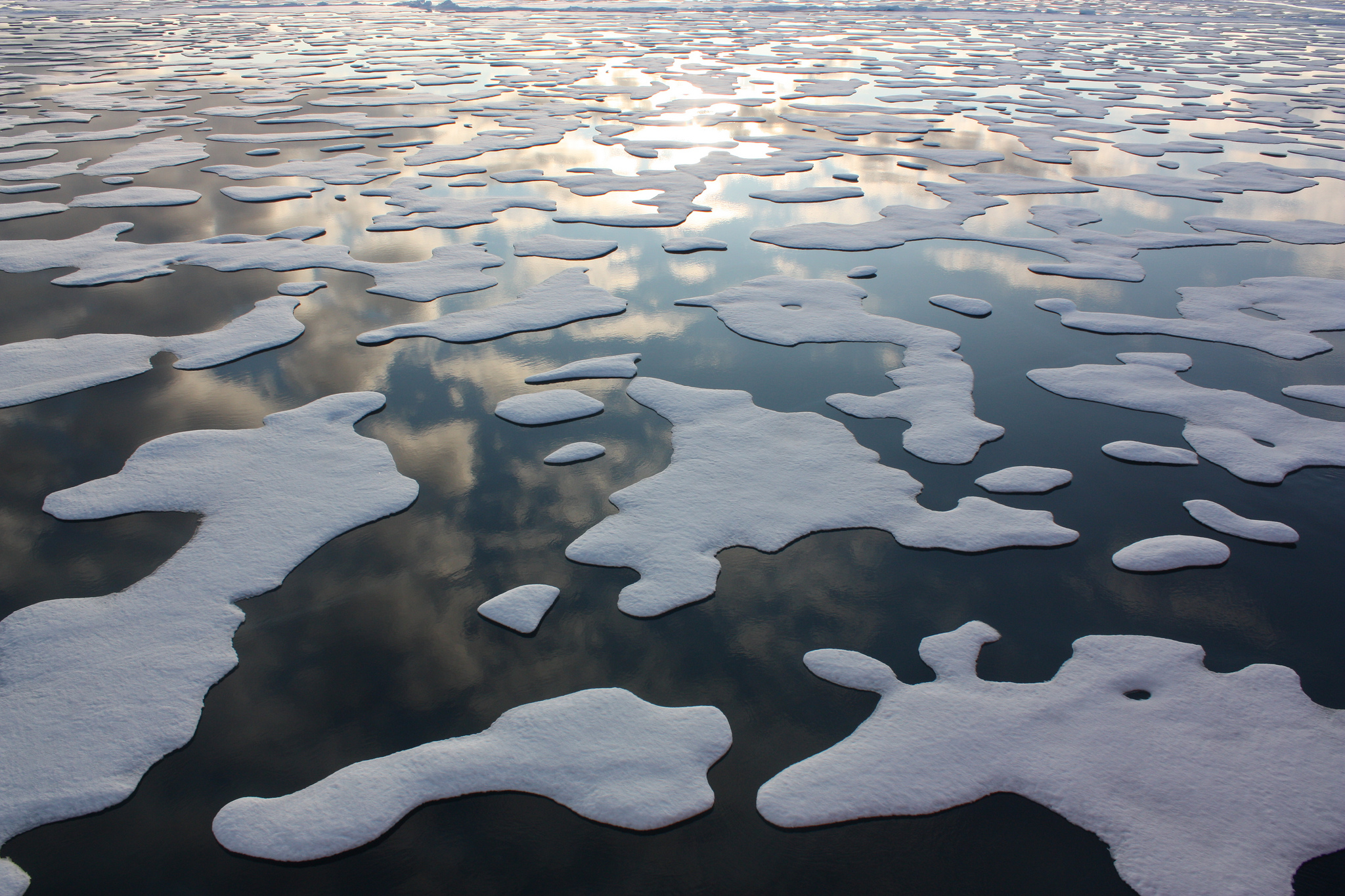
The changing climate has many effects upon the world’s ecosystems, some of which are surprising. One of these relates to the effect of the increasing melting of ice in the Arctic. The ice melt is leading to more life in the Arctic sea.
Pesticides And Food Insecurity
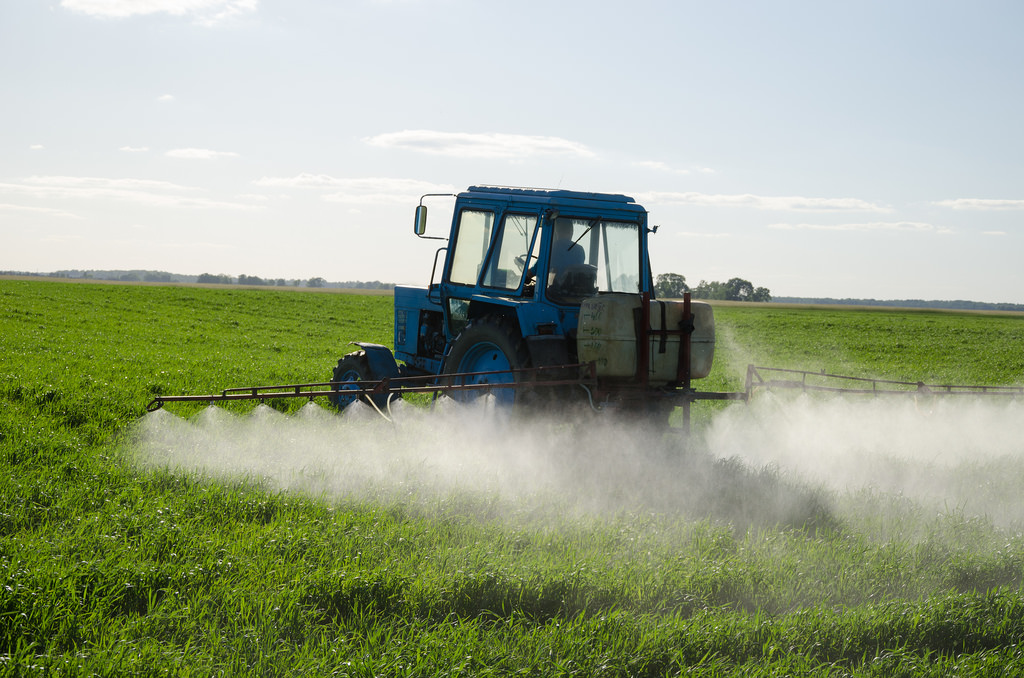
A newly released report by the United Nations takes a strong stance against the use of industrial agrochemicals, saying that they are not necessary for feeding the world. The continued use of pesticides at the rate the world currently does in fact can have very detrimental consequences.
A Helpful Invader
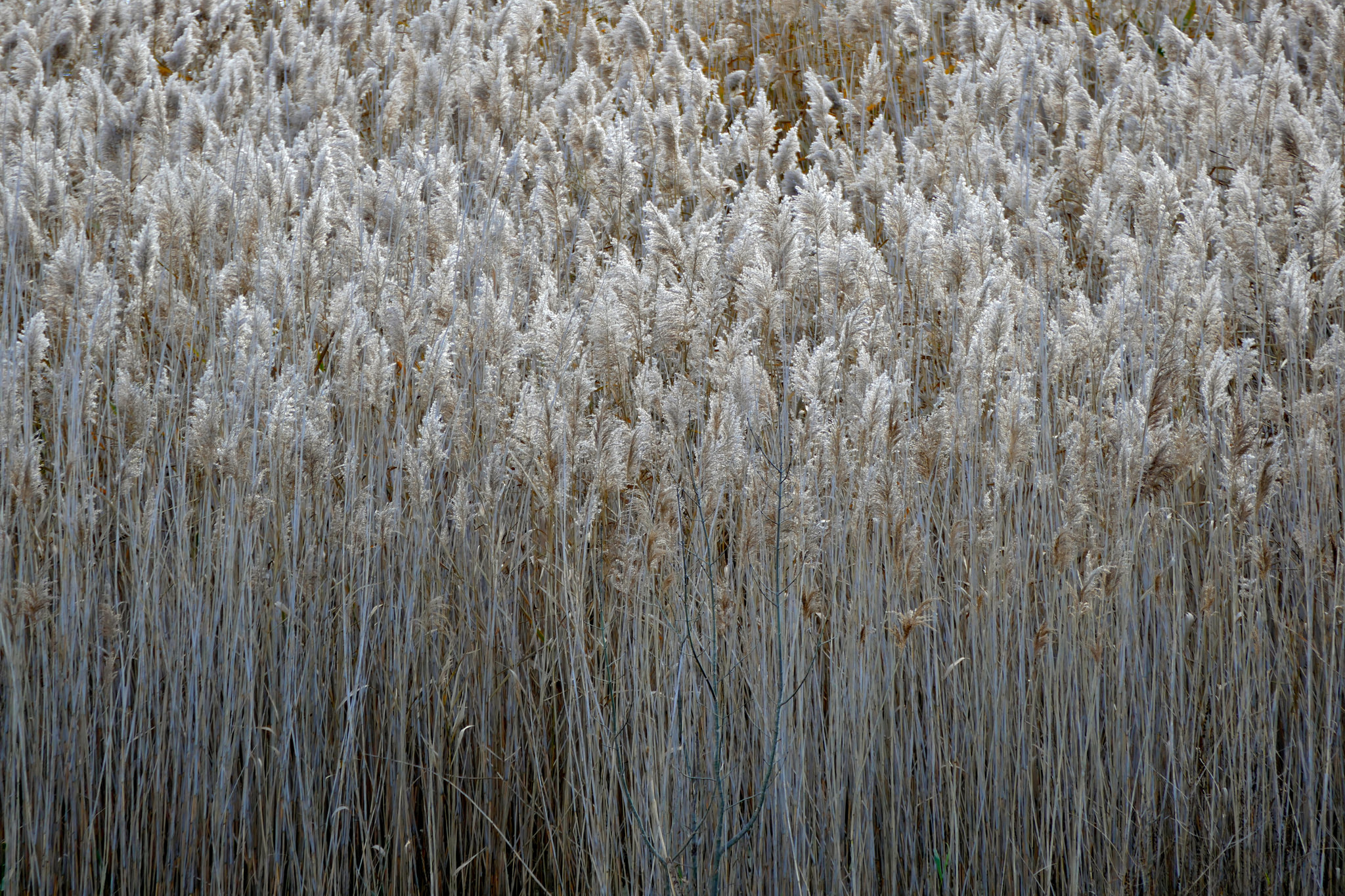
Invasive species are a great concern for the health and stability of ecosystems. They are defined as plants, animals or pathogens that are non-native to the ecosystem under consideration and whose introduction causes or is likely to cause harm. It is that latter consideration that isn’t always obvious.
Squeaking By
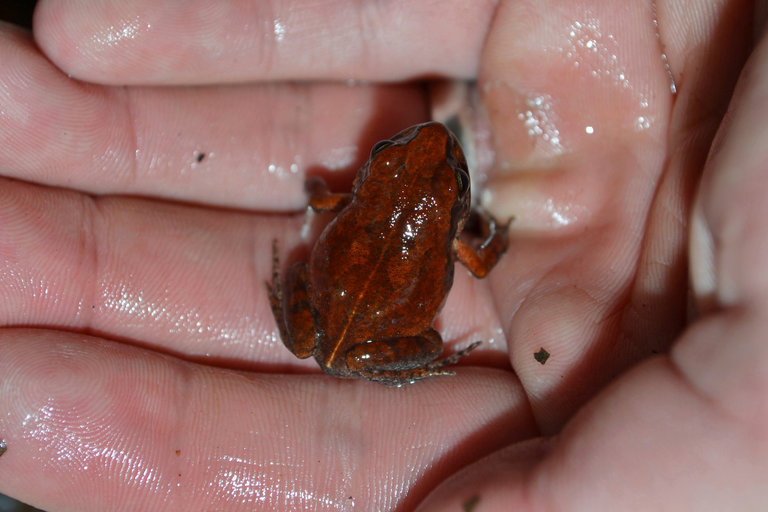
Amphibians are one of the most threatened groups of animals on the planet. Since the late 1980s, scientists have measured dramatic population declines from locations all over the world. The plummeting amphibian populations are perceived to be one of the most critical threats to global biodiversity. According to the IUCN, about 1 of every 3 amphibian species is facing extinction. Some of the greatest threats facing amphibians include climate change, disease, and habitat destruction.
Saving Saharan Oases
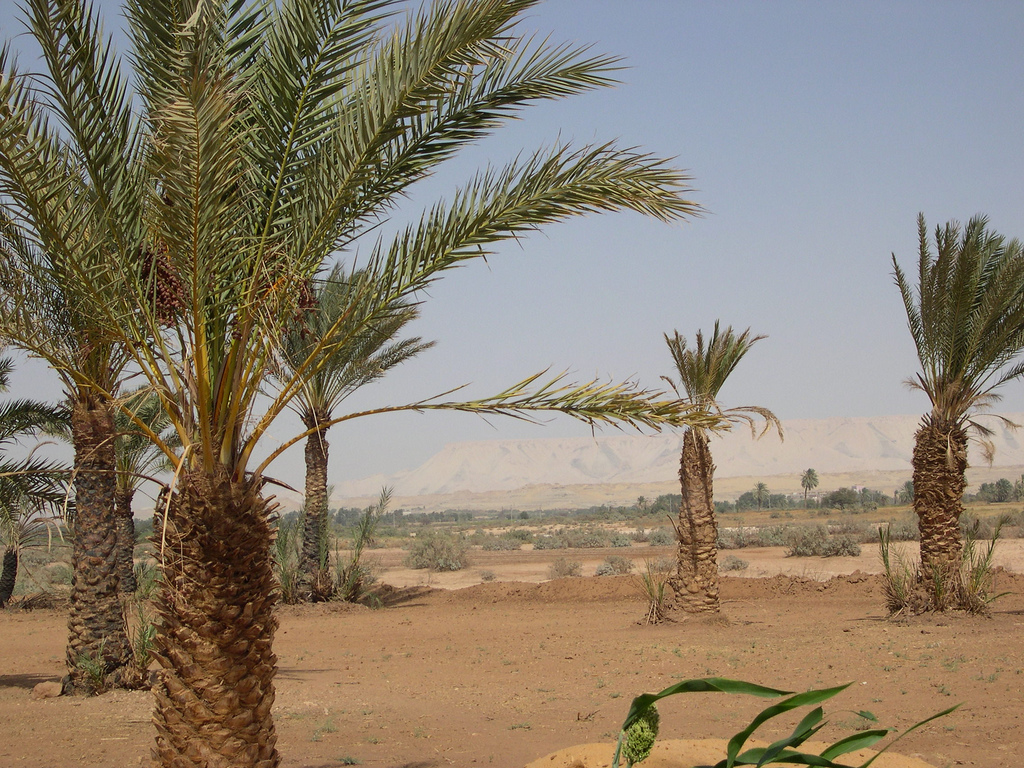
An oasis is an isolated area of vegetation in a desert, typically surrounding a spring or similar water source such as a pond or a small lake. Oases can provide habitat for animals as well as people. Oases have long been essential for trade and transportation routes in desert areas; caravans typically travel via oases so that supplies of water and food can be replenished.